
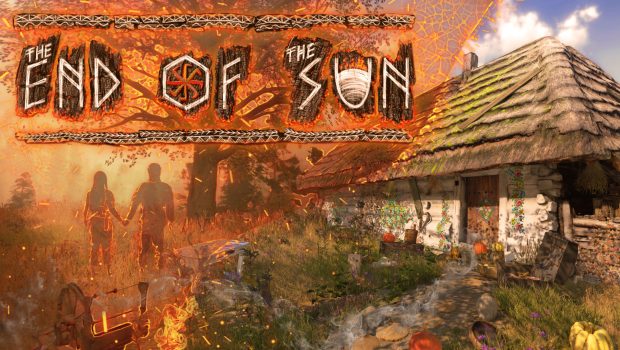
The End of the Sun Review (PS5)
Summary: Set in a world shaped by old folklore, this narrative-driven adventure leans into exploration and discovery. Its time-shifting structure encourages you to piece together events from different moments, creating a sense of curiosity that builds as you go. While it has a few rough edges, its atmosphere and unique approach make it stand out in a genre that rarely explores this kind of setting.
3.5
Seasonal Secrets
Journey through the seasons to uncover hidden truths and the entities that lurk between! The End of the Sun is a first-person, story-driven mystery adventure developed by The End of the Sun Team and published by The End of the Sun Forge. It was originally released on January 29, 2025 for PC, with a PlayStation 5 version released on April 21, 2026 and an Xbox release planned for later. The game has a strong focus on Slavic mythology, something you don’t see explored very often in games. That alone makes it distinct since there are not a whole lot of games based around the subject, but it’s the way it blends folklore, rituals, and a grounded sense of mystery that really gives the game its hook. It’s a quiet and captivating world where you can piece the mystery together at your own pace.
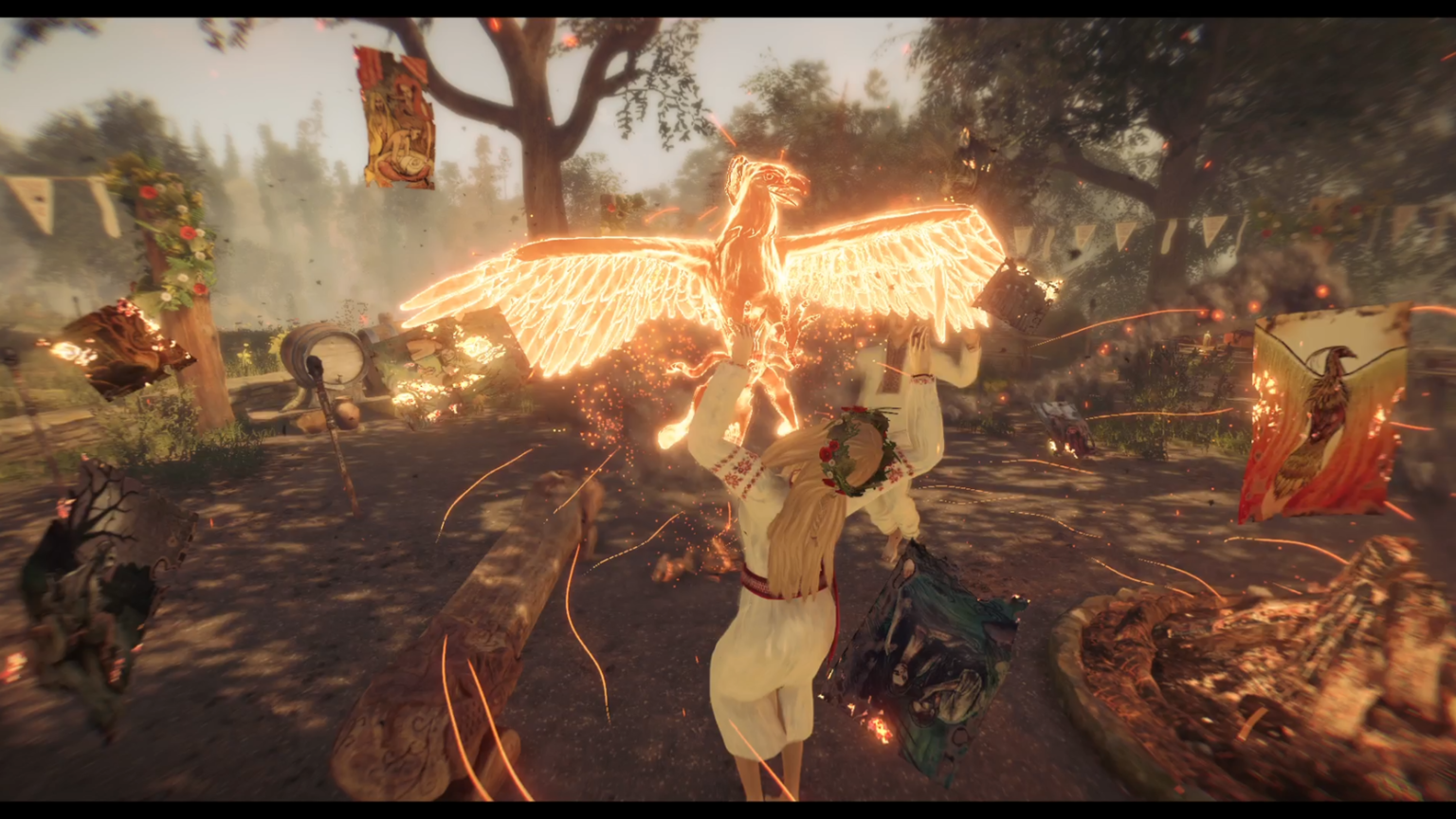
You play as the Ashter, a fire mage and tracker of mythical beings, following the trail of a legendary creature known as the Raróg, a massive fiery bird tied deeply to myth. Your search leads you to a village caught in a time rift, where reality feels fractured and the people who once lived there seem frozen in moments scattered across time. To get closer to the truth, you investigate these fragments, jumping between different points in time to understand what happened and how each person connects to the firebird. Early on, the story can feel a little distant, but the more you explore, the more it pulls you in. Because events are often discovered out of order, you might witness the aftermath of something before you ever see its cause, which creates a natural sense of curiosity. Over time, the personal stories of the villagers, especially those tied to a central family and important seasonal festivals, begin to click into place, and by then it’s hard not to want to see how it all resolves.
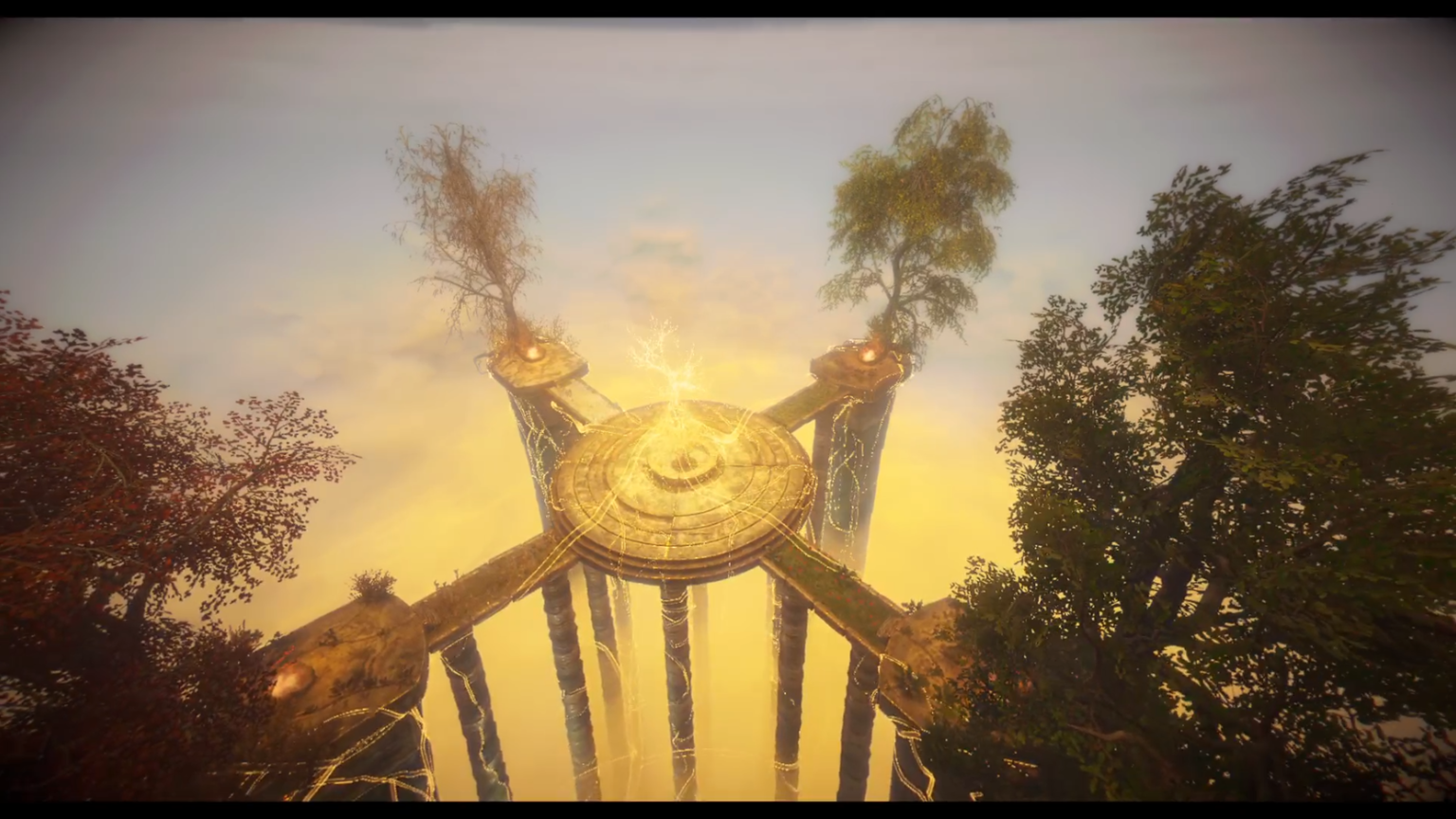
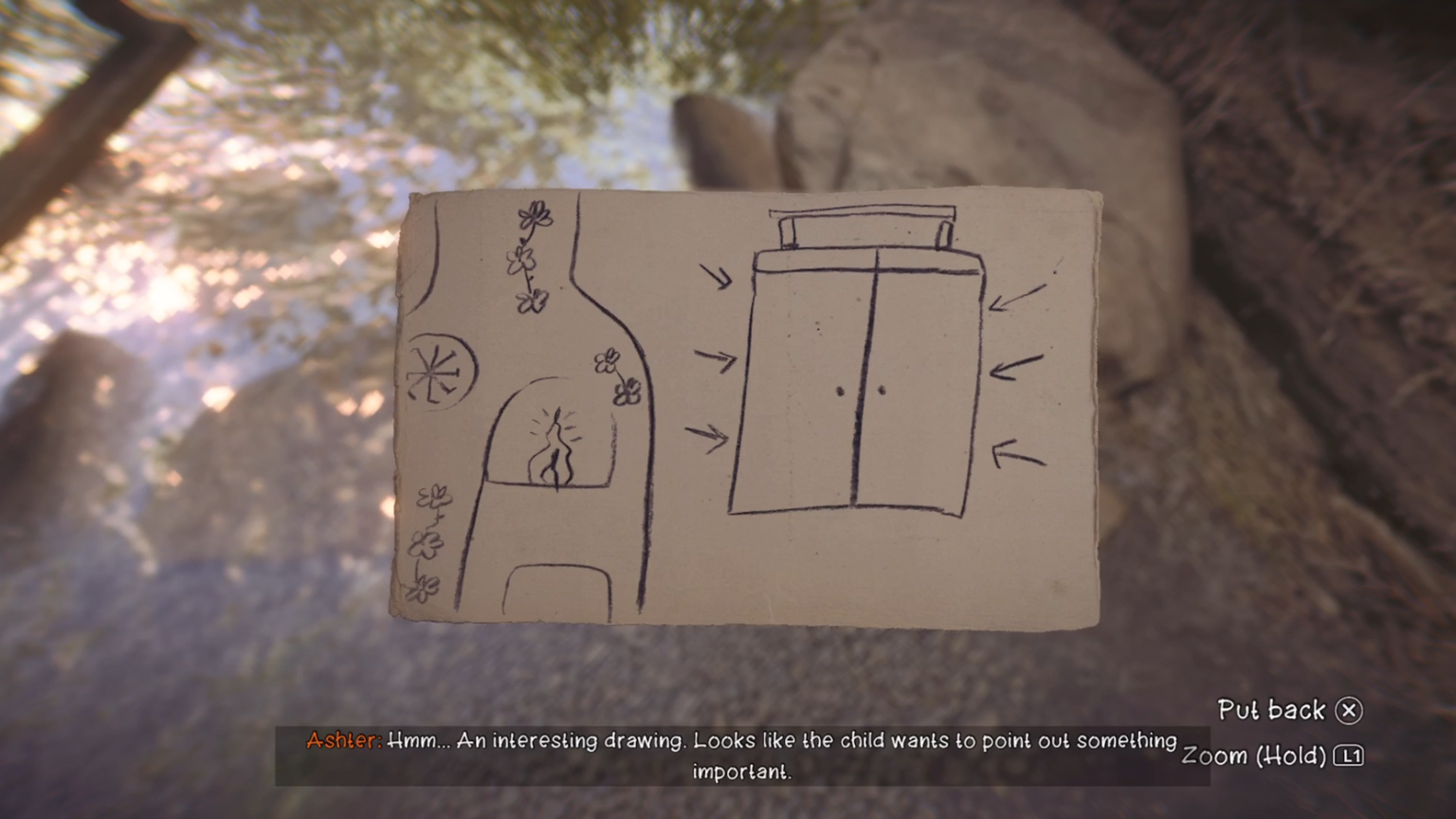
In The End of the Sun, you’re moving through the world, interacting with objects, examining clues, and solving light environmental puzzles. Your main objective revolves around traveling between the village and a mystical realm centered around the World Tree, where you can choose which season to visit. Each season represents a different point in time, and the same locations can look and function very differently depending on when you visit them. A blocked path in autumn might be open in spring, or helping someone build a structure in one timeline might create a shortcut that carries over into others. It’s a creative system that constantly encourages you to think across time rather than just in the moment.
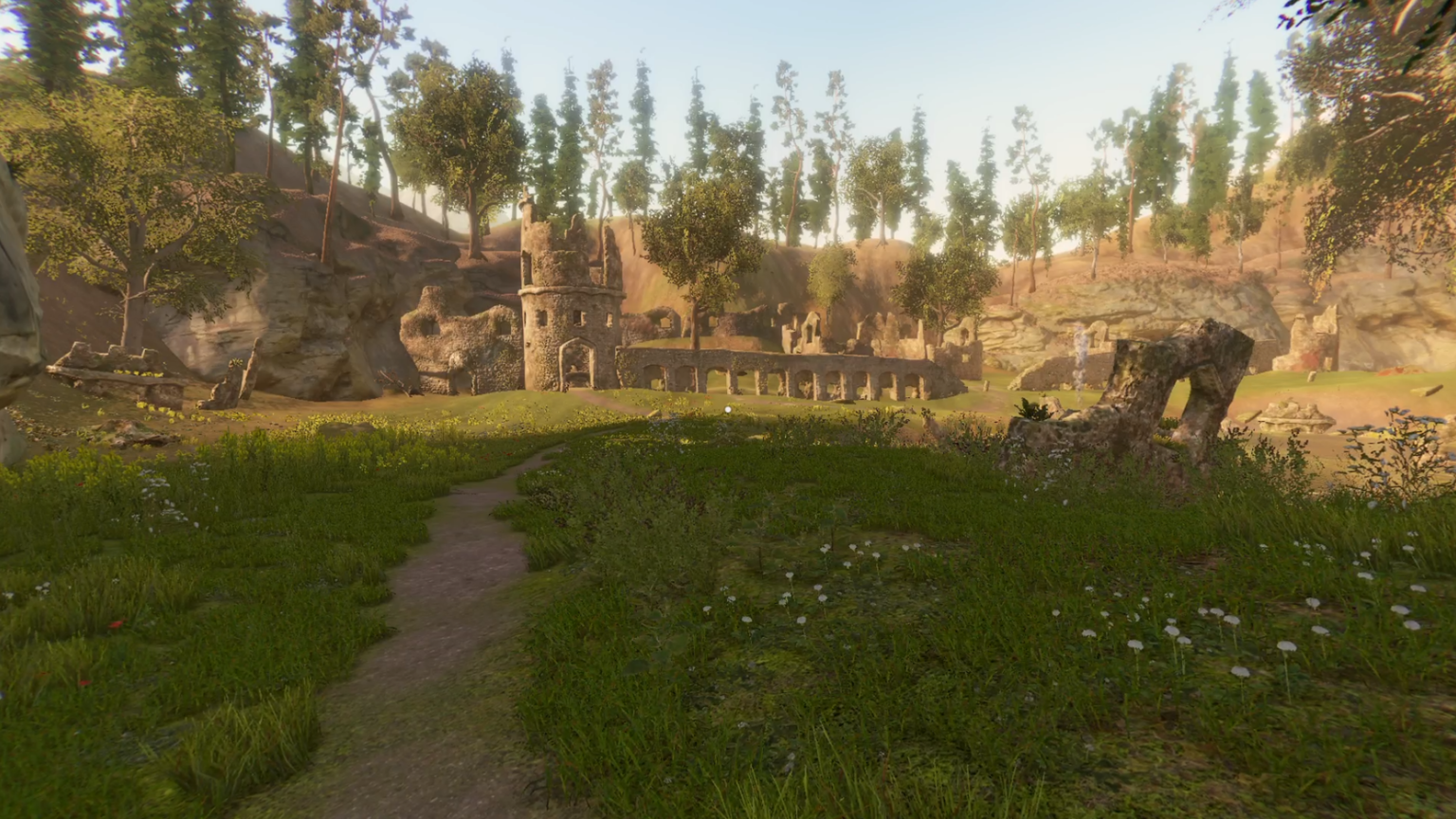
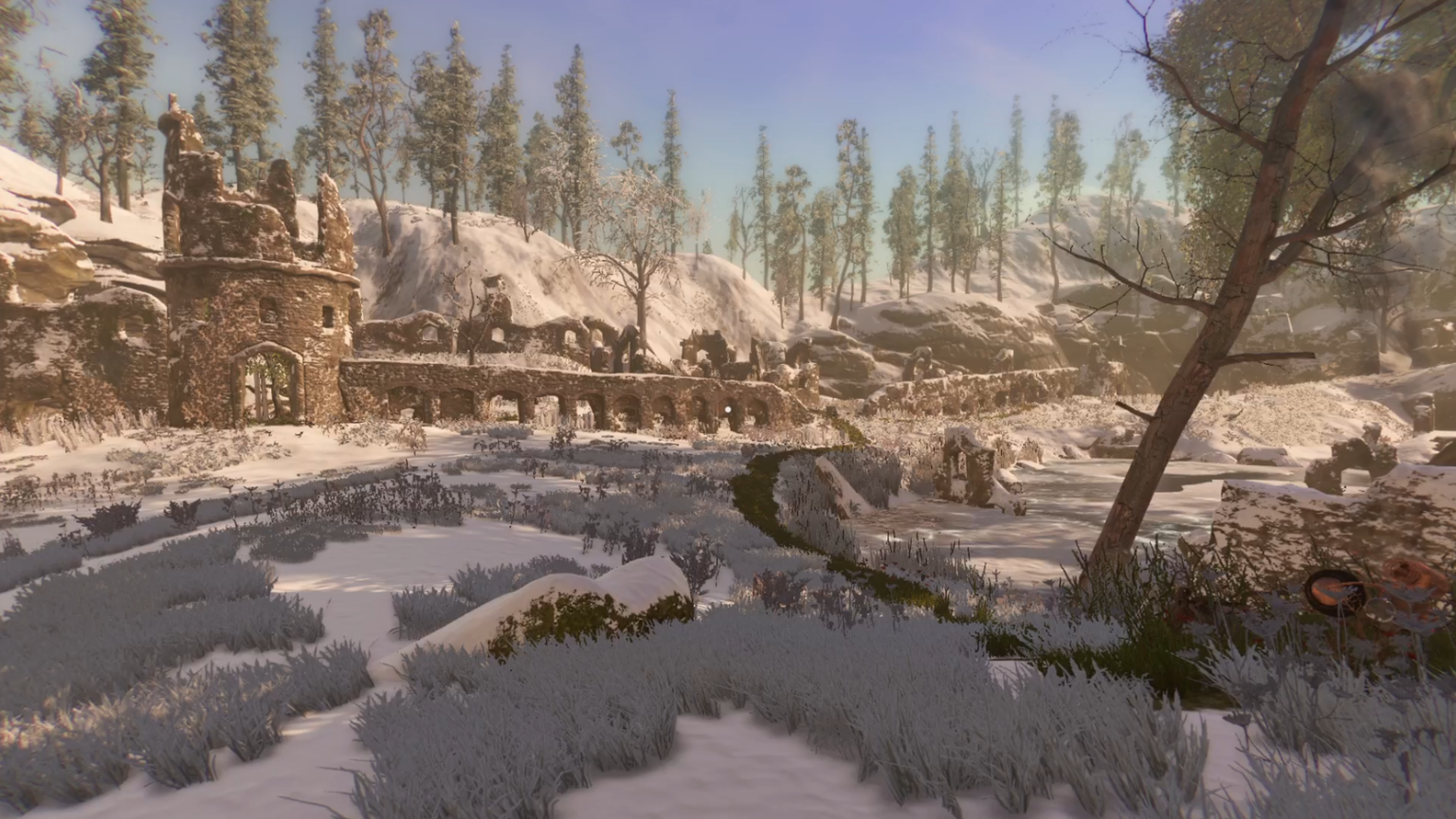
Bonfires act as the heart of this system. When you discover one, lighting it sends out trails of smoke that guide you toward memories tied to that location. Following those trails triggers scenes that play out like living echoes of the past. Sometimes you simply watch them unfold, but other times something will be off, and that’s where the puzzle element comes in. You might need to bring an item from a completely different memory to complete the scene properly, or change an outcome by placing an object where it wasn’t before. These moments can be small, like helping someone continue a journey by giving them a missing item, or more involved, like preventing an accident by adjusting the environment. Completing all the memories linked to a bonfire resolves it, often rewarding you with a feather from the firebird, a key item, or access to new areas.
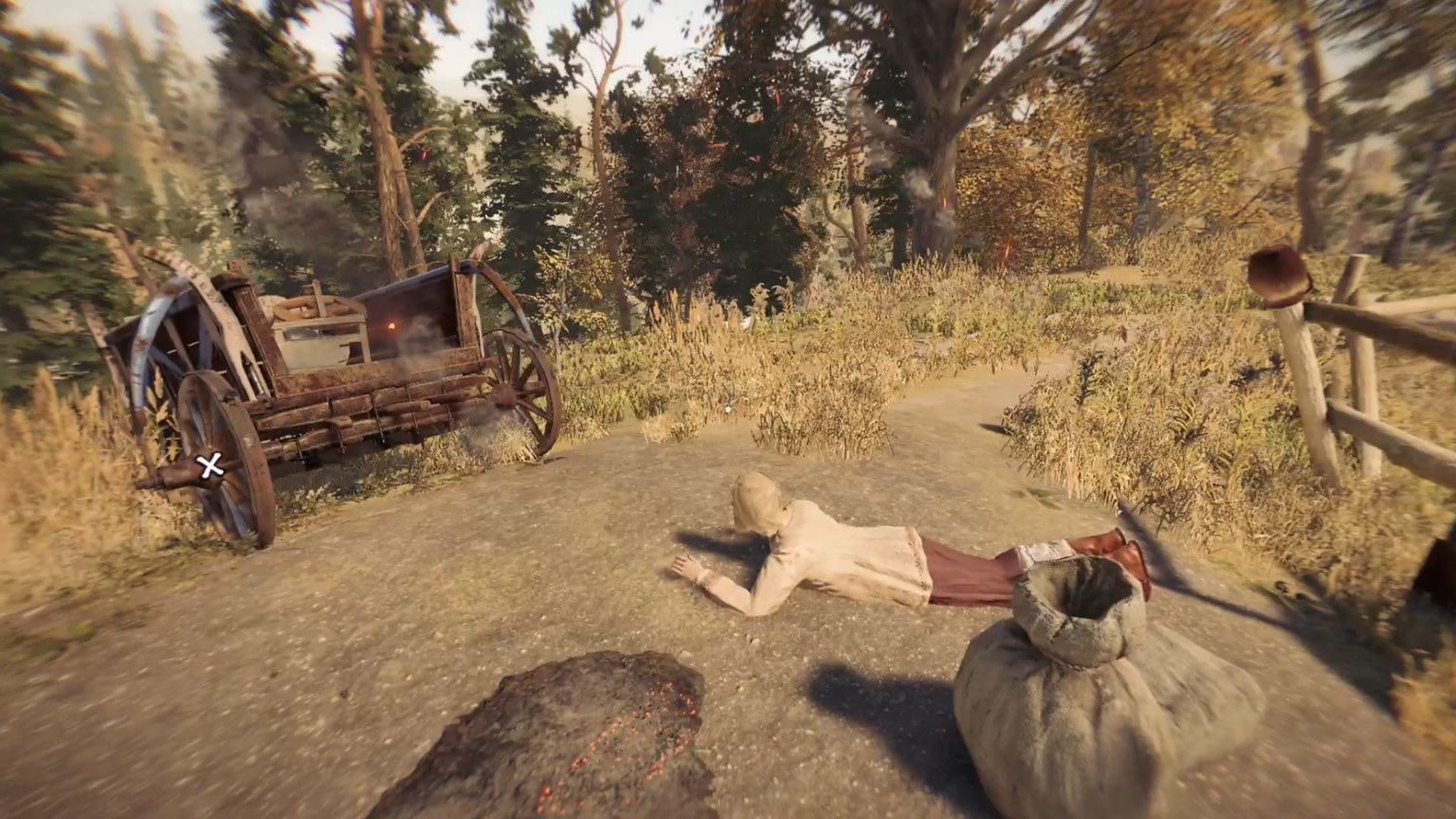
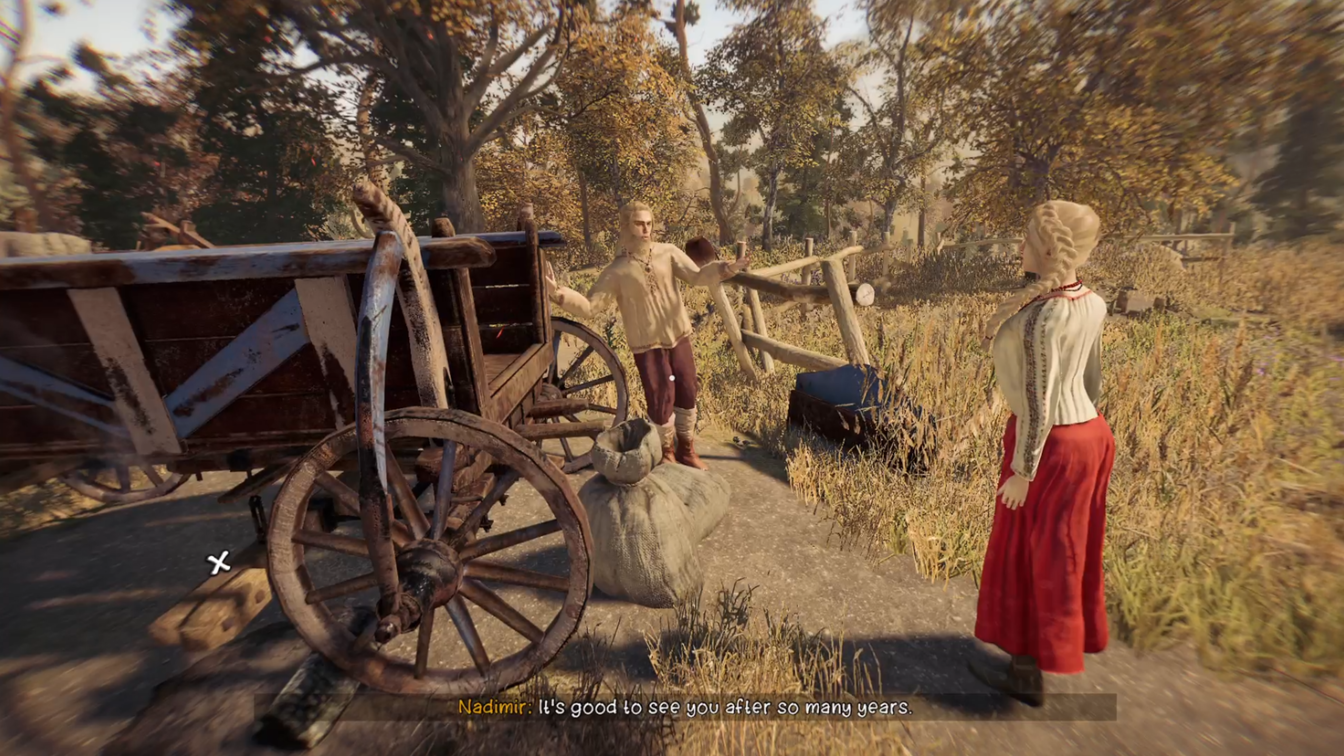
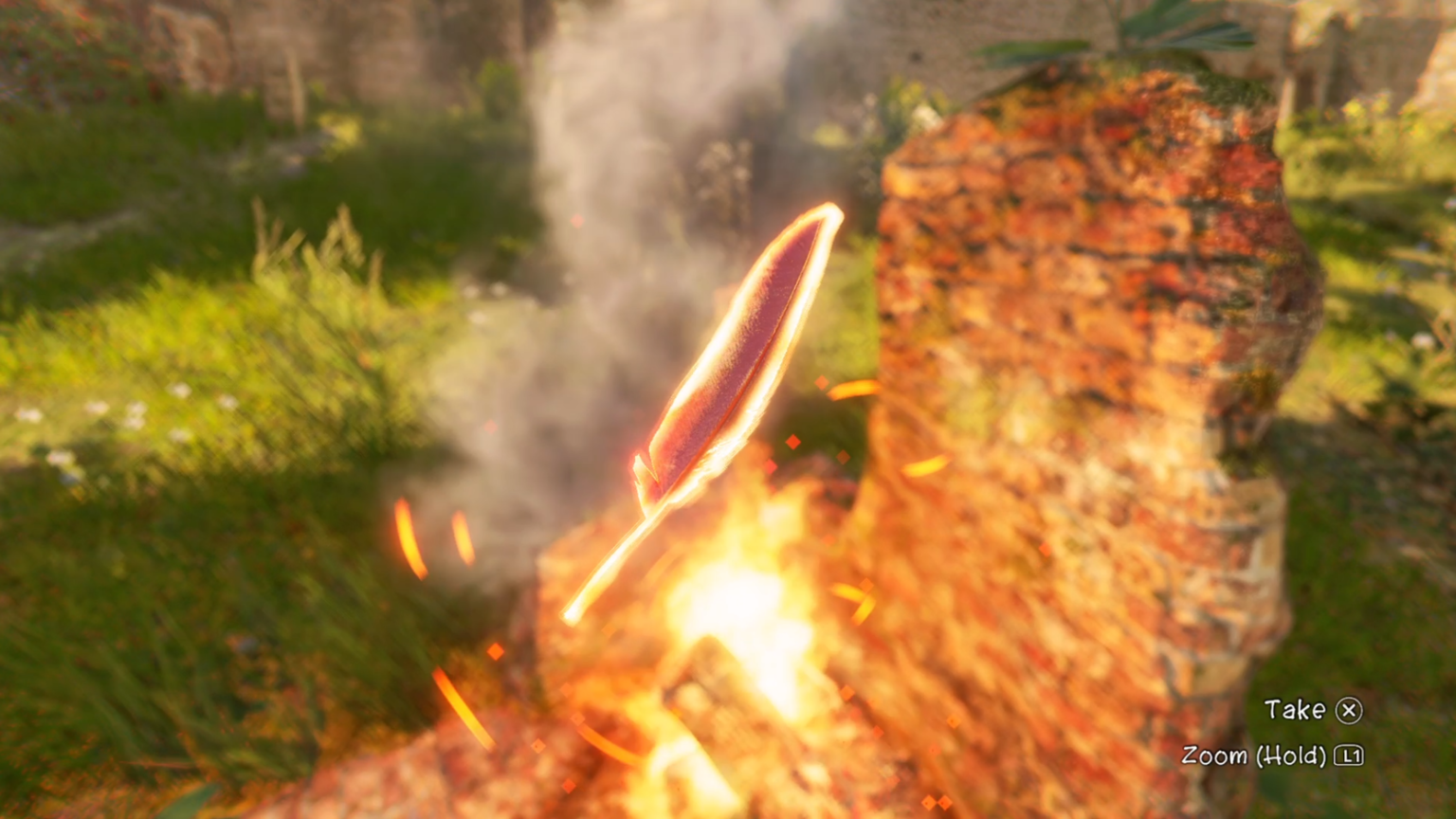
This system feeds directly into exploration, which is easily one of the game’s strongest elements. Moving through the village feels purposeful because you’re constantly uncovering connections between events, objects, and timelines. Even without fast travel, which might seem like an odd omission at first, the design makes sense. The act of running through the world, retracing your steps, and noticing changes is part of the experience. It reinforces the idea that you’re learning the space, not just passing through it, which really helps sell that the village is a character itself. That said, there are moments where the lack of guidance can slow things down, especially early on when the game doesn’t do much to explain its gameplay loop. You can spend a chunk of time just figuring out how everything works before it clicks, which may test your patience depending on how you approach games like this.
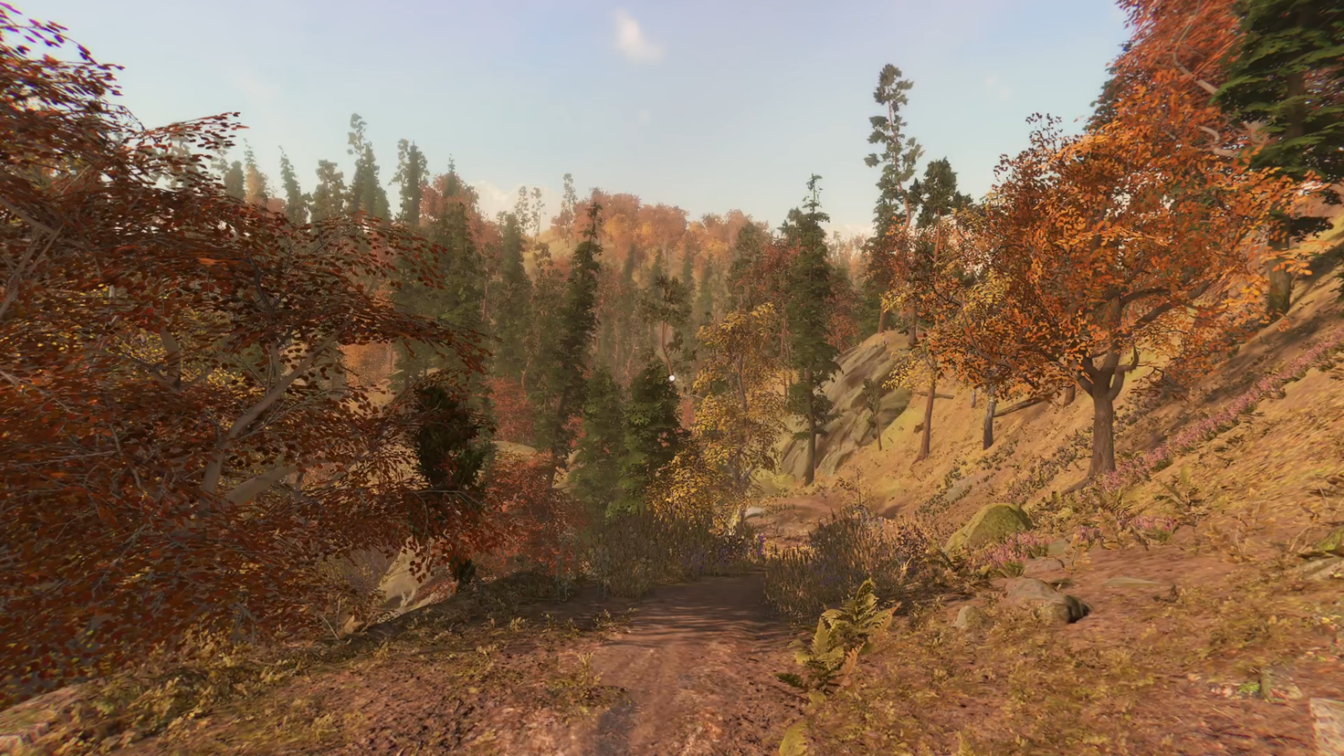
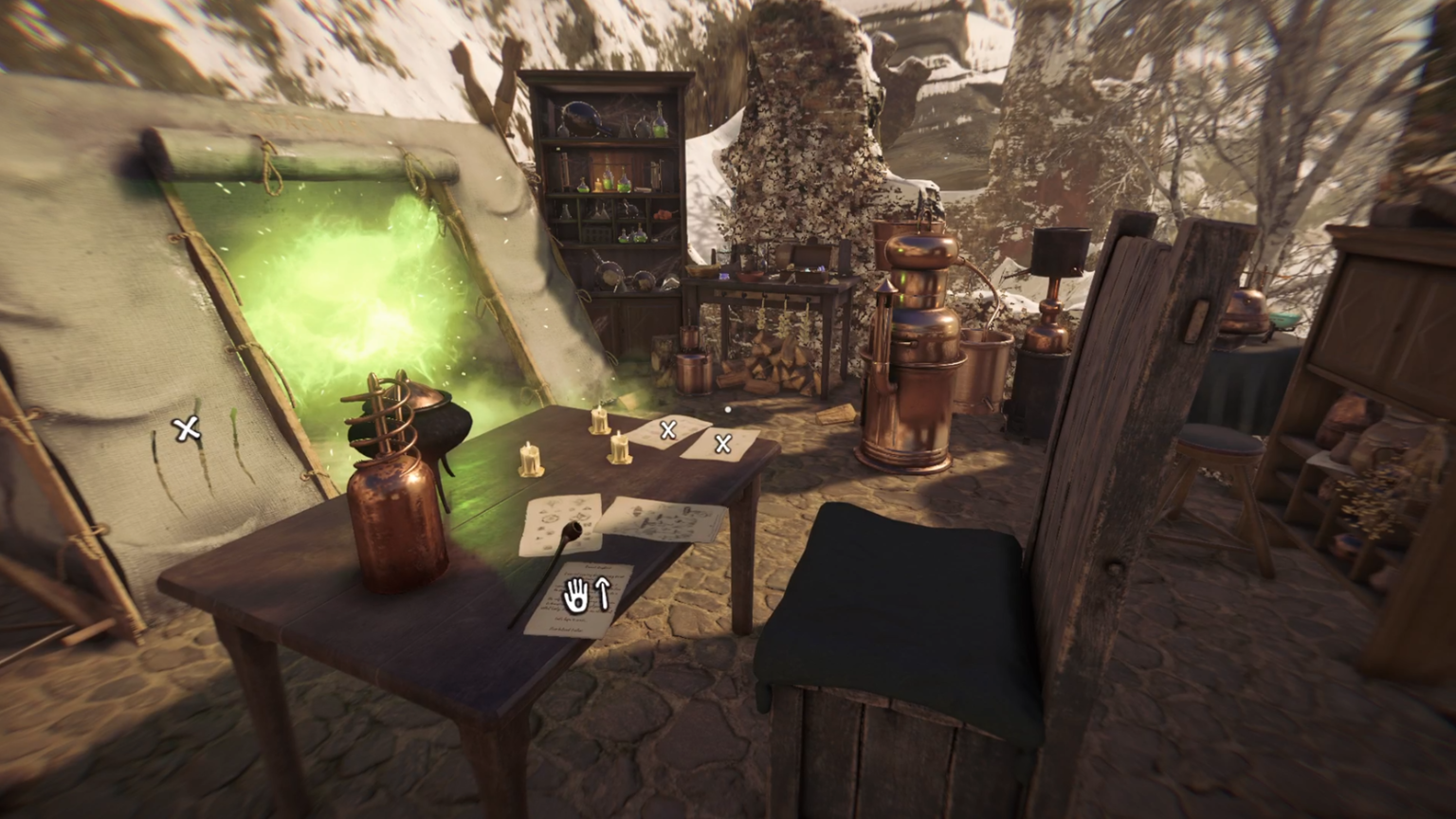
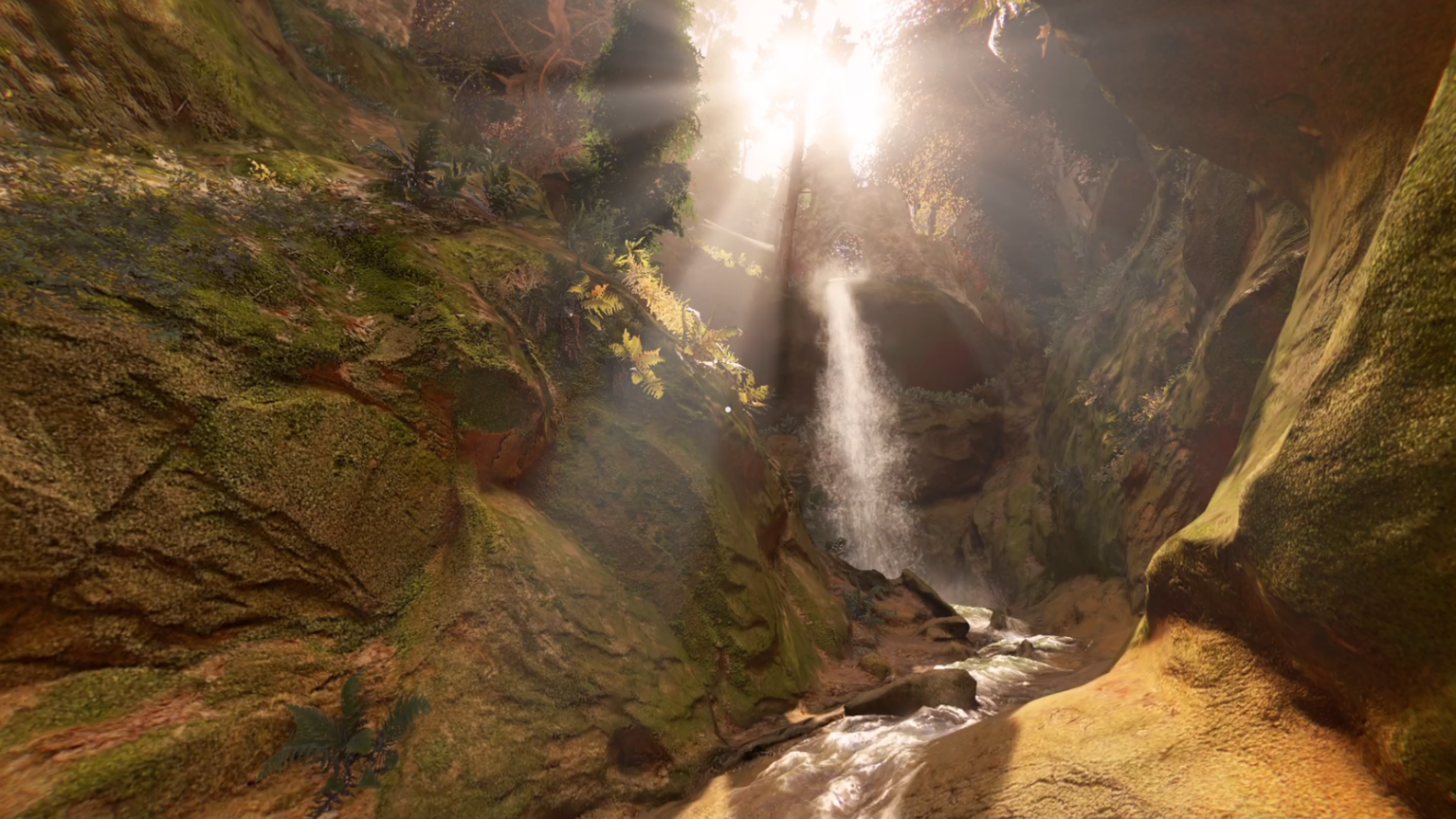
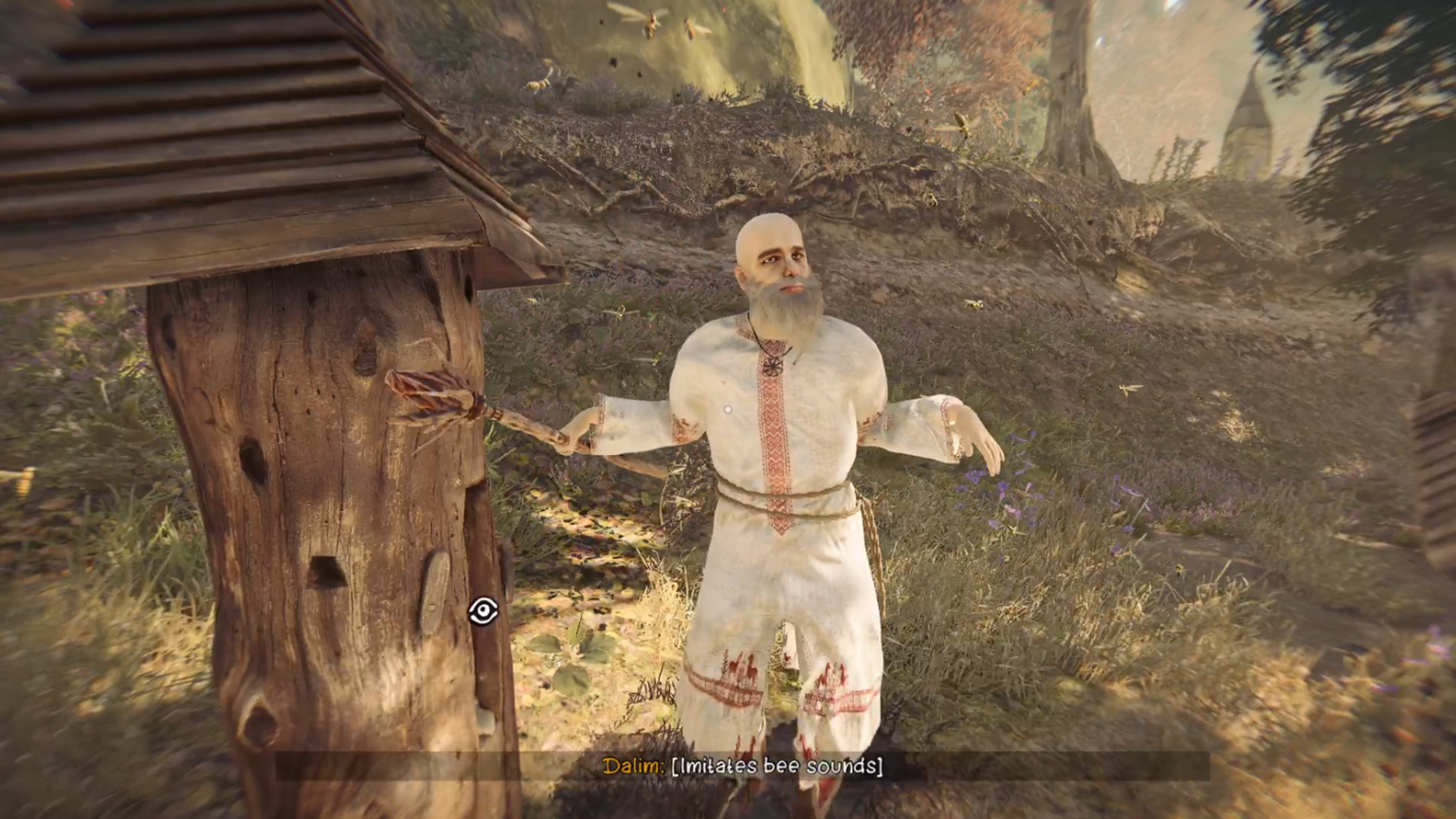
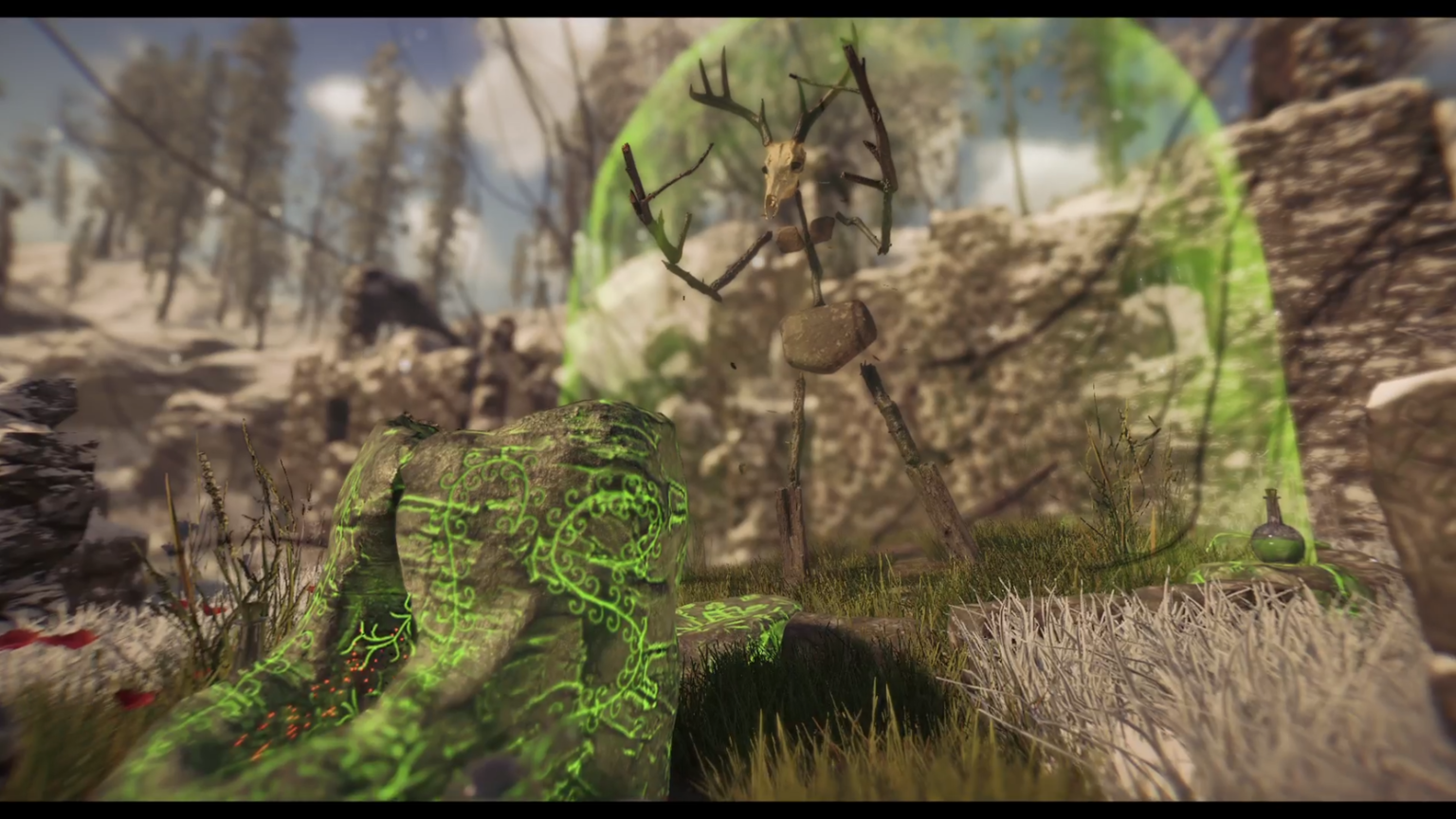
Visually, the game does a lot right. The environments are dense and detailed, with forests that feel alive, water that moves naturally, and lighting that shifts in a way that reinforces the passage of time. The use of real-world references and photogrammetry gives the world a grounded quality that you don’t quite get in other similar types of games. It’s easy to get lost just looking at the smaller details, from household items to the structure of the buildings themselves. The one major drawback is character models. Faces can look stiff and unnatural, and animations during dialogue don’t quite match the quality of the world around them. It’s noticeable, but it becomes less distracting as you settle into the game and its story. Performance is mostly stable, though there can be slowdowns later when moving quickly between areas, along with the occasional crash when switching seasons.
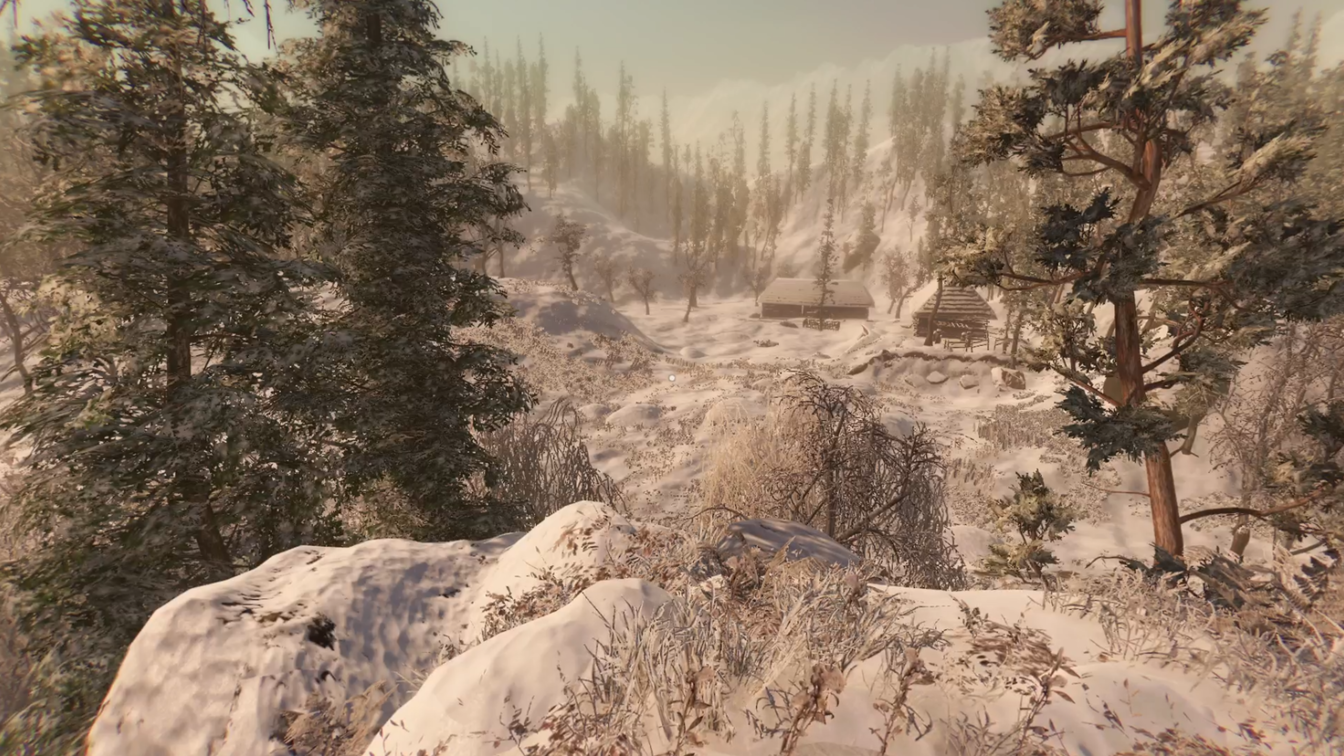
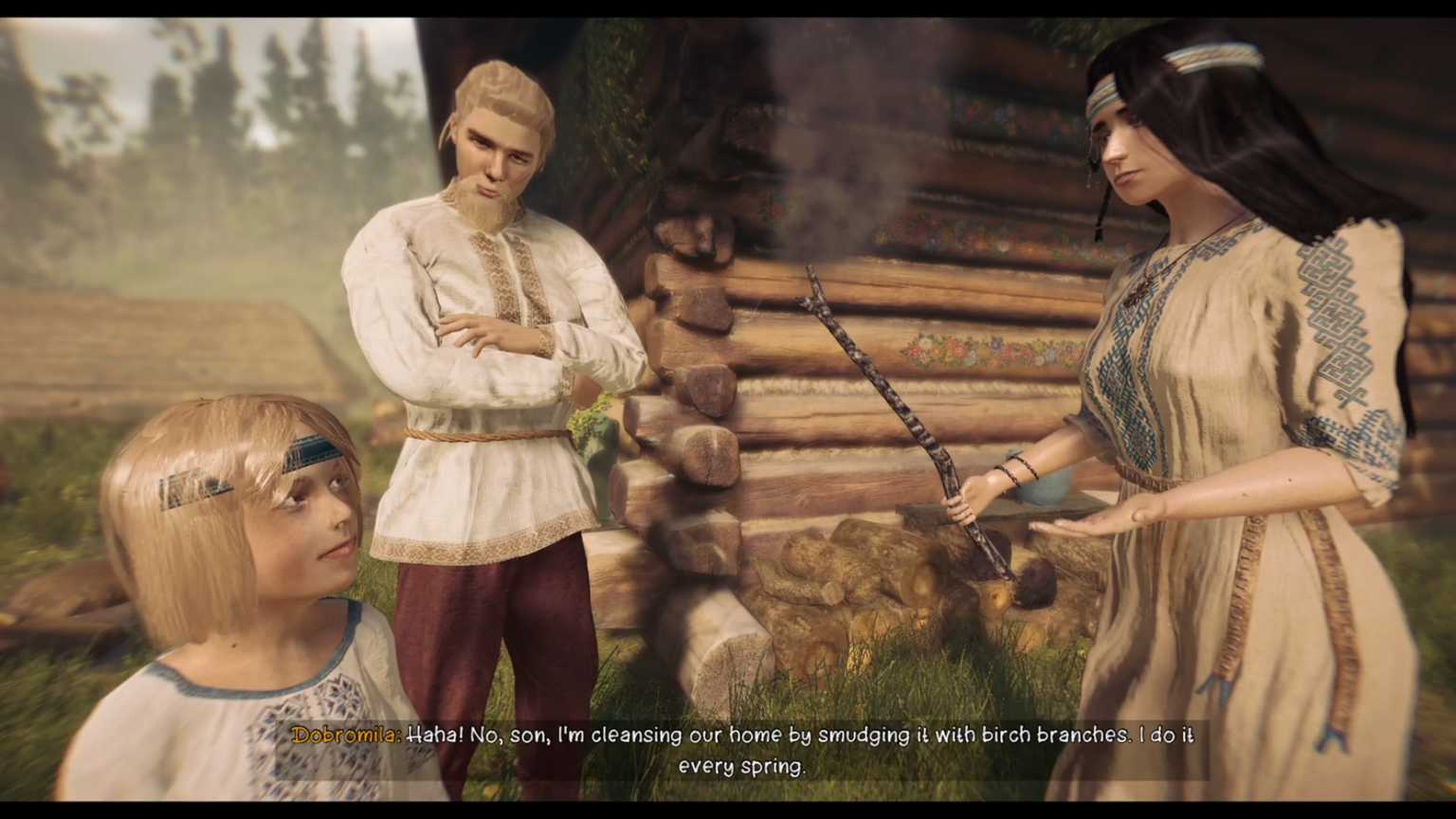
The audio side of things is strong overall. Ambient sounds do a great job of pulling you deeper into the world, whether it’s the crackle of a bonfire, the flow of water, or unsettling noises from unseen creatures. The soundtrack leans into haunting vocal elements inspired by Slavic traditions, creating a tone that feels both mystical and slightly eerie. It fits the world perfectly and adds a lot to the atmosphere. Voice acting is more uneven. Some performances land well and help sell the characters, while others can feel a bit off in delivery. The Ashter himself has a deep, serious tone that occasionally comes across as a little forced, but his dialogue still adds useful context and insight, so it works more often than it doesn’t.
Final Thoughts?
The End of the Sun manages to leave its mark in a pretty interesting way. Its focus on exploration, atmosphere, and the slow unraveling of a story built around mythology and human connection feels special. There are some rough edges, especially with onboarding, character presentation, and pacing in certain stretches, but the main idea is strong and executed with clear passion. If you enjoy slower, narrative-driven games where the satisfaction comes from piecing things together and exploring a world that feels different from the usual settings, this is an easy recommendation. Even if Slavic mythology isn’t something you’re familiar with, the way it’s presented here makes it approachable and worth experiencing.
About the Author

Nay Clark Gaming holds a special place in my heart and I never stop talking about video games. I really love all types of games and have an interest in games that have complicated stories and lore because I enjoy untangling the mystery of it all. When I'm not gaming, I unsuccessfully try to control three amazing and incredibly bright kids.
Related Posts
Riven (PS5/PSVR2) Review →

Warhammer 40,000: Speed Freeks (PS5) Review →
Warhammer 40,000: Mechanicus II (PS5) Review →