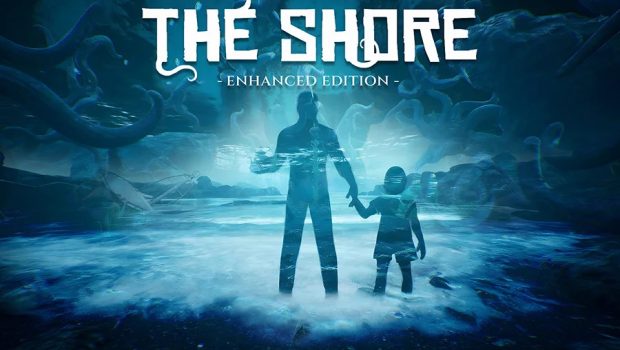
The Shore: Enhanced Edition (PS5)
Summary: The Shore: Enhanced Edition delivers a visually striking and atmospheric take on Lovecraftian horror, supported by strong music design and an intriguing premise. Its early focus on exploration and mystery builds a solid foundation, but a shift toward action and simplified mechanics weakens the overall experience. While it’s easy to appreciate the ambition and artistry behind it, the uneven storytelling and gameplay make it more of a curiosity than a must-play.
2.6
Rugose Ruins
The Shore flirts with the eldritch and cyclopean, but it never quite sinks into anything truly unforgettable. The Shore: Enhanced Edition is a Lovecraftian horror exploration adventure developed by Dragonis Games, published by Iphigames, and released on PlayStation 5 on April 30, 2026, with an Xbox Series X|S release following later this year. The original version launched on February 19, 2021, created by Ares Dragonis, making this enhanced edition feel like an anniversary return alongside the reappearance of the developer’s other work, Necrophosis. The game is built around cosmic horror, isolation, and the fear of the unknown, placing you on a desolate island filled with strange structures and even stranger forces. While the enhanced version sharpens some visuals and presentation, it doesn’t quite evolve into the fully realized trip into the obscure you might expect from a revisit like this.
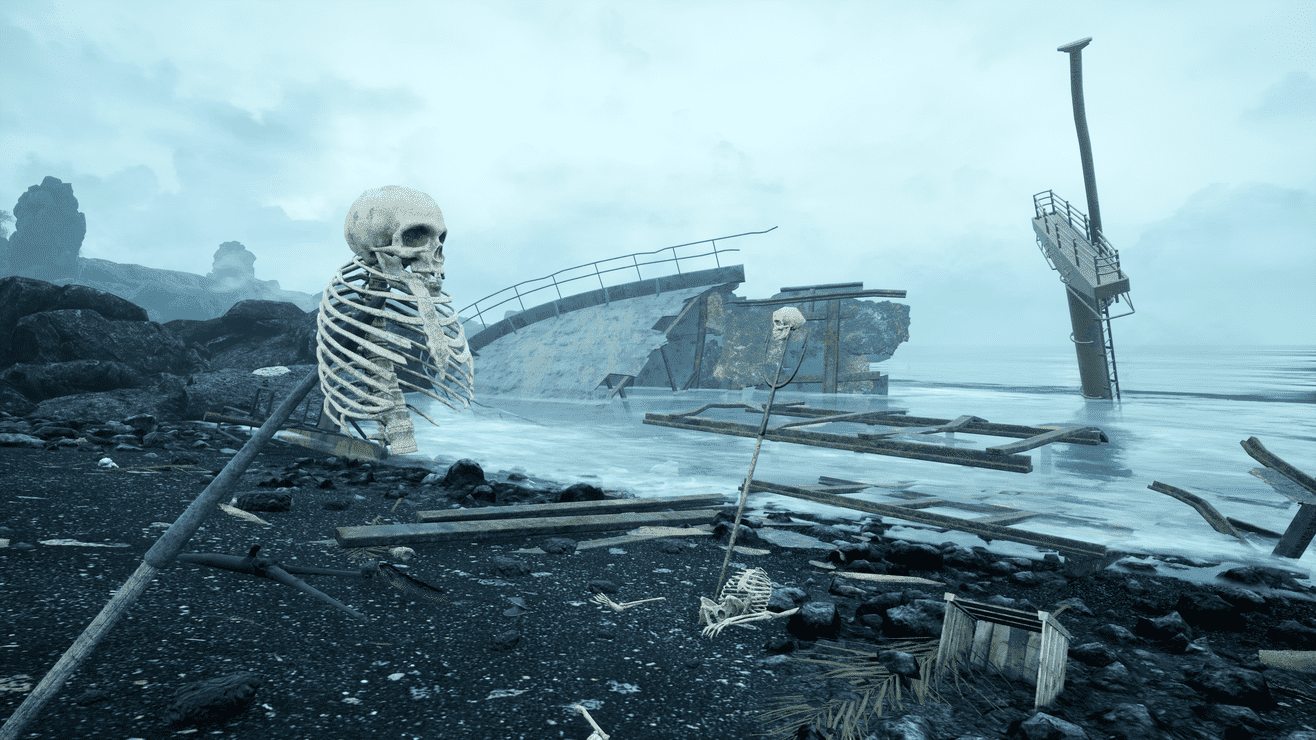
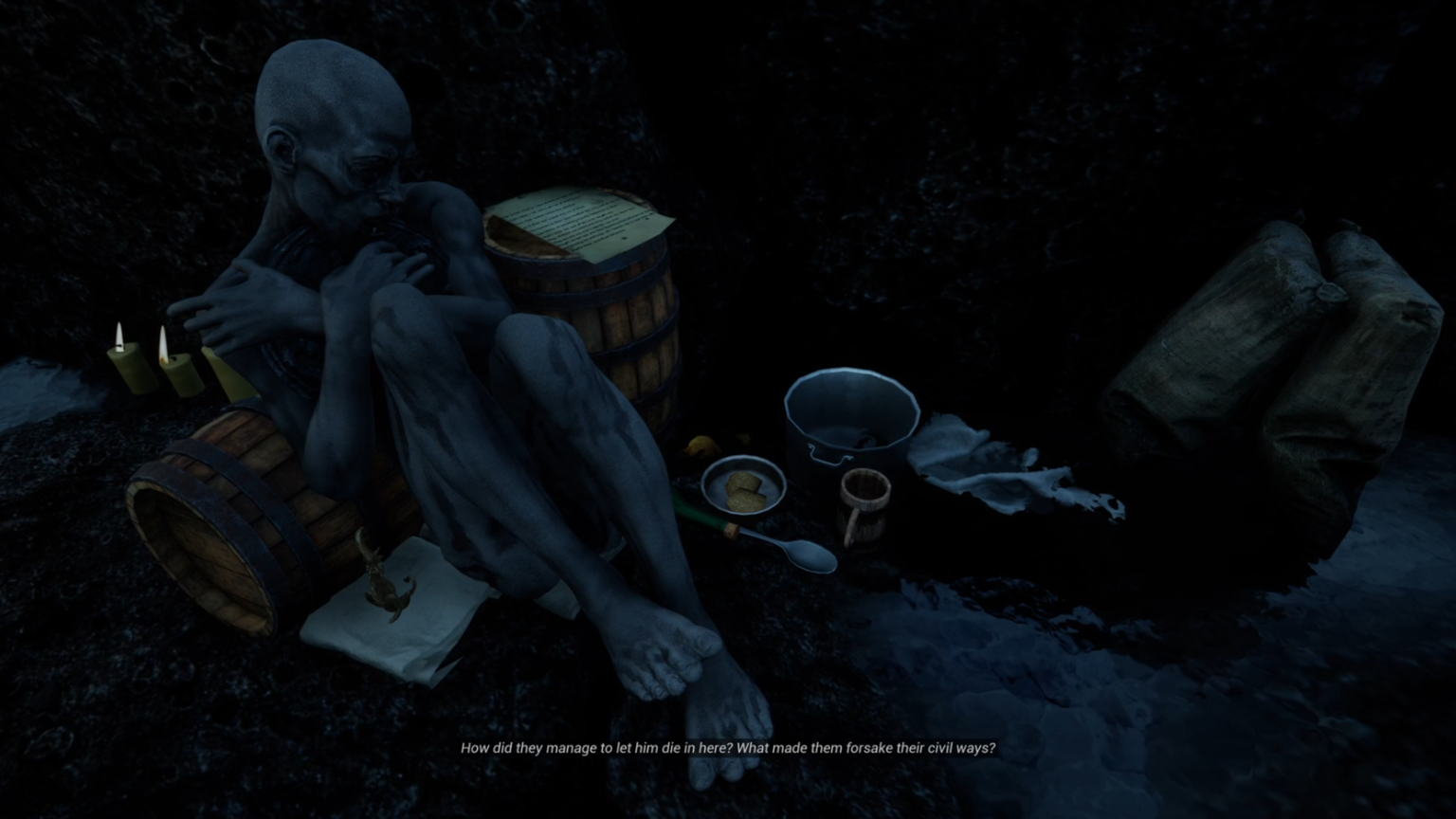
You play as Andrew, a fisherman who wakes up after a boating accident stranded on a mysterious island, searching for his missing daughter. Early on, the story leans into slow, uneasy tension as you explore abandoned spaces like an empty lighthouse filled with odd memorabilia, scattered notes from past visitors, and statues of creatures that don’t feel meant for this world. There’s a steady sense that something is watching or guiding you, especially as alien objects like spheres and obelisks begin to appear more frequently. As things unfold, Andrew becomes entangled in something far bigger, involving a godlike entity and forces beyond comprehension. The opening half builds intrigue well, but the pacing shifts hard later on, pushing the narrative into more direct and less subtle territory. The transitions become abrupt, scenes cut strangely, and the sense of mystery gives way to something more rushed and less impactful.
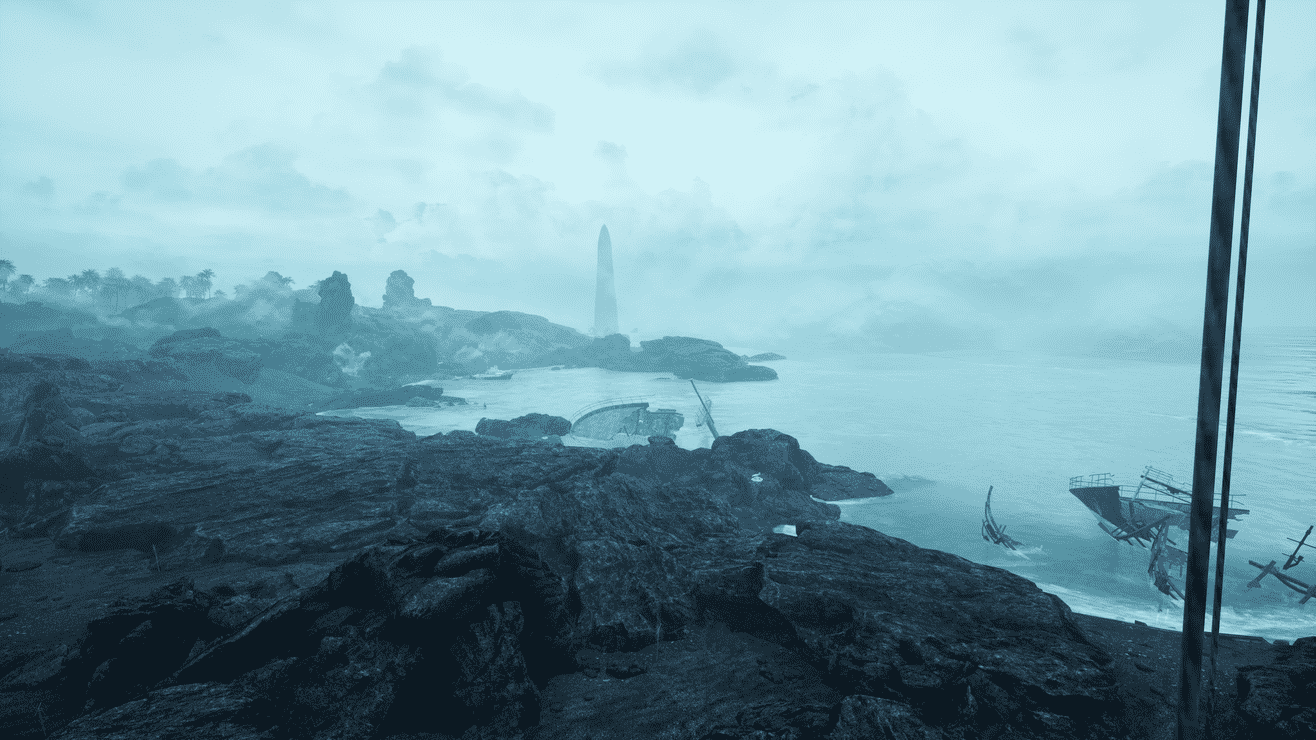
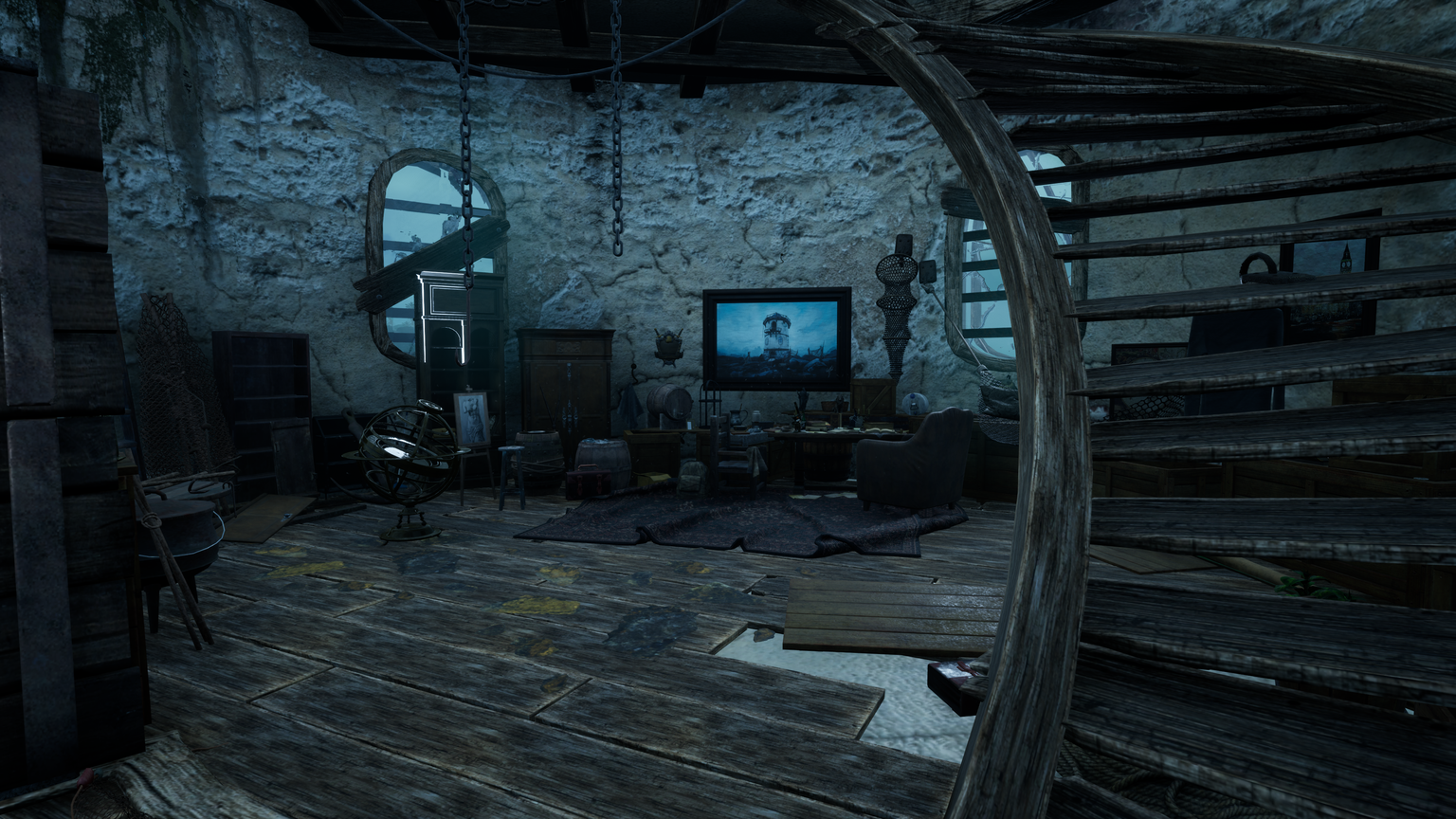
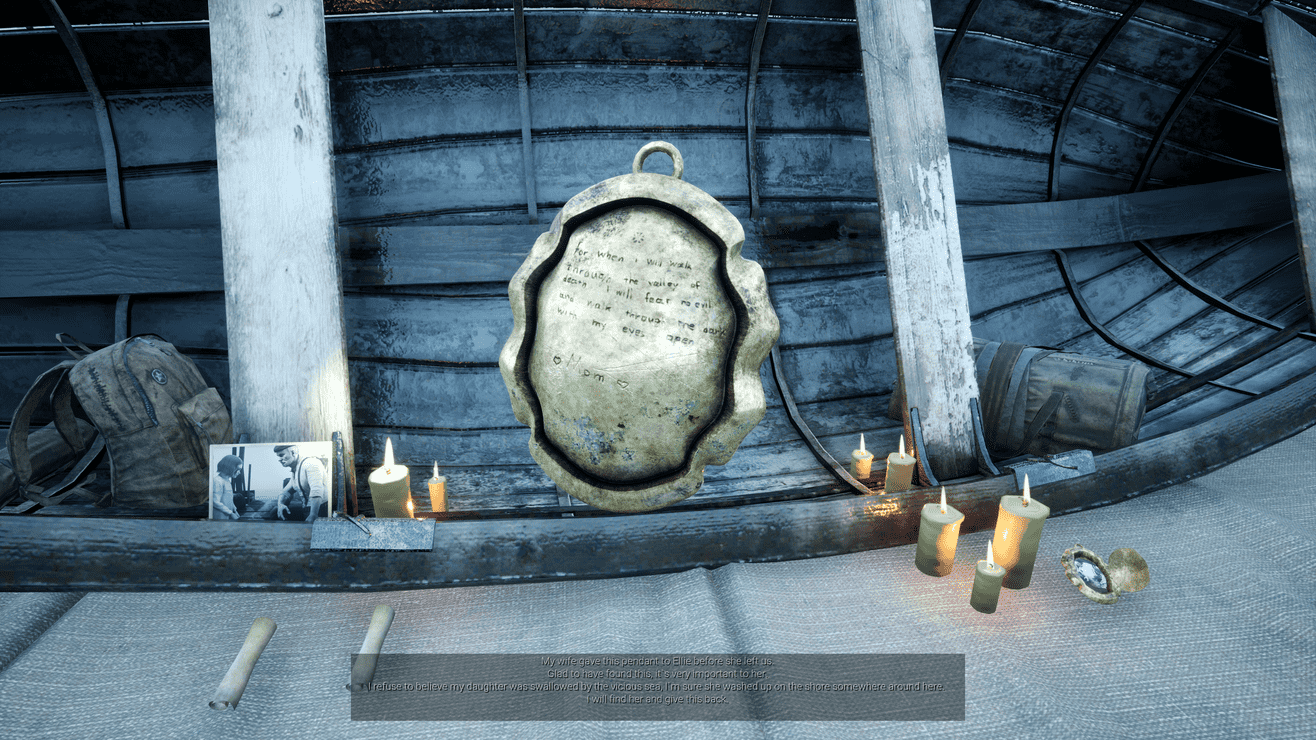
Gameplay starts off with slow exploration. You move through sections of the island, interacting with objects like messages in bottles or telescopes while Andrew occasionally comments on what you find. These early moments do a good job setting the tone, but they often feel more like disconnected events than meaningful discoveries. You might approach a statue and get a quick flash of an entity, or find a strange object that triggers a brief visual moment, but these interactions rarely develop into anything deeper. It starts to feel more like walking through a gallery of Lovecraft-inspired ideas rather than uncovering something cohesive. The messages in bottles add to the lore, but the text is extremely difficult to read, to the point where even subtitles can become frustrating to follow.
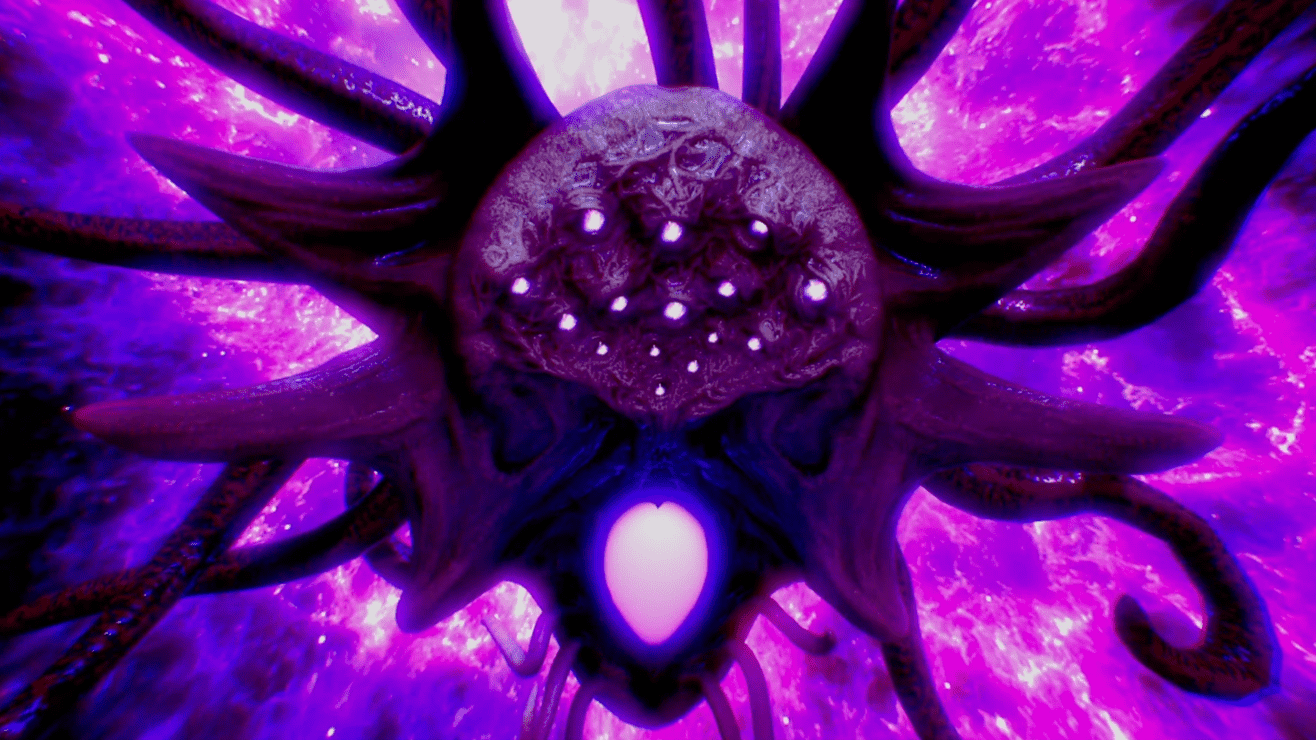
As the game moves into its second half, everything shifts. You gain access to a pyramid-like artifact that lets you fire a laser, and it pivots into a more action-focused structure. Exploration takes a backseat to moving forward and dealing with encounters, with light puzzle elements that rarely go beyond simple interactions like activating a few switches. While this change is clearly meant to raise the stakes, it clashes with the tone established earlier. The slower, more atmospheric approach is replaced with something more mechanical and less thoughtful, and it removes a lot of the tension that came from not fully understanding what you were dealing with. The game also leans heavily on fade-to-black transitions that move you between areas without explanation, which makes the world feel less connected and undermines the sense of discovery that the first half was building.
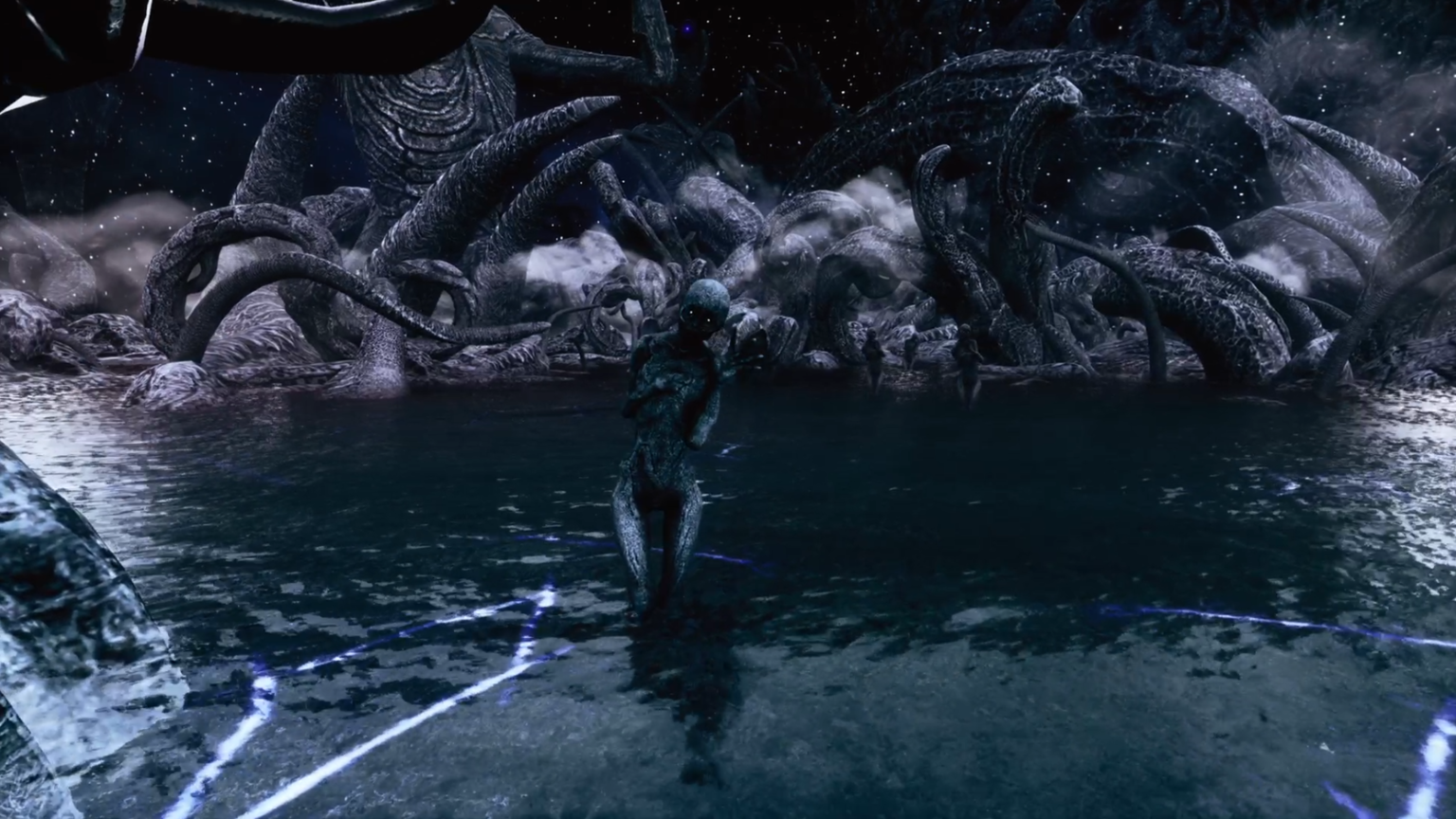
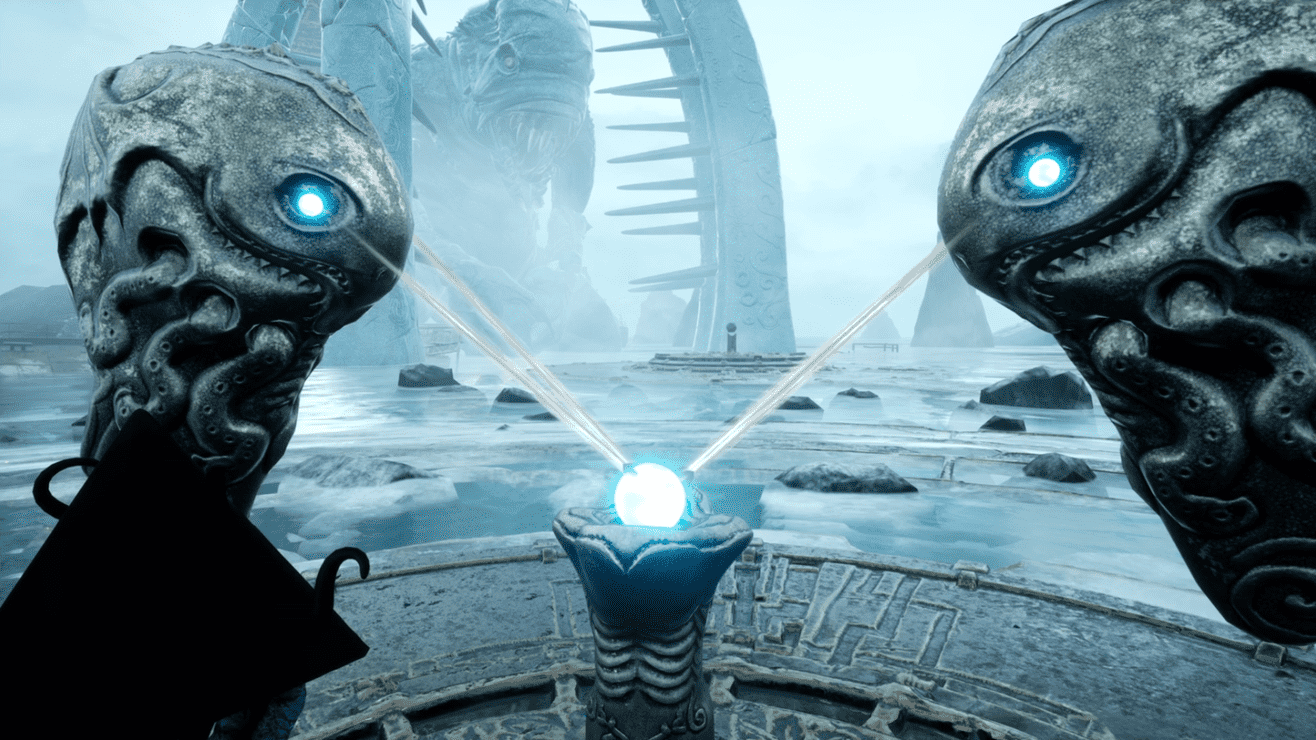
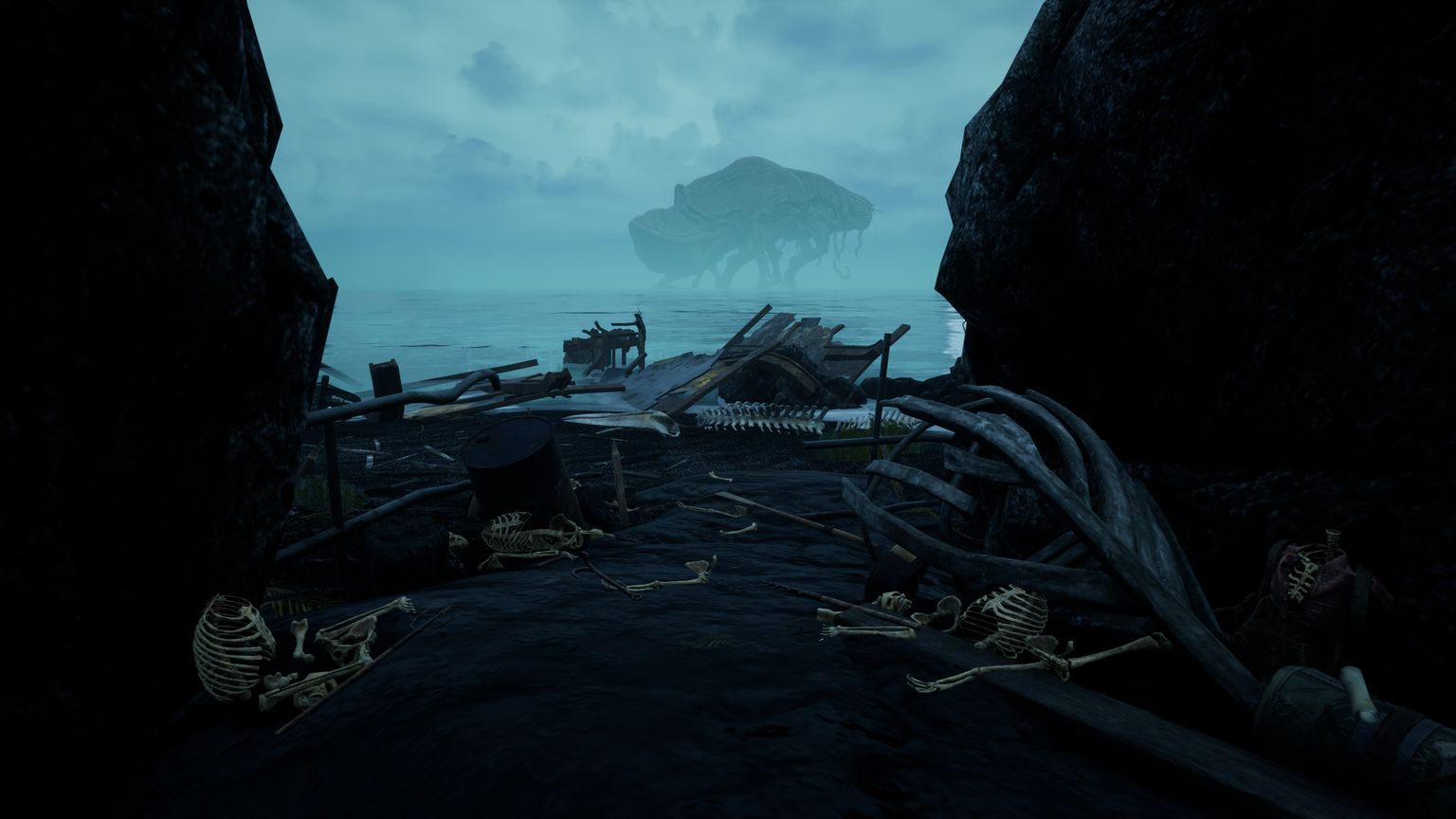
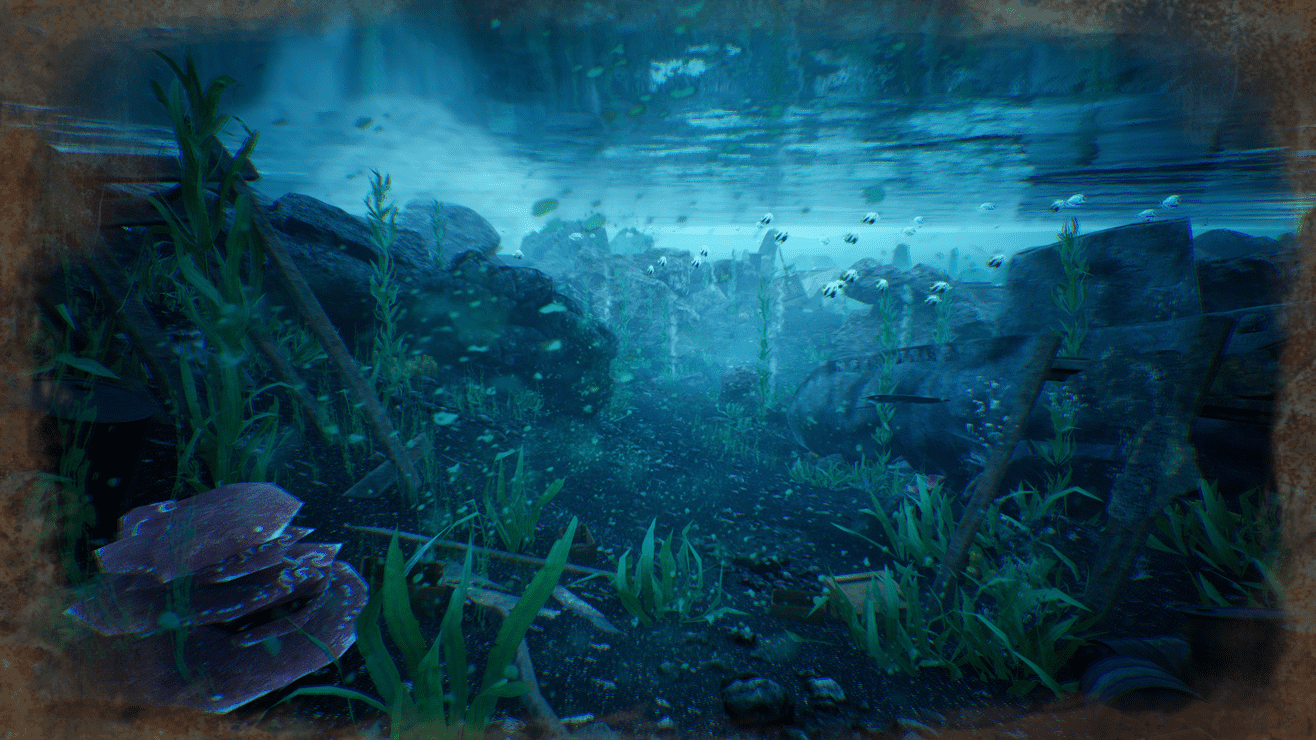
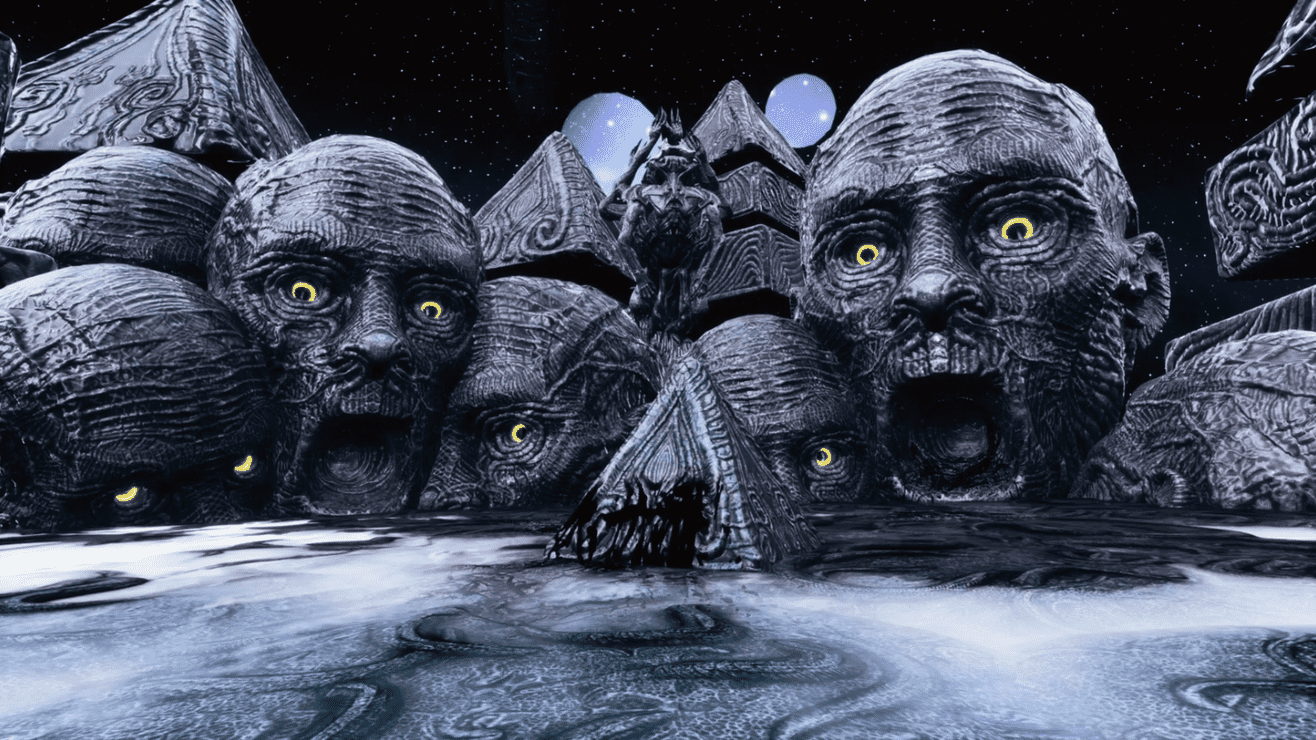
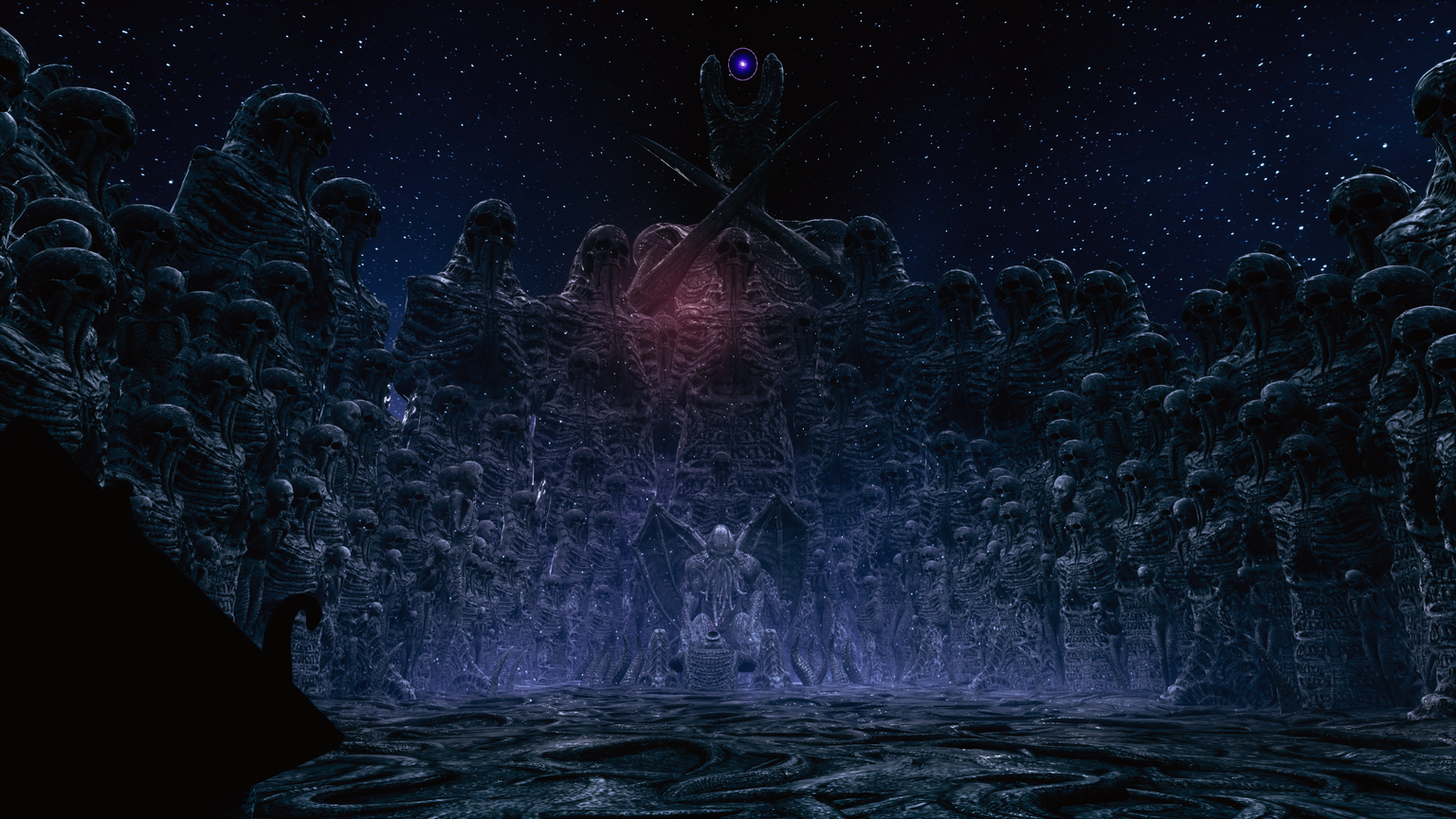
Visually, the enhanced edition does a lot right. The environments have a strong sense of scale and mood, from open shorelines under wide skies to more disturbing, organic spaces where walls look alive. Lighting and atmosphere carry much of the tone, and there’s a consistent commitment to making everything feel slightly off in a way that fits the theme. There are some noticeable technical quirks, like objects shifting slightly when you move the camera, occasional floating elements, and a strange reflective quality in the water that makes it never quite look natural. Even with those issues, the overall art direction stands out and helps keep the world engaging.
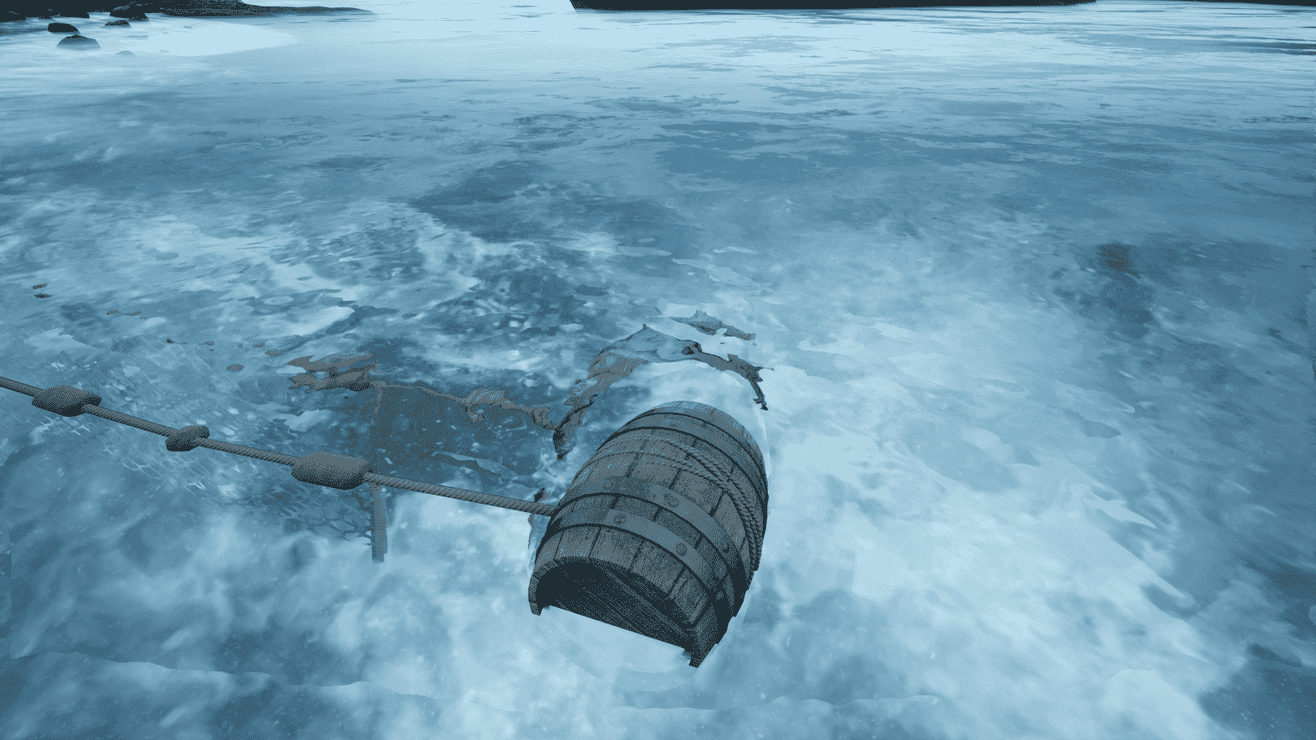
The audio is easily one of the strongest parts of the game. The music does a great job building tension through echoing tones, soft orchestral layers, and unsettling ambient sounds that feel like they’re coming from somewhere just out of reach. There’s a mix of quiet, almost beautiful moments and harsher, more chaotic sounds that fit the descent into madness the game is aiming for. At the same time, the voice acting doesn’t land nearly as well. The delivery often feels overly dramatic in a way that comes across as forced rather than immersive, and some lines feel mismatched between what’s written and what’s actually spoken. It ends up pulling you out of the experience more than it adds to it.
Final Thoughts?
The Shore: Enhanced Edition has a strong foundation in its atmosphere, music, and visual identity, and you can feel the passion behind it as a project. The idea of blending exploration with cosmic horror and personal stakes is compelling, and there are moments where it really comes together. At the same time, the execution struggles to keep that momentum going. The story loses its edge as it progresses, the gameplay shift feels out of place, and smaller issues like unreadable text and uneven voice work add up over time. It’s a short game that you can finish in one sitting, and if you’re drawn to Lovecraft-inspired worlds, there’s still something here to appreciate. But outside of its atmosphere and presentation, it doesn’t quite hold the weight it seems like it’s aiming for, making it harder to fully recommend beyond a surface-level curiosity.
About the Author

Nay Clark Gaming holds a special place in my heart and I never stop talking about video games. I really love all types of games and have an interest in games that have complicated stories and lore because I enjoy untangling the mystery of it all. When I'm not gaming, I unsuccessfully try to control three amazing and incredibly bright kids.
Related Posts
Riven (PS5/PSVR2) Review →
Warhammer 40,000: Speed Freeks (PS5) Review →
Warhammer 40,000: Mechanicus II (PS5) Review →