

MOTORSLICE Review (PS5)
Summary: MOTORSLICE is a fast-paced action adventure set inside a massive, mysterious structure where movement and momentum are central to everything you do. You explore a shifting mechanical world filled with hostile machines, using a mix of traversal skills and chainsaw-based combat to push forward. As you climb deeper into its strange environments, it blends platforming, combat, and discovery into a constantly evolving journey that leaves a strong overall impression.
4.5
Layered Lattice
Slice and dice your way to the top! MOTORSLICE is an action adventure game developed by Regular Studio, published by Top Hat Studios, Inc., and released on May 5, 2026 for PlayStation 5, Xbox Series X|S, and PC. It blends together ideas that feel inspired by games like classic 3D platformers, moody atmospheric adventures, and stylish action titles, yet it still manages to carve out its own identity. The game is all about movement, momentum, and tearing through a strange mechanical world with a chainsaw in hand. From the first moments, it’s clear this is a game that leans heavily into it’s own unqiue vibe and feel just as much as its mechanics, and that balance is what keeps it engaging.
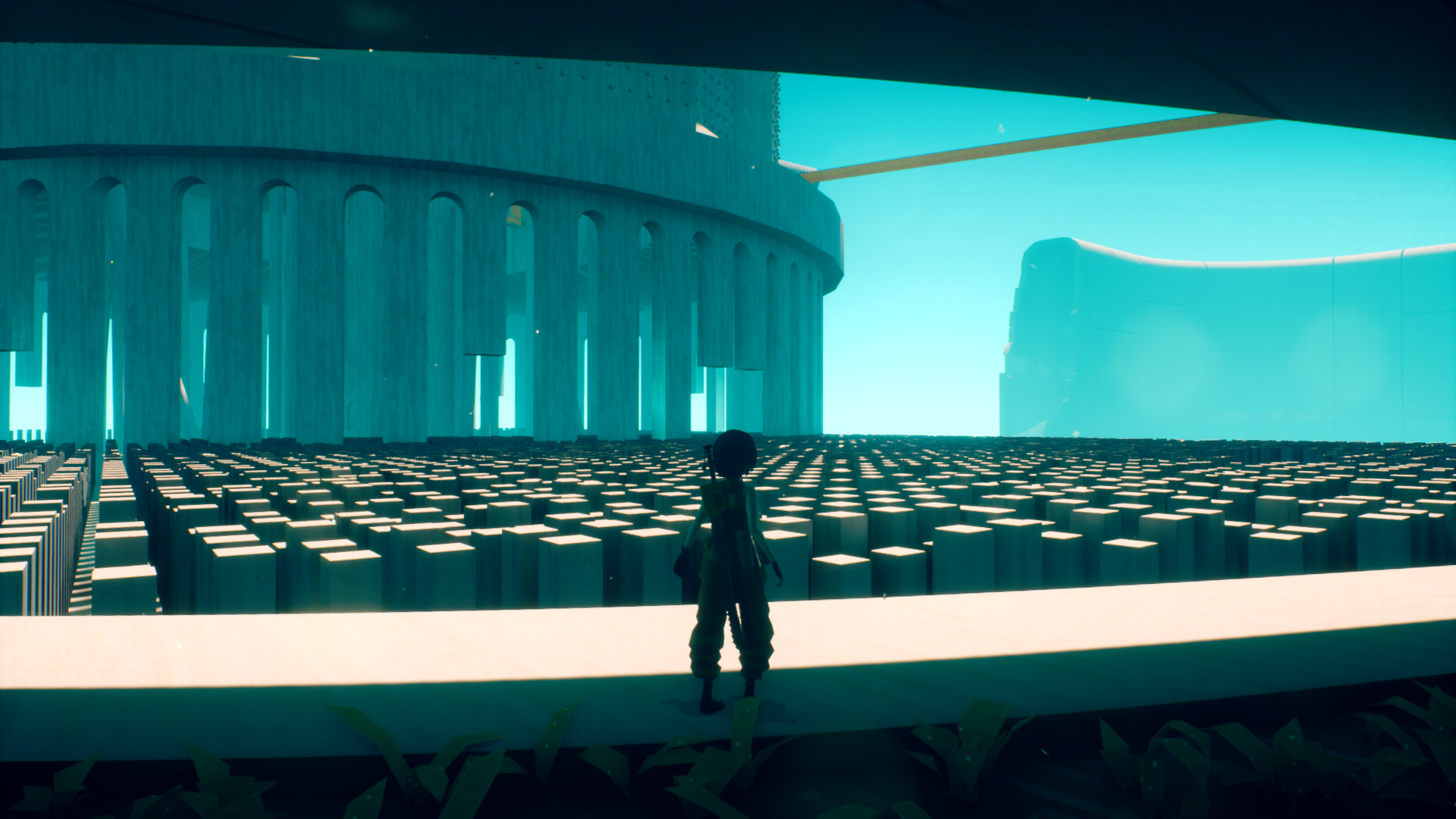
The story drops you right into the character of P, a “slicer” sent on a mission to destroy machines inside a massive structure known as an array megastructure. You’re given orders by Operator G, but that connection is quickly cut off, leaving you alone with Orbie, a small orb companion that becomes your only consistent support. From there, you’re climbing higher and higher through this towering environment with very little direct explanation. The world is intentionally vague. Terms like Alpha Structures, the Age of Isolation, or the Great Archive are mentioned casually and never fully broken down. Even P herself speaks in a way that assumes familiarity, which makes everything feel natural but also mysterious. It creates a sense that you’re just one small part of something much bigger, and the game trusts you to sit with that uncertainty rather than spelling it out.
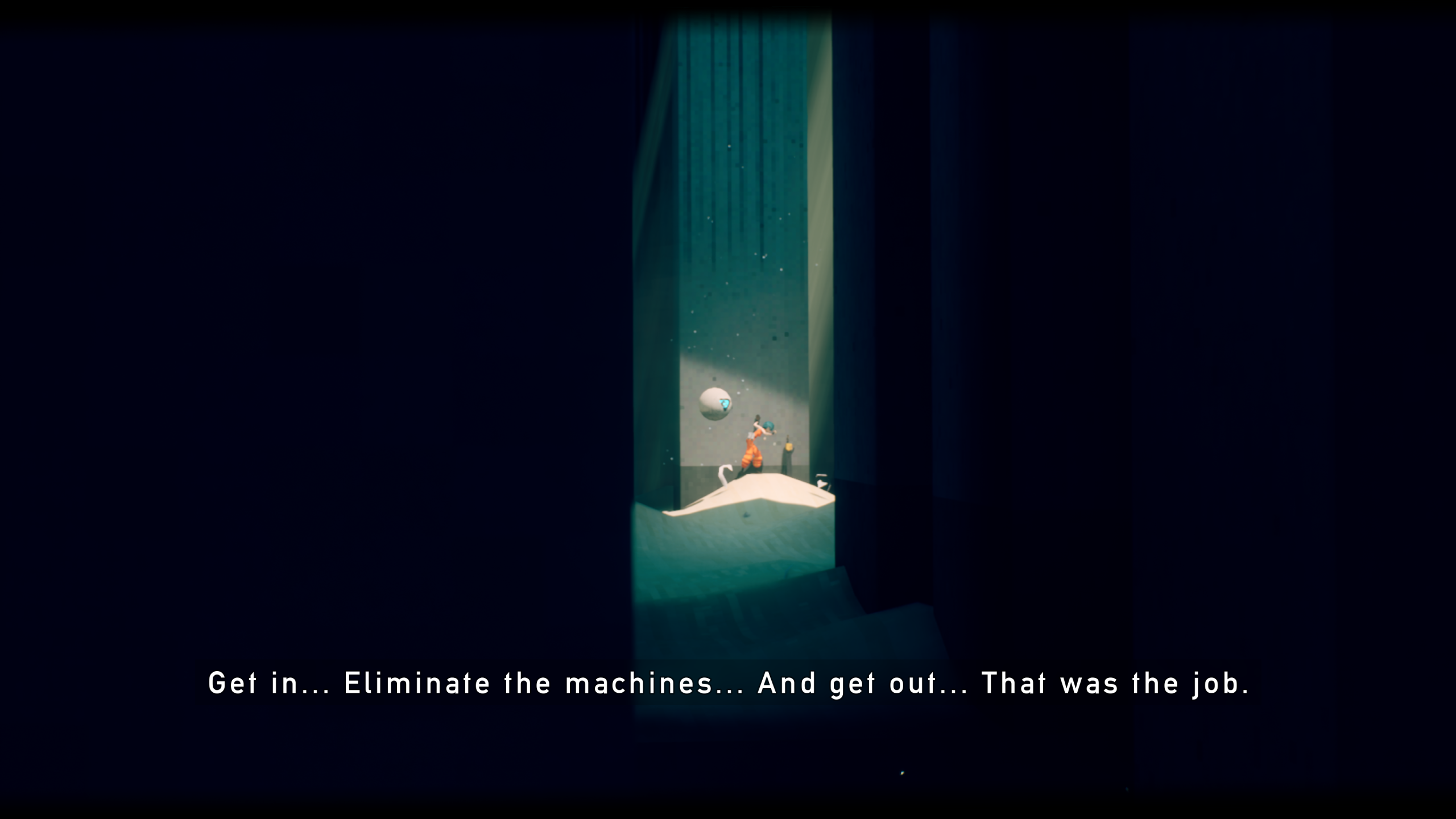
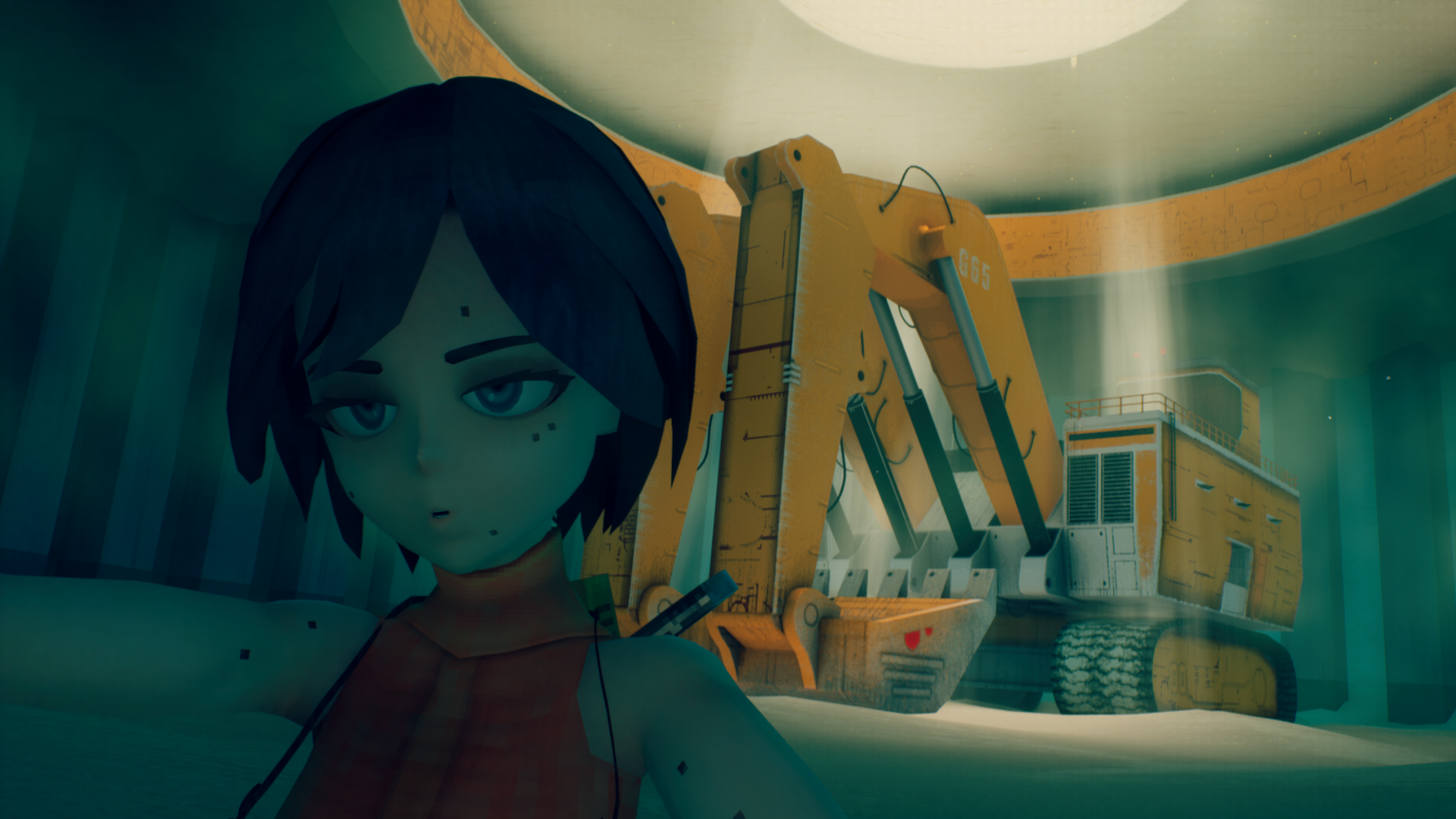
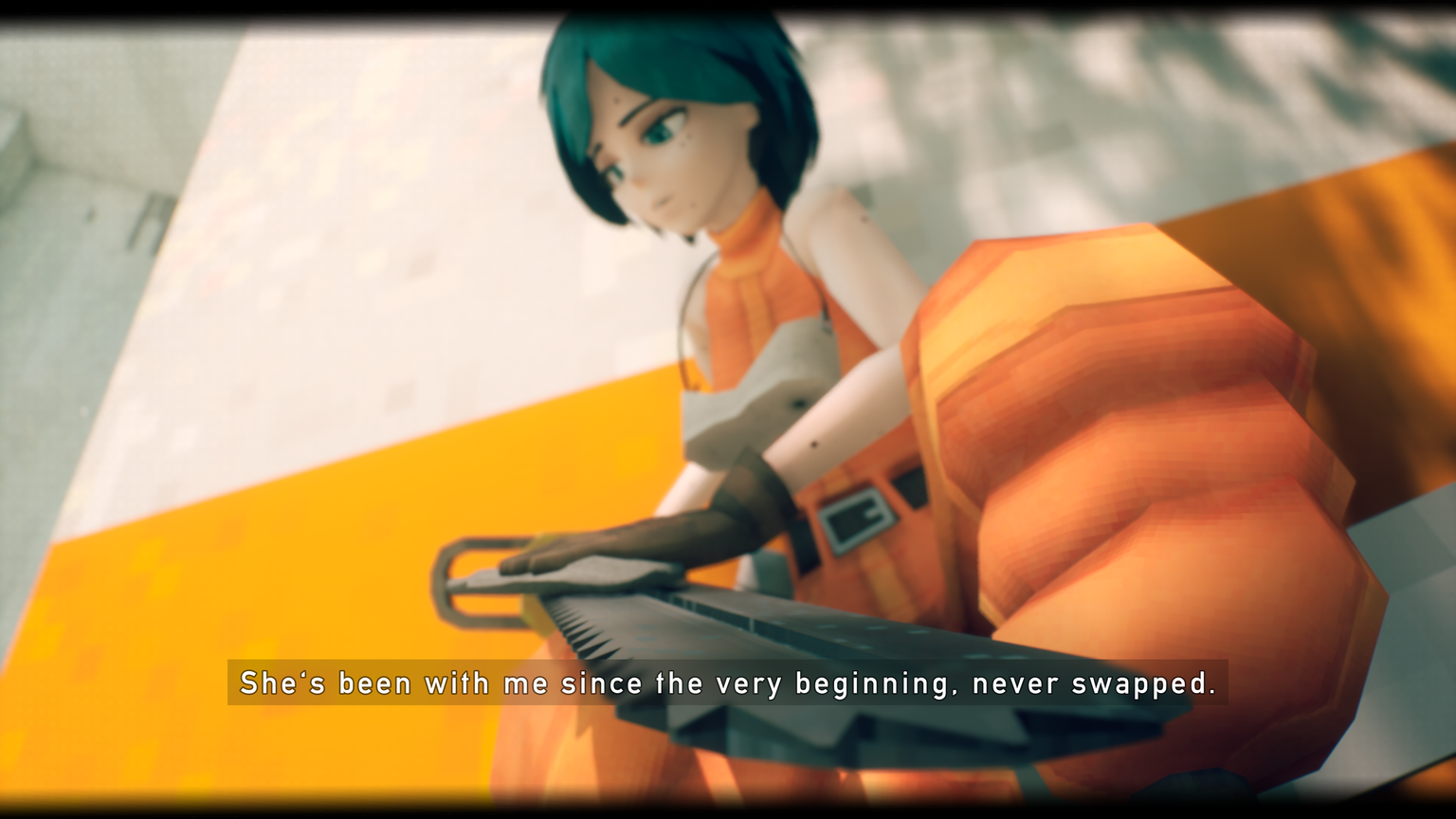
What makes MOTORSLICE immediately unique is that you are not directly controlling P in the traditional sense. You’re controlling Orbie, the orbiting camera around her. It has a very deliberate feel, almost like those older platformers where camera control was part of the challenge, but here it’s turned into a mechanic. You can physically swing around P, bump into her, and even have to blink the camera to clear off dirt and oil from the lens. It’s a small detail, but it reinforces that you’re not just watching P, you’re interacting with her presence in a tangible way. Even photo mode leans into this, letting P call Orbie over so you can adjust her poses in a playful, interactive way.
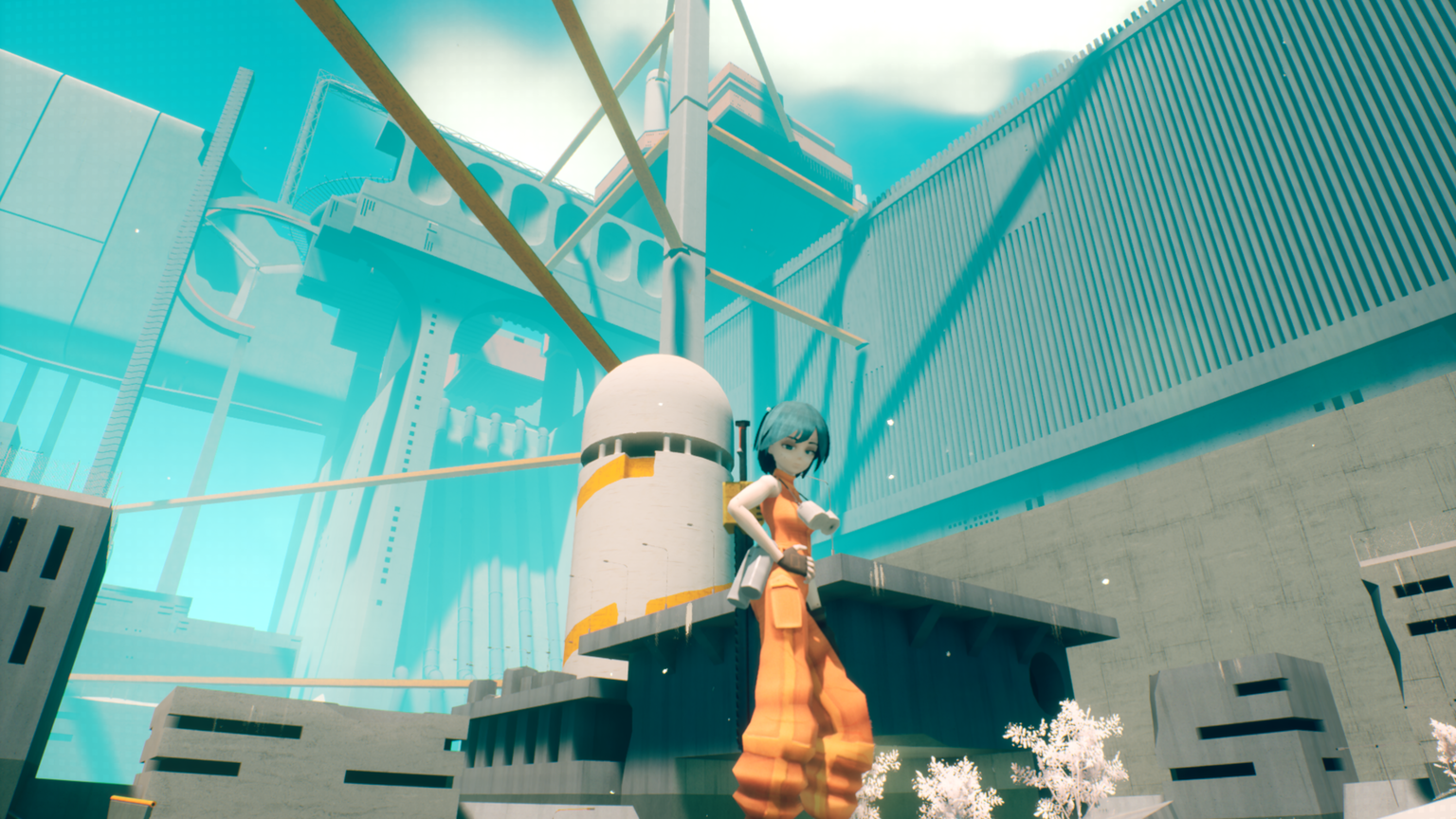
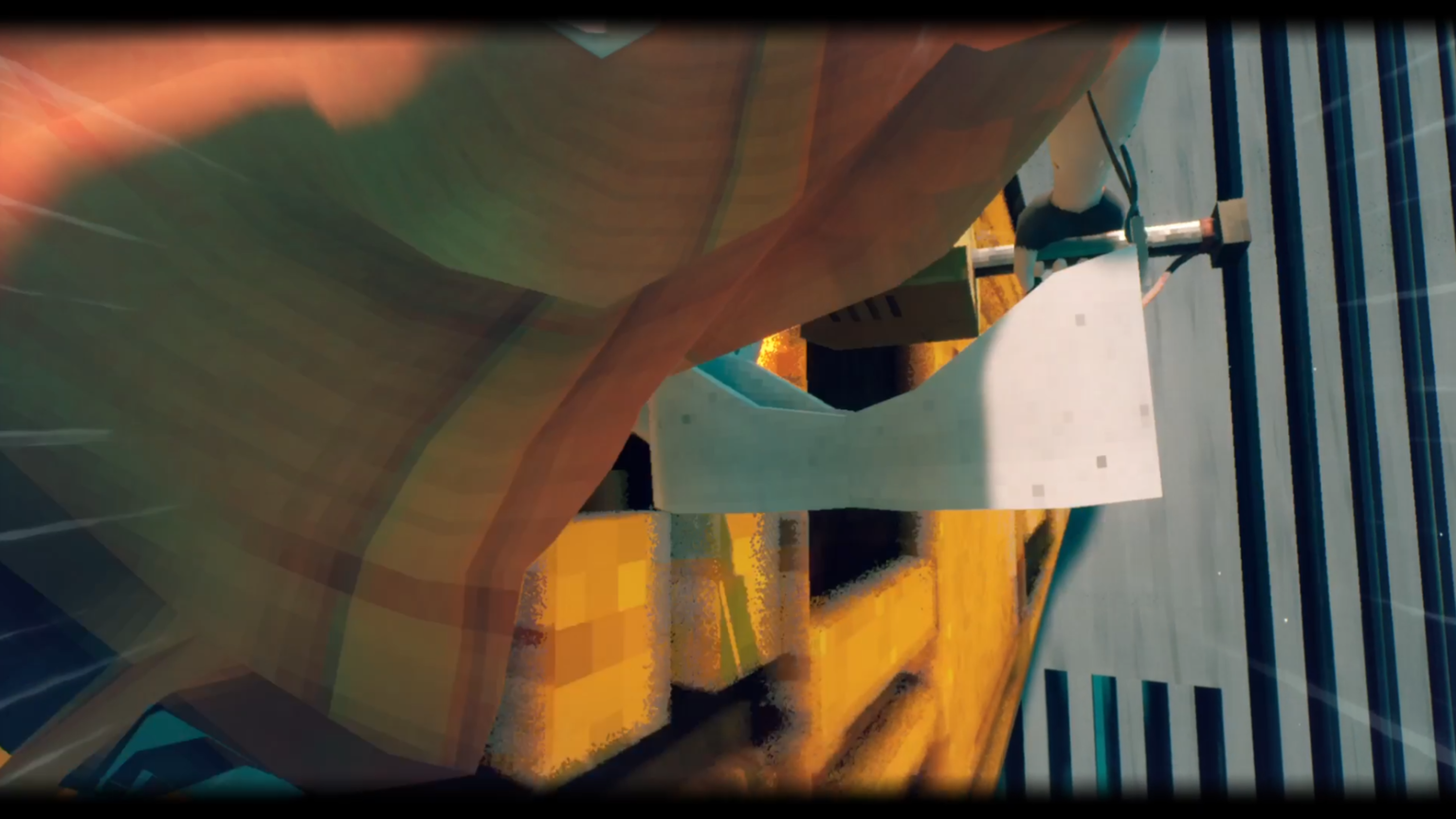
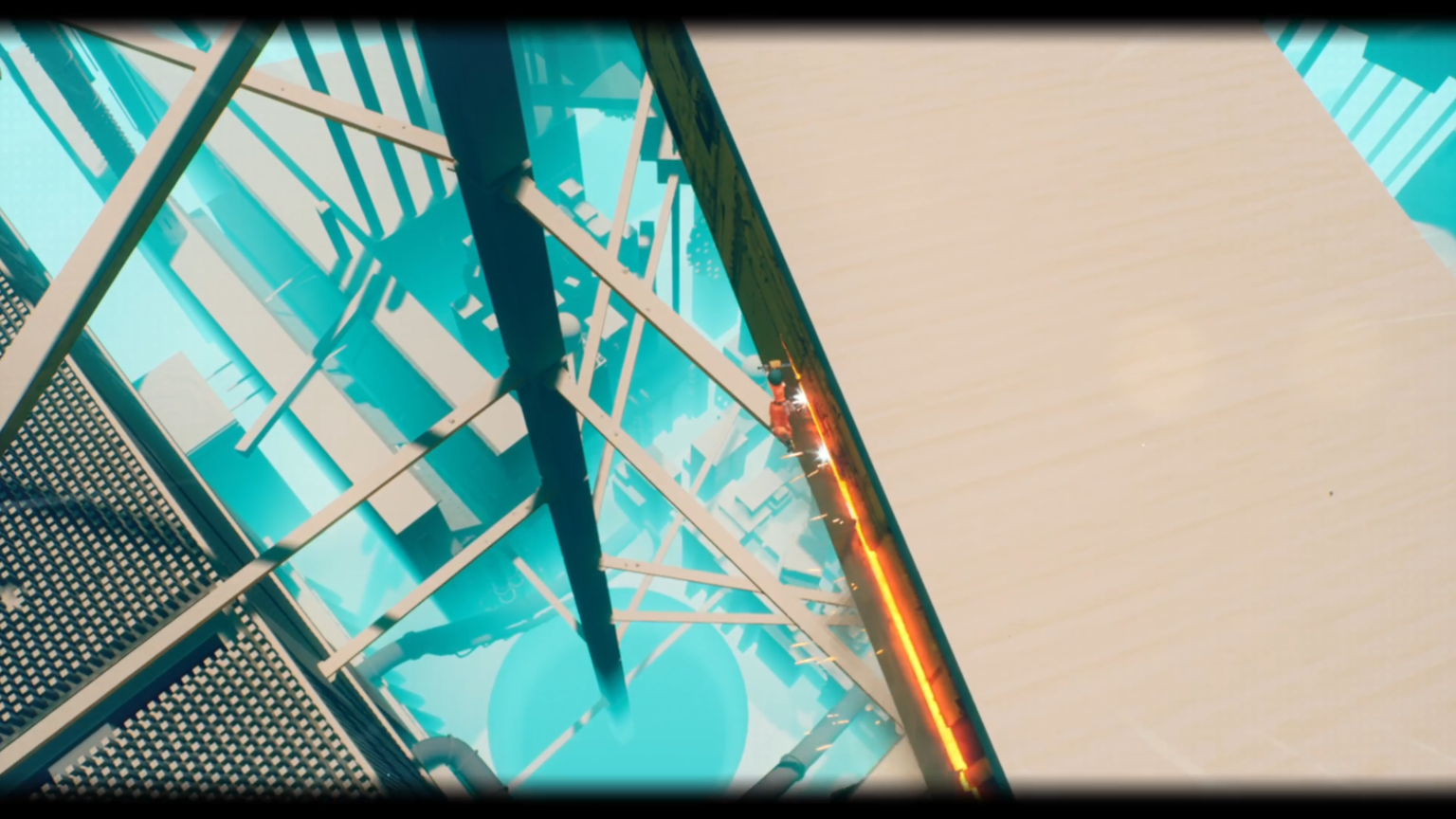
P herself has a wide range of movement abilities, and the game makes sure you use all of them. You’ll be sliding, wall running, climbing, rolling, balancing, and chaining moves together constantly. The chainsaw isn’t just a weapon either. It becomes a traversal tool, letting you latch onto certain surfaces and ride across walls or up vertical paths. The way these mechanics combine is where the game shines. You might zip across a wall, leap into a wall run, bounce to a rotating pole, then chain into another jump that leads into a swing and climb. It creates these flowing sequences that feel rewarding once you get into the rhythm. There are also environmental interactions like moving objects or solving small physics-based puzzles to progress, which adds variety to exploration.
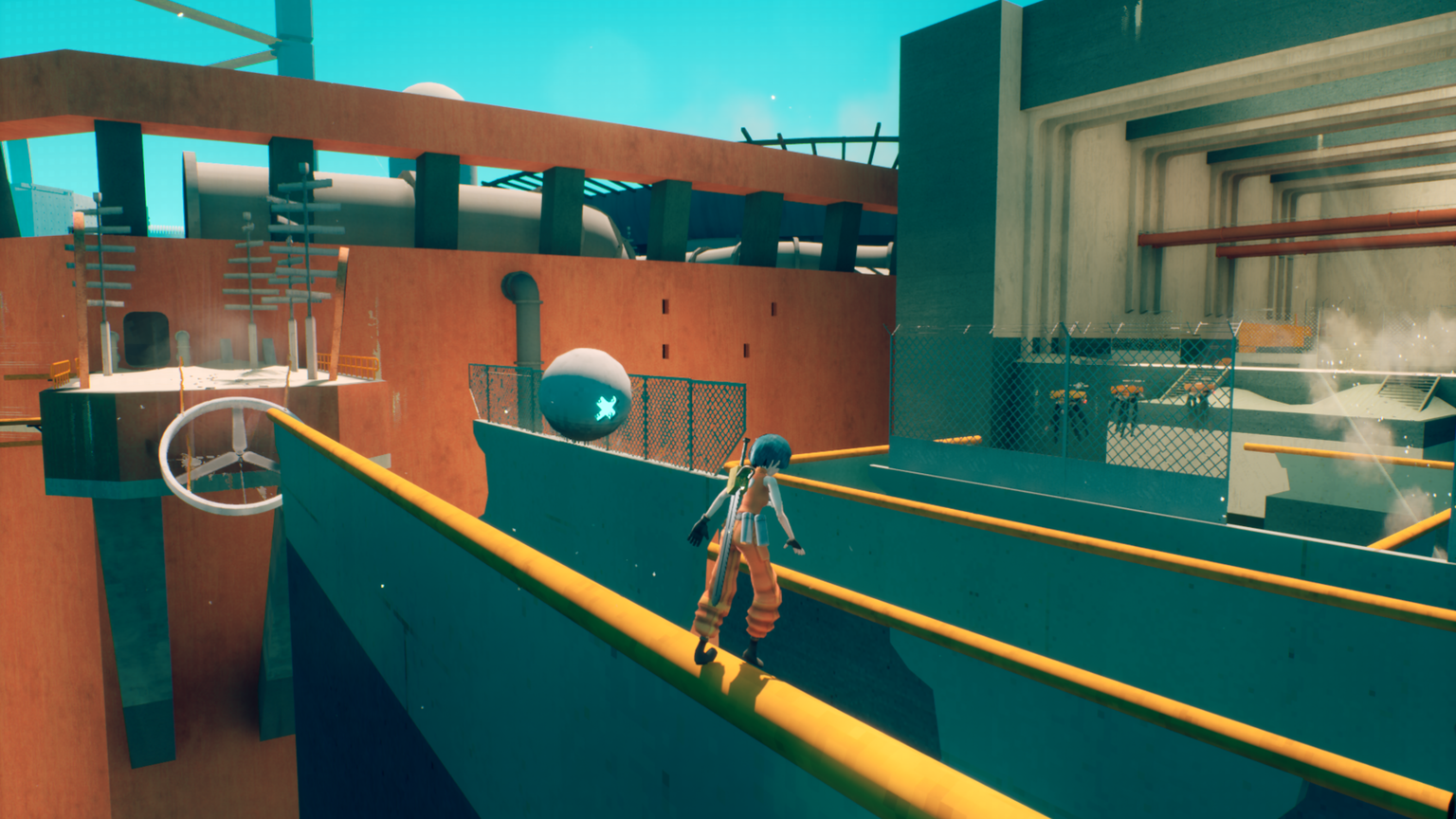
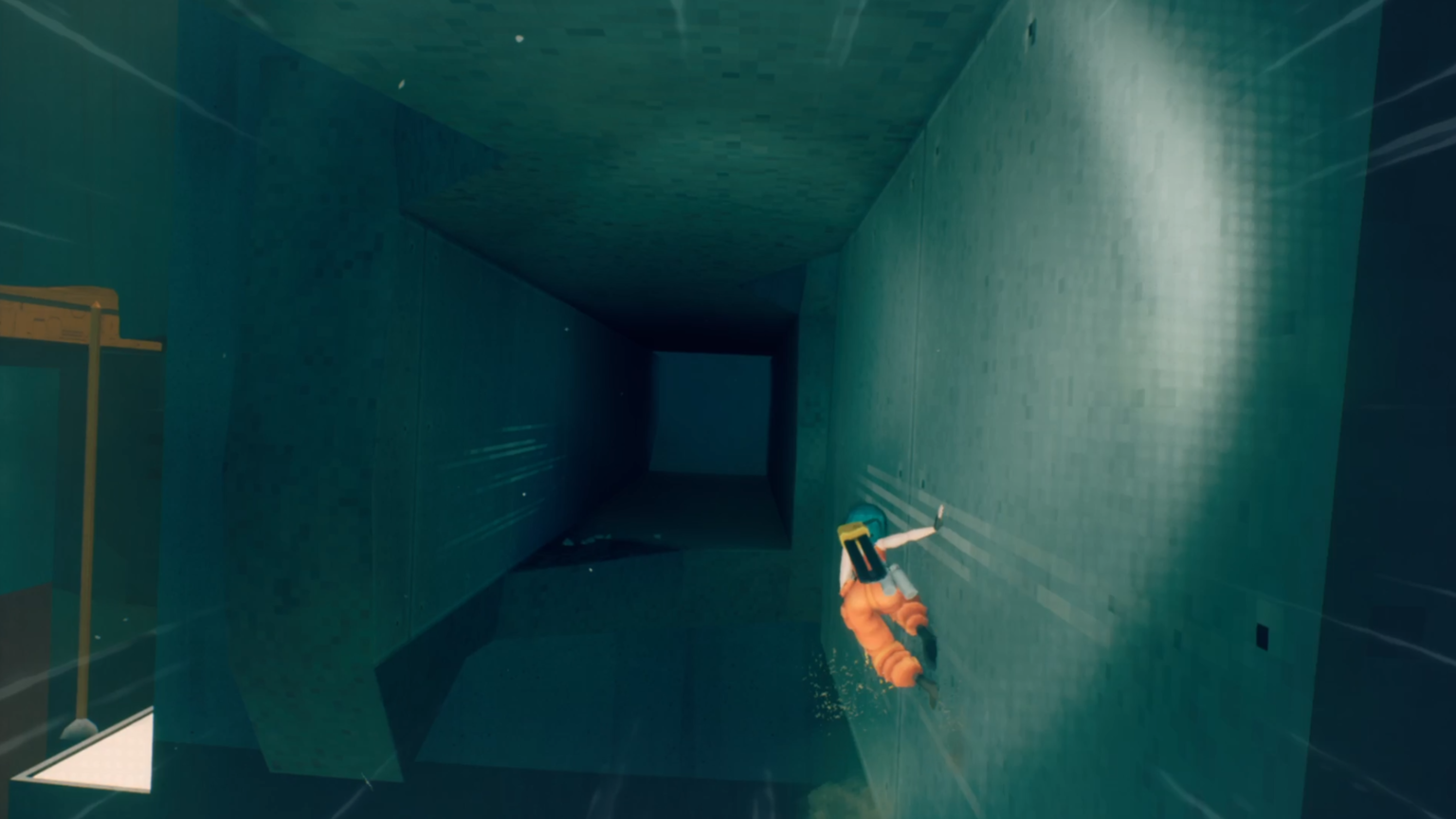
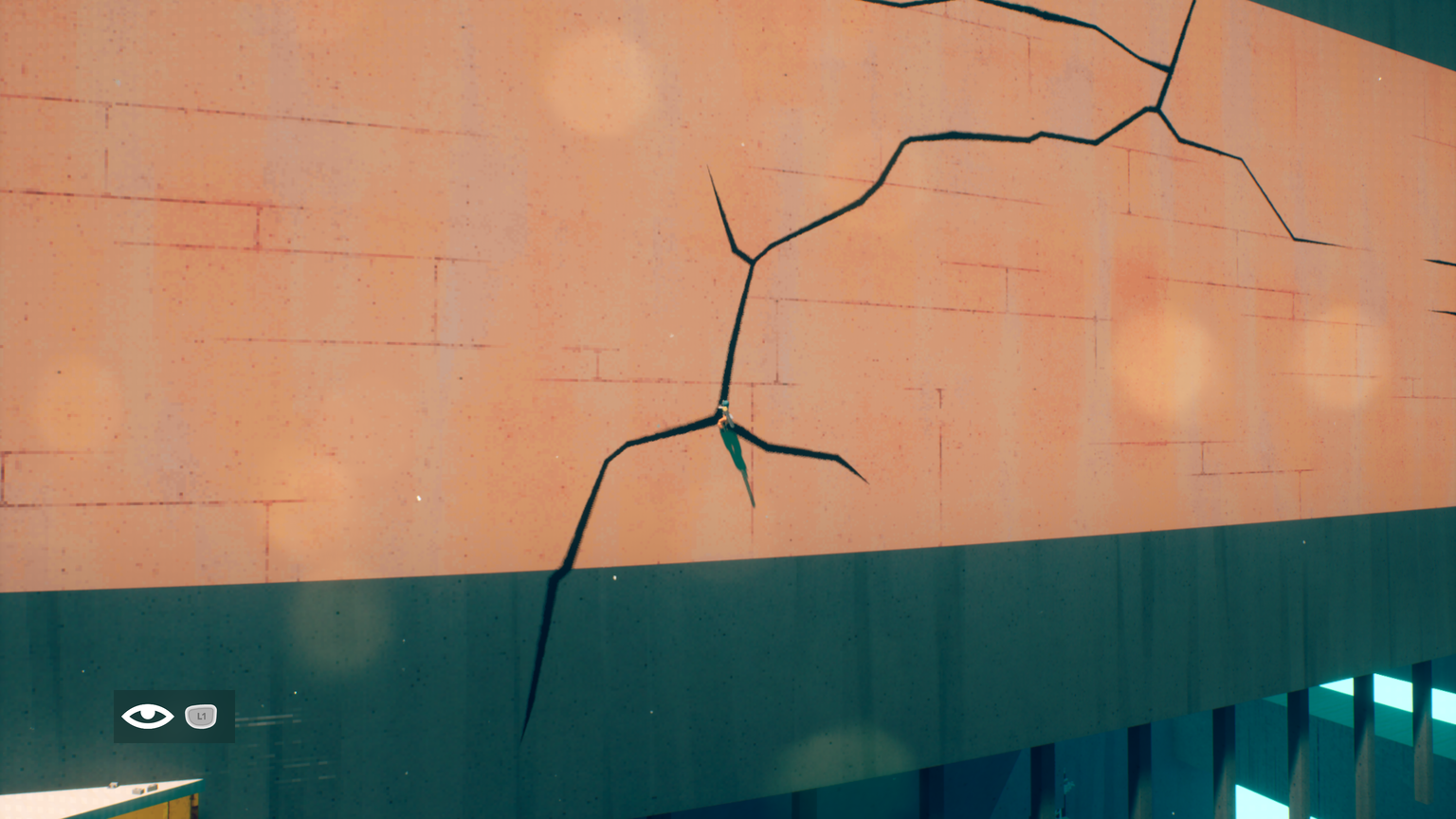
That said, movement isn’t always perfect. There’s a slight stiffness to certain actions, especially when jumping out of swings or during more precise platforming sections. Sometimes it feels like P hangs in the air just a bit longer than expected, which can throw off timing. There are moments where you clearly understand what to do, but the execution doesn’t quite line up due to these quirks. Situations like moving platforms or wall runs can feel inconsistent, occasionally cutting short or behaving differently than expected. It can be frustrating in tougher sections, though over time you do start to adapt to how the game handles.
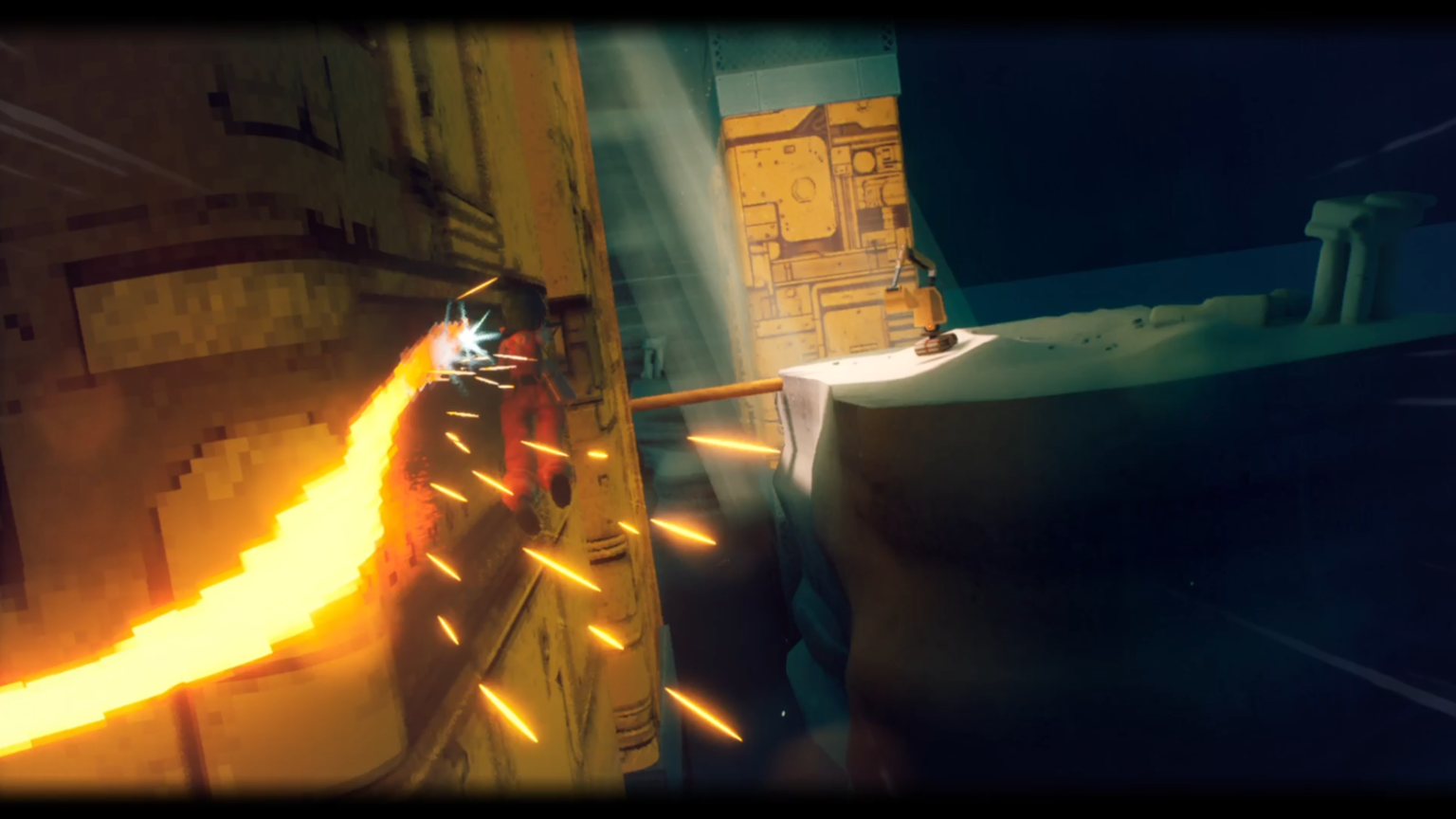
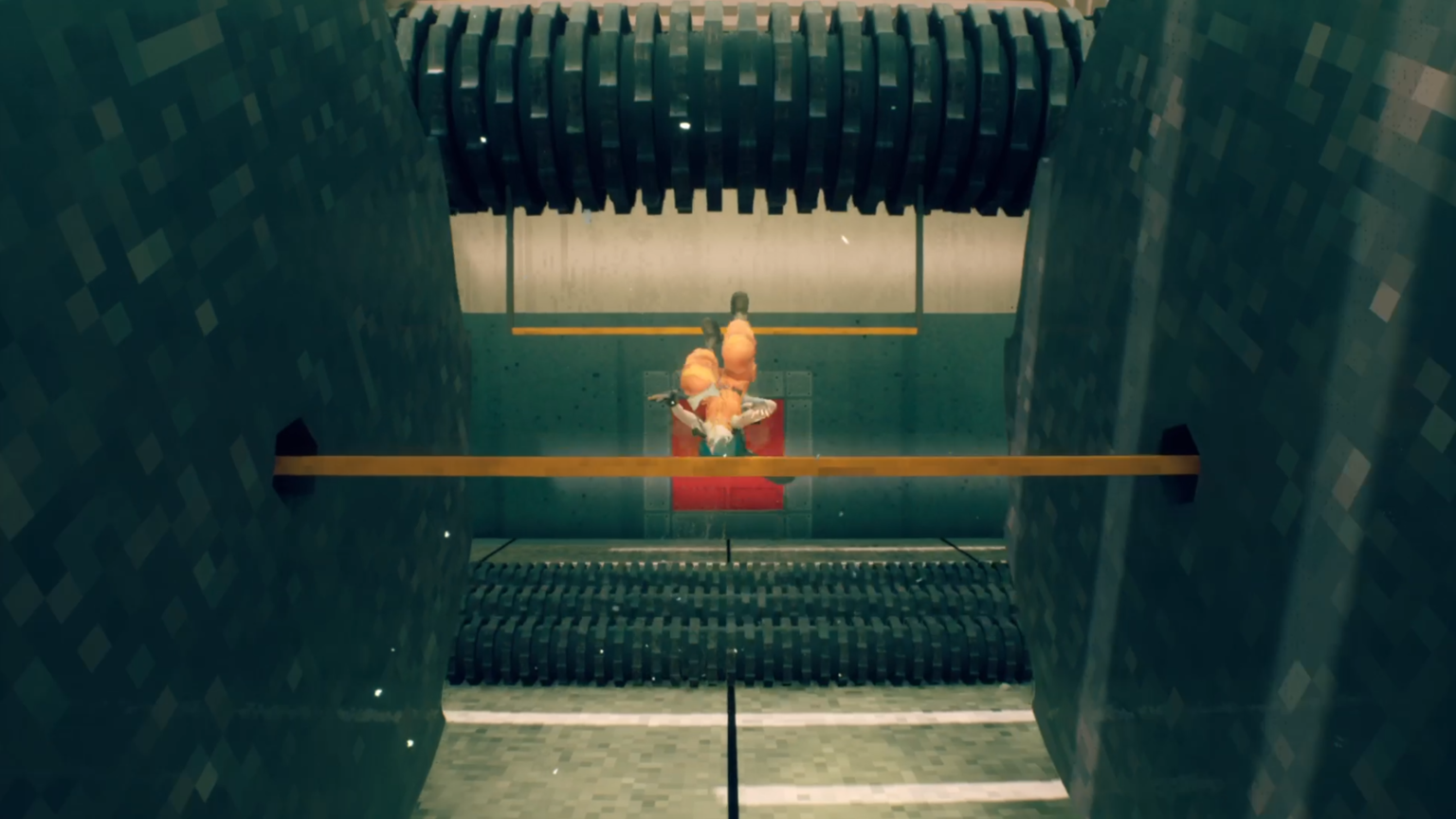
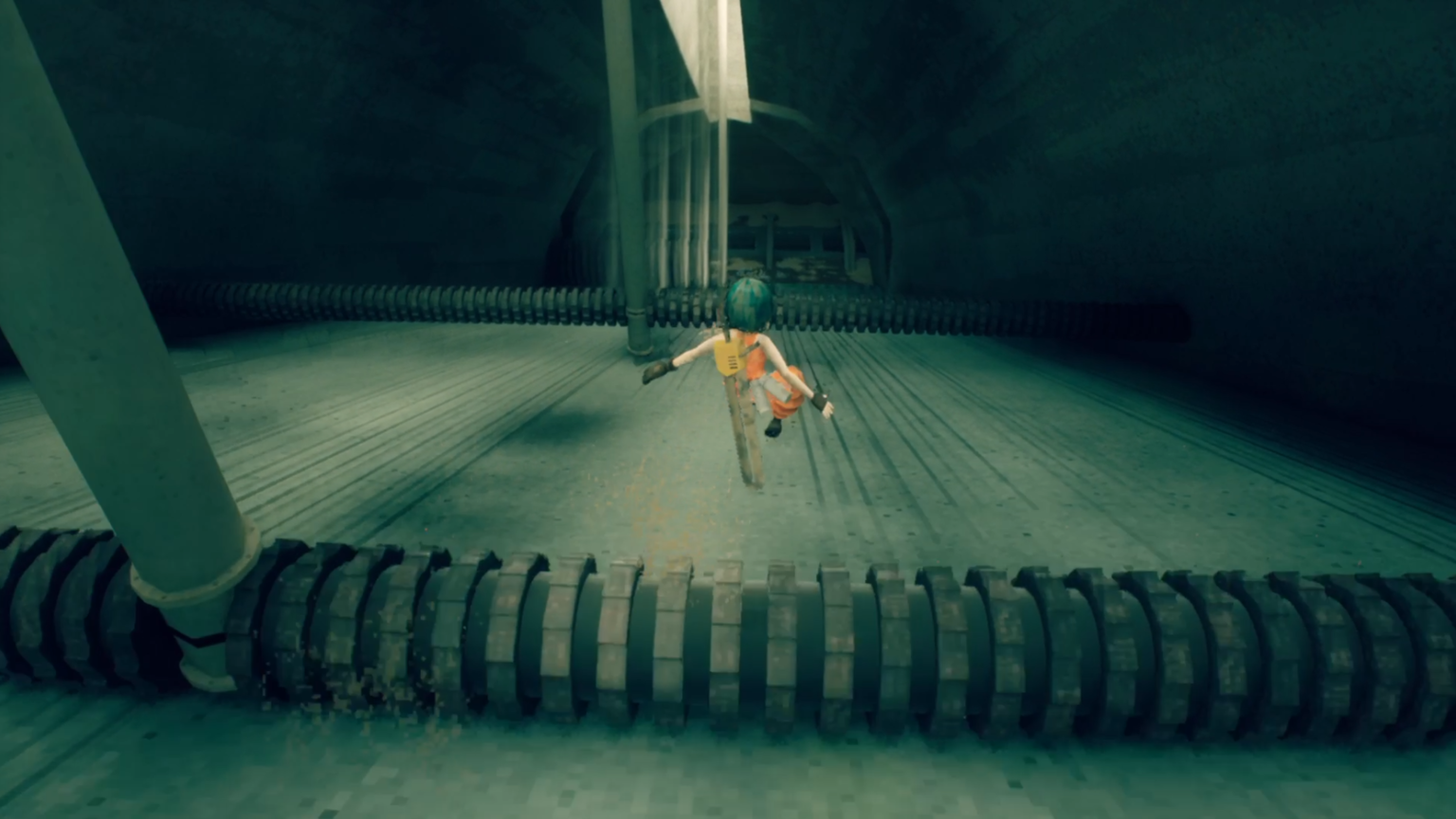
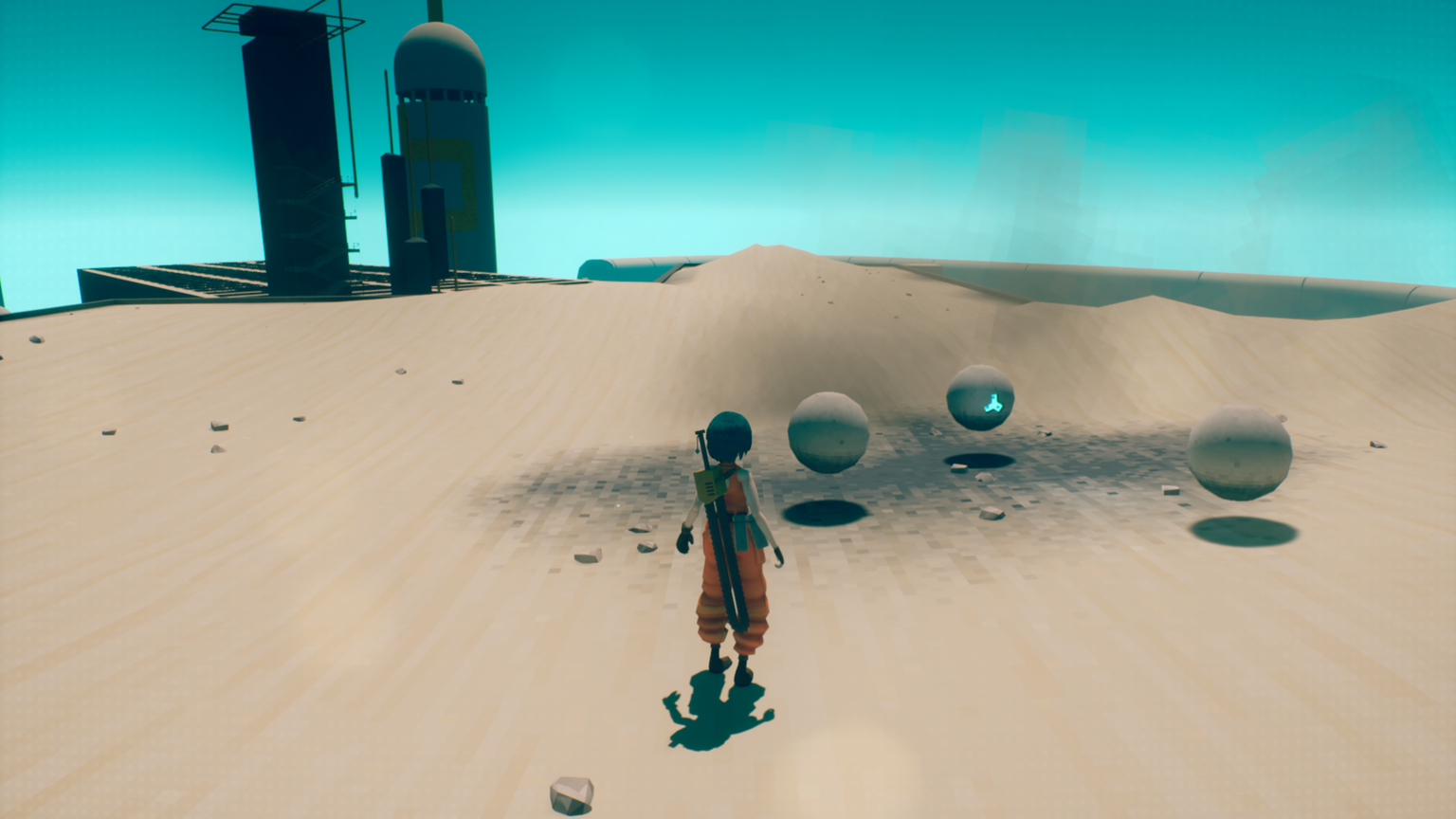
Exploration ties closely into progression. As you move through the structure, you’ll find lost drones scattered throughout the environment. These need to be brought back to specific zones to be collected, and reaching them often requires clever use of your movement abilities. If you die before securing one, it’s gone, which adds a bit of tension. Orbs also act as a kind of buffer in combat, giving you an extra layer of protection. Using the scan ability helps highlight points of interest, including lost drones, enemy weak spots, and hidden elements, which makes navigating the world feel more intentional.
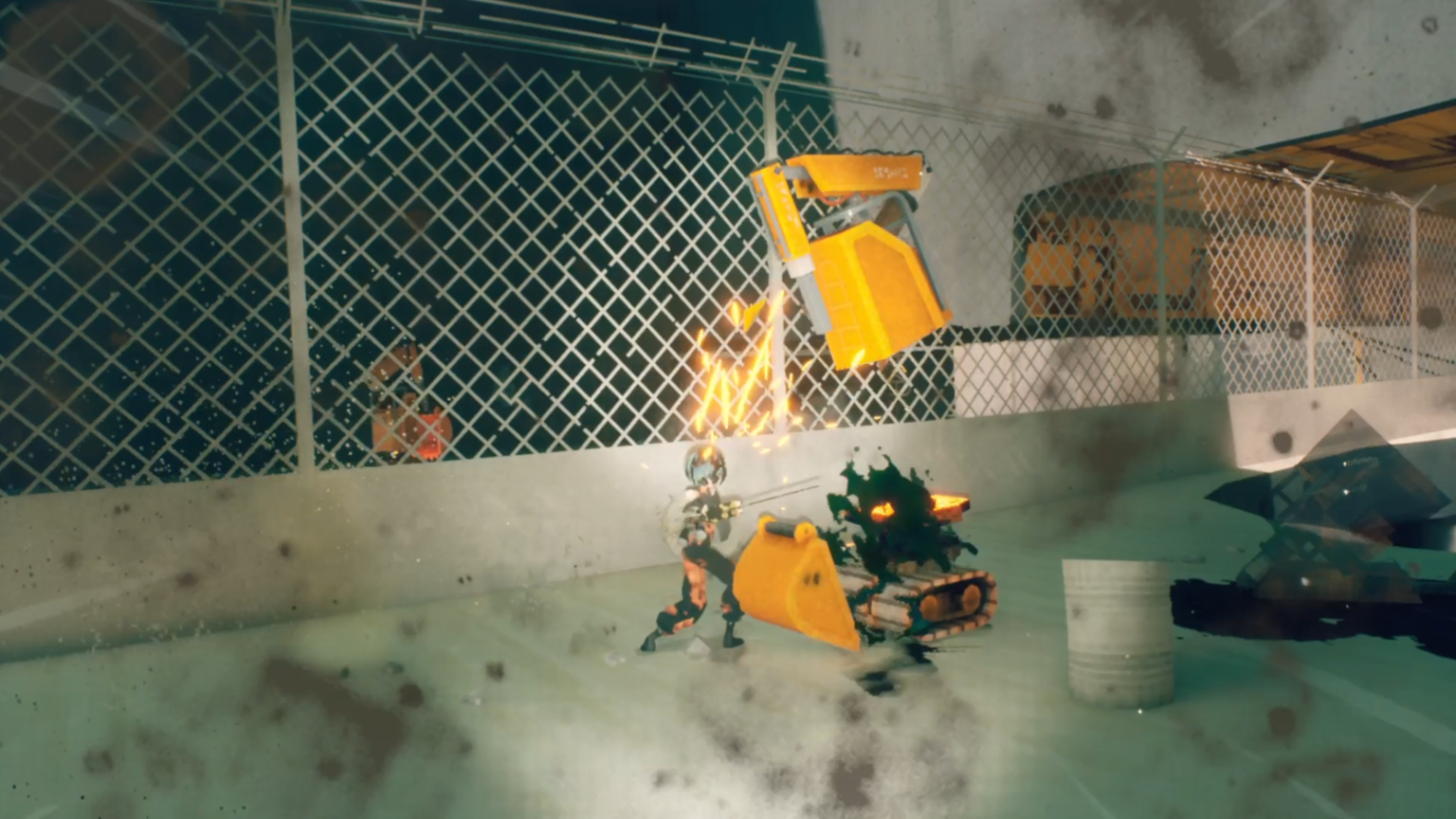
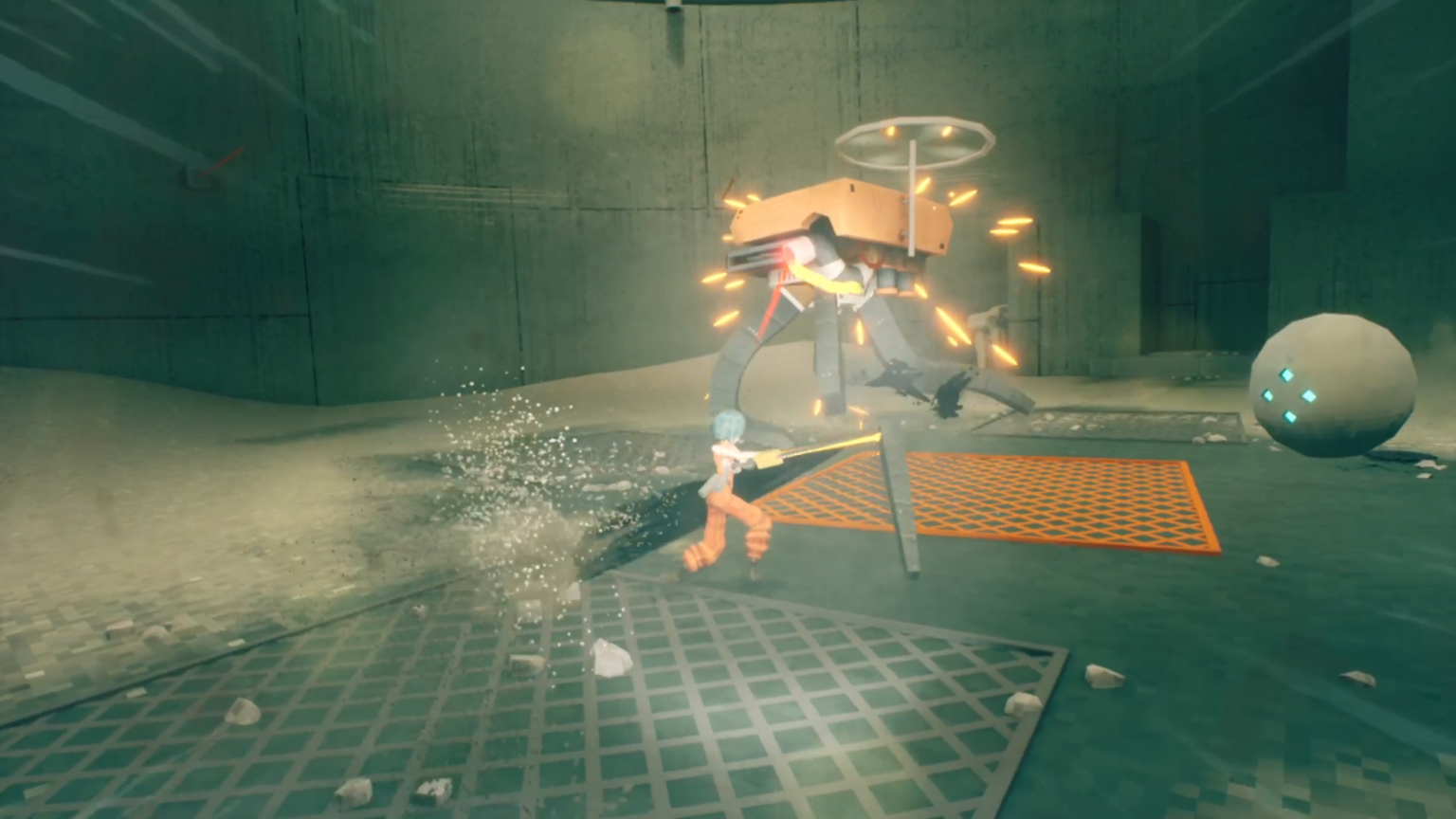
Combat is easy to grasp, though it could use a bit more depth. You’re up against various machine enemies, from smaller construction units to larger, more dangerous threats. You don’t have much health, so fights are quick and punishing. Timing is key. You can parry attacks, reflect projectiles, and dodge around your opponents during fights. While there are some additional options like charging your weapon, they don’t feel as useful in practice, since enemies are aggressive and don’t leave much room for setup. Most encounters boil down to reacting quickly and staying mobile, which works well but can feel a bit limited over time. Still, the arena setups and different approaches to taking down enemies keep it from getting stale.
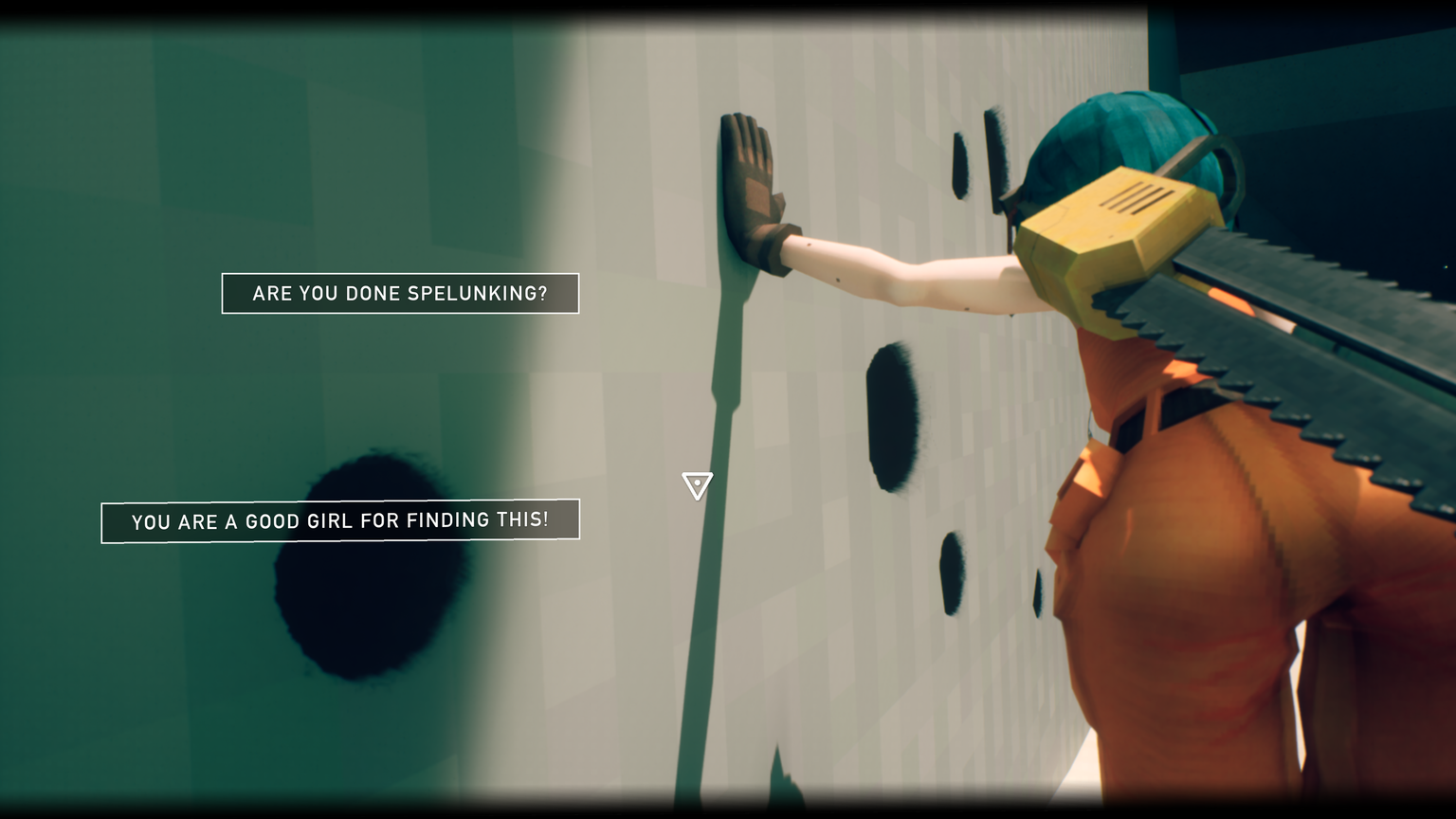
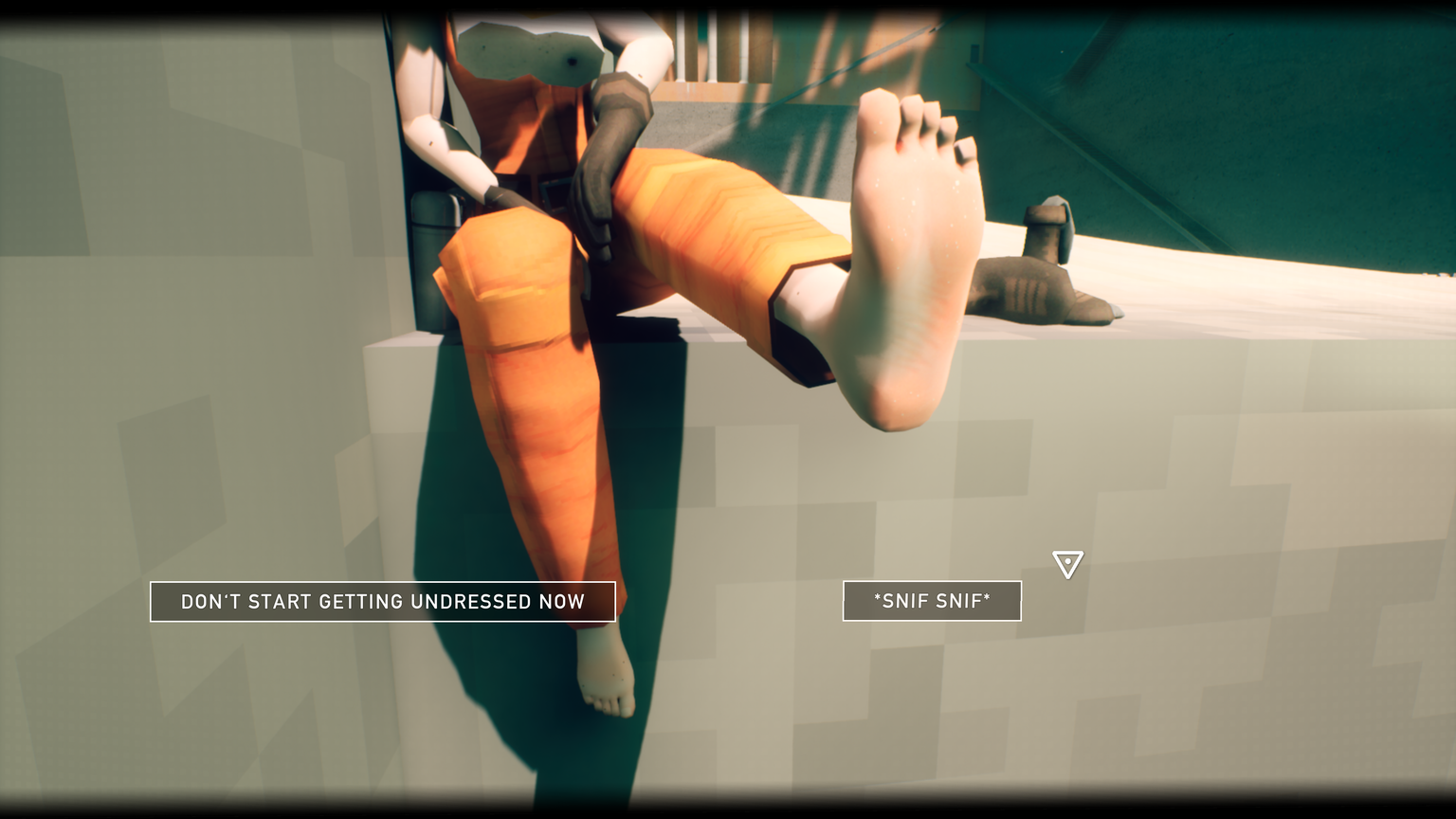
Outside of the action, there are quieter moments where the game slows down. These segments let you interact with P more directly through Orbie, and they add personality to both characters. There’s a playful tone to these scenes, sometimes a little cheeky, with P’s expressions and reactions giving her more character. It’s an interesting contrast to the otherwise lonely and imposing atmosphere of the world. That said, the game leans into a slightly suggestive tone during these moments that some may find amusing, while others might see it as a bit too sleazy.
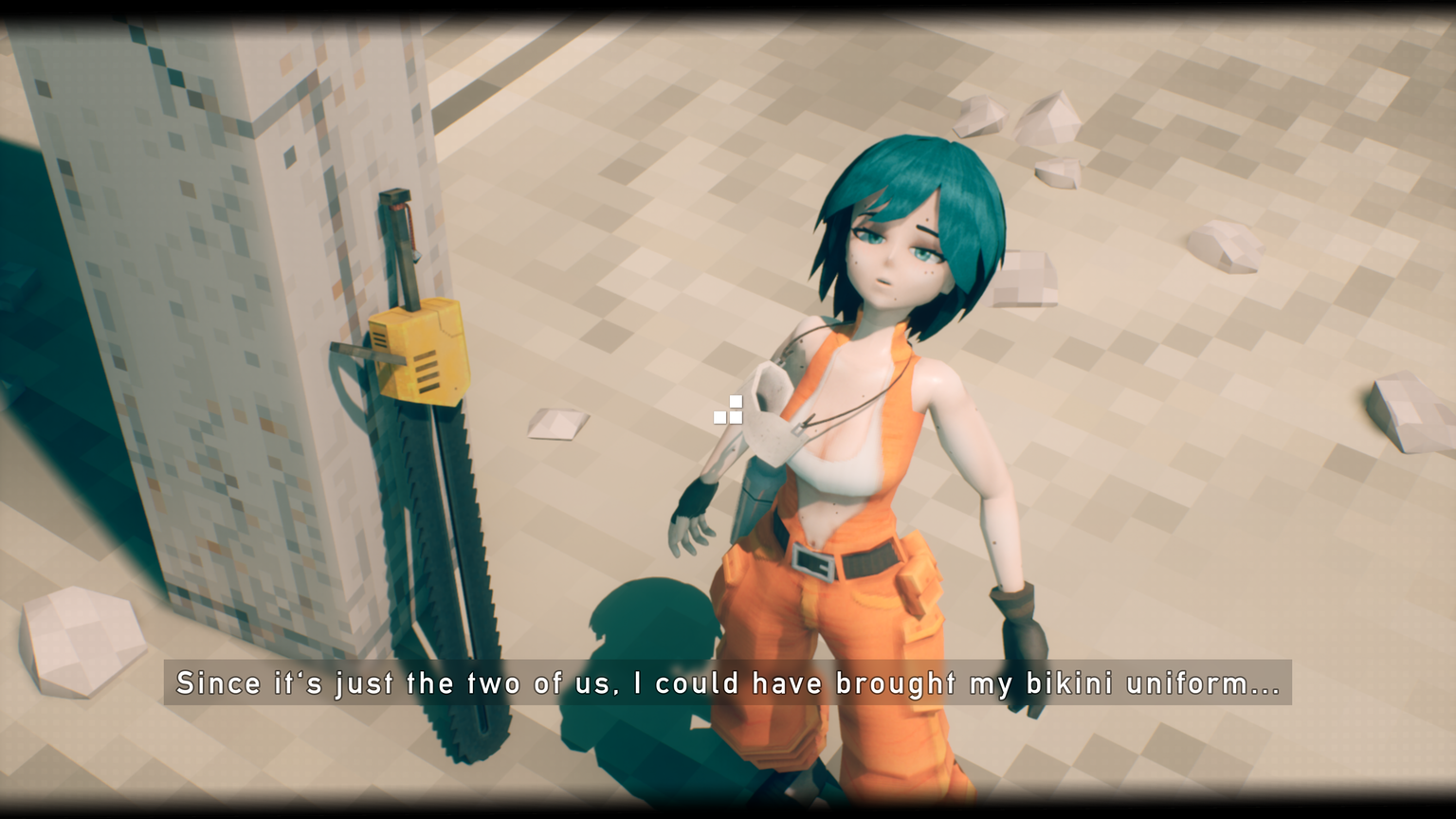
Visually, MOTORSLICE is striking. The low-poly style gives it a distinct look that feels both nostalgic and modern. The use of color is especially effective, with orange acting as a guide for traversal paths and enemy weak points. P’s design stands out immediately, from her outfit to her small details, and Orbie complements her well. The environments are large, brutalist, and often overwhelming in scale, which adds to the sense of isolation. Enemy designs are creative too, even if there aren’t a huge number of variations. Fighting construction machinery as enemies gives the game a unique identity.
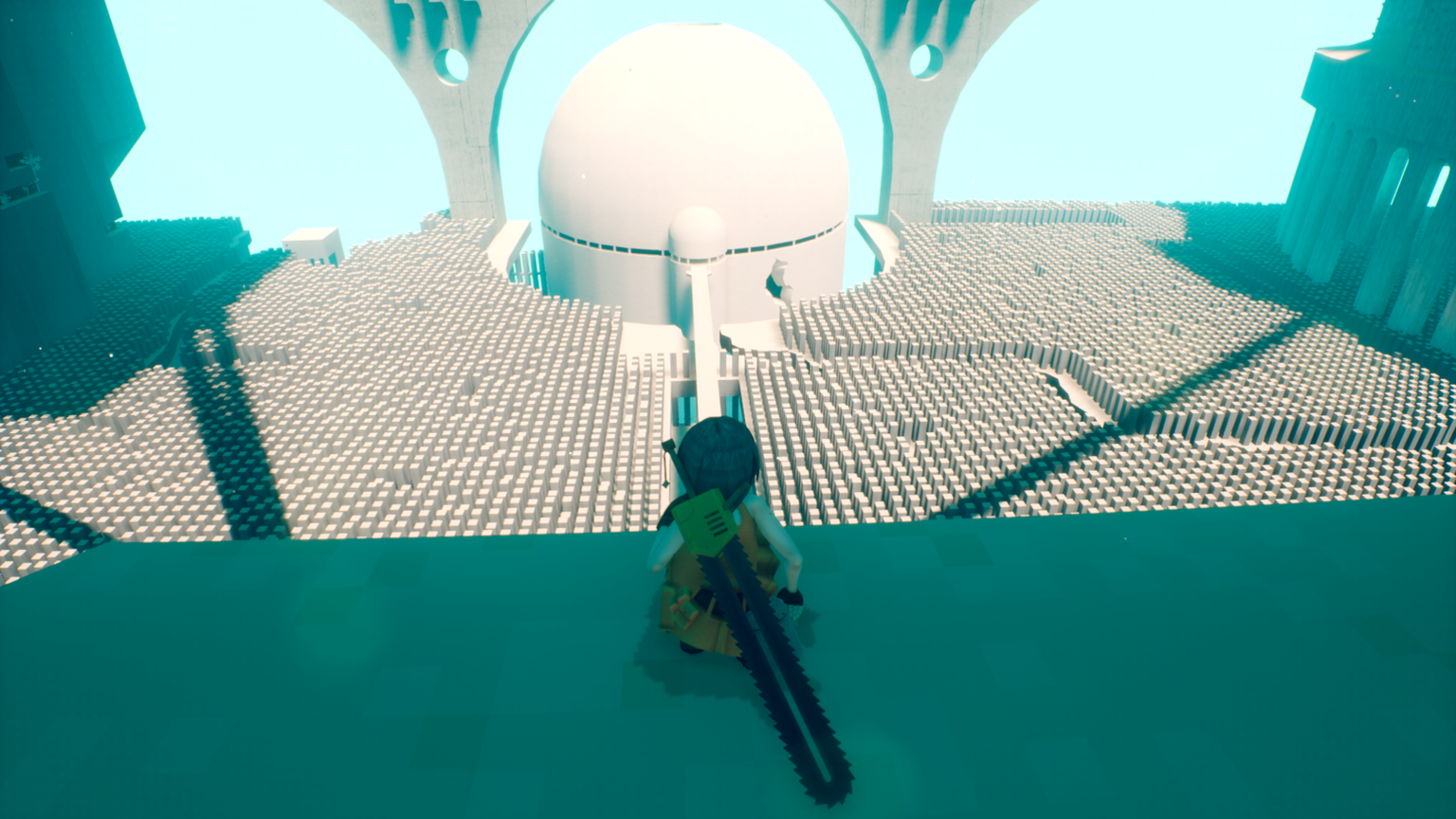
The audio design supports everything nicely. The main theme is calm and memorable, while combat and movement sections bring in more energetic, rhythmic tracks that match the pace of gameplay. Environmental sounds like machinery grinding or distant echoes help sell the setting, and moments like falling from great heights are made more intense with P’s breathing and the rush of air. Voice acting is used sparingly, yet still leaves a strong impression. P’s softer delivery, G’s presence early on, and Orbie’s simple sounds all contribute to the overall tone and dynamic.
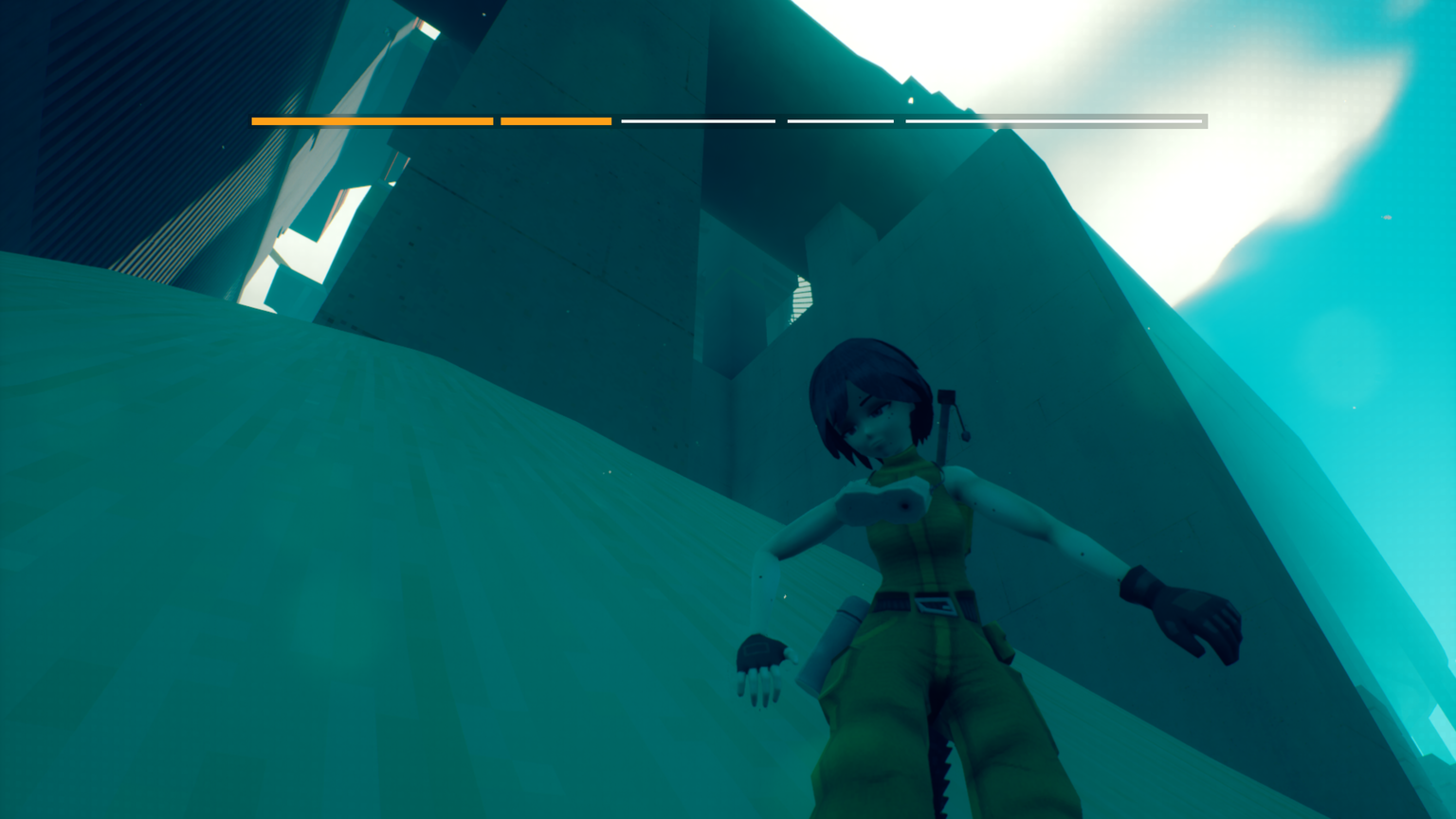
I ran into a few technical hiccups on my journey to destroy all the machines. At one point, the camera didn’t transition back into gameplay after a cutscene, which led to me falling straight into the abyss. Another time, it suddenly shifted into a first-person angle and sent me plummeting to my untimely death. During a boss fight, falling from a certain height didn’t register properly, which led to some funny moments where P was stuck in her falling animation while I could still walk around out of bounds. The game also crashed on me once. Nothing too severe, just typical gaming issues, but it’s worth mentioning.
Final Thoughts?
MOTORSLICE is a game that thrives on its feel. Moving through its world, chaining together actions, and carving through enemies with your chainsaw is consistently satisfying. The mystery of its story, the creativity of its mechanics, and its strong visual style all come together in a way that feels genuine. While some of its oddities can get in the way and cause frustrating or unfair restarts, there’s a clear sense that it was made with a love for games and experimentation. MOTORSLICE ultimately leaves a lasting impression thanks to its exploration, movement-focused gameplay, and a world that leaves room for interpretation, with mechanics that feel deeply connected to its massive structure.
About the Author

Nay Clark Gaming holds a special place in my heart and I never stop talking about video games. I really love all types of games and have an interest in games that have complicated stories and lore because I enjoy untangling the mystery of it all. When I'm not gaming, I unsuccessfully try to control three amazing and incredibly bright kids.
Related Posts

Riven (PS5/PSVR2) Review →

Warhammer 40,000: Speed Freeks (PS5) Review →

Warhammer 40,000: Mechanicus II (PS5) Review →