
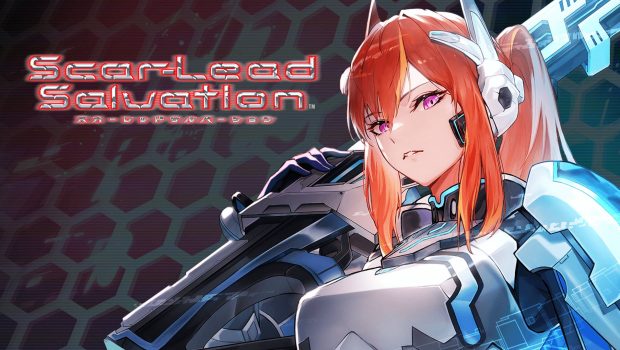
Scar-Lead Salvation Review (PS5)
Summary: Scar-Lead Salvation is a third-person roguelike shooter where you play as Willow, an amnesiac soldier trapped in a looping military facility filled with repetitive rooms, basic enemies, and a sarcastic AI guiding you through it all. While it has ideas like weapon upgrades, bullet hell dodging, and roguelike progression, the execution feels shallow, overly repetitive, and undercooked, making the experience wear thin quickly. The salvation of me reaching the end of this game definitely led to some scars.
1.6
Looped Lethargy
Save humanity by dying over and over…if the repetition doesn’t get to you first! Scar-Lead Salvation is a third-person roguelike shooter developed by Idea Factory, Compile Heart, and Neilo, and published by Idea Factory International. It was released on May 29, 2025 for PlayStation 4, PlayStation 5, and PC, with an Xbox Series X|S release following later in the year. Coming from developers best known for niche JRPGs and visual novel style projects like Hyperdimension Neptunia and Death end re;Quest, this game marks another attempt to branch into a more action focused space. It leans into a clear mix of anime presentation, bullet hell combat, and roguelike structure inspired by games like Returnal. Unfortunately, it ends up feeling like a familiar idea stretched too thin, where the loop is functional but rarely exciting.
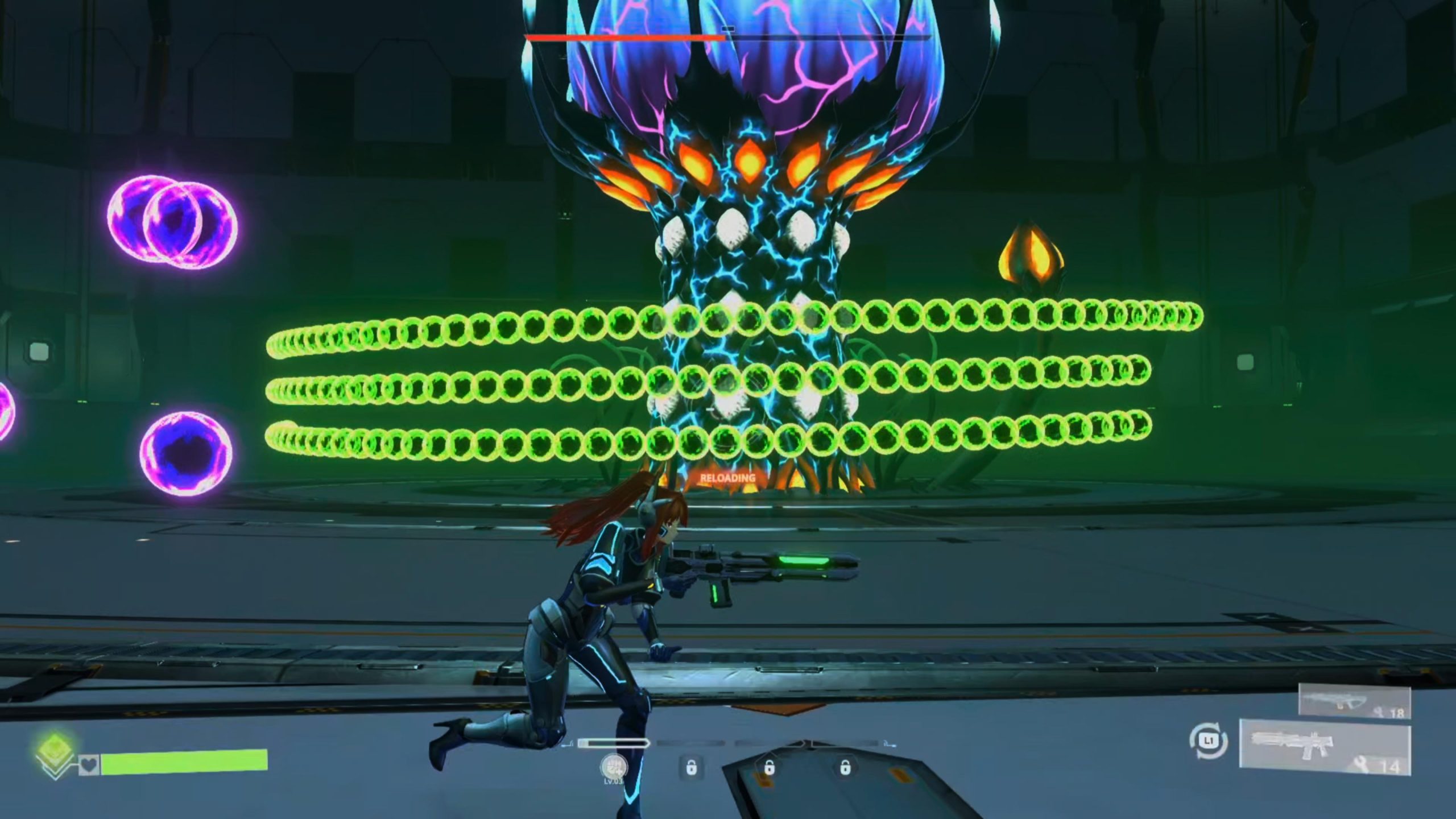
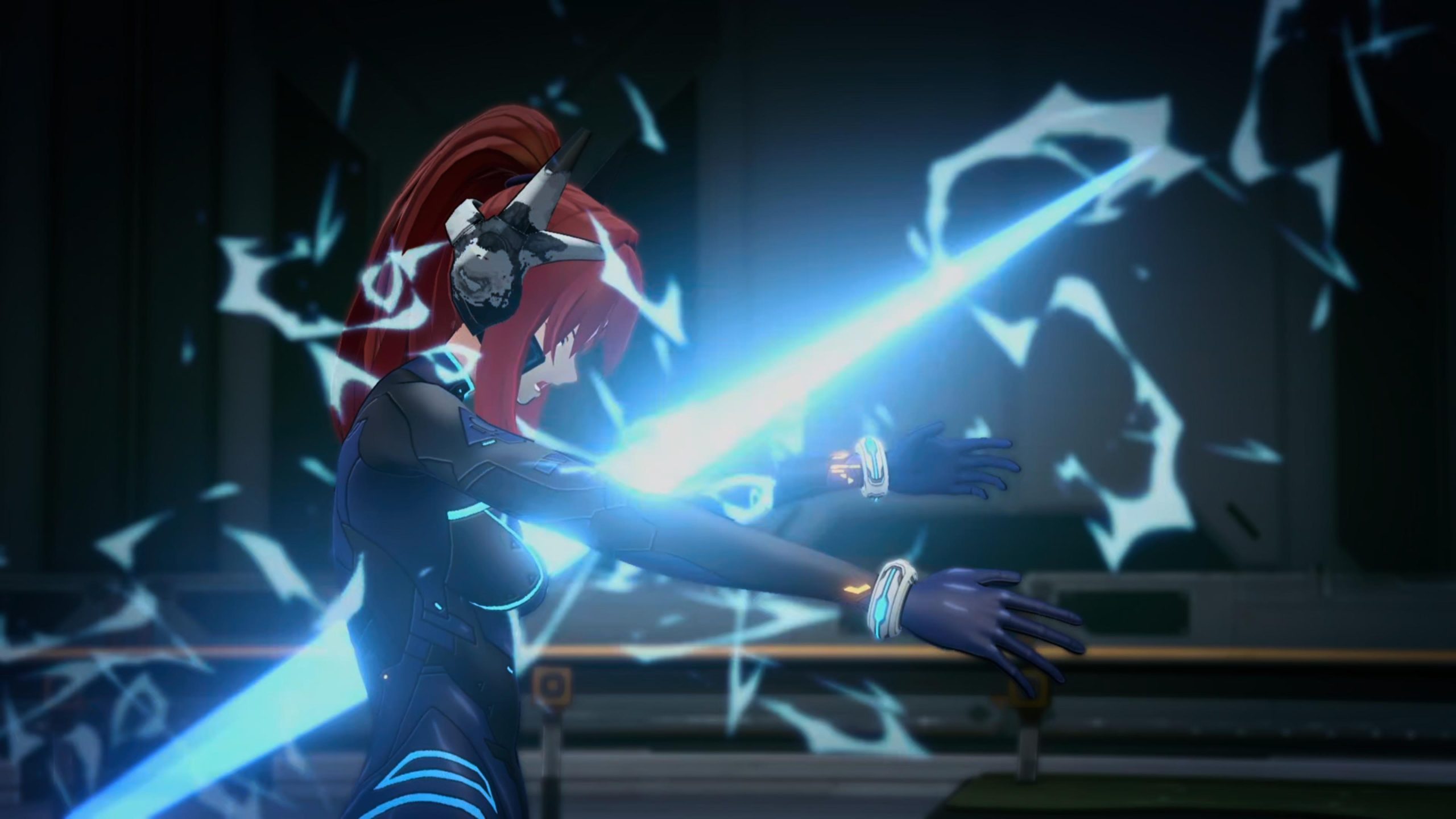
The story follows Willow, a woman in armored combat gear who wakes up inside a sealed military facility with no memory of who she is or how she got there. She is immediately guided by a sarcastic AI companion who acts as both support and authority as she tries to navigate the building. The facility is overrun with hostile machines, and every death sends Willow back to her starting pod, forcing her to repeat the cycle while slowly uncovering fragments of the truth. There is an interesting foundation here, especially in the dynamic between Willow and the AI. Their conversations carry most of the personality in the game, and while they sometimes over-explain or talk more than necessary, they are still the main reason the story stays engaging at all. Outside of that, the narrative delivery is limited. Most of what you learn comes through dialogue or scattered notes, and because you rarely see anything beyond the same cold, sterile facility walls, the lore never fully lands with weight or impact.
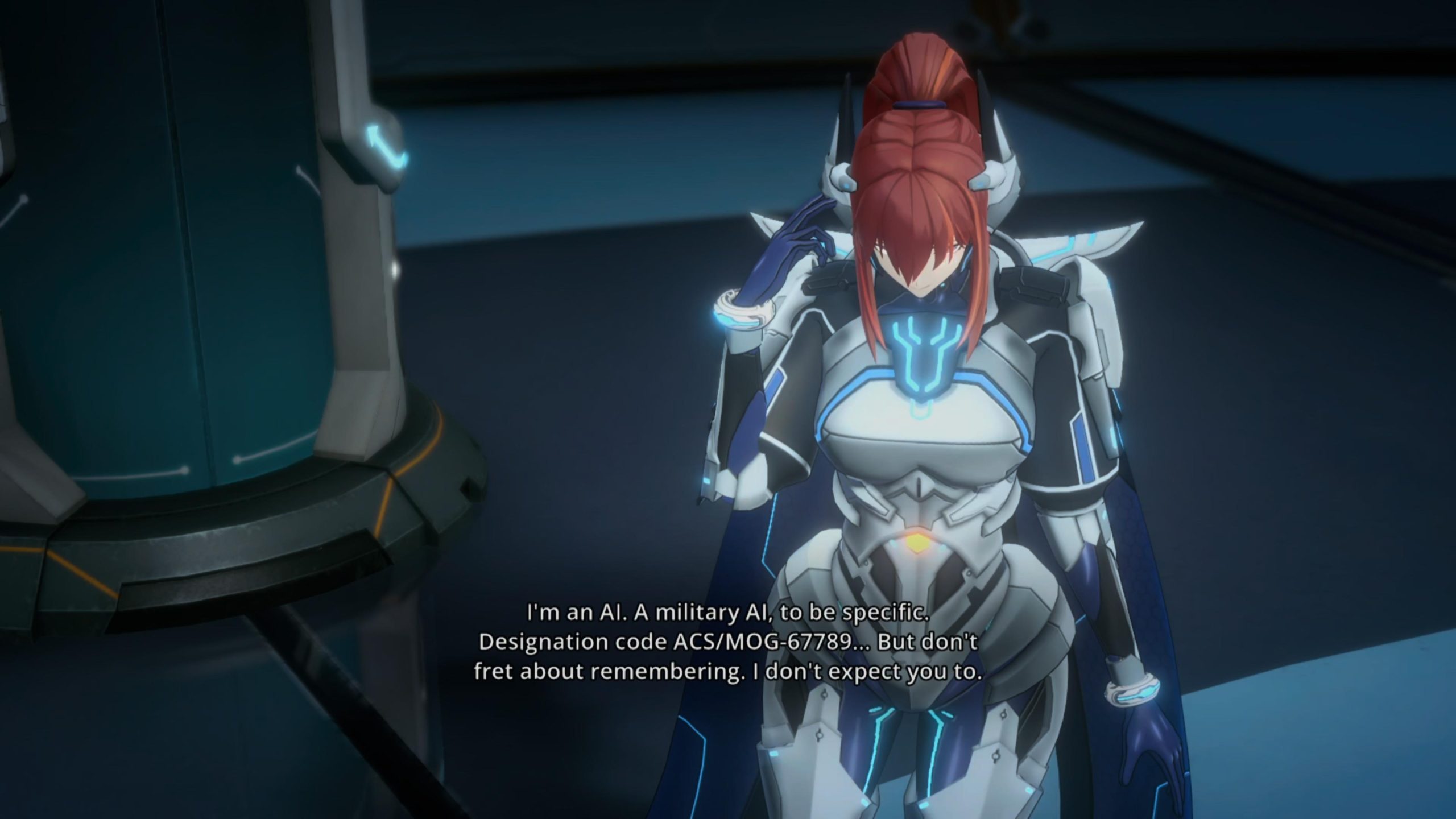
You control Willow through a cycle of rooms that repeat across runs, running, jumping, and using a dodge called Mirage Shift that lets you phase through incoming bullets. The structure is simple and familiar for roguelike fans. Clear rooms, collect weapons and upgrades, find warp points, and eventually reach a boss before moving deeper into the facility. If you die, you restart from the beginning pod, although the game is fairly forgiving by letting you revisit earlier floors or return to the point where you died. That loop should be inviting and encourage experimentation, but in reality it often feels more like repetition than discovery.
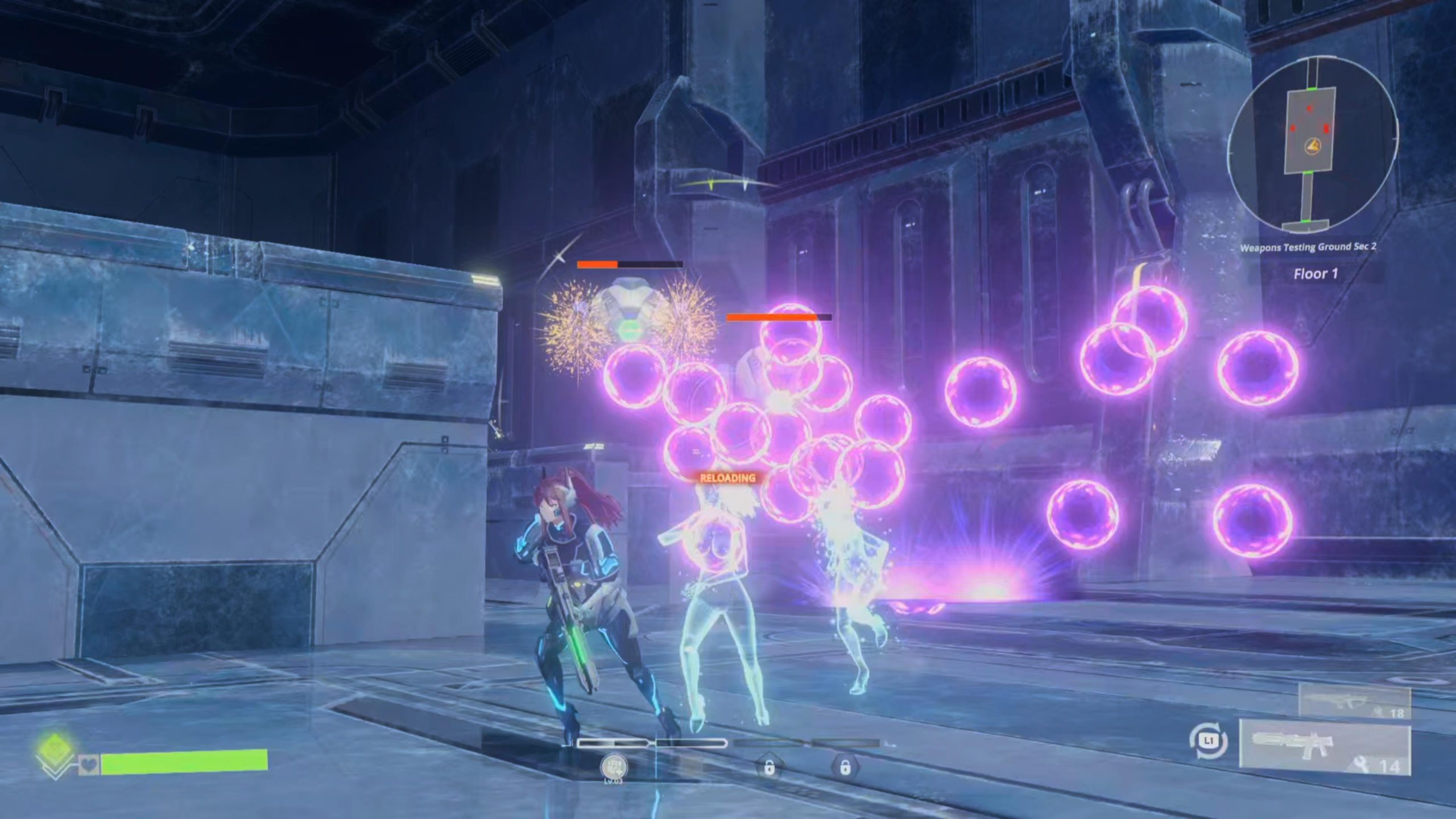
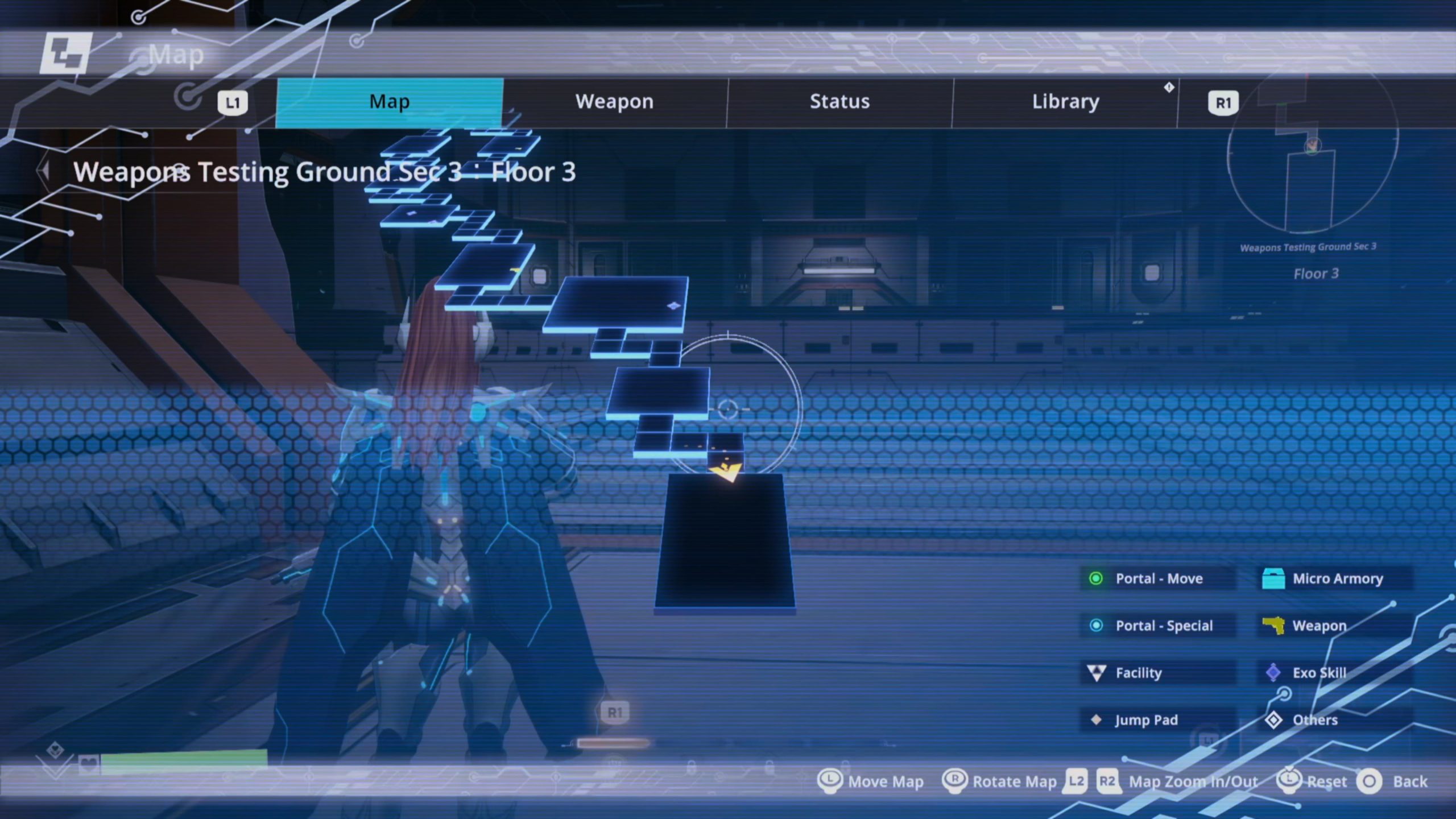
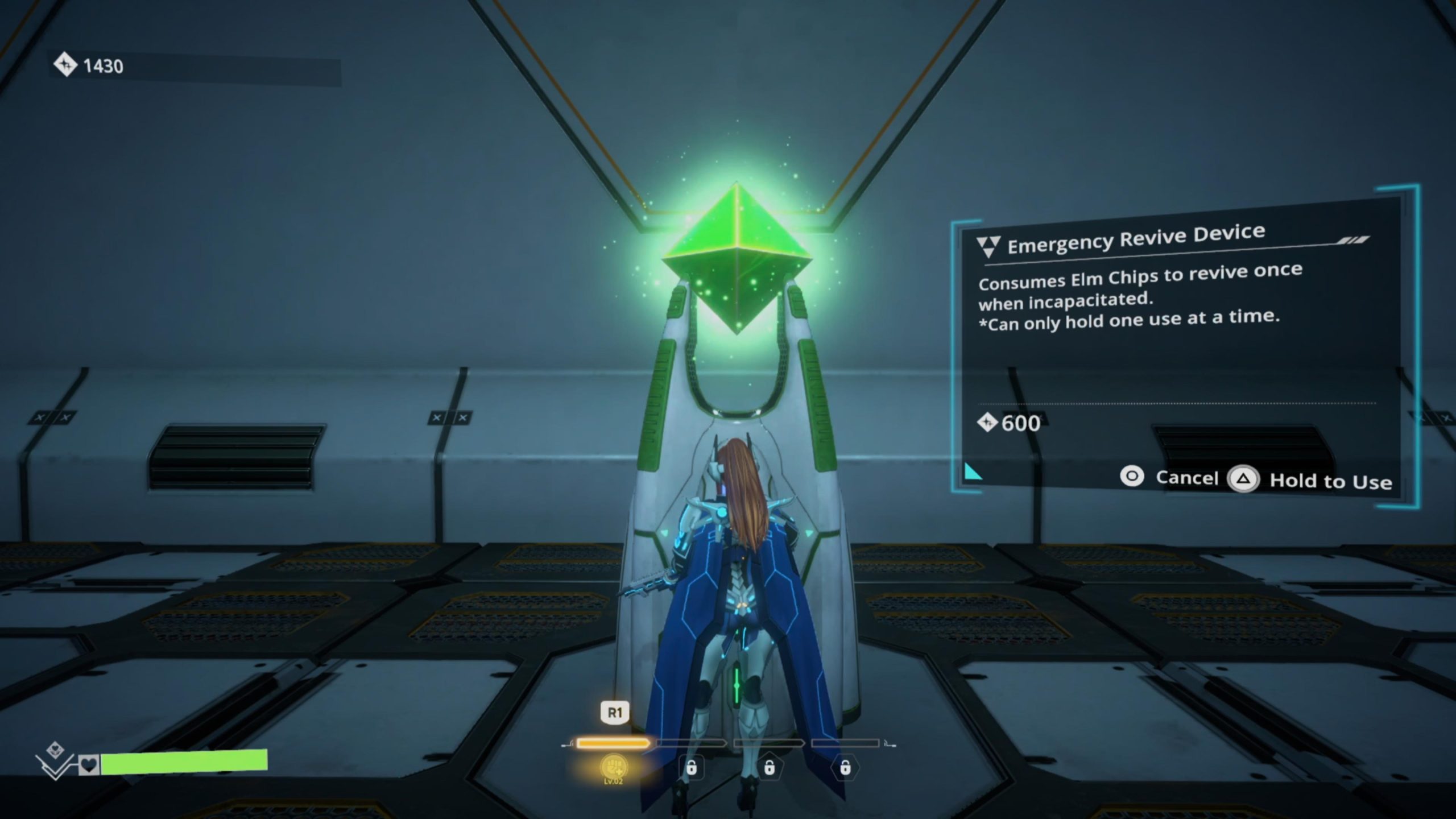
Combat revolves around a mix of firearms, melee, and upgrade systems. The Striker acts as your energy blade, used for close range attacks and for triggering resource drops called Elm, which you use to upgrade weapons at stations or buy other items in locked cases found in special portals. You also find a variety of ranged weapons like shotguns, machine guns, lasers, and elemental based guns that deal fire or electricity damage. Alongside this, Micro Armory containers provide items, while Exo Skills act as passive buffs that can stack and evolve if you find duplicates. These systems feed into an additional mechanic called Exo Force Drive, which builds up through combat actions like dodging and parrying. Once full, it allows you to activate Onslaught Mode, temporarily boosting damage and granting invincibility. There is also an Emergency Revive Device that can bring you back instantly instead of resetting your run, which adds a small safety net to the loop.
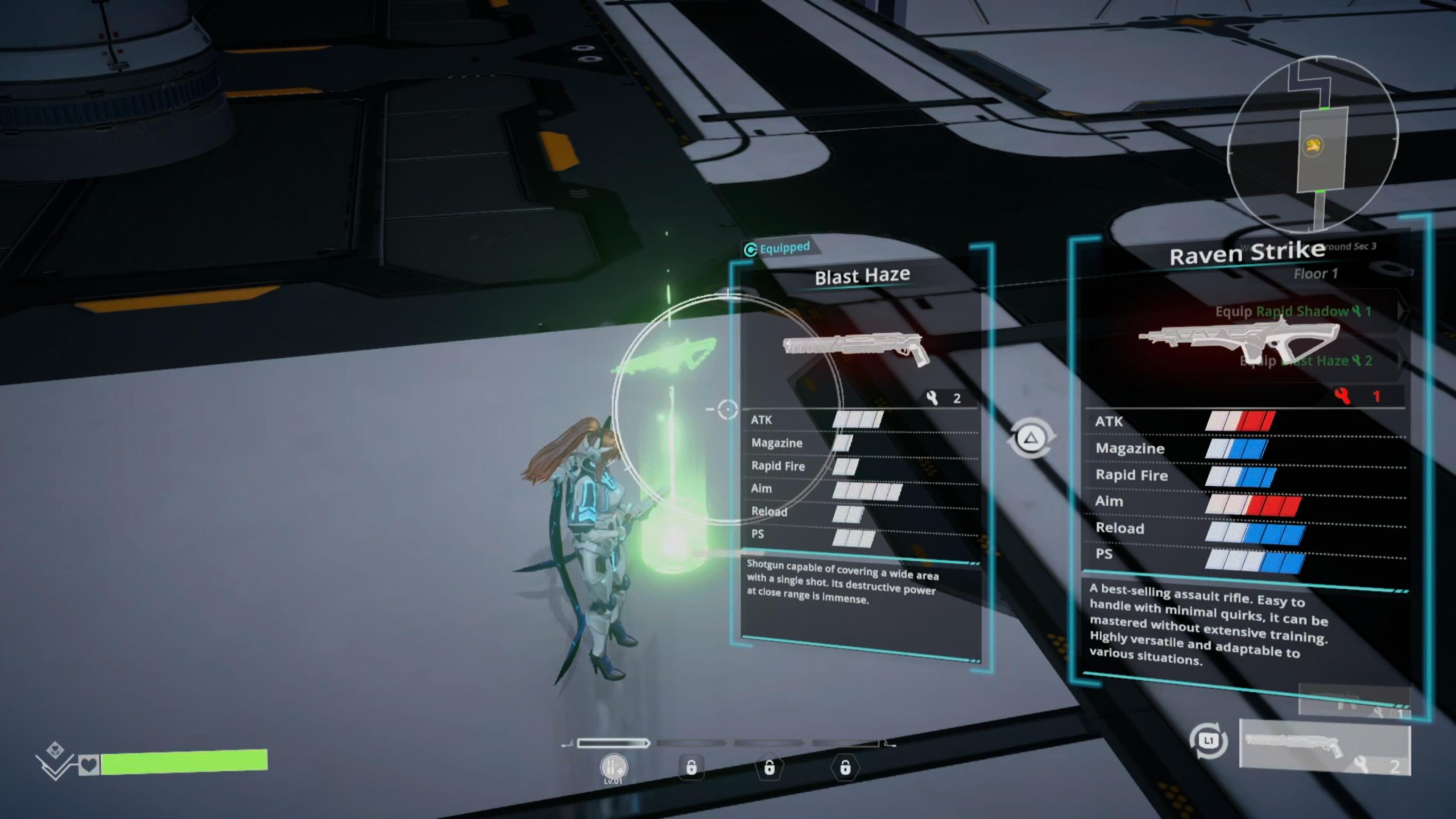
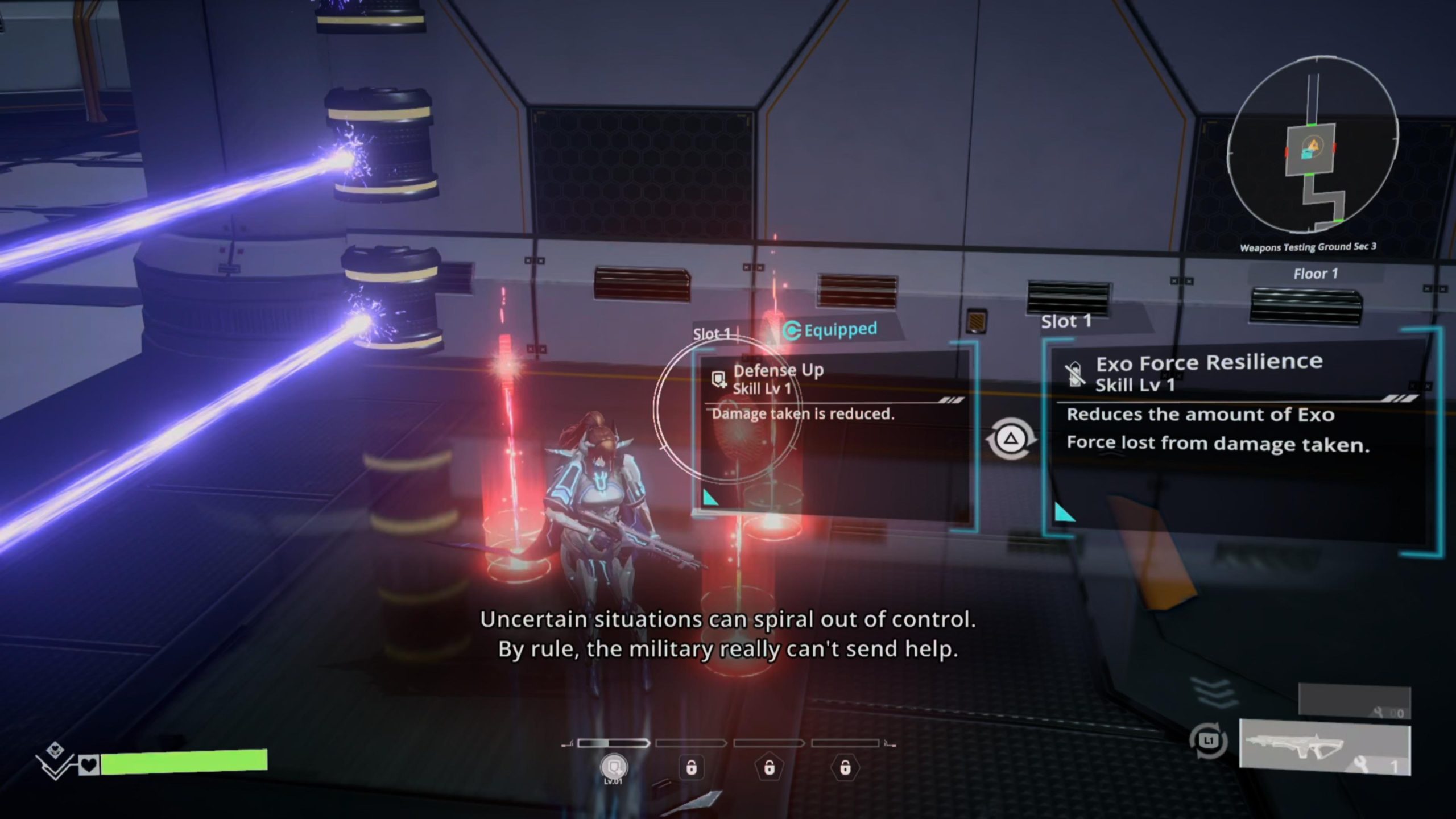
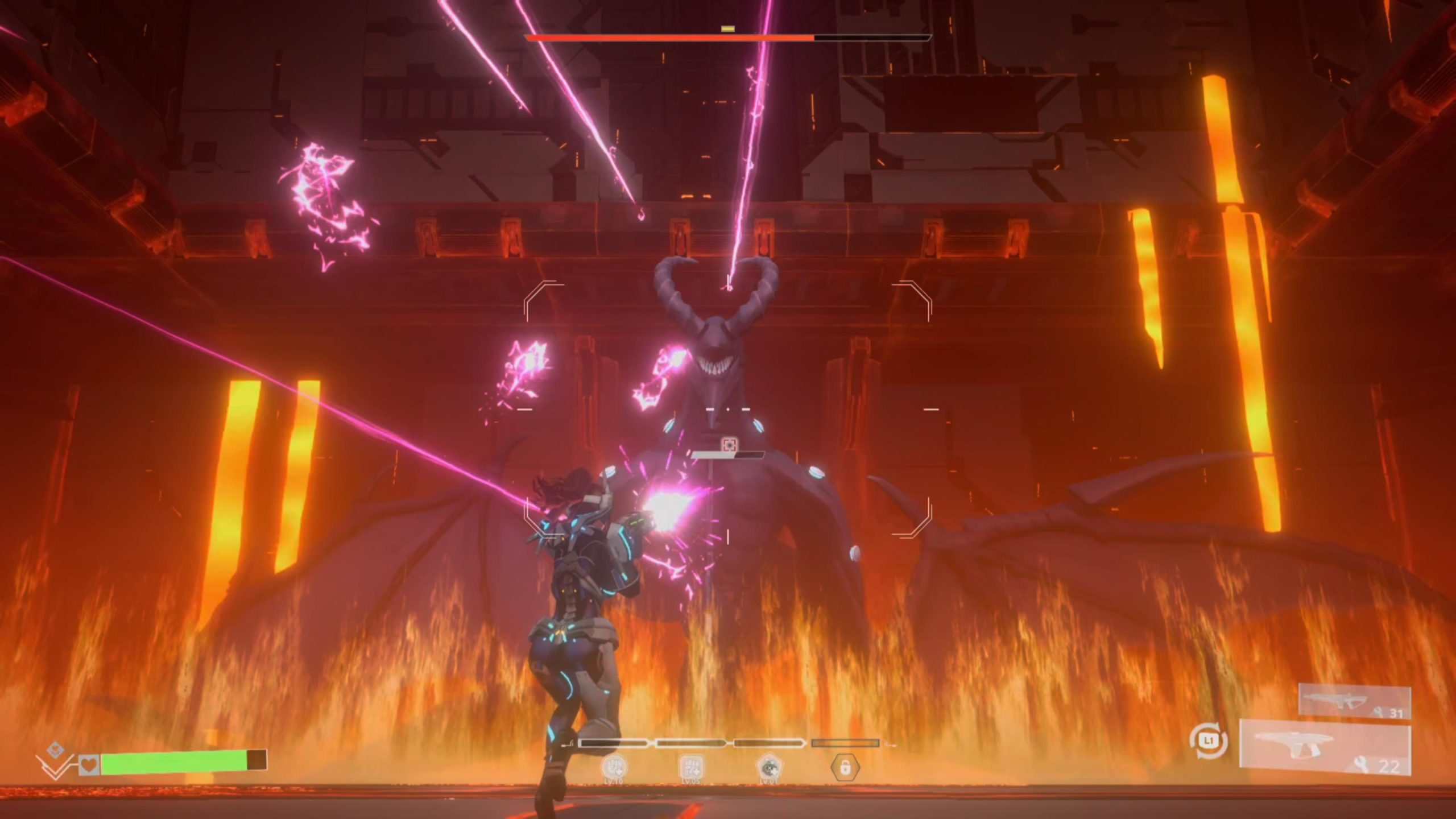
The issue is that none of these systems ever fully click into something satisfying. Combat is functional but rarely challenging in a meaningful way. Most enemies behave like simple obstacles rather than threats, and you can often hide behind cover and slowly chip away at them without much pressure. Enemy variety exists in theory, with different types like explosive rushers, bullet orb shooters, flying laser units, and stationary cannons, but they lack personality and quickly start to feel interchangeable. As the game progresses, difficulty increases mostly by adding more enemies into the same rooms rather than introducing smarter or more engaging encounters, which often turns fights into visual noise rather than tension.
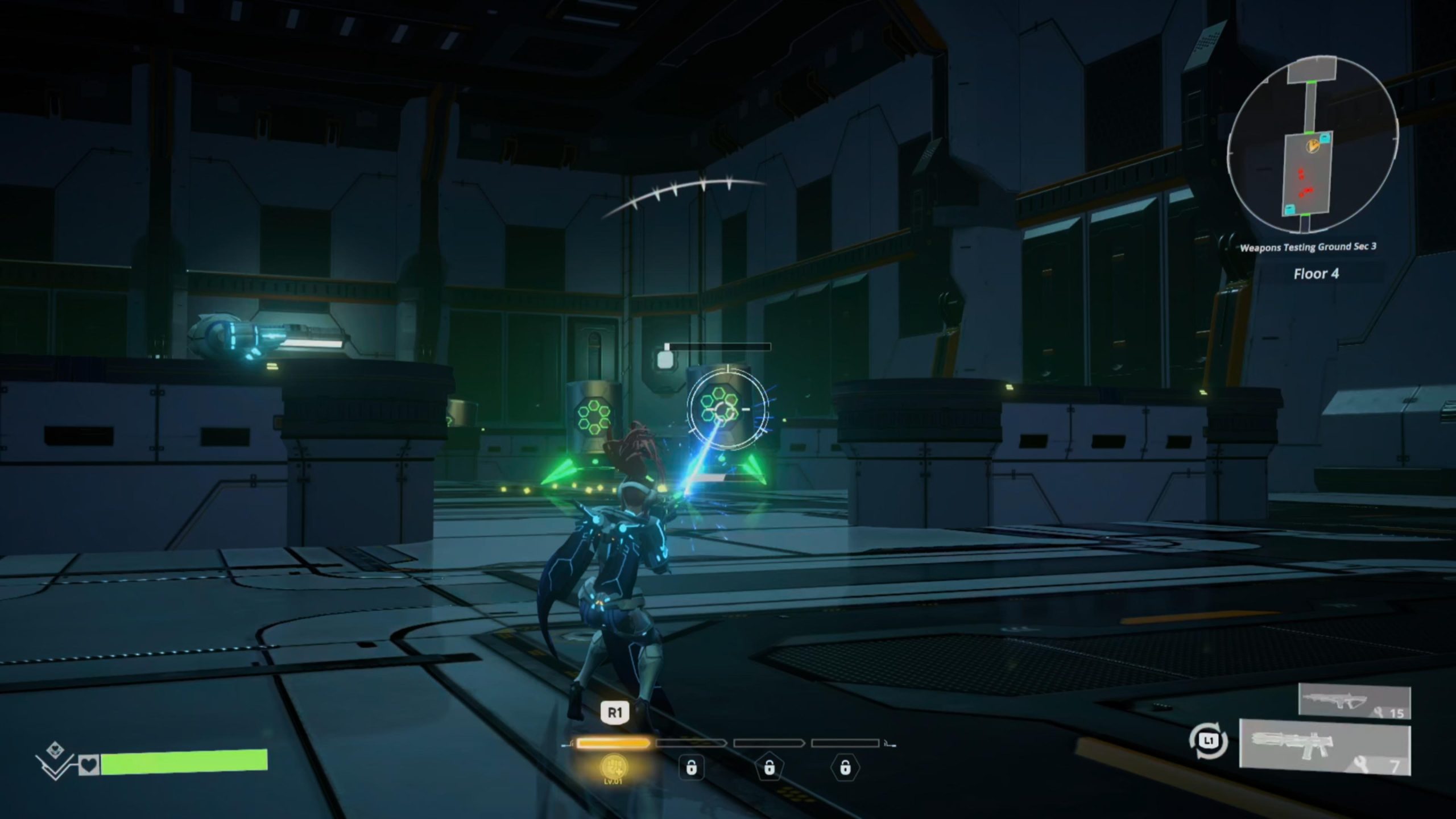
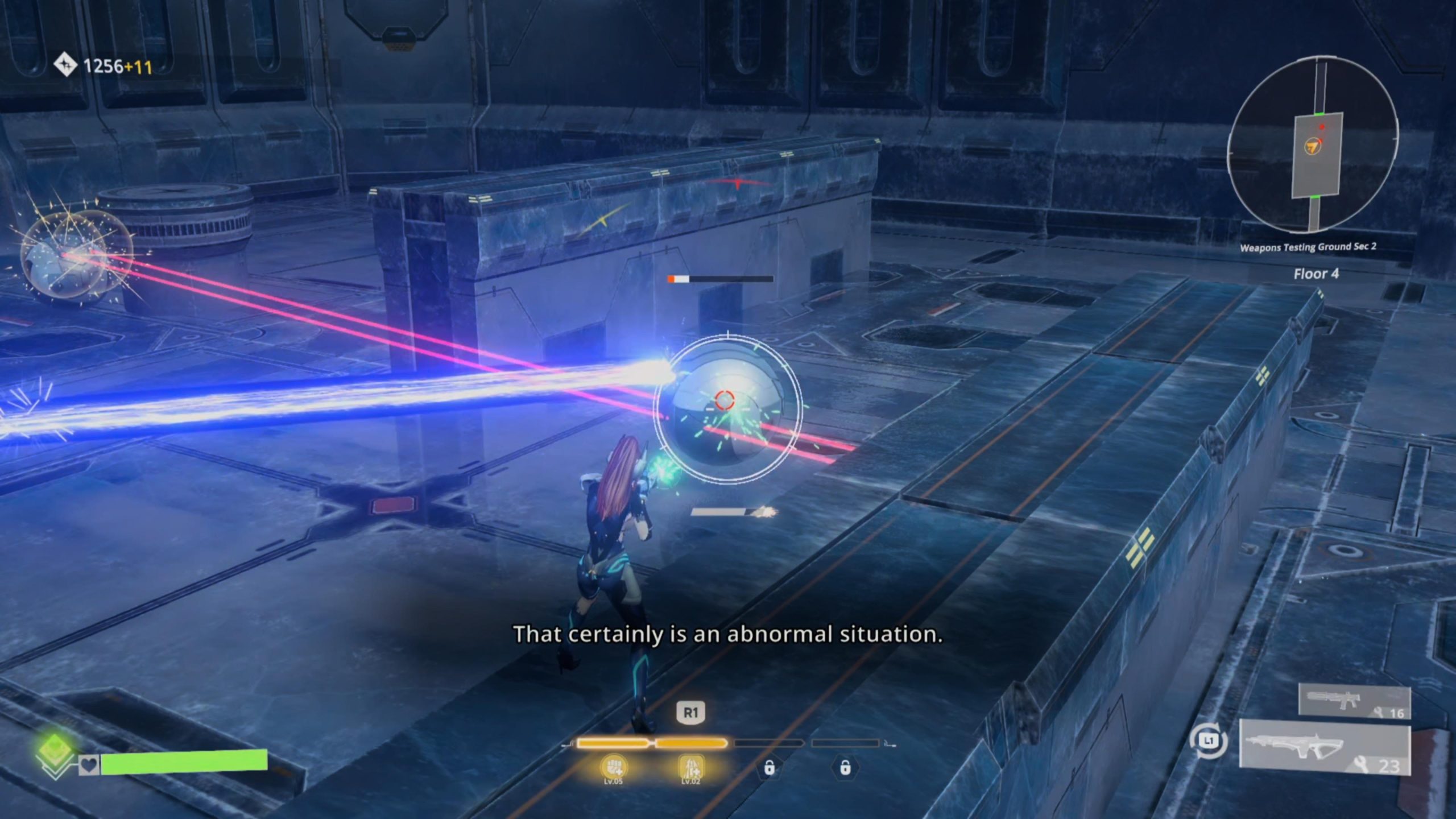
Progression also struggles to justify itself. Weapons can be upgraded, skills can be leveled, and meters can be filled, but the reward structure never feels particularly satisfying. It is possible to invest heavily into a weapon only to find that nothing meaningfully better appears later, which reduces the excitement of loot. Combined with the loop structure, where death can strip away progress, the game sometimes feels like it is working against its own systems rather than reinforcing them. There is also a Lightning Mode for faster paced play, but it does not fundamentally change how repetitive the core structure feels.
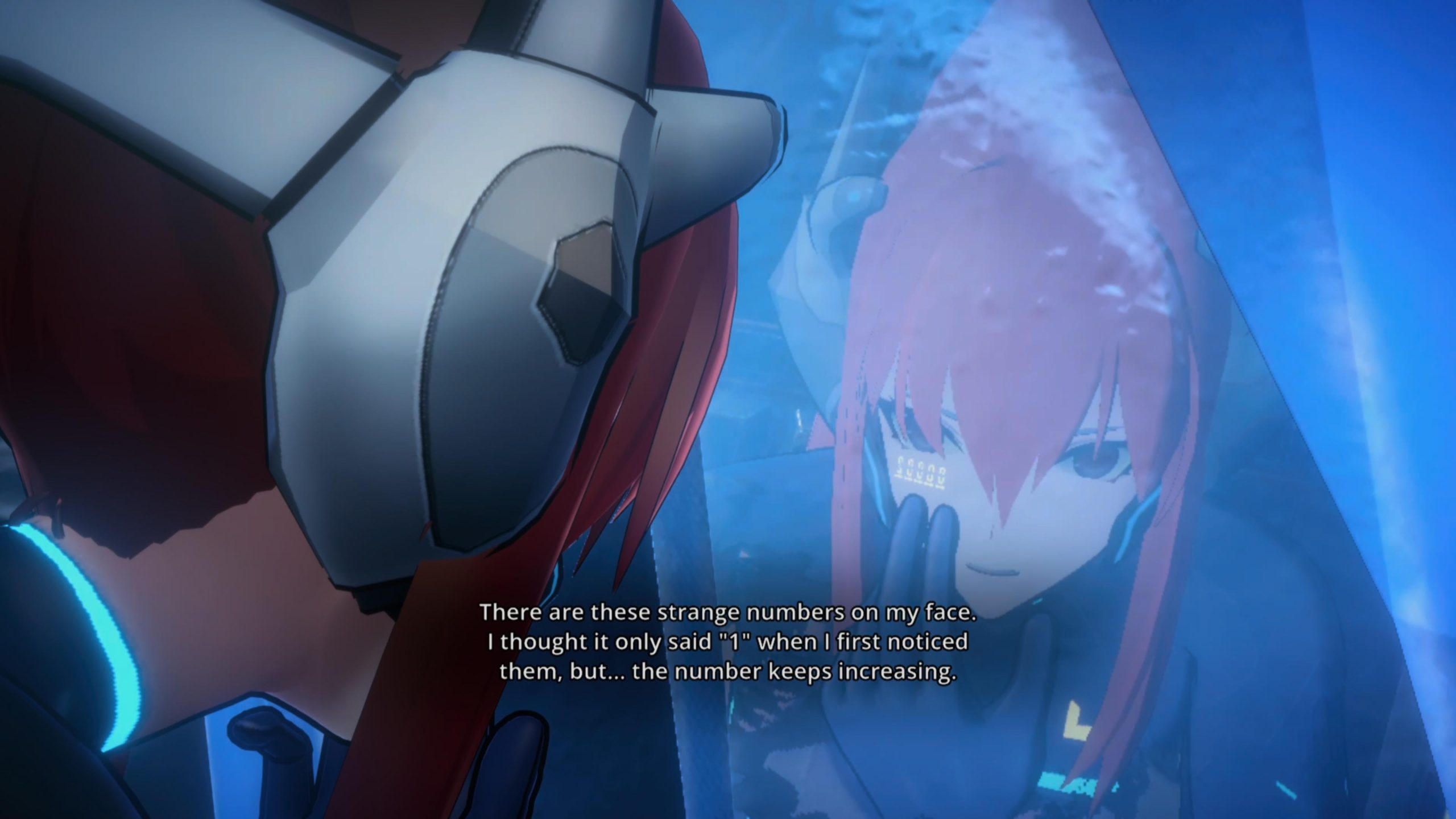
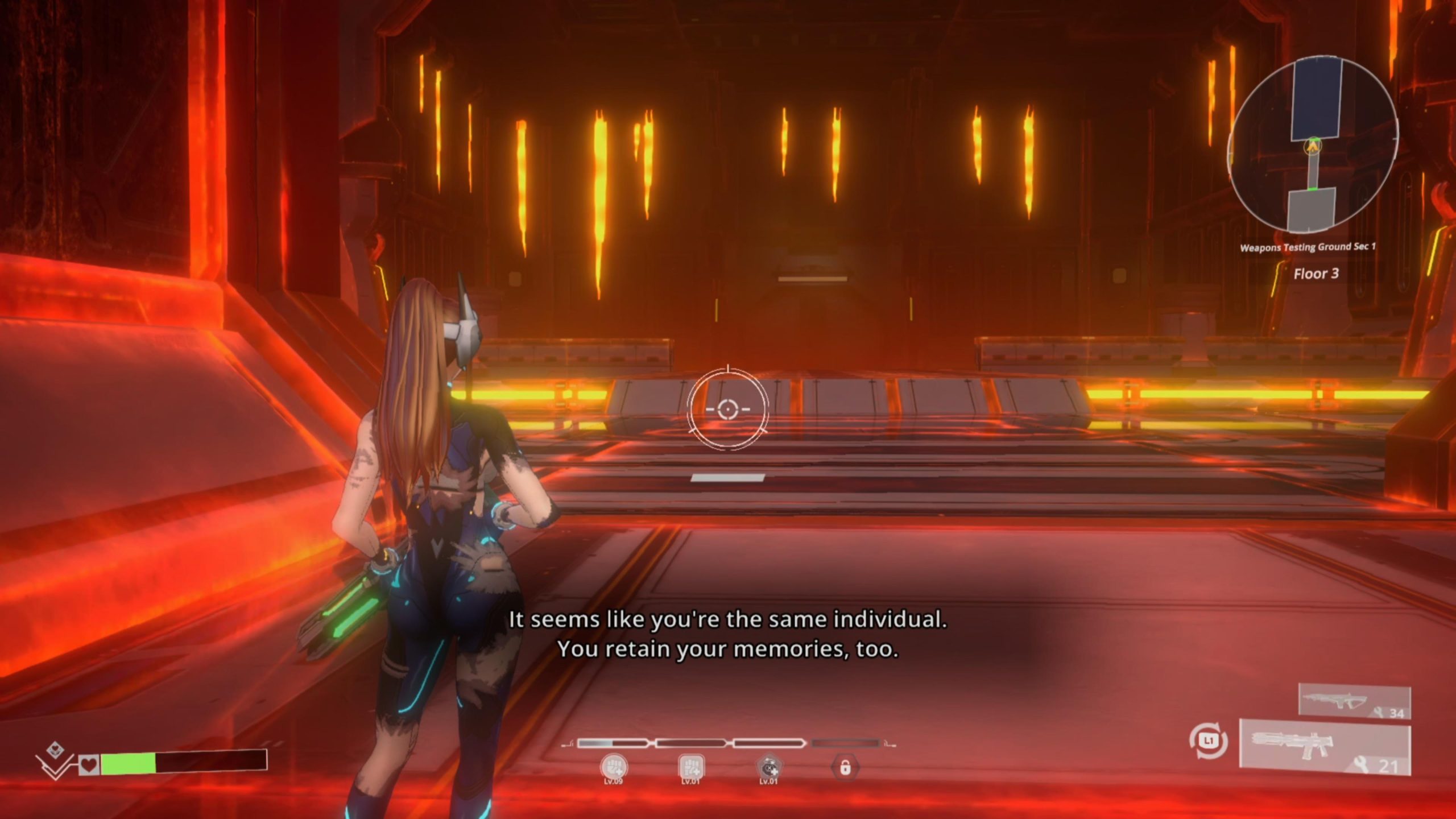
Level design is one of the biggest weaknesses. Every area is built from the same style of sterile, metallic rooms connected by long corridors, with only slight palette changes like cold blue or red filters to signal new zones. Even when you reach later sections of the game, you are often revisiting the same environments with minor adjustments or increased enemy density. The procedural generation also does not do enough to keep things fresh, since rooms still feel like variations of the same layouts over and over again. Instead of encouraging exploration, it often feels like you are simply moving through repeated patterns until the game decides to let you progress.
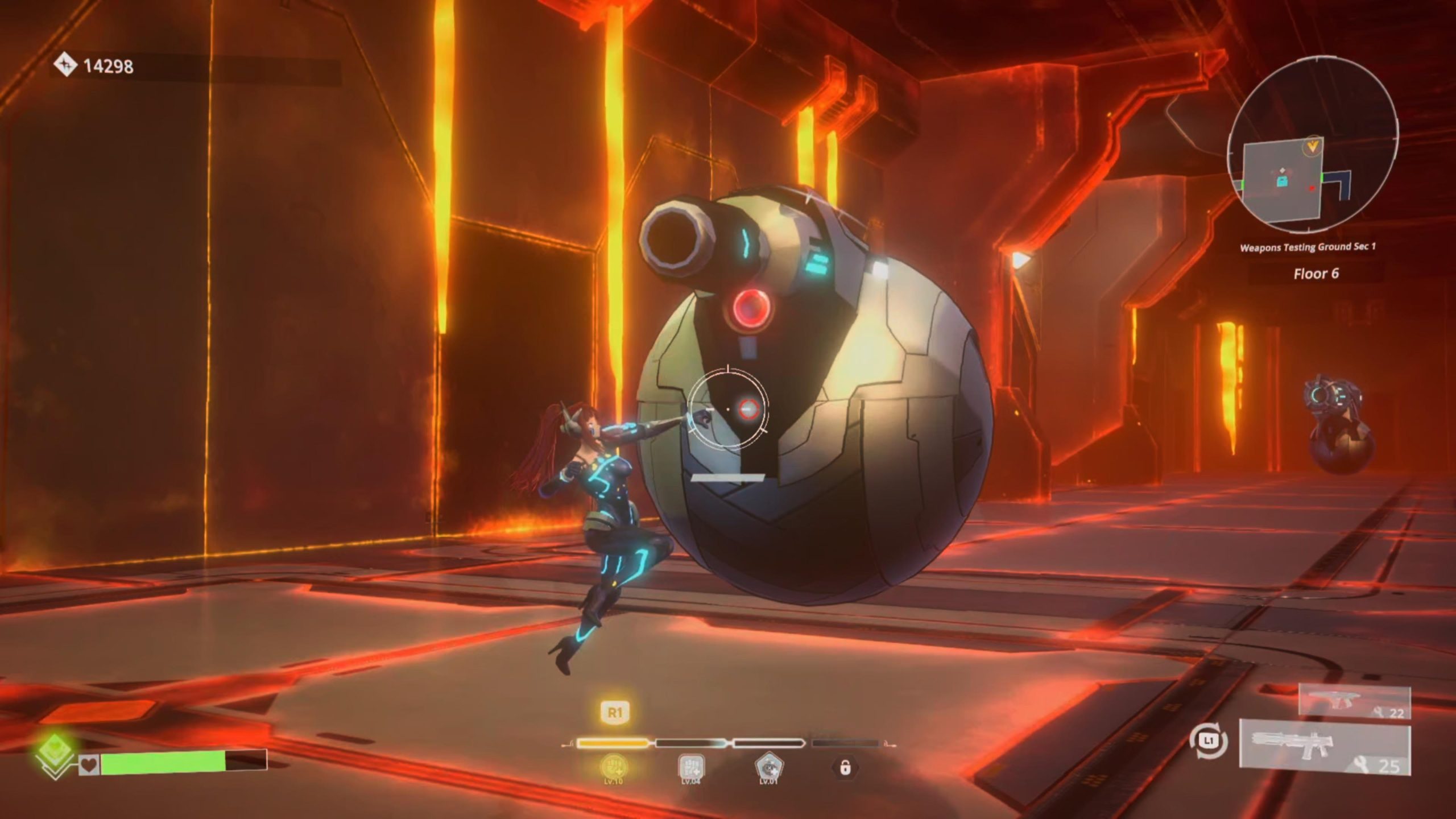
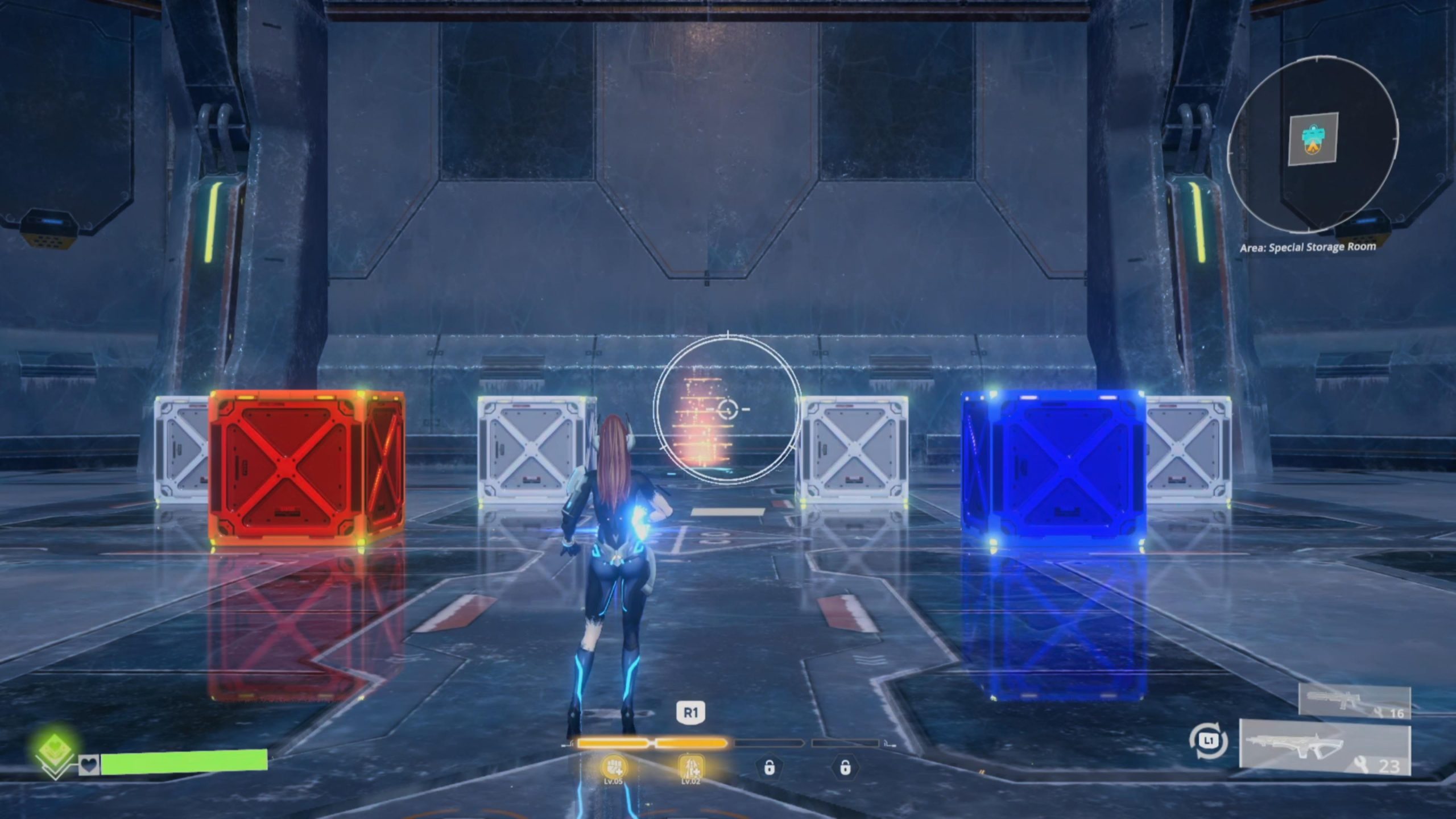
Visually, the game is serviceable but unremarkable. Willow’s character design is one of the stronger elements, and the detail where her armor breaks apart as she takes damage is a nice touch that adds some visual feedback to combat. However, it also leans into questionable presentation choices depending on how you interpret the design intent. Environments are clean but extremely repetitive, and while performance is stable with no major technical issues, there is very little visual variety to break up the monotony. The color palette occasionally gives moments of energy, but it is not enough to make the environments memorable.
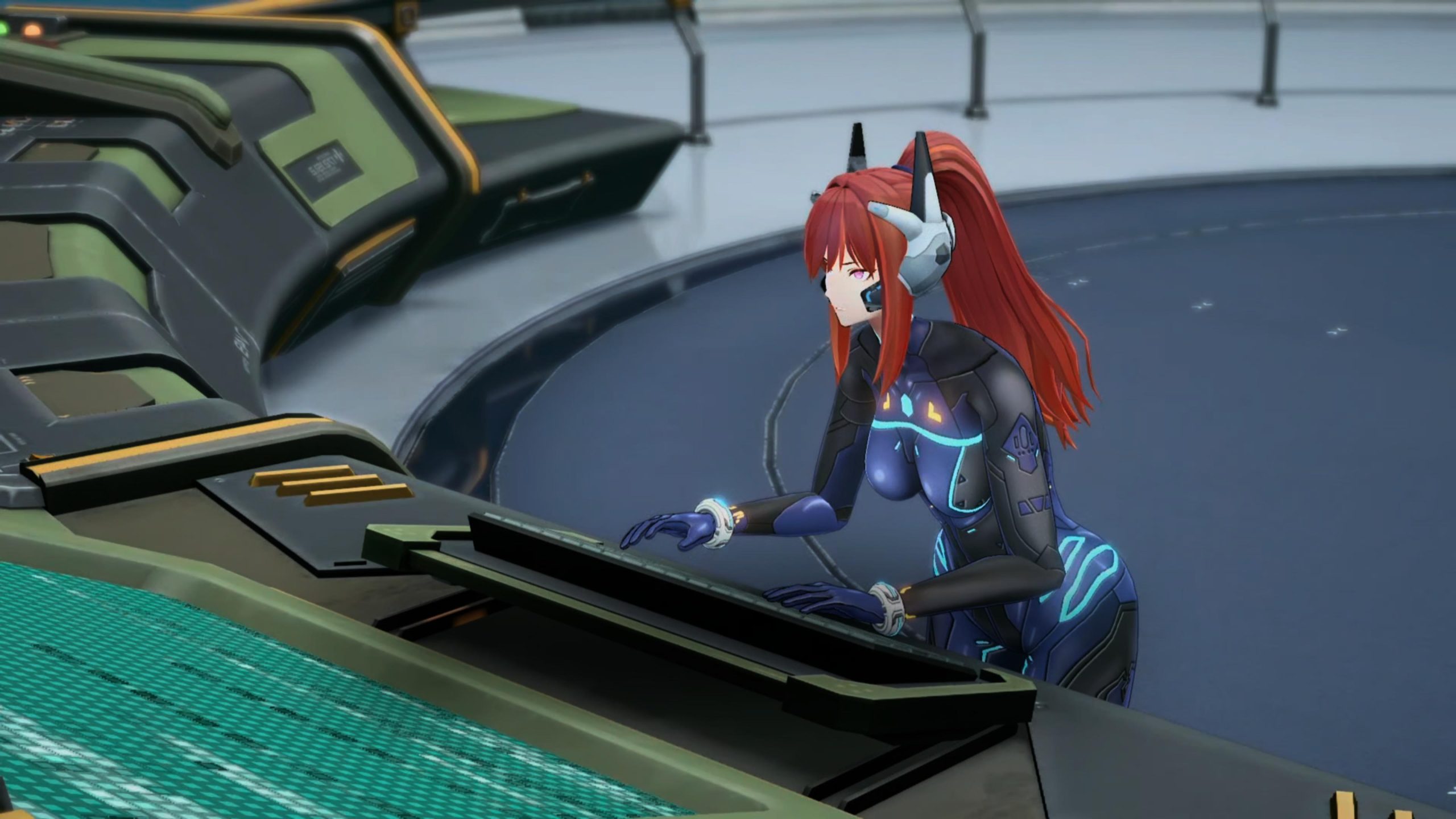
Audio work is more uneven. The strongest element is easily the voice acting, particularly between Willow and the AI companion. Their performances are expressive and carry a lot of the game’s personality, even when the writing itself becomes repetitive or overly explanatory. If you are not used to anime style delivery, it can feel exaggerated at times, but it is still the most consistently engaging part of the presentation. Sound effects do their job with standard weapon fire, explosions, and mechanical noises, but the soundtrack and ambient audio are non-existent, and what’s there fades into the background and is not particularly memorable, especially during extended play sessions.
Final Thoughts?
Scar-Lead Salvation has ideas that sound promising, especially the roguelike structure, weapon variety, and anime sci-fi presentation, but the execution never fully supports them. The combat is playable but shallow, the environments are repetitive, and the progression systems do not create the kind of momentum a roguelike needs to stay engaging. There is still something mildly enjoyable about running through it in a low effort, background kind of way, especially if you are not expecting depth, but it struggles to justify its design or its price point. It is not completely without merit, but it feels more like a foundation for a better game than a fully realized one. With more variety, stronger level design, and tighter progression, there is a version of this concept that could work much better. As it stands, Scar-Lead Salvation is a game that is easy to understand, easy to play, and just as easy to put down.
About the Author

Nay Clark Gaming holds a special place in my heart and I never stop talking about video games. I really love all types of games and have an interest in games that have complicated stories and lore because I enjoy untangling the mystery of it all. When I'm not gaming, I unsuccessfully try to control three amazing and incredibly bright kids.
Related Posts

Riven (PS5/PSVR2) Review →

Warhammer 40,000: Speed Freeks (PS5) Review →
Warhammer 40,000: Mechanicus II (PS5) Review →