
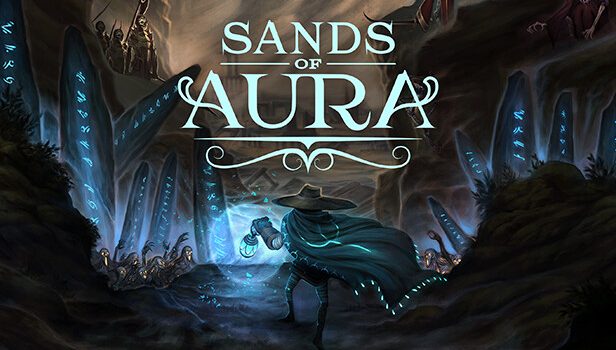
Sands of Aura Review (PS5)
Summary: A dying world of sand sets the stage for a challenging adventure that blends exploration with deliberate, skill-based combat. Progress comes from mastering layered systems and steadily building your character through discovery and experimentation. It’s a rough-edged but rewarding experience that grows more engaging the deeper you go.
3.4
Shifting Sepulcher
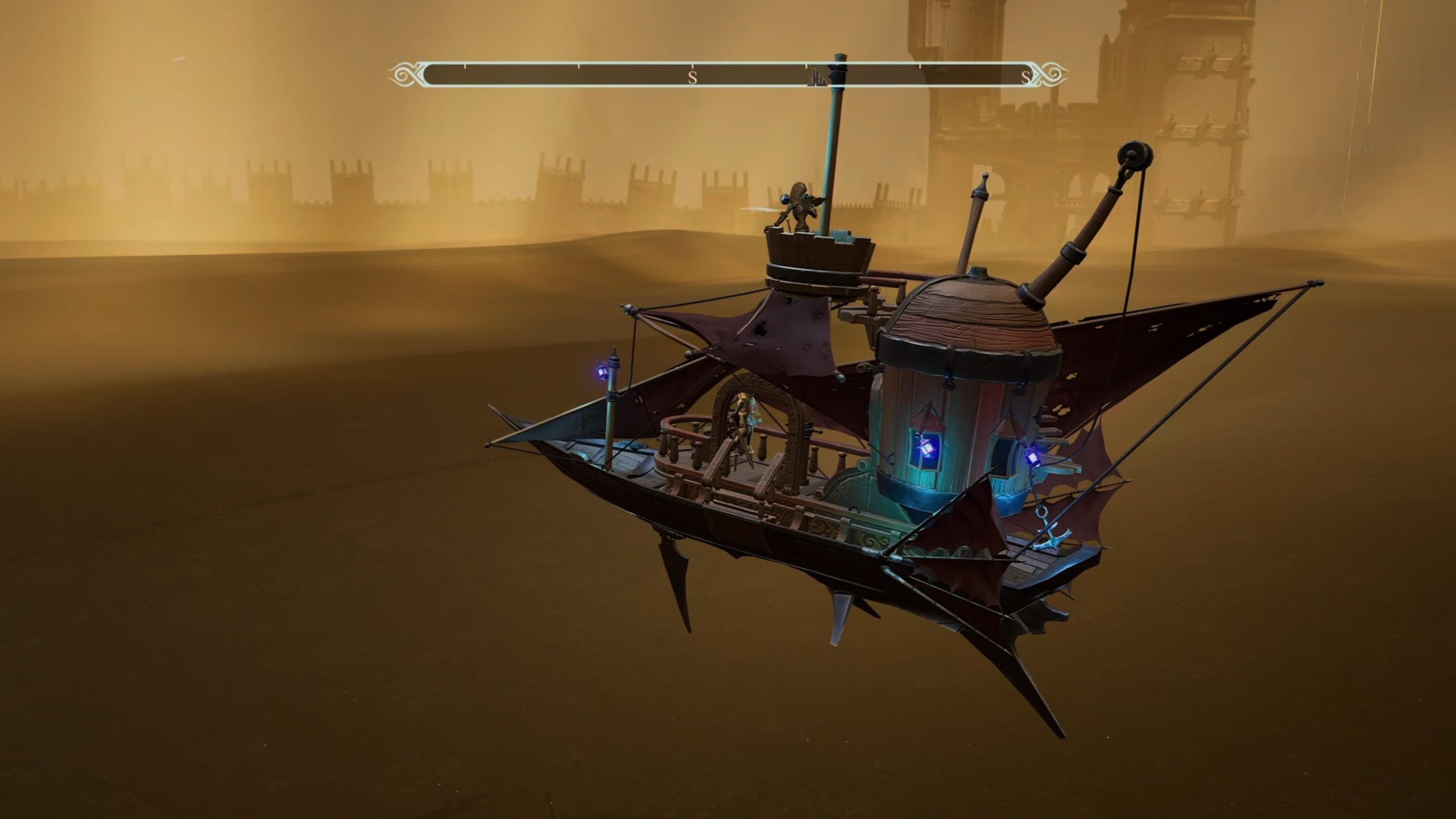
Beneath the endless dunes, stories wait to be uncovered. Sands of Aura is an open-world action adventure developed by Chashu Entertainment and published by indie.io, first released on October 27, 2023 for PC before arriving on Nintendo Switch, Xbox Series X|S, and PlayStation 5 on February 26, 2026. It blends action RPG systems with soulslike design through an isometric perspective, dropping you into a dying world swallowed by endless sand. One of its most distinct ideas is traversal, letting you sail across dunes on the Grain Wake, a sand-faring ship that gives the experience a unique identity. At first, I struggled to connect with it due to clumsy controls and a story that didn’t immediately grab me, but the deeper I got, the more I started to appreciate what it was going for and what it actually achieves.
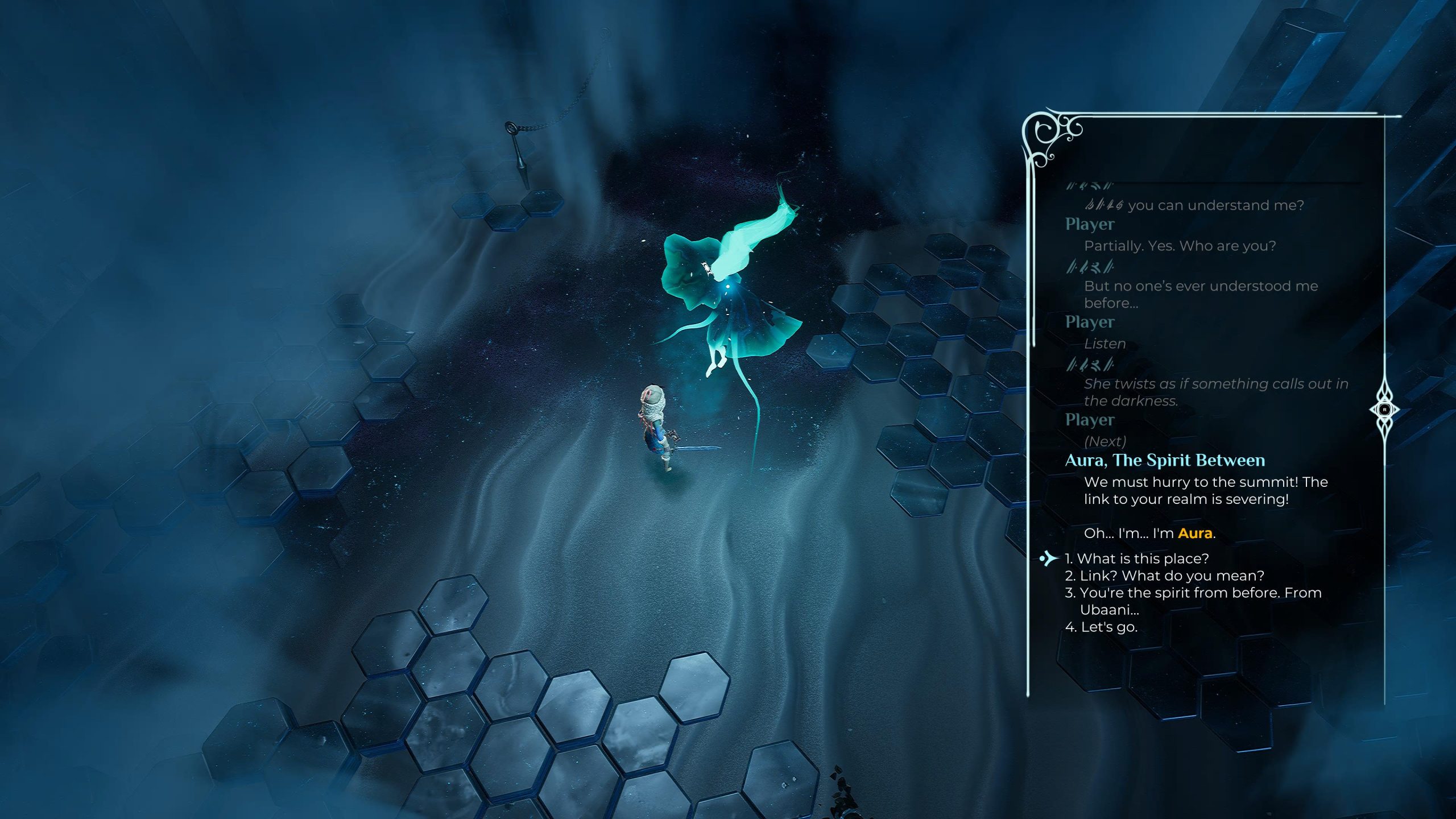
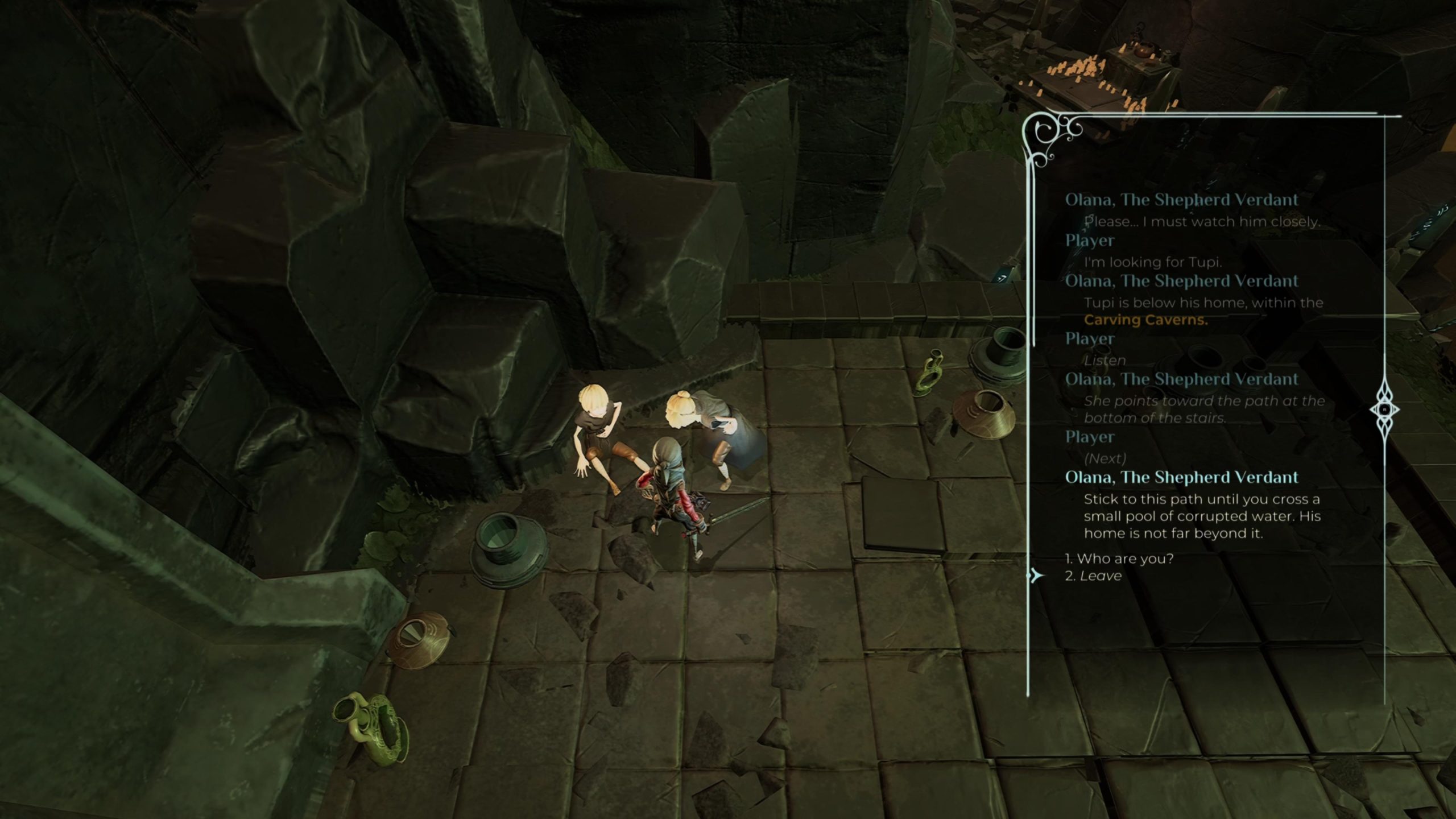
The story takes place in Tamahel, a world where water is scarce and civilization has collapsed into scattered ruins surrounded by a vast sand sea. You play as a Remnant Knight, part of a fading order tasked with protecting what remains of humanity. What starts as a simple mission to find a new water source for your home, the Starspire, quickly expands into something much larger involving a spreading corruption known as the Night Plague and the looming influence of a tormented god. The setup is strong and full of potential, but the delivery can be uneven. There is a heavy amount of dialogue and lore, and while it does a good job building the world, it often drags. Conversations can feel repetitive or overly long, and there were plenty of moments where I found myself skipping ahead just to get back to actually playing.
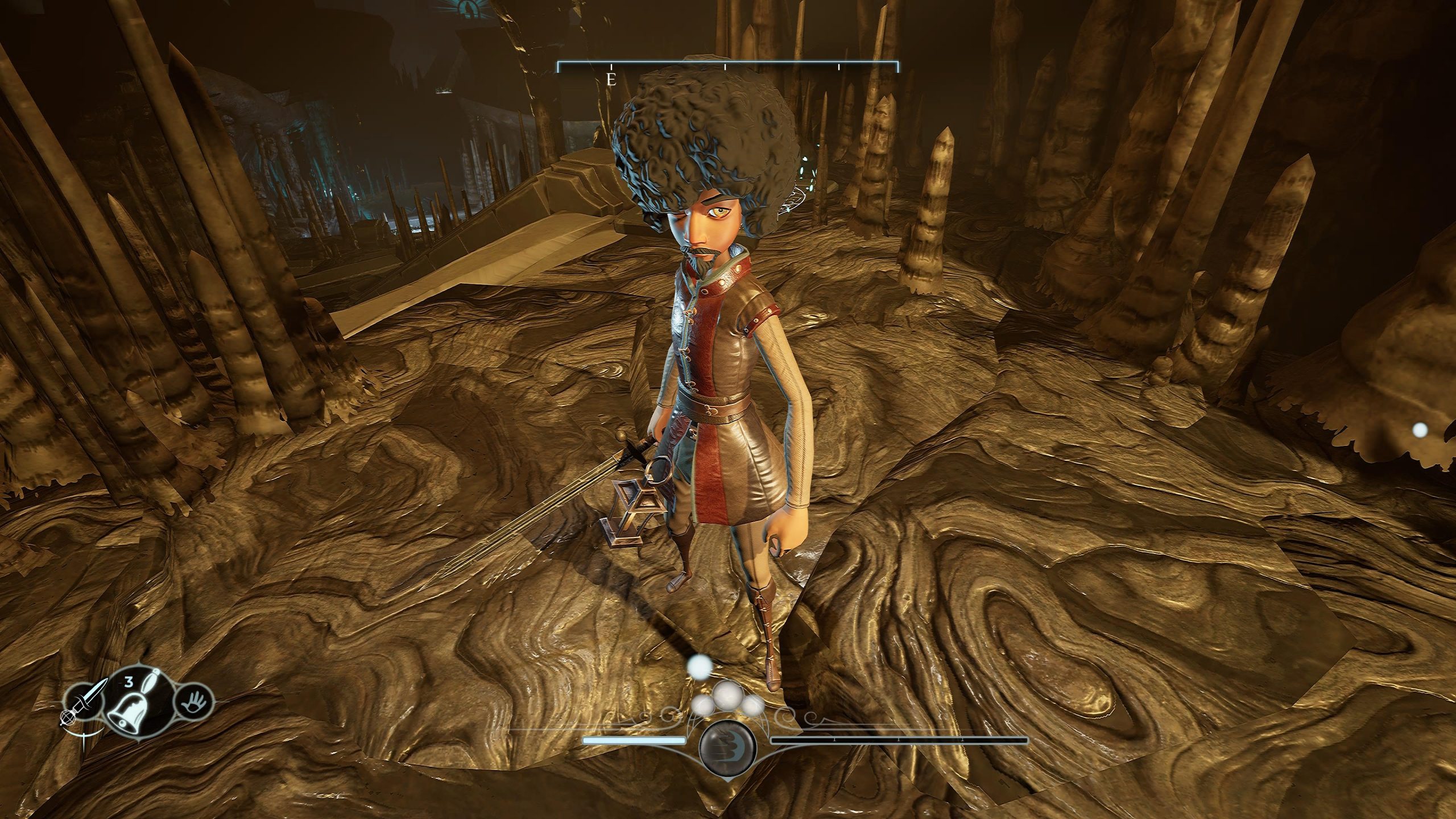
Gameplay is where Sands of Aura both shines and stumbles. You start by creating your character, choosing appearance details and a starting weapon, then set off into a quest-driven structure that doesn’t rely on traditional markers. Instead of guiding you with obvious directions, the game expects you to explore and figure things out on your own. The world design supports this by keeping areas readable and looped in a way that naturally pushes you forward, but it still leans into a more old-school approach that might not click with everyone.
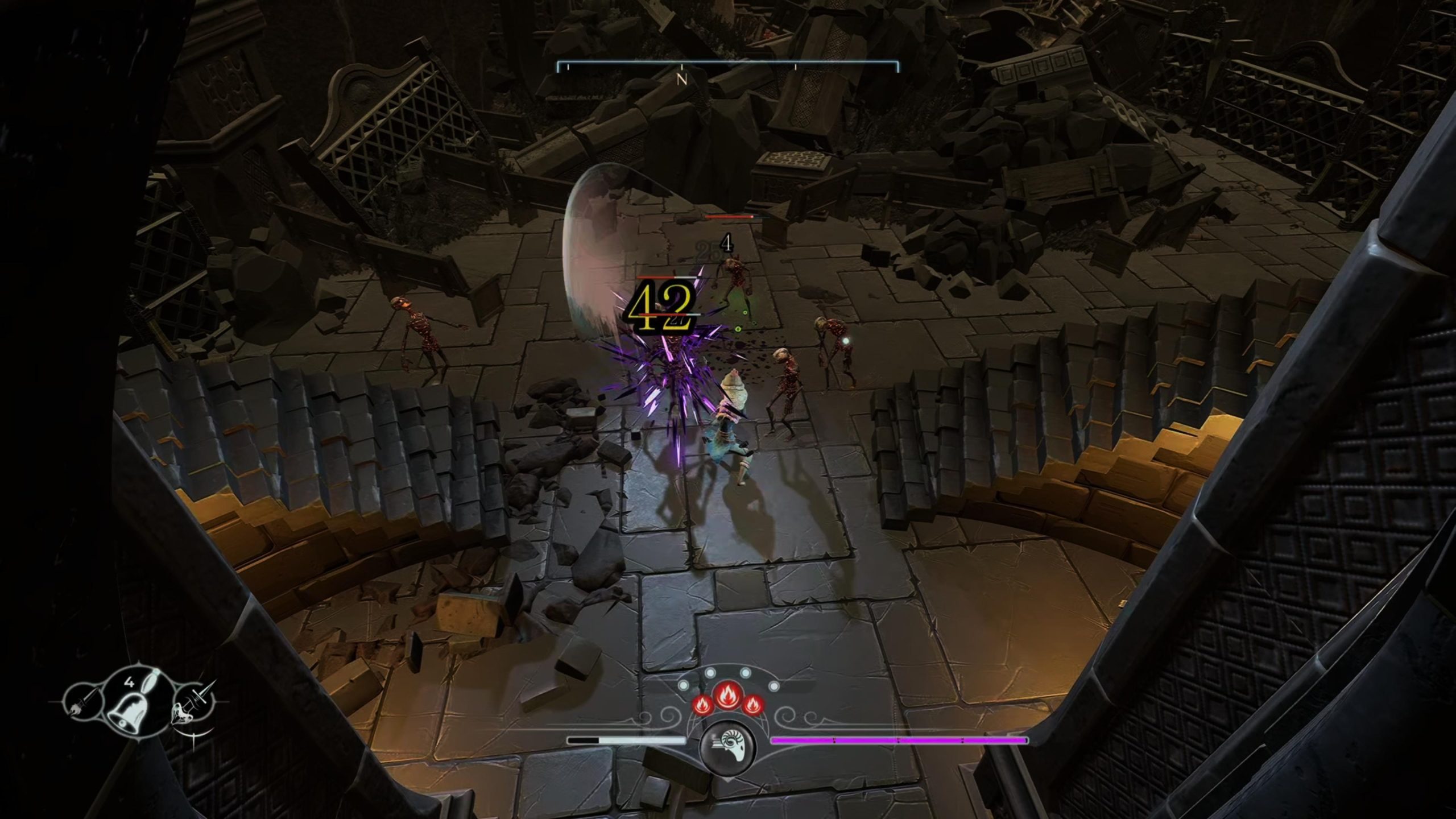
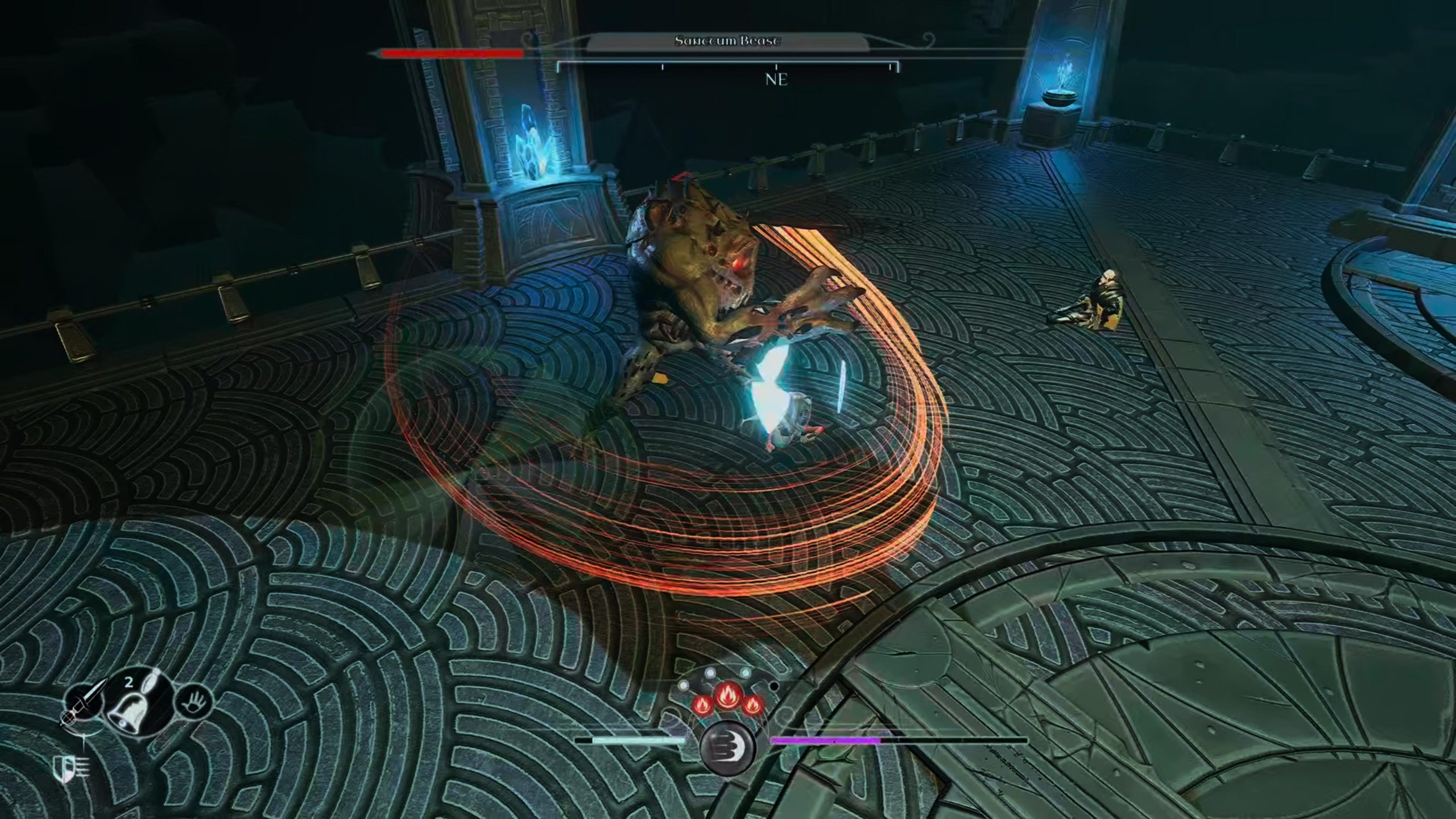
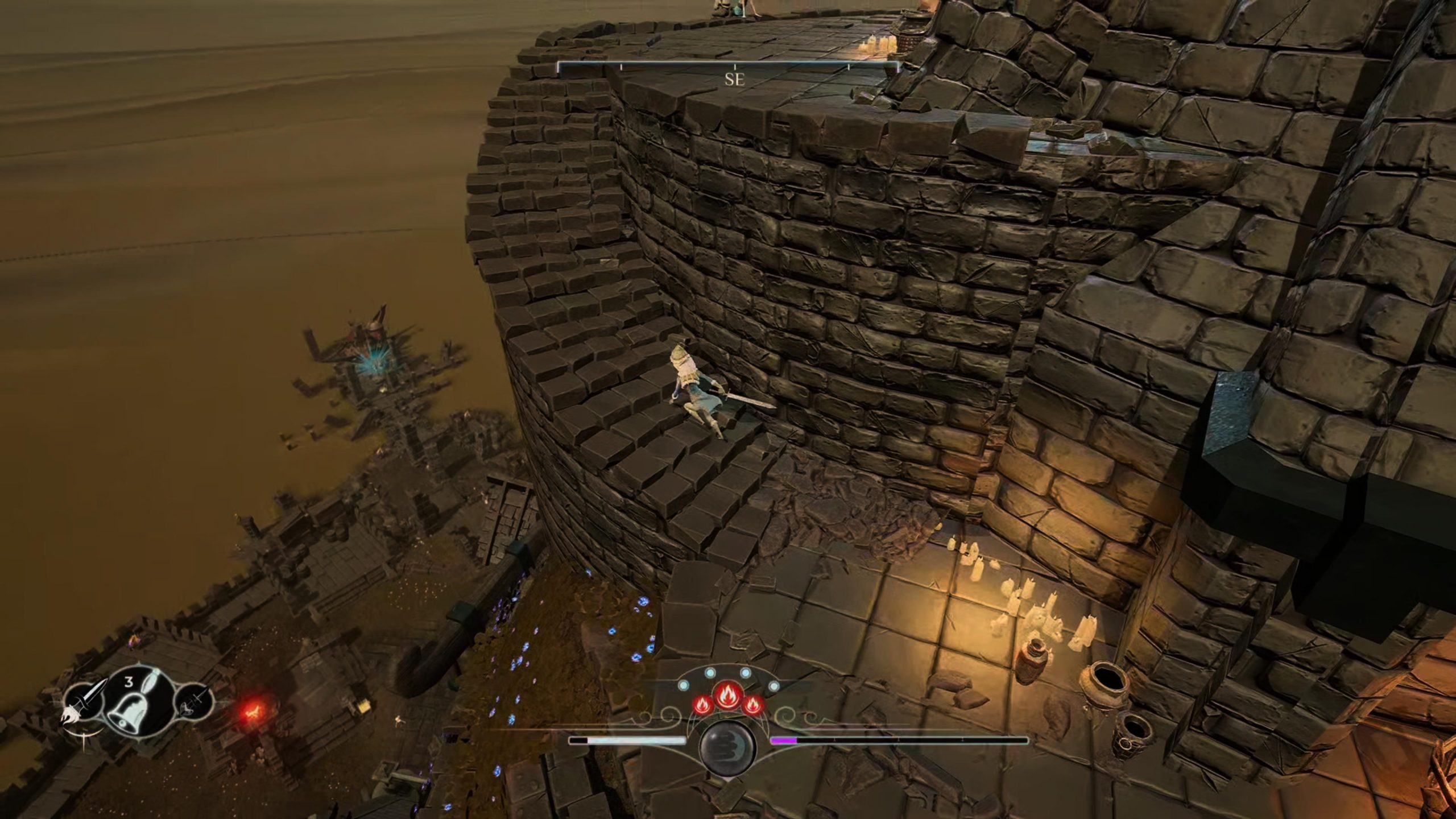
Combat gives you a solid set of tools including light and heavy attacks, charged strikes, dodging, running, and a small jump. On top of that, there’s the Spellblade system, which lets you attach elemental effects to different actions. You can leave fire trails when you dodge or enhance attacks with magic, adding a layer of creativity to fights. You can parry, stagger enemies, and mix everything together in ways that feel overwhelming at first but eventually click into something fluid and enjoyable. The systems all feed into each other well once you get comfortable.
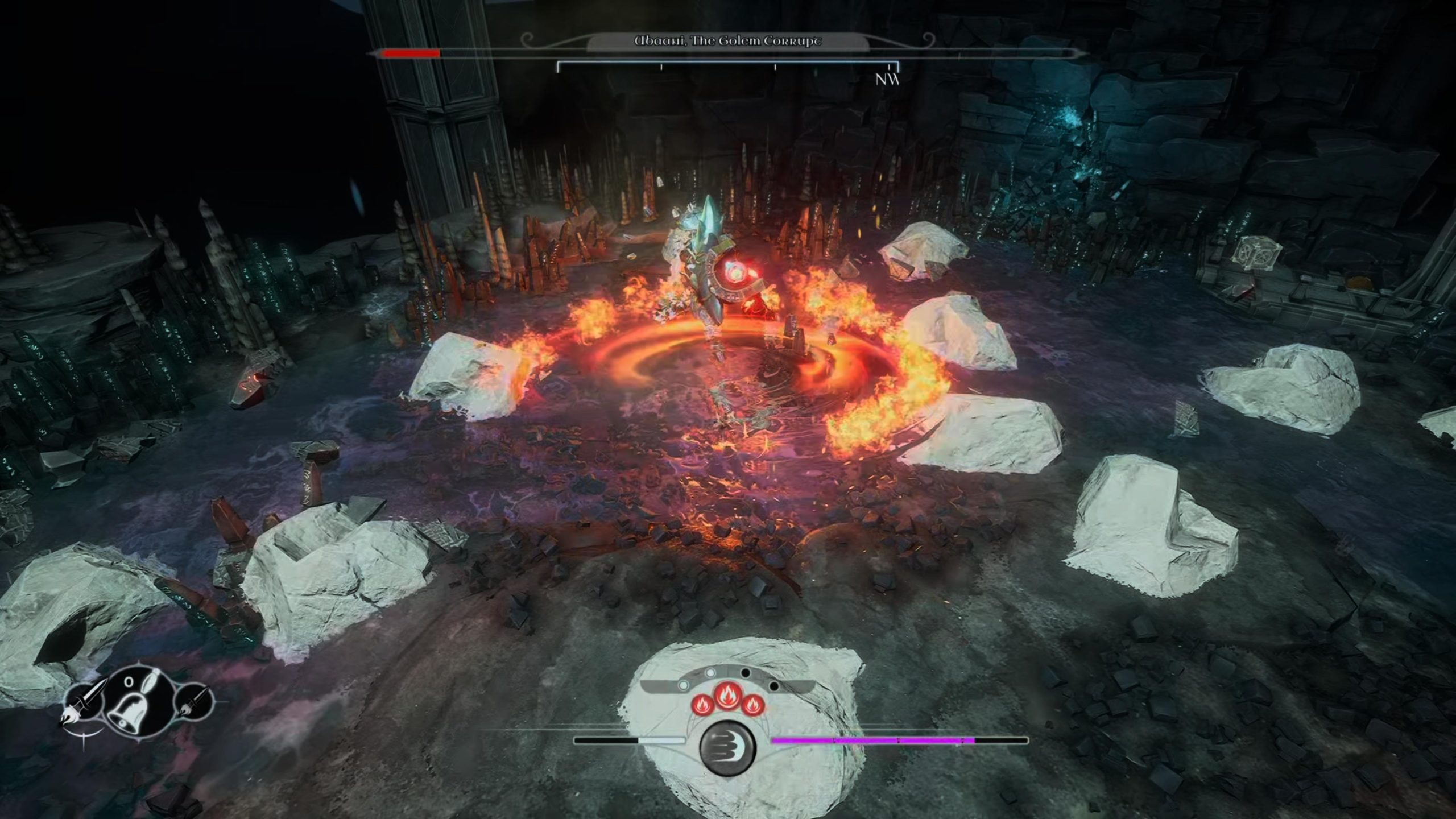
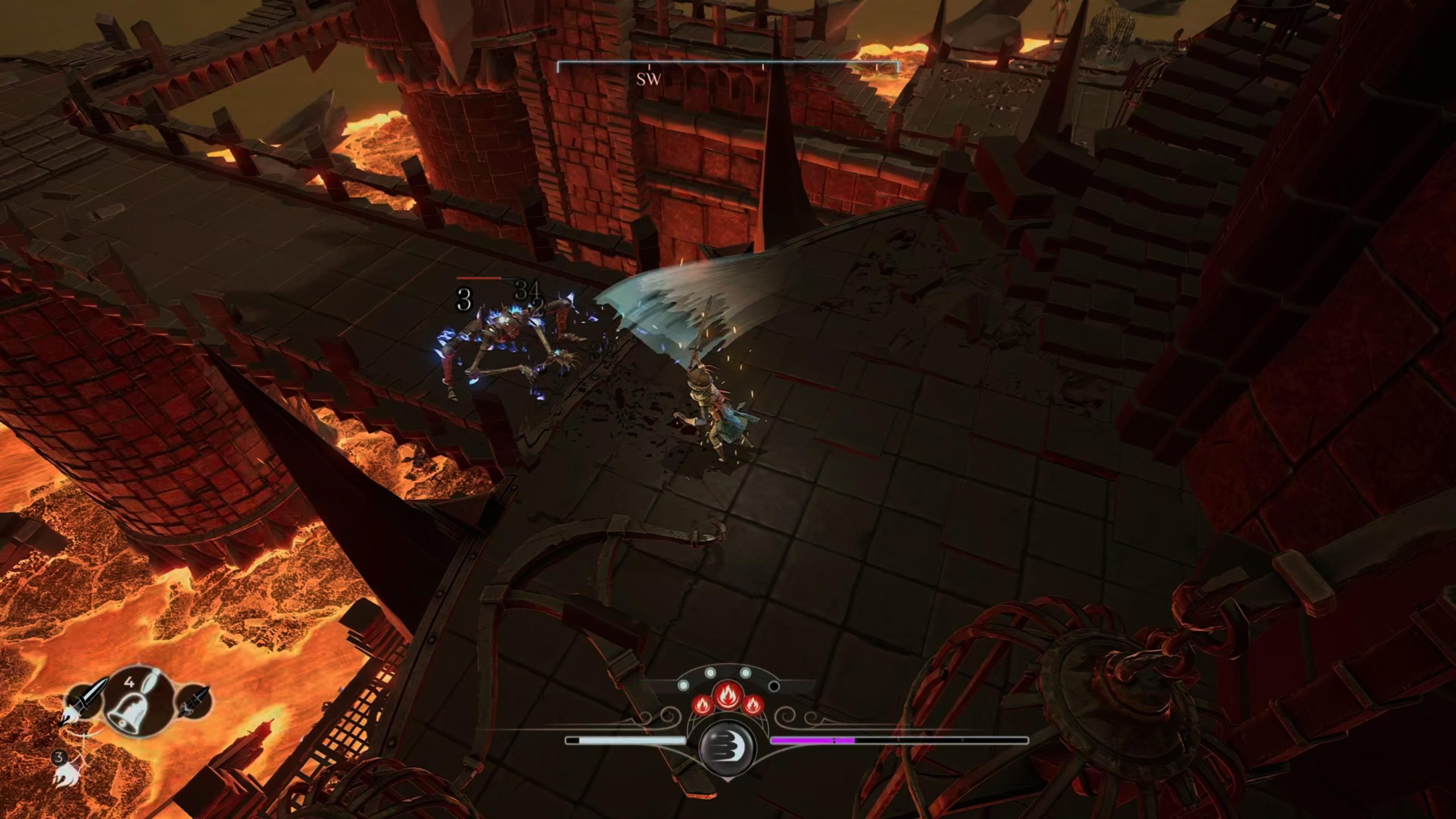
That said, the controls can be a real hurdle early on. Mapping dodge and sprint to the same button and placing attacks on shoulder buttons while assigning healing and jumping to face buttons makes everything feel awkward. There’s a noticeable learning curve just in getting your hands to cooperate with what the game expects. Combat itself can also feel a bit loose. Hits sometimes lack impact, feedback can feel weak, and it can be hard to tell when enemies are actually close to defeat. Fighting groups, especially with ranged or support enemies involved, can feel messy rather than intense.
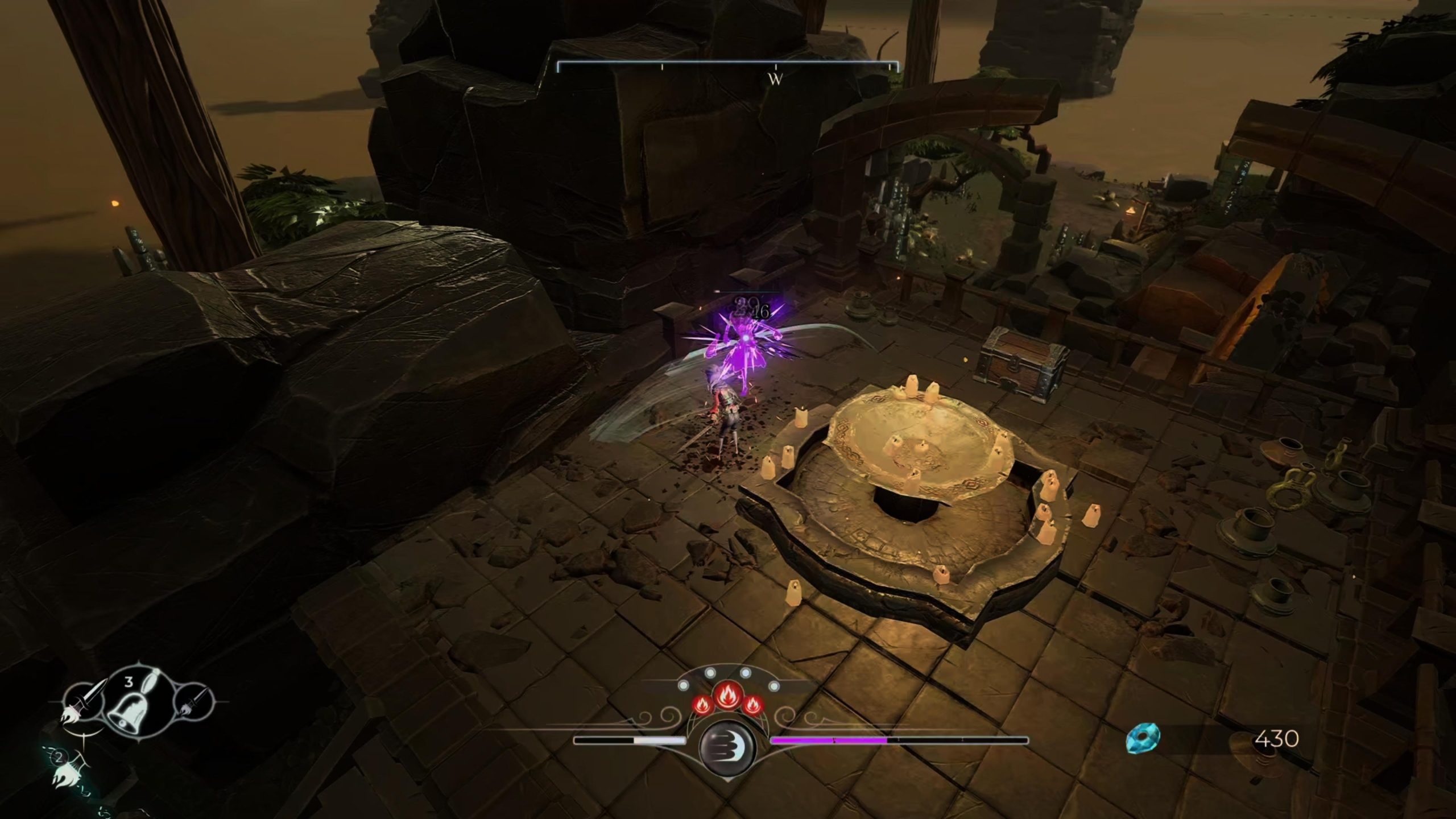
Outside of combat, the game builds a surprisingly deep progression loop centered around Starspire, your main hub. This is where everything comes together. You buy and sell gear, upgrade weapons and armor, and interact with NPCs who expand your options as you explore. Glint acts as your main currency, earned through combat and mining, and the pickaxe becomes an essential tool early on since it can net you large amounts if you stay observant. There are talismans and runes that you slot into gear for passive bonuses, and managing them becomes a key part of shaping your build. You also unlock more slots over time by finding scrolls, which adds a sense of progression beyond just gear upgrades.
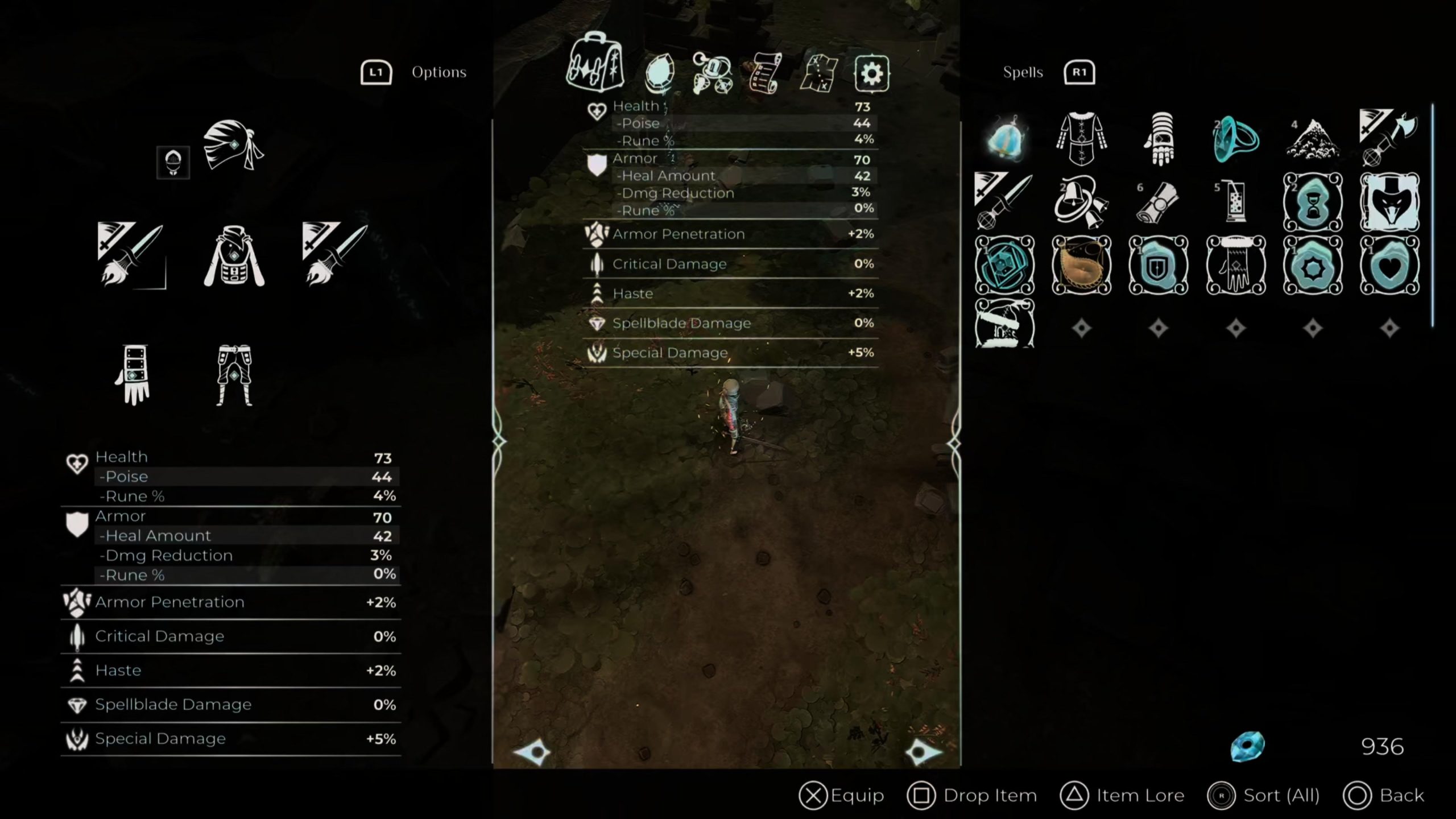
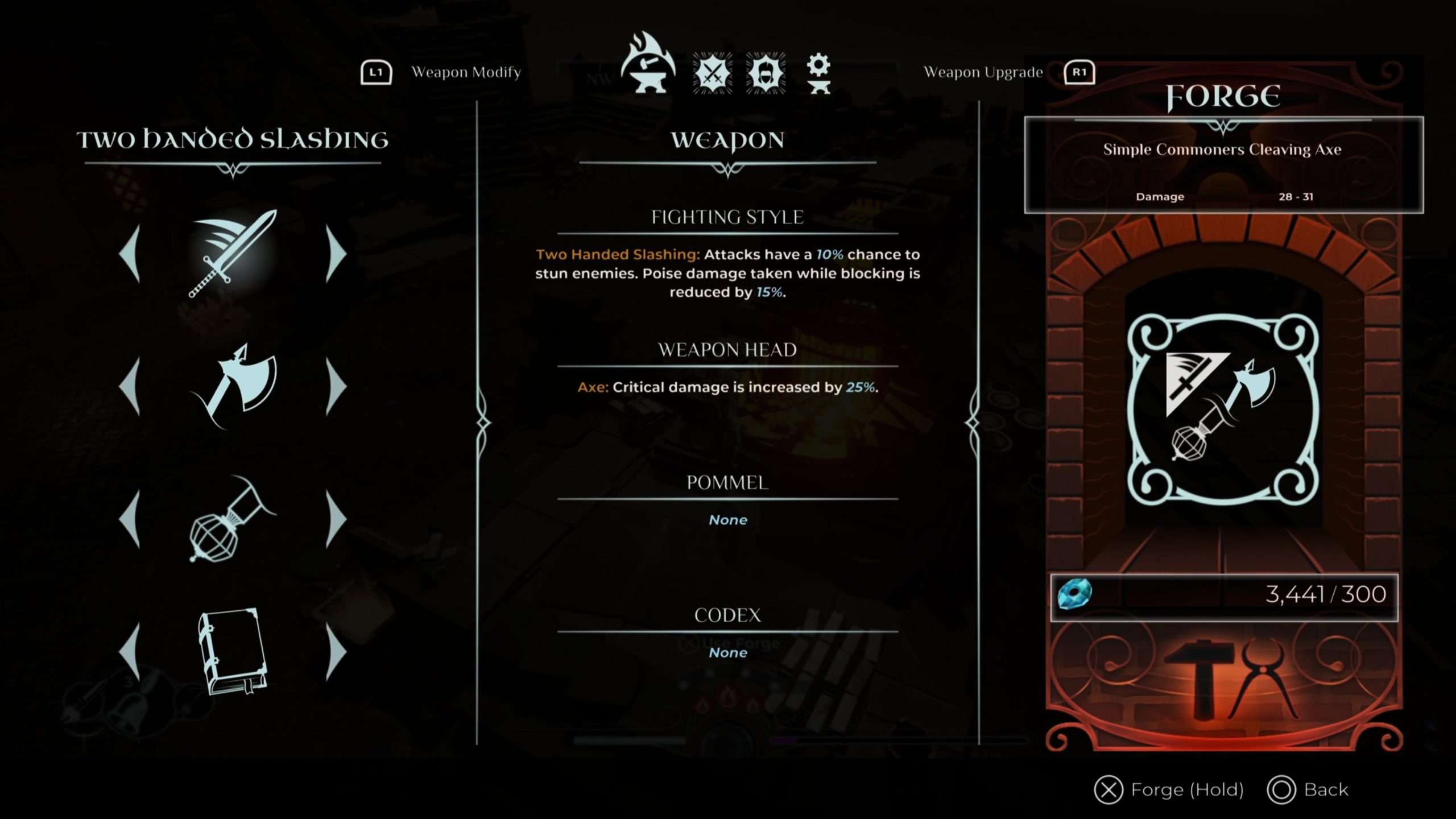
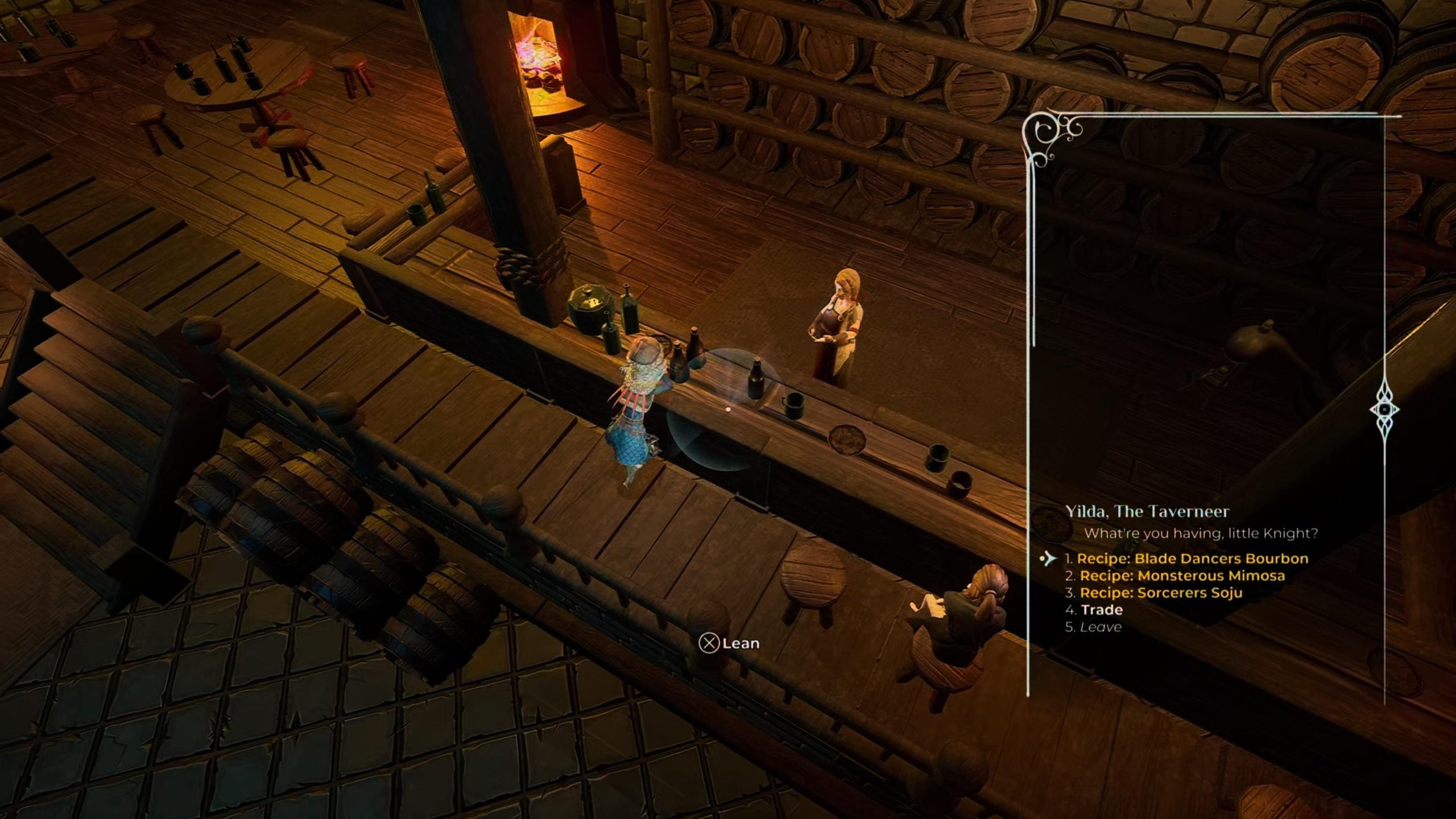
The forge system allows you to customize weapons in meaningful ways, but it requires both Glint and Sacrumite, which can be scarce. This forces you to make deliberate decisions rather than upgrading everything freely. On top of that, the rune carver expands your build options even further, and the tavern introduces a clever risk and reward system through drinks that provide buffs alongside debuffs. All of these systems layer together into a loop where you head out to explore, gather resources, return to upgrade, and then head back out again. It can feel like a lot at first, especially with a somewhat clunky UI, but once it settles, it becomes one of the game’s strongest aspects.
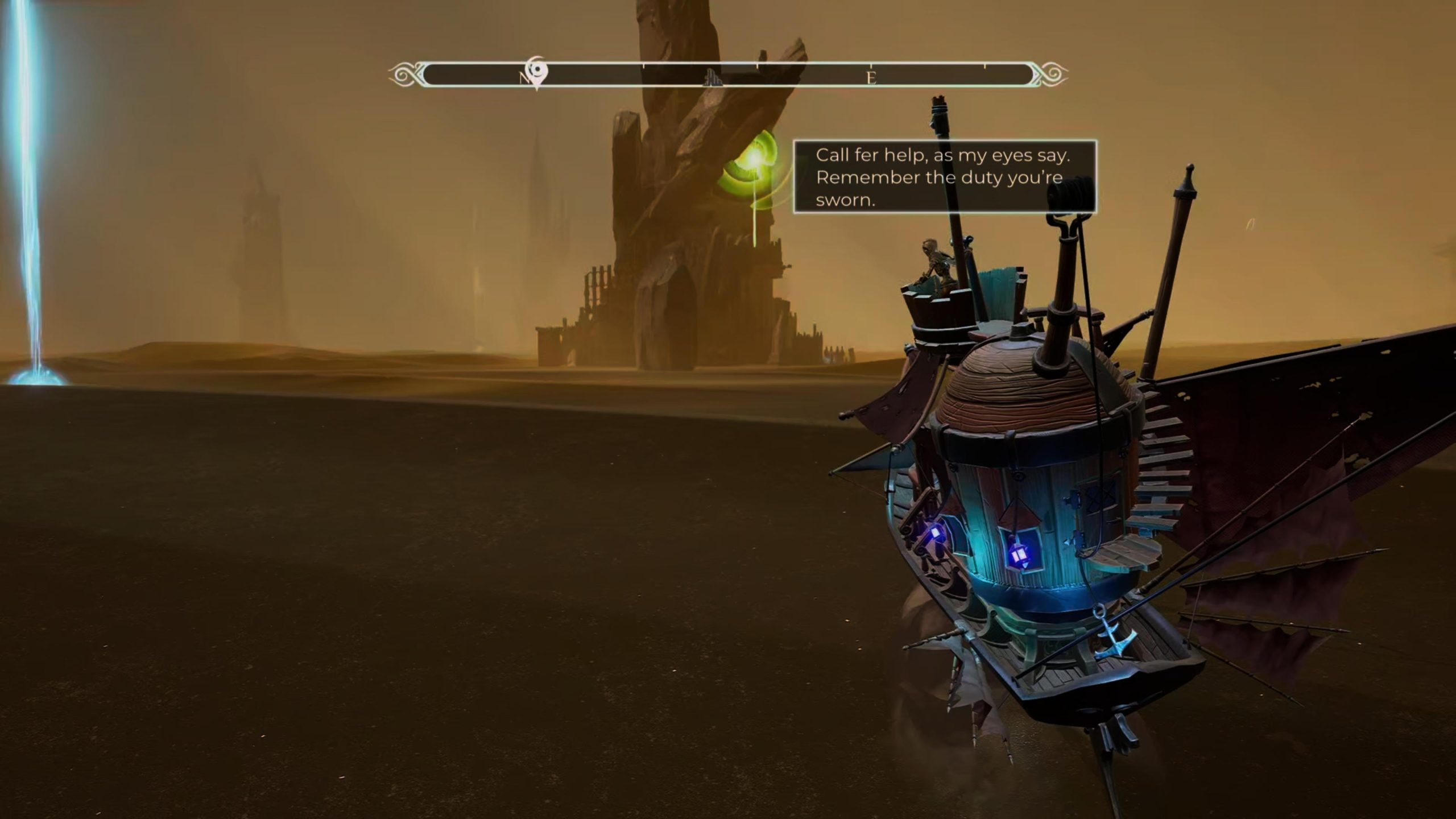
Exploration itself revolves around the Grain Wake. You sail across the sand sea to discover islands, each acting as its own contained area filled with enemies, loot, and objectives. Docking unlocks fast travel, making revisits easy. Atmosphere-wise, the sand sea is striking and helps sell the world’s desolation, but it feels underused. Sailing from place to place can get repetitive, and aside from occasional resource pickups, there isn’t much interaction to keep it engaging over time.
The game also offers a wide range of playstyles through different weapon types and customization options. You can switch things up freely, experimenting with one-handed weapons, heavy two-handed builds, or more specialized setups. The Resonance Bell system acts as your checkpoint, restoring resources and respawning enemies when used, reinforcing that familiar risk and reward loop. Boss fights are a clear highlight, demanding patience and precision. Parrying becomes especially important, and while the difficulty can spike, the sense of satisfaction when you finally overcome a tough encounter is strong.
Visually, Sands of Aura does a lot right. The world is detailed, with strong environmental design across its ruins, lava-filled areas, and sand-covered landscapes. Enemy designs stand out and feel varied, helping each encounter feel distinct. Character models, though, are less impressive. Their exaggerated proportions can look a bit off, but it feels like a stylistic choice rather than a technical limitation. Performance is mostly stable, though there are occasional moments of slowdown when entering new areas or docking, but they tend to be brief.
The audio side is solid overall. The soundtrack is genuinely well composed, but it often sits beneath the action instead of taking center stage. It adds atmosphere more than it drives it. Voice acting is surprisingly extensive, and while a lot of it is well delivered, there are inconsistencies. Some performances feel perfectly suited to the world, while others stand out in a less fitting way. Sound effects for combat and magic are functional and fit the tone, even if they don’t leave a lasting impression.
Final Thoughts?
Sands of Aura feels like a game with a lot of ambition that doesn’t always land cleanly, but still manages to deliver a rewarding experience. The combat can feel a bit loose, the controls take time to adjust to, and parts of the story don’t fully pay off, but the core loop of exploring, upgrading, and taking on increasingly difficult encounters works. The world is interesting, the systems offer real flexibility, and the bosses are consistently engaging. It leans into an older style of design that trusts you to figure things out, and while that won’t be for everyone, it gives the game its own identity. In the end, it’s a solid and sometimes rough experience that becomes more enjoyable the more time you invest in it.
About the Author

Nay Clark Gaming holds a special place in my heart and I never stop talking about video games. I really love all types of games and have an interest in games that have complicated stories and lore because I enjoy untangling the mystery of it all. When I'm not gaming, I unsuccessfully try to control three amazing and incredibly bright kids.
Related Posts
Riven (PS5/PSVR2) Review →
Warhammer 40,000: Speed Freeks (PS5) Review →
Warhammer 40,000: Mechanicus II (PS5) Review →