Total Chaos Review (PS5)
Summary: Total Chaos is a survival horror game that drops you into a decaying island filled with danger and mystery. You scavenge, craft, and fight to stay alive while uncovering what went wrong in this isolated place. It blends tense exploration with layered survival mechanics to create a dark and unsettling journey.
3.8
Carnal Corruption
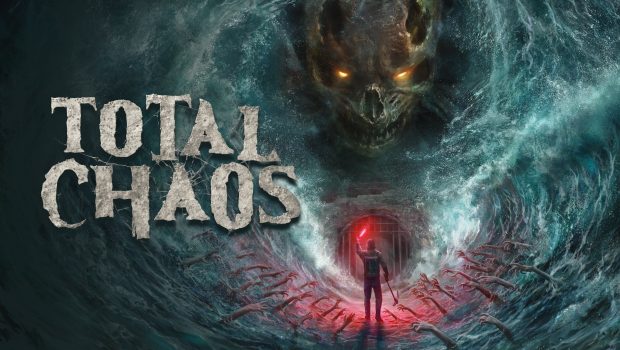
Stranded, hunted, and barely holding it together, Total Chaos wastes no time throwing you into the deep end! Total Chaos is a psychological survival horror FPS developed by Trigger Happy Interactive, published by Apogee Entertainment, and released on November 20, 2025 for PC, Xbox Series X|S, and PlayStation 5. What started as a Doom 2 total conversion mod has grown into a full standalone experience, bringing with it major upgrades in visual fidelity, sound design, and overall scope. Even with its roots still visible in its structure, the game carves out its own identity through a heavy focus on survival systems and atmosphere. It leans into familiar horror ideas, but the way everything is layered together creates something that feels tense, unpredictable, and often uncomfortable in the best way.
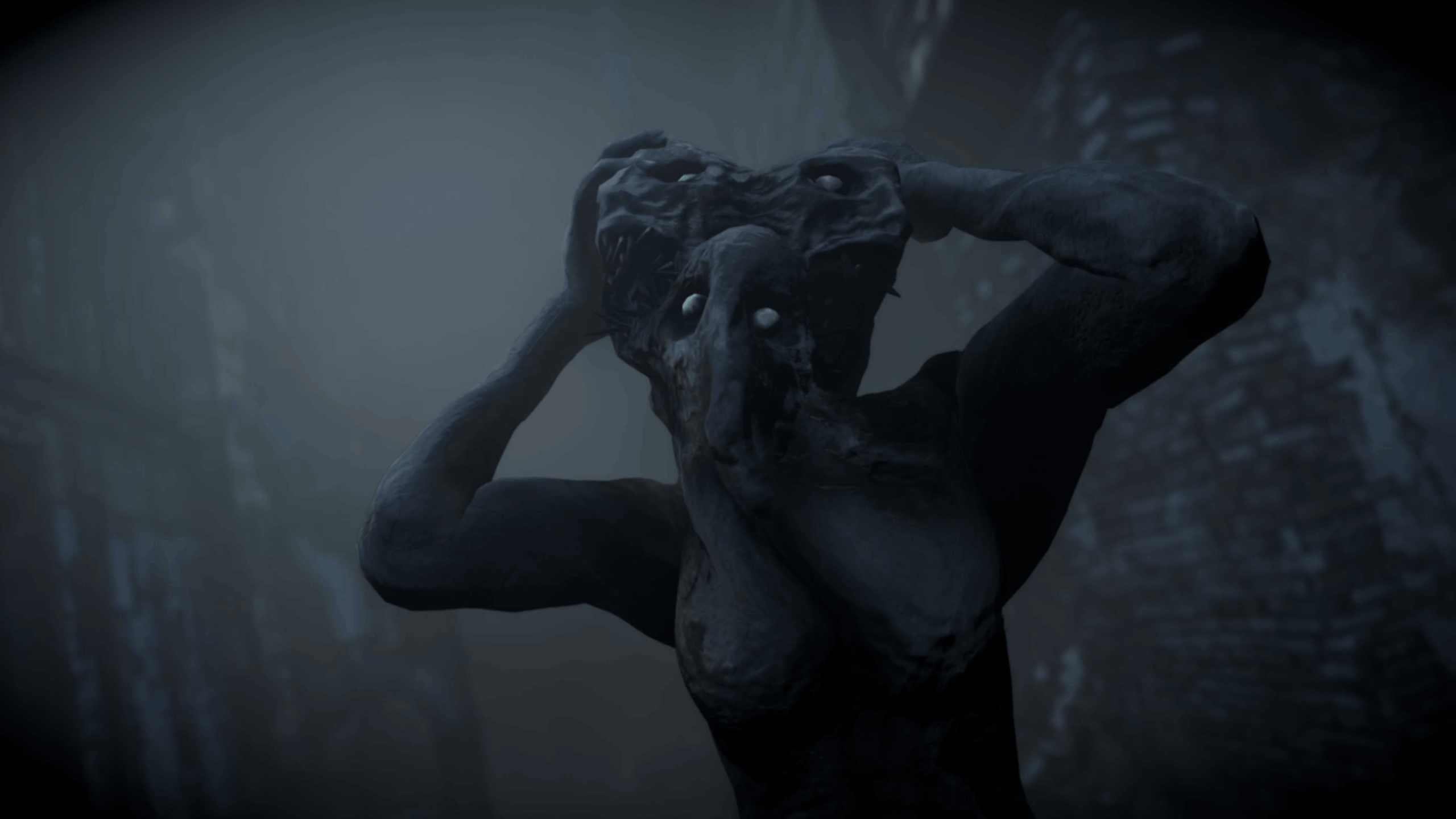
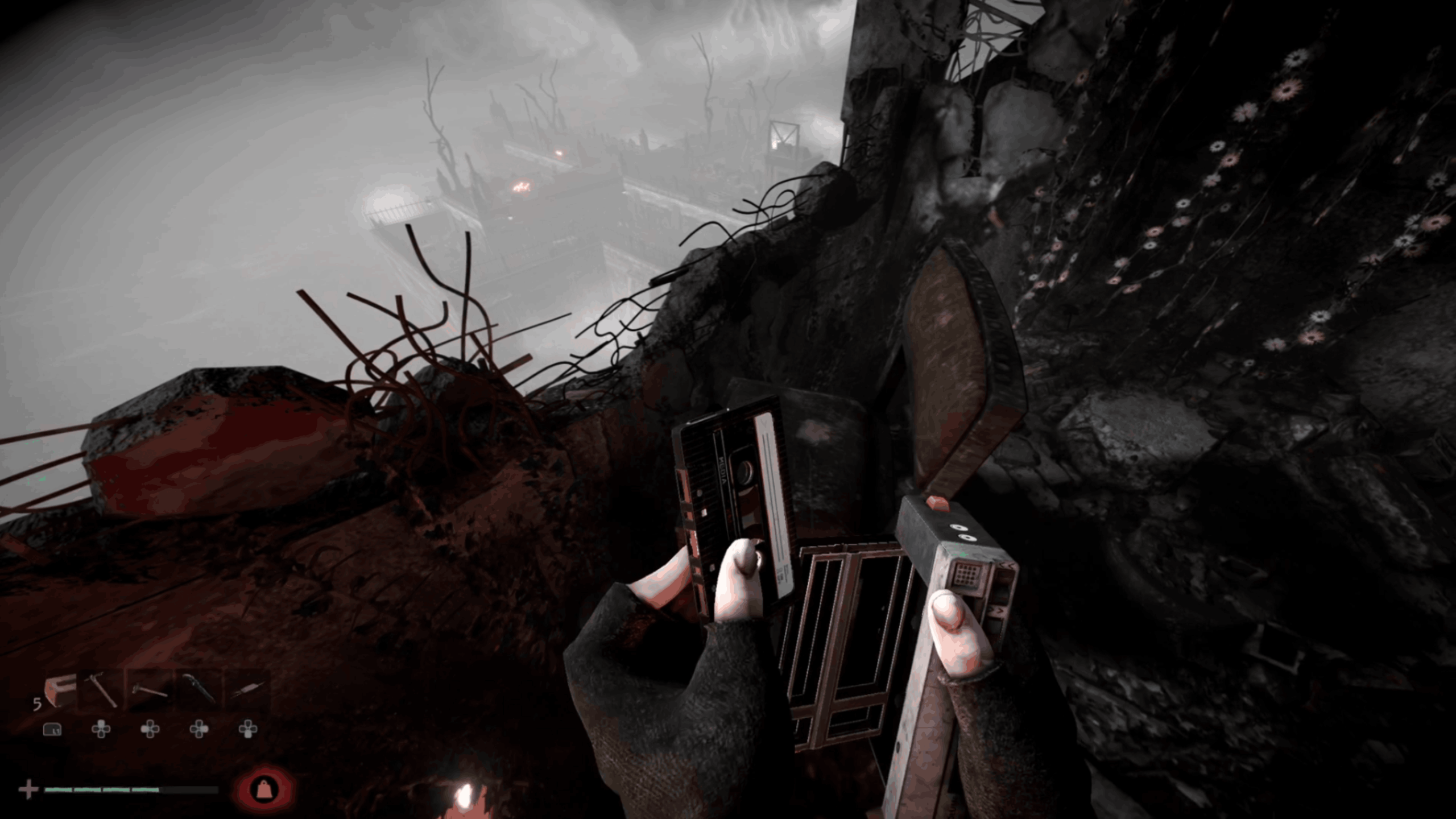
The story takes place in 1972, where you play as Tyler, a coast guard caught in a violent storm that leaves you stranded on Fort Oasis, an abandoned mining island that feels like it has been rotting for years. As you push further inland, the place reveals itself to be far from empty, filled with grotesque, almost human-like monsters and the remnants of something deeply wrong. A mysterious voice begins guiding you through a radio, and with no real alternatives, you follow its instructions in hopes of escape. The narrative leans into themes of decay, illness, and mental deterioration, painting a bleak and often sad picture of what happened here. While the story has its moments and some interesting ideas, it often takes a backseat to the gameplay, which ends up being the real driving force behind the game.
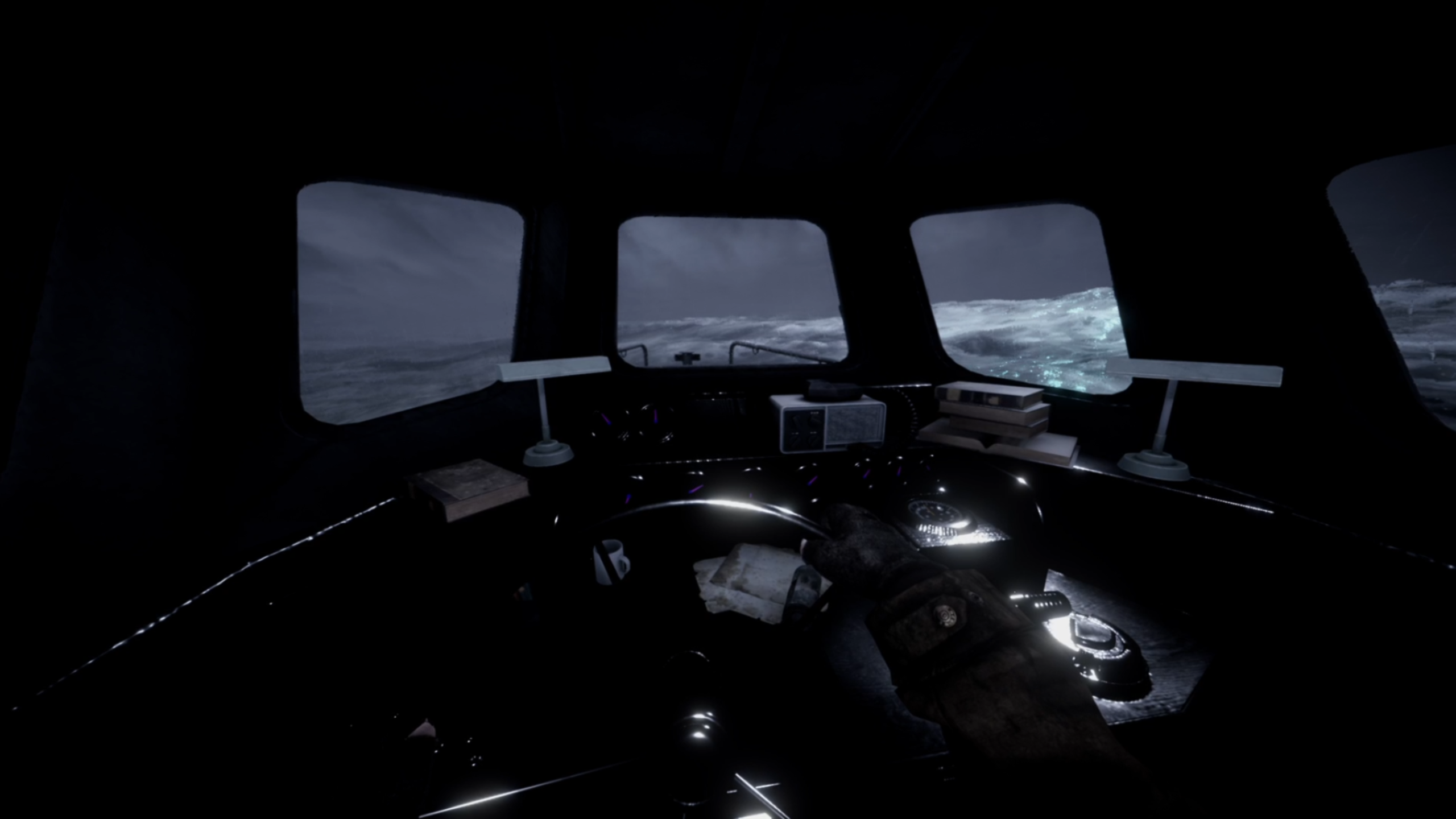
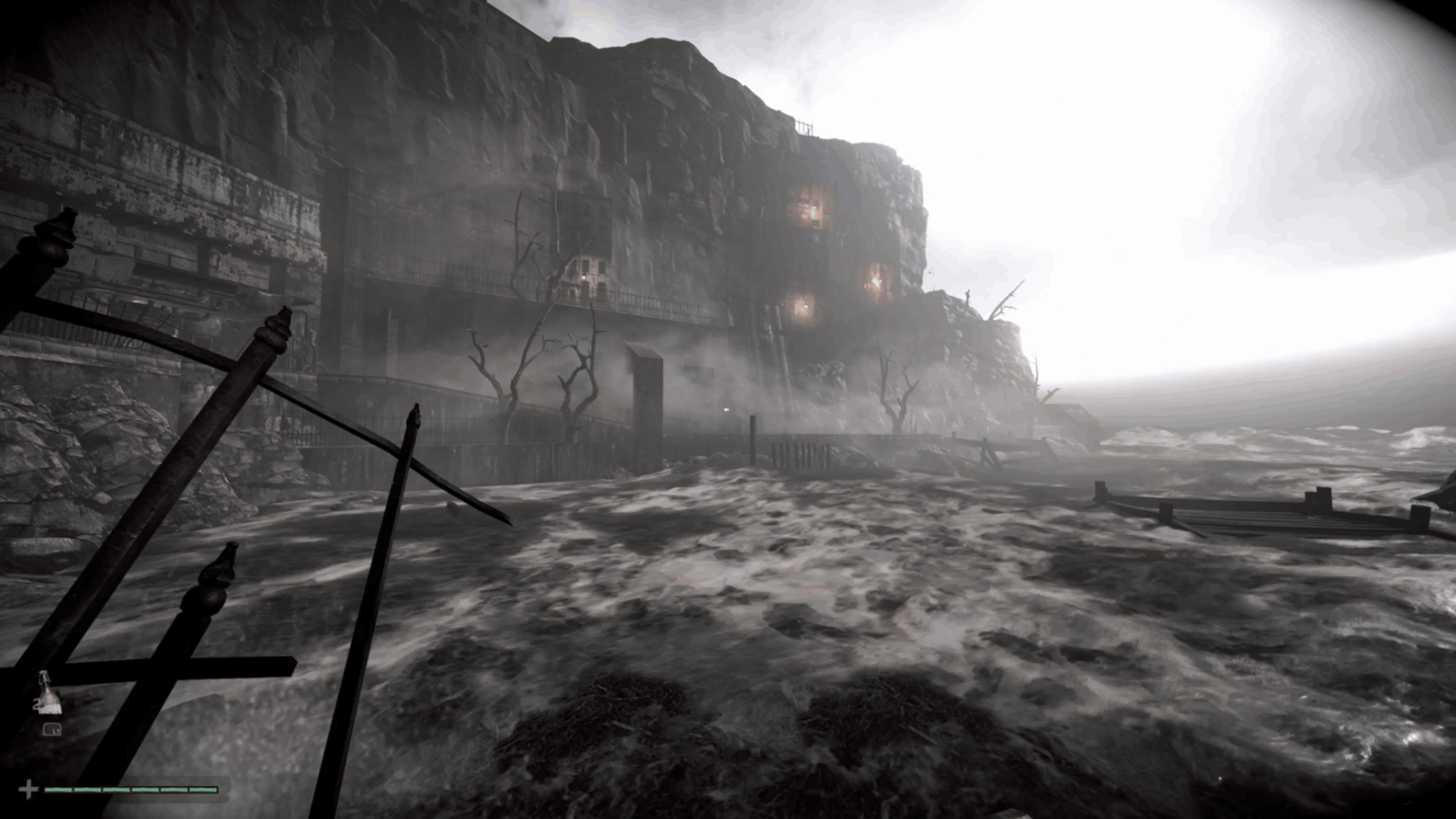
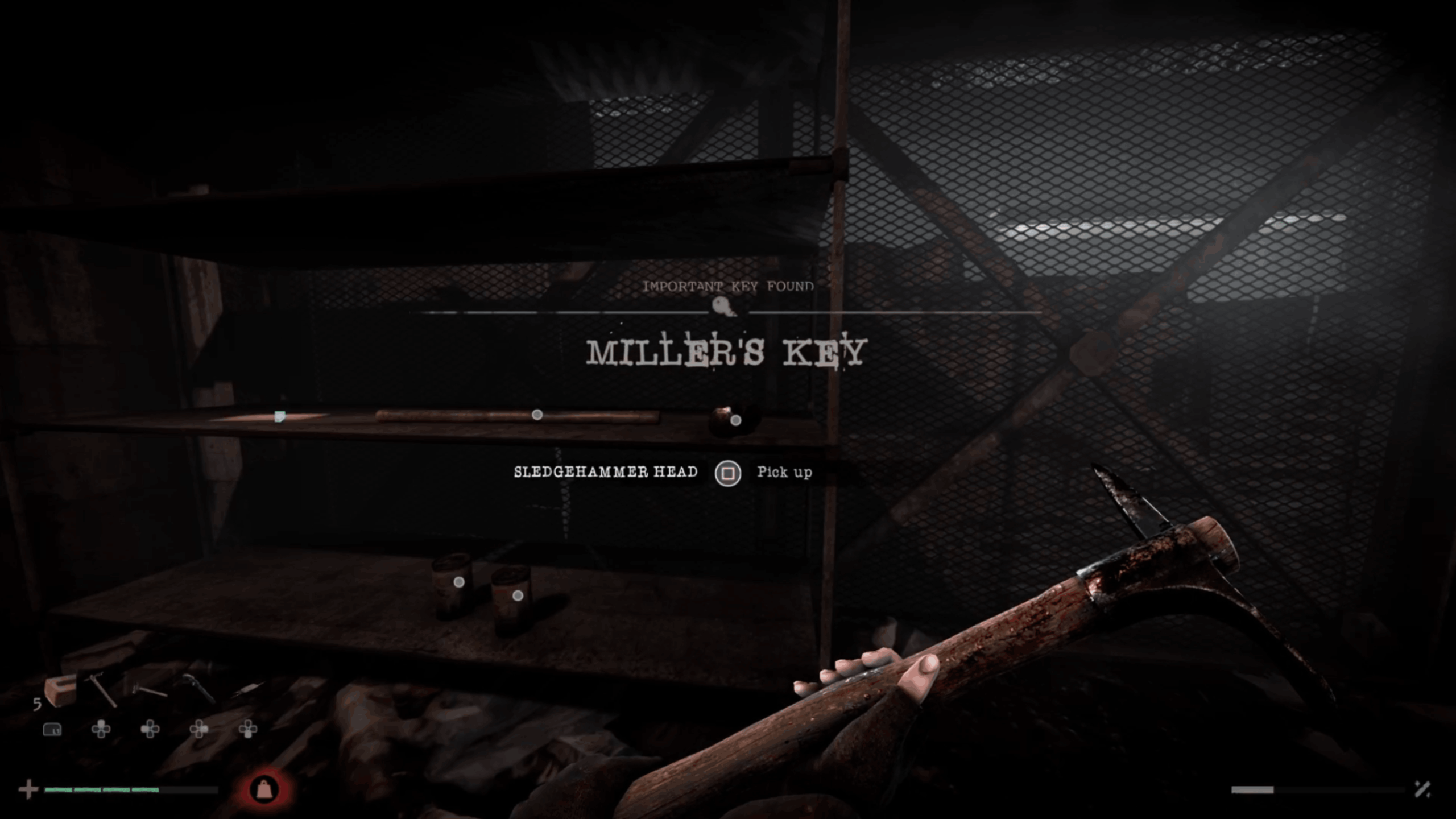
Structurally, the game feels similar to something like Zombi, where each chapter drops you into a large, maze-like area that you need to navigate and eventually escape. These levels loop back on themselves in smart ways, encouraging exploration with locked doors, hidden paths, and keys that open up optional areas filled with notes, supplies, or stronger weapons. There is a constant push and pull between moving forward and doubling back, and that tension feeds directly into the survival aspects.
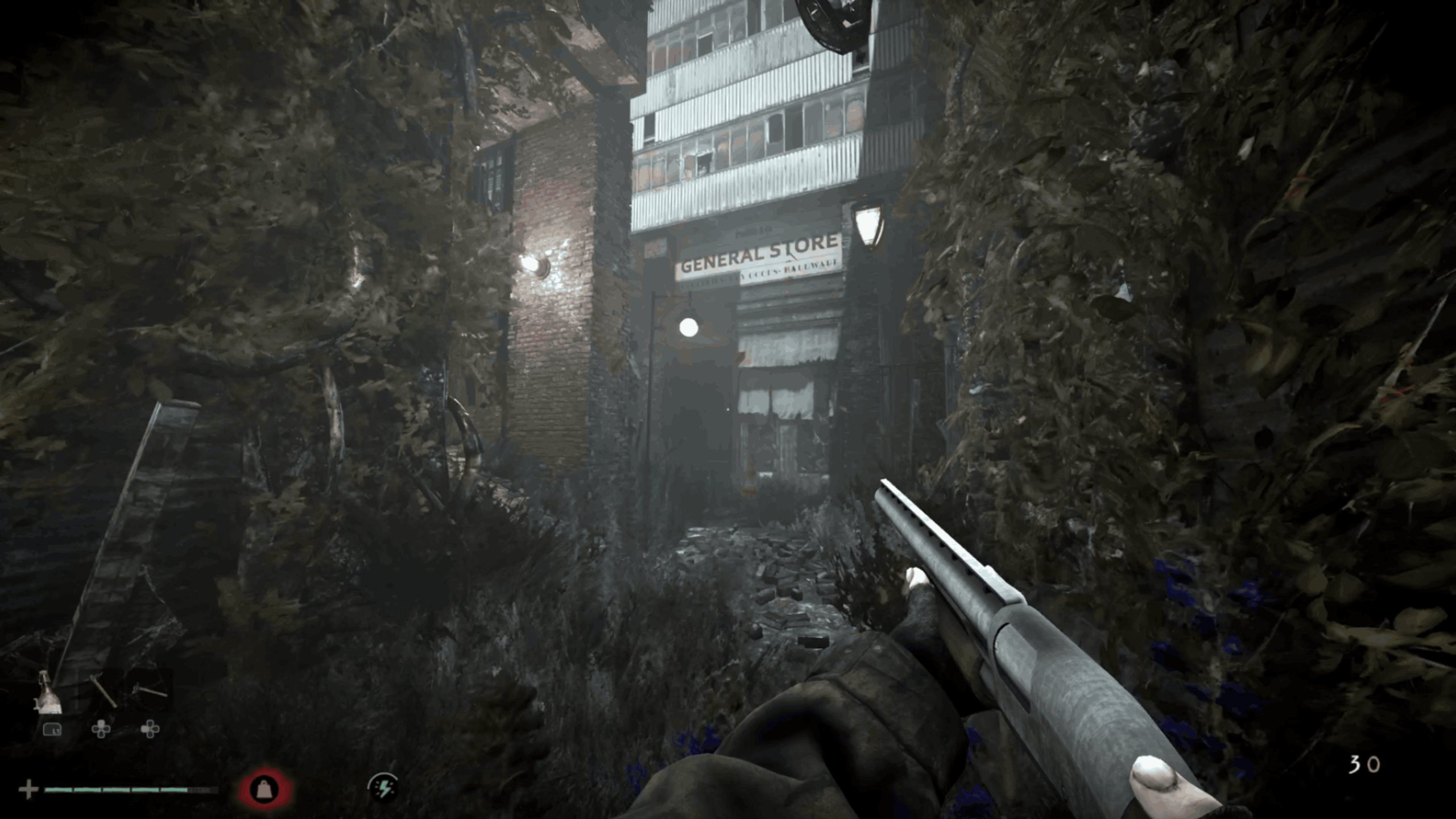
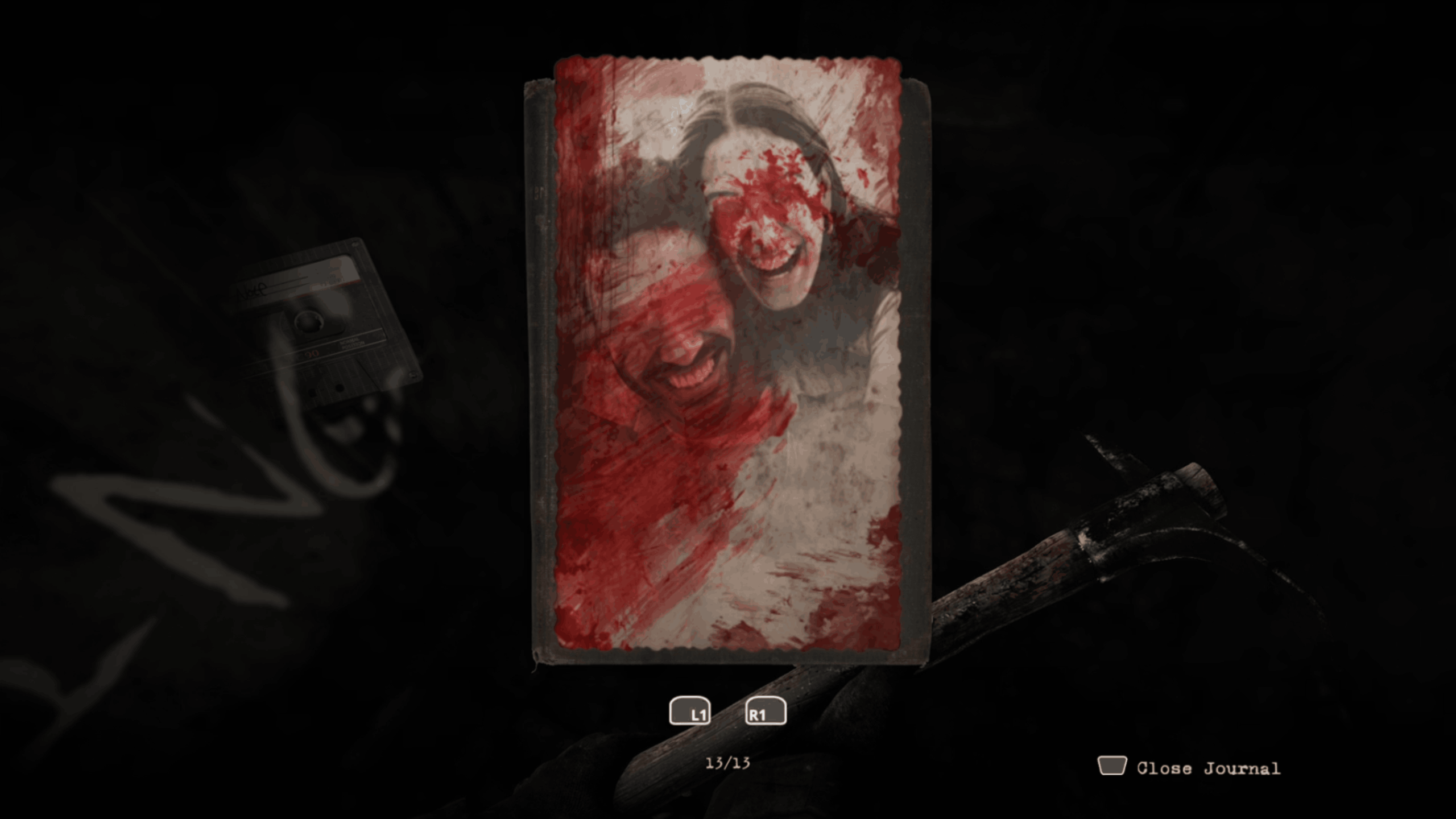
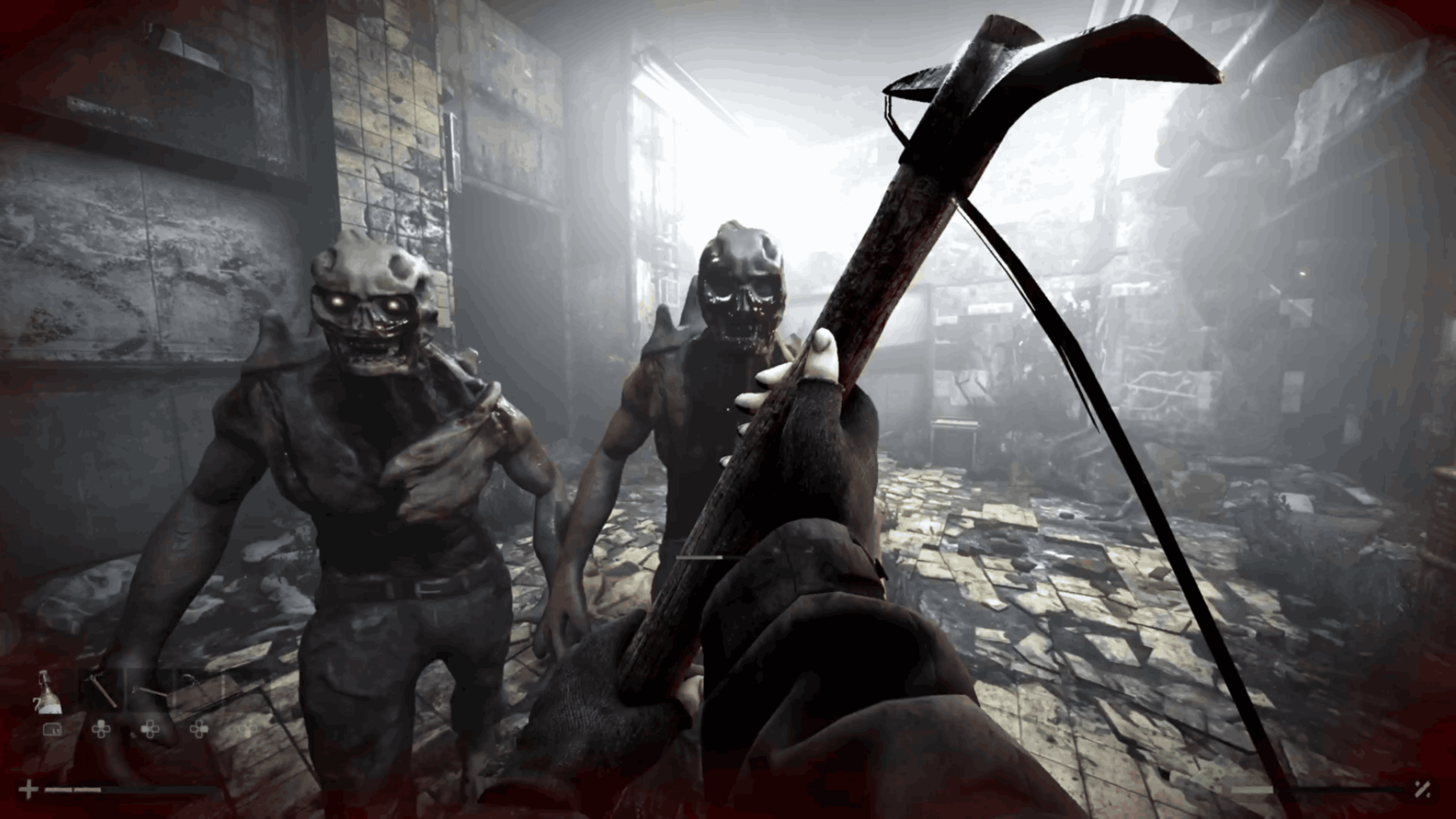
Combat is built around close encounters and limited resources. You rely heavily on melee weapons like pipes or crafted tools, with firearms like the harpoon gun acting more as situational options rather than your main method of defense. Every swing costs stamina, and that same stamina is needed to dodge attacks, which creates a natural balancing act in every fight. You can charge attacks for more damage, parry incoming hits if your timing is right, and even throw weapons for strategic advantages. Some enemies demand specific approaches, like creatures that can be instantly countered if you lodge a thrown weapon in their weak point. Others move unpredictably, vanish and reappear, or only react when you get too close. There are even fast, low-to-the-ground enemies that force you to stay alert at all times. It keeps encounters from feeling repetitive and makes you think about how you approach each situation.
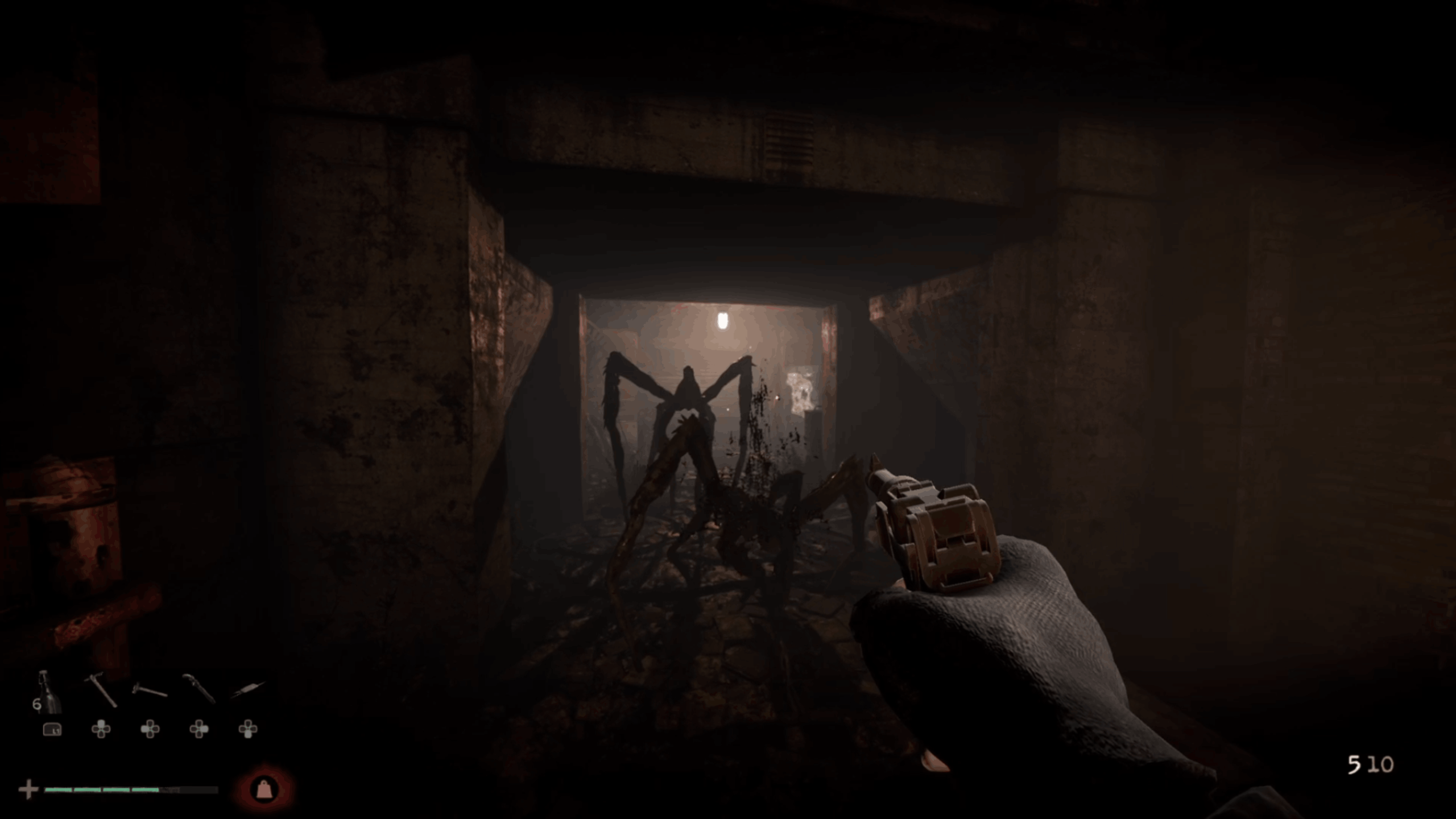
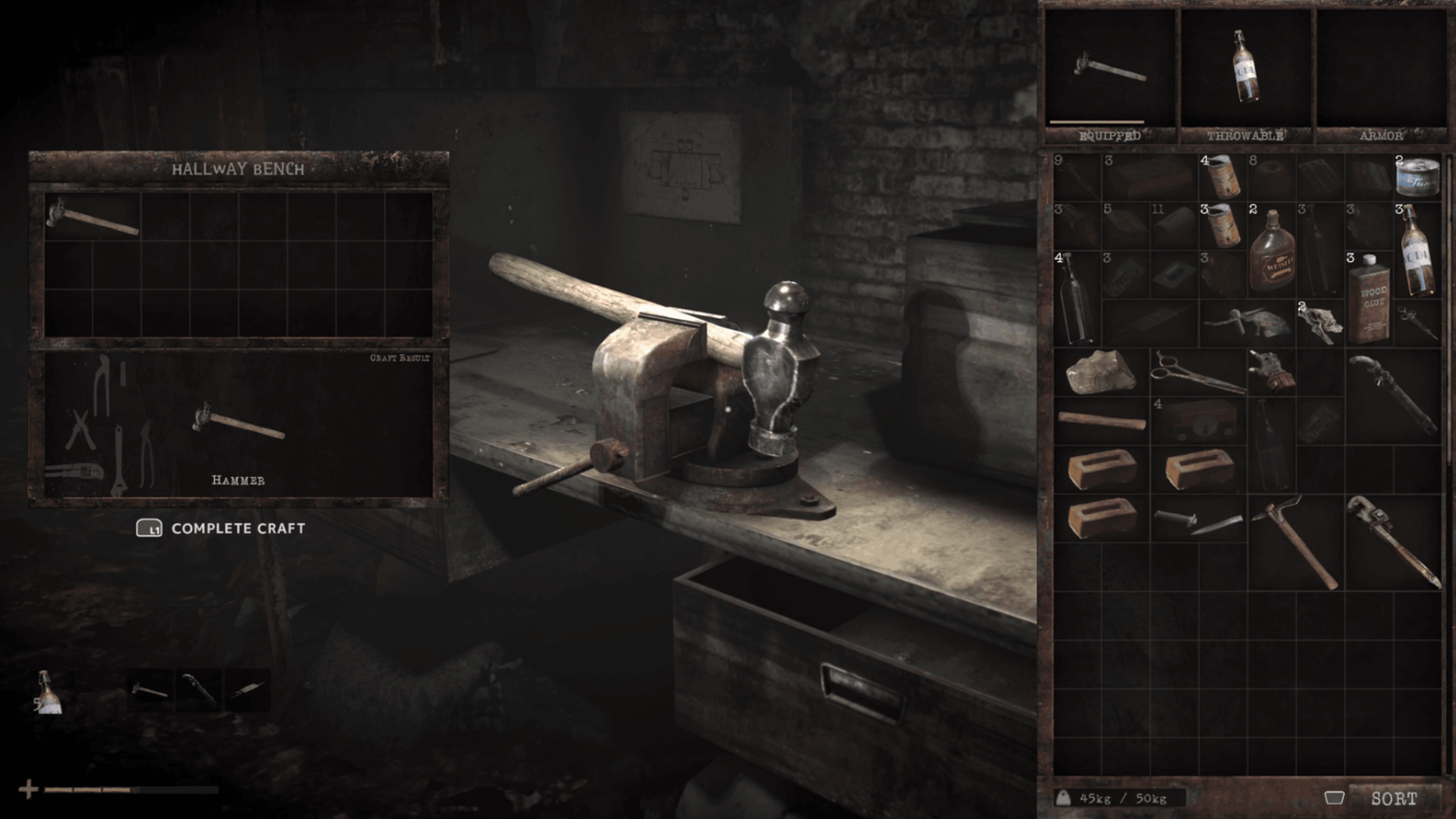
The deeper you get into the game, the more its systems begin to overlap. You are constantly scavenging for scrap and items to craft new tools, weapons, and healing supplies. Food restores health, syringes can save your life but may introduce bleeding, and bandages become just as important as anything else in your inventory. Almost everything has a tradeoff, and that constant decision making is what gives the game its identity. You can even create makeshift weapons by combining odd items, like attaching scissors to wood or assembling parts into something more durable. On top of that, you can turn the environment into a weapon, like setting enemies on fire by hitting them with a bottle of flammable liquid near an open flame.
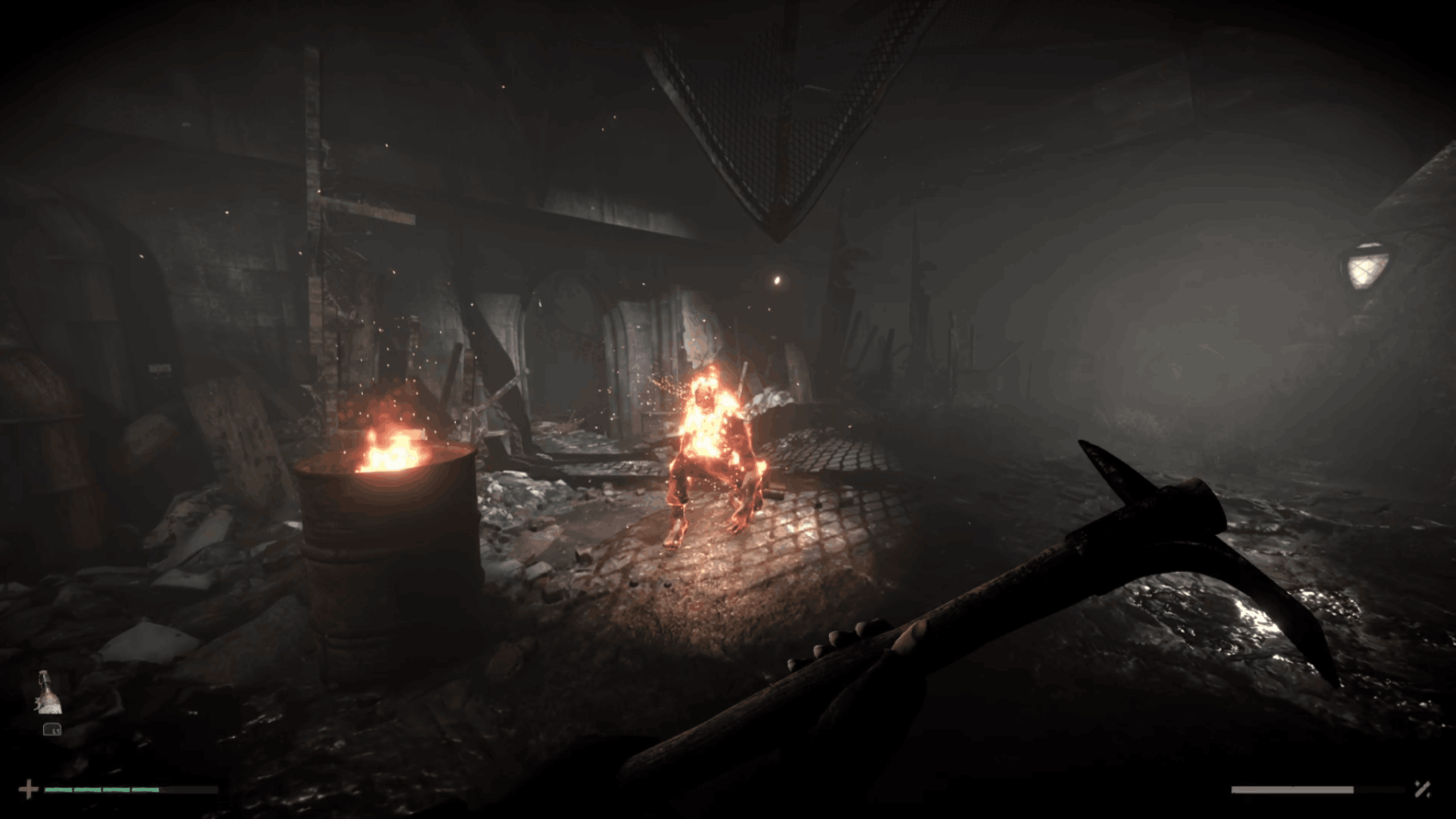
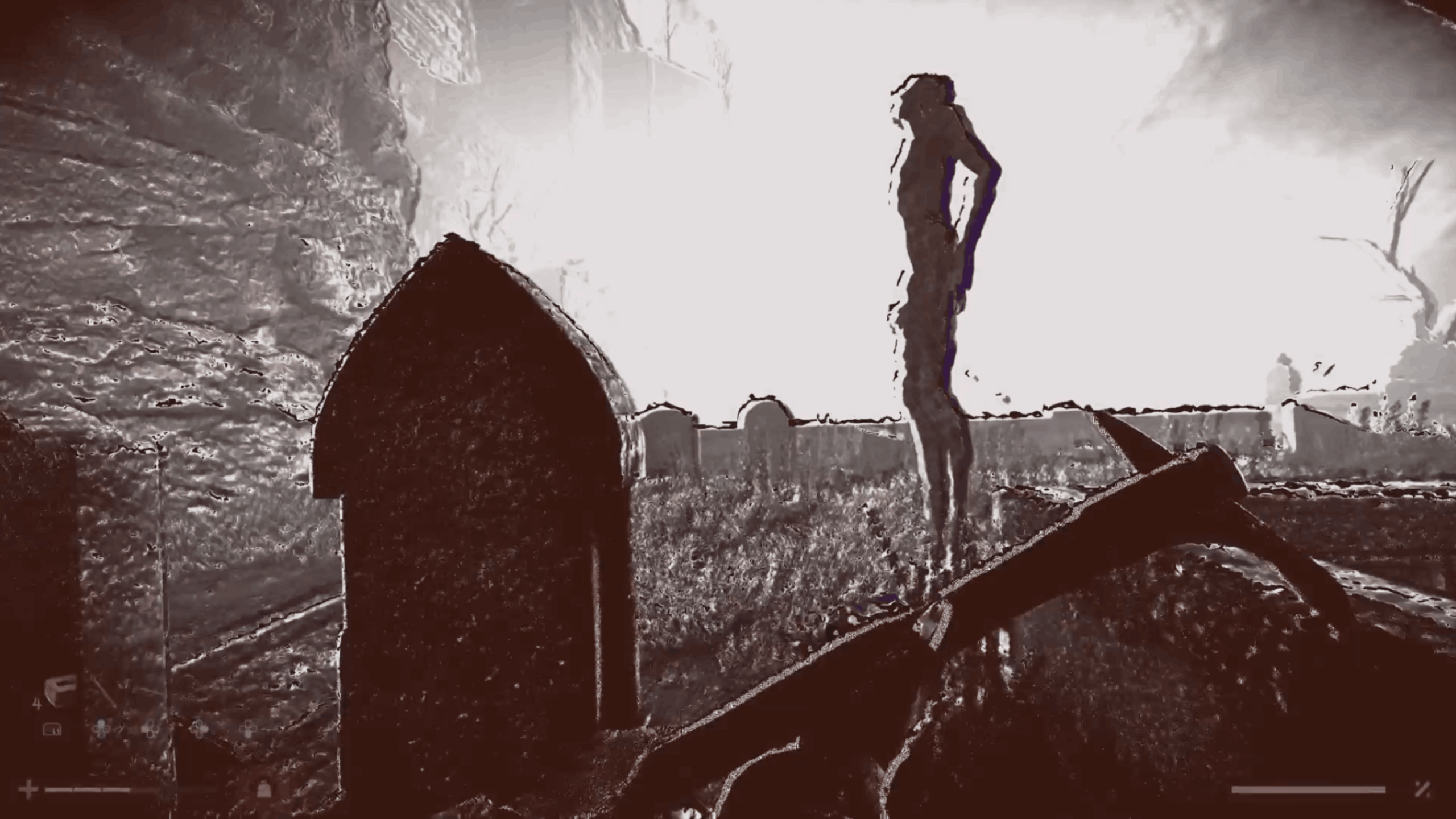
One of the more interesting systems is the madness mechanic. As your mental state deteriorates, the world begins to shift. New areas can open up, but they come with added dangers like hallucinations and more aggressive enemy behavior. It turns exploration into a risk and reward system where pushing forward could either help you or make things worse. It is one of the more creative ways the game blends its themes directly into gameplay.
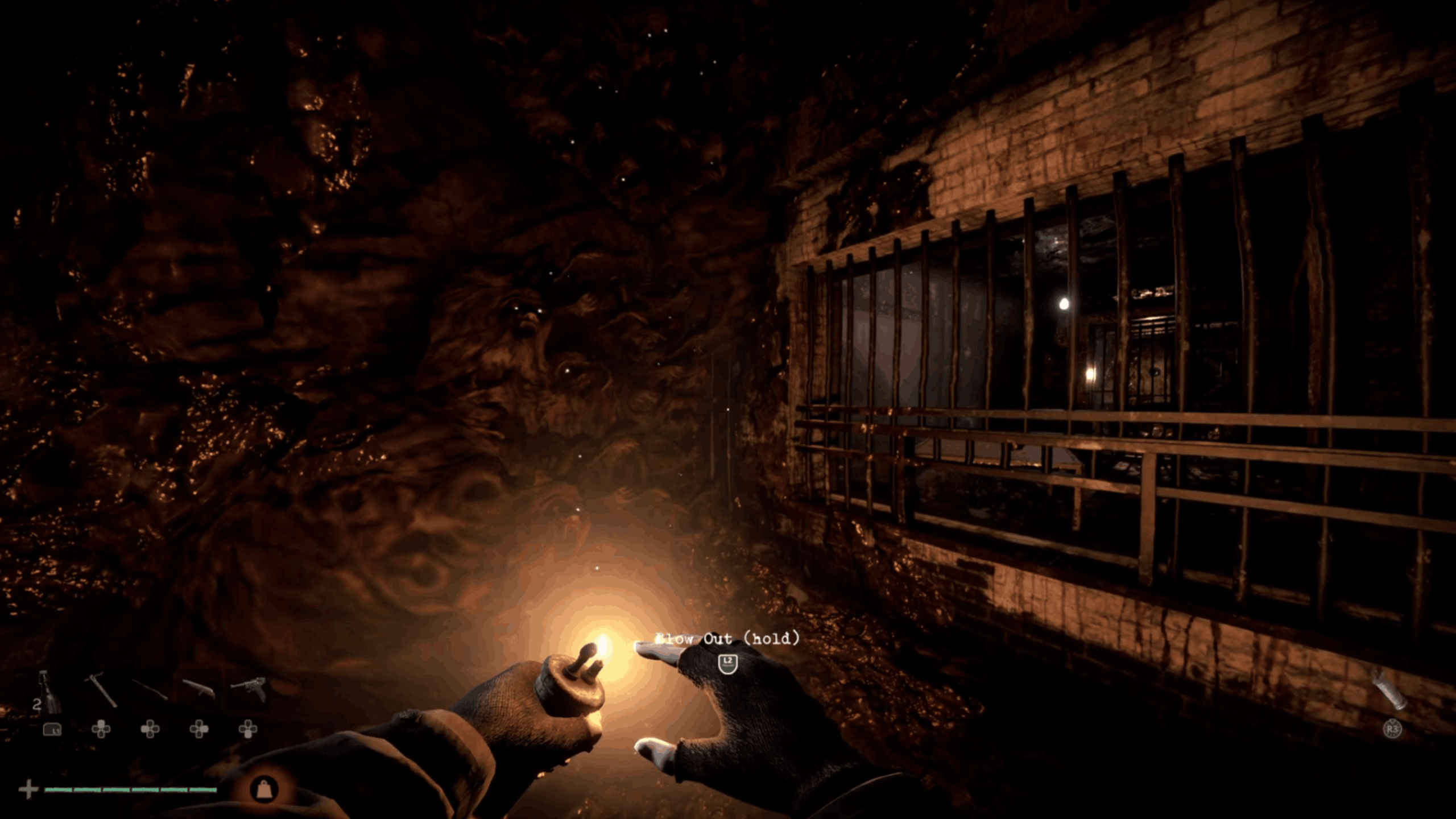
That said, it takes time for everything to click. Early on, the game can feel overwhelming, throwing a lot of mechanics at you without much guidance. It is easy to forget tools like parrying or distraction items such as rocks and bottles, even though they can make a huge difference in combat. Once it starts to settle in, though, the experience becomes much smoother and more enjoyable. Interestingly, despite all these systems, the game itself is not overly punishing most of the time. Outside of a few tougher encounters, the game is surprisingly more manageable than you would expect, though getting lost in its maze-like levels can sometimes be more frustrating than the enemies themselves.
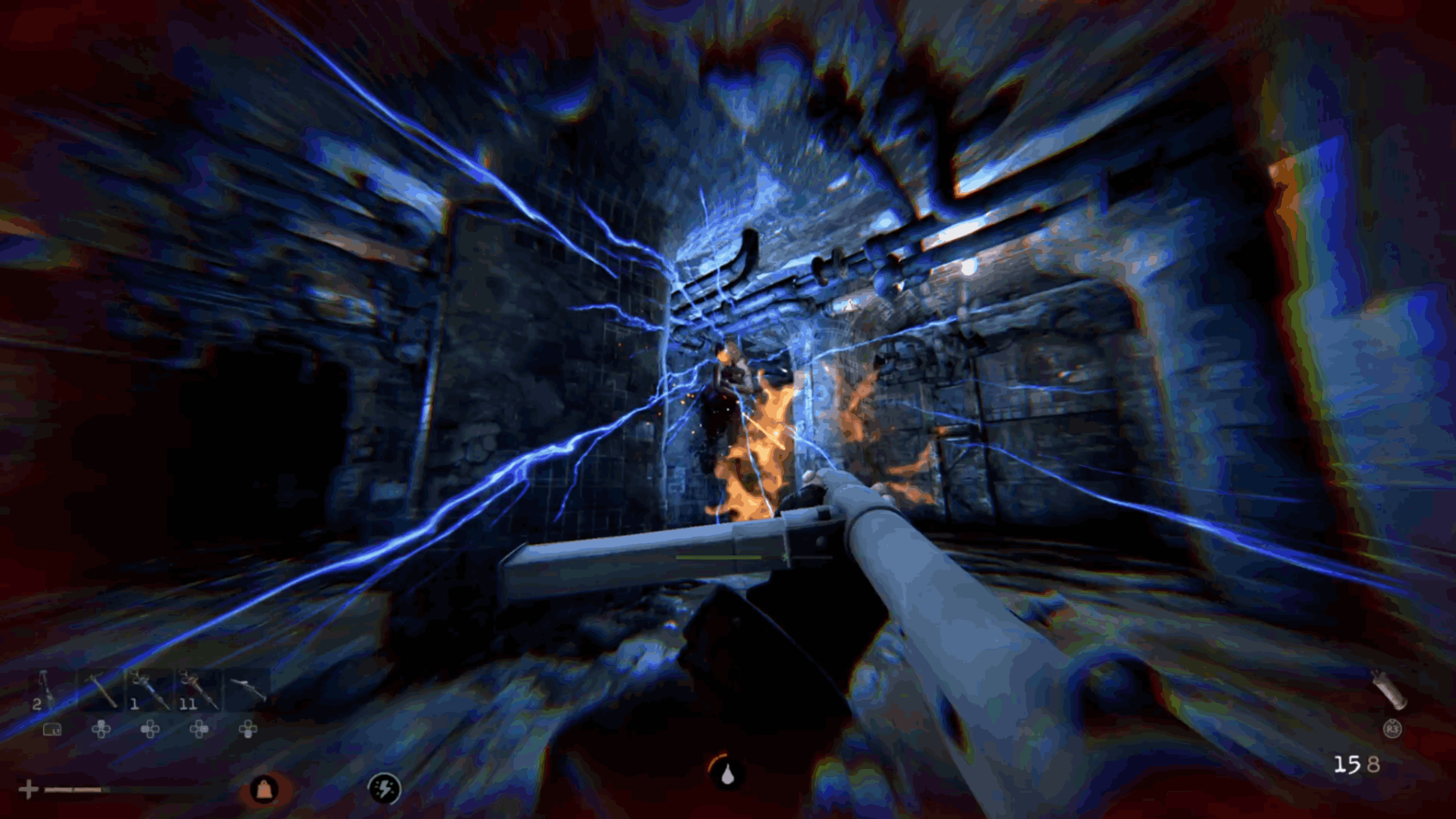
There are some rough edges that hold it back. Inventory management can be clunky, with menus that feel cluttered and difficult to navigate, especially when the cursor tends to blend into the background. Crafting follows a similar pattern, where the game highlights potential combinations but does not always make it clear what you can actually create, leading to trial and error. The save system is also very old school, relying heavily on manual saves with sparse autosave points. If you die after a long stretch without saving, you can lose a significant amount of progress, which can feel more frustrating than challenging.
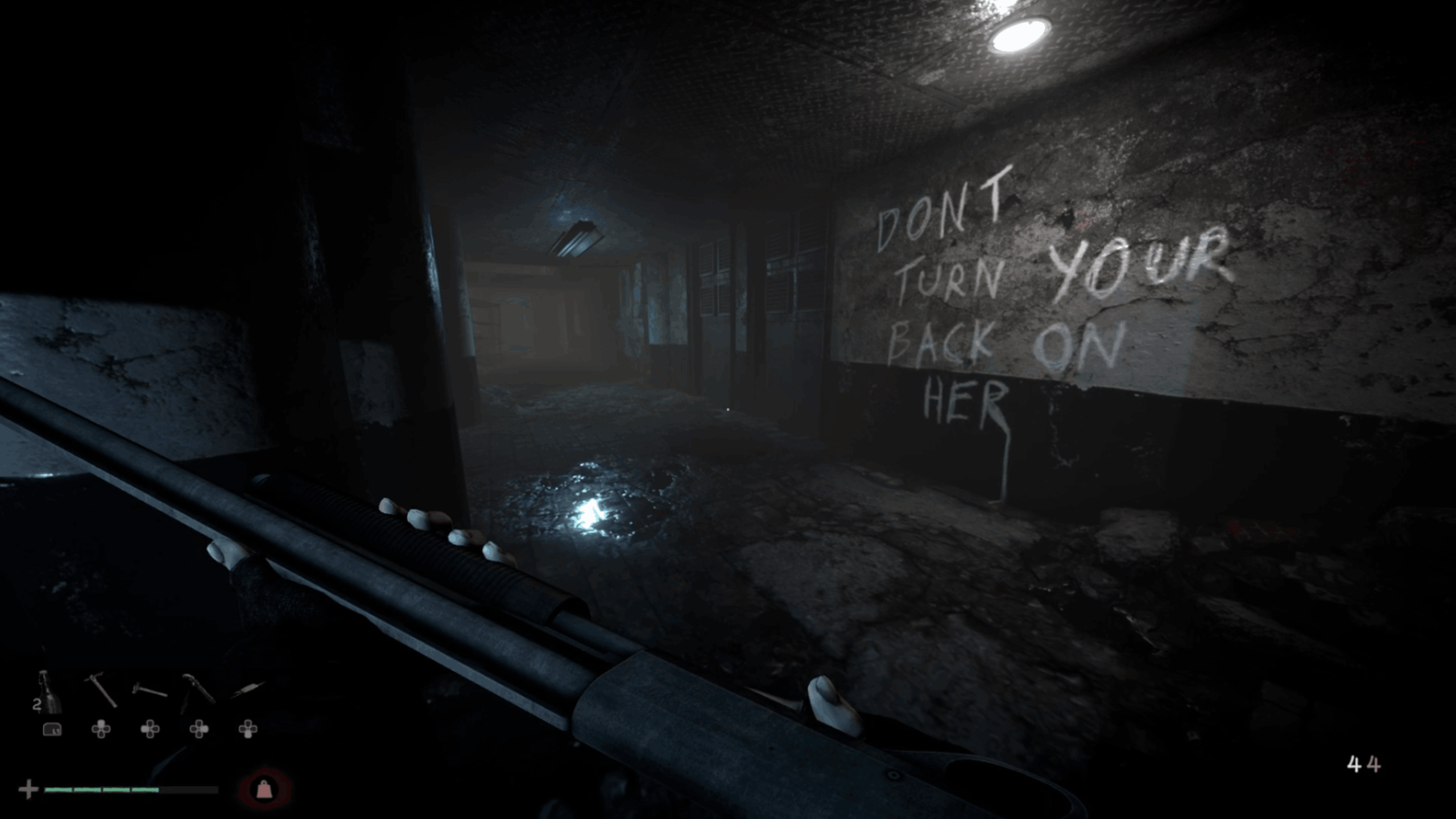
The game offers multiple ways to experience it depending on how you want to play. Standard mode gives you the intended balance, while Survivalist mode tightens everything by reducing resources and increasing weapon decay. A March 2026 update added New Game Plus, which introduces a harder difficulty along with The Hunter, an invincible enemy that constantly stalks you. It adds tension, but it can also feel overwhelming on top of everything else which isn’t a bad thing since that’s the entire point. On the other end, Tourist mode allows you to tweak mechanics like hunger and durability, making it easier to focus on exploration rather than survival management. With multiple endings already in place and an additional one added in the update, there is a good amount of replay value here.
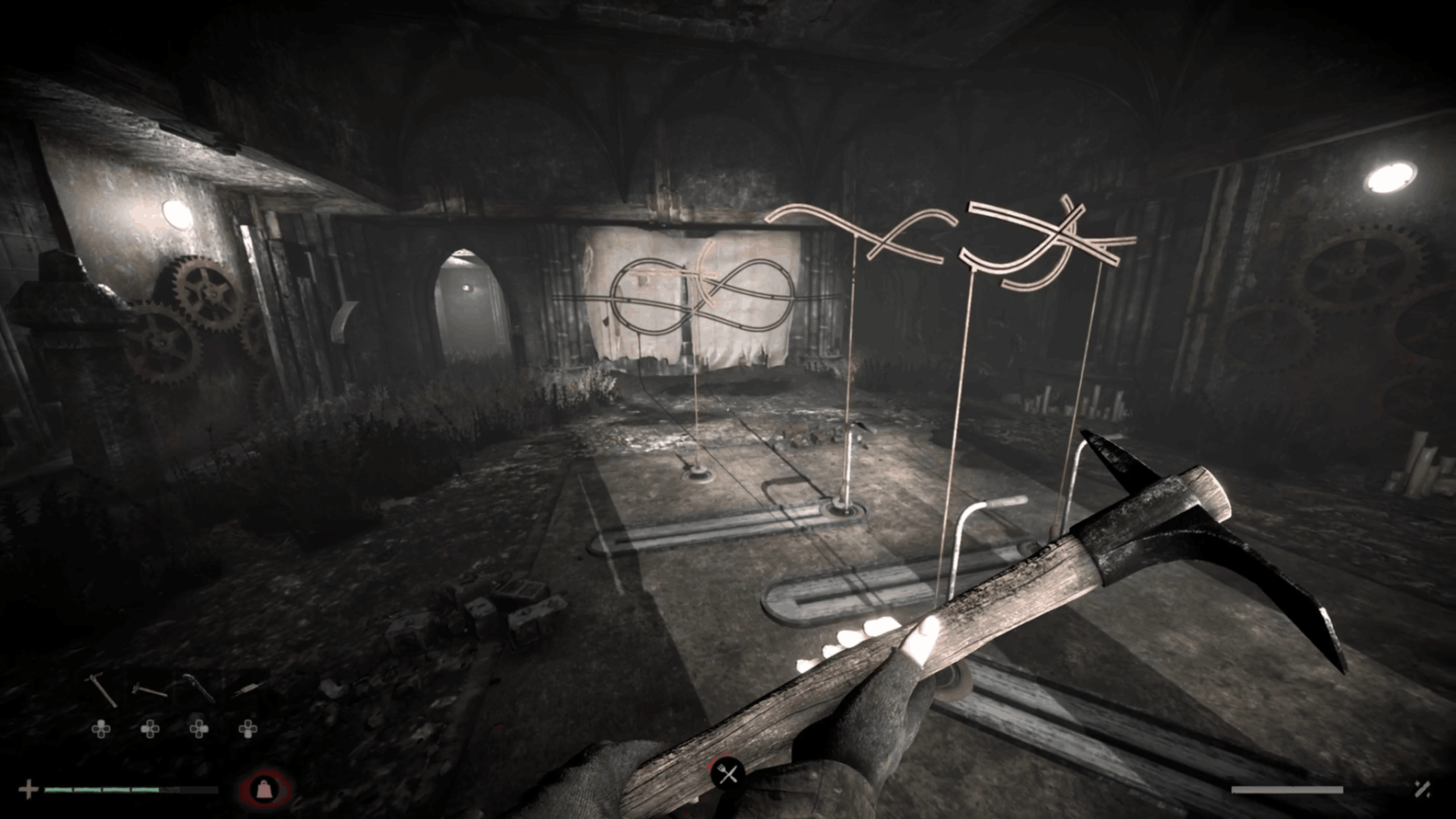
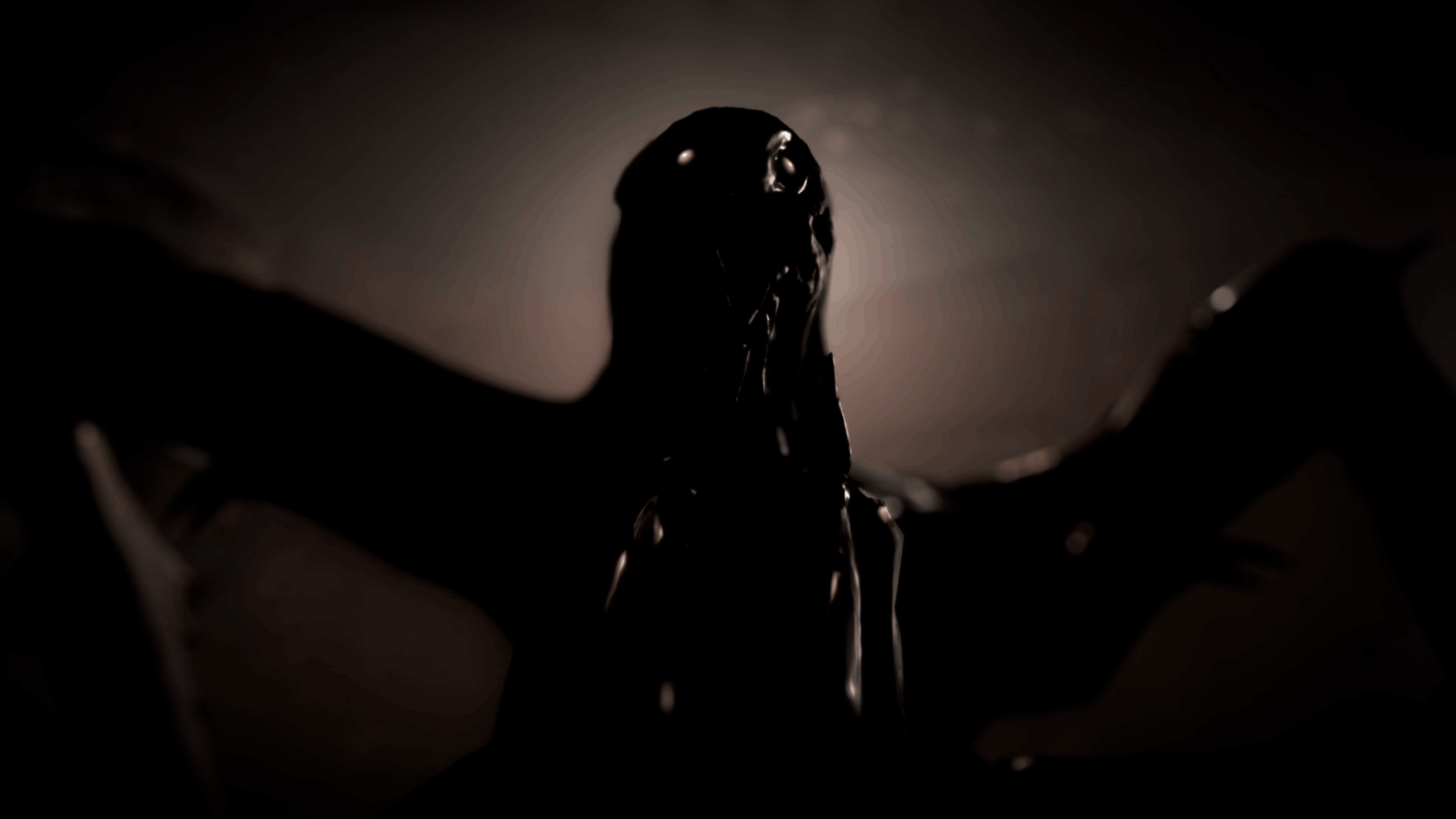
Visually, the game looks strong, even with its heavy focus on darkness and muted tones. Fort Oasis feels appropriately decayed, with environments that sell the idea of a place long abandoned and left to rot. Enemy designs stand out in a more disturbing way, often looking just human enough to feel unsettling. At times, the darkness can make it harder to appreciate the finer details, especially if you like to take your time and really look around, but the overall atmosphere remains effective.
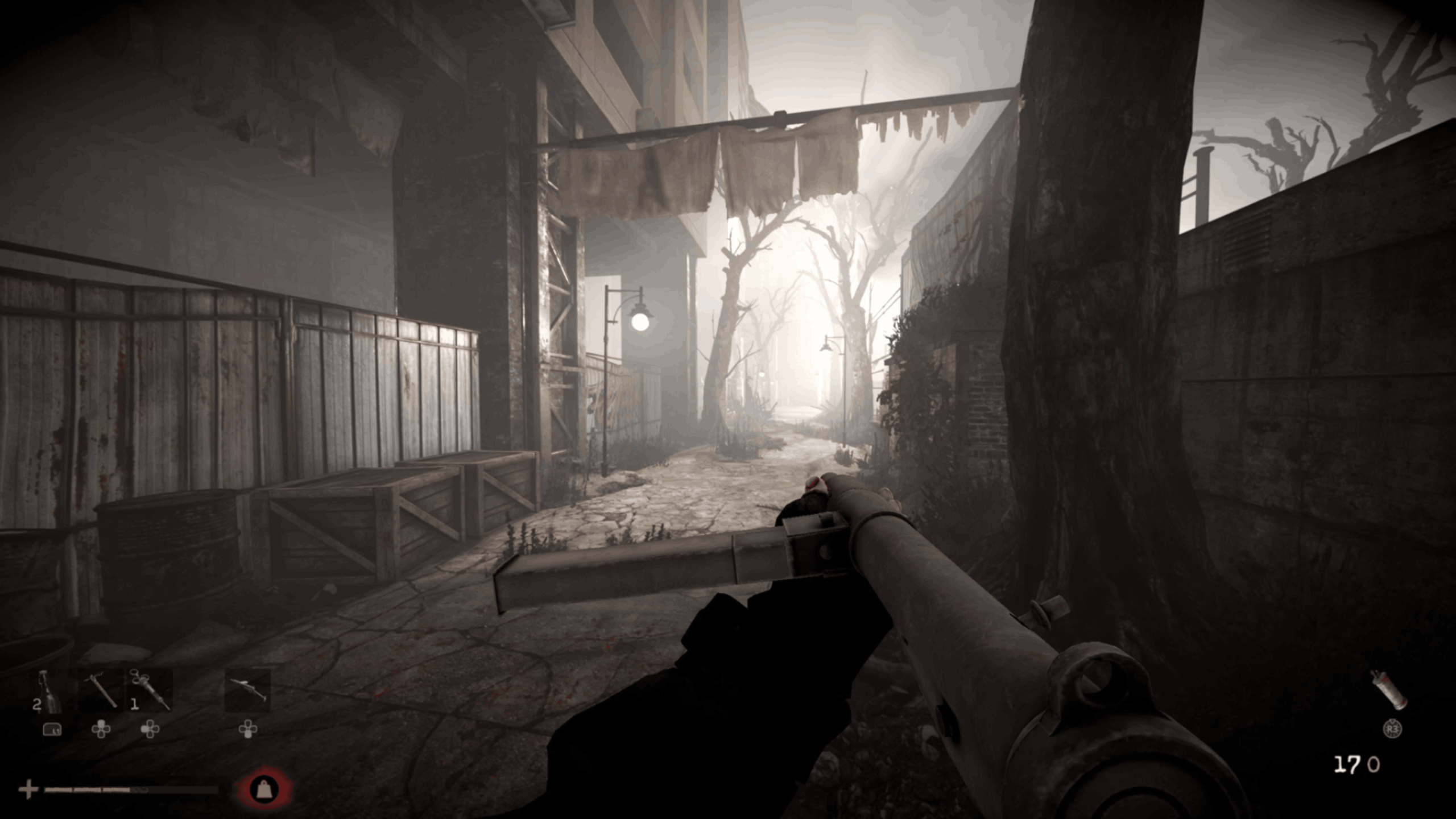
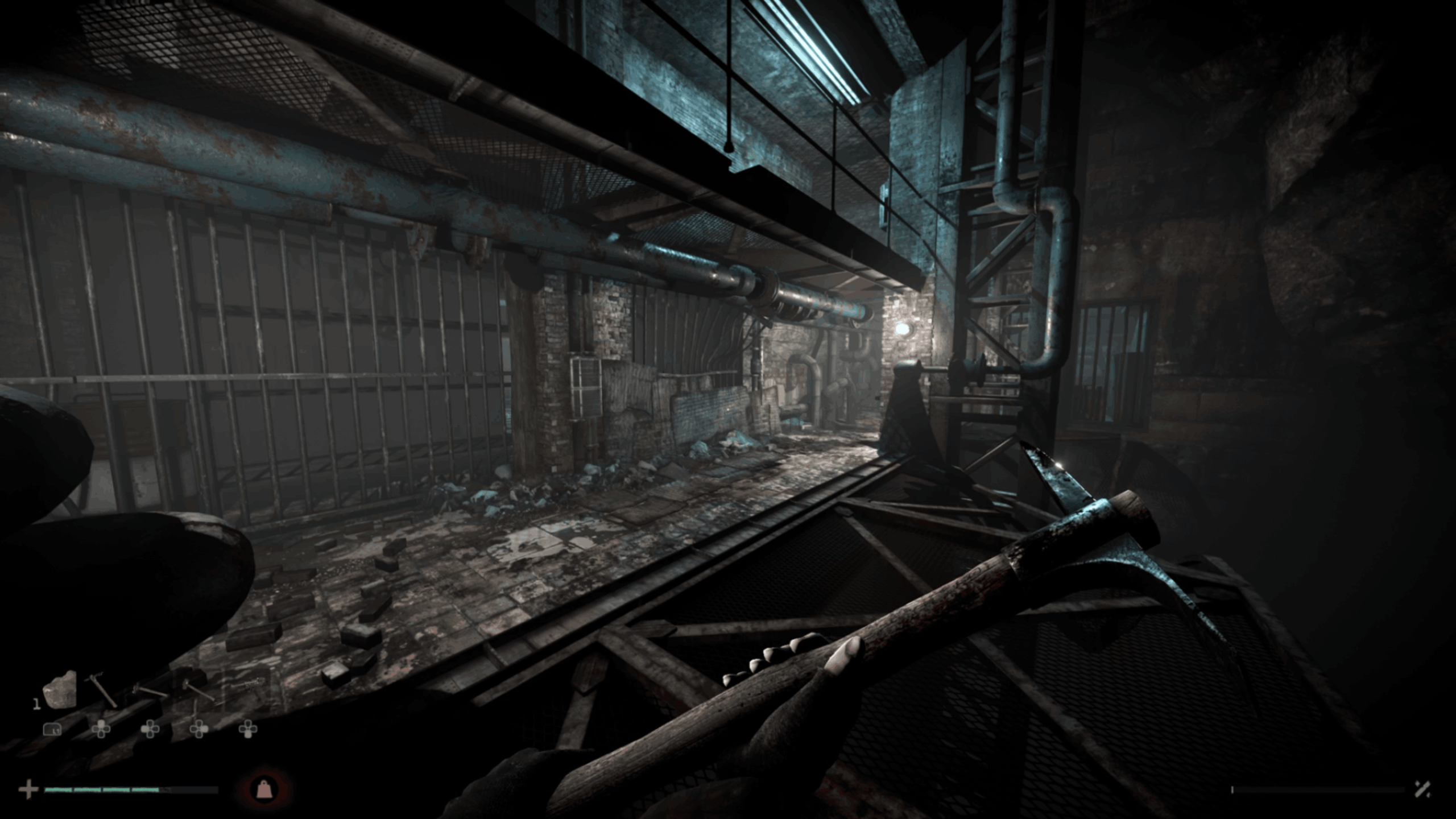
Audio plays a big role in building that atmosphere, even if it does not always stand out in a major way. Environmental sounds like creaking metal, distant echoes, dripping water, and faint whispers work really well. There are moments where the sound design really shines, especially when it uses distortion and subtle changes that make you question what you are hearing. The music stays mostly in the background, but it adds a steady sense of unease that follows you throughout the game. It is not always memorable on its own, but it works well within the game.
Final Thoughts?
By the time everything starts to come together, Total Chaos becomes something genuinely engaging. There is a satisfying loop in breaking down environments, gathering materials, crafting what you need, and pushing further into the unknown. Even with its issues like confusing menus, occasional combat awkwardness, and a save system that can feel punishing, the core experience holds strong. It might take some time to fully adjust to everything it throws at you, but once it clicks, it becomes hard to put down. Funnily enough, Total Chaos lives up to its name, not because it is messy, but because all of its systems collide in a way that feels unpredictable and strangely rewarding.
About the Author

Nay Clark Gaming holds a special place in my heart and I never stop talking about video games. I really love all types of games and have an interest in games that have complicated stories and lore because I enjoy untangling the mystery of it all. When I'm not gaming, I unsuccessfully try to control three amazing and incredibly bright kids.
Related Posts

Winx Club The Magic Is Back Review (PS5) →
What’s New in Overwatch Season 2: Summit? →
The End of the Sun Review (PS5) →