
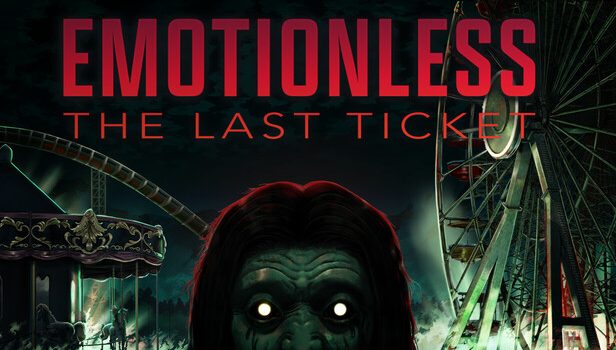
EMOTIONLESS: The Last Ticket Review (PS5)
Summary: EMOTIONLESS: The Last Ticket is a slow-paced psychological horror experience set in a surreal, abandoned amusement park where you search for answers about your missing father. It focuses heavily on exploration, atmosphere, and environmental storytelling, though its narrative can feel unclear and its gameplay lacks tension. While strong visuals and sound design help carry the experience, technical issues and repetitive design choices keep it from fully delivering on its potential.
3.1
Empty Ephemera
When emotions fade, what’s left to fear? EMOTIONLESS: The Last Ticket is a first-person psychological horror game developed and published by X1 Games, with console publishing handled by Perp Games. It first released on October 7, 2025 for PC, followed by PlayStation 5 and Xbox Series X|S on March 17, 2026. The game leans heavily into atmosphere, surreal environments, and a slow-burn mystery. Set in an abandoned amusement park filled with strange, shifting spaces, the game aims to pull you into a deeply unsettling world where reality doesn’t quite hold together. It has all the ingredients for a compelling psychological horror experience, but the execution doesn’t always keep the ride on track.
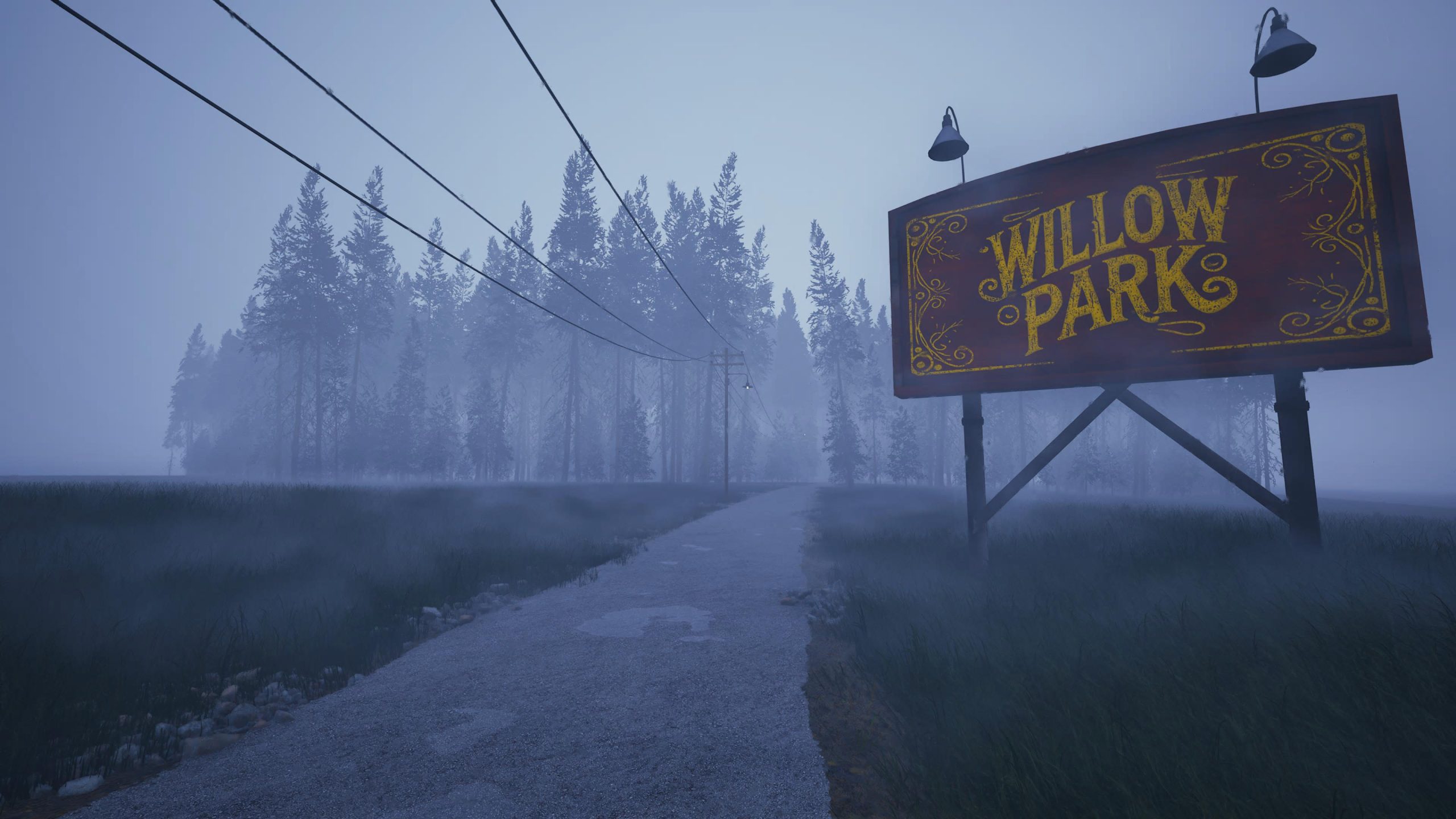
James Anderson is a seemingly ordinary man carrying the weight of a traumatic past. Ten years ago, a devastating fire tore through his father’s amusement park, leaving it in ruins and his father missing without a trace. Every year, James returns to Willow Park, almost out of habit, trying to feel something in a place tied to so much loss. This time, though, things change when he begins to uncover clues suggesting his father may still be alive. What starts as a personal search quickly spirals into something far stranger as you dig deeper into the park’s secrets.
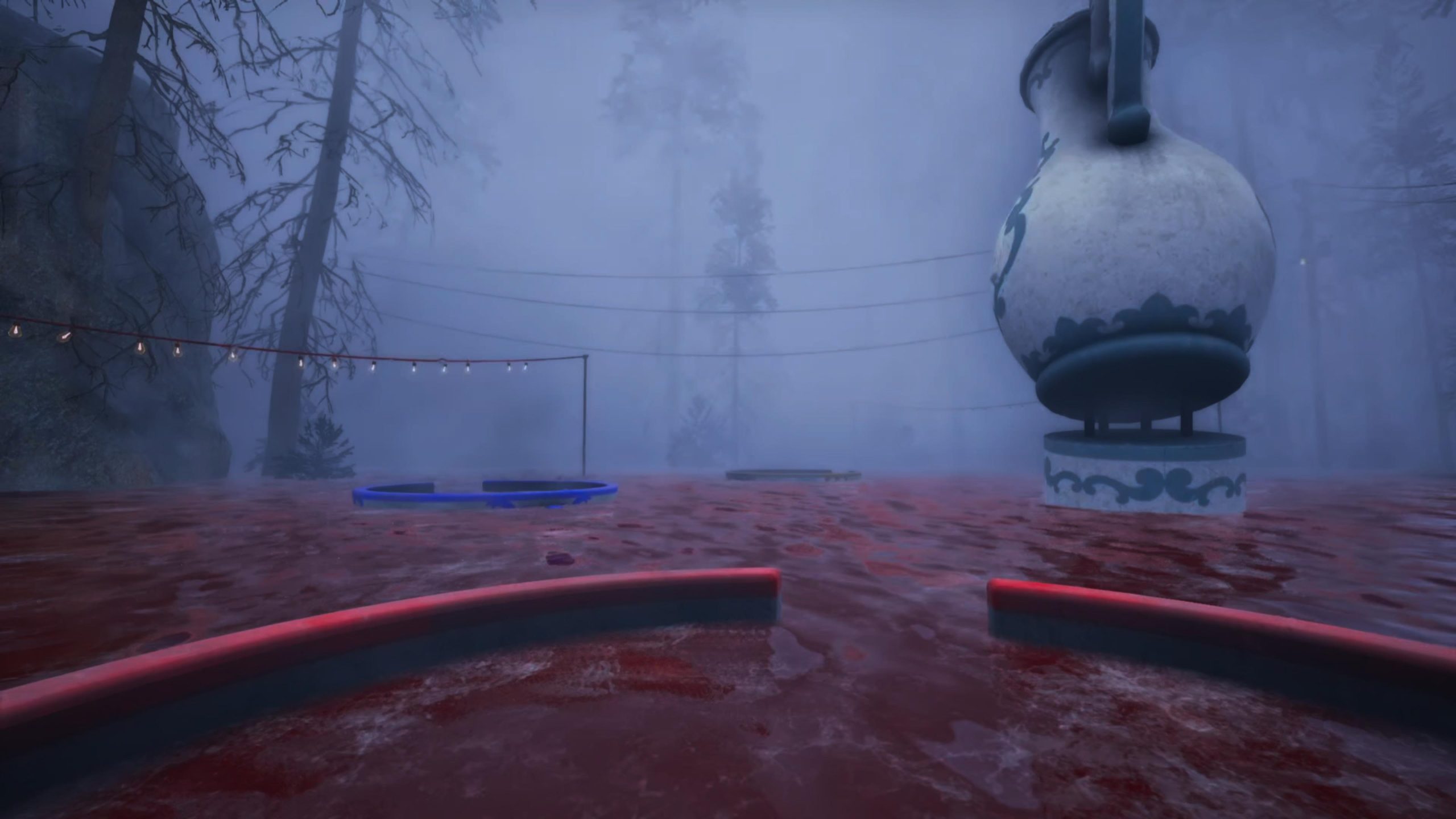
The story begins on familiar ground, and while it initially hooks you with its premise, it gradually leans harder into vague, cosmic horror territory that doesn’t always land. You’ll find audio recordings from James’ father scattered throughout the park, offering insight into their relationship and hinting at what might have happened. These moments add some texture, but they often feel too cryptic, leaving more confusion than intrigue. There are also documents written in German that James can only partially understand, which means large chunks of potential story context are effectively locked away unless you translate them yourself. Combined with some awkward character reactions where James seems oddly unaware of obvious conclusions, the narrative starts to feel disjointed. By the time it tries to tie things together near the end, it offers some answers, but not in a way that feels especially satisfying.
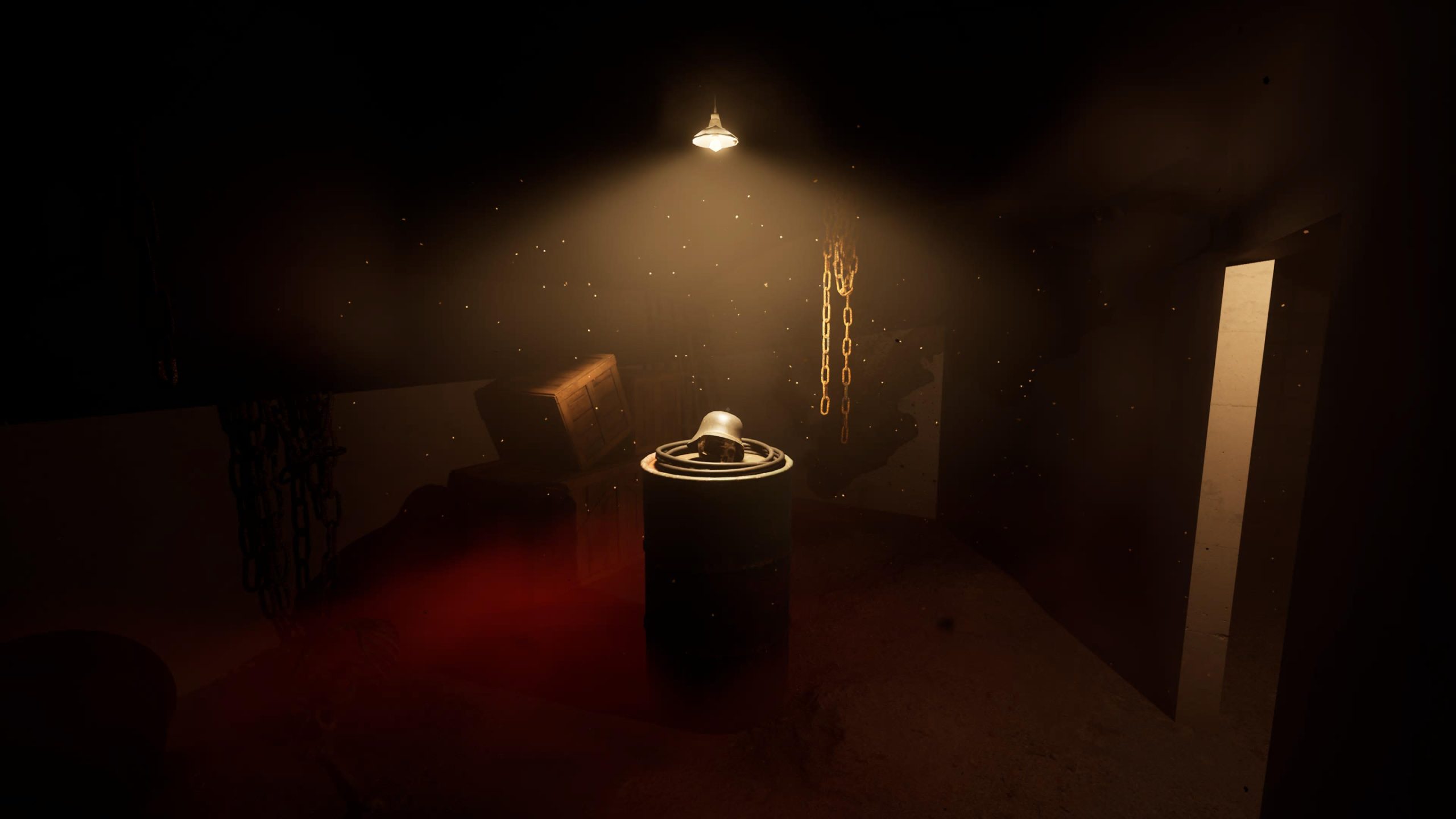
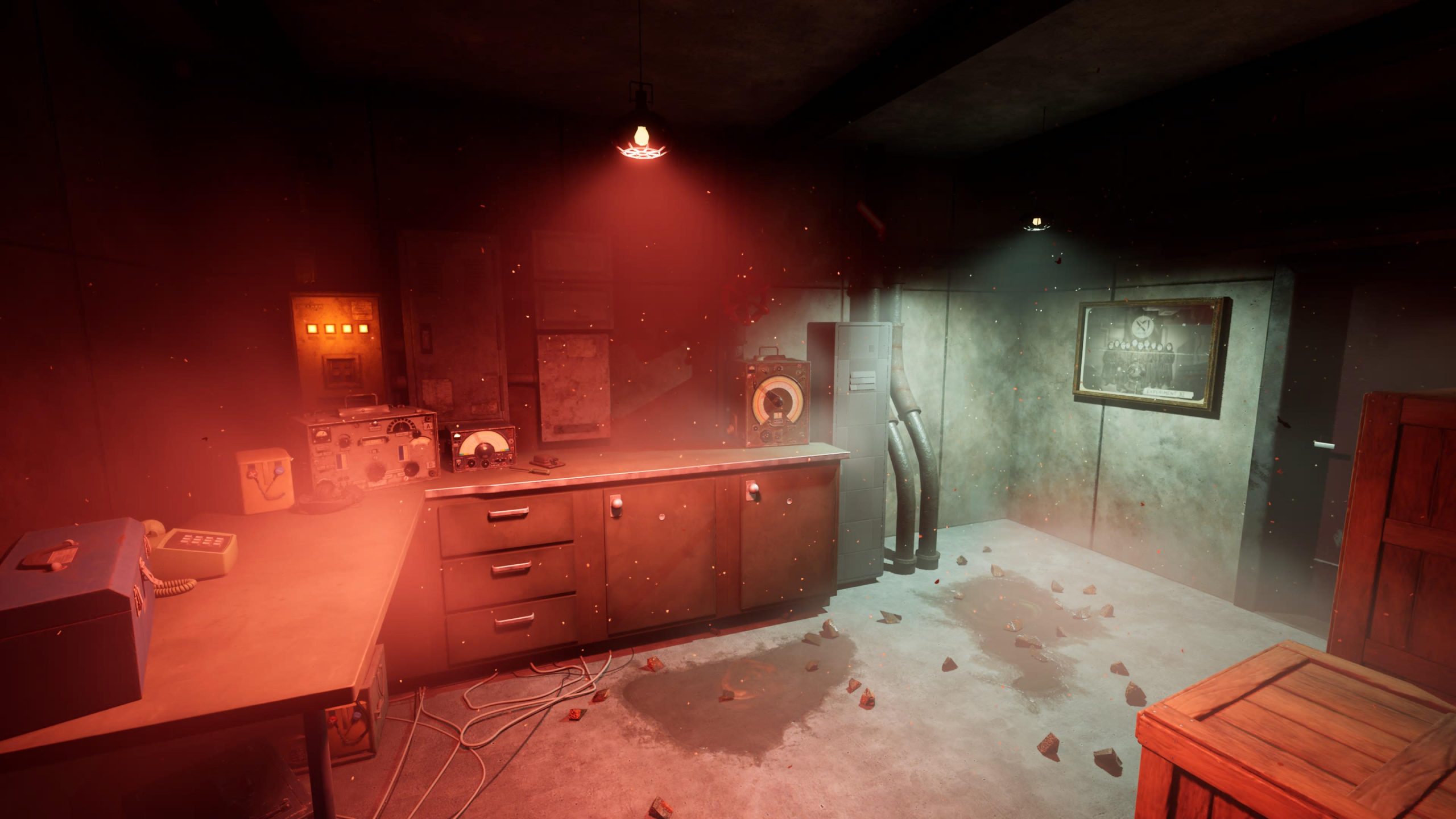
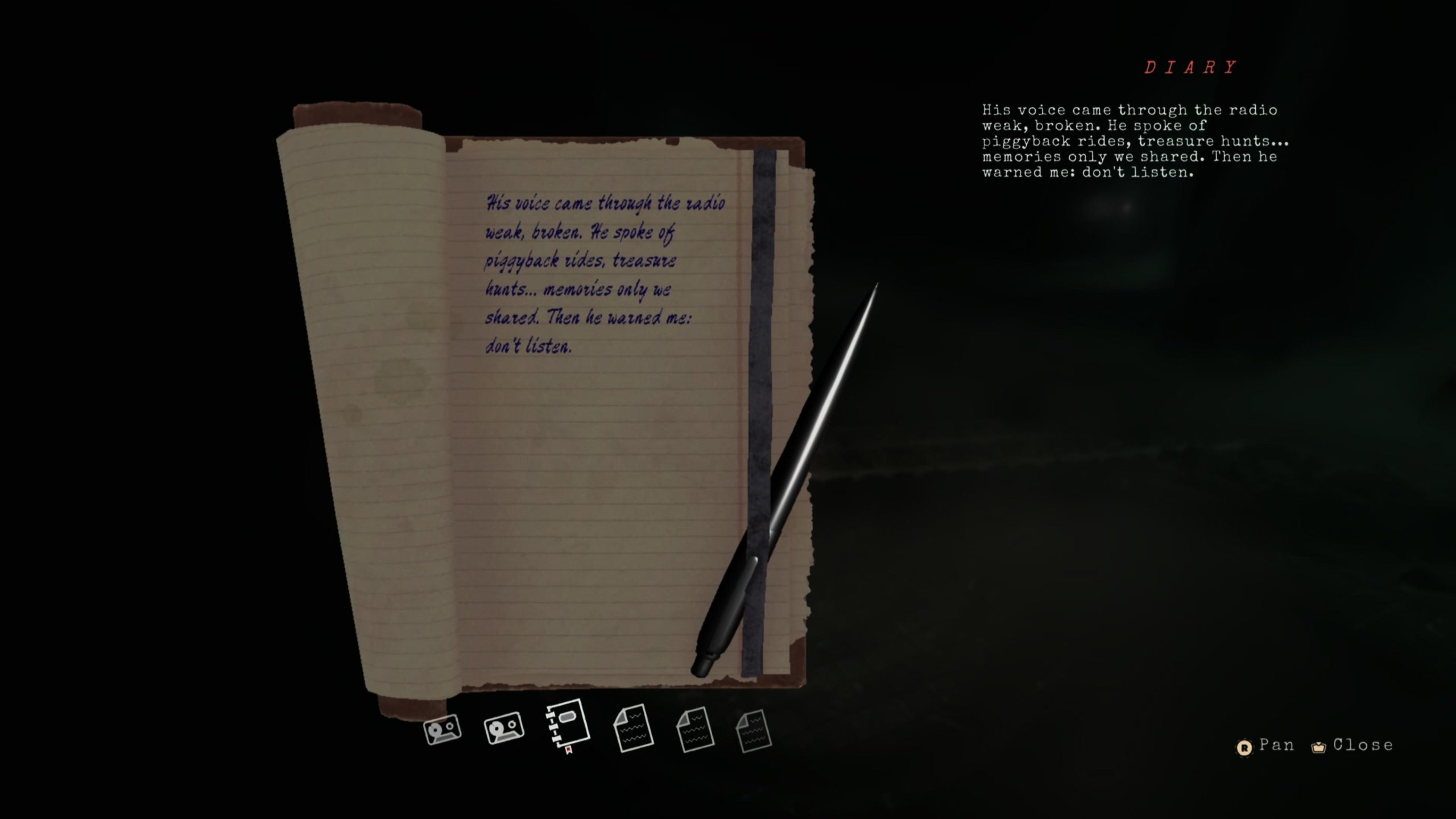
Gameplay sticks closely to the structure of a walking simulator, similar in concept to exploring a haunted space where the environment itself is the main focus. You spend most of your time moving through the park and its surrounding areas, interacting with objects, solving light environmental puzzles, and uncovering bits of story. James occasionally writes in a journal to reflect on what’s happening, but instead of acting as a useful log, it mostly captures his thoughts in the moment and overwrites previous entries, which can leave you without a clear sense of direction.
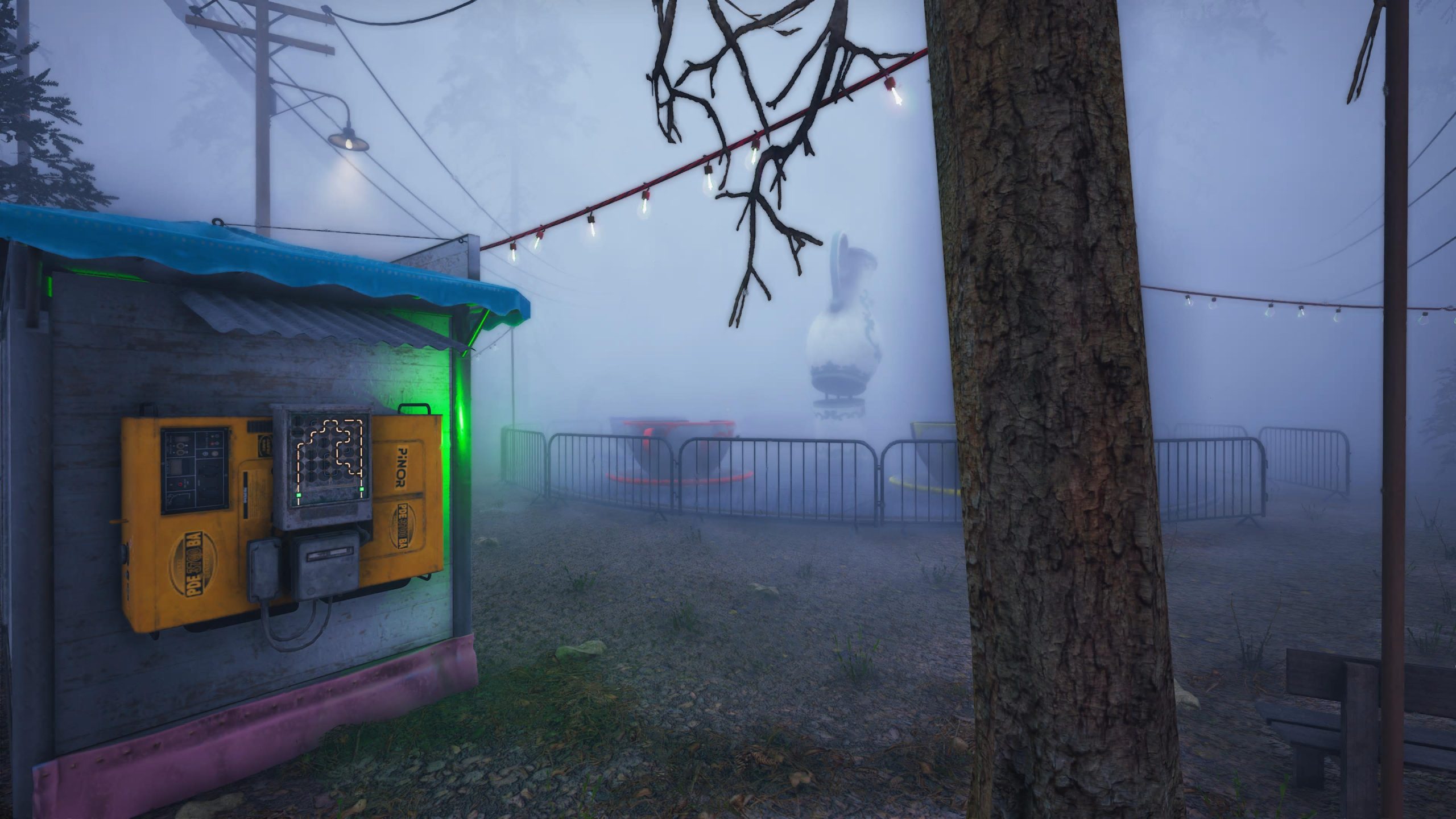
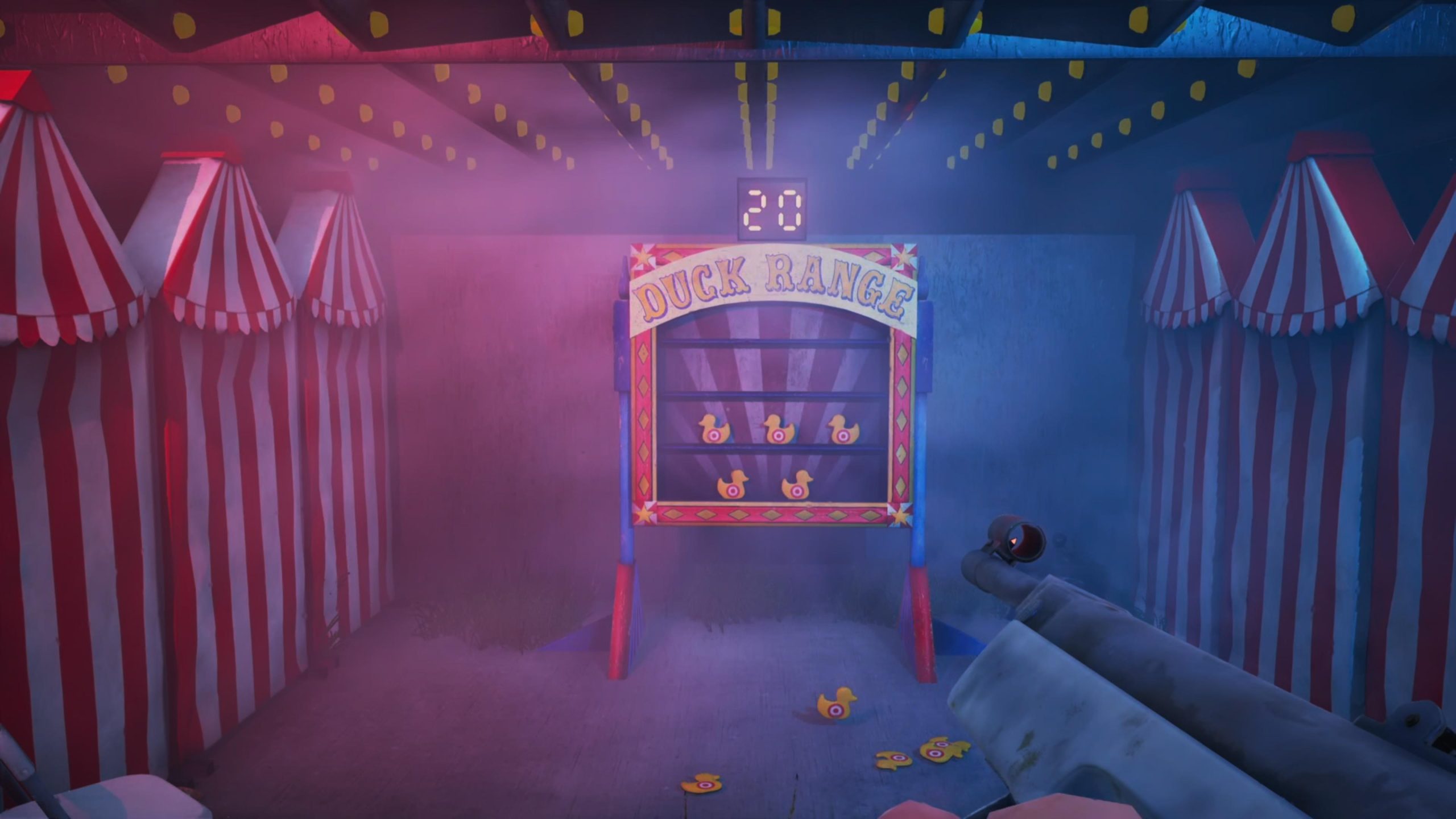
The park itself is surprisingly large, giving you a lot of freedom to wander. At first, that openness feels exciting, especially when you stumble across optional areas and hidden details. Over time, though, that scale starts to work against the experience. There are long stretches where it feels like you’re walking through empty space without much payoff, and some interactions that seem important end up leading nowhere. You can repair and ride certain attractions, which sounds like a great idea, but the payoff is inconsistent. One ride might offer a brief, eerie moment, while another simply plays out with little impact, making the whole concept feel underutilized.
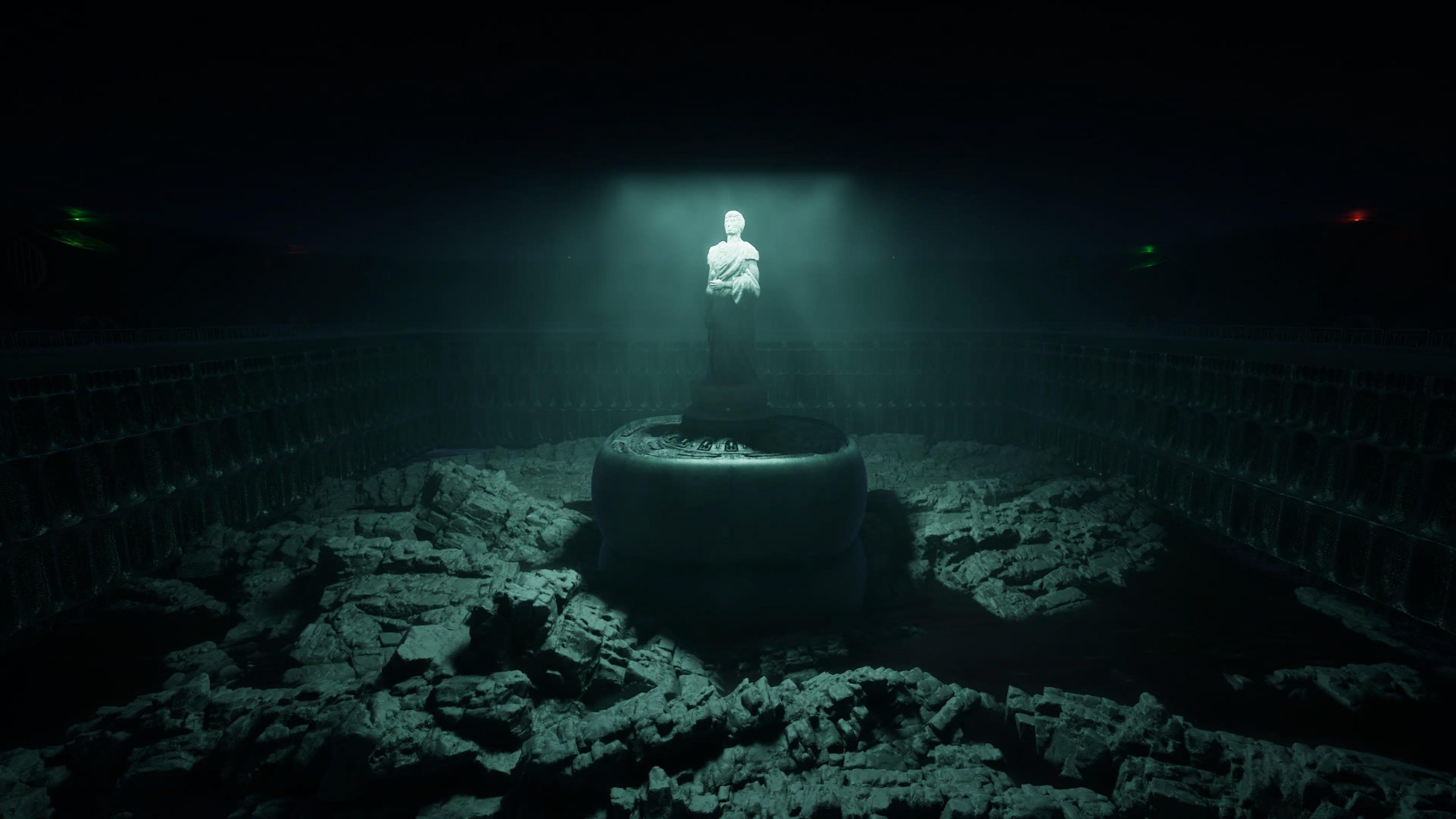
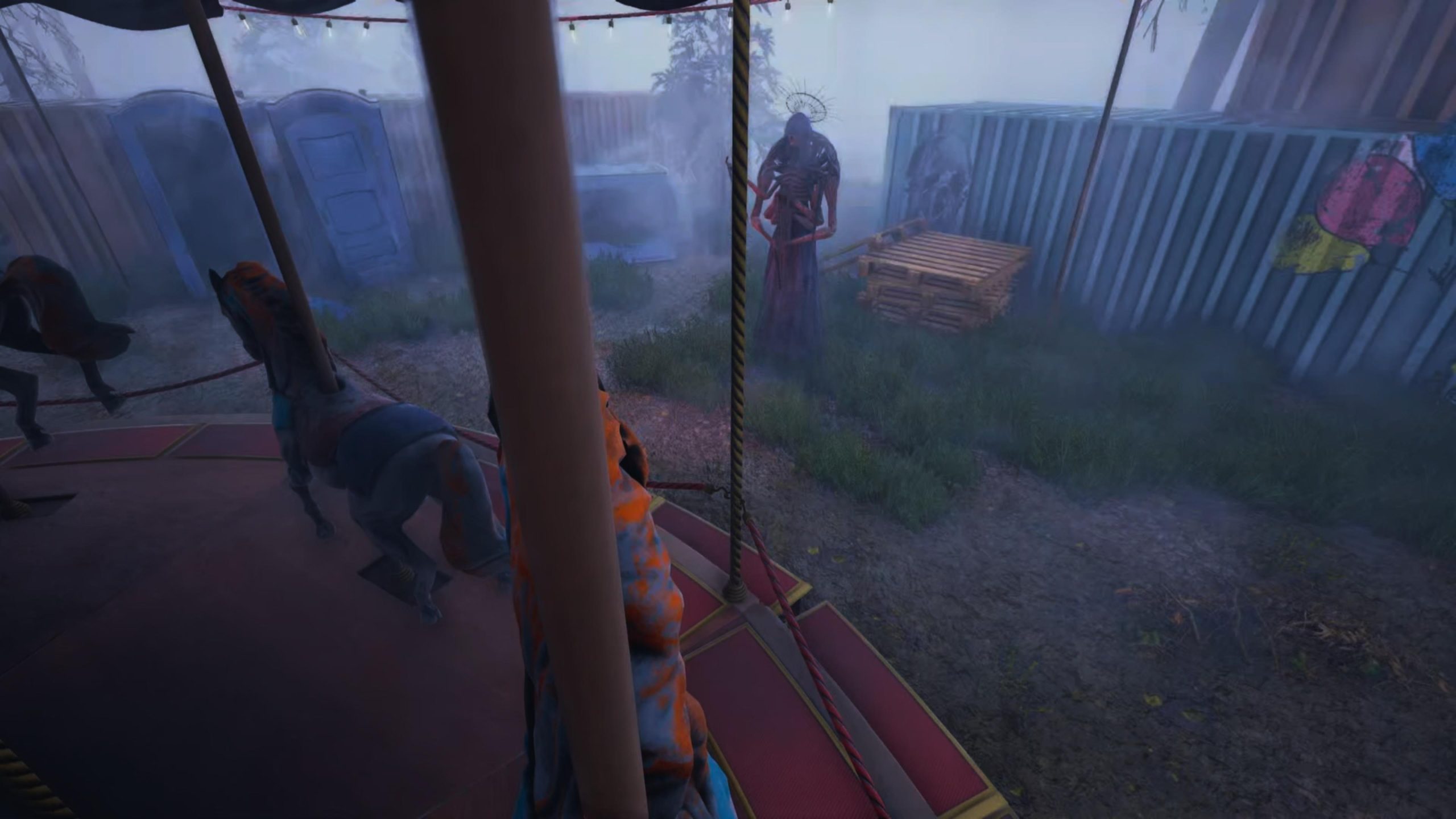
For a horror game, the lack of real tension stands out. You’ll see flickering lights, shadows, and occasional figures in the distance, but these moments repeat often enough that they lose their effect. There’s no real sense of danger, no chase sequences, and nothing that forces you to react under pressure. In some sections, it genuinely feels like something should be pursuing you while you complete objectives, but that tension never materializes. Instead, you’re left completing tasks like turning valves or putting out candles in large, open areas without any real urgency, which drains a lot of the potential intensity.
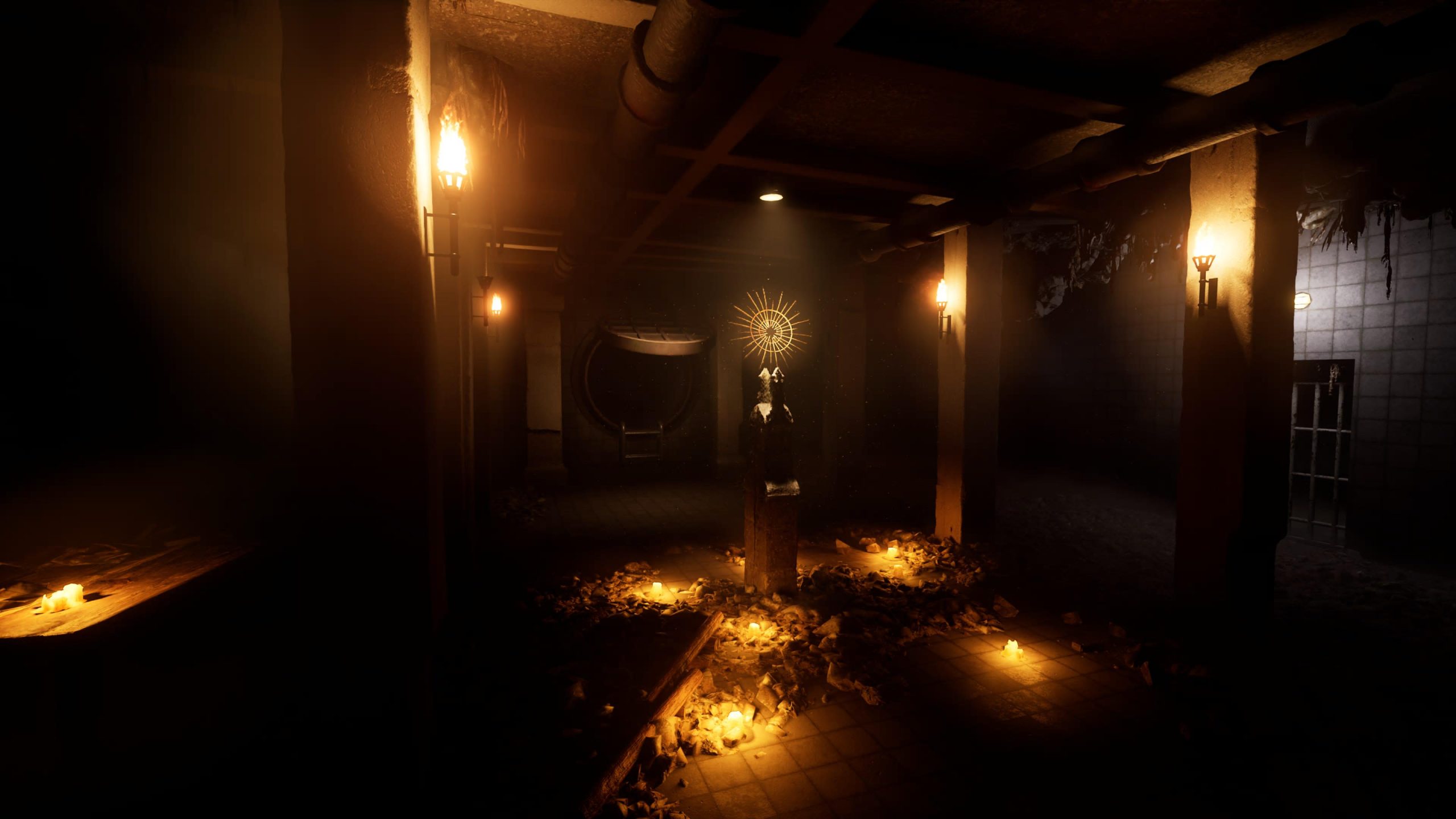
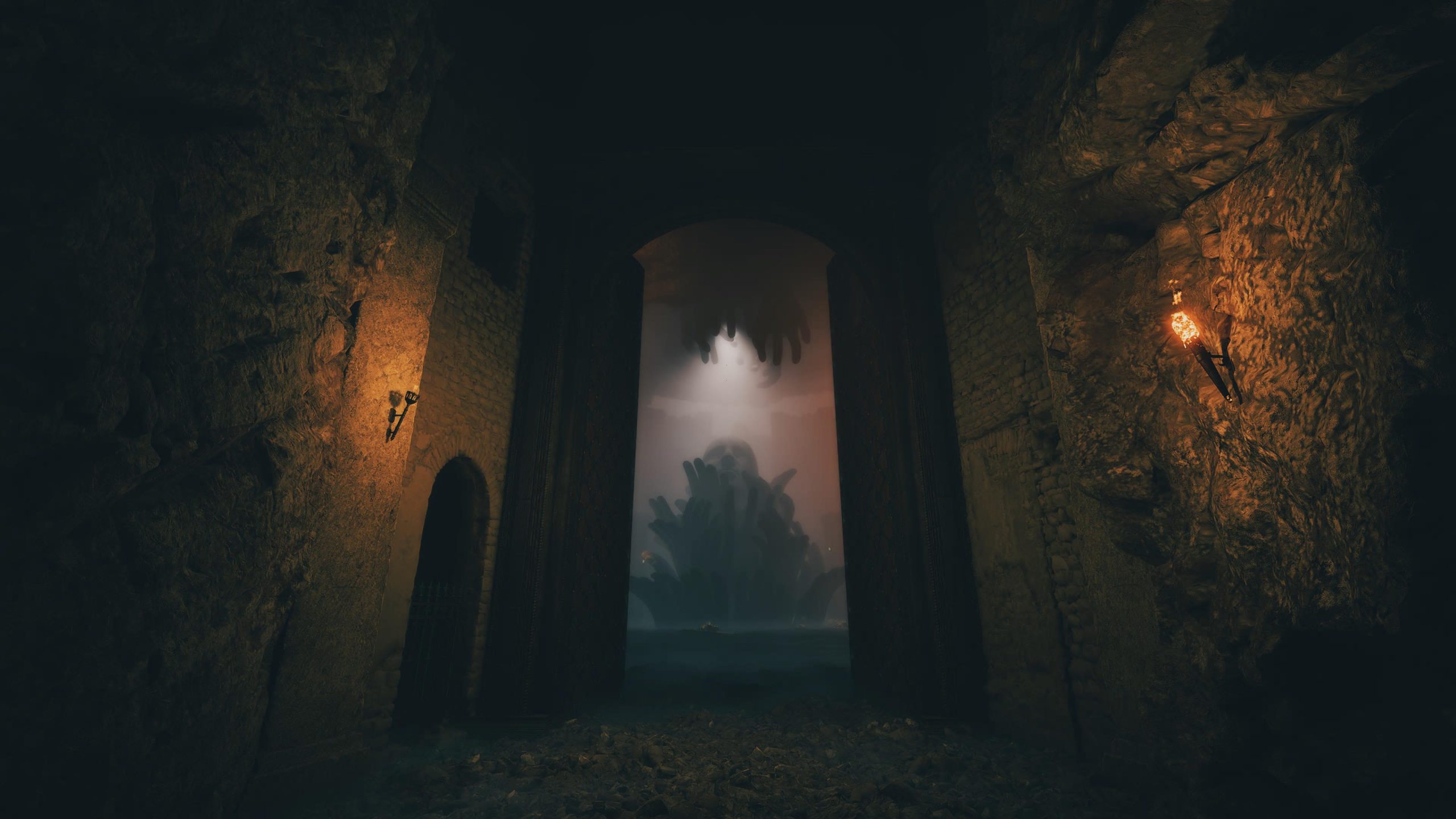
Technical issues also get in the way more than they should. Most of the items you pick up are blurry. There are noticeable performance drops in certain areas, and some visual glitches break immersion entirely. One particularly frustrating bug can lock you into a strange animation where James loses all control, forcing a full chapter restart (which I had to do 4 different times). Since progress isn’t always forgiving, moments like that can undo a significant amount of time. Smaller issues, like UI quirks with the journal or environmental inconsistencies, add up and make the overall experience feel less polished the longer you play.
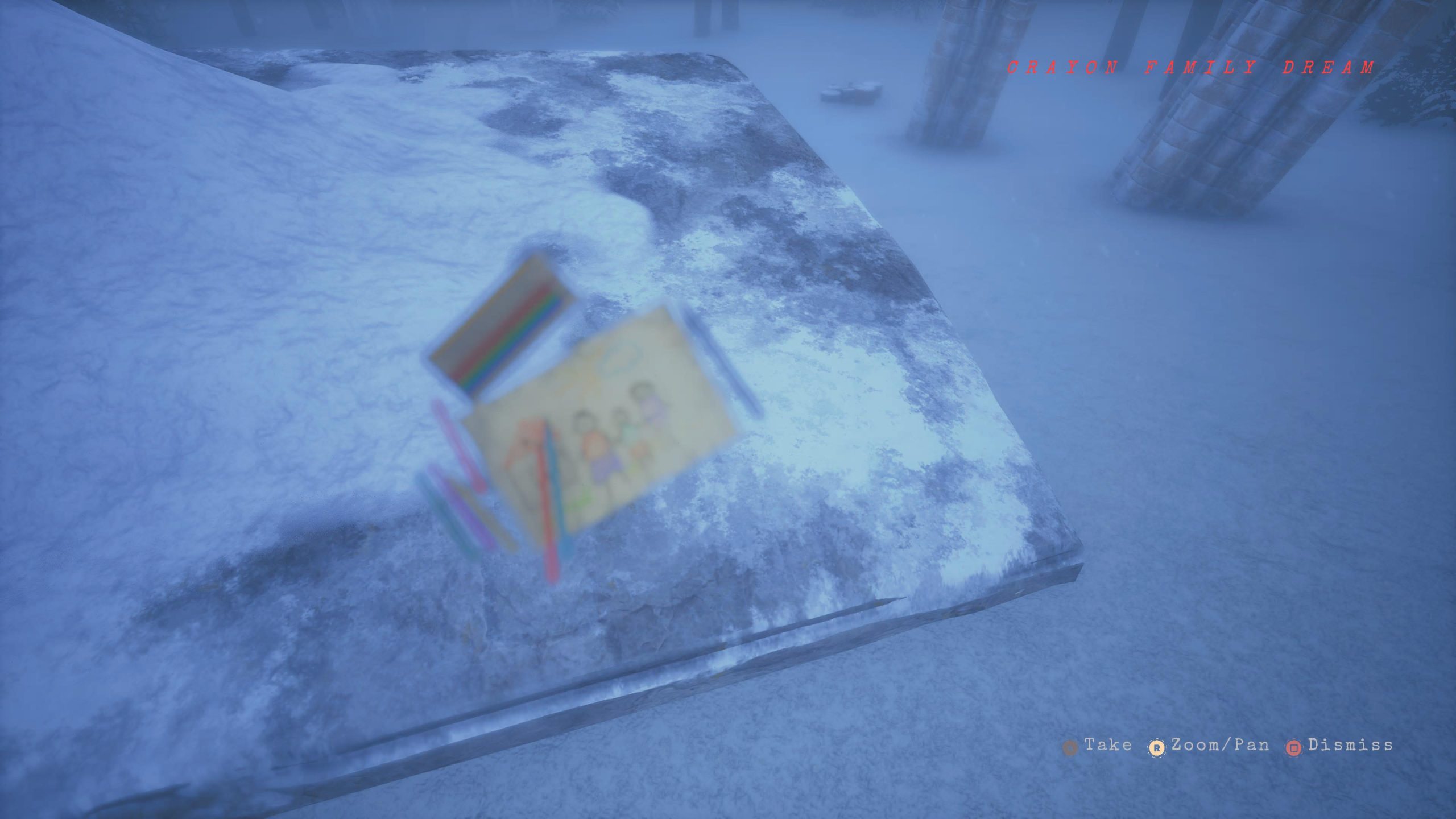
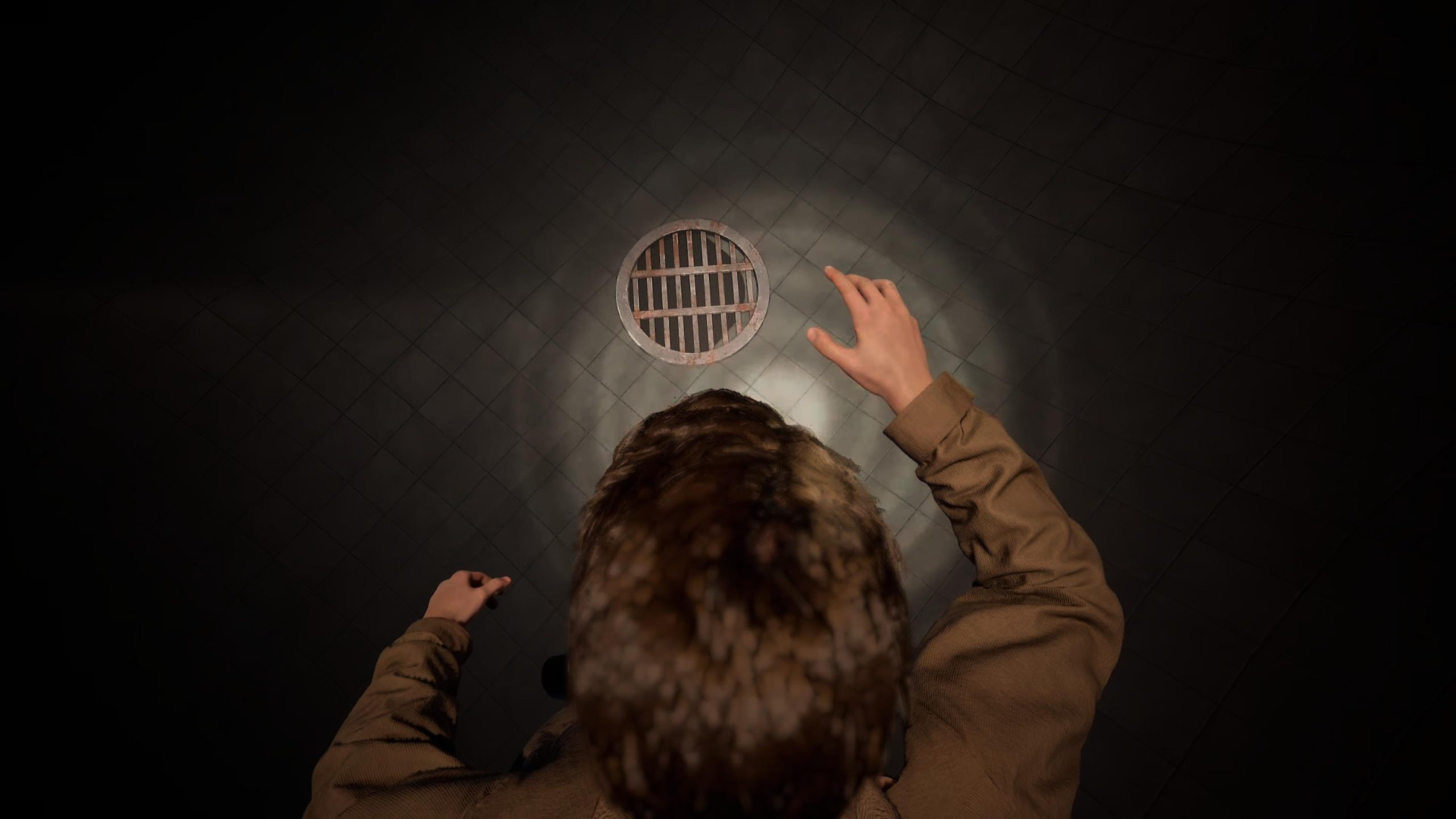
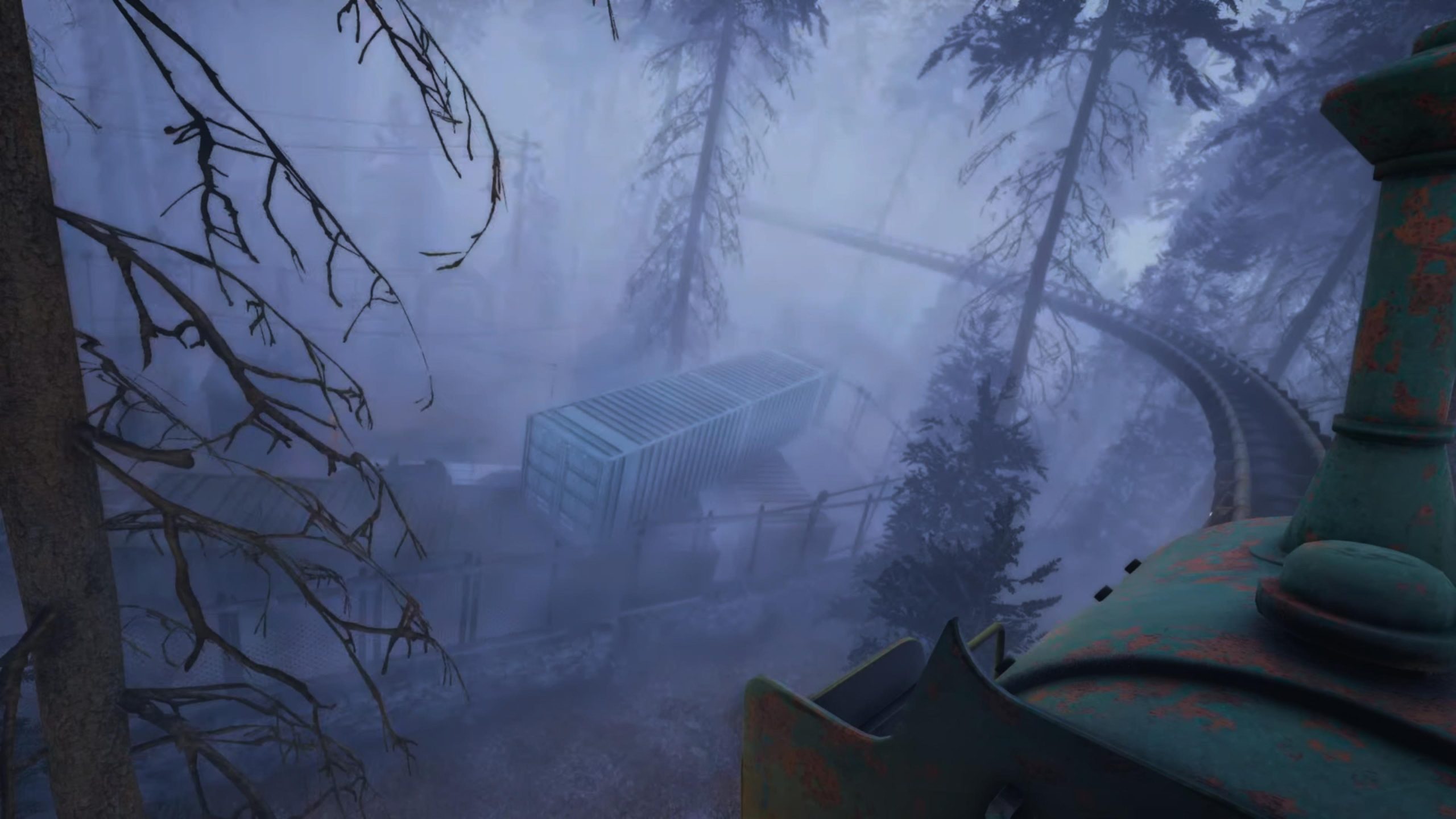
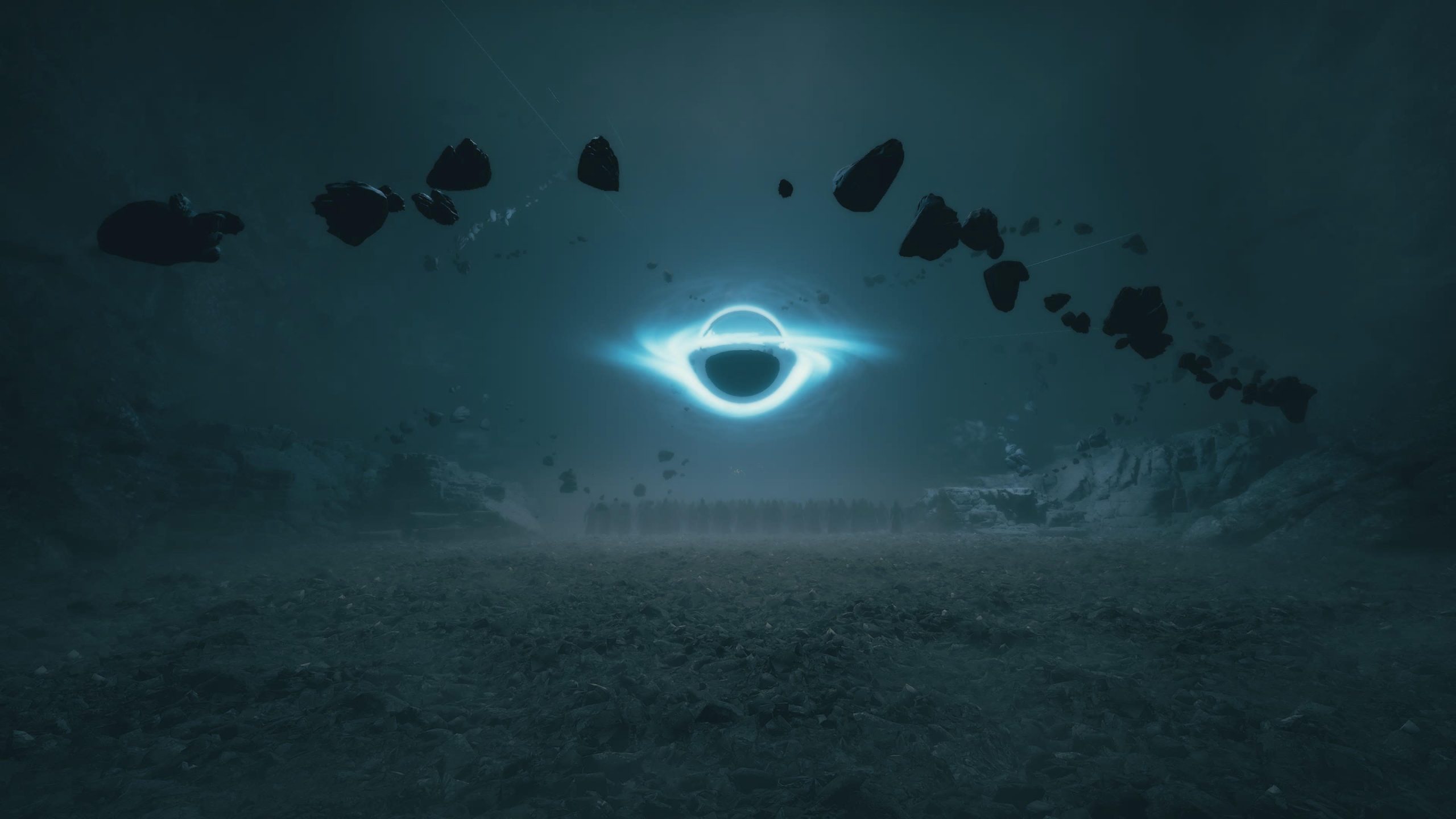
Despite those problems, the game does a lot right when it comes to presentation. Visually, it’s striking. The use of lighting, fog, and color gives each area a distinct mood, and there are moments where the park genuinely feels like a surreal, living space. Some sections look like abstract horror brought to life, and it’s easy to stop and just take in the environment. The audio design supports this well, with solid voice acting and a soundscape filled with distant mechanical noises, ambient echoes, and subtle environmental details that keep you on edge. Even when the gameplay falters, the atmosphere does a lot of heavy lifting.
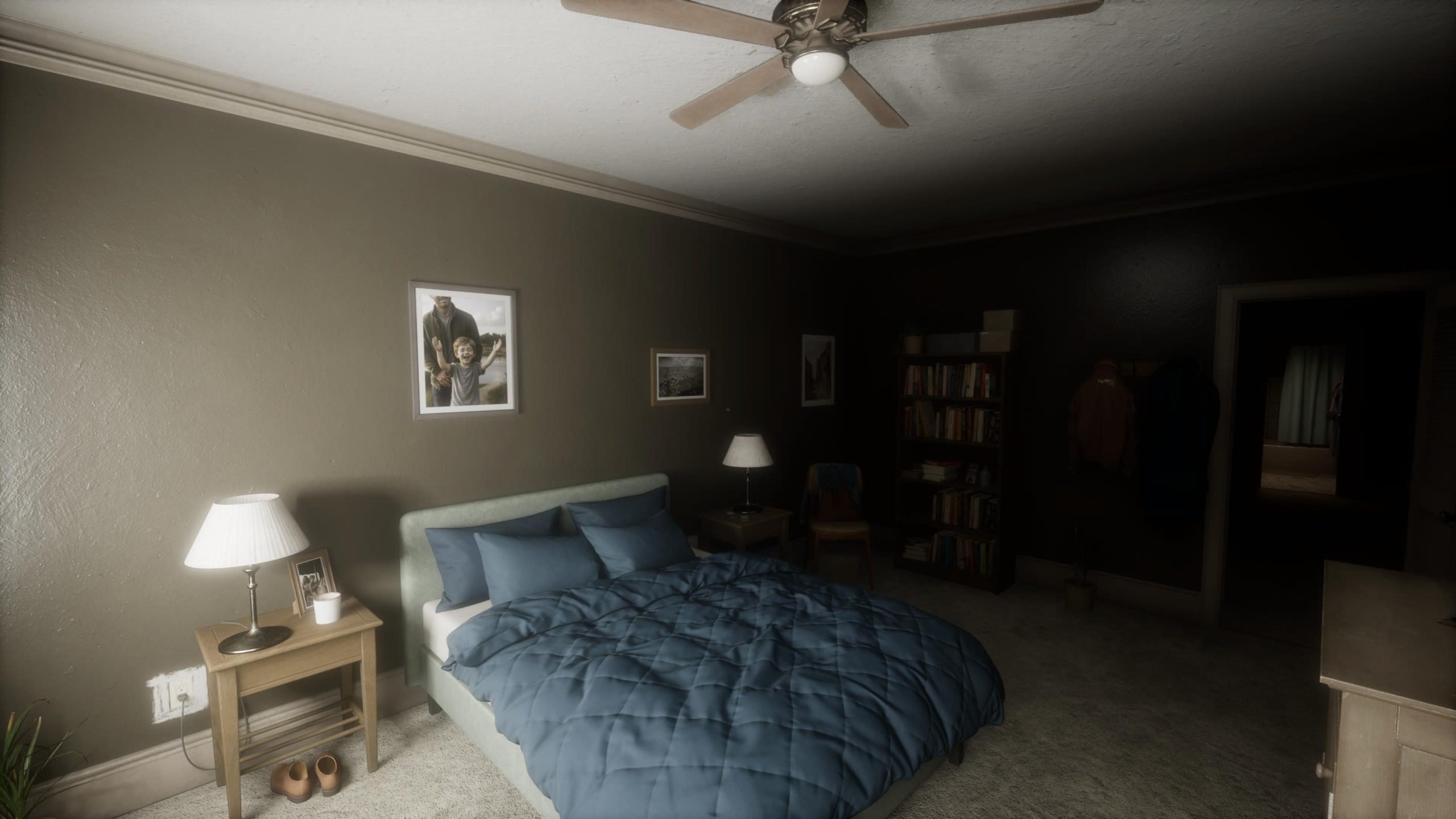

There are also some underlying ideas here that stand out, particularly themes around trauma, memory, and inherited guilt. You can see the ambition behind the project, and there are glimpses of something more meaningful beneath the surface. At the same time, certain design choices, like questionable asset use in some environments, can pull you out of the experience and make parts of the world feel less cohesive than they should.
Final Thoughts?
EMOTIONLESS: The Last Ticket is a mixed experience. There’s a strong foundation, especially for a first game from a small studio. The atmosphere, visuals, and overall concept carry a lot of weight, and if you enjoy slow, exploratory horror games, there’s enough here to keep you engaged. At the same time, the lack of meaningful tension, uneven storytelling, technical issues, and stretches of empty gameplay make it easy to see where things fall apart. It’s the kind of game you can enjoy if you go in with the right expectations, especially if you like wandering through eerie environments and piecing together a story at your own pace. But it’s also hard to ignore the cracks, and those cracks show up often enough that they can leave you feeling a bit disconnected by the end.
About the Author

Nay Clark Gaming holds a special place in my heart and I never stop talking about video games. I really love all types of games and have an interest in games that have complicated stories and lore because I enjoy untangling the mystery of it all. When I'm not gaming, I unsuccessfully try to control three amazing and incredibly bright kids.
Related Posts

Riven (PS5/PSVR2) Review →

Warhammer 40,000: Speed Freeks (PS5) Review →
Warhammer 40,000: Mechanicus II (PS5) Review →