
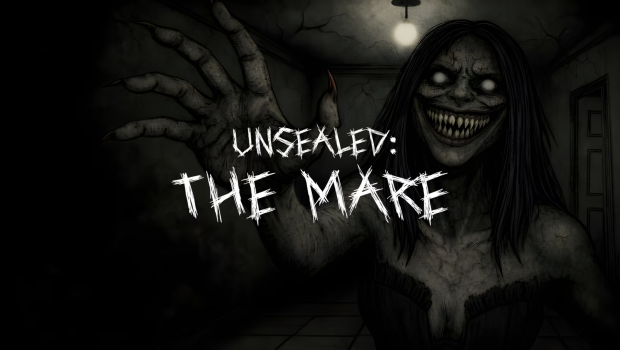
Unsealed: The Mare Review (PS5)
Summary: Unsealed: The Mare is a tense, task-driven horror experience that thrives on constant pressure and smart resource management. Its simple structure is elevated by strong sound design, effective lighting, and mechanics that keep each run feeling unpredictable. While it can feel repetitive and a bit short, it delivers a consistently engaging and genuinely unsettling experience.
3
Haunting Hunt
Every seal you break only brings it closer. Unsealed: The Mare is an indie first-person psychological horror game developed and published by Gamhalla on Steam, with Perp Games handling publishing duties on PlayStation 5 and Xbox Series X|S, and launched on March 10, 2026. The horror genre has a wide range of styles, from story-heavy experiences to task-driven survival games and loop-based anomaly hunts. This one falls firmly into the category of completing objectives while something relentless stalks you. It’s a familiar setup, but the way it leans into tension, unease, and that constant sense that you’re never truly safe makes it incredibly engaging and hard to forget.
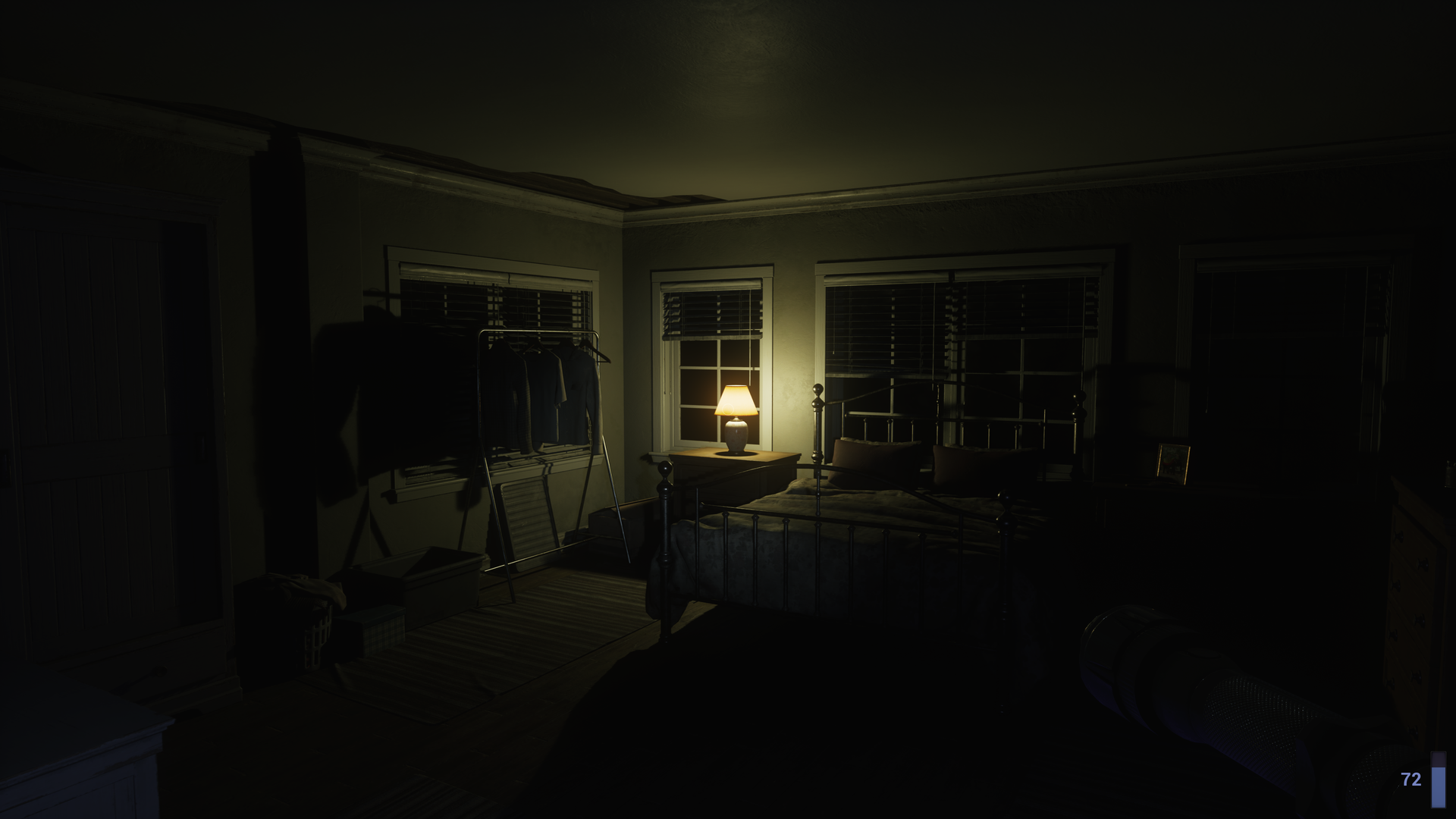
You play as Vera, a character trapped in what feels like a looping nightmare made up of a damp basement and fragmented pieces of a home. The environment itself feels broken, almost like memories stitched together incorrectly. Notes scattered around and messages scribbled across walls hint at a troubled past, slowly forming a bigger picture if you take the time to piece it together. There is not a lot of direct storytelling, but everything you interact with feels intentional. The further you get, the more it becomes clear that the nightmare is not random. While the story stays cryptic, that ambiguity works in its favor, matching the dreamlike and often disorienting nature of what Vera is going through.
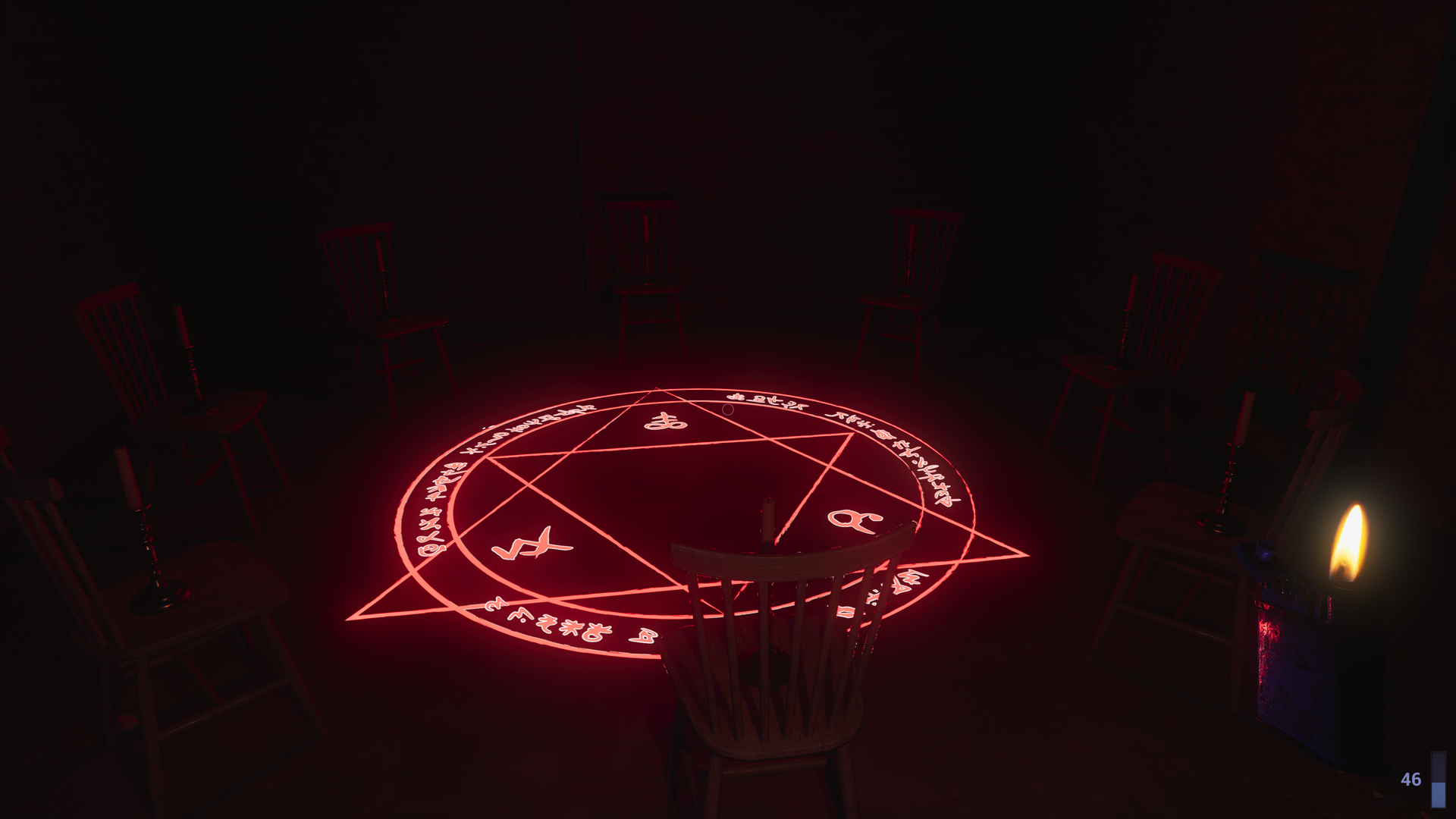
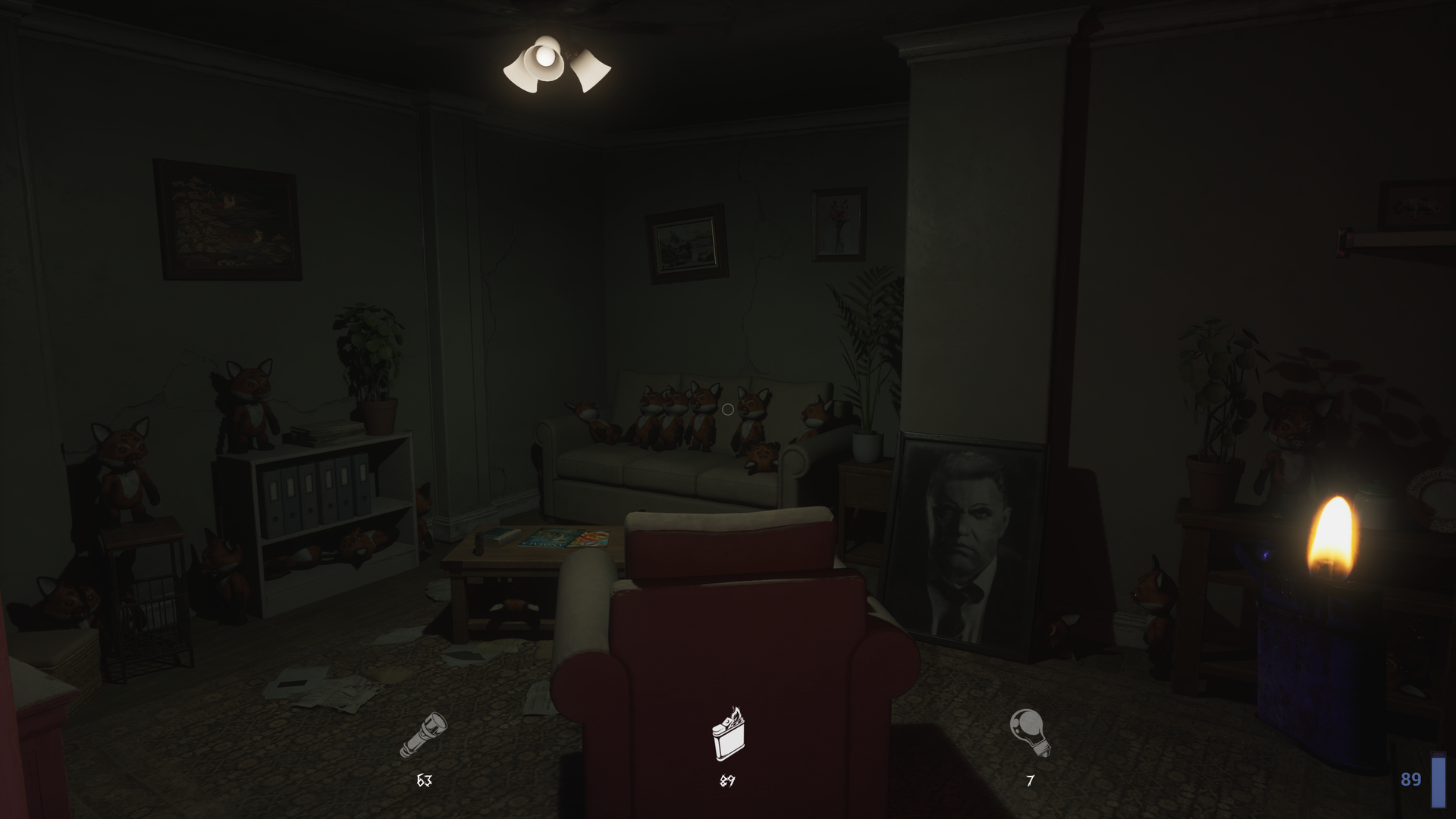
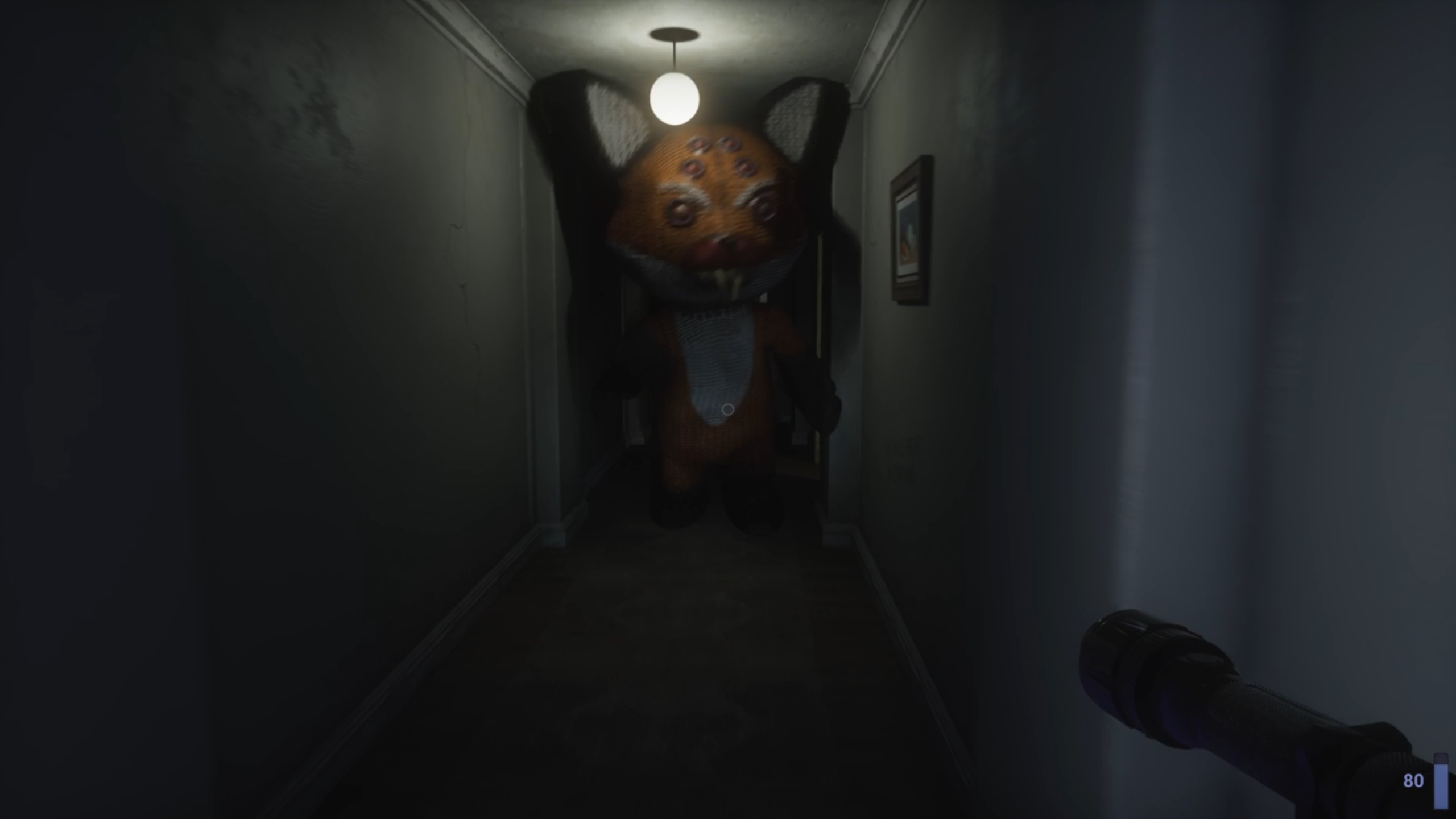
The gameplay loop is straightforward. Your main goal is to break seals that block your progress, whether they are on doors or embedded into the ground. To do that, you will need to burn possessed teddy bears or light candles, depending on the situation. That would be simple enough on its own, but the entire time you are being hunted by a disturbing, ever-present entity. If she catches you, you are sent back and forced to try again, with item placements shifting just enough to keep things unpredictable. It adds a layer of tension where you can’t rely too much on your last run or your memory alone.
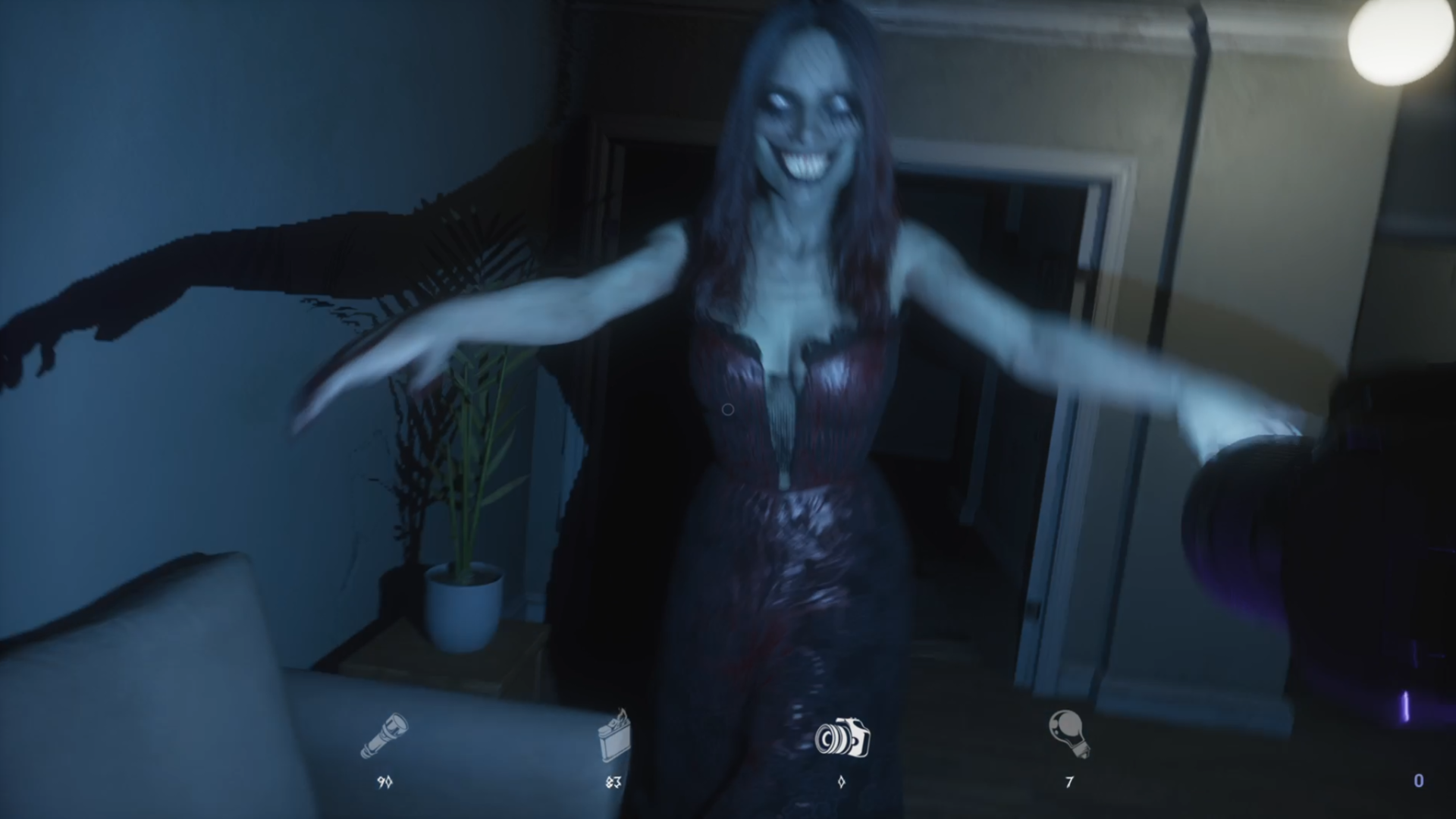
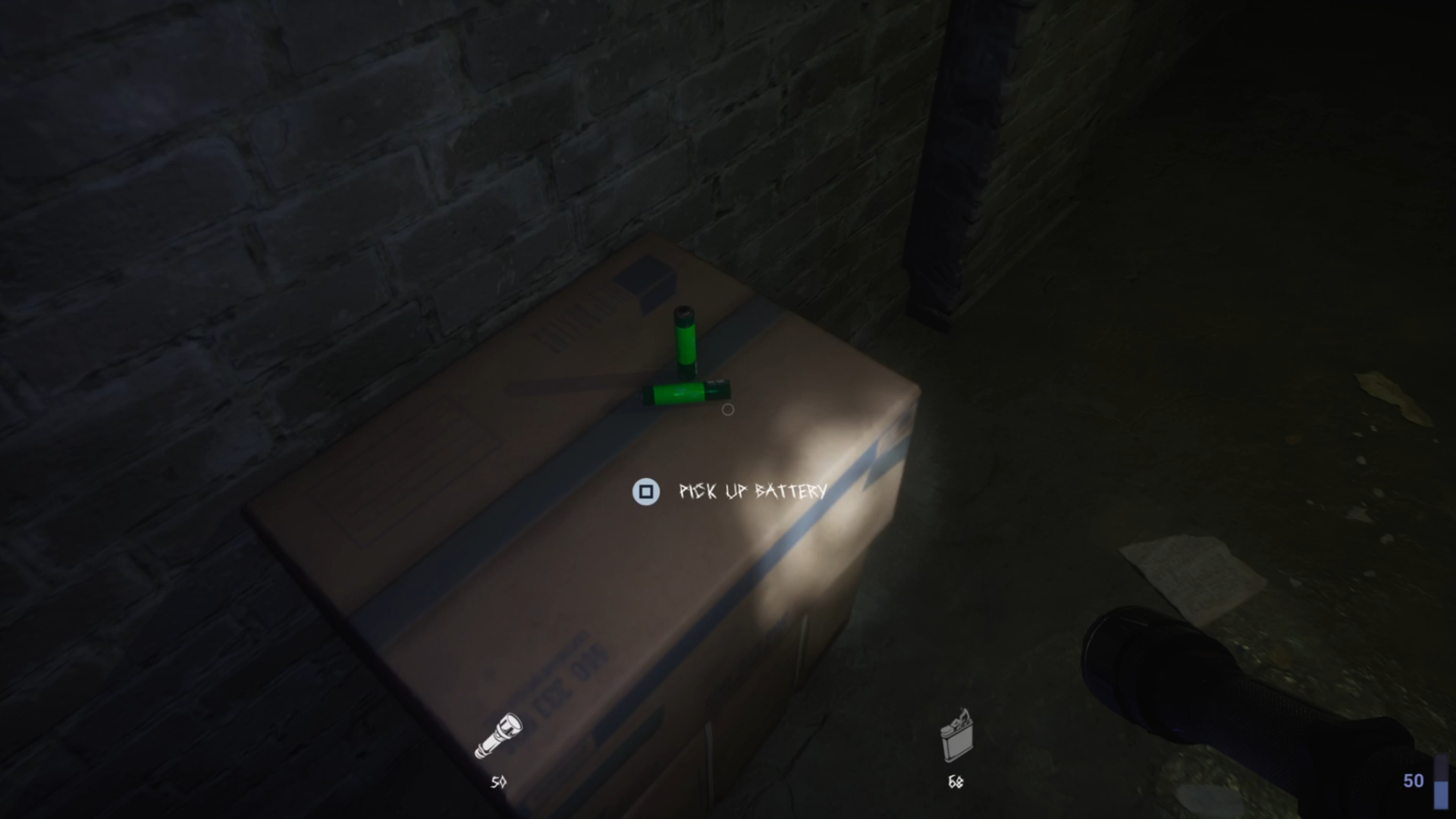
The game stays engaging by building its systems around this loop. You are constantly juggling resources. The lighter is essential for interacting with objectives, but it needs fuel. The flashlight gives better visibility but relies on batteries. Light bulbs can be used to restore visibility in certain areas, and later on, the camera adds another layer in keeping pressure off of you. None of these tools feel optional, and you’re always switching between them. You are always thinking about what to use, when to use it, and whether it is worth the risk. Running out of anything at the wrong time can leave you completely exposed, and moving through darkness in this game is not something you want to do for too long.
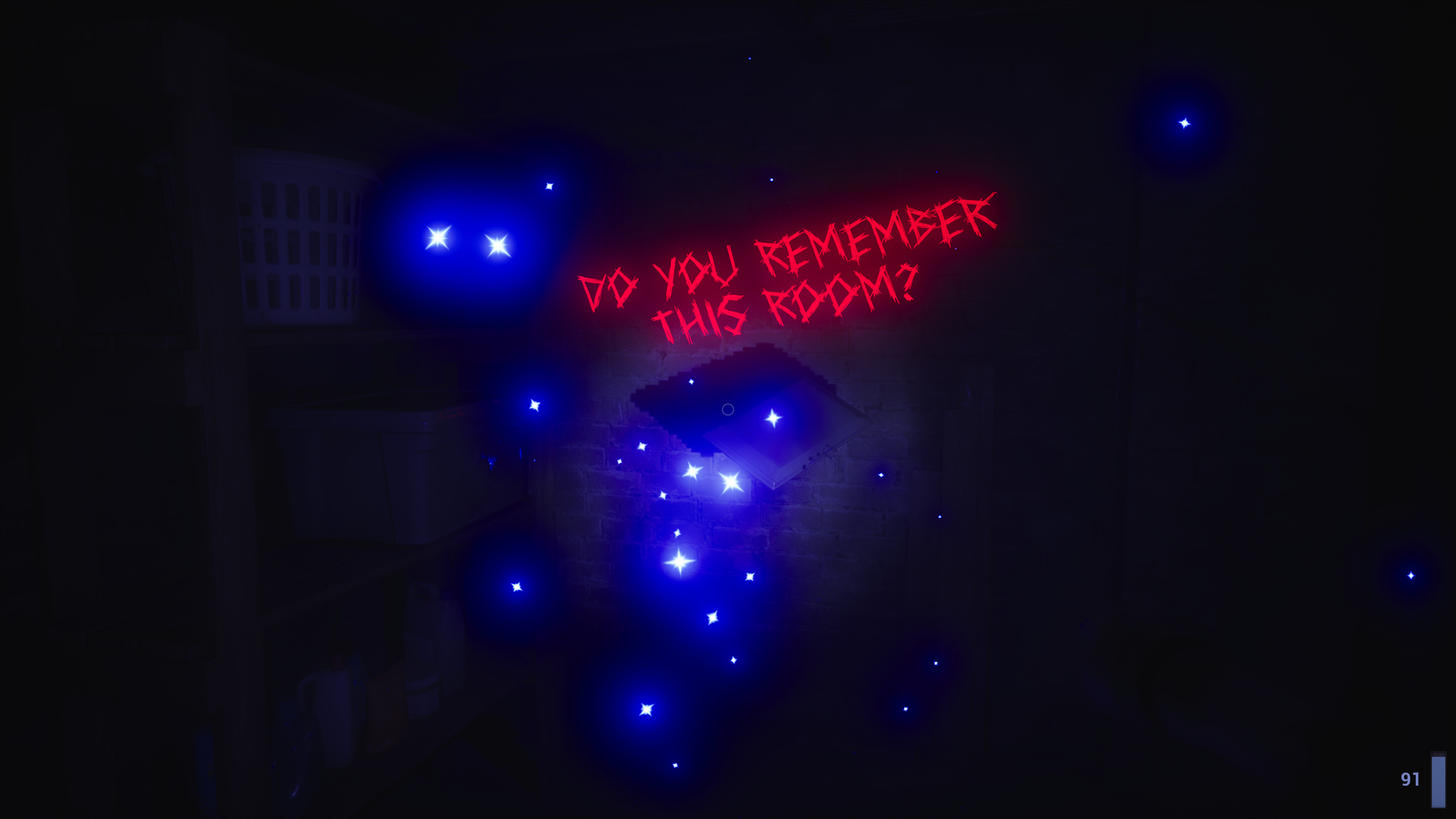
Vera’s Focus Memory ability is another interesting component. It allows you to tap into fragments of memory to reveal hidden clues, messages, and sometimes entirely new paths. It is used for puzzle solving, but it also reinforces the idea that everything around you is tied to something that already happened. It is a mechanic that blends narrative and gameplay in a way that feels natural. You are not just solving puzzles for the sake of progress. You are uncovering pieces of something bigger.
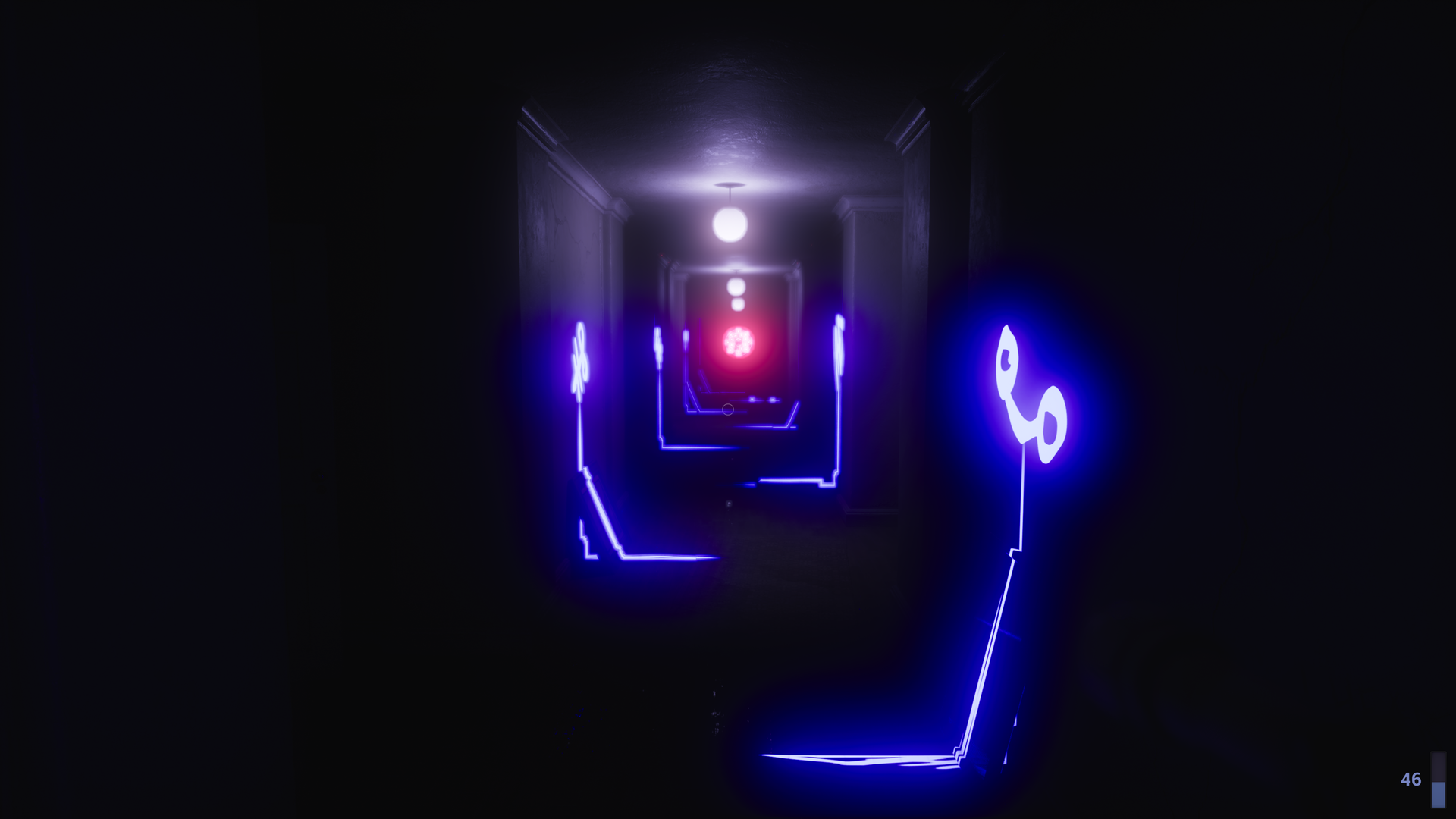
The game is split into three chapters, though it flows more like one continuous experience than clearly separated sections. It is not a particularly long game, with a full playthrough taking a handful of hours depending on how comfortable you are with the mechanics. There are two difficulty modes as well. Stalker is more forgiving and gives you a bit more breathing room, while Hunted leans fully into the pressure and makes every mistake feel costly. You can switch between them at any time, which is a nice option if you find yourself struggling or wanting more of a challenge.
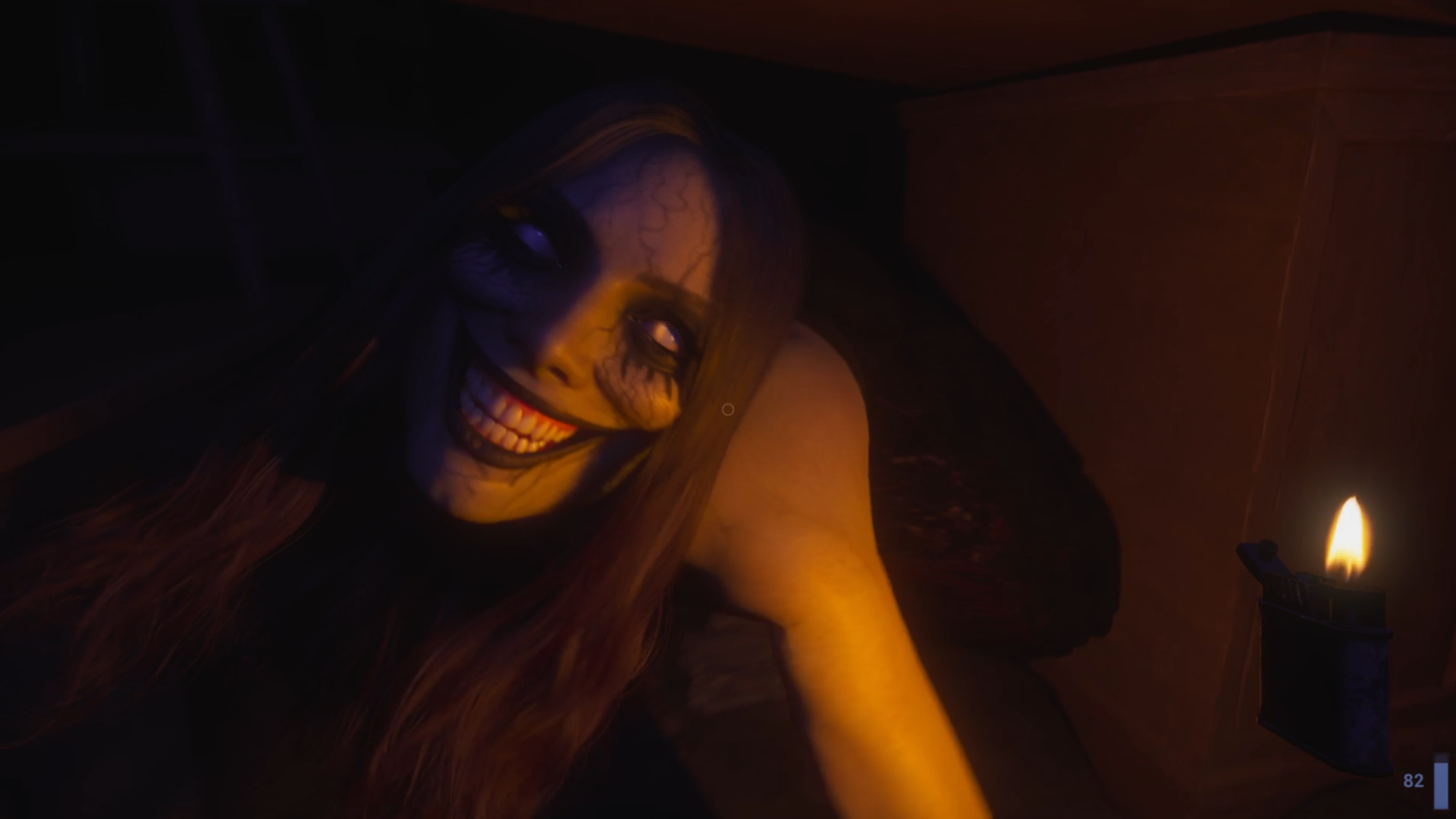
Even though the objectives repeat, the game does a good job of mixing things up just enough to keep it from feeling stale. Sometimes you are simply searching for teddy bears while being chased. Other times you need to complete tasks in a specific order. The structure does not drastically change, but the variations help maintain tension and keep you engaged. There are also small, unexpected moments that add a bit of personality, occasionally breaking the tension in ways that feel strange but welcome.
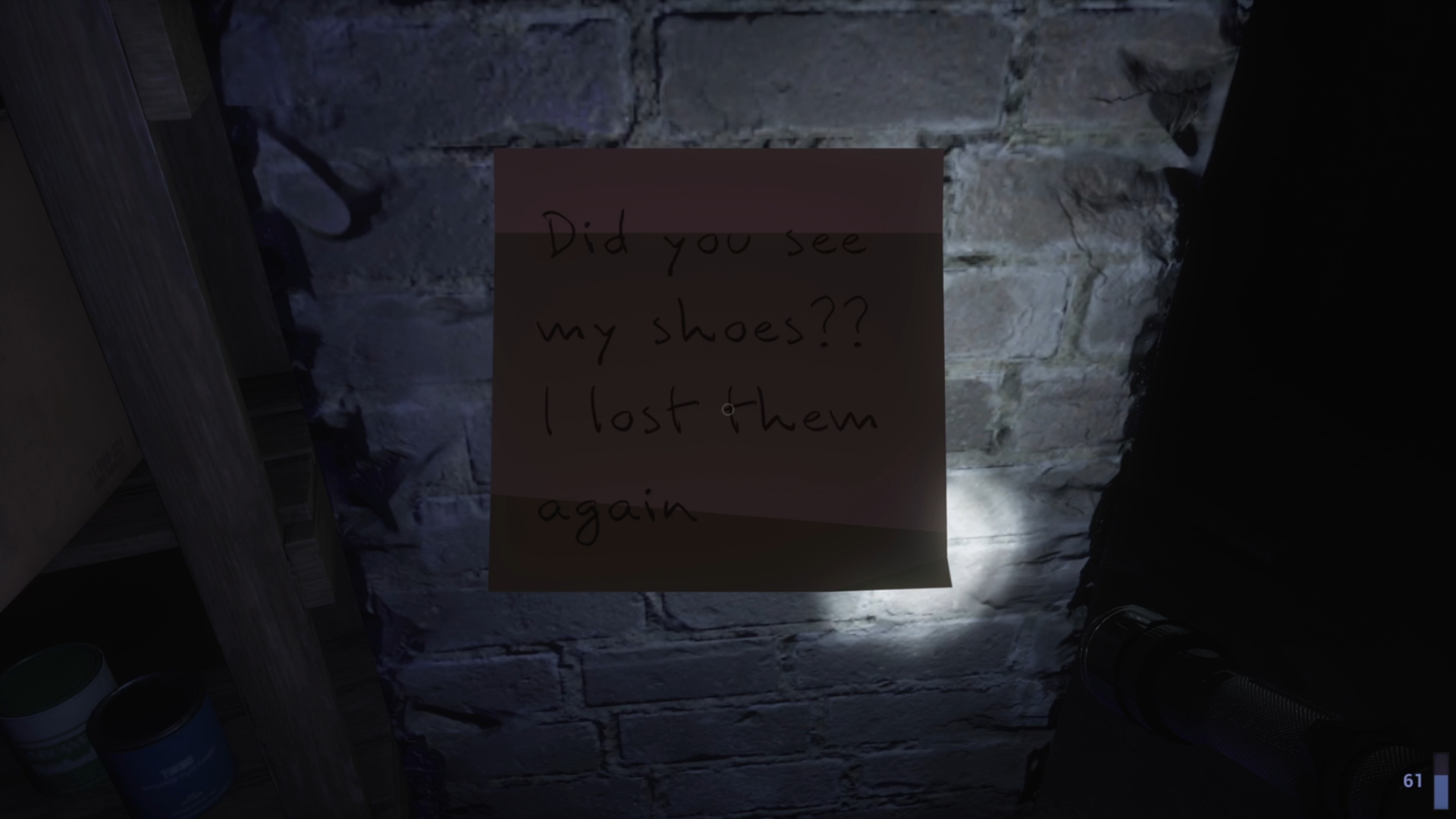
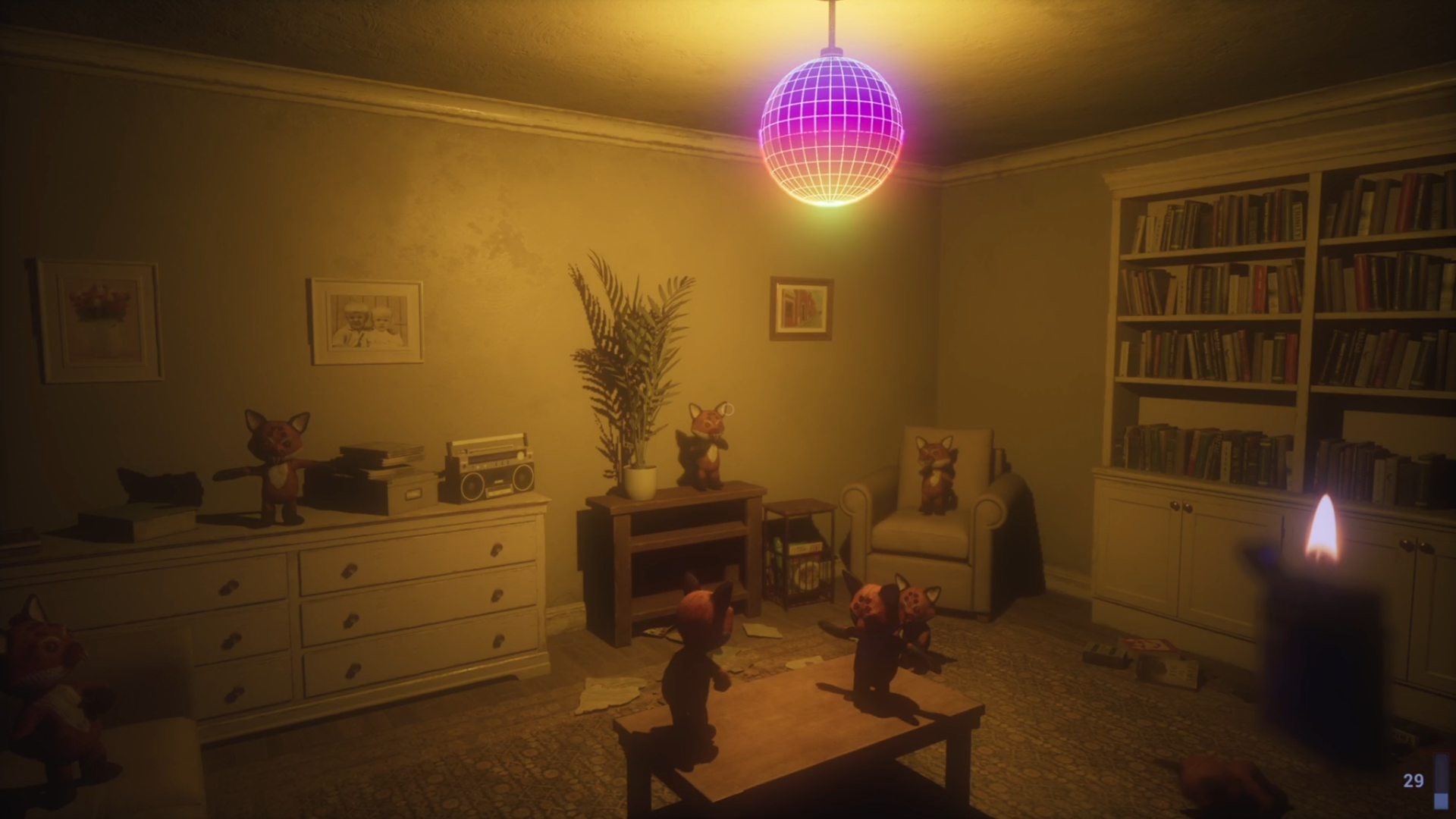
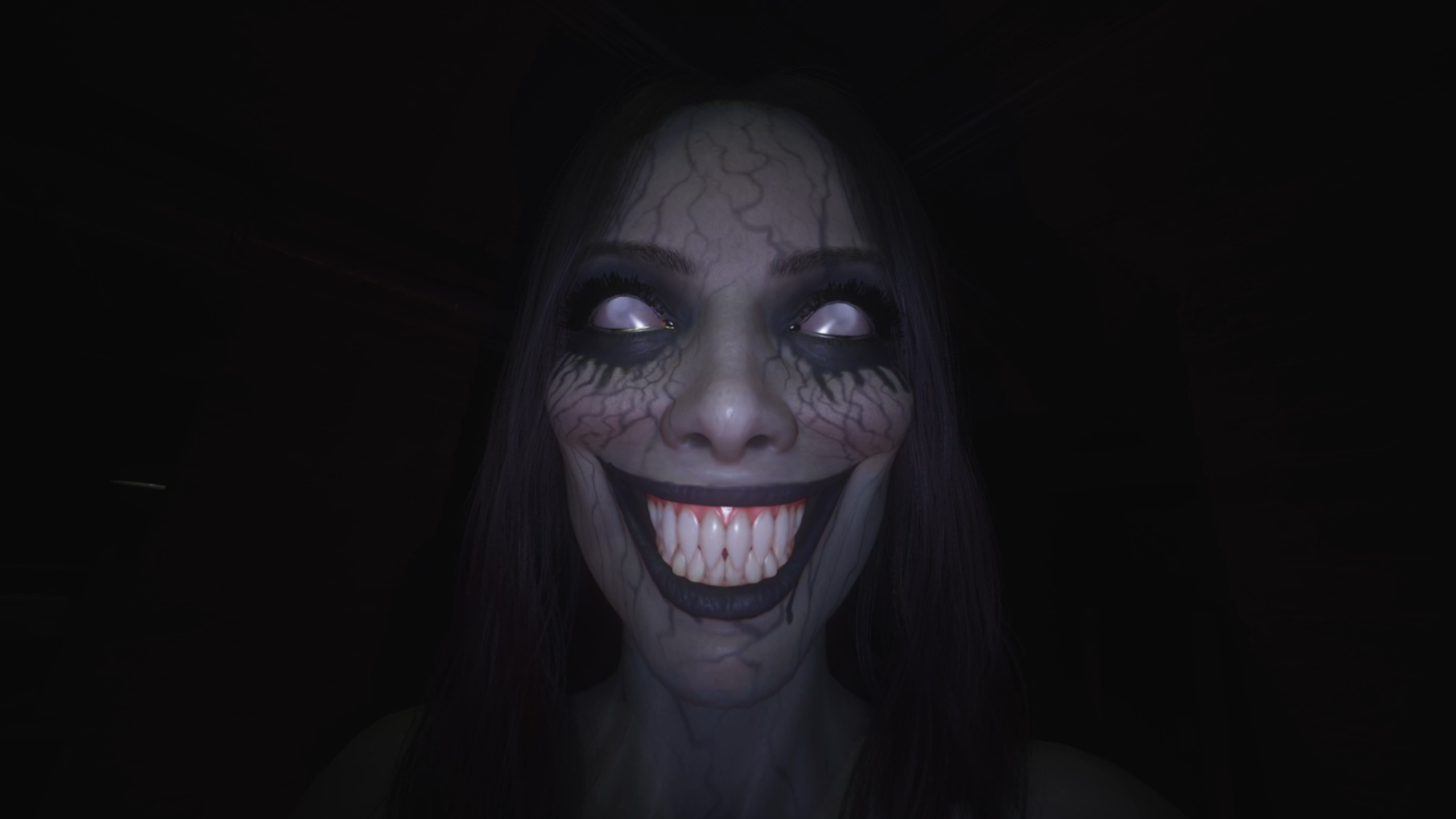
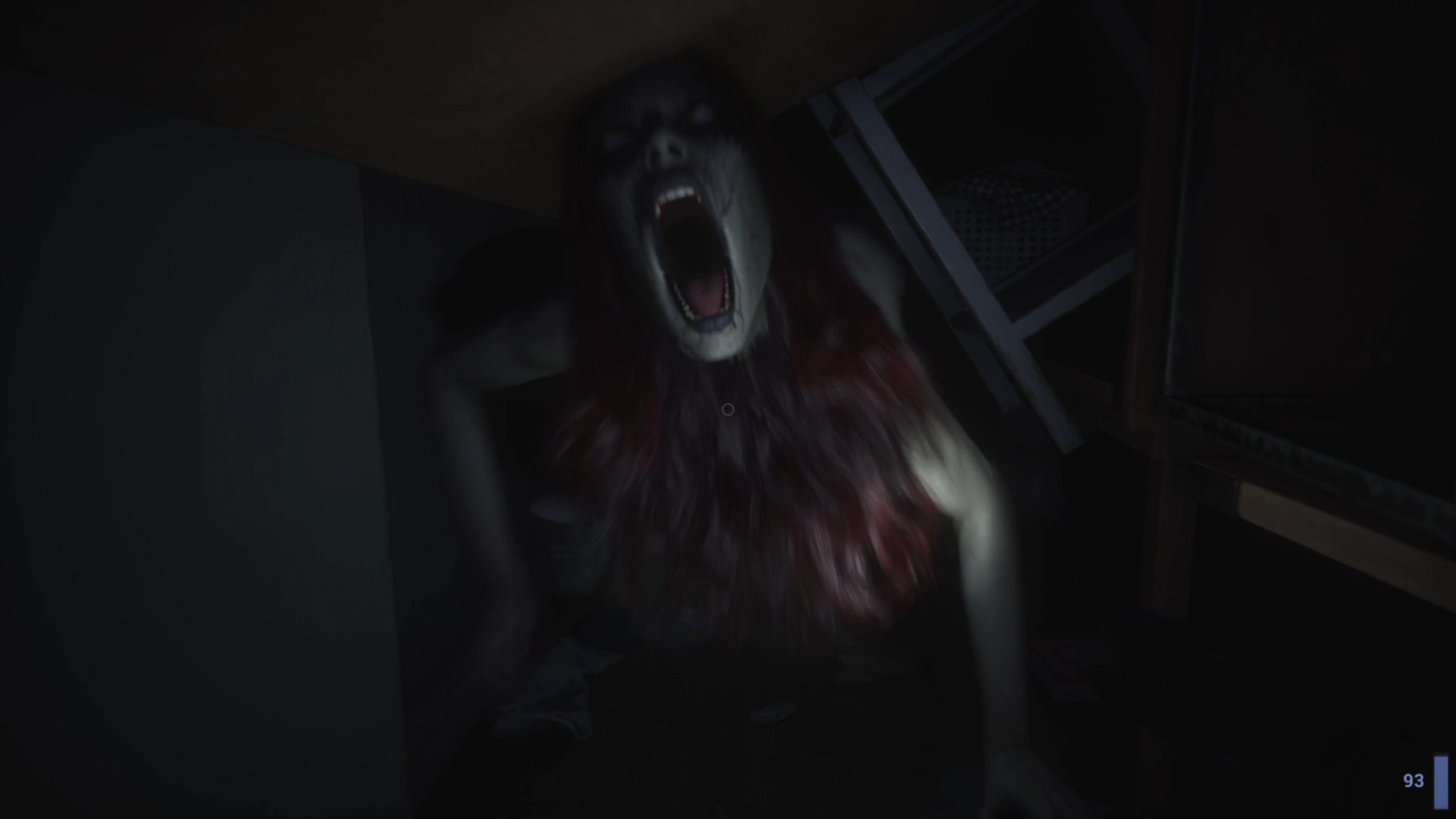
Visually, the game keeps things fairly grounded. Most of your time is spent in a basement or standard household environments filled with shelves, furniture, and everyday objects. The real strength comes from the lighting. Shadows are used extremely well, and the contrast between light and darkness sets up the atmosphere well. Limited visibility turns even simple spaces into something threatening. The entity chasing you is easily the standout, with a design that is unsettling enough to stick with you long after you stop playing.
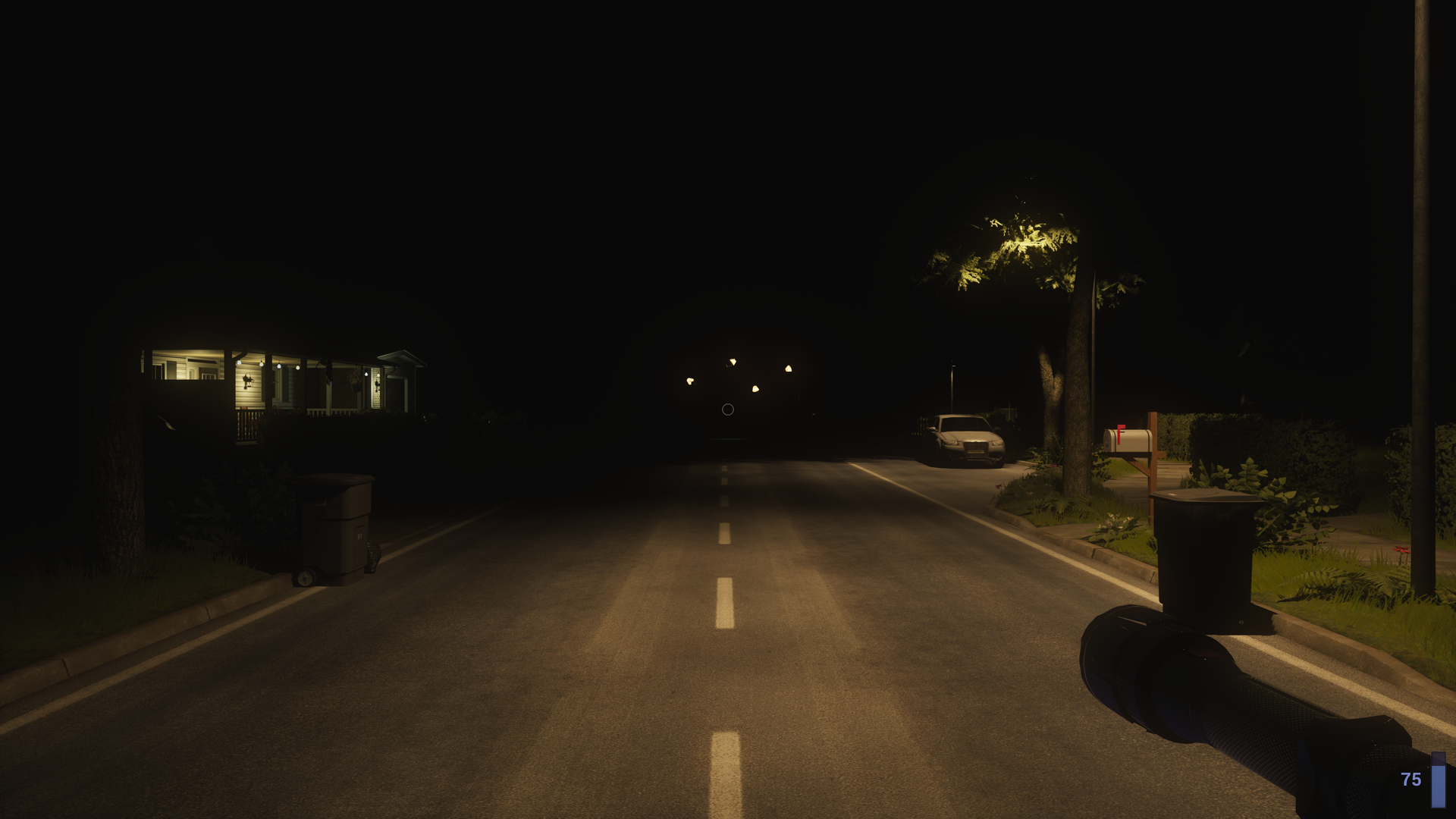
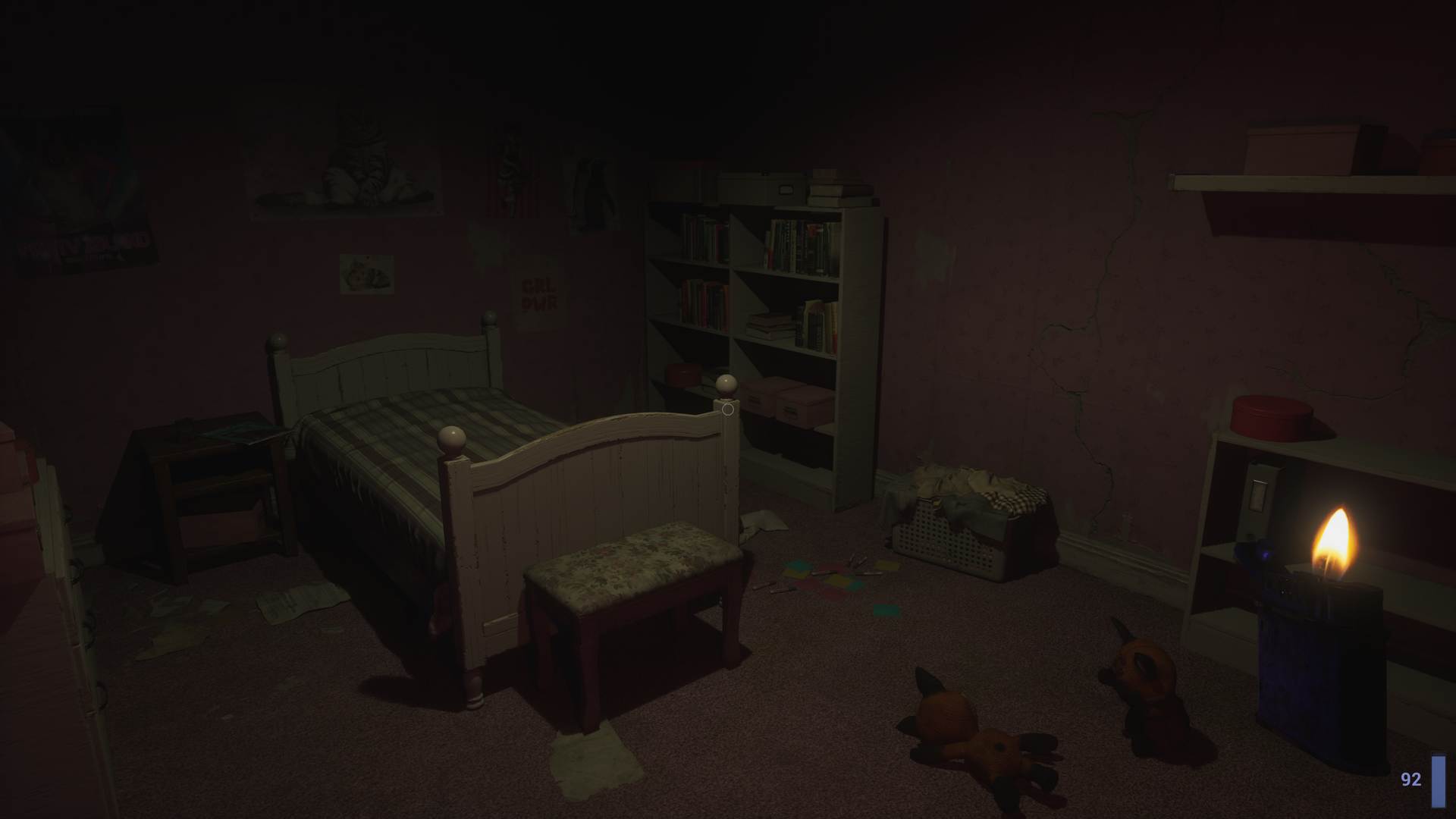
Audio plays just as big of a role as the visuals. This is a game that benefits heavily from using headphones, not just for immersion but for survival. You can often hear danger before you see it. Footsteps, distant noises, and environmental cues all give you information if you are paying attention. Certain sounds directly tie into gameplay as well. A bulb popping means you may need to restore light. Doors slamming or swinging open can signal that something is nearby. Even smaller details, like the sounds tied to your objectives, help build tension. The sound design equally supports the experience and actively shapes how you play.
Final Thoughts?
Unsealed: The Mare uses its atmosphere, sound, and smart mechanics to create something genuinely tense. The story may not be fully spelled out, but that mystery fits the tone. The scares land, the pressure stays consistent, and once it pulls you in, it is hard to step away. It is the kind of horror game you pick up when you are in the right mood and end up playing longer than you planned. Simple in design, but effective where it counts. Definitely a worthy pickup.
About the Author

Nay Clark Gaming holds a special place in my heart and I never stop talking about video games. I really love all types of games and have an interest in games that have complicated stories and lore because I enjoy untangling the mystery of it all. When I'm not gaming, I unsuccessfully try to control three amazing and incredibly bright kids.
Related Posts

Riven (PS5/PSVR2) Review →

Warhammer 40,000: Speed Freeks (PS5) Review →
Warhammer 40,000: Mechanicus II (PS5) Review →