
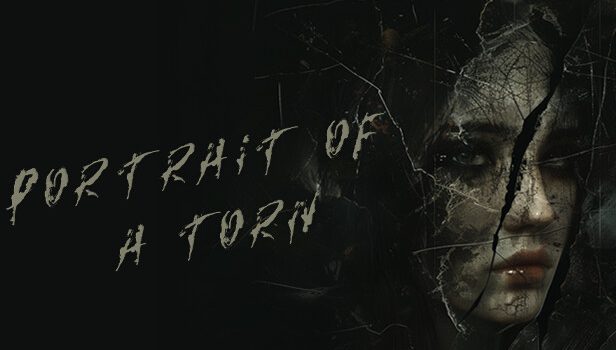
Portrait of a Torn Review (PS5)
Summary: Portrait of a Torn is a short, narrative driven mystery that focuses on atmosphere, exploration, and emotional storytelling. You move through a quiet, unsettling home, solving light puzzles while uncovering a tragic story piece by piece. While the ending and a few technical issues hold it back, the experience is still engaging if you enjoy slow, reflective walking sims.
2.8
Torn Truths
This family is broken in more ways than one. Portrait of a Torn is a first person narrative driven mystery developed by Indigo Studios – Interactive Stories and published by Firenut Games. It originally launched on Steam on October 24, 2024 and arrives on PlayStation 5 on March 5th, with an Xbox Series X|S version following soon after. If you have played Indigo Studios’ other work like Seven Doors, Charon’s Staircase, or The Last Case of John Morley, you already know they lean heavily into cinematic presentation and slow burn storytelling. Portrait of a Torn continues that approach. It is a focused, atmospheric experience built around exploration, reading, and piecing together a tragedy hidden inside a quiet home.
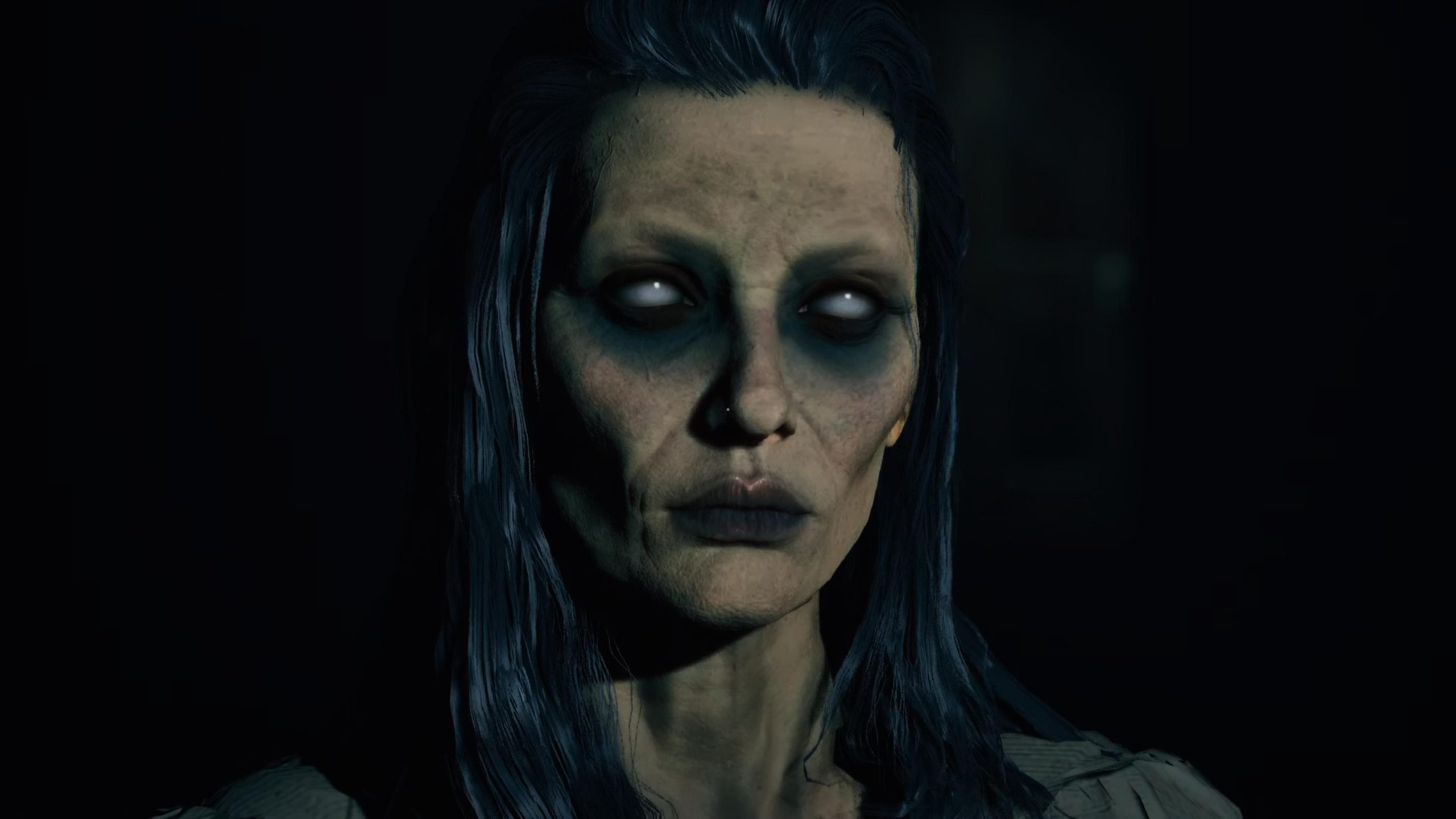
You step into the role of Robert, a young soldier returning home from war to reunite with his mother. Instead of comfort, you find silence. The house feels wrong almost immediately. Small details suggest something is off, and as you move from room to room, it becomes clear that something terrible has happened. What follows centers on uncovering layers of grief, regret, and unresolved history. The narrative is split into what feels like two distinct threads. They connect thematically through loss and sorrow, but the bridge between them never feels as strong as it should. For most of the journey, I was hooked. You keep reading notes, listening to memories, and expecting the pieces to click together in a powerful final moment. The story does conclude, and its themes are clear, but it feels like there is a missing beat that would have fully tied everything together. When the credits rolled, I genuinely expected one last return to the house for a final revelation. Instead, it simply ends. It is interesting almost the entire way through, but it does not quite land with the impact it builds toward.
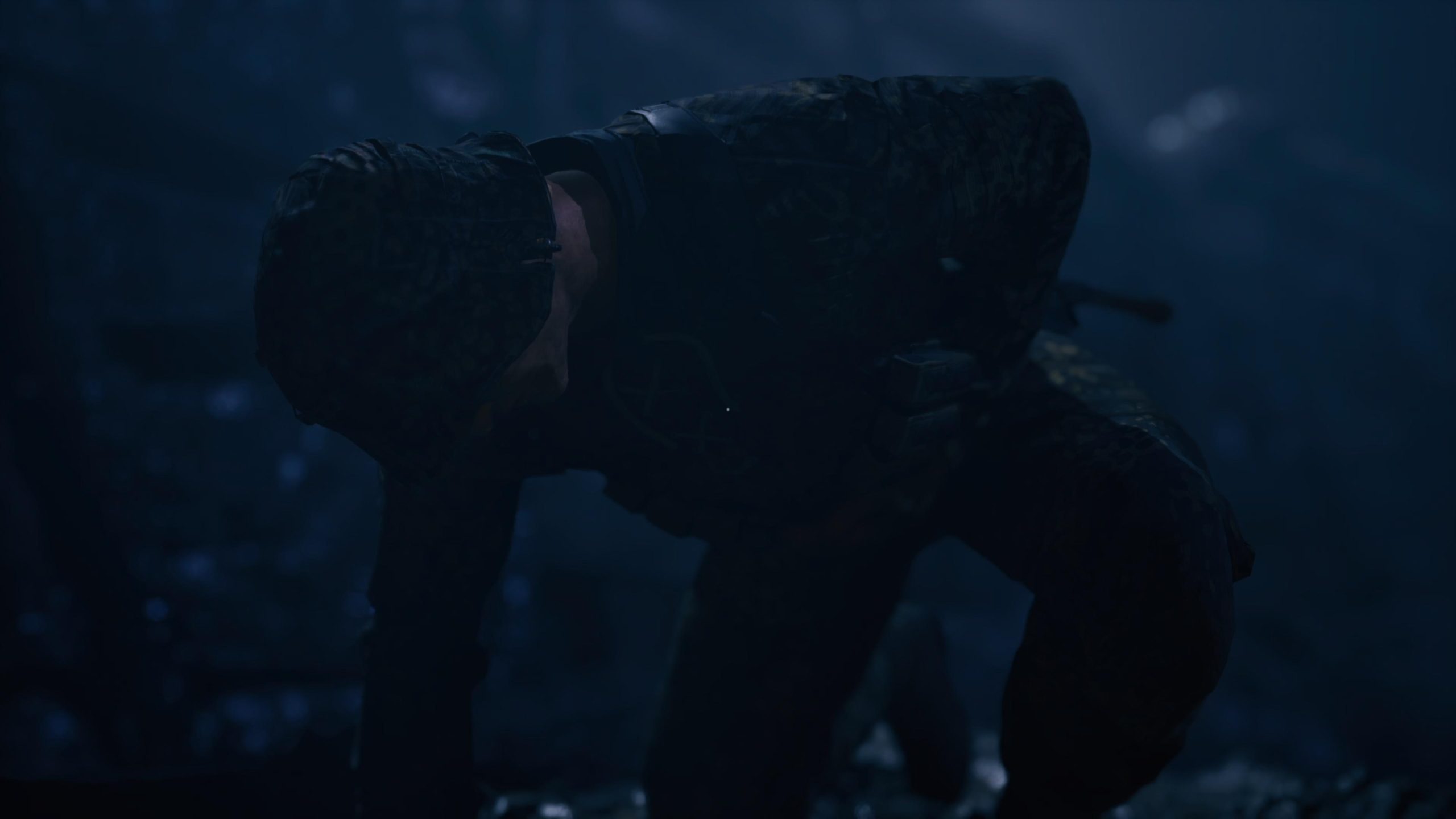
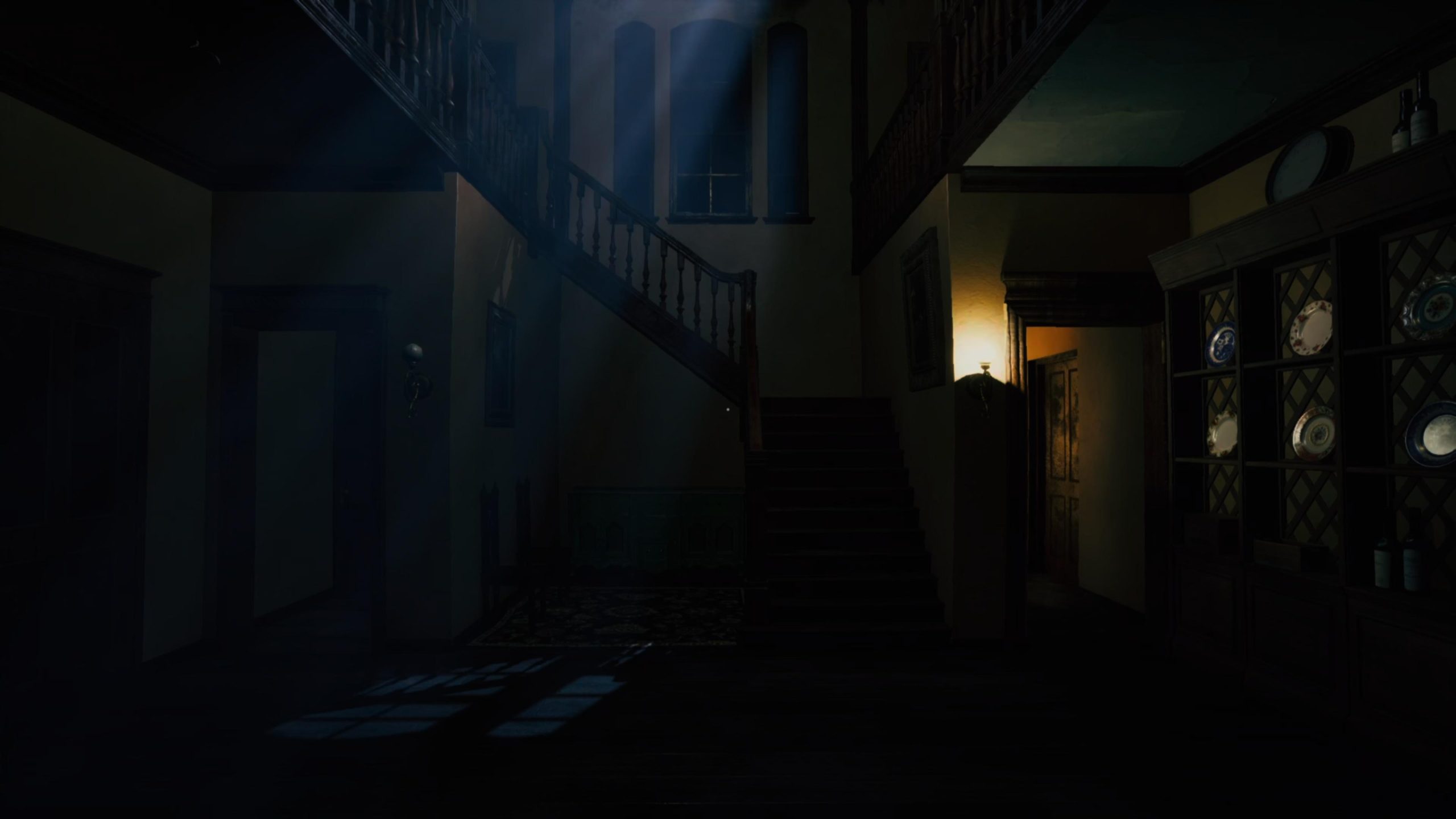
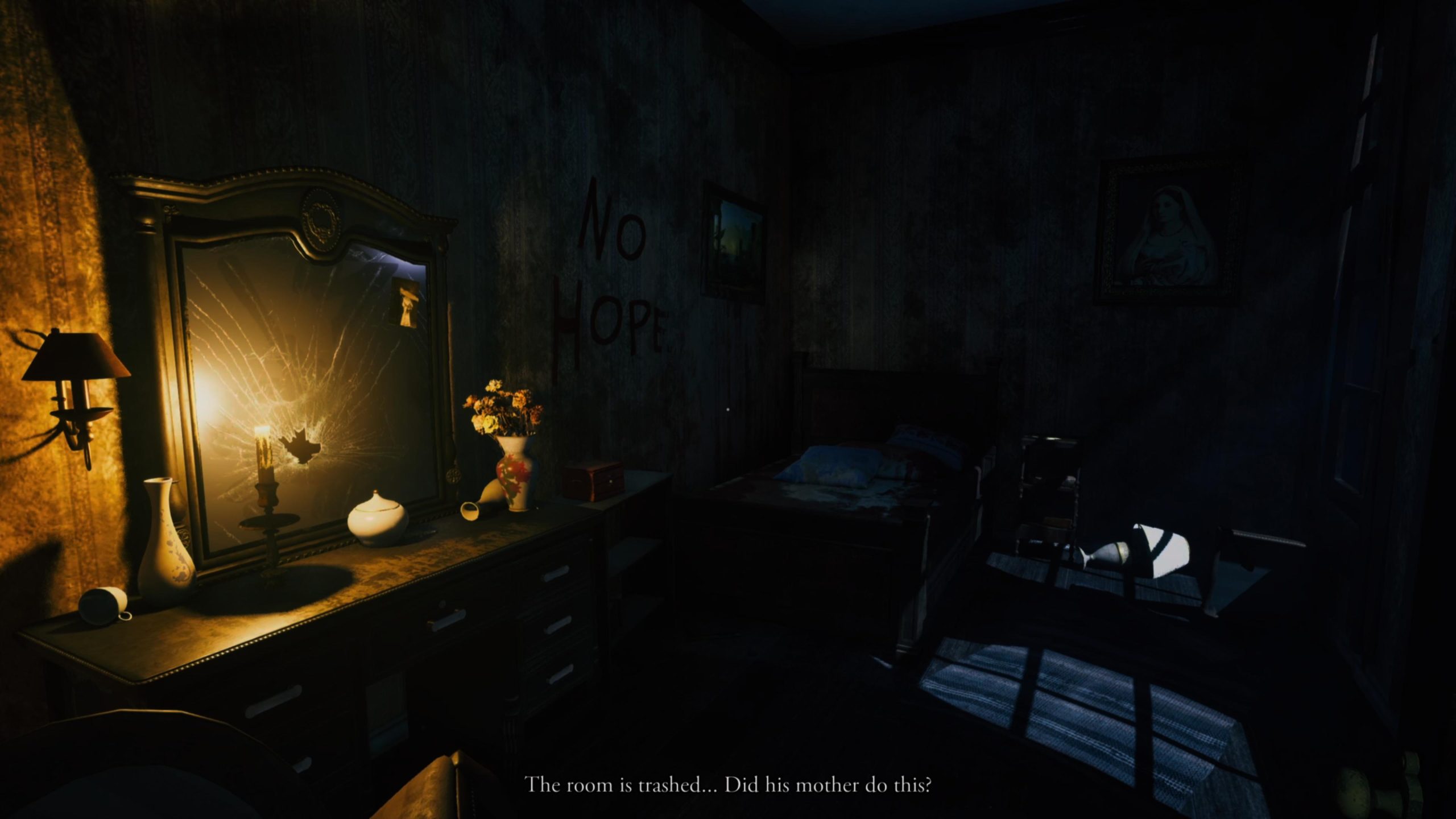
Gameplay is straightforward. You walk through rooms, inspect objects, read letters, and solve light environmental puzzles. You might find a key that opens a locked bedroom, which leads to a code for a safe, which reveals another clue that pushes you forward. There are a few eerie moments and some shadowy imagery, but this is not a horror game in the traditional sense. It is about mood and narrative first. Your only real mechanics are interacting with objects and zooming in to examine details. You cannot run, which can feel limiting at times. Most spaces are compact enough that the slow pace fits the somber tone, but there were moments where moving just a bit faster would have been welcome. Still, the deliberate pace reinforces that this is meant to be a reflective, slow burn experience. It is also fairly short. You can finish it in one sitting in just a couple of hours, which works in its favor since the story never overstays its welcome.
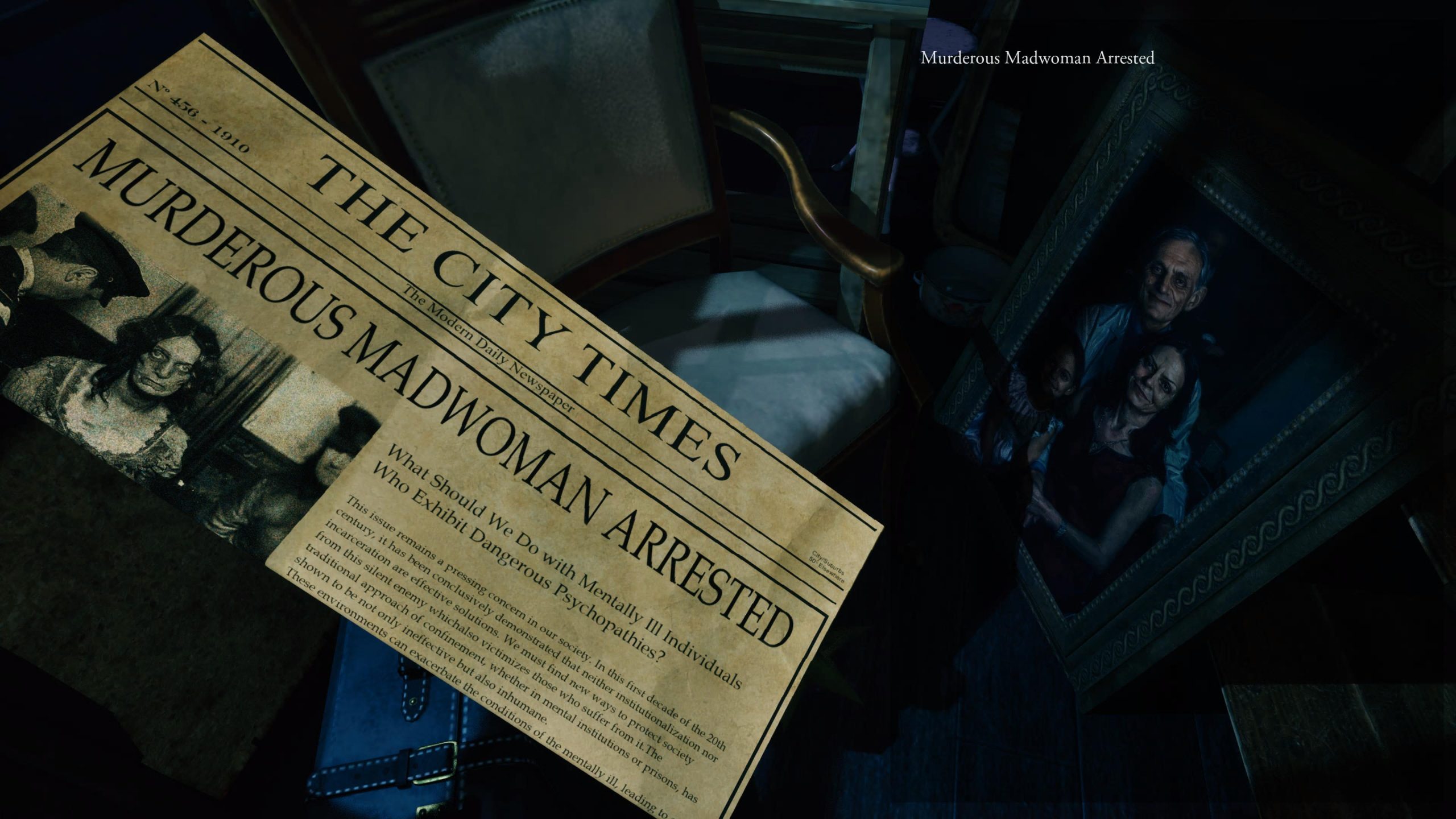
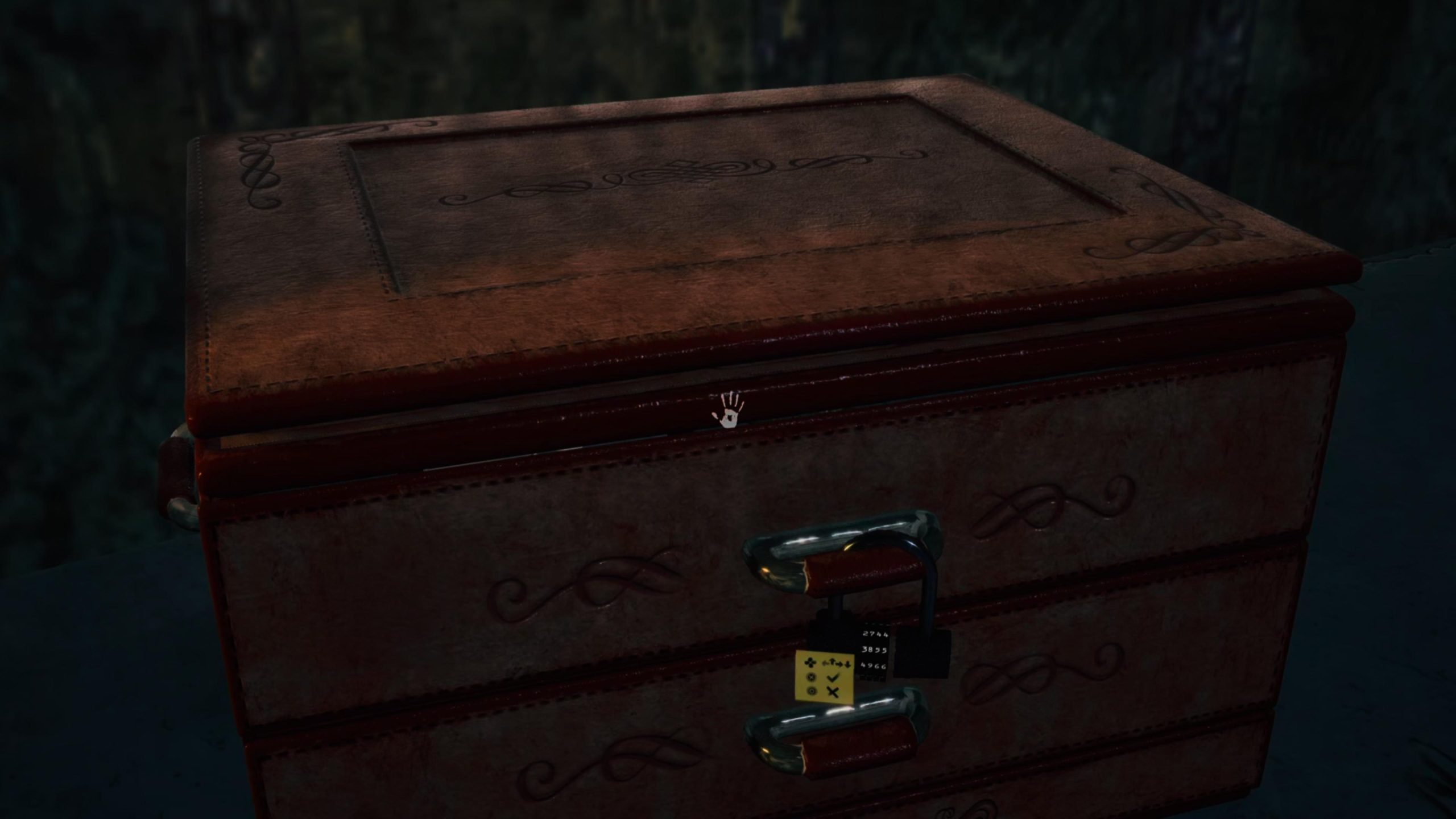
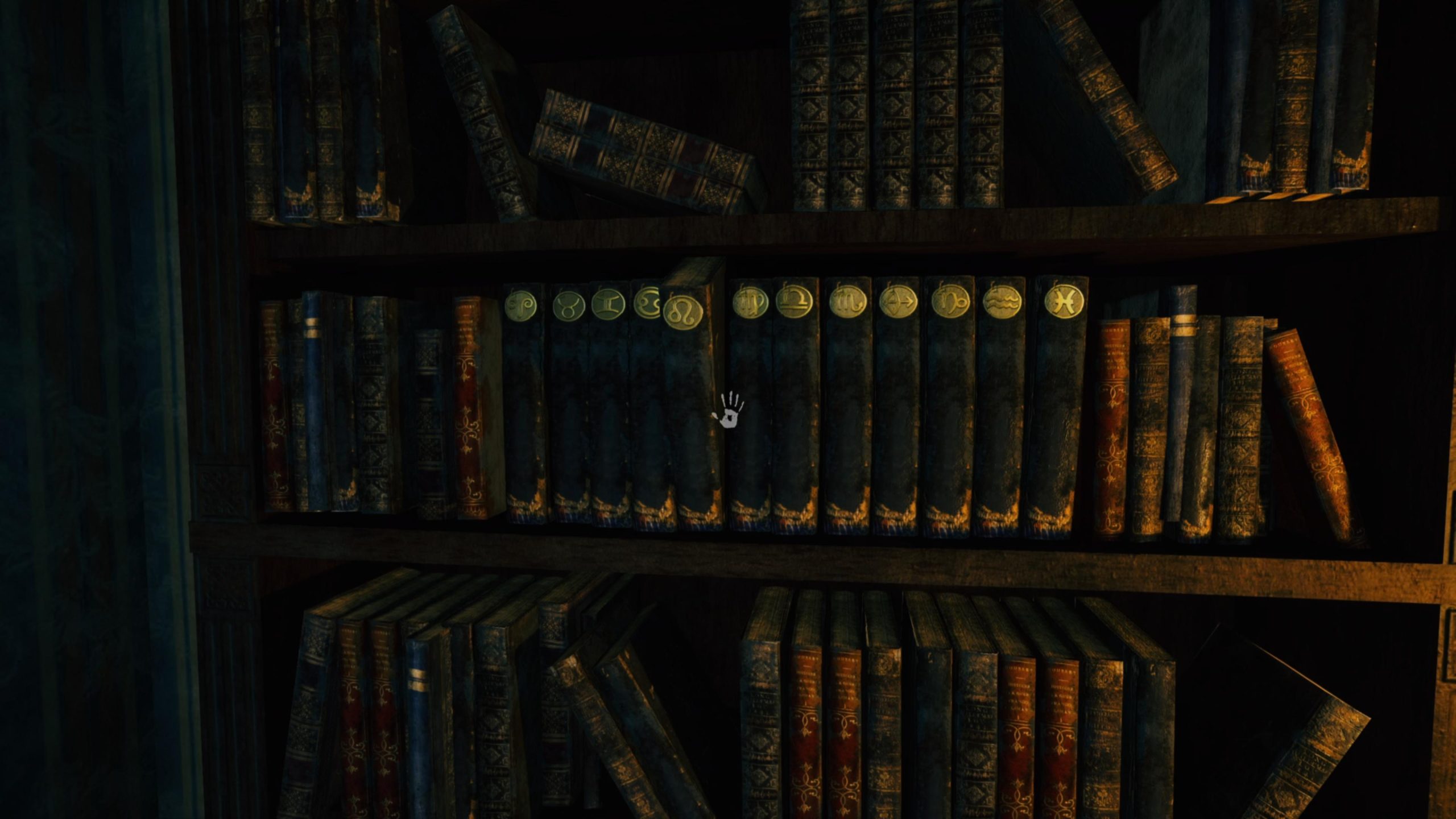
The puzzles themselves are simple and mostly logical. You search drawers, press buttons, inspect paintings, and read through plenty of notes to find hints. If you have played other narrative exploration games, you will quickly understand the structure. Go somewhere new, look closely, and you will find what you need. That said, I did run into one strange issue involving a bookshelf puzzle tied to zodiac symbols. I followed the instructions correctly, but nothing triggered. Oddly enough, the puzzle only completed after I swapped one of the books with the wrong one next to it. It was a bizarre hiccup in an otherwise smooth progression.
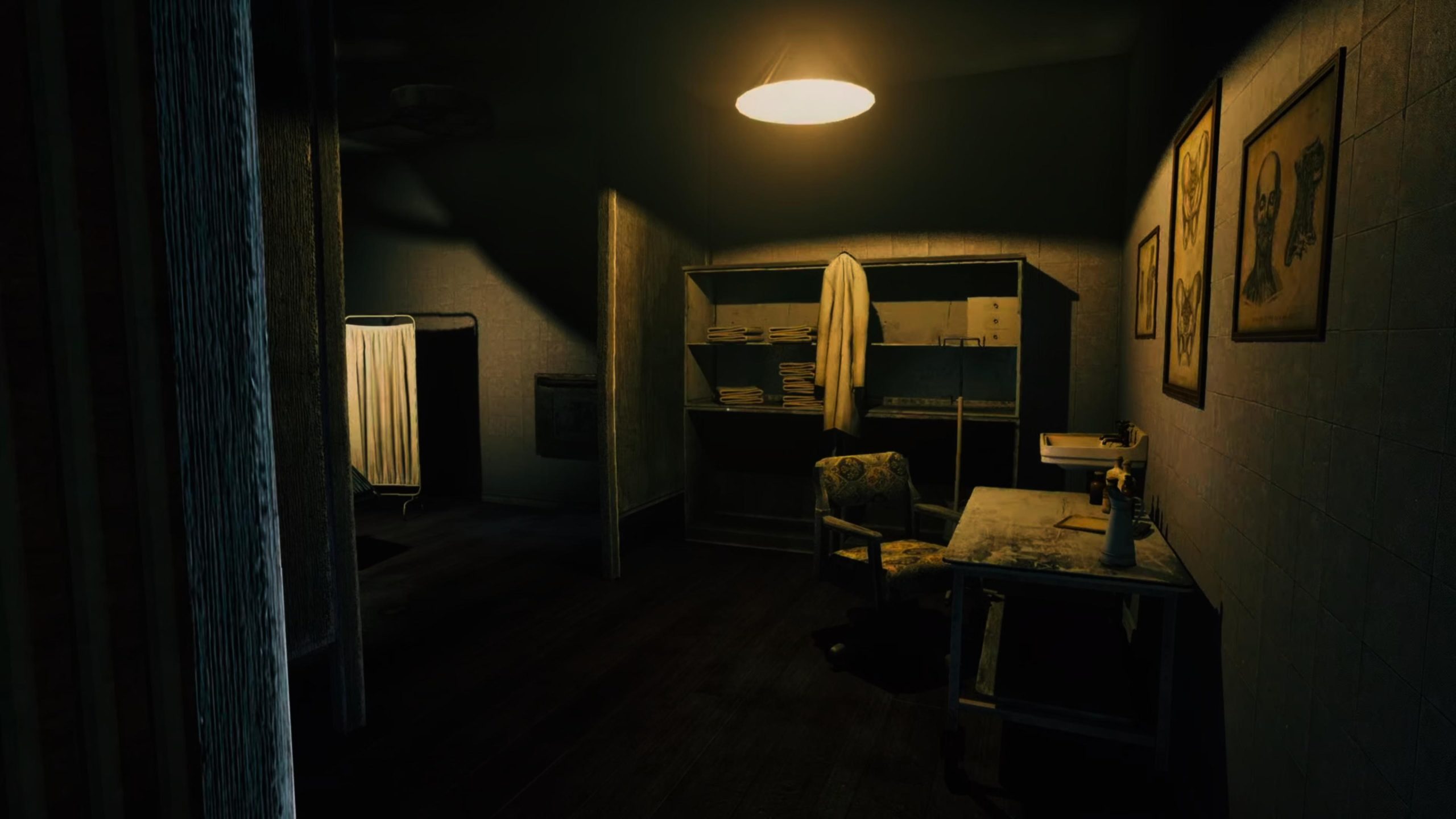
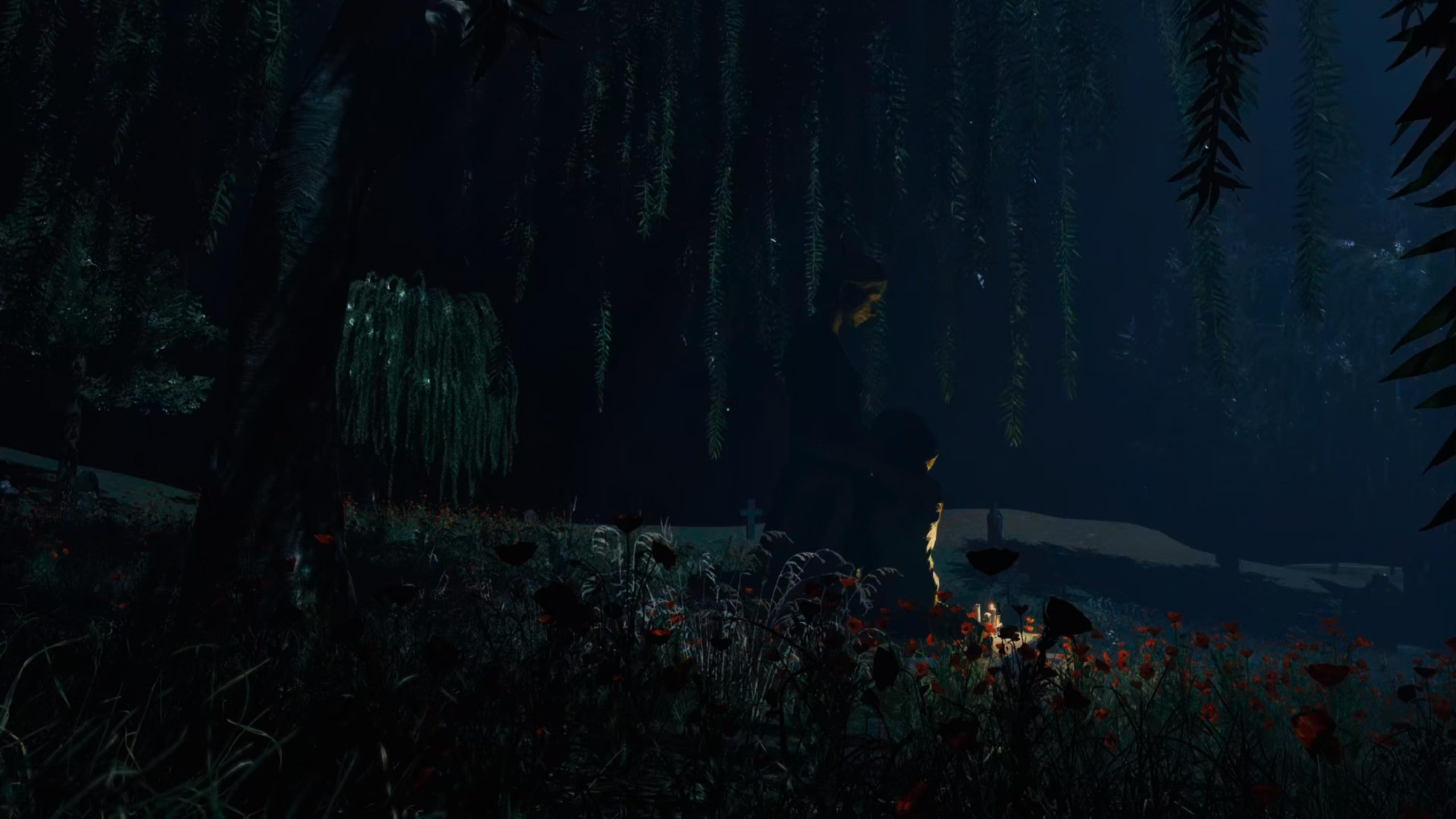
Visually, the game looks solid overall. You will notice some muddy textures, red spots randomly pop up, or slightly blurry assets up close, but most environments are clean and cohesive. The house interiors feel lived in, and there are small touches like rain sliding down the environment and carefully detailed wooden surfaces that add to the immersion. Some of the strongest moments come from lighting choices. Walking through a completely darkened space or seeing sunlight filter through trees outside creates a beauty that fits the tone perfectly. It does what it needs to do for a narrative driven experience.
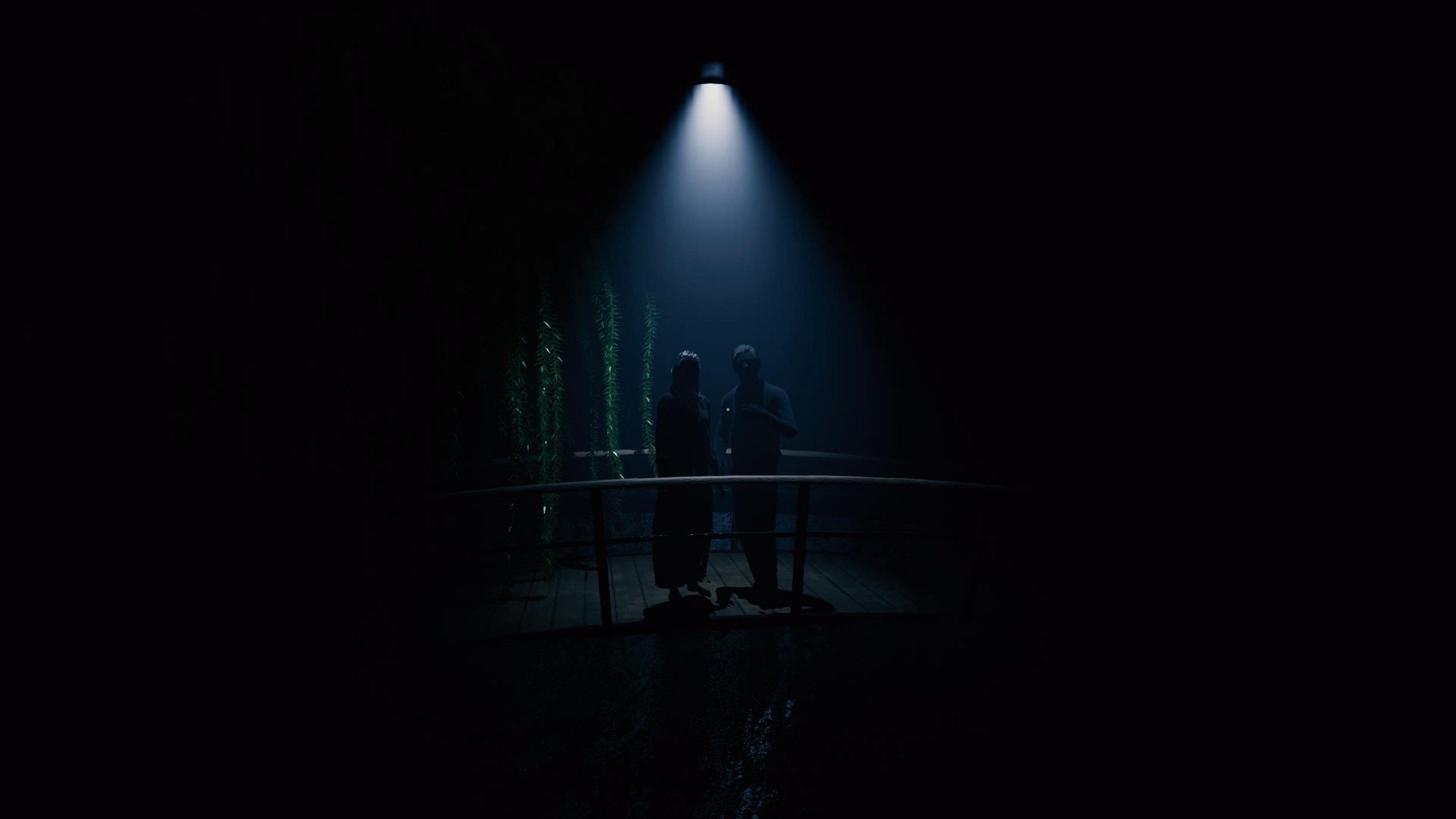
Audio is one of the more interesting aspects. The voice acting is generally good, even if there are moments of noticeable cheese. What stands out most is that every note you pick up is read aloud by the character who wrote it. That adds a surprising amount of emotional weight. Instead of just reading text, you hear hesitation, sorrow, anger, and longing in the delivery. It helps you connect with characters you never physically see. The music leans heavily into piano and violin, often swelling at dramatic points. It can feel a bit melodramatic, but it matches the emotional direction of the story. There are a few stock sound effects that stick out more than they should, like a random duck quack or the safe failing sound, but they do not derail the experience.
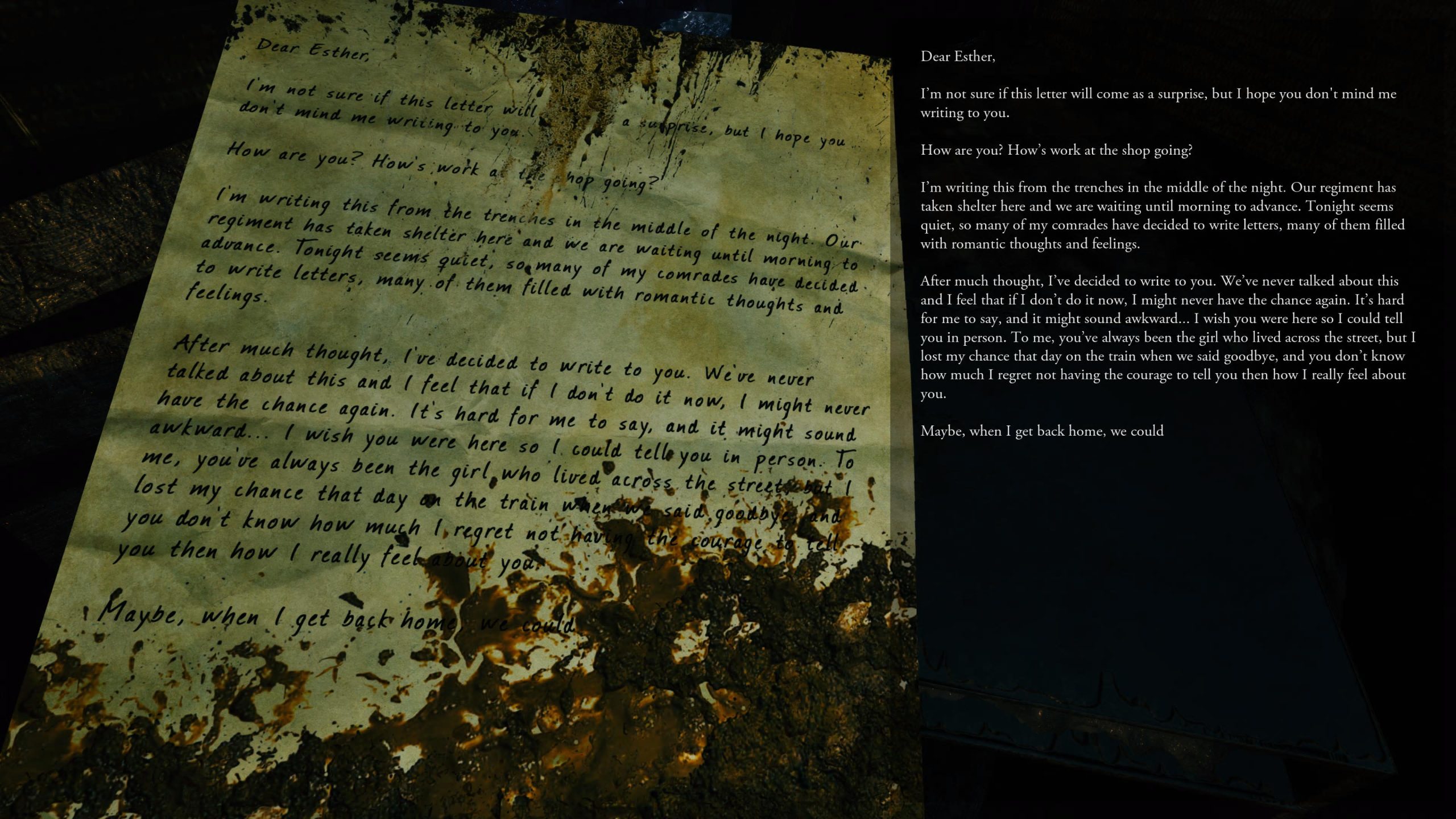
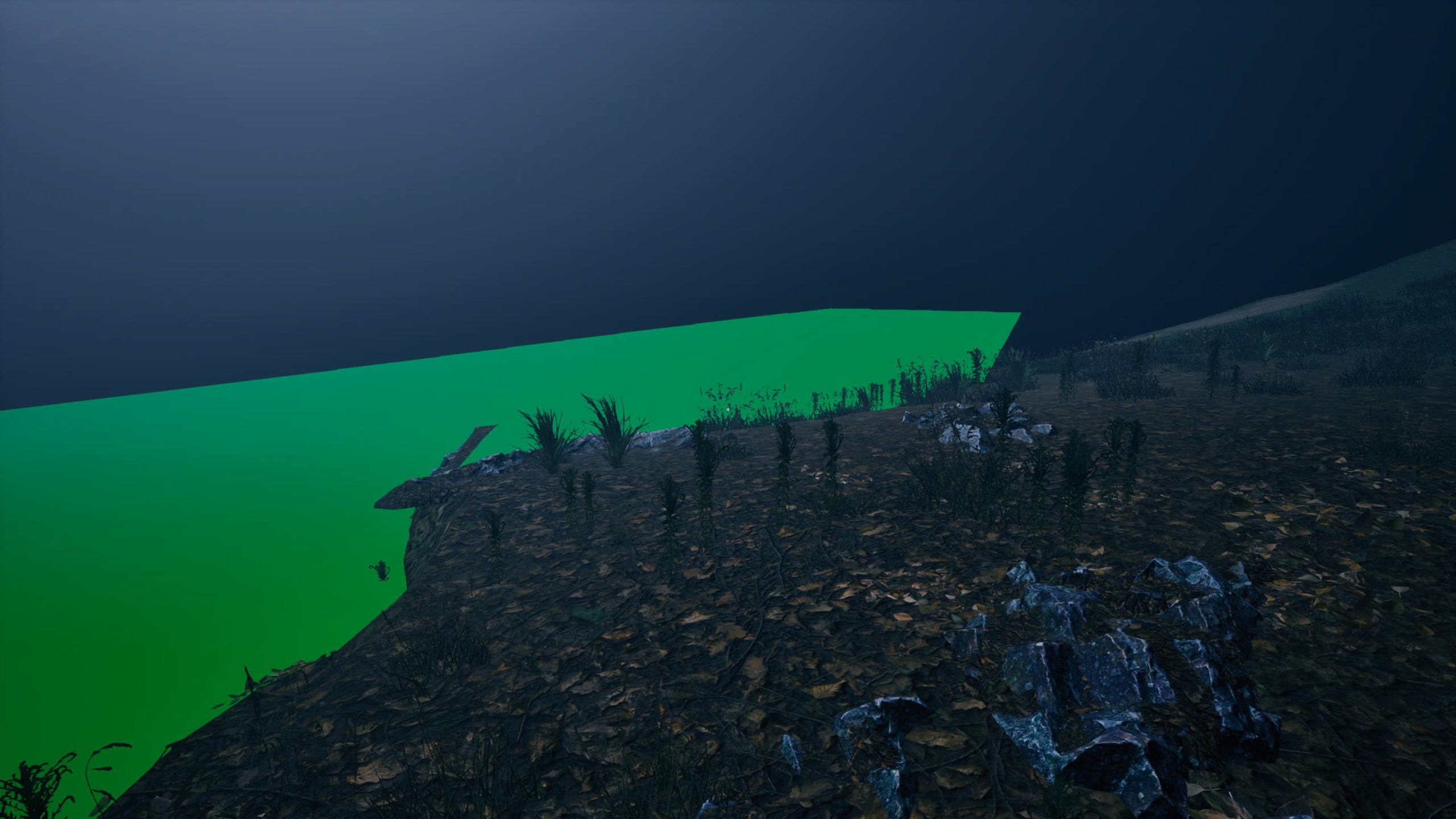
Where the game struggles most is in its technical inconsistencies. Subtitles and spoken dialogue frequently do not match. This is not a one time mistake. It happens throughout the entire game, across nearly every note. Since the experience revolves around reading and listening closely, these discrepancies can pull you out of the moment. There are also a couple of odd gender mix ups in the script, where a character is referred to incorrectly mid conversation. Occasionally, captions freeze or lag behind the voice acting. Near the end of the game, I noticed a large green block visible in one area, which clearly should not have been there. Continuing the game after finishing it sends you back to the last checkpoint, but many triggers no longer function correctly, causing some chaotic interactions. None of these issues completely break the game, but they are persistent enough to be distracting.
Final Thoughts?
I genuinely enjoyed my time with Portrait of a Torn. The atmosphere is strong, the emotional core is compelling, and the short runtime keeps it digestible. The final stretch leans heavily into walking and listening, dropping some of the earlier interactive momentum, and the ending does not fully deliver on the buildup. Even so, if you enjoy narrative driven exploration games with a somber tone and light puzzles, this is worth considering. It may not master its themes the way it aims to, but there is something meaningful here.
About the Author

Nay Clark Gaming holds a special place in my heart and I never stop talking about video games. I really love all types of games and have an interest in games that have complicated stories and lore because I enjoy untangling the mystery of it all. When I'm not gaming, I unsuccessfully try to control three amazing and incredibly bright kids.
Related Posts
Riven (PS5/PSVR2) Review →

Warhammer 40,000: Speed Freeks (PS5) Review →
Warhammer 40,000: Mechanicus II (PS5) Review →