
Xiaomi Ultra 17 Review
Summary: The Xiaomi 17 Ultra is a smartphone built for performance and photography. Its mechanical zoom system, large sensors and Leica tuned processing give it capabilities that challenge the best in the market. It behaves more like a compact camera that happens to be a smartphone and if you are a photography enthusiast it is difficult to look past as it does almost everything right, including gaming,
4.7
Built for photos
Before we dive into the Xiaomi 17 Ultra, pronounced shau mee, it is worth calling out what feels like a major shift in the Australian tech scene. When Xiaomi officially set up shop here as a fully owned subsidiary in late 2025, it finally stepped out of the grey import shadows and positioned itself as a genuine contender to the long standing Apple and Samsung duopoly. That competition was overdue.
As the world’s third largest smartphone manufacturer, Xiaomi’s decision to establish a local headquarters and launch an official Australian online store is a major win for consumers who have spent years chasing the brand’s high spec hardware without the uncertainty of grey market imports. By formally entering the Australian market, Xiaomi is injecting much needed competition and honest pricing, forcing long standing market leaders to justify their premium markups. The Xiaomi 17 Ultra is not cheap either, with the 512GB model priced from 1799 AUD in March 2026.
The Review
The Xiaomi 17 Ultra is a high end smartphone built around a large circular rear camera that houses a world first mechanical zoom system while still maintaining a refined and sophisticated look. Beyond the camera hardware, it is powered by the Snapdragon 8 Elite Gen 5 chipset, features a crystal clear 6.9 inch display and is supported by a 6000mAh battery designed to handle the heavy power draw of 8K video recording and professional photography.
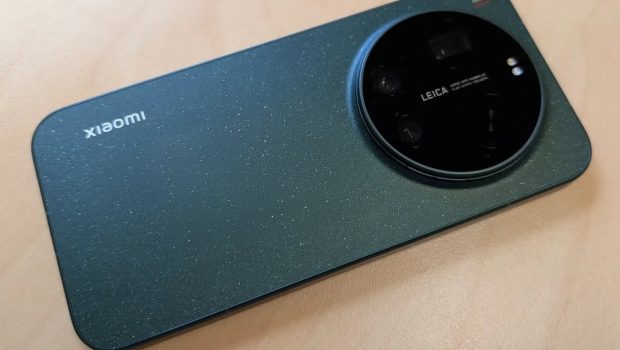
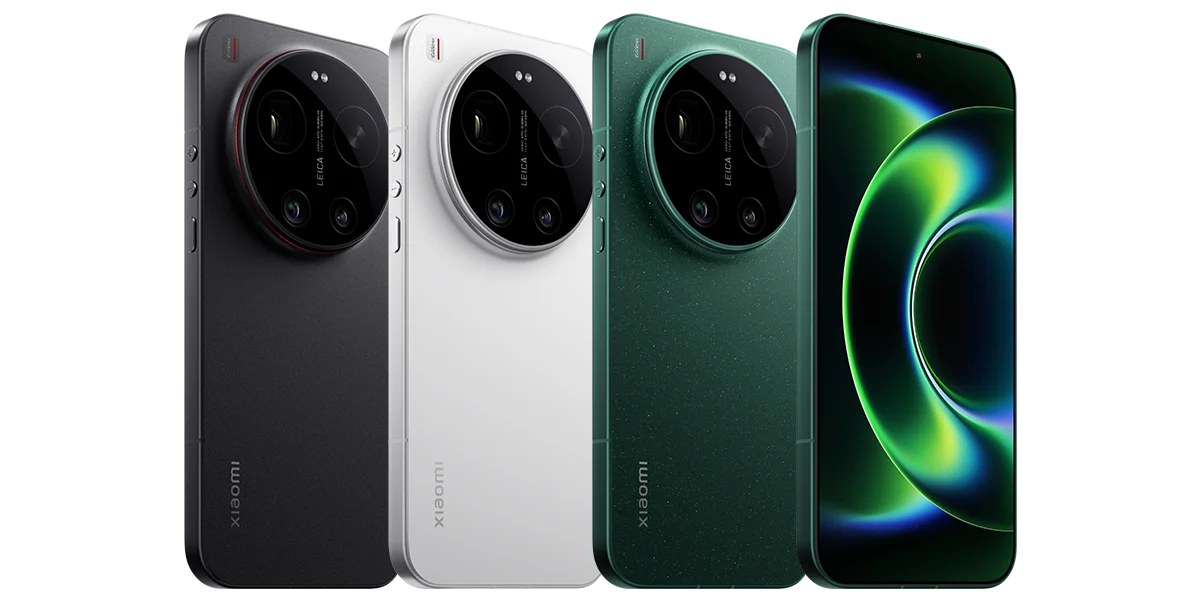
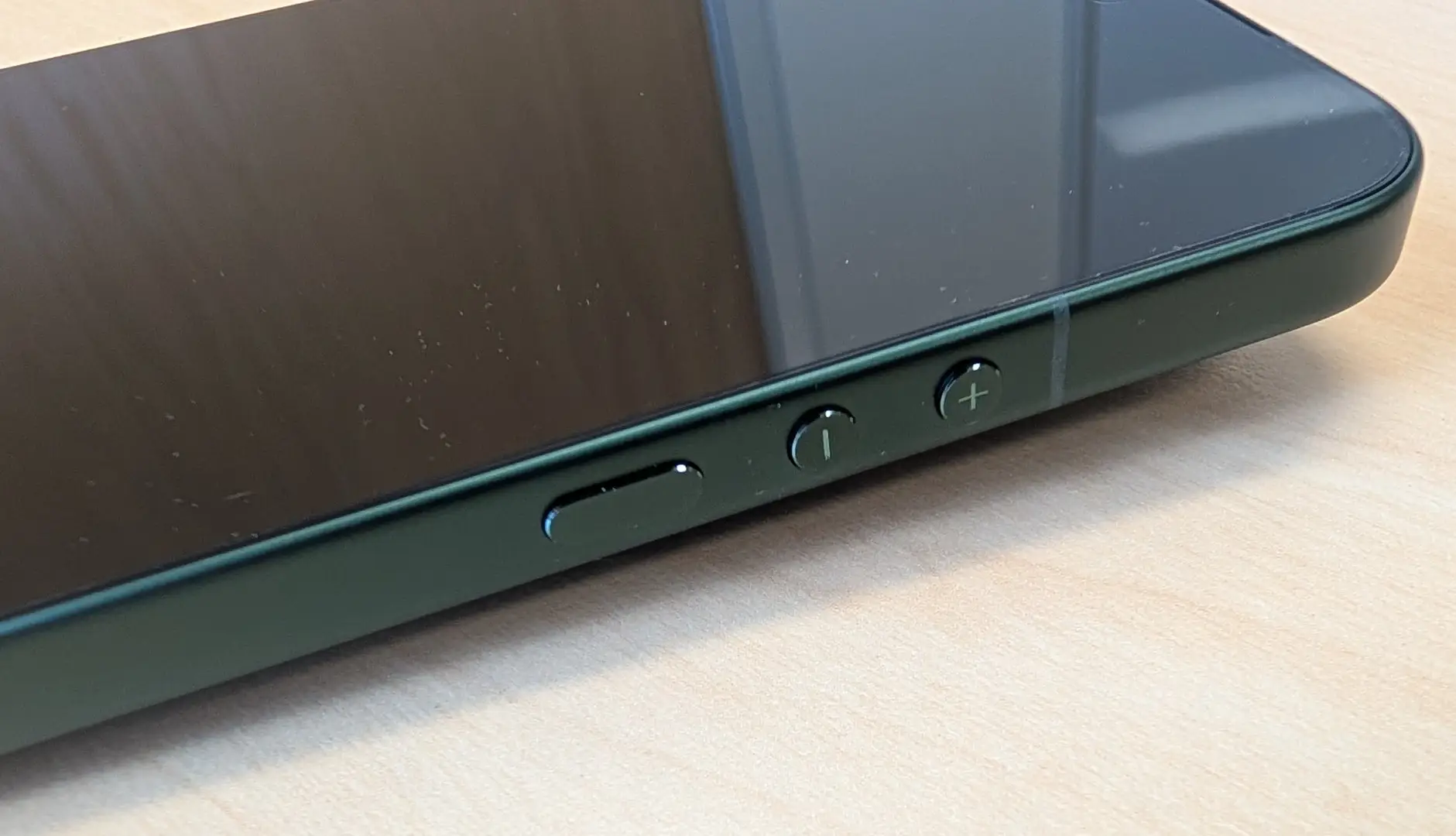
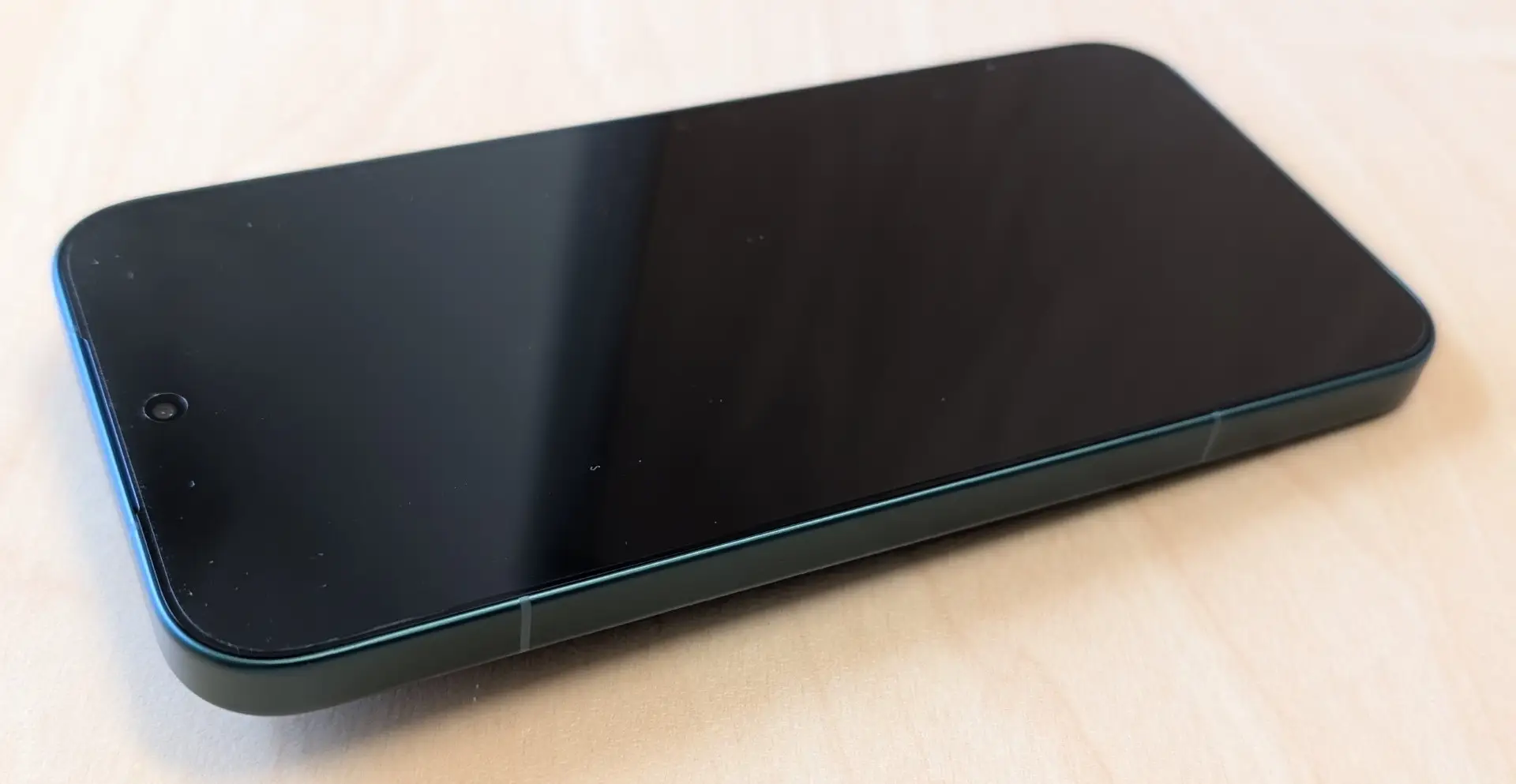
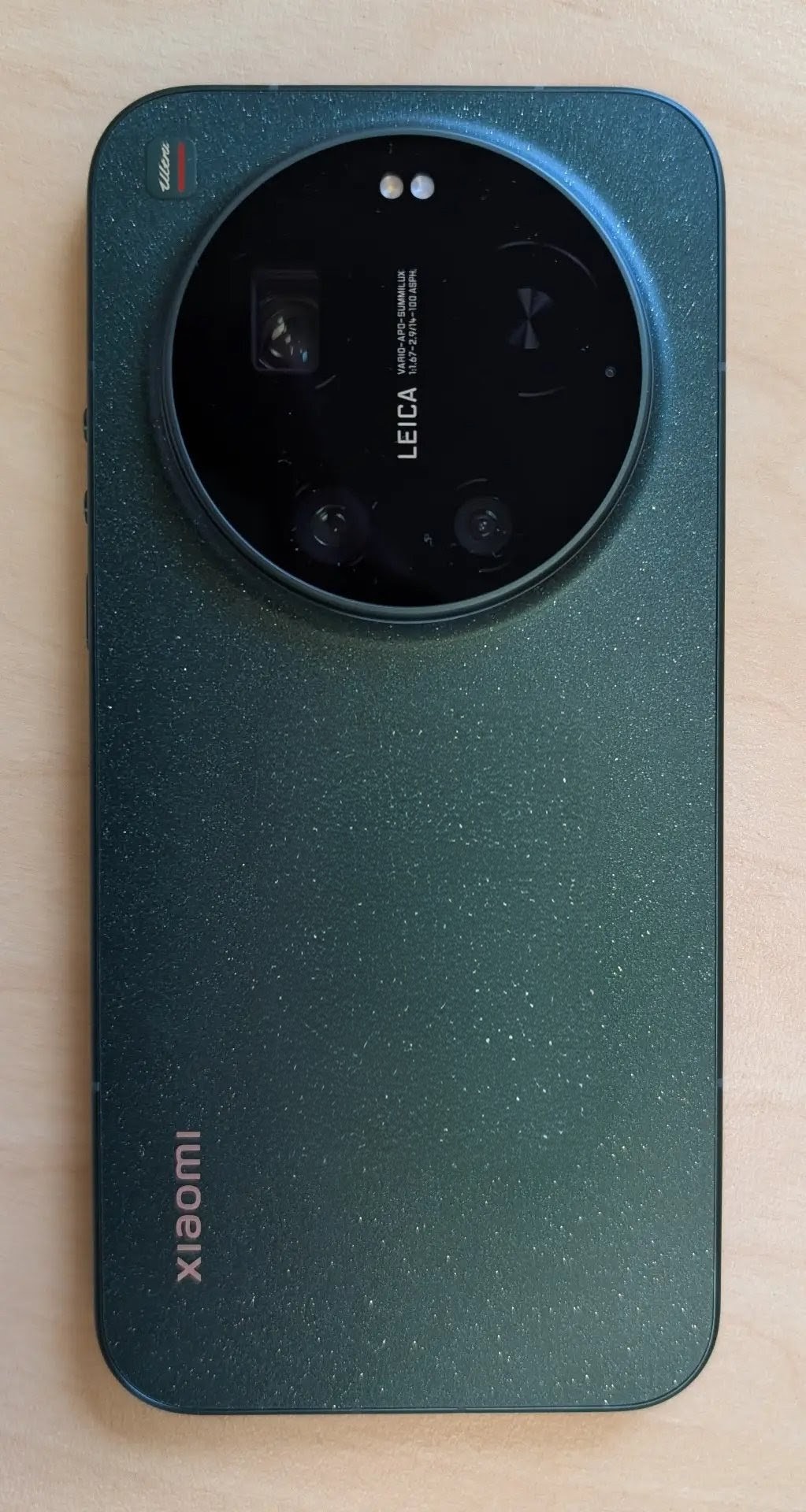
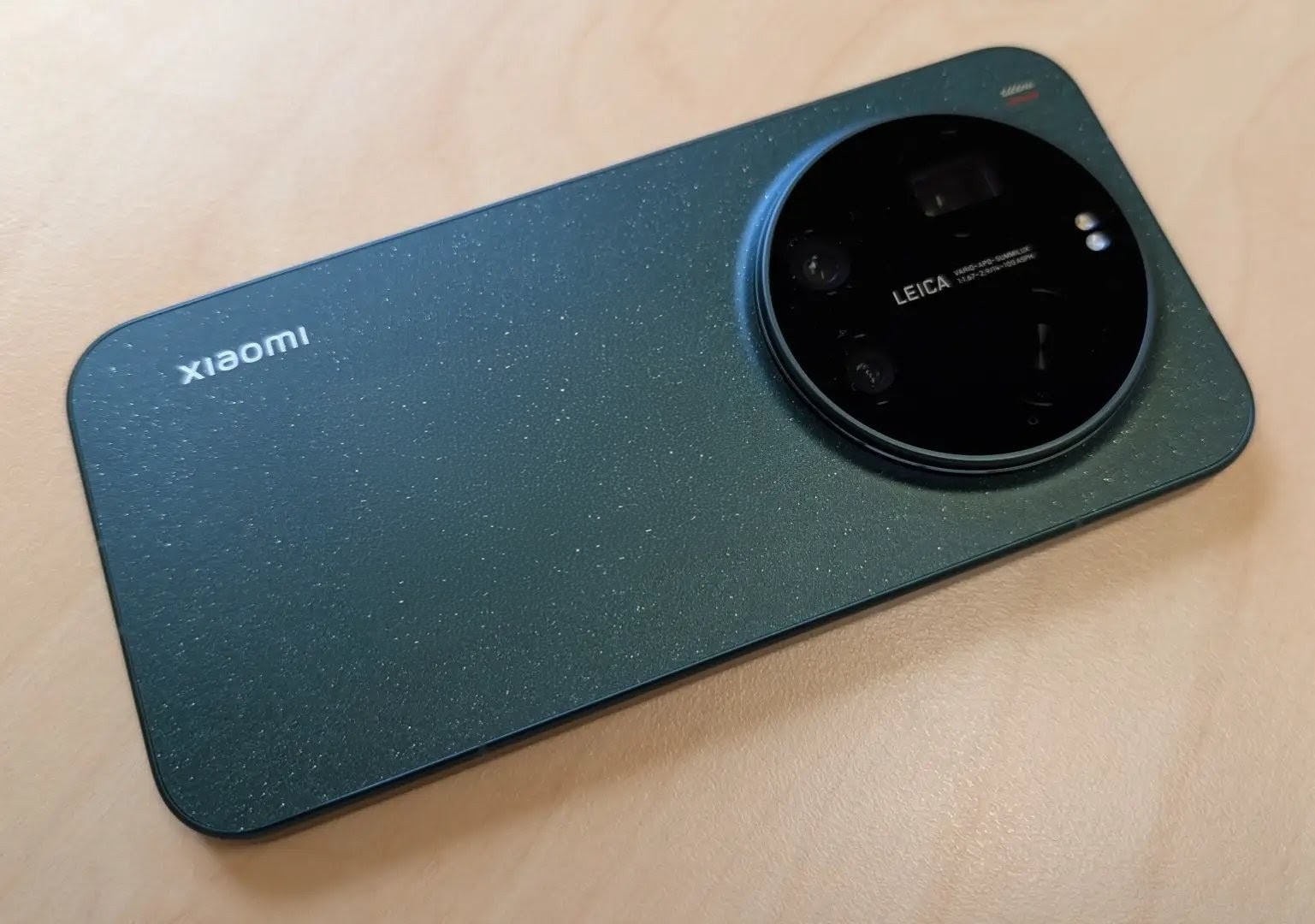
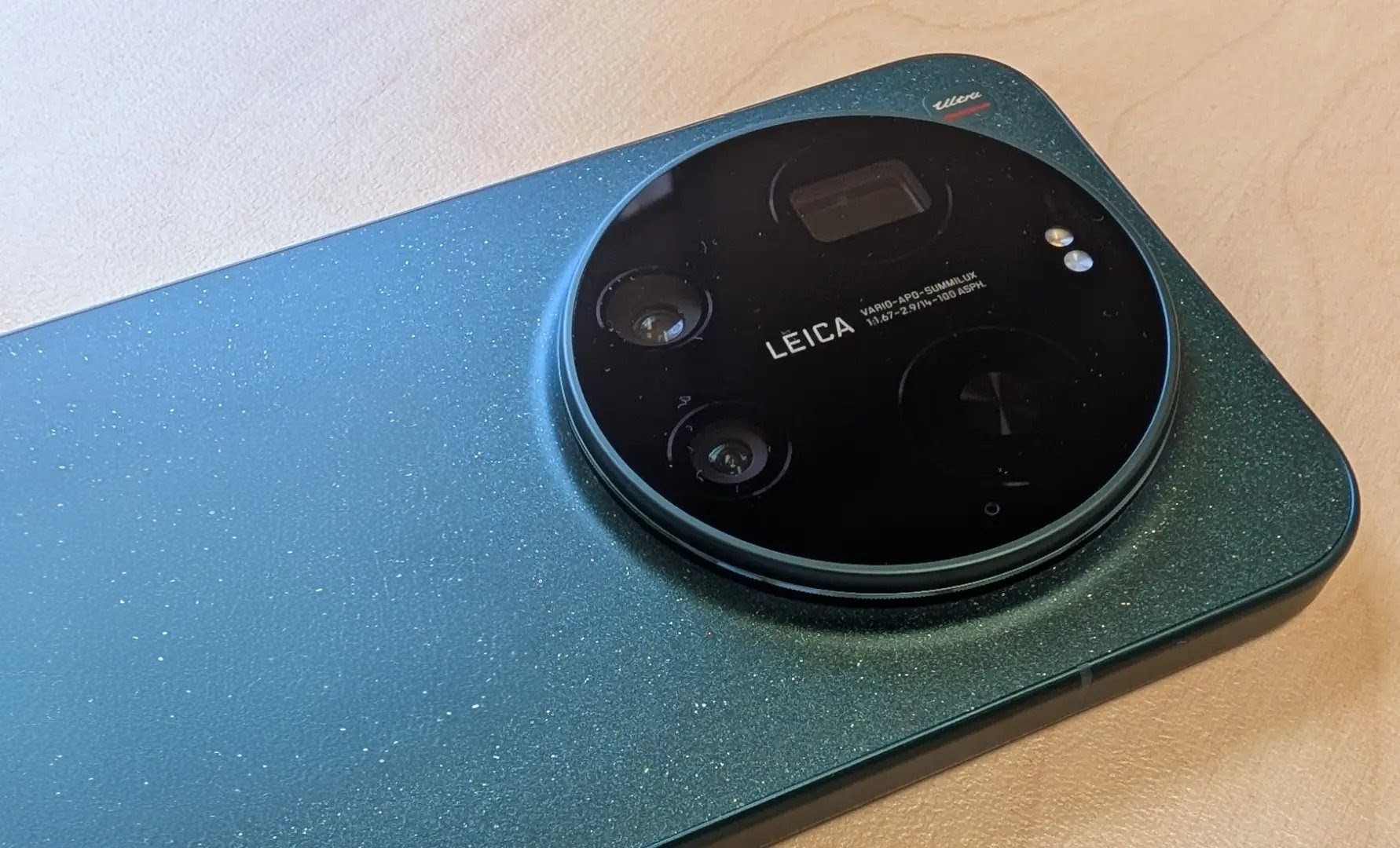
In the hand, the 17 Ultra feels solid and well-constructed. Its flat frame and refined contours create a premium feel with the aluminium build adding to the sense of quality. The Starlit Green model is especially eye catching thanks to its composite fibreglass finish that shimmers under direct light. The standard button placement on the right side makes it easy for most Android users to pick up and start using immediately. The screen is protected by Xiaomi Shield Glass 3.0 for increased drop resistance while Corning Gorilla Glass 7i protects the camera module.
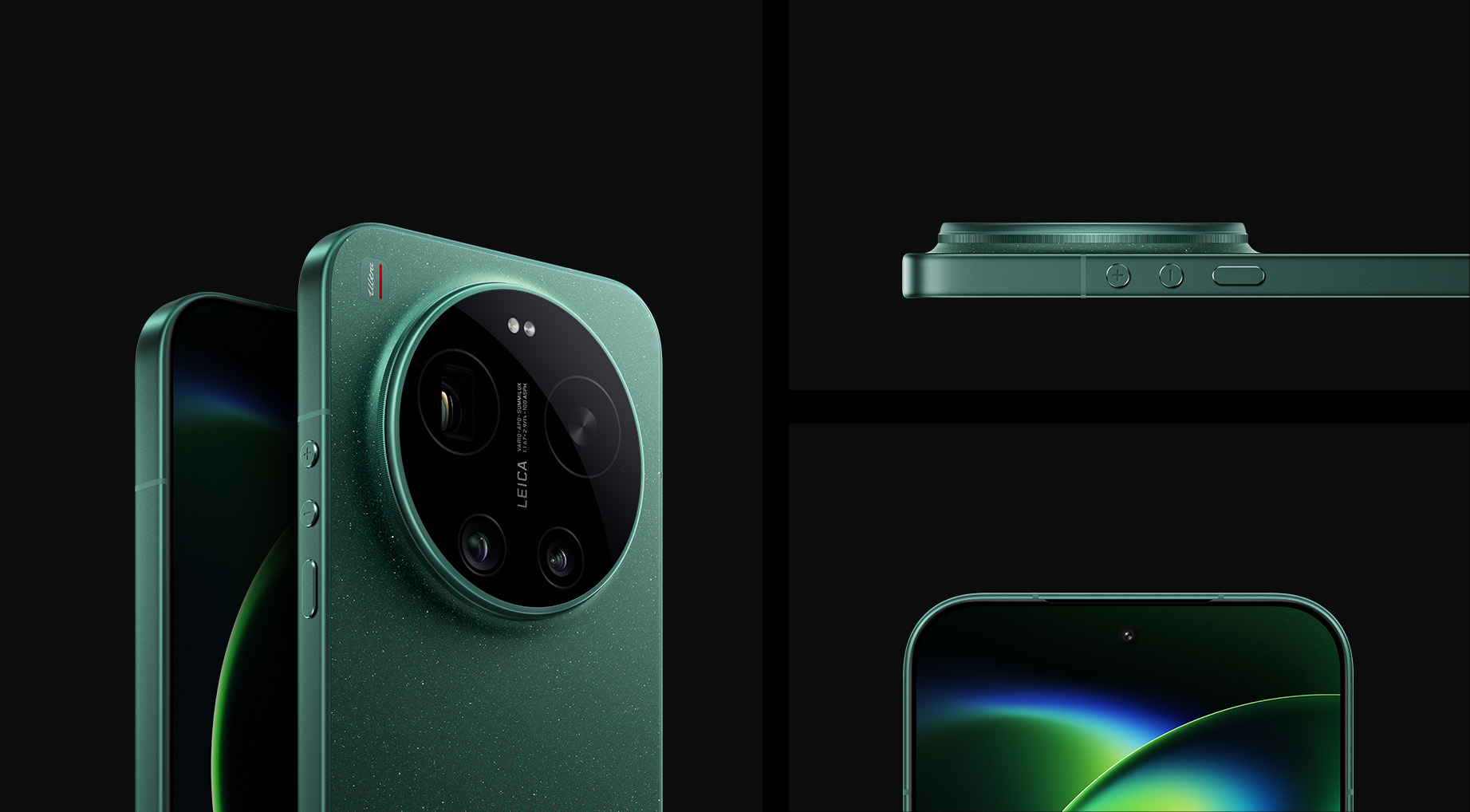
The circular camera module does shift the weight towards the top of the device. Although the phone remains comfortable to use, the top-heavy balance becomes noticeable during longer sessions or when attempting one handed operation. The camera system occupies almost one third of the back of the phone. The housing also adds a sense of weight when the phone is in your pocket even though the overall thickness of 8.29mm is modest for a device with such powerful hardware.

From a photography perspective, the Xiaomi 17 Ultra clearly aims to challenge both Apple and Samsung by pushing smartphone imaging into territory that feels closer to a compact camera than a traditional handset. The camera system is substantial and avoids the usual smartphone tricks in favour of serious optical engineering.
The main 50MP one inch sensor uses LOFIC technology to prevent bright light sources from blowing out your shots. The headline 200MP telephoto lens features a true mechanical zoom that physically shifts glass elements to cover the 75 to 100mm range without digital loss. When using the optical zoom you can hear the lens moving with a subtle safe like clicking sound that never distracts from the experience.
A 50MP ultra-wide lens completes the rear setup and handles everything from sweeping landscapes to 5cm macro shots. The 1TB storage option becomes essential for the enormous files this system can produce. The front camera is equally impressive with a 50MP sensor, dedicated autofocus and 4K60 video support that allows selfies and vlogs to match the professional quality of the rear Leica tuned array.
The 17 Ultra includes a wide range of photographic modes. Live Cinematography uses the LOFIC HDR sensor for professional video with real time colour grading and 4K 120fps Log recording for maximum flexibility in post-production. Pro mode offers full manual control of ISO, shutter speed and focus while unlocking 16 bit Ultra RAW files for high end editing. Standard Video mode supports 8K recording across all lenses with excellent stabilisation. Photo mode uses Leica tuned processing to deliver natural and balanced images without the over processed look found in many other flagships. Portrait mode uses the 75mm focal length to produce natural facial proportions and a creamy optical style background blur. Documents mode automatically detects and flattens paper or whiteboards to keep text sharp and legible. The 200MP mode uses the full resolution of the telephoto sensor to capture enormous files that allow heavy cropping while maintaining print quality clarity.
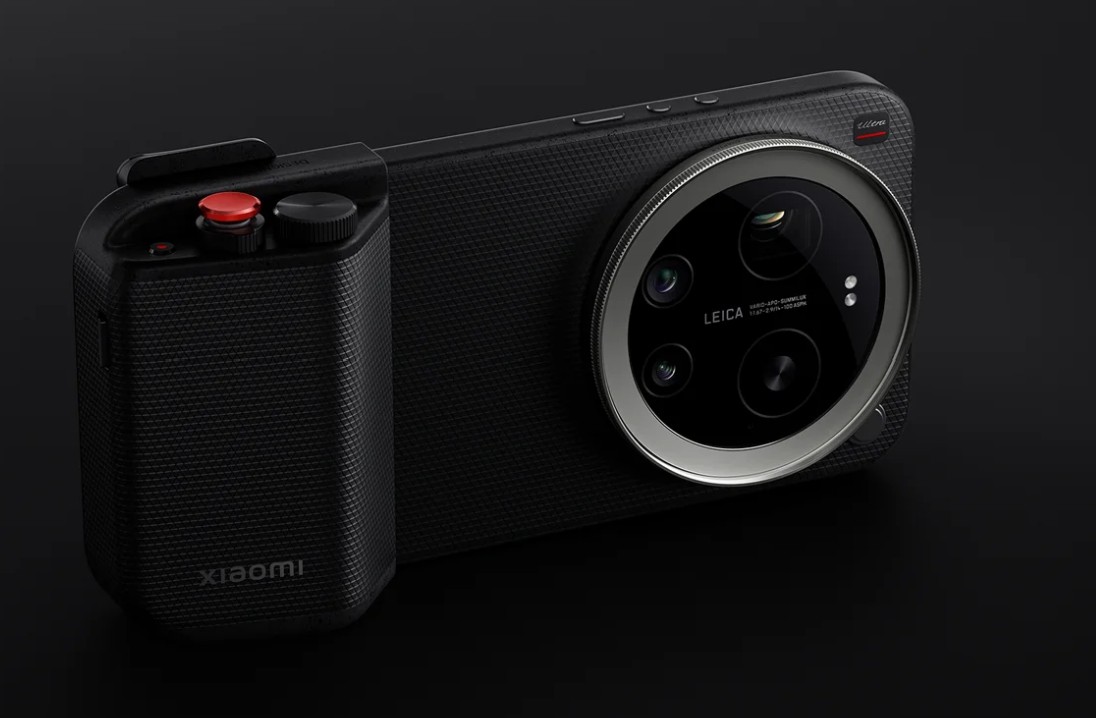
Xiaomi has also expanded its photography ecosystem with an optional Photography Kit Pro that includes a physical shutter button and zoom control for a more camera like feel although this was not included with our review unit.
Performance is another strong point. The Snapdragon 8 Elite Gen 5 chipset provides more than enough power for demanding tasks while maintaining strong efficiency. It handles gaming, multitasking and video editing with ease. Connectivity is equally reliable with stable mobile network performance, accurate GPS and consistently fast Wi Fi 7 speeds that take full advantage of modern routers.
The 6.9 inch HyperRGB OLED display delivers excellent clarity, high brightness and smooth adaptive refresh from 1 to 120Hz without unnecessary power consumption. Text is sharp, colours are vibrant and the screen is ideal for browsing, watching films and reviewing photos.
The 6000mAh battery easily lasts beyond a full day and often stretches into a second. The phone does warm up during fast 90W wired charging and extended gaming or benchmarking although the heat never reaches concerning levels and dissipates quickly once the workload stops. AI features are built in including AI writing, speech recognition, search, dynamic wallpapers and access to Gemini.
Unboxing
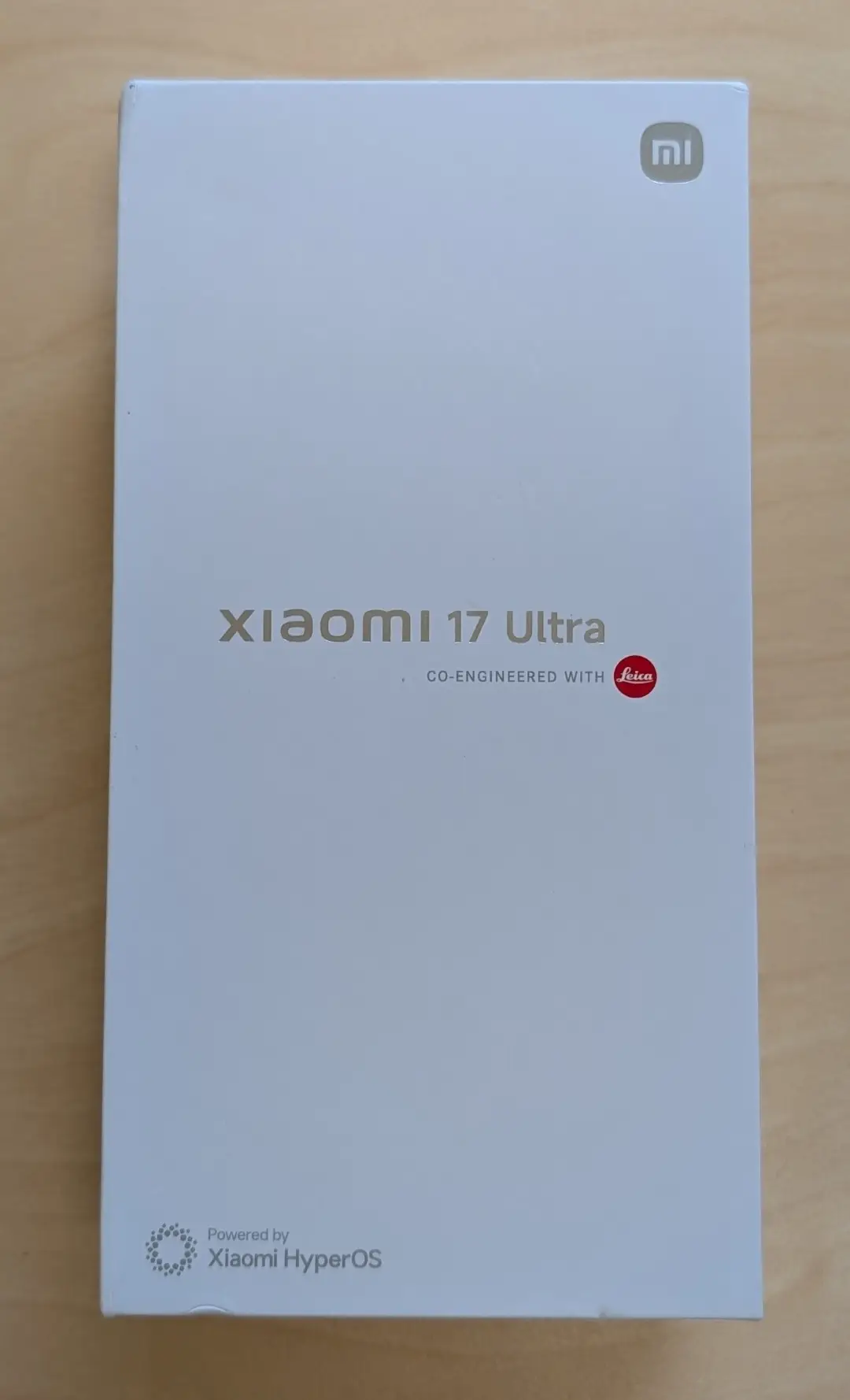
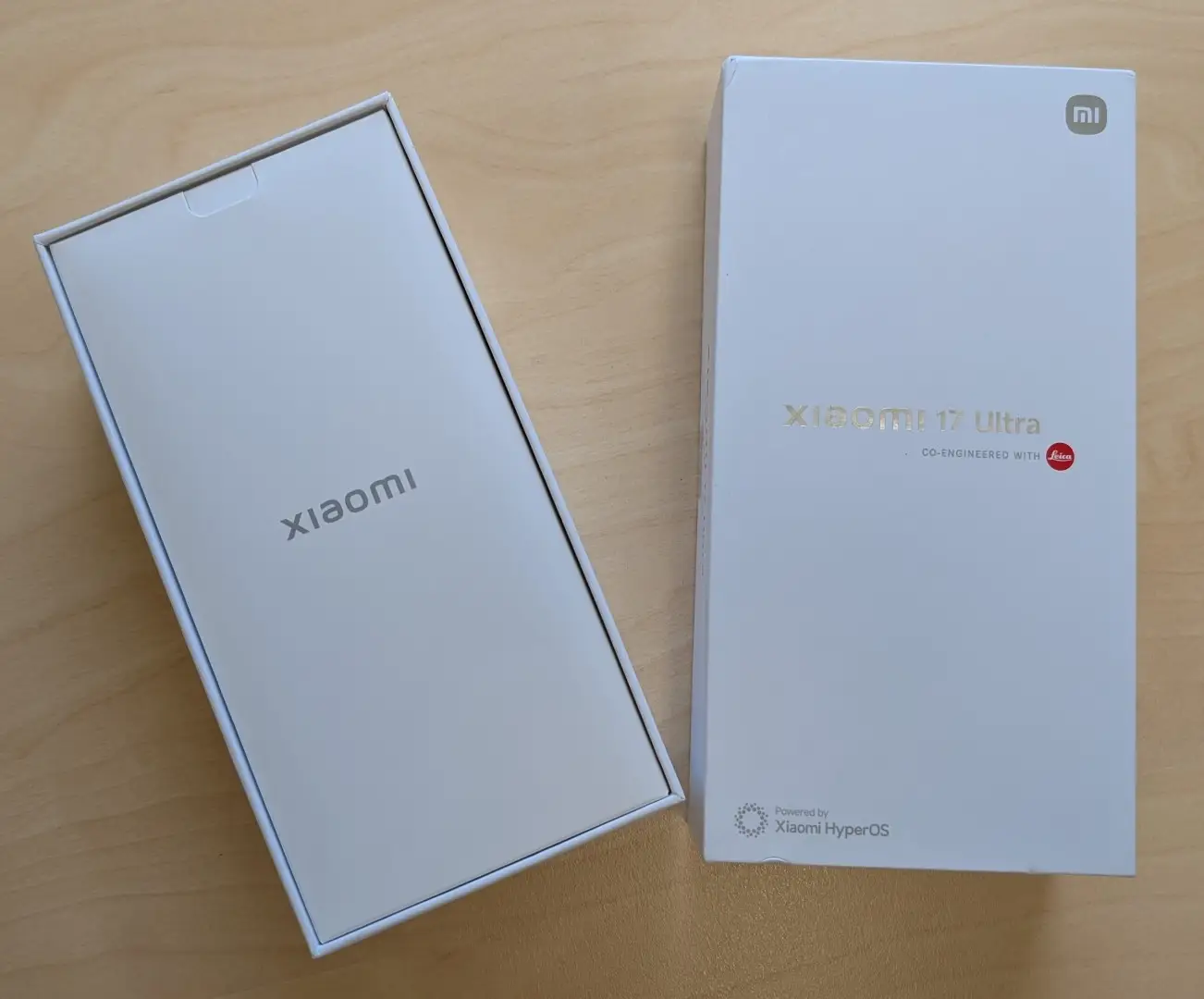
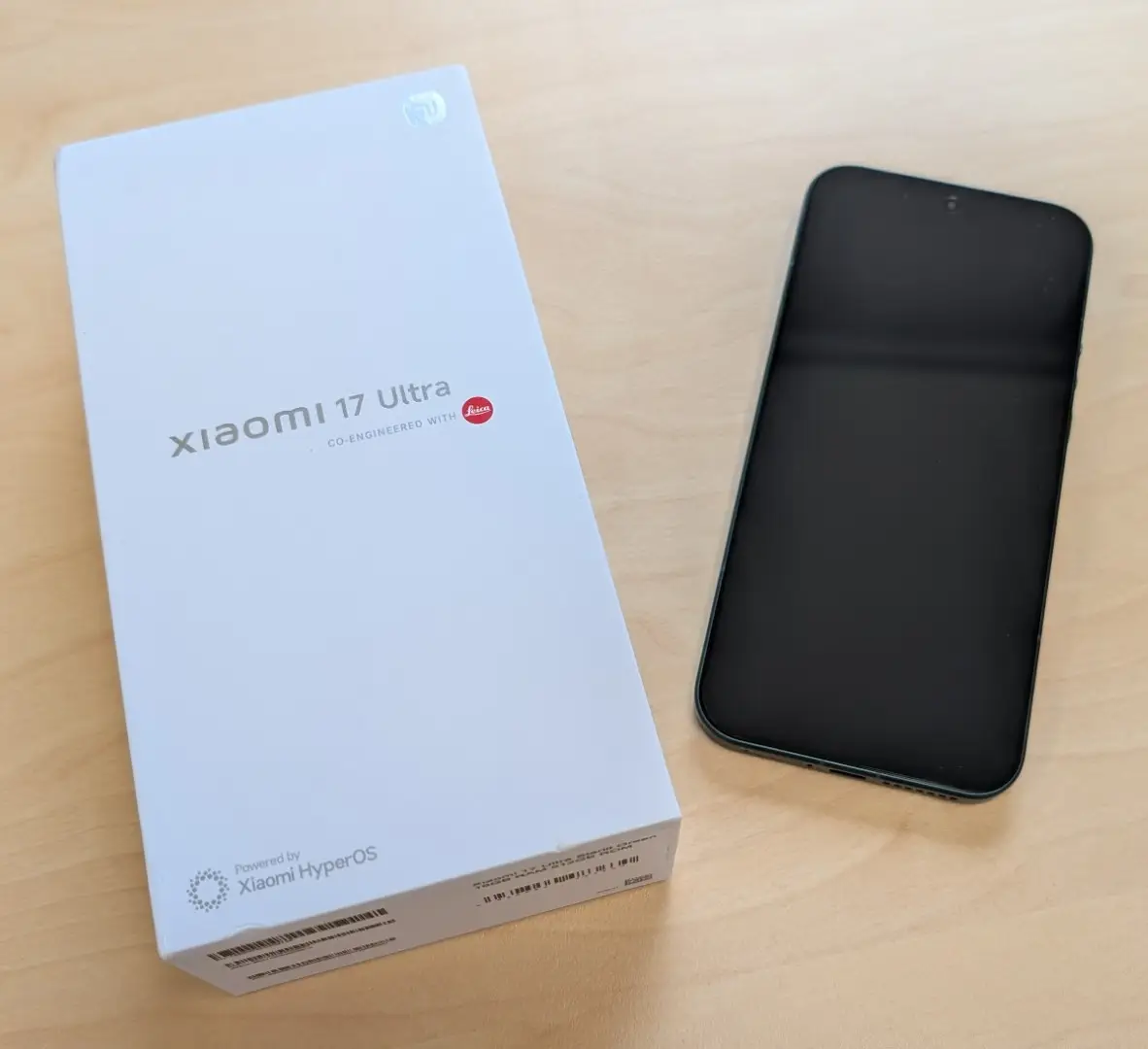
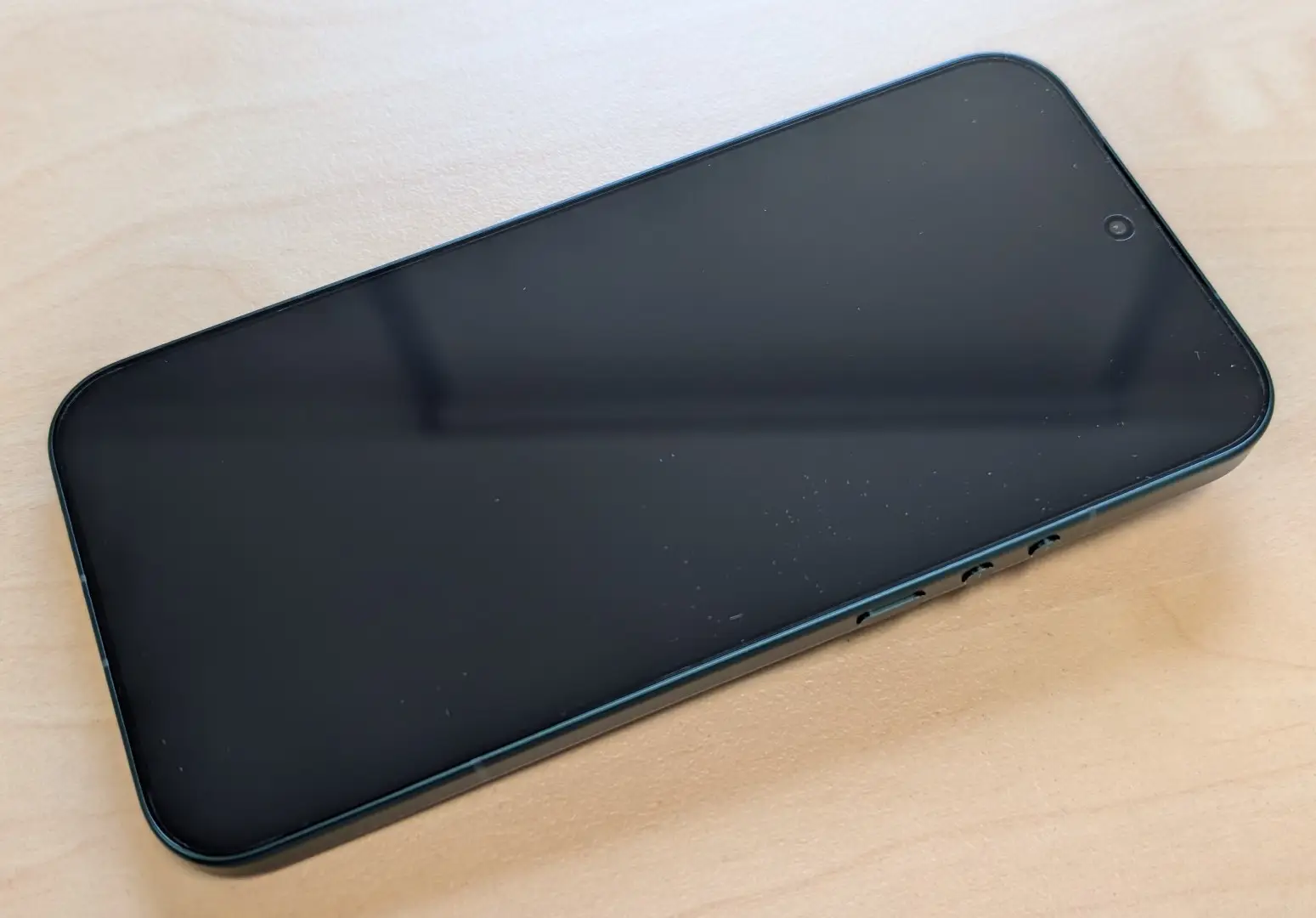
Setup
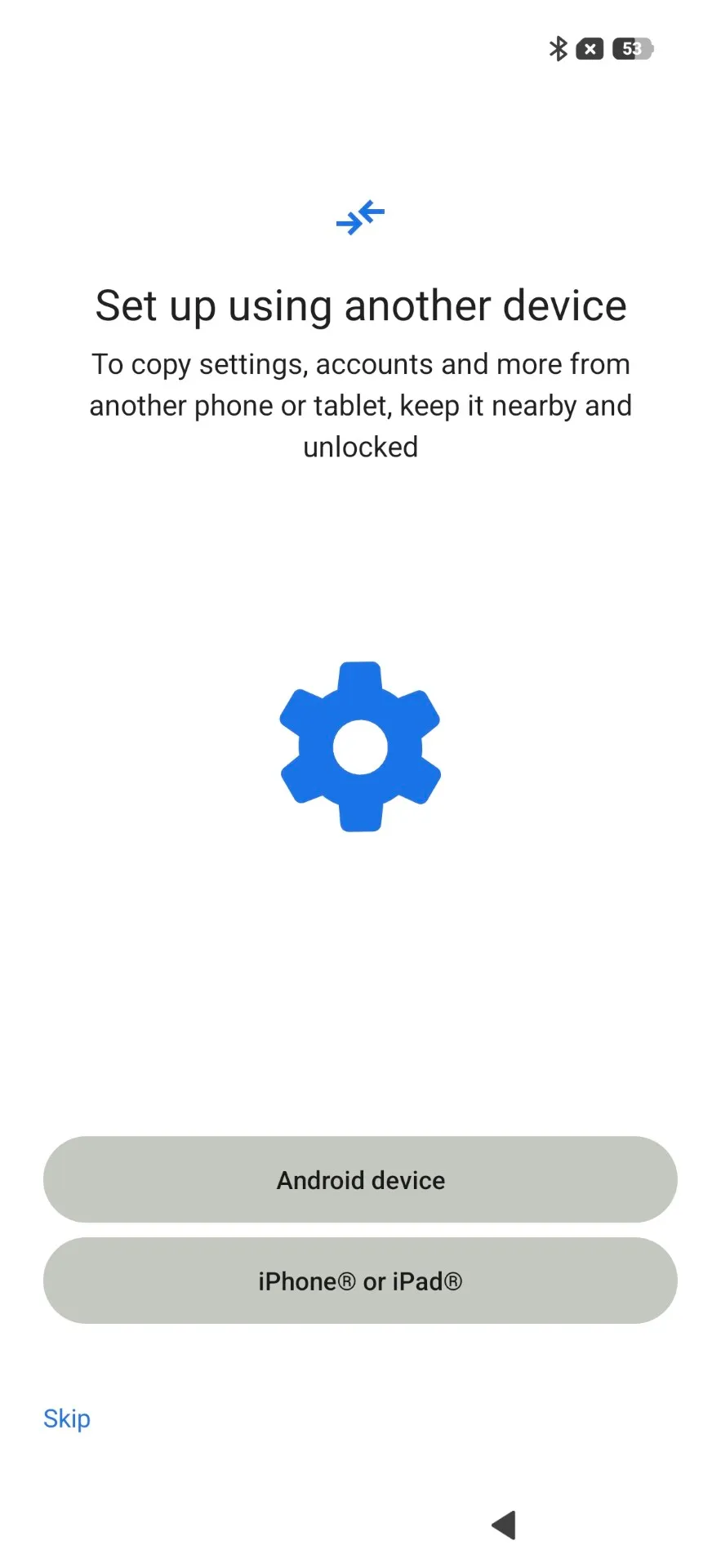
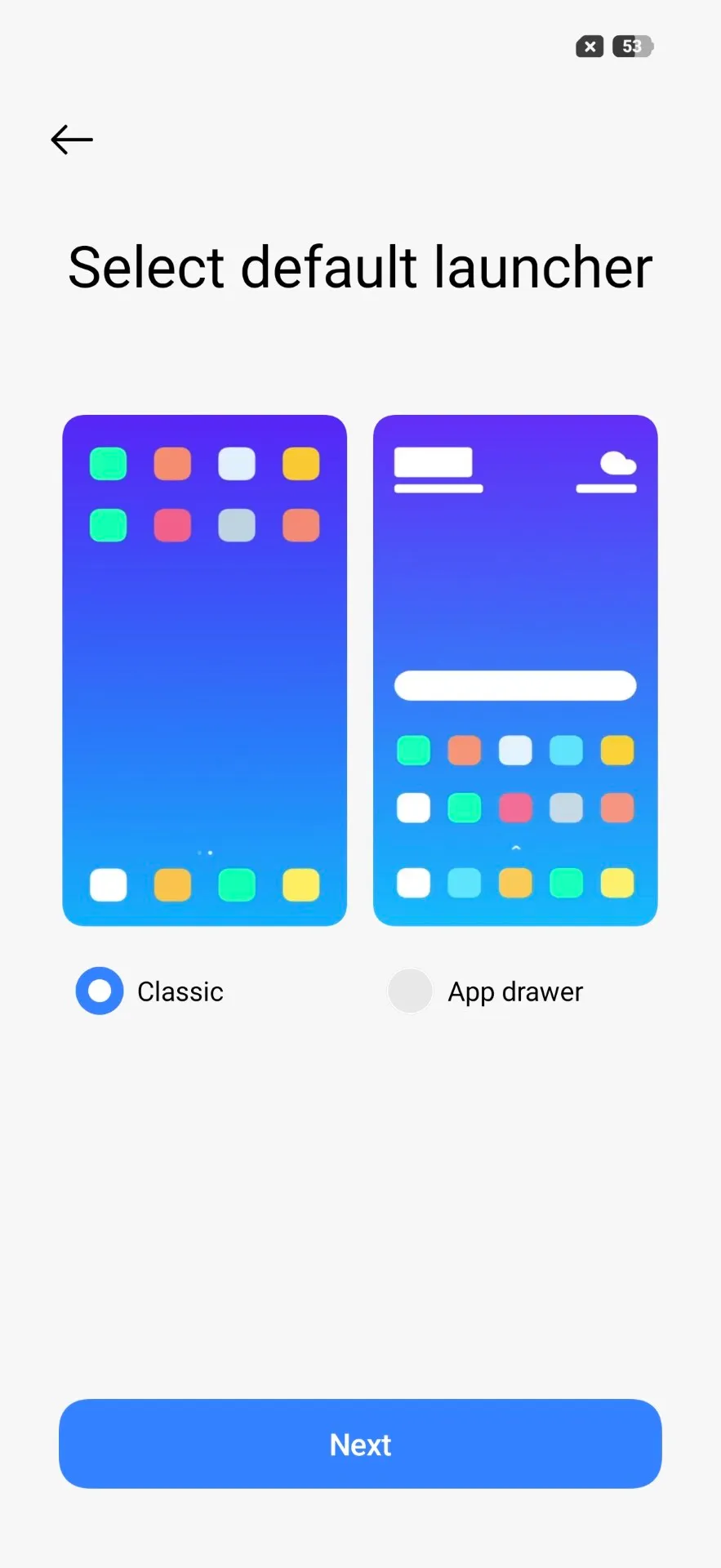
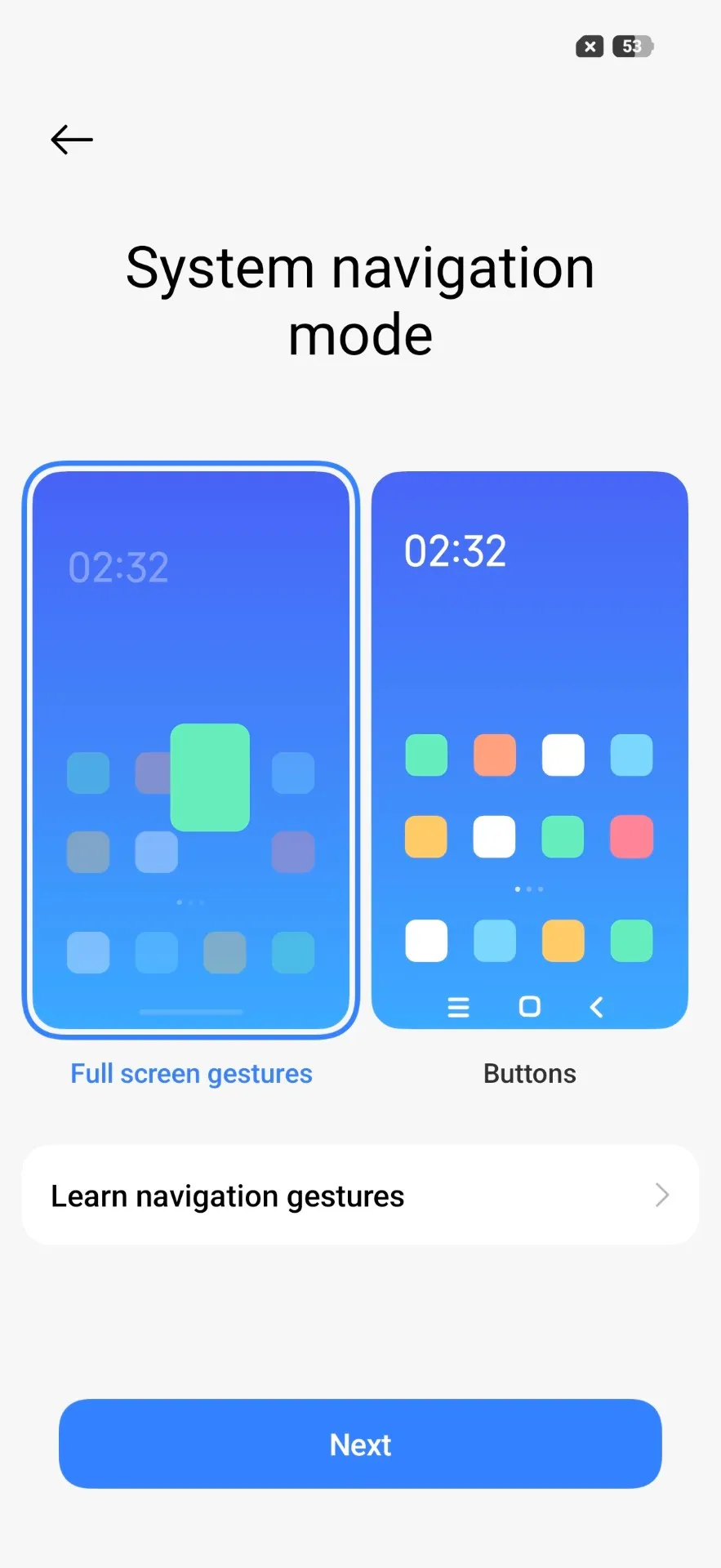
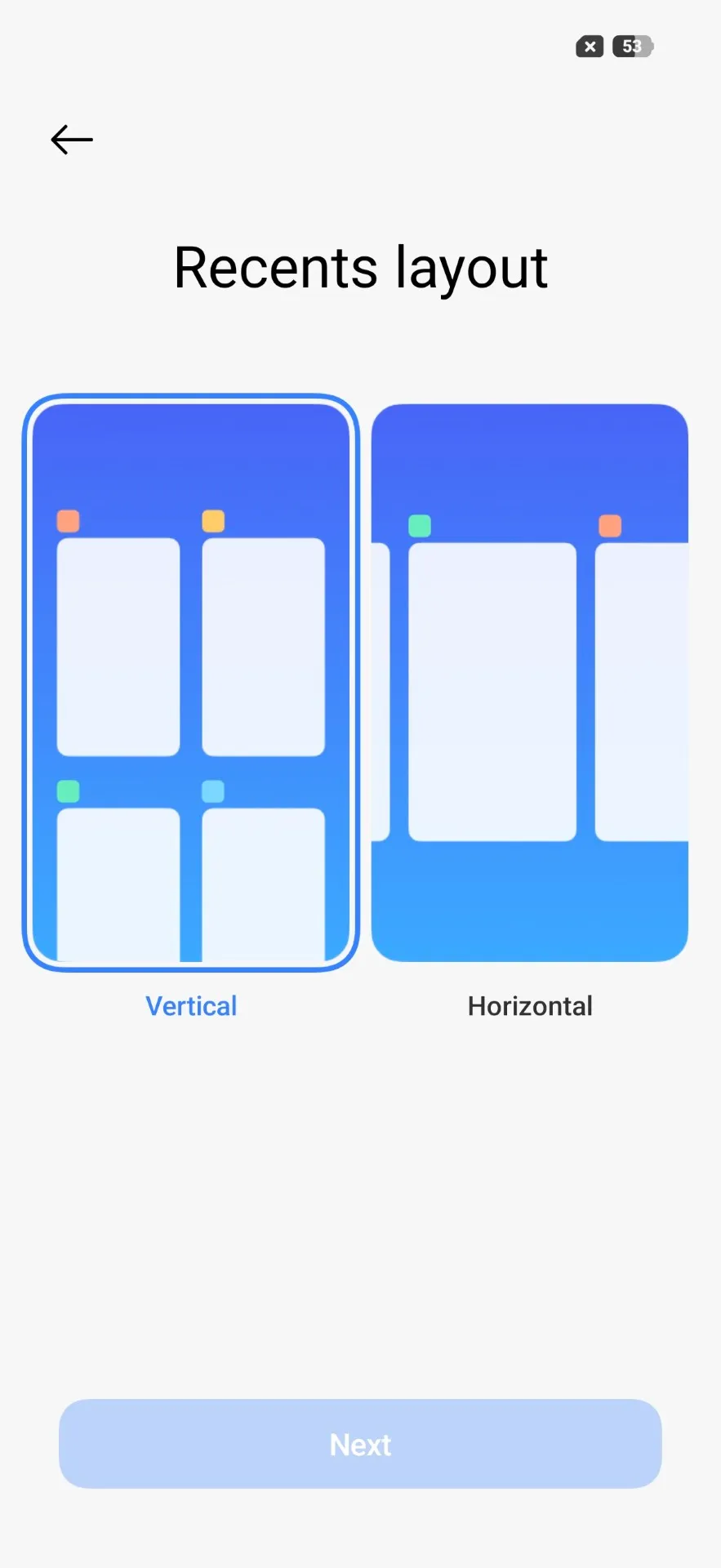
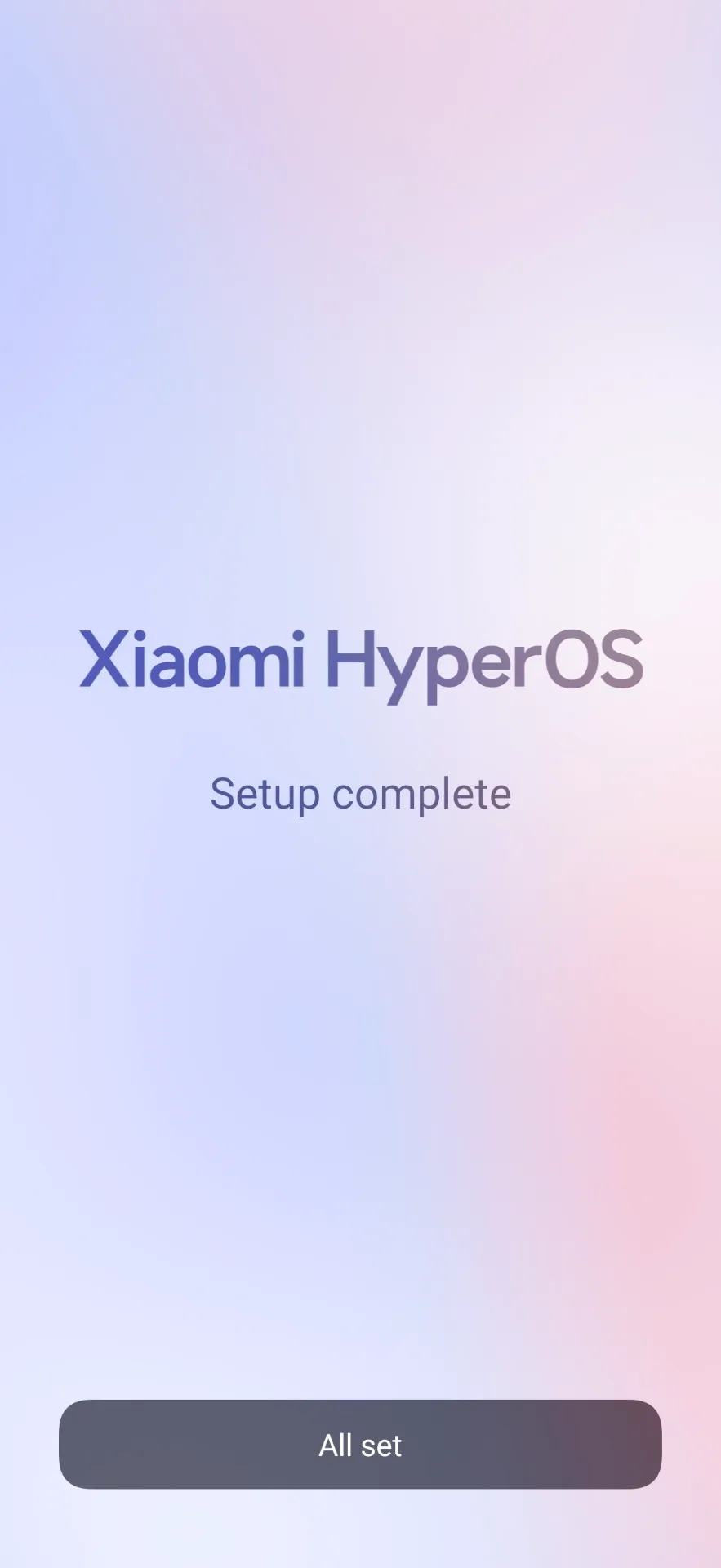
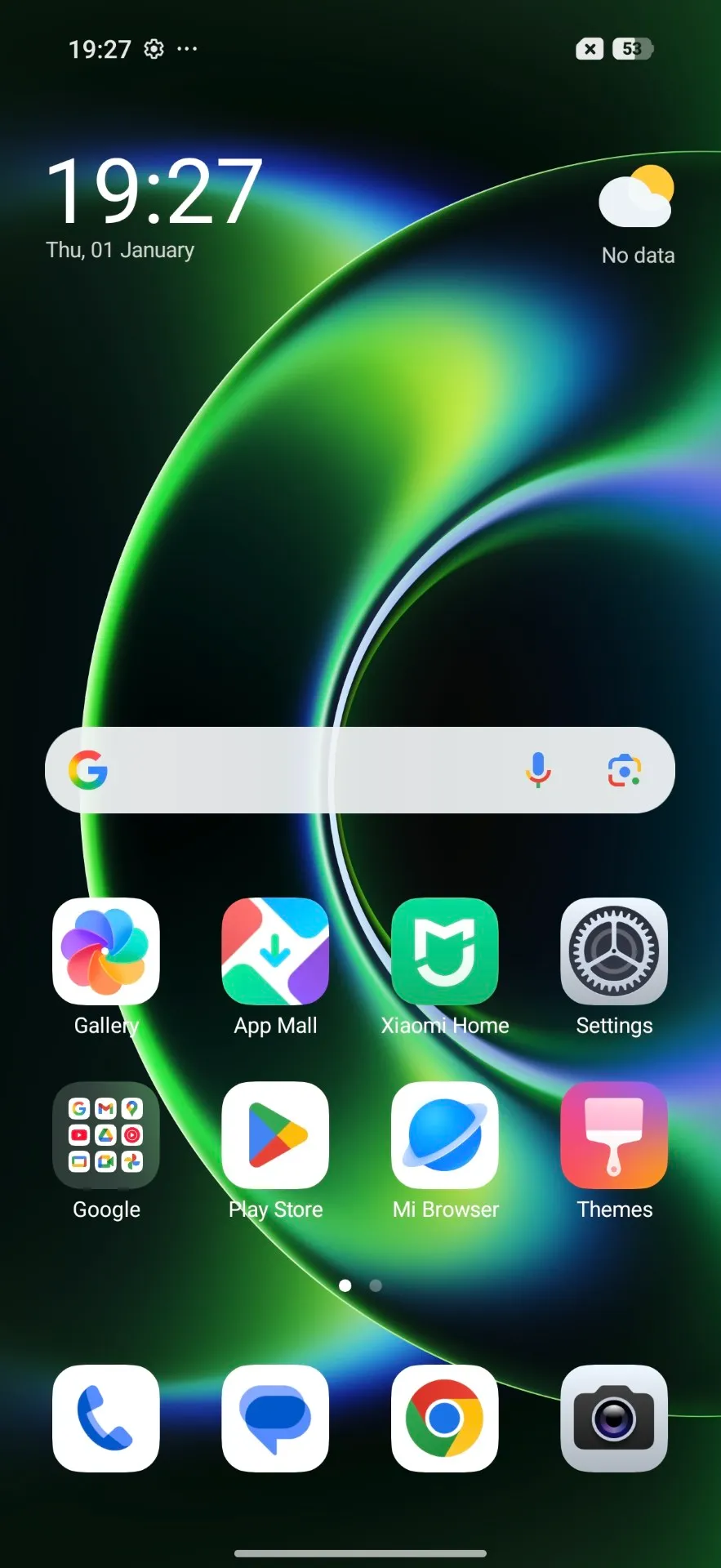
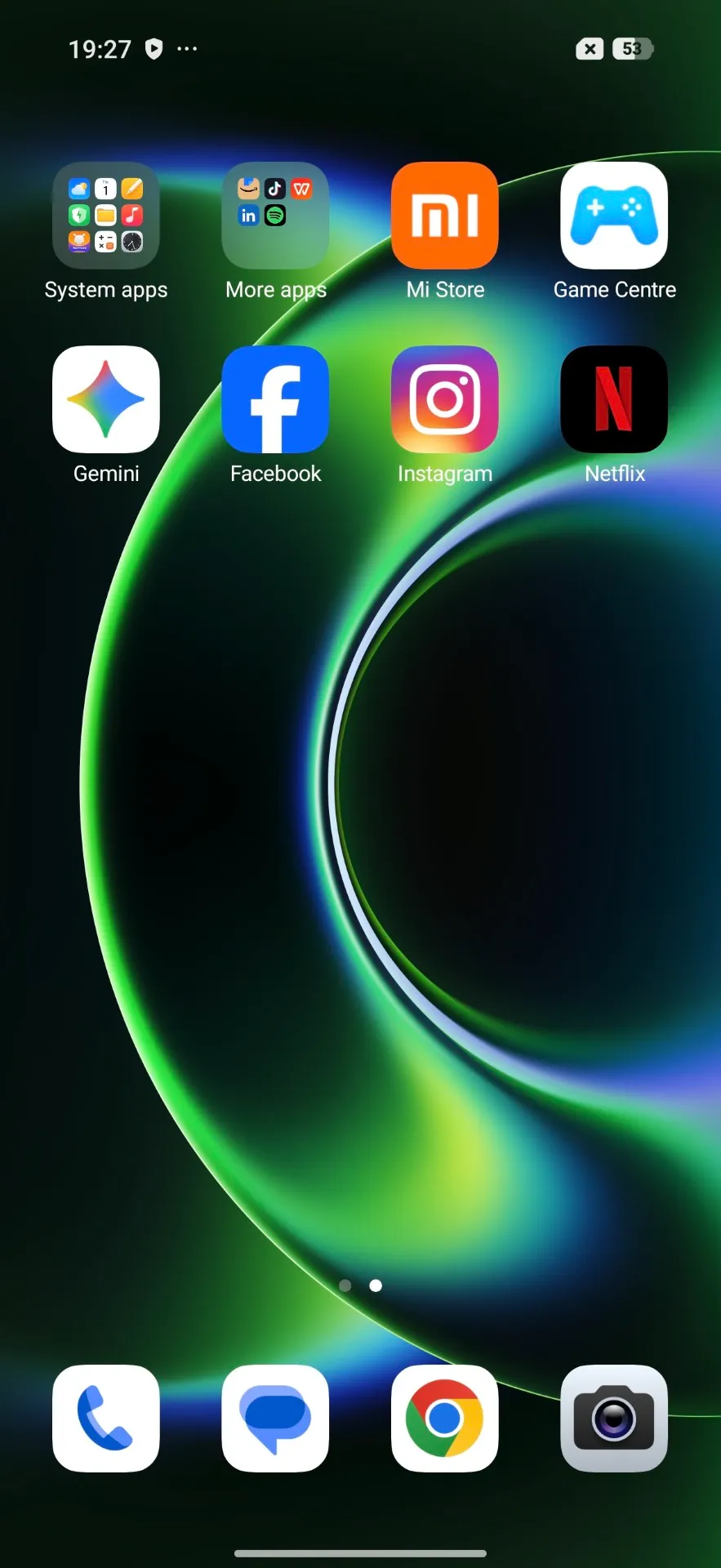
Setup uses the standard Android wizard which allows you to transfer data from your previous phone or start fresh. The 17 Ultra runs Android 16 with HyperOS 3 on top which unifies Xiaomi’s phones, tablets, wearables and smart home devices under a single operating system. HyperOS 3 ran smoothly throughout testing and included no bloatware.





Benchmarks
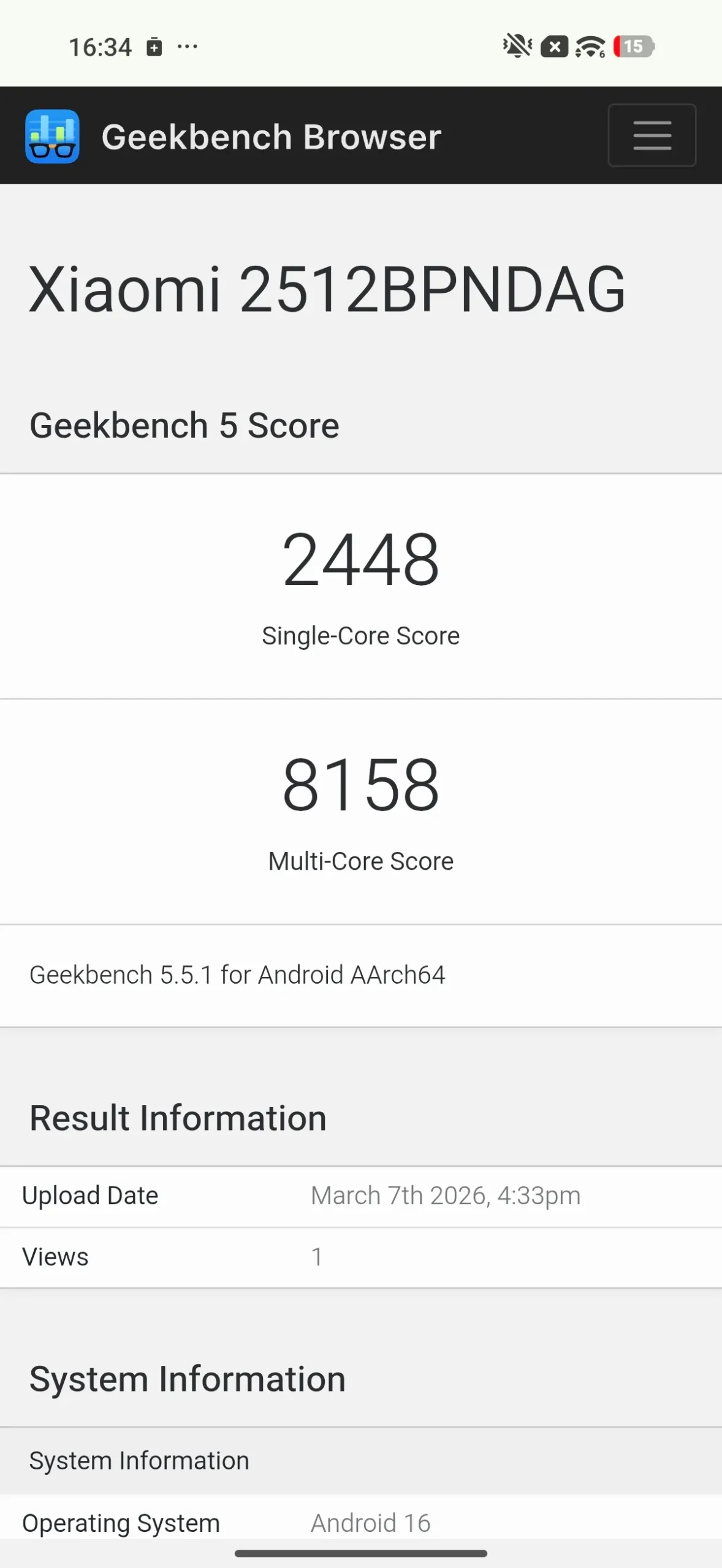
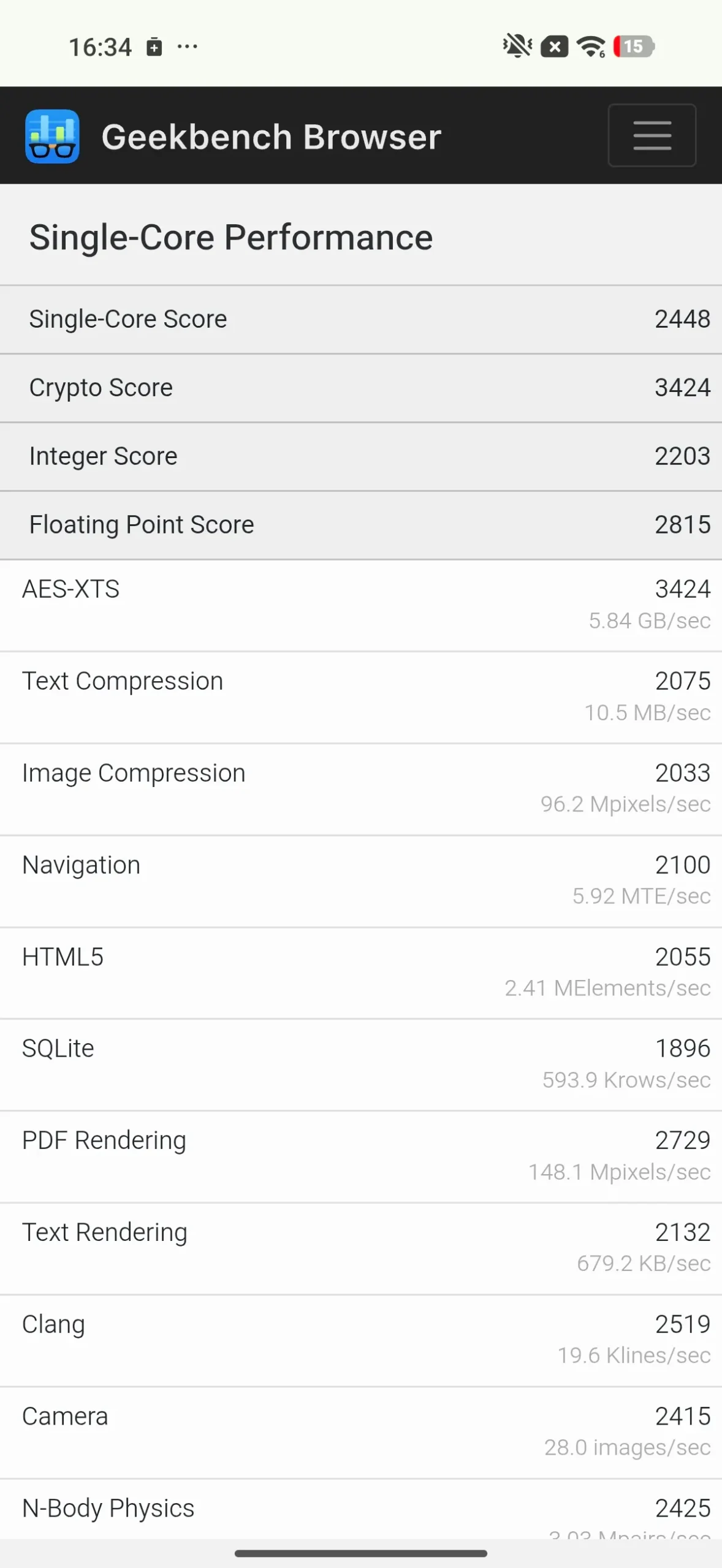
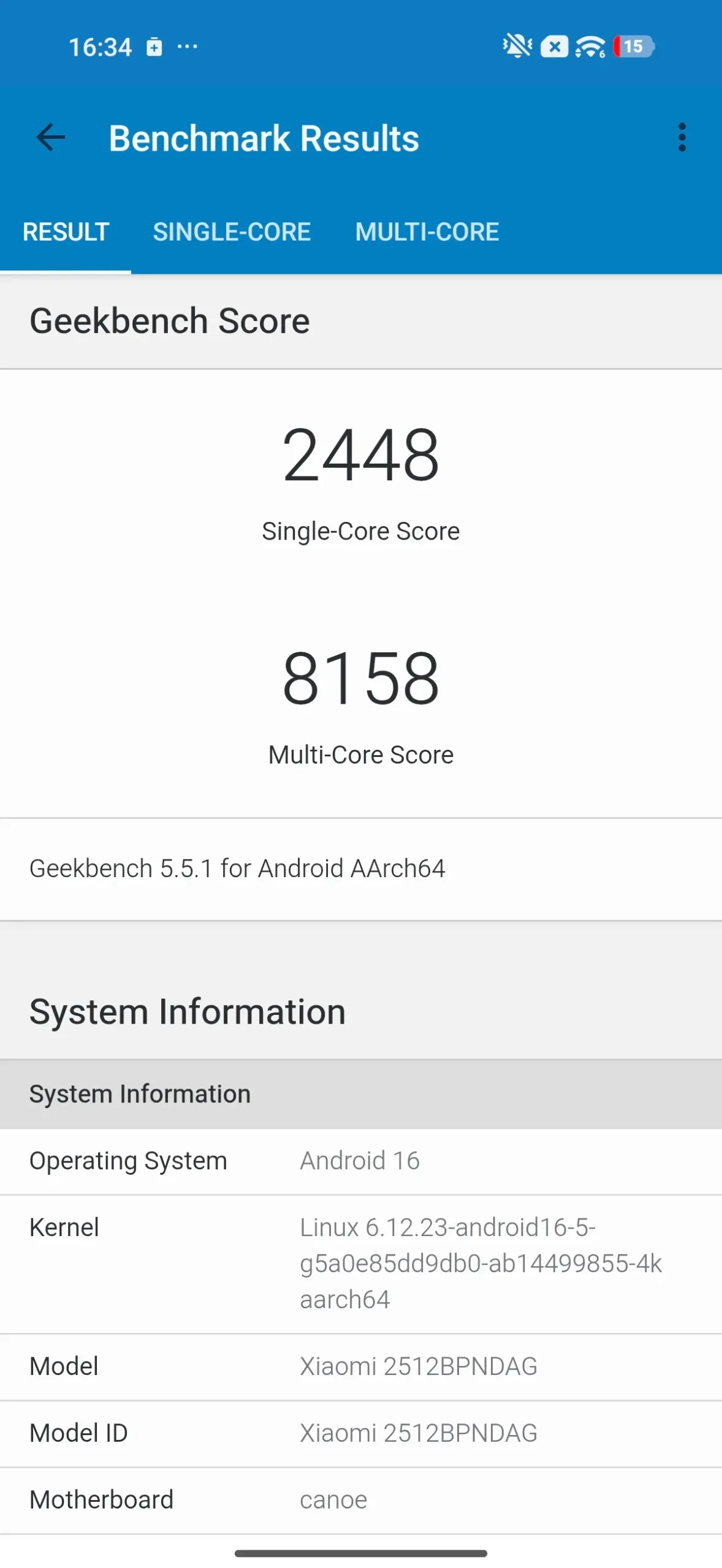
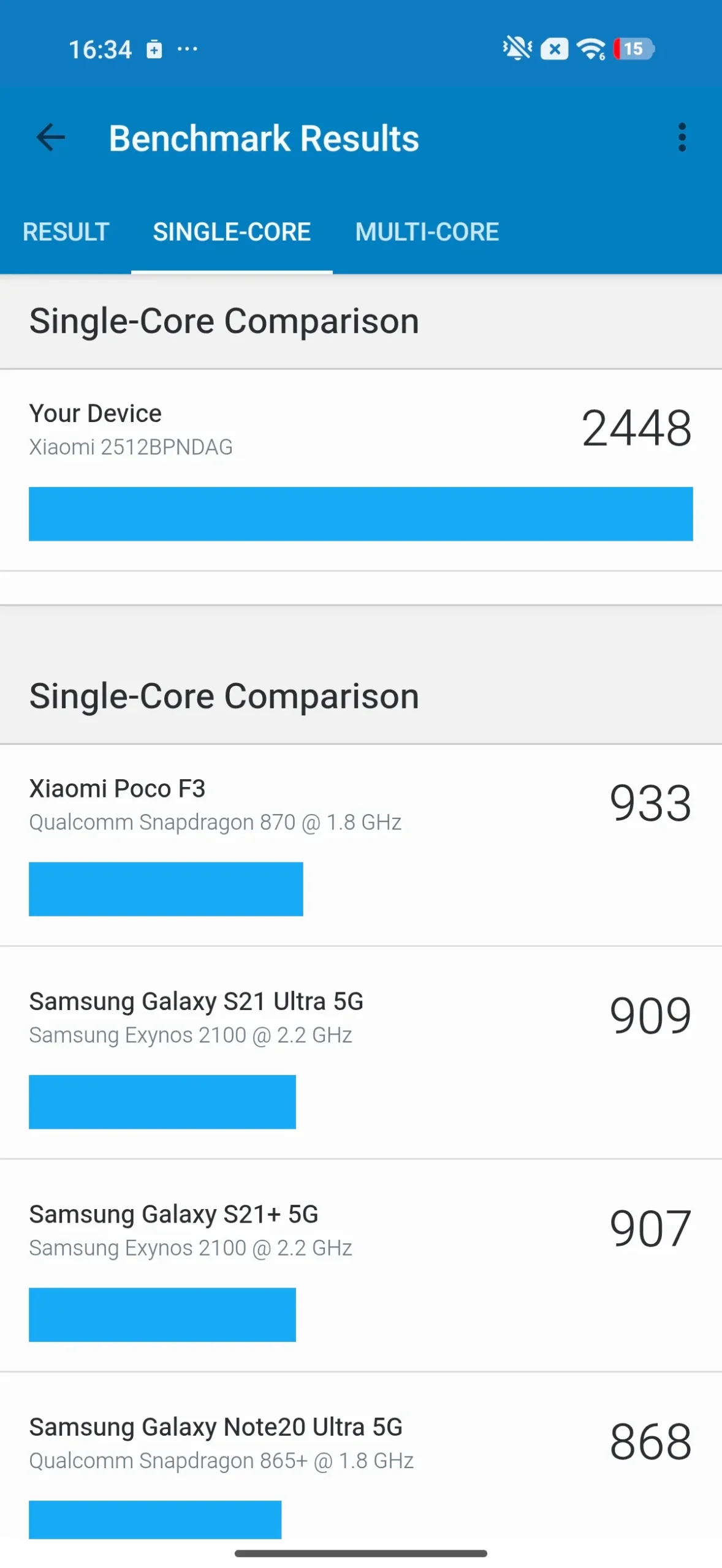
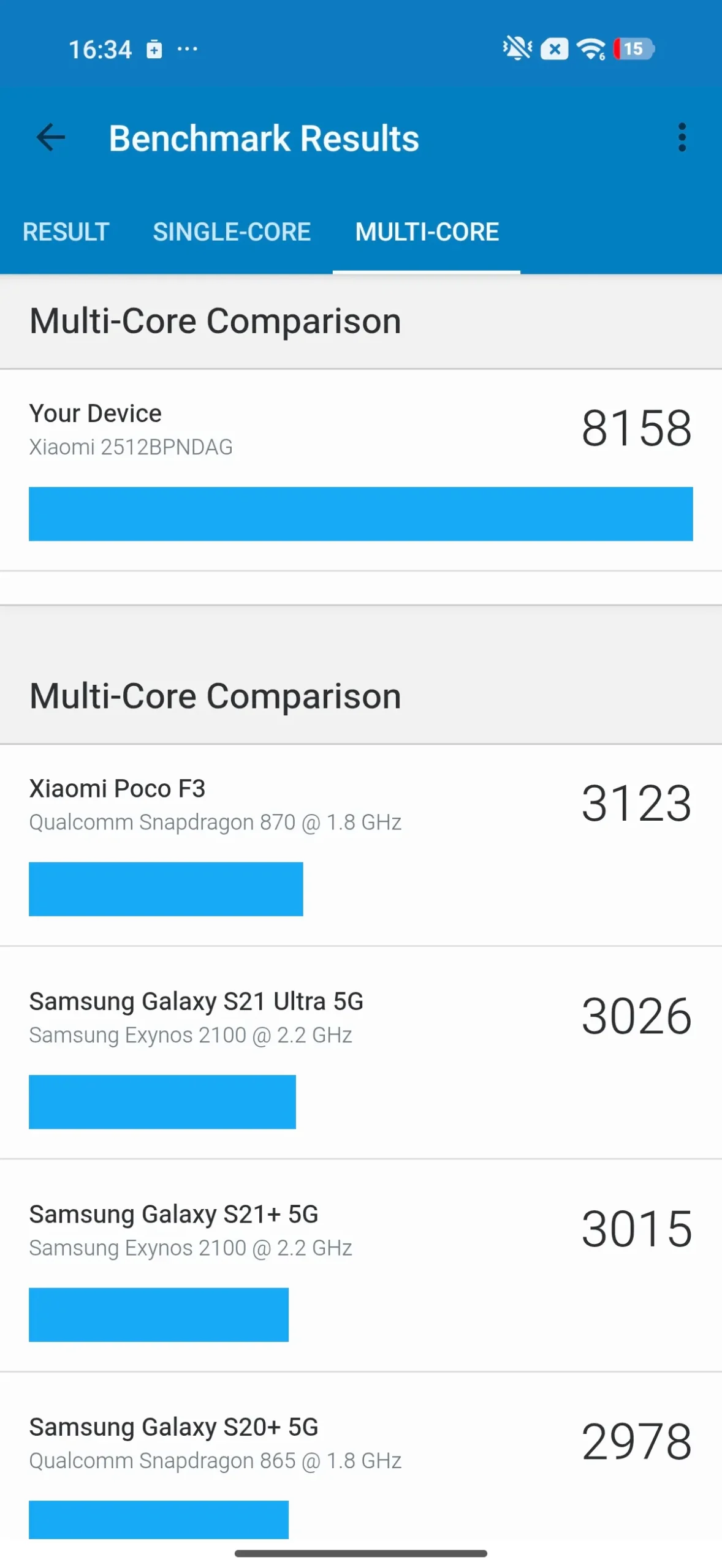
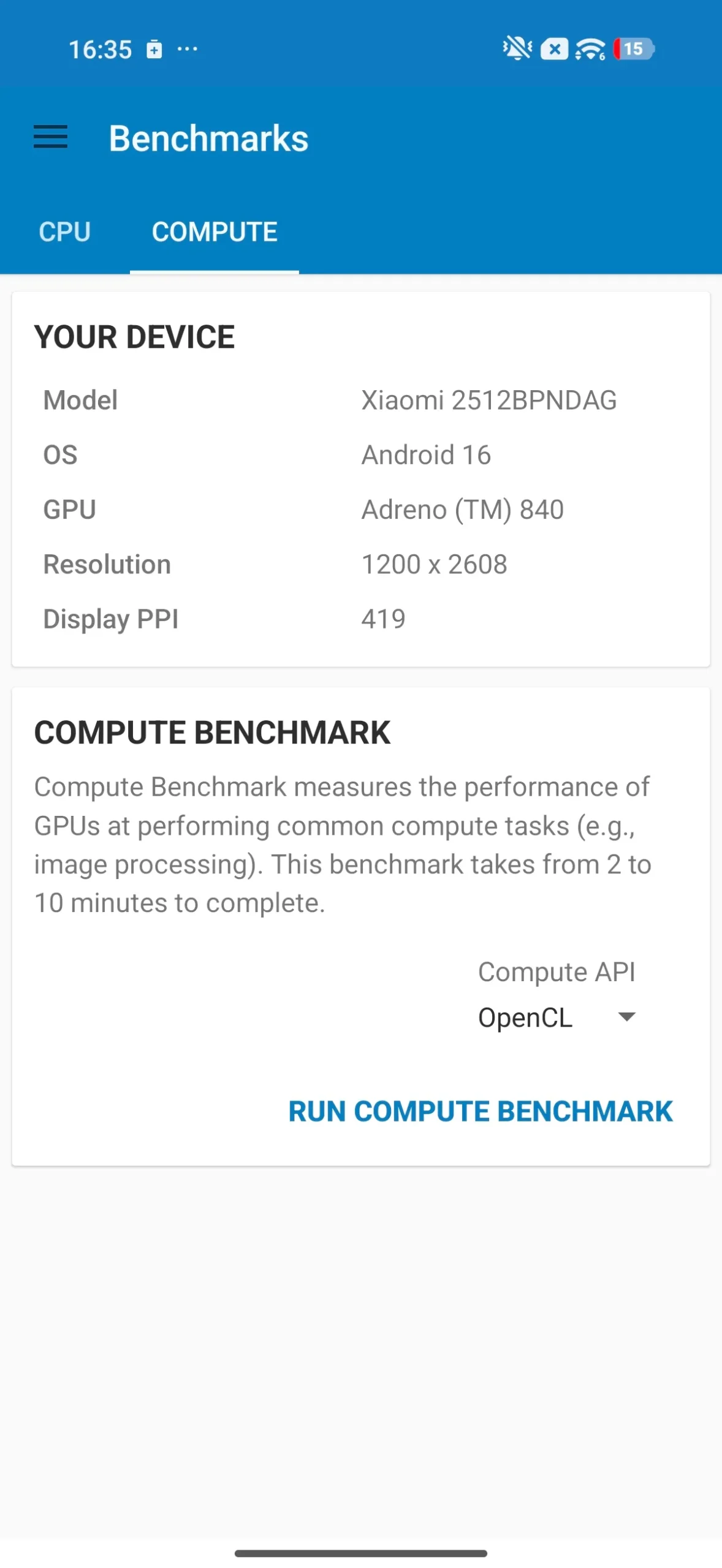
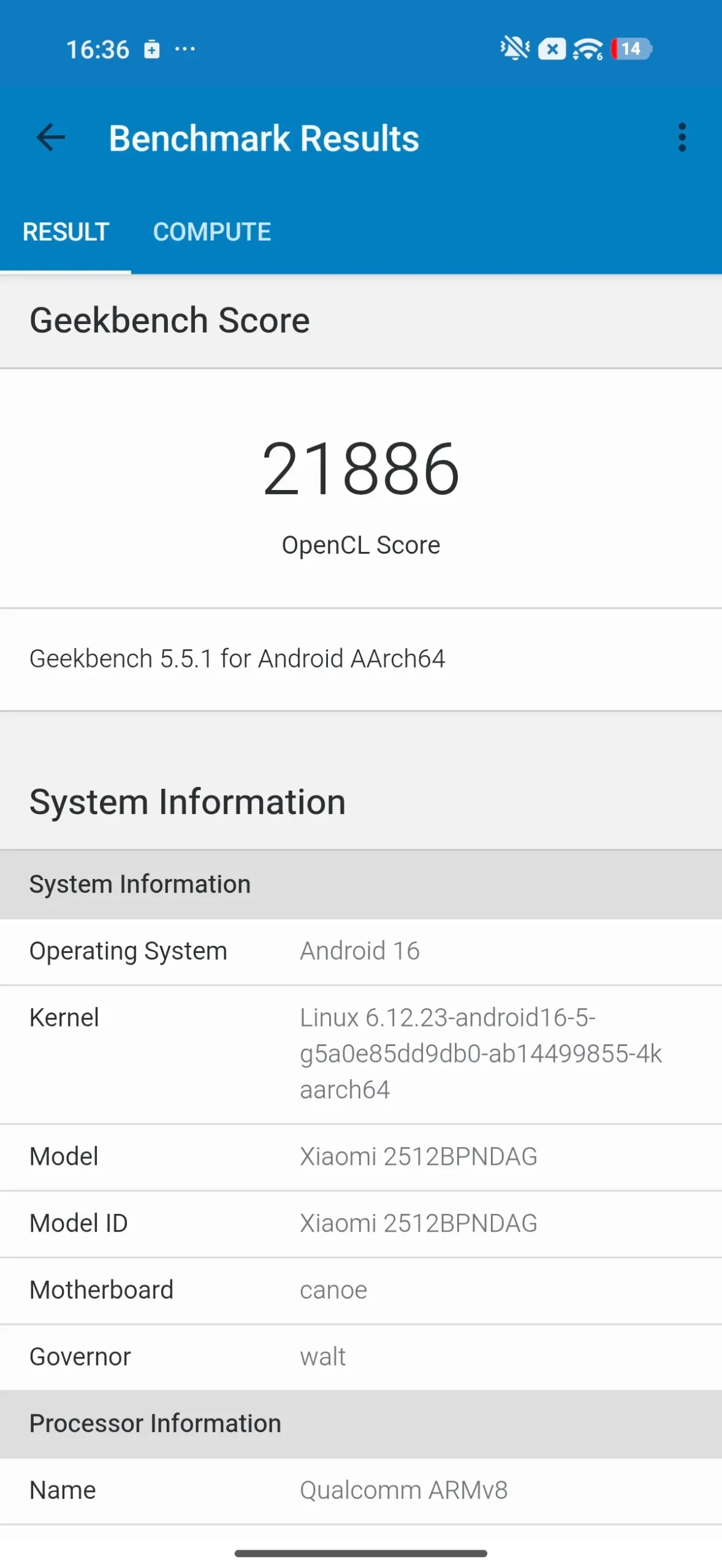
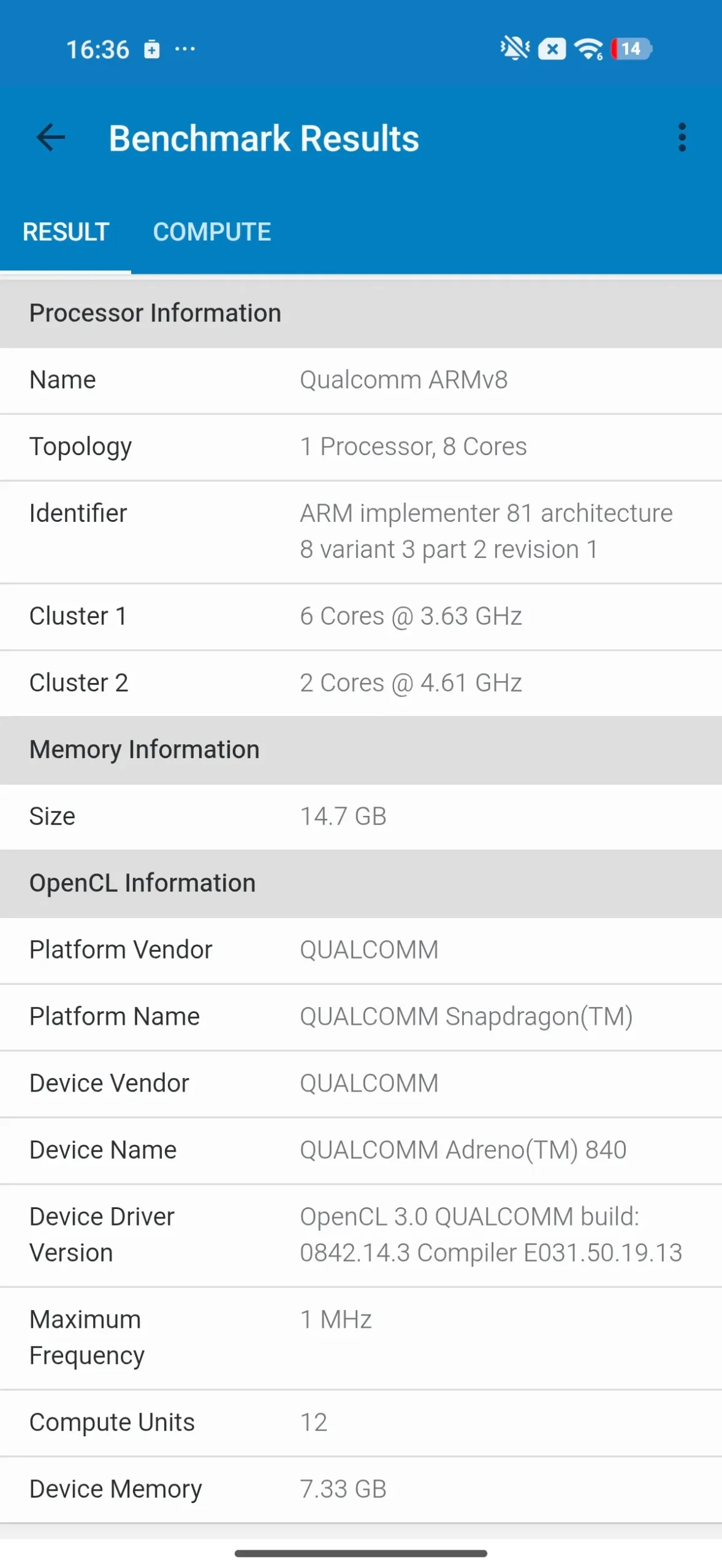
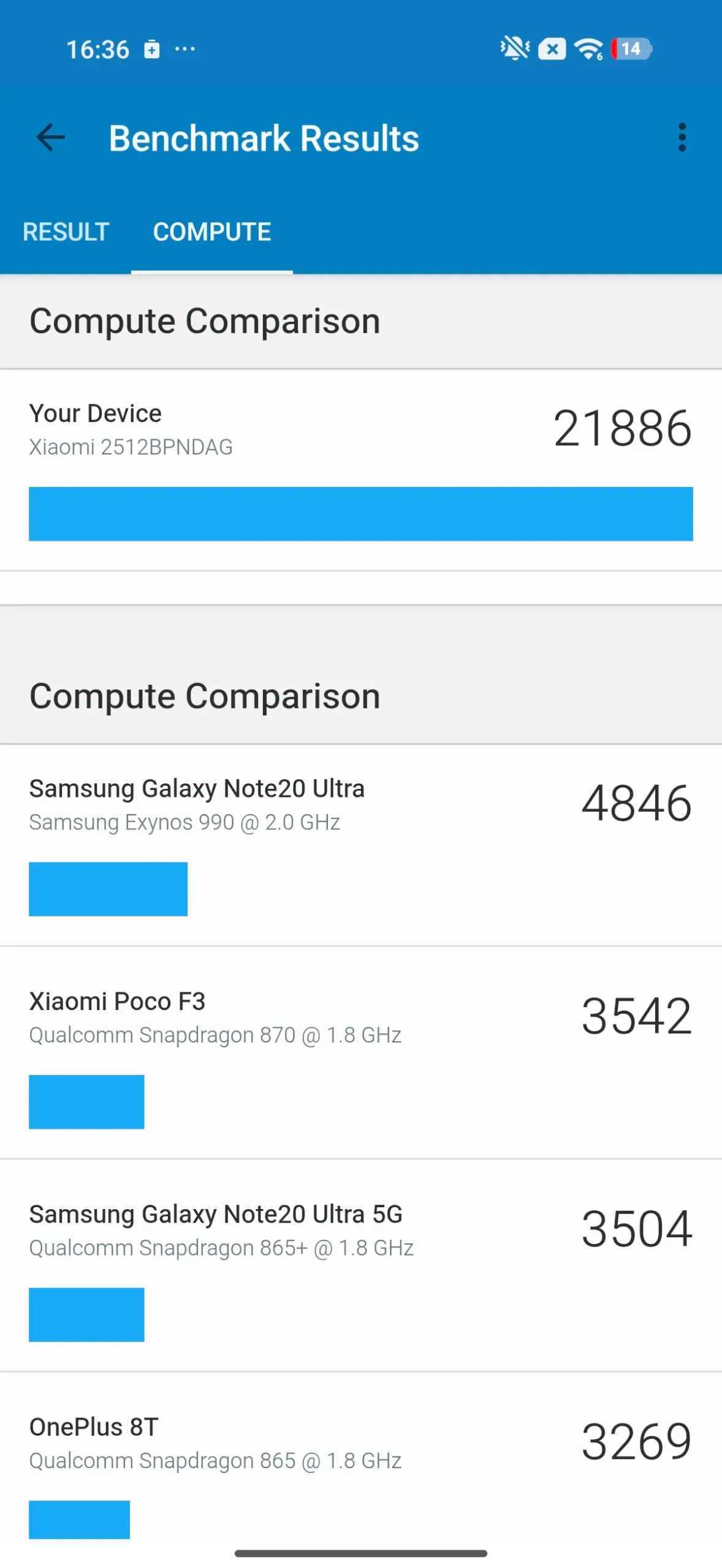
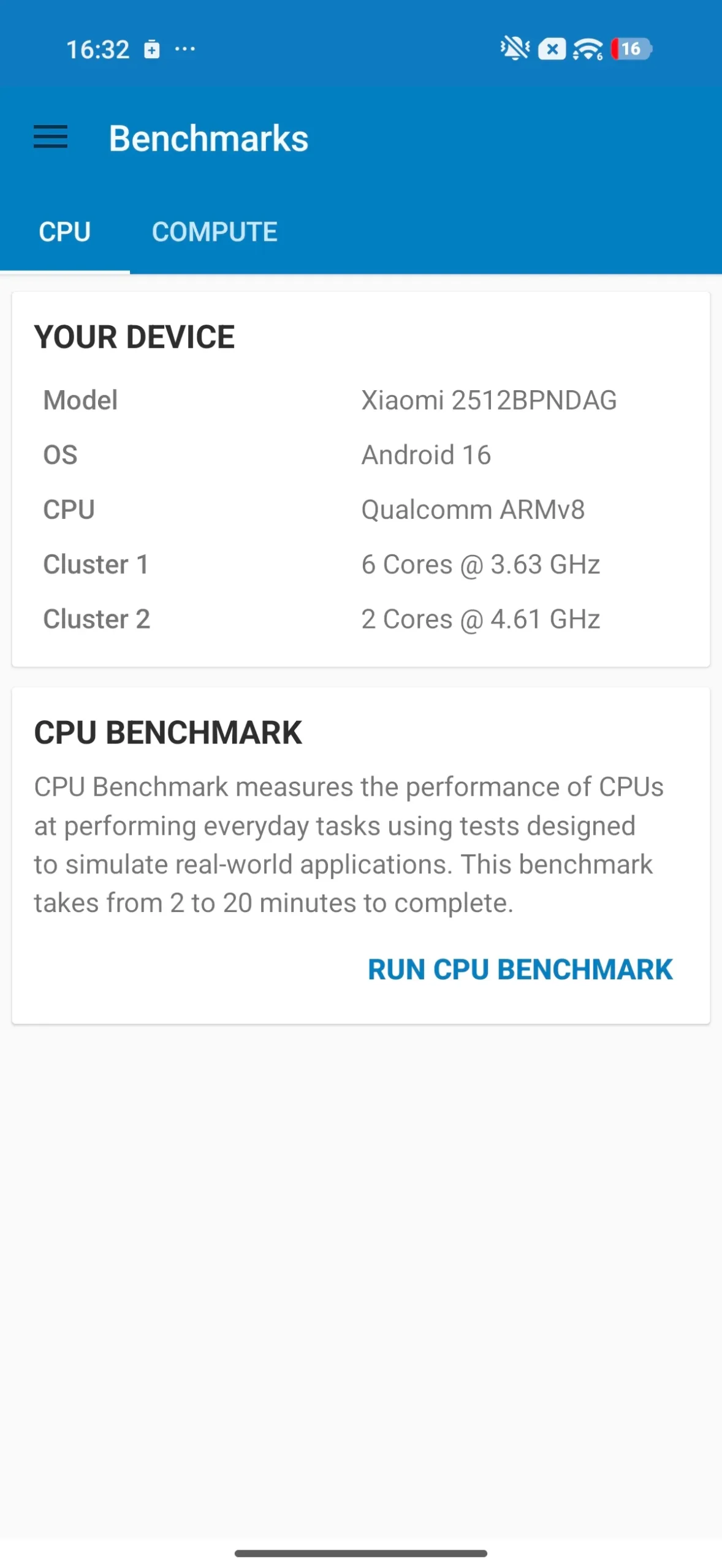
Benchmark performance is exceptional. In Geekbench 6 the Xiaomi 17 Ultra scores 2448 in single core and 8158 in multi core which more than doubles devices like the Galaxy S21 Ultra and Poco F3. The Adreno 840 GPU posts an OpenCL score of 21886 which surpasses Snapdragon 865 and 870 devices along with Exynos 990 hardware. With CPU clusters reaching up to 4.61GHz and a 12 unit GPU architecture, the 17 Ultra is built for AI workloads and heavy multitasking.
.
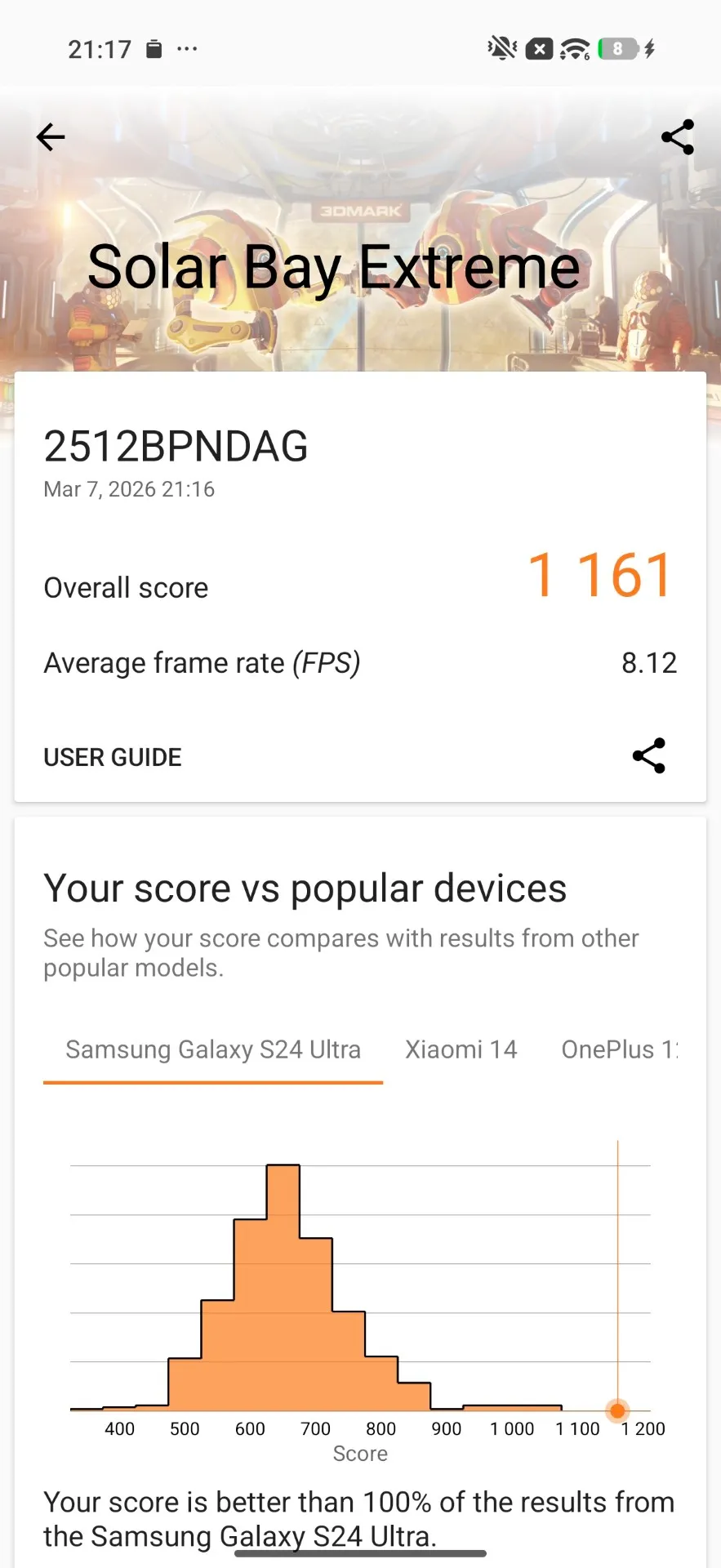
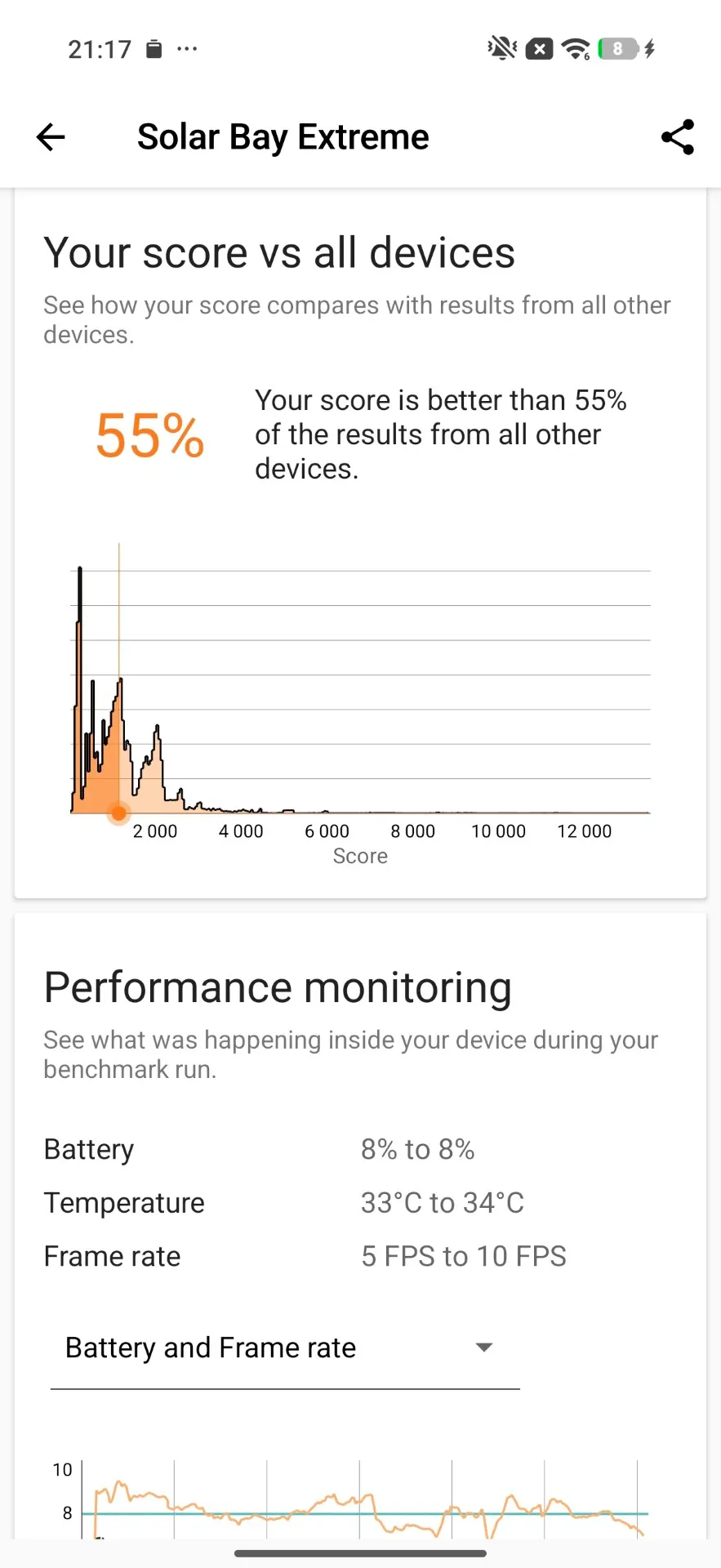
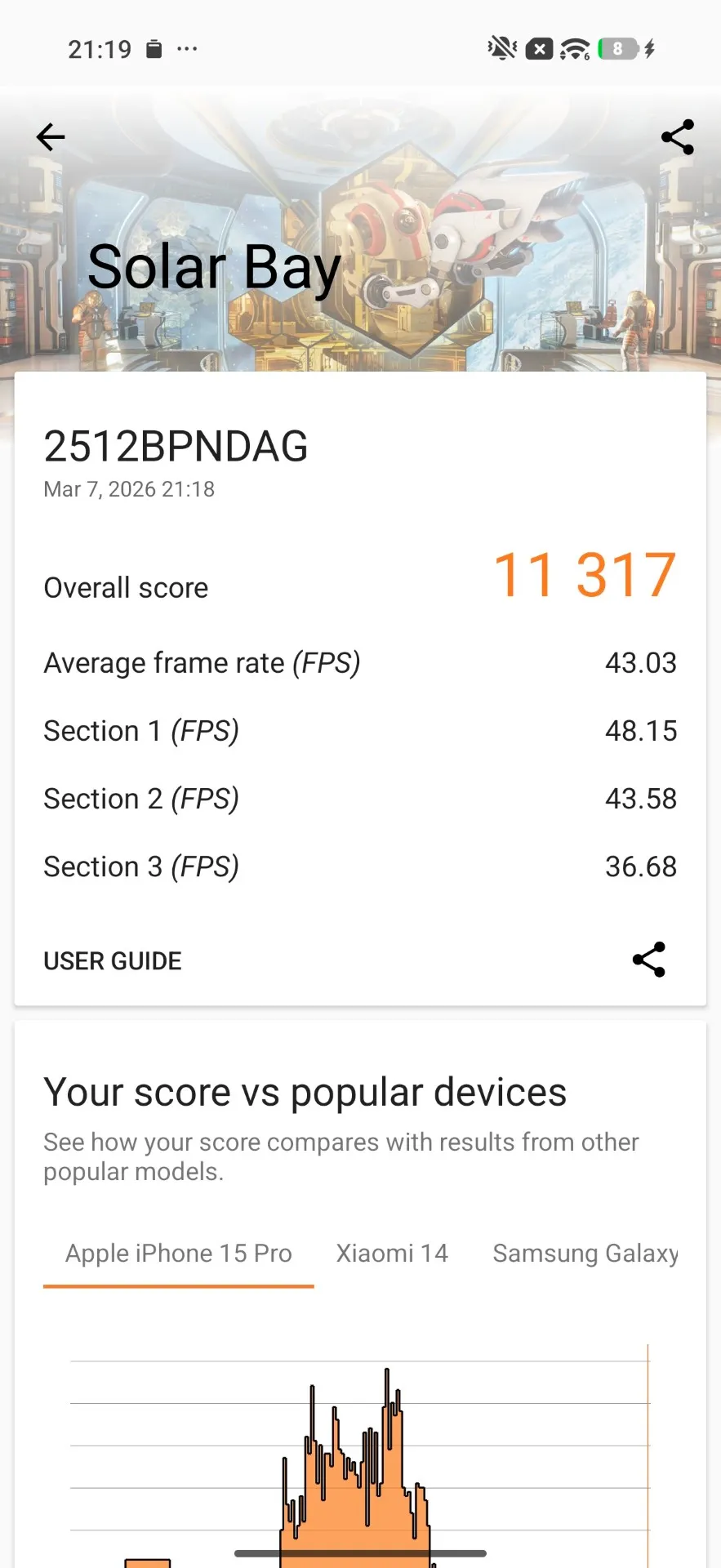
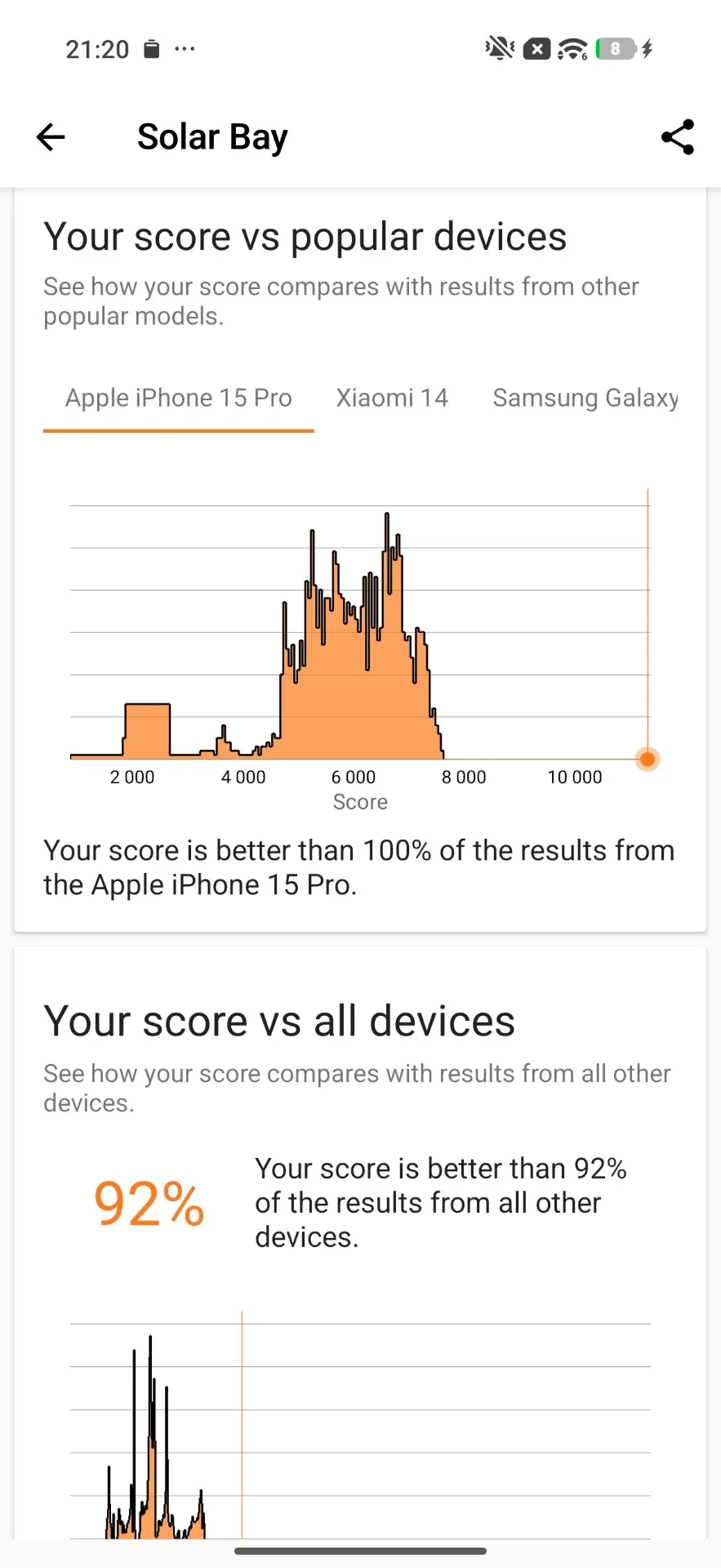
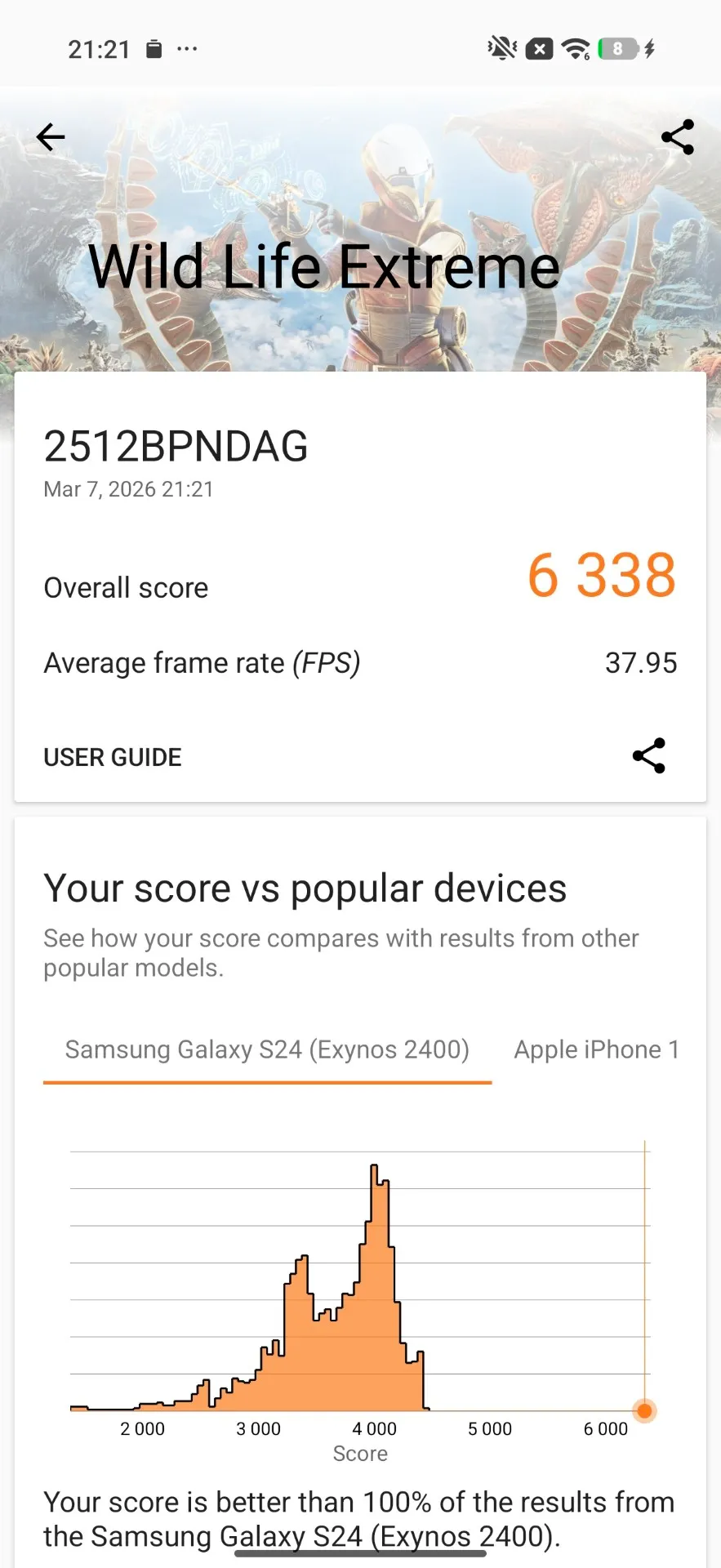
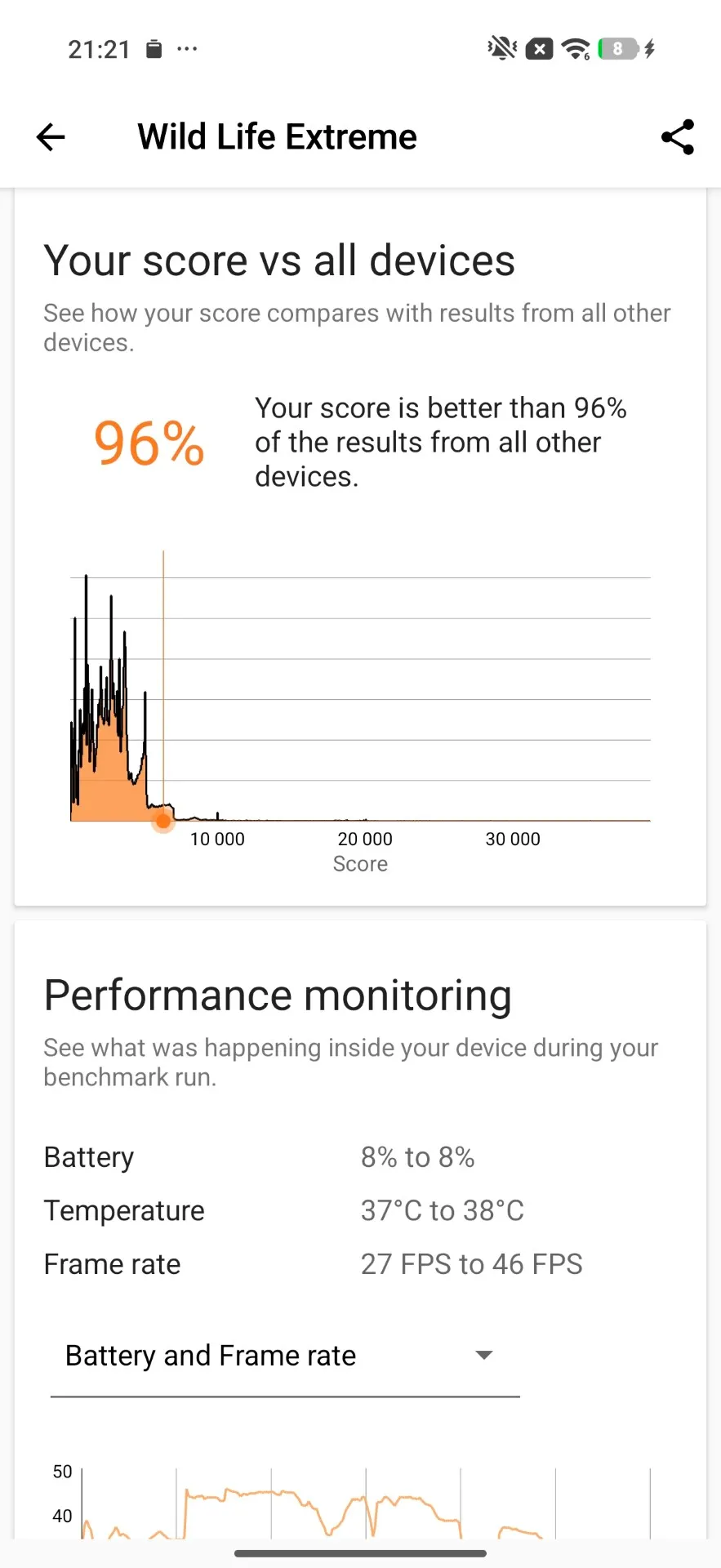
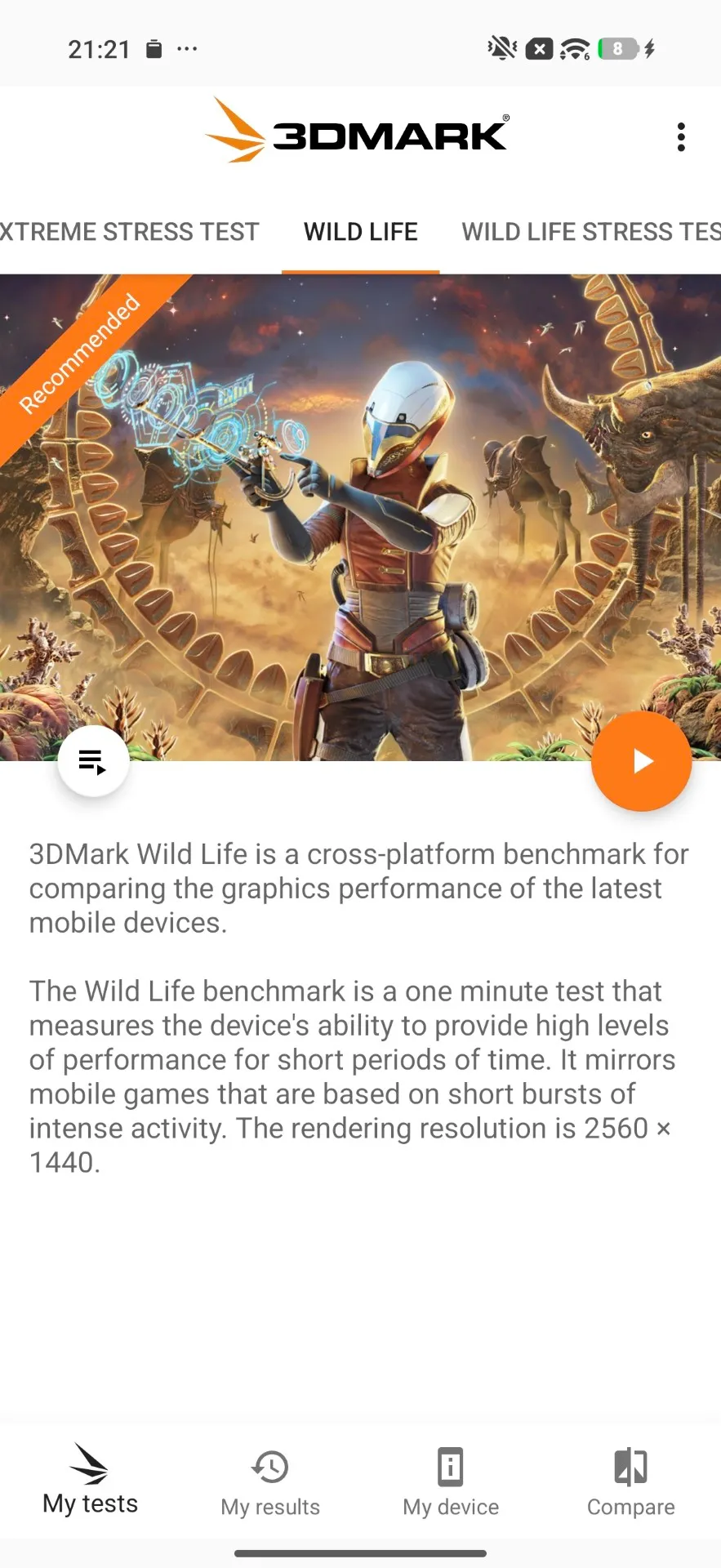
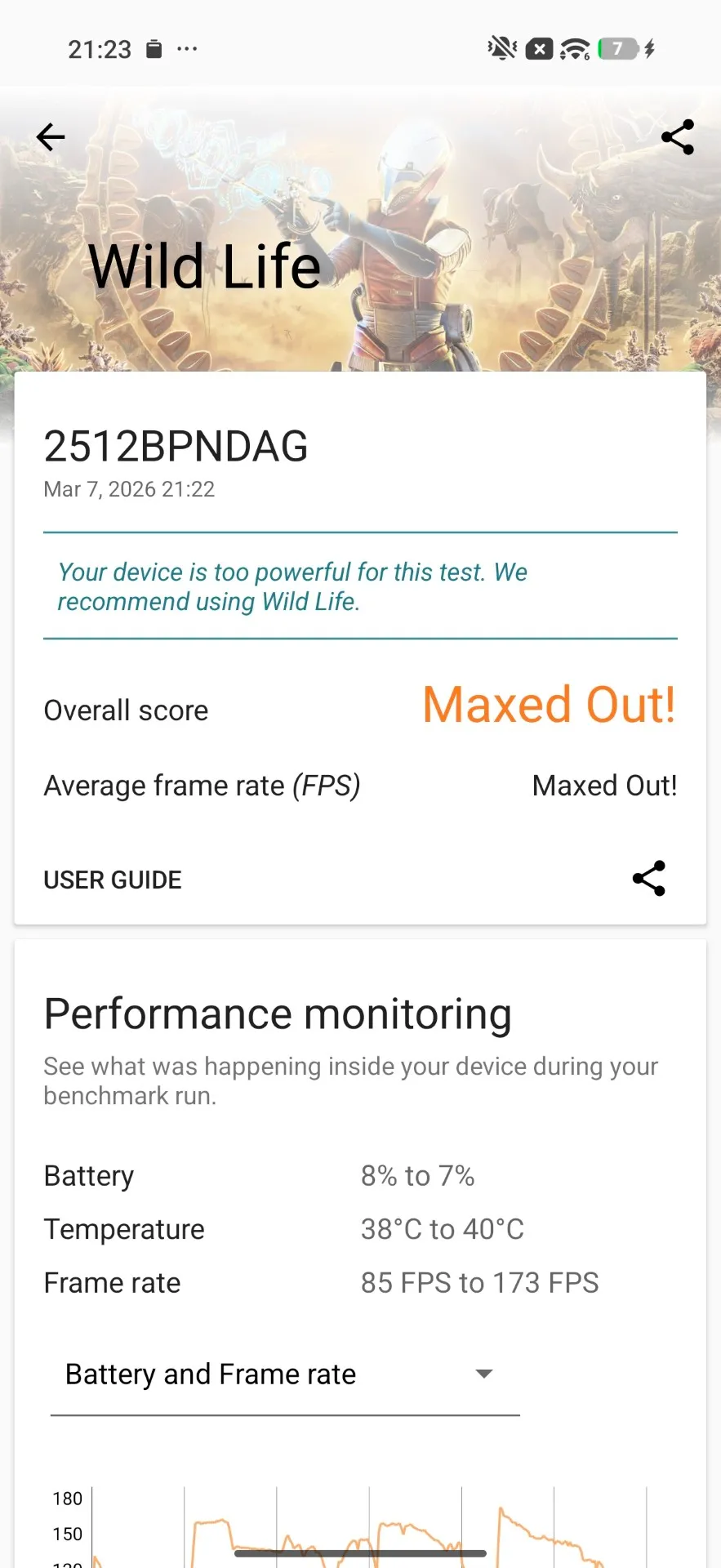
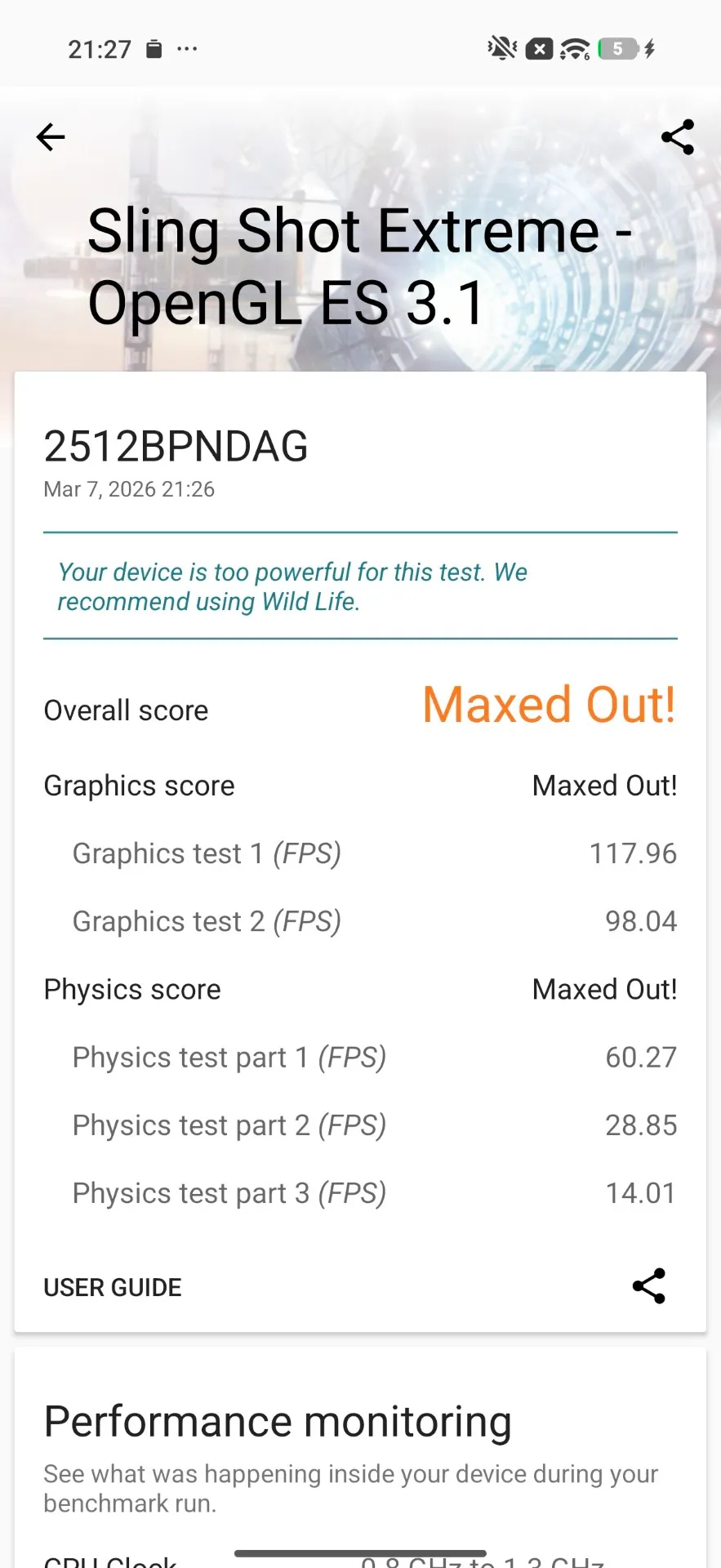
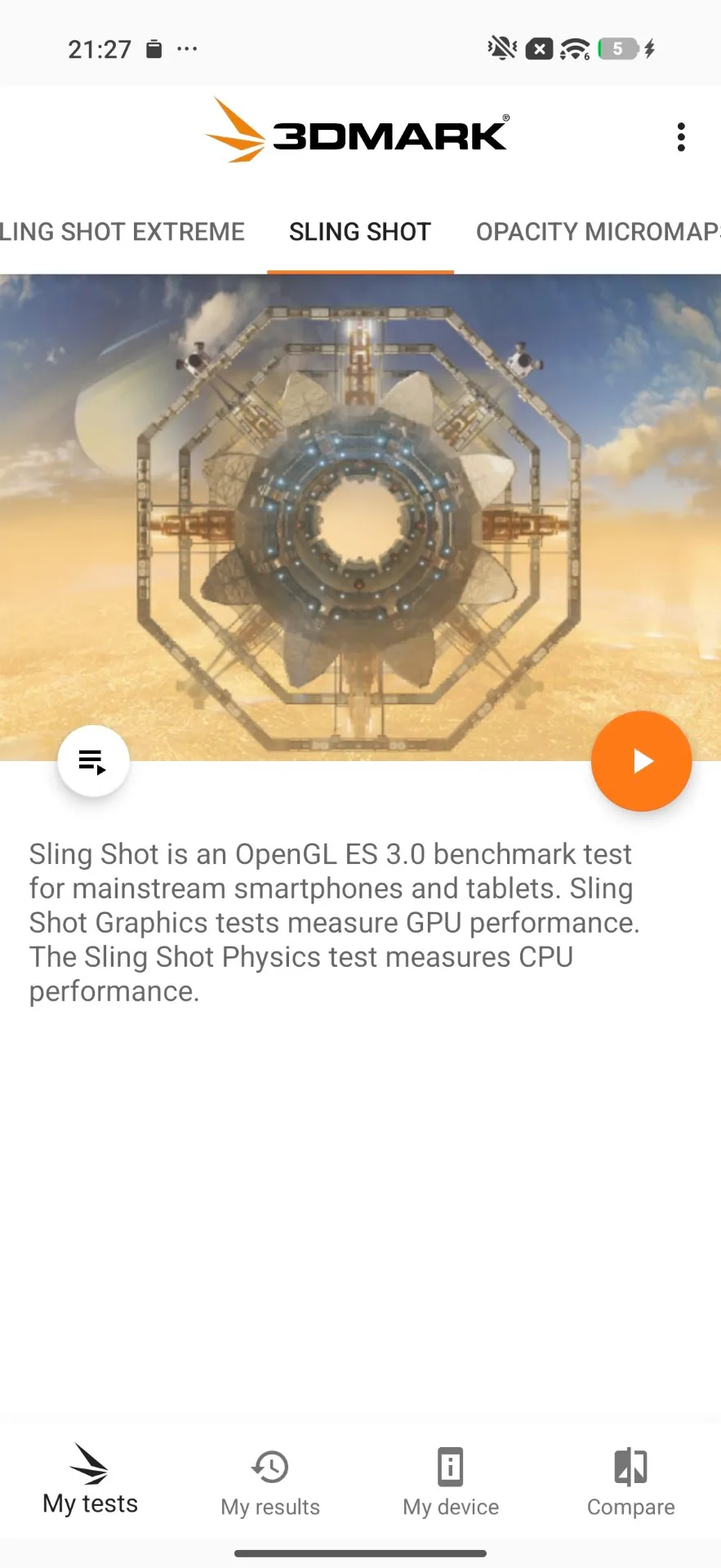
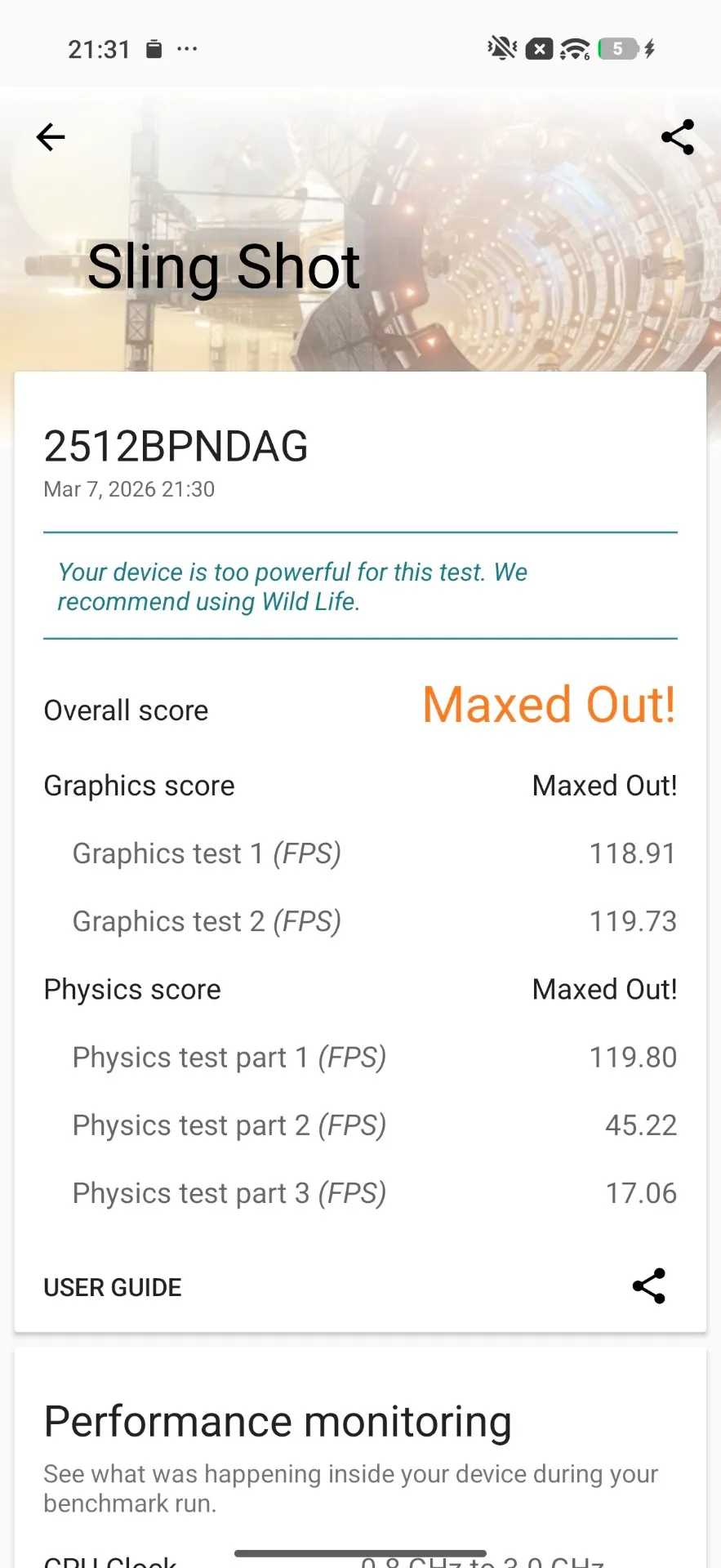
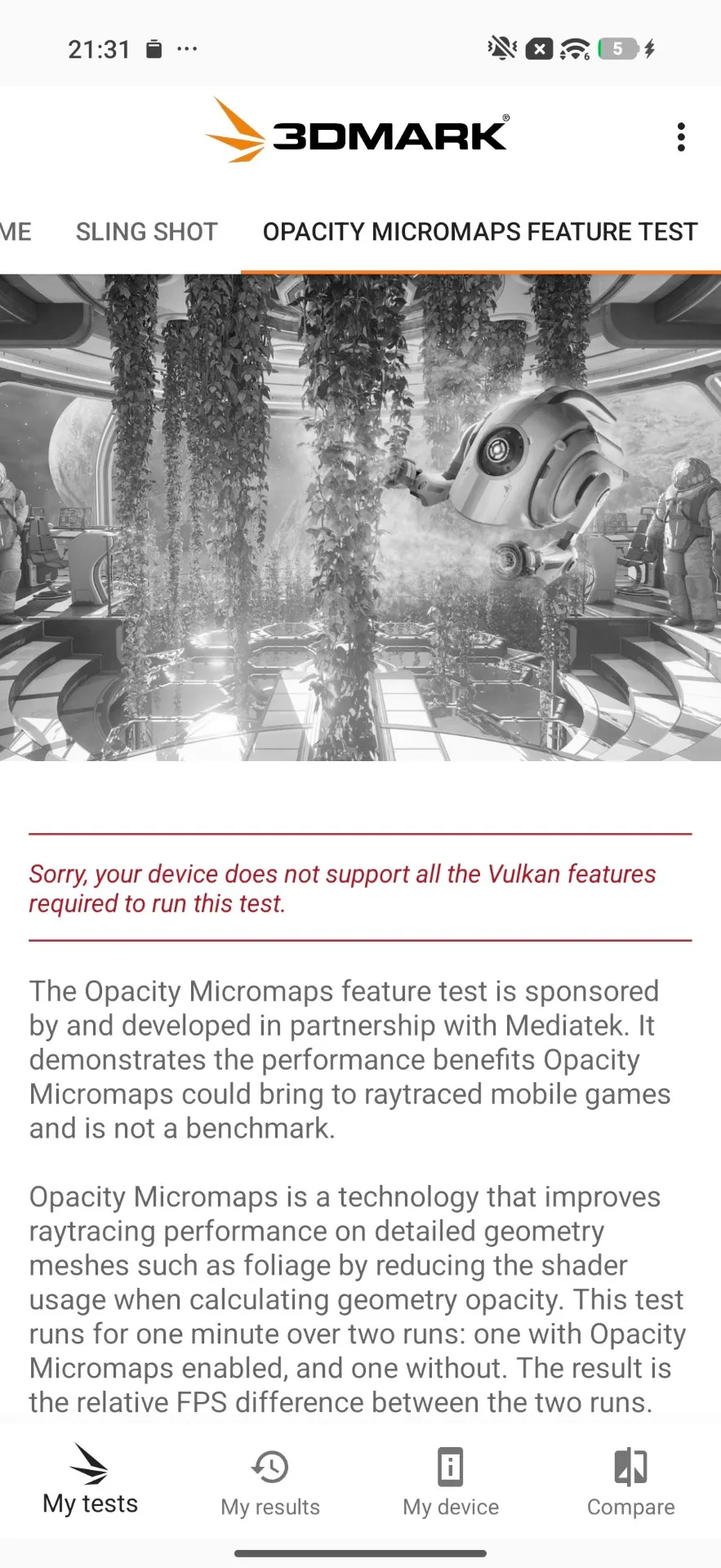
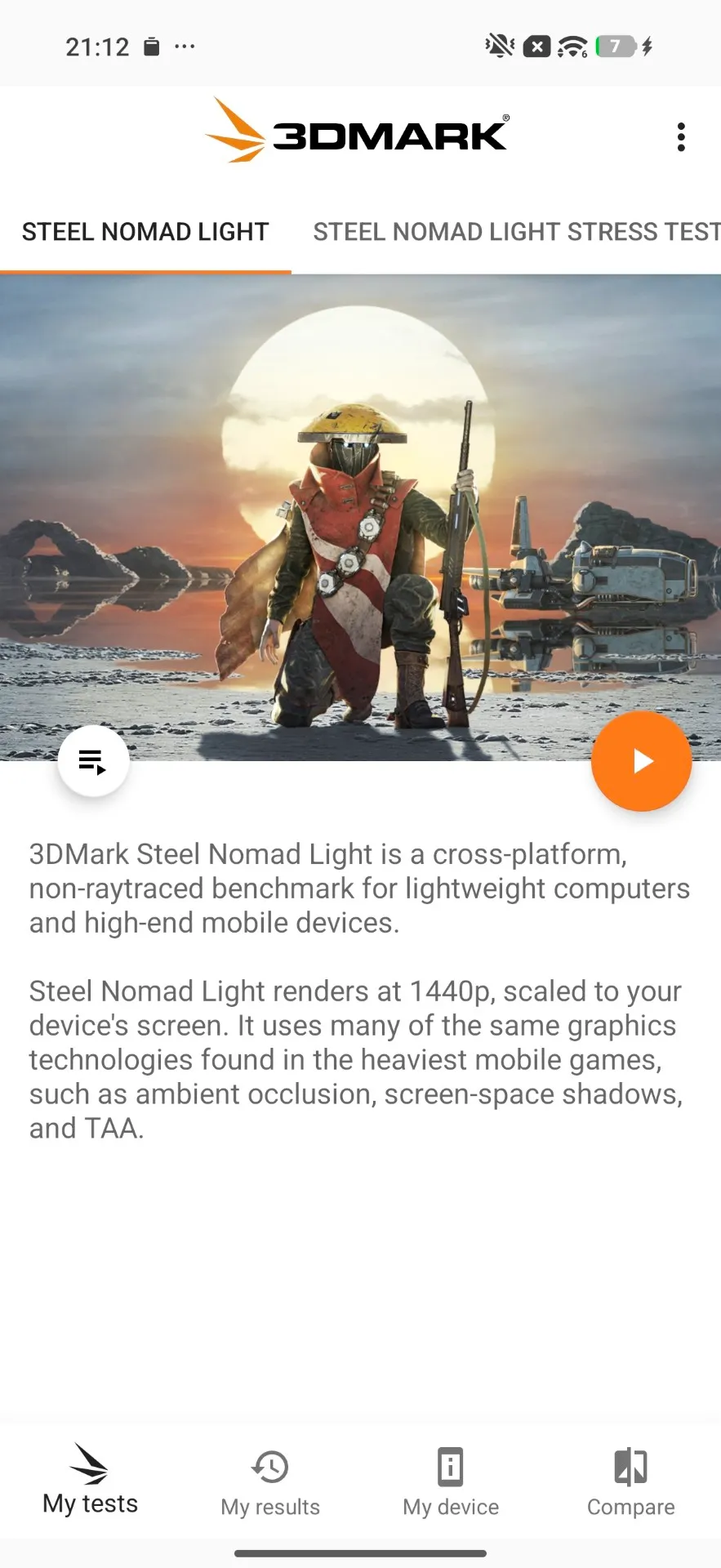
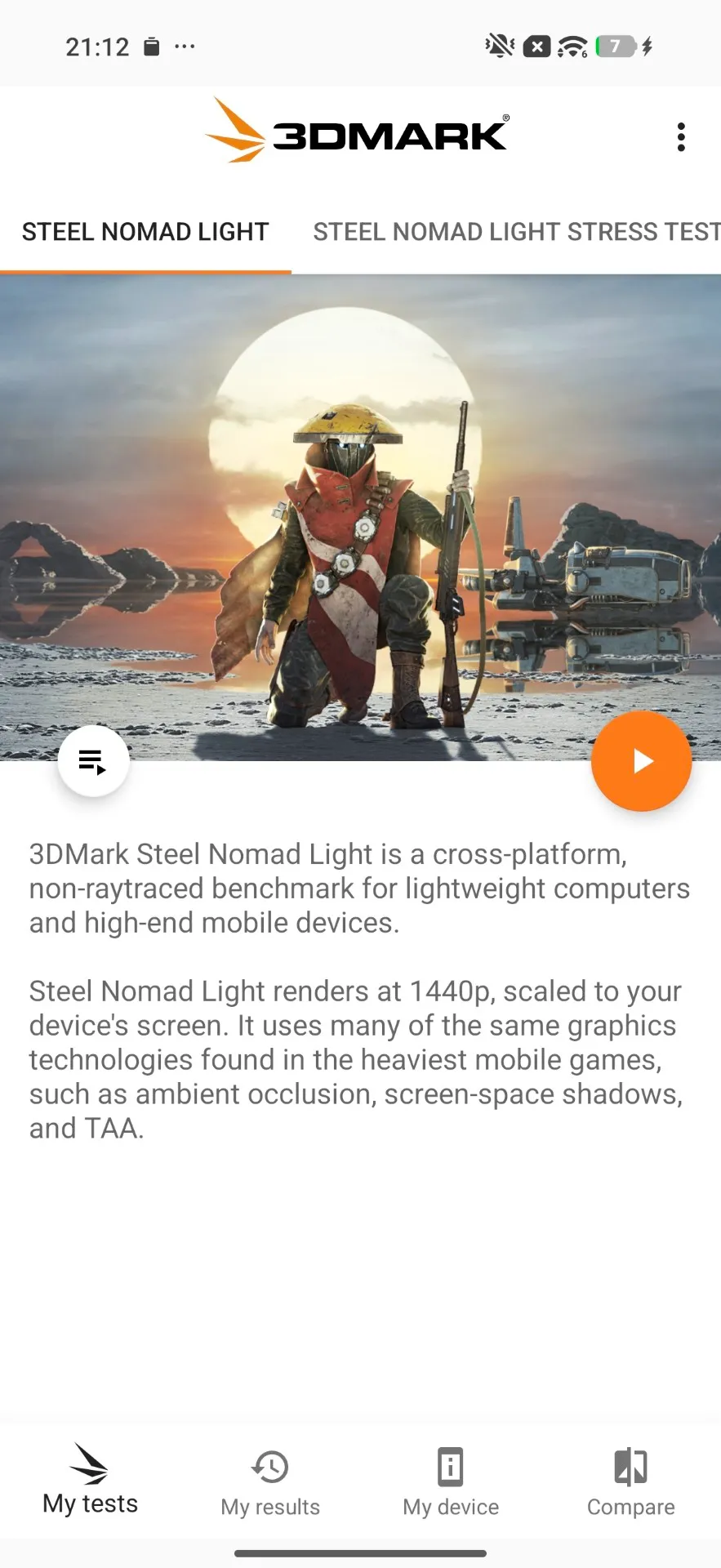
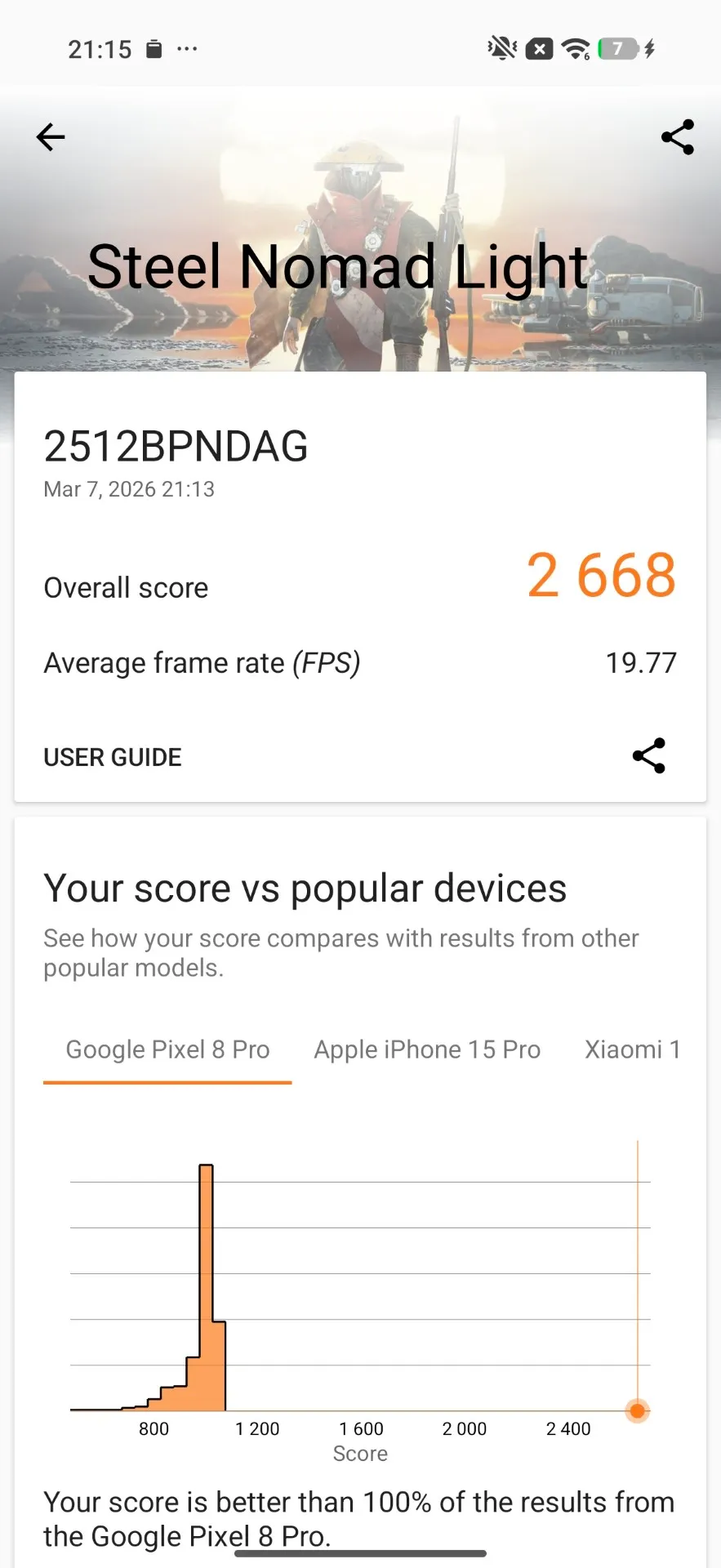
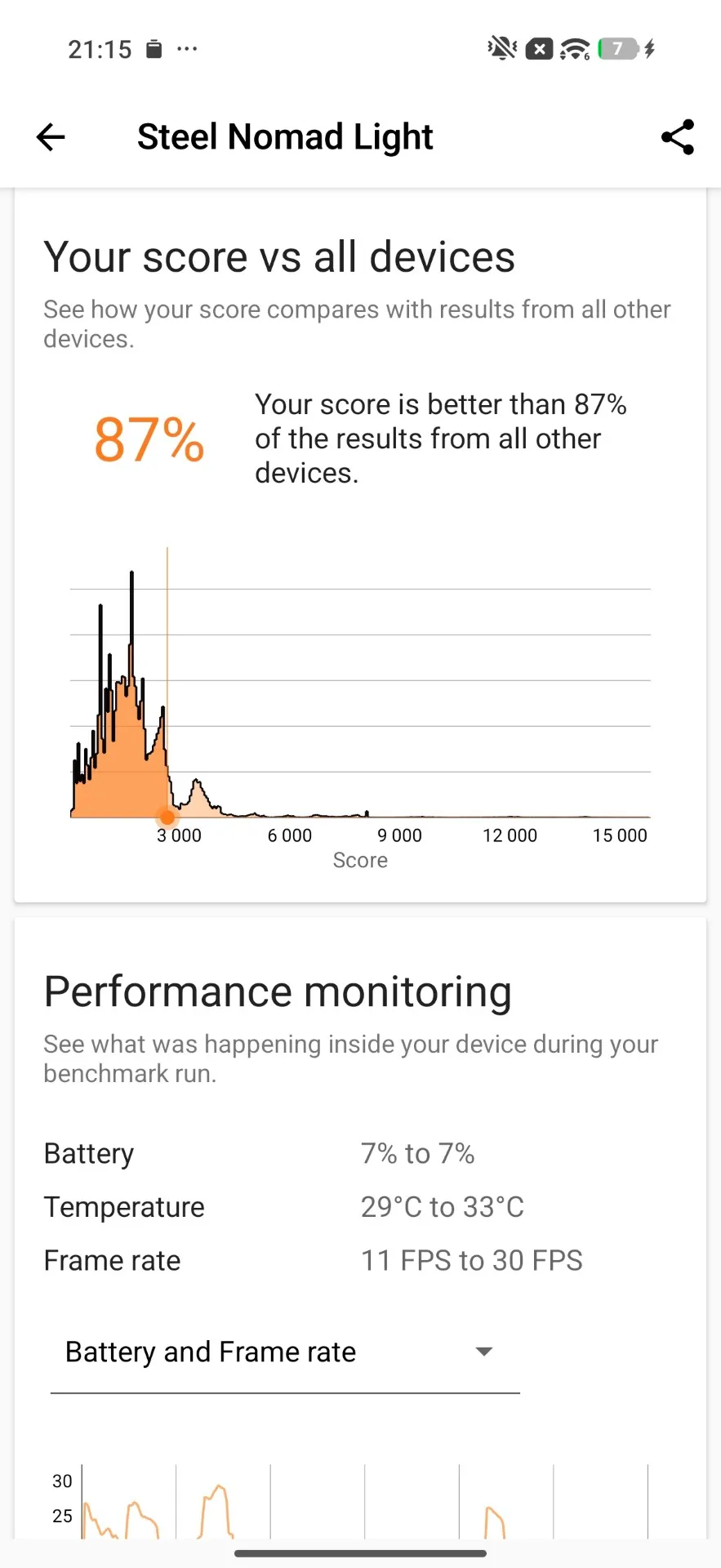
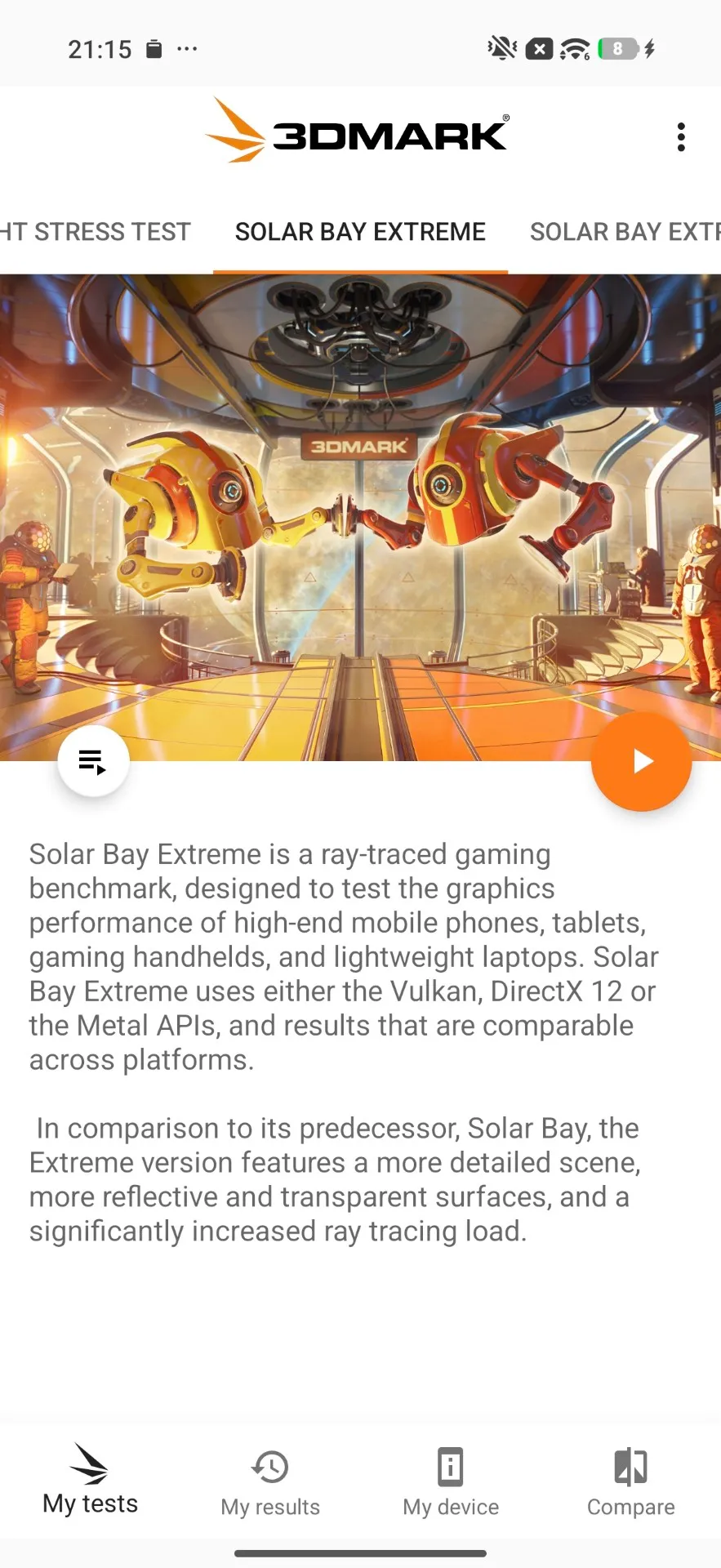
The phone also performs strongly in 3DMark. Steel Nomad Light returns 2668 at 19.77 FPS which beats 87 percent of devices. Solar Bay Extreme scores 1161 at 8.12 FPS while the standard Solar Bay test reaches 11317 at 43.03 FPS which outperforms 92 percent of devices. Wild Life Extreme scores 6338 at 37.95 FPS placing it above 96 percent of devices. The regular Wild Life test is fully maxed out with frame rates between 85 and 173 FPS. Older Sling Shot benchmarks are also saturated with maximum scores across graphics and physics tests.
.
Photo Gallery



















































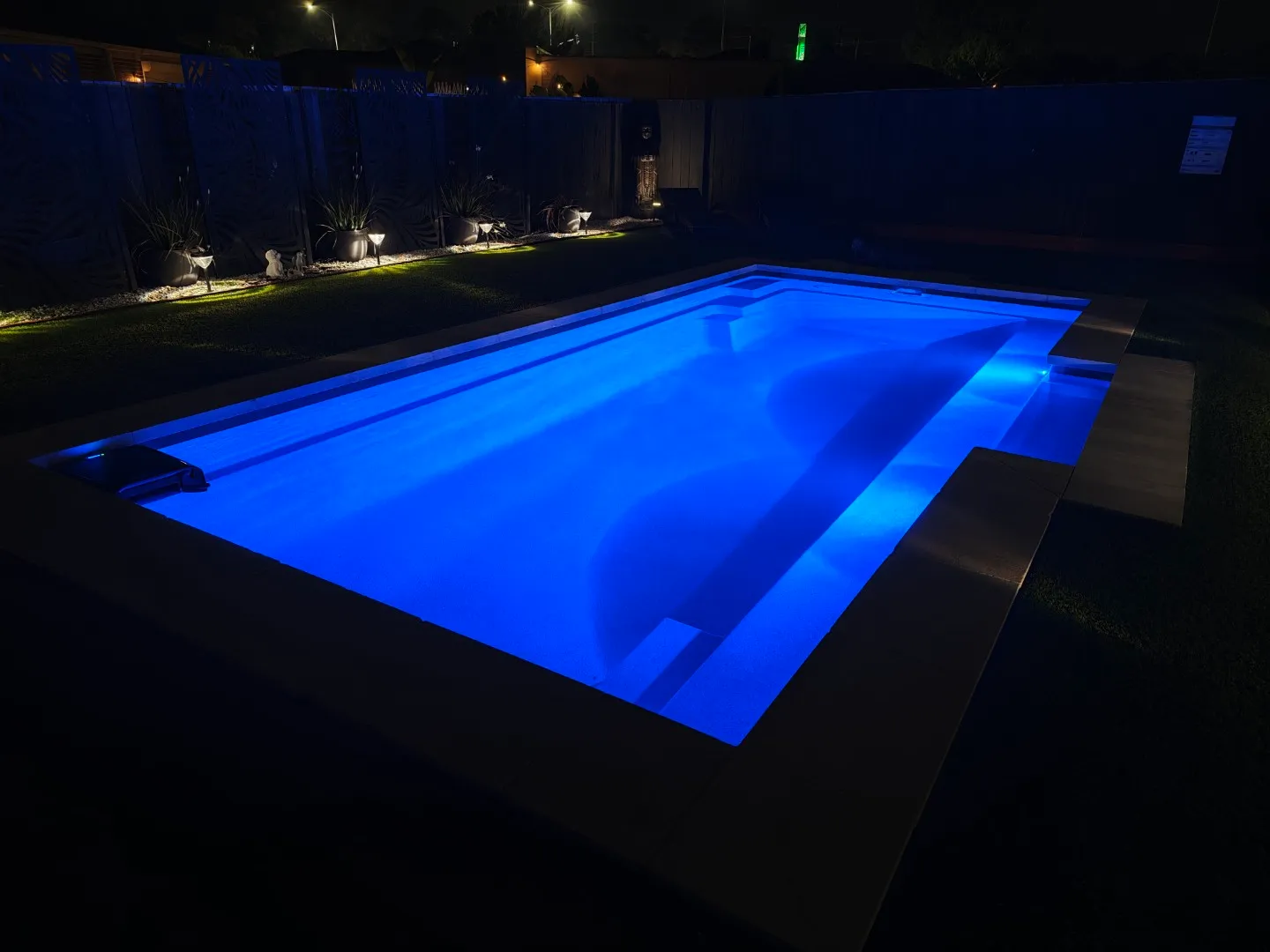
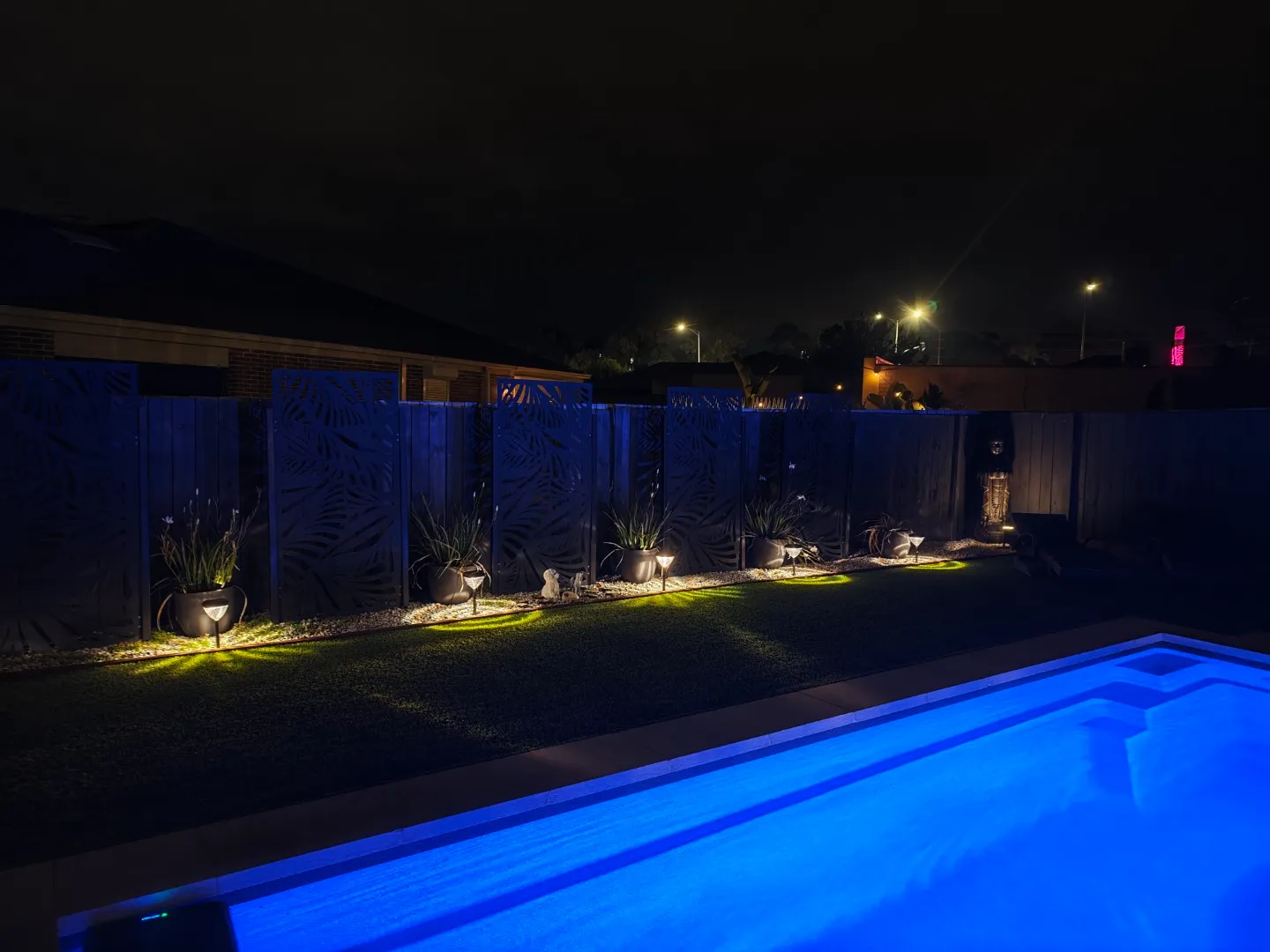
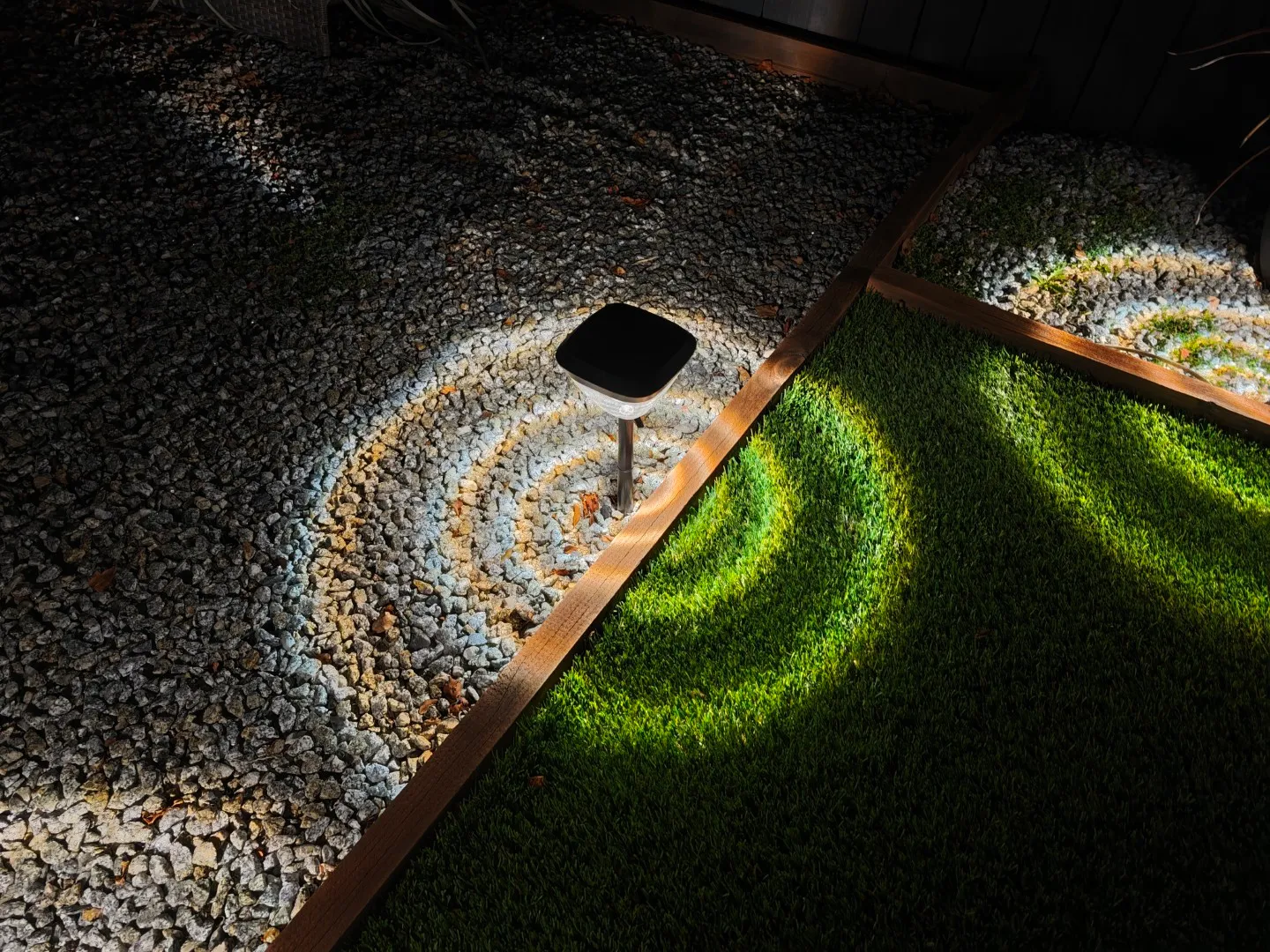

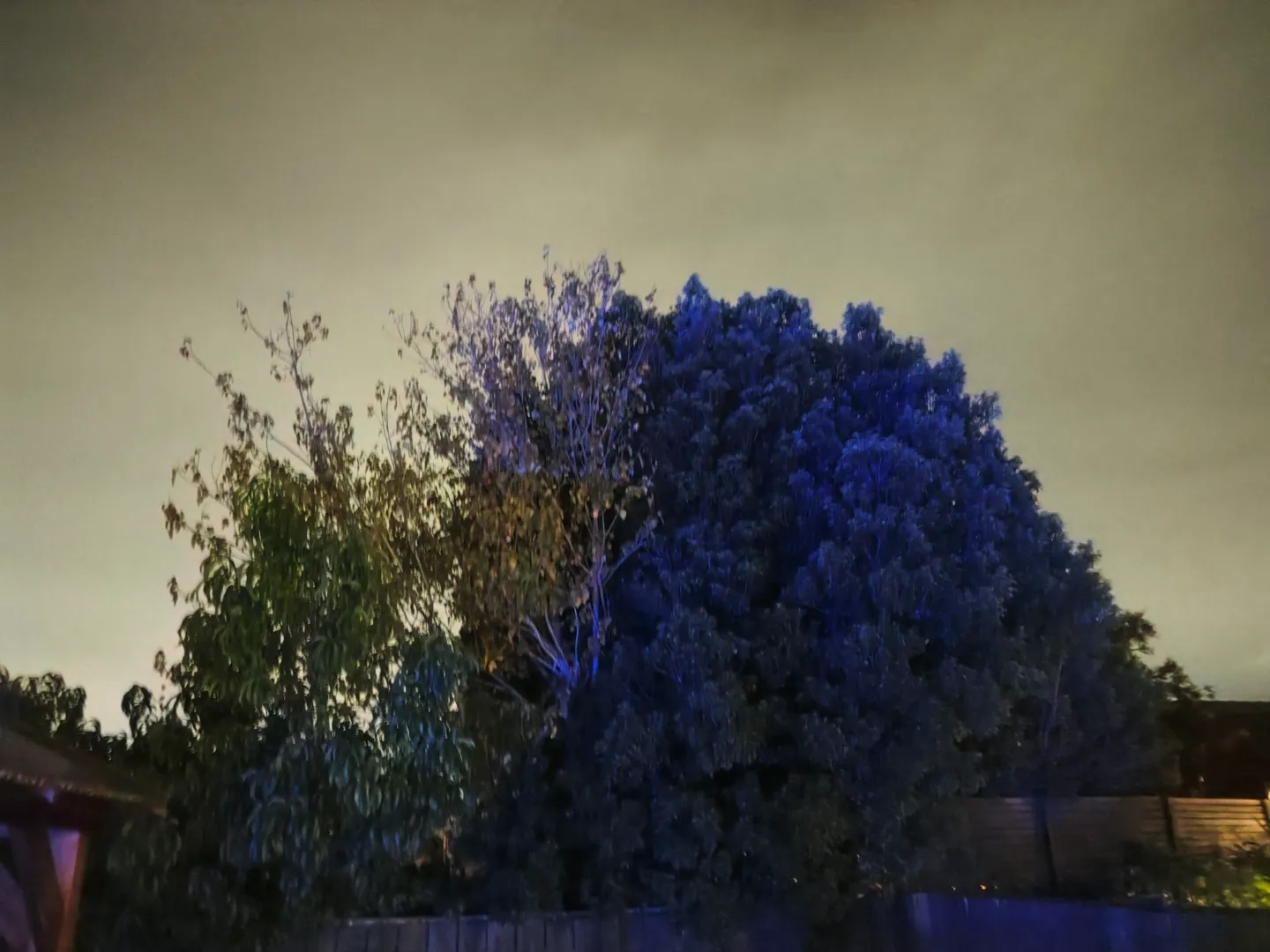
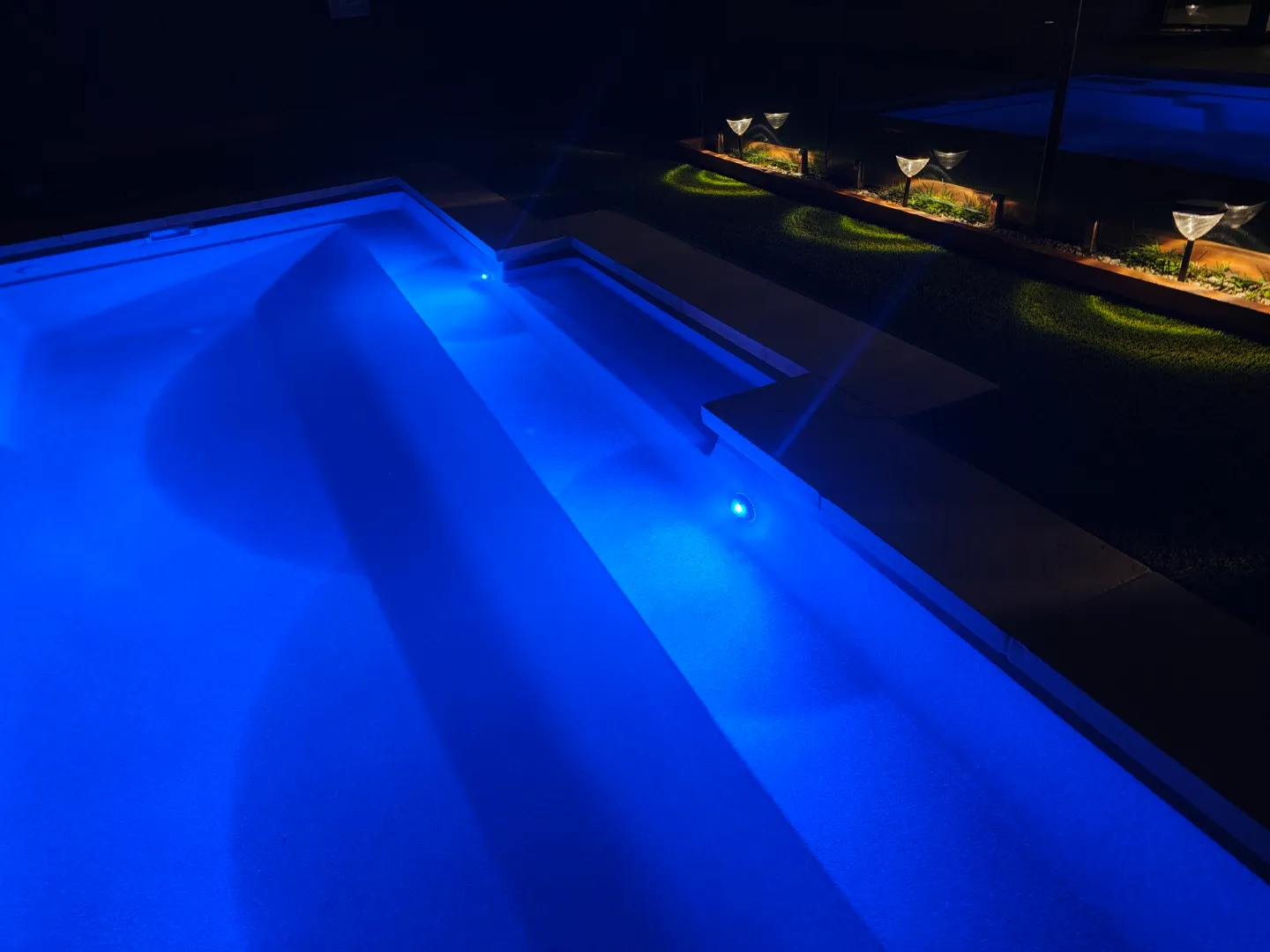

The photos captured by the Xiaomi 17 Ultra speak for themselves and the last photo taken in absolute darkness.
Gaming & Audio
Gaming performance is equally strong with titles such as Diablo Immortal, Final Fantasy VII, GRID Autosport, Call of Duty Warzone and Asphalt 9 Legends all running smoothly. Audio quality is excellent thanks to dual stereo speakers that deliver clear sound for music, videos and gaming.



Final Thoughts
The Xiaomi 17 Ultra is a smartphone built for performance and photography. Its mechanical zoom system, large sensors and Leica tuned processing give it capabilities that challenge the best in the market. It behaves more like a compact camera that happens to be a smartphone and if you are a photography enthusiast it is difficult to look past as it does almost everything right, including gaming,
Xiaomi Ultra 17 Full Specifications
| Category | Details |
|---|---|
| Processor | Snapdragon 8 Elite Gen 5 (3nm) • CPU: 2× Prime up to 4.6GHz, 6× Performance up to 3.62GHz • GPU: Adreno • Qualcomm AI Engine |
| Storage & RAM | 16GB + 512GB / 16GB + 1TB • LPDDR5X RAM • UFS 4.1 storage (Available RAM/storage reduced due to system software) |
| Dimensions | 162.9 × 77.6 × 8.29mm • Weight: 218.4g (Black/White), 219g (Starlit Green) |
| Display | 6.9″ Xiaomi HyperRGB OLED • 2608×1200 • 1–120Hz refresh • 300Hz touch sampling • DCI‑P3 • 12‑bit • 3500‑nit peak • Xiaomi Shield Glass 3.0 • HDR10+, Dolby Vision • TÜV certifications • Wet Touch • Original Color Pro |
| Rear Cameras | Leica Summilux System Main (23mm): 50MP Light Fusion 10, 1″ sensor, 3.2µm 4‑in‑1, f/1.67, OIS Telephoto (75–100mm): 200MP Samsung HPE, 1/1.4″, 2.24µm 16‑in‑1, f/2.39–2.96, OIS, up to 120× digital zoom Ultra‑wide (14mm): 50MP Samsung JN5, 1/2.75″, 1.28µm 4‑in‑1, f/2.2, 115° FOV Features: Leica styles, filters, watermark, ProFocus, Lightning Burst, HDR, Dynamic Shot, 50MP/200MP modes, Super Macro, Supermoon, Long Exposure, Pro mode, RAW |
| Rear Video | 8K 30fps • 4K Dolby Vision 30/60/120fps • 1080p Dolby Vision 30/60fps • 720p 30fps • Log up to 4K120 • ACES • Slow‑mo up to 1080p 1920fps • ShootSteady 2.8K60 • Night video 4K24 • Time‑lapse 4K30 • Movie mode • 4‑mic array |
| Front Camera | 50MP AF • 1/2.87″ • 1.22µm 4‑in‑1 • f/2.2 • 21mm • 90° FOV Features: HDR, Portrait, Dynamic Shot, Palm/Voice shutter, Timer |
| Front Video | 4K Dolby Vision 30/60fps • 1080p Dolby Vision 30/60fps • 720p 30fps • Slow‑mo 1080p120 • Time‑lapse 4K30 • Video teleprompter |
| Battery & Charging | 6000mAh • 90W wired HyperCharge • 50W wireless HyperCharge • QC3+/QC3.0/QC2.0/PD3.0/PD2.0/90W PPS (Charger not included) |
| Xiaomi HyperAI | AI Writing • AI Speech Recognition • AI Interpreter • AI Search • AI Dynamic Wallpapers • AI Creativity Assistant • Circle to Search • Google Gemini (Availability varies by region) |
| Cooling System | Xiaomi 3D Dual‑Channel IceLoop |
| Security | Ultrasonic in‑display fingerprint • AI face unlock |
| Network | Dual SIM (nano+nano / nano+eSIM / eSIM+eSIM) • 5G SA/NSA bands • 4G LTE FDD/TDD • 3G WCDMA • 2G GSM • 4×4 MIMO |
| Connectivity | Wi‑Fi 7 capable • Wi‑Fi Direct • Miracast • Bluetooth 6.0 (Dual‑Bluetooth) • SBC/AAC/AptX/AptX HD/AptX Adaptive/LDAC/LHDC 5.0/LC3/MIHC |
| NFC | Yes |
| Navigation | GPS L1+L5 • Galileo E1+E5a • GLONASS G1 • Beidou • QZSS L1+L5 • NavIC L5 • A‑GPS • Compass • SAP |
| Audio / Video Playback | Stereo speakers • Hi‑Res & Hi‑Res Wireless • Dolby Atmos • Supports MP3/FLAC/APE/AAC/OGG/WAV/AMR/AWB • Supports MP4/MKV/WEBM/3GP/TS • HDR10/HDR10+/Dolby Vision/HDR Vivid playback |
| Water/Dust Resistance | IP68 (up to 6m for 30 minutes under lab conditions) |
| Sensors | Proximity • Ambient light • Accelerometer • Gyroscope • Compass • X‑axis linear motor • IR blaster • Flicker sensor • Laser focus • Barometer • Hall sensor |
| Operating System | Xiaomi HyperOS 3 |
| Package Contents | Phone • USB‑C cable • SIM eject tool • Protective case • Safety info • Quick Start Guide • Warranty card • Desiccant (May vary by region) |
About the Author

Andrew Bistak When he's not trying to save the world, Andrew enjoys travel (although loathes turbulence), going to the movies, reading and being a dad to his two dogs (and now twins) with his wife.
Related Posts

Rokid Glasses Review →

iGulu Sparkling White Wine Fermentation Kit Review →

reMarkable Paper Pure Review →