
Rokid Glasses Review
Summary: The Rokid Glasses are a futuristic, feature-packed wearable that beats the competition on utility thanks to its integrated HUD but suffers from first gen growing pains but still offers a functional hands-free assistant that offers a real look at the next era of tech.
4
AI glasses
As the merger between augmented reality and artificial intelligence is becoming… well, more a reality, Rokid’s latest offering (*) aims to carve out its own distinct space in this area. Promising hands-free photo and video capture, real-time translation and instant visual analysis, these glasses are designed to act as a seamless daily assistant. As the new Rokid Glasses represent an impressive start in this new-tech landscape with plenty of built-in functionality, they also give us a realistic look at where wearable AI succeeds and where it still has room to grow.
Welcome to the future…
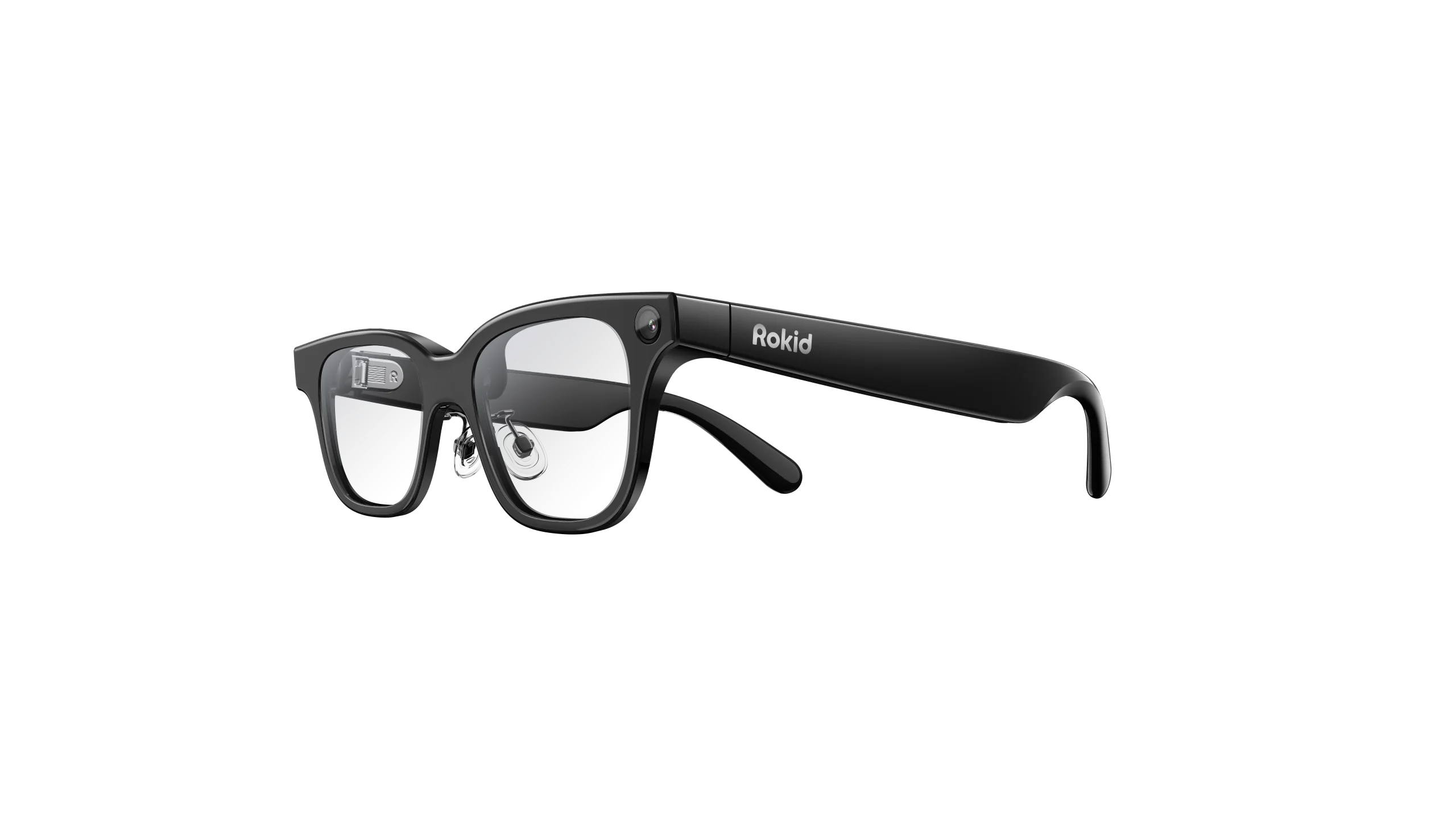
(*) This review covers the HUD-integrated version of the Rokid Glasses, which features a visual overlay display, distinguishing it from the non-display “Style” versions on the market.
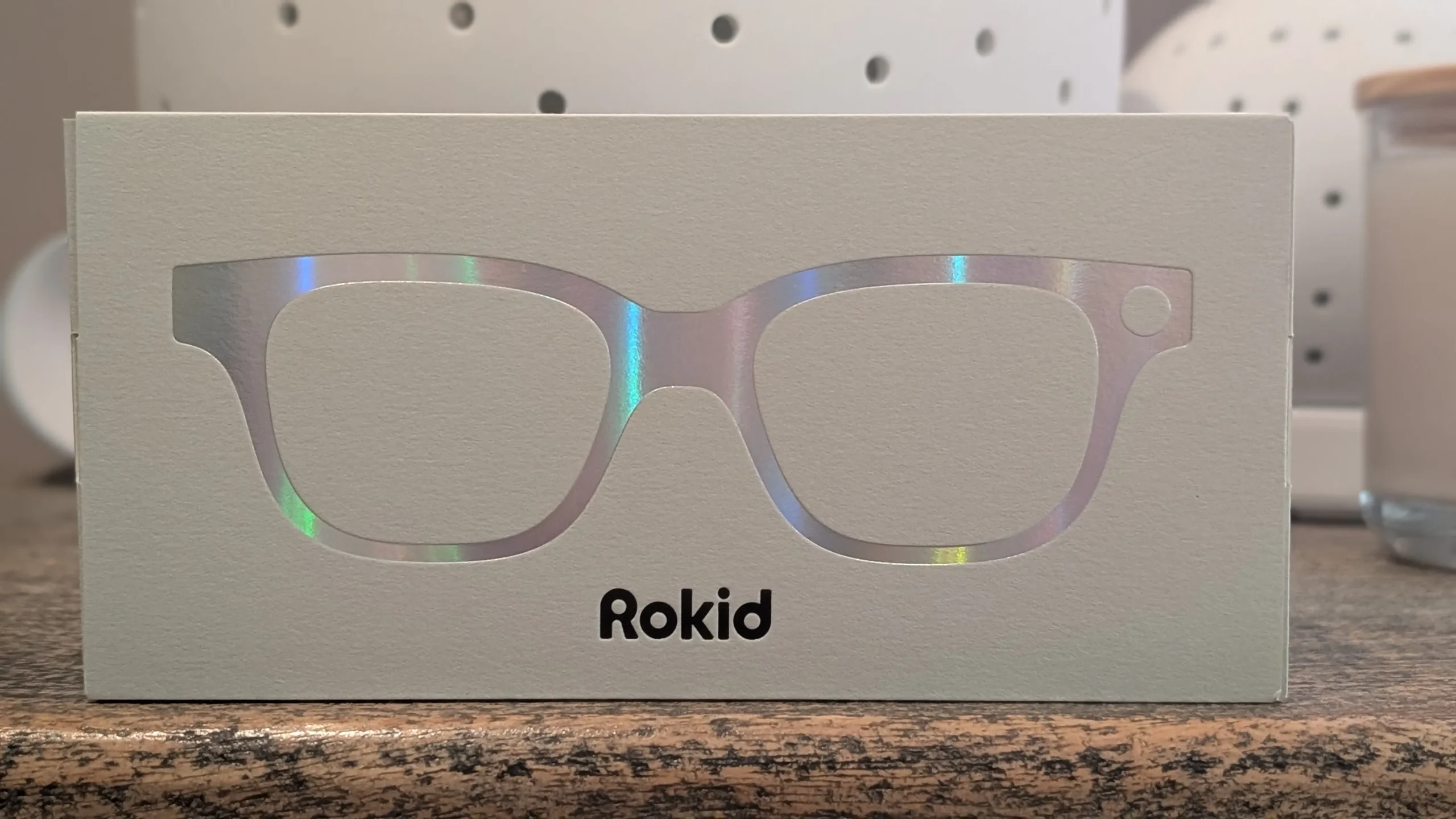
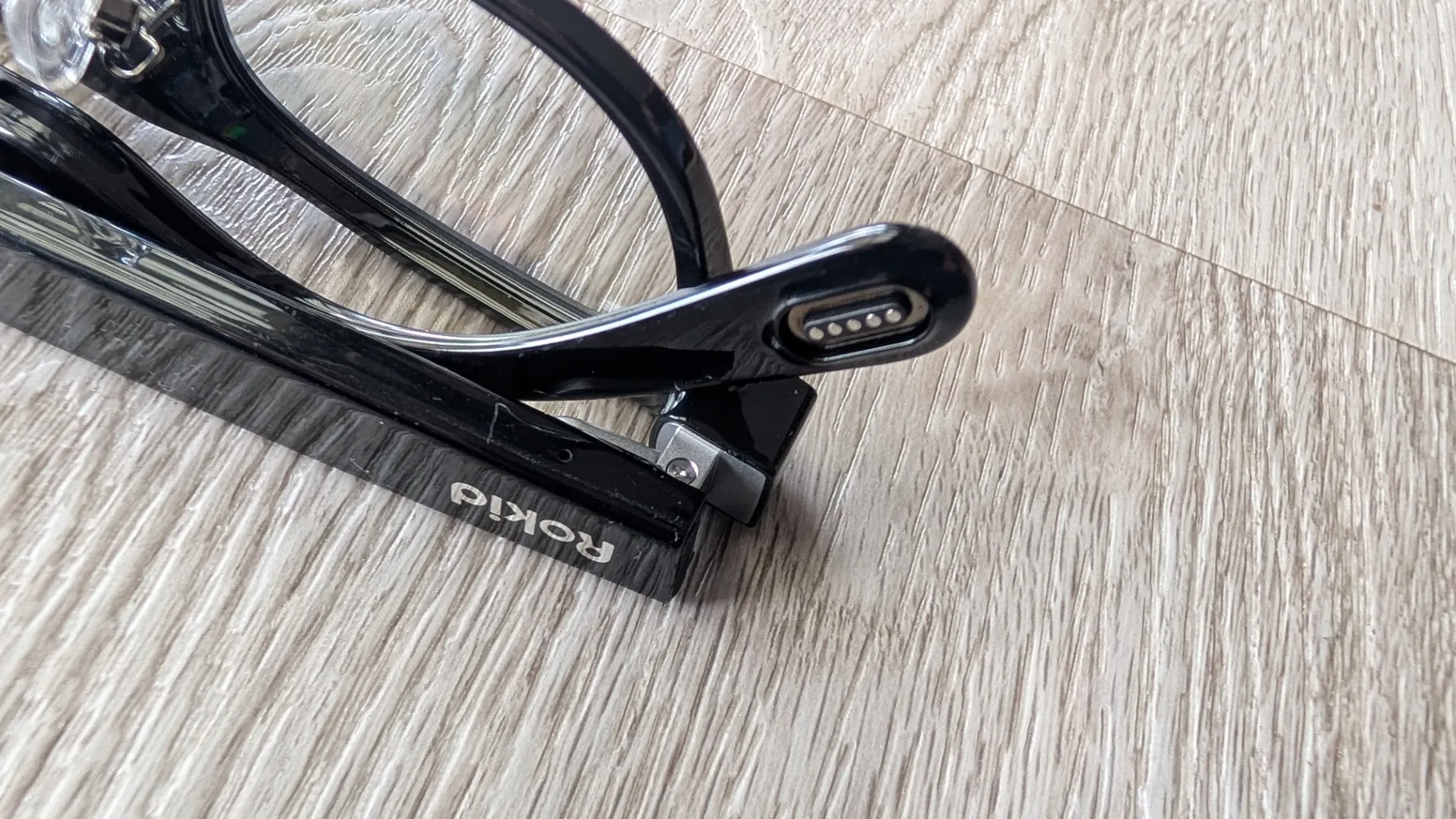
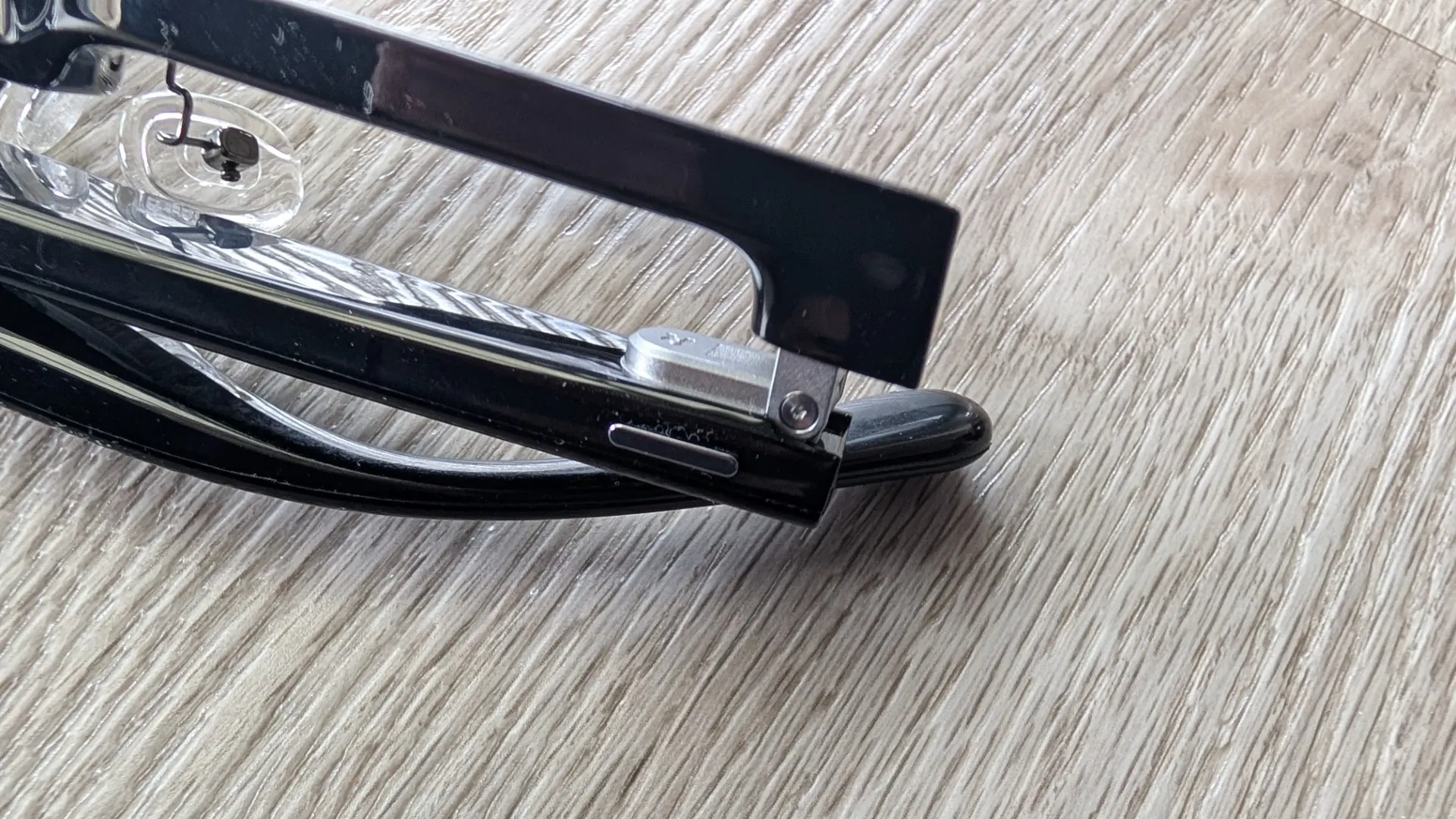
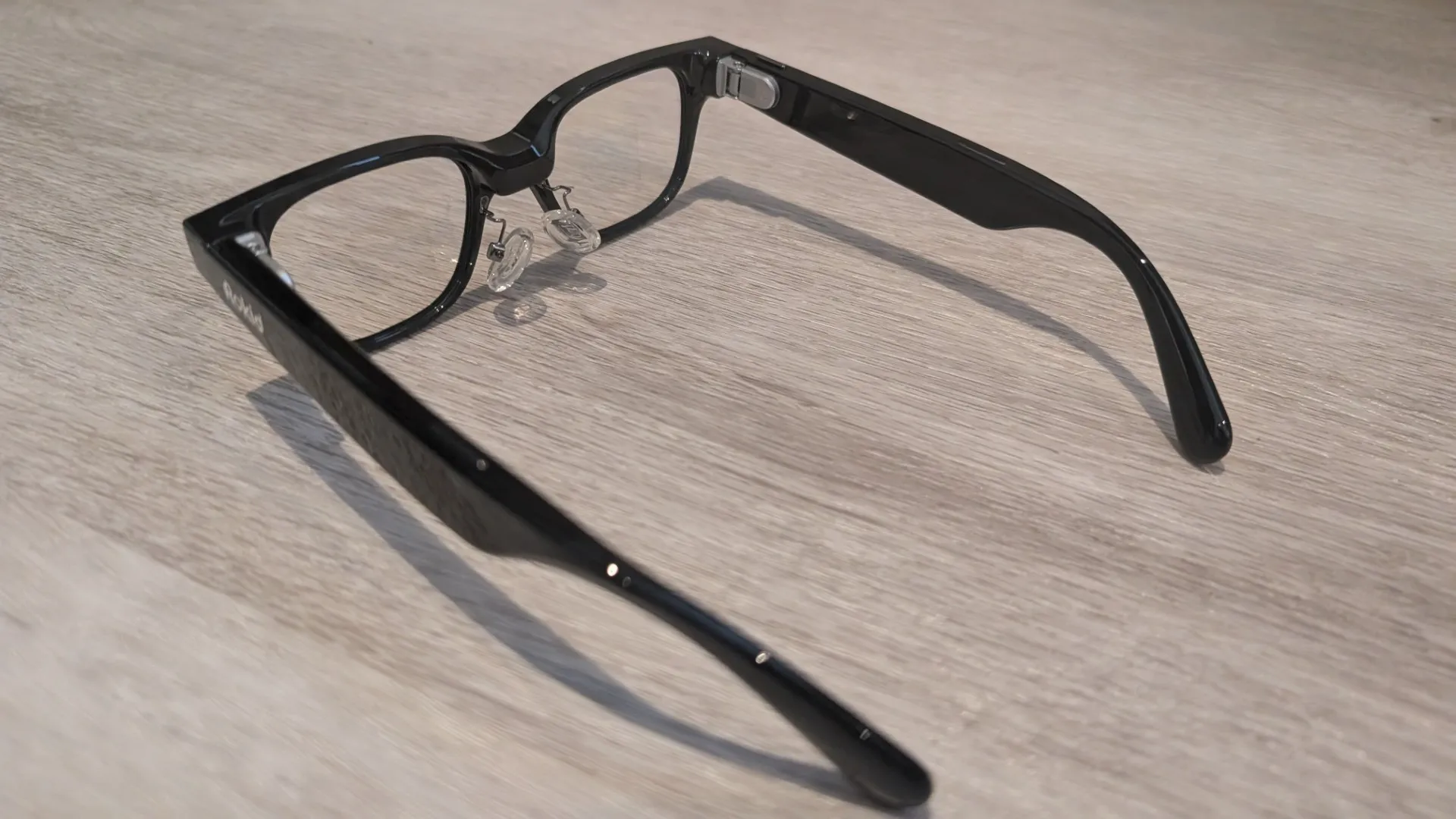
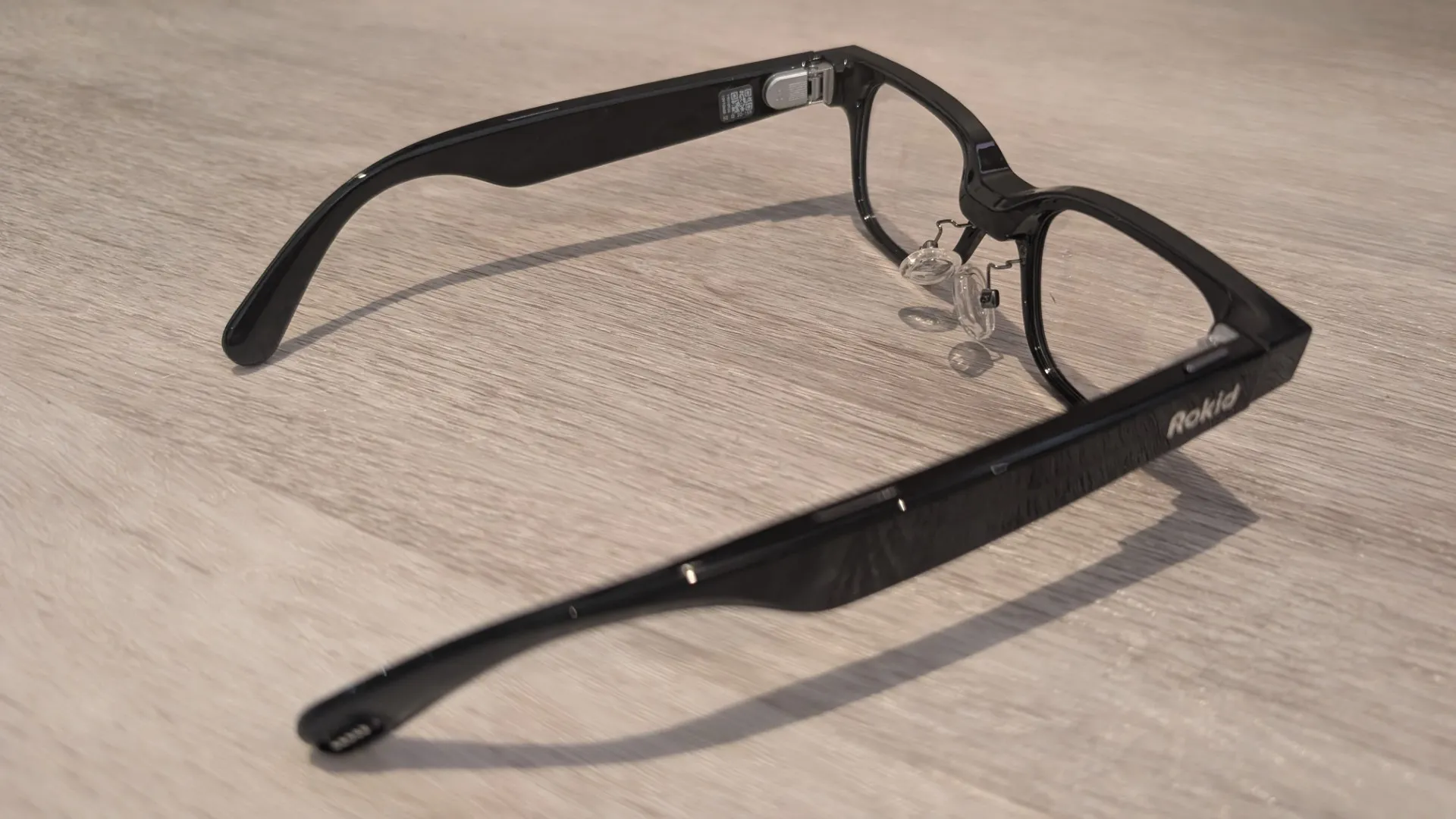
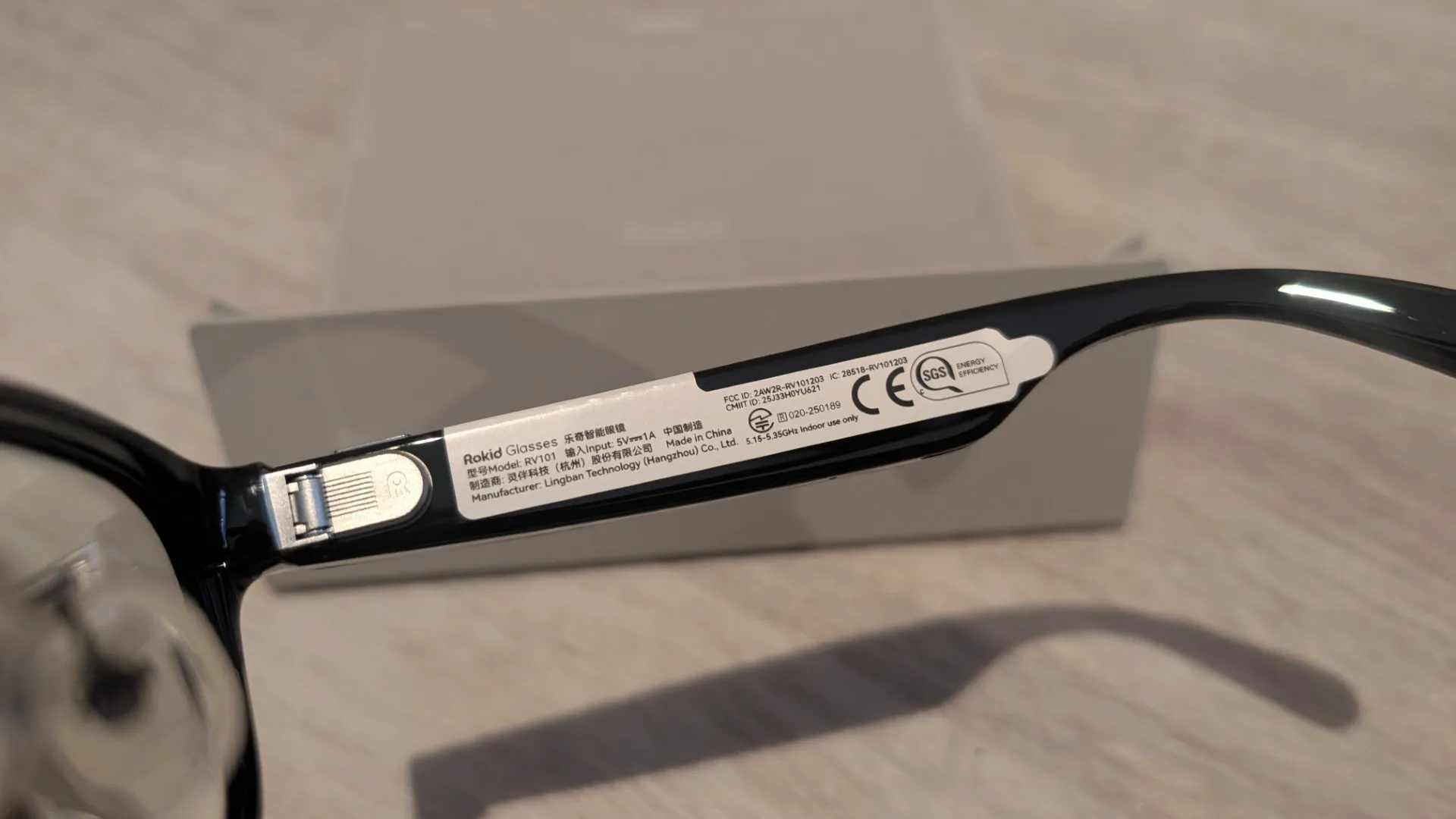
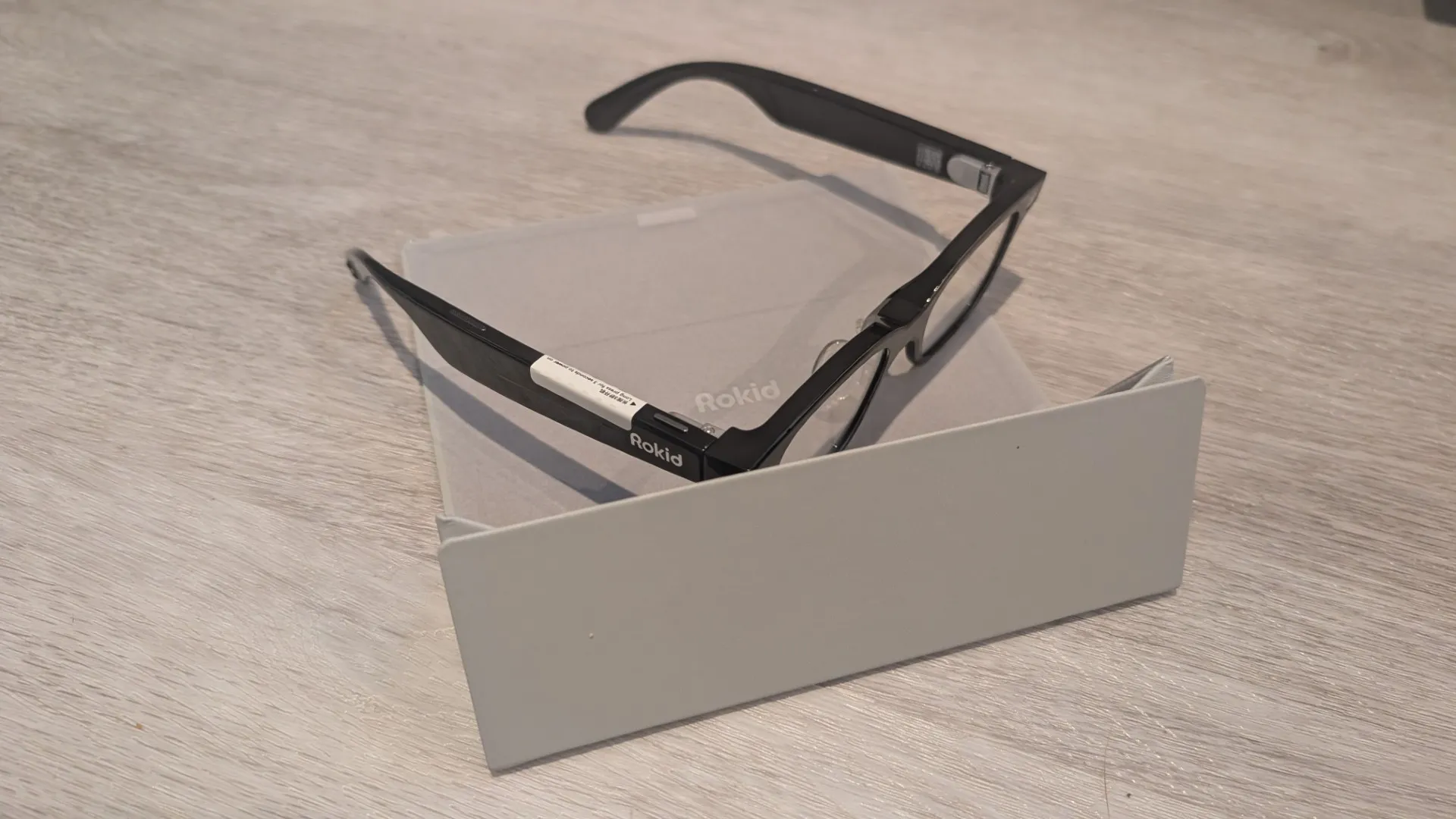
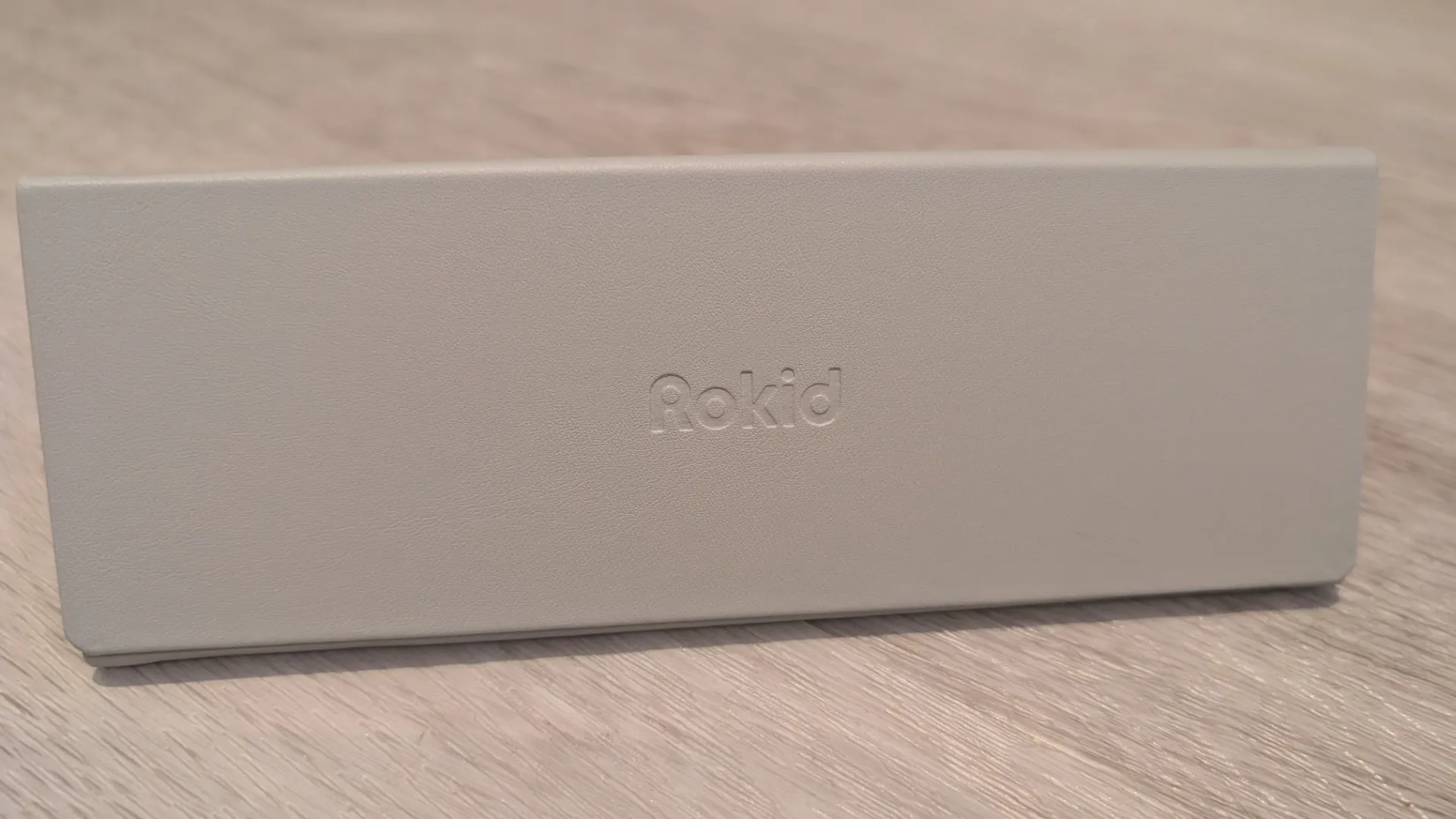
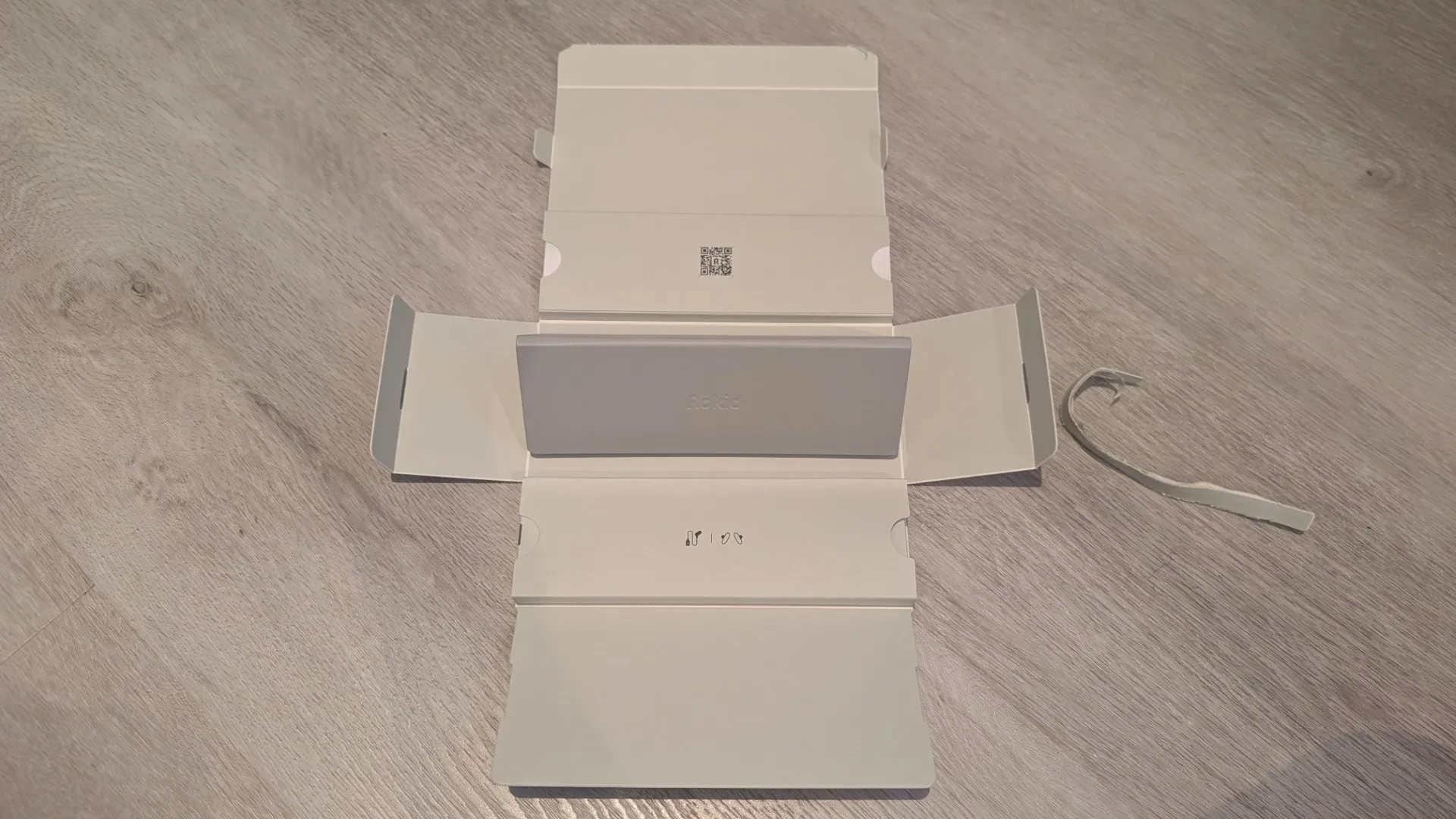
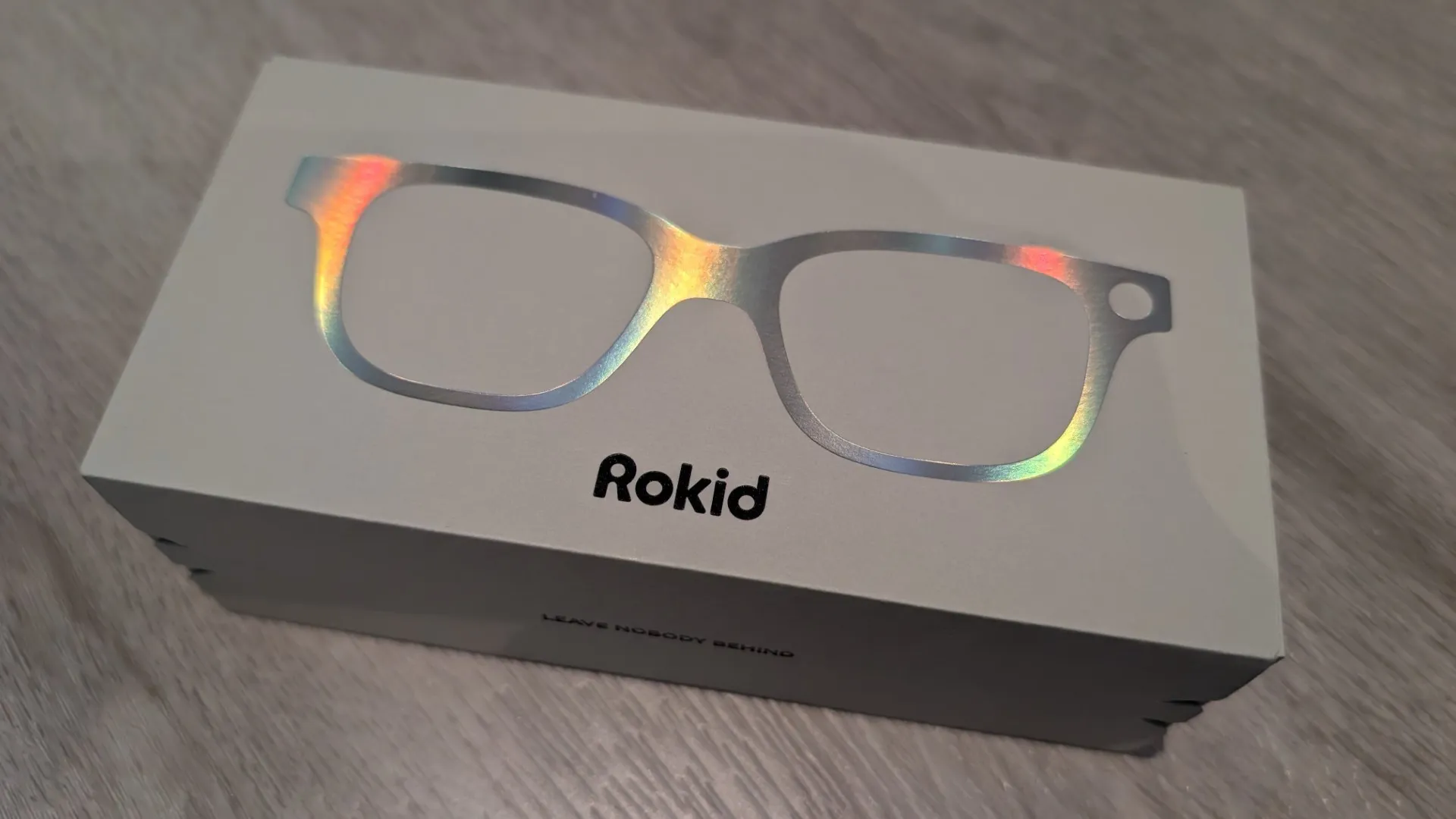
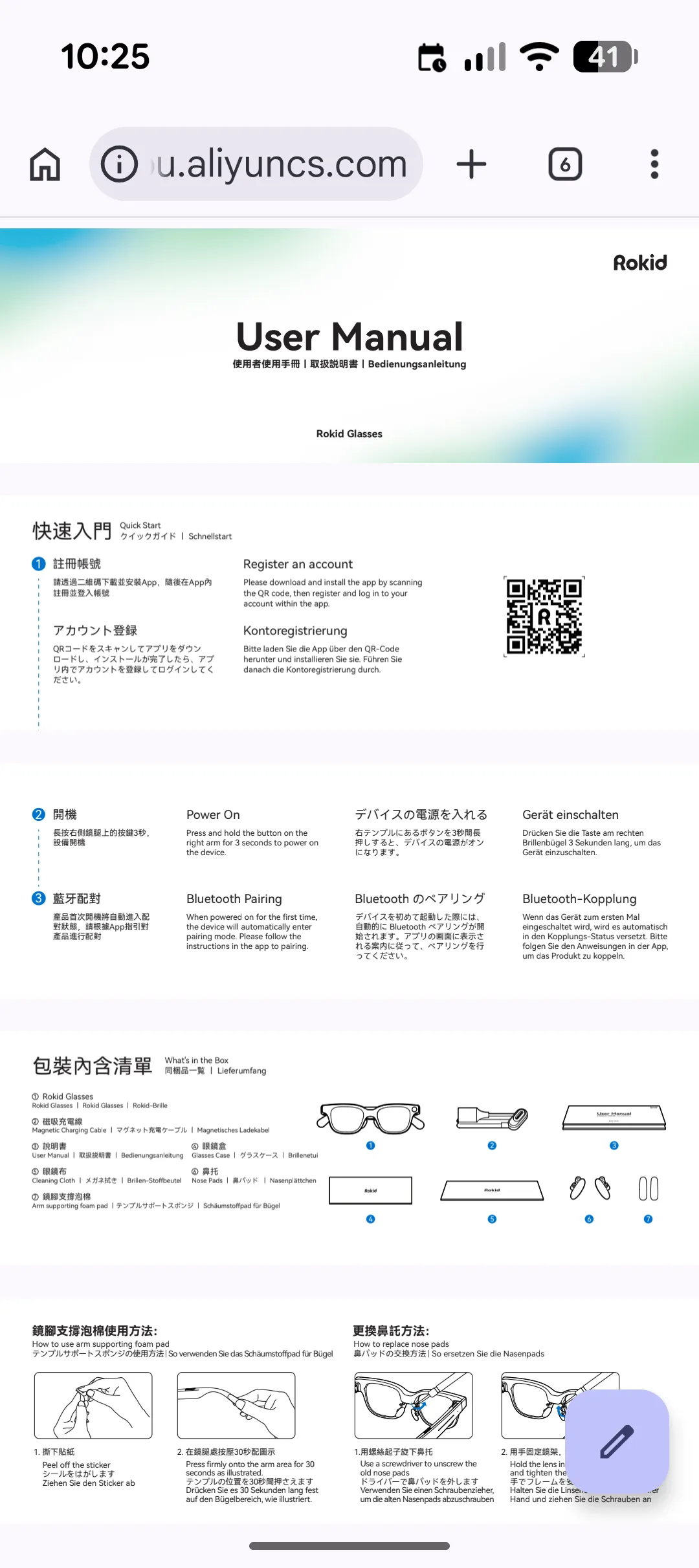
Right out of the box, Rokid delivers a premium presentation that does add a layer of excitement to the unboxing. The packaging includes the glasses themselves, a dedicated magnetic charging cable adapter, a cleaning cloth, and a protective case. Because the glasses utilize a proprietary magnetic charging point on the frame, you’ll want to keep a close eye on this specialized cable, as a standard USB-C cord won’t plug directly into the device.
Gallery

.
.
Setup
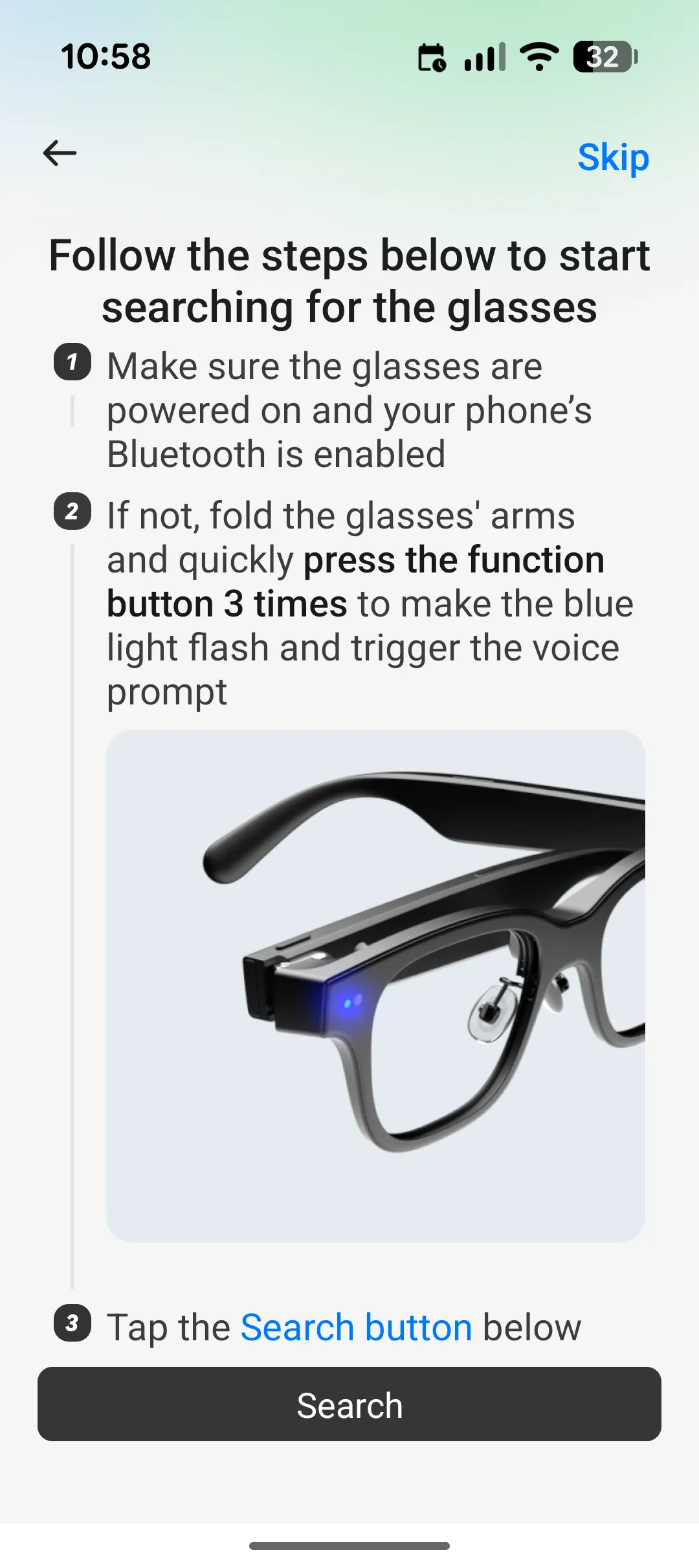
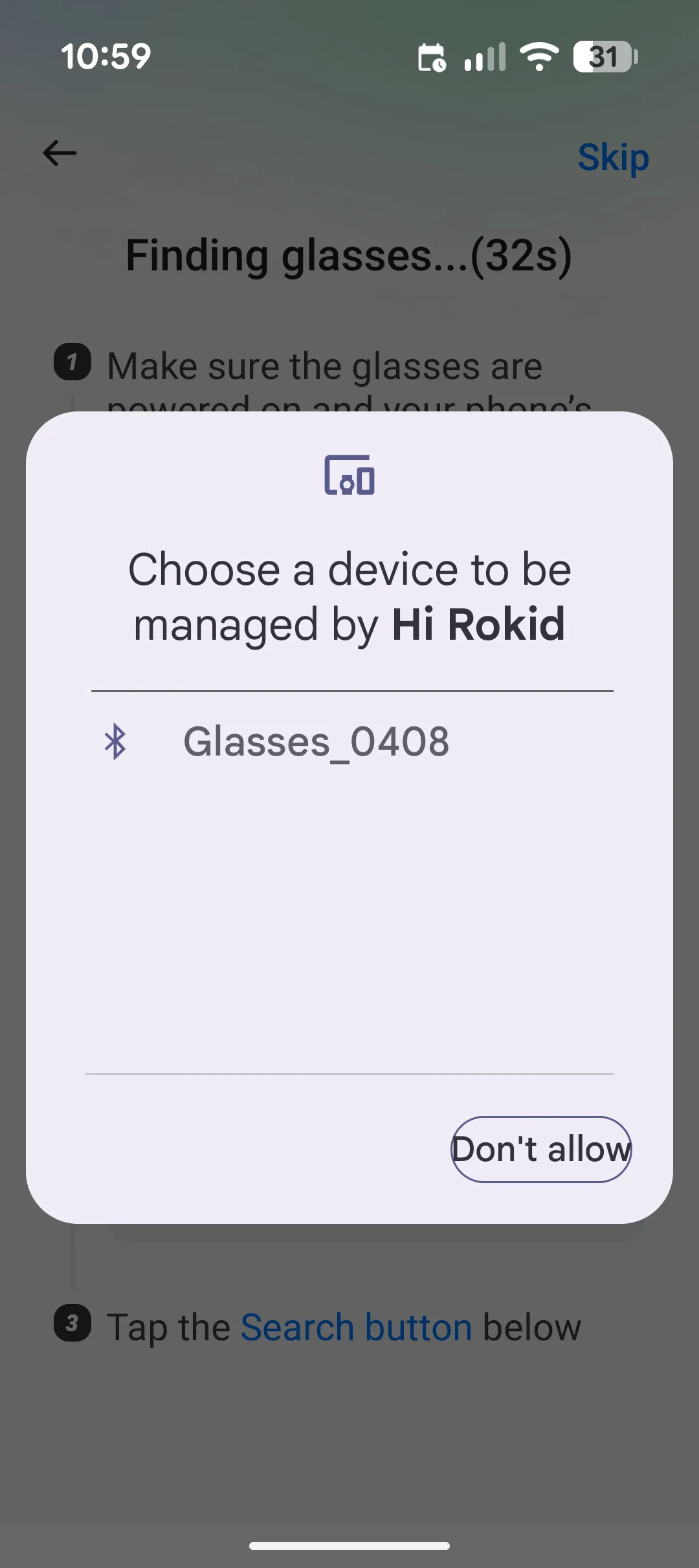
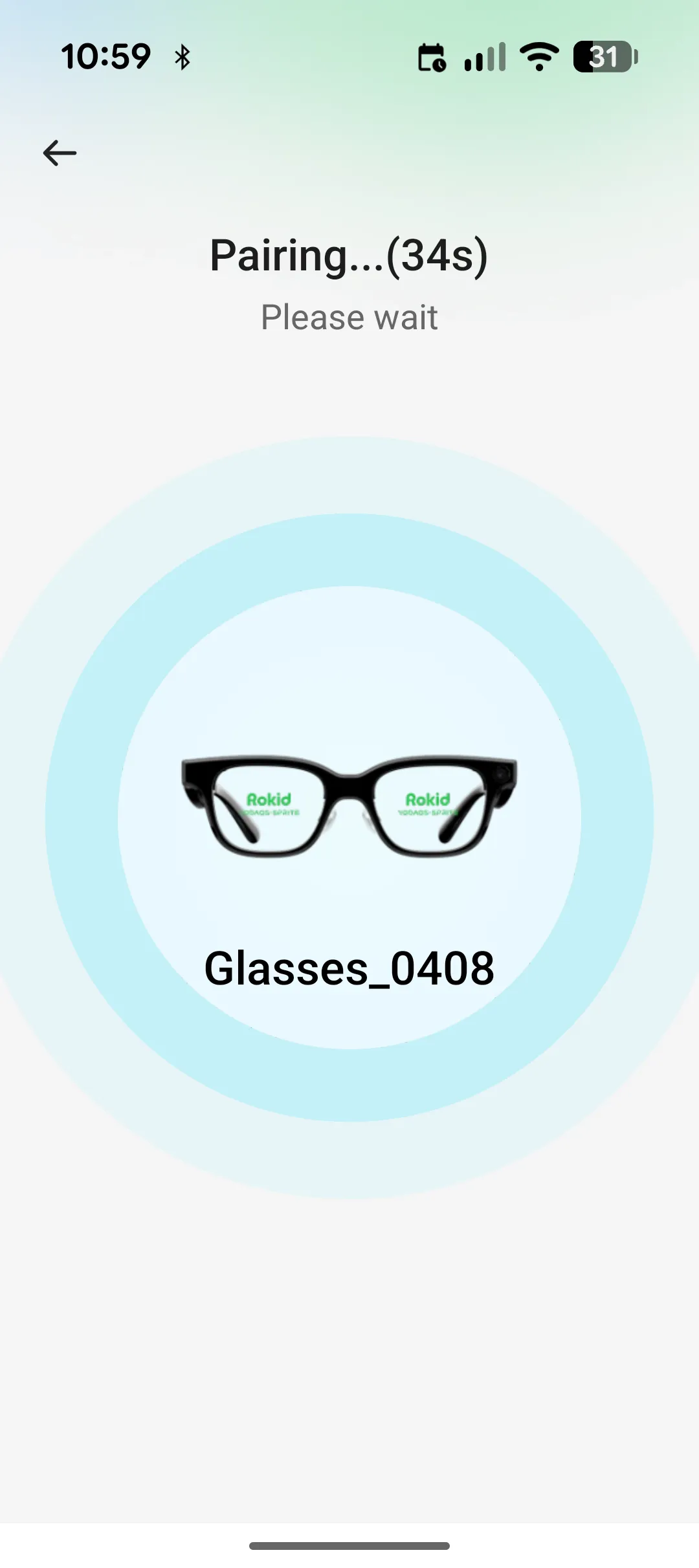
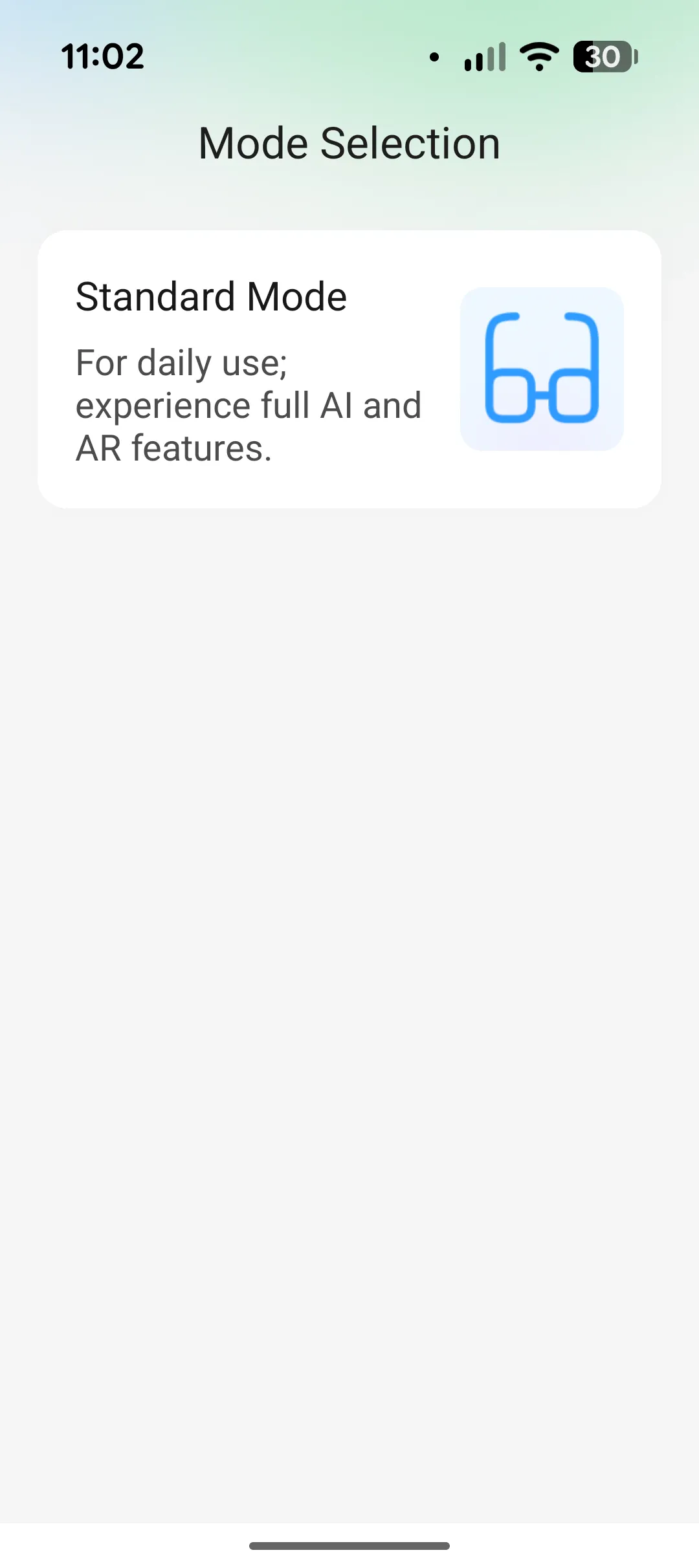
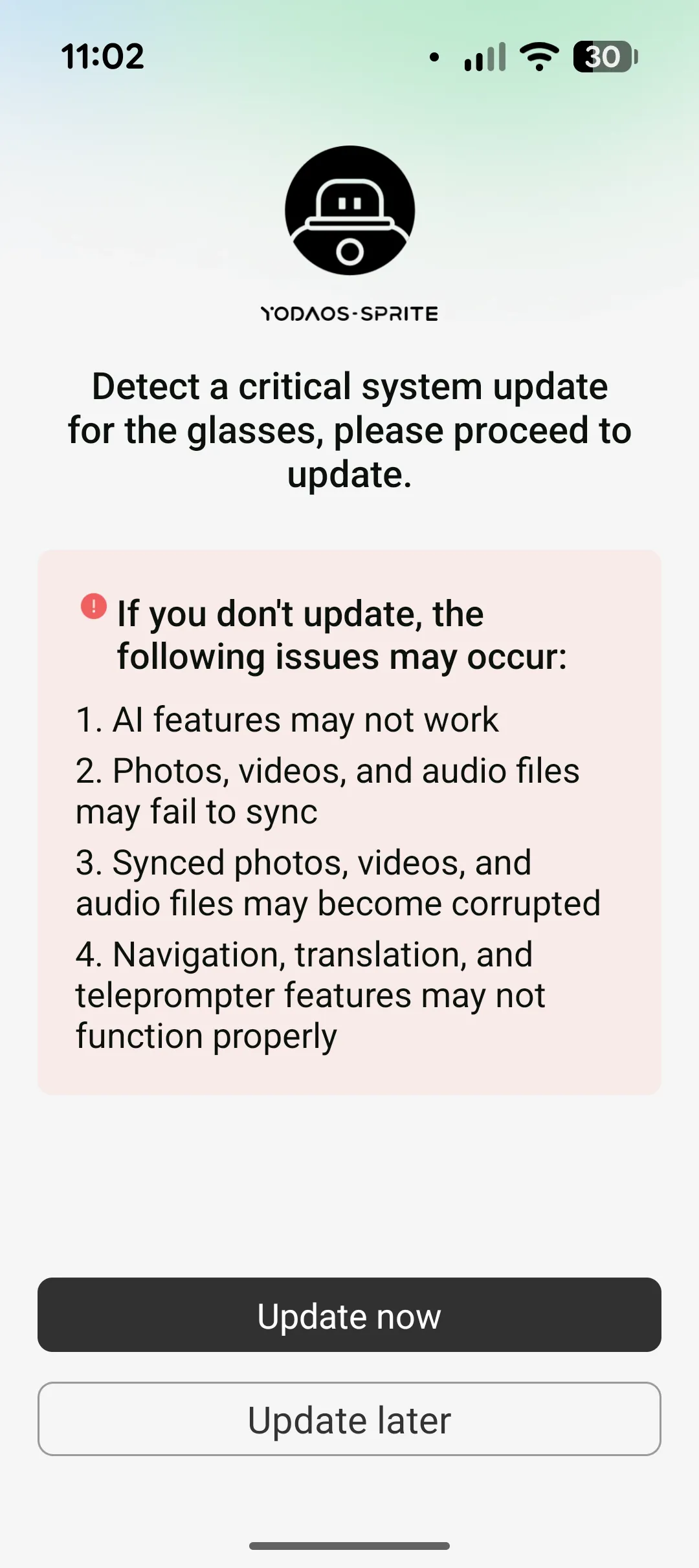
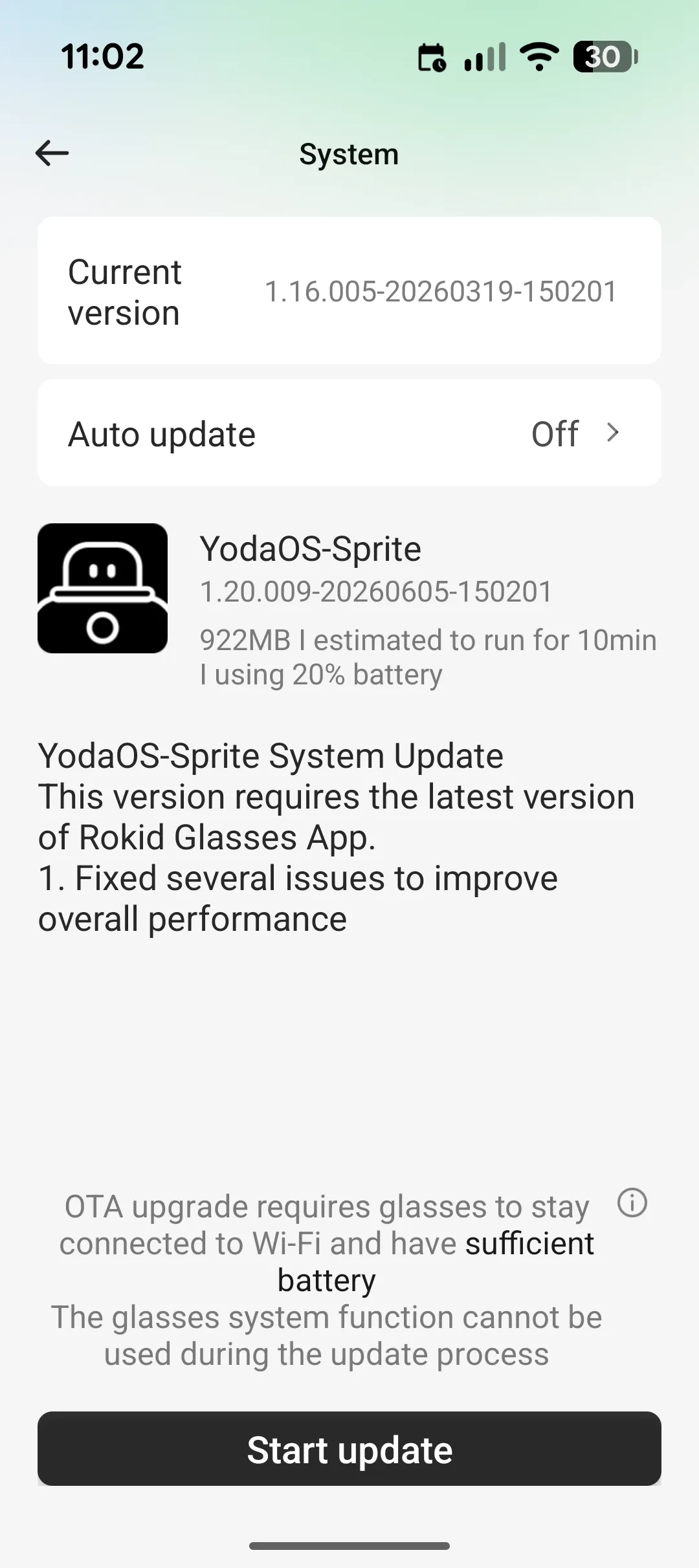
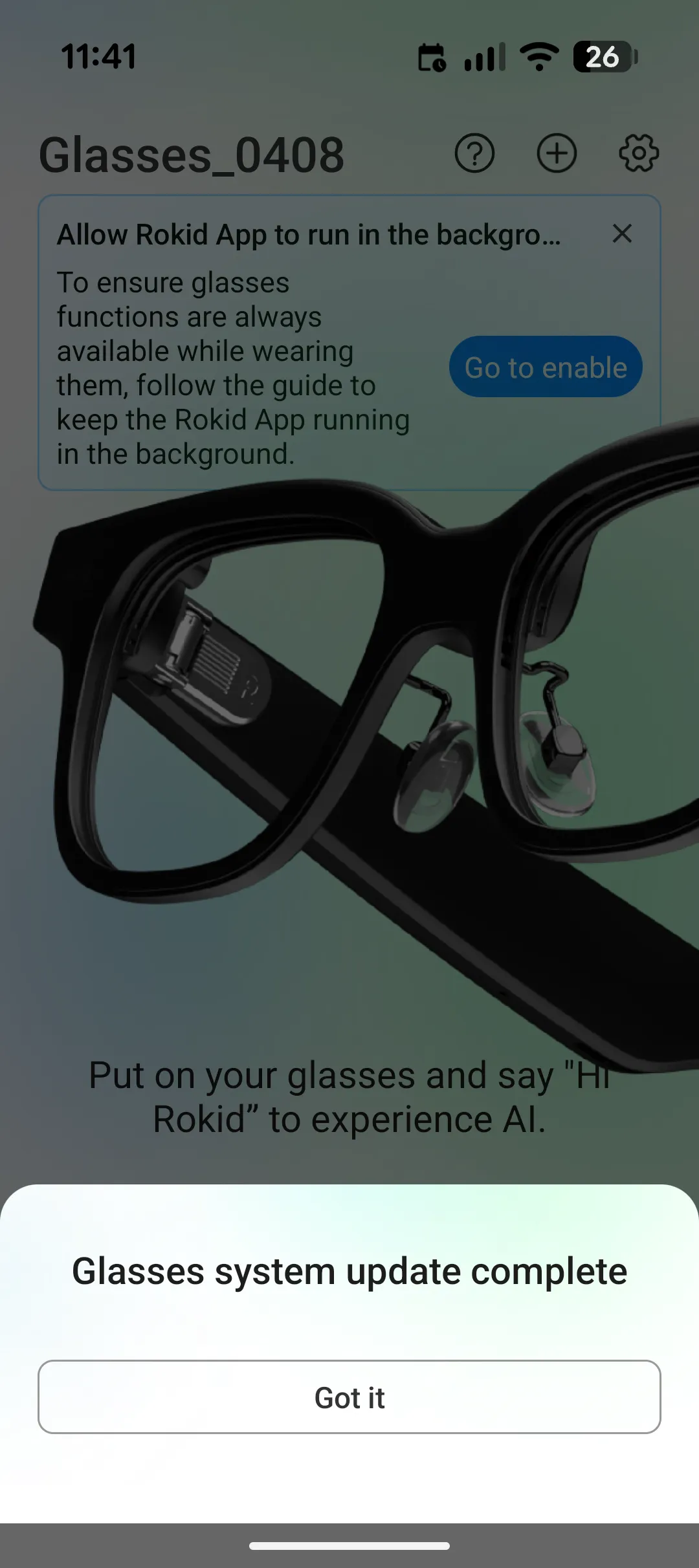
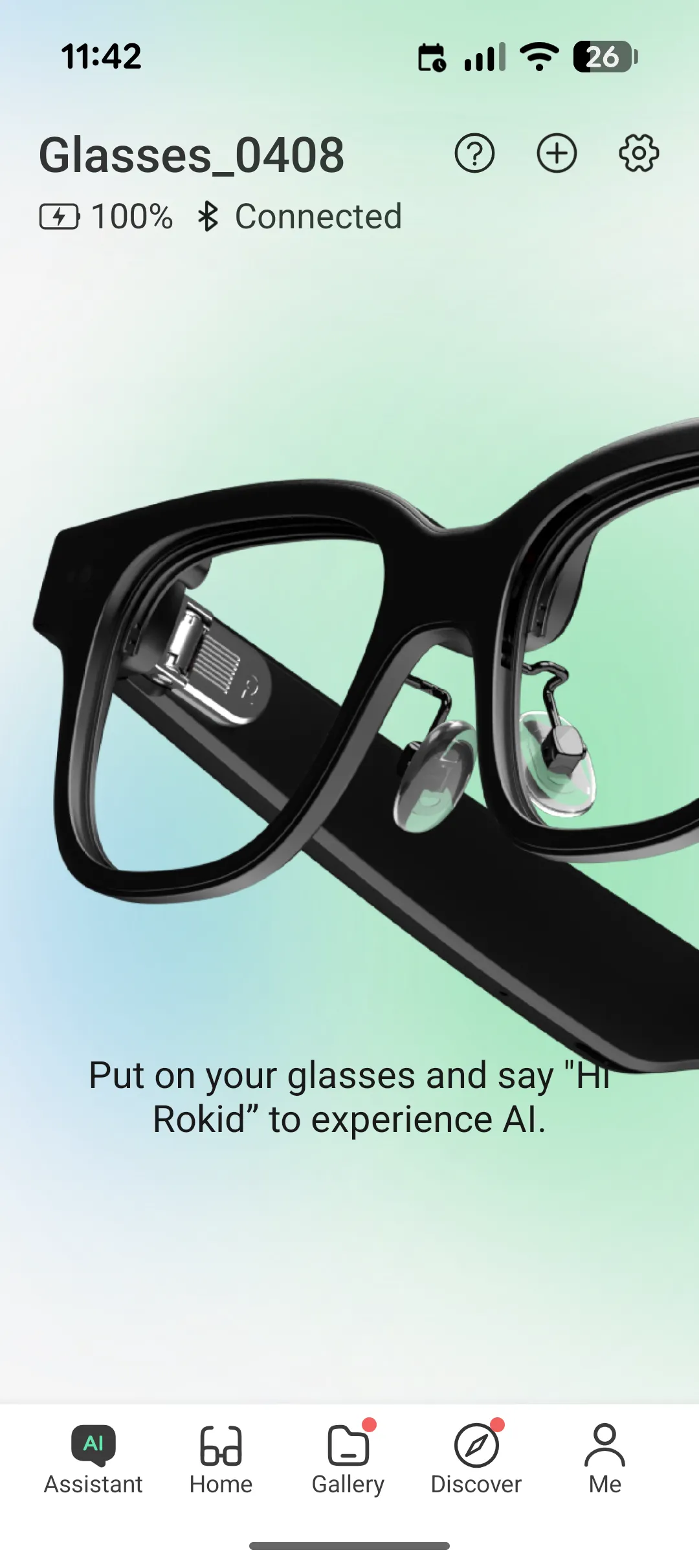
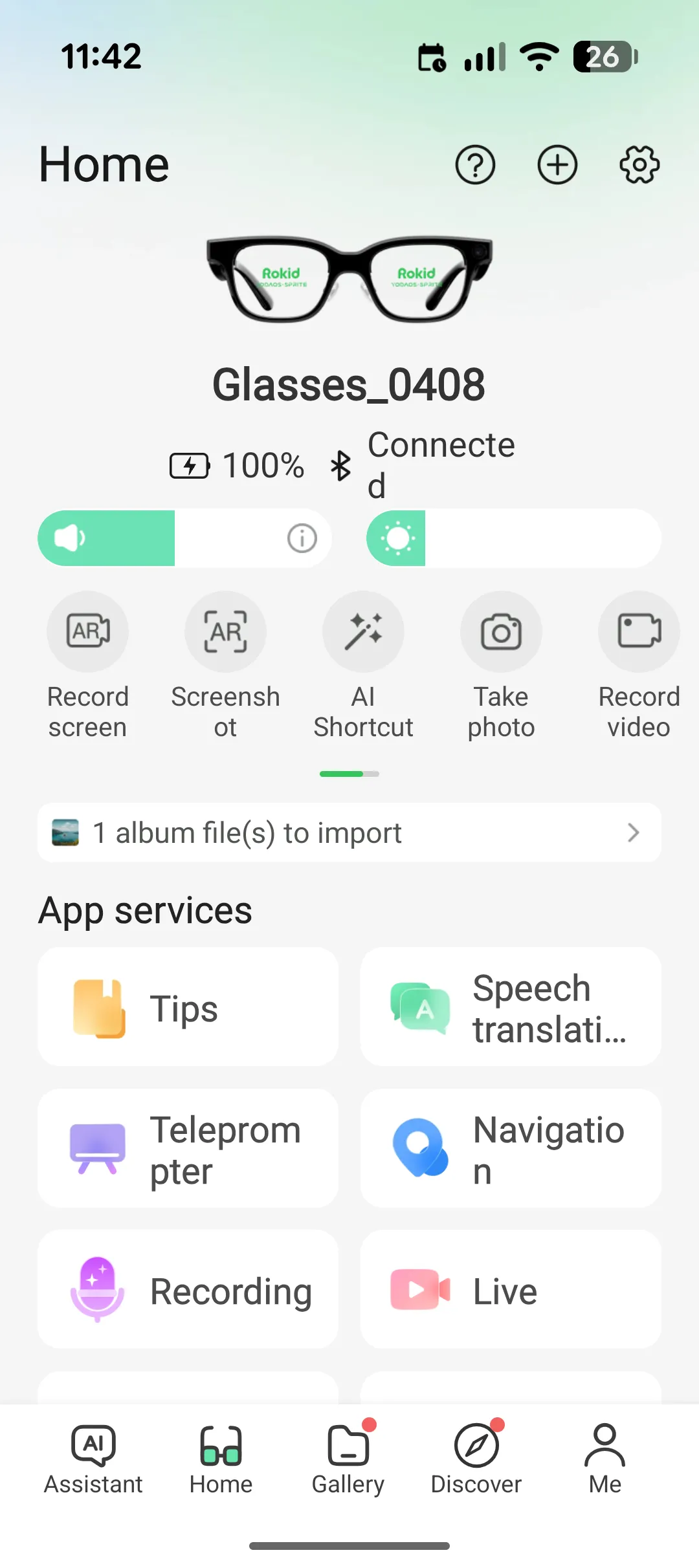
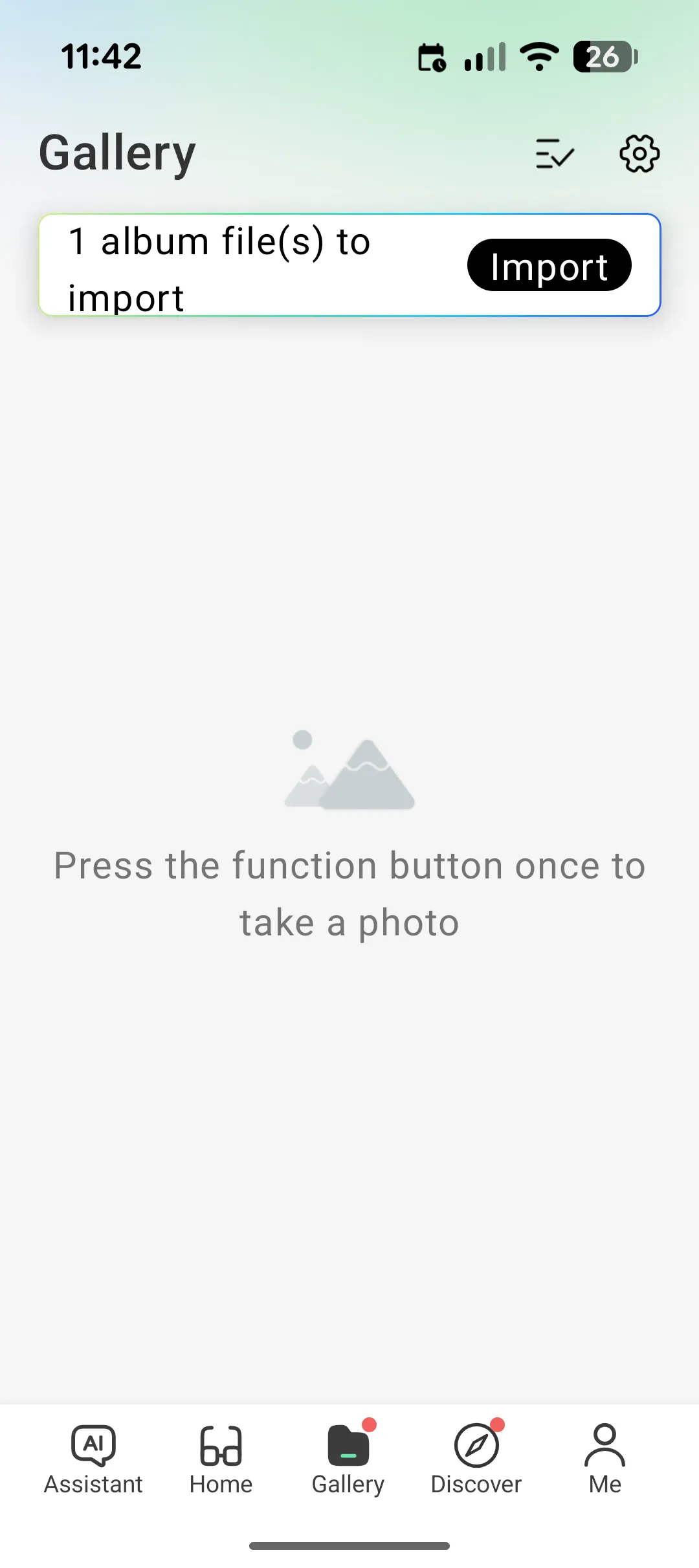
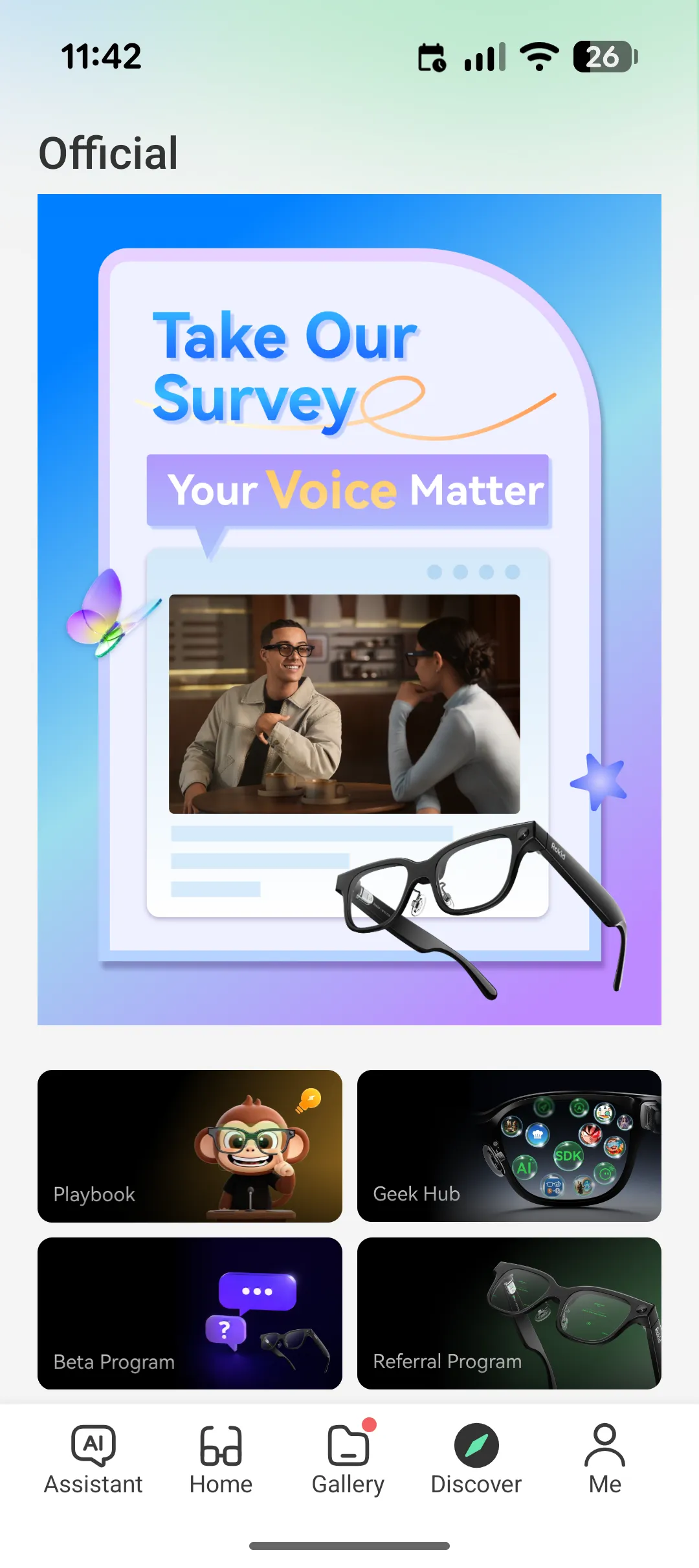
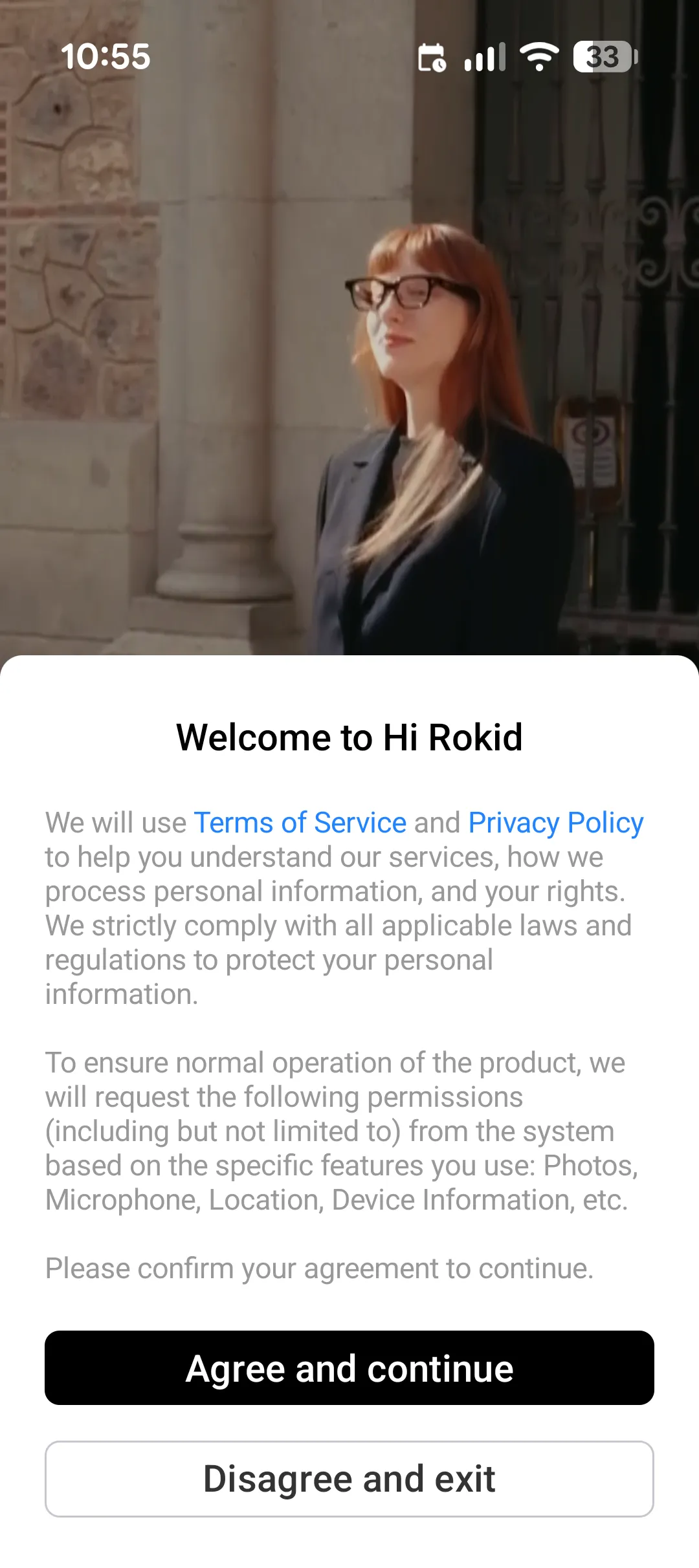
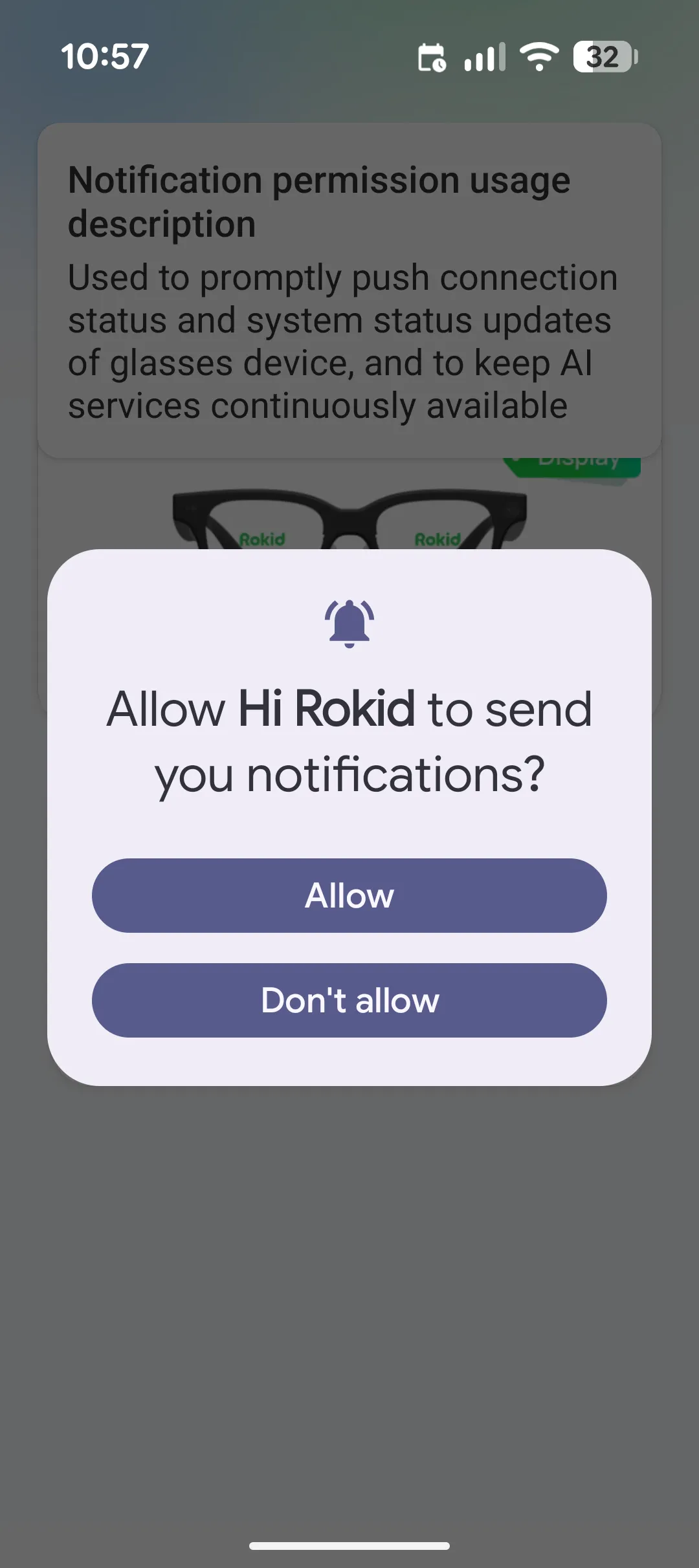
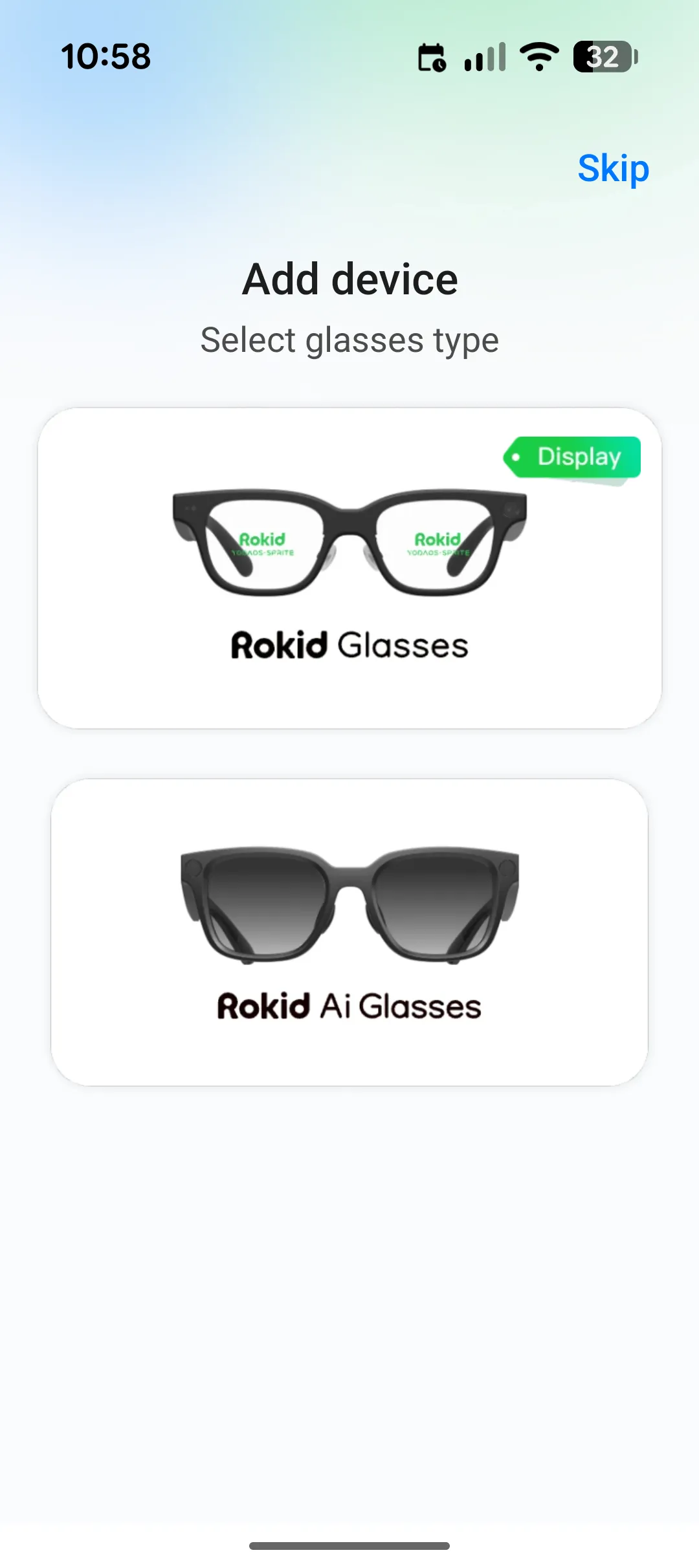
Setting them up is incredibly straightforward and all you need to do is simply download the Hi Rokid app, create an account and follow the wizard. Within minutes, the wizard guides you through connecting the glasses to your smartphone and your local Wi-Fi, making the initial setup process completely pain free.

.
.
Design & Comfort
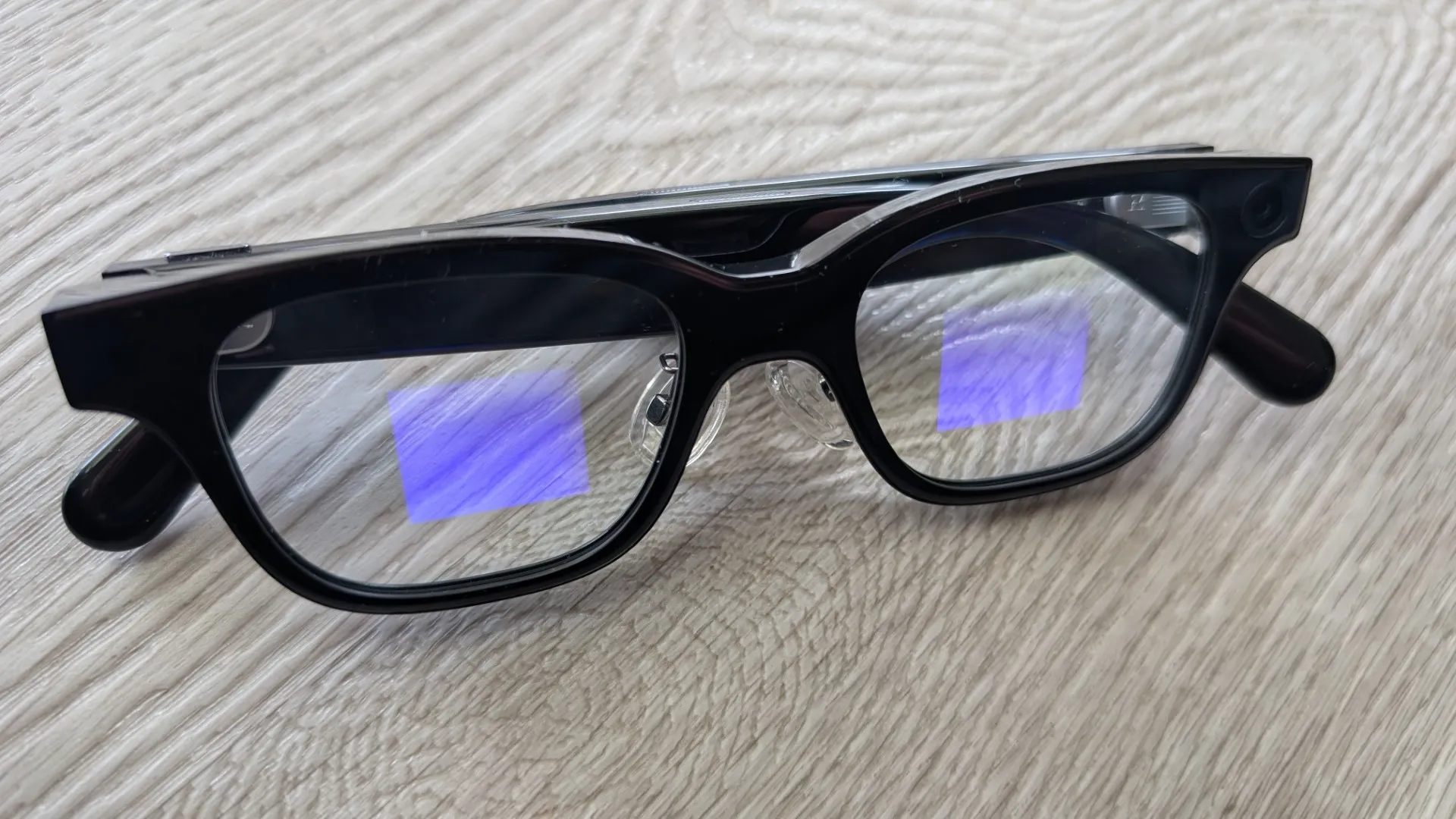
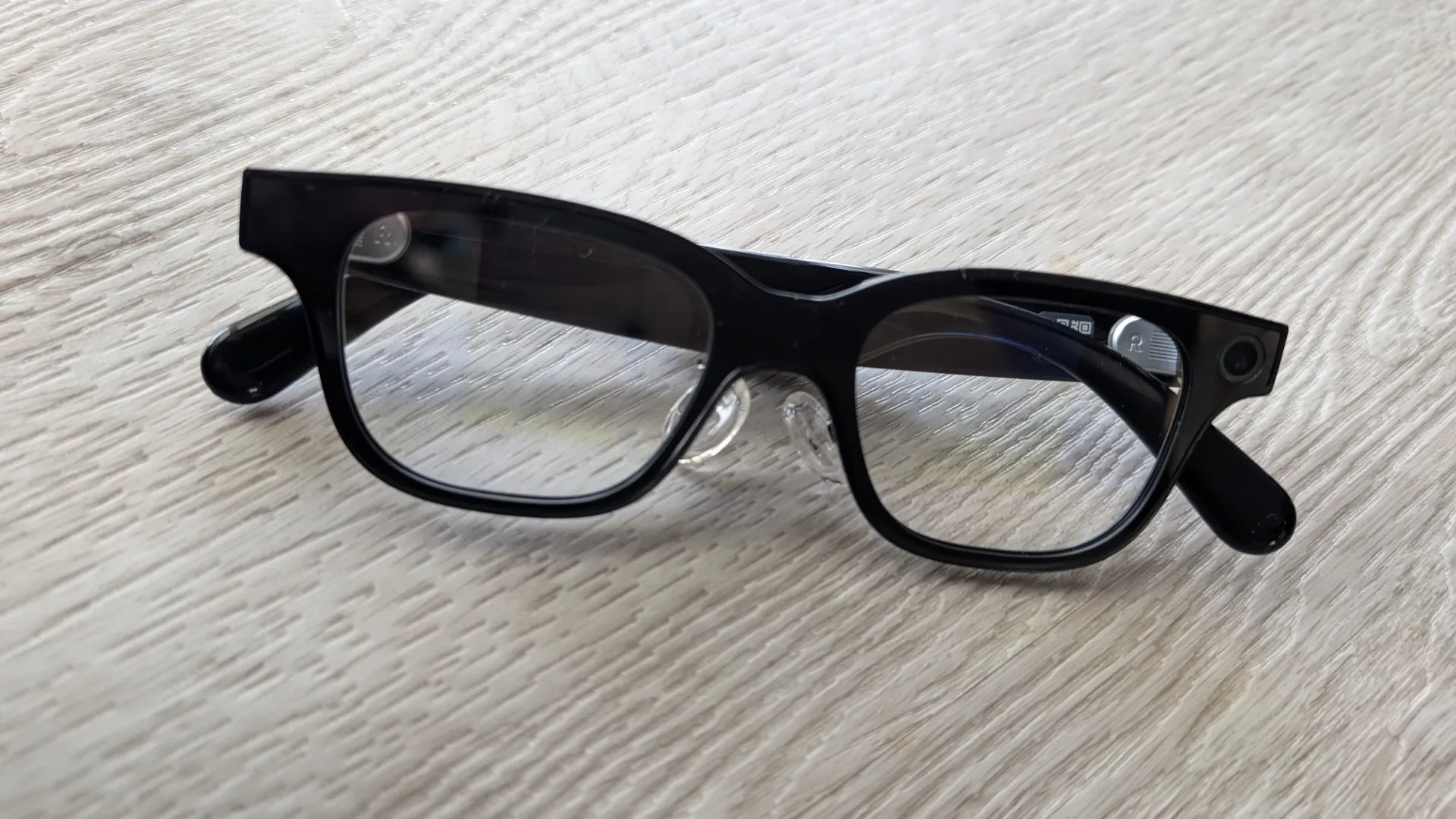
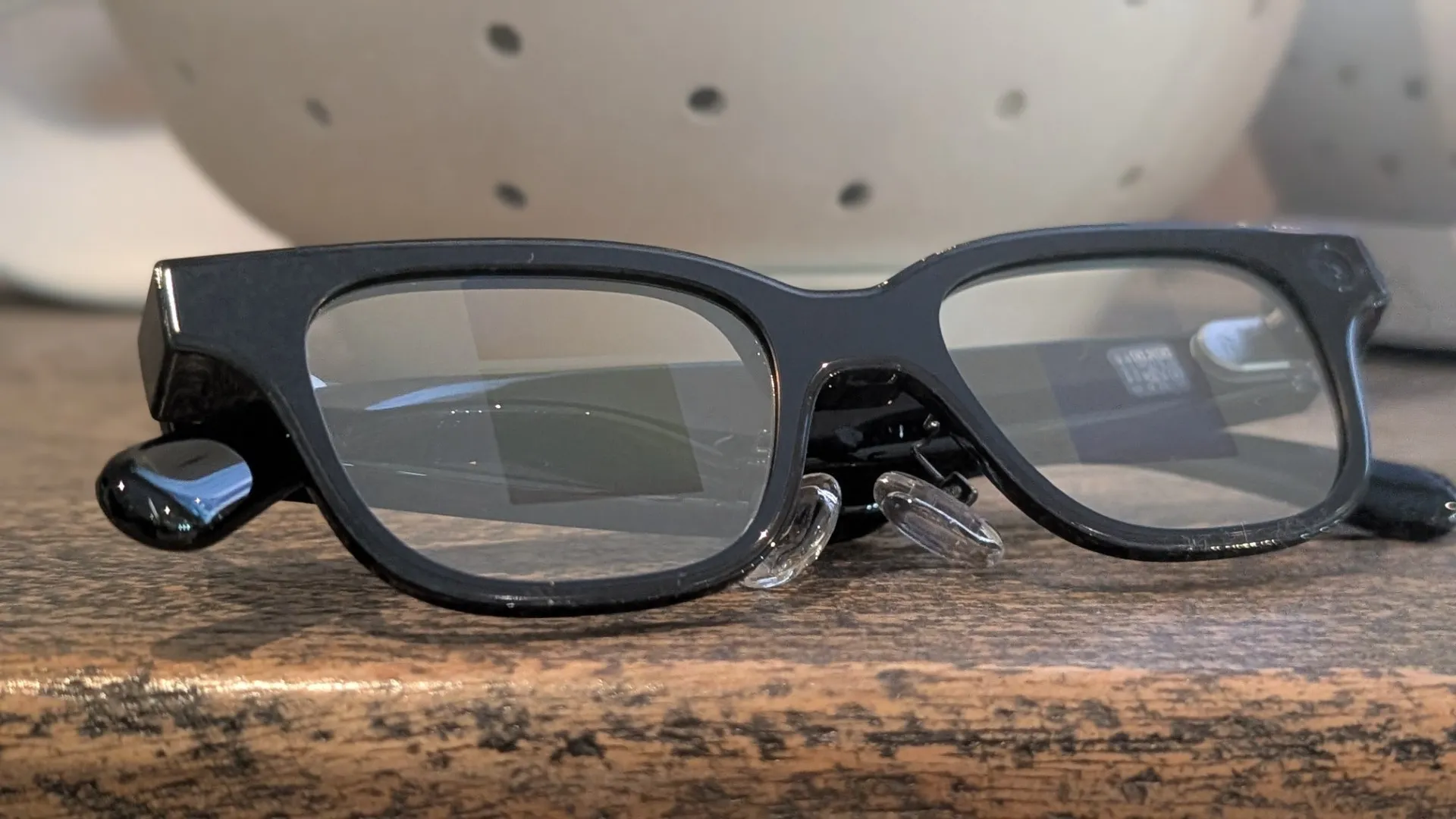
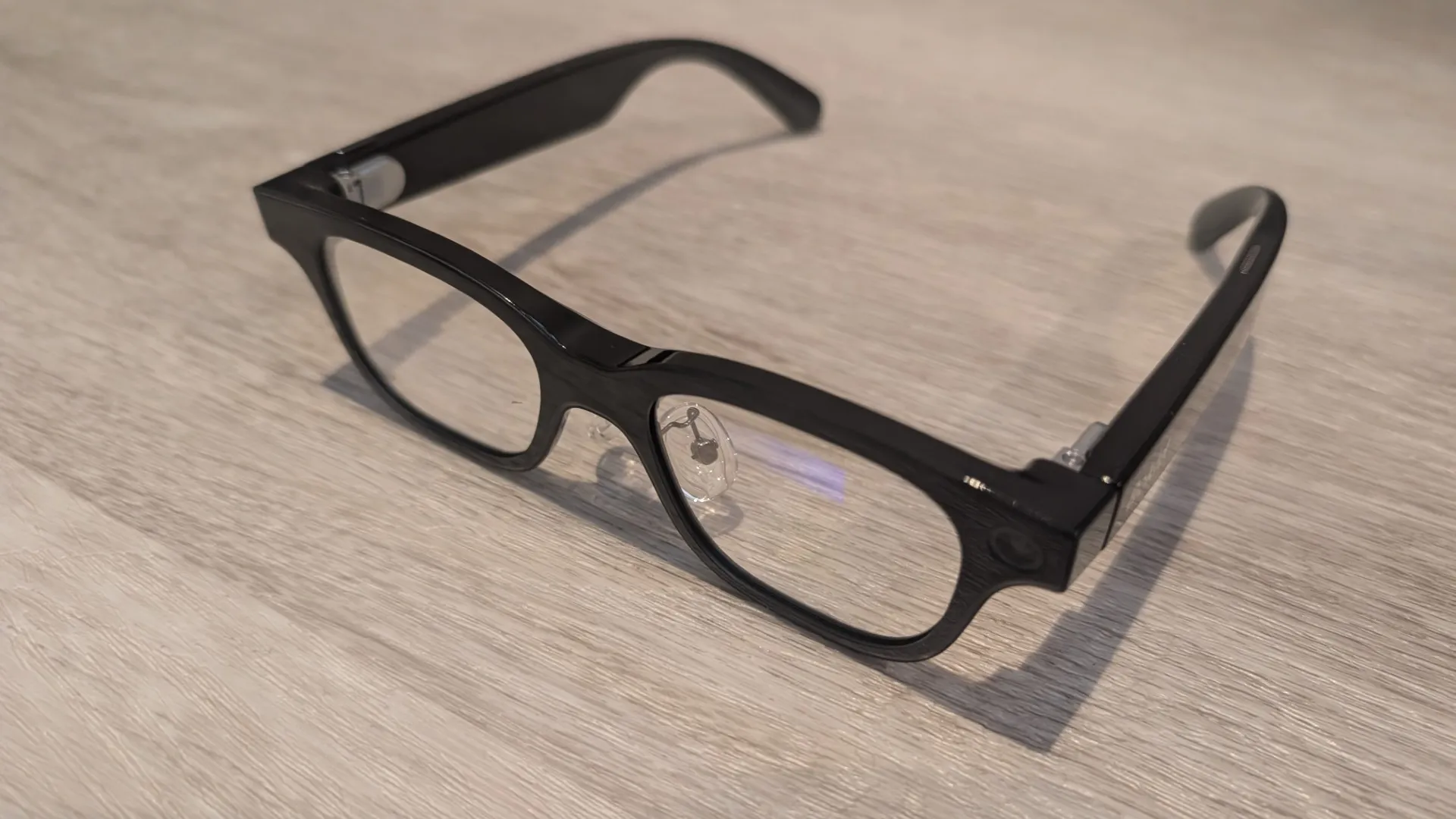
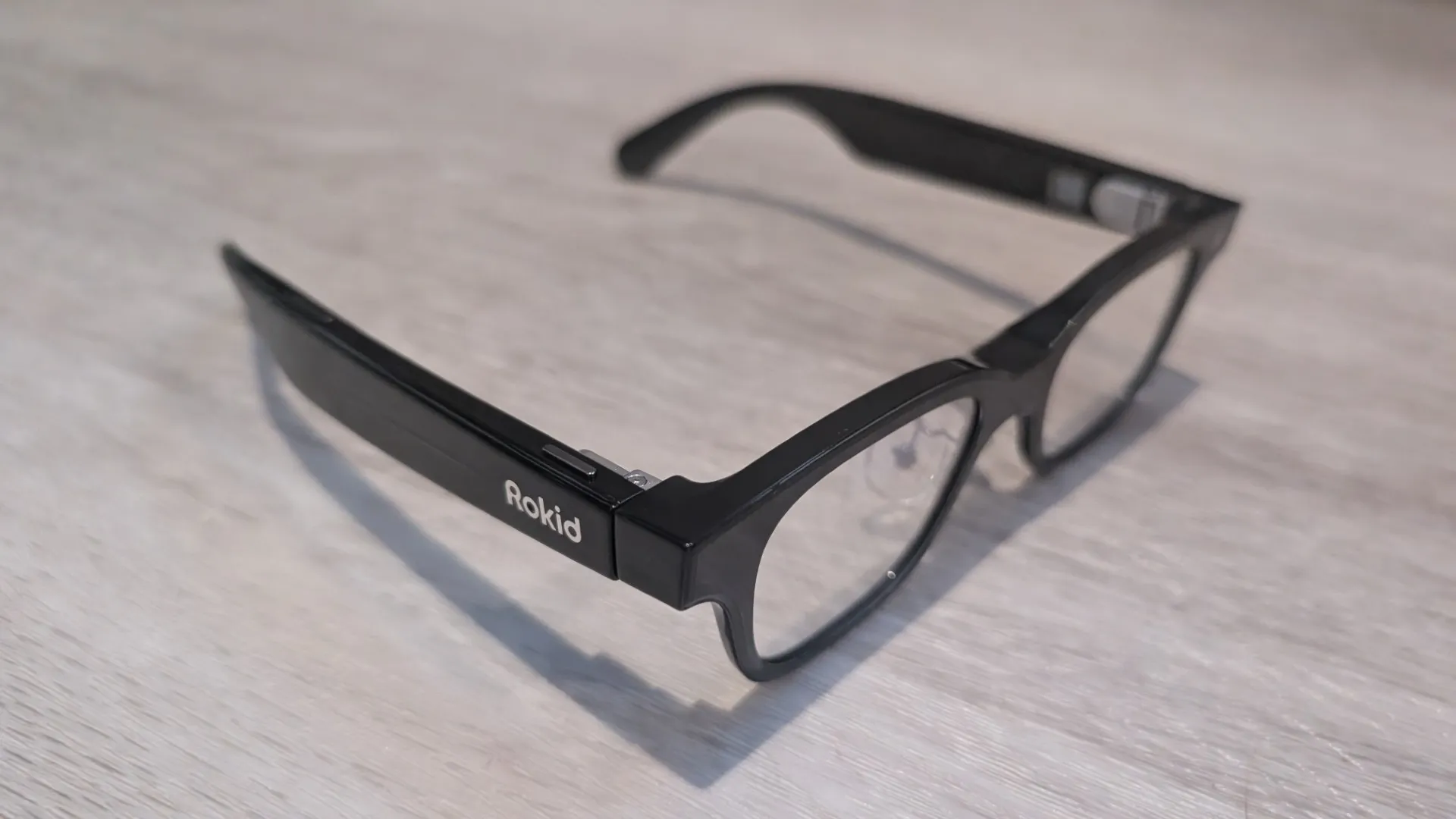
In terms of aesthetics, they feel almost like a pair of standard glasses. Impressively, Rokid has managed to pack all this tech into a body that weighs just 49 grams, making them incredibly lightweight for smart eyewear. However, unlike traditional prescription eyewear, the frame lacks a natural curve which is a functional necessity to house the Monochrome Green Micro-LED waveguide display. For those who require vision correction, the glasses also support custom prescription lens inserts.
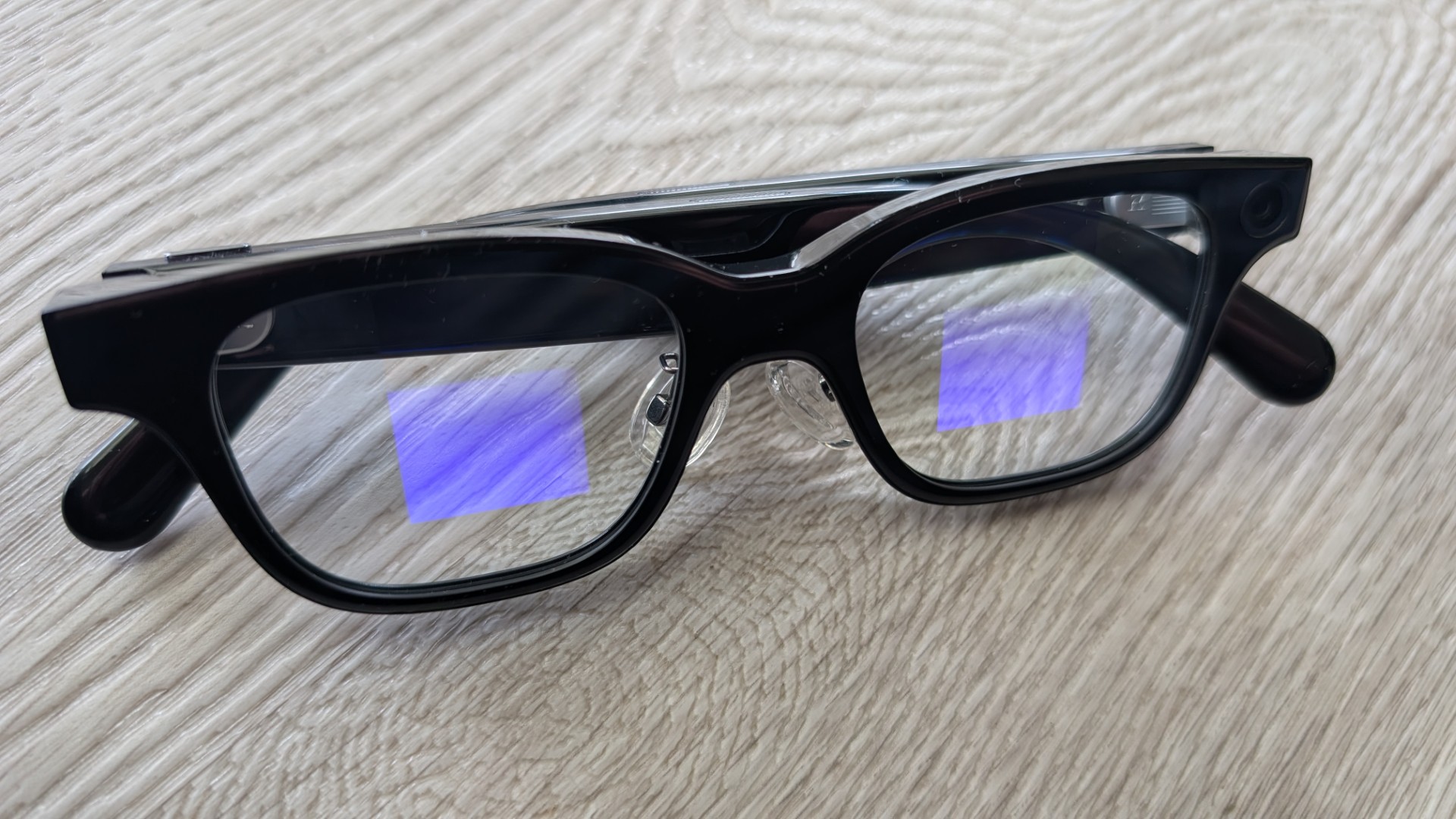
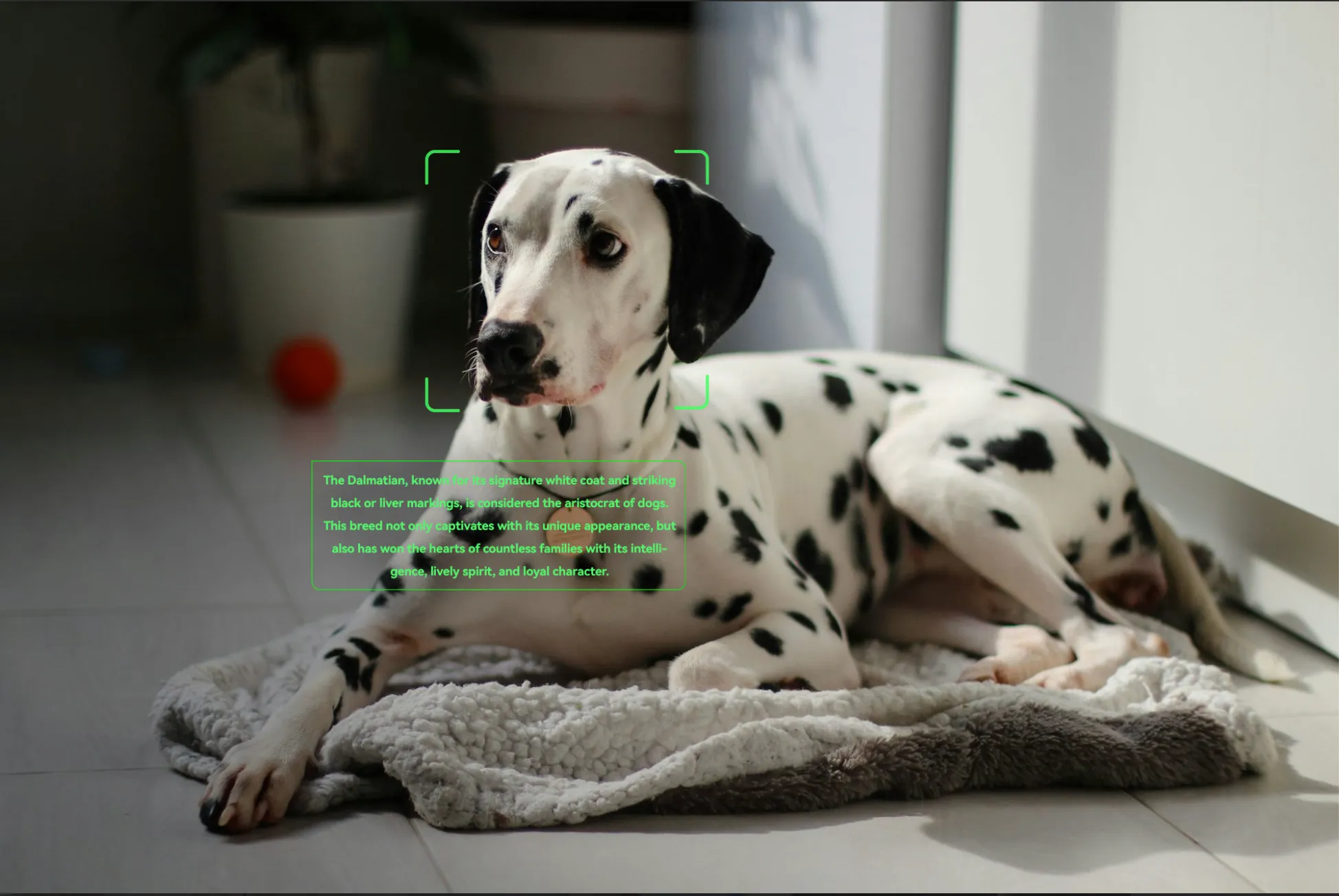
This waveguide technology provides high-contrast, crisp text with a 23-degree field of view (FOV). It functions perfectly as a centered, informative HUD that remains legible even in bright environments, though direct, high-noon sunlight can still be a challenge. It’s also worth noting a minor real-world quirk of the monochrome green display: the text can occasionally blend in or vanish if you happen to be staring directly at lush green objects like grass or foliage.
While the flat architecture makes them feel slightly less snug than contouring frames, they remain comfortable for extended wear. Further, you can easily adjust the text display settings such as brightness and font size via the app. For those concerned about privacy, the glasses feature a clear LED indicator light that activates whenever the camera is recording. With that said, keep in mind that because of this distinct flat-front design and the tech housed in the frame, they don’t offer total “stealth” wear; they look unique enough that you will likely get curious looks and perhaps questions from strangers.
Features
Under the hood, these glasses are powered by the Qualcomm Snapdragon AR1 Gen 1 platform, providing a snappy foundation for its various capabilities. At its core, the Rokid Glasses serve as a dual hands-free camera and a powerful information hub thanks to ChatGPT and Gemini. Media and photos are saved directly to the 32GB of internal storage, giving you plenty of room for on-the-go capture. The camera also utilises an impressively wide field of view and electronic image stabilization, ensuring that even shaky, on-the-go recordings come out looking smooth.
Photo and Video Quality
- Photo: Captures 12MP (3:4), 9MP (9:16), and 6.8MP (4:3)
- Video: Supports native 3:4 at 1680p (30 FPS), 9:16 at 1260p (30 FPS), and 4:3 at 1680p (30 FPS)
For maximum clarity, it also offers a 3K mode at 30 FPS or a smooth 60 FPS mode at 720p for portrait video. Considering the size of the Rokid Glasses, the photos are impressive with excellent colours. However, the photography of the glasses is trumped by the video quality which provides clear, smooth videos.
Photo Gallery





While these glasses utilize Rokid’s in-house processing, they are powered by an open AI ecosystem. A standout feature is the ability to toggle between models like Google’s Gemini, ChatGPT, DeepSeek and Qwen within the Hi Rokid app, allowing you to choose the AI “brain” that best suits your needs for visual analysis and queries.
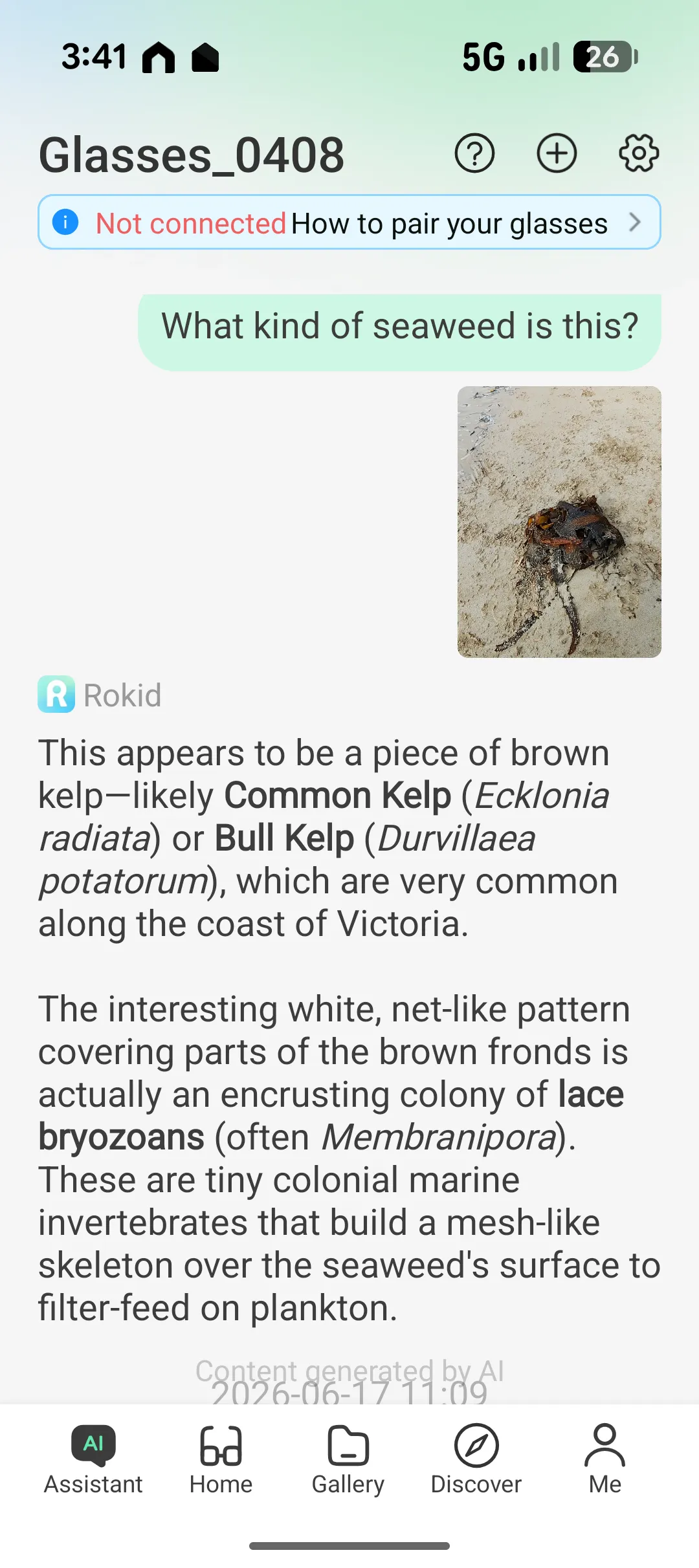
In practice, the glasses are an exceptional tool for information gathering. The real-time translation is a definitive highlight, helping with pronunciation while functioning as a heads-up teleprompter. Whether you are solving complex math, converting metrics, or asking general knowledge questions, the AI’s context awareness is remarkably detailed.
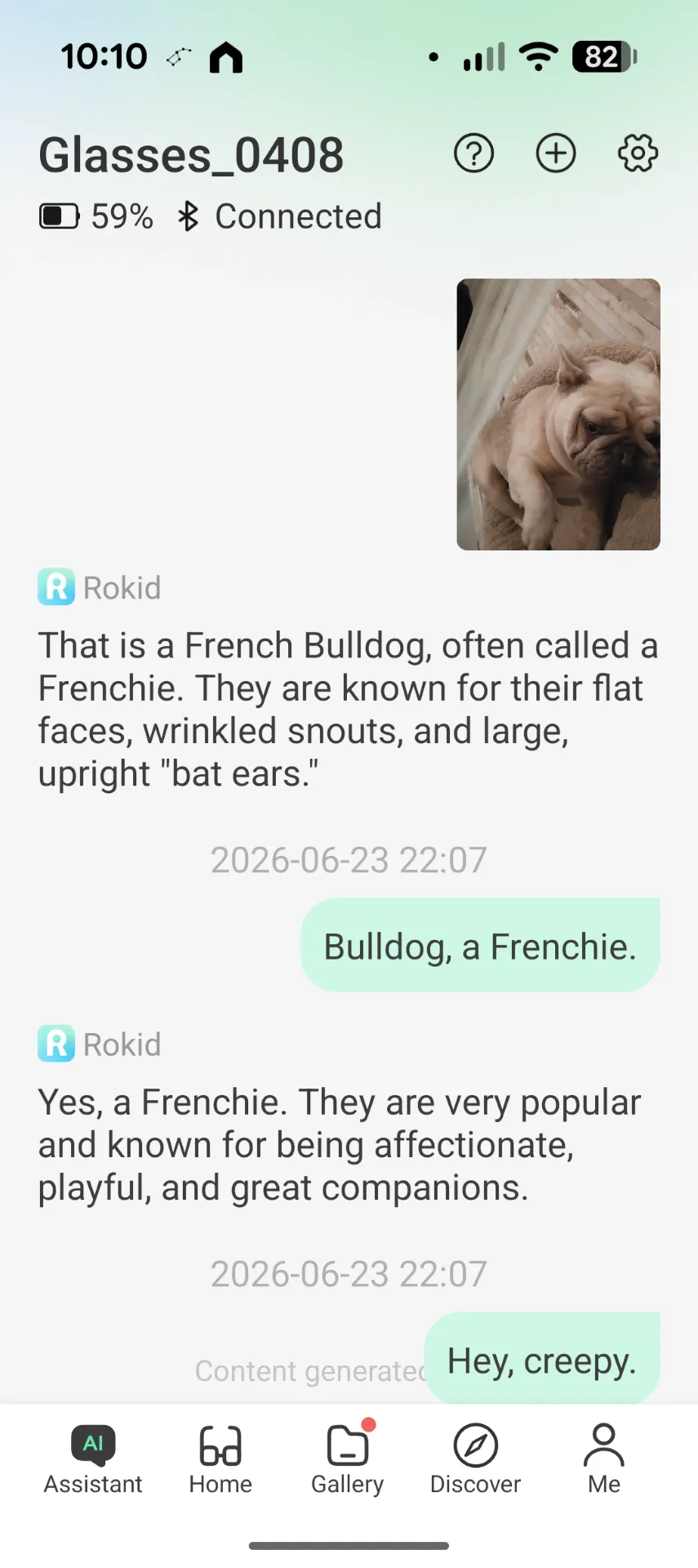
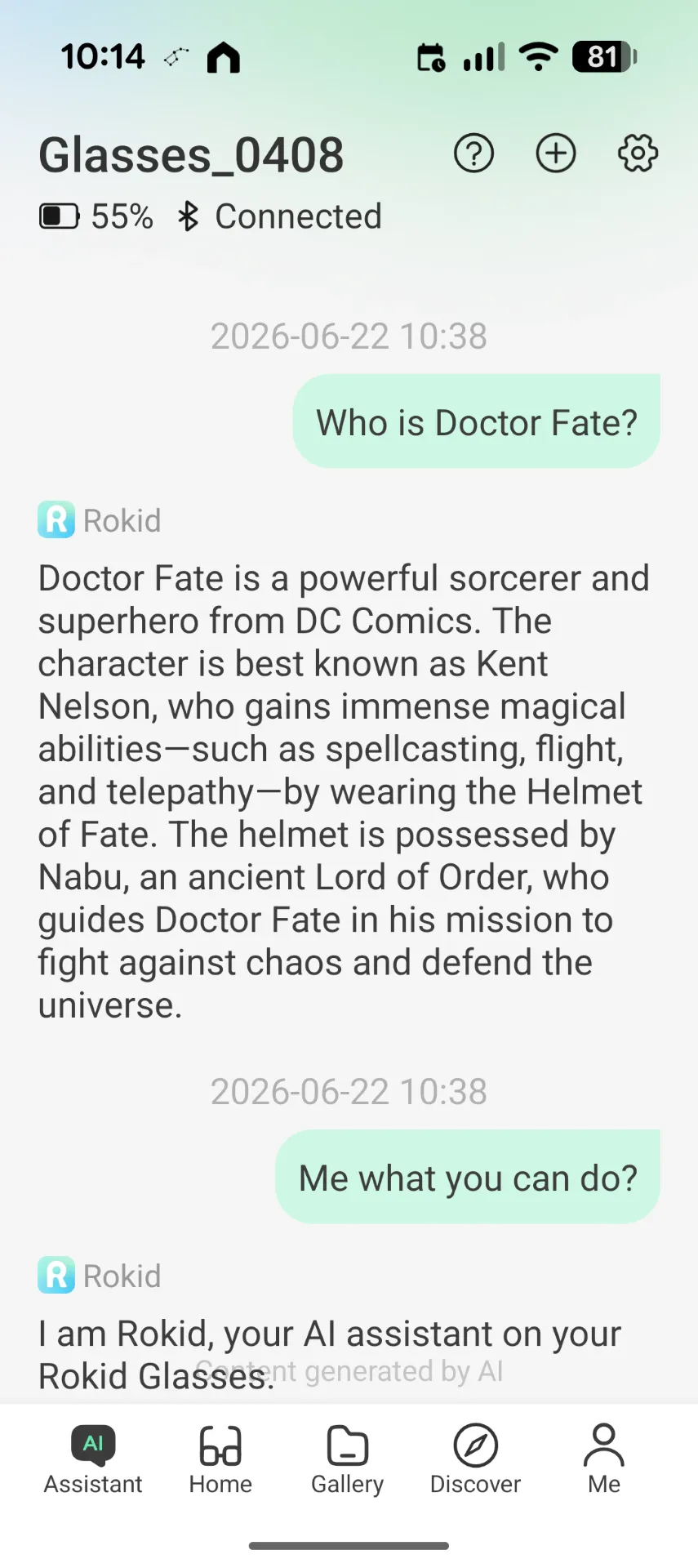
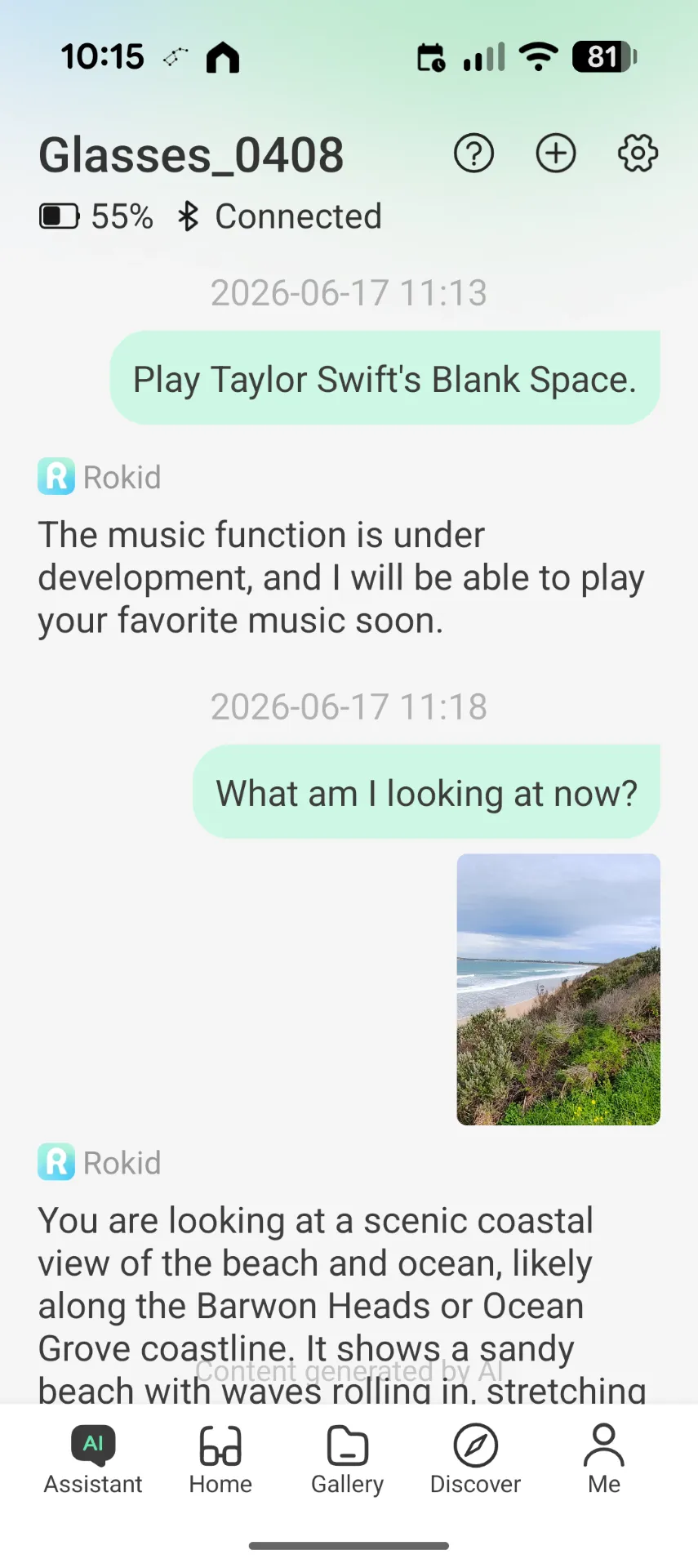
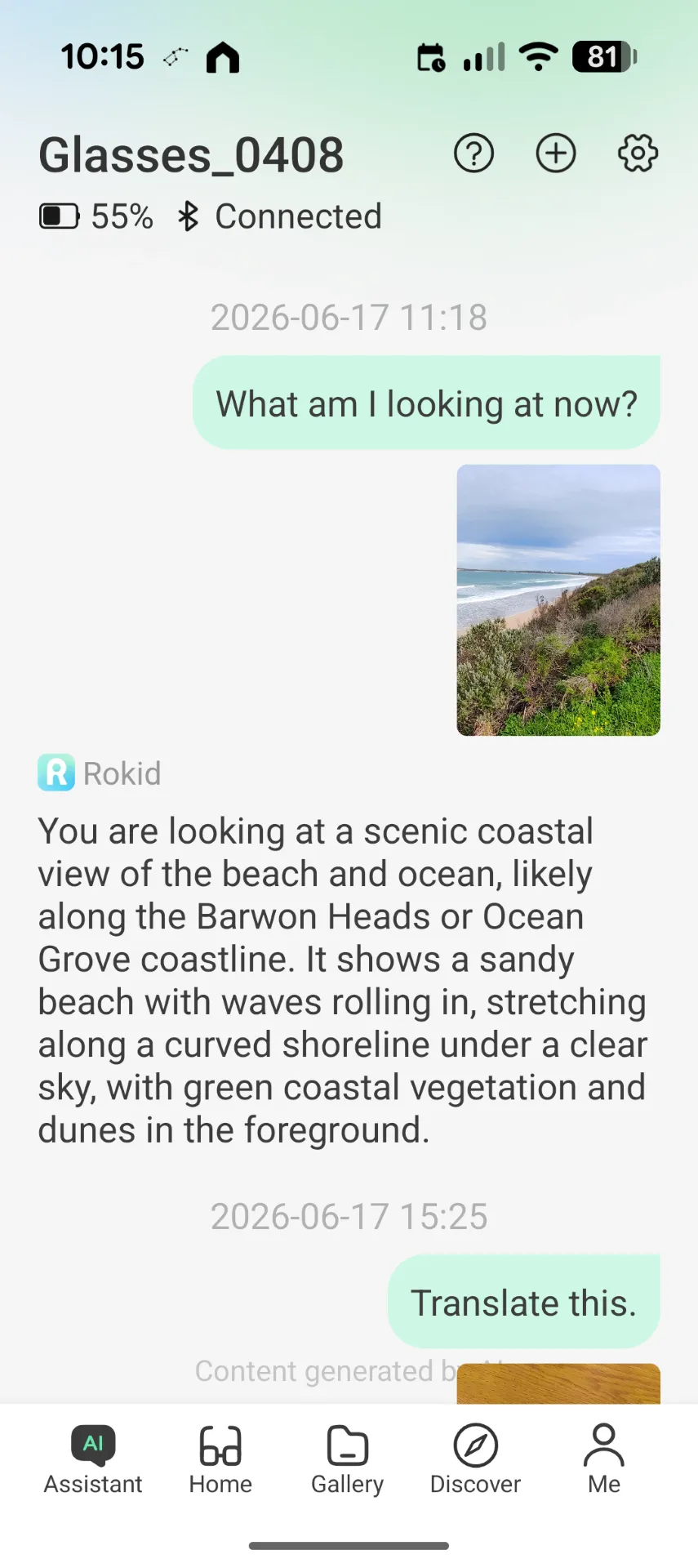
Additionally, the First-Person Visual Analysis is equally impressive and by tapping into Google Maps, the glasses can identify your surroundings. During testing, I stopped outside the Barwon Heads Hotel and the AI correctly identified the venue and even retrieved the most popular menu item which was the chicken parmigiana.
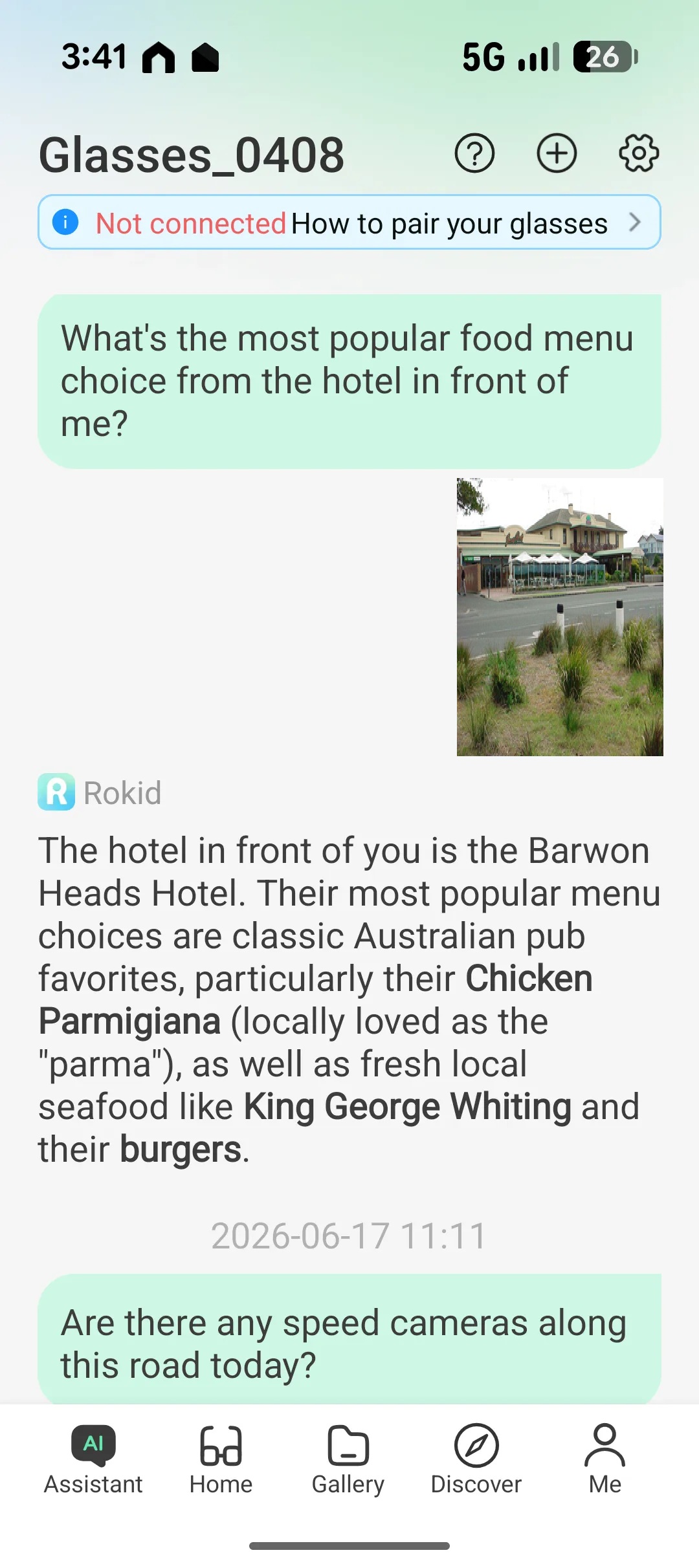
To activate the AI, you simply say “Hi Rokid.” While it may not be as snappy as Hey Siri or Google, it is a new voice-activation system that will take some time to become familiar. It features an integrated 4-microphone array to catch your voice, but it can still sometimes struggle in loud ambient environments, requiring a clear and louder voice to trigger effectively.

Audio responses from the AI are delivered via dual open-ear speakers built into the arms. The voice responses sound remarkably clear and natural, though because they are open-ear, there is a tiny amount of audio leakage if someone is standing right next to you in a dead-silent room.
What about battery? On standby, the glasses last over 24 hours, with about 12 hours of mixed-use battery life. For power users looking to extend this, Rokid offers an optional magnetic “Power Capsule” accessory (sold separately) that clips directly onto the frame, bypassing the 40-minute continuous video recording limit and allowing on-the-go recharges. To maximize longevity natively, you can toggle off the voice wake-up feature in the app settings.
Final Thoughts
The Rokid glasses prove that the future of wearable AI is almost here and it is an undeniably impressive start packed with genuine features from first-person navigation to hands-free documentation. While the flat frame design takes some getting used to and a few features like dedicated music playback and phone calls are still in development, the core hardware and AI experience are rock solid.


Related Posts

iGulu Sparkling White Wine Fermentation Kit Review →

Hardware Reviews #TechReviews →
reMarkable Paper Pure Review →