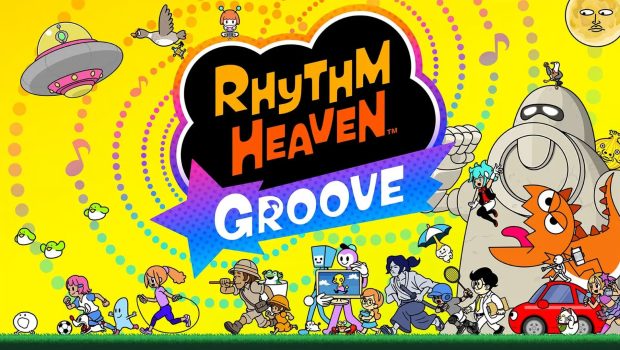
Rhythm Heaven Groove Review (Switch)
Summary: Rhythm Heaven Groove delivers a huge collection of creative rhythm minigames that are easy to learn but rewarding to master. Its quirky humor, memorable music, and simple controls make it a fun game to pick up whether you're playing alone or with a friend. While its repetitive structure makes it best enjoyed in shorter sessions, its charm and addictive gameplay make it easy to keep coming back.
4.3
Catchy Cadence
It’s been a long wait for fans of Nintendo’s quirky rhythm series, but the wait has finally paid off. Rhythm Heaven Groove is a rhythm action game developed by Nintendo and TNX, published by Nintendo, and released exclusively for the Nintendo Switch on July 2, 2026. Known as Rhythm Paradise in some regions, the series began with Rhythm Tengoku in 2006, making this the fifth main entry after an eleven year gap since Rhythm Heaven Megamix. Over the years, plenty of rhythm games like Rhythm Doctor, Bits & Bops, and Melatonin have captured parts of what makes the genre so enjoyable, but there’s still something about Rhythm Heaven that no one else has quite managed to recreate. It strips rhythm games down to their simplest form and builds its design around timing, music, and pure creativity while also having that particular Nintendo magic.

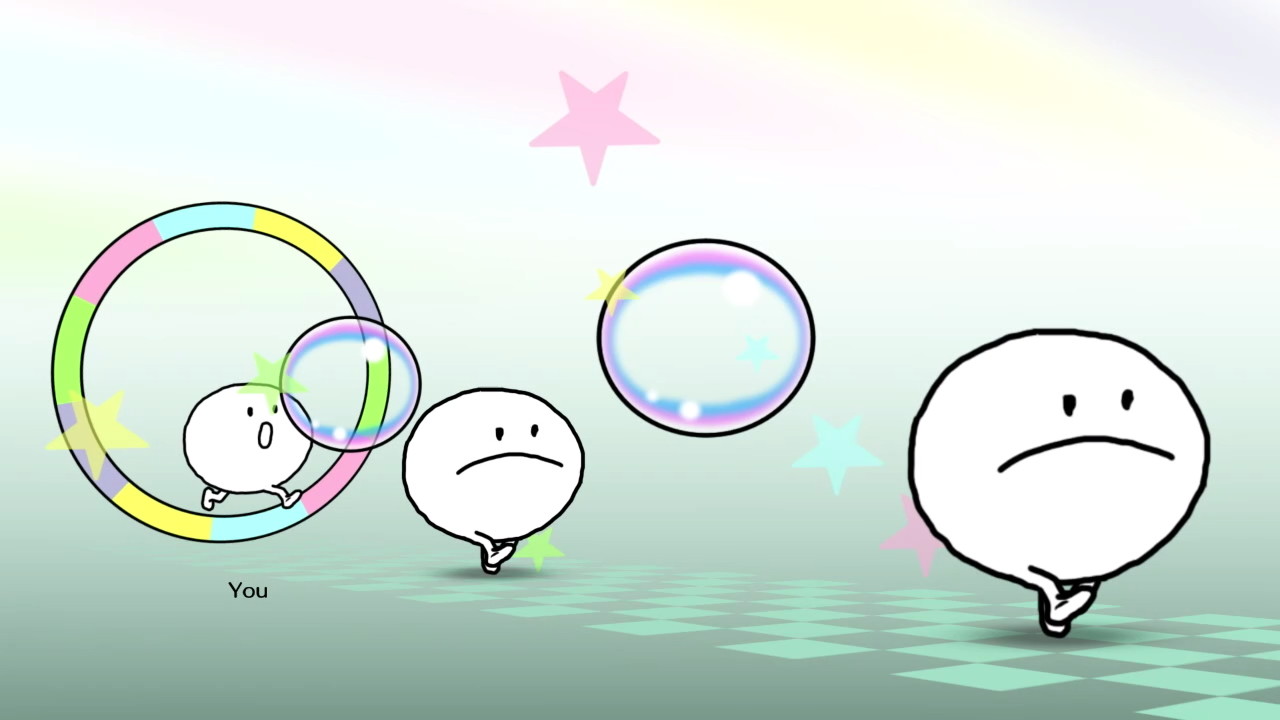
Unlike many games in the genre, Rhythm Heaven has never been about flashy visuals or memorizing long note charts. Instead, everything revolves around listening. You’re constantly encouraged to trust your ears more than your eyes, and the game even reminds you early on that having rhythm matters. Every minigame teaches you the beat before asking you to put those lessons into practice, creating a gameplay loop that feels welcoming while still demanding precision. The strange collection of characters and situations become the personality of the game, making each stage feel like stepping into a completely different little world.
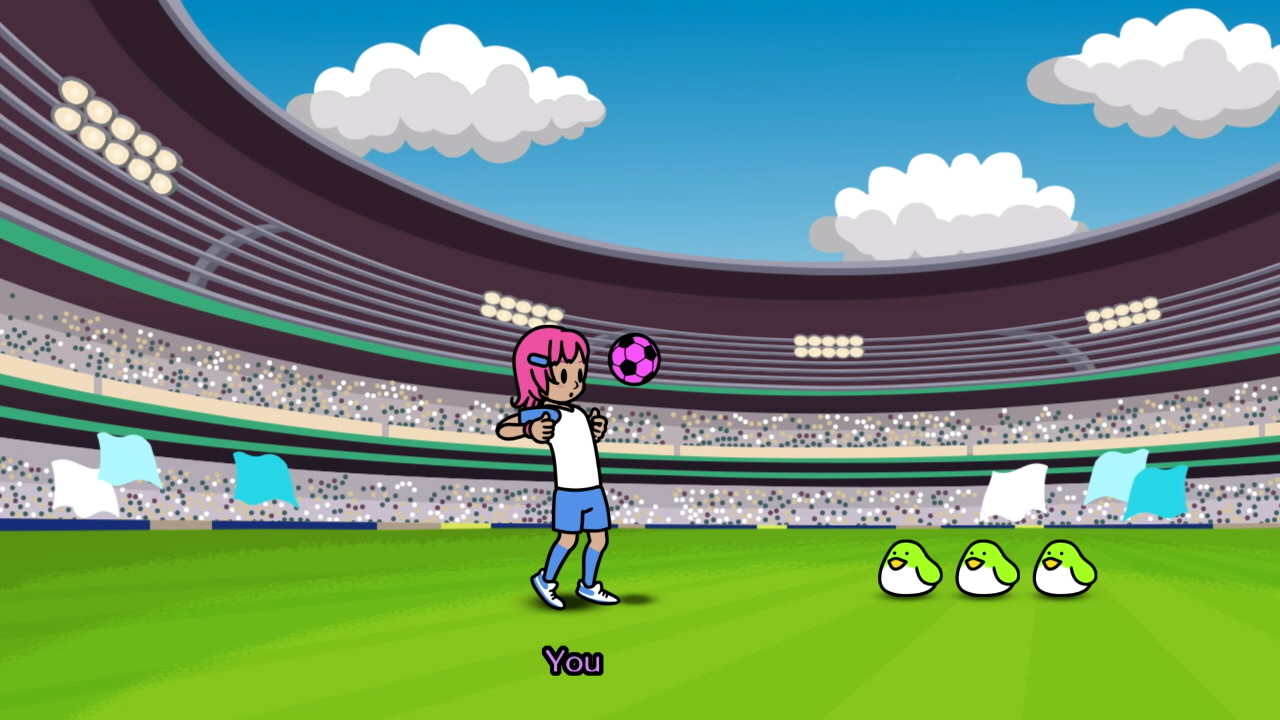
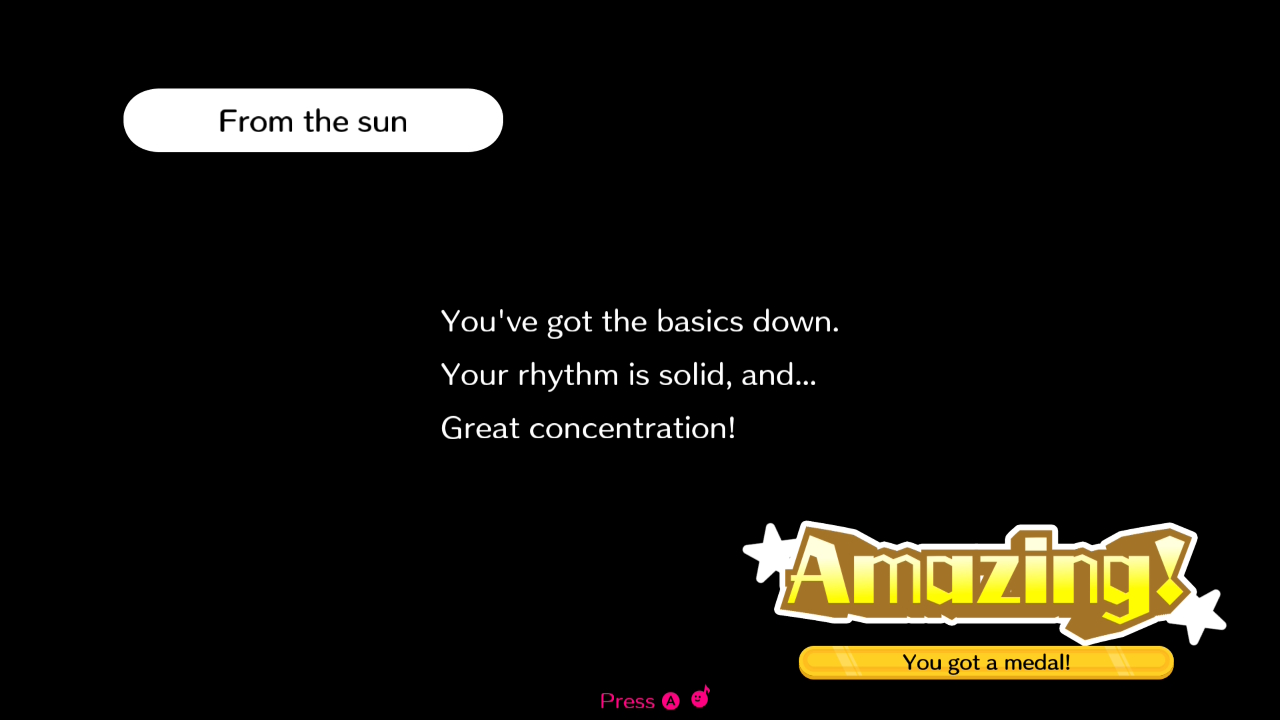
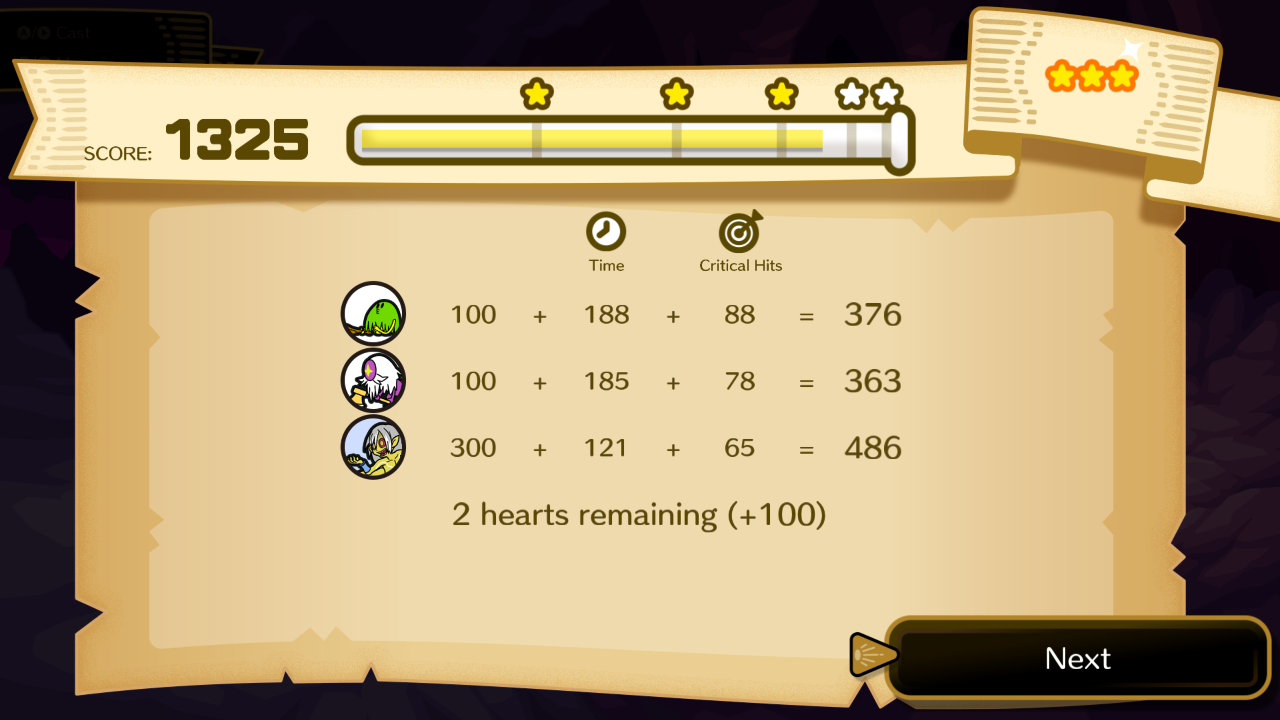
The gameplay is exactly what longtime fans have been hoping for. Every minigame focuses on simple controls, usually asking you to press or hold the A button alongside one of the directional buttons. The inputs themselves are easy to understand, but mastering the timing is another story entirely. Each stage begins with a quick tutorial before dropping you into the real performance where your sense of rhythm is put to the test. Finish a song and you’re graded on your performance, making it hard to resist jumping back in to improve your score. Even when you miss a beat, the game rarely feels frustrating because the stages are so short and entertaining that trying again is part of the fun.
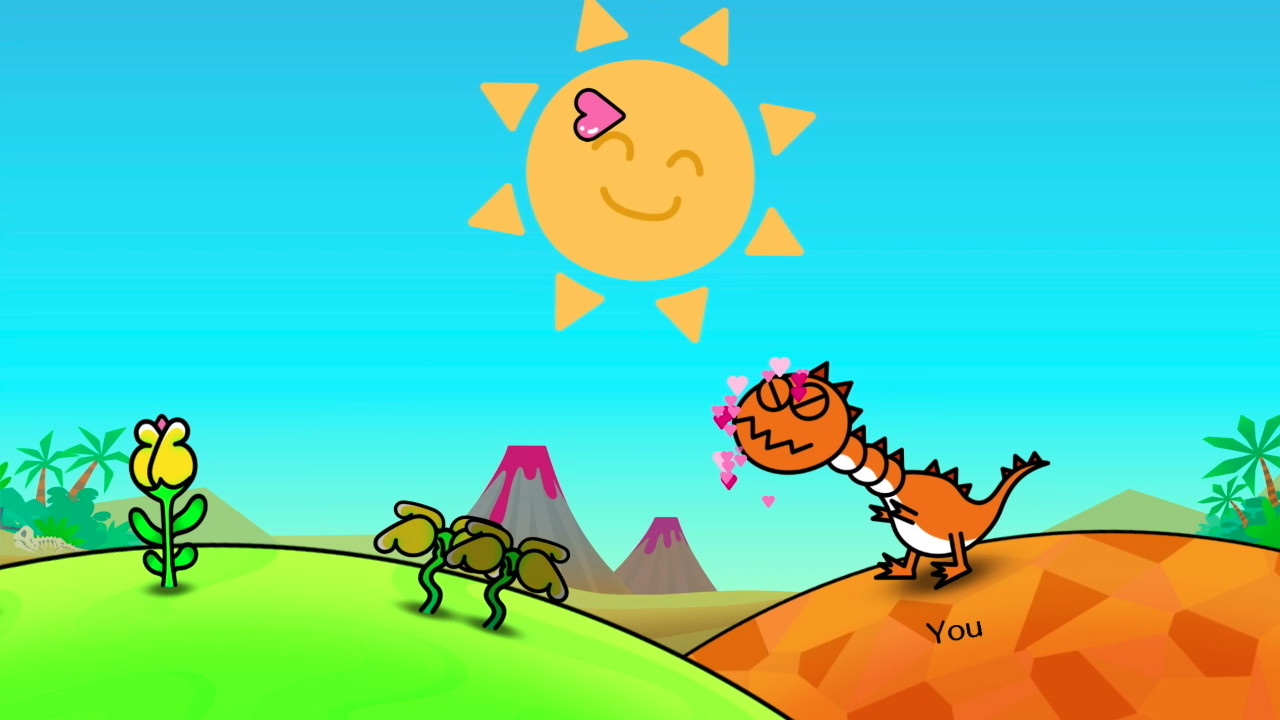
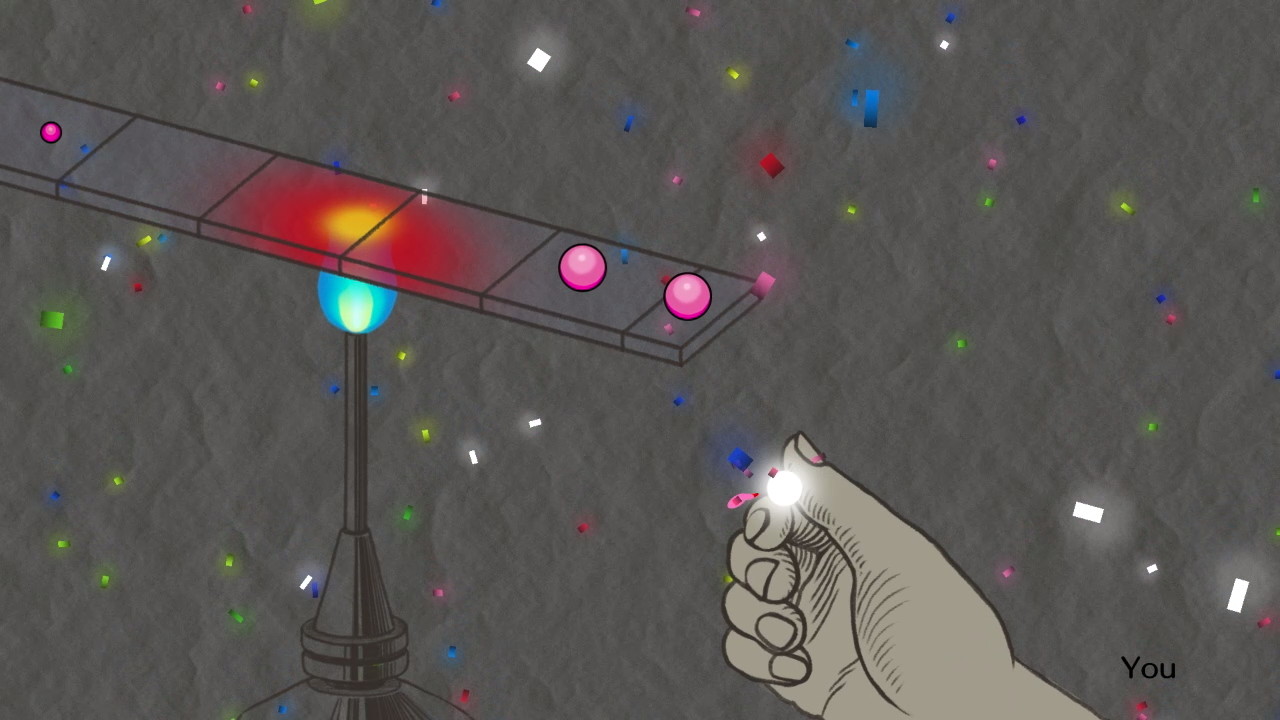
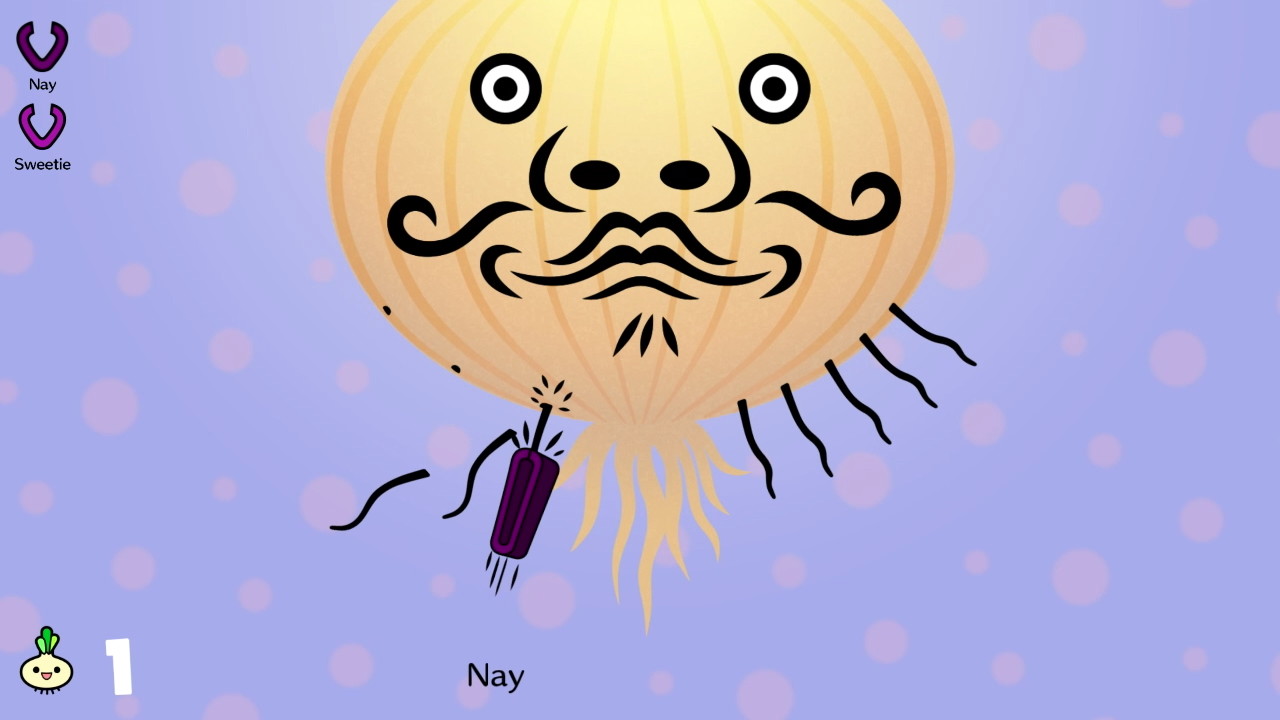
The variety between minigames is what keeps everything feeling fresh. One moment you’re speeding up and stopping a car, then you’re polishing floors, hiding from a sneezing moon, jumping over windshield wipers, catching bugs alongside your daughter, helping frogs jump, or throwing a frisbee to a dog. It sounds ridiculous because it absolutely is, but that’s exactly where Rhythm Heaven shines. Cats, frogs, aliens, robots, cars, onions, and all sorts of bizarre characters show up throughout the adventure. The strange imagery never feels random just for the sake of being random. It gives the game an identity that makes every new level exciting because you genuinely have no idea what you’ll be doing next.

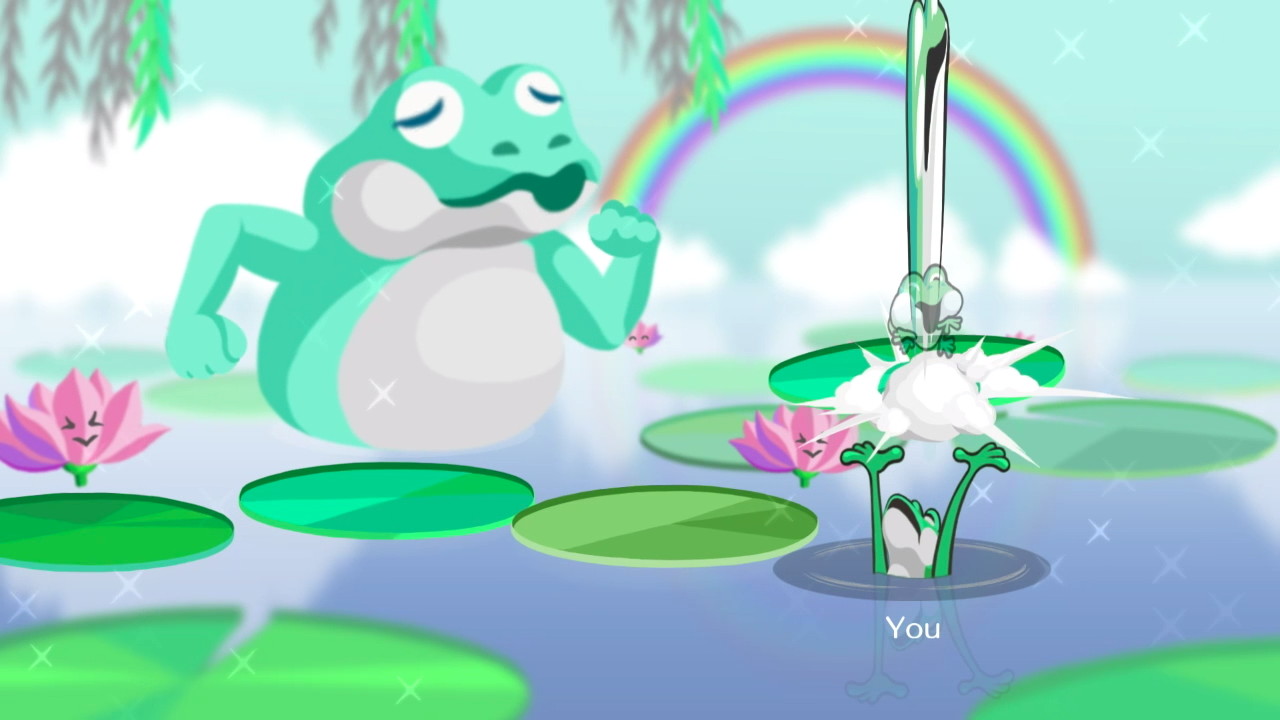
What really makes these stages memorable is how often they play with your expectations. The camera constantly shifts perspective, zooms in unexpectedly, or sometimes blocks important parts of the action altogether. In many games that would be frustrating, but here it actually reinforces the core design. Instead of relying on visuals, you’re forced to trust the music and audio cues. Before long, you stop watching every animation and simply feel the rhythm. It’s surprisingly satisfying when everything clicks together.

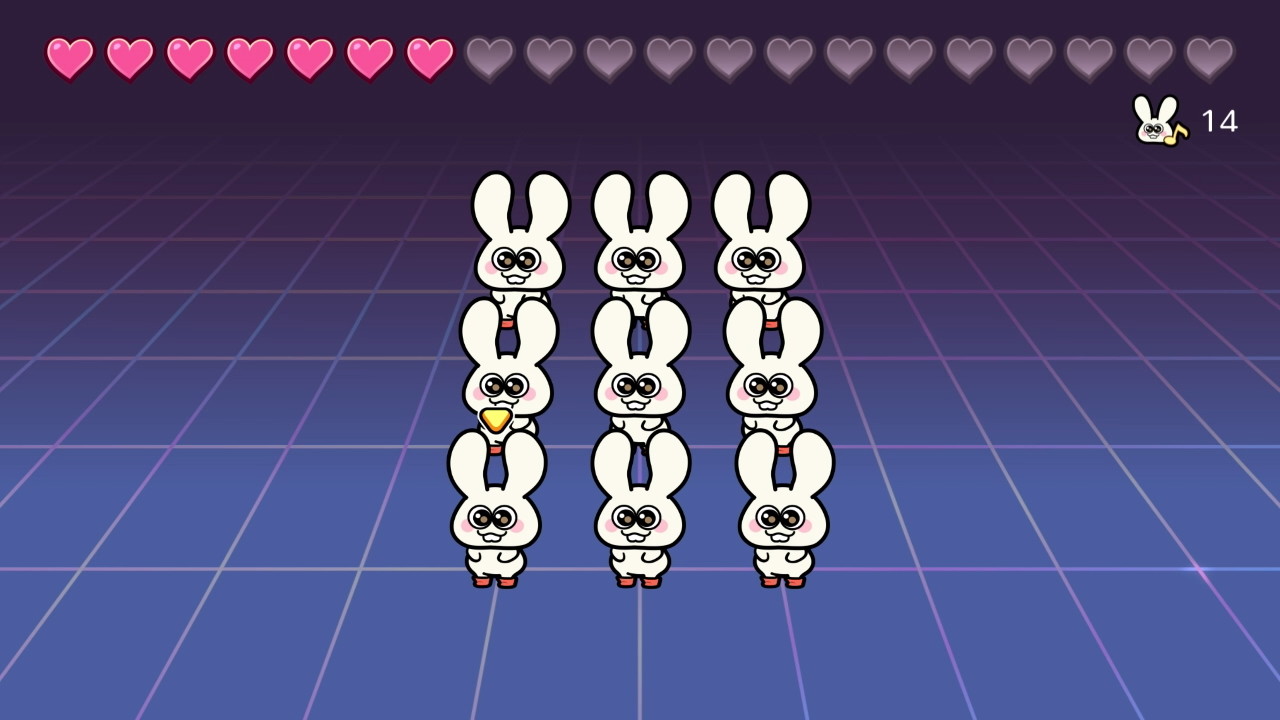
The campaign offers a generous amount of content. The main adventure is built around eight stages, each containing four individual rhythm games followed by a Remix stage that combines everything you’ve learned into one longer performance. These remix levels are some of the biggest highlights because they constantly switch between previous minigames, forcing you to remember different button combinations and rhythms without missing a beat. After finishing the main campaign, you unlock the Flipside, which introduces alternate versions of the main stages along with entirely new challenges. In total, there are more than eighty single player minigames, twenty remix stages, and another thirty multiplayer games to work through, giving completionists plenty to master. Plus, there are other tidbits like perfecting stages to unlock a small comic strip. There’s a lot of fun to be had here.
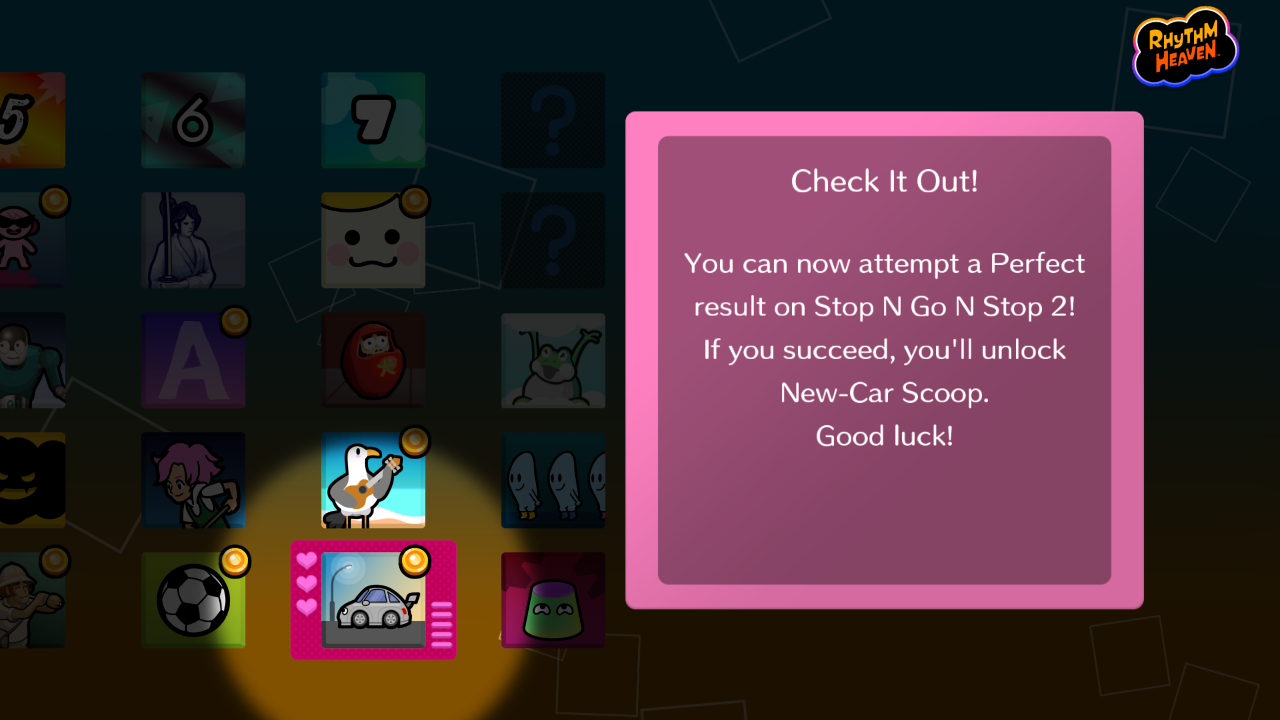
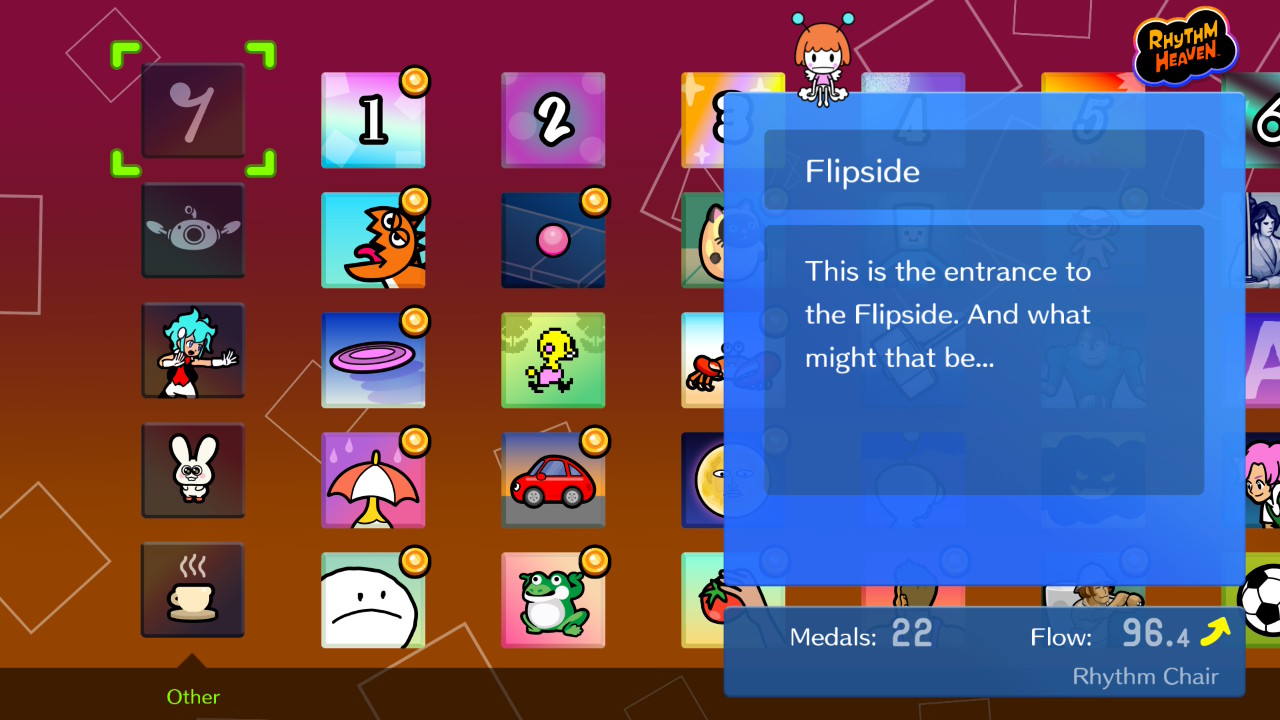
One thing I appreciated is that the challenge comes naturally rather than through complicated mechanics. The controls never become overly complex, but the rhythms certainly do. Some songs speed up dramatically while others intentionally throw you off balance with unusual pauses or changing tempos. It’s one of those games that’s incredibly easy to understand but surprisingly difficult to perfect. That constant push to improve your score makes replaying stages feel rewarding instead of repetitive. You also get rewarded by unlocking more things when you earn medals for mastering stages.
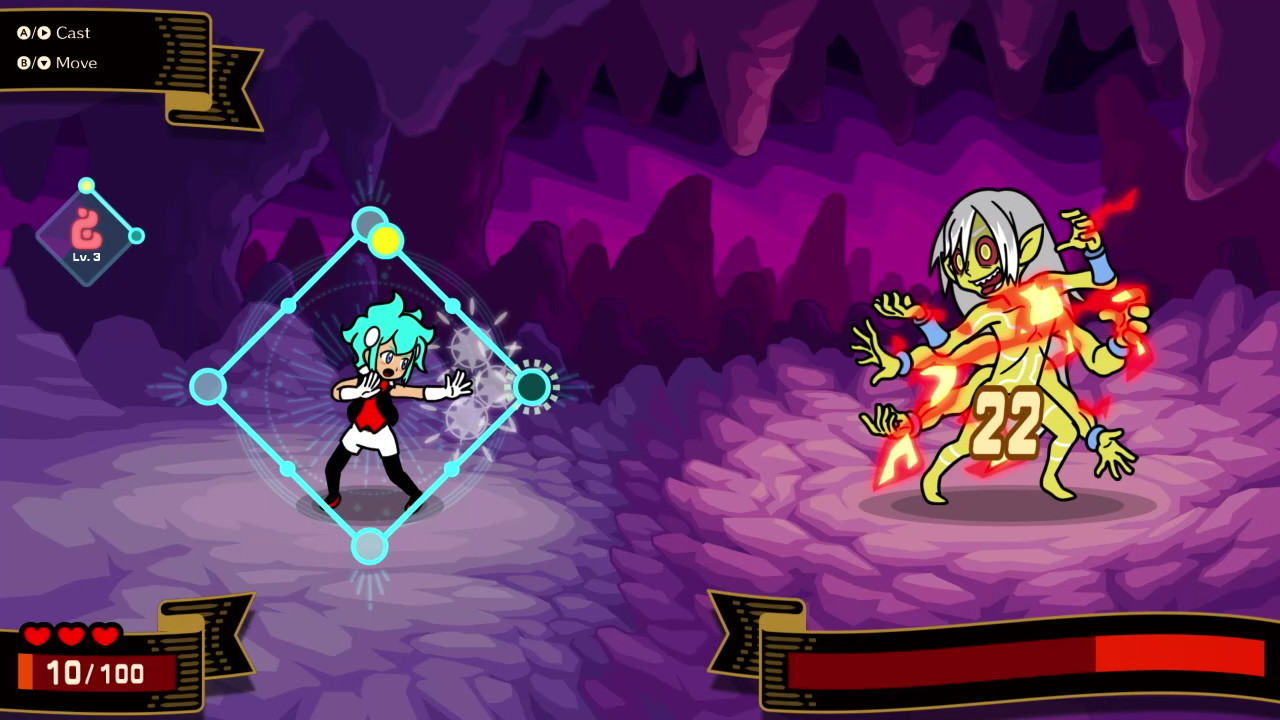
Outside of the main rhythm challenges, there are a handful of extra activities that break things up. The biggest one is Beatspell, a small RPG inspired mode where rhythm and magic work together. By pressing different button combinations on beat, you cast spells like fire or healing. The more on beat you are, the better you will do in casting spells. While you can equip different gear and level up your spells, the RPG mechanics stay fairly straightforward and never become too deep. It’s a clever concept that I honestly wish Nintendo had expanded into something much larger because there’s a lot of potential here. It’s more of a fun diversion than a fully developed mode, but it’s enjoyable while it lasts.
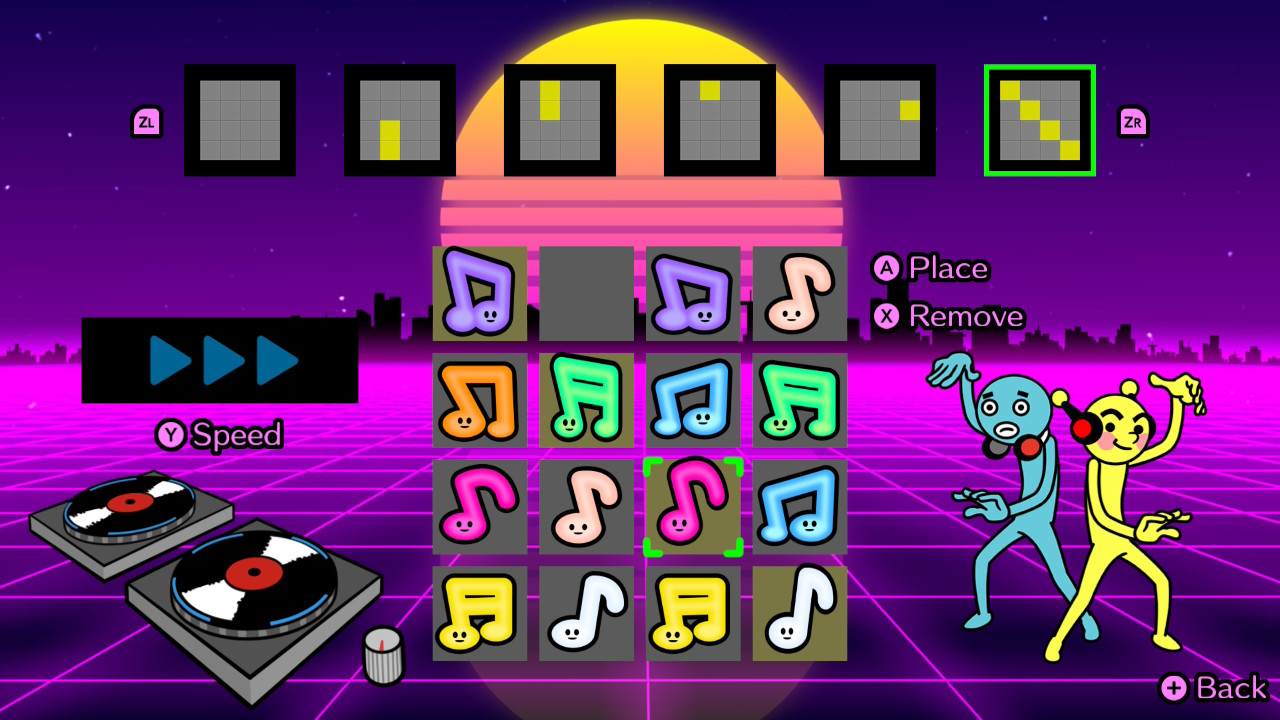
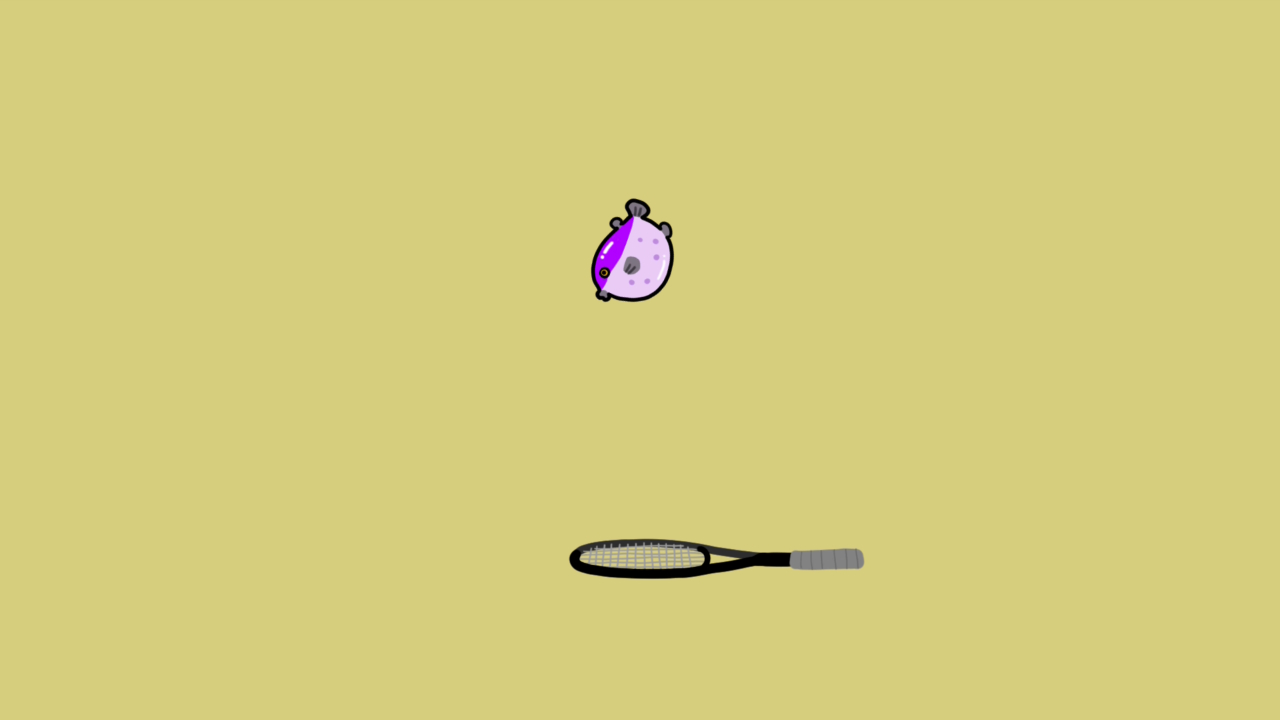
There are several other little distractions as well. You can experiment with a soundboard to create your own beats, see how far you can kick your shoe in a simple swinging game, or tap a pufferfish around before launching it into an aquarium. There are even more on the Flipside. None of these are particularly deep, but they fit the playful personality of the game perfectly. They almost feel like little activities you would play during a family road trip, and they add another layer of charm between the main rhythm challenges.
While Rhythm Heaven Groove is primarily a single player experience, the multiplayer mode is a welcome addition. Sharing these strange little rhythm games with someone sitting beside you often makes them even funnier. Missing beats together usually leads to more laughs than frustration, and the simple controls make it easy for almost anyone to jump in. Even if you’ve never touched a rhythm game before, it’s approachable enough that friends and family can quickly understand what they’re supposed to do.
I also found myself playing this much more in handheld mode than on a television. The quick nature of each stage makes it perfect for picking up during short breaks, relaxing on the couch, or playing in bed before calling it a night. The Nintendo Switch feels like the ideal home for a game like this because it’s so easy to jump into a few songs and then move on with your day.
That said, Rhythm Heaven Groove does have a couple small hurdles. Since every activity revolves around the same basic concept of matching button presses to music, there are moments where you’ve seen enough for one sitting. Also, repeatedly pressing the same buttons can start to wear on your fingers during longer play sessions. It isn’t the kind of game that constantly pulls you back every single day the way something like Tomodachi Life might. At the same time, it’s incredibly easy to return to after taking a break. Every time I picked it back up, I immediately remembered why I enjoyed it so much. It’s the kind of game you can revisit whenever you’re in the mood for something relaxing, lighthearted, and satisfying.
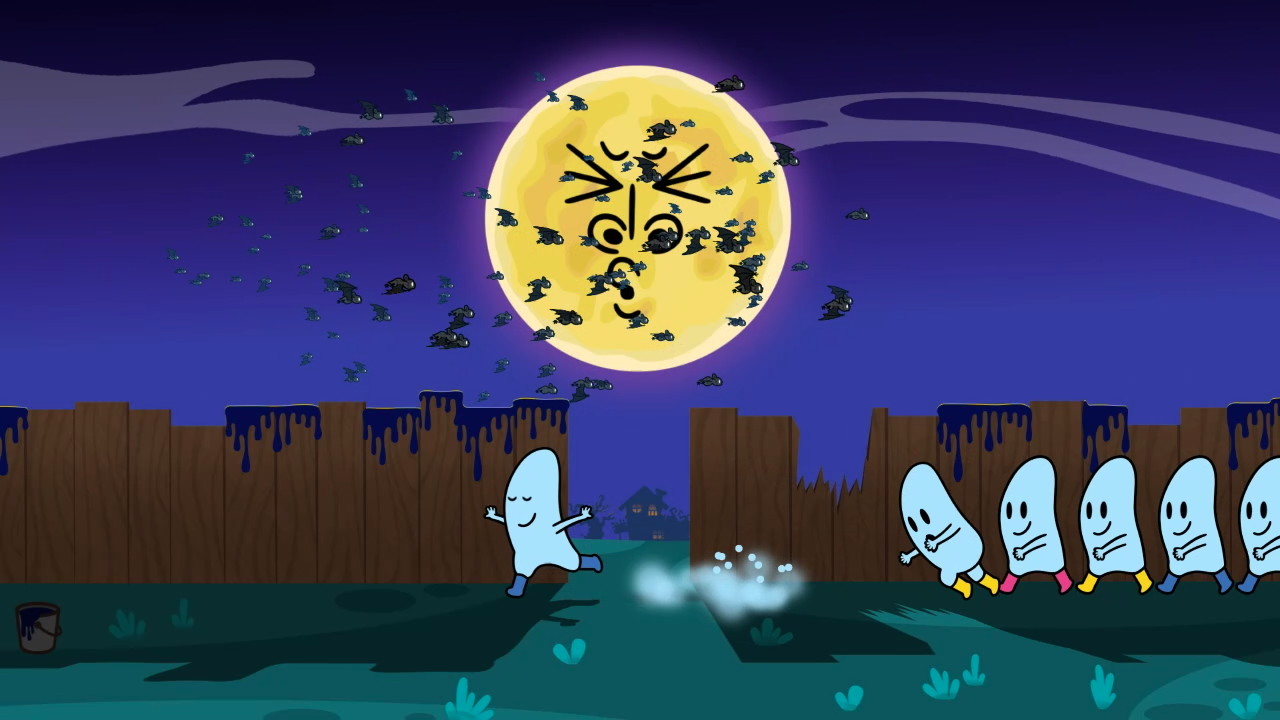
Visually, the game stays true to the series’ simple style. The artwork embraces flat character designs, expressive animations, and quick visual jokes that immediately reminded me of WarioWare. The minimalist presentation works because it keeps your attention focused on the rhythm while allowing the strange characters and humorous animations to steal the spotlight. It’s charming without trying too hard, and it gives the game a personality that feels timeless rather than nostalgic. I found myself a big fan of the starting screen images before each stage.



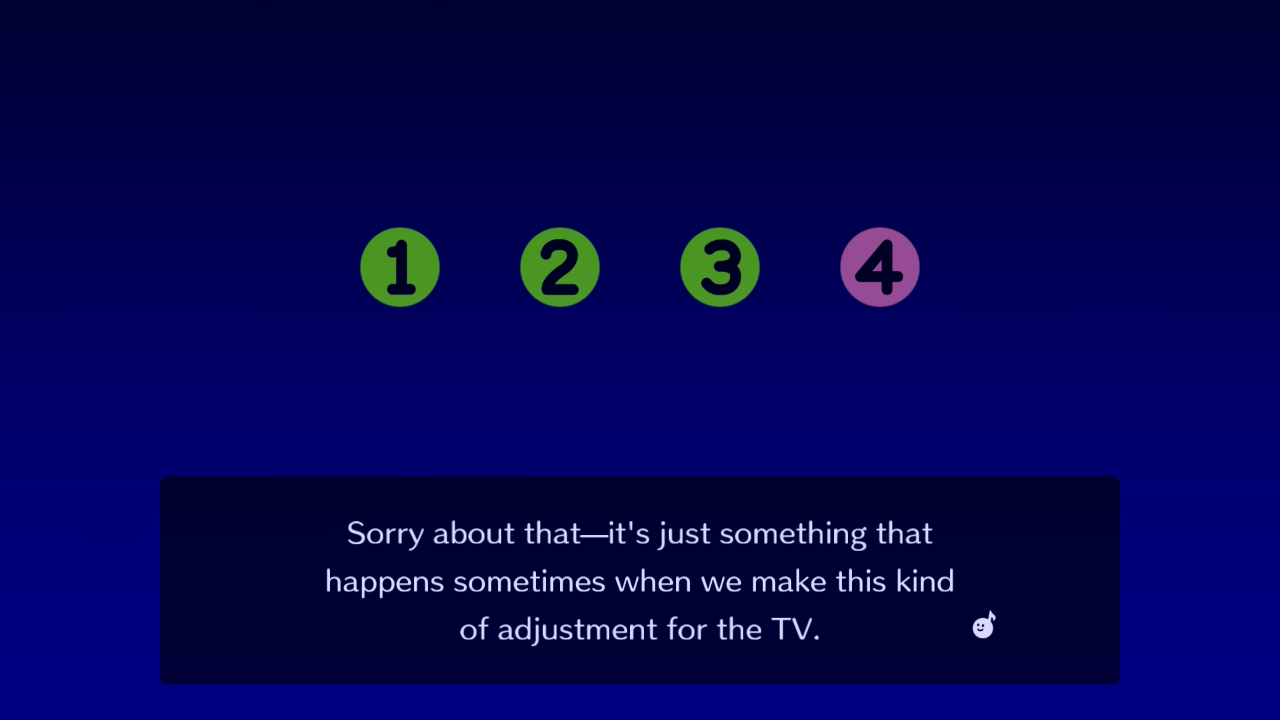
The audio, unsurprisingly, is where Rhythm Heaven Groove really steals the show. Every song has its own style, ranging from slower, laid back tracks to energetic rock inspired beats that are impossible not to tap along with. The adorable character noises help reinforce the timing, while the robotic text to speech voice adds another layer of goofy charm that fans of games like Tomodachi Life will immediately recognize. If the robotic voice isn’t your thing, you can disable it, which is a nice option. Nintendo also included a calibration feature for television play, allowing you to sync button timing with your display and avoid any audio delay.
Final Thoughts?
Overall, Rhythm Heaven Groove is exactly what I hoped it would be. It focuses on what has always made Rhythm Heaven special. It’s easy to learn, surprisingly challenging to master, packed with creative ideas, and filled with enough personality to keep you smiling from beginning to end. While its repetitive structure means it isn’t always a game you’ll play for hours at a time, it’s one that’s incredibly easy to return to whenever you’re looking for a few minutes of fun. Whether you’re a longtime fan or someone discovering the series for the first time, this is an easy recommendation for Nintendo Switch owners of all ages. If you enjoy rhythm games and love chasing perfect performances, there’s plenty here to keep you coming back for one more song. Beep!

About the Author

Nay Clark Gaming holds a special place in my heart and I never stop talking about video games. I really love all types of games and have an interest in games that have complicated stories and lore because I enjoy untangling the mystery of it all. When I'm not gaming, I unsuccessfully try to control three amazing and incredibly bright kids.
Related Posts

Crocs Levels Up With New Super Mario Collection, Launching 15 July →

Ball x Pit: The Shadow Update Review (Switch) →

The Day I Became a Bird Review (Switch) →