
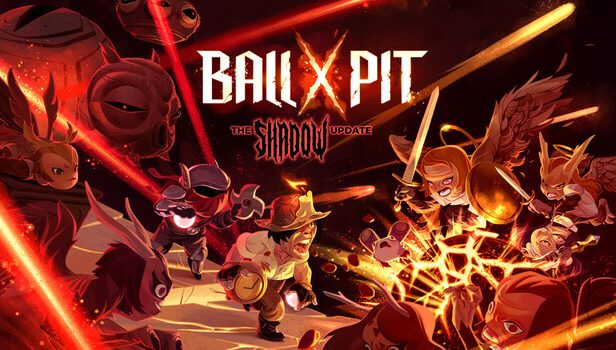
Ball x Pit: The Shadow Update Review (Switch)
Summary: The Shadow Update takes everything that already worked and pushes it further, adding just enough chaos and creativity to make jumping back in feel exciting again. With new characters, ball types, passives, and a useful new building, it opens up even more ways to experiment with builds and playstyles. It doesn’t change the core game, but it expands it in a way that makes it hard to go back to how it was before.
4
Synergy Surge
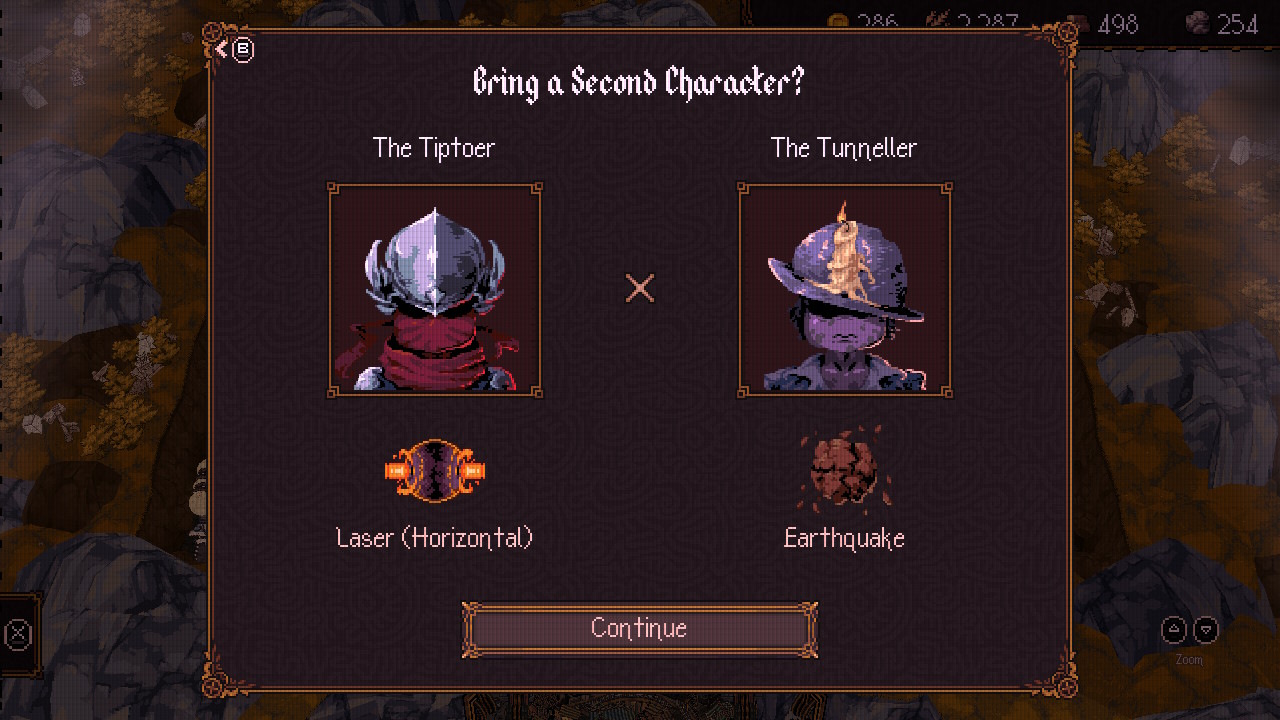
This update makes an already addictive loop even harder to put down! Ball x Pit is a roguelike brick-busting action game developed by Kenny Sun and published by Devolver Digital, originally released on October 15, 2025. Built around the simple but addictive idea of bouncing balls to clear enemies while descending into a monster-filled pit beneath a ruined Babylon, the game quickly found a large audience, surpassing a million copies sold within a couple months. Its success set the stage for a series of free updates throughout 2026, each adding new layers to an already flexible system. Following the Regal Update earlier in the year, The Shadow Update arrived on April 27, bringing another wave of content built around stealth, deception, and riskier playstyles.
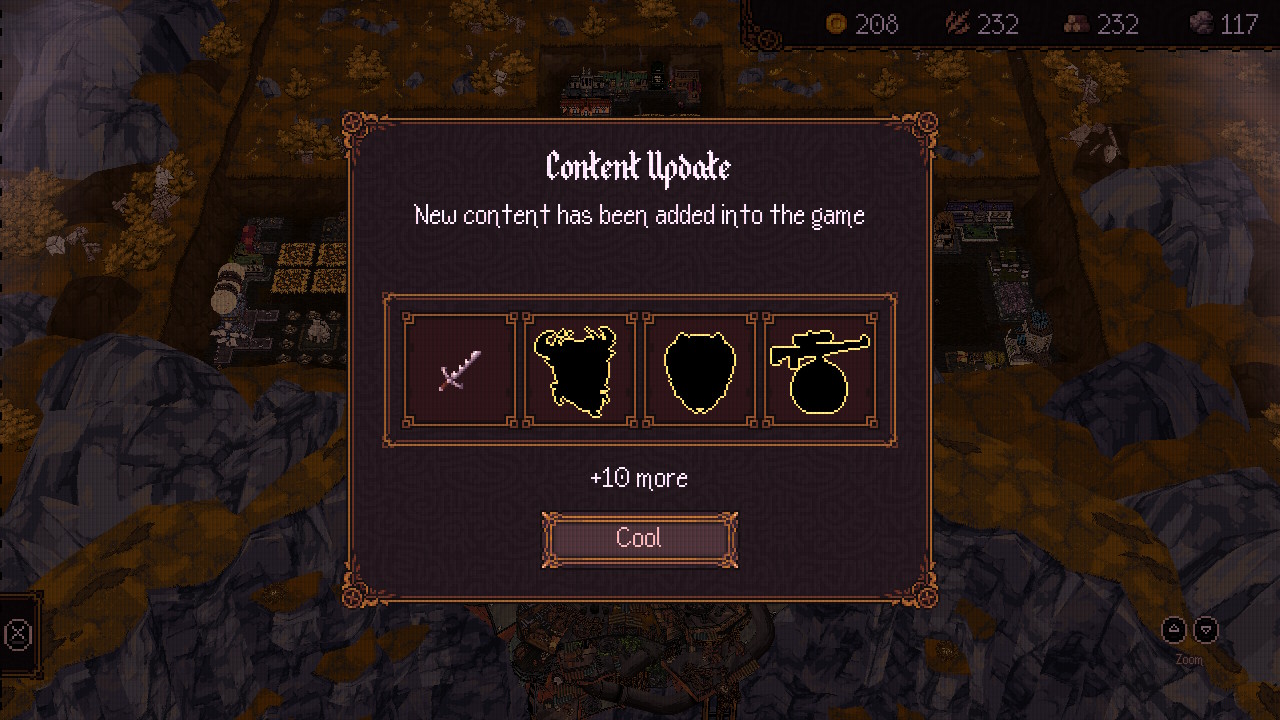
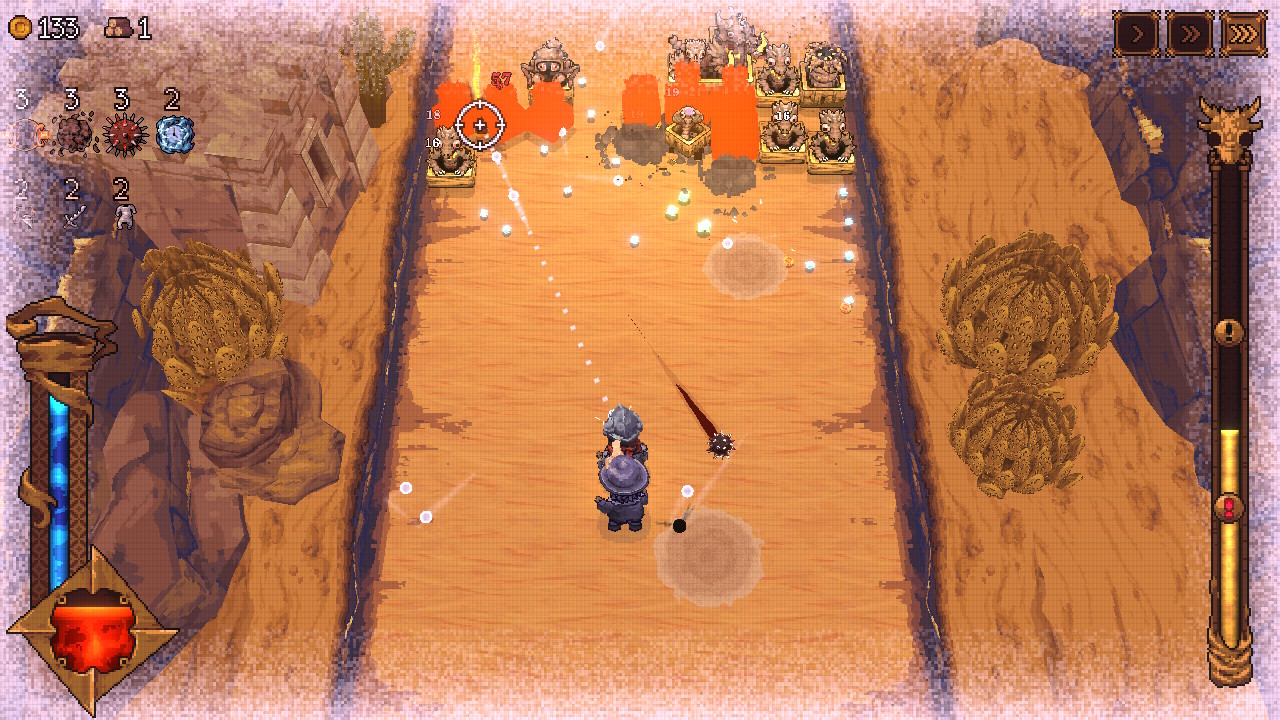
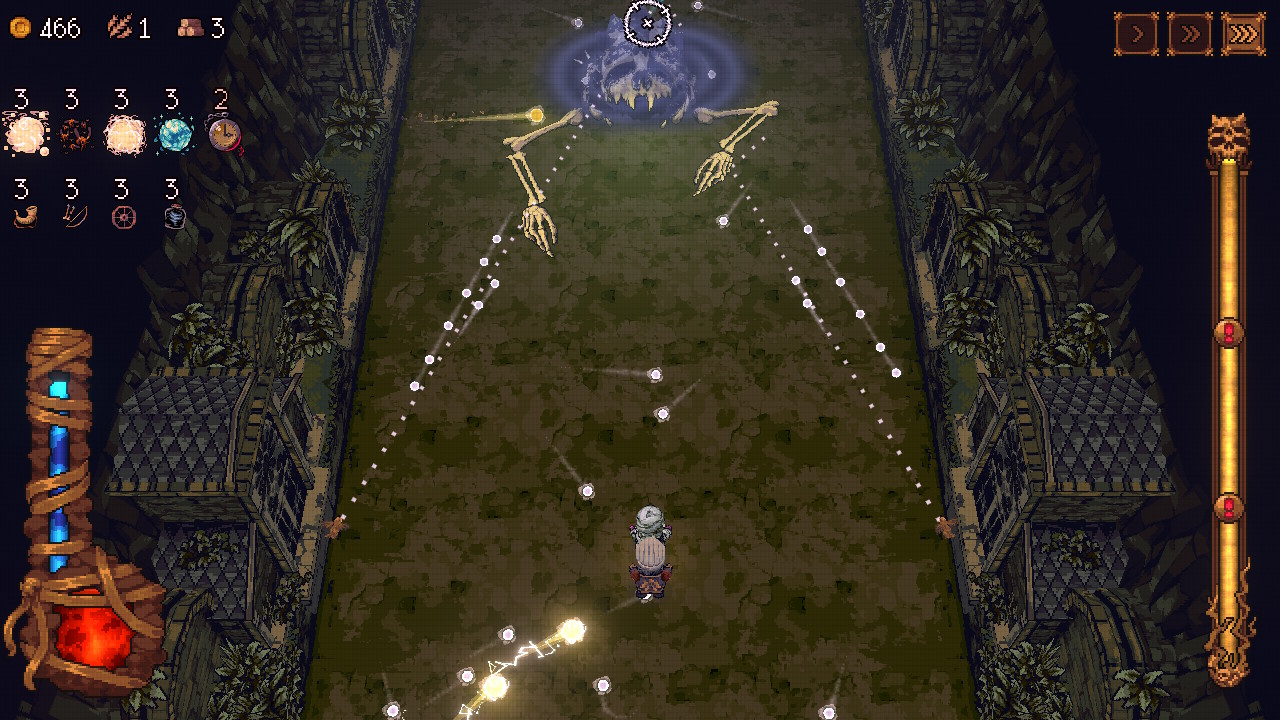
What makes Ball x Pit work is how every system feeds into another, and The Shadow Update leans into that strength. With the roster now expanded to twenty characters, the two new additions shift how you approach runs in noticeable ways. The Tiptoer trades survivability for stealth, letting you move through waves without drawing attention from most enemies. It changes the flow of the game in a subtle but meaningful way, giving you breathing room during chaotic moments, though the reduced health keeps you on edge the entire time. The Tunneller goes in the opposite direction, adding chaos by letting your balls wrap around the screen vertically. Instead of predictable rebounds, attacks come from unexpected angles, creating moments that feel both powerful and slightly out of control. Both characters highlight how the game continues to find new ways to remix its core mechanics without overcomplicating them.
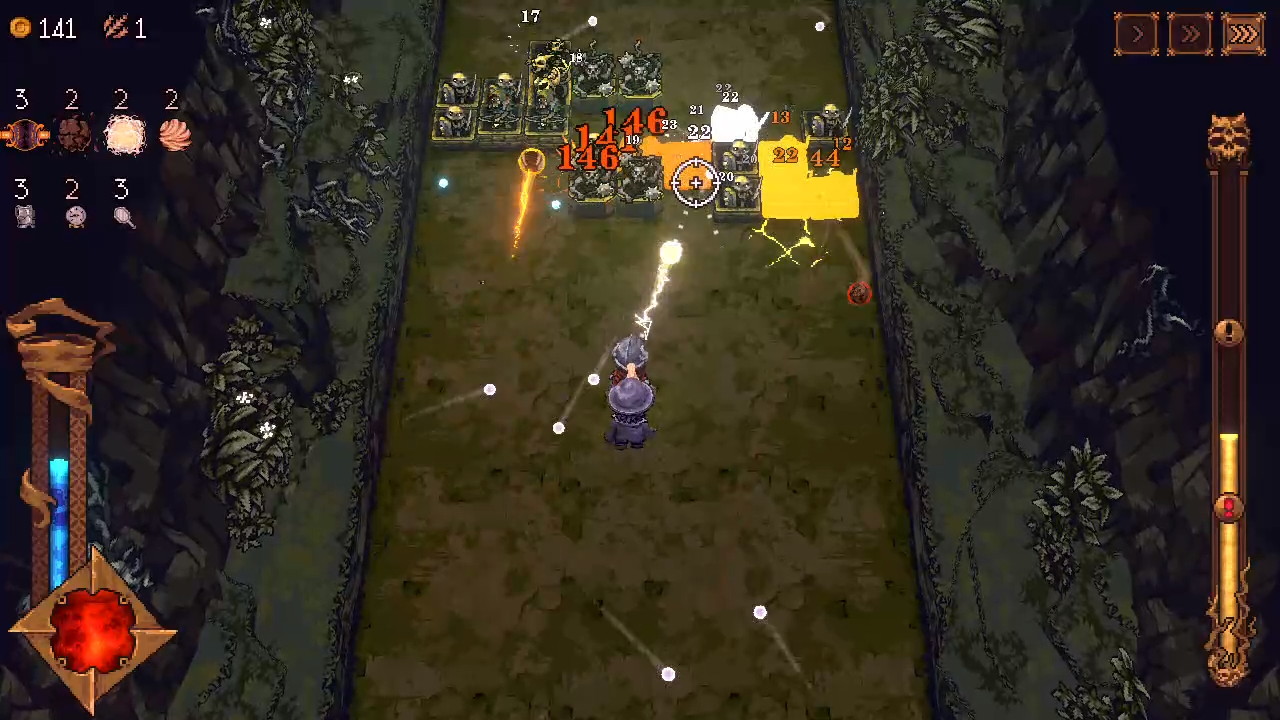
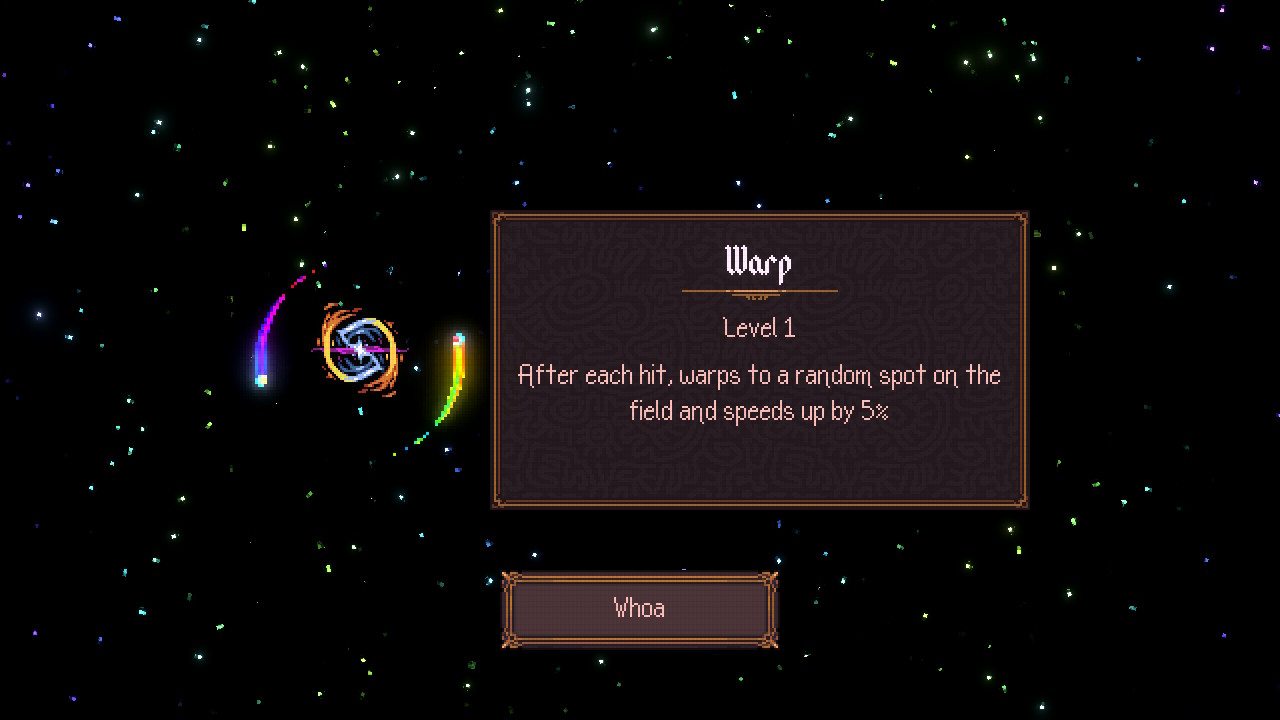
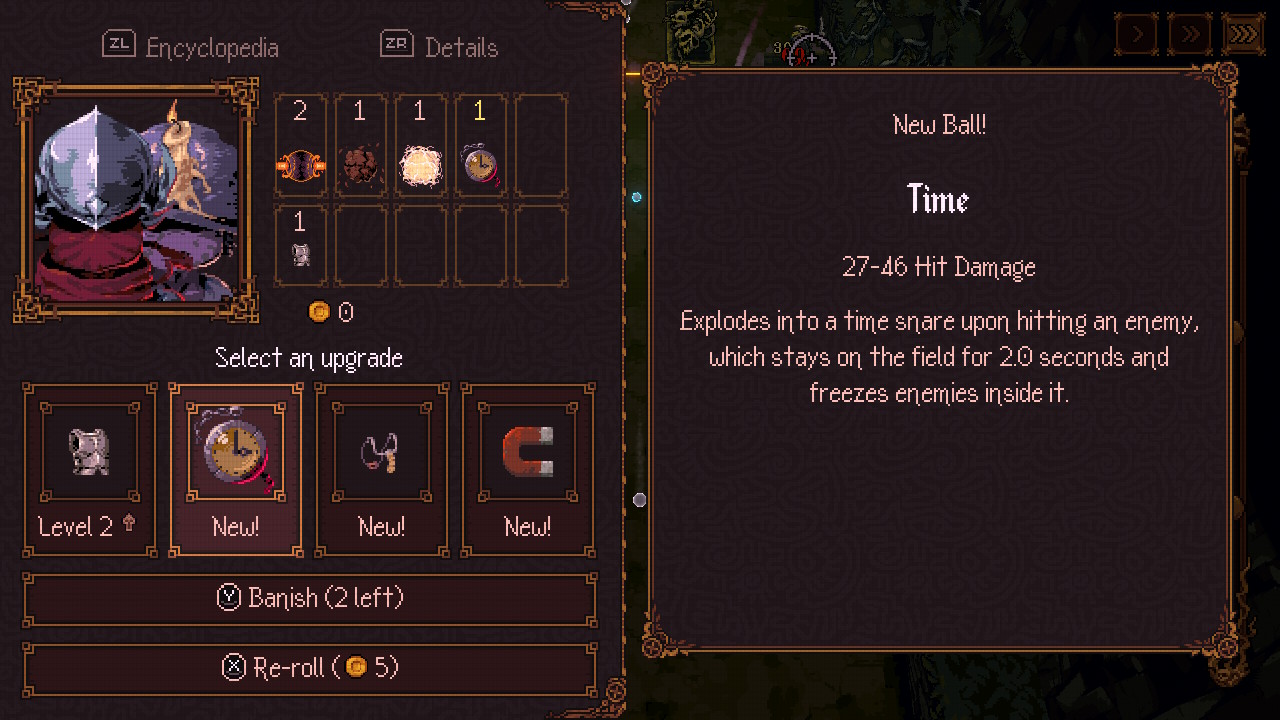
The biggest expansion comes from the eleven new ball types. Each new addition introduces a different way to control space, damage enemies, or shift momentum mid-run. Some focus on control, like Time and Timestop slowing or freezing everything in place, while others are more aggressive, like Sniper piercing through enemies or Warp speeding up with each hit. Effects like Venom stacking damage over time or Banshee setting up delayed bursts reward you for thinking a few steps ahead rather than just reacting. Others, like Reaper or Heart Swallower, blend offense with sustain, letting you stay alive while still pushing forward. Even more experimental ideas, like X-Ray applying damage based on all incoming sources, tie directly into how crowded and chaotic the screen becomes. What I found surprising is how naturally these balls fit in. They don’t feel like add-ons, they feel like they were always meant to be part of the system, expanding the number of viable builds without breaking the balance.
The four new passives continue that same design philosophy. They are simple on the surface but become more interesting depending on how you build your run. Full Metal Rapier rewards you for filling the screen with both enemies and your own projectiles, which makes it especially strong if you like stacking baby balls. Arrow of Fate flips defense into offense by turning incoming damage into a counterattack. Argent Stopwatch gives you a powerful early advantage at the cost of long-term consistency, while Sword Breaker encourages you to play into larger enemy waves to scale your damage over time. None of these feel mandatory, but each one can define a run if you lean into it the right way.
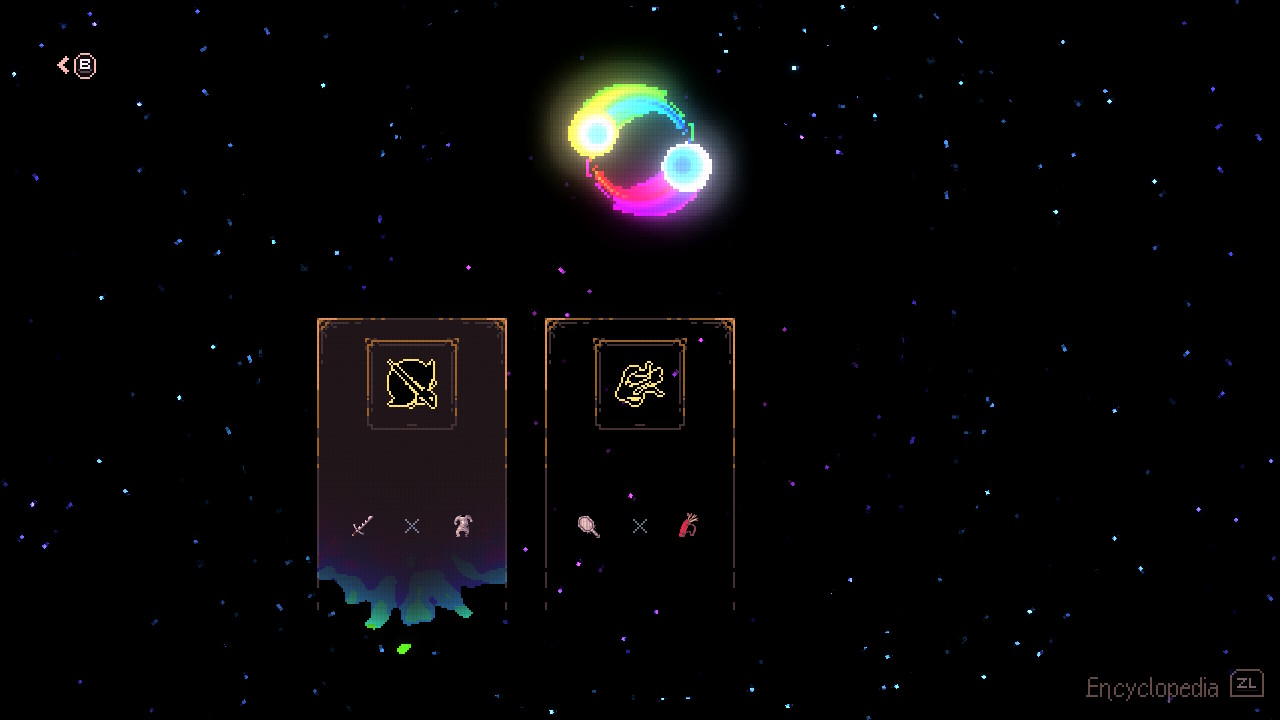
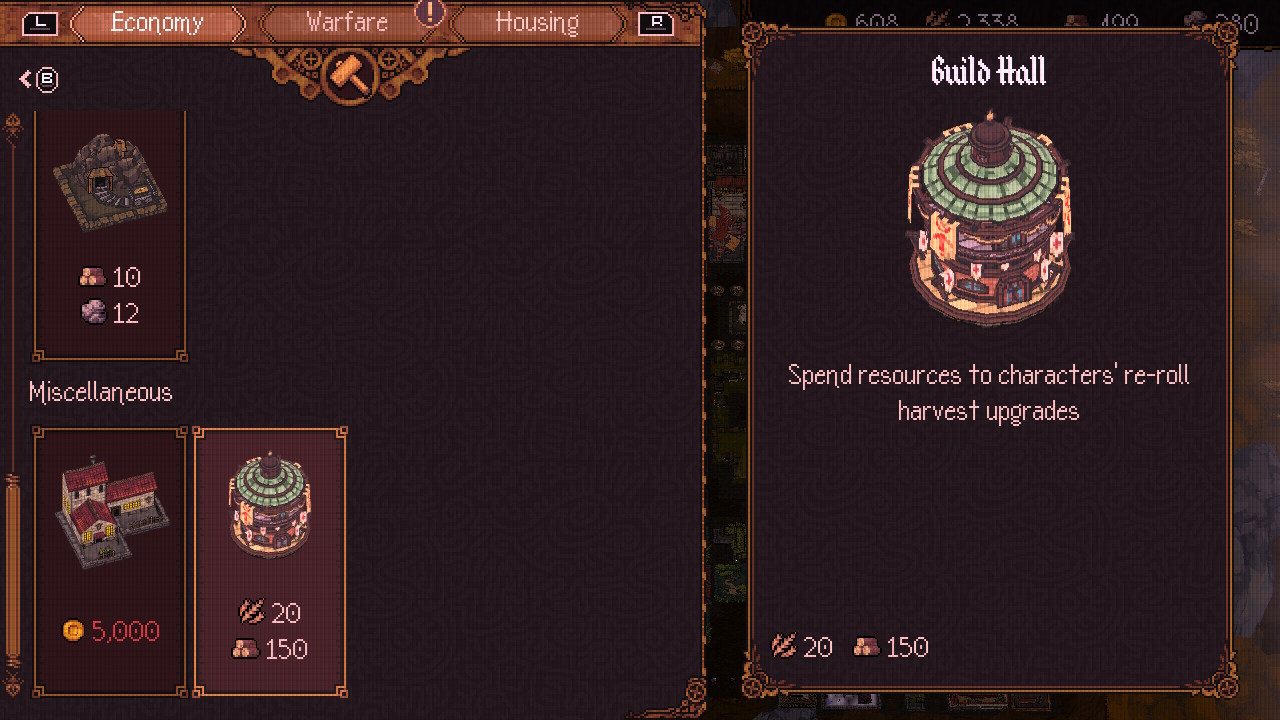
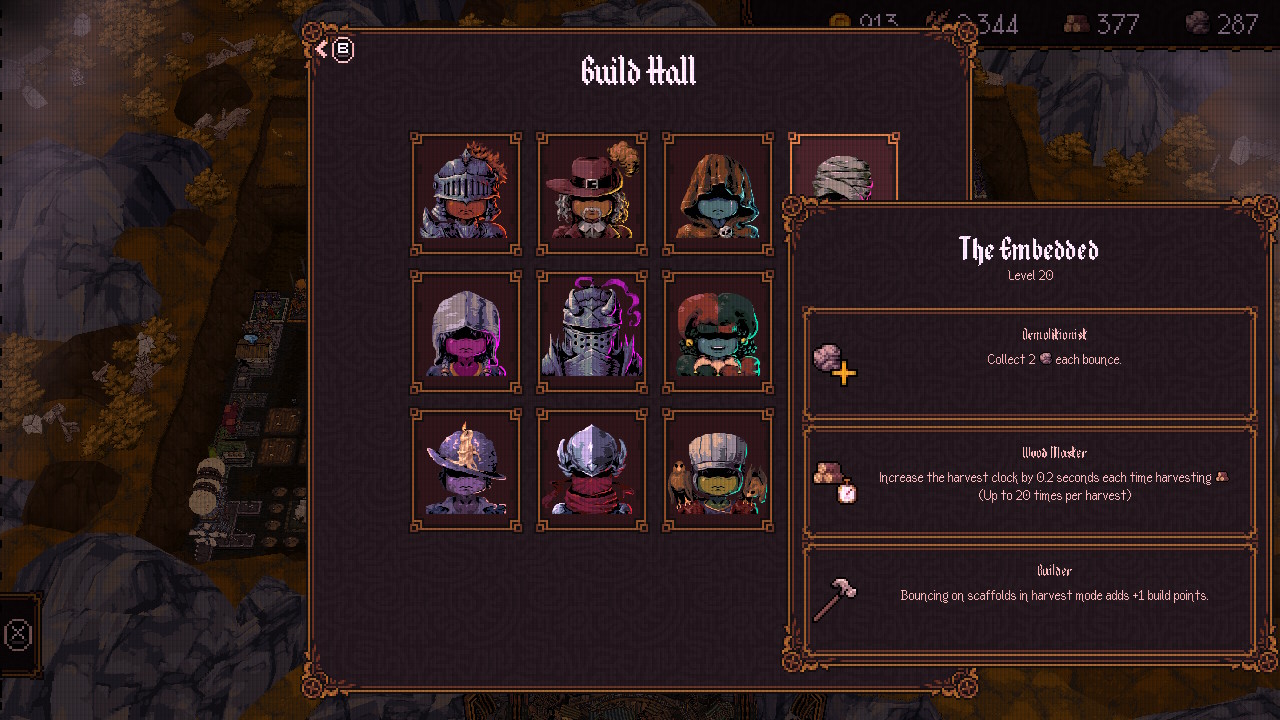
Outside of combat, the new Guildhall building adds a layer of long-term flexibility that the game didn’t have before by allowing you to reroll your character upgrades. Being able to reroll character upgrades might seem minor at first, but it becomes more useful the deeper you get into the game. Since upgrades are randomized, having a way to reshape a character’s path gives you more control over how your overall setup evolves. It also ties back into the resource system, since the cost increases over time, making each decision feel more deliberate. It’s a small addition that ends up having a meaningful impact on how you plan things between runs.
Final Thoughts?
The Shadow Update builds on what already works and expands it in ways that feel thoughtful and consistent. The new characters introduce fresh playstyles, the ball types open up a huge range of combinations, and the added passives and building give you more control over how everything comes together. It’s the kind of update that makes you wonder how the game felt before it existed. With one more free update on the way later this year, it’s clear the game isn’t slowing down, and if this pace continues, it’s only going to get harder to put down.
About the Author

Nay Clark Gaming holds a special place in my heart and I never stop talking about video games. I really love all types of games and have an interest in games that have complicated stories and lore because I enjoy untangling the mystery of it all. When I'm not gaming, I unsuccessfully try to control three amazing and incredibly bright kids.
Related Posts

Crocs Levels Up With New Super Mario Collection, Launching 15 July →

The Day I Became a Bird Review (Switch) →

ChainStaff Review (Switch) →