
Diablo II Resurrected Infernal Edition Review (Steam Deck Verified)
Summary: Diablo 2 returns 25-years later with a new class, new EOL improvements and 100% playable on the Steam Deck!
4.5
The flawless Devil
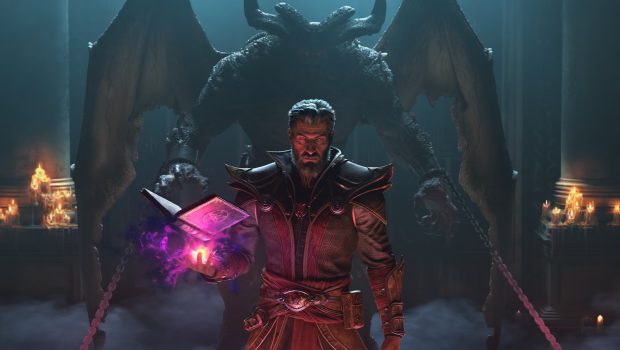
Diablo II Resurrected Infernal Edition arrives as the most complete and confident version of Blizzard’s legendary ARPG, bundling the acclaimed remaster, the Lord of Destruction expansion and the new Reign of the Warlock DLC into a single package. Rather than reinventing the experience, it strengthens what already works, preserving the identity of a game that has shaped the genre for more than two decades. More importantly, it adds to the legacy of Diablo with the inclusion of the Warlock character class, the first in 25-years that not only feels like it is part of the DNA but also adds something uniquely different… nicely played Blizzard, nicely played.
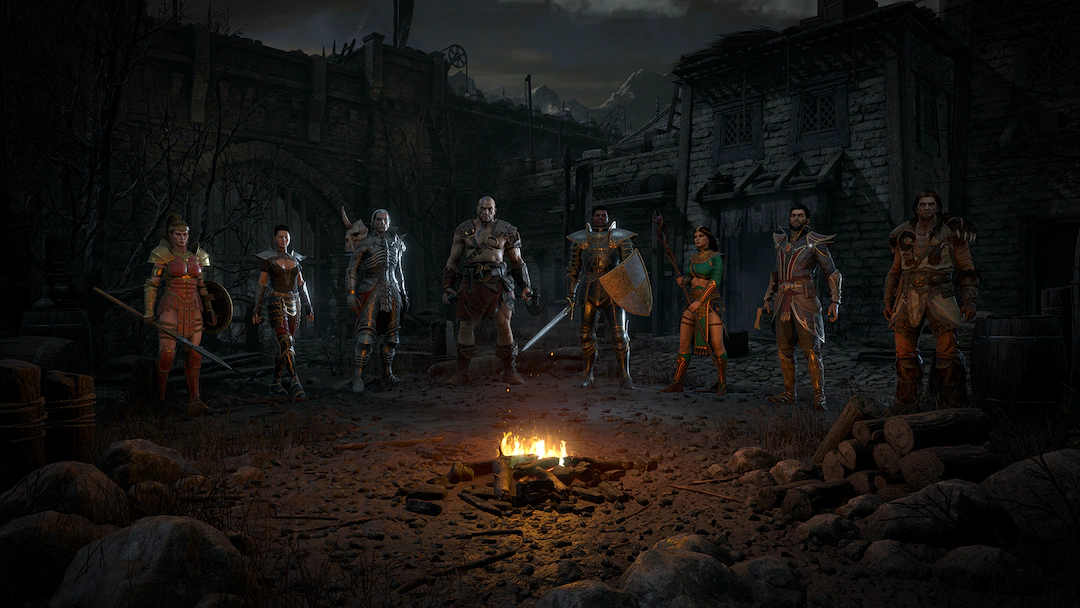
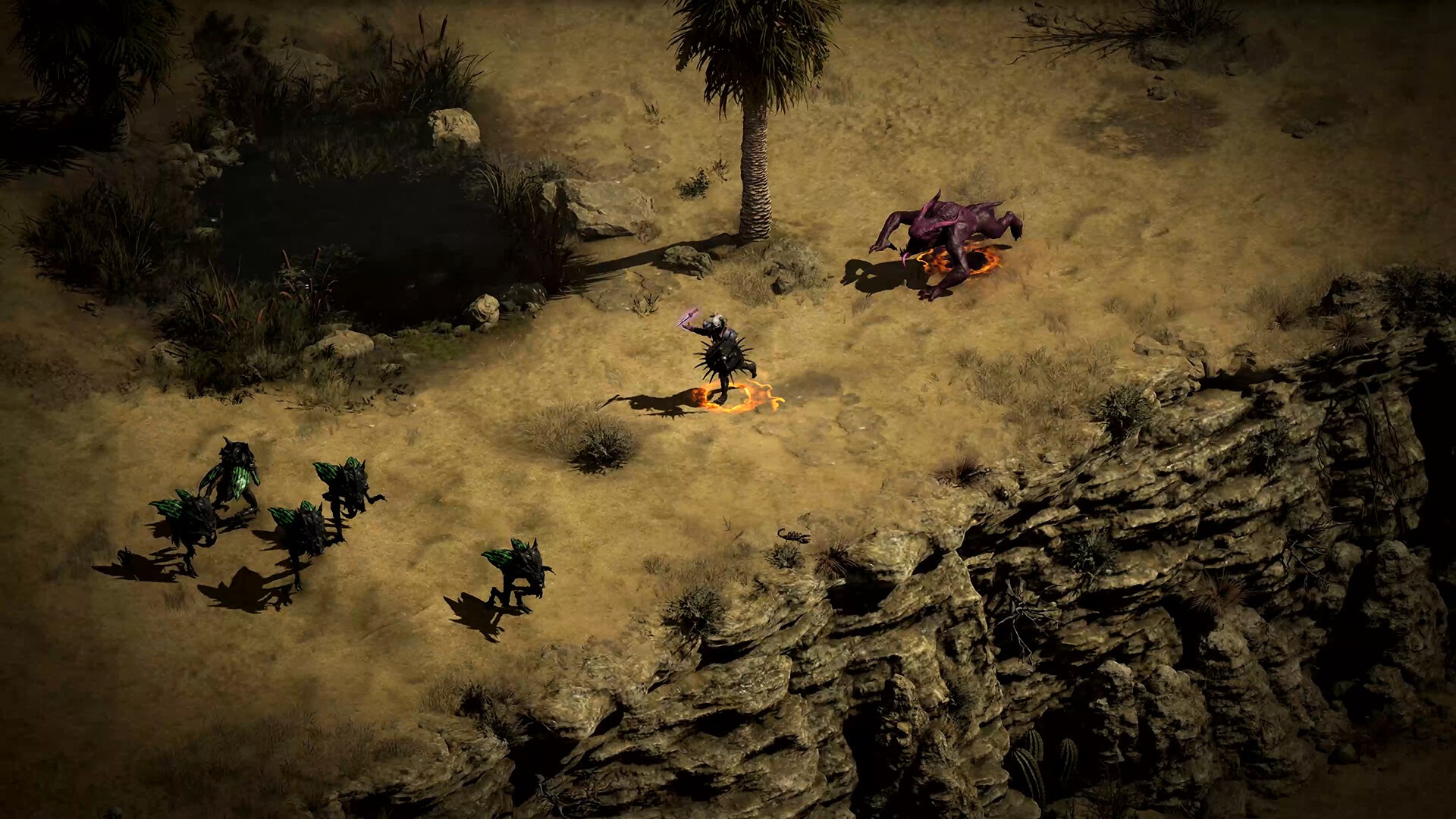
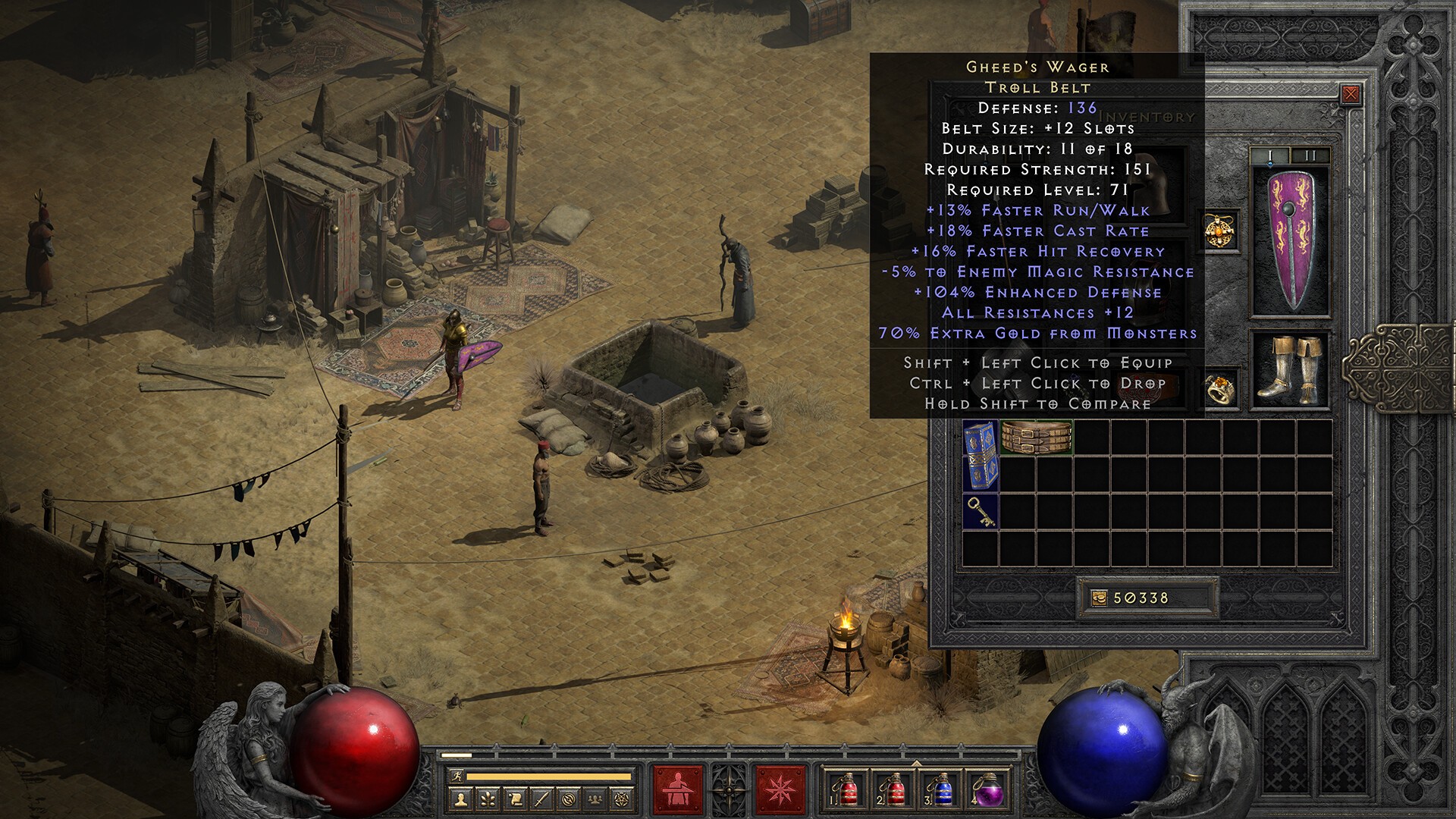
Before jumping into this review, I played the game almost exclusively on the Steam Deck and it felt like Diablo II Resurrected Infernal Edition was made for this handheld console from its smooth graphics and equally flawless controls. Also, being able to play Diablo II on the go and almost anywhere and everywhere made the experience even more enjoyable. However, with that said, you do need a Battle.Net account to play this title on a Steam PC or the Steam Deck.
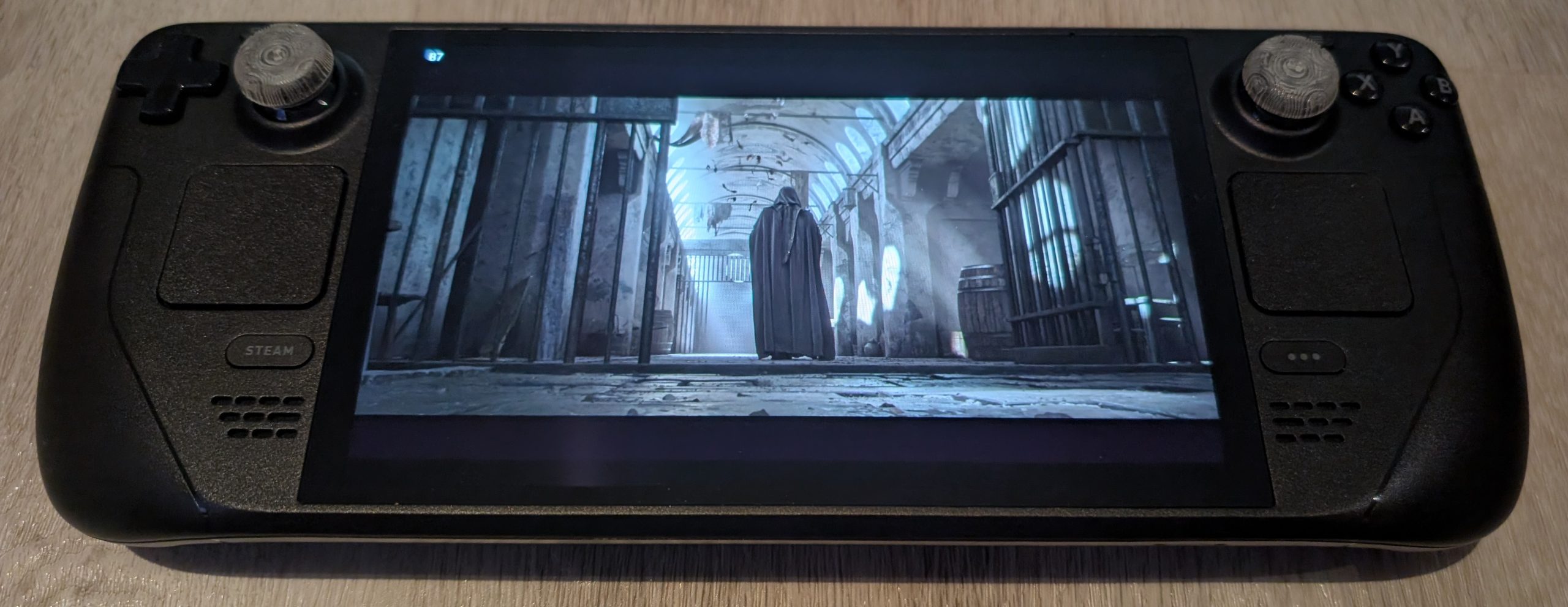
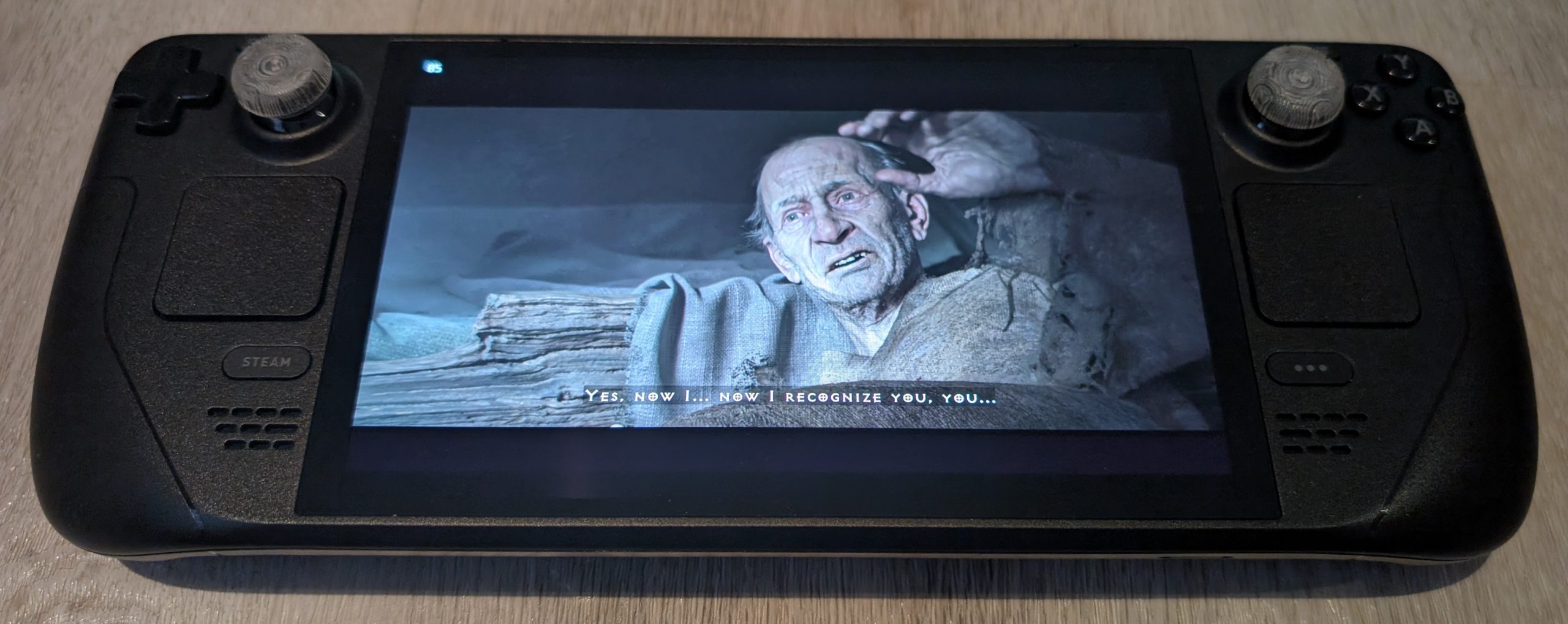
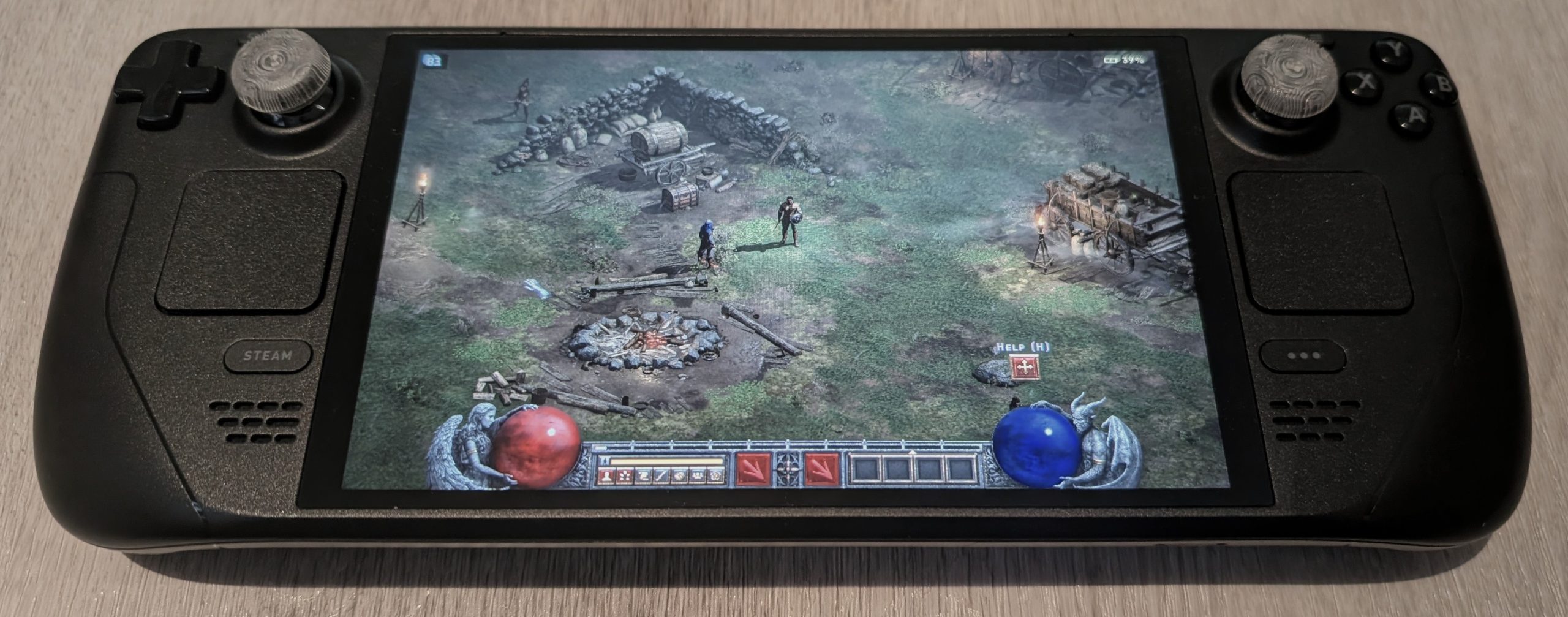
As a refresher or for the uninitiated, Diablo II remains a game of deliberate pacing, lethal encounters and the intoxicating loop of loot, build experimentation and incremental power. The Infernal Edition maintains this rhythm while giving players a new way to engage with it that pays homage to its core mechanics but also adds a modern twist on it. Further, the Warlock expands the tactical landscape through three distinct disciplines:
- Demonic Binding, which allows the Warlock to enslave Goatmen, Tainted, and Defilers, each with their own battlefield roles. These demons can be empowered, consumed, or replaced, creating a dynamic rhythm of risk and reward.
- Eldritch Weapons, a school of mind‑driven armament manipulation that enables hex‑infused strikes, ethereal weapon duplicates, and even the ability to hurl spectral blades from afar. This tree also unlocks the Warlock’s signature passive: levitating a two‑handed weapon in one hand while still wielding an off‑hand, a first for the series.
- Arts of Chaos, a destructive discipline that channels hellfire, void entropy, and reality‑rending forces. Skills like Miasma, Abyss, and the apocalyptic burst of raw infernal energy give the Warlock a uniquely catastrophic ranged identity.
As a result, the Warlock feels like a hybrid of summoner, spellcaster and weapon‑mage, yet it feels like it has always been part of what made Diablo II so damn great. From a narrative perspective, the Warlock is one of the most thematically grounded additions Diablo II has ever received. His lineage traces back to the forbidden practices of the Vizjerei, the same demonic arts that shaped the destinies of Horazon and Bartuc. Blizzard’s lore paints Warlocks as aristocratic seekers of forbidden knowledge, individuals who abandon comfort and status to chase fragments of lost Vizjerei texts and conduct experiments that often end in madness, death, or worse. Only a rare few survive their first binding and those who do awaken a dormant, hell‑touched essence within themselves.
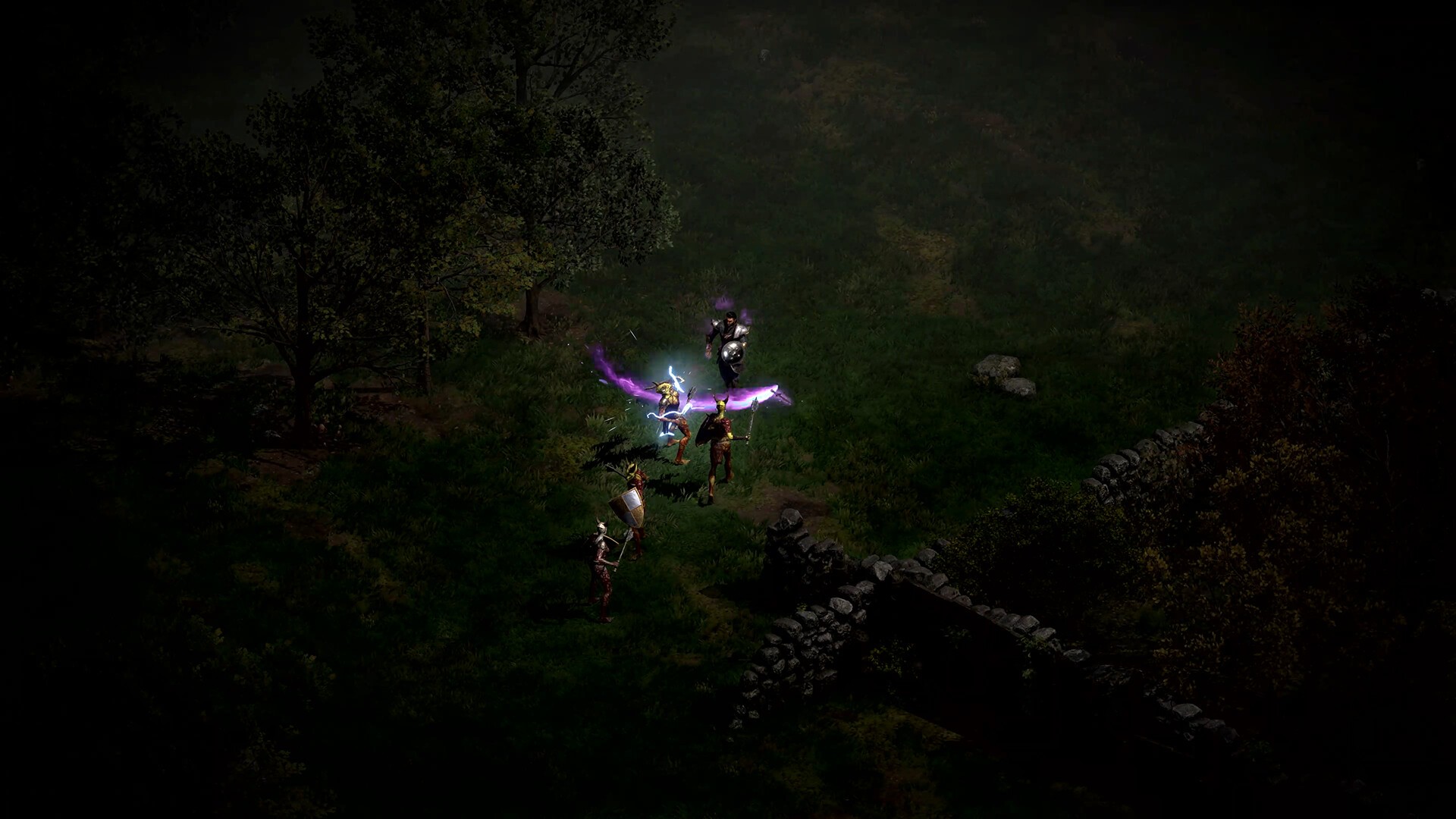
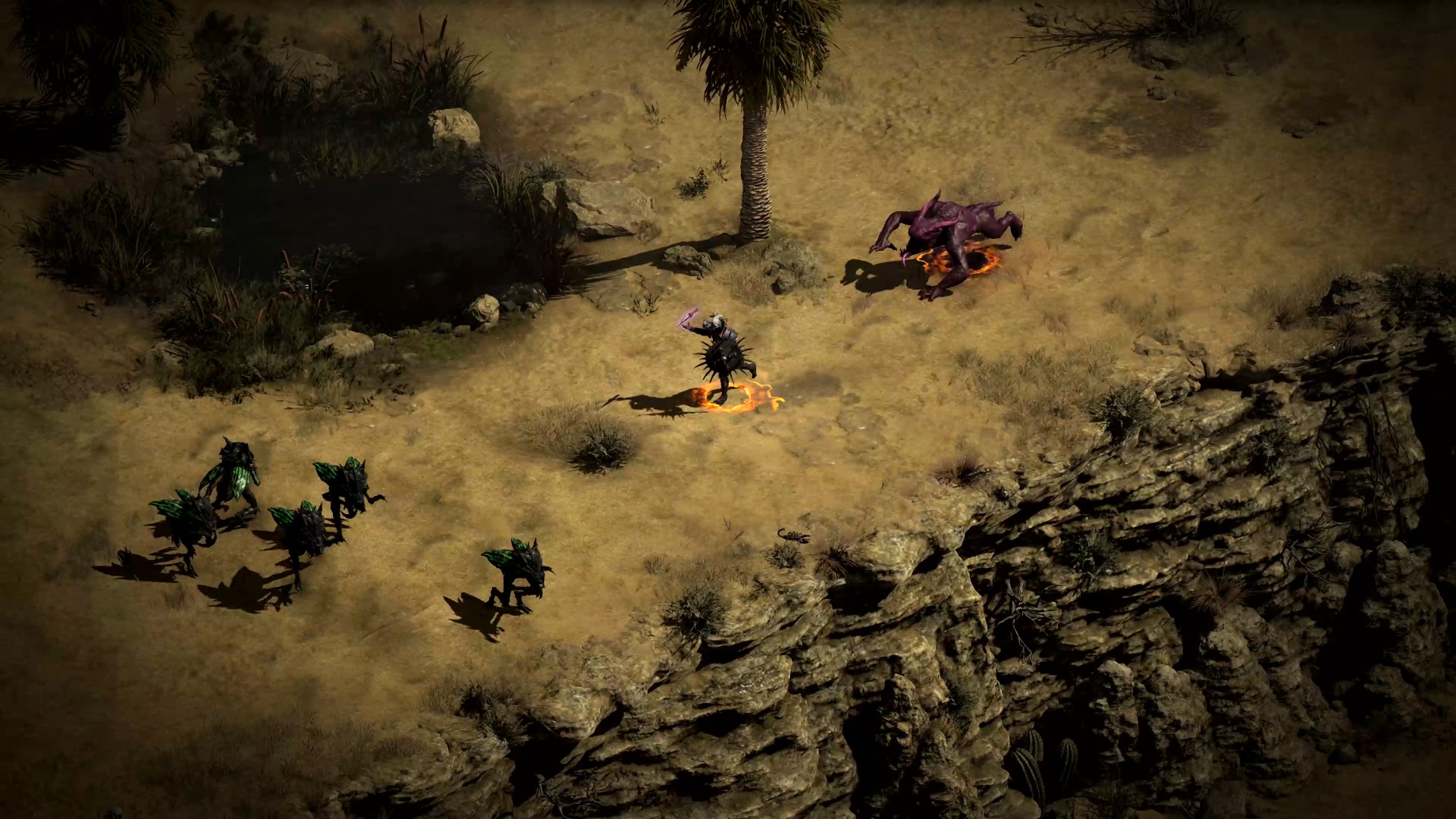
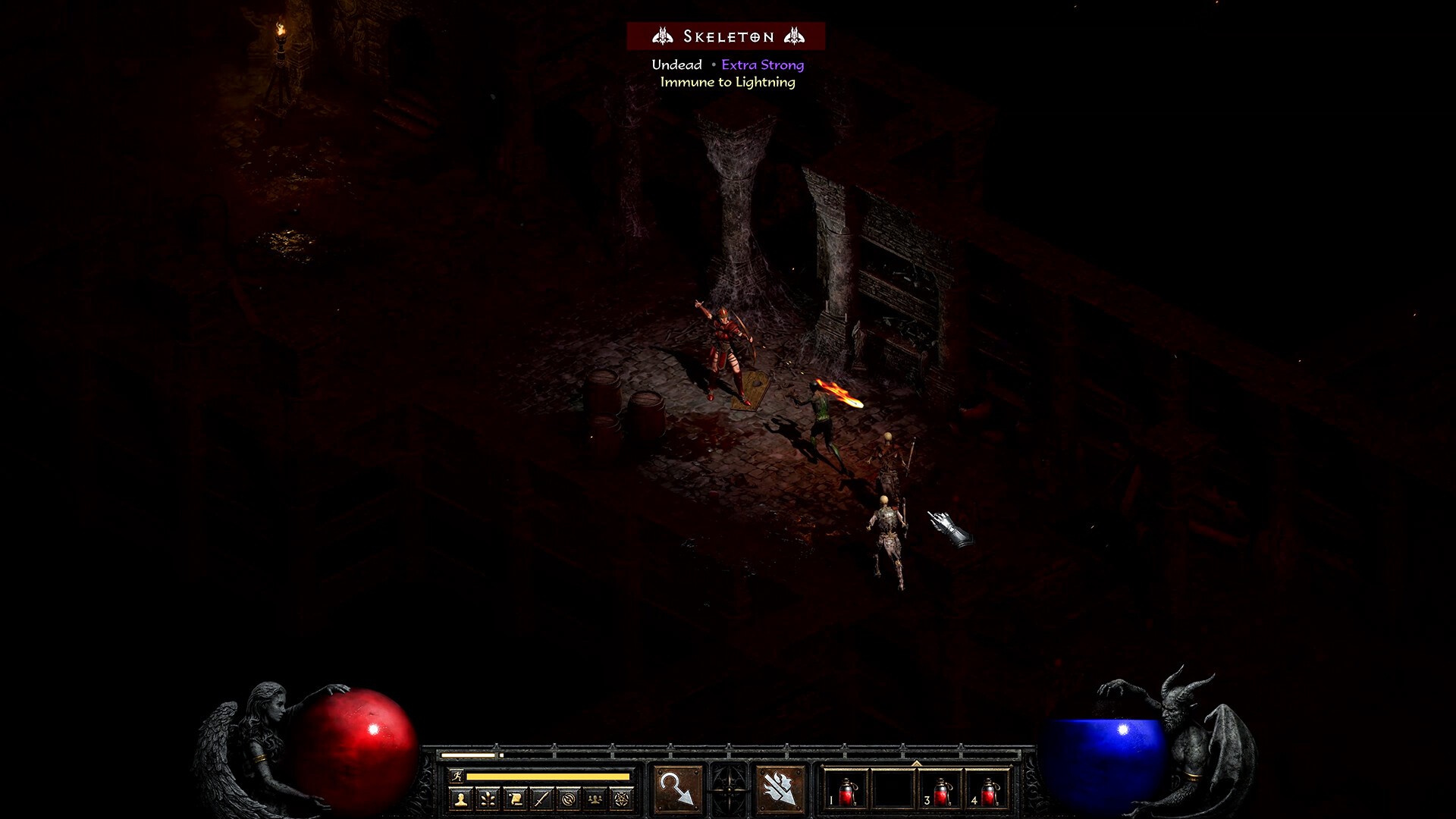
With that said, this lore enriches the world and again, the Warlock feels like a natural extension of Sanctuary’s history, a reminder that the world’s scars run deeper than the Prime Evils alone. His presence reinforces Diablo II’s atmosphere of decaying grandeur, occult secrets and the thin line between mastery and corruption. Also revisiting the world of Diablo 25-years was like coming home again from its various environments (some hellish) that has now been sharpened by modernised visuals and enhanced audio.
The familiar progression through Normal, Nightmare, and Hell remains intact, with the later quite brutally difficult. While the Warlock’s power level is undeniably high, even with melee weapons and spells, this adds to the gameplay and definitely makes the character more than just a button master, particularly with his unique skill trees. There is a slight learning curve compared to the more familiar classes but for the Warlock, the steeper learning path offers additional power that near the end makes you feel like the boss.
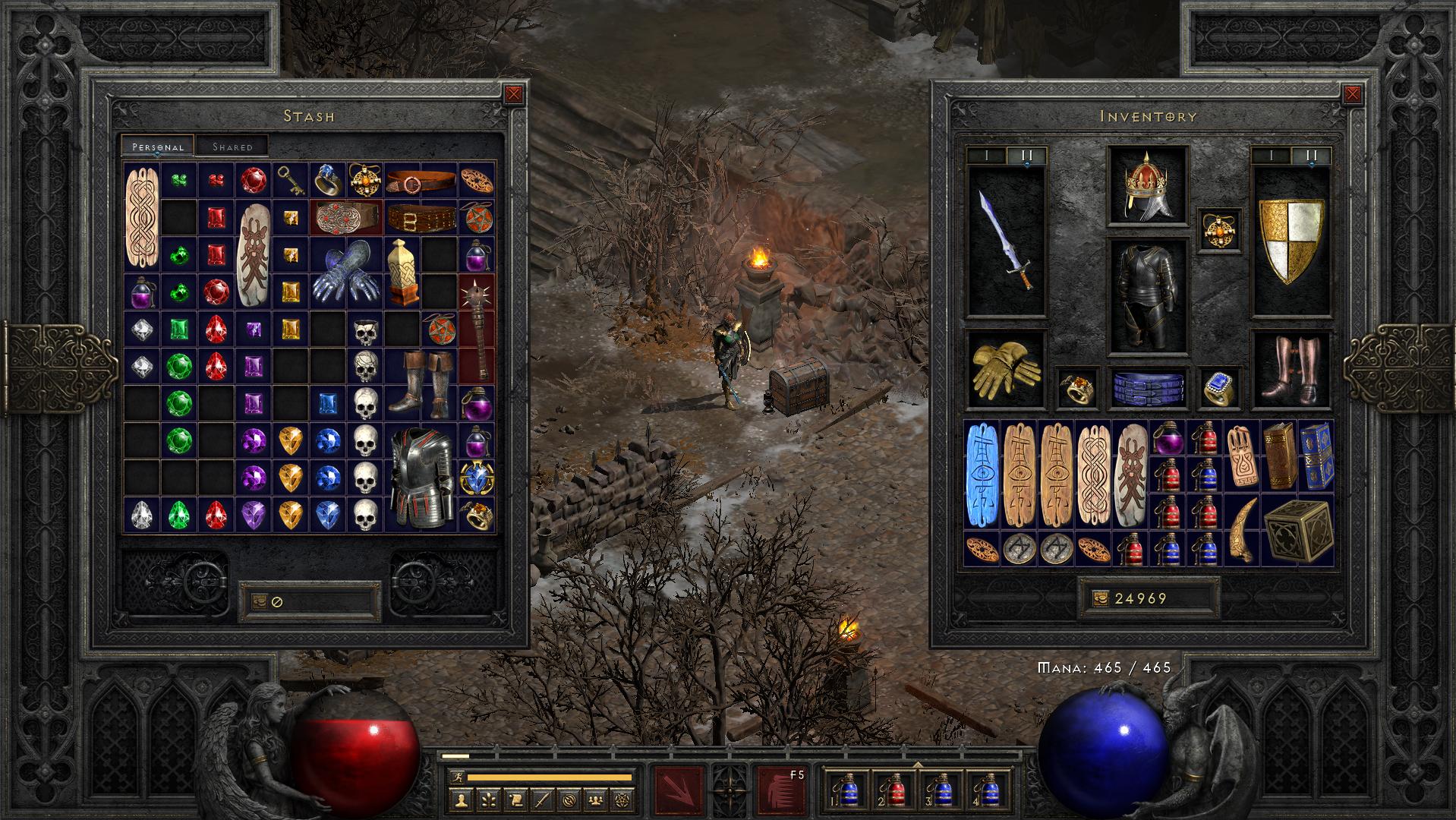
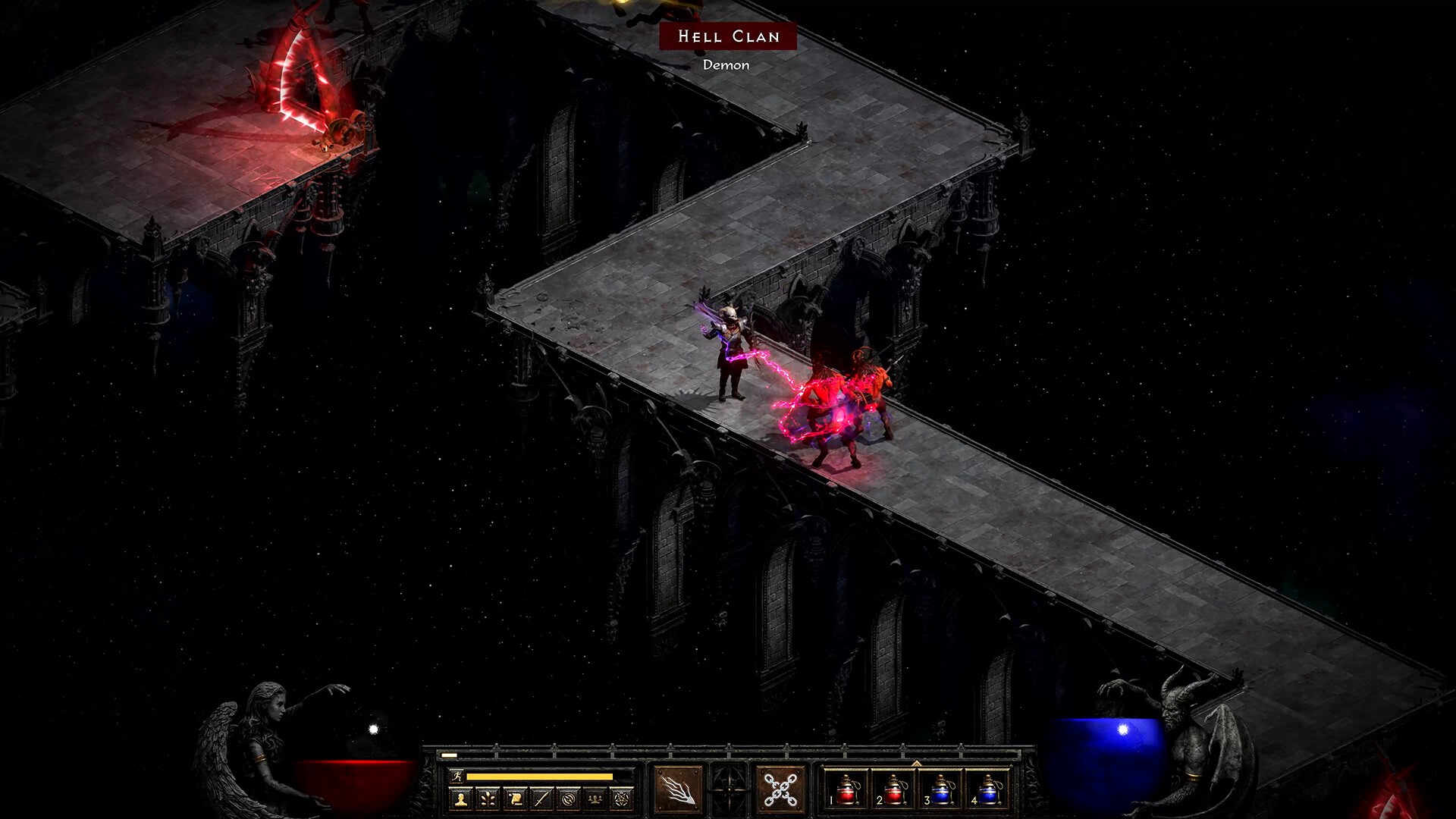
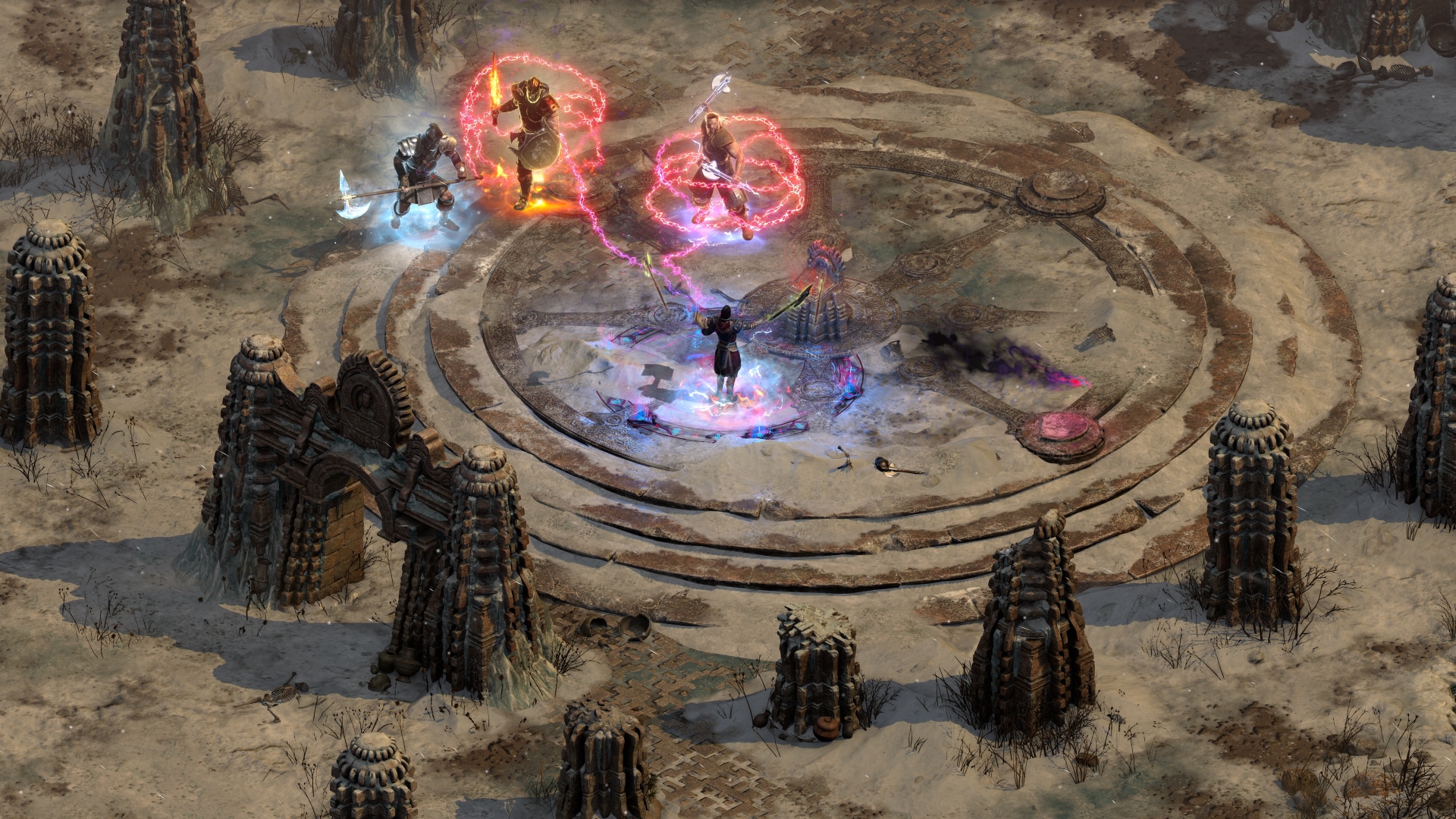
Another noticeable element is the endgame and quality-of-like improvements. The Infernal Edition’s endgame benefits from expanded challenge areas and a thoughtful suite of quality‑of‑life upgrades. Loot filters, improved stash tabs, new Terror Zones and The Chronicle system streamline the hunt for gear without impacting on the core mechanics of Diablo but rather complements it such as the fearsome Colossal Ancients.
Final Thoughts
Diablo II Resurrected Infernal Edition stands as a thoughtful and respectful fine-tuning of a classic with a new way to experience it thanks to the Warlock!

Related Posts

007: First Light PC Review →

Realm of Ink Review (PC) →
Gothic Remake Review →