
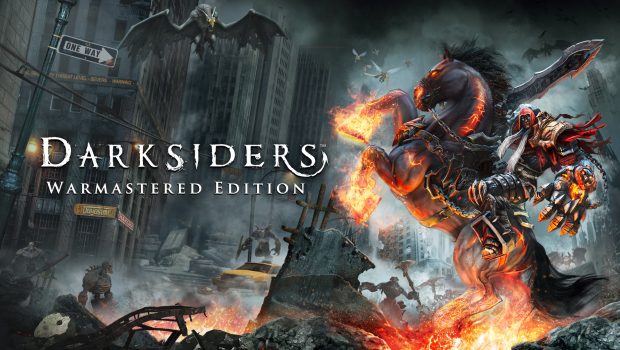
Darksiders Warmastered Edition Review (PS5)
Summary: War's journey remains one of the strongest action-adventure experiences of its generation, combining satisfying combat, rewarding exploration, and memorable dungeon design. Its post-apocalyptic world is packed with secrets, powerful enemies, and a story that keeps pushing you toward answers. Even years later, the adventure still feels engaging thanks to its focused design and strong sense of progression.
4.5
War's Wrath
Some games age gracefully because of nostalgia. Others do it because their design was strong enough to withstand the test of time. Darksiders belongs firmly in the second category. Originally developed by Vigil Games and released in January 2010, Darksiders arrived during a period when very few developers were attempting to blend large scale action combat with dungeon design inspired by classic adventure games. The result was a title that felt both accessible and refreshingly different. Years later, Kaiko and THQ Nordic brought the game back through Darksiders: Warmastered Edition in 2016, and now the remaster has received a native PlayStation 5 and Xbox Series X|S release on May 19, 2026.
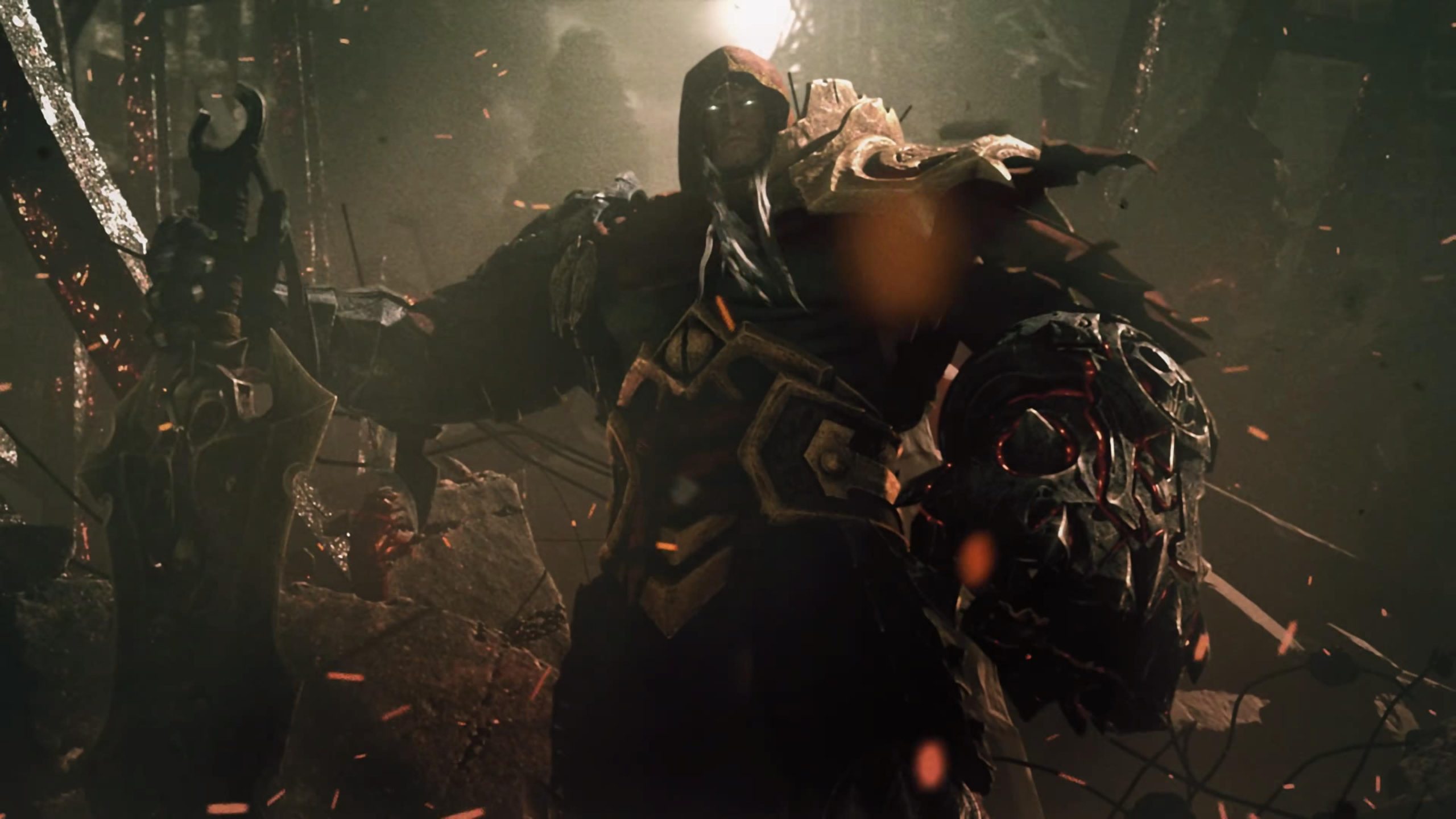
This newest version offers native 4K resolution, upgraded rendering, DualSense support, Activity Card support, and a new Photo Mode. Existing PS4 owners will have to pay a $10 upgrade fee, which has caused some discussion among fans, but it exists largely because of the pricing difference between the PS4 and PS5 versions. Regardless of how you feel about the upgrade path, there is no denying that this is currently the best-looking version of one of the most beloved action adventure games of its era. With Darksiders 4 finally on the horizon and promising all four Horsemen together for the first time, there has never been a better opportunity to revisit War’s journey or experience it for the first time.
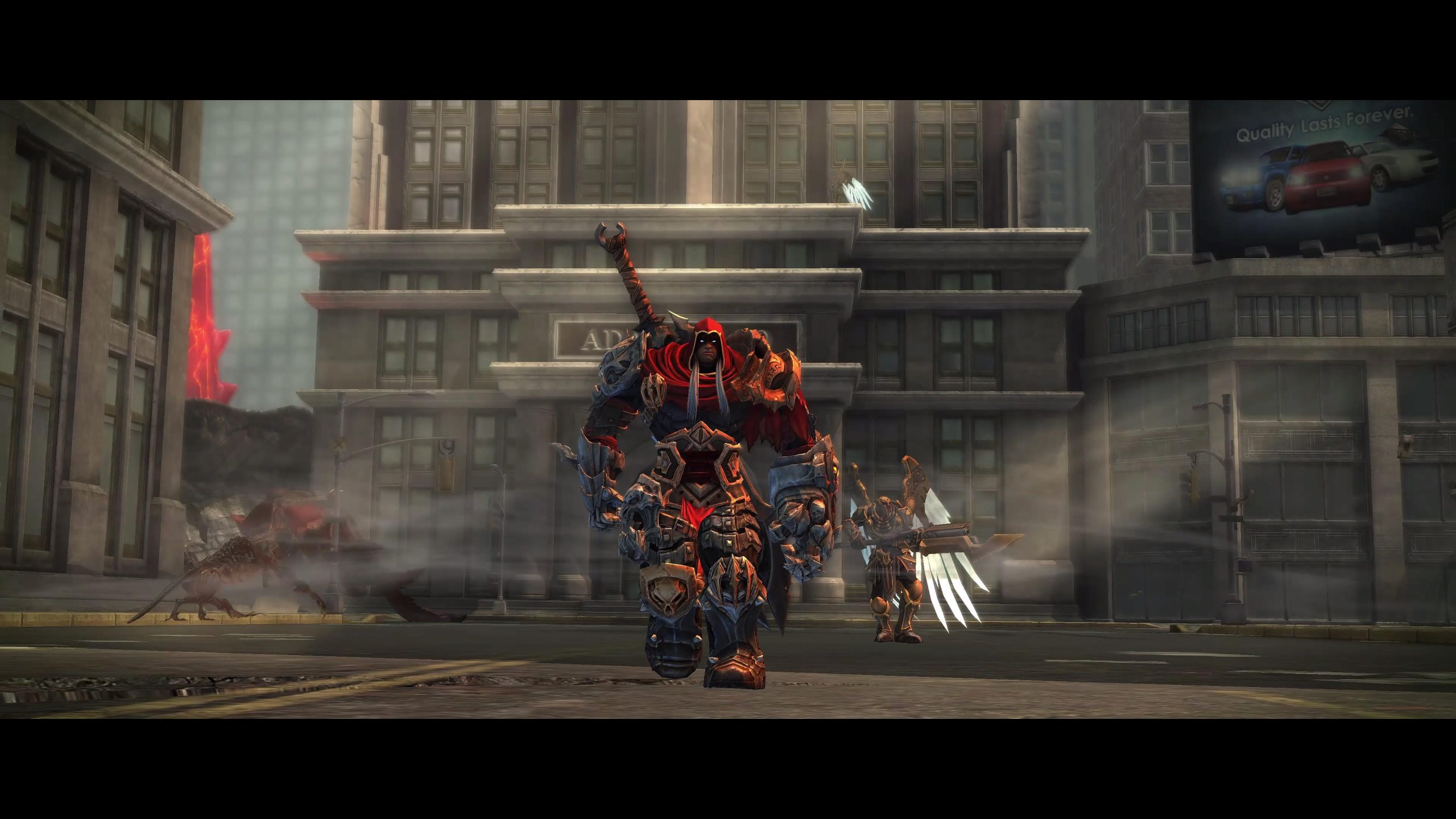
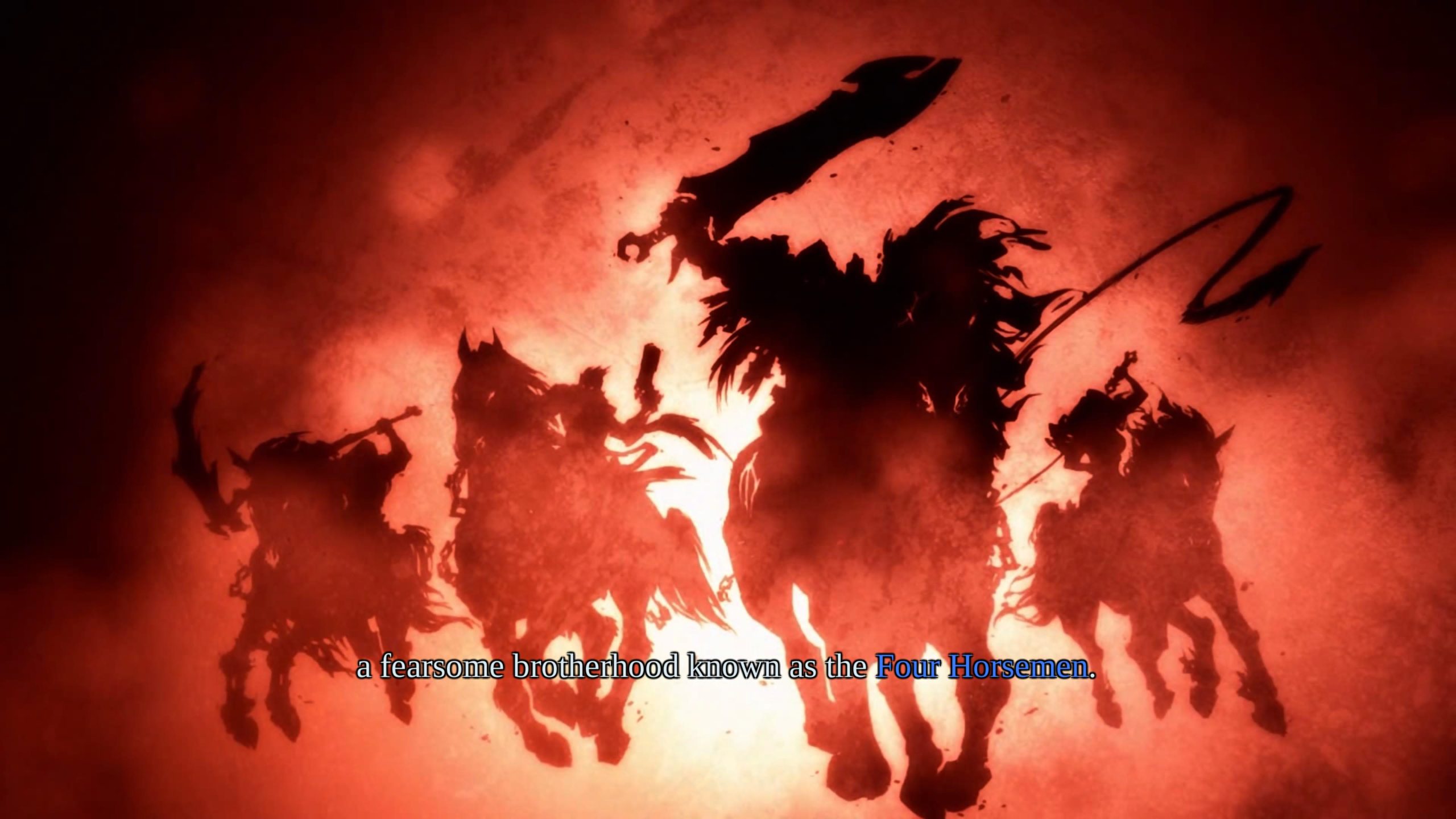
Part of what makes Darksiders so special is where it sits within the franchise itself. The series has always centered around the Four Horsemen of the Apocalypse and their role in maintaining balance between Heaven, Hell, and the countless forces caught in between. While later entries experimented with different genres and design philosophies, many fans continue to point to the original Darksiders as the high point of the series.
The first game felt incredibly focused. It borrowed ideas from adventure classics like The Legend of Zelda while creating something distinct through its apocalyptic setting, comic book inspired art direction, and satisfying combat. Darksiders II expanded everything but often stretched itself too thin with excessive backtracking and padding. Darksiders III shifted toward a more Souls-inspired formula and divided players because of its changes to combat, progression, and overall structure. Darksiders Genesis successfully explored an entirely different style through its top-down perspective, but even that game never quite captured the same magic as the original. There is something about the first Darksiders that simply works. Every mechanic, dungeon, character, and upgrade feels meaningful, purposeful, and like it belongs exactly where it is.
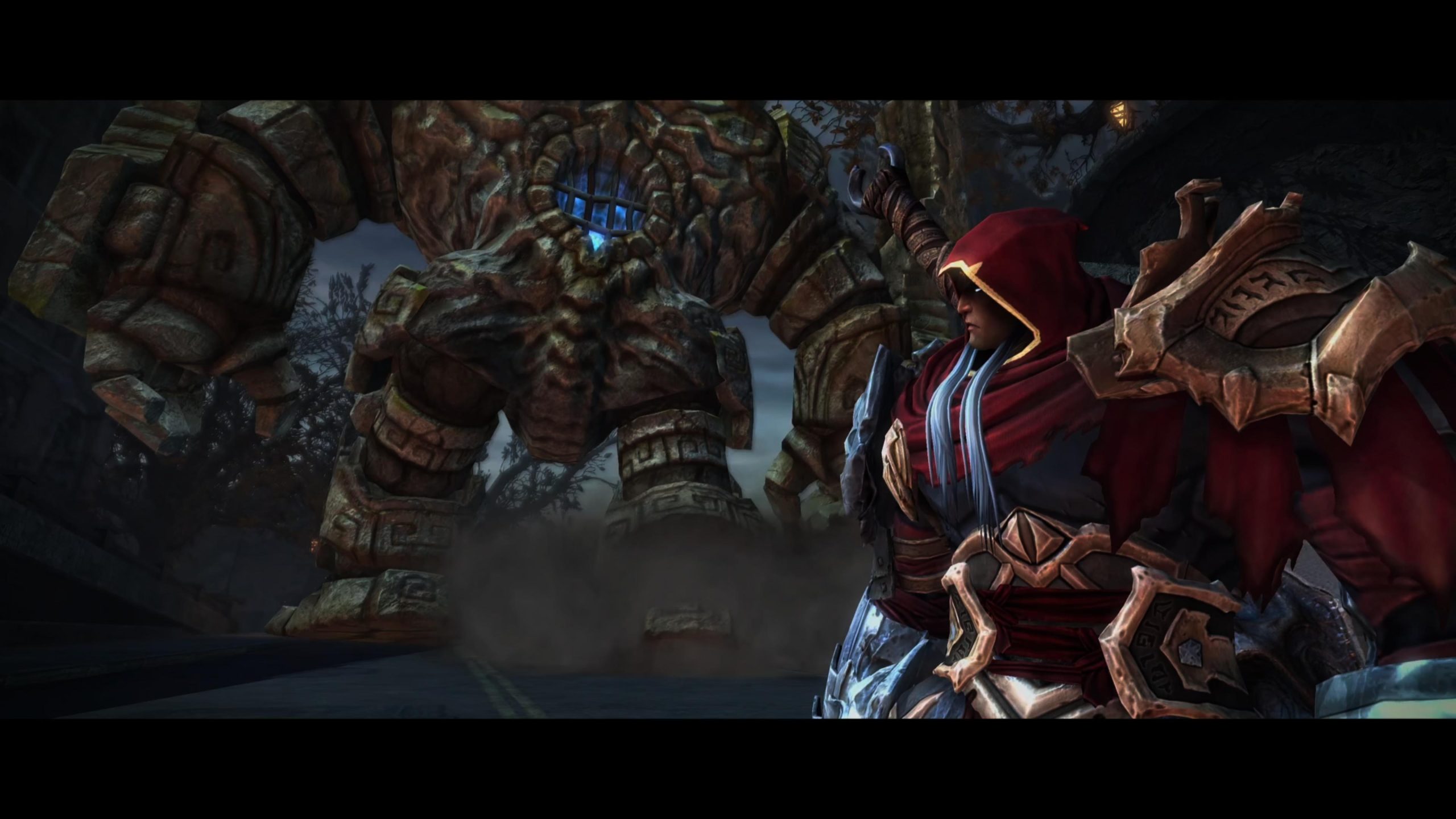
The story begins with the strongest opening in the entire series. The seals that are meant to summon the Four Horsemen are broken, and War is called to Earth during what appears to be the final battle between Heaven and Hell. The problem is that the apocalypse was never supposed to happen. War arrives alone, and before long the world falls into ruin. The Charred Council accuses him of bringing about the end of humanity before the proper time and strips him of his status. Years later, War is sent back to a devastated Earth with a single purpose: uncover the truth and clear his name.
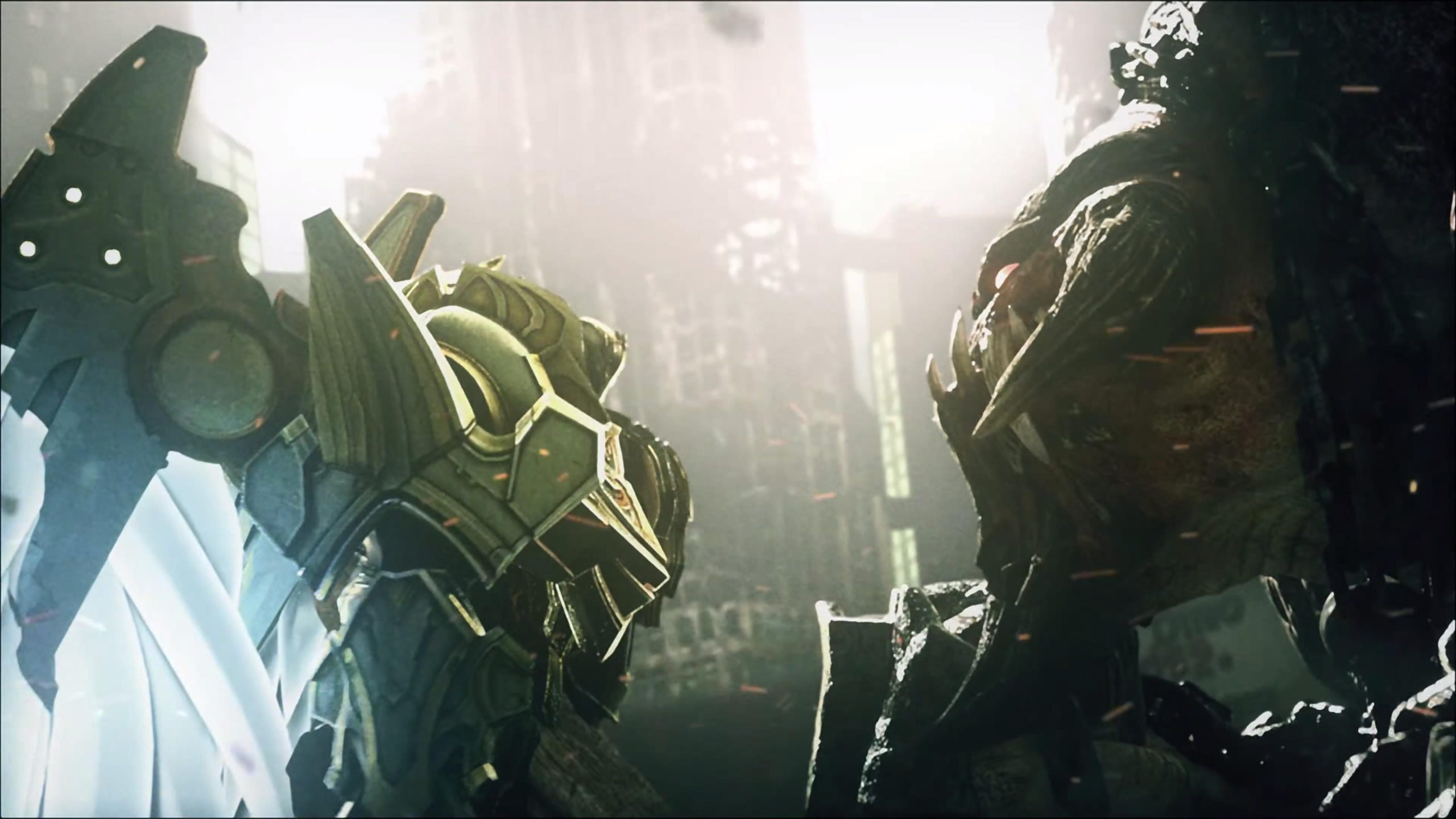
What follows is a compelling mix of mystery, revenge, and redemption. War is caught between angelic and demonic forces that both view him as an enemy, forcing him to carve a path through a shattered world in search of answers. The narrative constantly pushes you forward through intriguing twists, memorable encounters, and strong worldbuilding. Much of the credit belongs to the excellent voice acting and cinematic presentation. War himself remains one of gaming’s coolest protagonists, carrying an enormous presence without needing endless dialogue to do so.
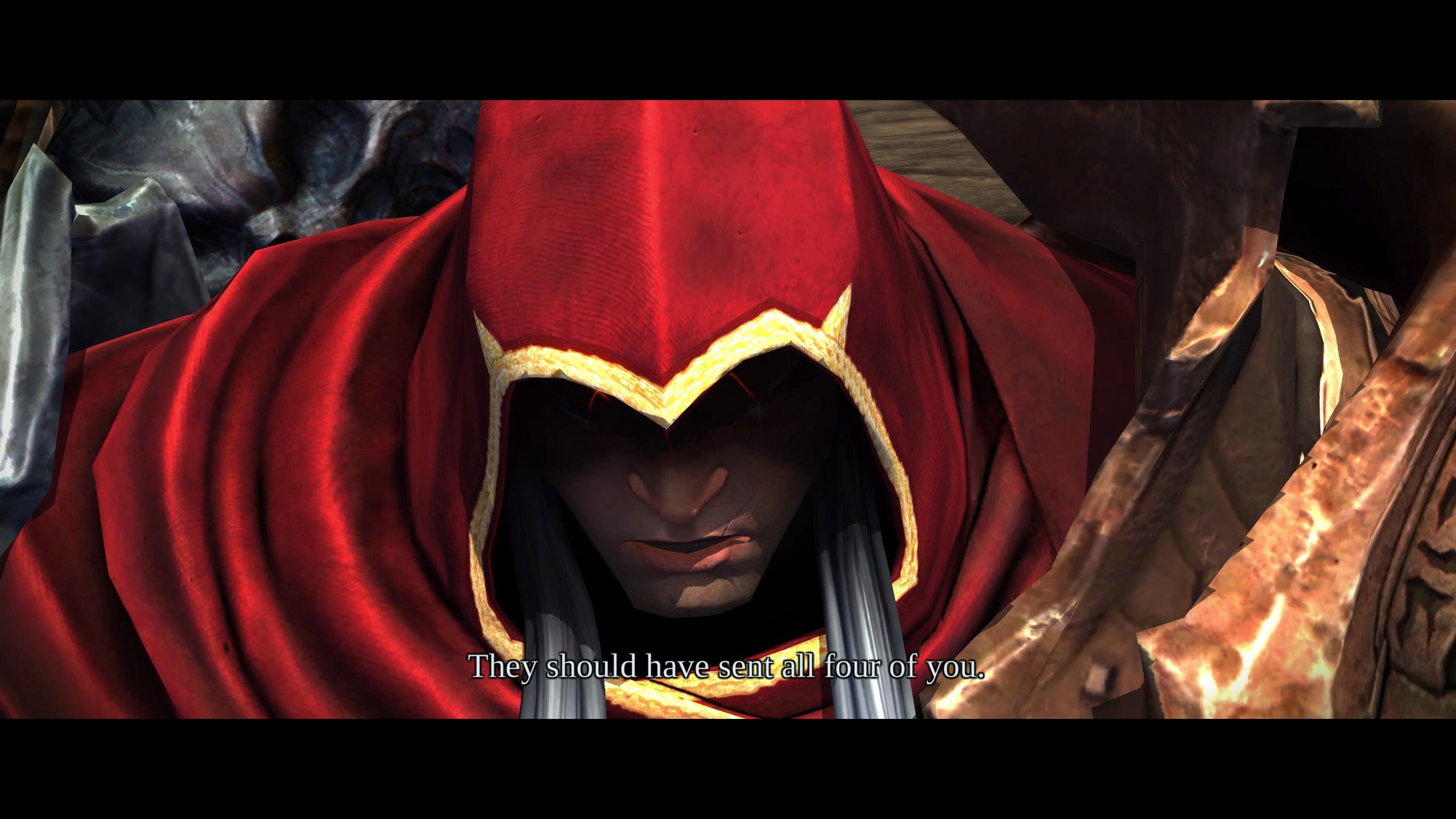
One of the most interesting relationships throughout the adventure is between War and the Watcher, a shadowy being assigned by the Charred Council to monitor him. Bound to War’s fate, the Watcher serves as both guide and threat, offering direction while constantly reminding War that he is being watched. Their back-and-forth conversations provide some of the game’s strongest character moments and add another layer of tension to the story.
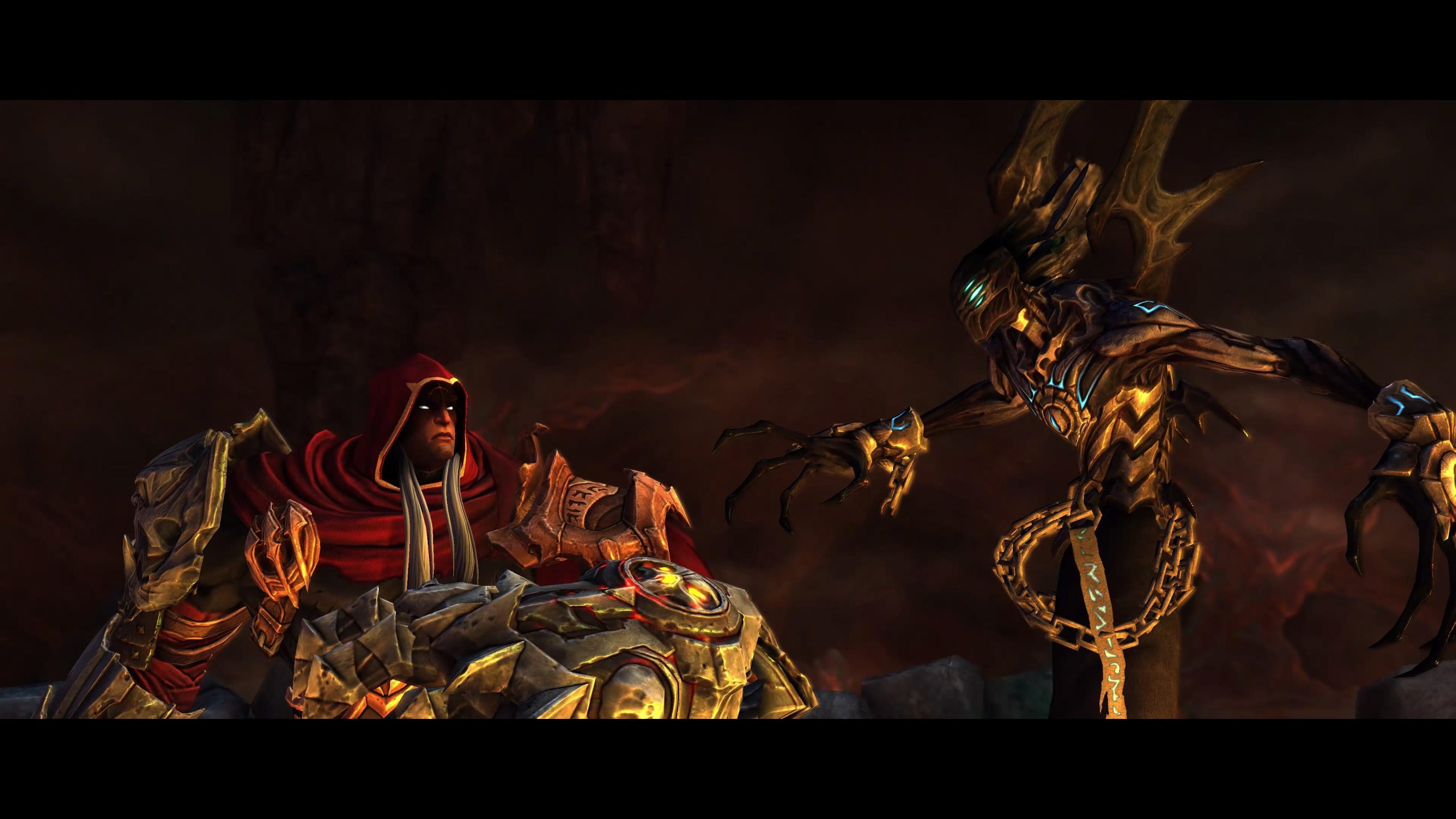
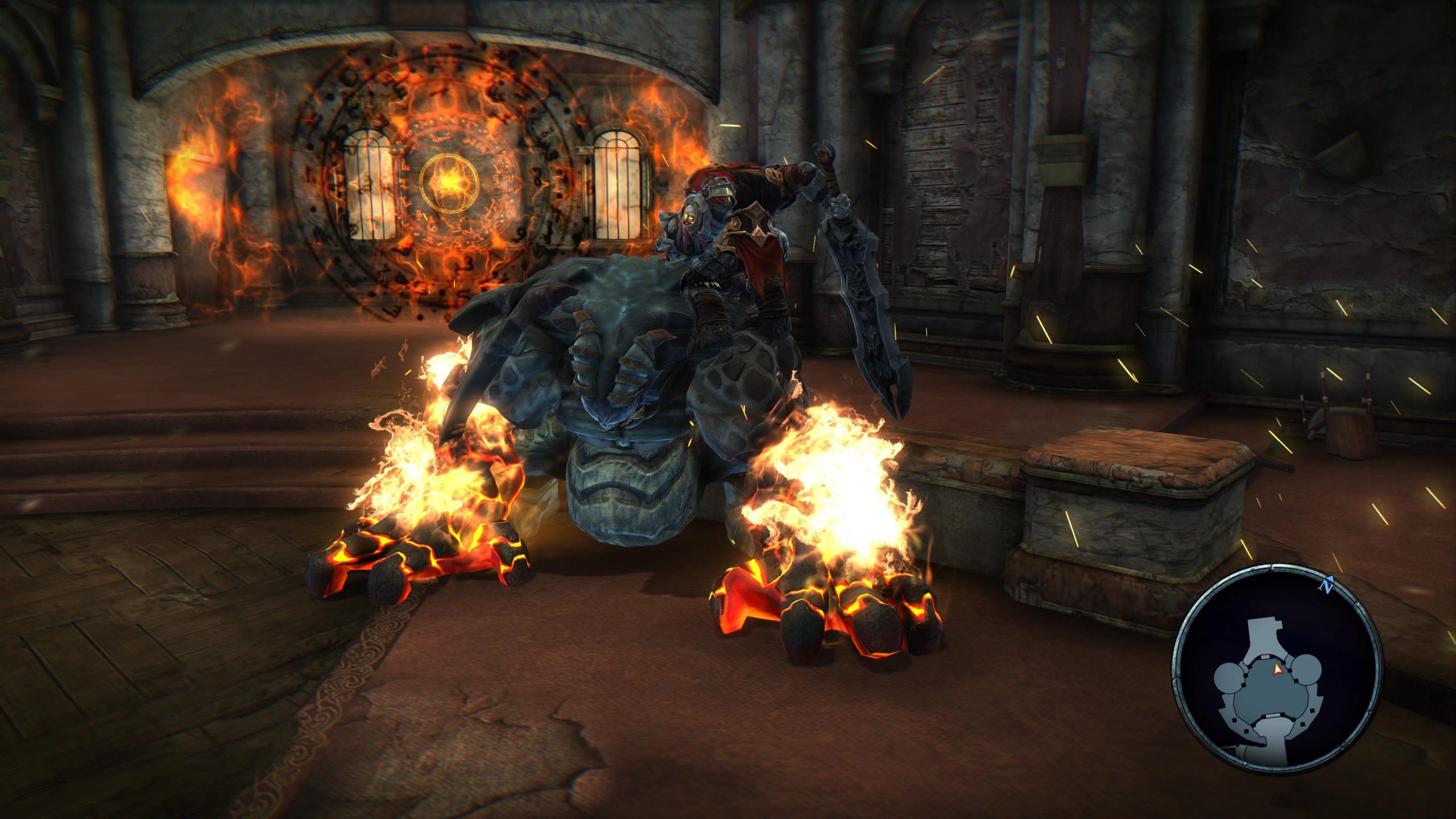
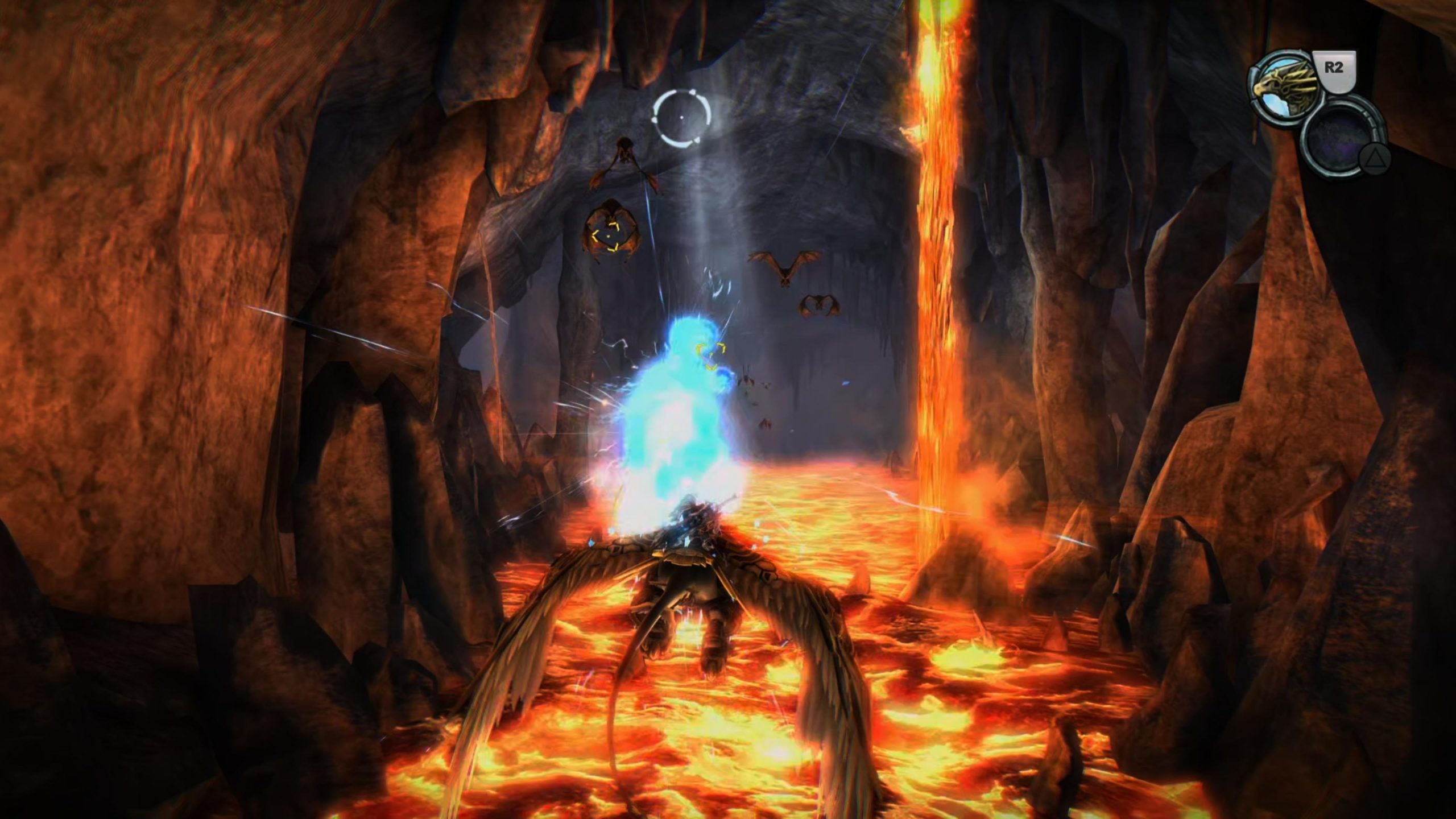
The game blends action combat, exploration, puzzle solving, progression systems, and dungeon crawling into a package that still feels fresh today. Combat is fast, responsive, and incredibly satisfying. War begins with his massive sword, Chaoseater, which serves as his primary weapon throughout the game. Despite War’s bulky appearance, he moves with surprising speed and agility. Lock-on combat allows you to circle enemies, dodge attacks, and unleash devastating combos. Context-sensitive finishers add extra impact to battles, making every encounter feel appropriately brutal.

As you progress, War gains access to new abilities and equipment that expand both combat and exploration. Mercy provides ranged attacks for enemies that refuse to fight up close. Environmental objects can be picked up and hurled at enemies or used as improvised weapons. New traversal tools gradually unlock additional pathways and hidden areas throughout the world. Shadowflight allows War to glide across larger gaps, while other equipment opens previously inaccessible routes and secrets. This steady flow of new tools is one of the game’s greatest strengths. Every major item feels meaningful because it serves multiple purposes. New abilities are never just combat upgrades. They are also keys that reshape how you explore the world.
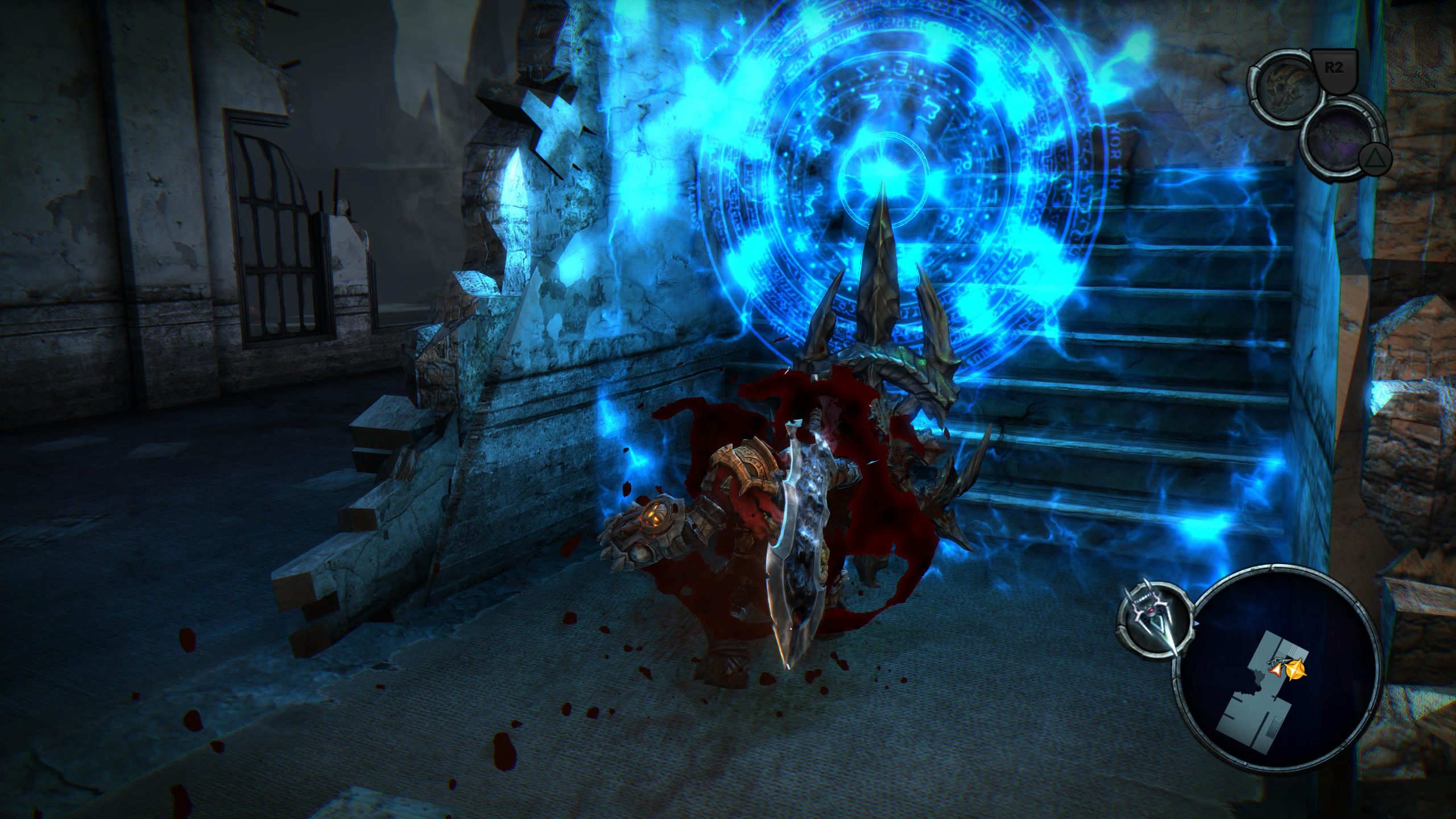
The dungeon design remains excellent even by modern standards. Large temple-like areas are packed with environmental puzzles, hidden treasures, locked doors, and clever uses of your growing arsenal of tools. There is a constant sense of discovery as you revisit older locations and realize a newly acquired item can finally grant access to a secret you noticed hours earlier. The game’s structure encourages exploration without ever becoming overwhelming.
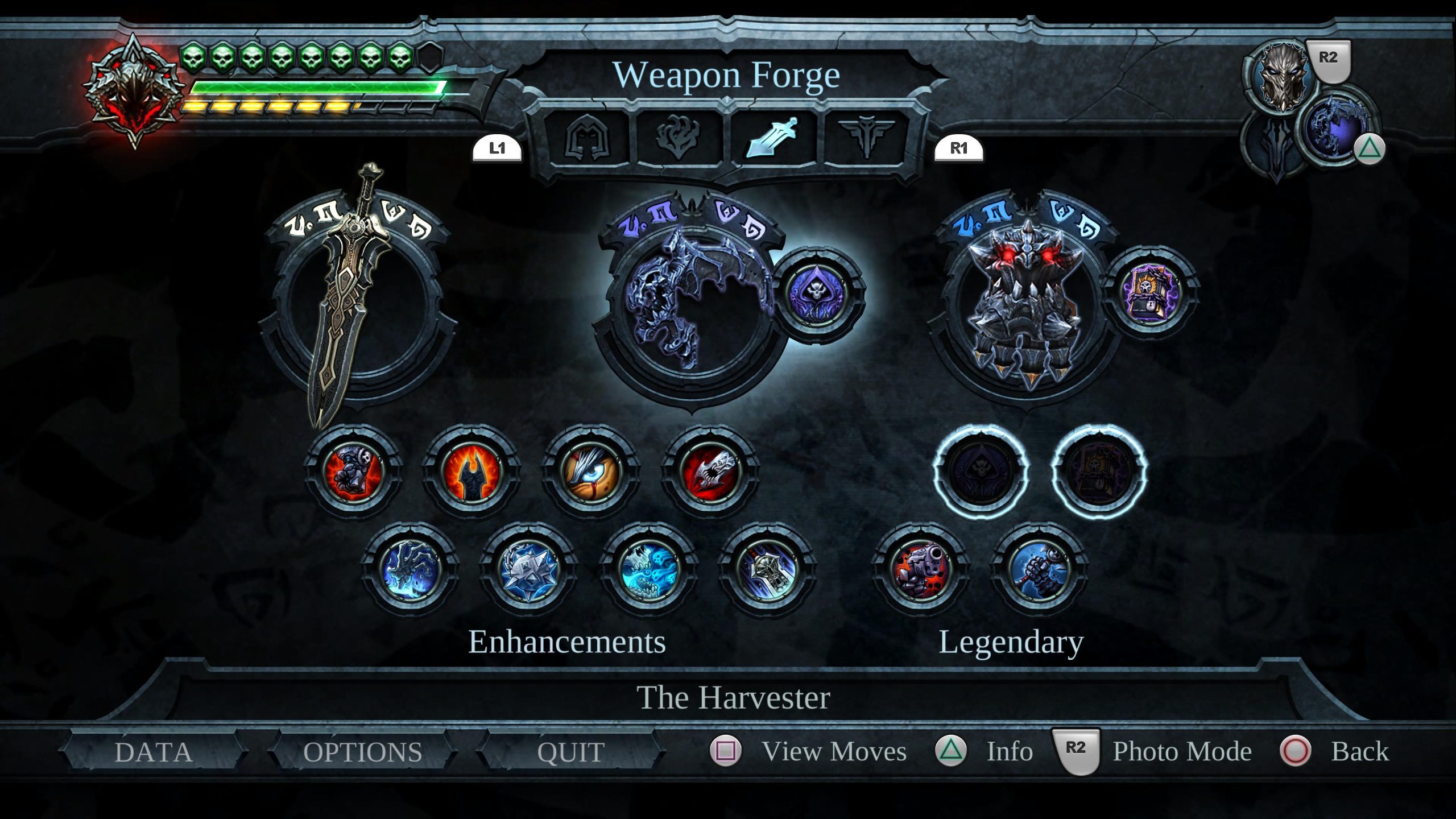
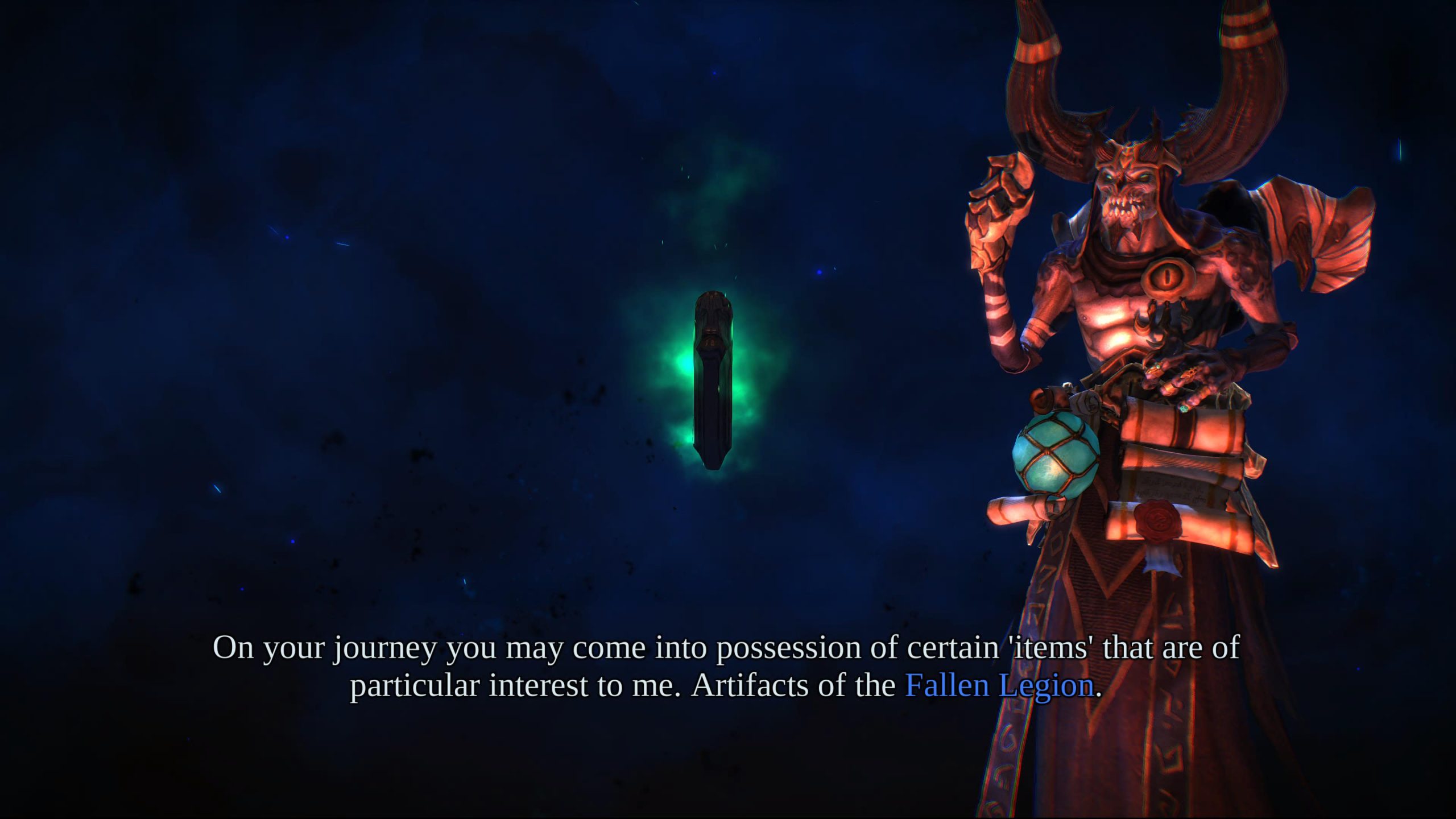
Character progression also feeds directly into this loop. Throughout your journey, you’ll collect souls from enemies and treasure chests that function as currency. These can be spent with Vulgrim, a demon merchant who sells new combat techniques, upgrades, and equipment. Learning new moves gives combat additional depth while rewarding experimentation which allows you to pull off some cool looking combos and feel powerful.
Beyond that, collectibles offer meaningful rewards. Lifestones increase your health pool. Wrath Cores expand your magical abilities. Legendary gear enhances War’s effectiveness in battle. Eventually, you also gain access to Ruin, War’s horse, which dramatically improves travel across larger regions and creates some memorable mounted combat sequences. Then there is Chaos Form, one of the most satisfying power-ups in the game. Once activated, War transforms into an unstoppable force capable of devastating entire groups of enemies. It feels appropriately powerful and serves as a perfect reward for managing resources effectively.
What makes Darksiders stand out is how well every system complements the others. Combat makes exploration rewarding. Exploration feeds progression. Progression opens new paths. New paths lead to more dungeons, secrets, and upgrades. The entire experience feels carefully designed around a central vision, which is something many larger modern games struggle to achieve.
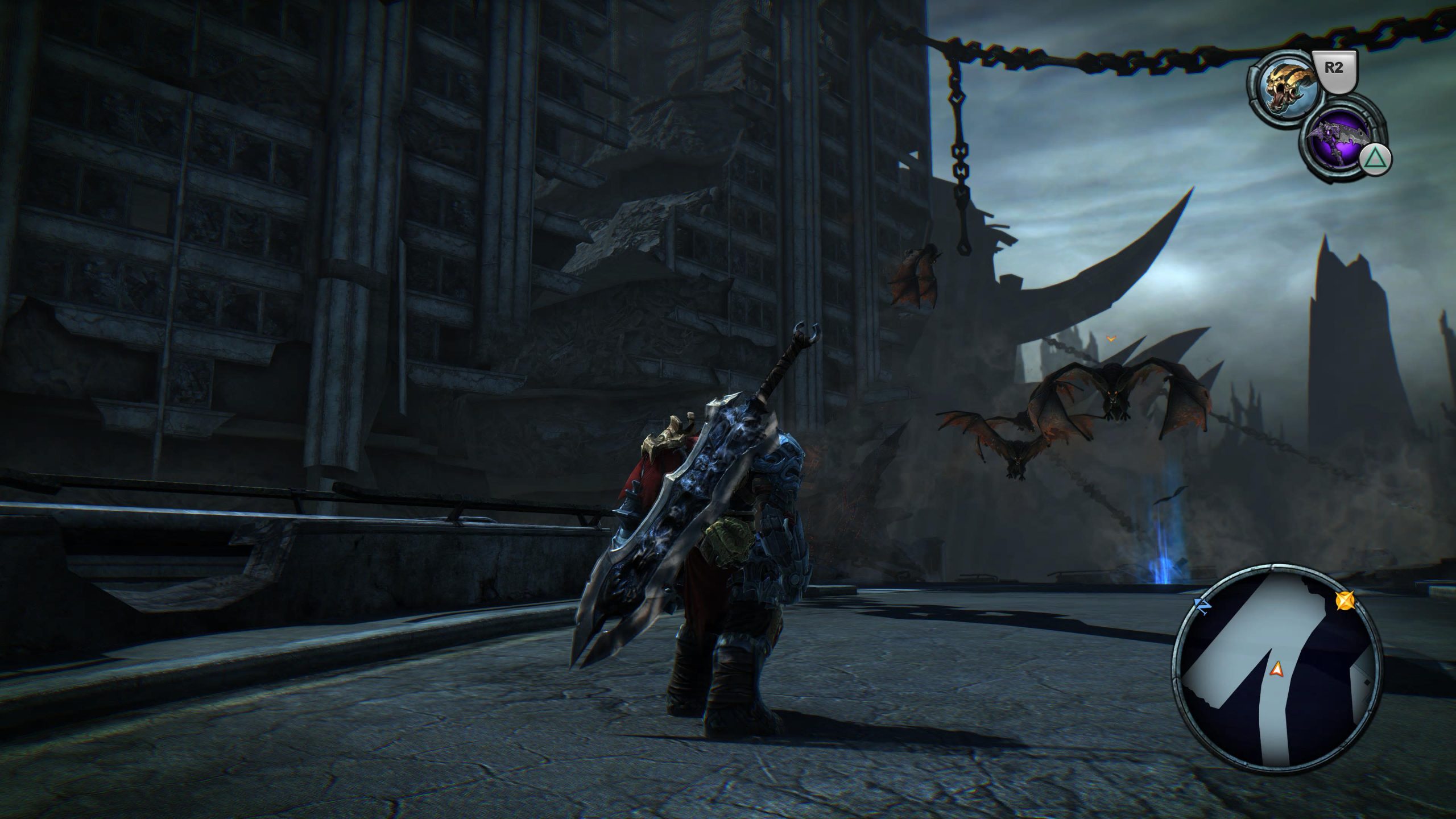
Visually, the PS5 version presents the game better than ever. The art direction has always been one of Darksiders’ greatest strengths. Joe Madureira’s influence is immediately recognizable through the exaggerated character designs, oversized weapons, detailed armor sets, and distinct enemy silhouettes. Even sixteen years later, the visual style remains striking. Native 4K resolution, sharper rendering, maximum texture detail, and a stable 60 frames per second all help elevate the experience. Environments feel cleaner, character models appear sharper, and the ruined landscapes of Earth have never looked better. The atmosphere remains one of the game’s strongest qualities, with every area feeling distinct while maintaining the overall apocalyptic tone.
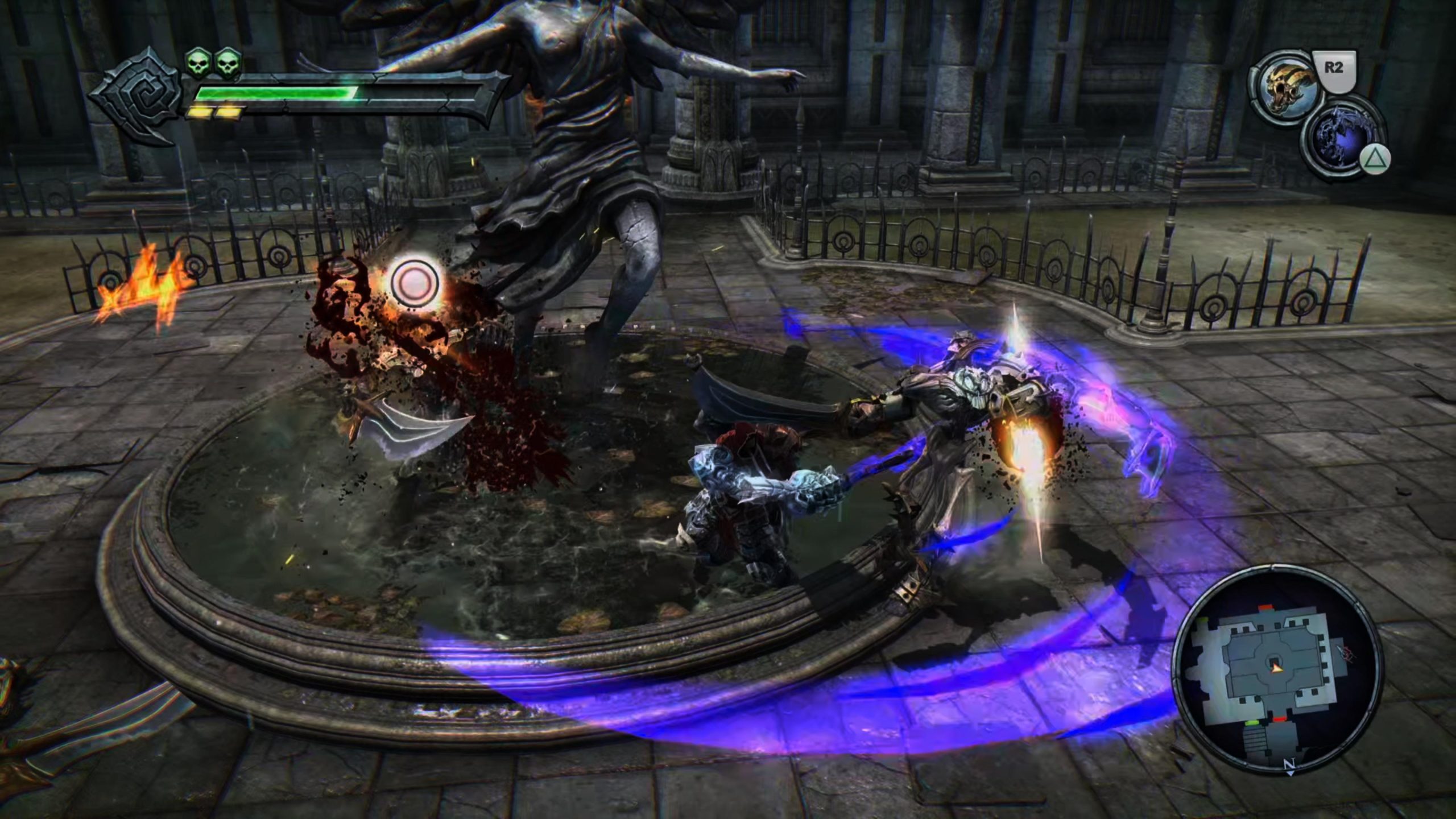
Unfortunately, the PS5 version is not entirely free from technical issues. During my time with the game, I encountered occasional visual glitches, including textures briefly displaying incorrect colors before loading properly. There are also reports of progression-related bugs, including a crash that can occur when collecting the final piece of the Abyssal Armor. None of these issues completely ruined the experience, but they are noticeable and keep this version from feeling fully definitive at launch. Fortunately, these seem like the kind of problems that patches can realistically address.
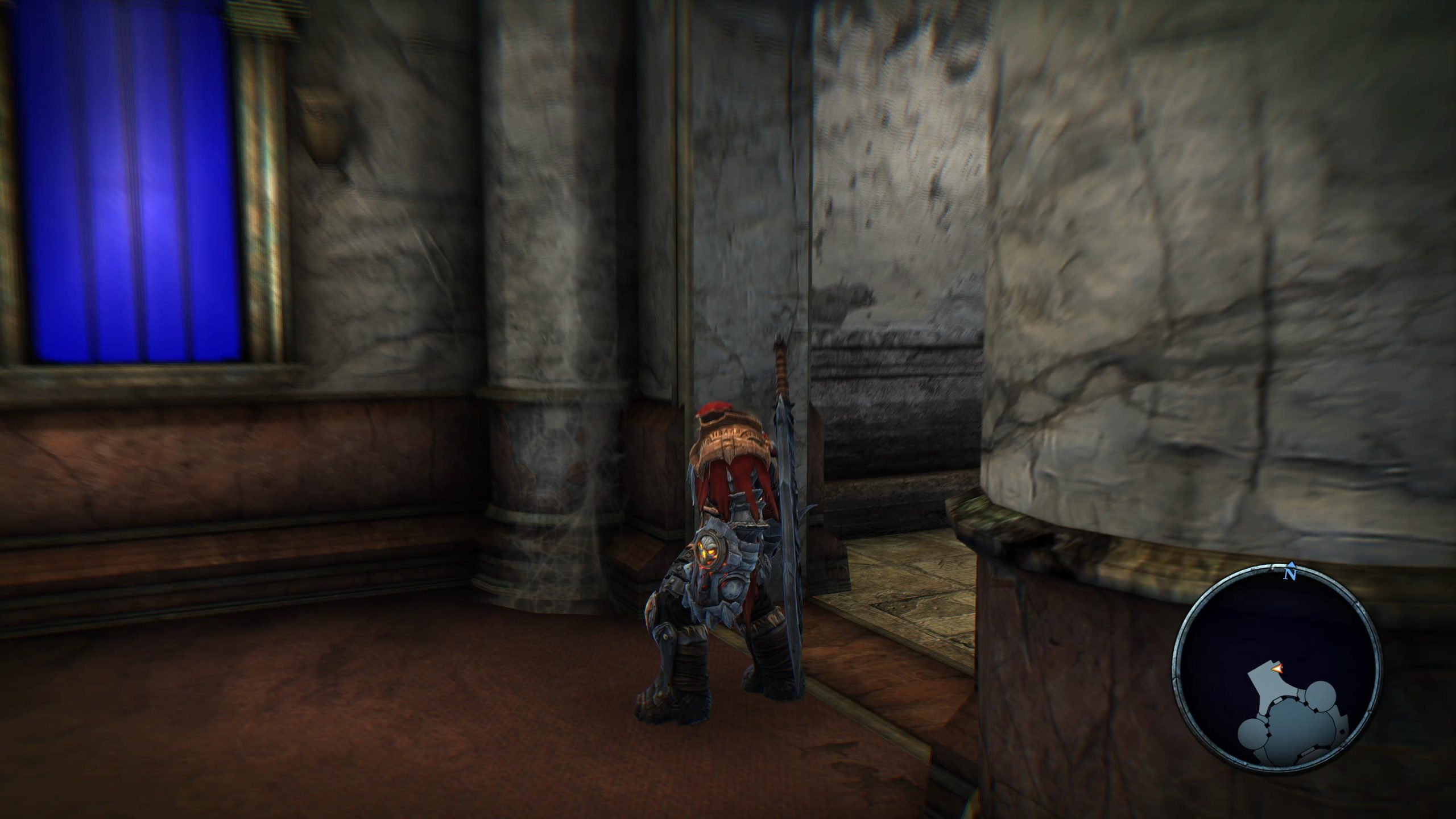
Audio follows a similar pattern. The core package remains excellent. Voice acting continues to carry tremendous weight, giving every major character personality and presence. The soundtrack does an excellent job of balancing epic orchestral themes with quieter atmospheric moments. Environmental audio sells the world beautifully, from the clash of metal weapons to the unsettling sounds of the creatures roaming the wasteland. There are some occasional audio hiccups, including moments where surround sound mixing feels uneven or ambient effects become unexpectedly bass-heavy. Like the visual issues, these are relatively minor and seem fixable through updates. Outside of those isolated problems, the overall audio experience remains strong and helps immerse you in War’s journey.
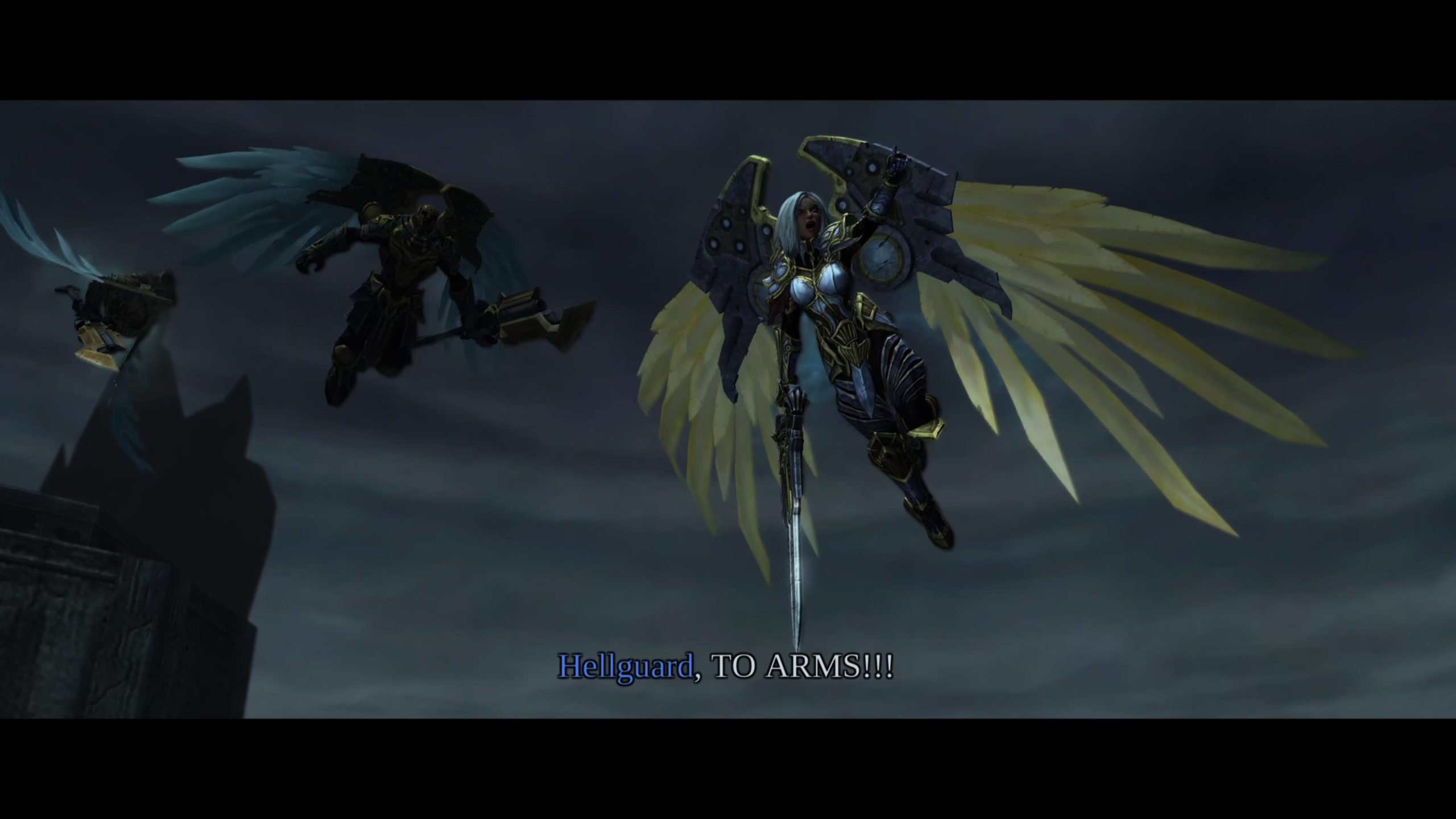
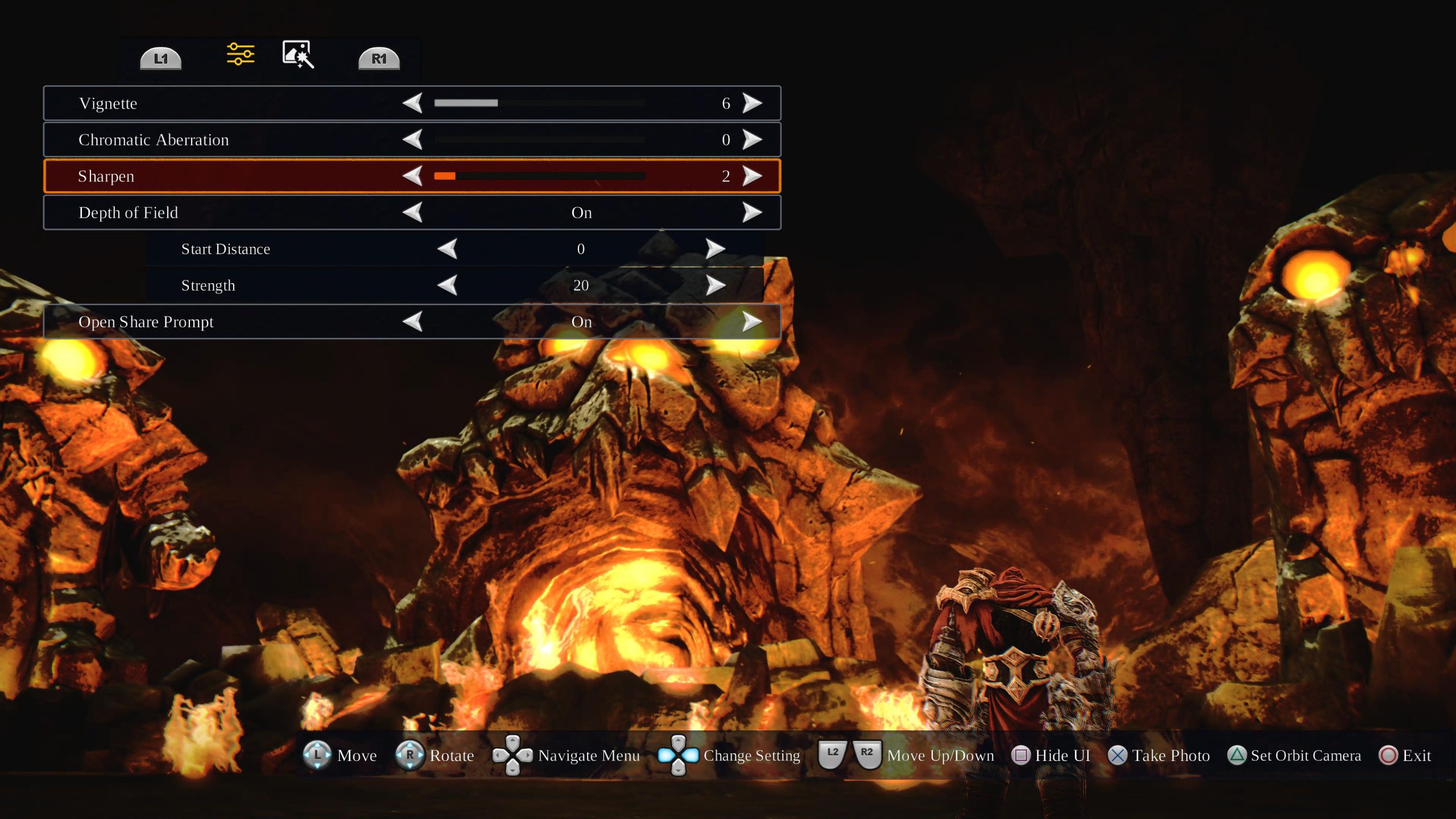
As for the new additions, DualSense support is easily the standout feature. Every sword swing, heavy impact, jump, and footstep carries subtle feedback through the controller. It may not completely transform the experience, but it adds a welcome layer of immersion and makes combat feel even more impactful. The new Photo Mode is a nice inclusion, though it is also the biggest missed opportunity. Being able to freeze action and capture the game’s striking environments is always appreciated, but the feature set feels fairly basic. There are filters and depth-of-field adjustments, but not much else to experiment with. For players who enjoy spending hours capturing screenshots, the tools feel somewhat limited compared to the extensive photo modes found in many modern releases. It gets the job done, but it lacks the creativity and flexibility that could have made it a standout addition.
The first Darksiders has always been my favorite game in the franchise, and revisiting it through this PS5 release only reinforced why. The world remains fascinating. The combat is still satisfying. The dungeons are still cleverly designed. The progression systems continue to reward exploration in meaningful ways. Most importantly, the game never feels bloated. Everything has a purpose, and that sense of focus is what makes it stand apart from many of its successors.
Final Thoughts?
While the PS5 version does launch with a handful of technical issues and a somewhat underwhelming Photo Mode, the core experience remains every bit as compelling as it was years ago. The higher resolution, smoother performance, DualSense support, and overall presentation improvements make this the best way to experience War’s story today. If you are a longtime fan looking for an excuse to revisit one of the series’ greatest adventures, this is an easy recommendation. If you have never played Darksiders before, there may not be a better time to see why so many people still consider it the best entry in the franchise. With Darksiders 4 approaching, this feels like the perfect opportunity to return to where it all began.
About the Author

Nay Clark Gaming holds a special place in my heart and I never stop talking about video games. I really love all types of games and have an interest in games that have complicated stories and lore because I enjoy untangling the mystery of it all. When I'm not gaming, I unsuccessfully try to control three amazing and incredibly bright kids.
Related Posts

Halo: Campaign Evolved PS5 Review →

The Caribou Trail Review (PS5) →

Denshattack! (PS5) review →