The Caribou Trail Review (PS5)
Summary: You might like the stories, the voice acting and the characters, but none of them can salvage what is essentially a pedestrian experience where grunt work takes precedent over a true sense of wartime struggle and sacrifice.
2.8
Muddy Trails
World War I fiction is undoubtedly rare in videogames. Yes, there were standouts like EA and DICE’s Battlefield 1 and Ubisoft Montpellier’s Valiant Hearts: The Great War, but barely any other notable games covered The Great War with success. Enter Unreliable Narrators and ManaVoid Entertainment’s The Caribou Trail, a short first-person narrative adventure set amidst the backdrop of a World War I battlefield and its squalid trenches. Can The Caribou Trail blaze a trail as a convincing narrative experience centered around the first World War, or is it destined to be forgotten?
Rest those easy trigger fingers virtual soldiers, because The Caribou Trail is not a first-person shooter, if you’re looking for one you’ll have to look elsewhere. However, if you want to experience a condensed two-hour tale based around a small squad of soldiers, then you may find something meaningful here to tuck into, but The Caribou Trail trips on a few unforgiving landmines along the way.
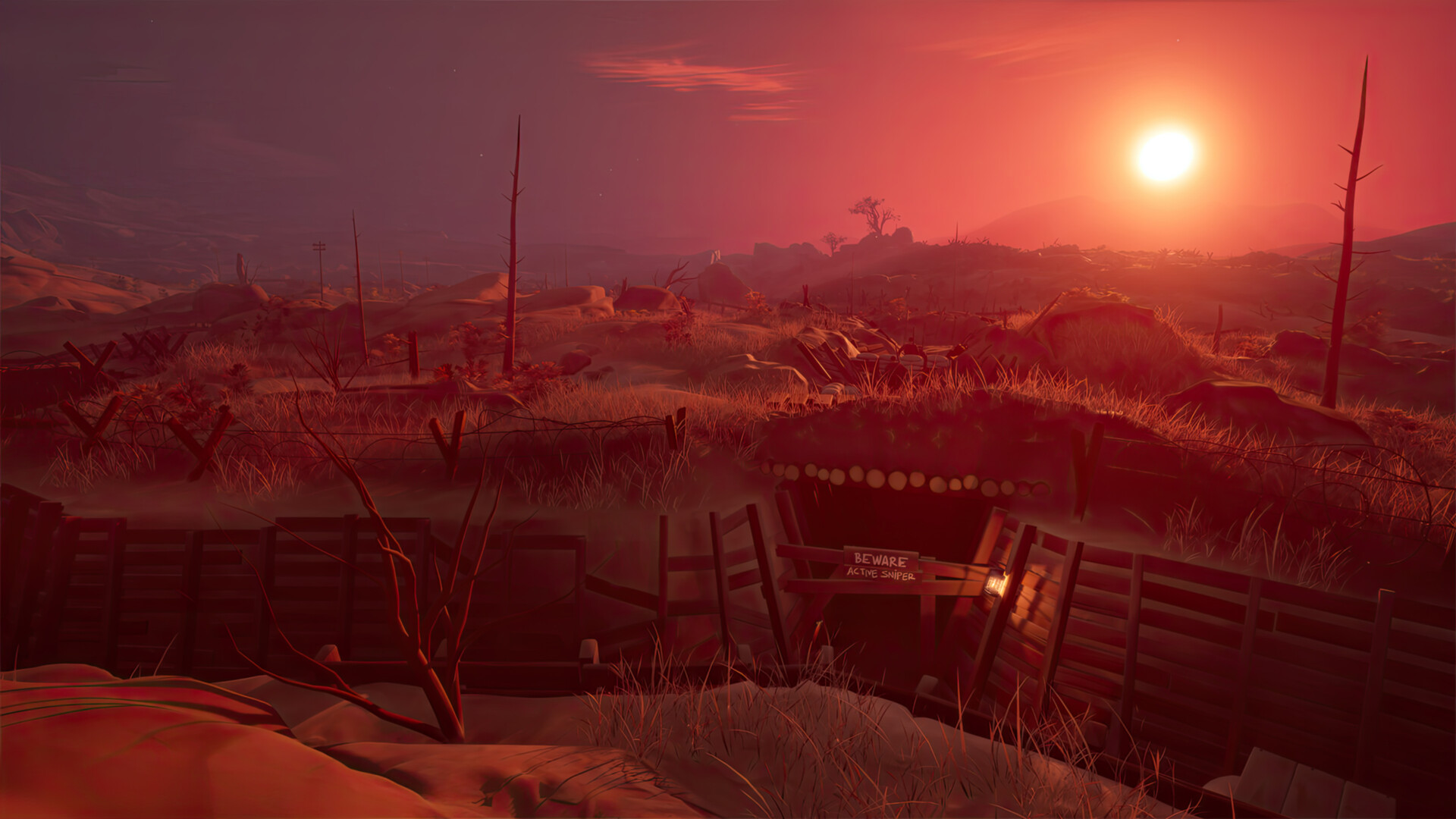
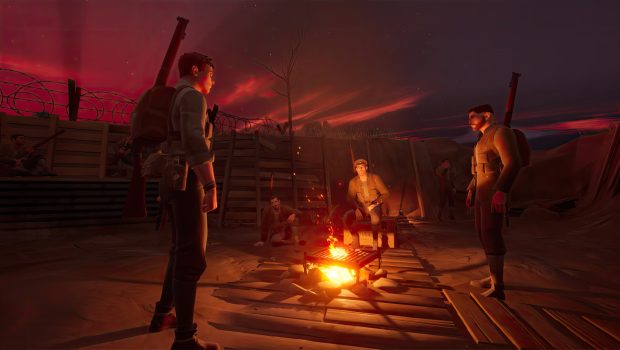
The story follows three soldiers during the events of the Gallipoli Campaign. You play as Fisher and along with your comrades Lonnie and Gordon, you endure a grueling day’s grind through the trenches before settling down at night by sharing stories around a campfire while necking back stew made from Oxo stock cubes. The three soldiers start the game on a rowing boat as they approach Gallipoli, maintaining vigilance and caution as they try to avoid raising the awareness of Turkish artillery. From here, Fisher undertakes a variety of duties such as carrying out reconnaissance work, cutting barbed wire with bolt cutters, silencing enemy snipers, collect ID tags from fallen brethren, getting chummy with your fellow soldiers around camp as you listen to their stories, and preparing the aforementioned evening stew.
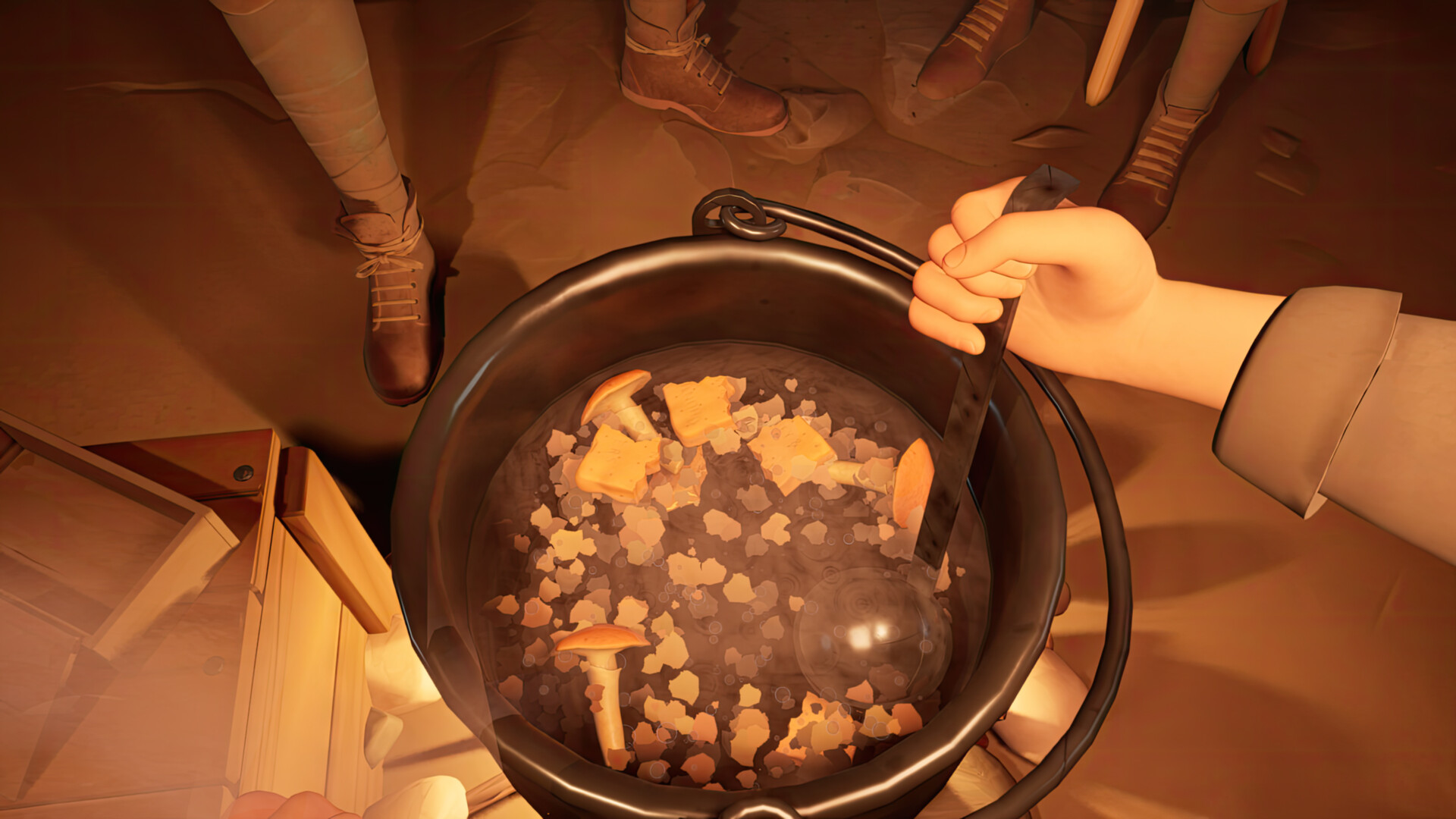
While it seems like there’s some variety in the activities you perform as Fisher, the repetition will soon become apparent. Trench life was never meant to be glamorous and is intended to be repetitive, yet the sameness will make you feel The Caribou Trail outstays its welcome far sooner than it should. Why does Fisher always need to be stirring the same stew with the occasional added Turkish spice for flavour? Anyone in their right mind would detest consuming the same food day after day. The action of mashing down and stirring the stock cubes along with the piece of Atlantic salmon is the only one available to the player during cooking, which is too simple and mundane, even if you’re taking in the stories of your brothers in arms.
The linearity of The Caribou Trail is understandable and assists players to embrace its particular World War I story as you’re funneled through conversations and missions with ease. Despite adopting a linear approach though, there is room to explore and search for collectible tat that has historical meaning. Letters, documents, army manuals, pouches, ID tags and more can be scooped up, and there are great textual insights about your findings, providing intrigue related to the greater World War I conflict.
There’s clearly a great reverence and respect for objects and literature, enough to learn a considerable amount not covered in mainstream literature about WWI, though regrettably these collectibles are not tied together with involving and dramatic gameplay. Trudging through narrow carved-out trench walkways sprinkled with comrades and interacting sparingly with specific soldiers is far from riveting engagement. On top of this, most of the experience is rigidly guided, holding your hand constantly to keep you on track. This wouldn’t be as much of a problem if the gameplay was more exciting and dramatic, but The Caribou Trail has a hard time involving the player in activities where they feel in complete control.
This theme of incomplete control is most-evident when you’re applying yourself with tools. The wire-cutters can only be used in a singular way during context-sensitive moments, making the action more of a boring necessity than a challenge. Fisher cannot cut himself and he doesn’t suffer wounds from any object he utilizes. You are prone to weapon fire if you don’t do as you’re instructed whilst moving through enemy territory, but true consequences don’t exist at all. For a game where we’re told that survival is the central theme, The Caribou trail does a haphazard job of realizing this conceit because it would rather be a relaxed narrative experience than one predicated on representing the harshness of the World War I atmosphere.
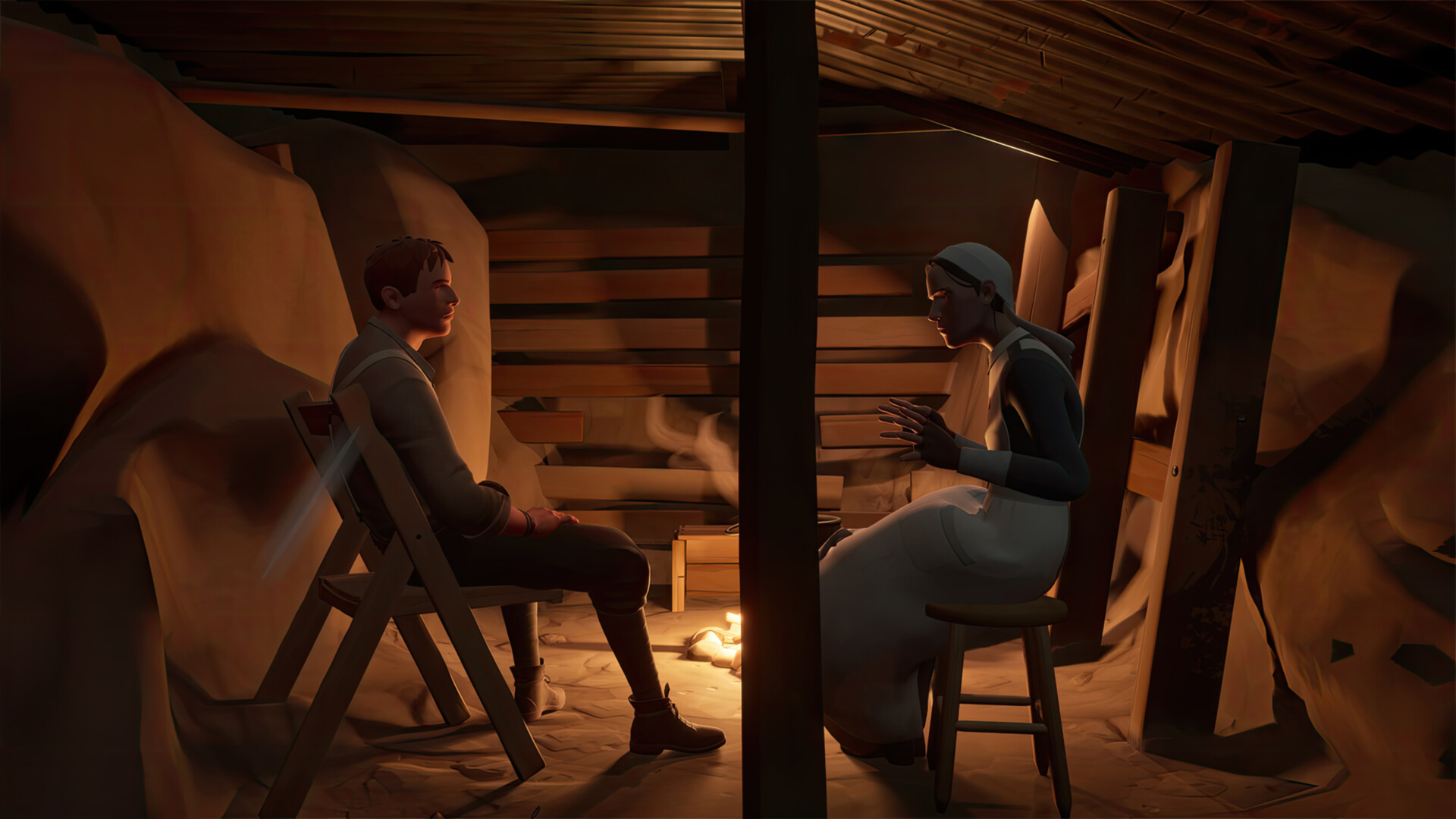
The visual style adopted for The Caribou Trail is somewhat akin to Ashen, the soulslike developed by A44 in 2018. The simplicity of this artstyle reflects the dingy aesthetics of World War I and is sufficient enough, though they are flat and lacking in expression. Environments persist with a one-dimensional colour palette, but considering the length and the fact it’s a game set during a conflict, we can’t go expecting a verdant array of sparkling colours can we?
In terms of voice acting, the characters do feel well-placed inside the conflict, and the potent Irish drawl brings something different to the WWI table outside of the usual English and American accents. The way characters speak to each other might seem a tad jarring, especially if you’re not used to The Great War lingo, yet they’ll make you feel like one of the boys. The decency of the voice acting allows the stories of each characters to become more appealing than they otherwise would be.
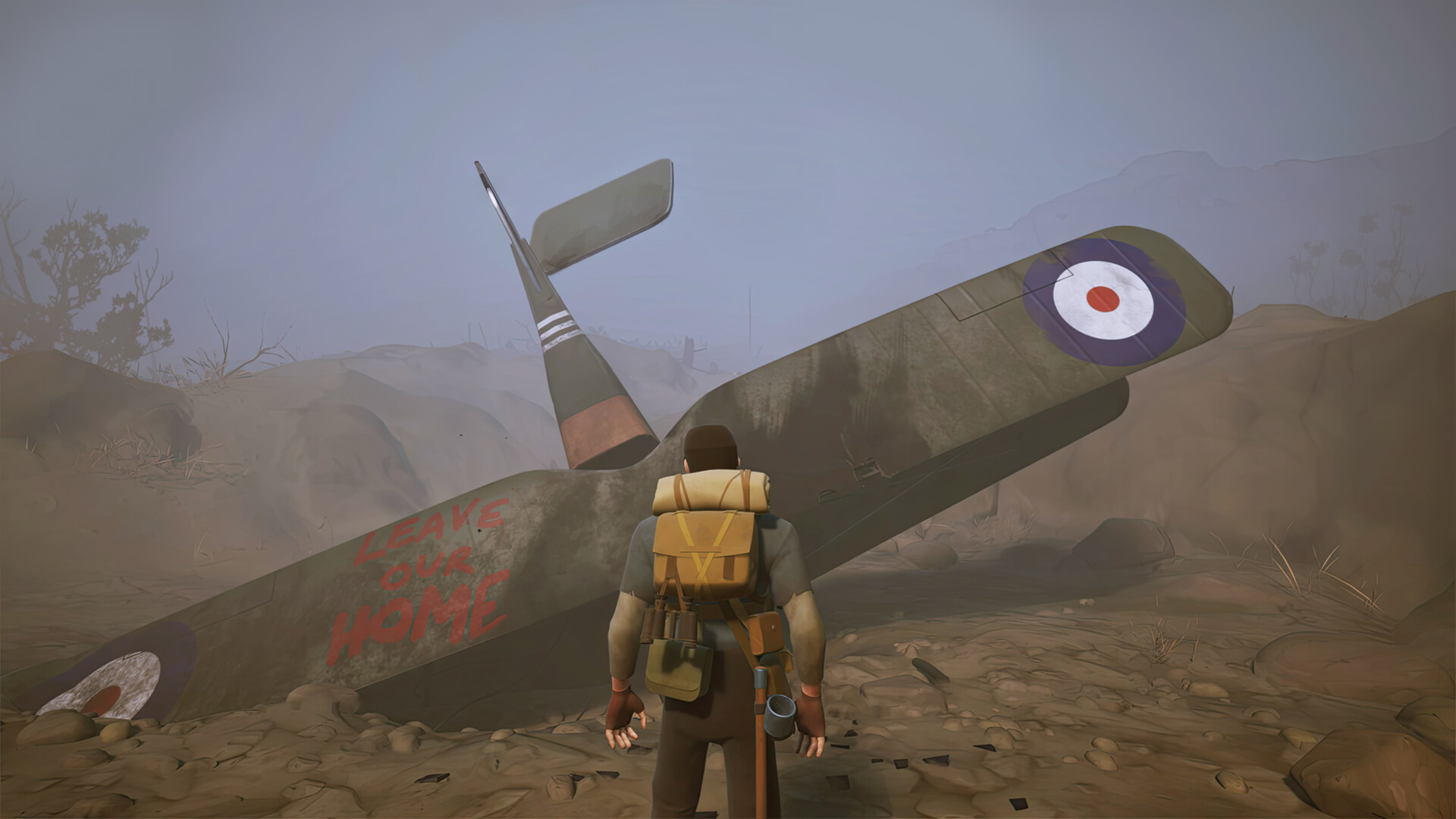
Whether The Caribou Trail will be worth your time depends wholly on how much you desire a single-player narrative about World War I without challenge and exciting gameplay action. If you respect The Caribou Trail for covering a lesser-known conflict during World War I and its leaning towards education rather than battlefield annihilation, then you’ll be well served. However, nobody playing The Caribou Trail will be able to escape the tedious repetition, the short length and the lack of gameplay consequence. You might like the stories, the voice acting and the characters, but none of them can salvage what is essentially a pedestrian experience where grunt work takes precedent over a true sense of wartime struggle and sacrifice.

Related Posts

Denshattack! (PS5) review →
Deer & Boy (PS5) Review →

Echoes of Aincrad: Sword Art Online PS5 Review →