
Arash Negahban Interview (Restore Your Island)
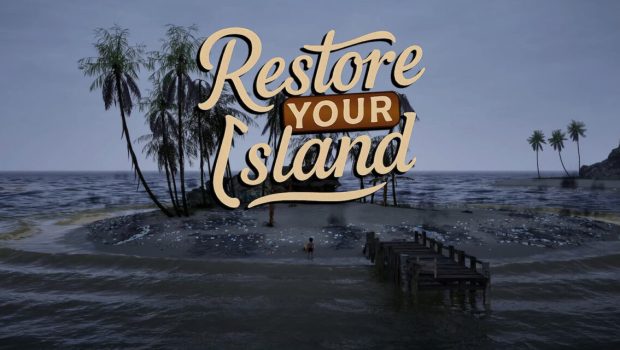
We catch-up with Arash Negahban, Creative Director in Paiband Game Studio to talk well, RESTORE YOUR ISLAND!
Welcome to Impulse Gamer Arash!
Restore Your Island has a strong focus on healing, restoration and calm progression. What inspired you to build a game around environmental recovery rather than traditional adventure or survival mechanics?
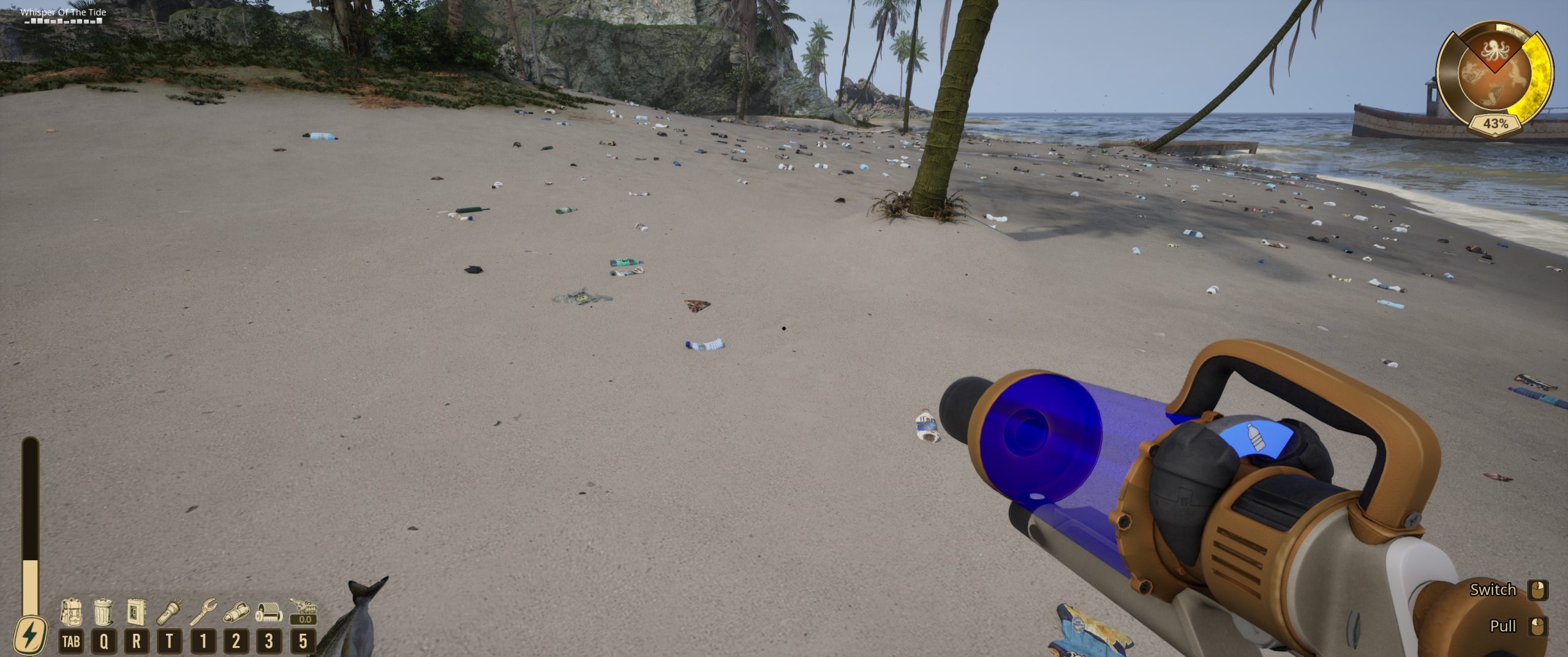
What attracted us from the very beginning was the feeling of restoring and bringing a damaged environment back to life. The initial idea for the game came from watching videos of people cleaning beaches and natural areas, and seeing how a simple action could gradually turn a polluted, abandoned place into something beautiful and alive again. That process felt very satisfying to us visually, but it also had a strong emotional meaning.
Personally, I’m a huge fan of survival games — I’m probably the number one fan of the Resident Evil franchise — but even with that, creating a completely new kind of experience felt more important to us. We simply wanted to entertain players through very simple emotions.
It was important for us that when players engage with the game, they do not just feel a sense of progression, but feel that they are genuinely helping a place and bringing life back to it. I think that feeling of healing and calm progression is what shaped the identity of Restore Your Island from the very beginning.
The bond with the dog companion is a standout feature. How did the idea for the dog originate, and what role did you want this companion to play in the player’s emotional journey?
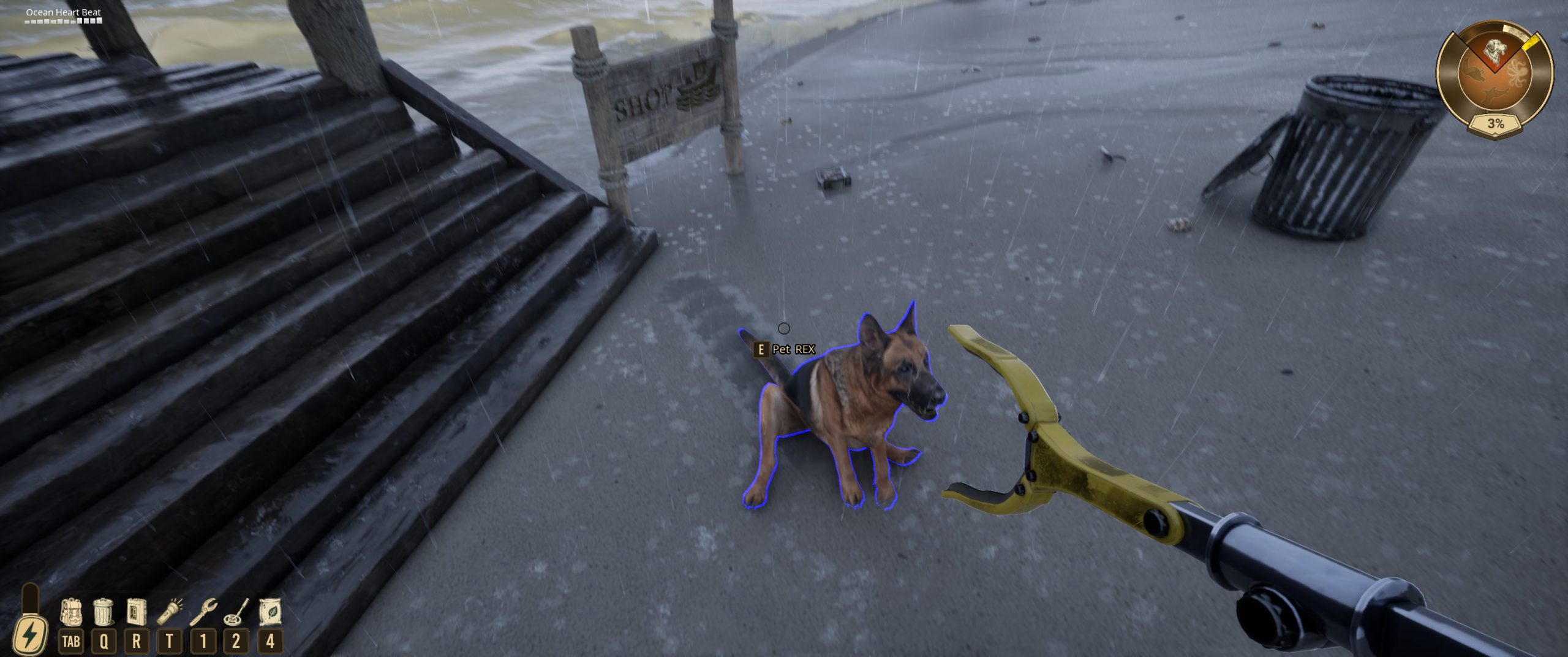
We wanted to spark players’ emotions toward a damaged natural world. Sometimes people do not fully realize how deeply nature is being harmed, because they do not always have a direct emotional bond with it.
That is why we tried to reflect the emotional connection people have with their pets, symbolically through the dog in our game. In Restore Your Island, the first animal you save is your loyal dog, and we wanted that bond to continue and gradually extend to the rest of nature around you.
The game emphasises “clear, satisfying progress” with every cleanup and repair. What were the biggest design challenges in making restoration feel rewarding without adding pressure or grind?
The biggest challenge for us was making restoration feel satisfying without becoming repetitive or exhausting. From the beginning, we did not want the game to feel like work or grind, because that would go against its calm atmosphere.
That is why we tried to make the result of every action clear and immediate. We wanted players to feel that they were truly changing the world around them, not just repeating the same task again and again.
The main challenge was finding the balance between progress and relaxation. We wanted players to always feel a sense of progression, without ever feeling pressured.
Players can explore at their own pace and choose what to restore next. How did you approach designing an open‑ended island that still feels guided, meaningful, and full of discovery?
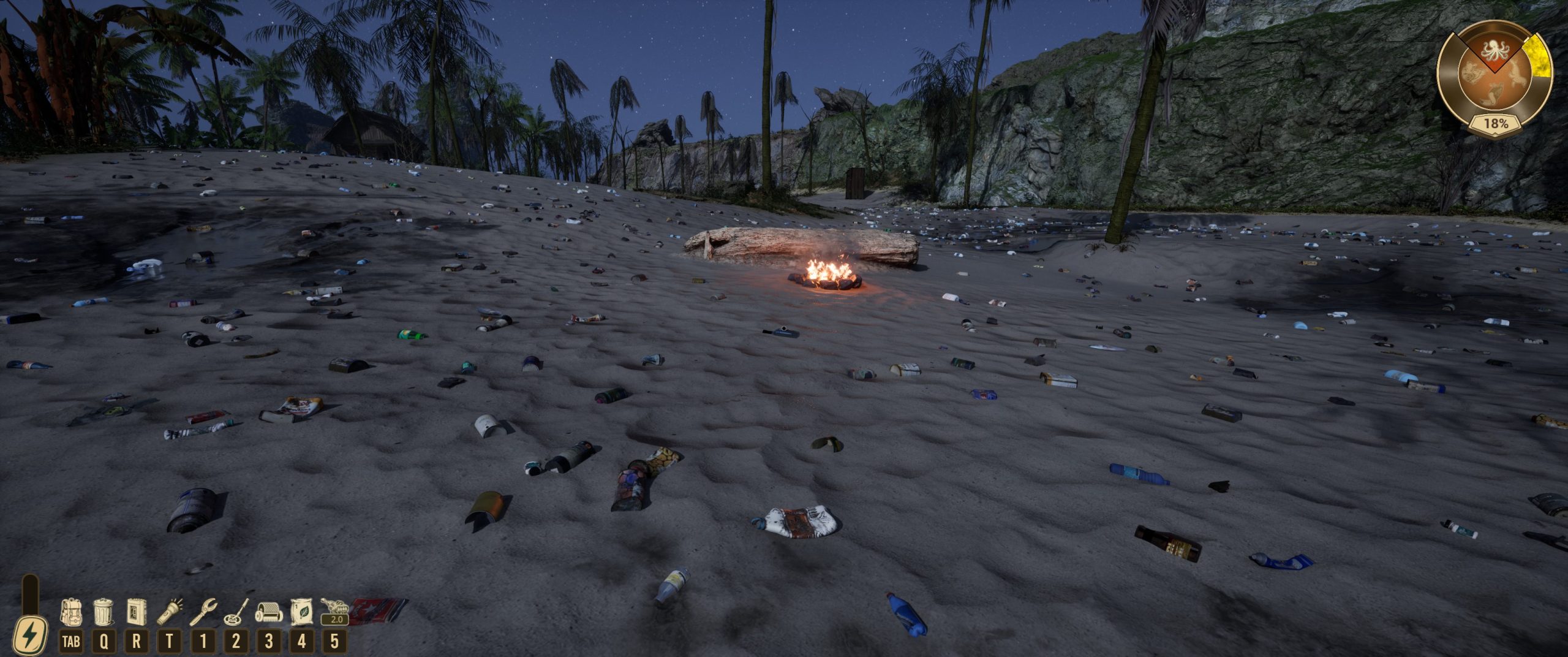
We all had this dream of someday having our own private island, like very wealthy people do. We wanted to fulfill a small part of that dream through our game.
That is why we designed an island that is neither too small nor too large — a place that can truly feel like your own personal island, while still giving you enough space to explore around it.
We also tried to design the game in a way that does not rely too much on tutorials. We wanted players to understand what to do naturally, just by exploring the island and interacting with the world around them.
Wildlife rescue and habitat rebuilding are core systems. Can you walk us through how these mechanics evolved during development and what you hope players feel when they see nature return?
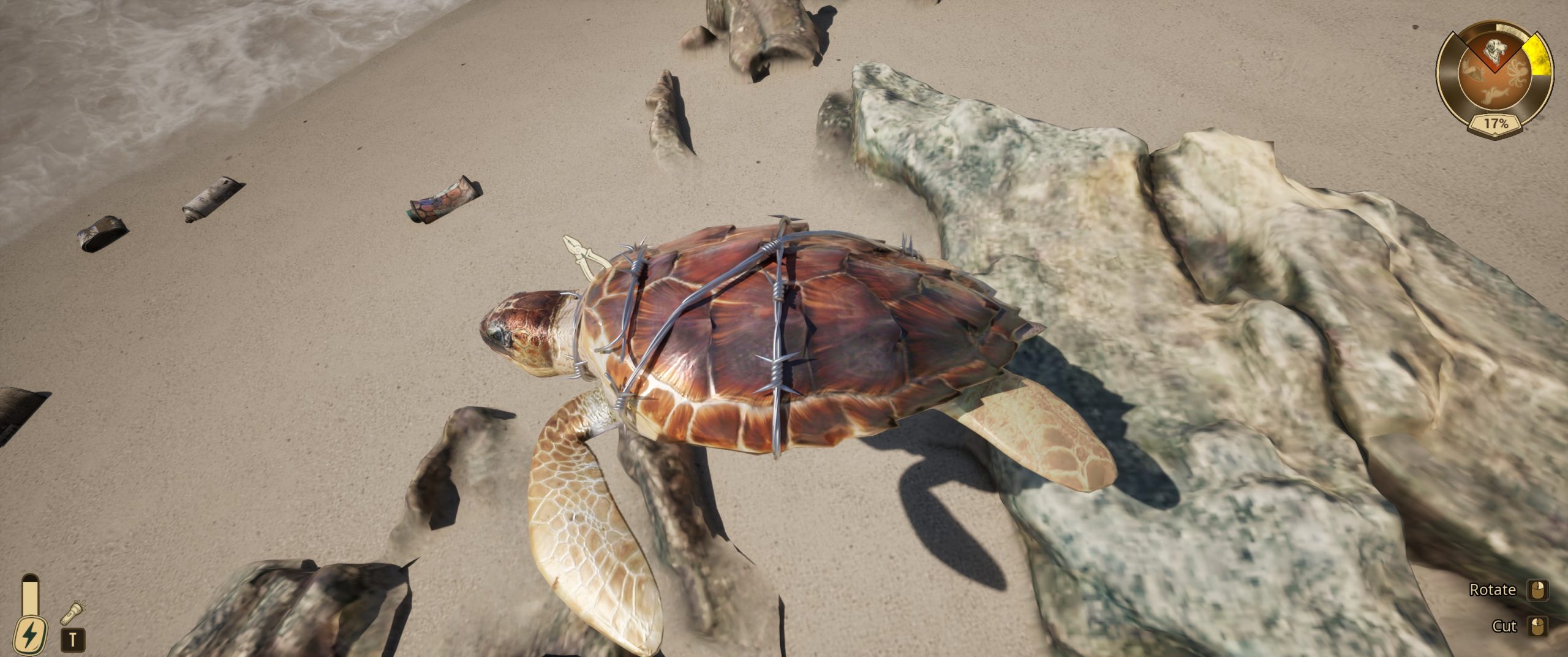
From the beginning, it was important for us that restoring the island would not be limited to just cleaning the environment. We felt that if nature was truly going to come back to life, the animals had to return as well.
That is why rescuing animals and rebuilding habitats became an important part of the game. We wanted players to feel that with every action they take, life is genuinely returning to the island.
We also made sure that rescuing each animal gives the player a reward, so the process feels satisfying both emotionally and in terms of gameplay.
Cozy games often rely heavily on atmosphere. What went into crafting the ambience — the music, the sunsets, the fireplace moments — to make the island feel like a peaceful sanctuary?
Atmosphere was very important to us because the game needed to feel calming. We tried to make the music, lighting, sunsets, and quiet moments all work together so the island would feel like a peaceful and cozy sanctuary.
The game includes hidden groves, buried treasures, and environmental mysteries. Without spoiling anything, what kind of secrets can curious players expect to uncover as they explore deeper?
Curious players will be able to find hidden places, treasures, and small environmental details. We wanted exploration to feel rewarding, so there is always something extra to discover.
With the full release, what are you most excited for players to experience and is there anything you hope they take away from their time restoring the island?
More than anything, we are excited for players to finally experience the island for themselves. We hope they come away feeling calm, satisfied, and like they truly helped bring this world back to life.
About the Author

Andrew Bistak When he's not trying to save the world, Andrew enjoys travel (although loathes turbulence), going to the movies, reading and being a dad to his two dogs (and now twins) with his wife.
Related Posts

The Heart of Noir: Stephan Franck Reflects on PALOMINO’s Final Chapter (Interview) →

James Marsters Interview (2026) – Spike, Slayers, Sith & Supanova! →

Suellen Cusack Interview: A Song of Strength and Solidarity: Autism Awareness Week 2026 →