
Call of the Elder Gods (PS5) Review
Summary: Out of the Blue Games returns with a solid sequel to Call of the Sea that cosmic horror and puzzle aficionados are bound to enjoy.
3.8
From the Murky Depths
It seems that Lovecraftian mystery games are like buses; they come in pairs. It’s been barely a month since I rolled credits on Cthulhu: The Cosmic Abyss, and Out of the Blue Games has returned from the murky depths with Call of the Elder Gods.
Set several years after the events of Call of the Sea (which I recommend you play first), Call of the Elder Gods moves the action from a mysterious Pacific island in the 30s. To Arkham, Massachusetts. In the 50s.
While Call of the Sea had its cosmic horror play out in a single setting that got increasingly more otherworldly as the secrets of the island and her husbands ill fated expedition were revealed to her, Call of the Elder Gods instead uses its Lovecraftian leanings as a basis for a globe-trotting adventure that feels equally inspired by Dr Jones as it does Dr West.
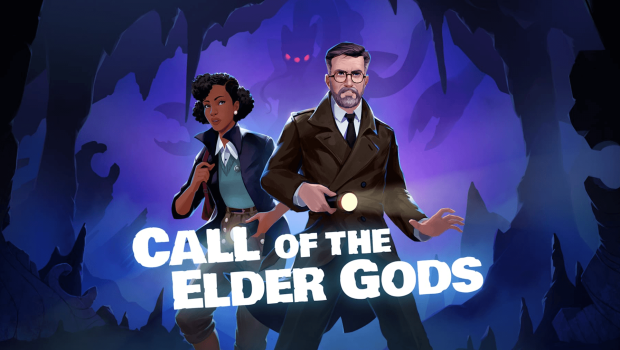
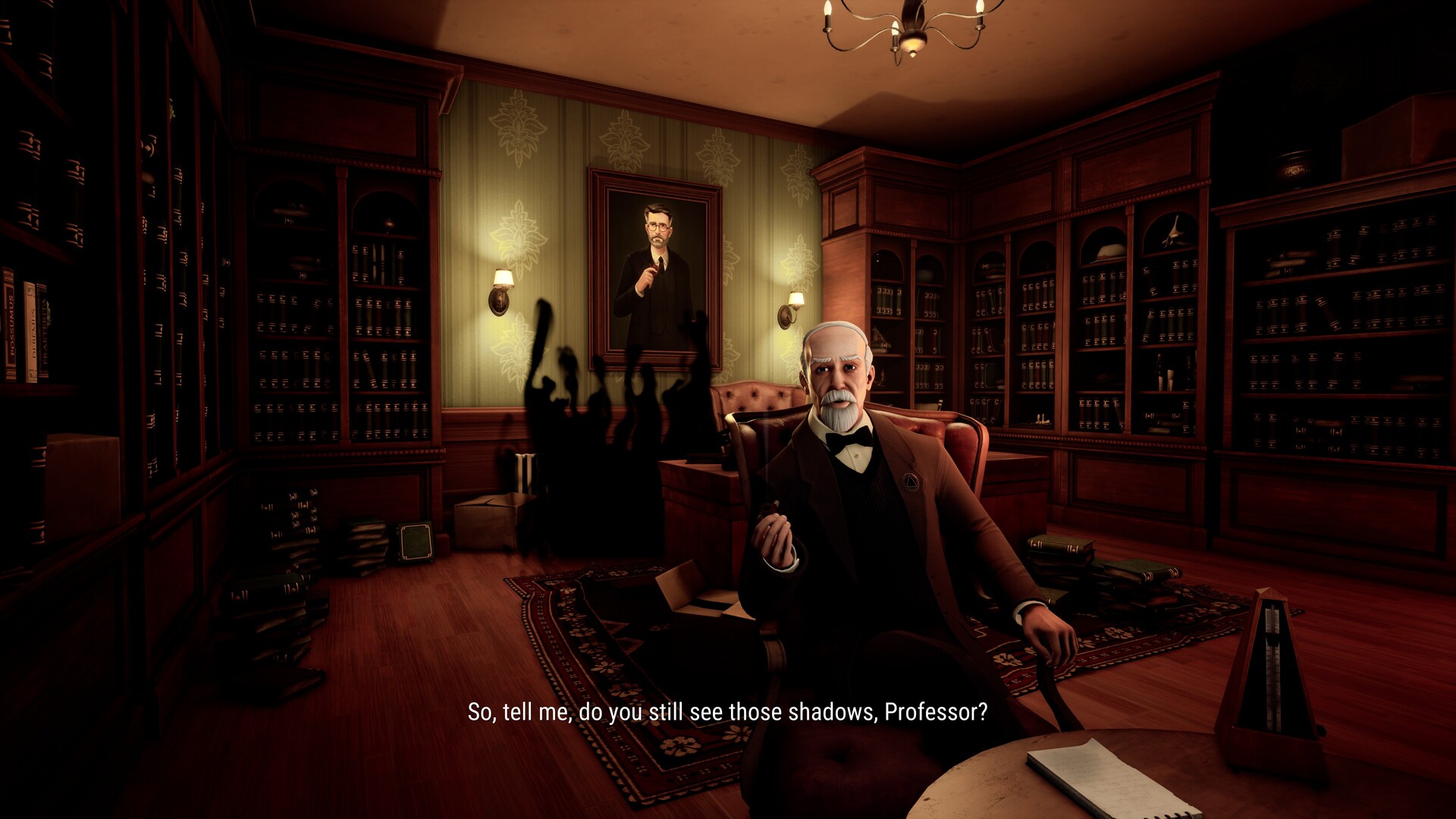
The game opens with physics student Evangeline Drayton reaching out to Professor Harry Everhart, Miskatonic’s dean of archaeology, as she’s being plagued by strange dreams in which she walks through ancient cities commanded by eldritch beings.
Harry, who was friends with Evangeline’s missing father, is still mourning the loss of his wife, Norah (whose fate you chose), though strangely, she acts as the narrator of this adventure and is far more cynical than she was in Call of the Sea. Although I’m still not sure how I feel about her obvious personality transplant.
After Harry invites Evangeline to meet with him at his family home, she arrives to find the place seemingly ransacked, and Harry nowhere to be found. Thus begins a Lovecraftian Odyssey that sees the duo travel from the storm-battered mansion to dank underwater caves, a snow-capped radio tower, and the sweltering Australian desert.
This shift from a single setting to multiple locales creates an odd change of tone. The island in Call of the Sea felt like one contiguous puzzle box that you picked away at as it slowly revealed its secrets. Moving from place to place in Elder Gods makes it feel more obviously gamey in an odd way and loses some of its sheen. It just feels off, and I can’t quite put my finger on it. There’s a lingering sense of unease, deep in my soul. (Does that make it Lovecraftian on a meta level, too?)
Thankfully, the puzzles in Call of the Elder Gods are just as well-crafted and devious as its predecessor and even make use of the game’s dual protagonists at times, with one needing to complete one task while the other benefits from their work, like Harry opening up a series of rooms which Evangeline then explores.
It’s just a shame more wasn’t made of it. Perhaps each could have been given a particular skill they can use in tandem to solve more complex conundrums. Especially, since they take the time to labour the fact that Evangeline is a keen engineer and Harry is a world-renowned archaeologist.
With most of the puzzles still being solvable by one character on their lonesome, why bother with having a duo at all if you’re not going to lean into it?
If you played Call of the Sea, though, you’ll know what to expect, although admittedly some puzzles feel more expansive, like an early puzzle at the manor house that has you turning statues towards different elements in the environment to open a gate, spanning the entire large garden area.
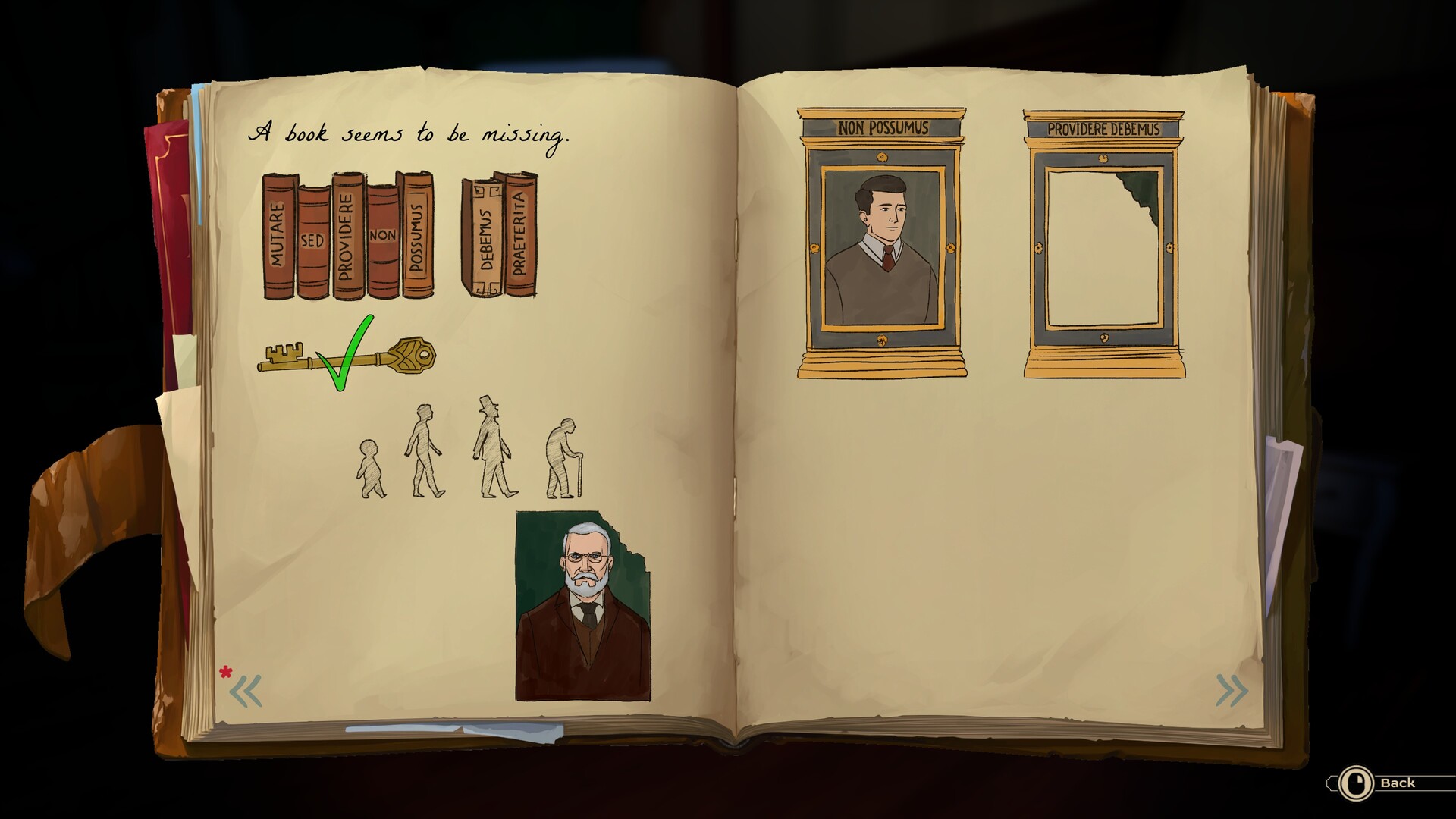
This makes Norah’s journal, which is used to jot down key information needed to solve each conundrum, absolutely vital. The problem is, much like in Call of the Sea, if you miss something, you can still be stuck wondering why your solution isn’t working or simply wandering around hoping to uncover that missing clue that will bring it all together.
Thankfully, though, there’s now a rather robust hint system that will point you in the right direction or even provide you with a solution if you’re completely stumped (though, for the sake of that little dopamine hit you get when you solve a particularly hard puzzle, I wouldn’t recommend it). Regardless, it’s still a nice addition.
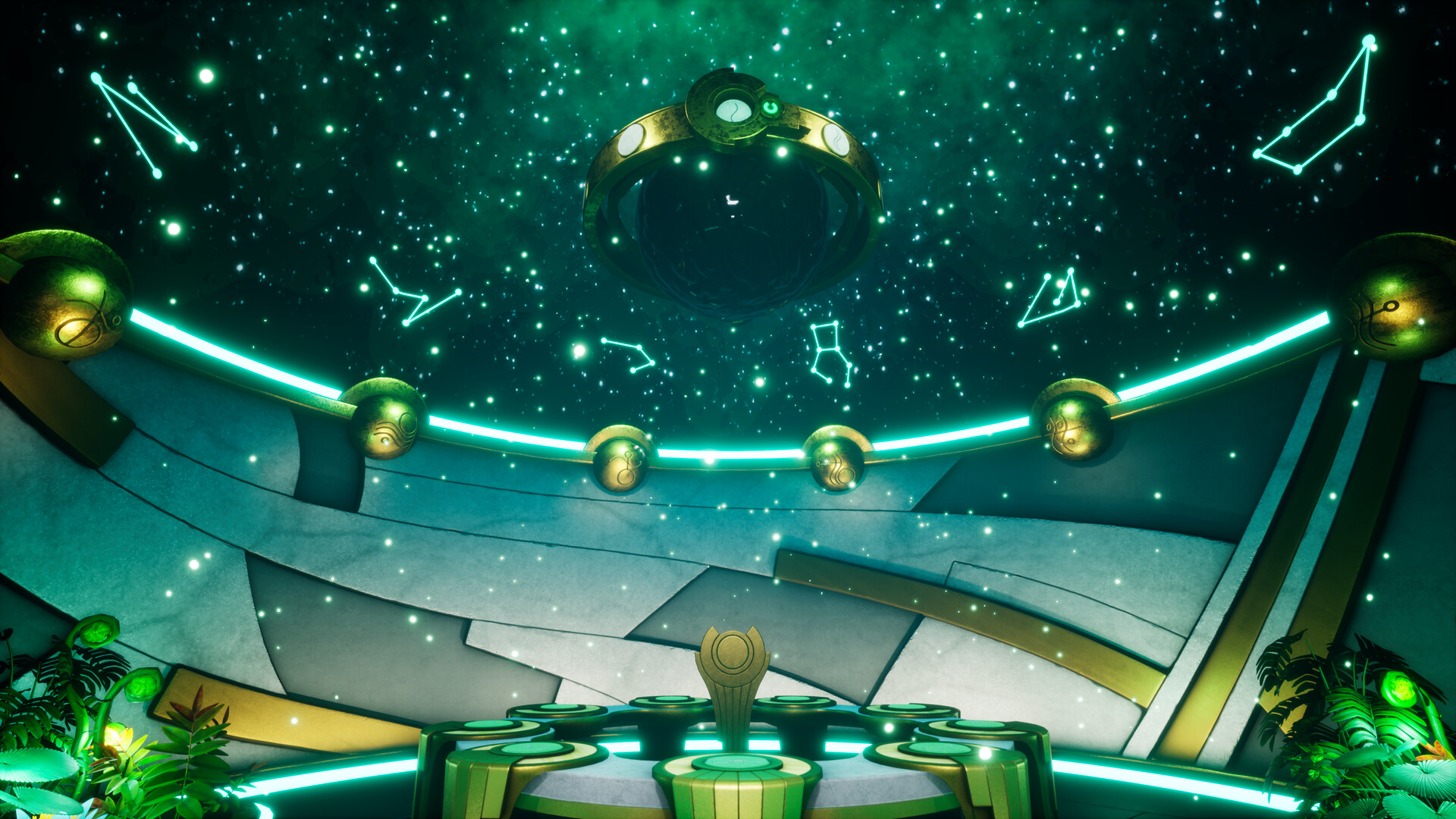
It’s also a rather lovely-looking game, replete with absolutely gorgeous, otherworldly environments, as well as some slightly more grounded but no less grand and varied locales that each do a fantastic job of drawing you deeper into the world while presenting you with a fresh set of delightful brainteasers.
The voice acting is also decent, even if the new leads aren’t as likeable as Norah was in the first game. I say leads, I’m mostly talking about Harry, who rubbed me up the wrong way from the outset, and his monologue at the end of Call of the Sea didn’t exactly warm me to the selfish prick.
Final Thoughts
Call of the Elder Gods is a solid follow-up, even if it doesn’t quite reach the same highs as Call of the Sea, which, even though you don’t have to play first. I would still recommend it if you wanted to get the most out of the experience, especially the story.
If you’re a fan of cosmic horror, love a good Lovecraft reference, or are looking for a decent puzzler that only holds your hand as much as you want it to, I would certainly recommend heeding the Call of the Elder Gods.

Related Posts
Riven (PS5/PSVR2) Review →

Warhammer 40,000: Speed Freeks (PS5) Review →
Warhammer 40,000: Mechanicus II (PS5) Review →