
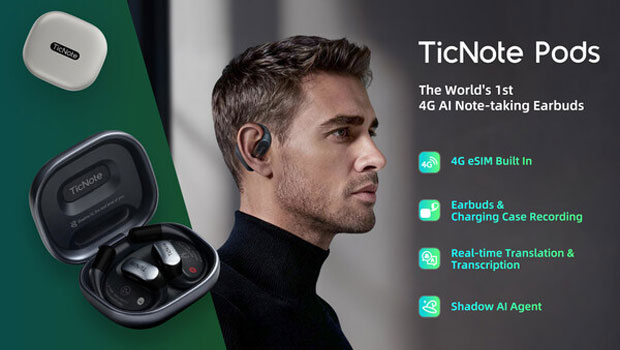
TicNote Pods Review
Very few products are genuinely so powerful, adaptable and truly beneficial or as scary as the TicNote Pods.
A Kickstarter success story, the TicNote Pods make a basic digital dictation recorder look like an archaic primitive recording device and offer a total dictation, recording and analysis solution for professionals and non professionals alike.
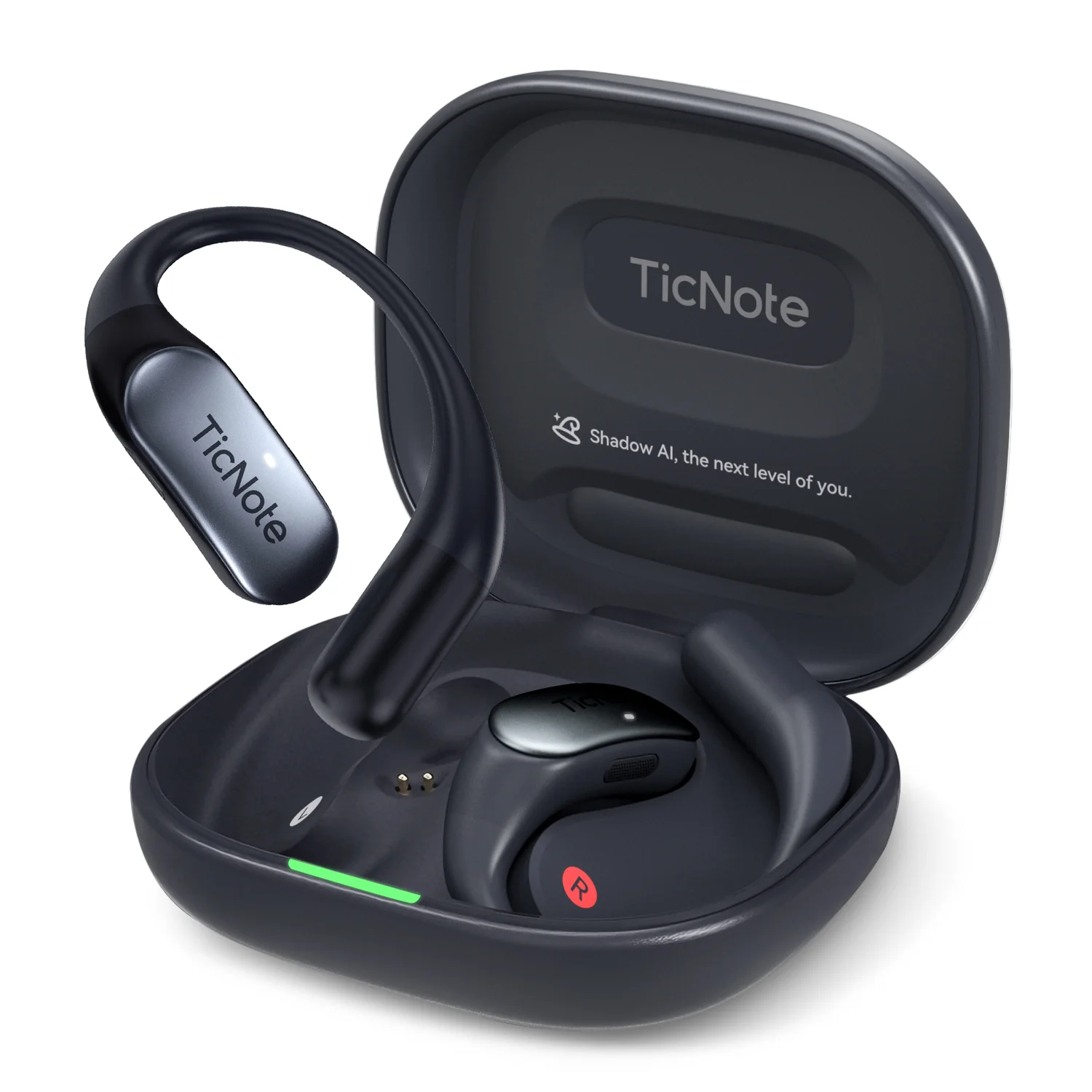
Specifications
- 5-Hour Single session long recording
- 25 hours Recording with the case
- Qualcomm Processor
- 40 Hours music playback
- Multi-Device connectivity
- 5-10 metres signal range
- AI Noise filtering
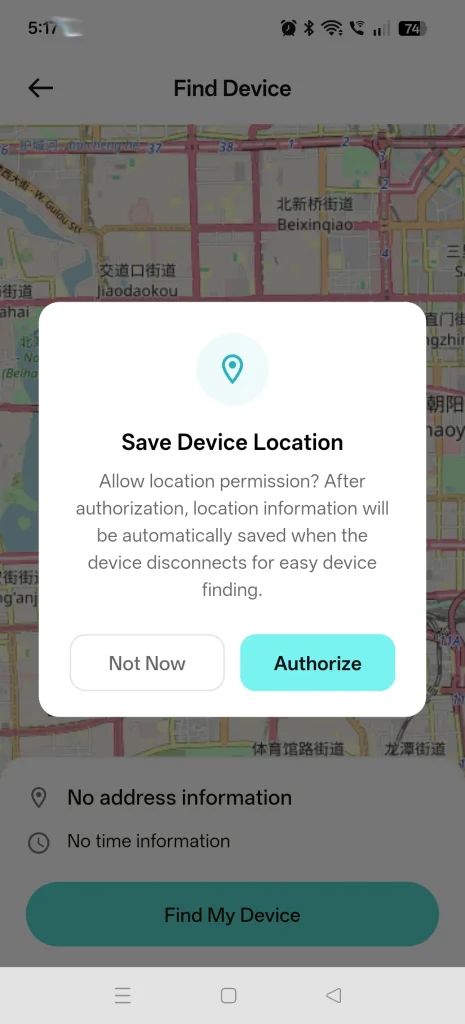
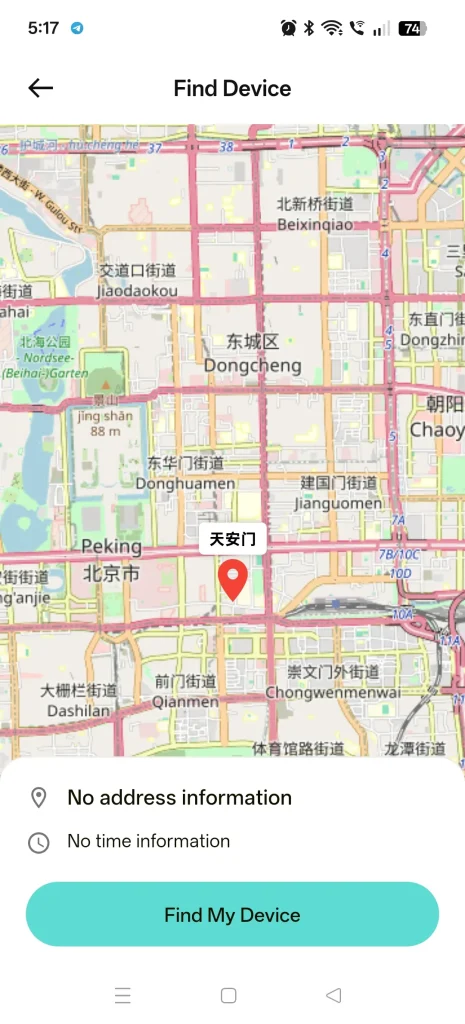
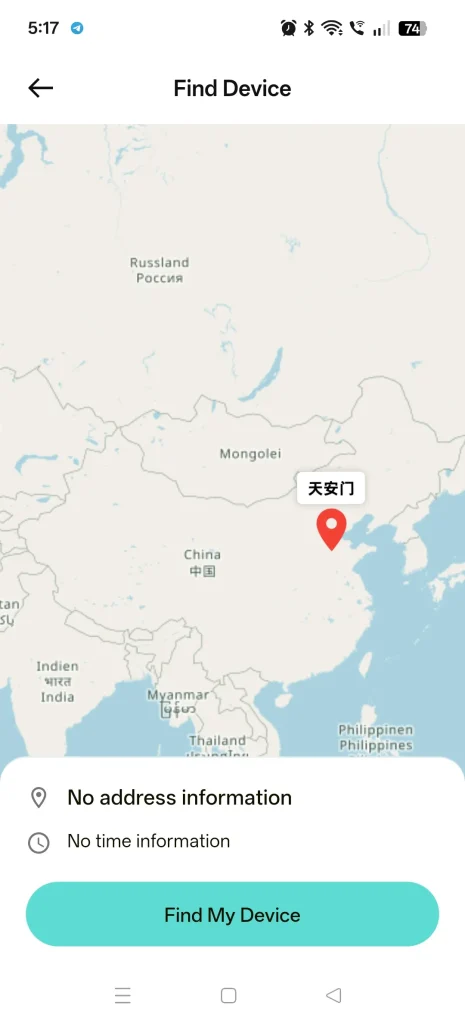
- Find my device functionality
- Real-time Transcription & Translation
- Built-in 4G Connectivity
- 32GB Flash memory (Case)
Unboxing & First Impressions
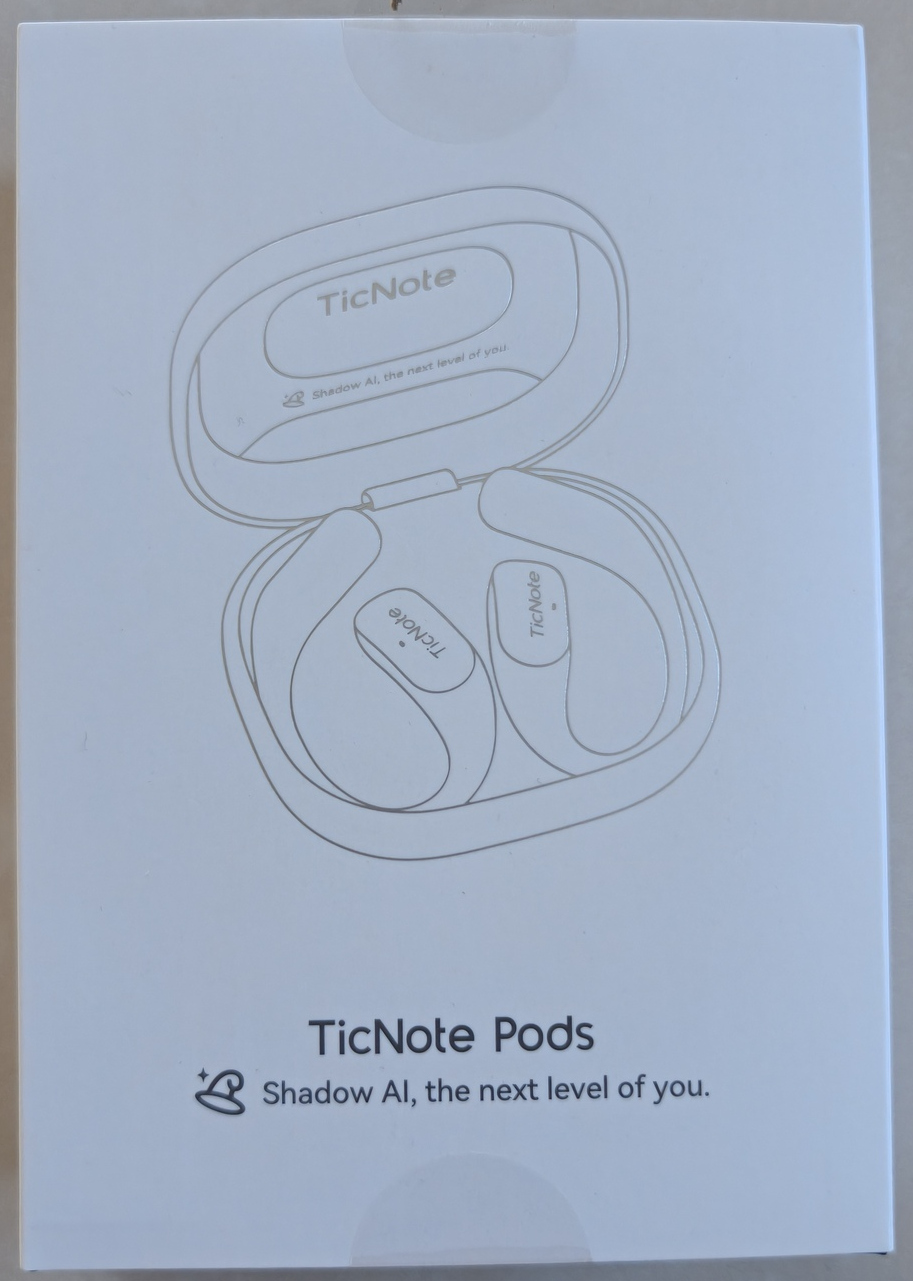
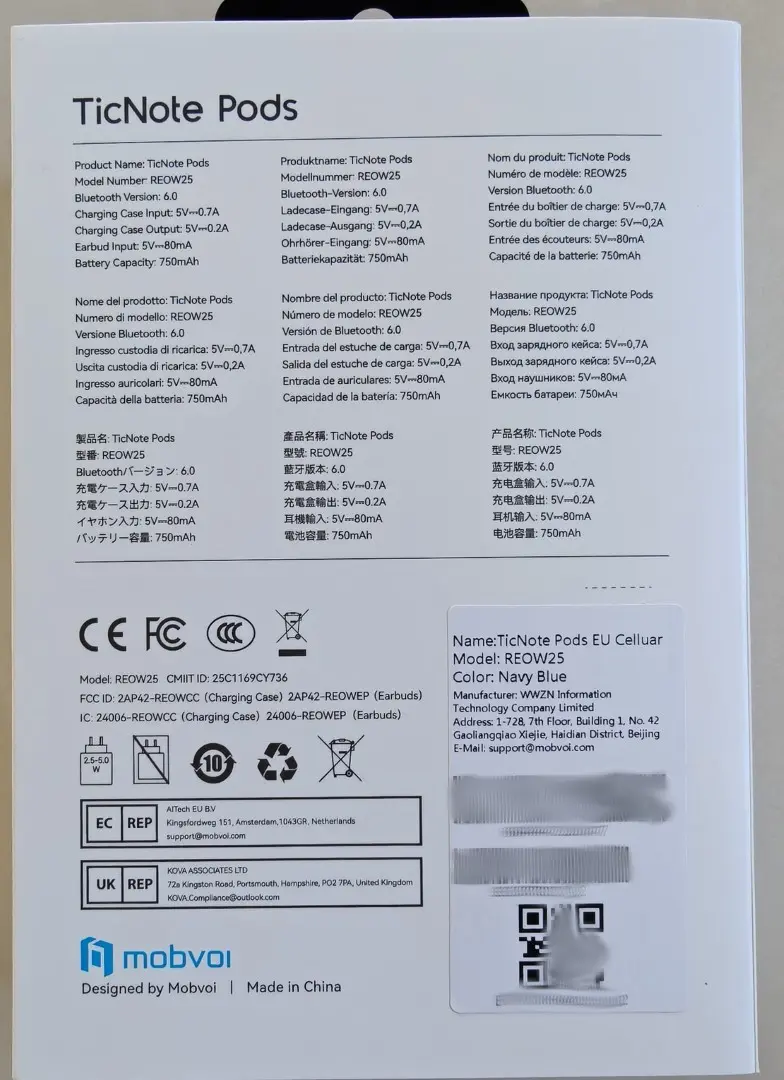
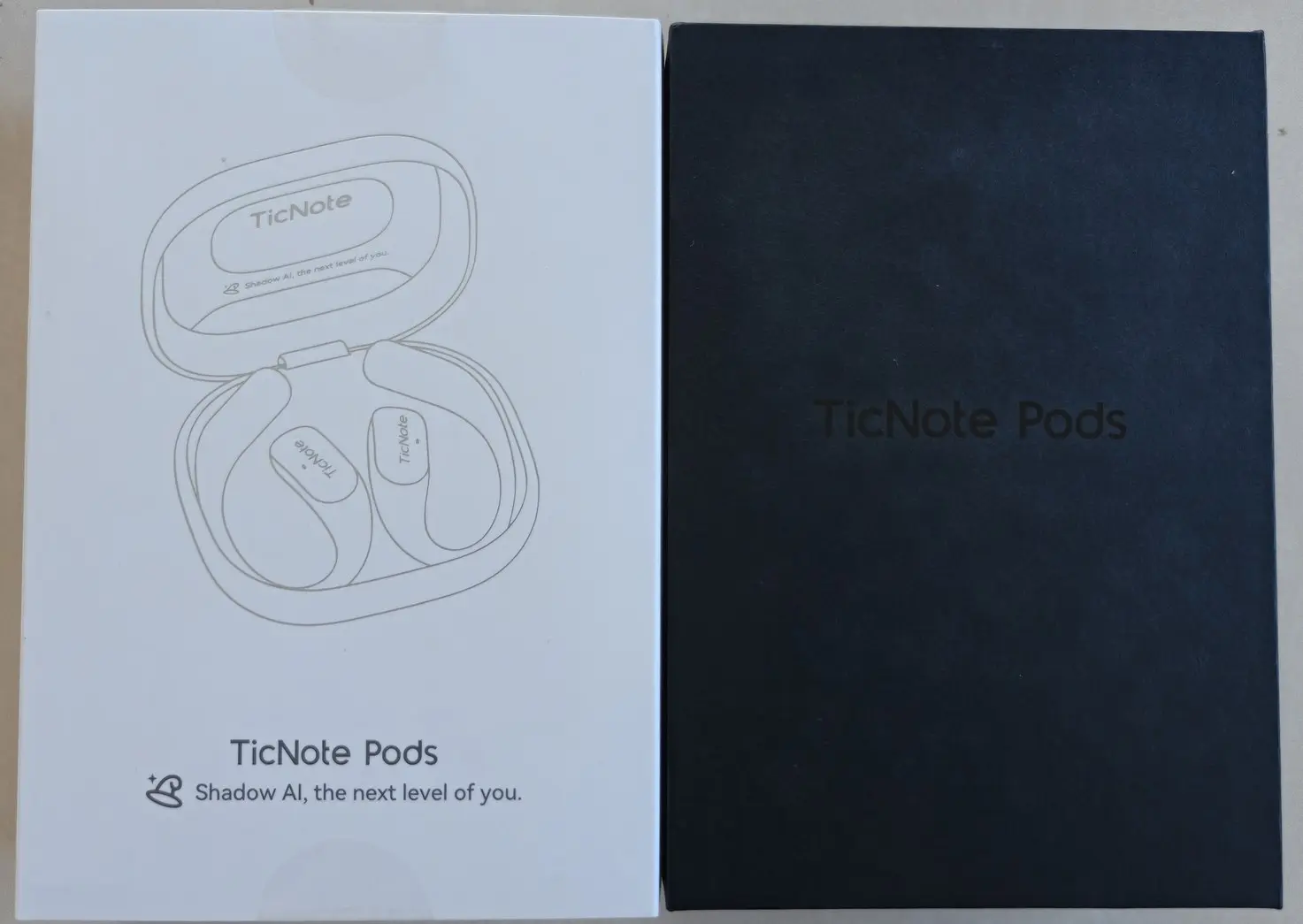
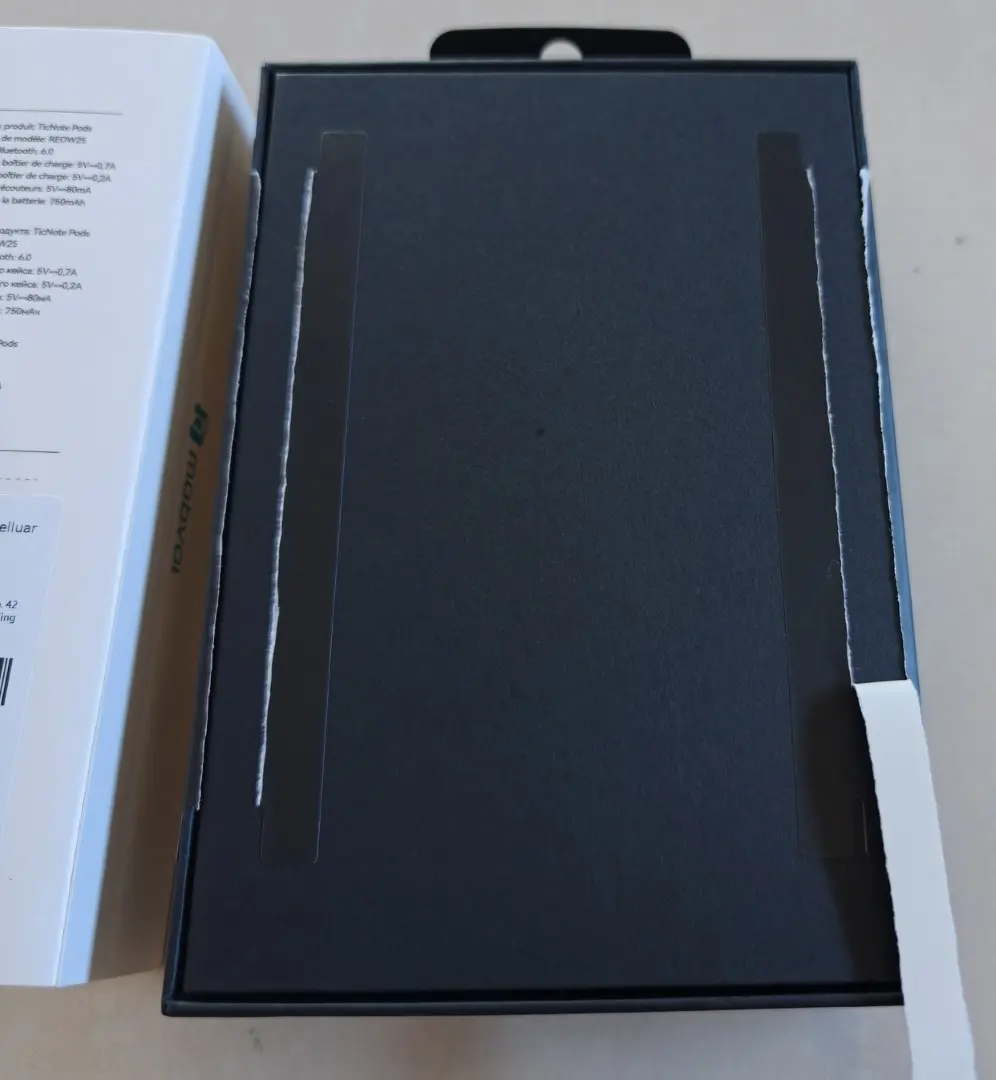
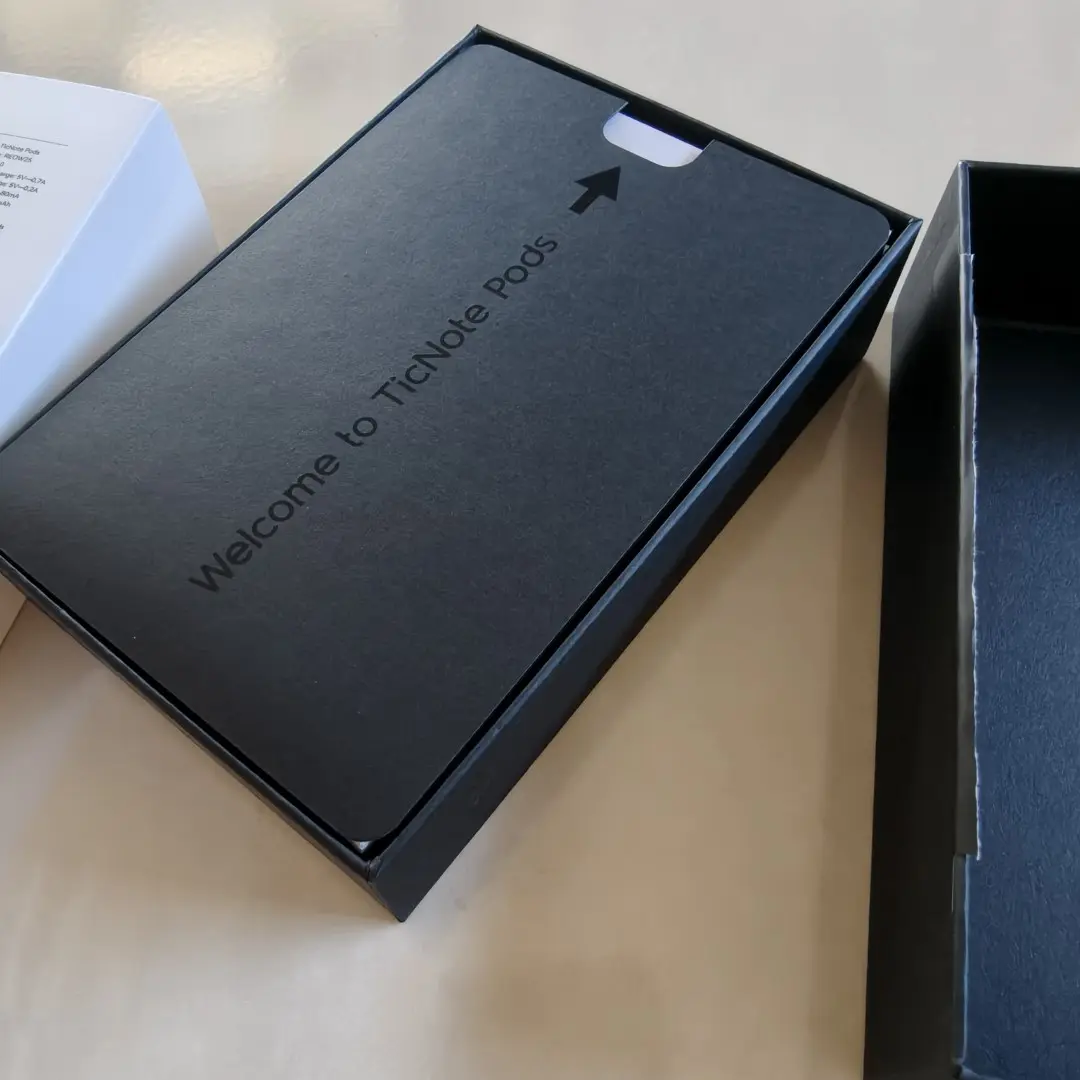
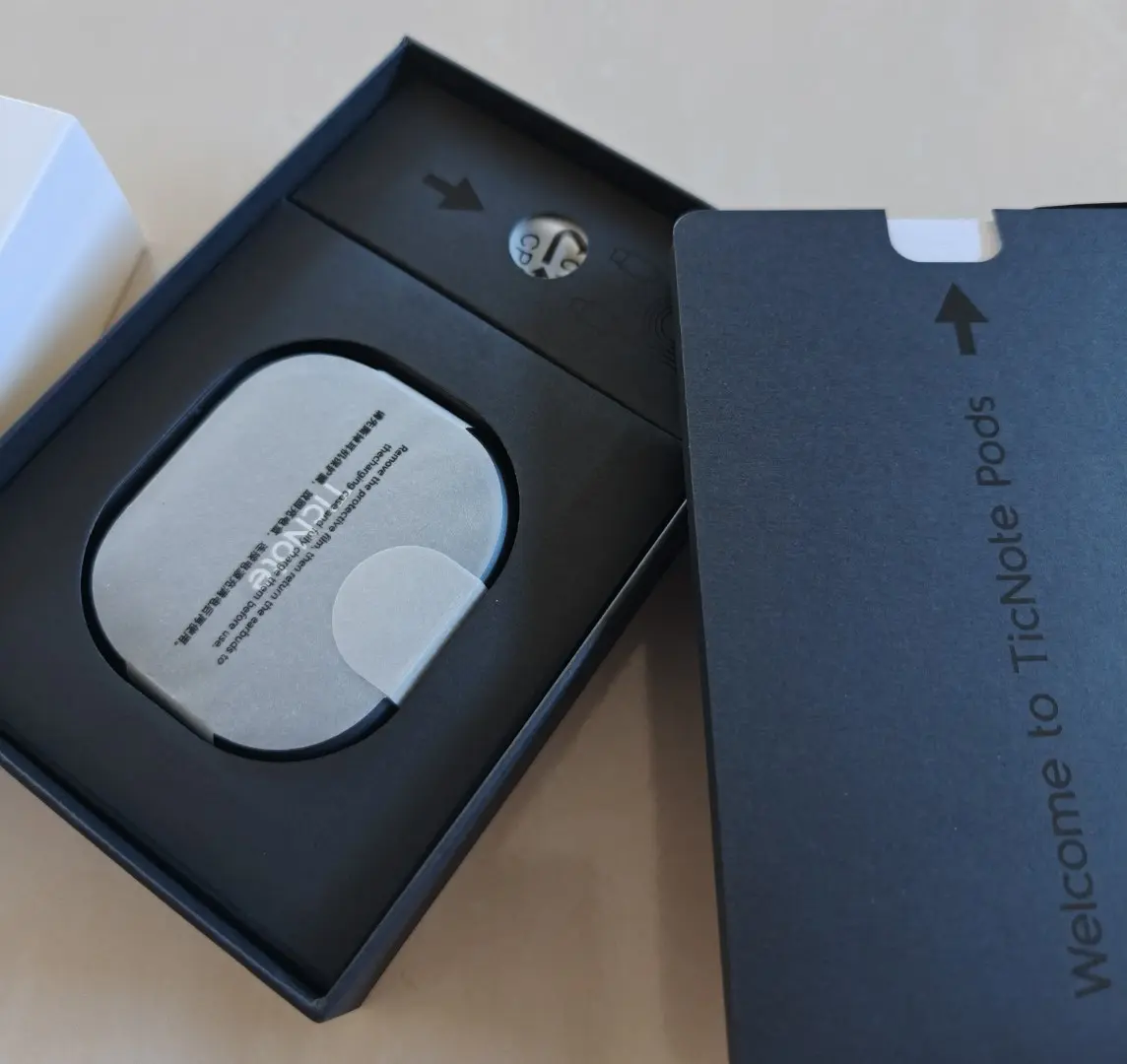
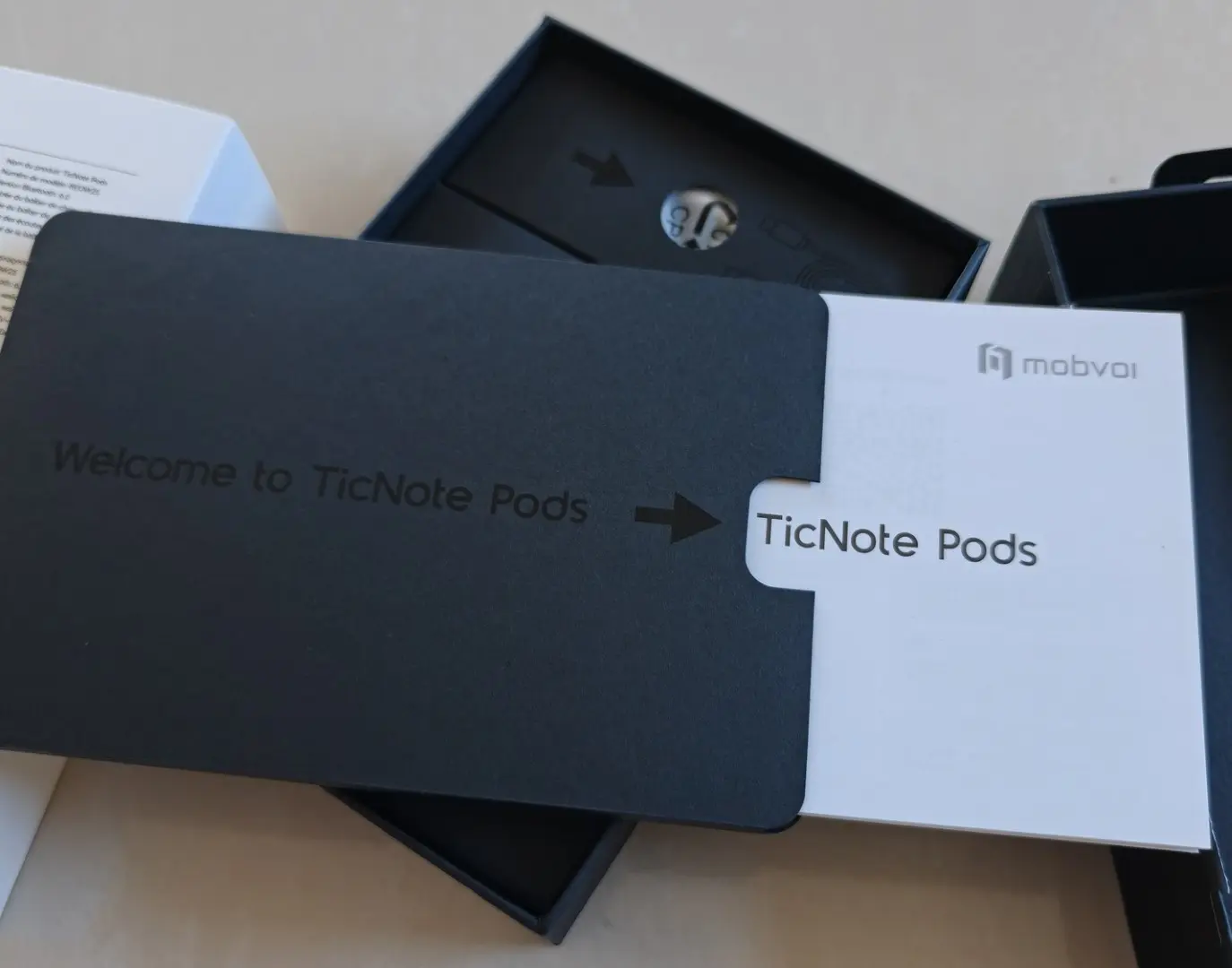
The box is plainly presented, with the sleeve being a minimalist black on white, with blue on white logo.




Setup
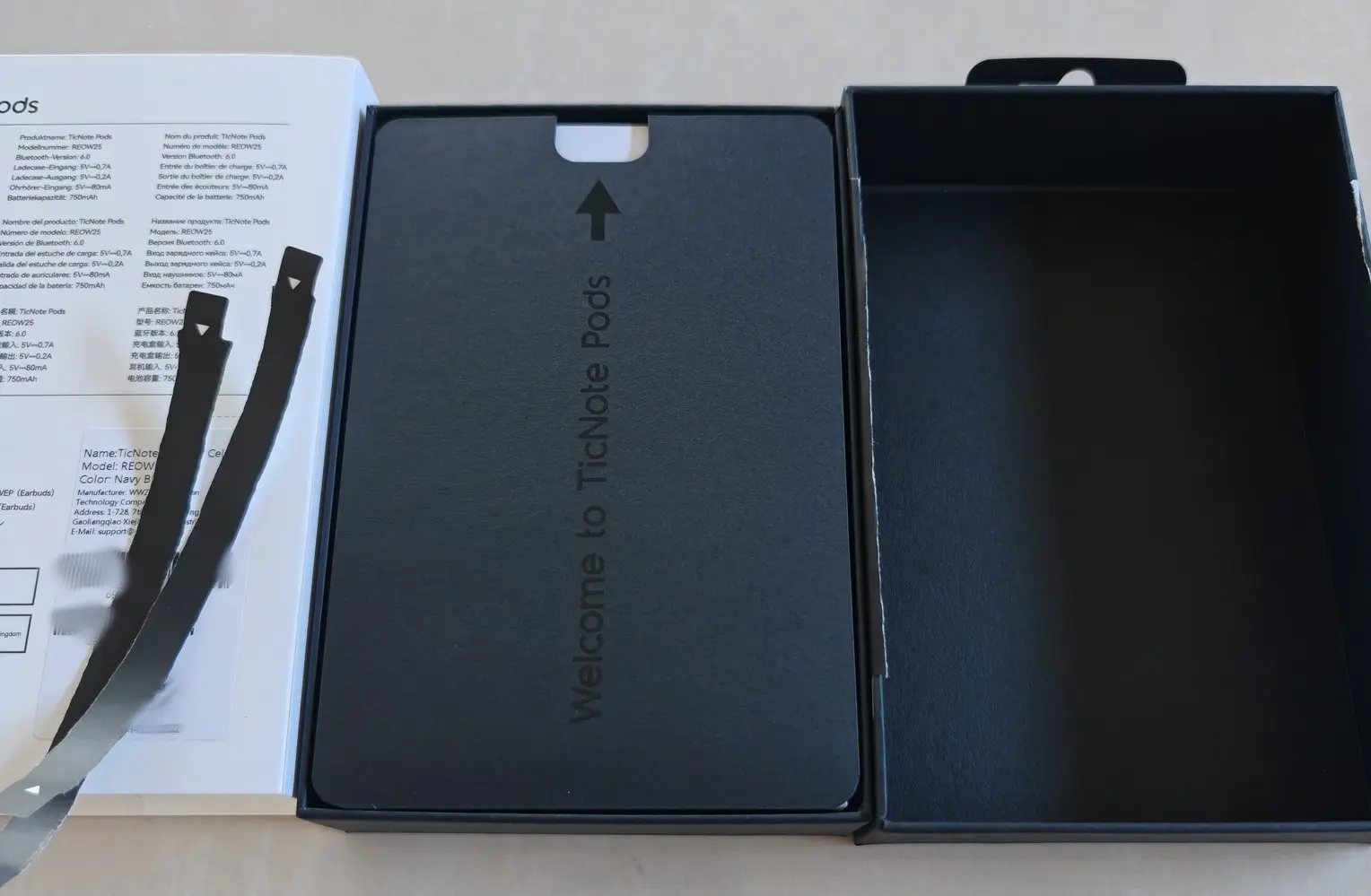
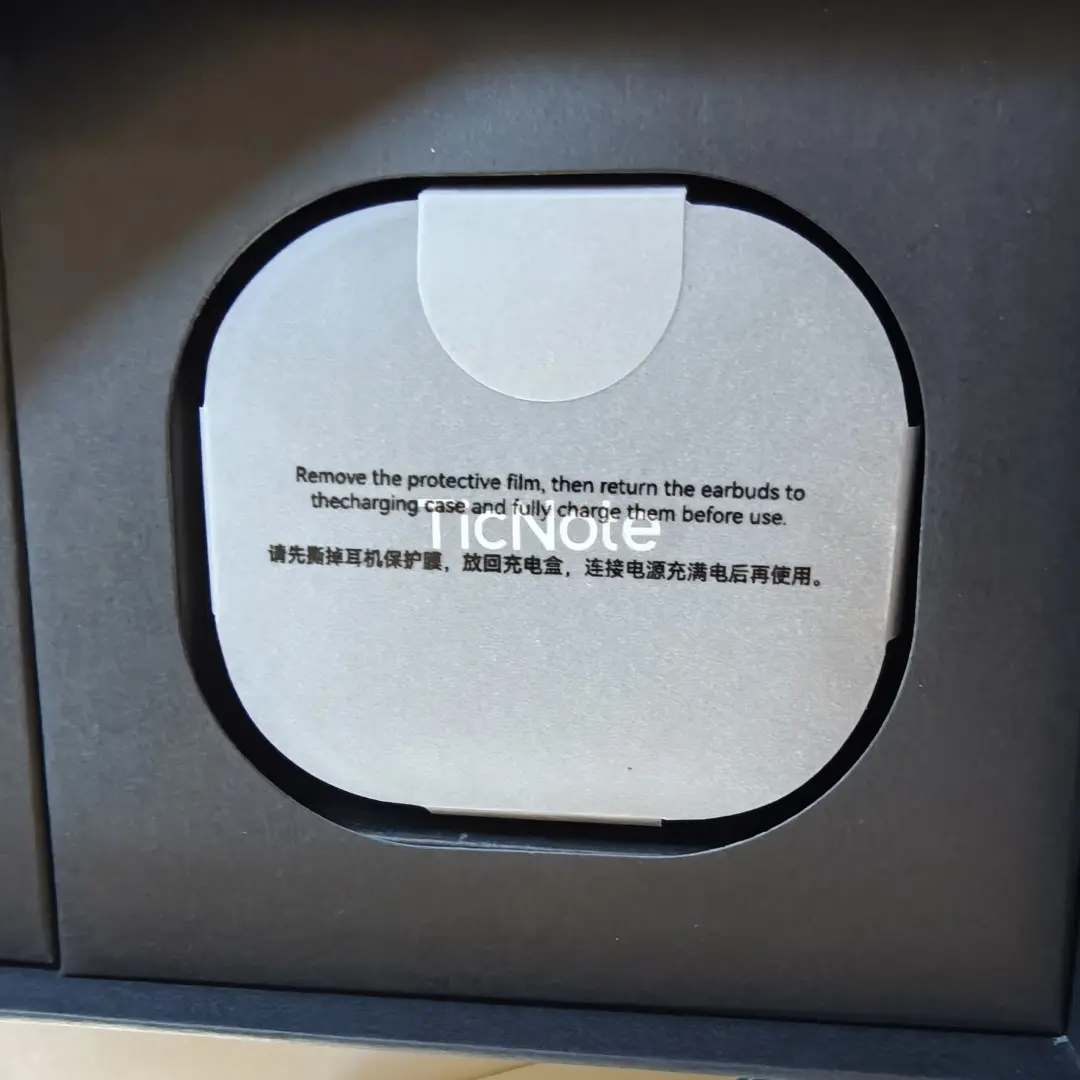
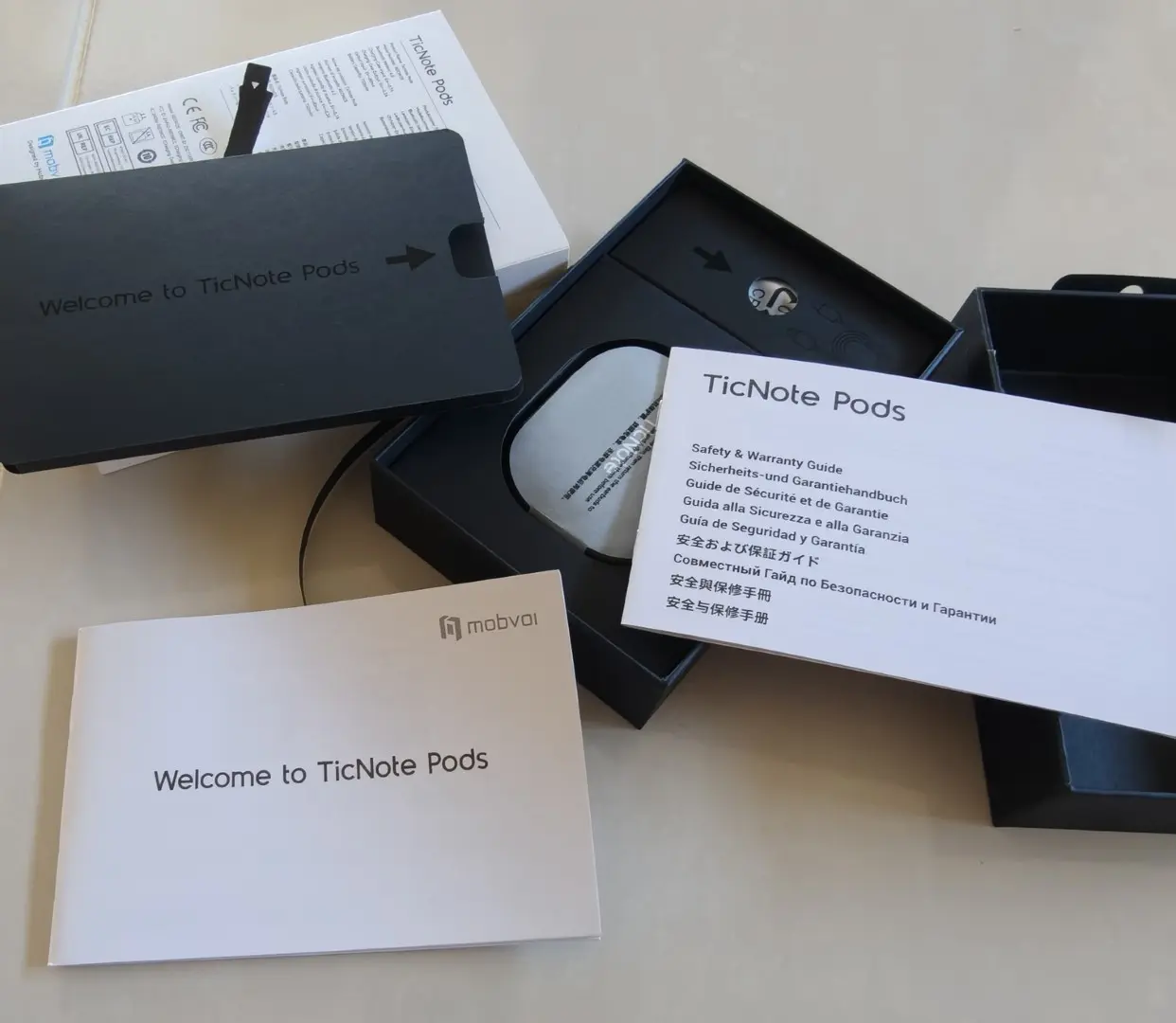
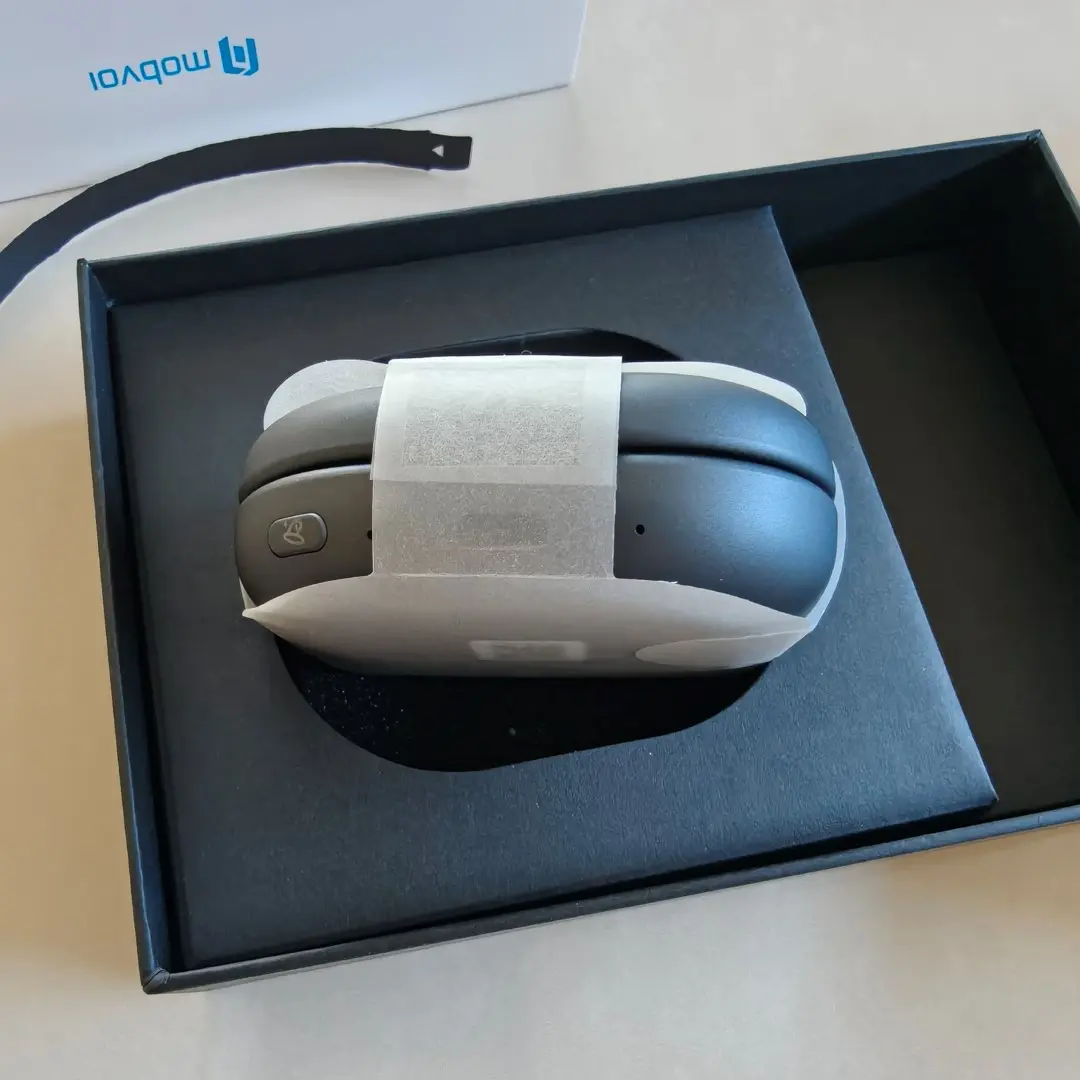
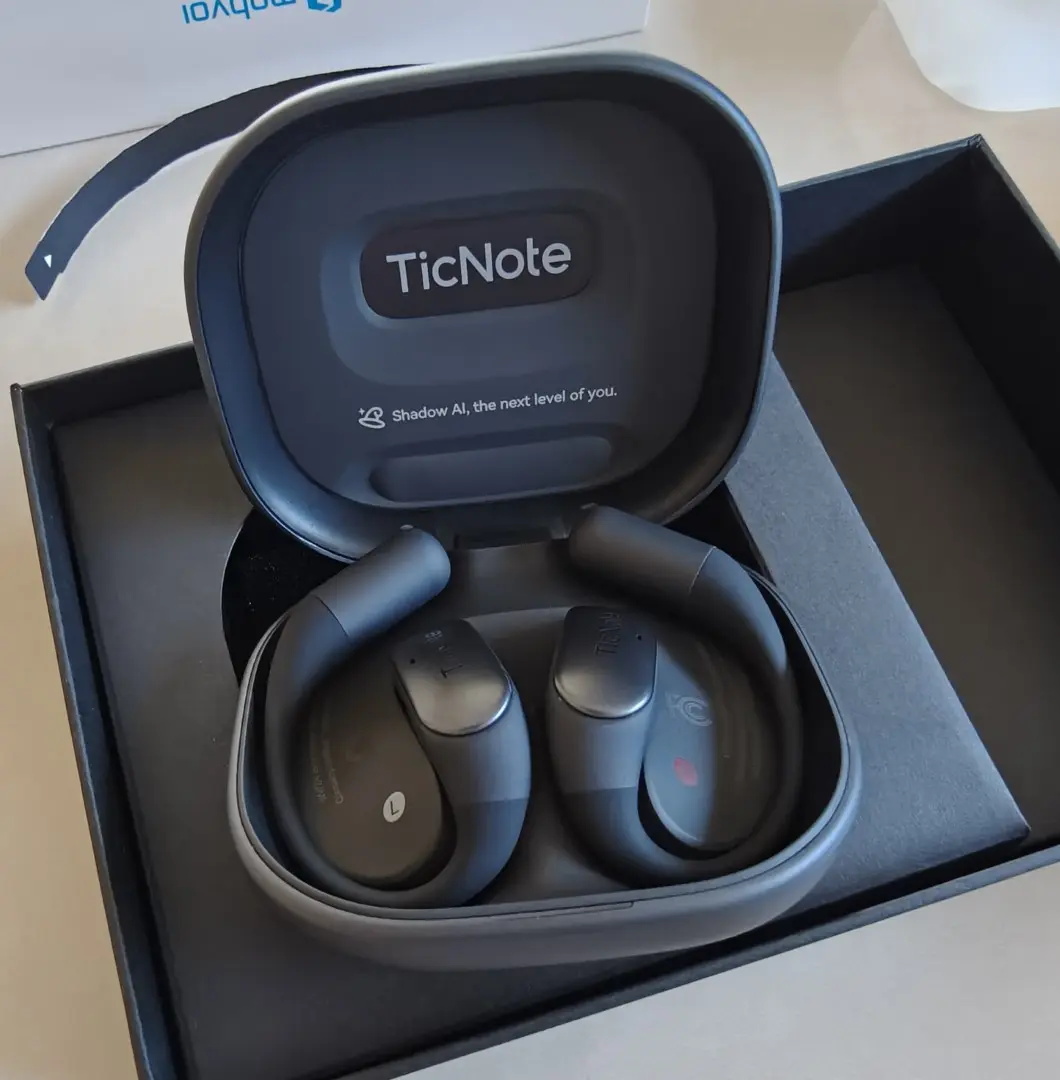
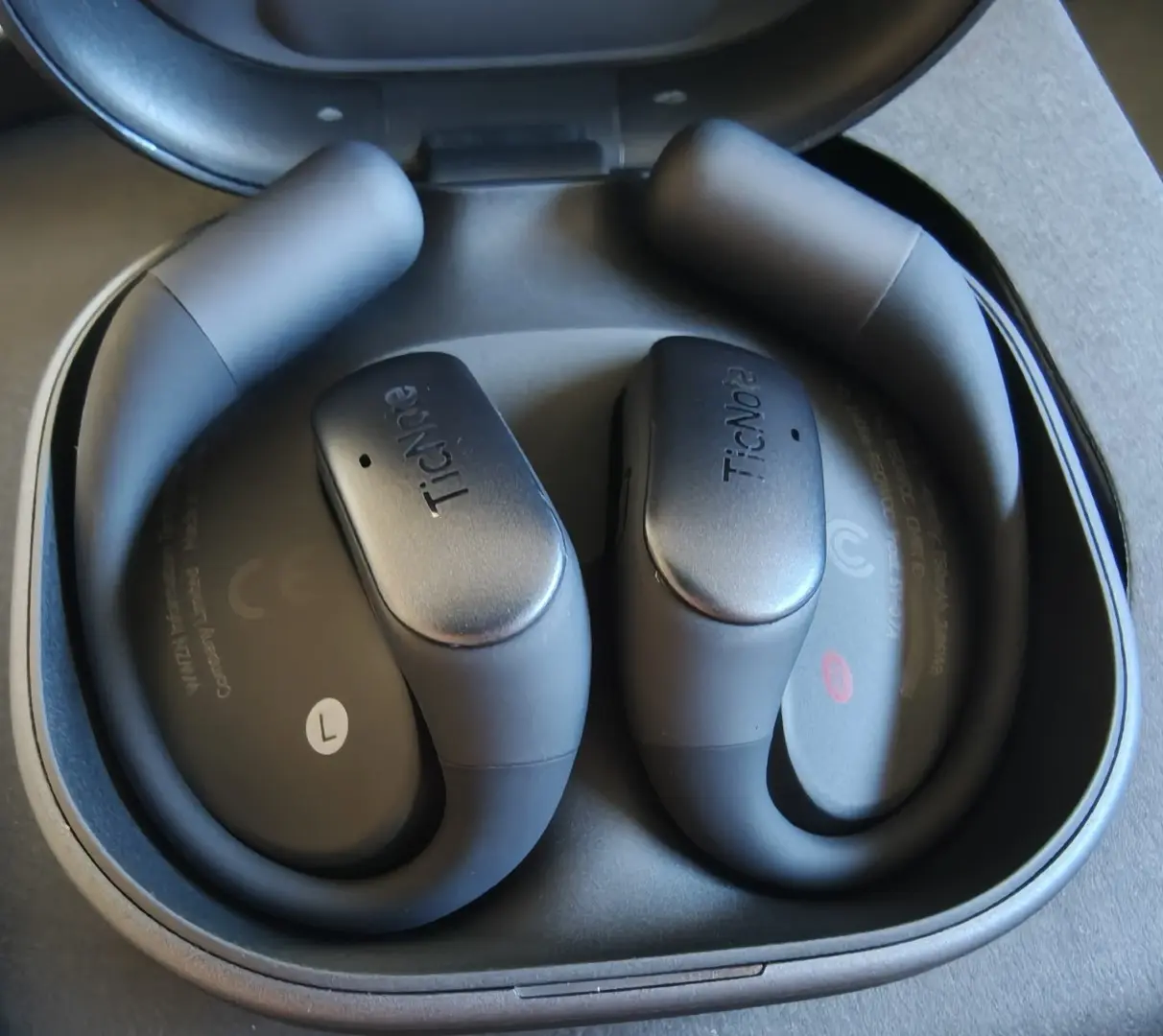
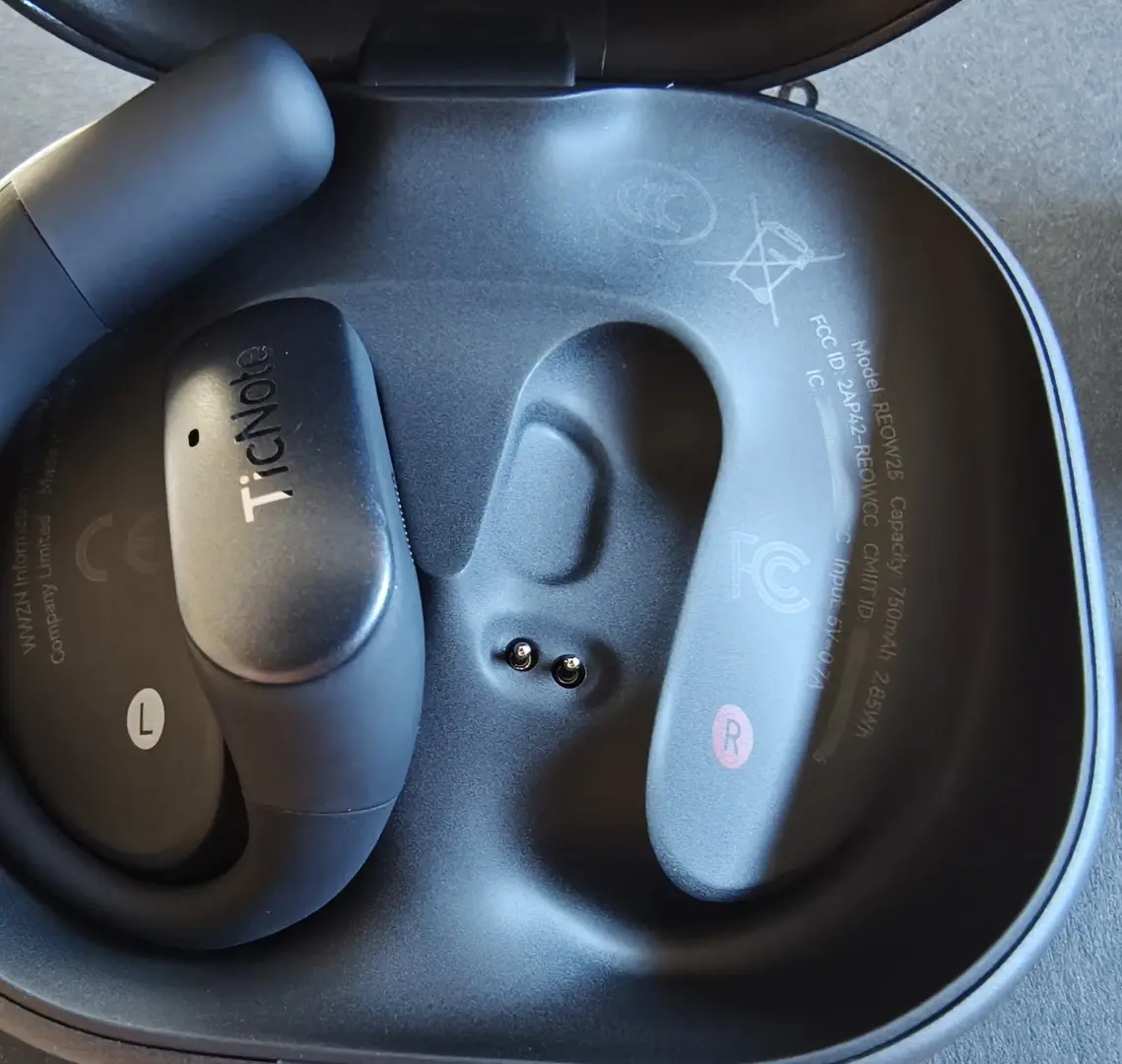
The inner box elegantly laid out with the TicNote and accessories.

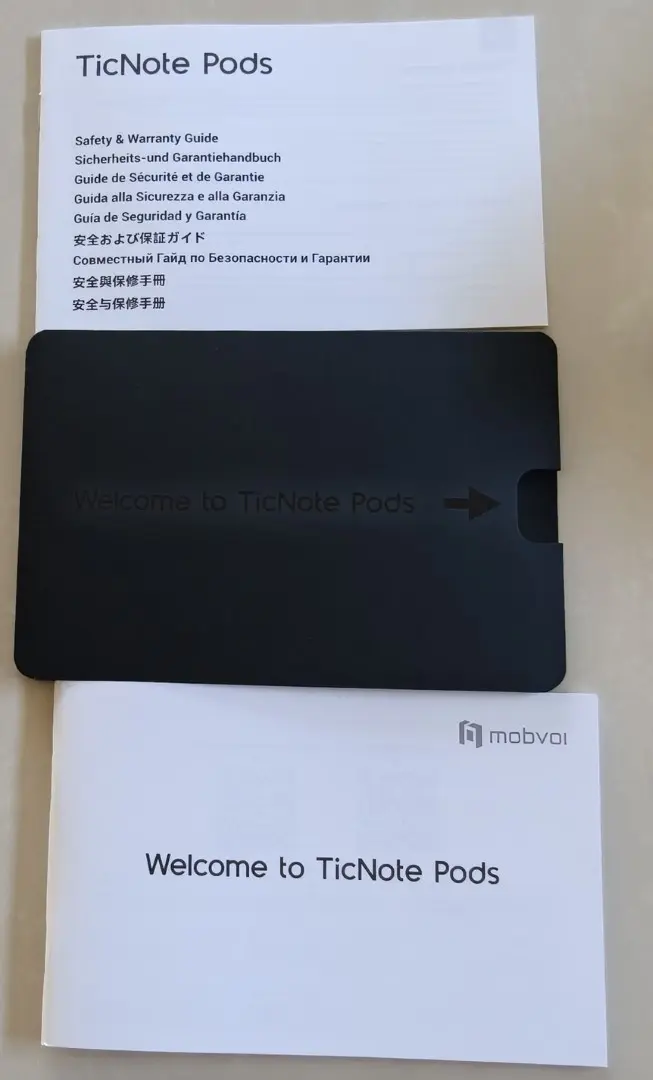
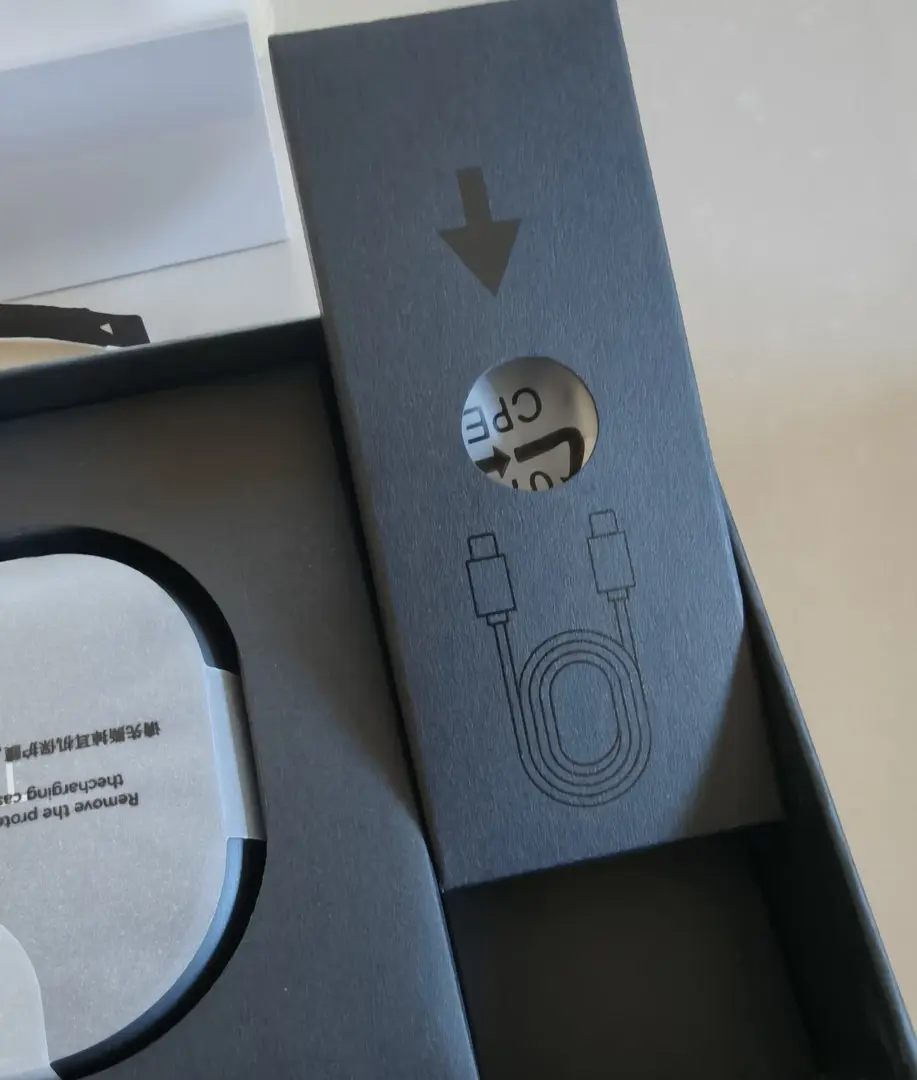
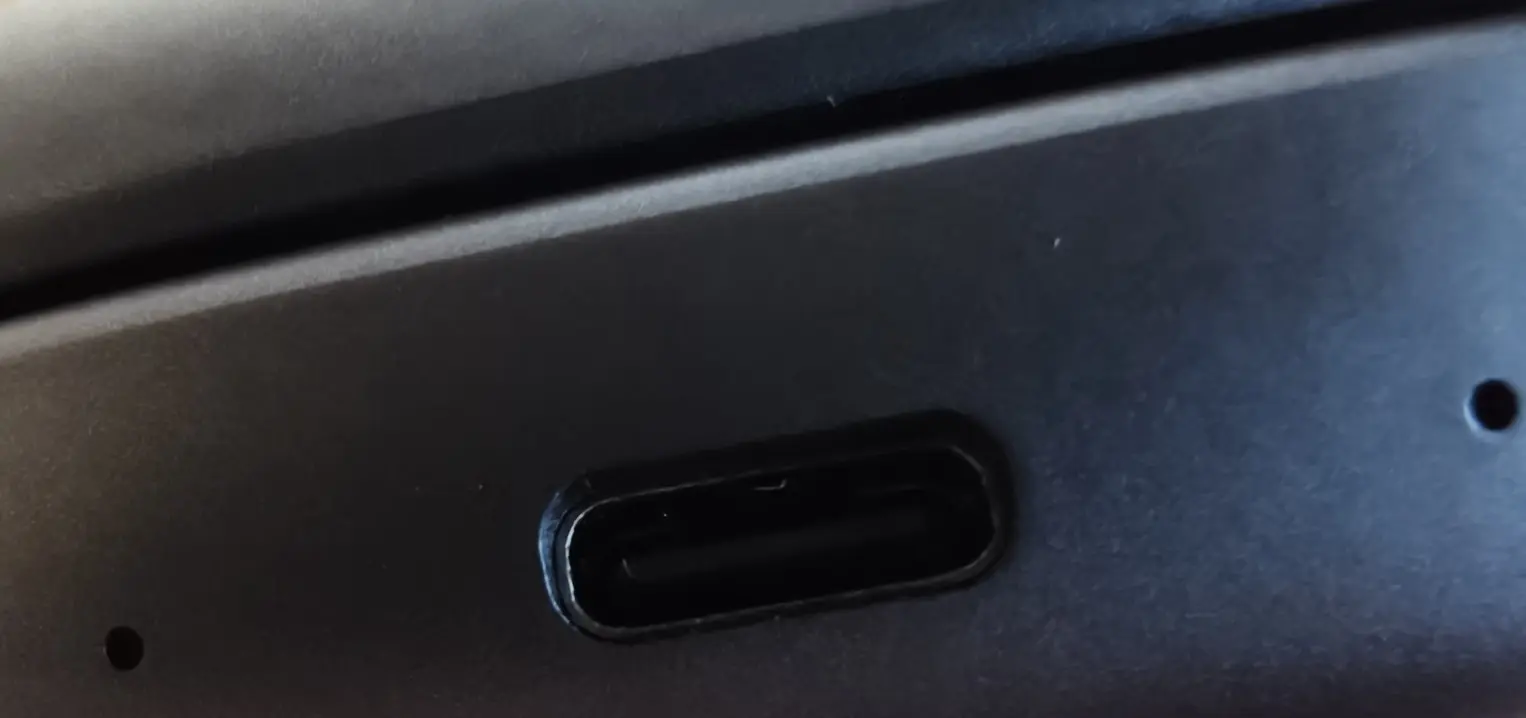
Included are the USB C cable and documentation.
.


.
.
.
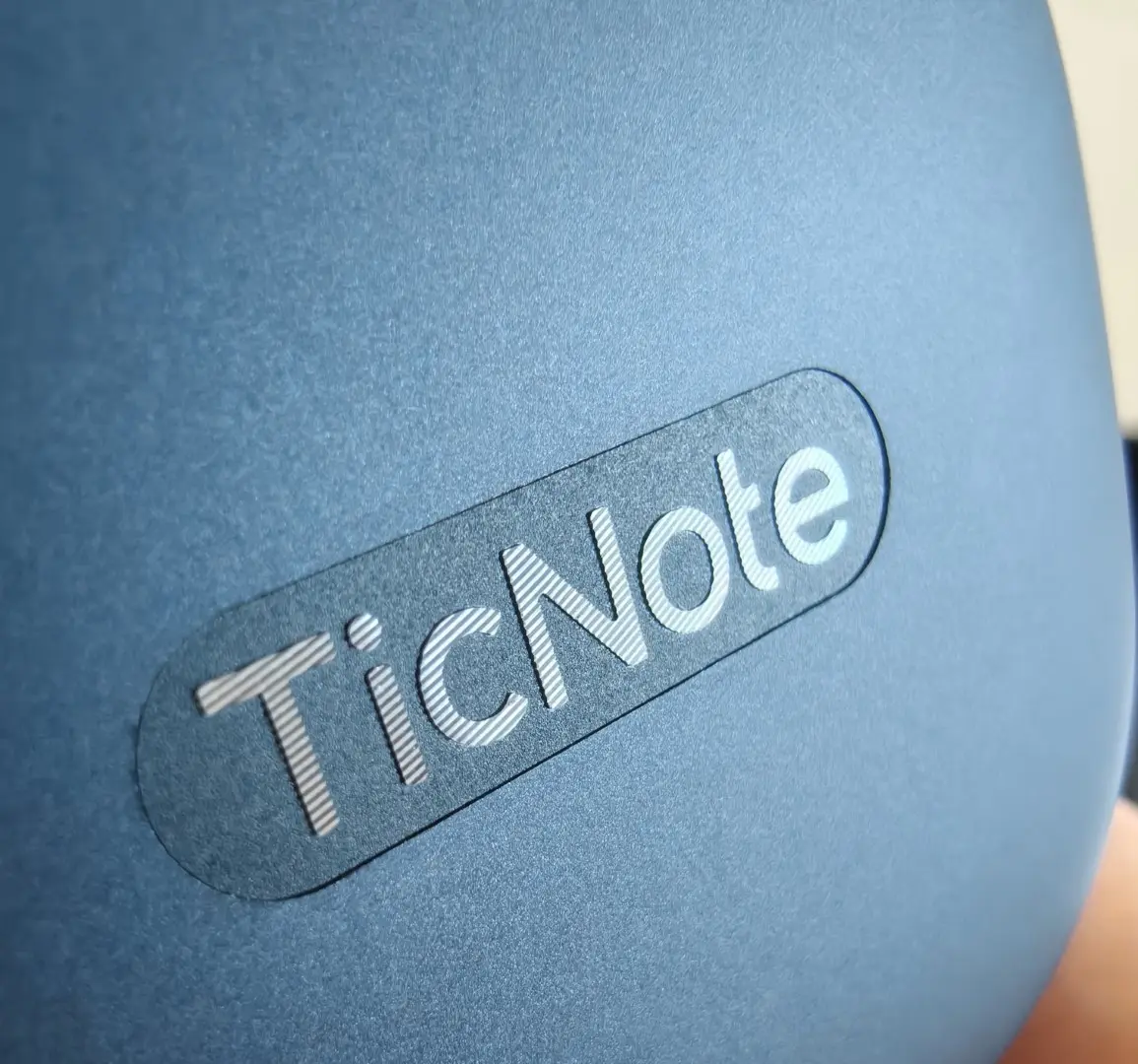
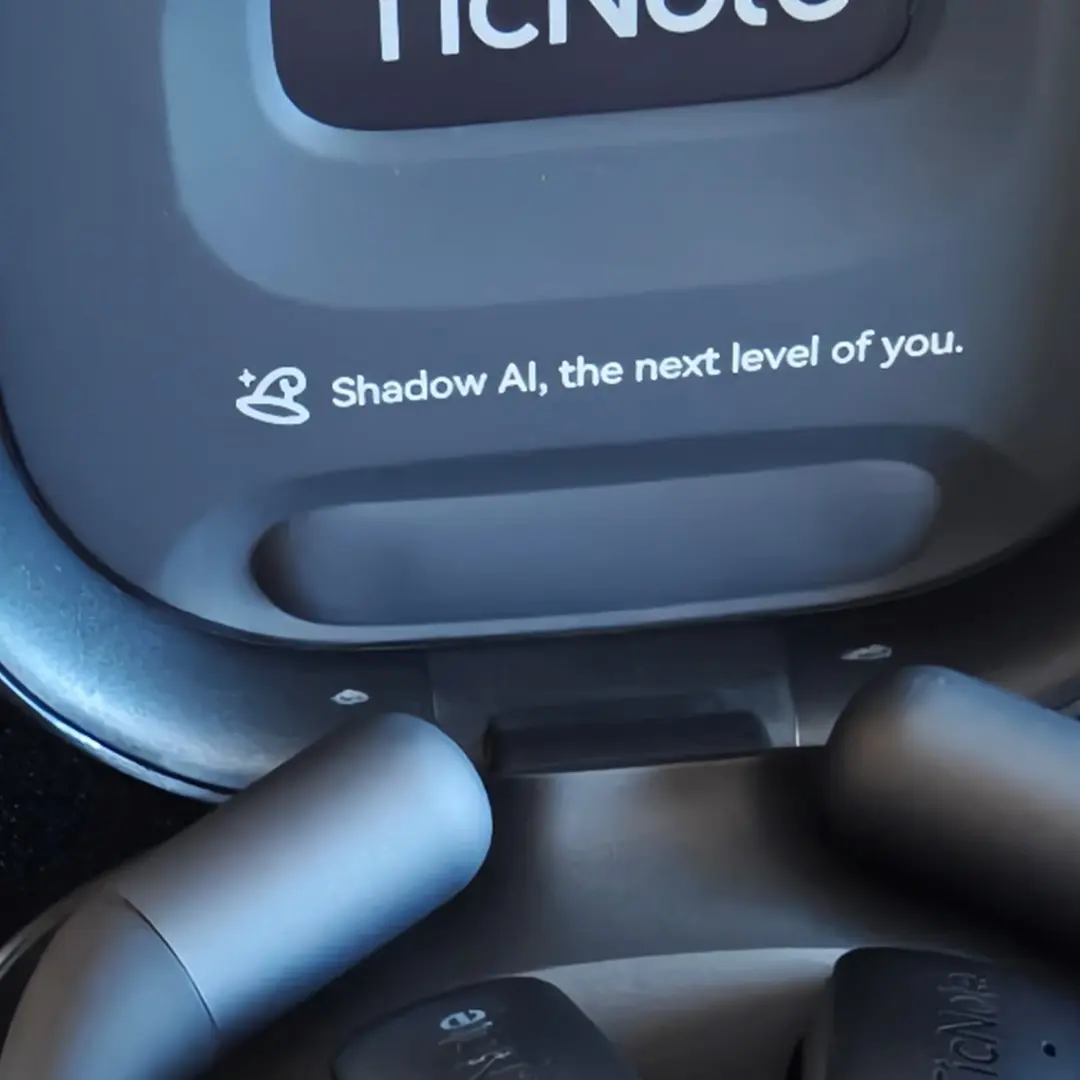
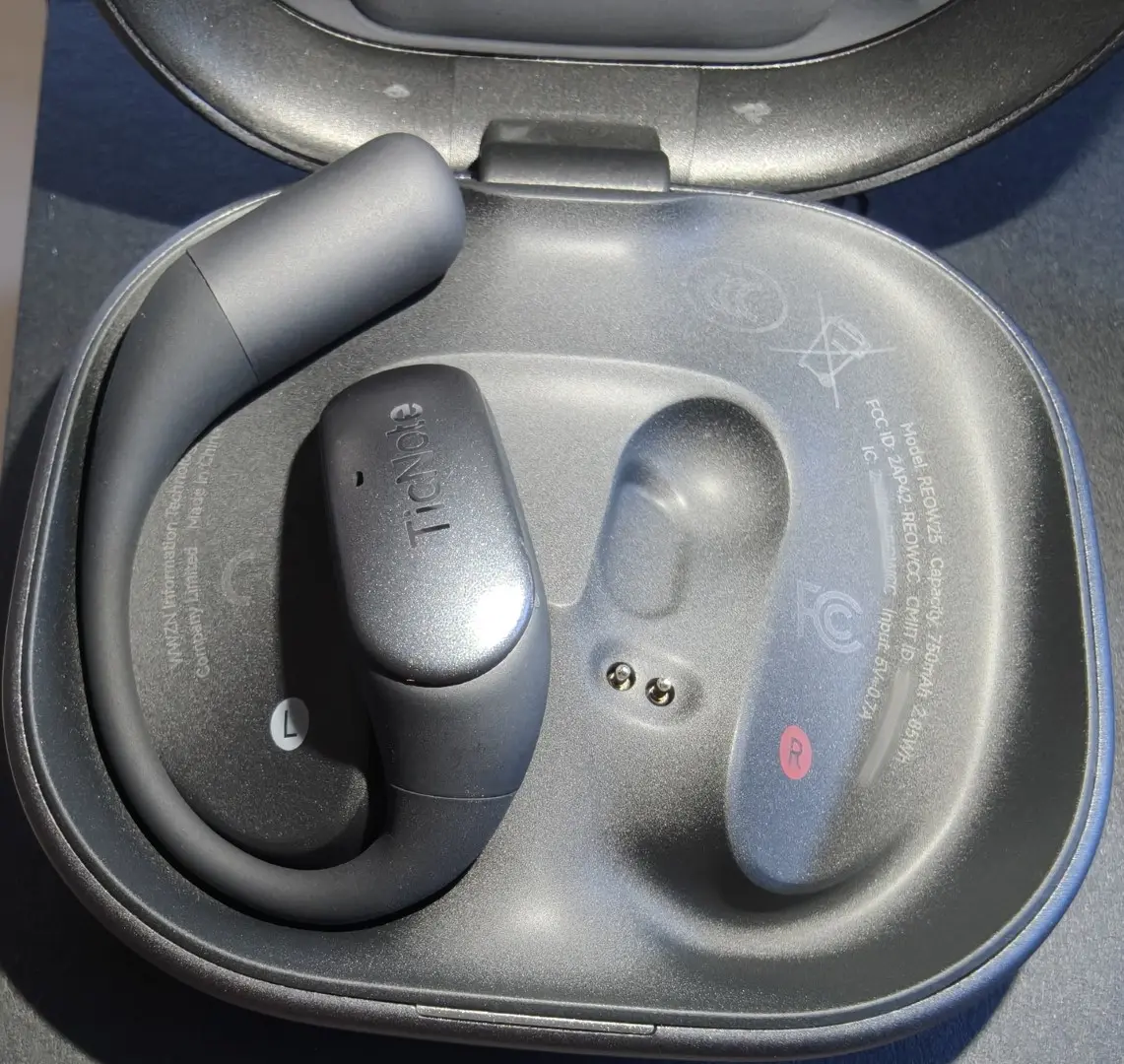
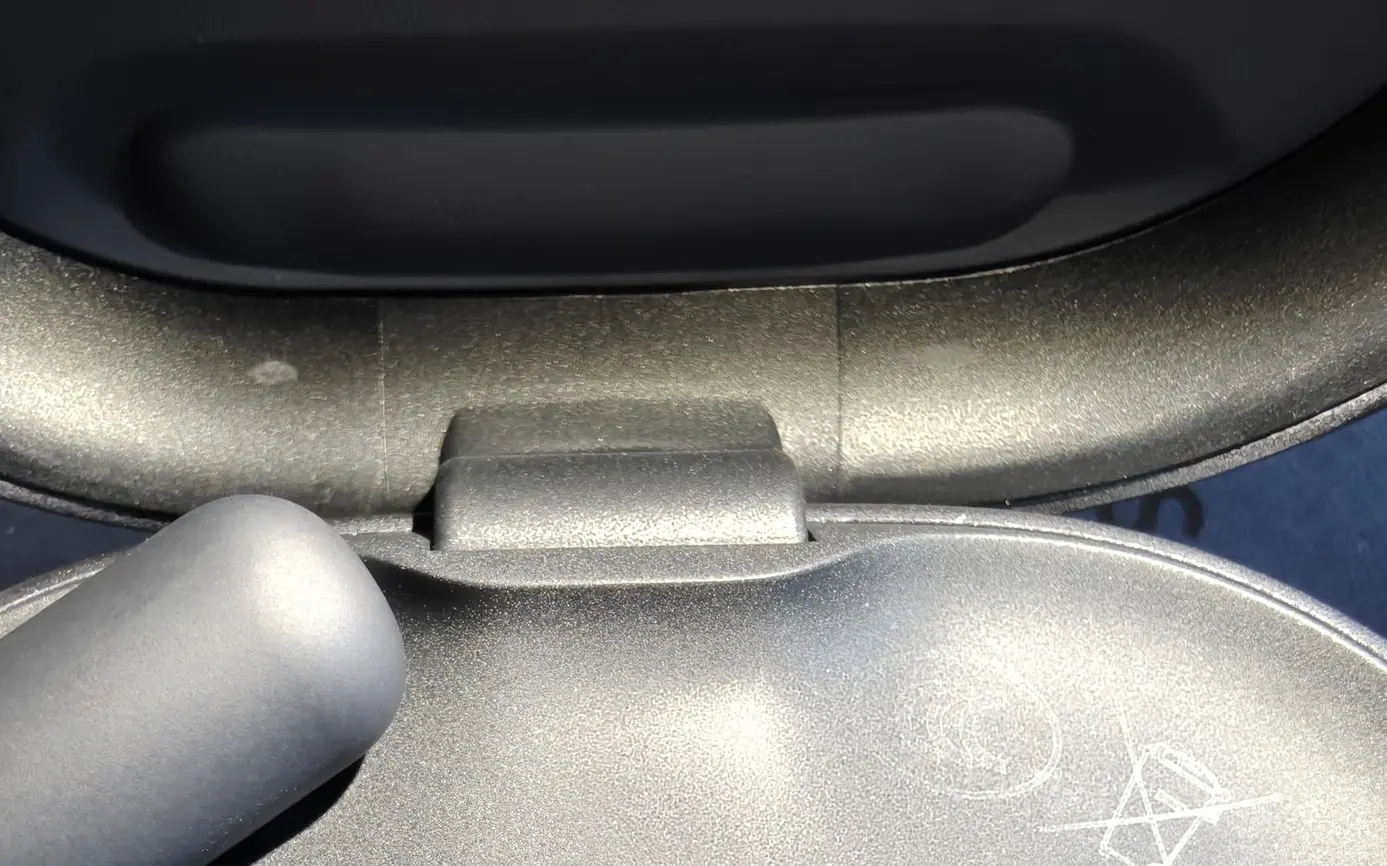
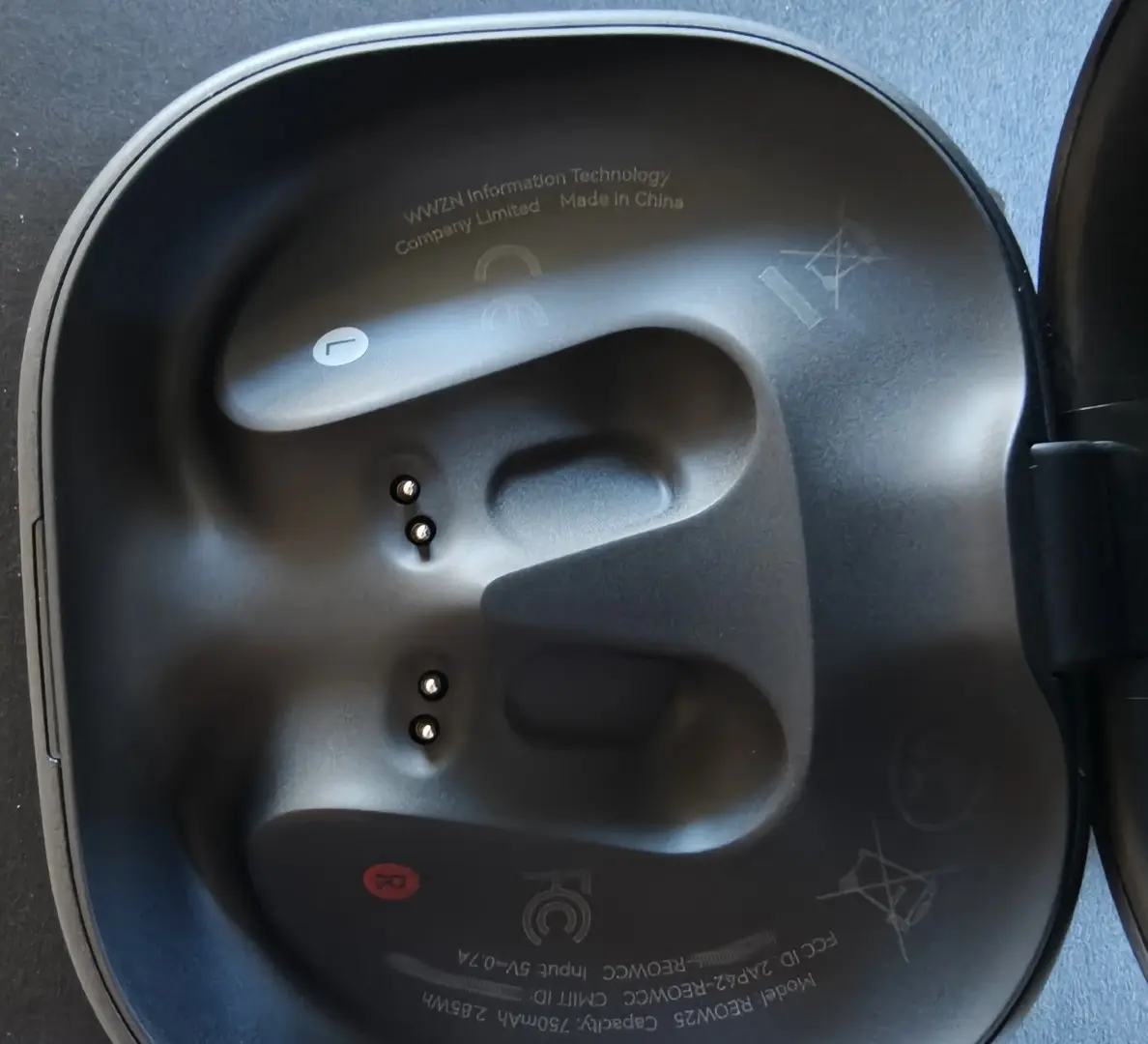
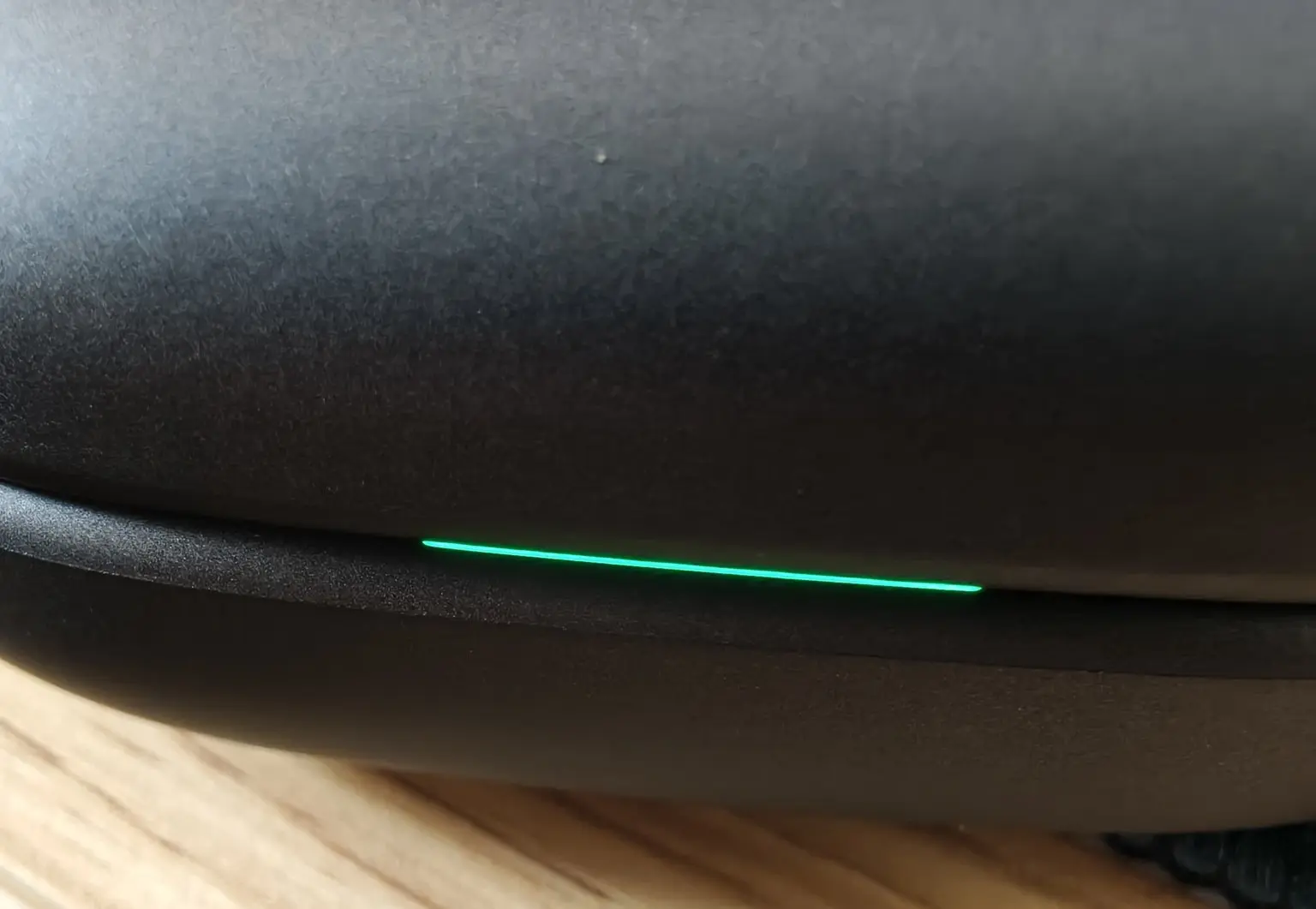
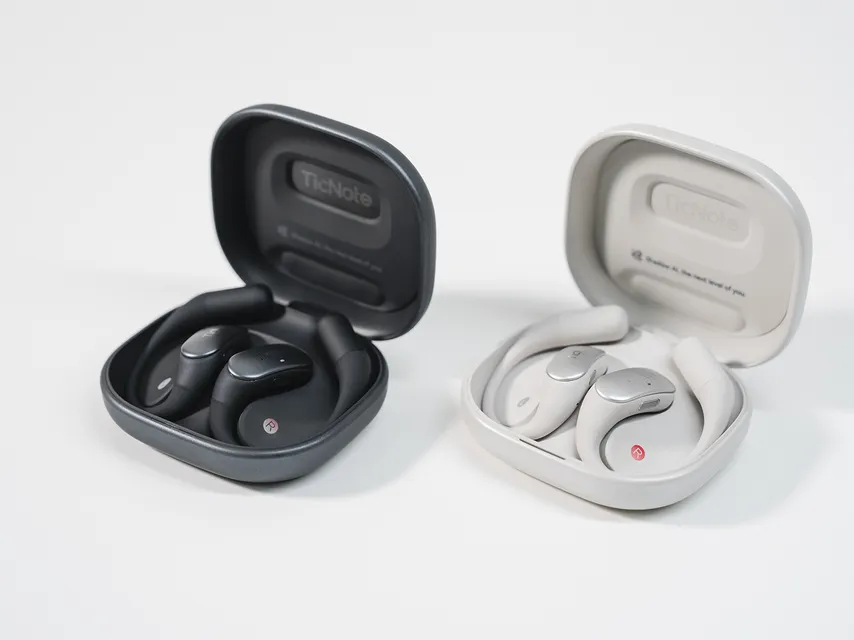
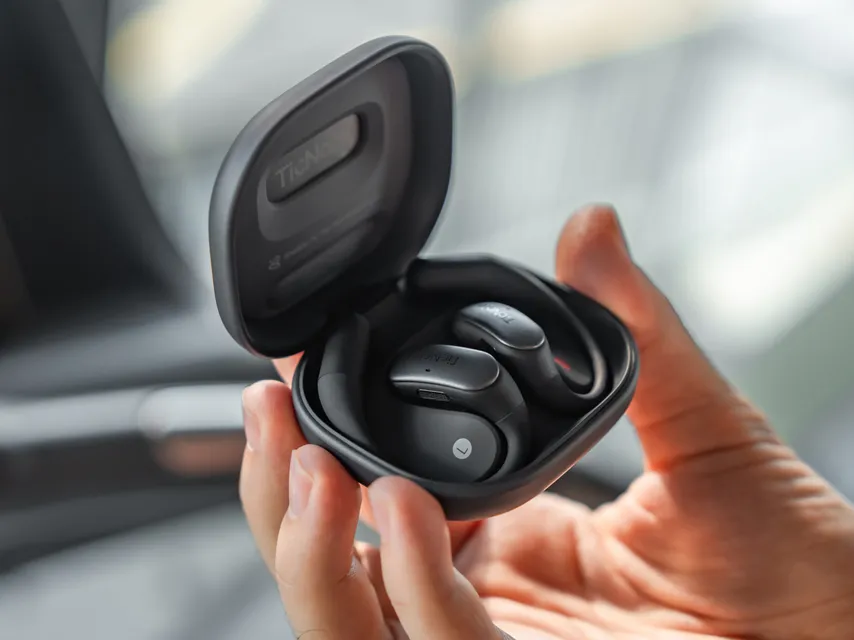
The case itself has a very striking, tactile logo that feels amazing to run your fingers across. The plastic has a smooth feel, yet is easily gripped in the hand.
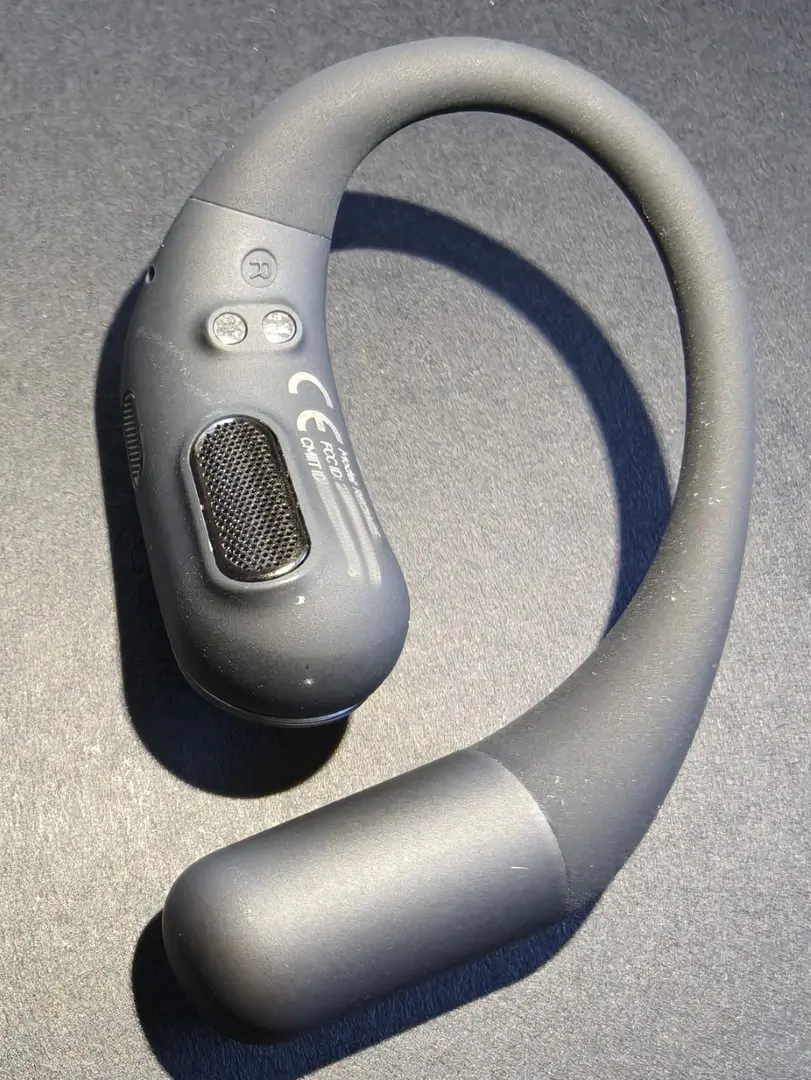
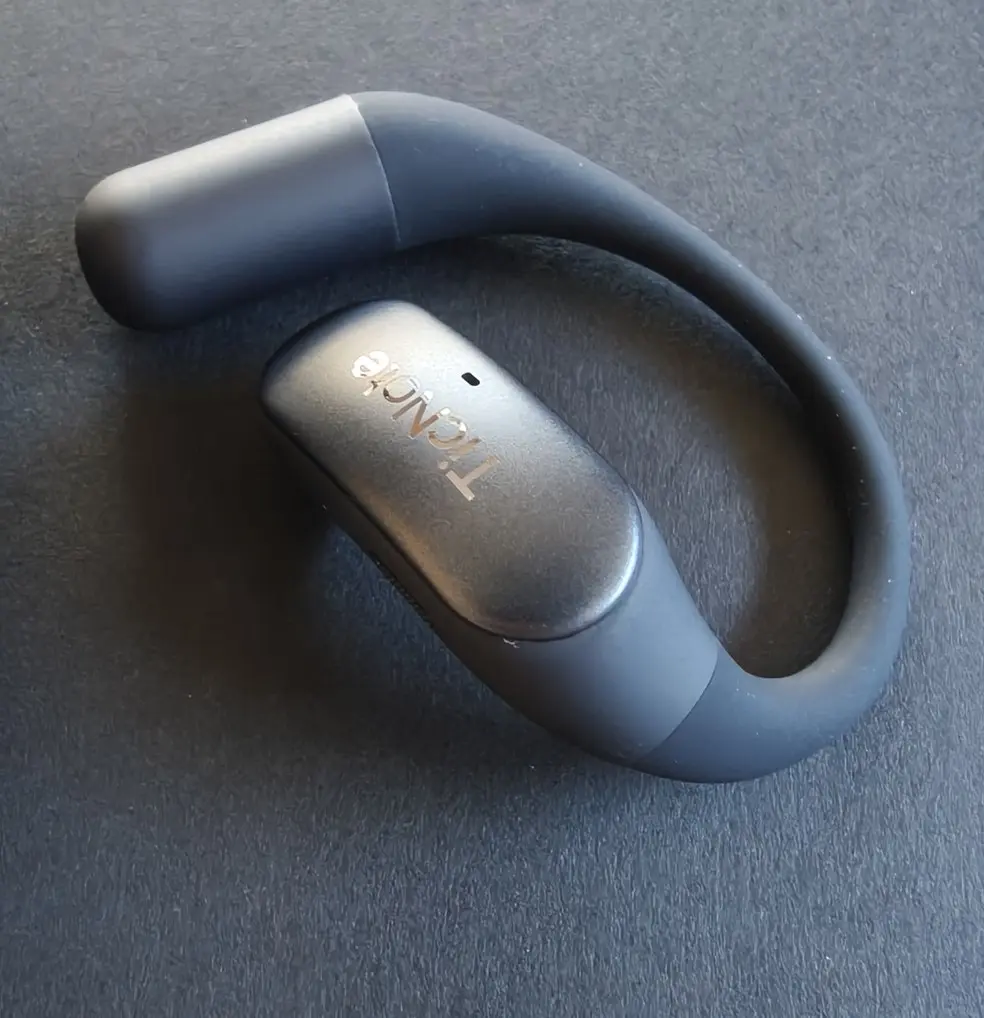
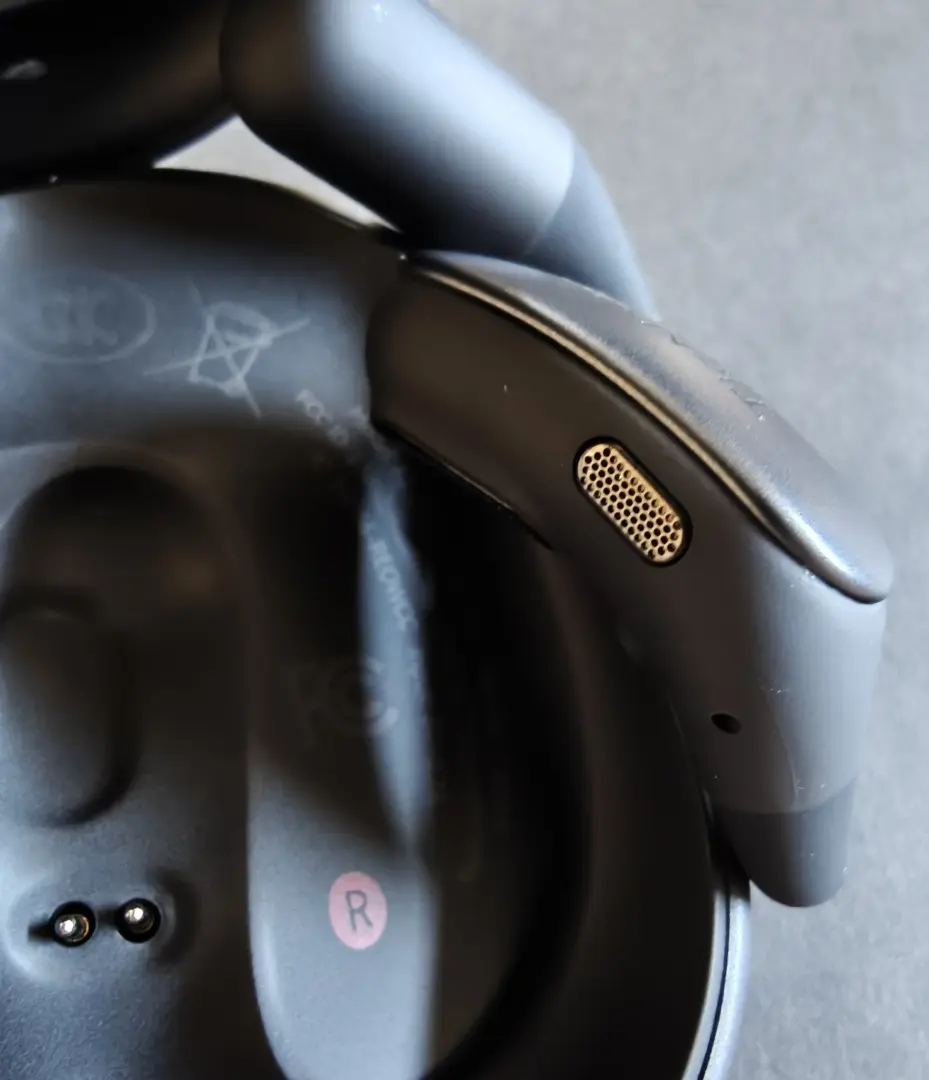
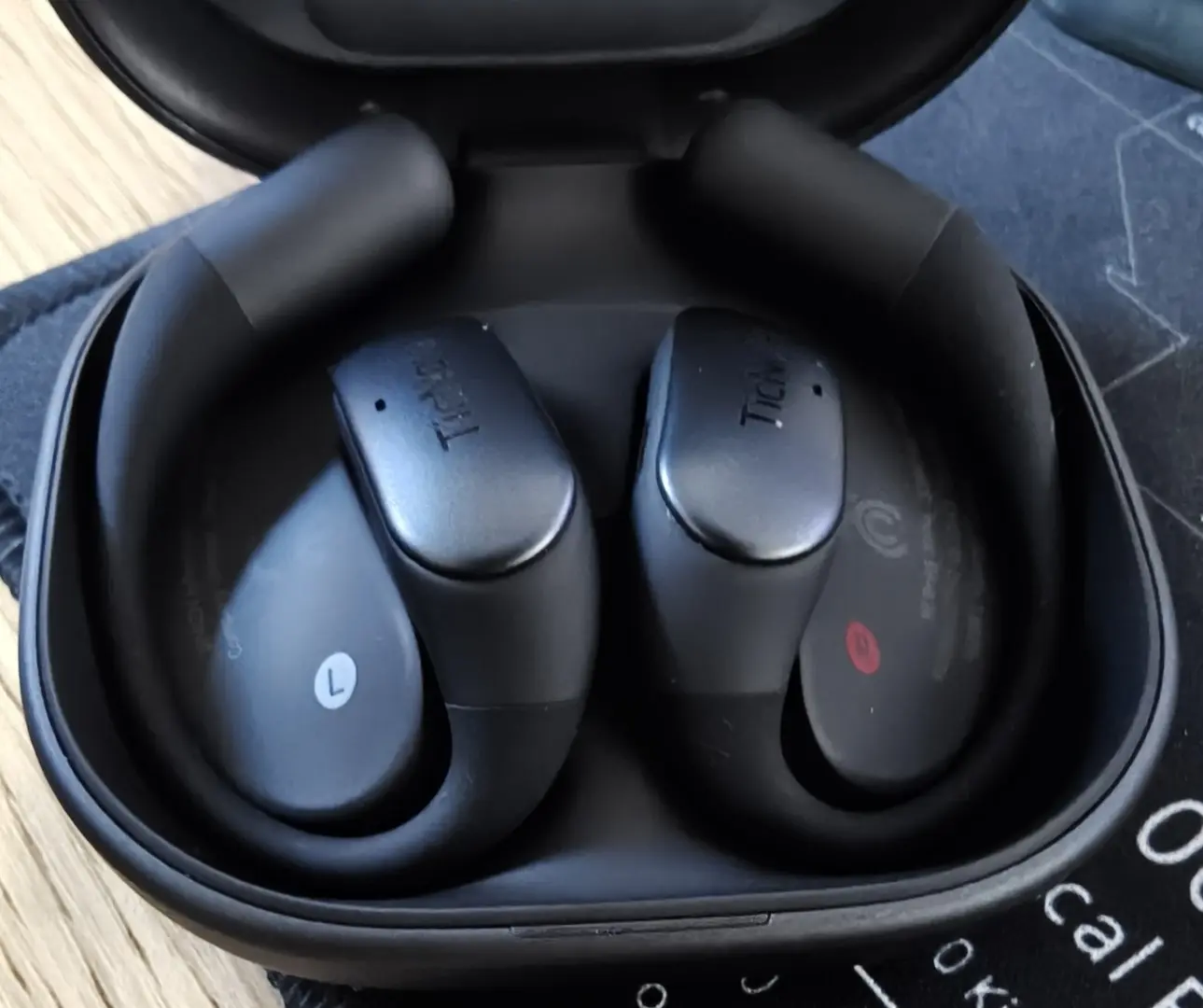
The futuristic looking earpieces sit extremely comfortably and do not feel like they are being worn at all. It is a completely unique experience and nothing like any standard common earpiece.
Application
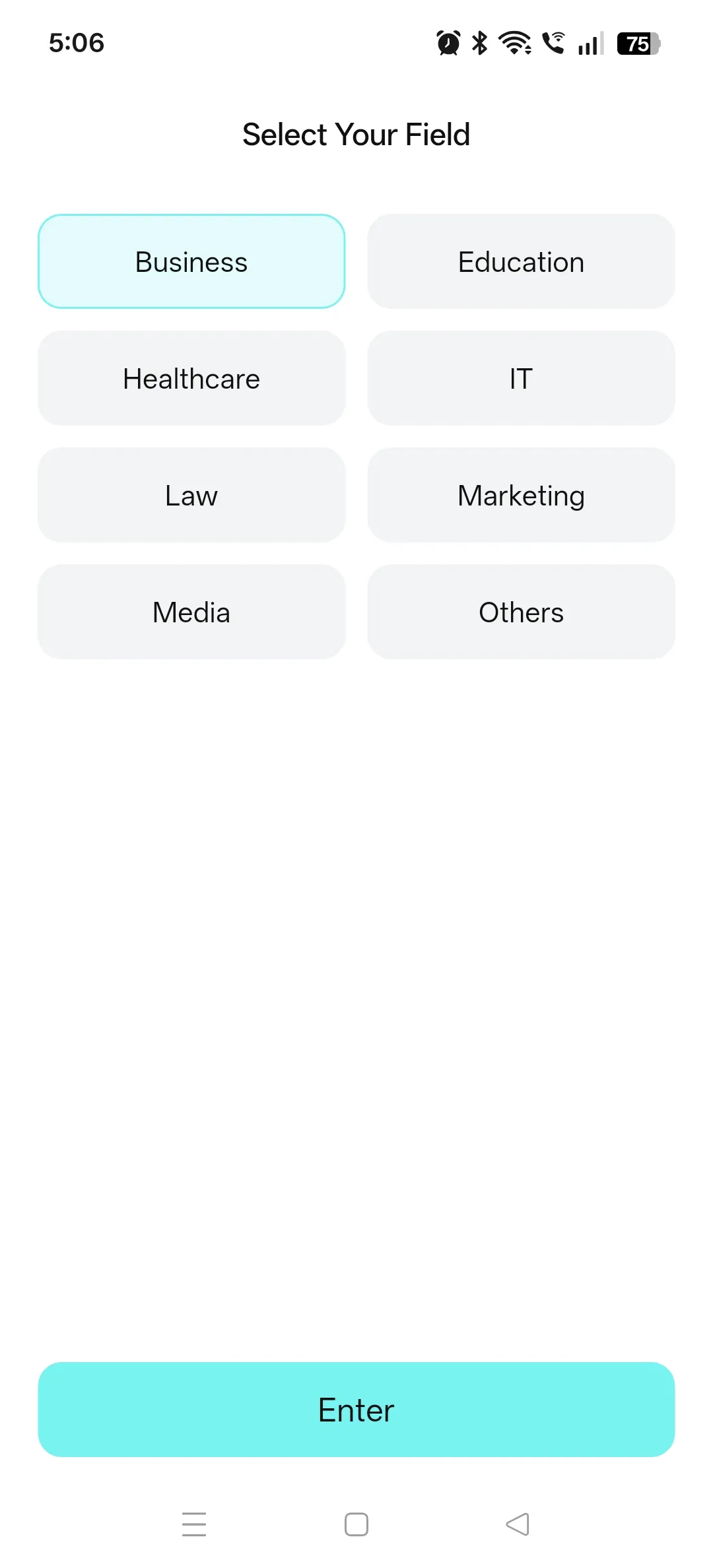
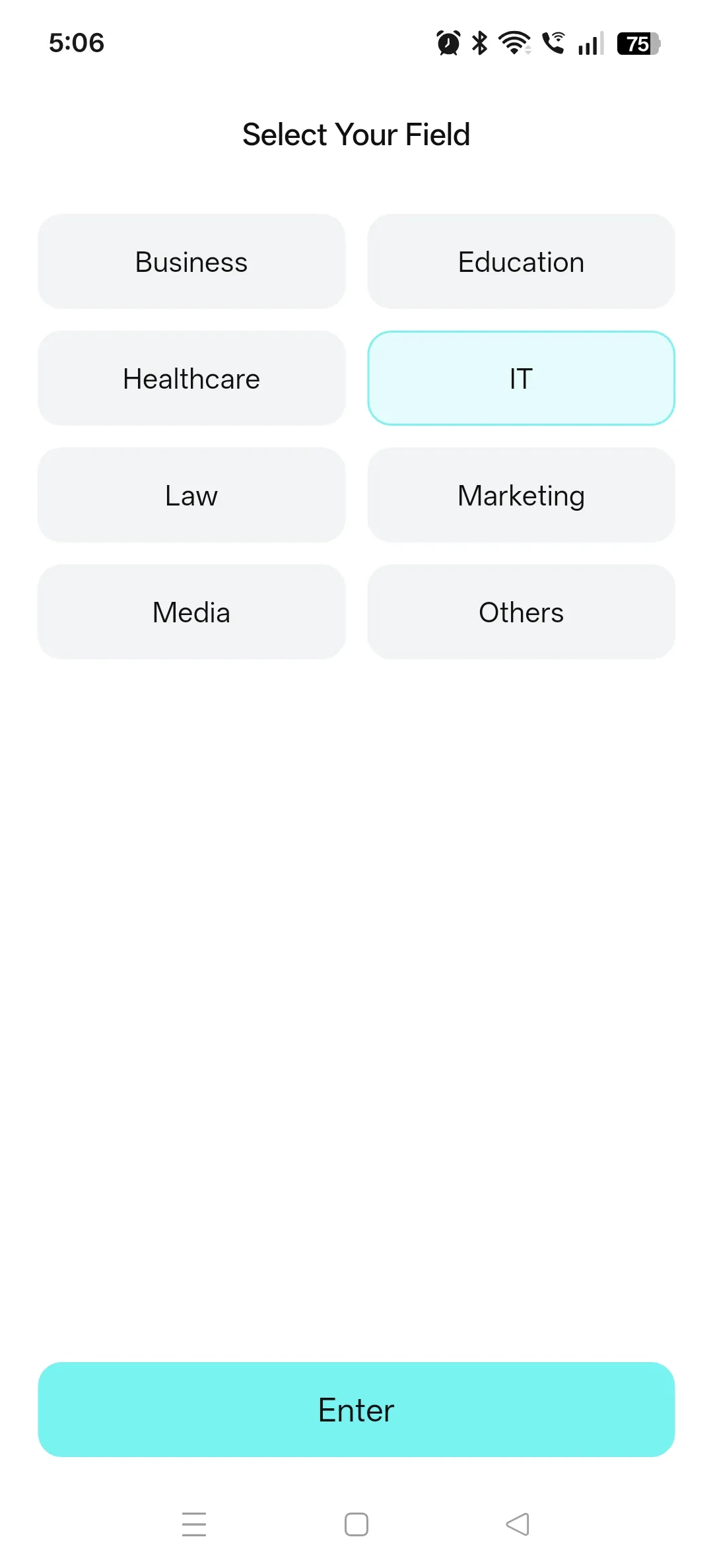
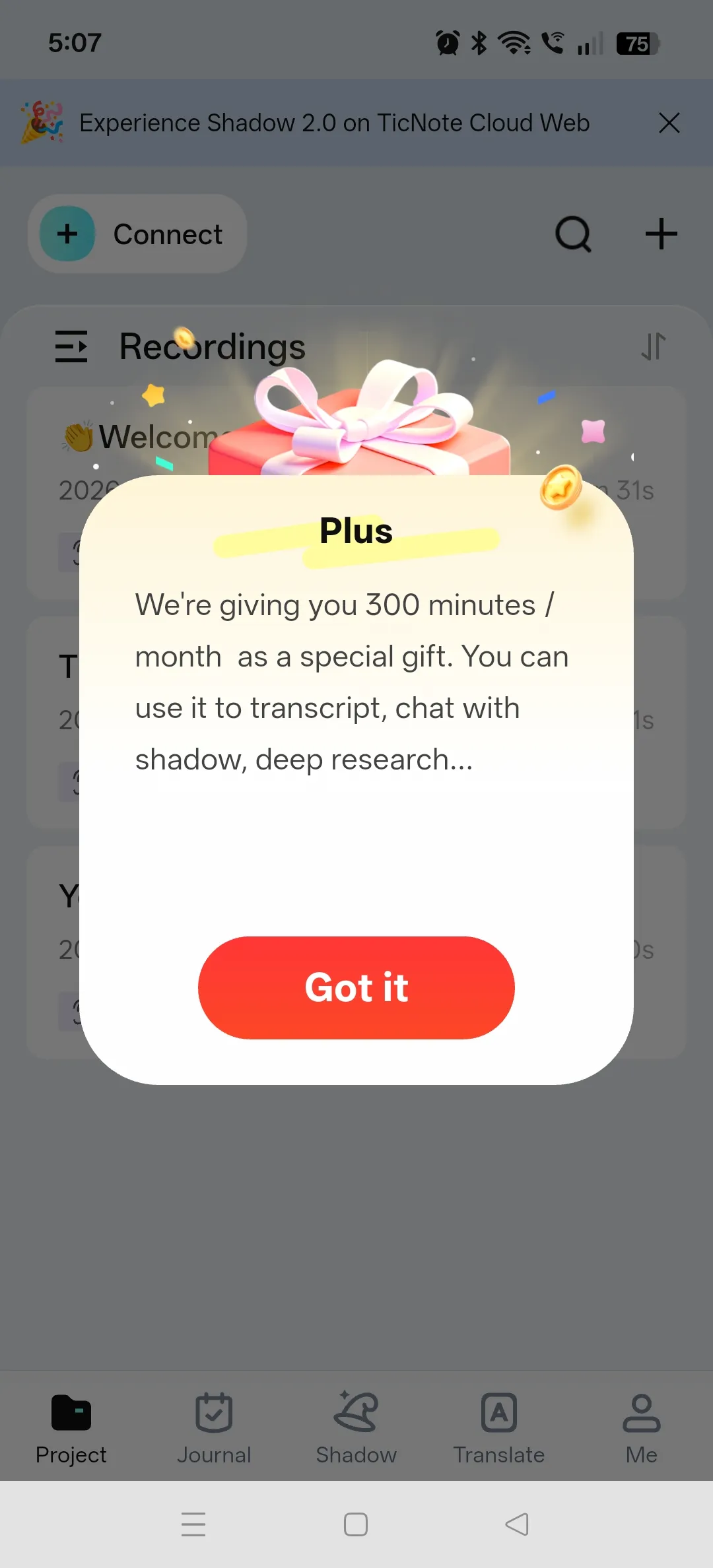
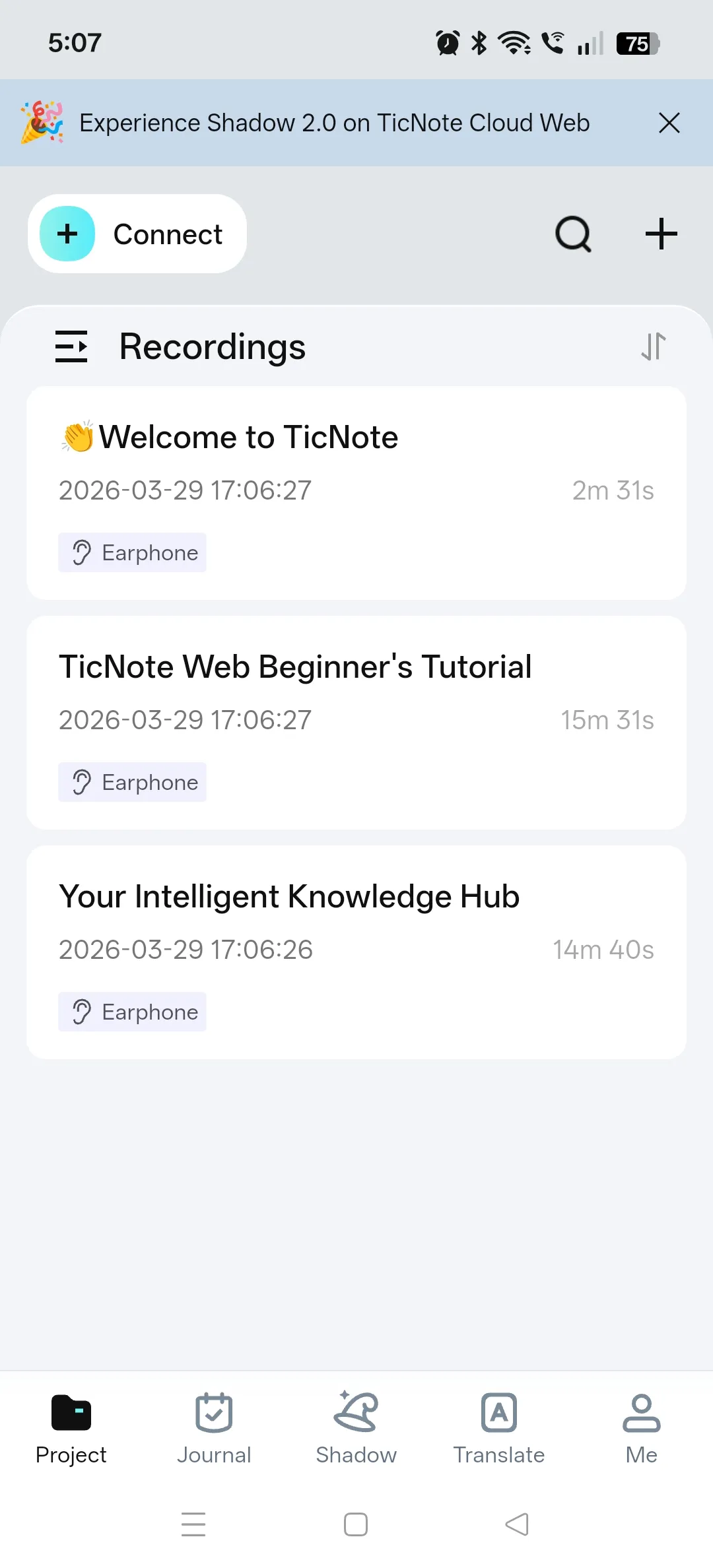
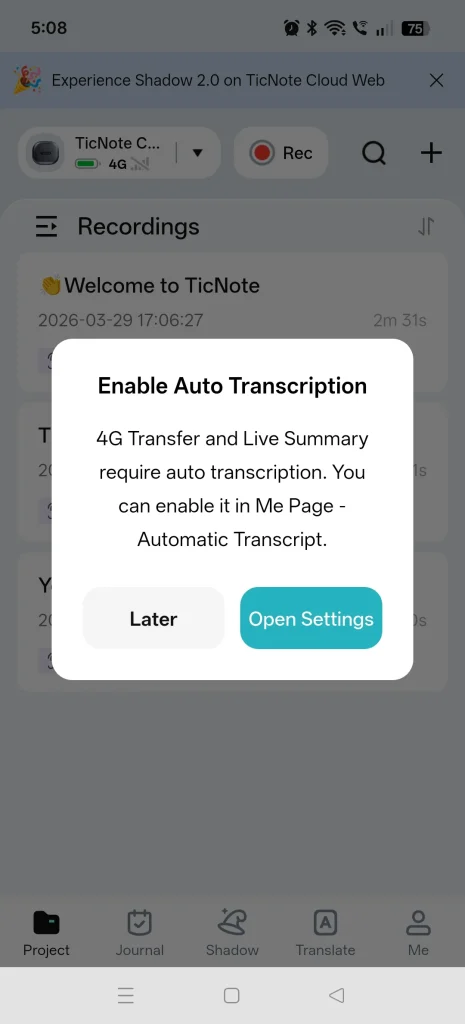
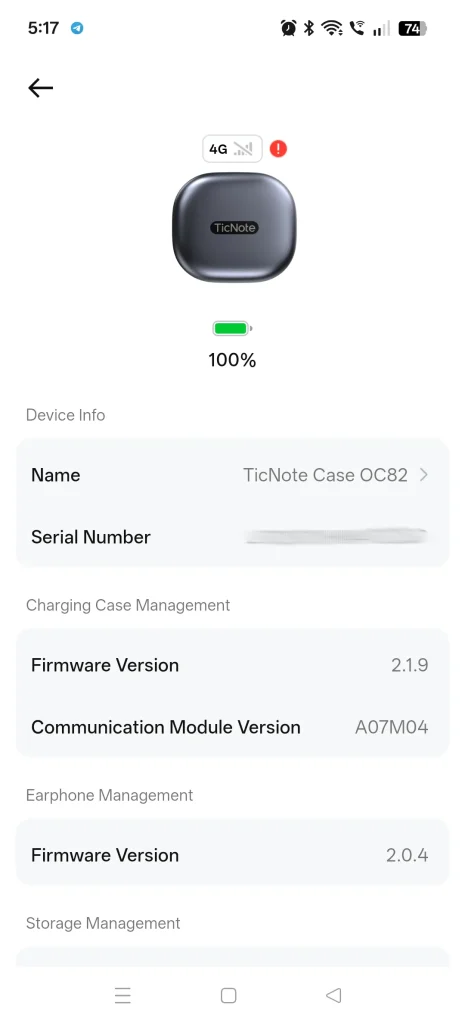
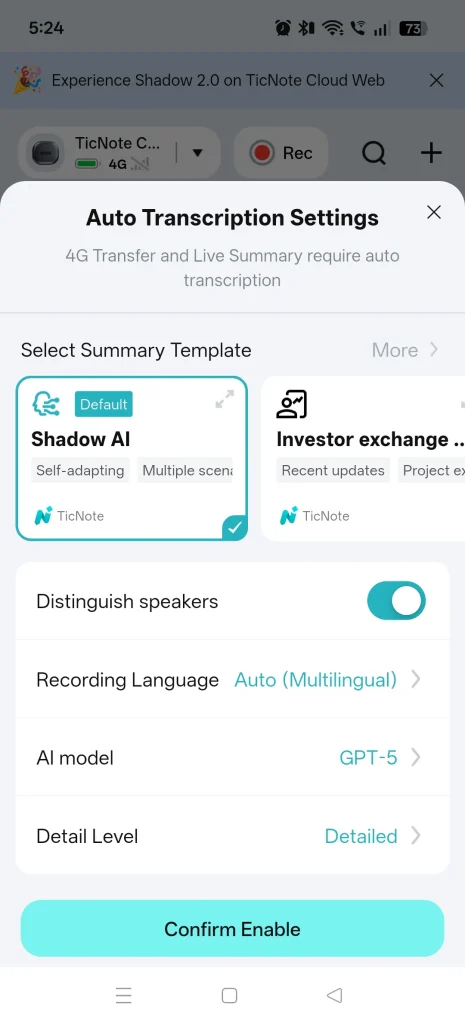
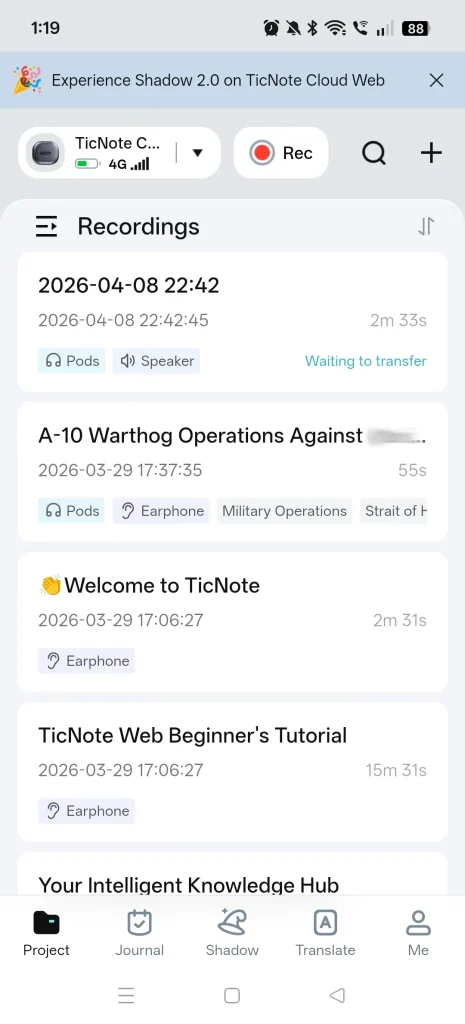
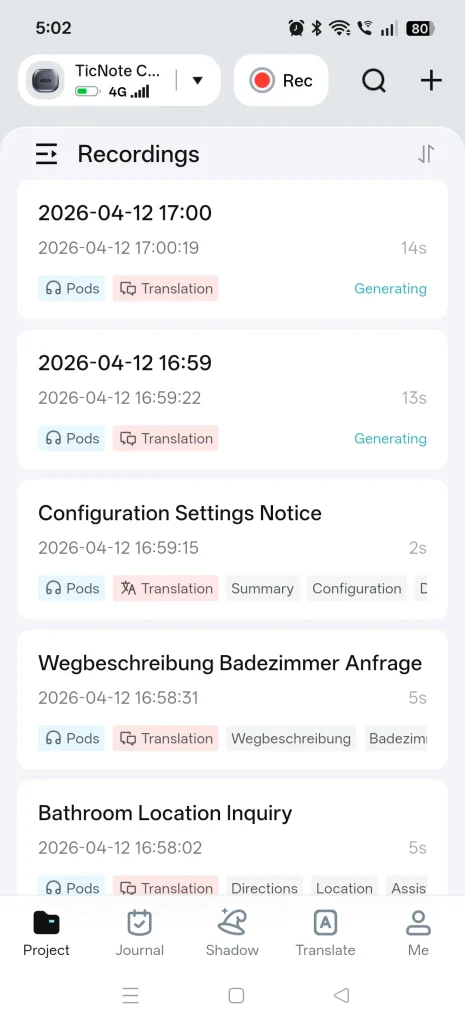
The application is comprehensive and easy to use. The heavy lifting is all done by AI, with the core functions of the application being controlling the device itself and initiating recording.
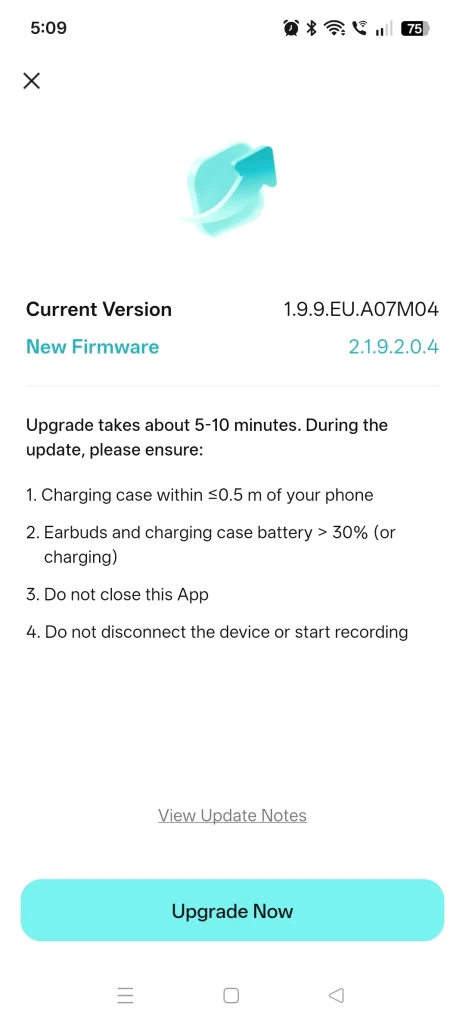
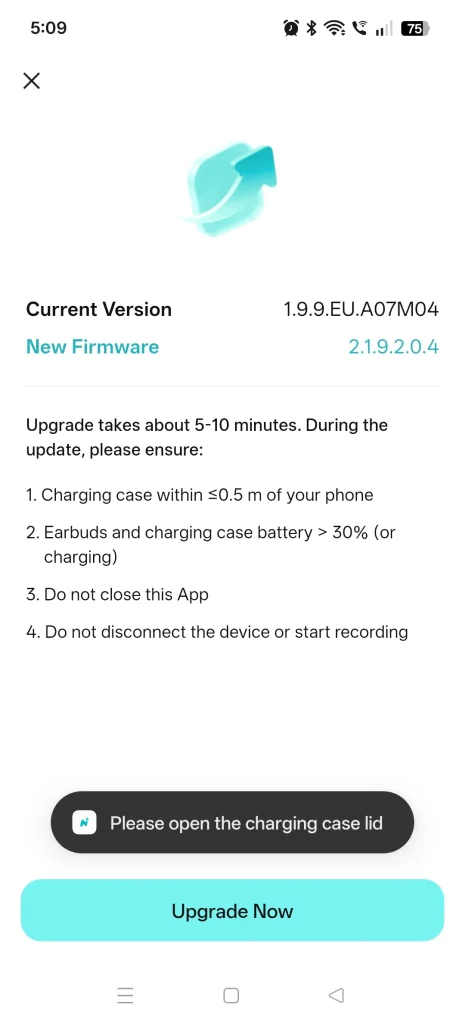
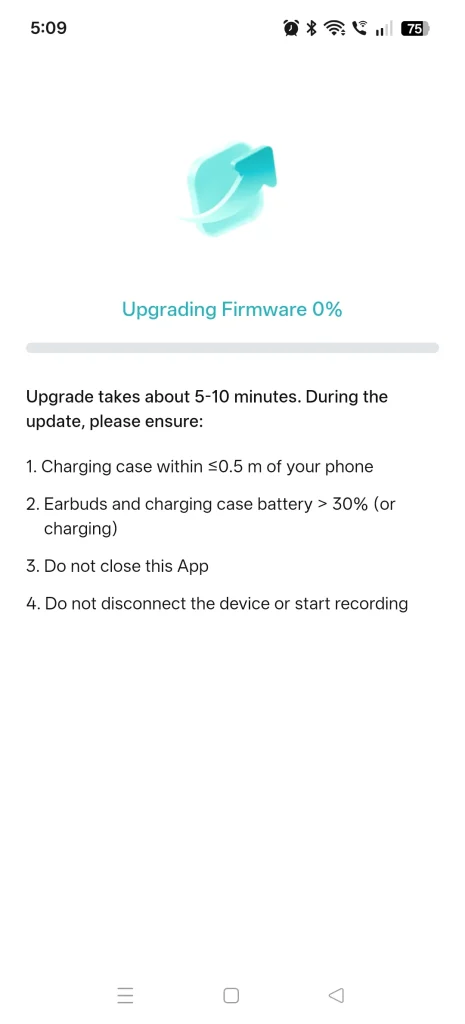
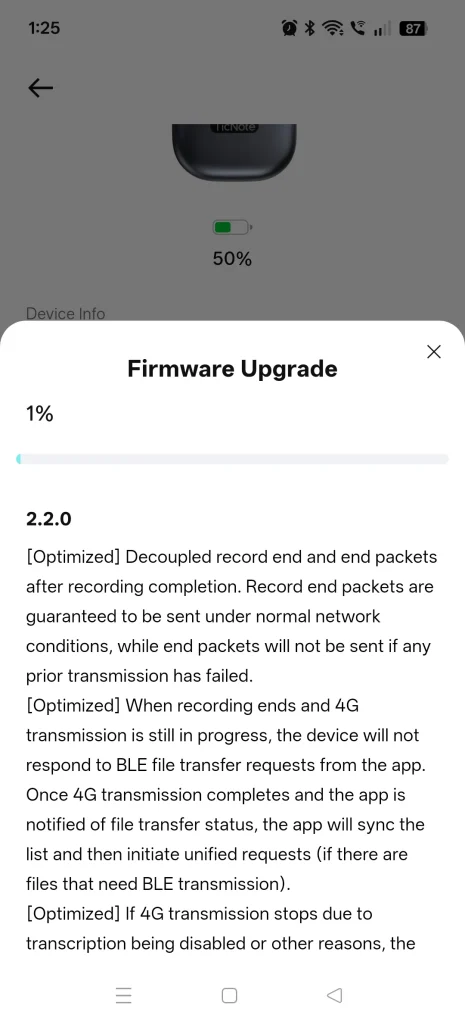
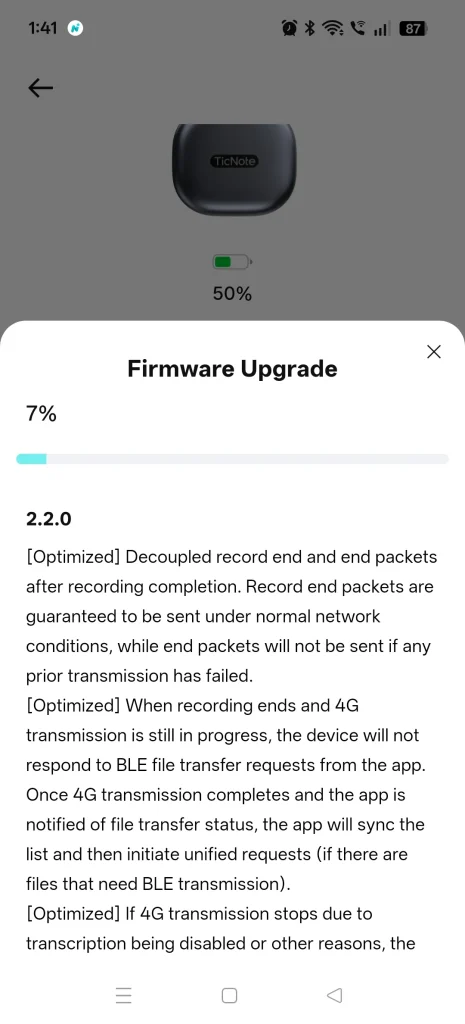
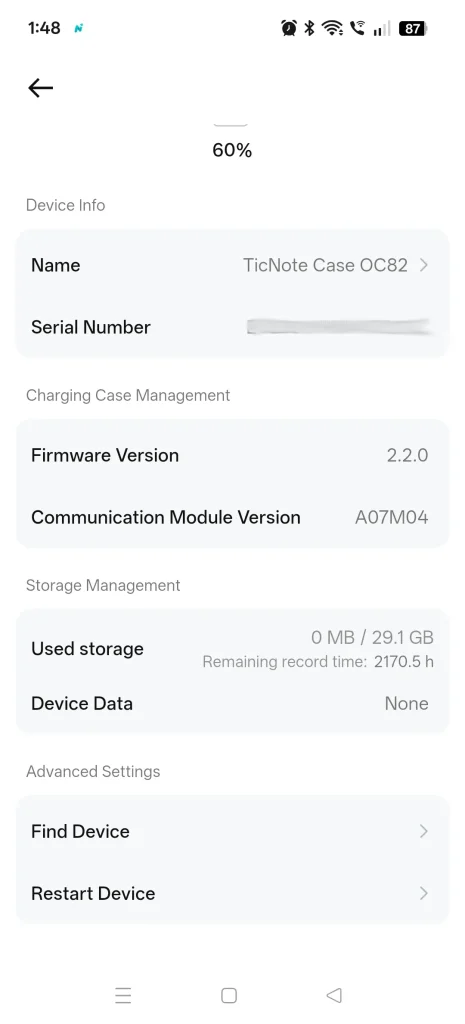
On first use, a firmware update was required and this was at first a little rocky, and needed a second attempt, which then worked immediately.
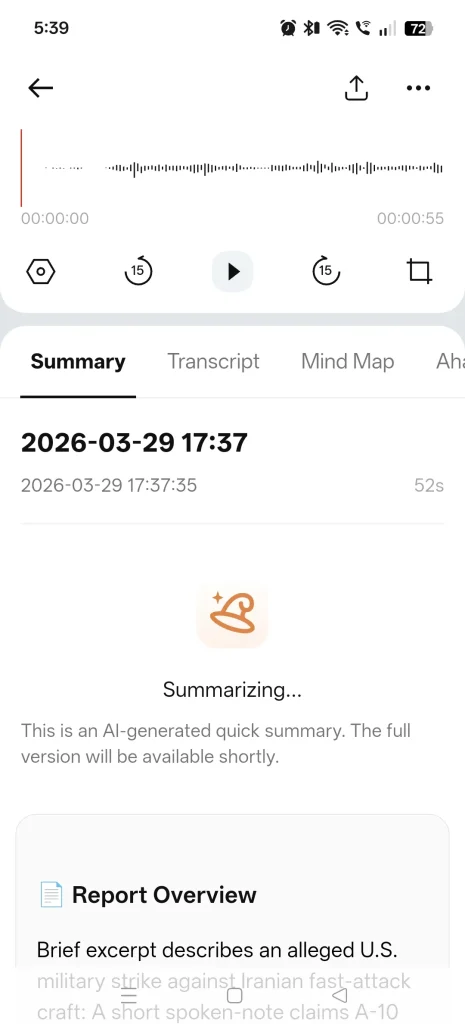
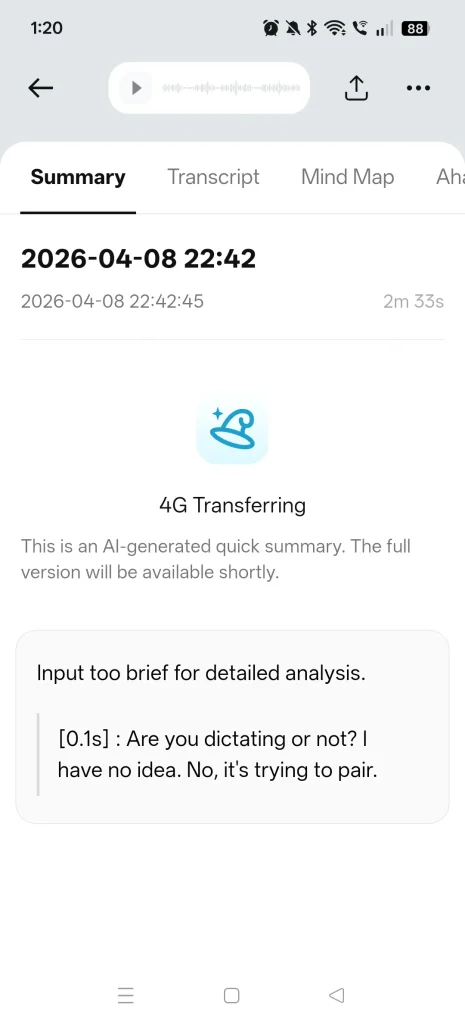
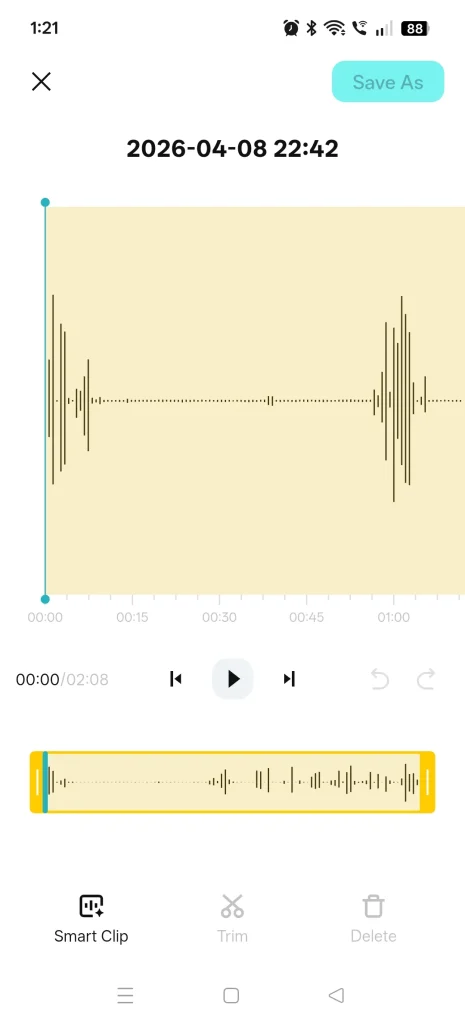
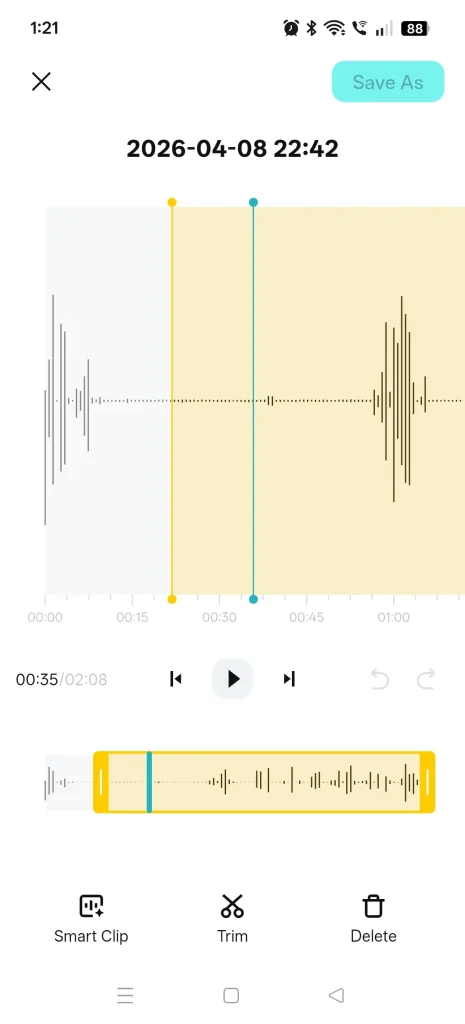
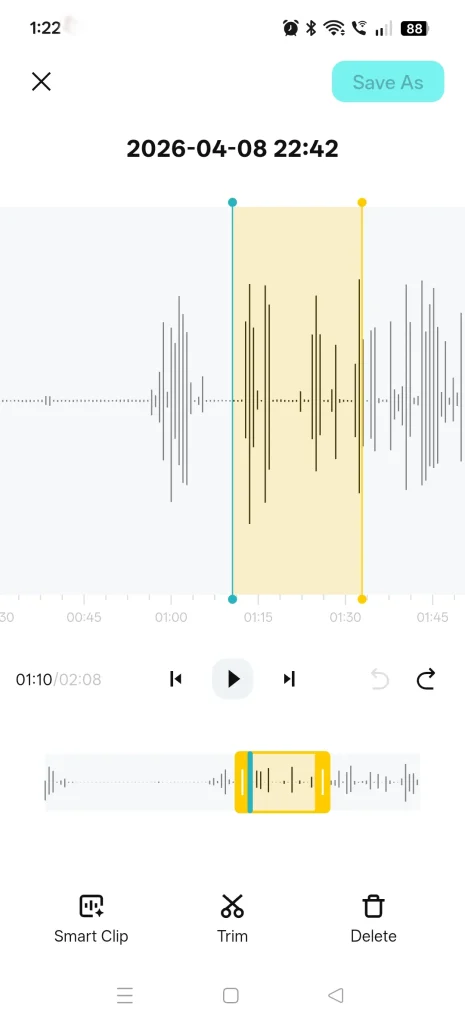
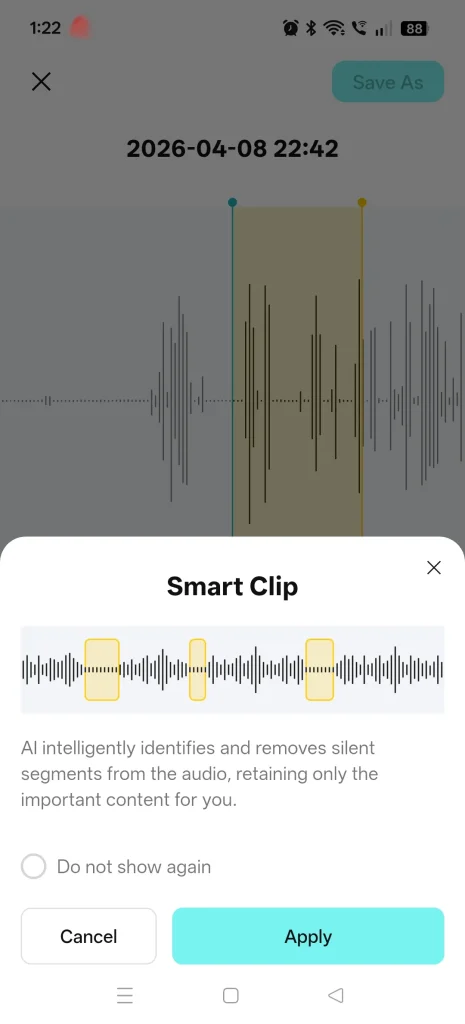
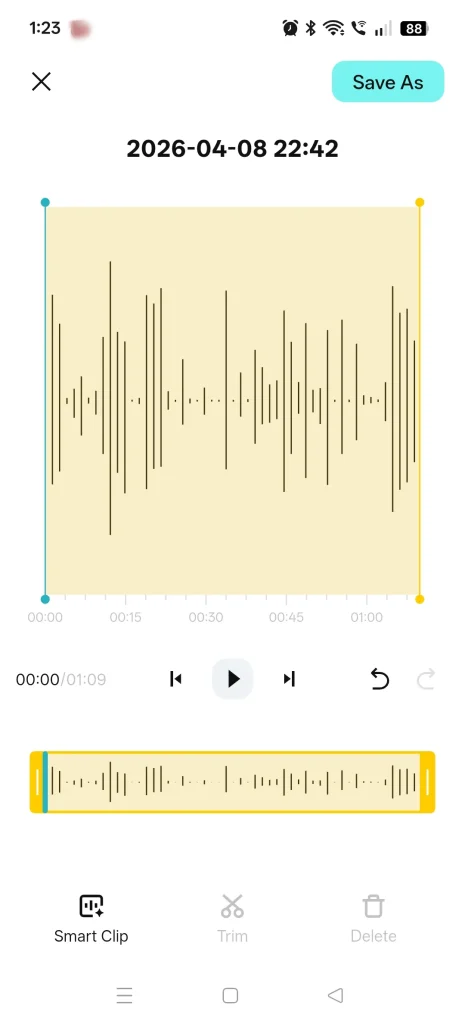
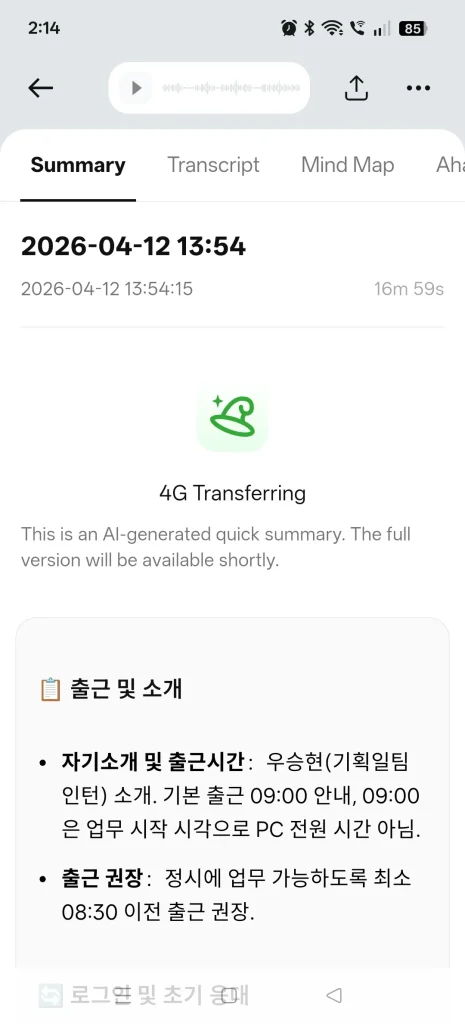
The main display shows a timeline of recordings, which by default will show a date stamp, and then as they are reviewed by AI, they can be named, saved and the audio clips themselves can also be reduced to take out the gaps and dead air.
This is by far an incredible and heavily underrated feature and a real tangible benefit that TicNote provides. Clear short audio files take up less space and can be more AI friendly (and cheaper) to review!
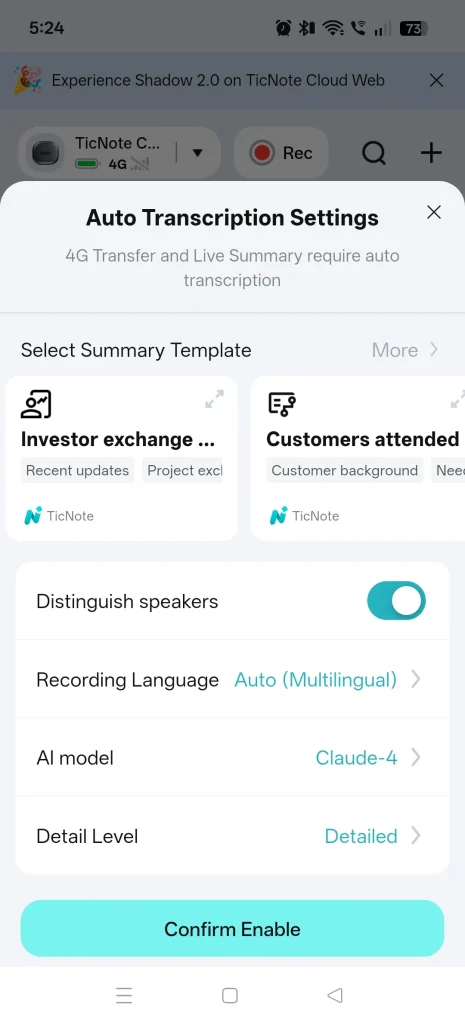
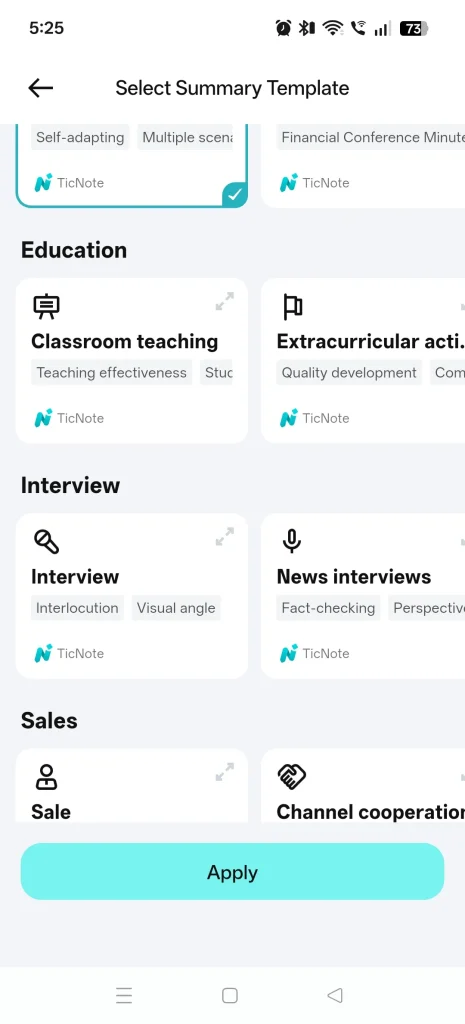
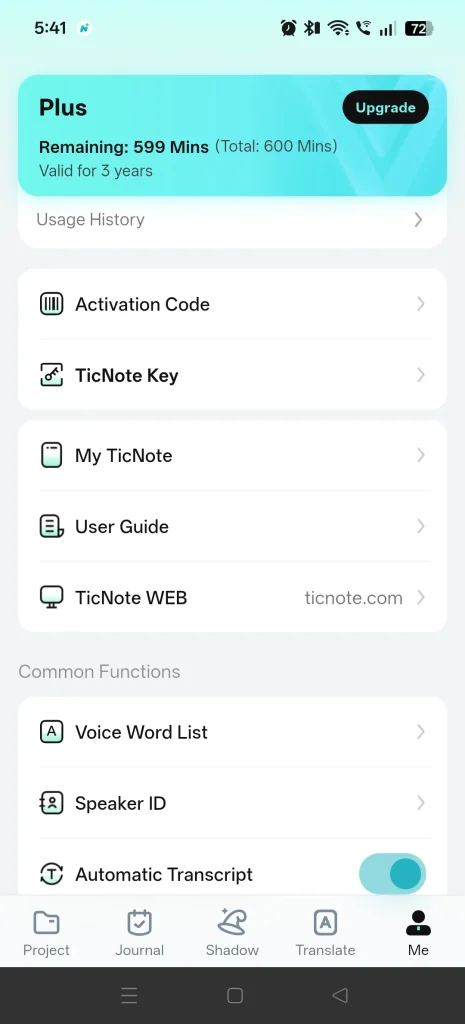
Templates can be used and created (subscription levels apply) to produce formatted outputs in the analysis that lend themselves to the scope of work and activities that the user wants. Engineers or doctors will be interested in very different things, but being able to use the templates to make the output copy‑paste friendly into your company template? Brilliant.
Specific industry nomenclature and industry terms—IT and medical, or company abbreviations—can be keyed into the app to aid in more accurate translation.
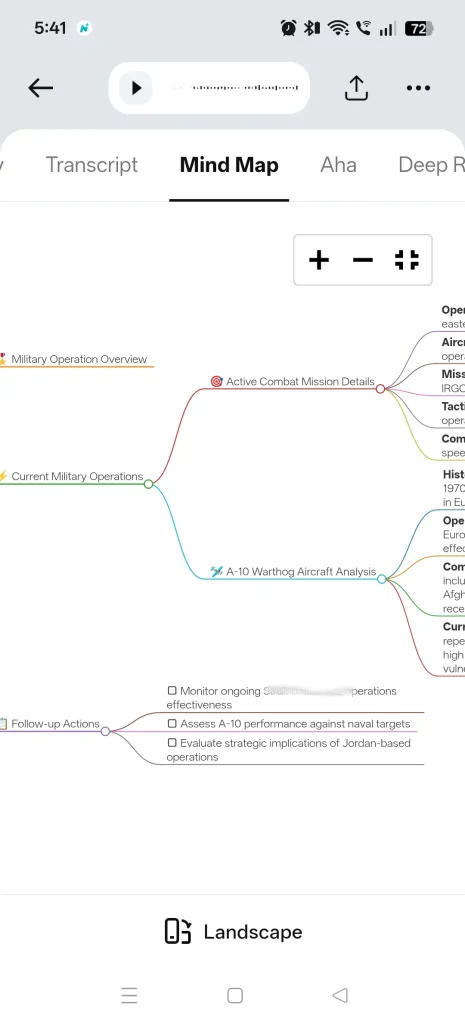
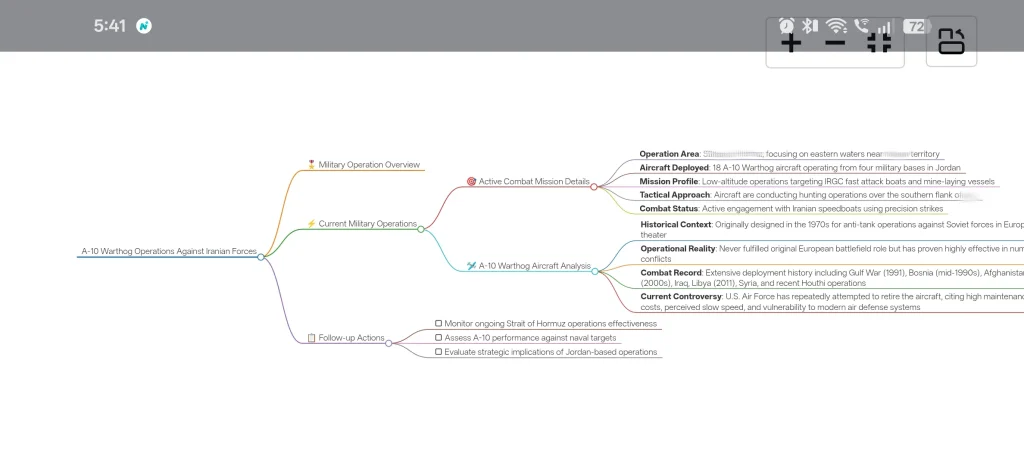
The mind map is also useful depending on the context. Imagine that two‑hour boardroom planning session that canvassed the next ‘big idea’, a mud map and AI analysis can be used to circle back to ideas, analyse the content and even validate ideas and discussion points.
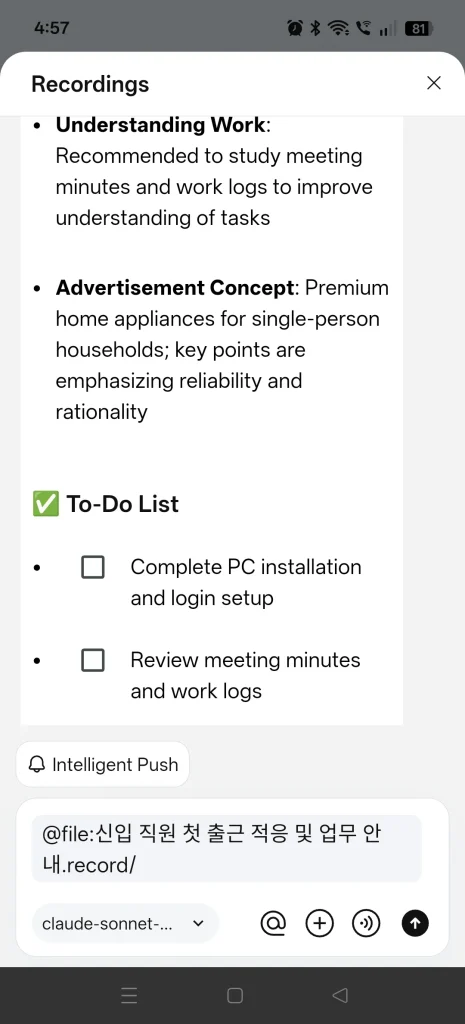
Obviously, meeting minutes are going to be the single most used feature, and putting them into the internal template will be a breeze. Copy, paste, email, done. Fifteen minutes after the meeting, everyone has a copy.
Testing
Pairing
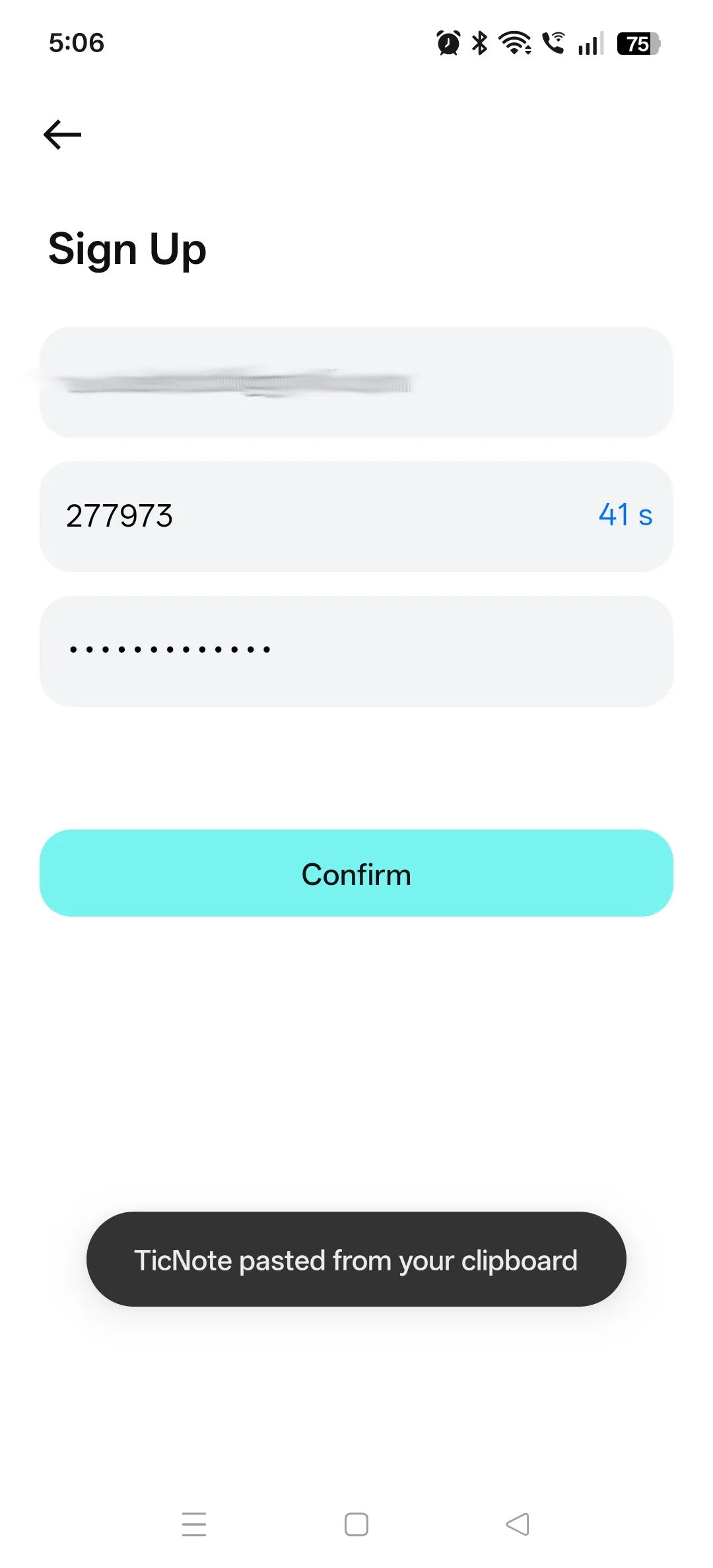
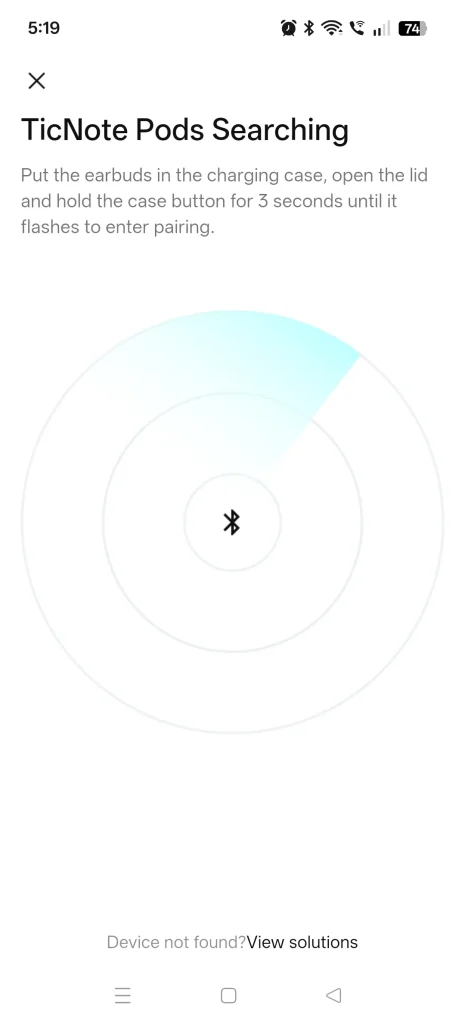
Direct pairing was confusing and unsuccessful. Pairing is best via the application, because the case and the earpieces are separate Bluetooth devices, and with that understanding, the pairing via the app was straightforward, albeit taking a bit longer than the average device.
Music & Audio Playback
While music playback is not the focus of the TicNote’s design, the audio quality is great. Of course, it is a completely different fit and style, so this is not the product to choose if listening to music is the sole intention. Comparatively, the bass and high tones will be lost, depending on how close the speakers are sitting in the ear.
The fit allows air to pass through, so the playback is more akin to hearing sound in an open room, so it would be the perfect device to listen to music in an office space where you need to hear people talking, but want to also discreetly have some music in your ear.
Dictation and Audio Capture with Ear Pieces
Conversationally, a single person speaking is easily captured, flawlessly. Not to be outdone, we pushed a YouTube video through the earpiece, capturing multiple voices with background music and other sounds. Impressively, all voices were analysed and the AI summary ripped through the audio and tracked each dialogue with expert precision.
Equally impressive was the transfer rate and analysis, which was a matter of seconds for a few minutes of audio.
Dictation and Audio Capture with Base
Directly speaking as a single person around the base is also highly accurate, and the detection range is also impressive. Although the general idea is to place the base on the desk or table, it should pick up most voices in the room with ease.
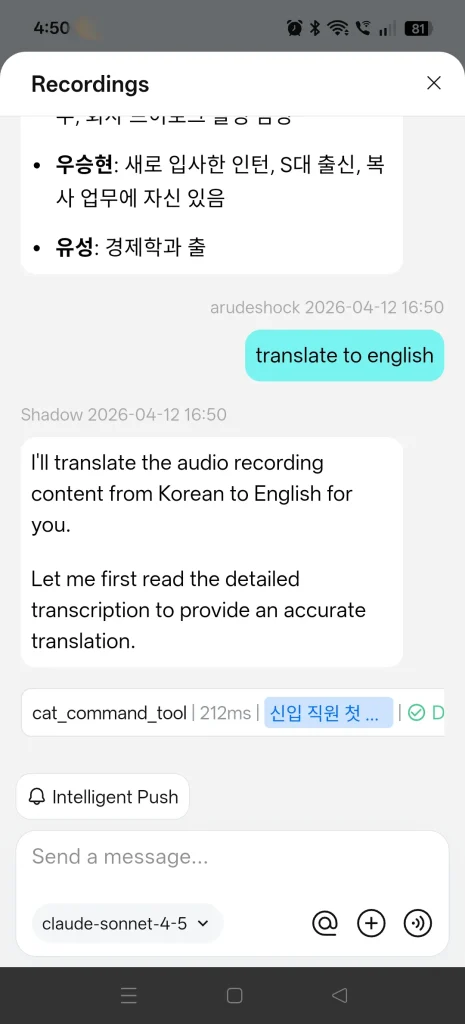
To simulate a noisy and busy room, and to throw a challenge at the AI at the same time, we played a random Korean TV show through headphones and placed the case in the middle. This simulated a busy input signal, multiple speakers, background music and a lower volume threshold than in‑person speakers.
Not only was the recording strong, but the AI captured the Korean language with what appeared to be accuracy. Translation was possible with a prompt and, hilariously, as the theme was a business meeting in the TV show, it also created action items appropriate in context.
This real-world use case was fulfilled with precision.
Translate functions
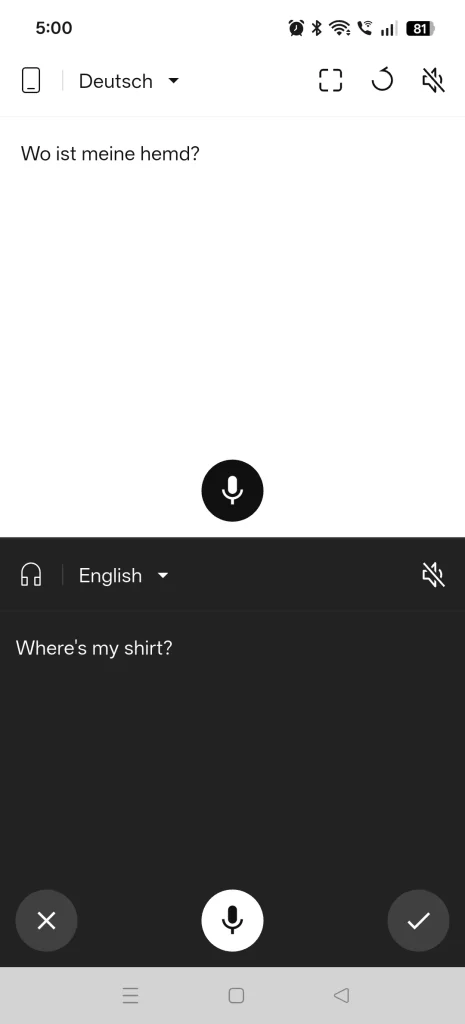
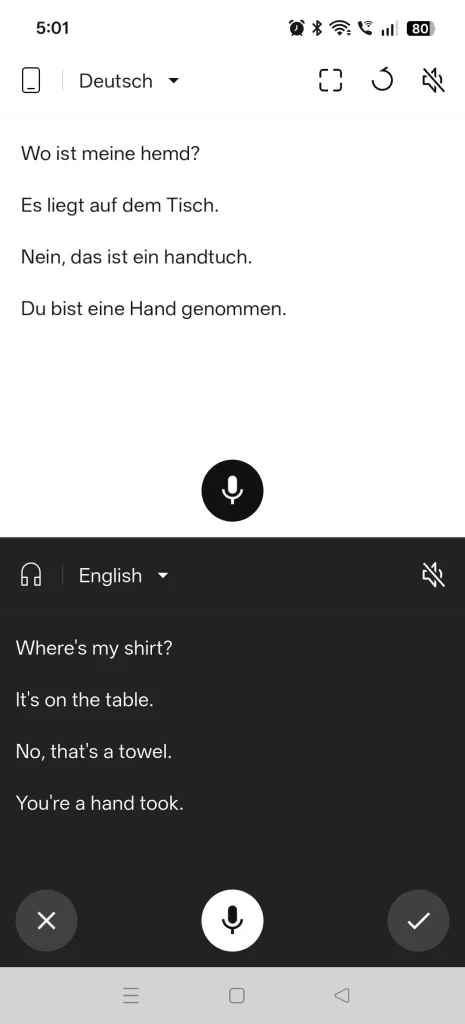
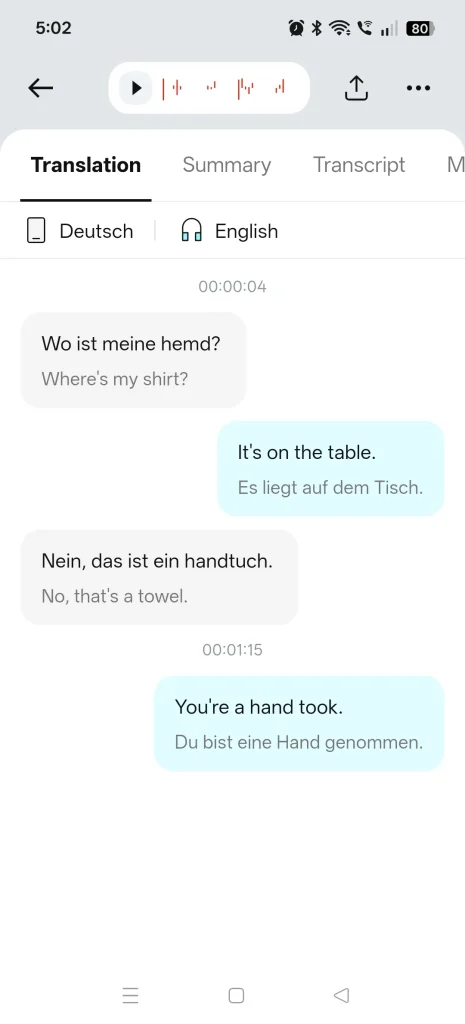
The TicNote application provides a translation function, and what is particularly interesting is the two-way conversation.
The screens can orient to face each speaker, and in turn they can press the microphone/record button to speak their part of the conversation. After this, the final recording can be captured and parsed into the AI functions.
Speaking German and English, it was fairly accurate and accommodating to reasonable (but not native) pronunciation.
This is actually quite impressive, and is a step up from Google Translate.
It works well from the phone microphone and speaker, but obviously it can be useful when used with the earpieces as well.
AI Features
With the power of AI analysis on the content, it is possible to leverage the analysis to ask for further insights into the recording and content.
- Who spoke the most?
- Was there negative or positive sentiment?
- What action items were not resolved?
Etc.
Being able to translate foreign languages and apply the context in a meeting/business context is highly powerful.
User Cases
In any situation where a dictation device would be useful, the TicNote is a better replacement.
This device and software can single‑handedly increase productivity and reduce the physical burdens for professionals such as:
- Realestate Agents
- Doctors and Medical
- Consultants
- C-Level executives
- Engineers
- Team Leaders
- Managers
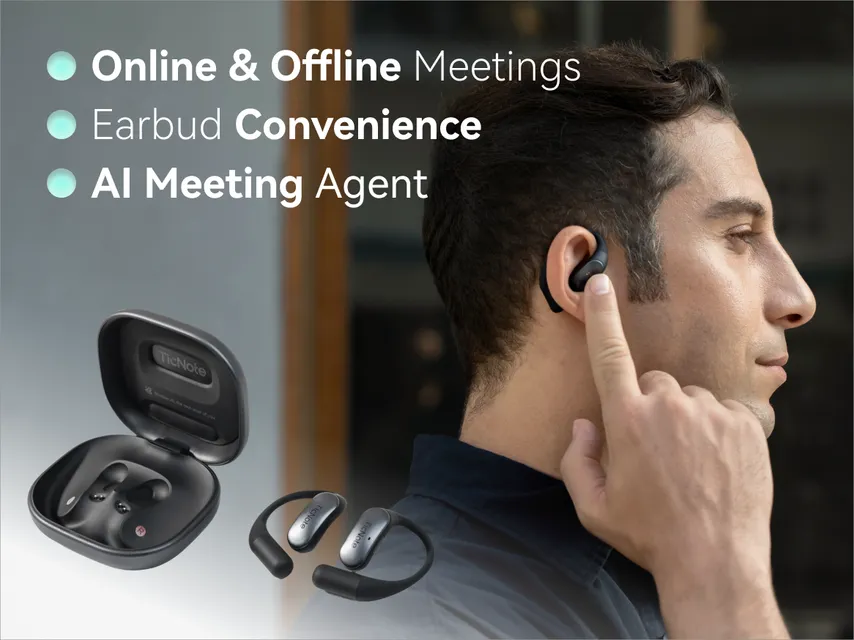
But there is a side to this technology that is utterly scary.
For cyber security experts, state‑based intelligence officers, and, well, possibly nefarious individuals, it could do all manner of good and evil.
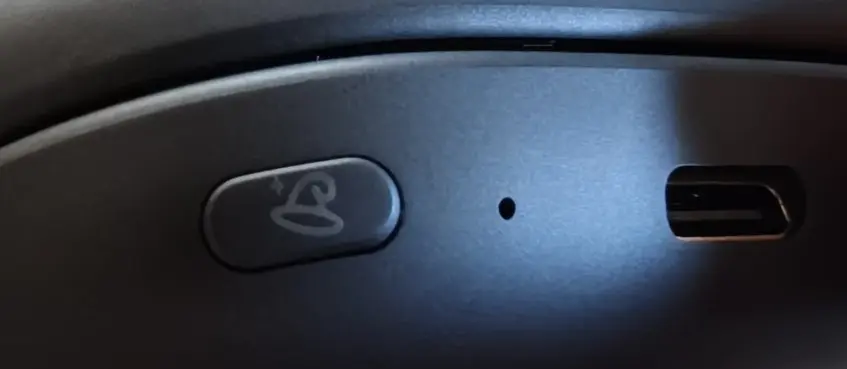
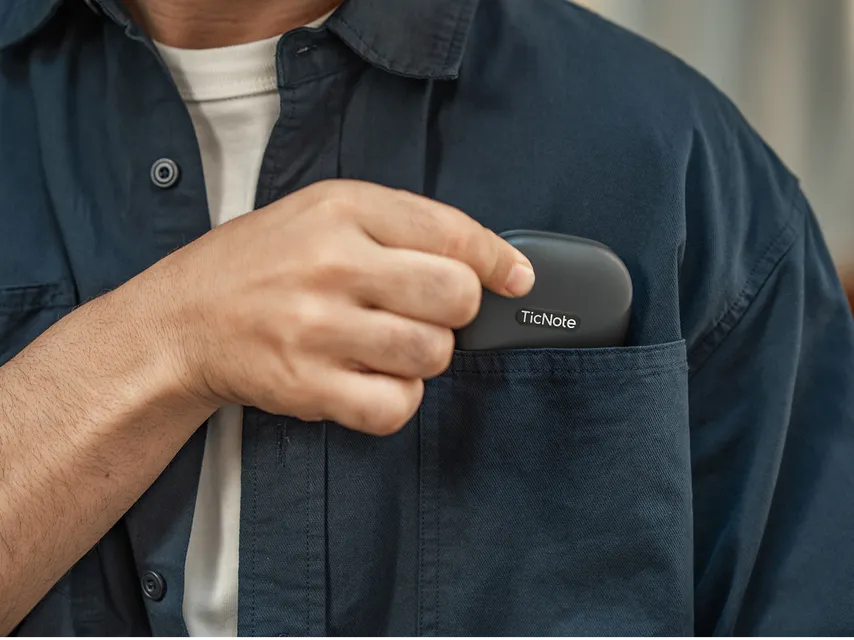
The base is a concealed recording device that can be activated in plain sight without so much as arousing suspicion, as it looks like any other earbud case. Phones can even be switched off without fear of the recording not being sent, thanks to the inbuilt eSIM.
Covert listening and translation of conversations, AI analysis that can be run immediately after a conversation, and files that can be transmitted to any location in the world.
The use of AI raises security and privacy concerns for individuals and businesses. Who has access to this information? What is retained? Are the AI models trained on this data? Some of these concerns cannot be easily dismissed or mitigated against a fast‑changing AI landscape and security policies.
Equally, the move towards AI agentic integration in practically every major industry is going to rapidly change the expectations of all AI‑enabled tools and devices. This will be no exception, whereby the use of this TicNote in established enterprises may require adoption into newly established authentication and authorisation frameworks, which at this moment the application, being a ‘closed system’, does not support.
Final Thoughts
The TicNote Pods are truly an impressive piece of equipment. Utterly scary in the wrong hands, this device will absolutely save people a lot of time and money.
It is impressive to see new products emerge from Kickstarter that are genuinely well thought out and useful. This device will serve multiple use cases and offers a unique product and service that is well under-represented solution in this market.
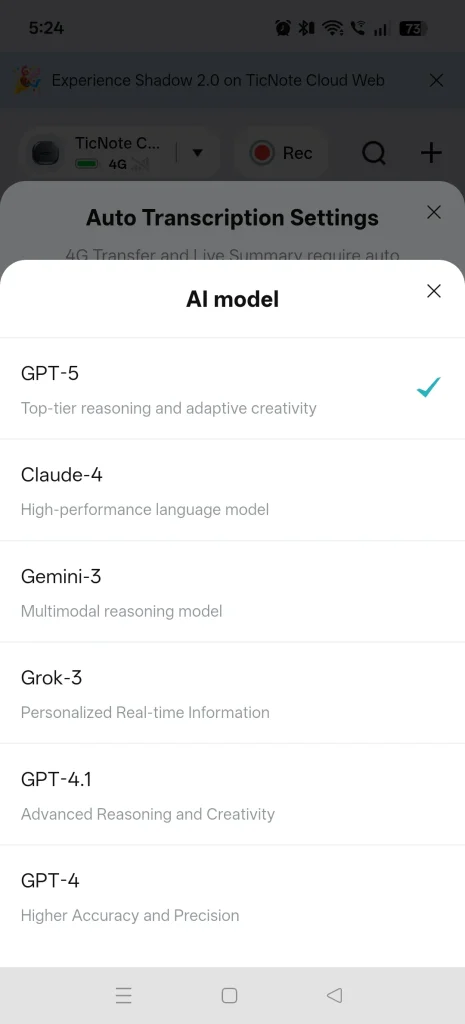
On the other hand, the TicNote application is a closed system. The data can be sent to multiple AIs, and businesses with concerns for privacy and security, including protection of PII and company secrets, will find this a barrier to adoption. But the most critical limitation is the inability to integrate into existing applications and solutions.
This application will not allow you to integrate your own corporate AI – at least not that we can see. It won’t integrate with Outlook or Google Mail or Calendar, nor will it offer an API that you can use with your phone app. What this means is that the content generated inside the application stays inside the application.
People will not want to adopt another application to perform the majority of their work when the existing products are useful for 90% of their needs. The hardware is exceptional and it is clear that TicNote excels in dictation and translation and offers quite possibly one of the highest degrees of accuracy possible. But will that be enough to adopt and use TicNote’s functions inside the application, versus capturing and analysing the audio file out of band? It is difficult to say.
To better assess this, consider the subscription model. By purchasing the device, 600 transcription minutes per month are included, with 30 agent requests per month. This will depend heavily on the individual’s use case, but there is an argument to be made that the overall cost of TicNote is competitive compared to directly paying for AI. However, generalised AI – with the appropriate API and app integrations – may very well be a more comprehensive business intelligence tool.
AI costs are increasing as they are tied to energy costs, so the value equation needs to be factored in with projected increases in fees.
The included credits with the TicNote Pods are generous and are likely to fit the needs of many. So the initial outlay for an incredible piece of hardware is quite a high value‑for‑money proposition at the current subscription model and allotted recording minutes.
Final verdict: Impressive.
Summary: Scary-useful, only the limiting factor is the app and tool integration with other systems. Great value for money for a seamless problem solver, the TicNote would pay for itself quickly.
4.5
Very Impressive
About the Author

Scott De Lacy Scott has a professional IT background spanning over 18 years, is an hobbyist electronics designer, talented musician, holds qualifications as a trainer and experience in emergency and community services sectors. He reviews Movies, PC and XBOX One games, and hardware.
Related Posts
Fender x Teufel Rockster Go 2: Review →
SIVGA M260 Wired Earbuds Review →

Sandisk Celebrates FIFA World Cup 2026 with Officially Licensed Memory Range →