
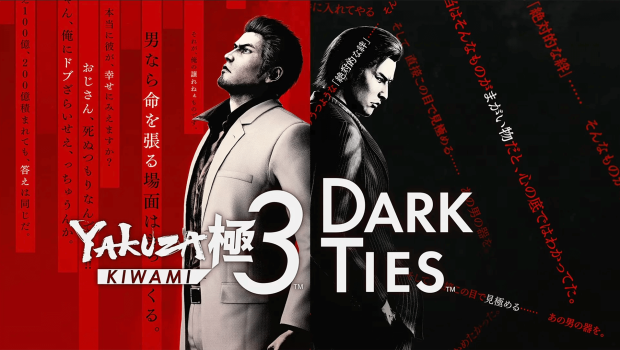
Yakuza Kiwami 3 & Dark Ties Review (PS5)
Summary: A superb remake that ups the stakes of the original with clever gameplay tweaks.
4
That's a paddlin'
Yakuza Kiwami 3 is a fantastic remake that, in some ways, exceeds the original, while Dark Ties offers an exciting, albeit brief, counterpoint to the main adventure.
Yakuza 3 picks up the action not long after the explosive finale of Yakuza Kiwami 2. After swiftly writing out the last game’s love interest during another trip to the recap yard, Kiryu and Haruka head to Okinawa to start a new life running the Morning Glory Orphanage in the sleepy seaside town of Ryuku.
However, not long after settling into his new life as the foster father to a whole home tribe of kids, Kiryu once again gets embroiled in another Yakua plot as the land that the Orphanage is on has become a vital piece of real estate for a potential resort development thats also tied to a government scheme that would see another military base built on the island.
When the land deeds are stolen, and Daigo is gunned down by an assailant that looks suspiciously like Kiryu’s adoptive father, the Dragon of Dojima sets off to Kamurocho to recover the land deed to save the orphanage and keep a roof over the head of his newfound family.
Although the broad strokes of the story remain the same, what RGG has cleverly done is to up the emotional stakes and give the loss of the orphanage far more weight by having Kiryu spend far more time with the kids in the early stages of the game, as well as introducing a fairly substantial chunk of side content surrounding his life at the orphanage.
At the orphanage, everything Kiryu does, whether that’s growing veggies in the back garden, helping the kids with their homework, spearfishing on the beach, or doing some extreme sewing, helps to build up your relationship with the kids as well as your daddy rank. As you go up the ranks, you’ll cook special meals for the kids that reveal more about their past and further develop your relationship with each orphan, until you unlock a unique side quest featuring the tikes.
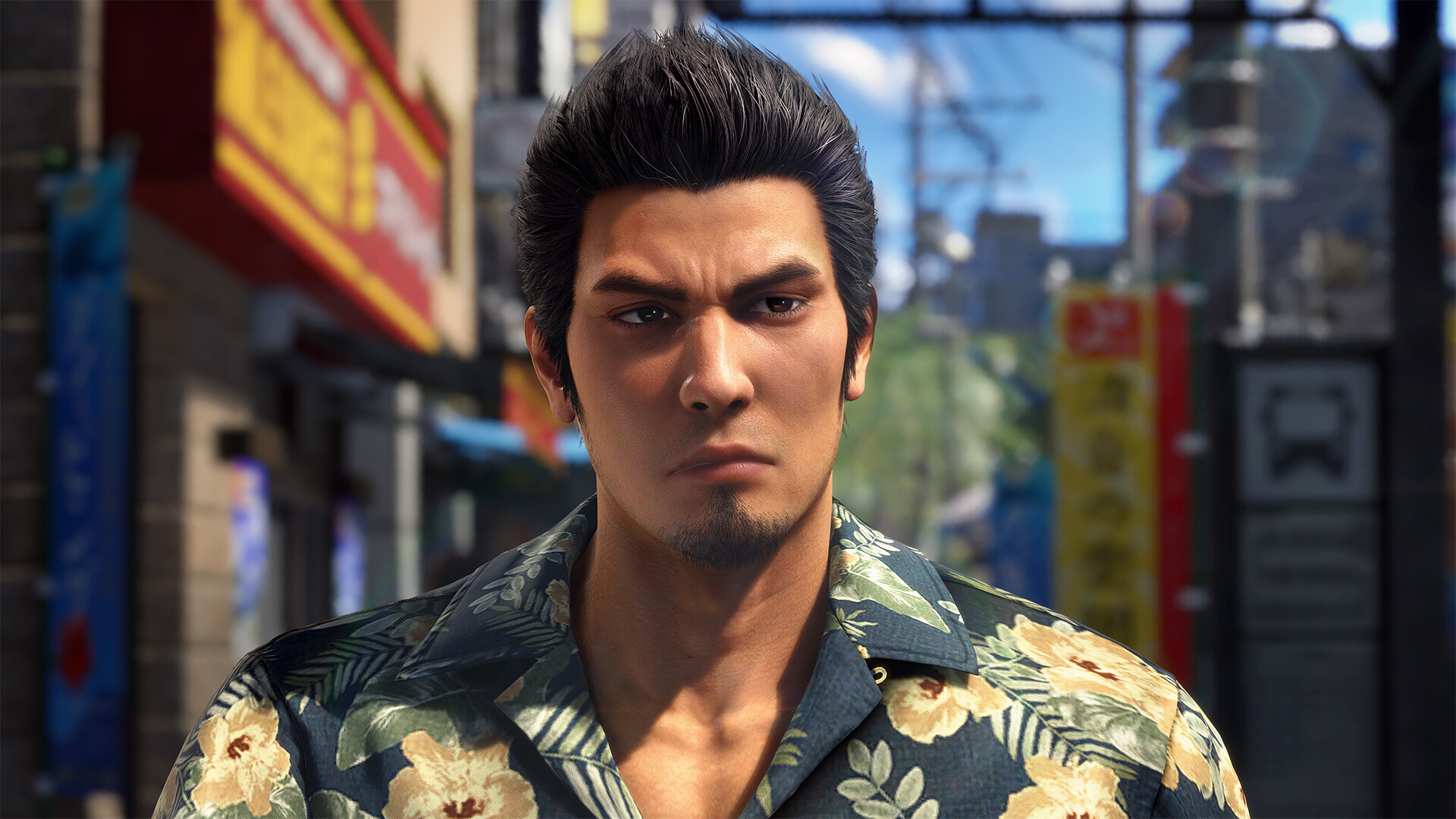
It’s all very relaxing, and I found myself completely ignoring the main game for hours, content to run the orphanage and look after the kids.
As well as running the orphanage, Kiryu also spends more time making friends with the locals and strikes up a friendship with the owner of the local izakaya, run by a teacher of Ryukyu, a traditional Okinawan martial art that Kiryu learns.
It’s a fun style that’s a great compliment to Kiryu’s usual Dojima style and has him use eight different weapons, including tonfa, nunchucks, and kami to slash and smack about foes, and at higher levels, let Kiryu deflect bullets.
Combat in the whole feels improved over previous entries; there’s a better flow to fights, and back-stepping and blocking at the right time now gives Kiryu a palpable advantage, as any blows he lands afterwards can do a lot more damage. Heat actions are slightly less prevalent, though, and rage mode gets its own separate bar that powers up Kiryu’s attacks and has him chucking unfortunate things around like sacks of spuds.
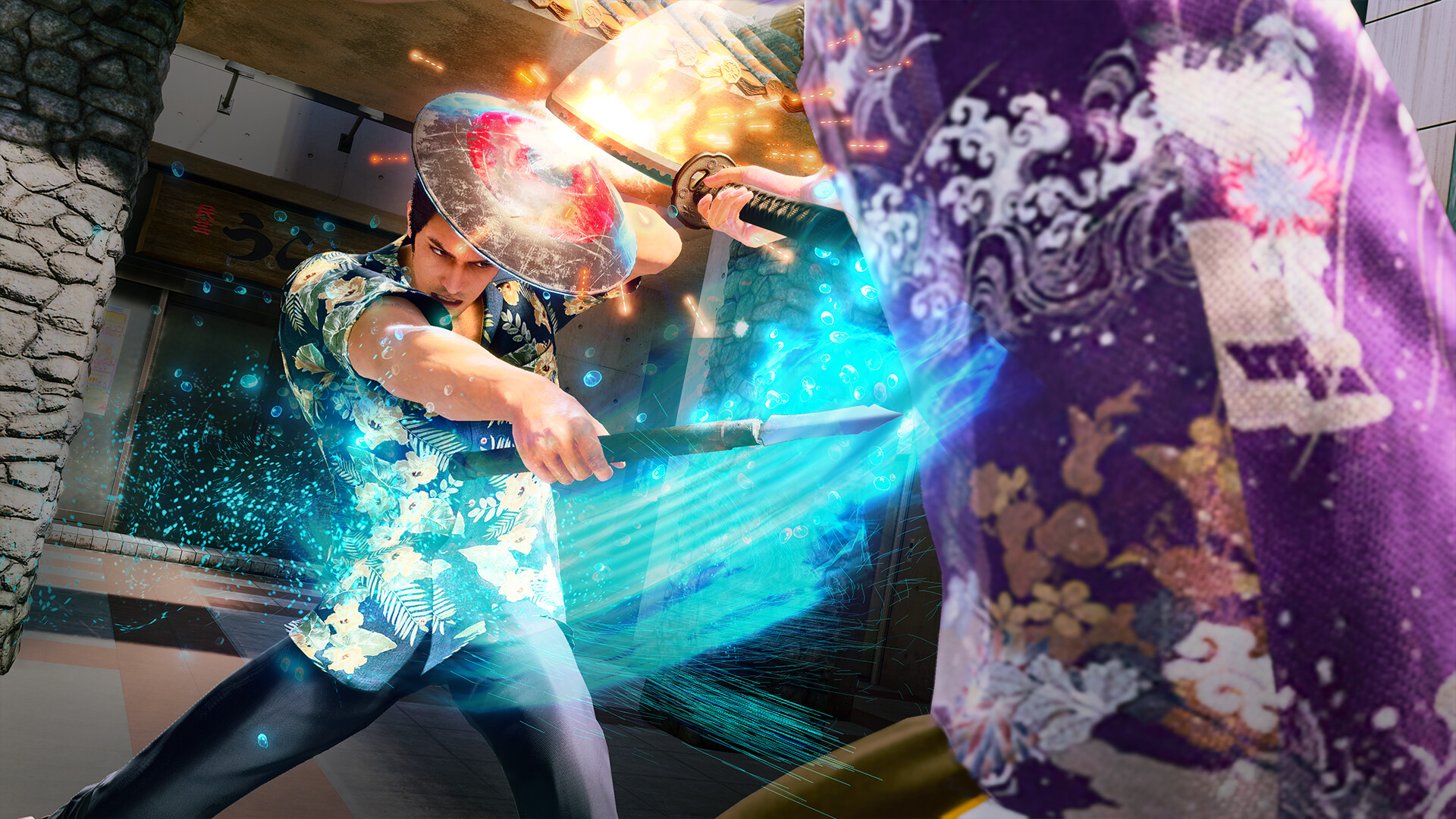
To counter this, enemies are more aggressive, and even low-level thugs throw specials and heavy attacks your way. However, properly countering them feels all the more rewarding.
Upgrades, on the other hand, have been greatly streamlined compared to Kiwami 2. The six different kinds of XP have been ditched in favour of paying yen to increase your base health and attack stats and using experience points earned by completing tasks in the training list to unlock new techniques and moves in the skill tree.
Gear has also been replaced by buffs unlocked by equipping different antennas and charms to Kiryu’s mobile phone. Other effects, like seeing the locations of locker keys, can also be unlocked by changing the phone’s home screen to different pictures you can earn and buy.
While in Okinawa, Kiryu also gets suckered into joining the Haisei Girls bike gang and helping them defend Okinawa from the Tokyo Night Terrors. The largest bike gang in Japan wants to conquer the island as part of a bid to take over Japan. The bulk of it is reminiscent of the large-scale brawls from Pirate Yakuza in Hawaii, with you building your gang from people you meet during side missions and others you can rescue from the enemy bike gangs.
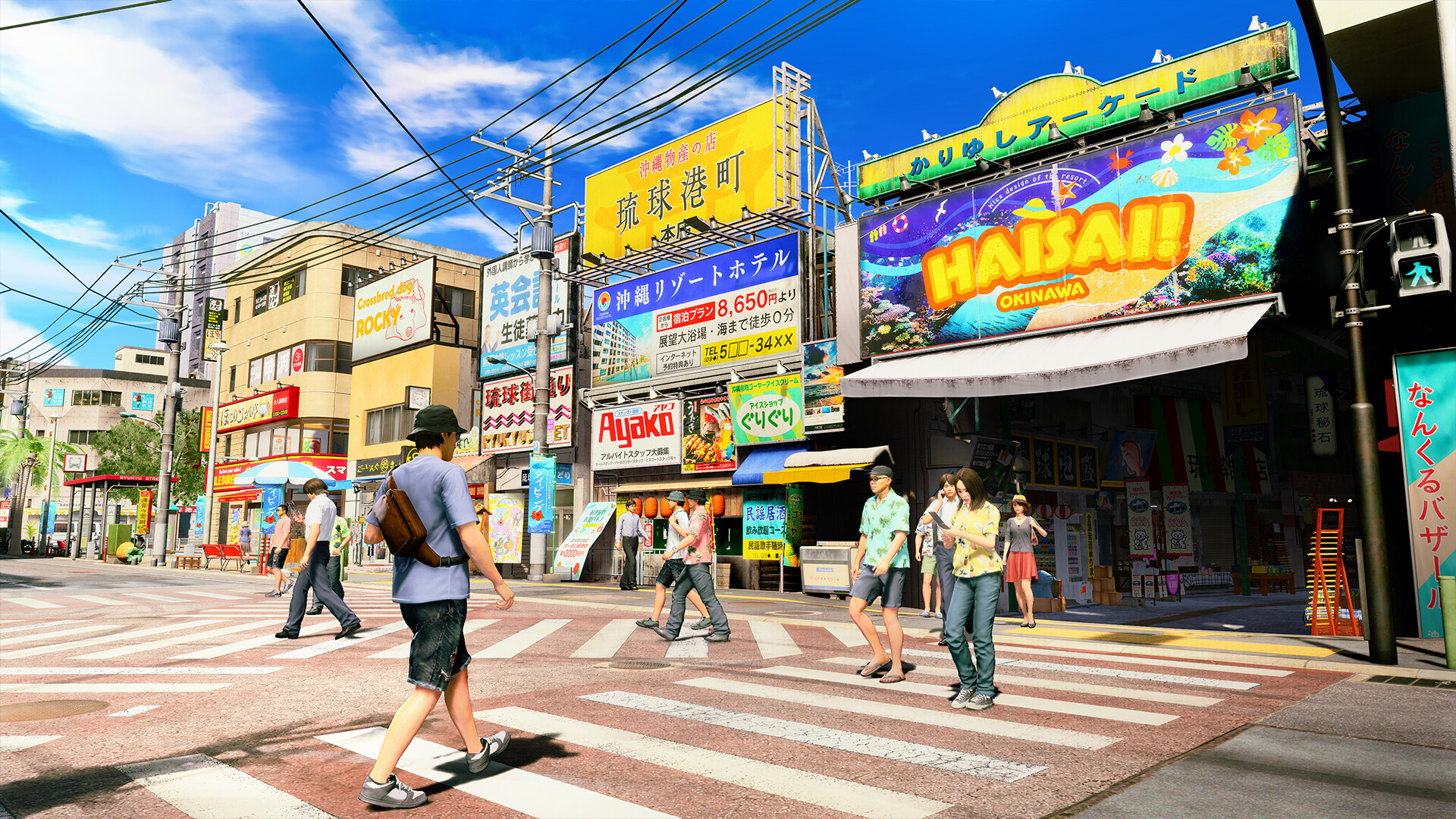
There’s a substantial amount of story to back it up to boot, which has Kiryu and his fellow Baddies unite the bike gangs of Okinawa to face off against the greater foe before eventually taking the fight to Tokyo. It’s great stuff, and along with the time at the orphanage, it does a wonderful job of upping the stakes in the main story and emphasising that Okinawa is now Kiryu’s home and he wants to defend it.
If that’s not enough, along with the usual darts, pool, and batch of side missions that are as barmy as ever, you can play a dozen Game Gear games, including Sonic Chaos, its superb Pac-Man port, Columns, and Streets of Rage.
Though the arcades are really where it’s at, as Kiwami 3 features more AM2 greatness with the first home ports of the bizarre cooperative time-traveling love tester, Magical Truck Adventure, the Crazy Taxi adjacent Emergency Call Ambulance, and the Spikeout fantasy spinoff Slashout, as well as Virtua Fighter 2 and Fighting Vipers.
If you want to take a look into the mind of a man who is almost the antithesis of Kiryu, there’s Dark Ties.
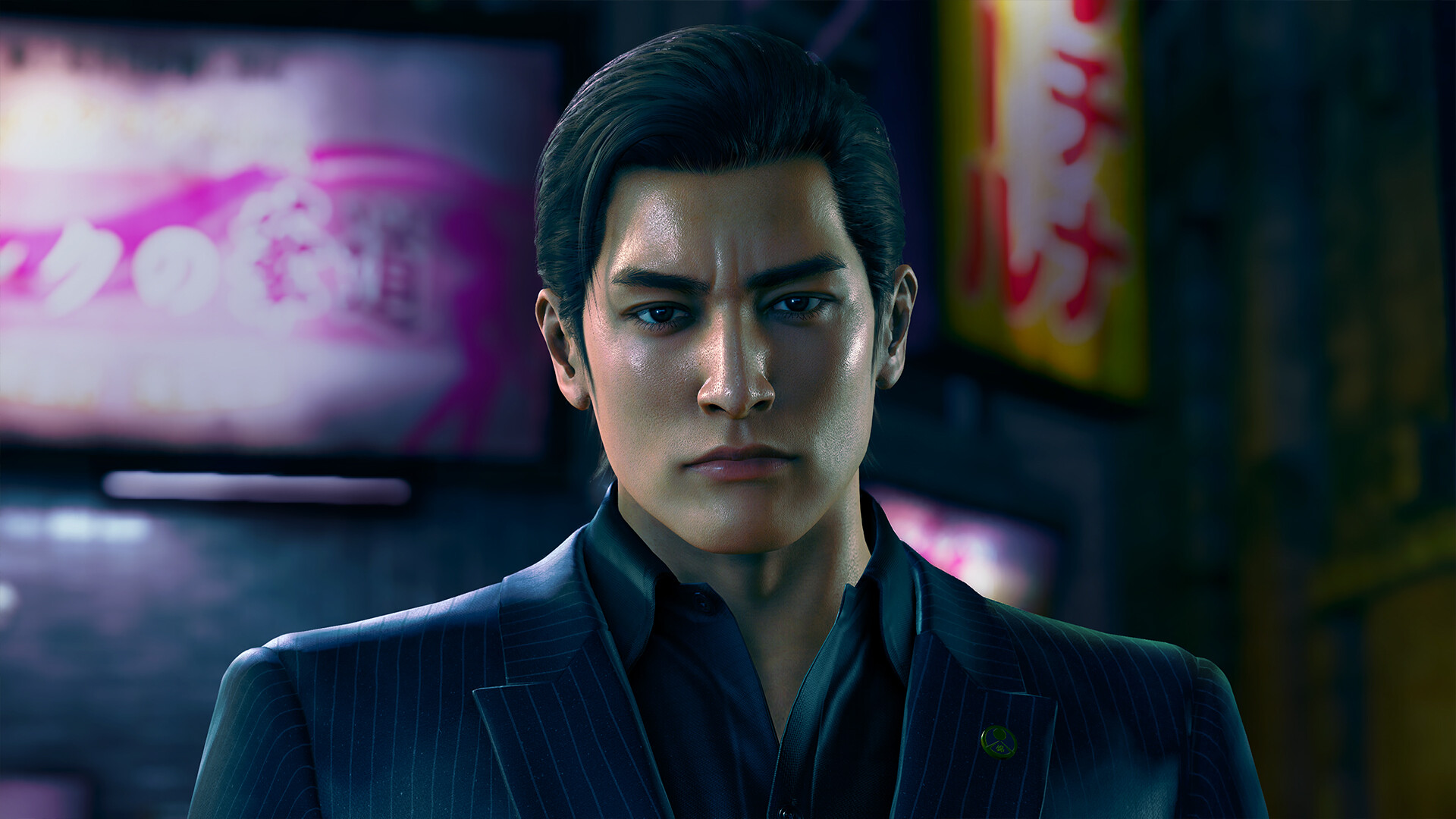
If you were expecting it to be something on a par with Kiwami 3, I hate to disappoint you, but it’s more an expansion or DLC than a full half.
Running at about ten hours, it’s a great character study that chronicles the rise of Yoshitaka Mine in the Tojo clan.
While drowning his sorrows after being booted off the board of his own start-up company, Mine witnesses Daigo being attacked and defended by his men and decides he wants to find out how someone could inspire so much loyalty that they would die for them.
Resolute to meet the Tojo clan’s sixth chairman, Mine buys his way into the Tojo clan by bribing and then working for Tsuyoshi Kanda. An absolutely repugnant Yakuza who was recently released from prison for sexual assault.
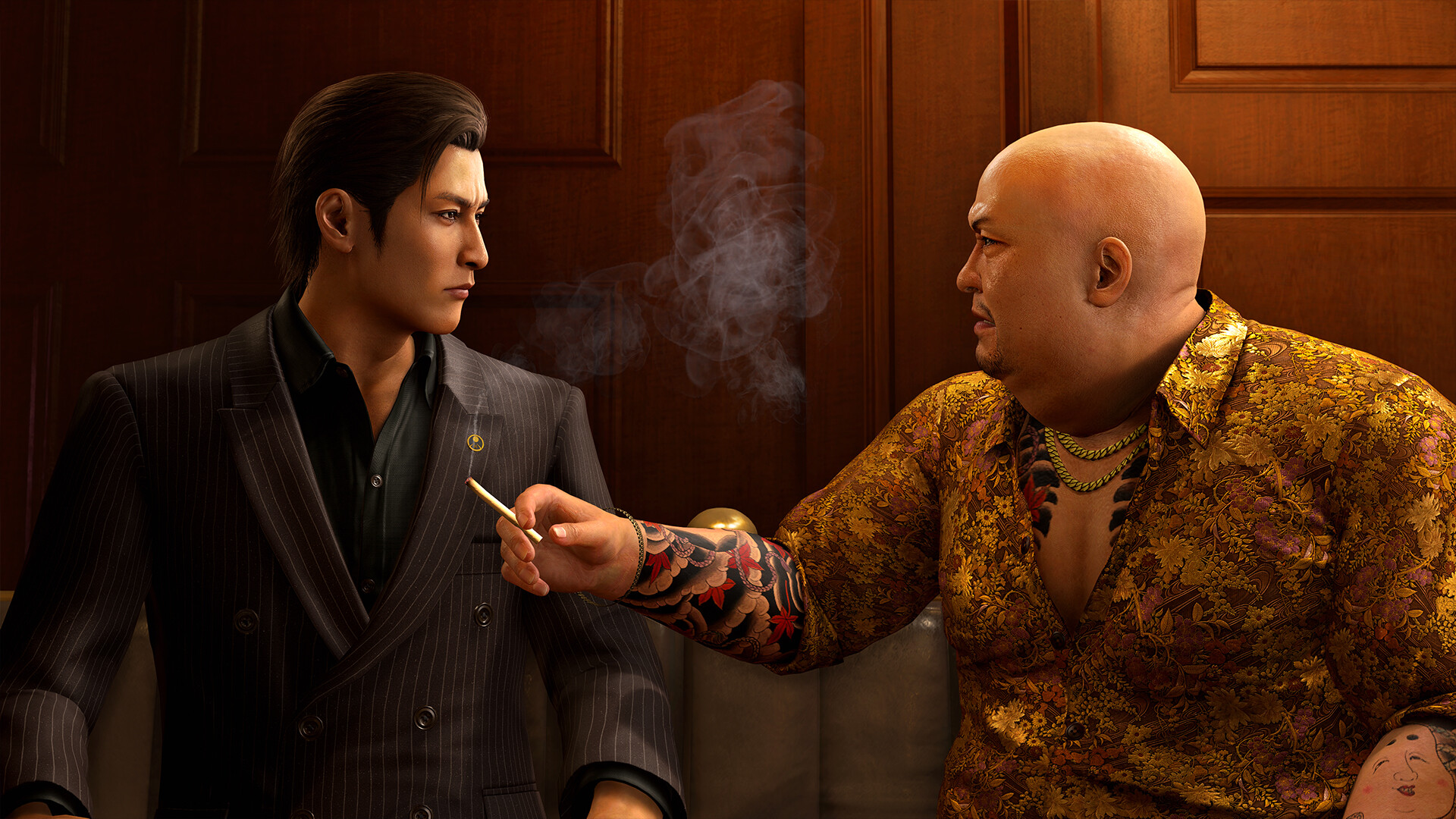
Mine then uses Kanda to climb the ranks by buying out or eliminating other low-level families in the Tojo clan.
Disgusted by his fellow Yakuza and their notions of honour, Mine does everything for his own personal gain. For Mine, money is power, and this is smartly reflected in the upgrade system, which has you pay for everything with copious amounts of cold, hard cash.
Meanwhile, other staples of the series, like the substories, are presented as part of Kanda Damage Control, a PR push by Mine to improve Kanda’s reputation in Kamurocho so he’s more likely to get promoted to Captain over his rival.
Rather than just walking the streets, it’s all available via requests filed at HQ, rather than Mine stumbling into situations and helping people out of the goodness of his heart.
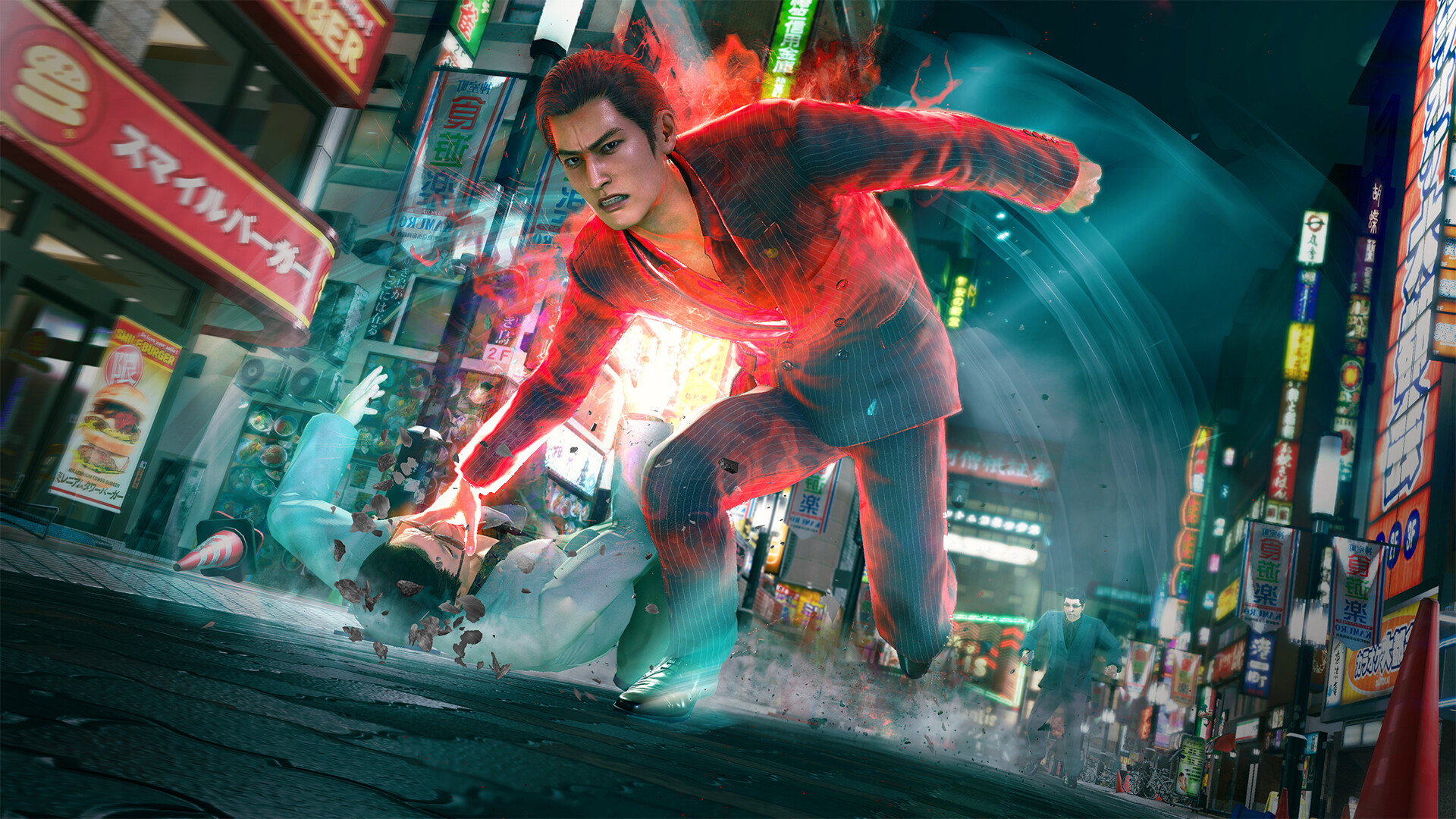
If Mine does enough good deeds, Kanda rewards him with a chunk of change and a trip to his favourite soapland (basically the bar scenes from previous games). Not that Mine ever uses their services. What it mostly does is further the relationship between the two men, and it’s clear from the off that although Kanda is a monster, he legitimately likes Mine, but the relationship is far from mutual.
Mine’s fighting style is also a great reflection of his character. He’s absolutely ruthless and uses Shoot Boxing to methodically beat foes to a pulp with a flurry of punches and roundhouse kicks.
Along with heat actions, he can also call on Dark Awakening by holding R2. This sees him effectively lose his cool, then tear into foes for massive amounts of damage. Brutalising them with wild swings and literally grinding their face in the dirt
When Mine really wants to let rip, he can head to the Hell’s Arena. A shady underground fight club that lets him either fight through the usual tournament-style cage fights or battle through Hell Survival, which is effectively the same as the dungeons from Like a Dragon or the Ishin! Remake. This has Mine navigate maze-like stages and wipe out anyone who gets in his way.
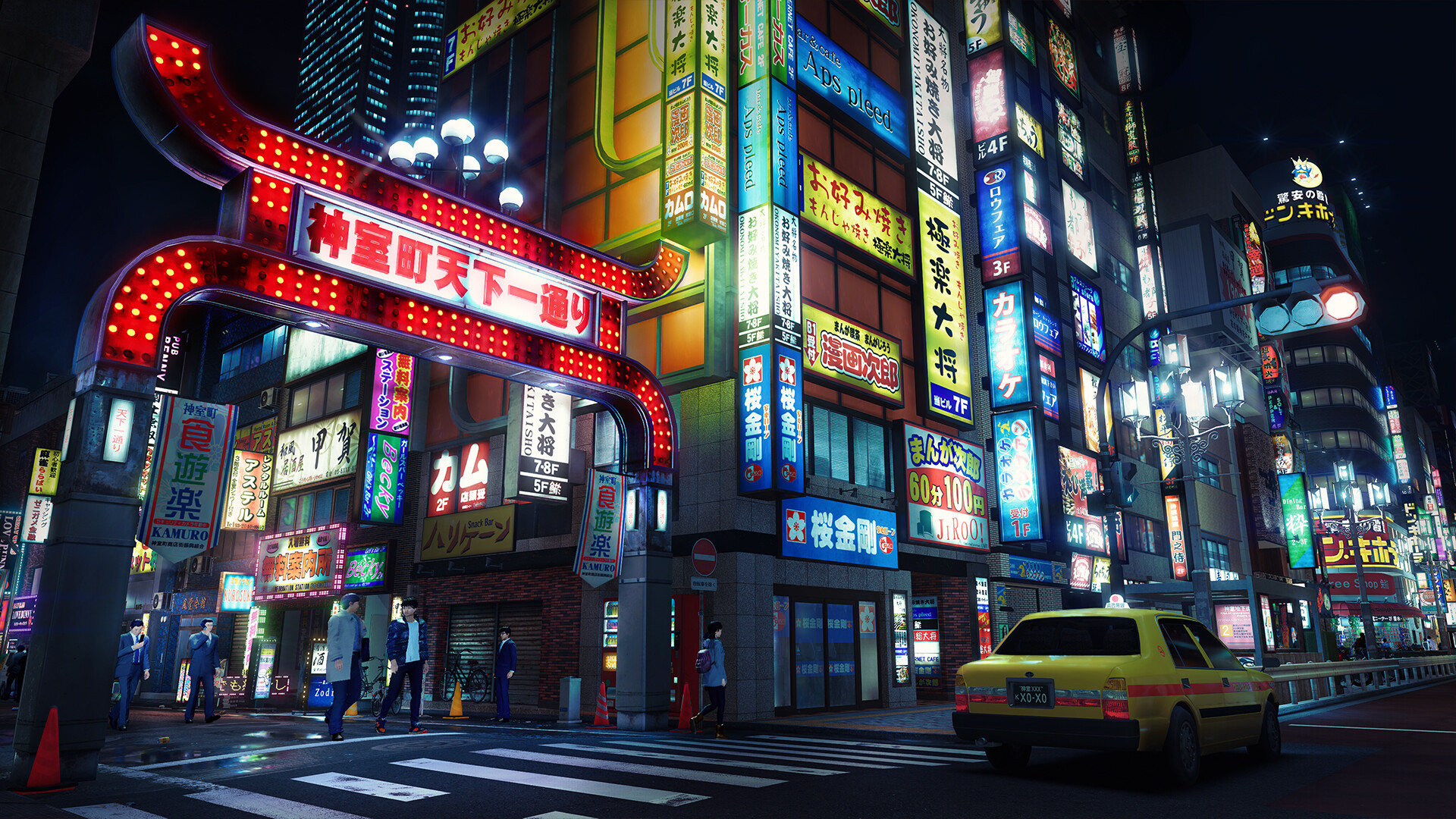
The presentation is, well, it’s the same as it ever was. The Yakuza series has always looked decent, and Kiwami 3 is no exception. Okinawa looks gorgeous, Kamarocho is mostly unchanged from Kiwami 2, and the main English cast does their best. Though I do find it funny that when Yakuza 3 came out in 2009, Sega refused to pay for an English dub, and now, almost 20 years later, most of the Western audience doesn’t want it.
Final Thoughts
Yakuza Kiwami 3 is a superb remake that outshines the original in almost every way.
By giving Kiryu far more to do in Okinawa in the early stages of the game, and much more time running Morning Glory, Kiwami 3 does a much better job of making the player care about what’s at stake if Kiryu loses the orphanage and is forced to leave his newfound home.
It’s also the best game in the series since Like a Dragon that effectively marries its gameplay and mini-games to the narrative. The Morning Glory and Bad Boy Dragon bike gang elements enrich the main narrative in clever ways, resulting in a satisfying experience that feels greater than the sum of its parts.
Meanwhile, Dark Ties is a superb character piece in its own right and does a fantastic job of delving into Mine’s worldview and how it is antithetical to Kiryu’s in every conceivable way.

Related Posts

EMOTIONLESS: The Last Ticket Review (PS5) →

Screamer PS5 Review →

Project Songbird Review (PS5) →