
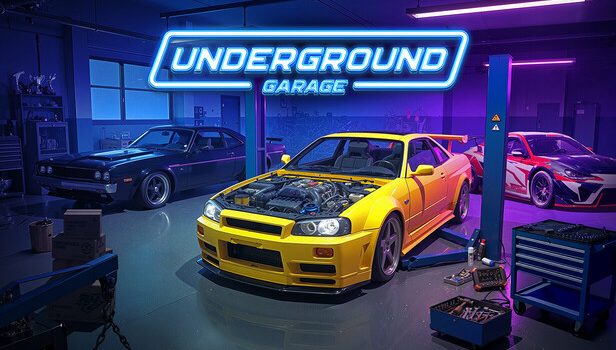
Underground Garage PC Review!
Summary: A promising idea ride with poor implementation and rife with AI.
1.3
Mechanical Disaster!
Underground Garage falls into the relatively new simulation genre that has been all the rage in the last few years, following titles like Gas Station Simulator and Car Dealer Simulator, but going in a very different direction. You are a mechanic, keen to get involved in the underground racing scene. Your desire is to own your own garage, become an expert car tuner, and race some fast mechanical beasts. With some help from a friend, you get to shoot your shot, but when her workshop is destroyed, it’s up to you to track down the criminals responsible, all while rebuilding your garage empire.
It’s an interesting concept. I haven’t played a game that throws you into the shoes of a mechanic who gets to work on, repair, and tune some of the most high‑performance vehicles. And the story idea, while not original, is a good companion for the theme of the game. But it’s one thing to have all these ideas and another thing entirely to put it all together and make them work without issue, so let’s strap on our mechanic shoes, grab our tools, and get right to work.
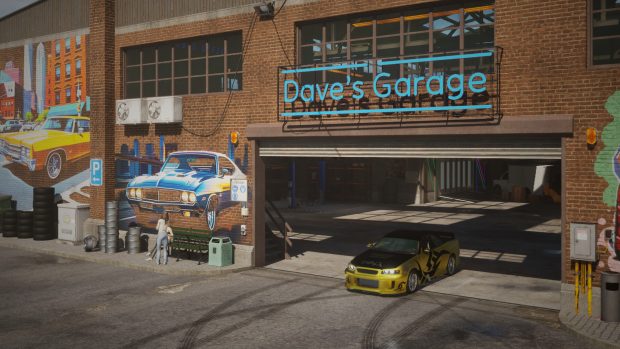
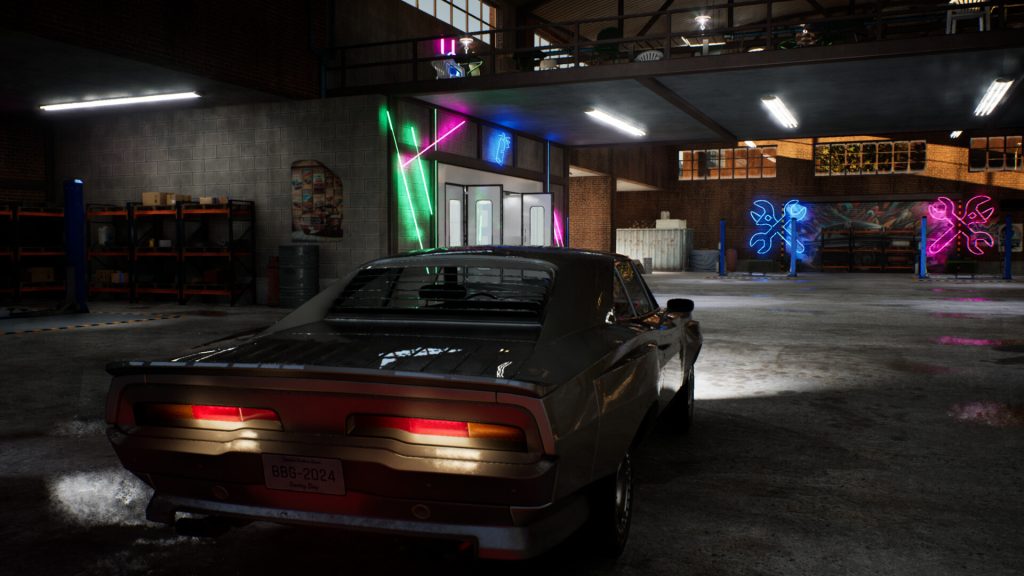
Underground Garage throws you right into the shoes of a new mechanic, and right off the bat, I ran into a number of things I didn’t like. The character model and movement look and feel like they’re running on illicit substances, but that’s not even the worst of it. The environment looks like it can’t decide what it wants to be. A lot of the assets look like they’re taken right out of a sample pack, a lot of the surface textures don’t match up, prop vehicles have an almost chrome‑like shine to them, but the brick texture of the garage walls actually has some good gritty detailing. Reading up on the Steam page and other reviews had me finding out that a lot of the game features elements of AI—from localisation, voice acting, in‑game cutscenes, and other materials. This really saddens me. On one hand, I know how difficult it can be to make a game; I know how much more difficult it is to make a good game and so on. But I’m very staunchly against the use of AI in games, art, music, and other media. There are teams as small as solo developers who haven’t—and don’t need to—resort to the use of AI to create games, art, and other content. So as much as there are elements in this game that have potential, I can’t give a good review when I know it was achieved through the use of AI. But I digress—let’s go through what the game has to offer.
Gameplay
Your first order of business is to check in with Deb, the friend who’s giving you this opportunity, who immediately gets you to work on cleaning and doing some basic repair jobs on some cars. Before long, however, the garage is smashed up by some goons and we’re left to pick up the pieces, starting from square one. From here it’s all about fixing cars for cash and racing them for more cash and renown to get the garage back on its feet, all while finding clues about who did it and who ordered the hit.
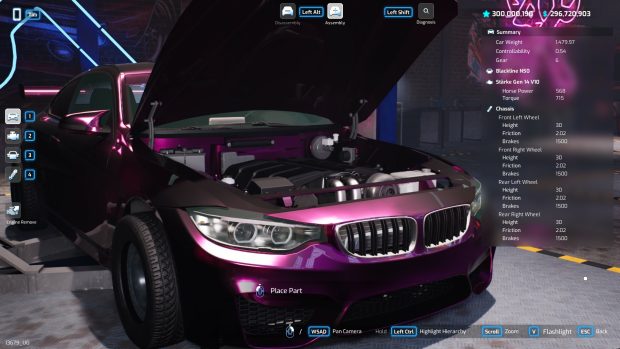
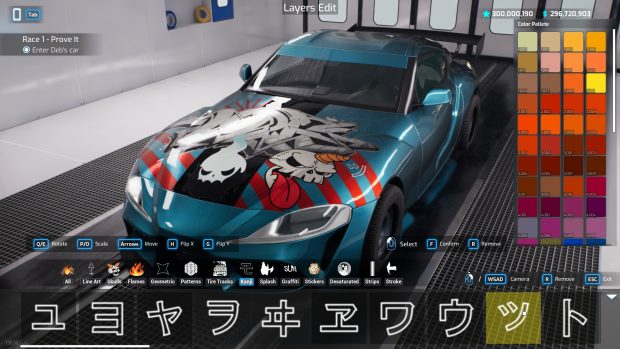
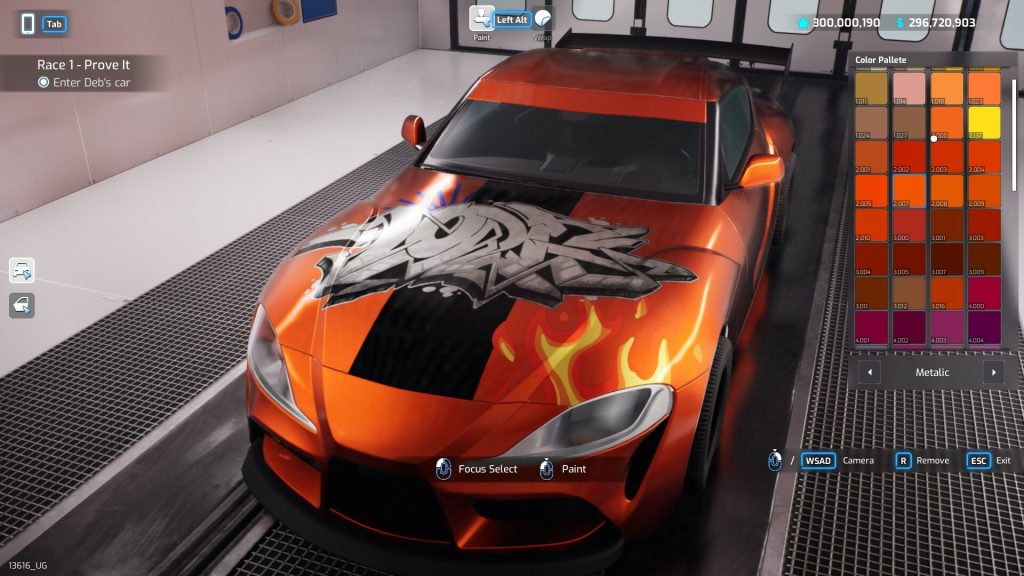
The core component of gameplay is in the repair, maintenance, and tuning of the various cars that you can work on throughout the game. A total of 20 cars and 15 unique engines are available to work on, upgrade, and tune up. Repair parts, swap them out for new parts, change fluids, customise the body, change the paint, and add decals to improve both the looks and performance of each car. Take these cars out to events and earn more cash to spend on upgrading your cars and finding the thugs that destroyed your friend’s workshop.
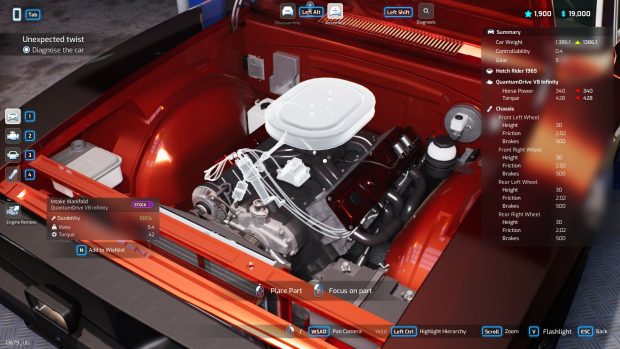
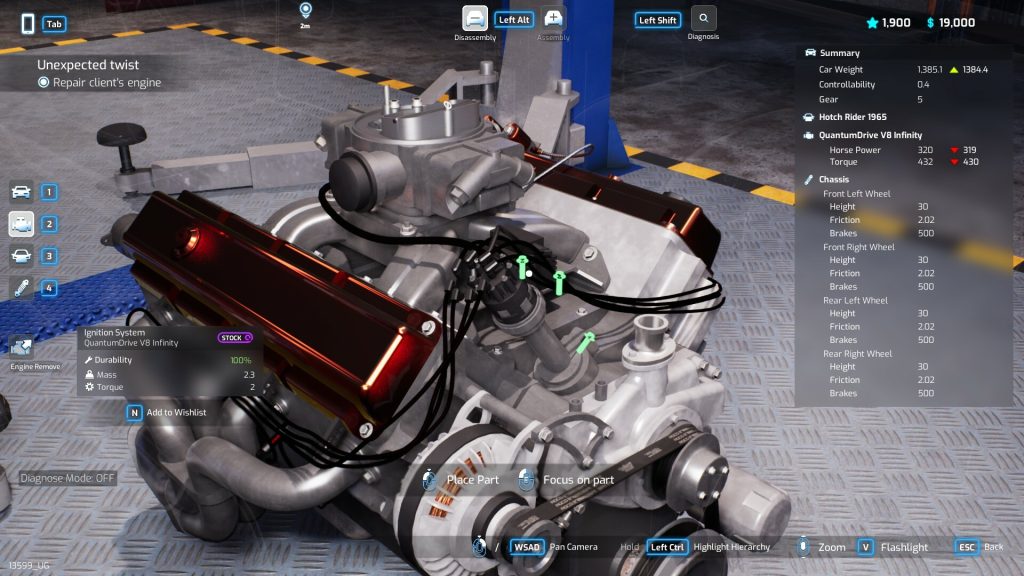
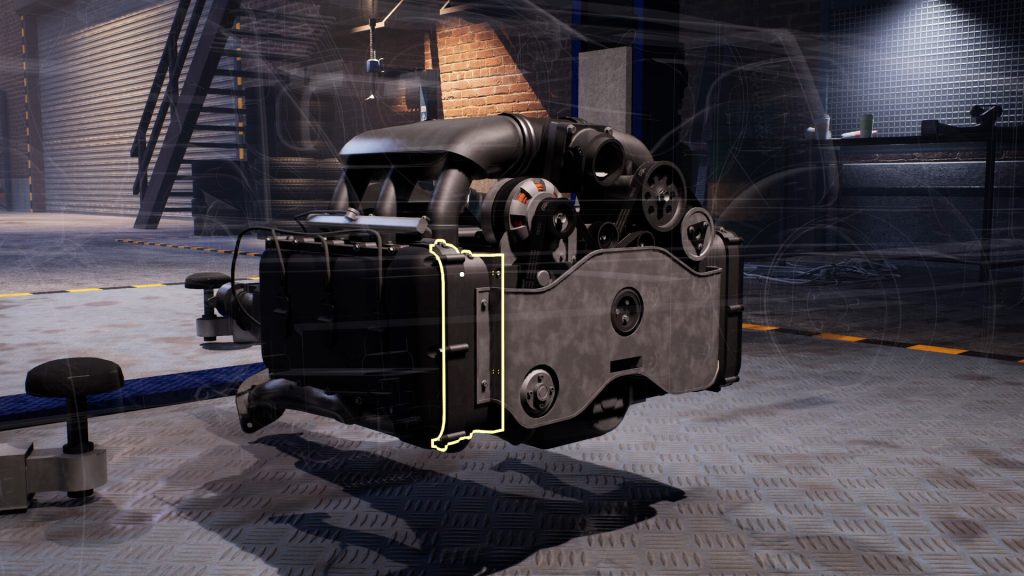
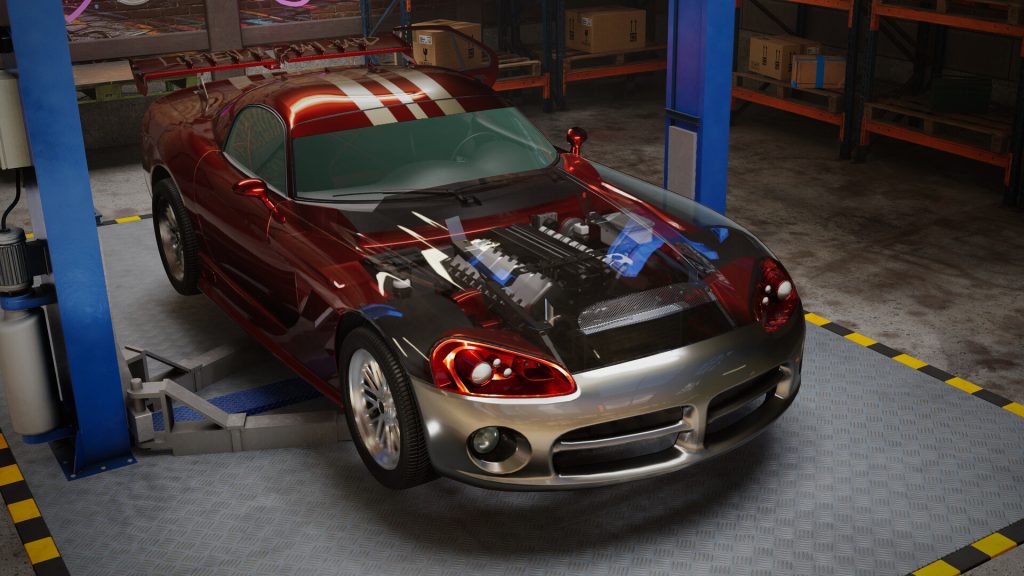
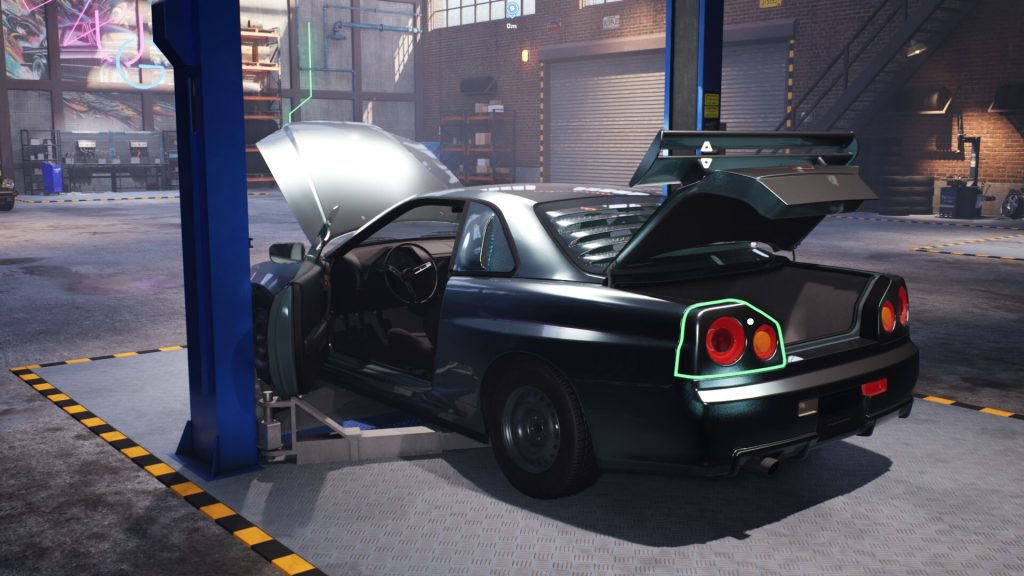
The best part of the game is the core feature: repairing and tuning cars is definitely the most in‑depth part of the game. You pop the car on a hoist and get to work diagnosing, disassembling, and reassembling the affected parts to get the car running again. But it’s not as easy as it sounds—there’s a parts hierarchy, so if you want to get access to, say, the pistons, you need to take out all the parts around them first. In order, might I add, before putting it all back together. It’s a good system and oddly therapeutic, getting to take all the parts out, clean and replace as necessary, before putting it all back in place and firing it up. Though even this system has its problems; the camera is probably the most egregious. It’s not very easy to control. The number of times I had to change angles to see what I was looking at, and the time spent lining it up just to get the best angle of the parts, was very frustrating.
I wish I could say that was the only problem with the game too, but unfortunately this is where the few positive experiences I had ended. The interface is pretty poorly designed; so many times I was forced to search for a part and select the engine or car model every single time I opened it. Thankfully, most of the repair functions work as intended. The same can’t really be said about the other half of the game.
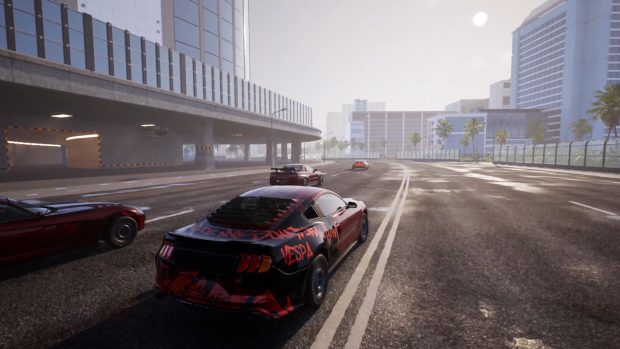
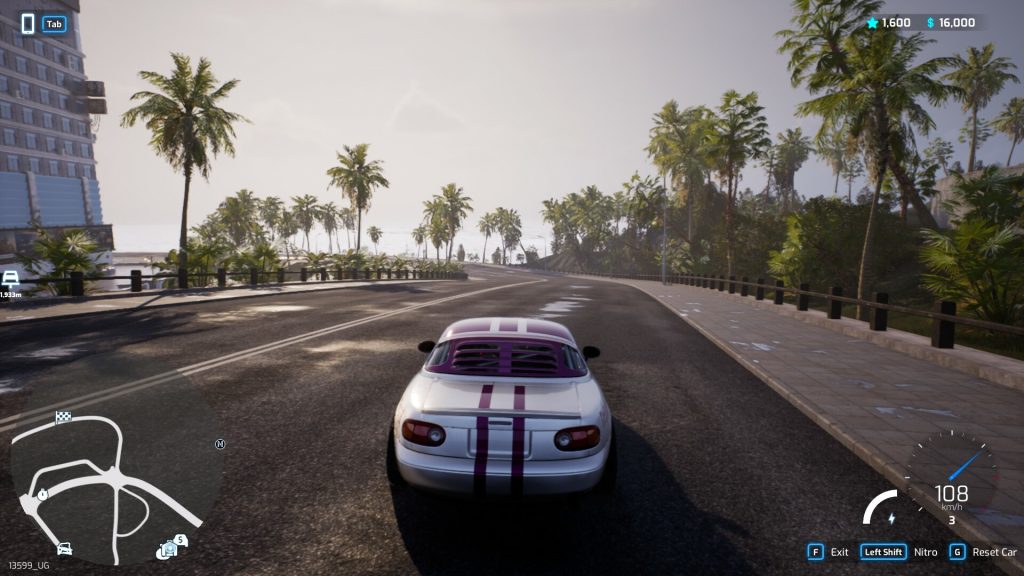
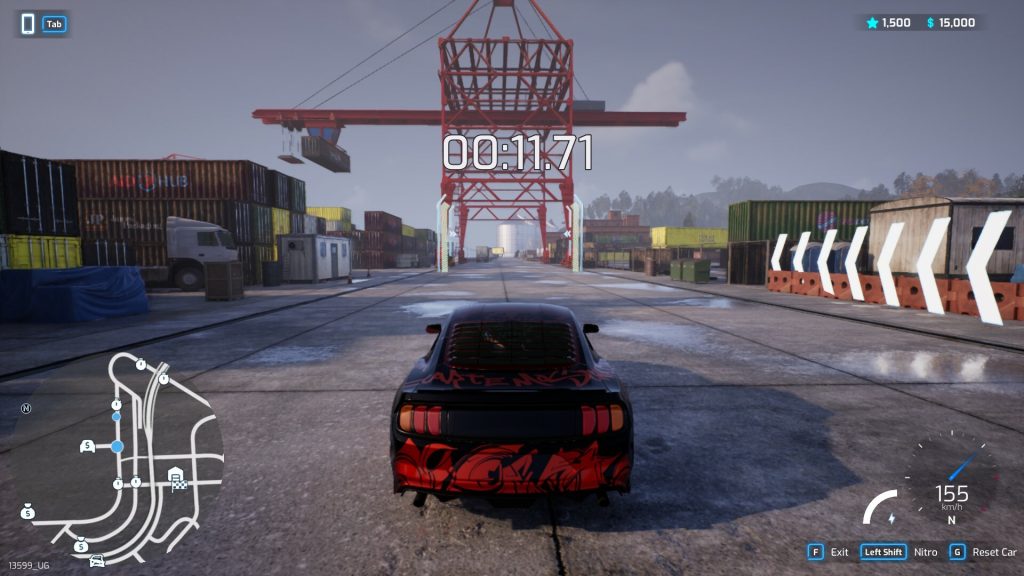
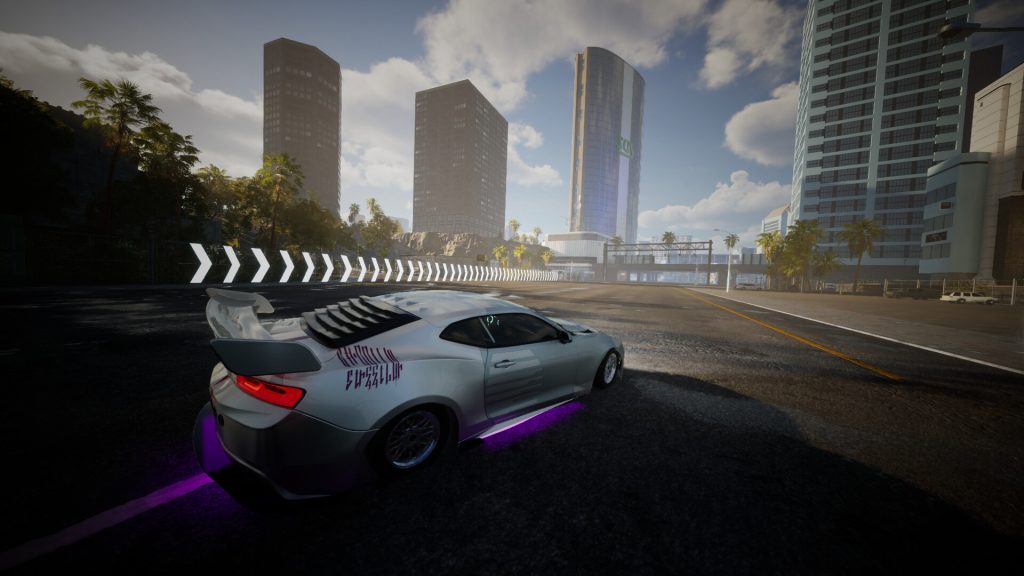
The other half of the game is all about racing. There are three race modes: practice, time attack, and racing. Each can earn cash, but to earn the real bucks, you can also bet on your success to really cash in and make bank. Sounds fine at first, but the implementation is all wrong. Driving doesn’t feel like I’m racing a car; it feels like I’m racing a brick. A brick that doesn’t know how to steer or brake to save its own life. I often found myself pointing my car straight for the apex of a corner and just praying that the brakes would slow me down in time and that my car would turn enough to make it around the corner without crashing.
It’s not just limited to my car either. AI opponents, when they’re not crashing themselves, are just plain bad. I had no trouble whatsoever winning all of the races I went into—and by significant margins, mind you. But that’s not all. At launch, physics were undriveable. Bumping cars or the environment could send you flying, and with some races offering pink slips (where each person’s car is on the line), this could have drastic consequences. With some hotfixes, the physics were improved, but the game still has issues. From licensing issues meaning cars aren’t named after their real‑world models, to a story that is all over the place and feels like it was written by a prompt in ChatGPT. NPC interaction is non‑existent. I’d have really loved for them to lean into the mechanic side more and have you deal directly with clients, but there’s no meaningful interaction with customers at all. All your jobs simply show up in a journal; there’s not a single time a client rolls into the garage and interfaces with the player directly.
I did get my fair share of bugs too. Some led to crashes, some were entirely run‑ending, and I would have to start from scratch. From race unlocks not triggering, to getting stuck in the menus, to soft‑locking my game by installing the right mod on the wrong car. My problems weren’t all just related to these bugs either—the controls just feel clunky and can’t be remapped. For a game built around customising cars to my heart’s content, I thought there’d be a little more freedom in its user interface and controls.
I did my best to keep playing this game, but after several hours of gameplay, three game crashes and one softlock causing me to start from the beginning, I called time on this game. Which is a shame because the bones are there and the concepts are interesting. But I can’t overlook the copious use of AI generated content and game breaking bugs. Even with fixes to the game, I can’t support something that uses AI, small budget studio or not.
Graphics & Audio
I lumped these two categories together because there’s really not much to talk about in either category to give each their full due diligence.
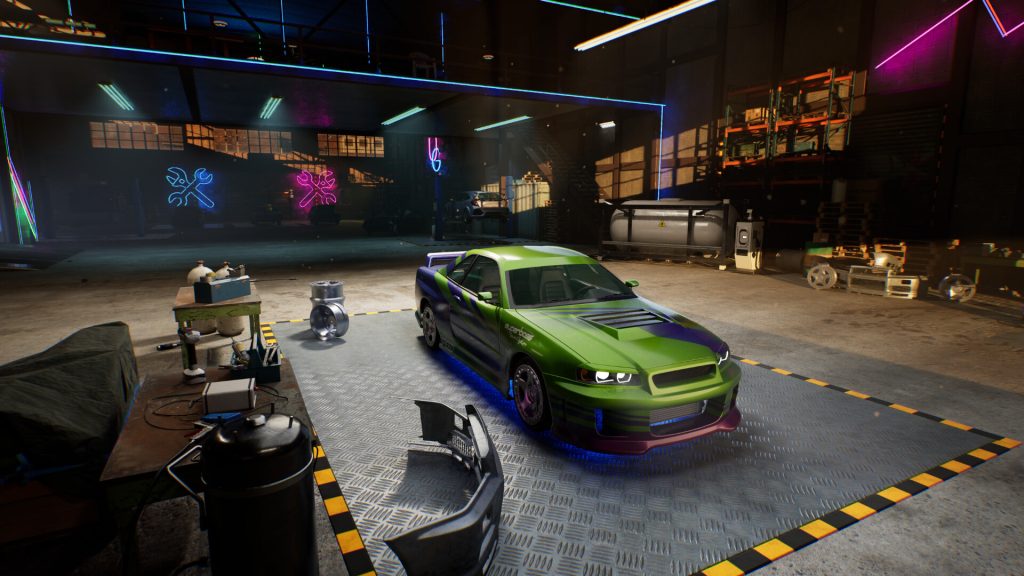
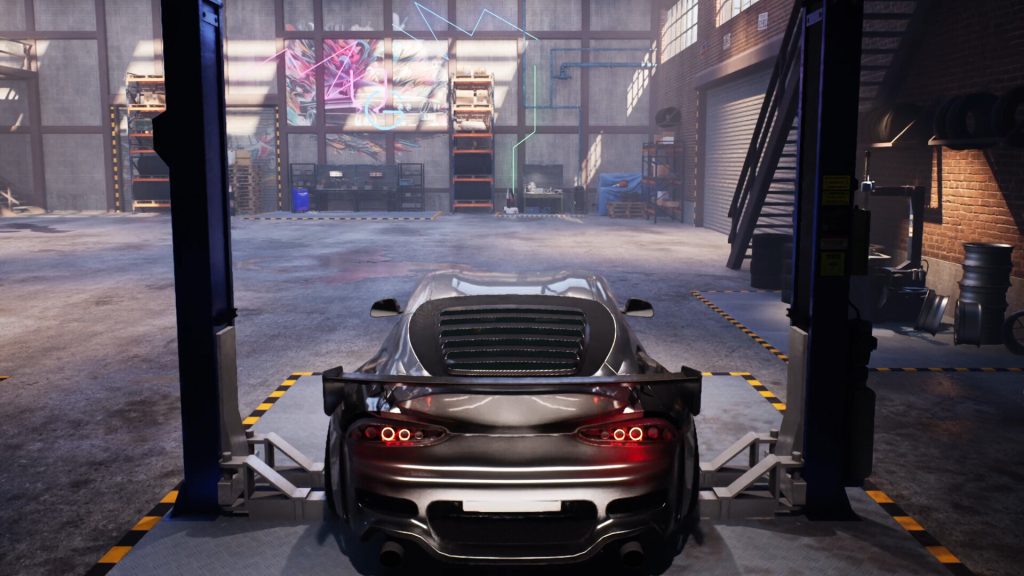
As mentioned earlier, the textures of the game are all wrong. It feels like elements and assets are cobbled together from already‑generated asset packs from various development toolkits. I’m not sure if this is another element that was due to the implementation of AI, but even if it isn’t, it’s jarring to look at when textures vary so wildly between surfaces. Take the garage, for example: the textures of the brick building are actually good. It looks like actual bricks layered together to create a brick wall instead of just appearing like a wallpaper of a brick wall superimposed onto a plaster wall or something. Even the graffiti art looks okay—if you can ignore that it’s obviously made with AI and that some images have imperfections while others have whole sections missing. But compare that to the texture of the vehicle props parked around the garage—these are so shiny it’s almost like their whole bodies are made of chrome metal or polished to a chrome finish. So much so that they look like the old Matchbox cars my family used to gift me when I was a child because we were too poor to afford the good stuff like Hot Wheels.
One other major gripe I had with the game was the cars themselves. Anyone who knows cars would be able to tell at a single glance what most of the cars in the game are. I even asked a non‑car‑enthusiast friend of mine to look at some of them, and even they knew some of the cars just by their shape. I understand that licensing must not be cheap, but for a game that cheaped out in other places, I would have thought that getting the rights to the car manufacturers and models would be the least they could do. This game is all about cars, after all.
The environments too, are pretty bland and lifeless, I made a point in my notes when I first booted up the game that the world feels empty. The streets around the garage are wide, but you might be lucky to see just a car or two every few minutes driving by. I know it’s not really the point, but why have such an open map if the area is so empty. Even games like Supermarket Simulator, has people driving and walking the streets even though most of them aren’t even coming to your shop. It makes the world feel lived in and helps to immerse the player in their surroundings.
This goes into the audio as well. As mentioned already, the voice acting is AI‑generated. Already that’s a big markdown for me, but even then, it’s not even good AI‑generated voice acting. The story feels like it was written at 3 a.m. by someone who stayed up too late watching all the Fast and Furious movies and had the grand idea to make a game out of the early films. Conversations with NPCs are sparse, tone‑deaf, and dry. There is no music outside of racing and repairing cars. And the music that is there sounds like something I’d find in The Sims character creator. It doesn’t feel like it fits the whole “underground racing” theme of the game. The only satisfying audio once again comes from the dismantling and reassembling of the engines. The sound of socket‑wrenching a part in, or using a drill to remove a part while you watch the pieces come and go as you take out the bad bits and swap them out for new ones, I will admit, is a bit therapeutic as a whole. But it’s a needle in a haystack of otherwise bad things layered on top of and around the few good bits.
Conclusion
I really wanted to like Underground Garage, I liked the trailer, I like the premise and I like what it’s trying to accomplish. But I cannot excuse and forgive the blatant use of AI when I’ve seen, met and talked with solo developers that refuse to use AI and are able to put out amazing games, even if it takes them longer than your average indie team to complete their work.
The bones of something great are here, but for one reason or another, the implementation comes across as rushed or lazy. I try my best to say that there are no bad games out there, because good or bad is subjective to the player, what I think is bad, someone else might think is good, great even. AI can be a great learning tool, it has many uses in multiple fields but I do not think it should replace anyone/anything, if you can’t say everything in the game is truly made by your own hands, do you really deserve to call yourself a game developer? For me at least, I do not think I can legitimately call myself my chosen field if I resort to programs that can do my work for me.
Now, that may come off as incredibly harsh, but I do believe that every experience—whether you succeed or fail—is something you can learn from. It is my hope that the team learns from the negative feedback and improves upon their skills to better their game in future titles. This industry is as cut‑throat as any, and I wish them the best moving forward, but I do not recommend buying this game—not just for the bugs that are rife within, but because if you have any decency about the livelihoods of artists in physical, digital, and audio mediums, you’ll opt not to buy into anything with AI‑generated content.
Game Details
Game Genre – Simulation, Racing
Developers – Bearded Brothers Games
Publishers – Astragon Entertainment
Rating – General
Year of Release – Early Access – 2024, Full Release – 2026
Platforms – PC (Steam)
Mode(s) of Play – Single player
You can find my other articles right here
About the Author

Daniel Hi I'm Dan! 33 and Non-Binary. When I'm not writing reviews. I like to get deeply immersed in the lore of an mmo or rpg, cruise the forest or coastal roads of Victoria, watch anime, read manga, build model kits and do a bit of sketching on the side.
Related Posts
Poker Night at the Inventory Review →
Machine Mind Review →

Crisol: Theater of Idols Review →