
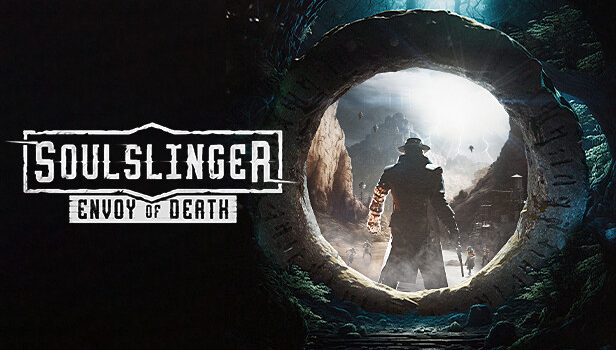
Soulslinger: Envoy of Death Review (PS5)
Summary: Soulslinger: Envoy of Death is a fast paced roguelite shooter set in a dark western version of the afterlife where you battle through arena style encounters and grow stronger with each run. Its moody atmosphere helps carry an experience built around tight combat loops and steady progression in a central hub. While it delivers solid action and a clear sense of style, limited variety and repetition in more ways than one keep it from feeling truly exceptional.
3
Deadman’s Draw
In this dusty stretch of the afterlife, you are not riding into the sunset, you are kicking down the gates of Limbo with a smoking revolver and a debt to Death himself! Soulslinger: Envoy of Death is developed by Elder Games and published by Headup alongside Beep Japan. After launching in early access on December 14, 2023 for PC, it received its full release in April 2025, with the Xbox Series X|S and PS5 versions releasing on February 19, 2026. Set in a dark western vision of Limbo, it blends fast arena shooting with roguelite progression, with you fighting through shifting rooms, harvesting souls, and growing stronger with every failed attempt. Roguelites are everywhere right now because the loop works. You get stronger, you learn the patterns, and you push a little further each time. Soulslinger clearly understands that hook. The real question is whether it does enough with it to stand out.
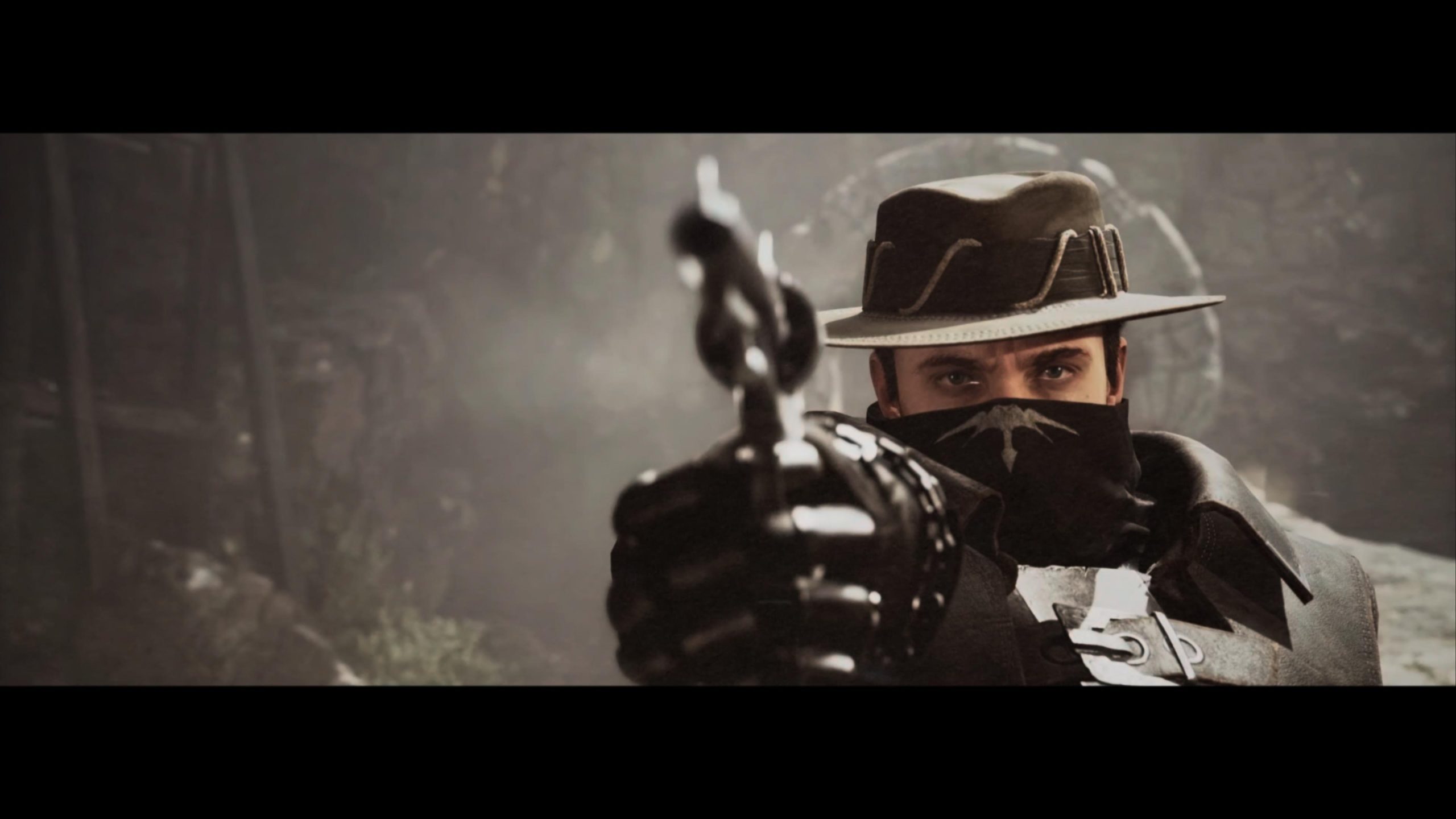
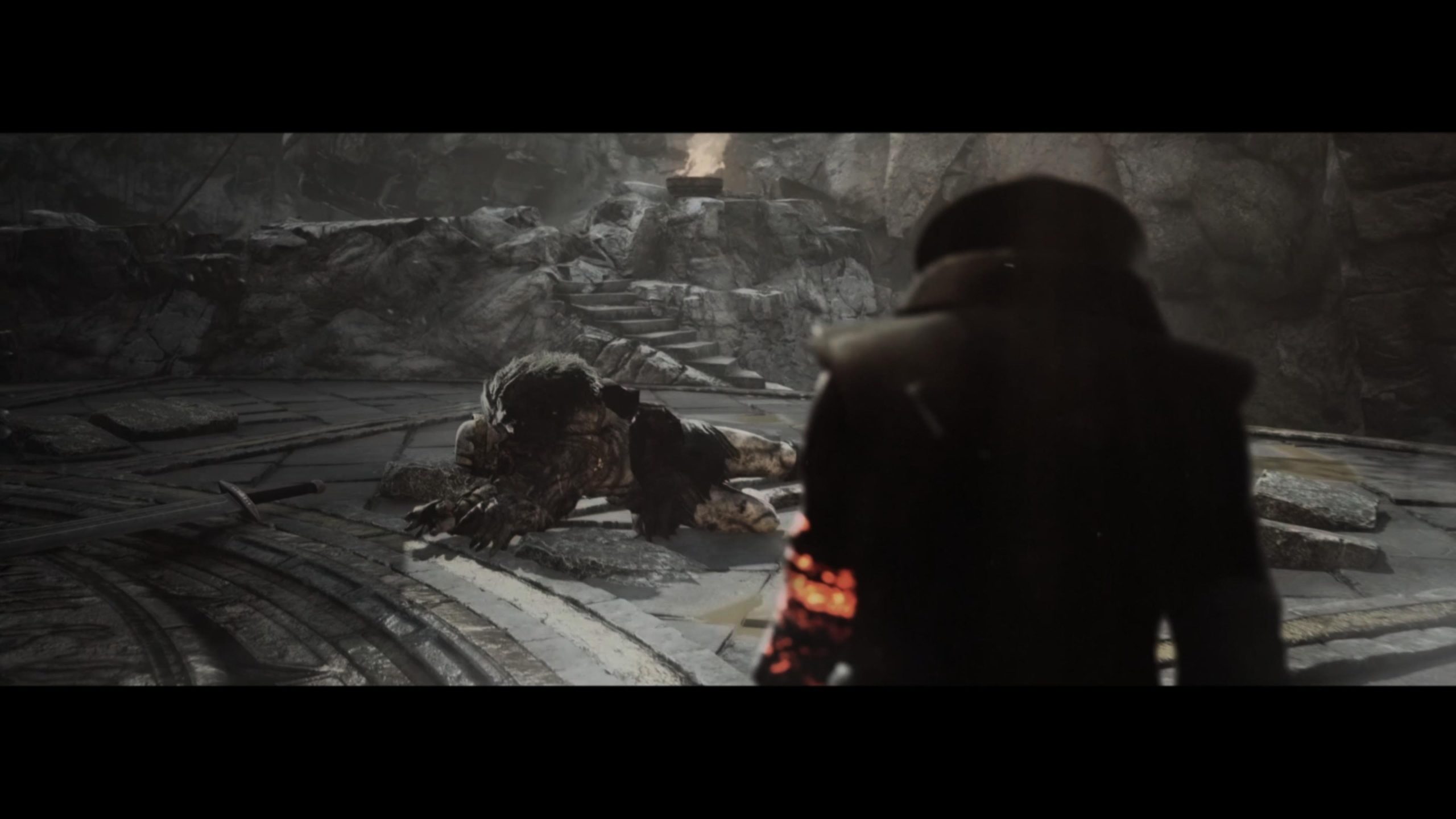
You begin already dead. An unnamed gunslinger wakes in Limbo and is recruited by Death himself to eliminate The Cartel, a ruthless group stealing souls and disrupting the natural order of the afterlife. In exchange, you are promised answers. Why are you here? What happened in your past life? And can you reunite with the person you lost? The narrative unfolds slowly, which works well with the repetition built into the genre. Each return to Haven, the hub world, gives you new fragments of dialogue, new memories, and new hints about the broader world. Death has presence while Val (a mysterious woman ongoing a journey similar to yours) and the other characters add texture. The story adapts subtly around your progress, and while it never becomes overwhelmingly complex, it remains interesting enough to pull you forward. It’s nothing incredibly engrossing, but it gives your runs purpose beyond numbers and upgrades.
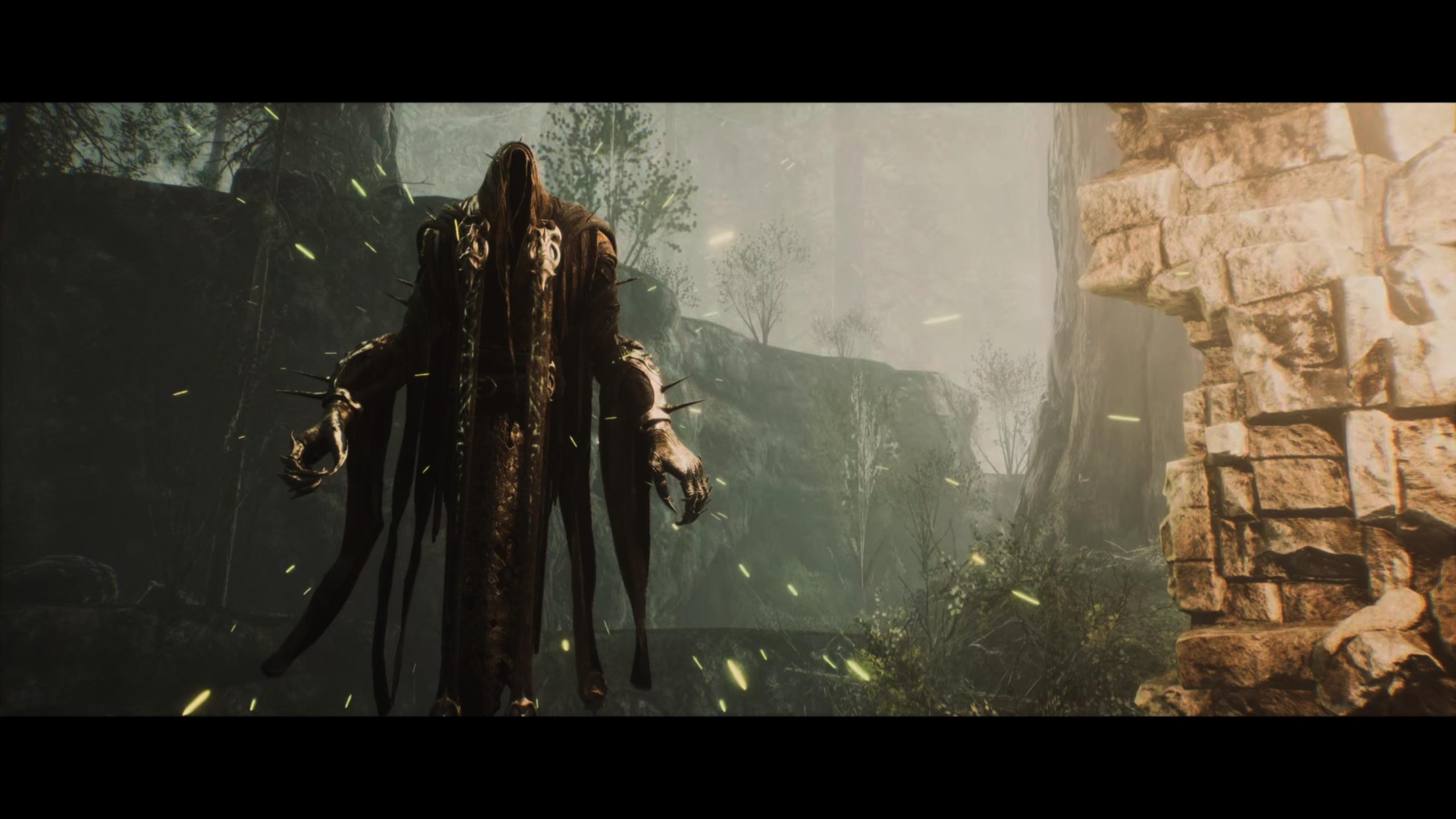
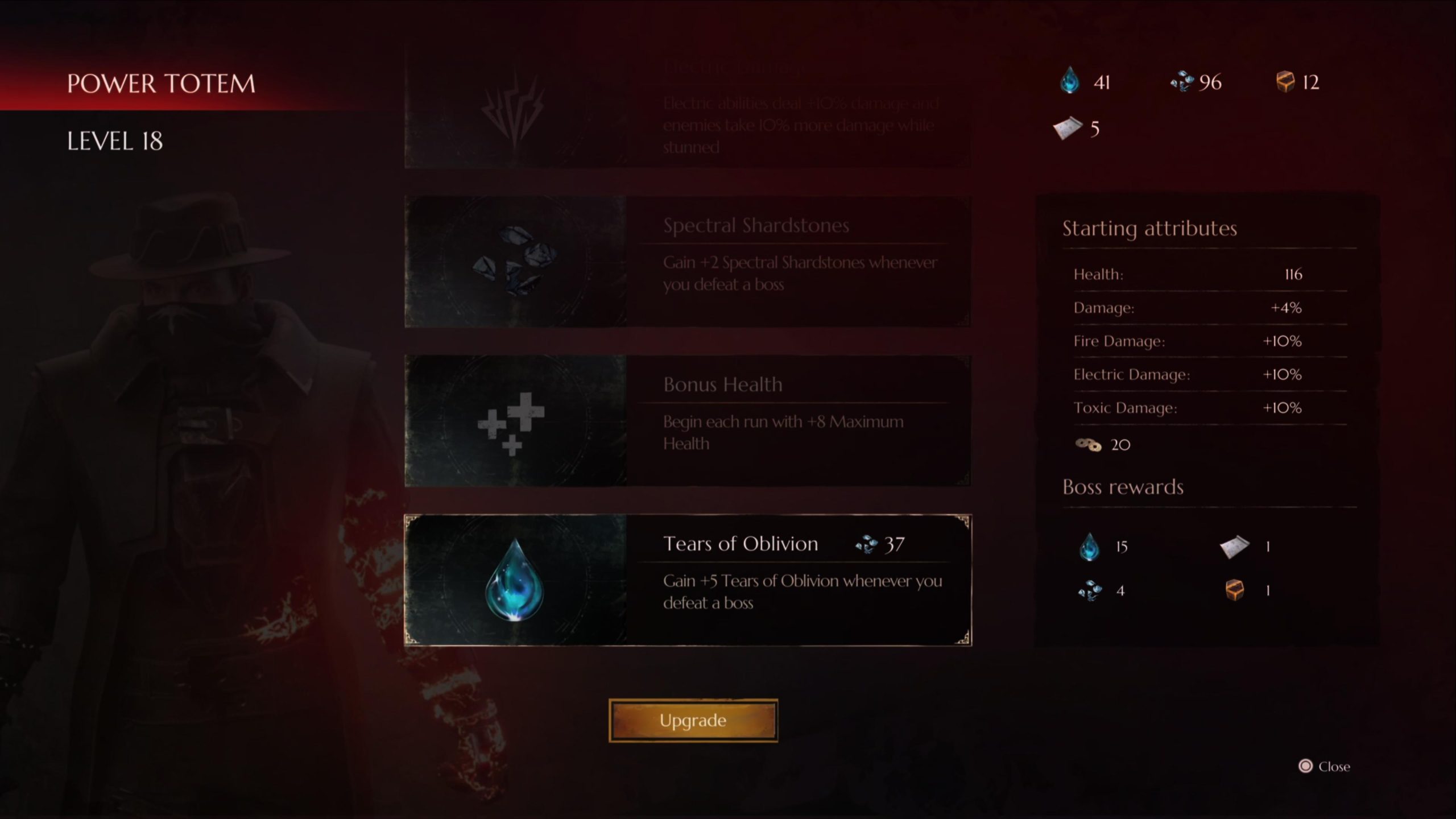
Combat is the center of everything. You enter Limbo through portals, clear waves of enemies in arena style rooms, then choose between randomized portals that reveal different rewards. Some offer materials for upgrades back in Haven. Others grant elemental essences or perks that last for that run only. Each realm has a midpoint mini boss and a final boss before you advance. Special rooms break up the rhythm. You might uncover memory fragments, receive a powerful perk from Death that comes with a drawback, or visit a pirate skeleton merchant to spend your hard earned gold. When you die, and you will die often, you return to Haven. There you invest collected resources into permanent upgrades, new weapons, passive skills, and even unlock additional room types that can appear in future runs. It is a familiar roguelite structure, but it is paced well. The loop is fast and you are rarely stuck waiting. There is almost always something new to unlock or tweak, which makes early progression satisfying even when the difficulty spikes.
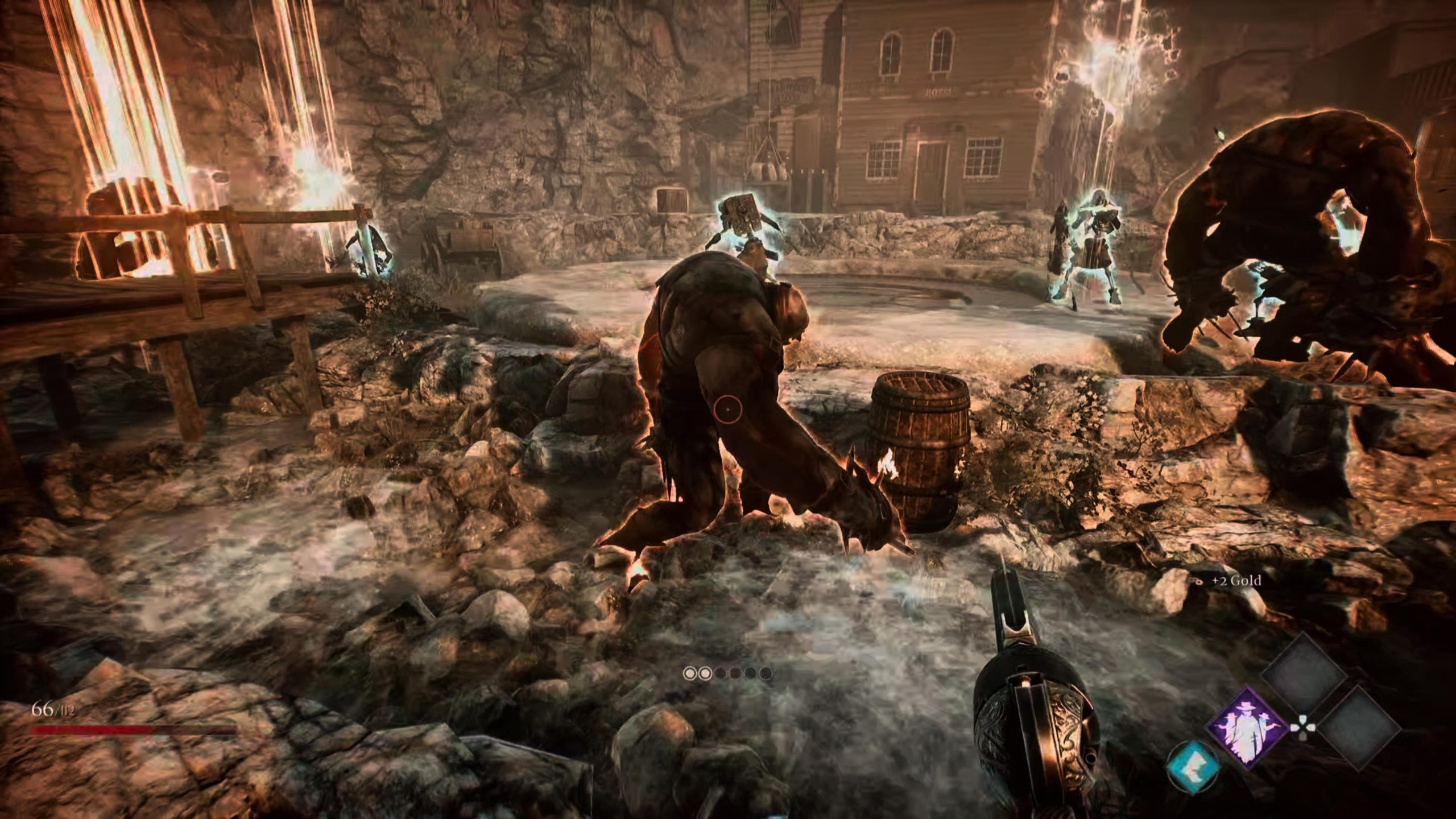
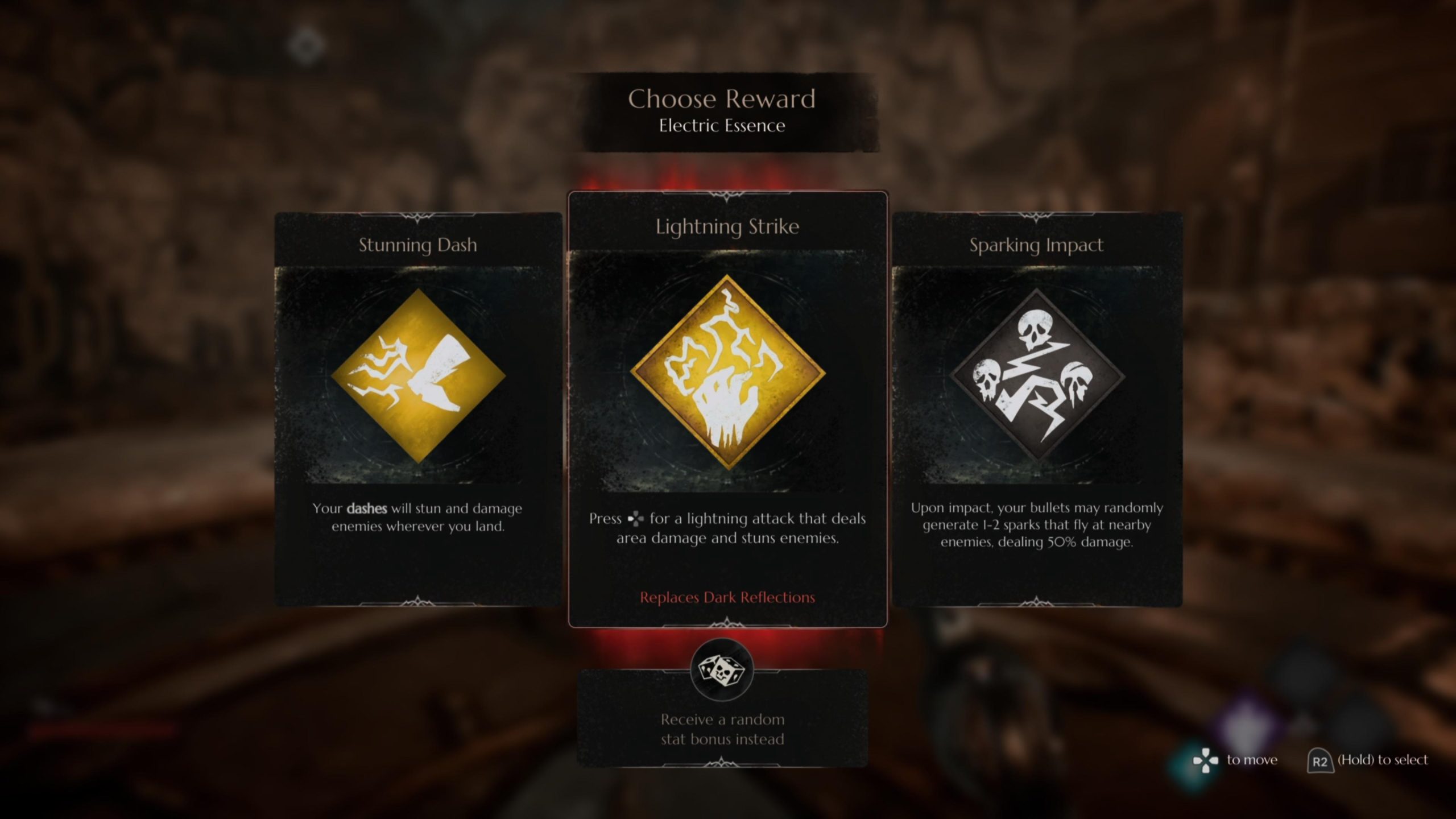
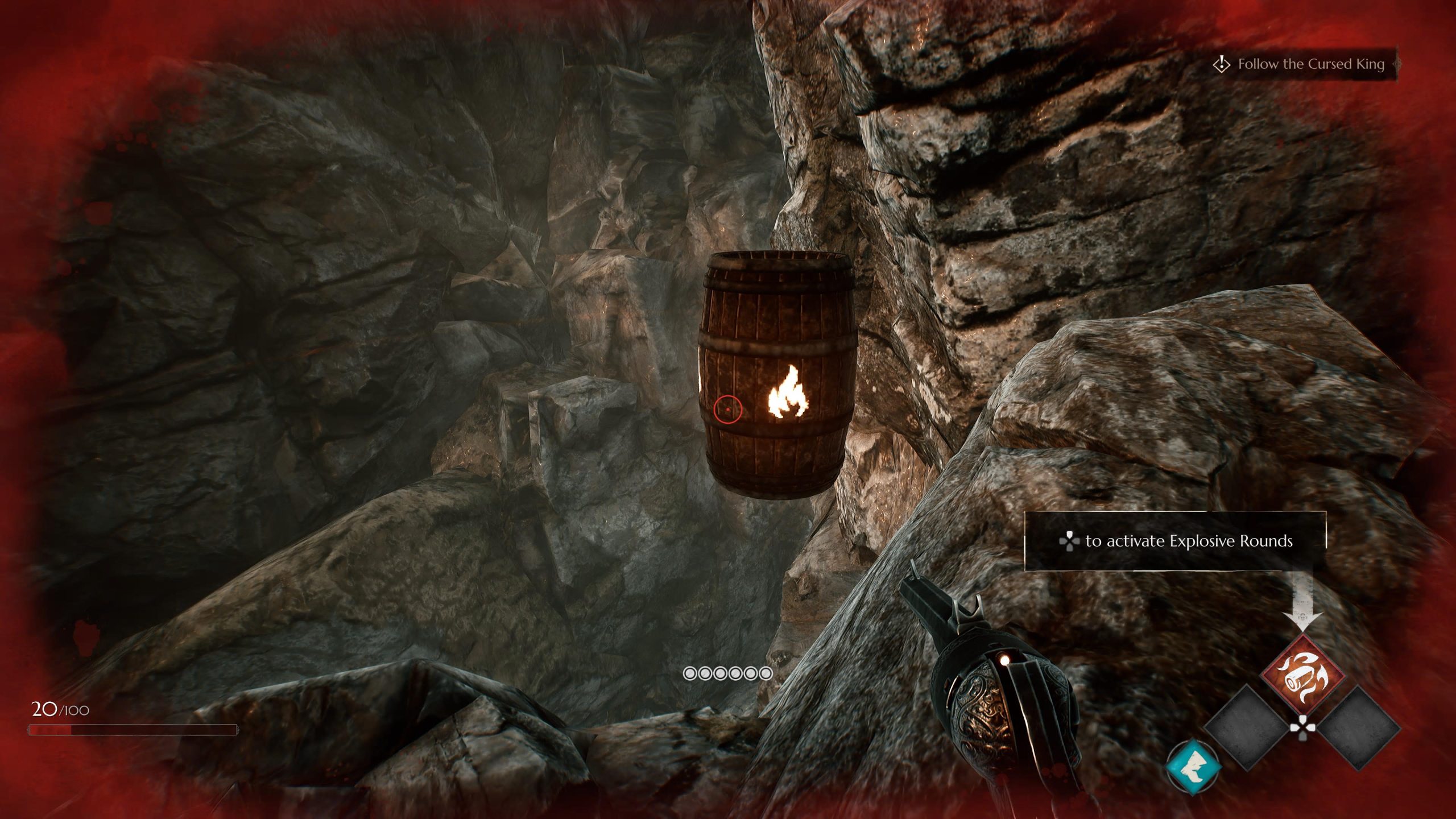
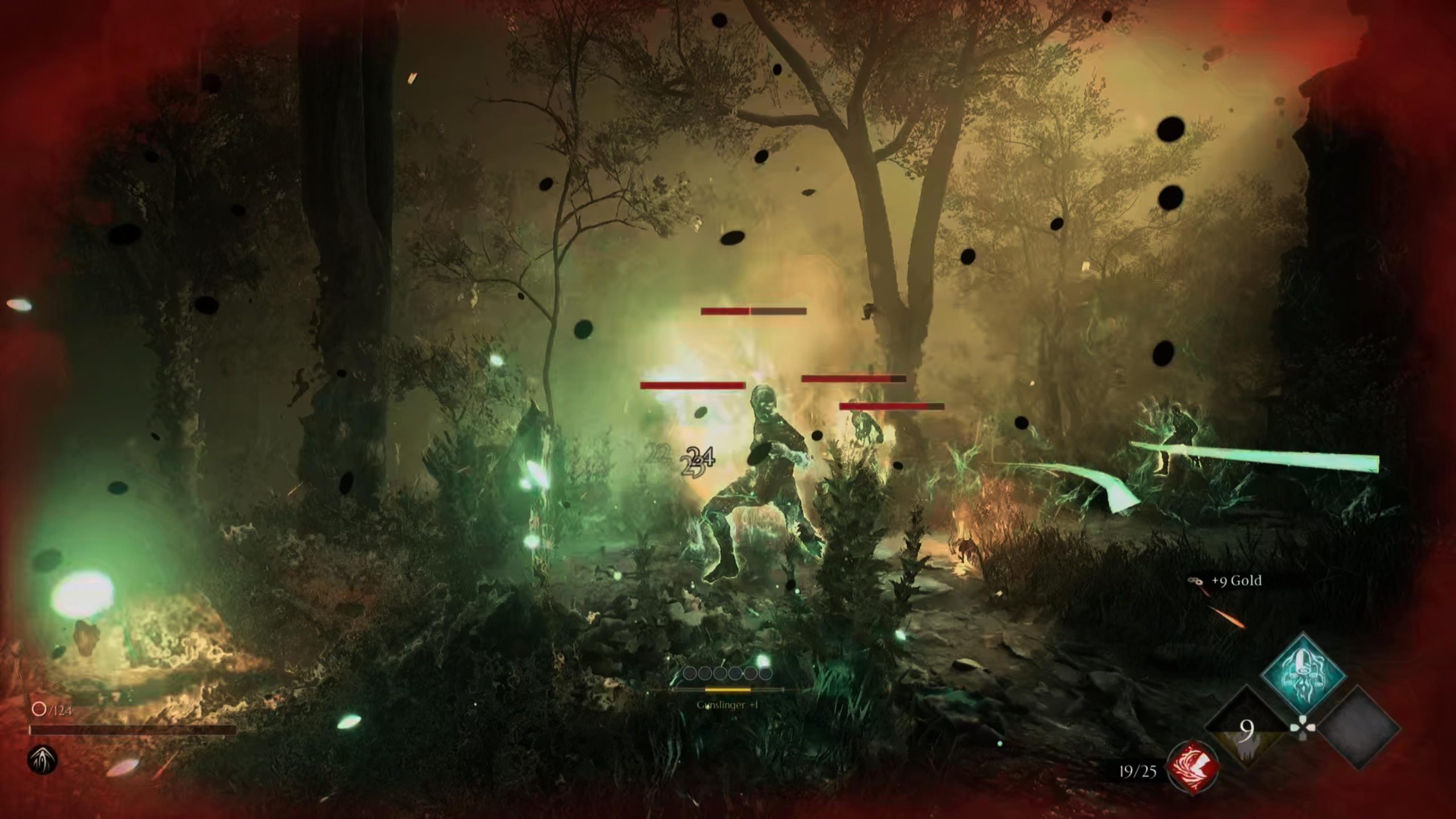
You carry a pistol and a shotgun, alongside a melee punch used for both combat and breaking crates. Movement is built around jumping and dashing, and the game clearly wants you to stay aggressive. One fun mechanic is the reload system. If you fire again at the right moment during the reload animation, you trigger a fast reload. It is a small detail, but watching the reload meter while also dodging enemies adds tension. You can equip up to three abilities during a run. These range from temporarily electrifying your bullets to summoning a golem companion. Elemental essences further modify your combat style with perks like explosive rounds, poison effects, healing on pickups, or resistance bonuses. Some builds encourage constant movement, dealing passive poison damage while dashing or jumping. Others reward precision shotgun bursts that hit significantly harder than your pistol.
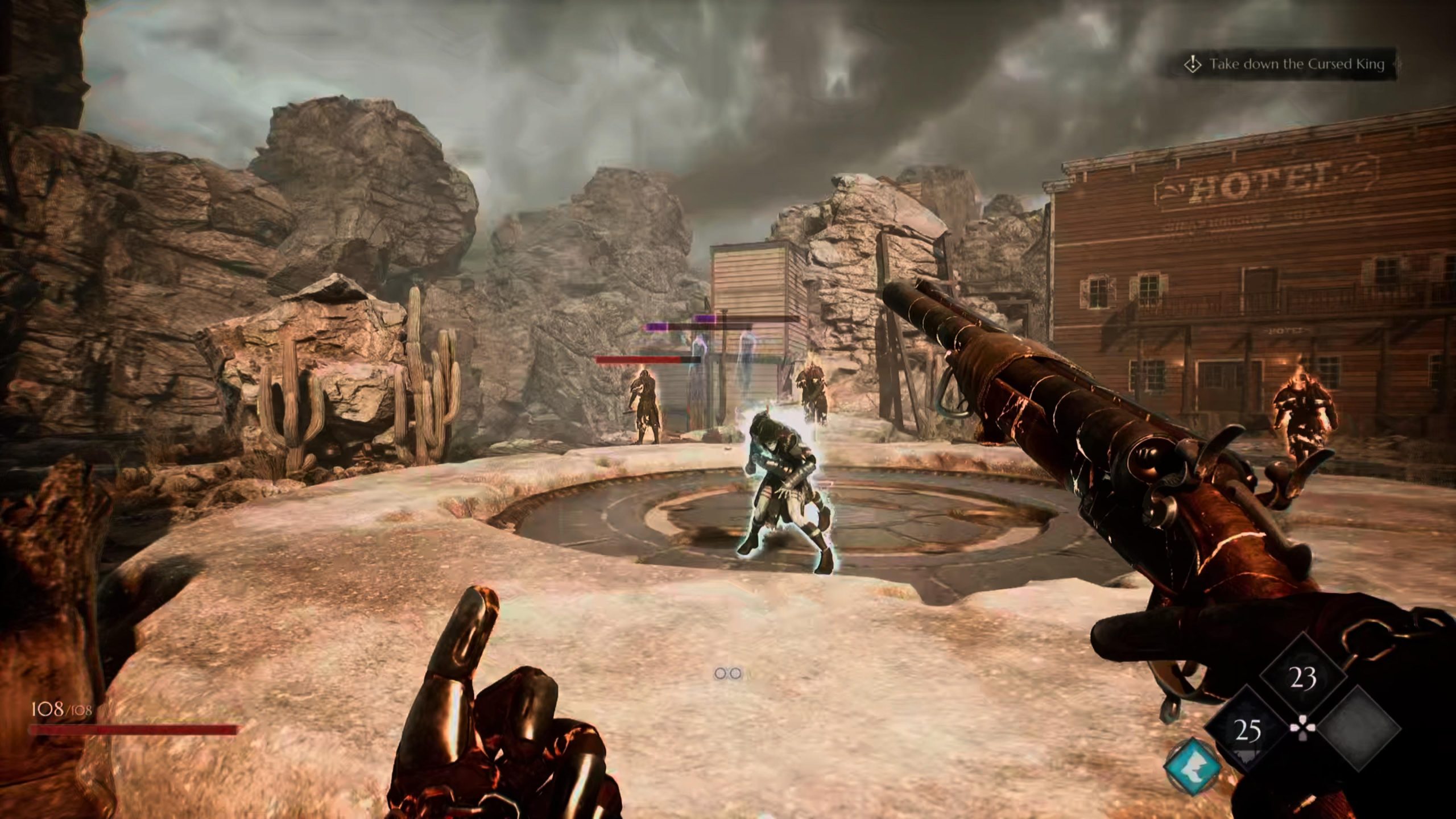
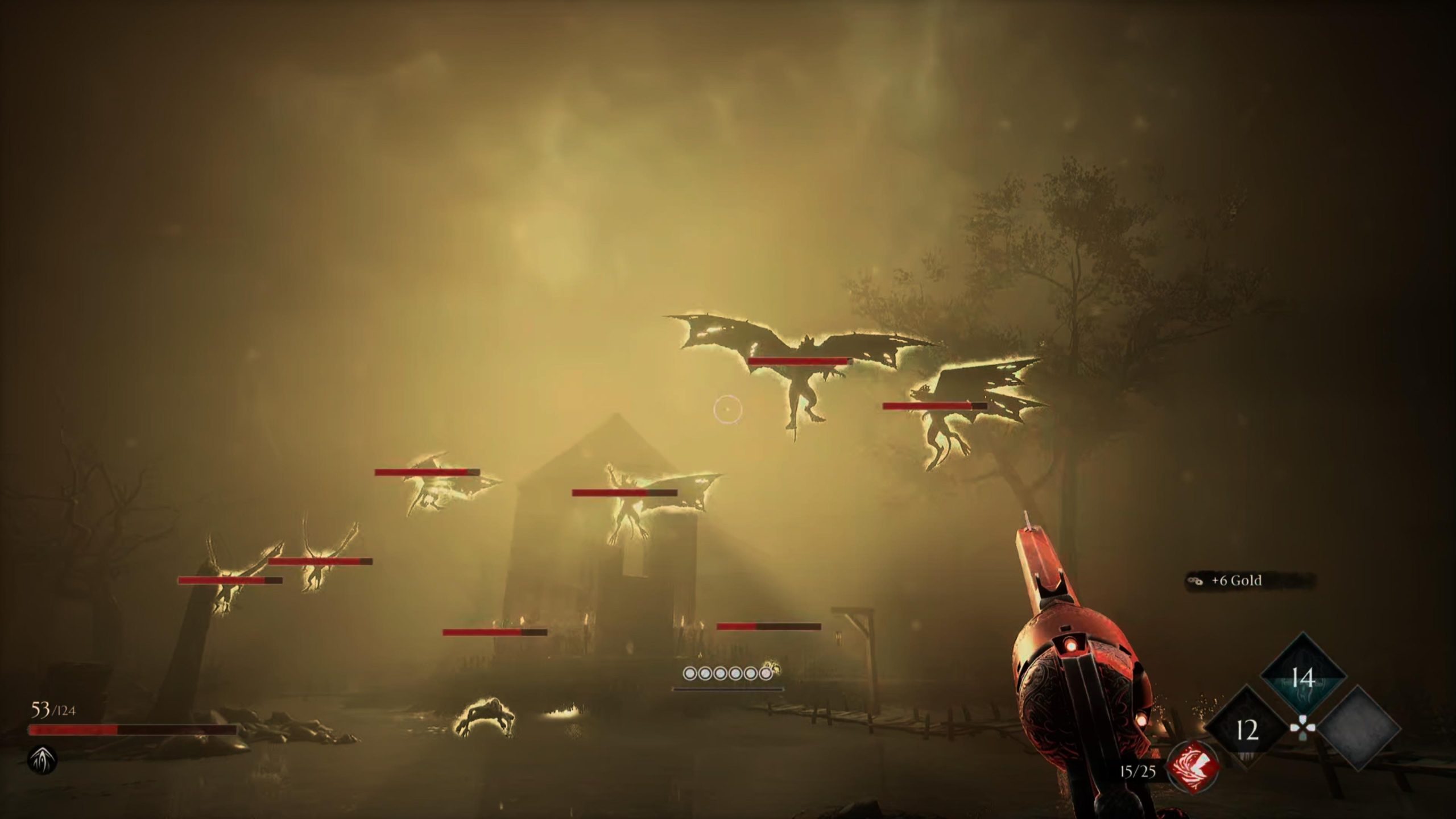
The system allows flexibility, but combat can feel loose. Aiming sometimes lacks the tight precision you expect, especially in hectic fights. Enemies move erratically, occasionally floating or behaving unpredictably. Some will rush you, others hang back and fire from afar, while heavier foes soak up damage. There is variety, but many enemies share similar skeletal designs, which reinforces the repetition. Bosses look imposing, yet their encounters often boil down to spawning waves while slowly moving around the arena. Some attacks feel unavoidable, which is frustrating rather than challenging.
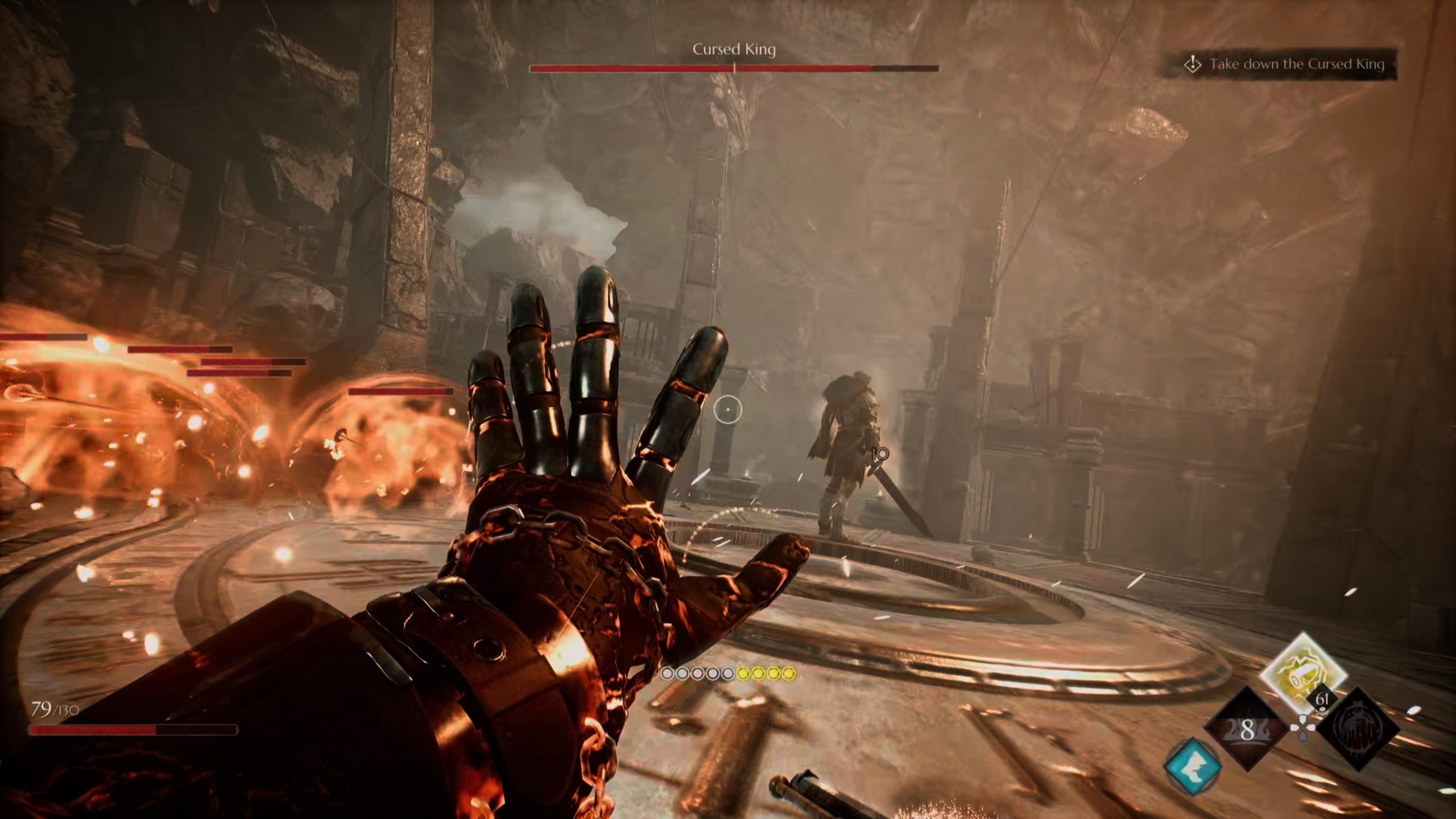
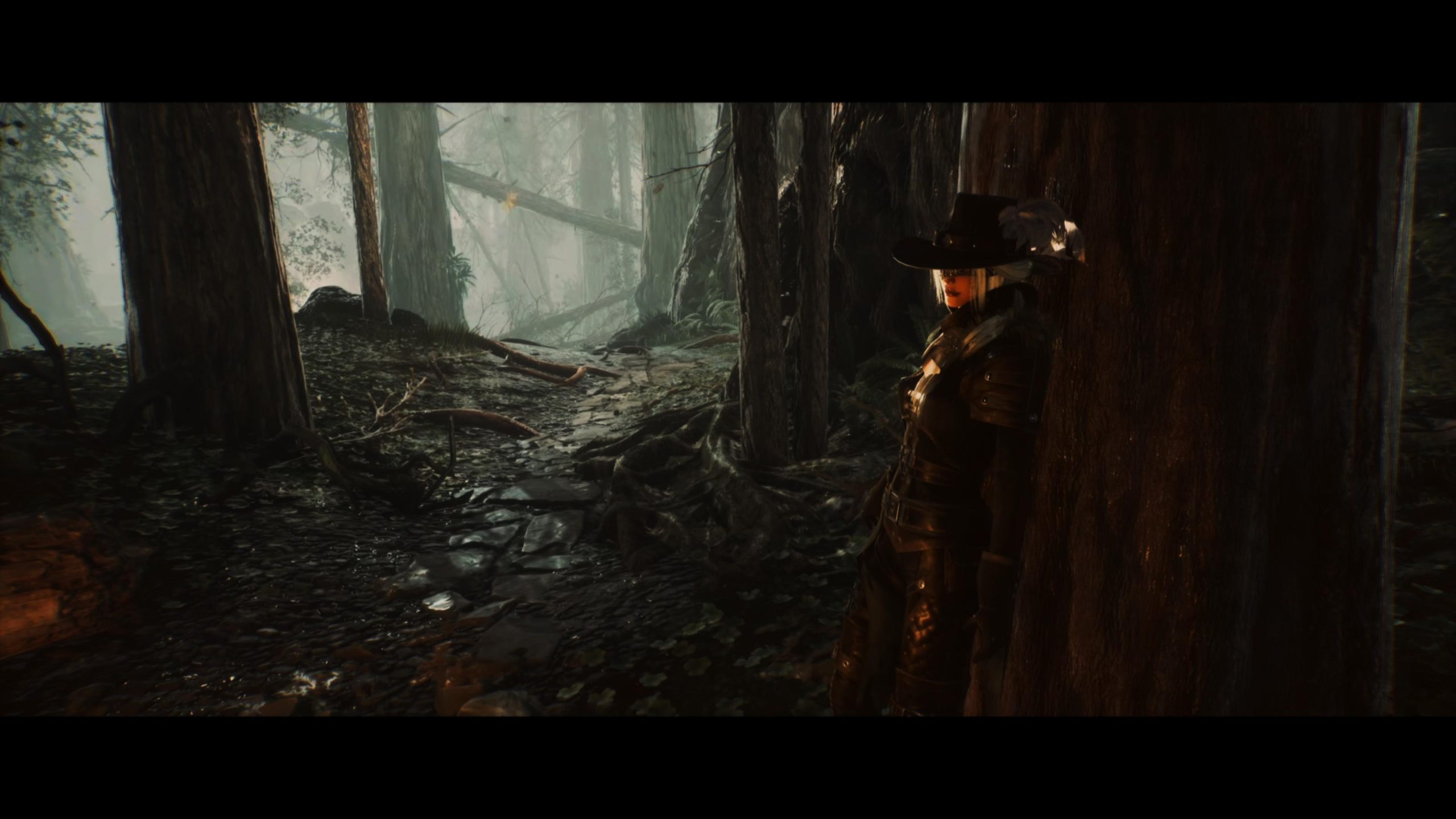
Limbo is shaped by willpower and memory, which is a strong narrative concept. Unfortunately, the environments rarely capitalize on that idea. Rooms are functional and structured for combat efficiency, but visually they blur together. There are hints of a larger world beyond what you see, especially through dialogue about distant regions, yet you never truly explore them. The western fantasy aesthetic is consistent. Wooden planks, chains, dusty skies, and a dark underworld glow define the look. The skyboxes can be striking, and lighting effects add a strong arcade shimmer to combat. Still, some environmental assets feel underused or oddly smooth. Occasionally you can walk through objects like large boulders, which breaks immersion and gives parts of the world a thrown together feel.
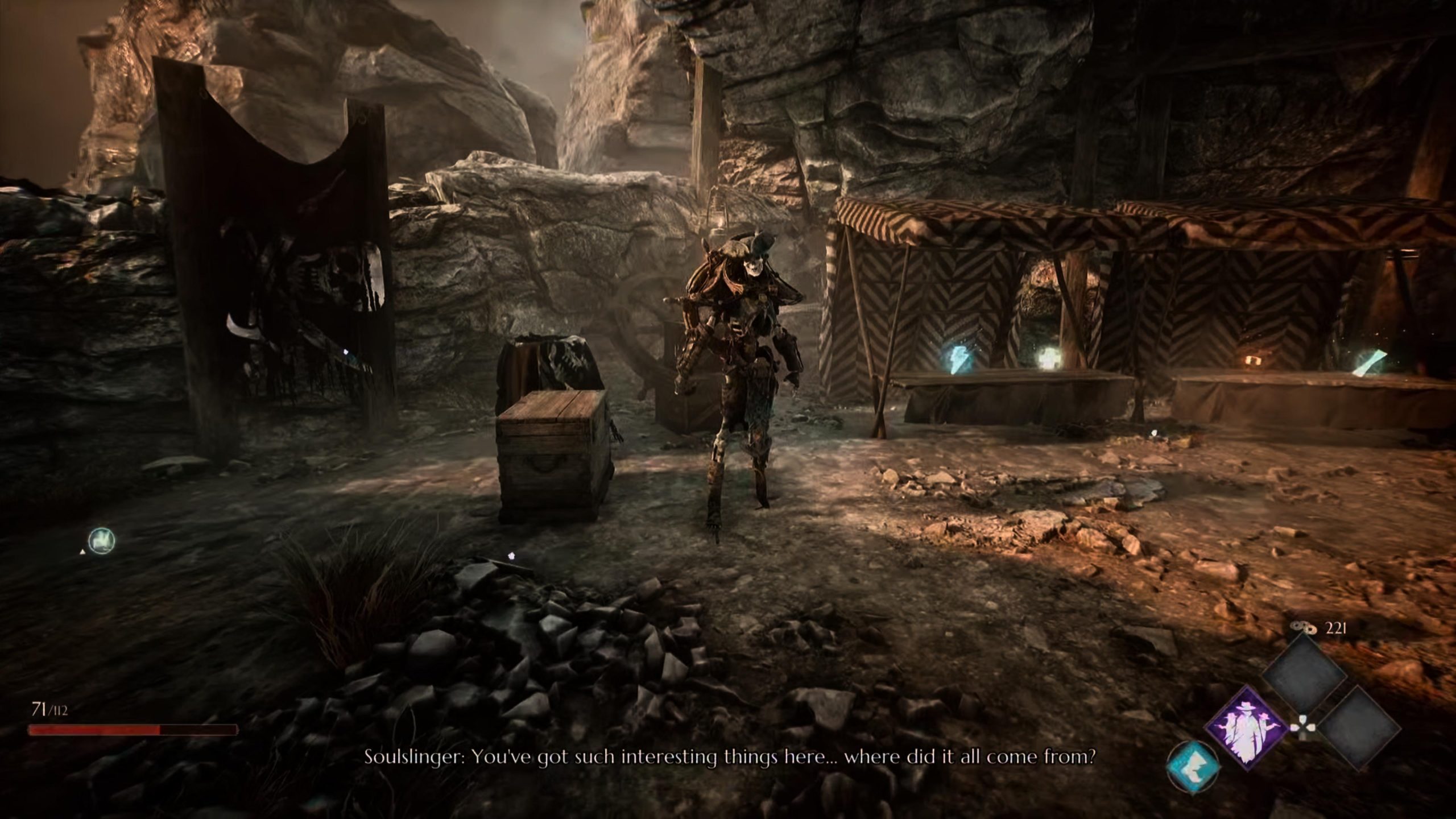
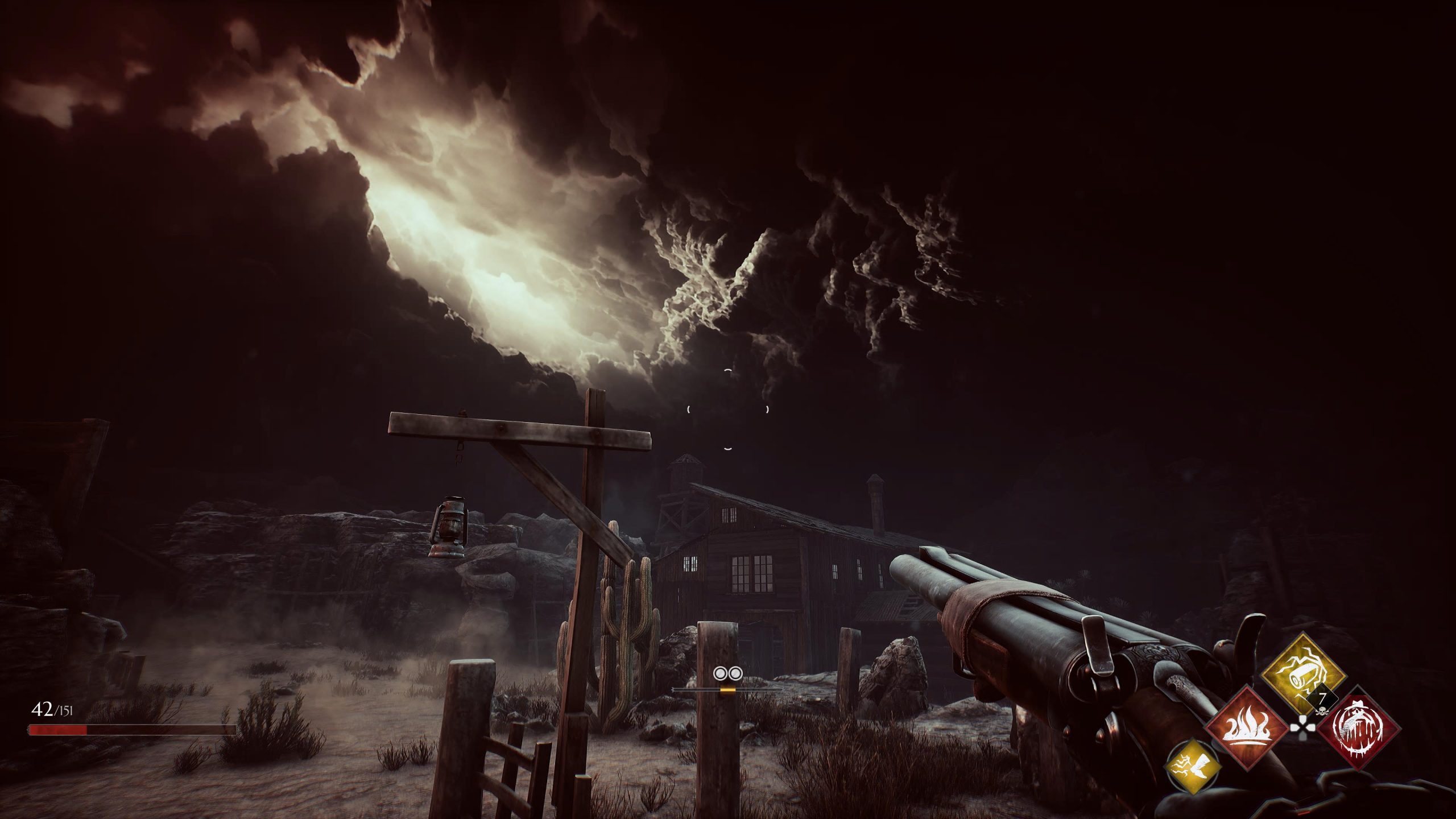
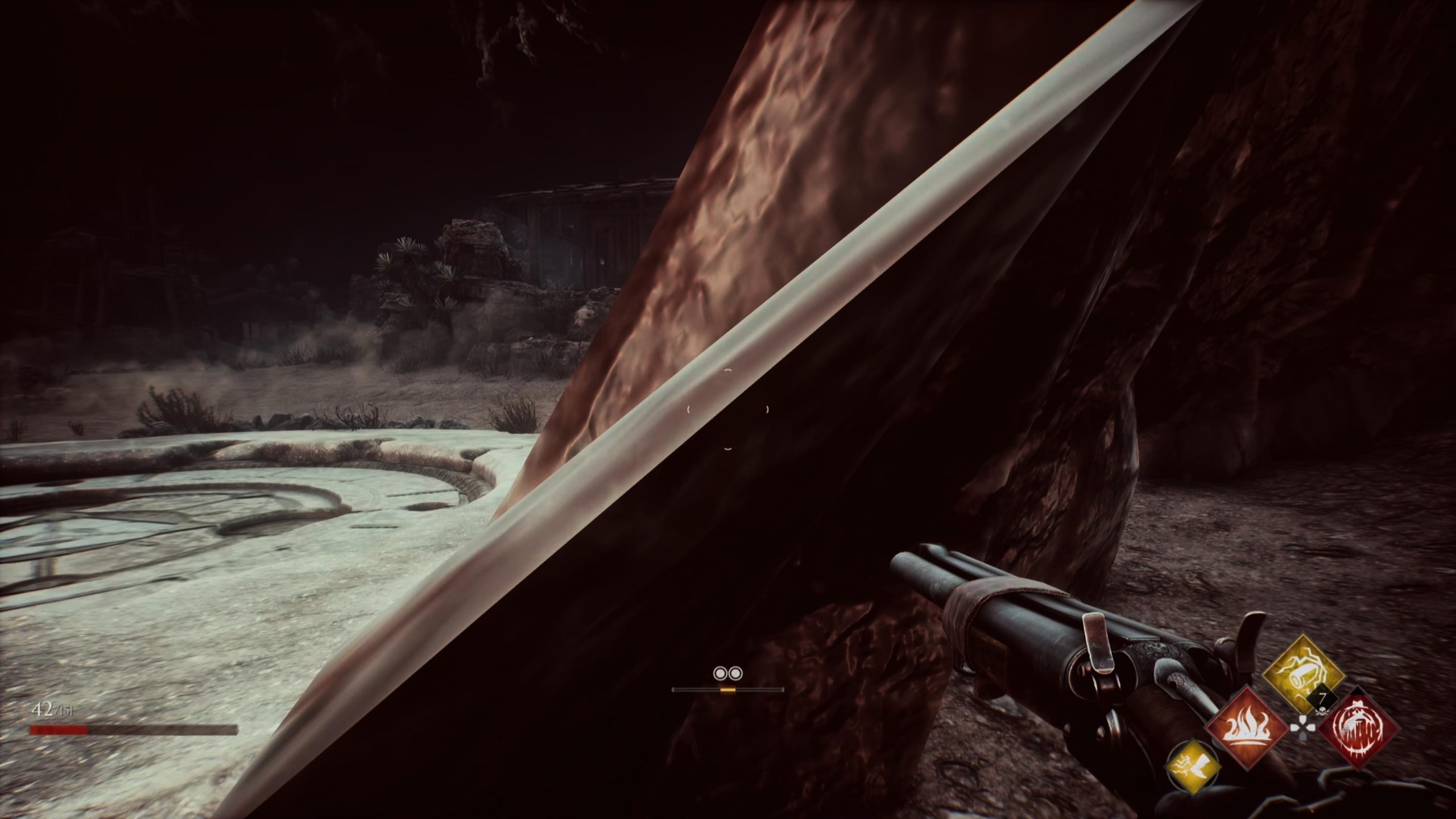
On PS5, performance is generally stable. There are brief slowdowns during chaotic fights, but nothing that completely derails the experience. Visually, the art direction carries more weight than raw fidelity. The dark western tone, glowing effects, and heavy contrast create a strong identity. Even when room layouts become repetitive, the atmosphere does much of the heavy lifting. That said, the presentation is uneven. Some textures and environmental details look sharp and deliberate, while others feel flat or unfinished. The visual style works, but the polish does not always match the ambition.
The soundtrack leans into twanging guitars layered over darker ambient tones. It fits the setting well and reinforces the bleak mood of Limbo. Sound effects are satisfying at first, especially the crunch of skeletons and the echo of gunfire, but repetition sets in as you replay early realms multiple times. Weapon audio in particular could use more punch and variety. Dialogue has a slightly cheesy edge, yet it works in the game’s favor. Characters have personality. They are not all trying to outdo each other with exaggerated grit. That makes the world feel more grounded, even when the premise itself is fantastical.
As with many roguelites, repetition is part of the design. The issue here is that repetition extends beyond structure into variety. Weapons feel too similar. Perks rarely transform how you play in dramatic ways. Builds do not diverge enough to keep experimentation exciting over long stretches. The sameness becomes more noticeable the longer you play. There are also technical hiccups. Occasional crashes during runs are frustrating. Enemies sometimes fail to spawn correctly or wander off the map, forcing a restart. If you quit to the main menu and continue, you resume in the same room but lose all run specific perks, which undercuts the point of continuing. These are not constant problems, but they are noticeable and very annoying for a game like this.
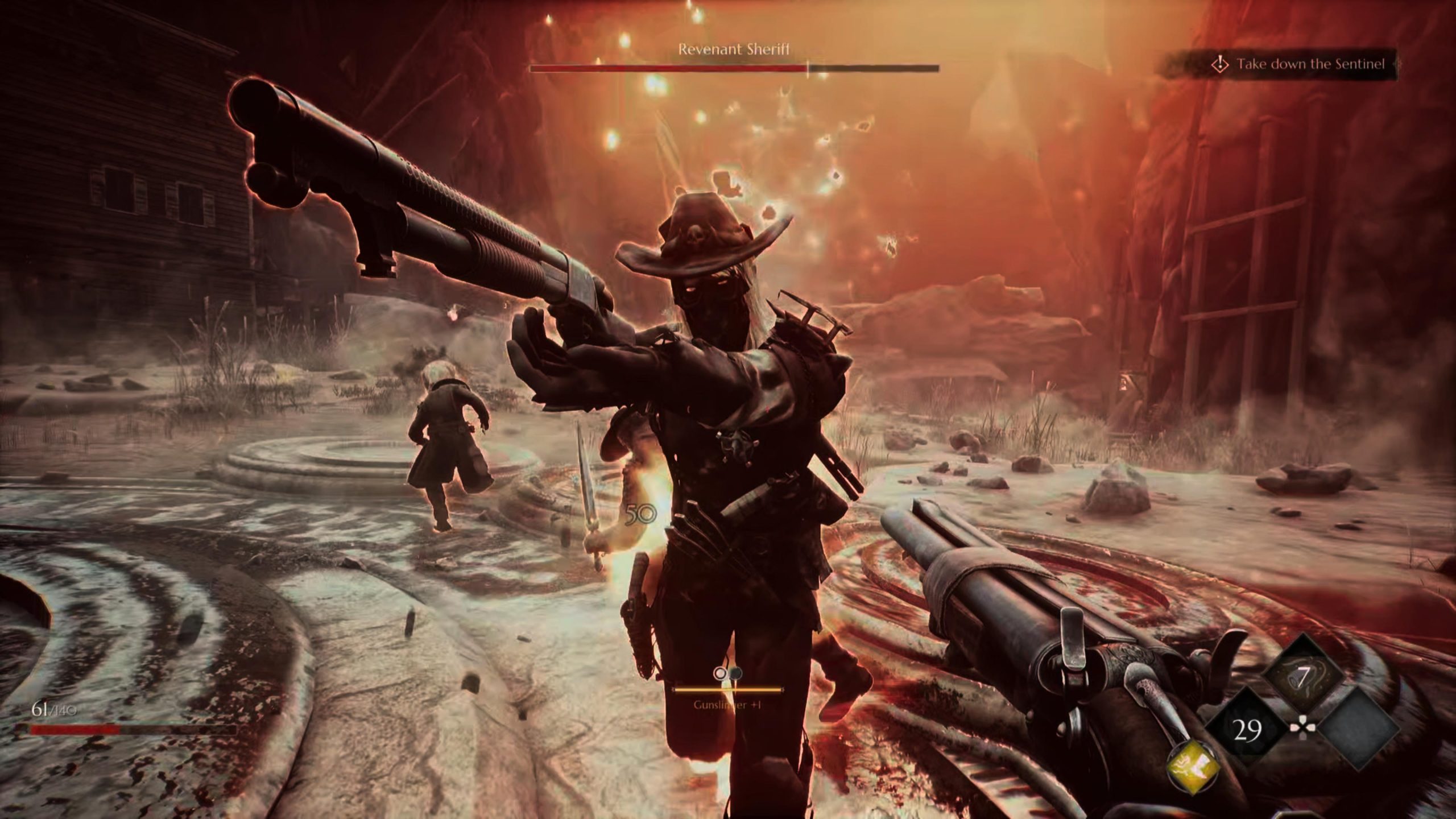
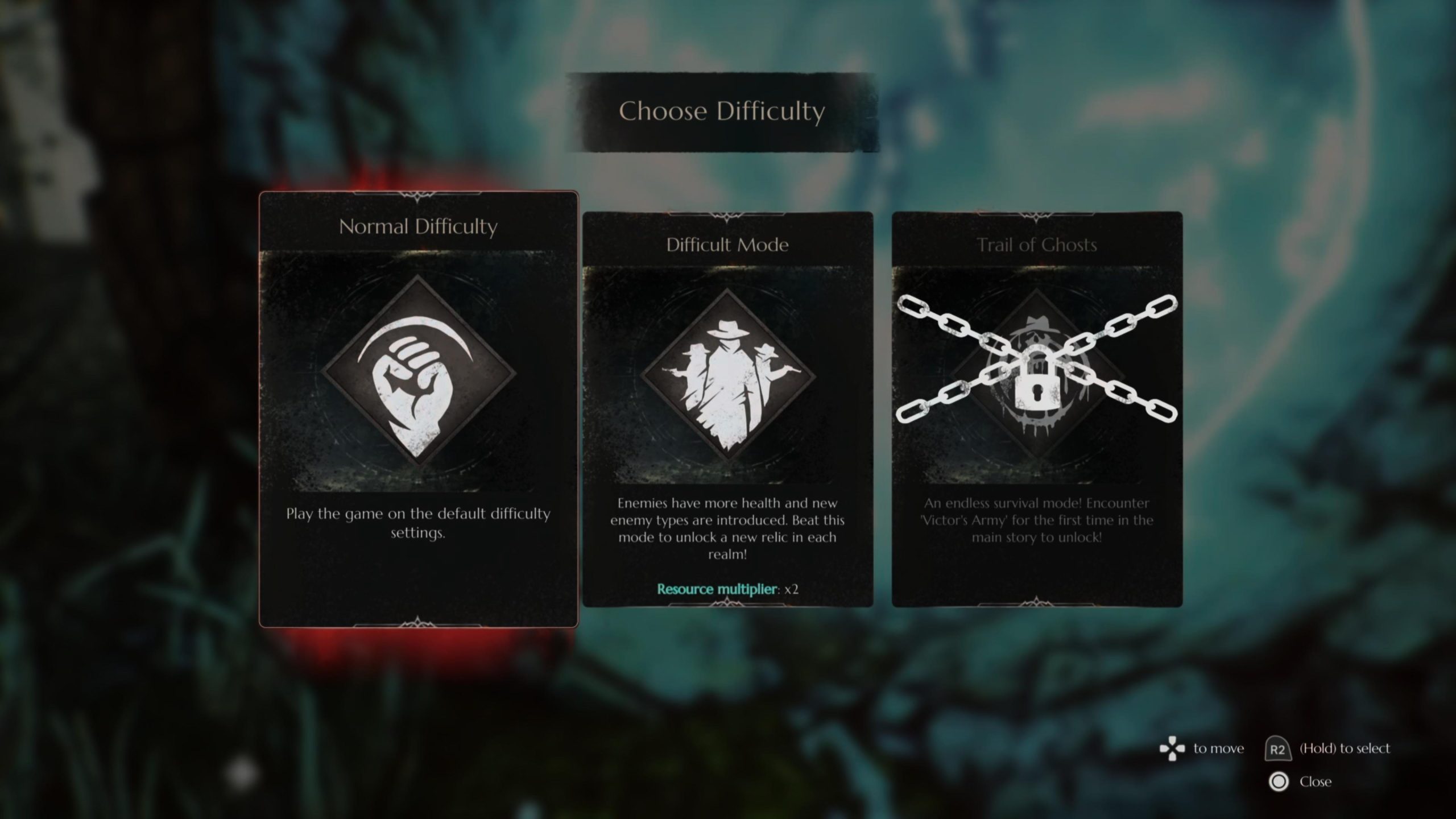
Difficulty sits at an average level. Early runs can feel punishing because your starting loadout is weak, but once you unlock several permanent upgrades, tension drops. Higher difficulties offer better rewards, yet they do not significantly deepen the mechanics. The final boss on harder settings can feel more exhausting than thrilling. Replay value depends heavily on your tolerance for repetition. The atmosphere encourages a few extra runs, but limited build diversity holds it back from becoming endlessly replayable.
Final Thoughts?
Soulslinger is a game carried by mood and ambition. The western underworld setting is compelling and the soundtrack supports it well. The roguelite framework is solid and approachable, and you can see the passion behind it. A full playthrough takes about 12-15 hours depending on how lucky you get with your random perks, making it a compact experience rather than an overwhelming grind to see any substantial part of the narrative. At the same time, shallow progression, limited weapon variety, repetitive environments, and occasional bugs keep it from reaching its full potential. It feels like a strong foundation for a sequel that could expand the world, deepen build diversity, and refine combat into something truly memorable. It is an enjoyable but average roguelite shooter. If you value atmosphere and style over mechanical depth, especially in a dark western setting, you will likely have a good time.
About the Author

Nay Clark Gaming holds a special place in my heart and I never stop talking about video games. I really love all types of games and have an interest in games that have complicated stories and lore because I enjoy untangling the mystery of it all. When I'm not gaming, I unsuccessfully try to control three amazing and incredibly bright kids.
Related Posts

Fatal Frame II: The Crimson Butterfly: Remake Review (PS5) →

NBA Bounce + GOAT DLC: (PS5) Review →

WWE 2K26 Review (PS5) →