
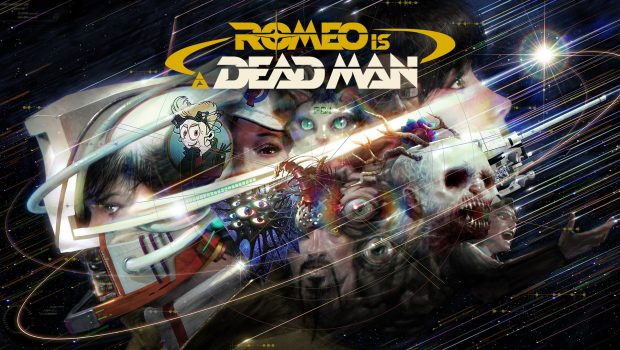
Romeo is a Deadman Review (PS5)
Summary: Another off-kilter future cult classic from Grasshopper Manufacture
4.5
Punk as F***
Romeo is a Deadman is the latest fever dream from Grasshopper Manufacture. If, like me, you’re a fan of SUDA 51 and his particular brand of off-kilter, often self-referential, always entertaining brand of crazy, you are going to be in for one hell of a good time.
As I said, if you’re already a fan of the twisted, overwrought worlds the team at Grasshopper effortlessly creates, stop wasting your limited time on this Earth, reading my latest diatribe, grab a copy, and get playing.
You won’t be disappointed. Hell, you probably already have it downloading as I write this.
It’s a twisted, ultraviolet, hack ‘n’ slash/shooter that’s like nothing else you’ve ever played. Well, unless you’ve played any of SUDA’s other games from the past three decades, in which case, it feels like a culmination of everything that’s come before it. The combat is No More Heroes meets Shadows of the Damned, with hints of Lollipop Chainsaw. It has some similar soulsy quirks as Let it Die, and the same bizarre metaphorical leanings as Killer is Dead.
It’s packed full of cultural influences, which it wears proudly on its sleeve, from The Clash to David Lynch to Return of the Living Dead. But the resultant soup of influences and systems, and the anarchic glee that runs through all of his games and continues at a breakneck pace in Romeo is a Deadman.
Players step into the heavily augmented shoes of Romeo Stargazer, a trainee investigator for the Space Time FBI tasked with tracking down dangerous fugitives hiding in different timelines and dimensions after an incident tears reality apart.
Originally a deputy sheriff in a small rural town called Deadford. Romeo is desperately searching across the multiverse for Juliet, a young woman he started dating after finding her collapsed on a road outside of Detford.
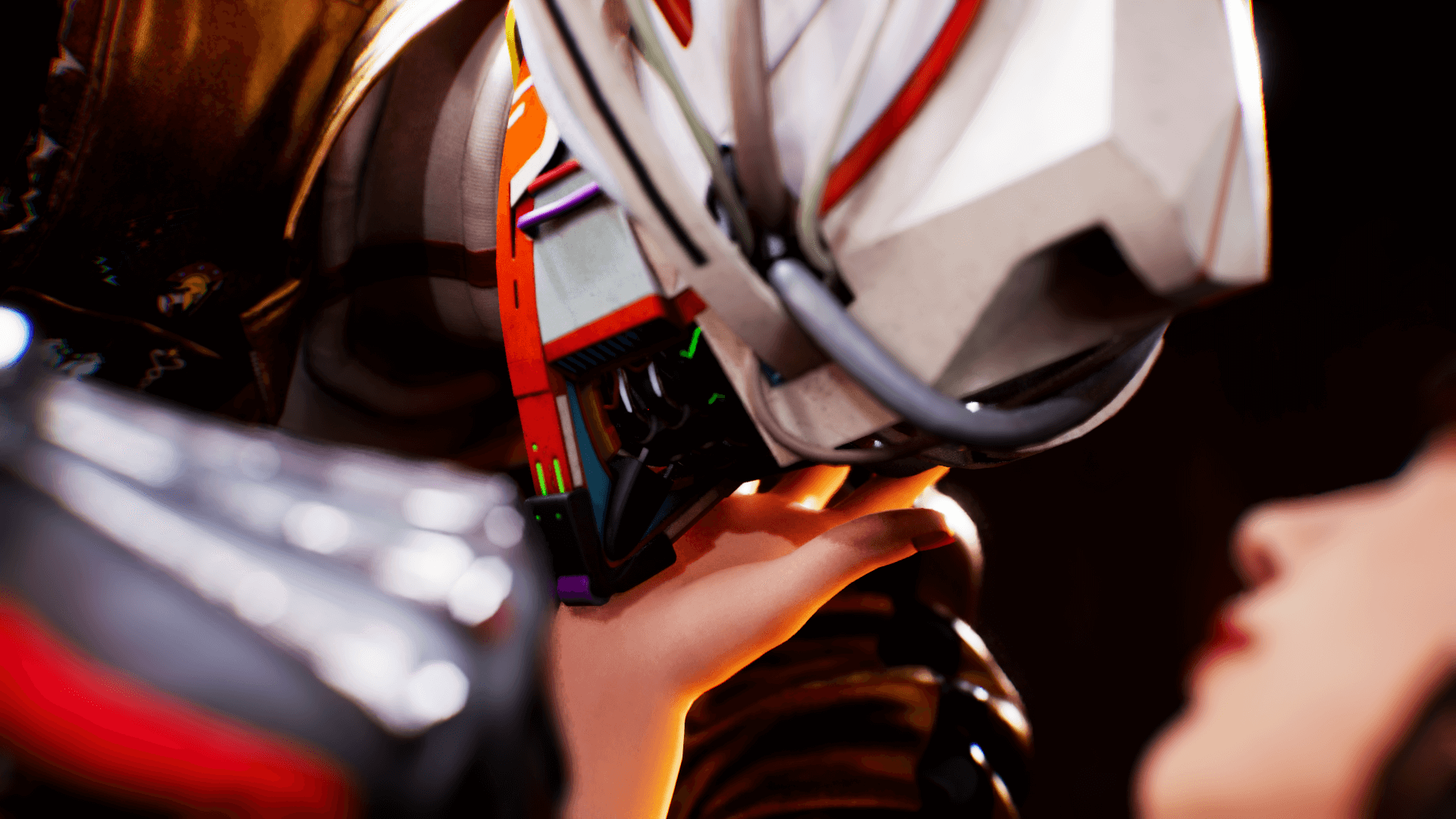
After being attacked by a strange monster while on a routine patrol, Romeo is saved by his time-travelling Grandpa, Benjamin, and transformed into the Deadman, a sword-swinging, gun-toting cyborg.
However, during the attempt, Benjamin is also cut down, but resurrects himself as a sentient patch on the back of Romeo’s snazzy Golden Versity Jacket. Confused… good.
Thus begins a time-twisting multiverse-hopping adventure that is as silly as it is violent. In short, it’s a trip and a half. But one well worth taking.
The bulk of the gameplay sees Romeo travel across time, space, and Detford, cutting down legions of ‘rotters’, twisted dimension-hopping entities that have found a way to push through into real space and cause havoc. These come in all sorts of shapes and sizes to legions of literal zombies, psychotic crows, and swollen-headed aliens to huge, bloated abominations, insectoid mantis men, and giant karate-chopping skeletons.
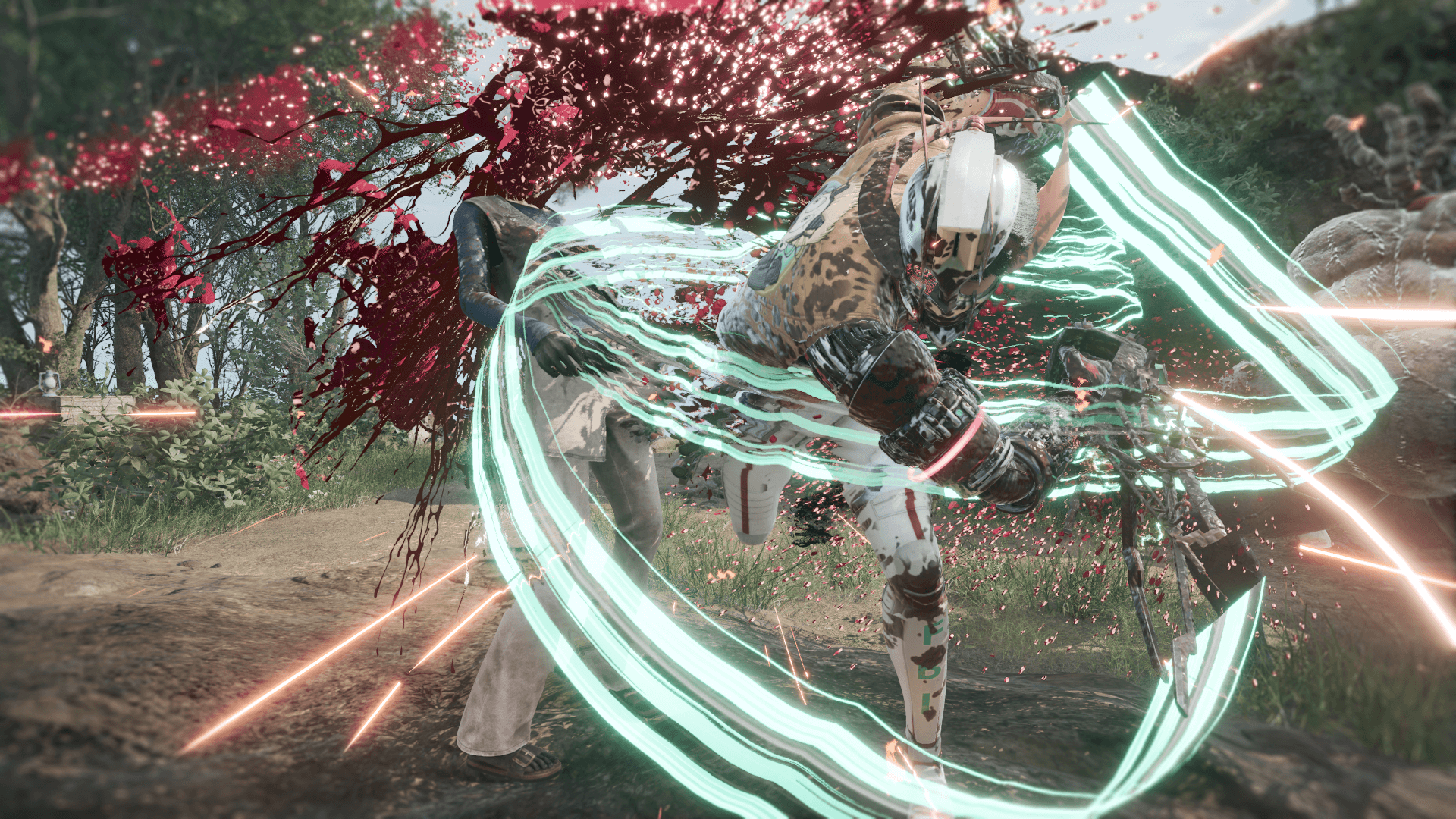
Combat is a frantic, bloody, yet surprisingly strategic affair as Romeo attempts to dispatch mobs of rotters that beam into the stage and mercilessly make a beeline for our hero.
Thankfully, Romeo has an expanding arsenal of melee and ranged weapons that let you dispatch foes in a bunch of different ways. There’s a chainsword, a claymore, gauntlets, and a spear that splits in two, which let you control the tempo of encounters, depending on whether you’re a fan of fast skirmishes or laying into multiple opponents with big, broad swings.
My favourite is the chainsword that Romeo wields like a certain Mr Touchdown, at least it was until I realised that each enemy type is easier to take down with different combinations of weapons.
Some might need to be softened up with melee attacks or your (rasberry something) special, which hits like a cross between a finishing blow from No More Heroes and the candy-coated excess of Lollipop Chainsaw, that also recharges some of your health. Before being finished off with a hail of bullets from your machine gun, shotgun, or a well-placed rocket.
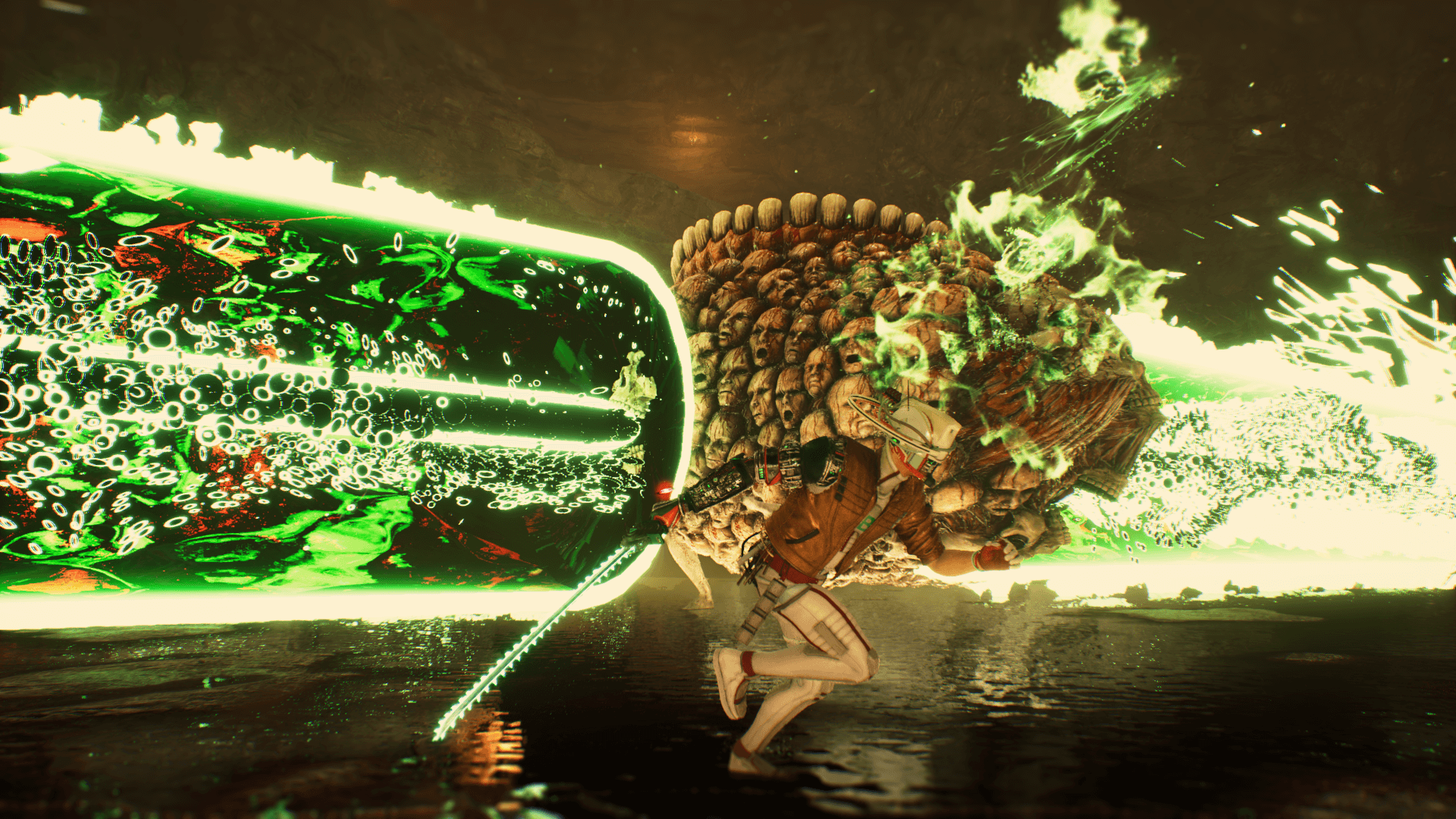
Some rotters have glowing weak points that, if you manage to hit them with a stray bullet or a healthy dose of splash damage from your bazooka, will cripple and often outright kill them.
The fun comes from trying to figure out which foes to prioritise and the best way to do the most damage before you are inevitably overwhelmed and have to make a break for it, or double down and hack your way through.
Romeo has one last trick up his sleeve, though: his very own homegrown rotters, Bastards (that’s their name), he can deploy mid-fight to do all kinds of things, like create healing zones, throw themselves at an enemy, fire a ruddy great laser at them, and much more besides.
Cultivating these special little guys is done at the gardens tended by Romeo’s little sister Luna aboard the Last Night, the spaceship you call home that you can beam back to mid-level from any pharmacy you find, which essentially acts like the Bonfires in Dark Souls.
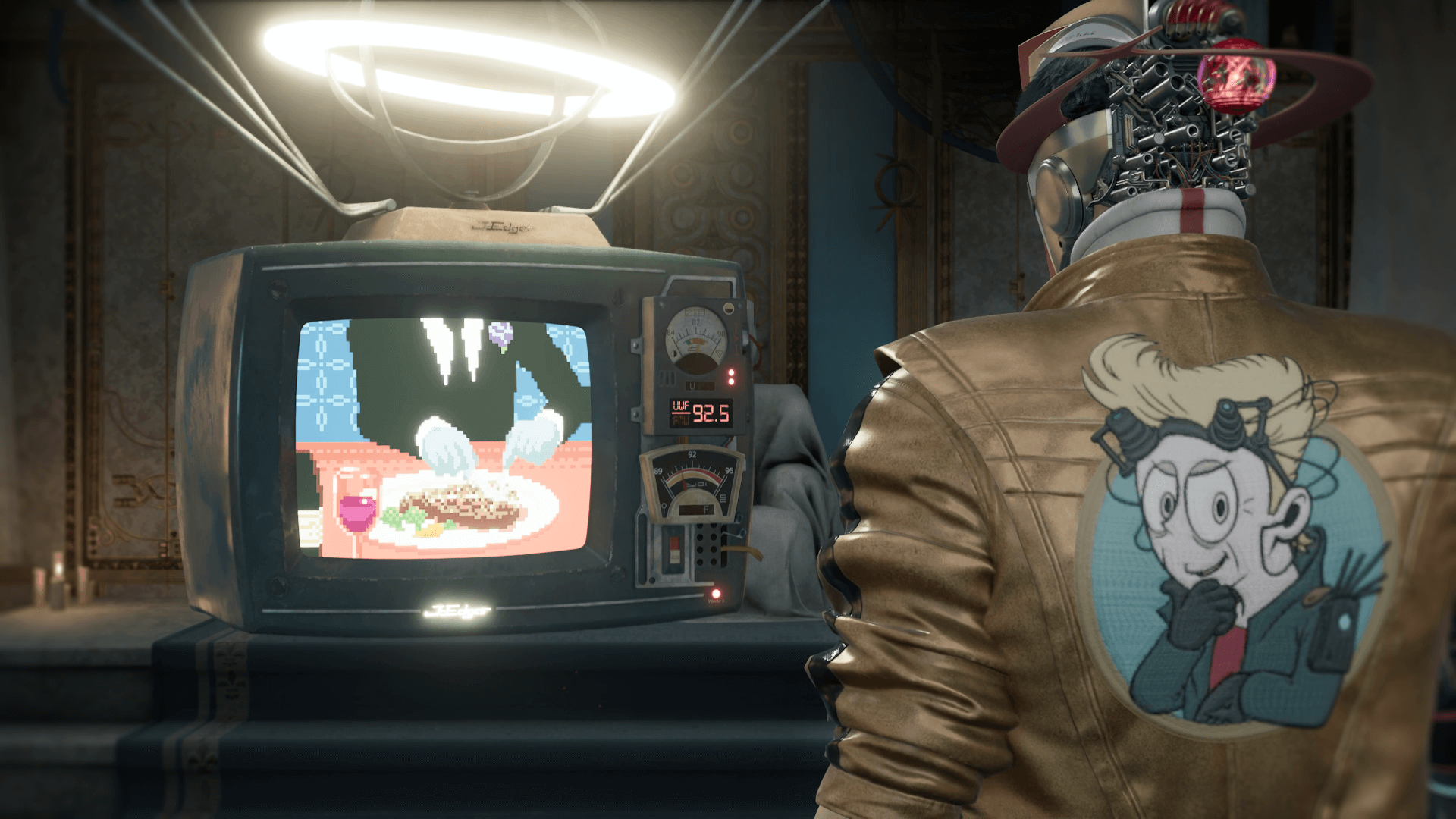
Raising Bastards is a fun minigame all of its own and sees you use seeds that you collect out in the field to grow your own sacrificial zombie horde back on the ship. Once you’ve harvested your rotters and given them a daft random name, you can fuse them to create even more powerful Bastards, with bigger, better effects, Persona-style.
While on board the Last Night, you can also cook some buff-inducing katsu curry with Romeo’s mum, spend some well-earned Emerald Flowsion (currency) upgrading your stats via the rather fun maze game, or at the shop overseen by a guy best described as One Punch Man cosplaying as Agent 47, or take a quick trip to Palace Athena, a series of procedurally generated dungeons that help you get more Flowison as well as upgrade items to beef up your weapons as well as badges you can wear that give various passive buffs.
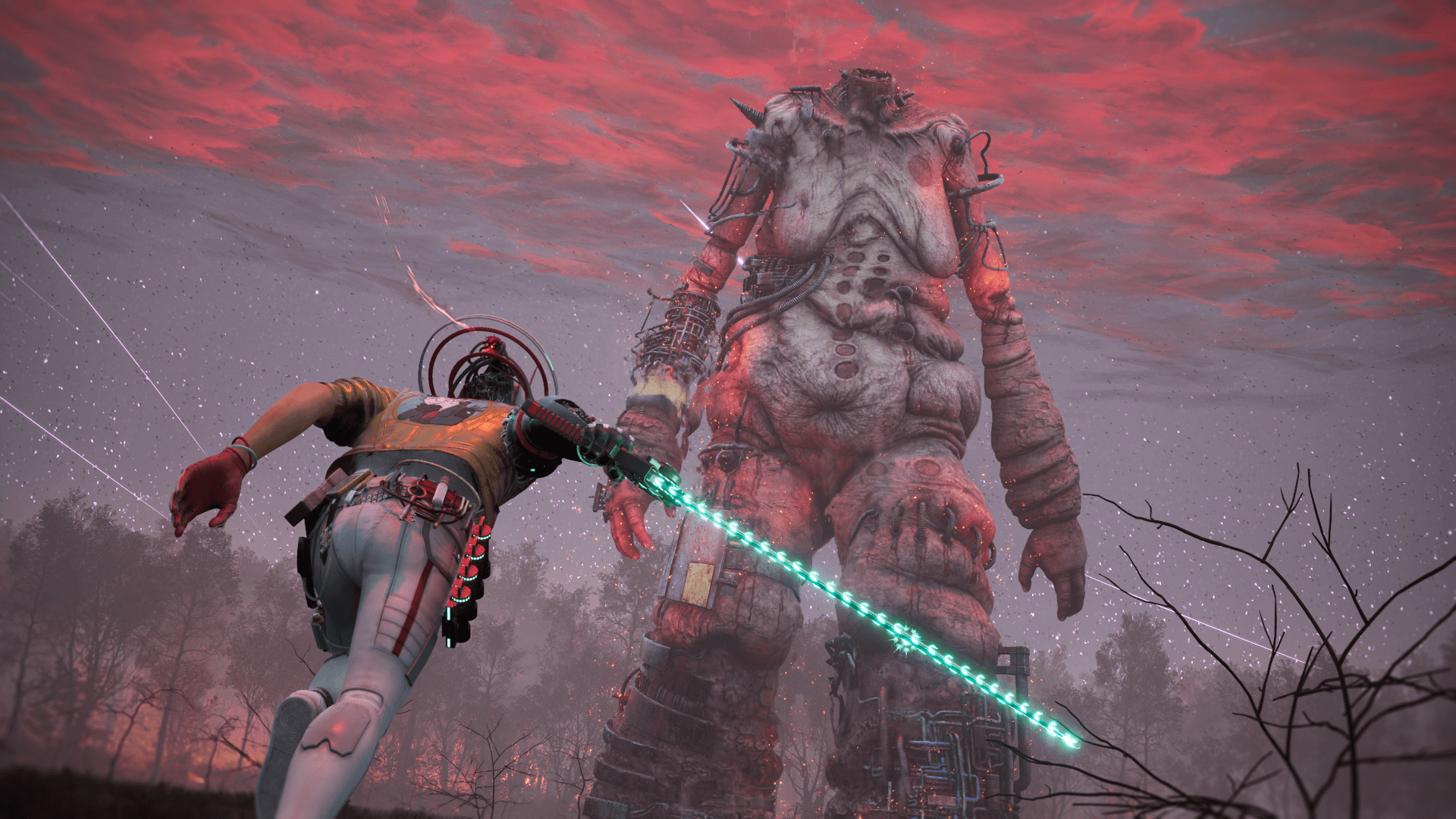
It wouldn’t be a SUDA 51 game without some superb boss fights. I’m happy to say that Romeo is a Deadman is packed with the kind of boss fights mama used to make, no mobs, no annoying interference, just you, your wits, vs one huge, beautifully designed, and very angry monstrosity that hits like a truck, but is just about predictable enough for you to find effective ways of overcoming their defences and watching the gits topple to the floor after a thrilling seat of your pants dual.
Which you can then replay later on for more rewards and, once you have a few more upgrades, the fun of ripping apart a previously tricky foe in a matter of seconds.
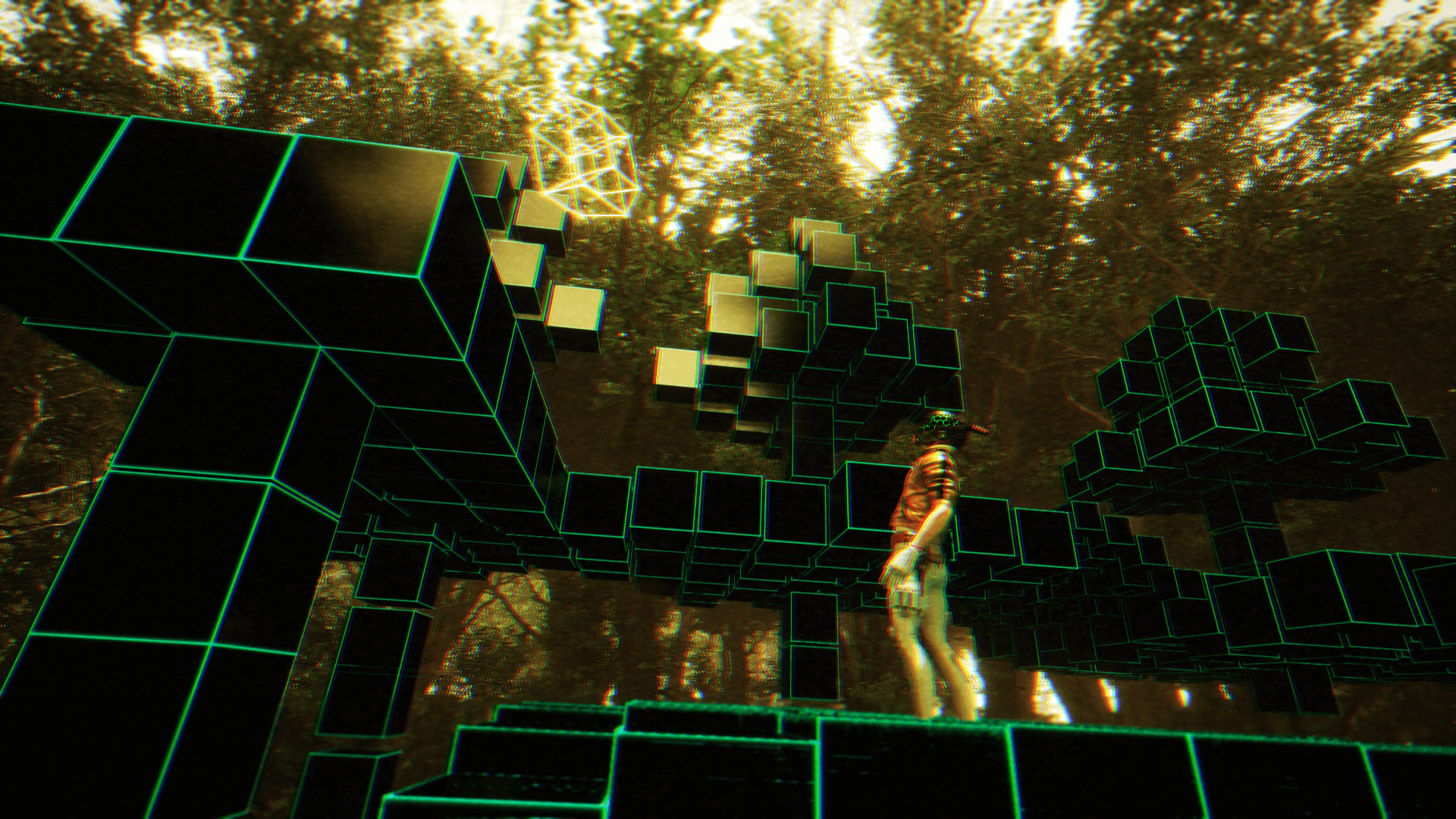
However, the thing I find most impressive about Romeo is the level design. At various points in your quest to arrive at the inevitable boss battle, you’ll travel to subspace, a strange dimension that looks like Metal Gear Solid’s VR missions if they were constructed by someone on mushrooms. It’s a relatively peaceful place that foregoes combat for simple platforming and frequency-based puzzling, accompanied by Discordant jazz as you run around the halls; it’s basically David Lynch’s Tron, and I love it.
The coolest part, though, is how it interacts with Real space. Opening new pathways in subspace and finding new places to exit allows you to open up new routes in realspace. I know this isn’t anything new, it’s just been done really well, and making it out of one and then diving back into the other is always followed by a minor eureka moment when you realise which locked door you’ve managed to bypass or new area you appear in.
I would be remiss if I didn’t mention the presentation, though, which is fantastic. It mixes the mundane with the fantastical in the best way possible. Municipal buildings and shopping malls are infested with bizarre creatures invading through cracks in reality, descending from literal stairways from heaven, complete with biblically accurate angels. That is to say, half a dozen eyes gawking at you.
The edges of reality rip open, and pixels spill into the world from subspace to infect you with various computer viruses that affect your movement and abilities.
The loading screens are a parody of the artwork to London’s Calling; it’s colourful, it’s odd, there’s never a dull moment, and the audio is also superb. This includes performances from the main cast, which surprisingly features Judd Nelson (for all you Breakfast Club fans out there)
Final Thoughts
Romeo is a Deadman is destined to be a cult classic.
It’s a stylish and quirky action-horror adventure that is as funny as it is downright disturbing at times. The combat is solid and strategic, while the level design is smart yet straightforward, and it was clearly a labour of love for everyone involved.
But what I really love about Romeo is Dead is that it’s not afraid to throw ideas at the wall and keep what sticks, and there’s a certain attitude that runs through the entire thing that is utterly captivating. It doesn’t care if you like it. It doesn’t care if you don’t get it. It does its own thing, it does it well, and that makes it Punk as Fuck.

Related Posts

Collector’s Cove Review (PS5) →

Thomas & Friends: Wonders of Sodor PS5 review →
Legacy Of Kain: Defiance Remastered Review (PS5) →