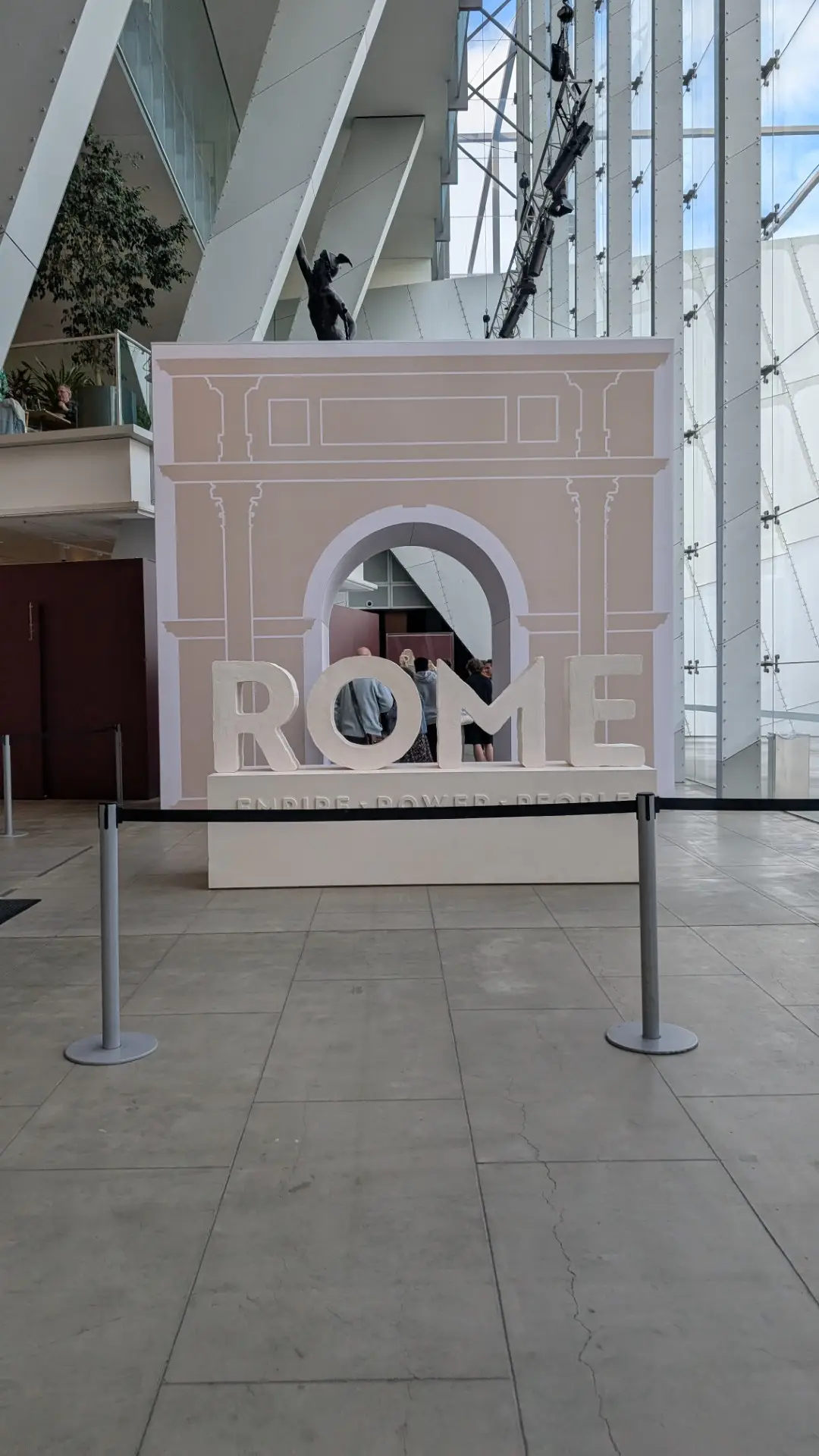
ROME: Empire, Power, People (Melbourne Museum) Exhibition Review
Summary: ROME: Empire, Power, People (Melbourne Museum) Exhibition is an amazing journey back to one of the world's most powerful ancient civilizations
5
Marvelous Empire
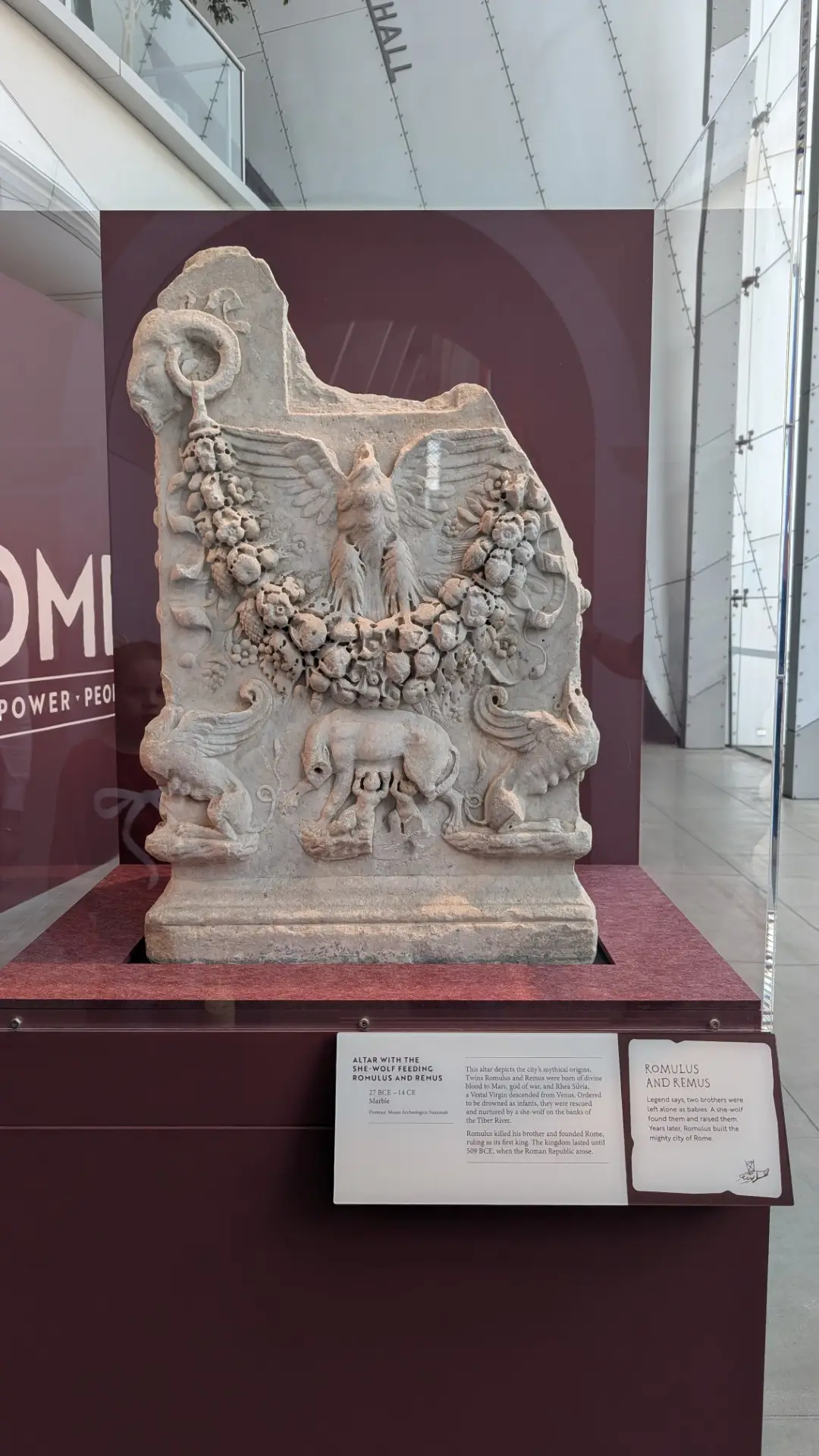
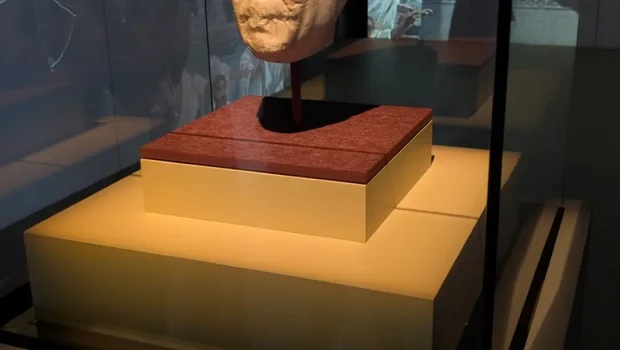
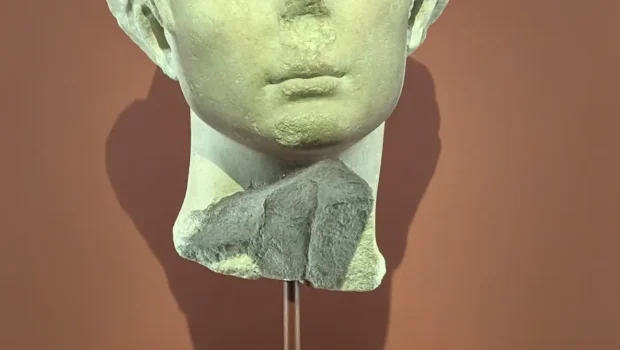
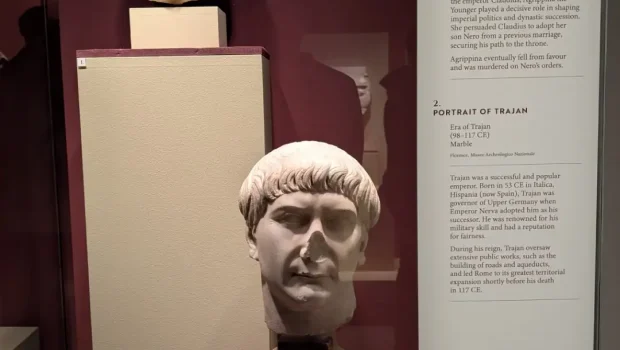
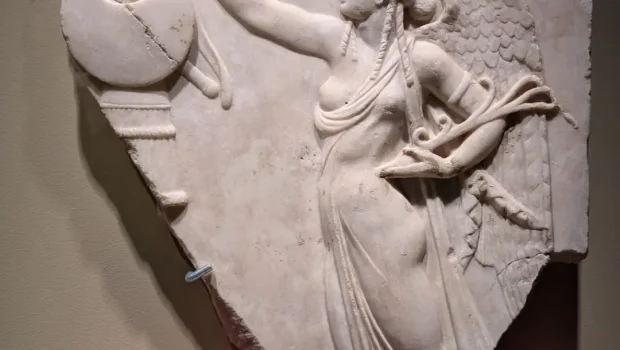
Stepping into ROME: Empire, Power, People at Melbourne Museum feels like crossing a threshold in time as this Melbourne‑exclusive exhibition doesn’t simply display history but draws visitors into it with a sense of immersion that grows with every step. Through more than 150 remarkable artefacts spanning the 1st to 3rd Century CE, the exhibition opens a window onto the world of emperors, gods, gladiators, merchants and families, capturing the breadth of Roman life from the humblest citizen to the divine and allowing the past to unfold with a vividness that feels almost immediate. Setting the scene of this engaging exhibition is a beautiful marble altar featuring the twins who were born of divine blood to Mars, the God of War and Rhea Silvia, a Vestal Virgin who descended from Venus and were rescued by a she‑wolf with Romulus several years later murdering his brother Remus in order to become the first King of Rome.
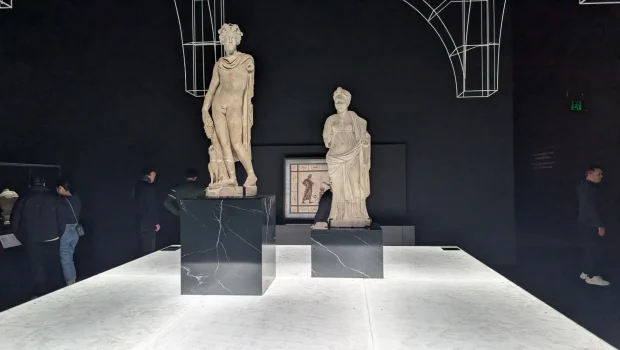
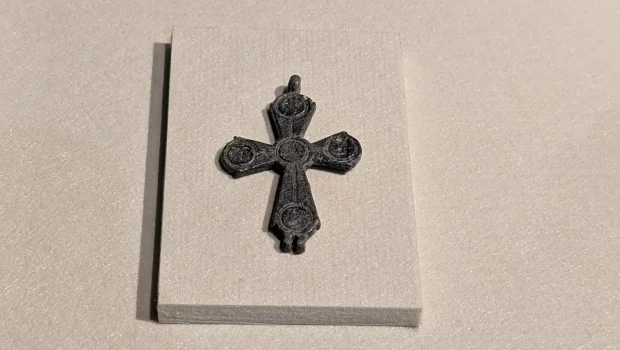
As you walk through this exhibition, you learn that ceremonies, sacrifices and festivals formed the heartbeat of Roman spirituality, which was public, performative and deeply political, serving as a means to secure divine favour and imperial prosperity. For example, a bronze hand amulet bearing a ram’s head and aquatic motifs links Jupiter Dolichenus and Sabazius to blessings that echo through later ritual gestures, while a bronze oracle dedicated to Fortuna carries a prophecy of success that offers a tangible connection between faith and fate. A marble statue of Asclepius, God of healing, stands serene with his serpent staff and symbolises the divine origins of medicine and together these artefacts reveal how Romans sought protection, meaning and reassurance through rituals that blended myth, magic and everyday devotion.
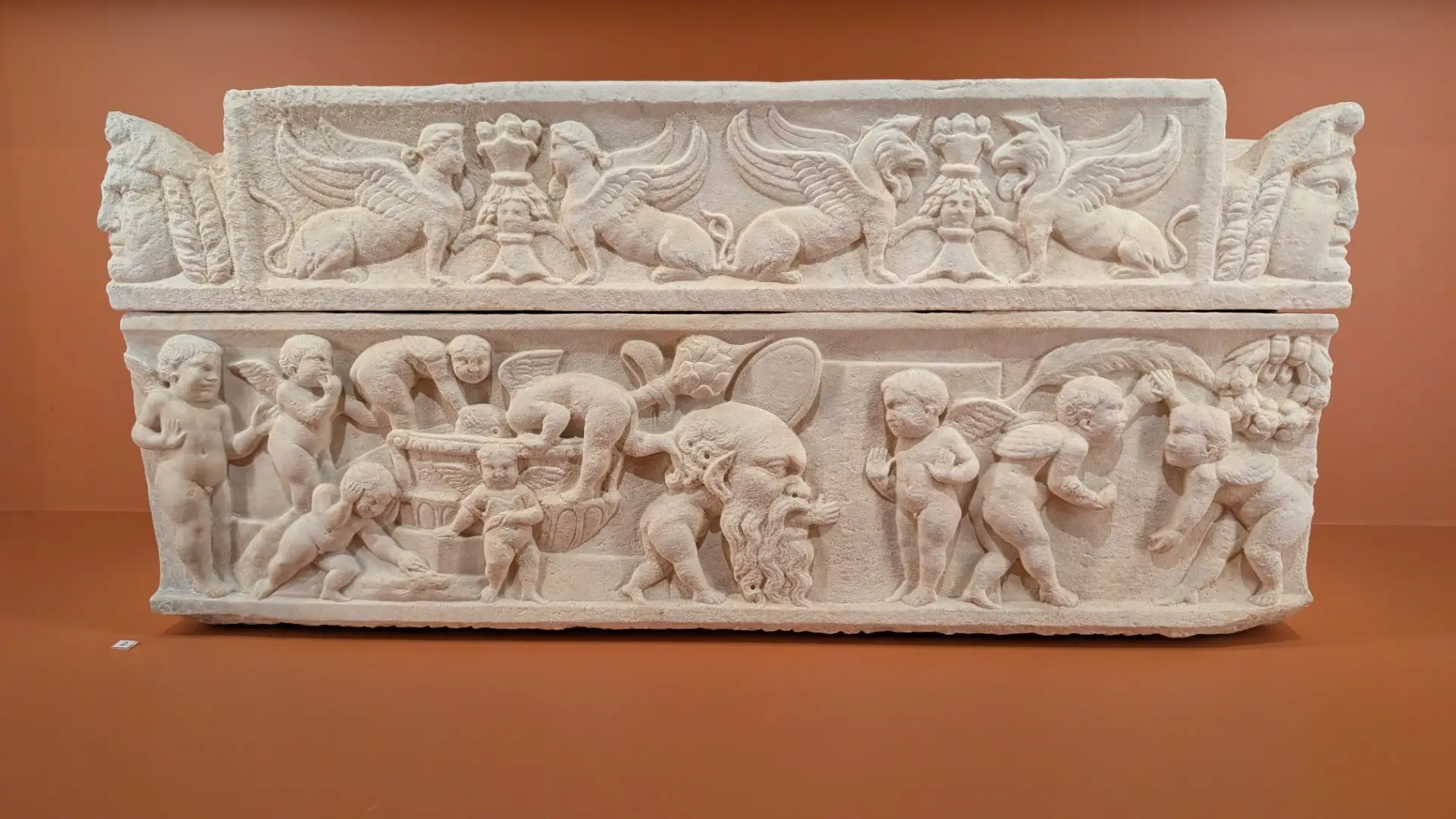
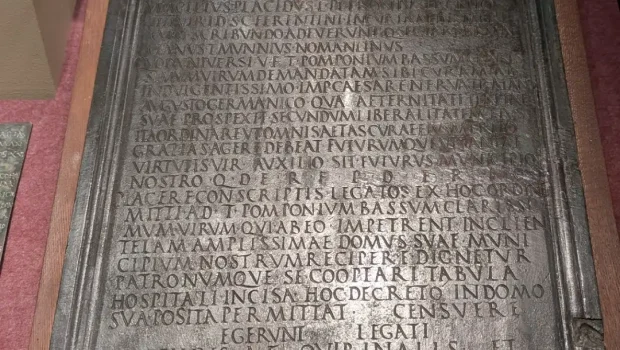
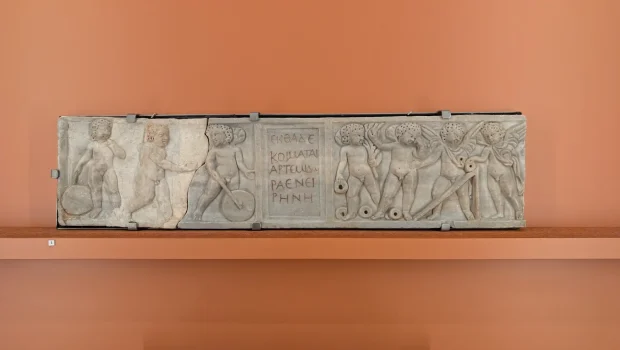
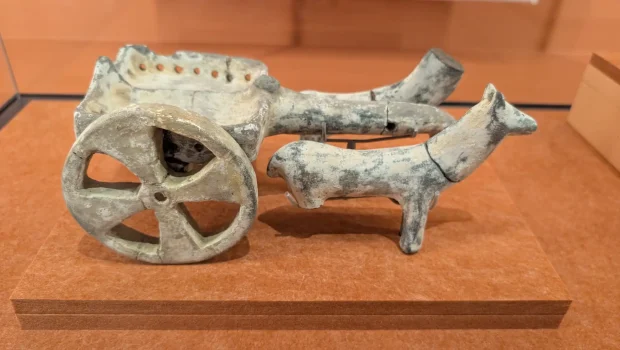
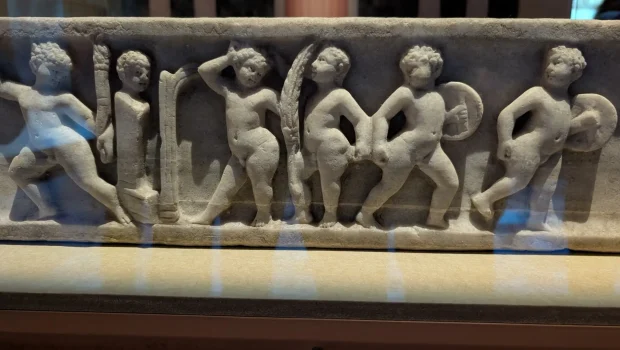
The exhibition also explores the emotional depth of Roman family life, such as the funerary inscription of young Faustillus carved by his tata offering a heartbreakingly intimate glimpse into the tenderness of a father mourning his seven‑year‑old son. A toy chariot and ivory figurine evoke the innocence of childhood, while the lid of a sarcophagus depicting gymnasium scenes commemorates an eleven‑year‑old boy surrounded by cherubs practising athletic games and these pieces remind visitors that Roman life was shaped as profoundly by love, loss and family bonds as by politics and power.
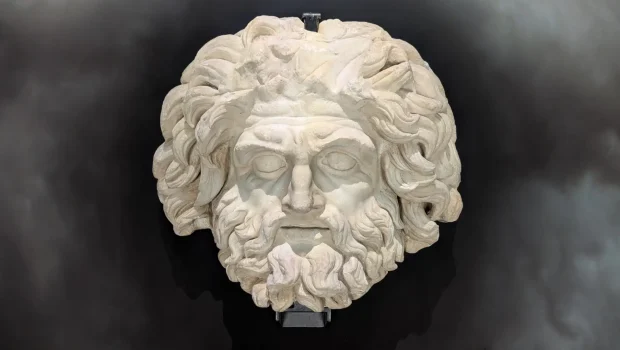
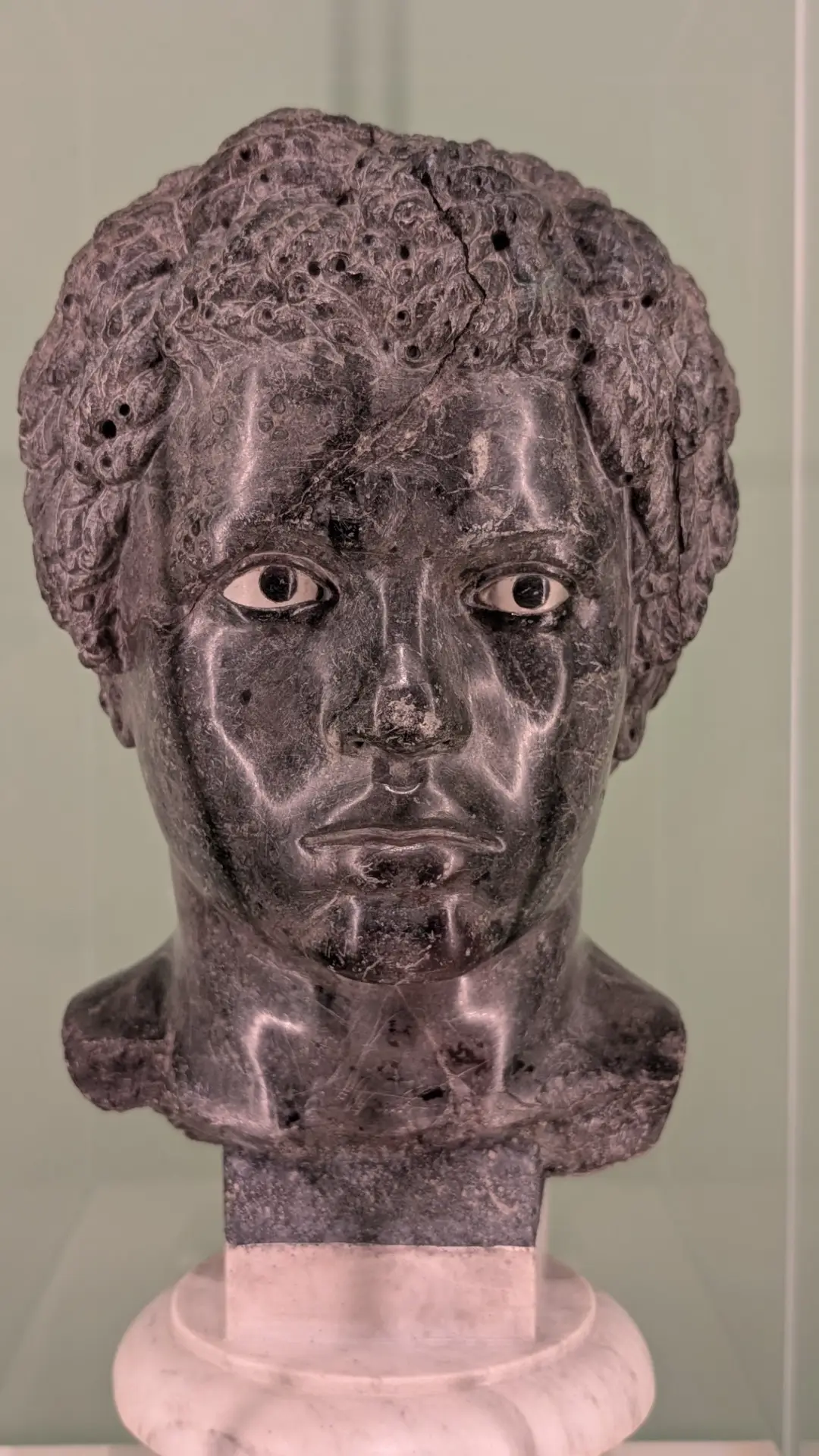
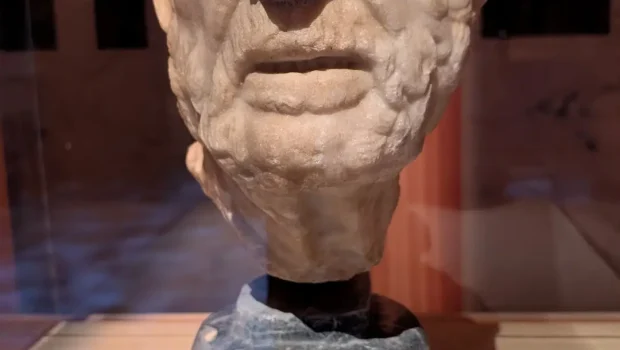
Further, Rome’s diversity emerges through a portrait of a young man carved in dark marble, whose features reflect a non‑traditional Roman heritage that serves as a reminder that the empire was multiethnic and interconnected. People of African descent in Rome could rise from servitude to prominence as philosophers, poets and even senators and the dignified expression captured in this portrait reflects both the sculptor’s respect and the sitter’s quiet strength.
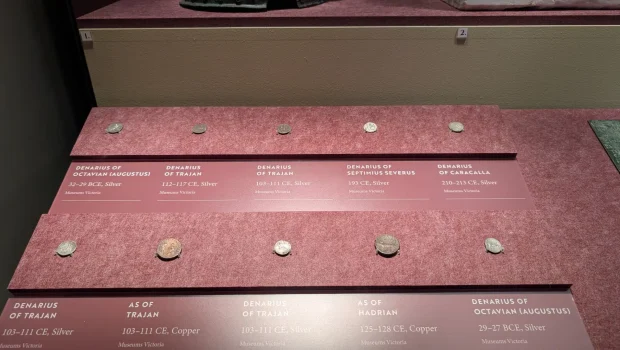
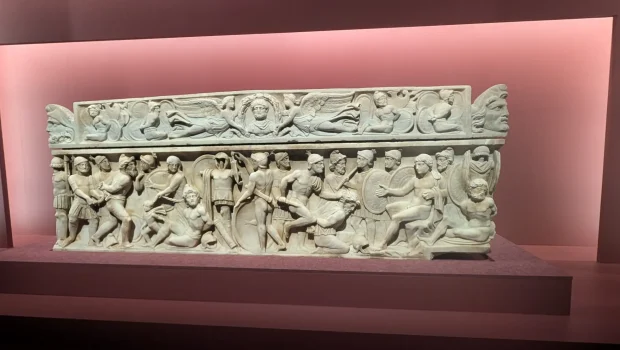
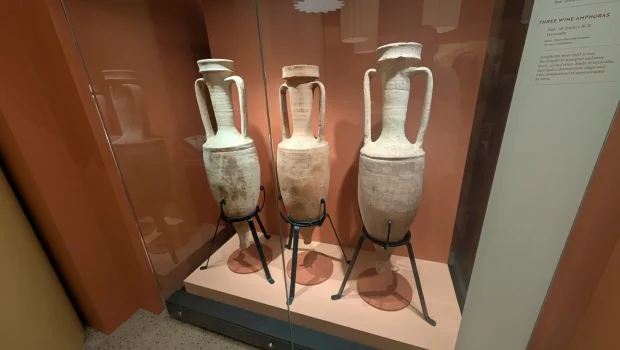
The bustling world of Roman commerce comes alive through market scenes carved into sarcophagi, amphoras used to transport wine and oil and displays that explain the spending power of ordinary citizens, revealing that a day’s wage could buy a single amphora of wine while a simple tunic cost four denarii. These details ground the exhibition in the realities of daily life and show how work, trade and movement shaped the empire in ways that feel surprisingly familiar.
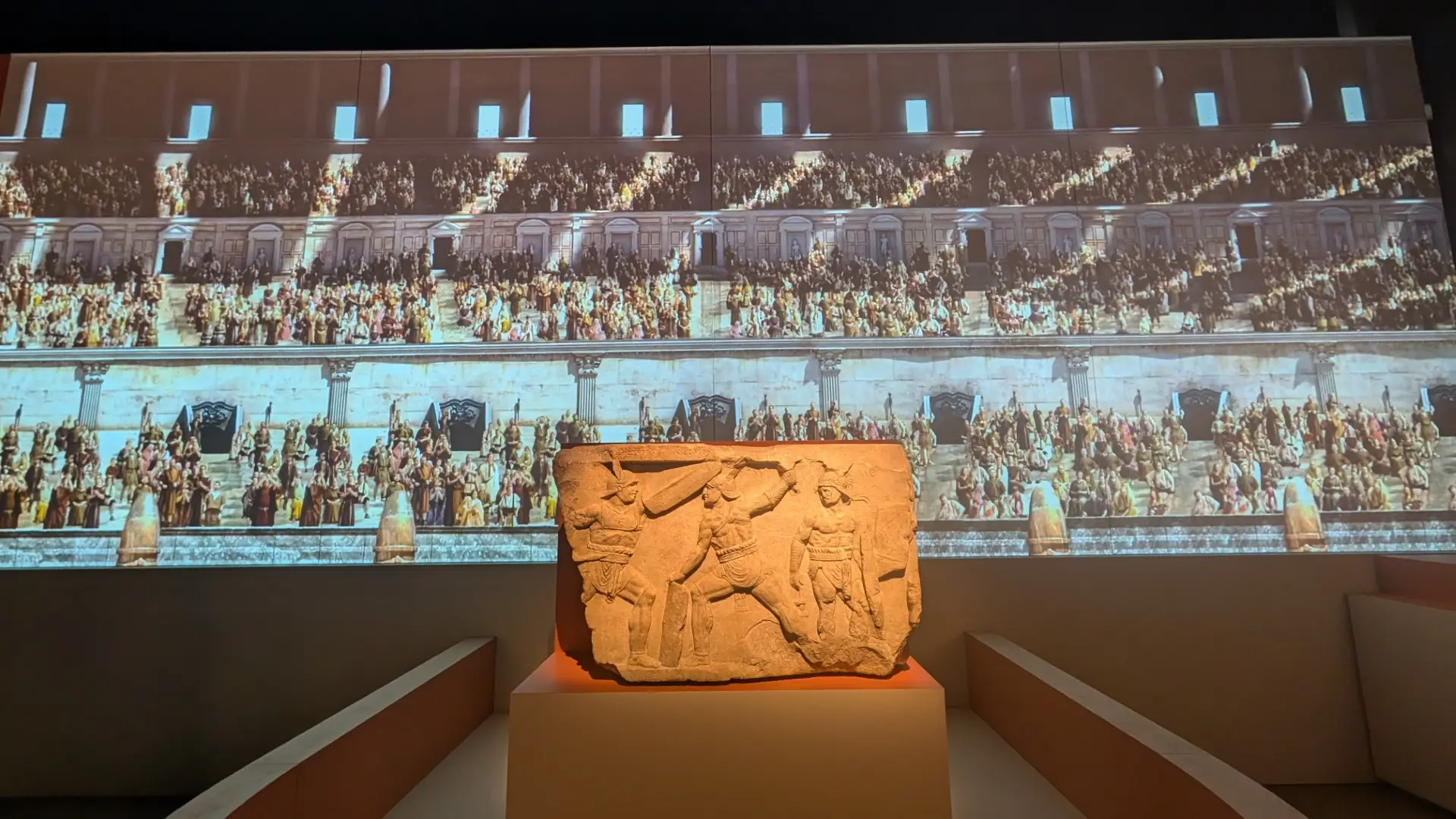
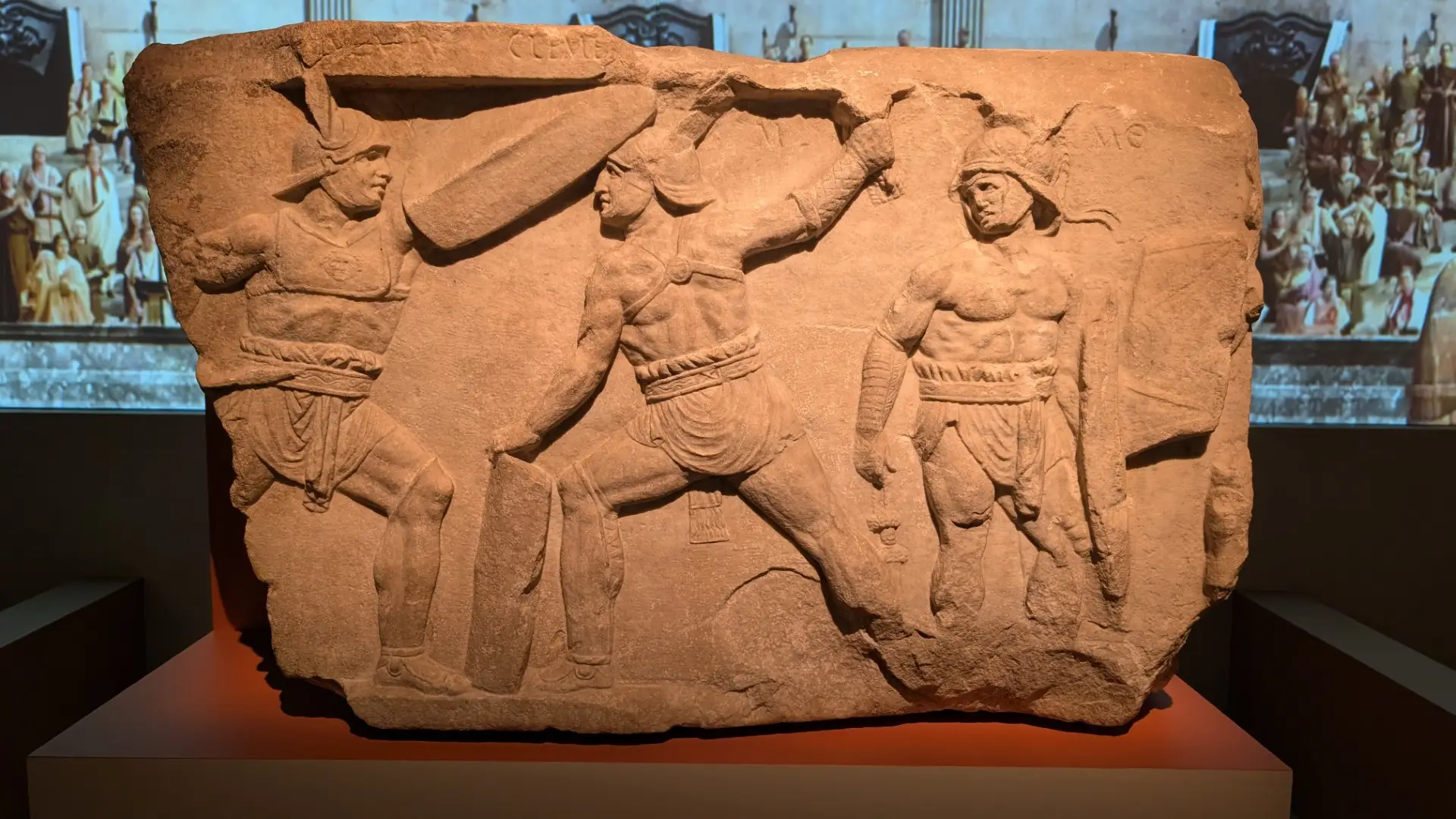
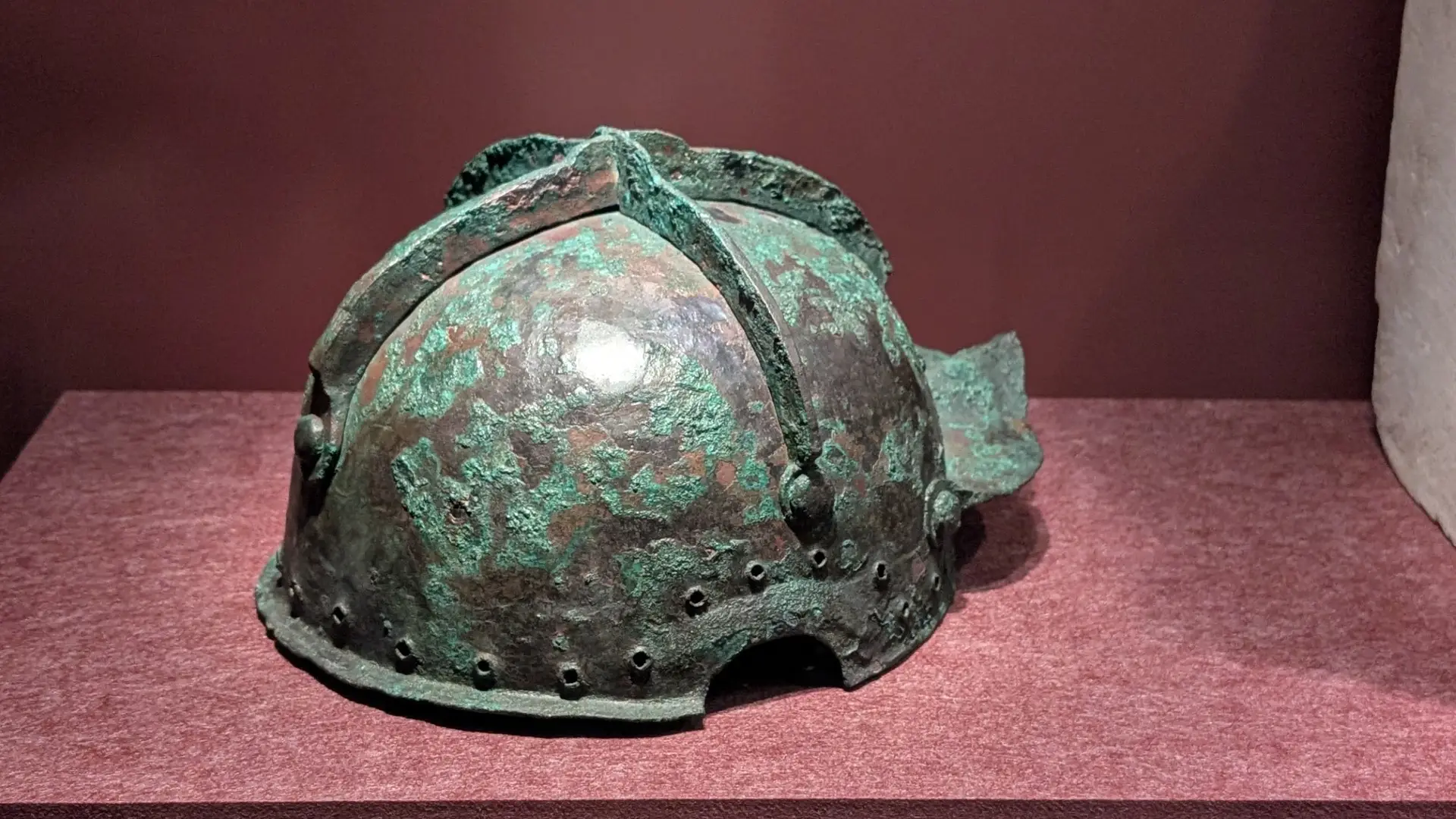
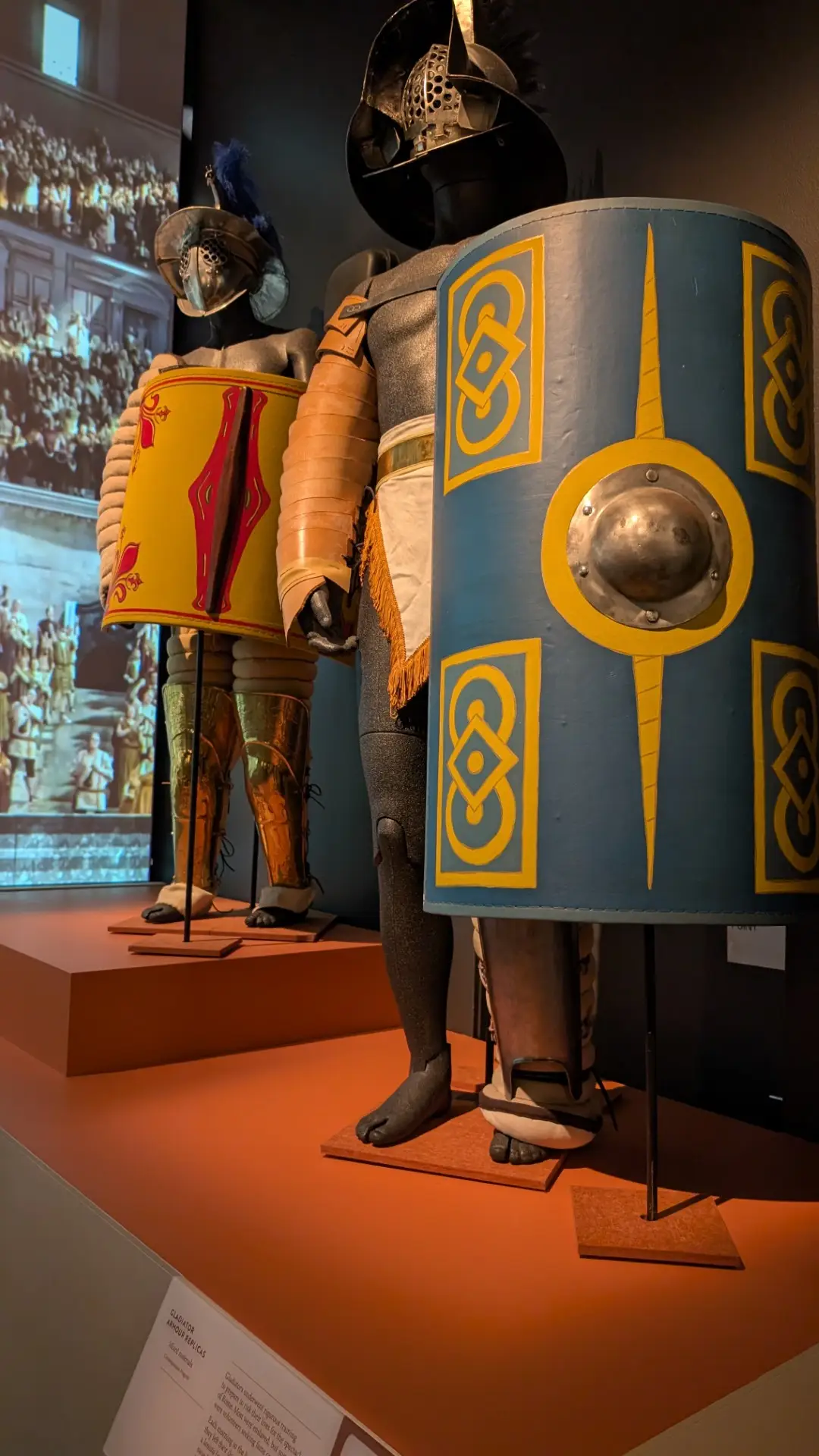
The section devoted to gladiators and charioteers (definitely a highlight) reveals how exceptional training and fearless defiance of danger shaped these performers, who were often enslaved yet managed to stir the masses with displays of skill and courage that elevated them to the status of ancient superstars. Replica armour demonstrates the precision of their craft, from curved swords and heavy shields to helmets adorned with plumes and grills that balanced protection with visibility, while daily training in the ludus under the watchful eye of a lanista and diets rich in barley and legumes earned them the nickname “barley eaters”.
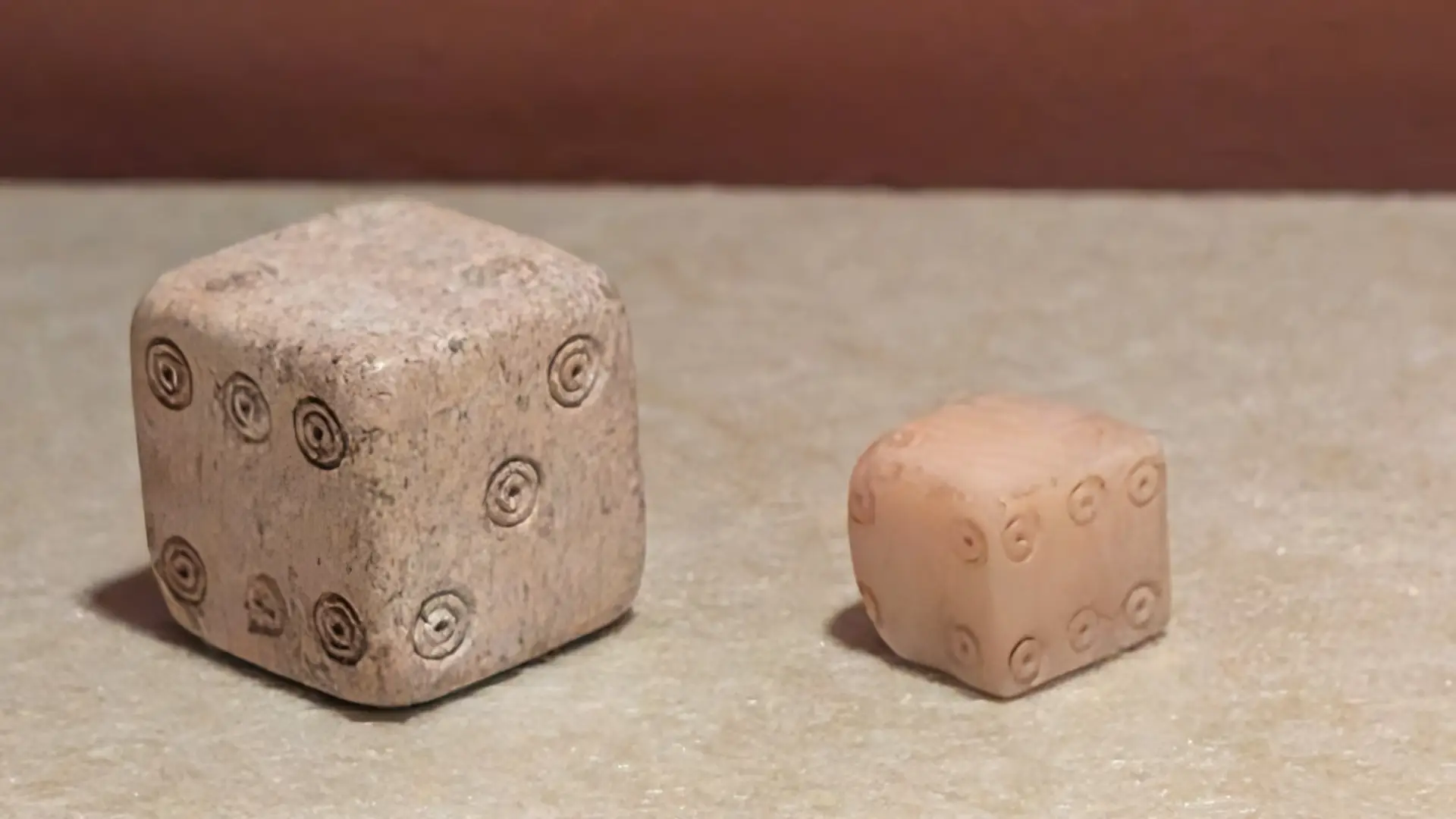
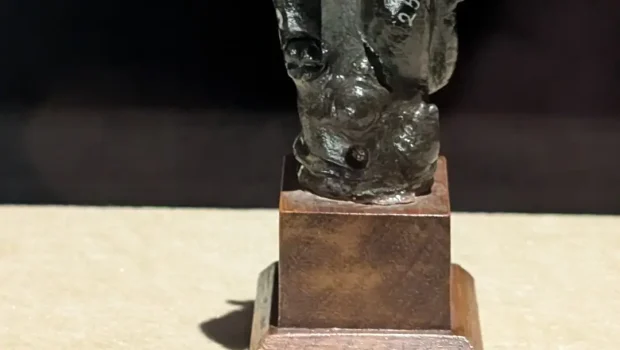
A marble relief from 30 BCE depicting provocatores locked in combat and a bronze statuette capturing the tension of battle in miniature bring the arena to life, just as the funerary inscription of C. Sempronius, a murmillo gladiator, preserves the memory of his courage and equipment. Nearby, a bronze medallion of Gordian III celebrates the structural majesty of the Colosseum and the lavish imperial games of a later era, while a projection of the Colosseum crowds filling the tiers in minutes surrounds visitors with the roar of history. Romans also embraced leisure beyond the arena and knucklebones, dice and gaming pieces reveal a culture that valued both chance and strategy, reminding us that competition was woven into daily life whether fought with weapons or played across a table.
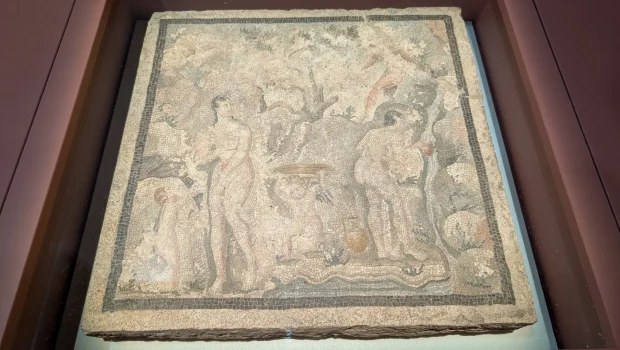
By the 2nd Century CE, Rome had begun to revel in unrestrained splendour as military conquests opened the empire to exotic luxuries including marble, glass, spices and silks, which transformed both public buildings and private homes into showcases of wealth and artistry. A mosaic of nymphs crafted from glass tesserae depicts a forest waterfall framed by mythic beauty and the surrounding dining displays remind visitors that Roman banquets were carefully orchestrated sensory experiences where food, conversation and ritual blended into a single expression of cultural identity.
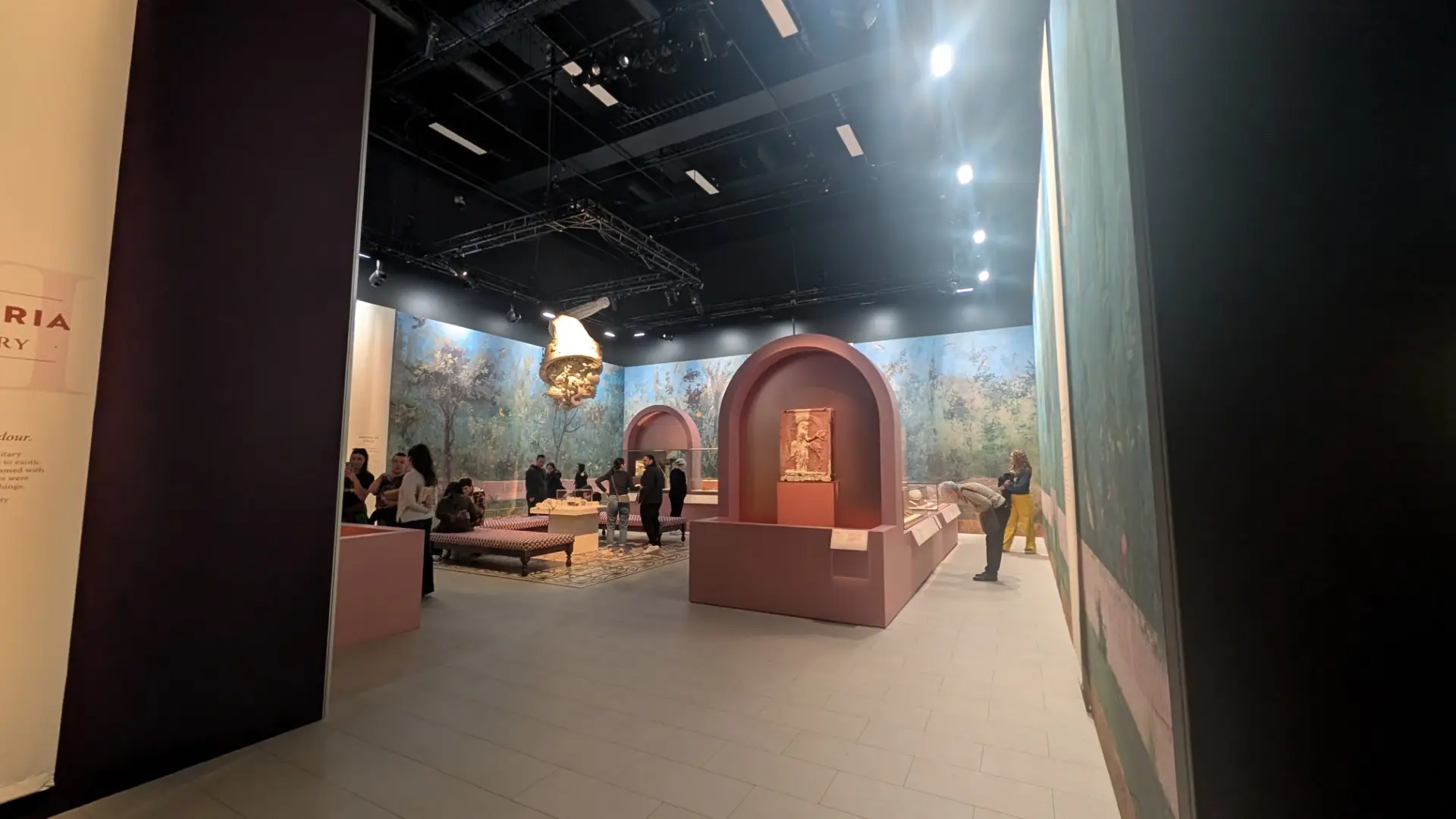
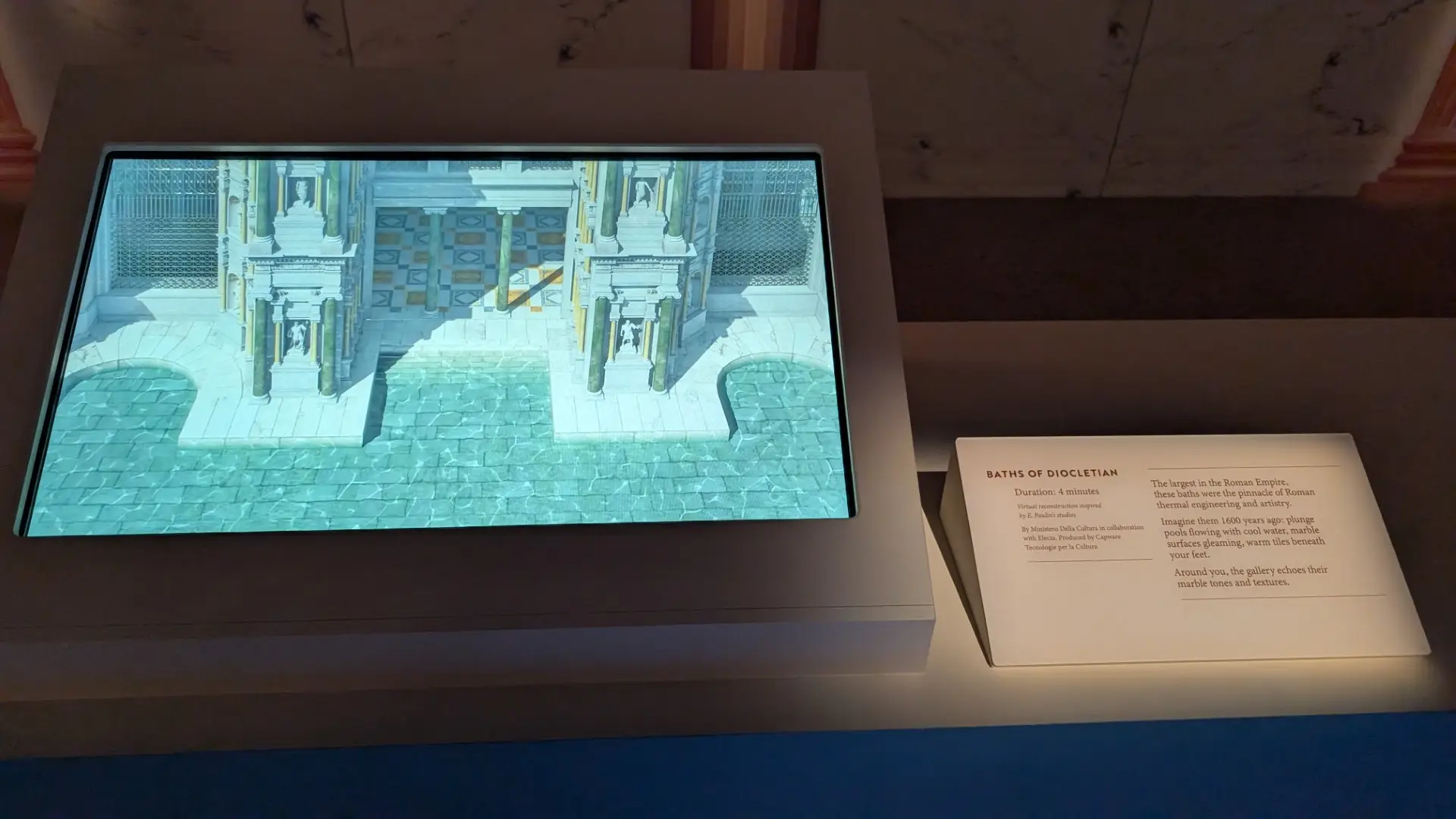
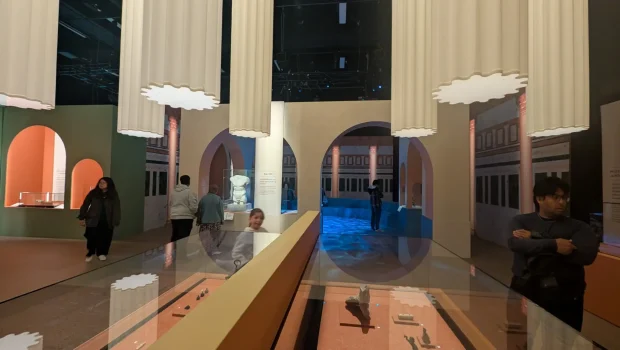
Throughout the exhibition, lighting, sound and scenography combine to create a sensory environment that feels almost cinematic, with subtle audio of marketplaces, distant arena crowds and whispered prayers enriching the atmosphere while carefully controlled lighting highlights the textures of marble, terracotta and bronze. The result is not merely a visual showcase but a layered sensory experience that draws visitors deeper into the world of ancient Rome.
Final Thoughts
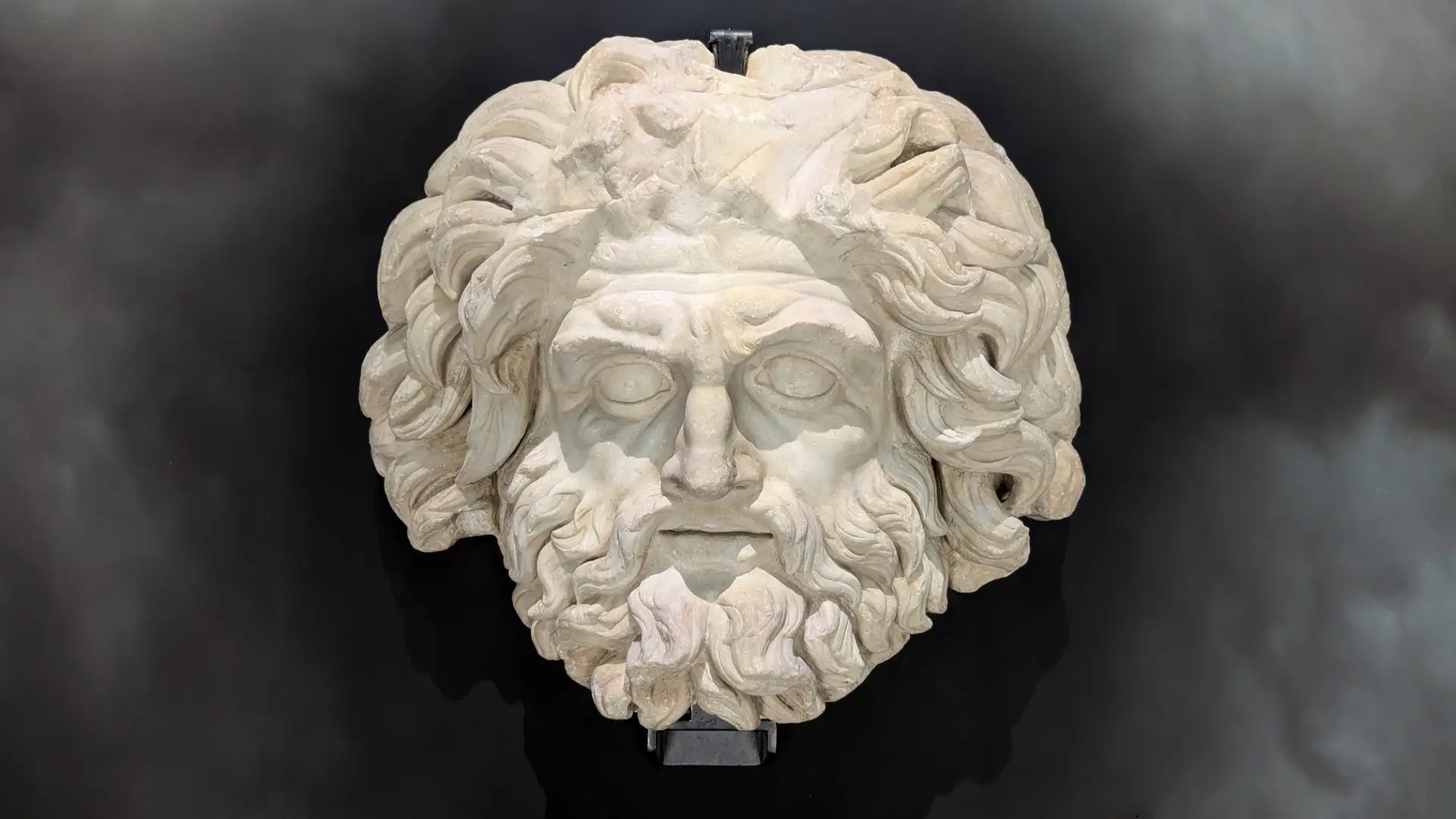
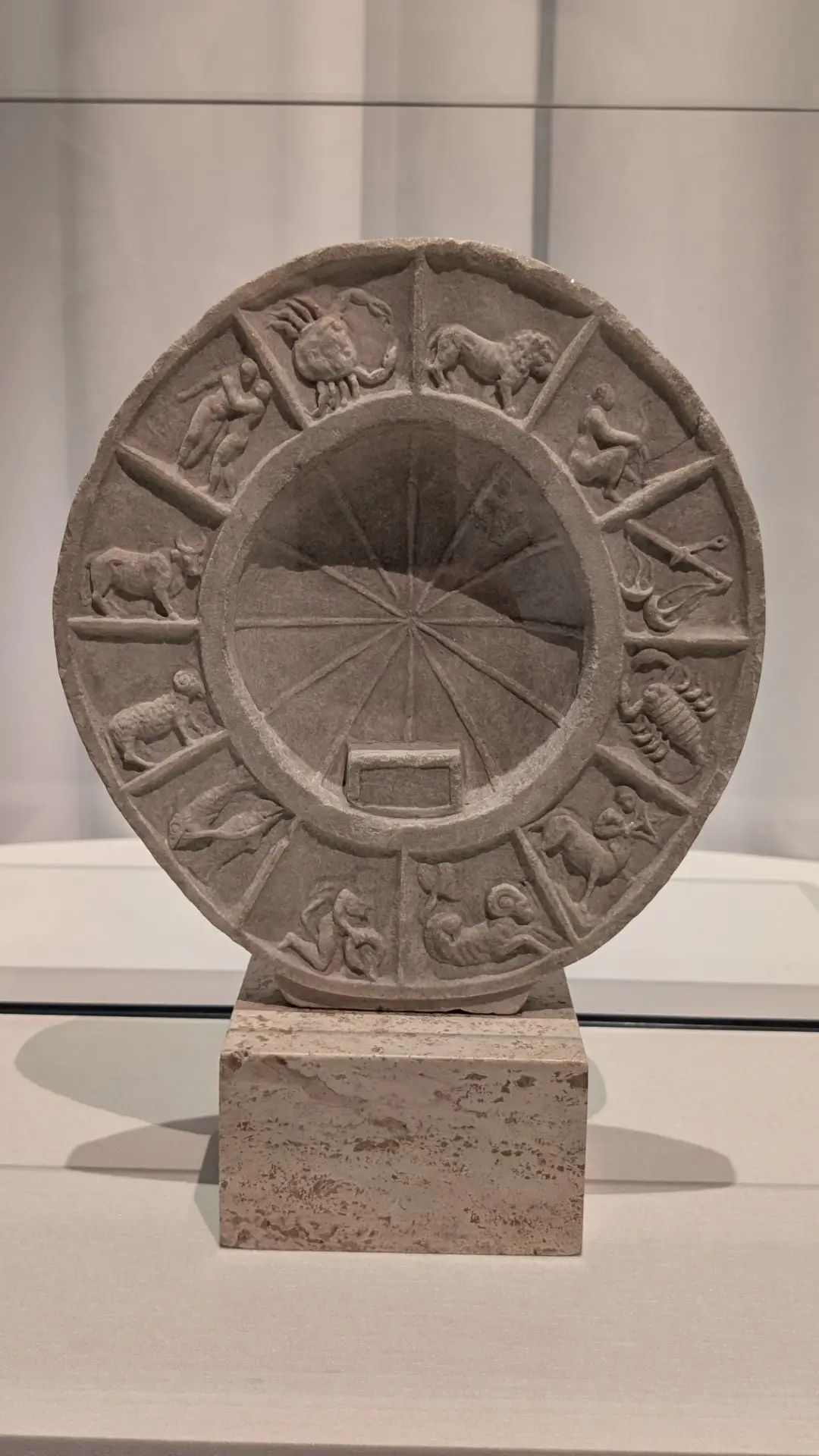
ROME: Empire, Power, People stands as a triumph of curation and storytelling, offering a sensory, emotional and intellectual journey through the splendour and humanity of ancient Rome. From the roar of the Colosseum to the quiet reverence of divine offerings, Melbourne Museum and its Italian collaborators have created an experience that feels both scholarly and immersive, offering not just a look back in time but a vivid reminder of how Rome’s legacy continues to shape the world we live in today. Given how this powerful civilisation shaped the world, the last item of this exhibition is a sundial of the 12 Zodiac symbols and guided by astronomer Sosigenes, Julius Caesar introduced the 12‑month Julian calendar.
Gallery



Related Posts

Star Wars Zero Company Cast Revealed + San Diego Comic Con Appearance →
DUNE: SKATE DECK—SHAI-HULUD BY DARK HORSE DIRECT →

BlizzCon 2026 Digital Bundles just dropped on the Battle.net Shop →