
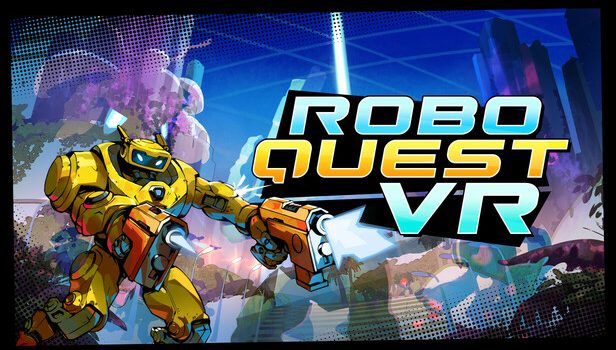
Roboquest VR Review (PSVR2)
Summary: Roboquest VR brings the fast-paced, roguelite chaos of the original into virtual reality, letting you sprint, slide, and blast through robot-filled arenas with fully immersive controls. Its mix of chip upgrades, temporary Powercell boosts, and Workshop progression keeps each run fresh and rewarding, while the kinetic combat and inventive weapons feel even more intense in VR. Overall, it’s a polished, high-energy experience that perfectly translates Roboquest’s momentum and depth into a thrilling VR adventure.
4.3
Kinetic Carnage
Roboquest VR is a steel-plated gauntlet of kinetic gunfights, blistering movement, and roguelite unpredictability. Roboquest first arrived in 2020 as an Early Access title from French indie team RyseUp Studios, eventually launching fully in 2023 with publisher Starbreeze Studios. Its flat-screen release built a reputation for blisteringly fast roguelite gunplay and a vibrant, cel-shaded world. Now rebuilt for headsets, Roboquest VR lands on PSVR2 and SteamVR as of November 20, 2025, with a Meta Quest version planned for early 2026 courtesy of Flat2VR Studios and Impact Inked. The shift into VR doesn’t just preserve the kinetic identity of the original, it amplifies it. Speed, reflexes, and aggressive mobility define the experience, and the result is a VR shooter that sells pure momentum better than most games in the space.
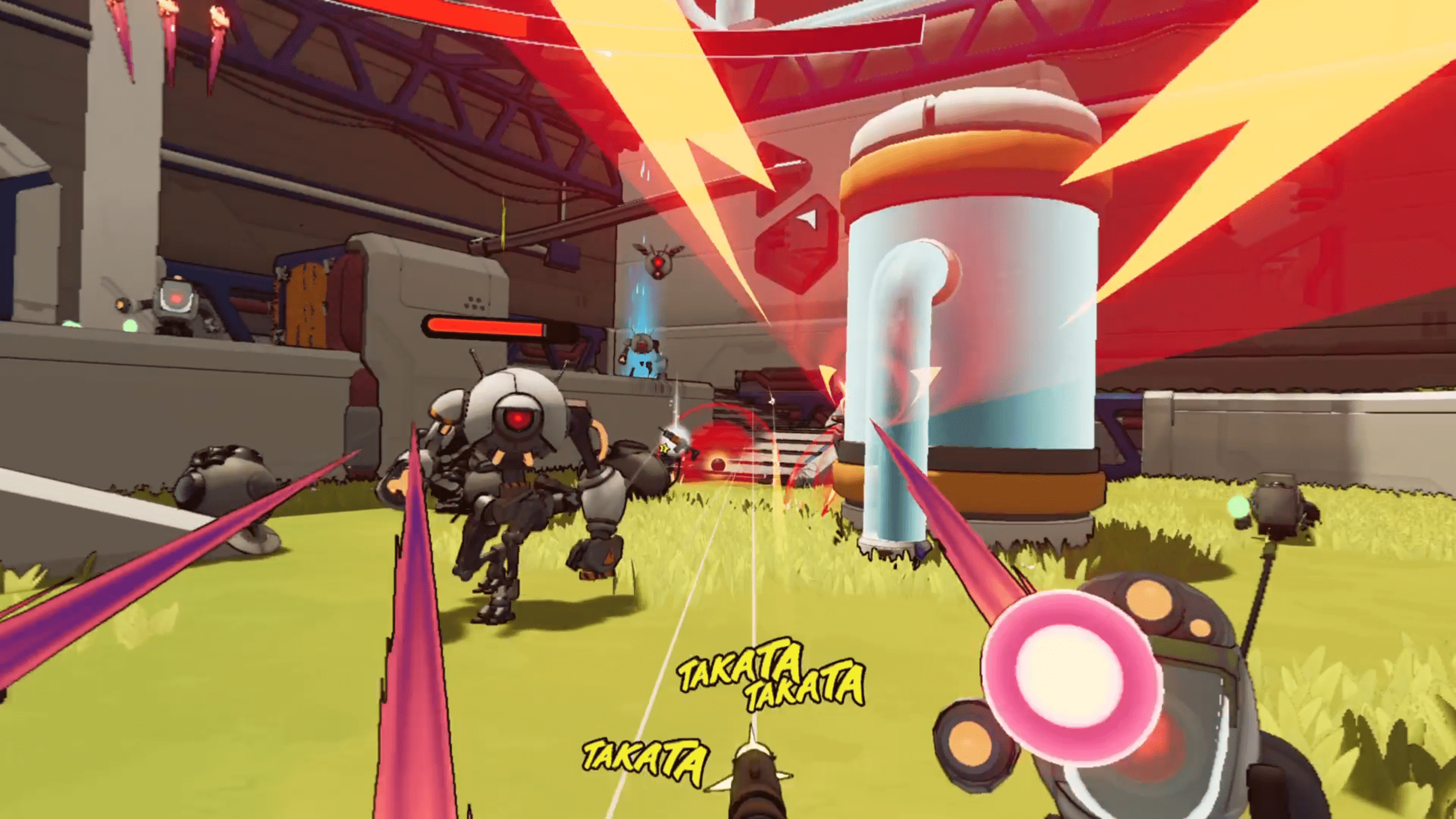
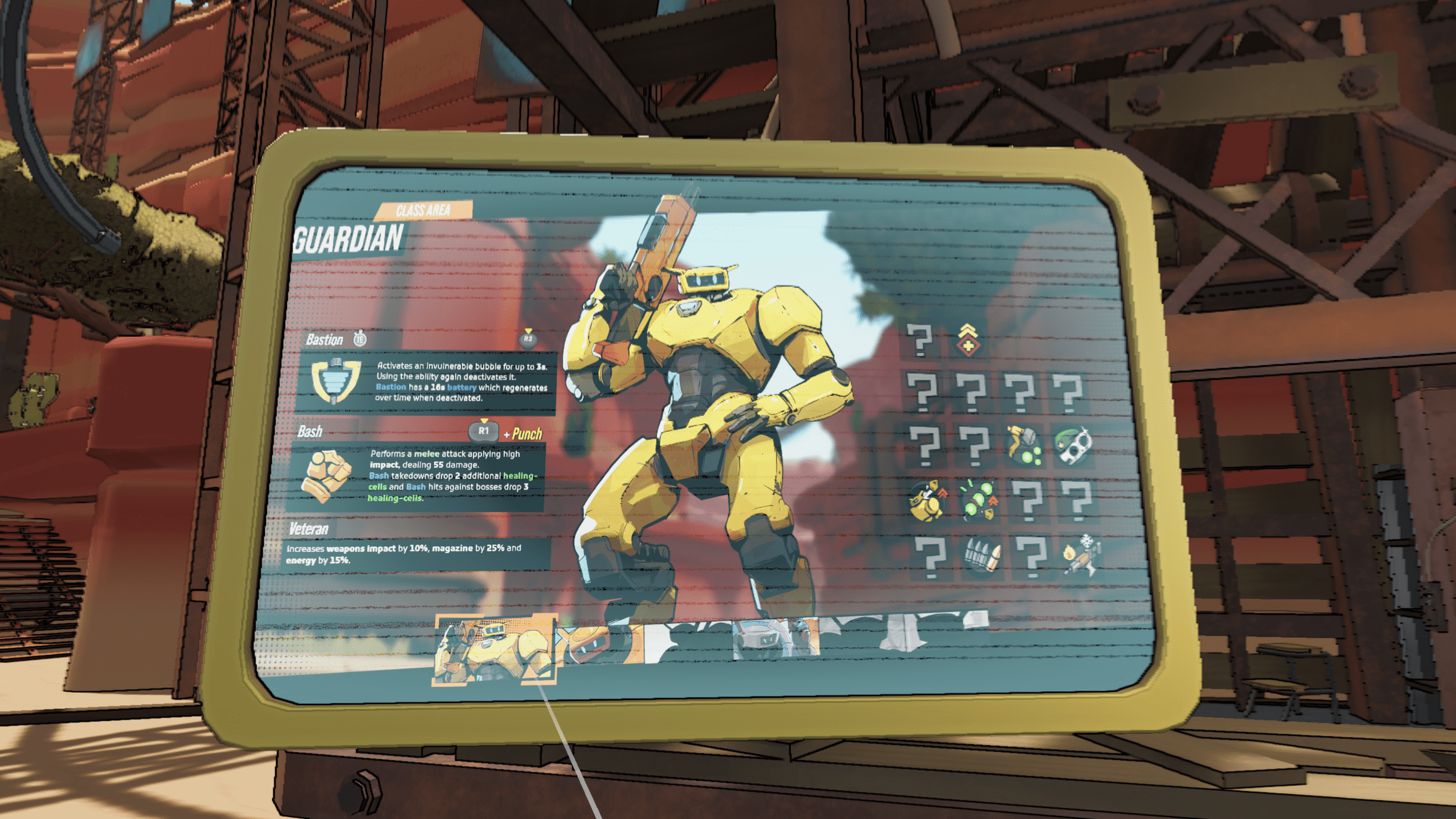
Roboquest VR is a fast-paced, run-based FPS that supports single-player at launch, with co-op arriving later. Each attempt takes you through procedurally assembled zones full of hostile robots, loot chests, challenge rooms, and boss encounters. You choose from multiple Guardian classes, each with its own abilities, then build out a unique run by stacking perks, picking weapons, and adapting on the fly. Death resets the run but lets you return to Basecamp with “wrenches,” a permanent resource used to unlock long-term upgrades, new mechanics, or expanded character options. It’s a tried-and-true roguelite backbone, but the VR version’s physicality injects the loop with newfound intensity.
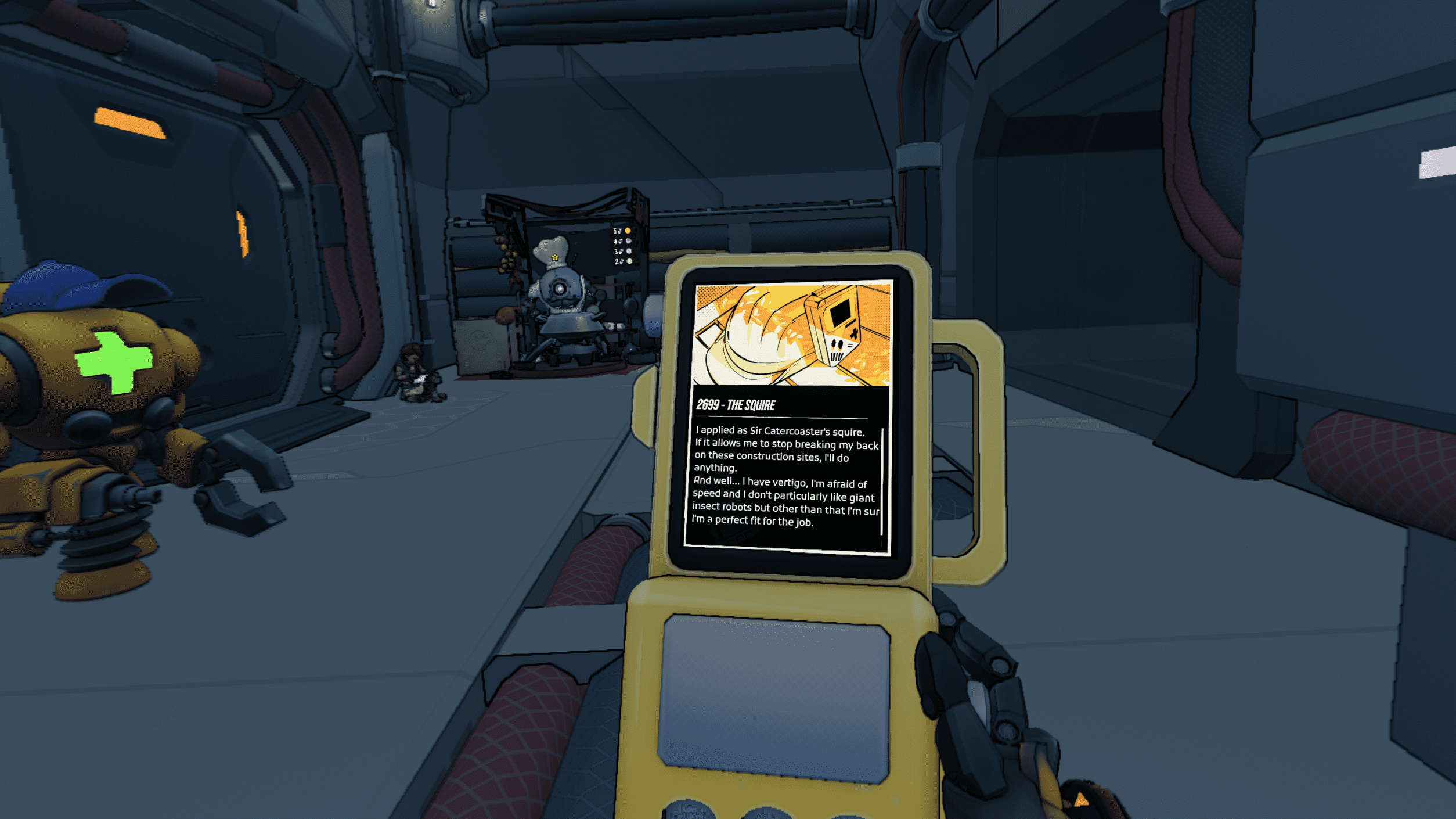
The narrative remains intentionally light, woven through small cutscenes and collectible logs you might stumble across mid-run. Set in the year 2700, the tale follows Max, a young scavenger who reactivates a dormant Guardian robot to push back against the mechanical hordes controlled by a corrupted AI known as Iris. As the duo crosses scorched deserts, ruined cities, and hostile industrial zones, the truth behind Iris’s fall from benevolence slowly comes into view. The story never aims higher than being a simple framing device, and that works in its favor since the gameplay is the true star of this show. It gives structure to the journey, motivation for the shifting biomes, and just enough lore without overstaying its welcome.

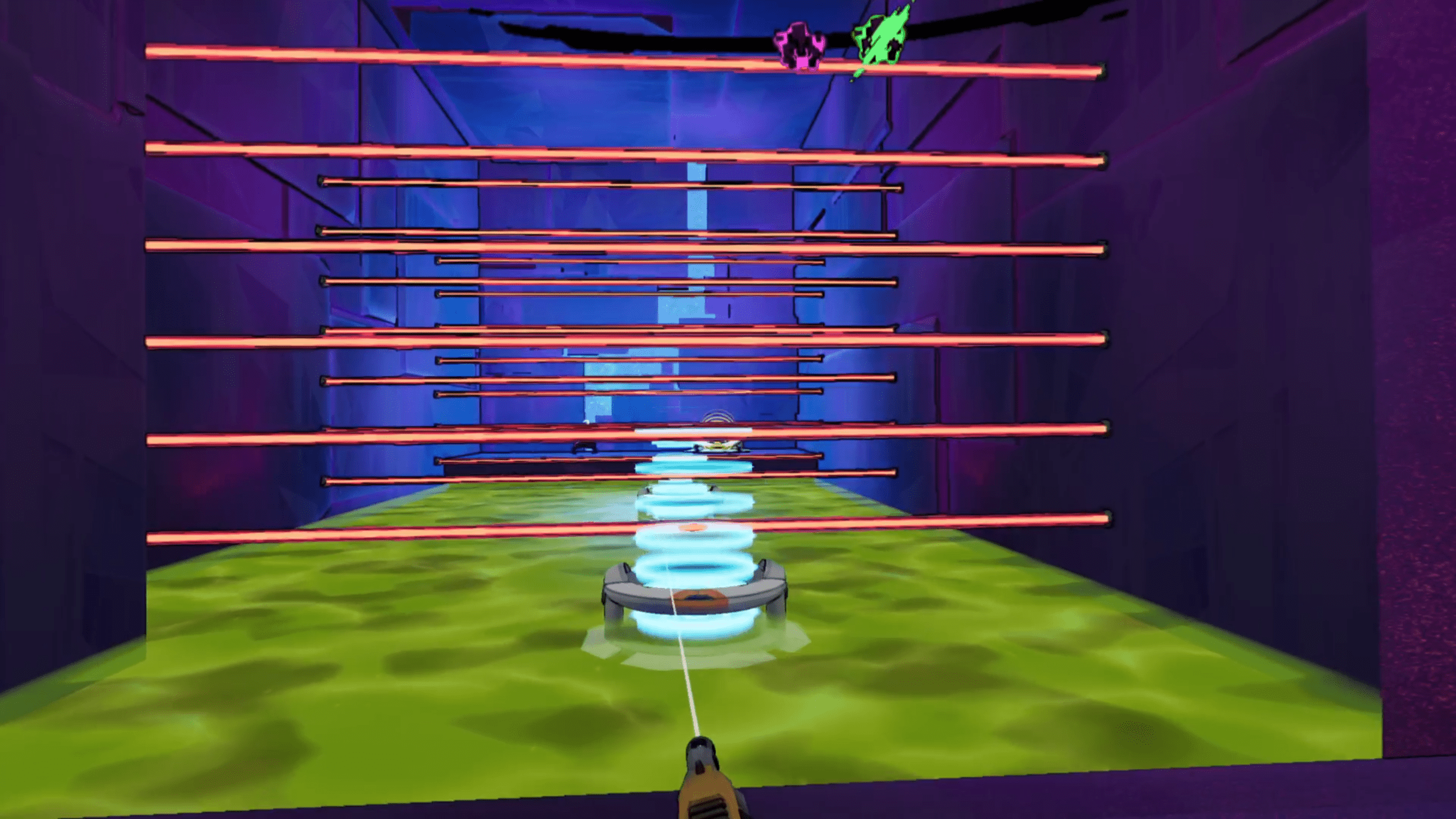
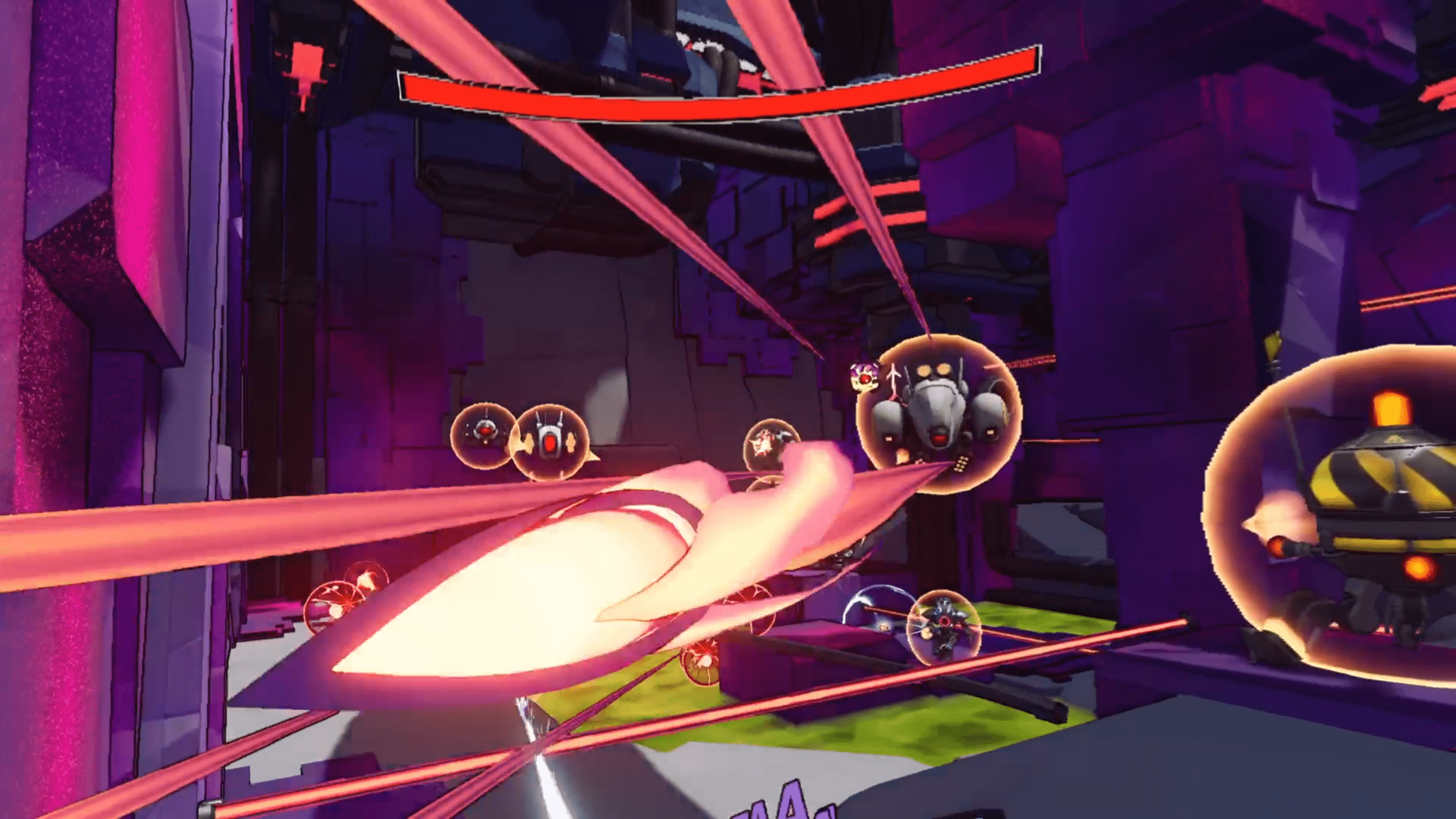
Controlling the Guardian in VR works really well. The game is built around high mobility such as sprinting, double jumping, sliding, and rail grinding and in VR these actions demand far more focus and physical awareness than on a flat screen. Early areas ease you in with mild skirmishes, but it doesn’t take long before rooms lock down and waves of enemy types flood in. Some blind you, others freeze you in place, some reverse your controls, and others pelt you with lasers, grenades, or surprise melee ambushes. The enemy variety means you must be adaptable and constantly moving. Static play simply isn’t viable.
Thankfully, the combat flow is excellent once you settle into its rhythm. You can punch robots with your metal fists if things get chaotic, jump off enemies’ heads for quick traversal, or chain rail grinds into sliding shotgun blasts. The VR responsiveness, like physically leaning to dodge projectiles or turning your body through bullet hell patterns, makes fights feel frantically alive without slipping into overwhelm. It’s a game where survival often depends not on perfect aim but on maintaining momentum.
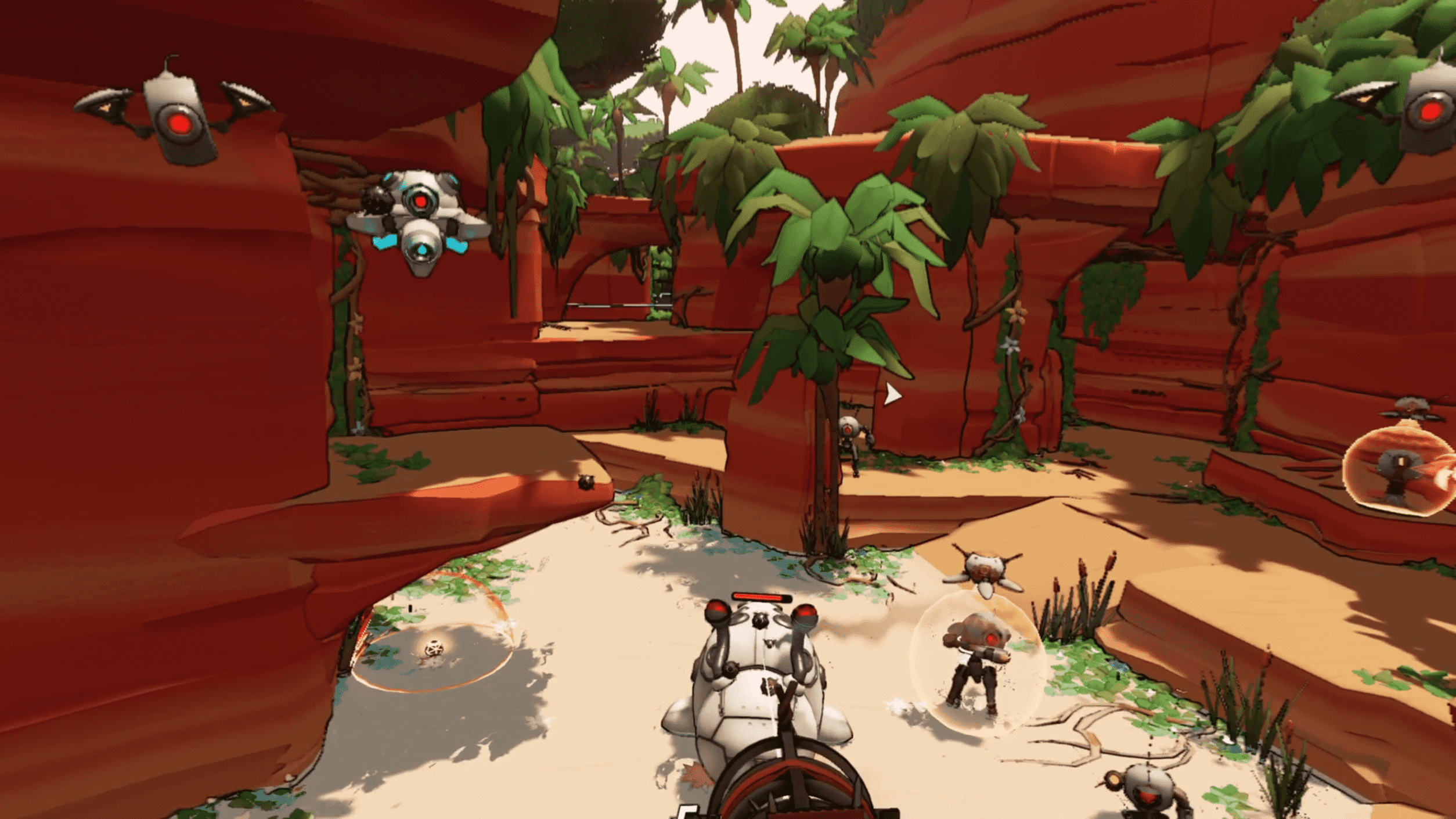
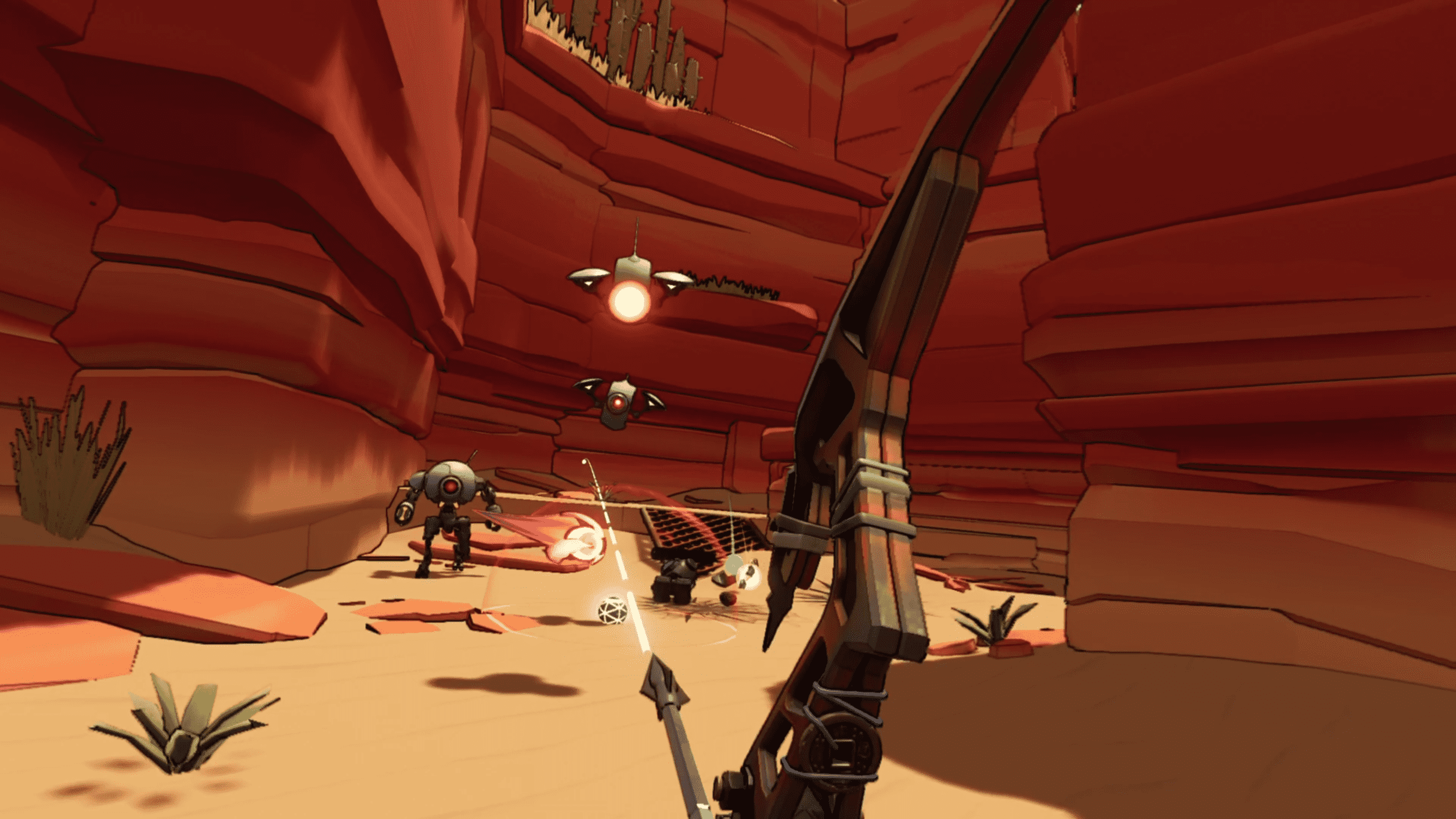
Weapons are well-represented, tactile, and diverse. Standard rifles and shotguns sit alongside stranger tools like mine launchers, rotating elemental bomb throwers, giant gatling cannons, and more. Every gun has presence, helped by excellent sound design and impactful haptics. Looting new weapons mid-run, testing their feel, and discovering perk synergies is consistently engaging. Even as the game’s pace pushes you forward, there’s value in slowing down long enough to poke into optional side paths like small challenge rooms or locked doors requiring codes or keycards. Exploration opens up significantly in later zones, breaking up the constant combat with moments of curiosity.
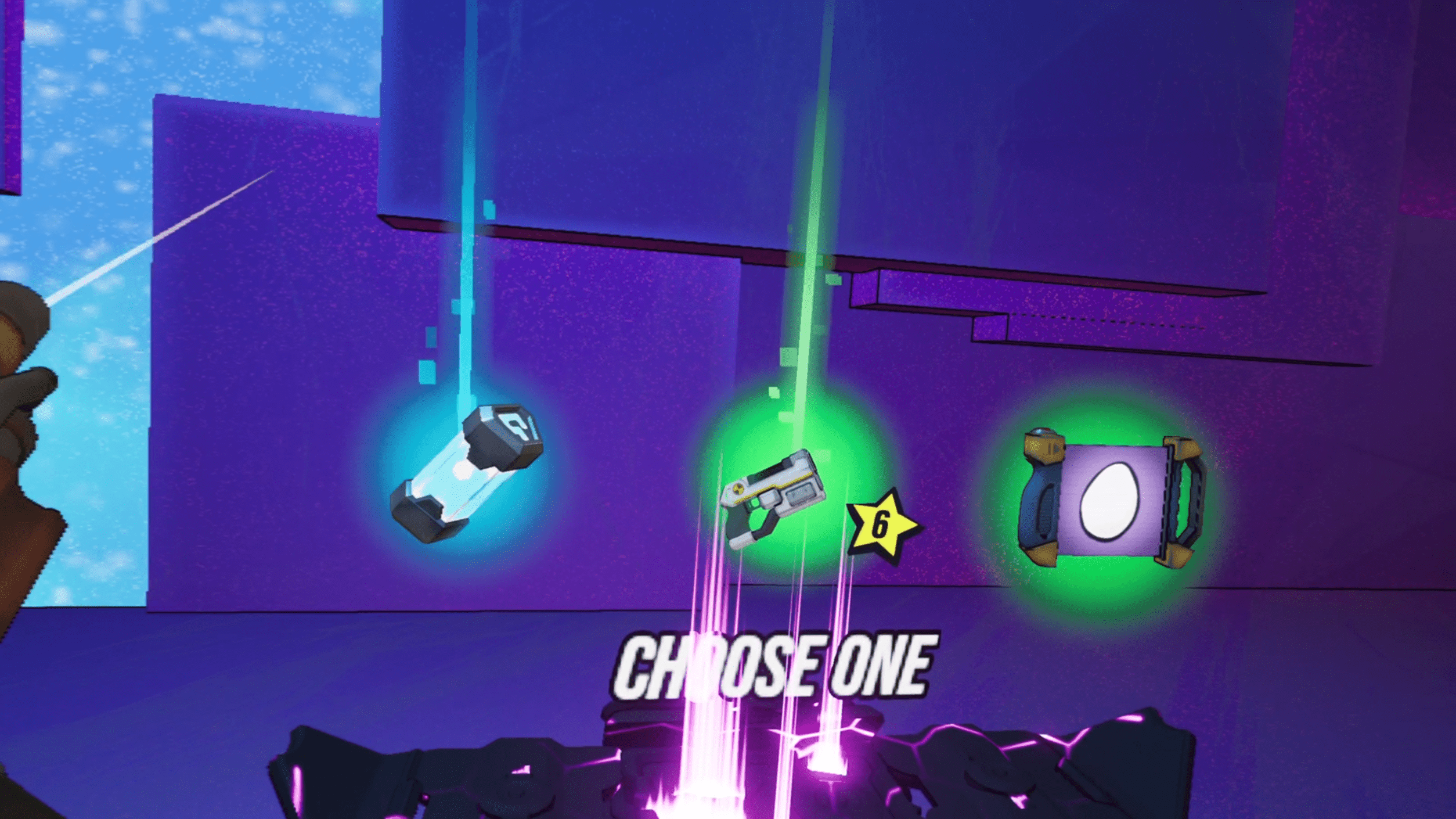
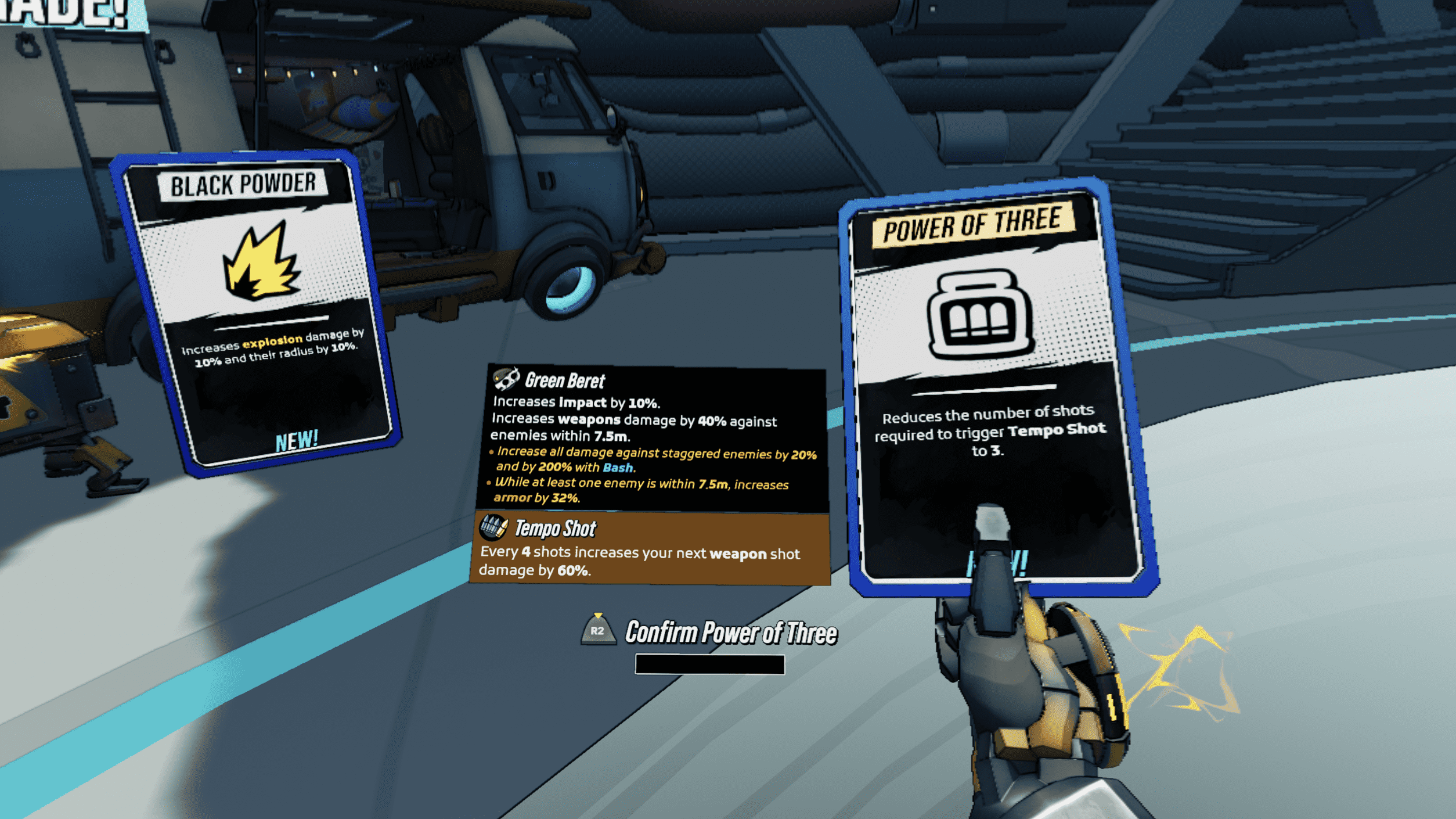
Roboquest VR’s chip upgrades add another satisfying layer to the game’s run-by-run progression, offering stat boosts and perks that meaningfully shape your build. You’ll earn chip upgrades from leveling up, defeating robots, exploring secret areas, or unlocking certain permanent Workshop perks like Starter Boost, which gives you an upgrade choice right at the start of a run. These chips come in several forms: common upgrades that raise stats like weapon damage, fire rate, or max health; perks that grant unique bonuses such as increased movement speed; class-specific upgrades that enhance your chosen class’s strengths; and gadgets that provide passive, run-long effects like an extra weapon slot. Some chips must be unlocked before they enter the pool, encouraging you to experiment, revisit areas, and invest in Workshop engineering skills that can even add bonus chips to your inventory. When everything lines up, you can land into a run with a surprisingly powerful synergy of buffs, extra health here, bigger magazines there, stronger elemental effects, and those builds are what make Roboquest VR’s runs feel unpredictable, flexible, and consistently rewarding.
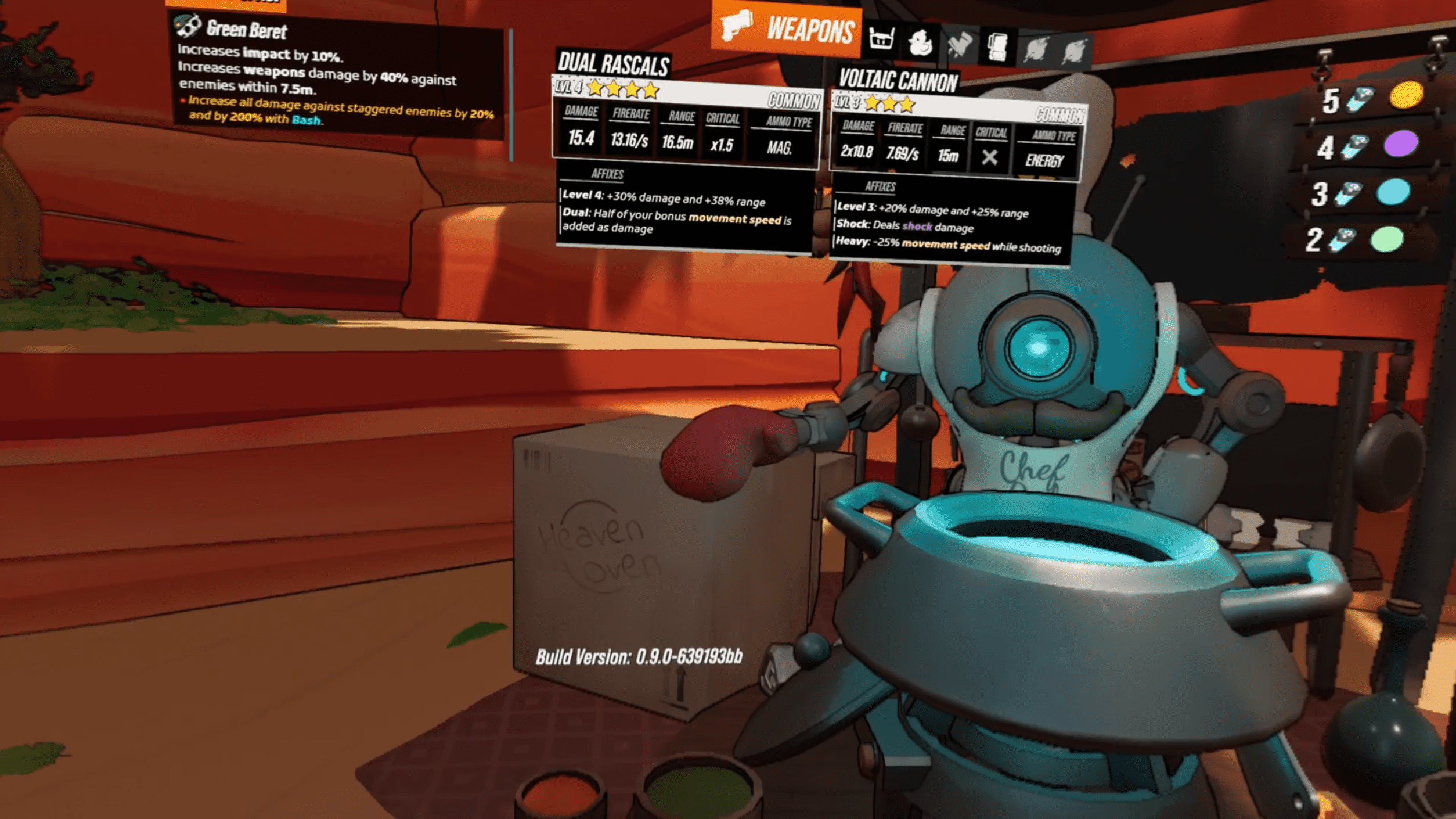
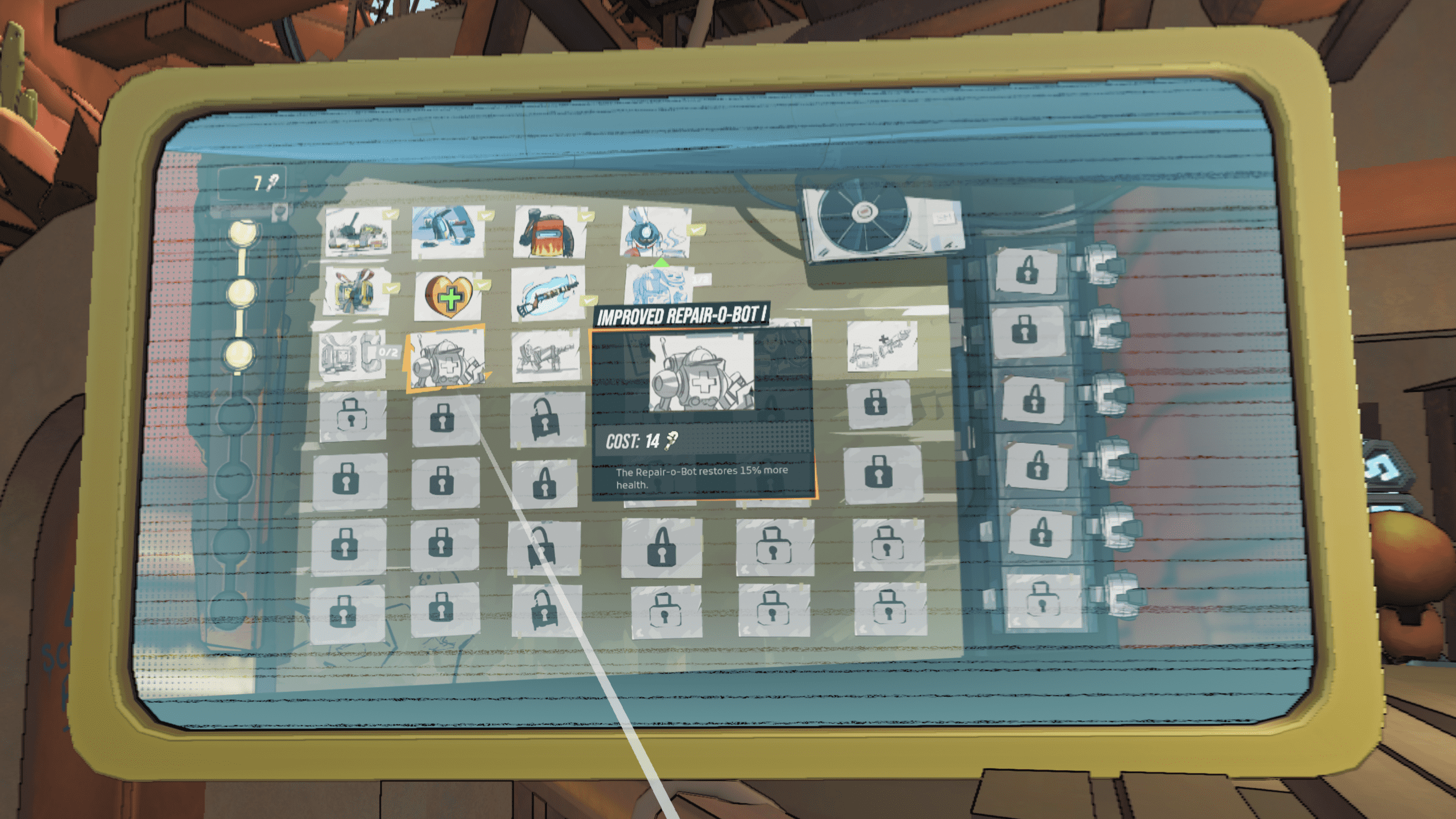
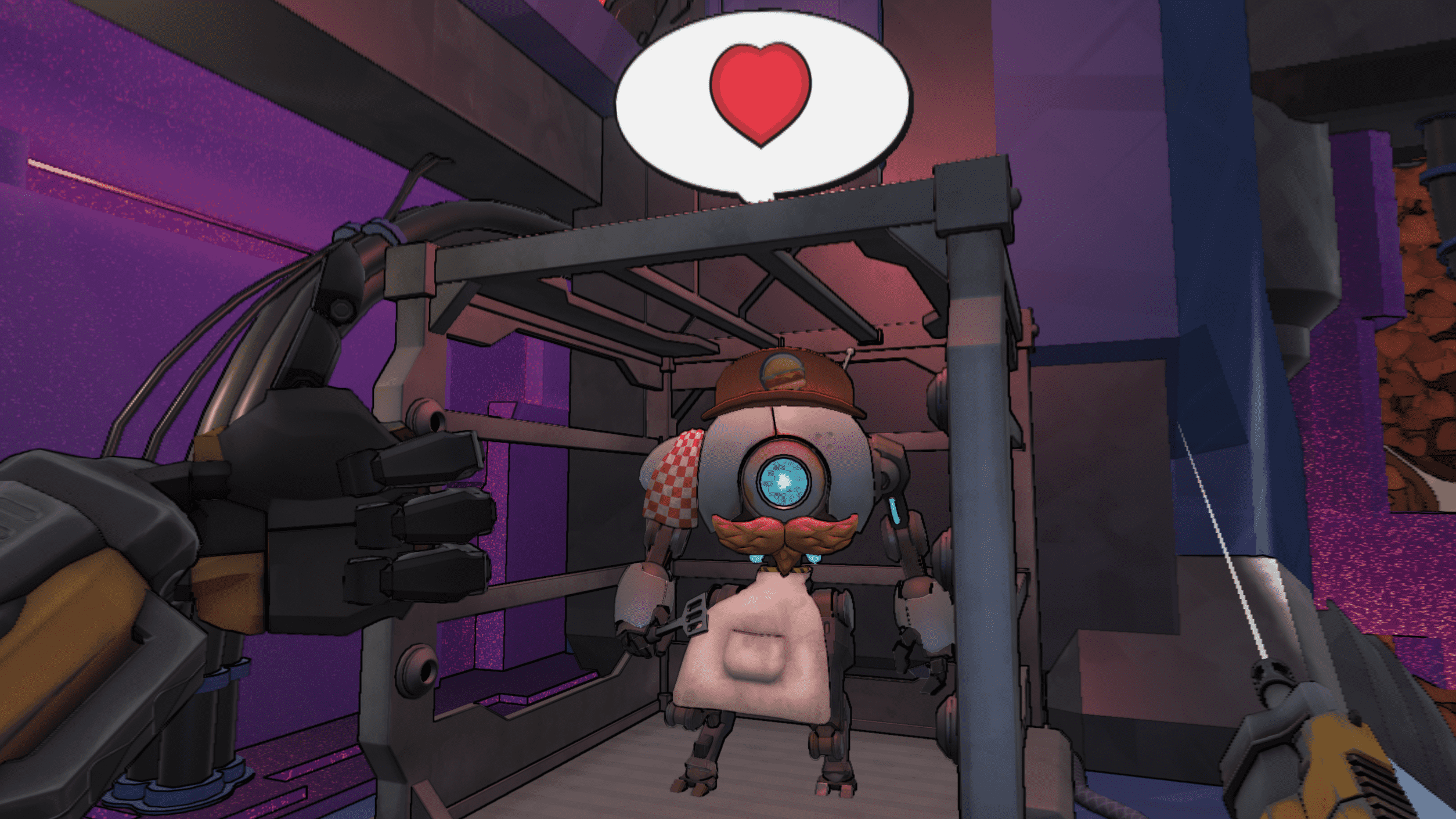
Between runs, you return to Basecamp, an interactive multi-level hub where you experiment, upgrade, and regroup. Here you can switch Guardian classes, test weapons in the firing range, sift through collected logs, browse enemy cards, or tweak difficulty. Permanent progression comes through spending wrenches to improve your healing bots, unlock new mechanics, enhance the environment of Basecamp itself, or introduce systems that meaningfully deepen future runs. Multiplayer is displayed on the hub interface but isn’t available yet which is an unfortunate omission, though knowing it’s coming keeps anticipation high. The hub is intuitive and easy to navigate, and in VR its physical layout helps solidify the game loop of planning, running, dying, upgrading, and trying again.
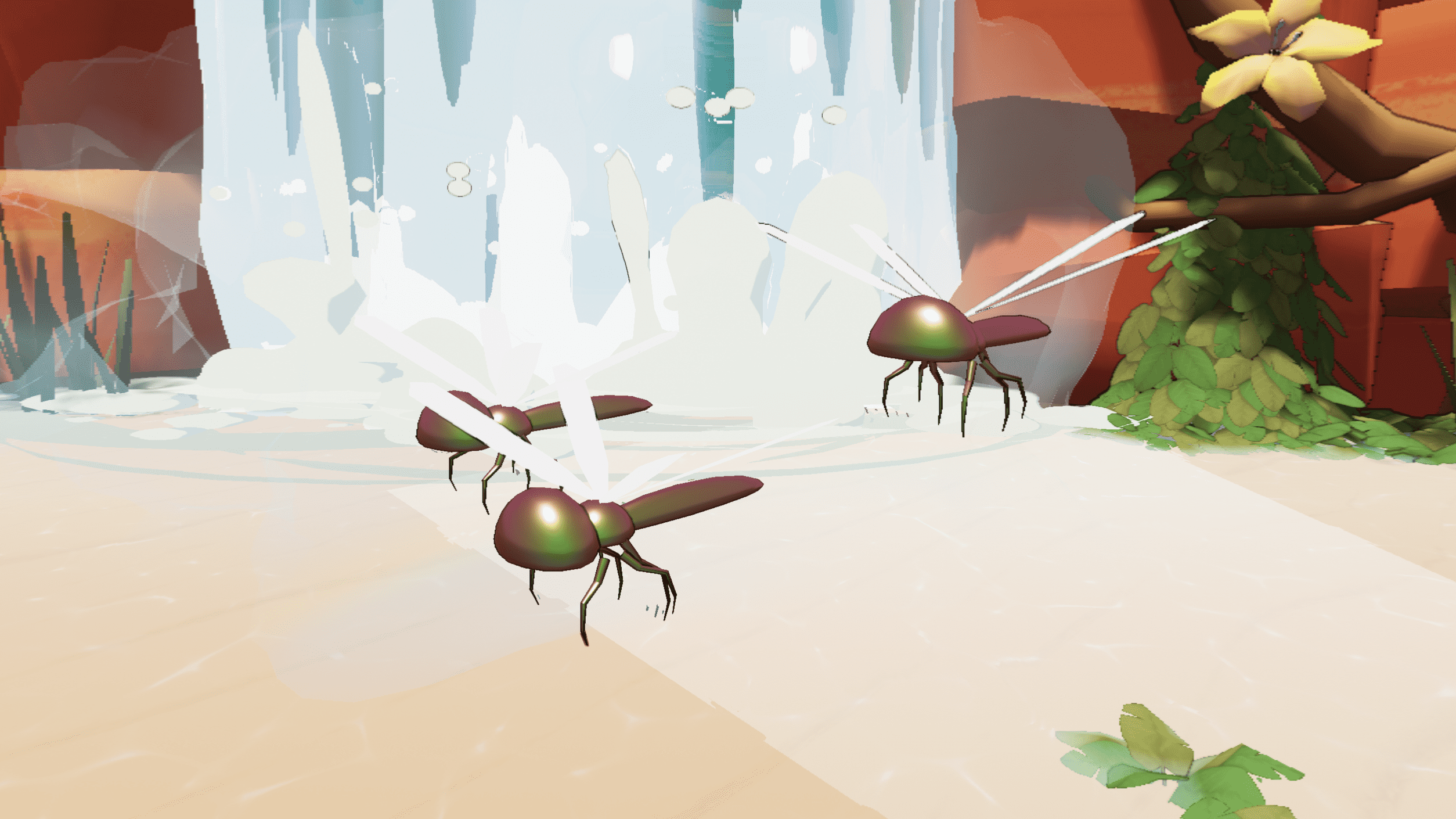
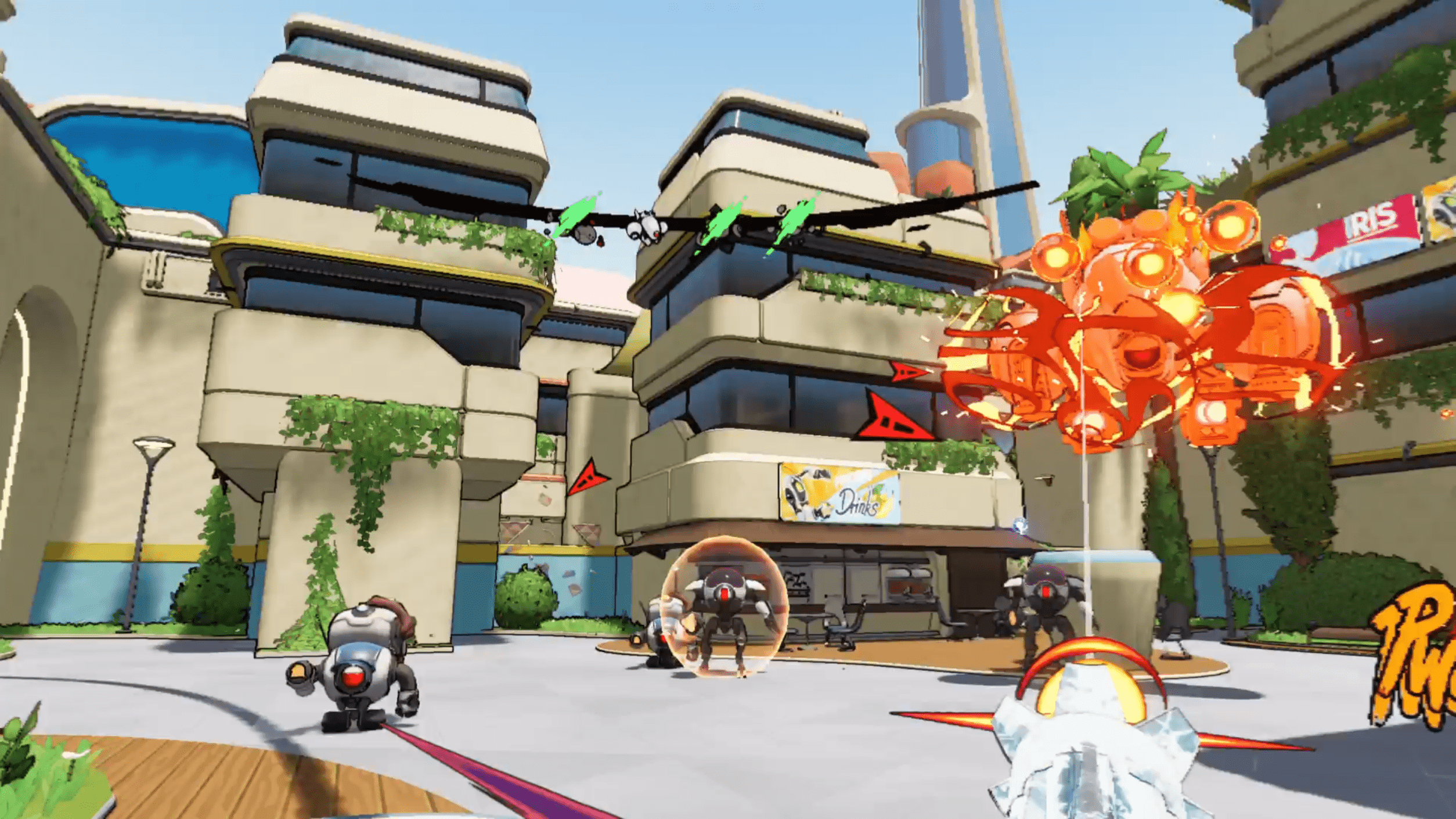
Roboquest VR embraces a bold, stylized aesthetic. Flat colors, thick outlines, and clean geometry translate extremely well to PSVR2’s resolution. The art direction keeps visuals clear even when a dozen projectiles are flying at your head. Enemy silhouettes are easy to read, attacks are highly legible, and effects never drown the scene in noise. Performance is also strong. Even during late-game boss fights with wild amounts of activity, the frame rate held steady throughout my time with it. The environments won’t stun with detail, but the consistency and clarity matter far more in a speed-driven shooter like this.
The audio work is genuinely impressive. Weapons land with satisfying crunch and mechanical heft, grounding the cartoonish visuals with sharp sonic feedback. The soundtrack alternates between pulsing techno and energetic rock, perfectly matched to the game’s chaotic escalation. Whether you’re grinding rails at full speed or juggling weapon swaps mid-fight, the music pushes you into that desirable flow state that fast roguelites thrive on.
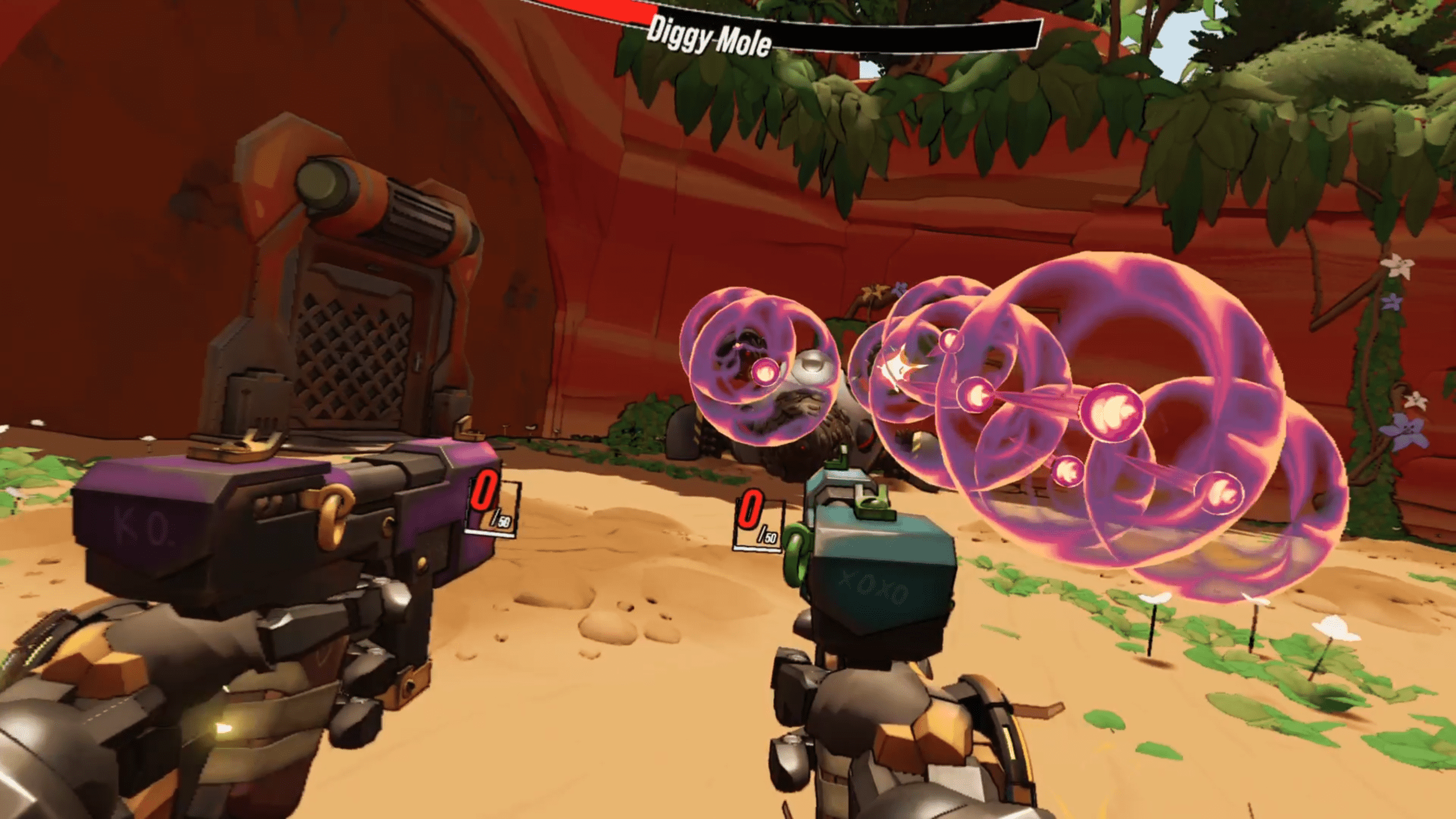
Roboquest VR isn’t free of drawbacks, though most are manageable. The control scheme takes real adjustment; some actions rely on stick gestures rather than physical motions, and melee strikes require precise trigger timing instead of intuitive swings. None of this breaks the game, but learning its language takes longer than expected. Likewise, VR makes the game slightly slower than the flat version, not because the design changed dramatically, but because physically managing reloading, aiming, and movement simply demands more focus. Although there are some nice accessibility options like auto-reload that helps a lot. The game is also single-player only at launch. Roboquest shines in co-op on flat screen, and VR co-op feels like an obvious slam dunk. It’s disappointing to wait until 2026 for that feature, even if its future potential is exciting.
Final Thoughts?
Roboquest VR stands out as one of the most energetic, relentlessly fun shooters available on PSVR2. The moment I jumped onto a rail in the opening area, I understood exactly what this version was aiming for and it succeeds almost entirely. The movement, the flow, the combat variety, the secrets tucked into levels, and the overall momentum of the roguelite loop all click wonderfully in VR. Even with a few quirks in the controls and the absence of co-op, it’s an easy game to recommend and one I expect to keep revisiting just to chase that perfect run. If you love high-speed VR shooters, inventive weaponry, and games that reward skillful improvisation, Roboquest VR absolutely earns its place among PSVR2’s best offerings. Roboquest VR is thrilling, polished, and packed with style, with just enough room for future updates to push it even higher.
About the Author

Nay Clark Gaming holds a special place in my heart and I never stop talking about video games. I really love all types of games and have an interest in games that have complicated stories and lore because I enjoy untangling the mystery of it all. When I'm not gaming, I unsuccessfully try to control three amazing and incredibly bright kids.
Related Posts

Umami Grove Review (PSVR2) →

Mulan 2125 – Episode 2 Review (Quest) →
Shadowgate VR: The Mines of Mythrok Review (PSVR2) →