Rayman: 30th Anniversary Edition PS5 Review
Summary: A solid museum piece with a key ingredient missing.
3.5
bum note
Hey Kids, this week on was it really good or am I pining for a simpler time? we take a look at Rayman: 30th Anniversary Edition.
I couldn’t even grow a beard when Ubisoft’s limbless wonder first wandered onto the PlayStation back in 1995. Now, three decades later, I’m sitting here twirling my chin warmer and trying to decide whether Rayman still holds up, or whether childhood trauma brought on by its uncompromising level design and the lack of decent alternatives at the PS1’s launch convinced us all it was a classic.
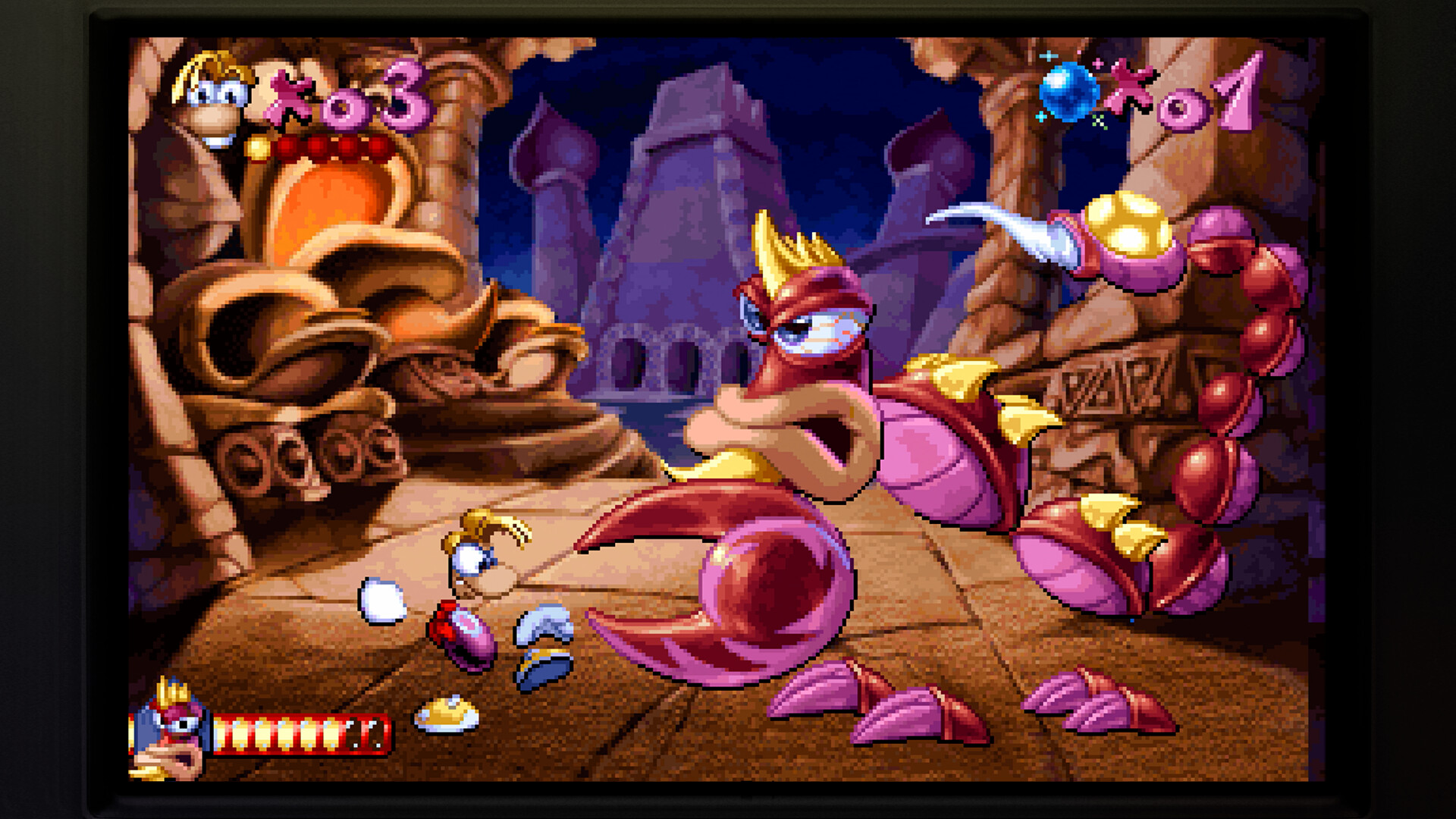
I’m inclined to think the former, though there are certainly some modern bells and whistles included in Digital Eclipse / Ubisoft’s digital museum piece that help smooth out some of the venerable platformer’s rougher edges. These include toggling infinite lives, health, and continues (though this turns off trophies), as well as rewinding the action up to a minute with the touch of a button to save yourself from a particularly egregious fall, or saving at any point during the adventure.
This collection—if you can really call it that—brings together most of the major versions of Rayman, including the PS1, Jaguar, MS-DOS, Game Boy Color, and Game Boy Advance versions of the game (the Saturn version is absent, though it’s never explained why).
There’s also a playable prototype level from the canned SNES CD version that never made it to market, much like the doomed hardware it was made for.
This highlights the main problem with this particular collection. Aside from the above curio, some level packs you can uncover for the DOS version, and the Game Boy Color version which, though impressive for the GBC, isn’t a patch on its bigger brothers, you’re basically getting the same game several times over with minor tweaks. You may as well pick your preferred version and be done with it (though the collection calls the PS1 port the definitive version, so why would you bother with the others)
It also seems weird that later games in the series aren’t included in the collection, even though they are mentioned during the interviews. Surely adding Rayman 2 and 3 wouldn’t have been too difficult and made it feel like a proper celebration of the character and series, especially since 3 isn’t playable on modern hardware. However, Rayman 2 was recently made available for NSO, so maybe Rayman 3 might end up on the service at a later date as well.
It’s annoying, but much like the recent Mortal Kombat and Atari 30 collections, the games aren’t really the main draw, but the wealth of making‑of content to skim through, including posters, press releases, and design documents—including the bible Michel Ancel created when he initially pitched Rayman to Ubisoft.
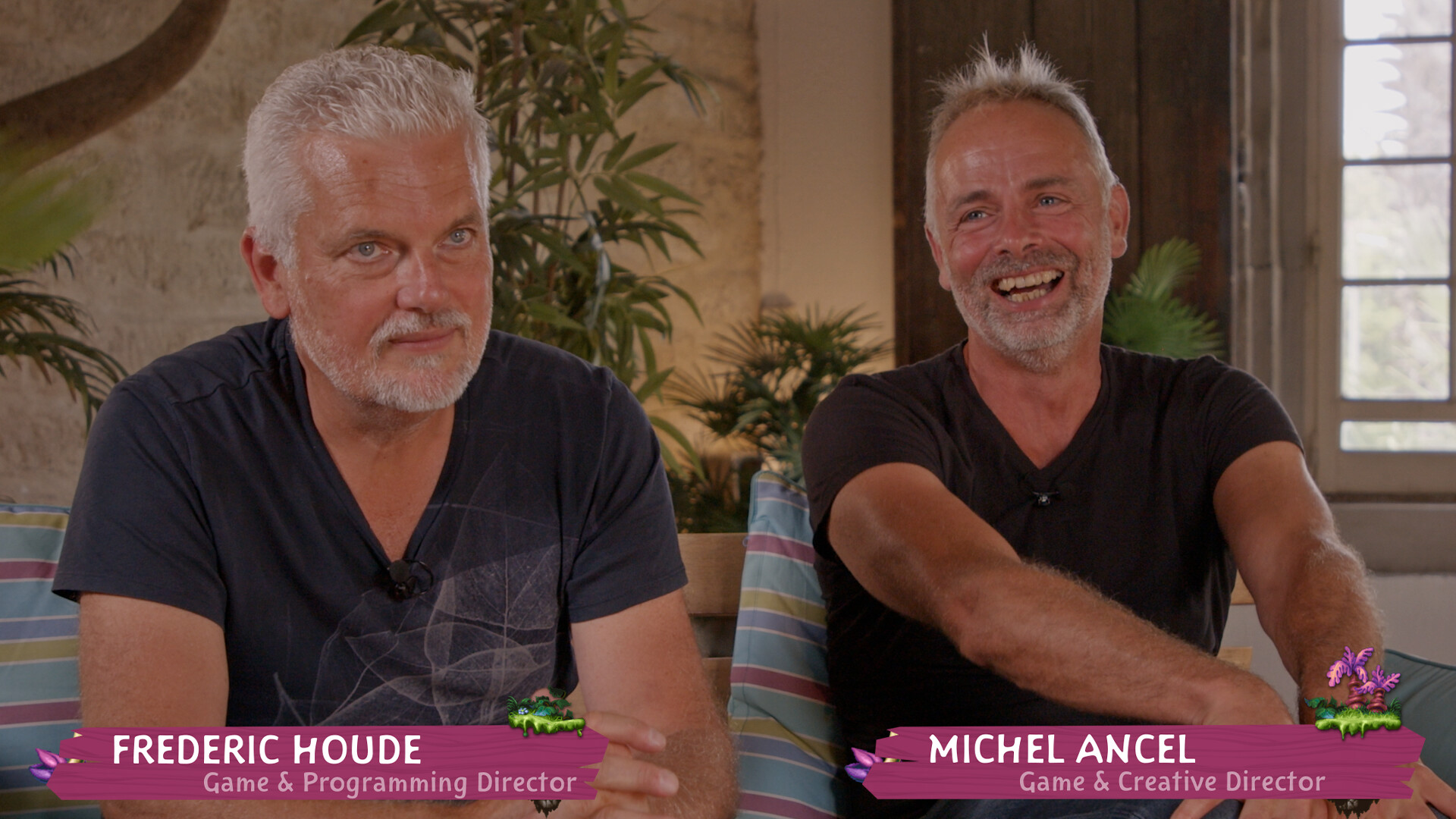
Presented as a timeline that charts Rayman’s creation from inception to release, you can also enjoy more than 50 minutes of interviews with the developers and producers who worked on the game, including series creator Michel Ancel.
However, one thing that is noticeably absent from this collection is the game’s original soundtrack. This makes even less sense since there’s an entire section of the interviews dedicated to the late Rémi Gazel, Rayman’s original composer, and the importance of the original soundtrack in bringing the world of Rayman to life.
Instead, the collection has new tracks by Rayman Origins composer Christophe Héral, which are jarring at best, compounded by sound glitches that often result in no background music playing at all. It’s a mess and leaves you wondering why Ubisoft would bother rescoring the game when leaving it alone would have been preferable.
Final Thoughts
One behind‑the‑scenes feature I would love to see in this collection is how long Digital Eclipse was actually given to make Rayman: 30th Anniversary Edition. Although Rayman remains a devilishly challenging yet fun platformer all these years later, this collection feels like it was booted out the door to hit a deadline rather than a passion project for anyone involved.
Though there’s plenty of content to paw through, and the interviews are well worth a watch for those into game history—especially if you’re interested in what was a time of massive upheaval in the console space and gaming as a whole—the actual meat of the collection, the games, doesn’t feel like the definitive way to play them. Especially if you are a fan of Gazel’s soundtrack and want to play Rayman as you remember it.
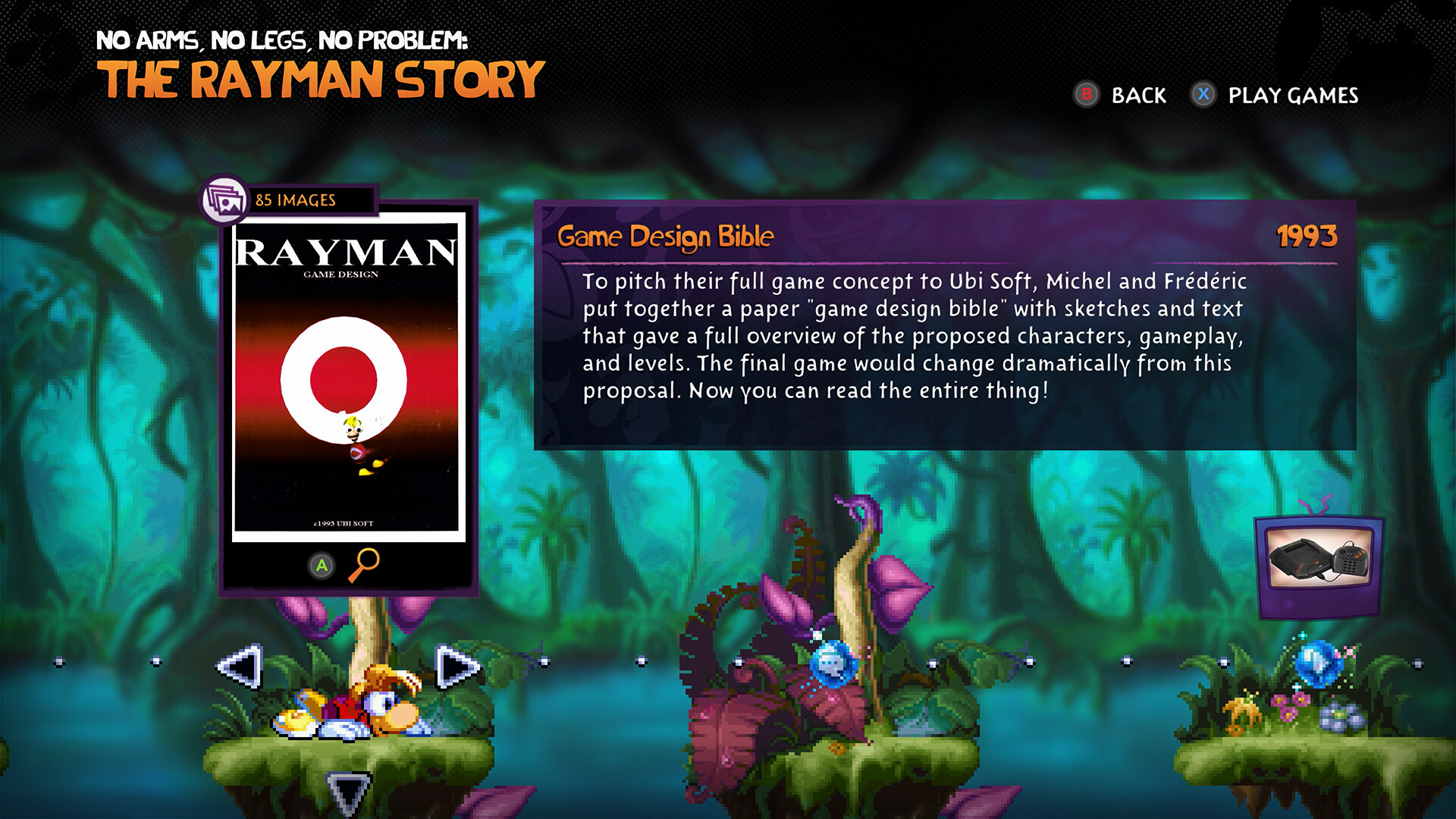
Even though the 120 extra levels from the MS‑DOS version are appreciated and may as well be new, for many playing 30th Anniversary, myself included, I’m not nostalgic for the PlayStation version. I had it on the Saturn (arguably the better version), and it’s not on here.
It’s not a bad collection by any stretch, and Rayman fans are bound to have some fun with the package, but I can’t get past that sinking feeling that Rayman: 30th Anniversary Edition is a rush job that, had it been given a little more time, could have been something truly special.

Related Posts

The King is Dead, Long Live the Crown: Defender of the Crown: The Legend Returns Arrives for its 40th Anniversary →
Action Game The 9th Dragon Revealed at Future Games Show →
Barbarian Saga: The Beastmaster Unleashes Epic New Gameplay Trailer →