
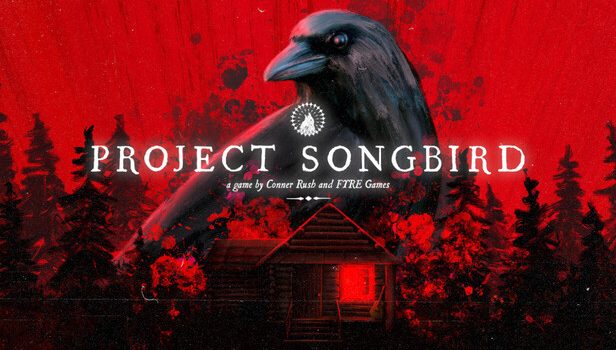
Project Songbird Review (PS5)
Summary: Project Songbird is a psychological horror experience that blends exploration with tense dreamlike encounters in the Appalachian wilderness. As a struggling musician retreats to a remote cabin to rediscover their creativity, strange visions and hostile manifestations begin to blur the line between reality and memory. While a few experimental storytelling choices and pacing issues hold it back at times, the strong atmosphere, voice acting, and unique setting make it a memorable entry in narrative driven horror.
3.8
Echoing Elegy
The still woods of Appalachia rarely stay still for long. Project Songbird is a first person narrative horror game developed and published by FYRE Games and released on March 26, 2026 for PlayStation 5, Xbox Series X|S, and PC. Horror games are everywhere these days, but this one caught my attention for a very specific reason. The game takes place in the Appalachian mountains of West Virginia, a setting that still feels strangely rare in gaming outside of a few examples like Fallout 76, Twin Mirror, or brief moments in The Walking Dead: The Final Season. Being someone who was born and raised in West Virginia, I’m always curious to see how creators interpret a place defined by abandoned mines, foggy mountains, rail yards, quiet towns, and old haunted houses. Pair that setting with psychological horror and it felt like a natural fit. In the end, I walked away liking Project Songbird, though a few creative decisions kept it from fully reaching its potential.
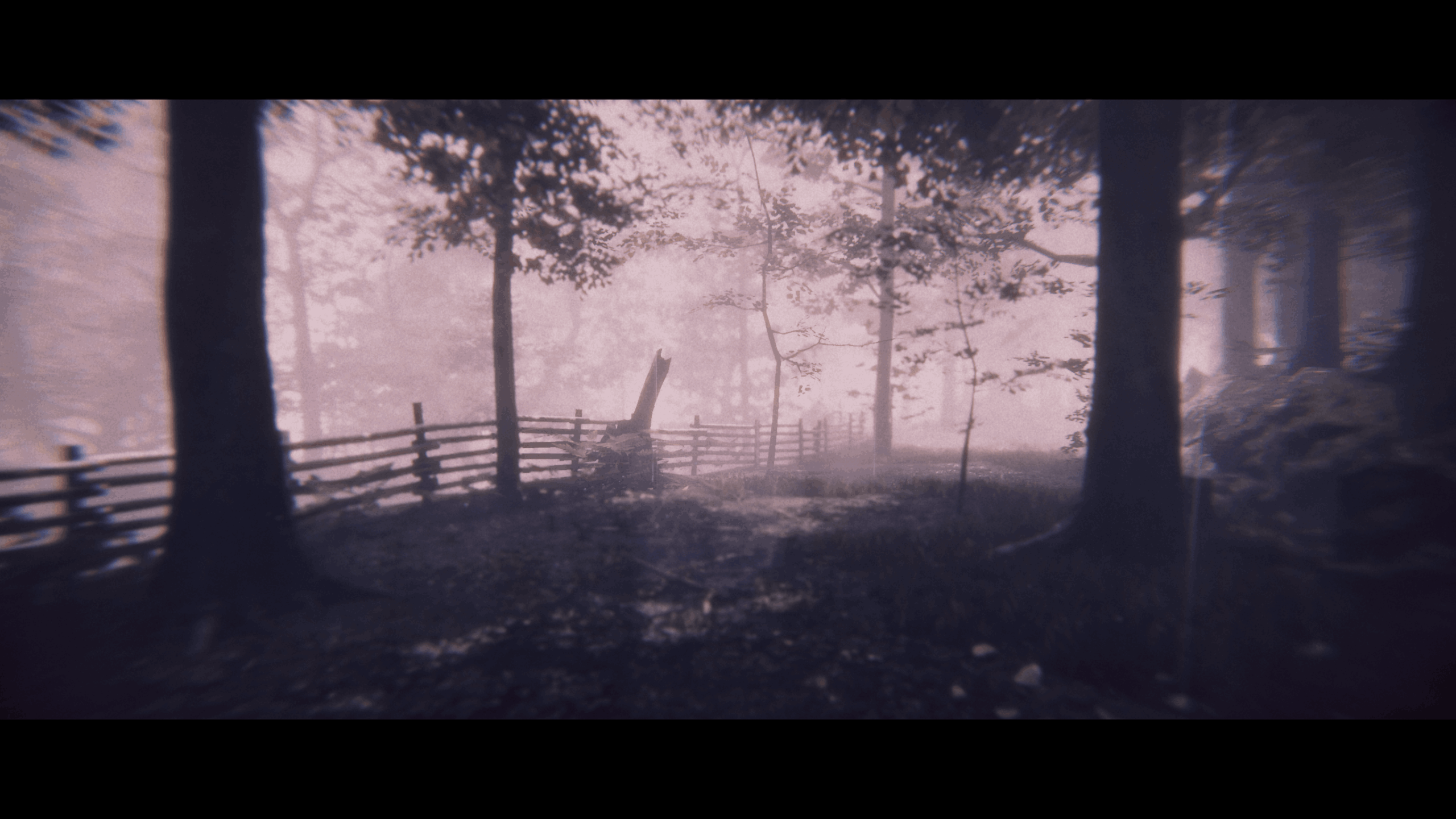
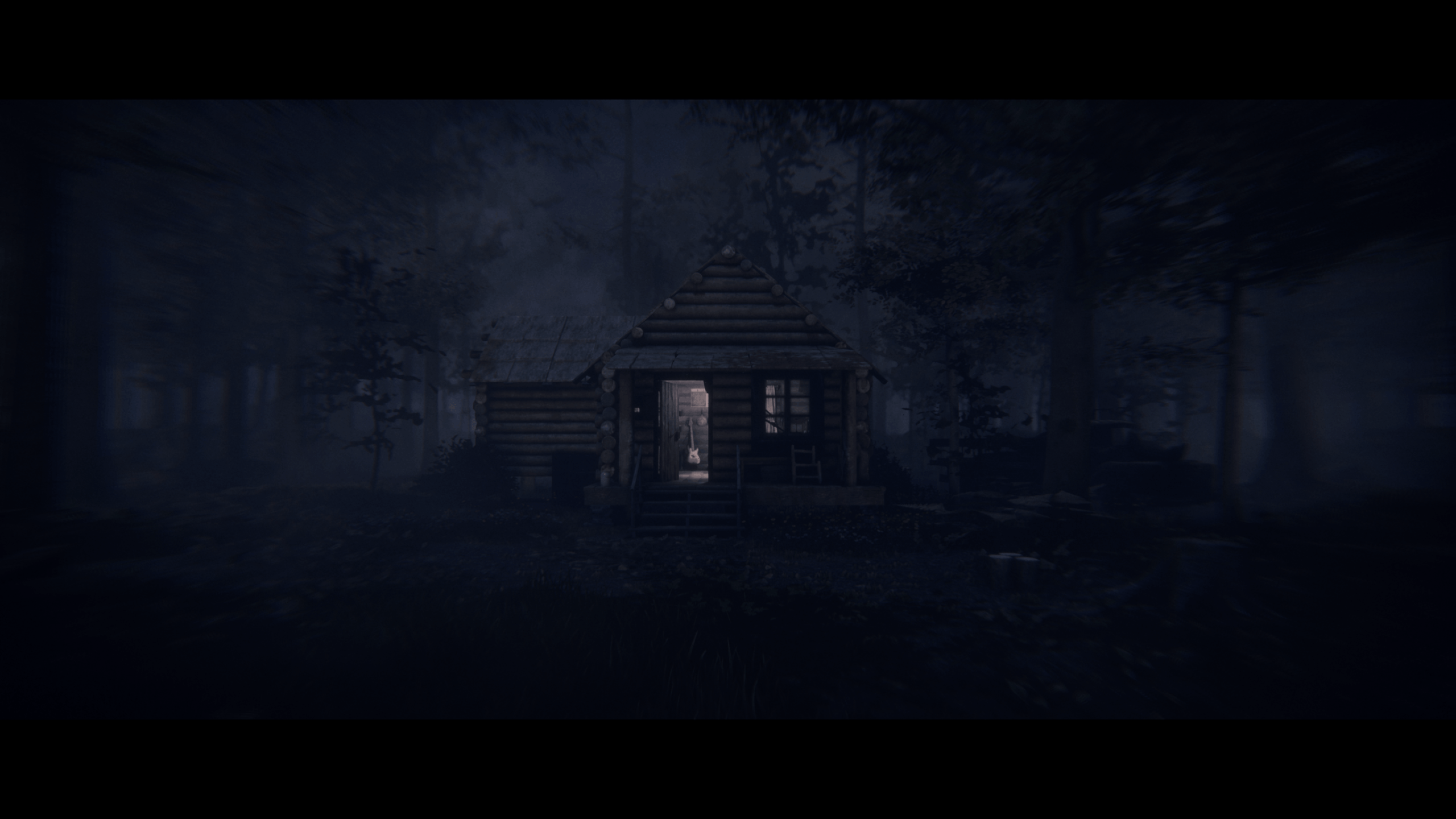
You step into the role of Dakota, a musician from the band Neon Songbird who is struggling with both creative burnout and personal trauma. After attempts to reshape the band’s sound fail to gain traction, Dakota retreats to a remote log cabin in the mountains of West Virginia for a month with the hope of clearing their head and finishing a new album. What starts as a quiet creative retreat slowly becomes something much stranger. The cabin and the surrounding woods seem to push Dakota into a surreal dreamlike state where buried emotions begin to manifest in physical and symbolic ways. As the days pass, Dakota is forced to confront memories and anxieties that take the form of hostile creatures and shifting dream worlds.
The story follows a familiar psychological horror structure, but Project Songbird has a surprisingly warm tone at times that sets it apart. The pacing allows the quieter moments to breathe before things become intense, and the narrative often feels like a playable horror film from the early 2000s. The mystery surrounding Dakota’s trauma and the strange events around the cabin keeps things engaging throughout the experience.
Gameplay is where the experience becomes a bit more complicated. The game opens strong with a great sense of atmosphere. The main menu is sleek and transitions smoothly into the beginning of the game, but right when you expect the game to start, things take an odd turn. What initially feels like the opening sequence becomes a direct message from the creator, Conner Rush, thanking you for playing his game. After answering a few prompts and reading through several screens of gratitude, the screen fades to black as if the game is about to begin, only for another similar message to appear again. Moments like this are not unheard of in indie games, especially when developers want to acknowledge their small beginnings. Still, when you are ready to jump into a horror game, the repeated interruptions can start to feel distracting. It is a small issue at first, but it becomes part of a larger pattern later on.
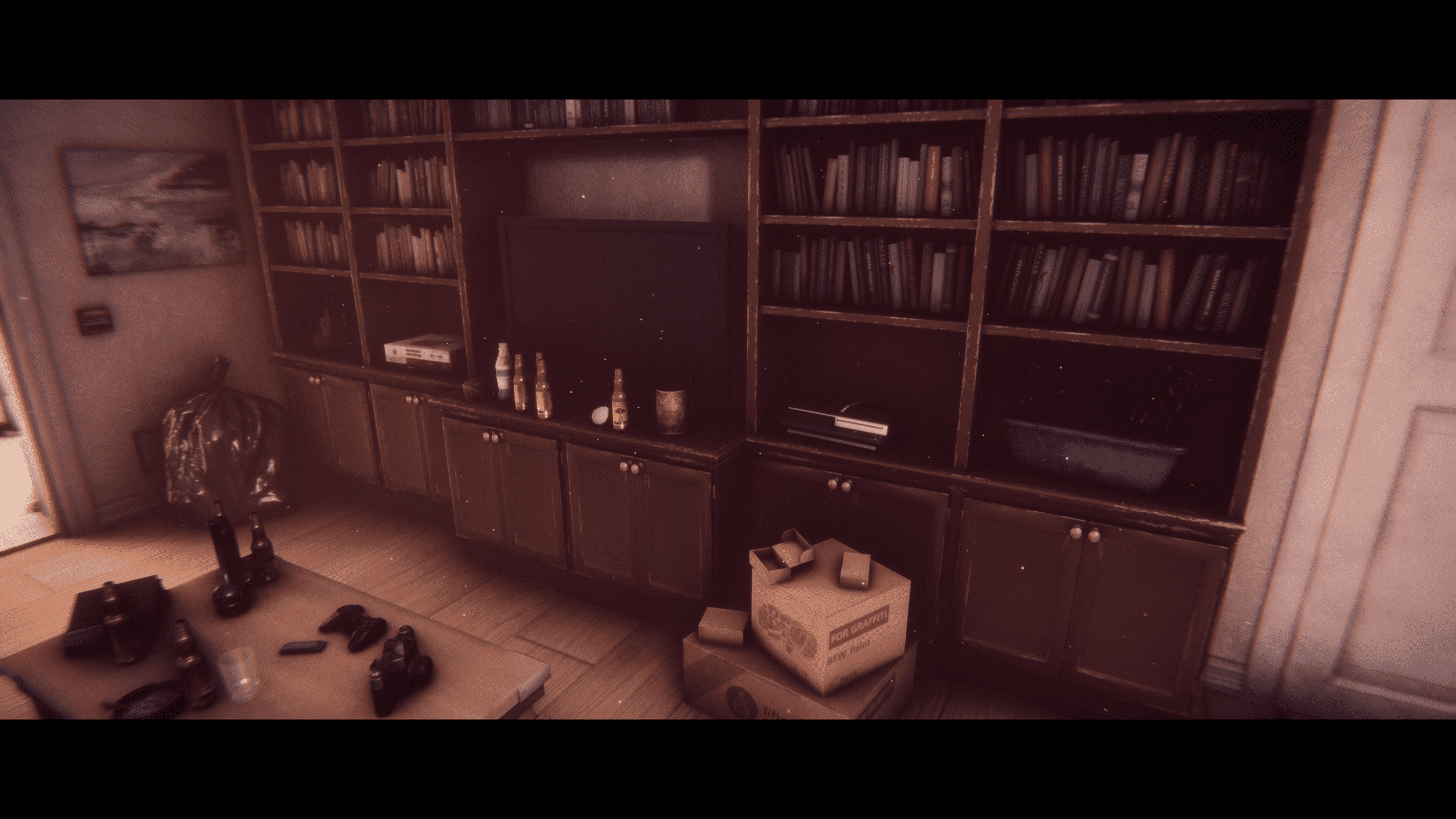
Once the actual game begins, things settle into a more traditional structure. As Dakota, you can run, crouch, perform quick turns, and interact with objects around the environment to solve puzzles. Much of the early gameplay focuses on exploring the wooded area around the cabin and taking care of small tasks that support Dakota’s creative process. A field recorder lets you capture environmental sounds like a woodpecker tapping against a tree, water dripping into a puddle, or a frog croaking in the distance. These sounds serve as inspiration for Dakota’s music, tying the gameplay directly into the character’s artistic struggles. You also stay in contact with Dakota’s manager Rob through a radio, which helps guide your progress while adding a personal touch to the story.
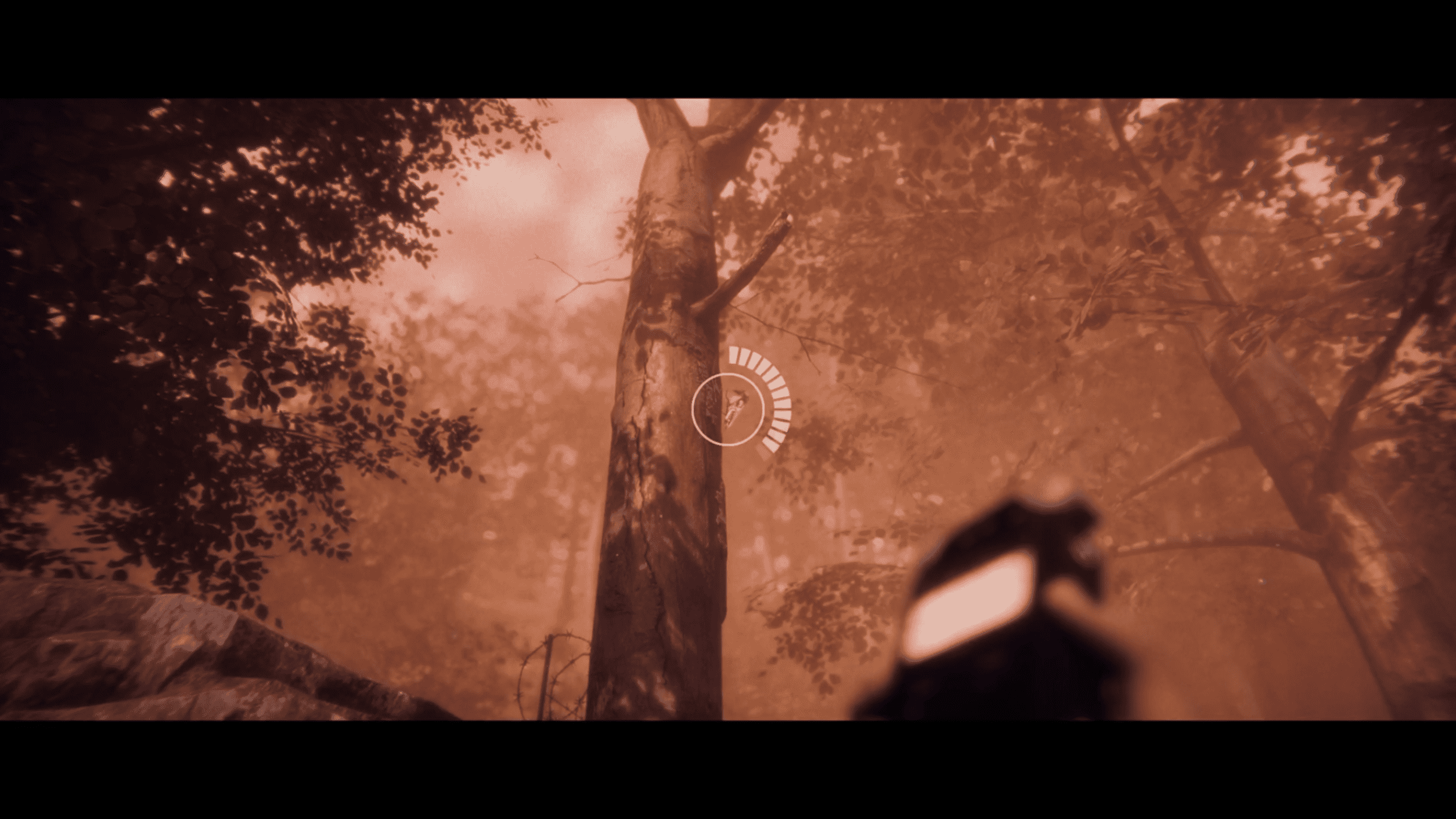
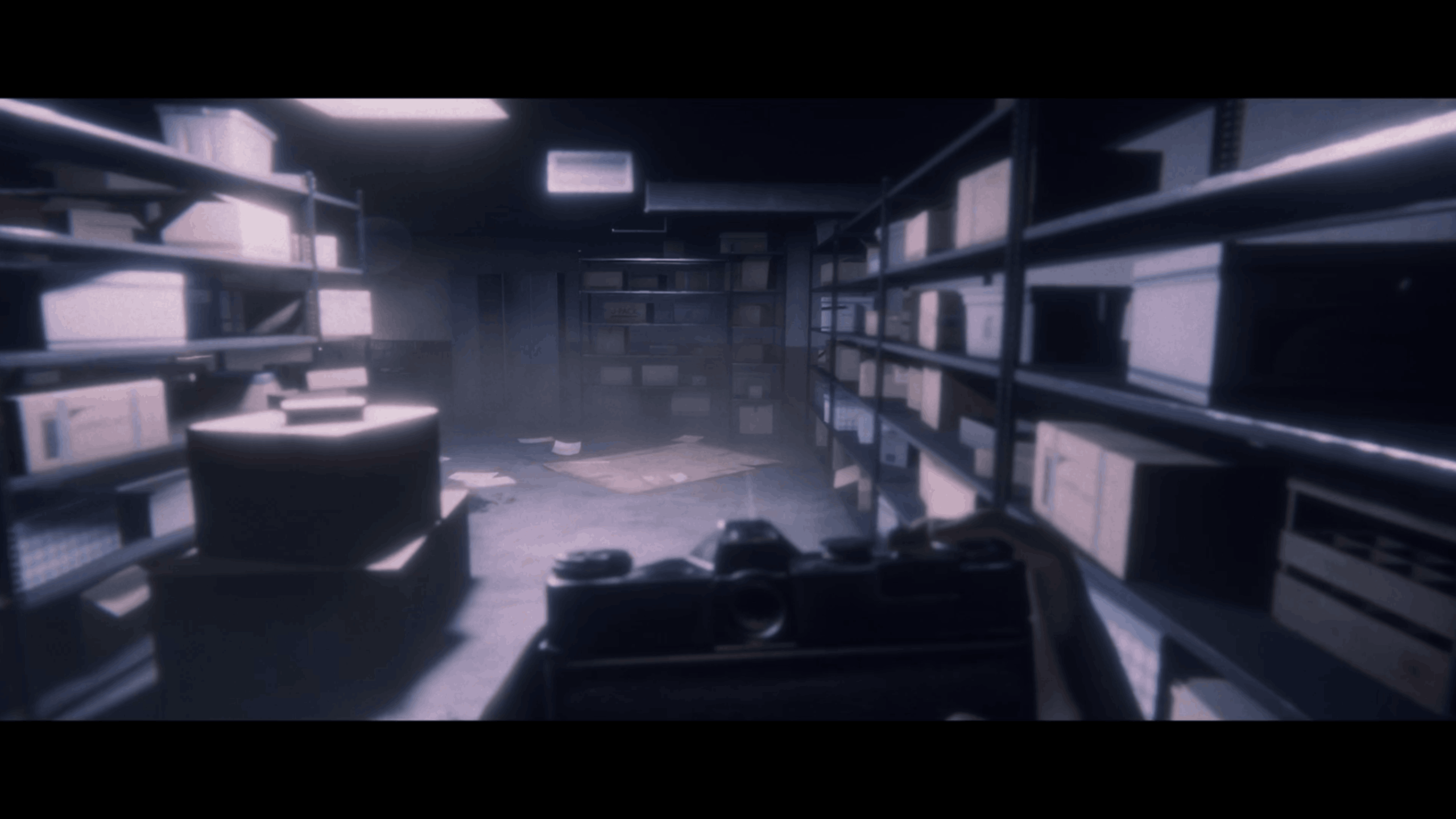
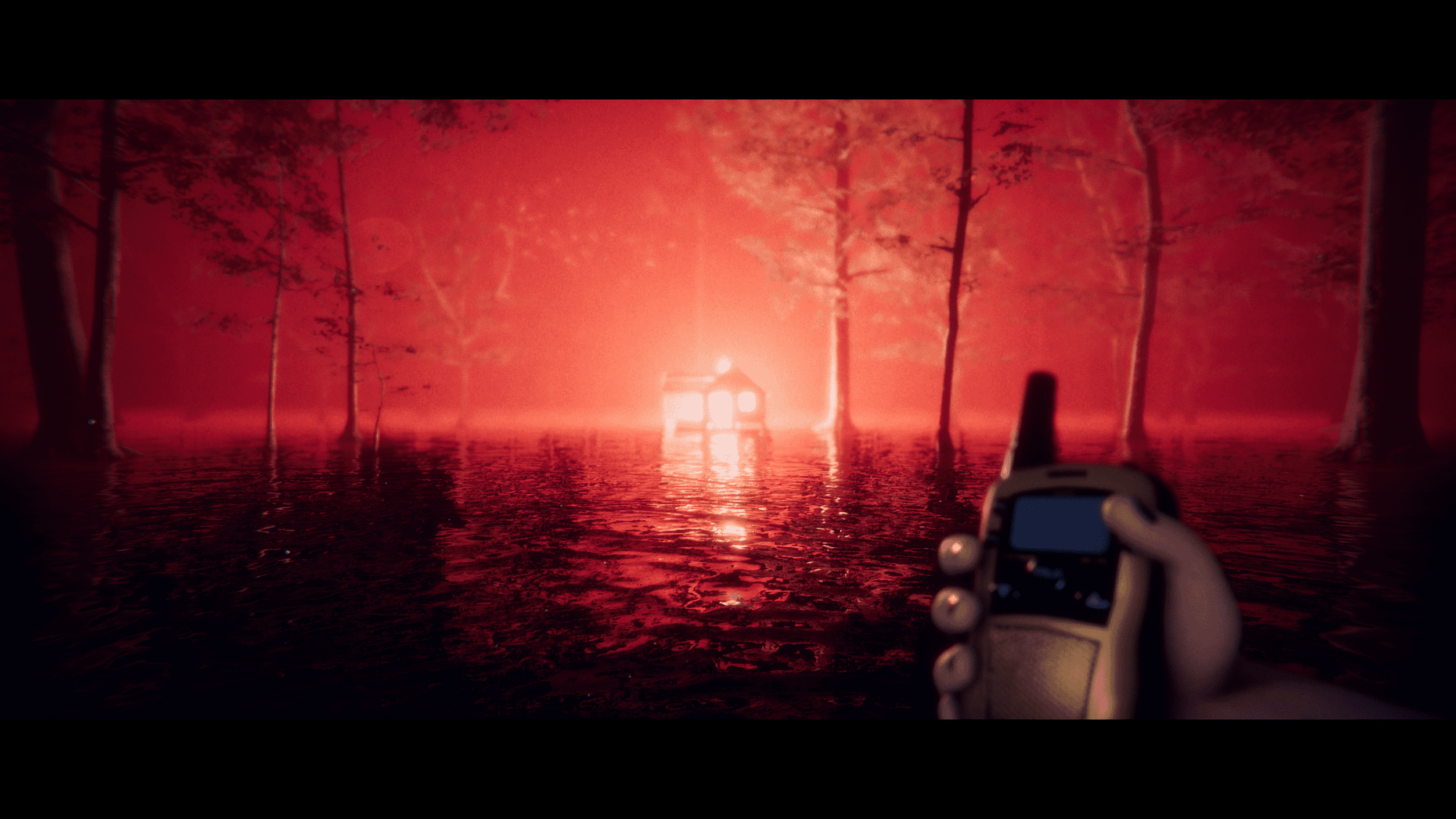
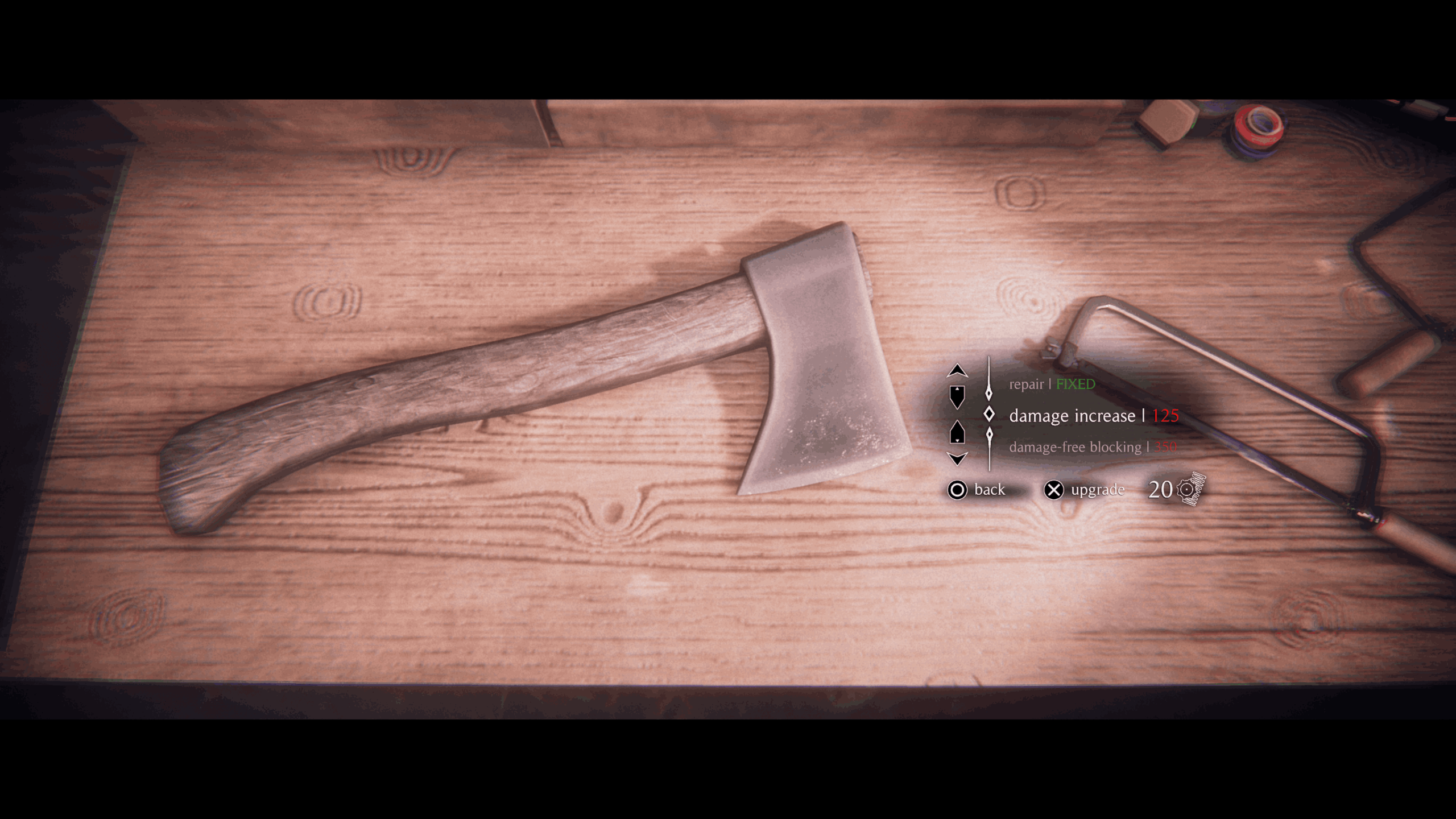
Other tools eventually come into play as well. An axe allows you to chop wood for the cabin or break through barriers blocking your path. The tasks themselves are fairly simple, such as fixing a radio tower or solving what code to input into a lock. These segments slowly build tension until Dakota is pulled into a strange dream state.
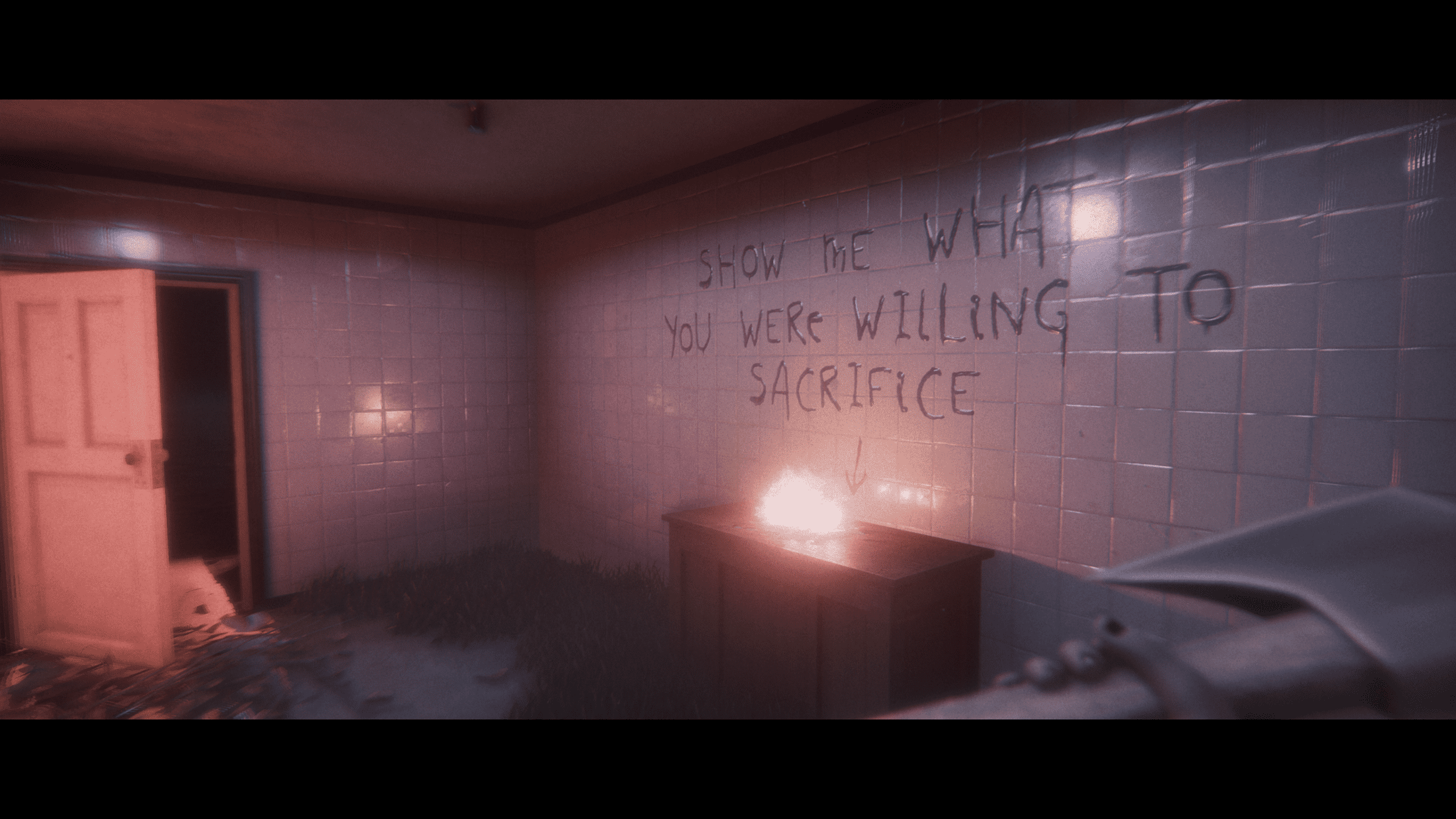
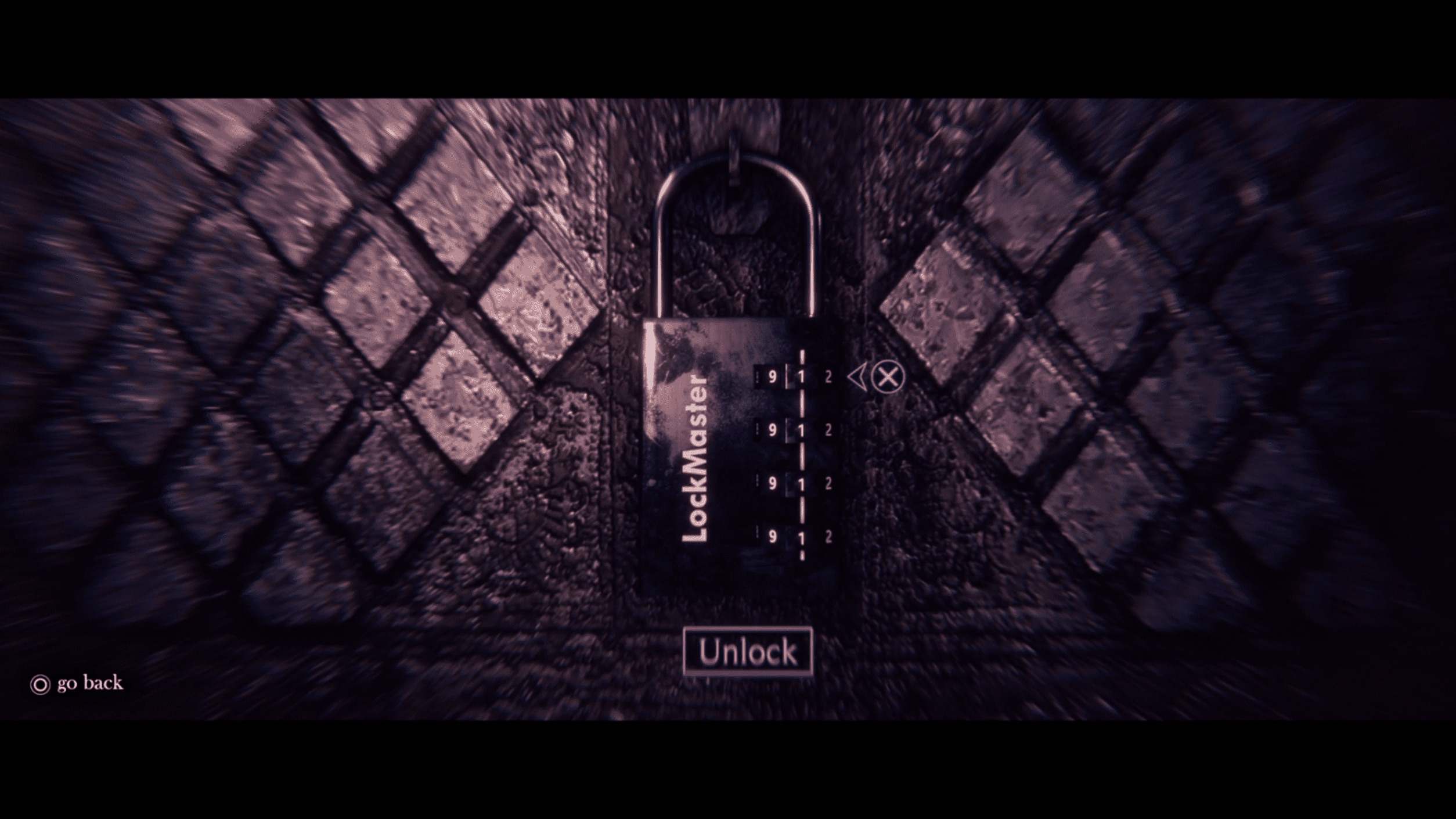
The dream sequences shift the game into a darker and more hostile space. Following a mysterious floating orb of light leads Dakota into another realm filled with twisted environments and aggressive enemies. These sections rely more heavily on stealth and puzzle solving as you move through surreal spaces that reflect Dakota’s inner struggles. Puzzles become more abstract here. You might need to play the correct keys on a piano or rotate the hands of a clock to a specific time in order to progress. These moments add variety and keep the dream sections from becoming repetitive.
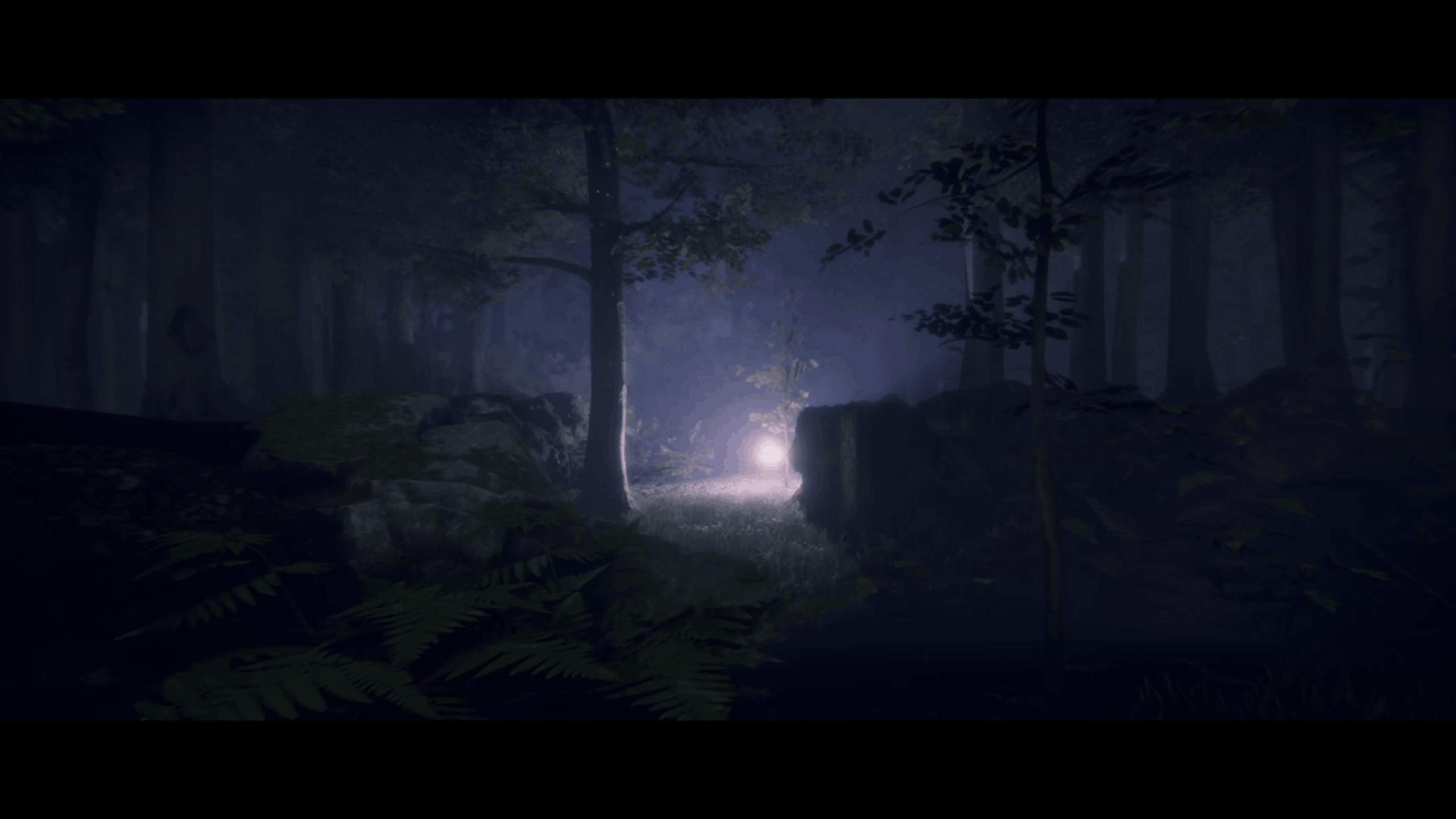
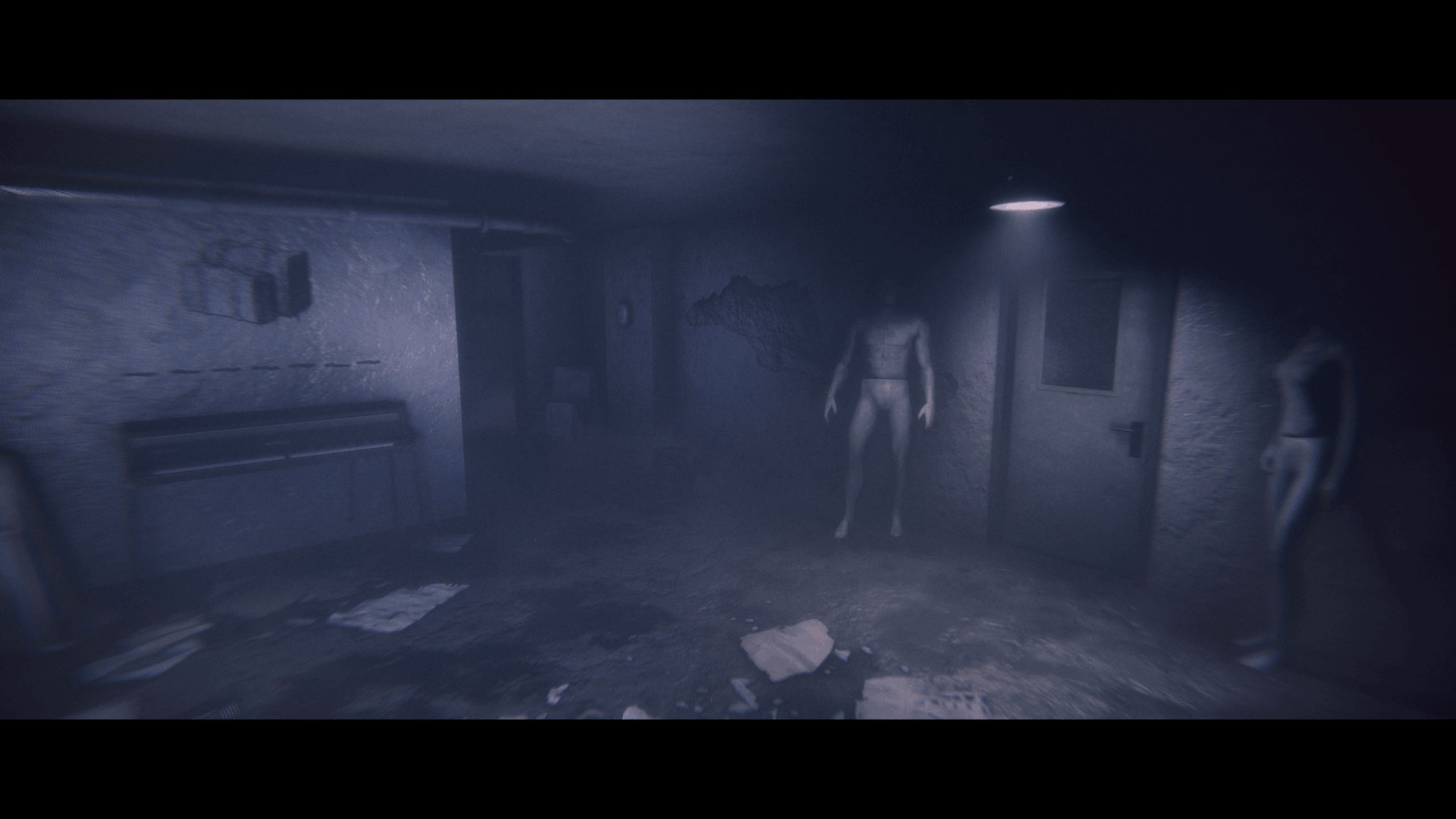
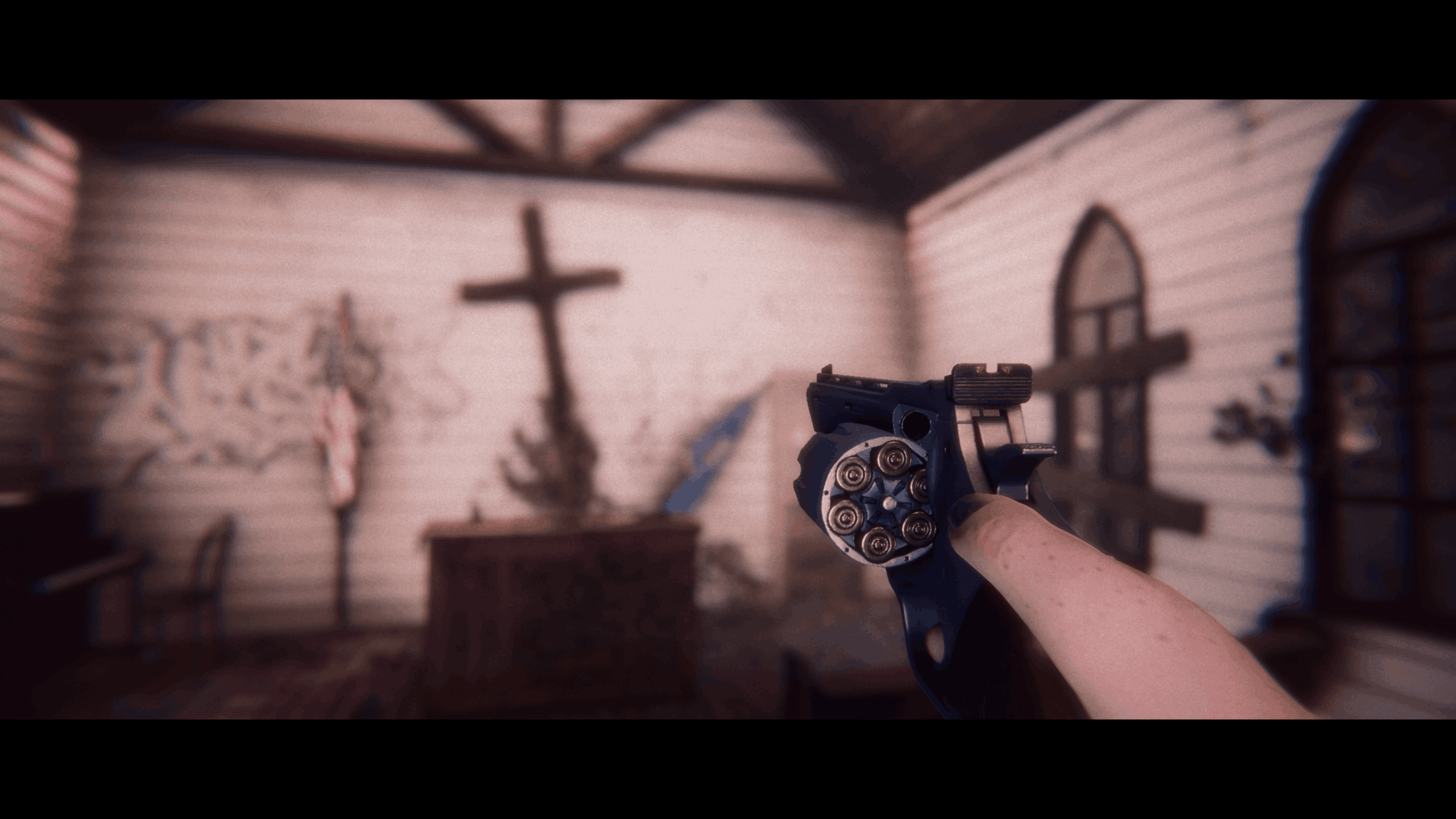
Your tools also take on new purposes in this realm. The axe that once helped gather firewood can now be used as a weapon against monstrous creatures. Dakota also carries a revolver that can shoot off locks or deal with threats when stealth fails. Throughout the game you can find scrap pieces that allow you to upgrade your equipment, improving things like the axe’s strength or the revolver’s reload speed. Everything works together well enough and the pacing between the calm real world sections and the tense dream sequences creates a nice rhythm. If you miss anything during your first playthrough, the game also includes a New Game Plus mode. This lets you start again with upgraded gear and unlocks extras such as visual filters and fun cheat style options like infinite health, which adds some replay value to the experience.
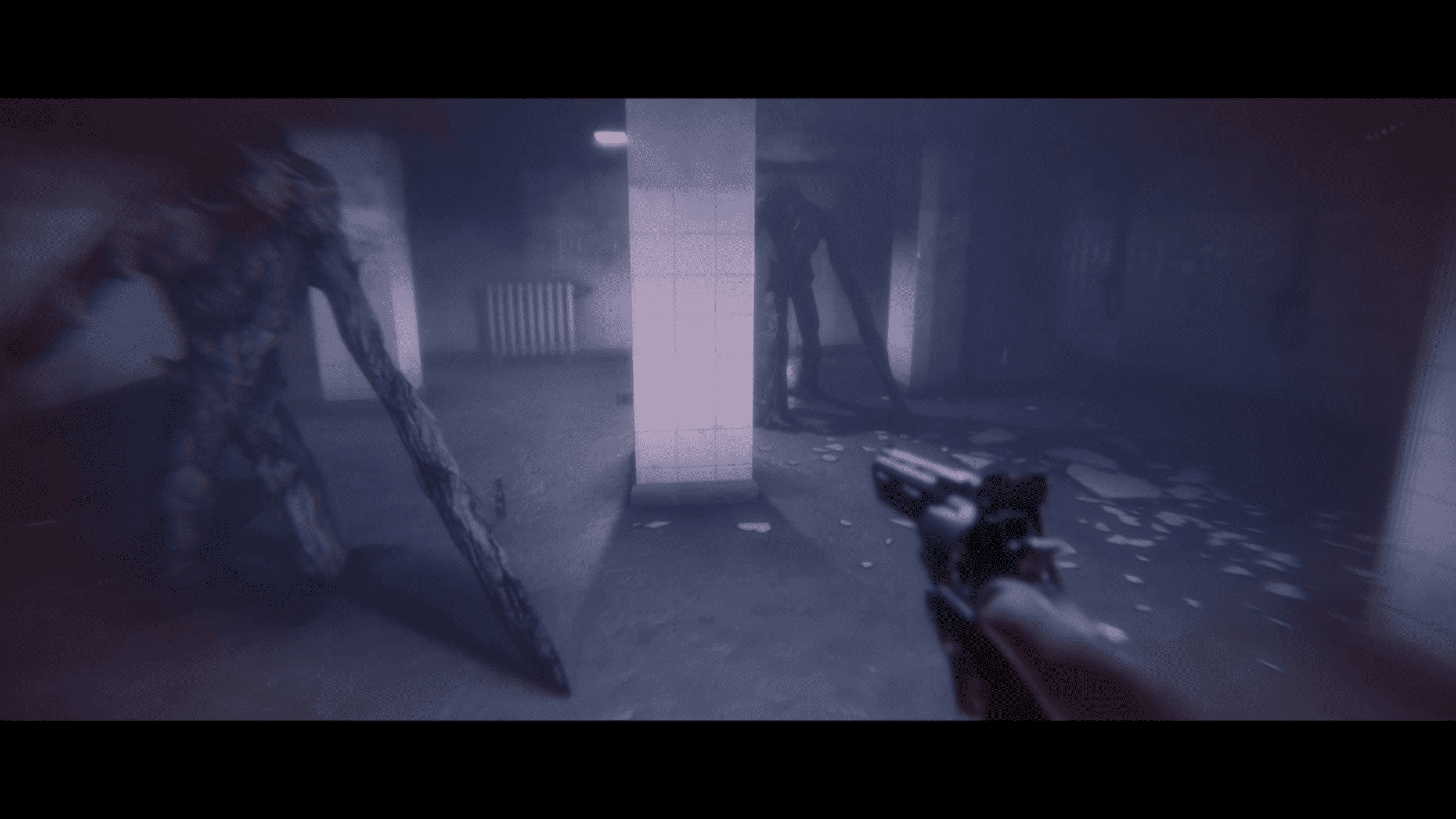
Like many smaller releases, Project Songbird has a few rough edges. I ran into a handful of minor glitches while playing. Sometimes you can run through a door before it fully opens, and at one point I managed to swing open a door while standing behind it which trapped Dakota between the wall and the doorframe. Another moment had me briefly stuck underneath an enemy. Enemies can also occasionally get caught on corners, which makes them easier to defeat than intended. None of these issues were particularly severe though. The game is actively receiving patches and most of the bugs fall within the usual range of quirks you see in many games. They never seriously disrupted my experience.
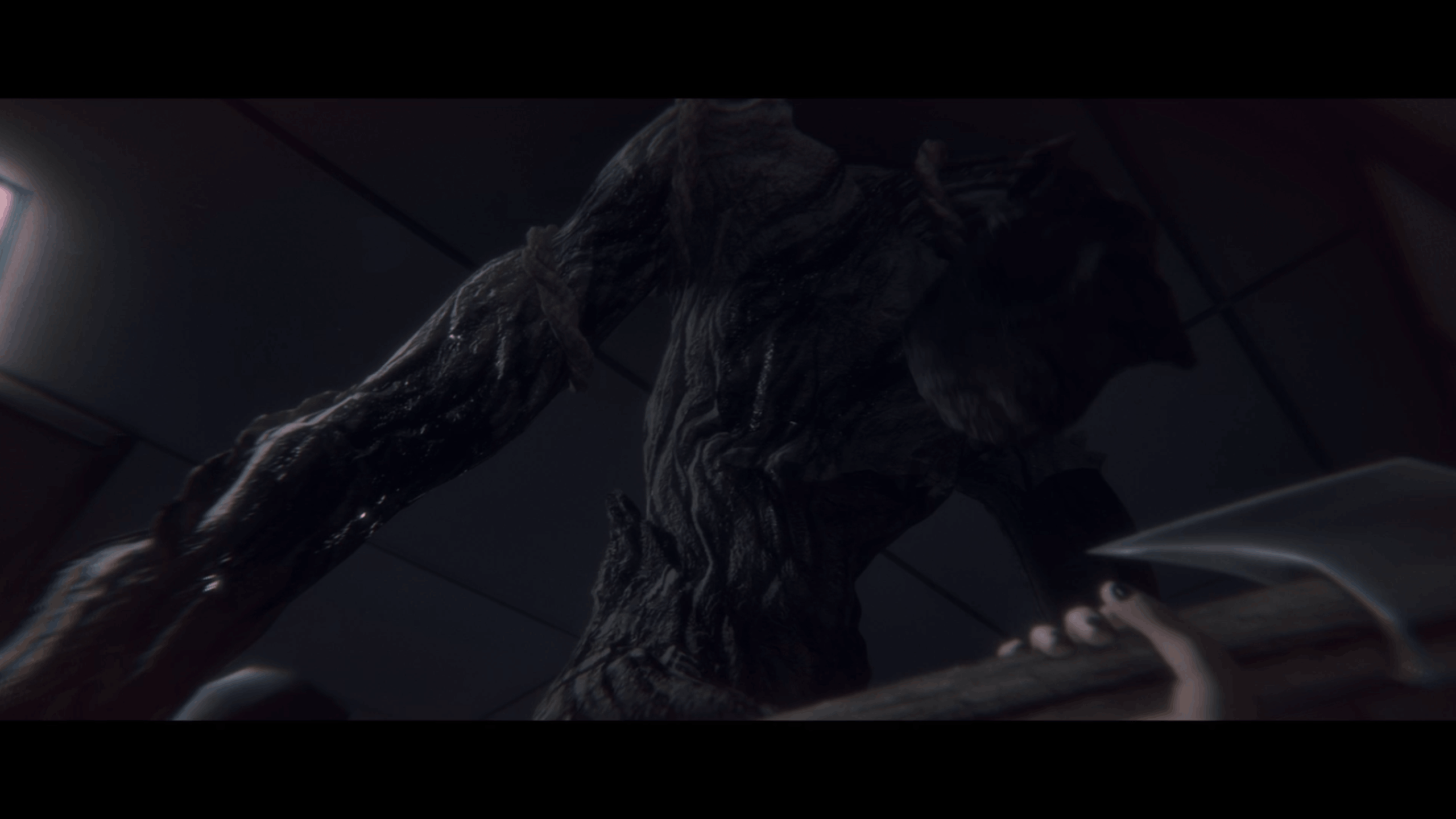
The bigger issue comes from how some of the game’s more experimental ideas are handled. There are a few moments where the game leans heavily into meta storytelling, and while the intention is clear, the execution does not always land the way it probably should. At certain points the experience becomes extremely personal in a way that pulls attention away from the game itself. Instead of feeling like part of Dakota’s journey, it begins to feel like you are reading the developer Connor Rush’s journal. The strange and surreal elements stop feeling mysterious and start leaning toward something that feels overly self aware.
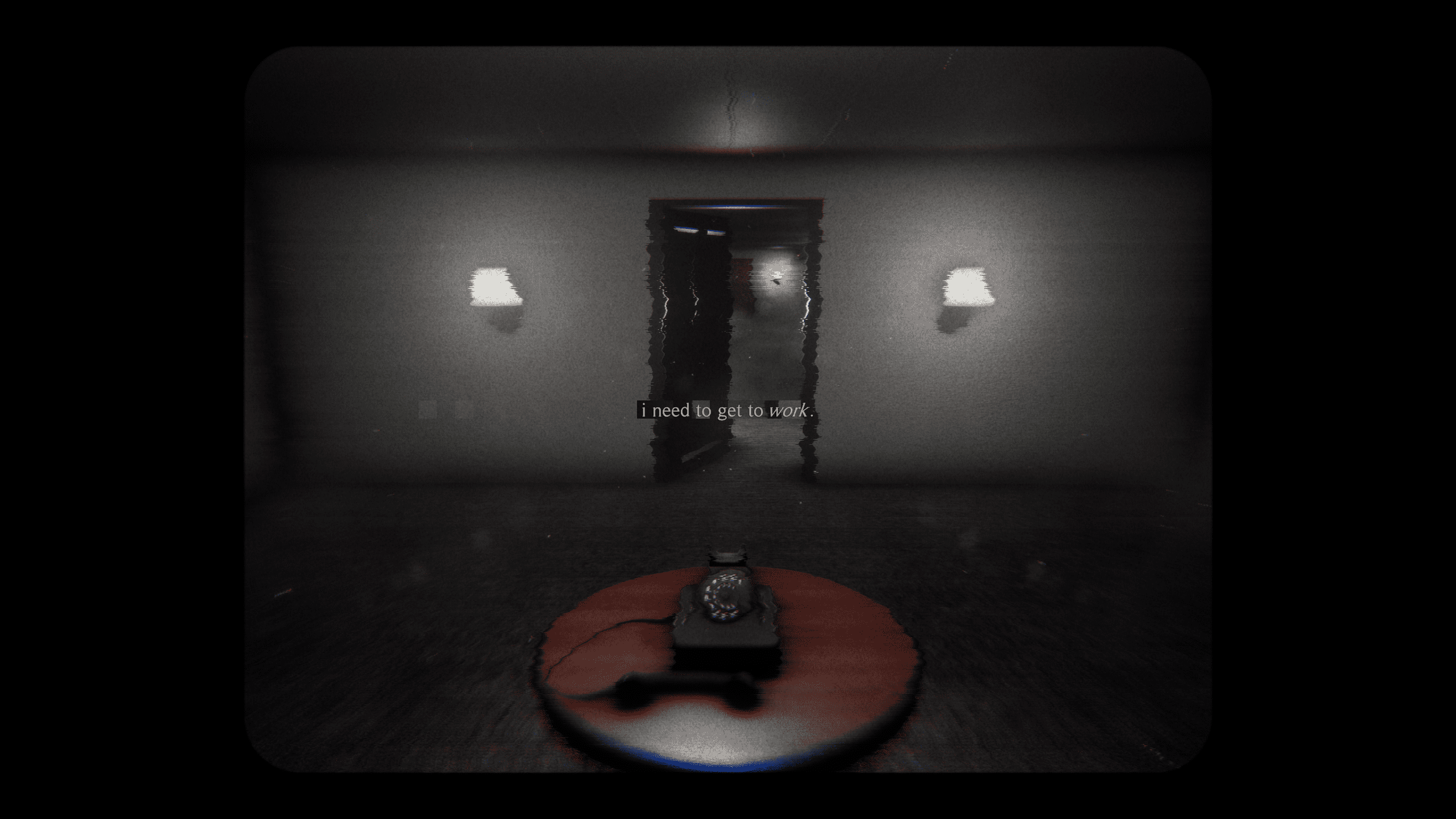
Coming from an art background, I understand that art can absolutely be personal, and games are often a powerful way for developers to express themselves. Still, there is a fine balance between sharing a perspective and pulling the audience out of the experience entirely. In these moments the game crosses that line and begins to feel a little pretentious rather than intriguing. Not long after that section the pacing also slows down dramatically. The game enters a stretch where progress becomes drawn out and it becomes harder to stay invested. Other horror games that explore similar ideas such as Among Ashes, Luto, or Love Eternal tend to weave their meta elements more naturally into the story itself, which helps keep the focus on the experience rather than the creator.
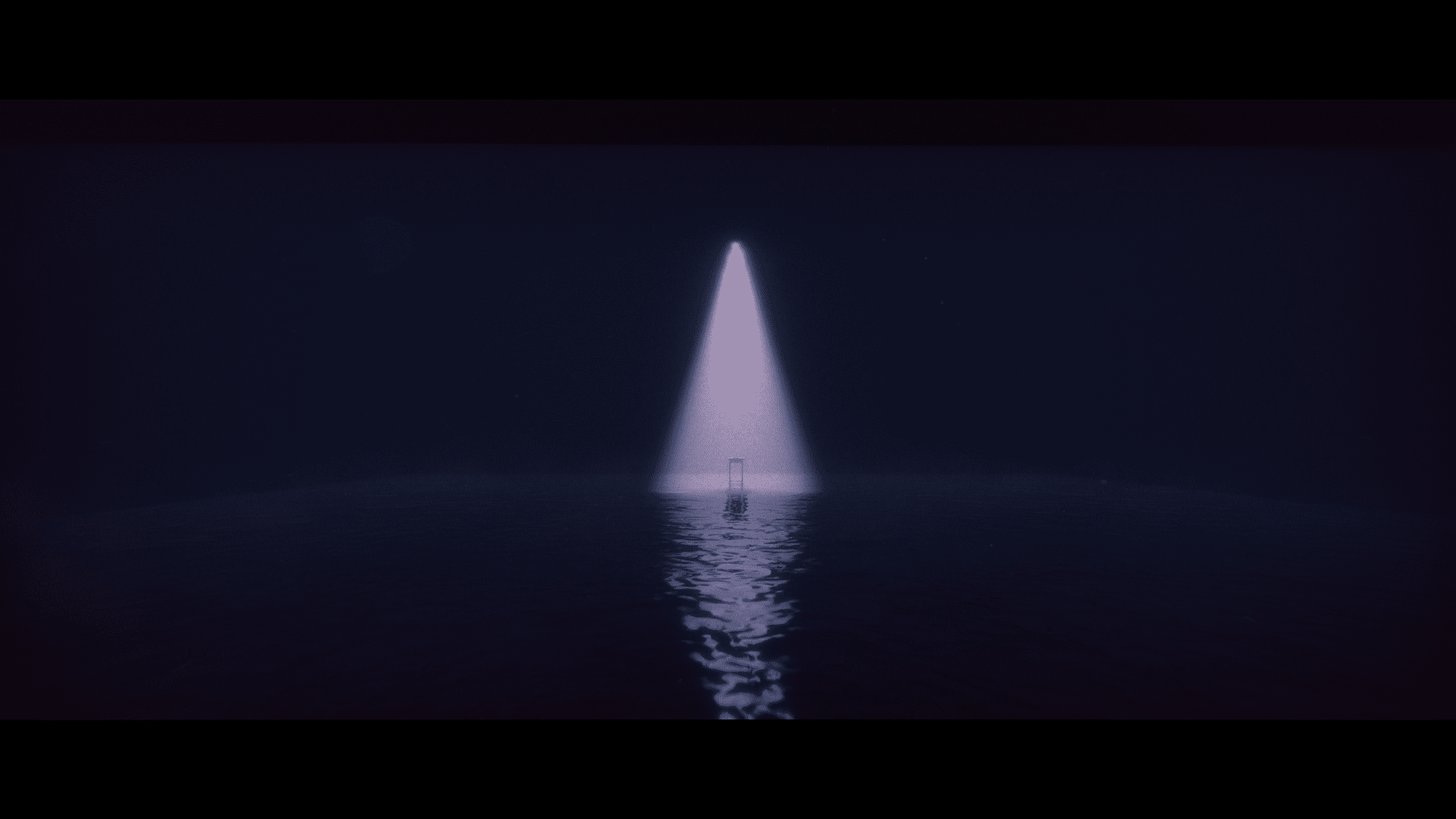
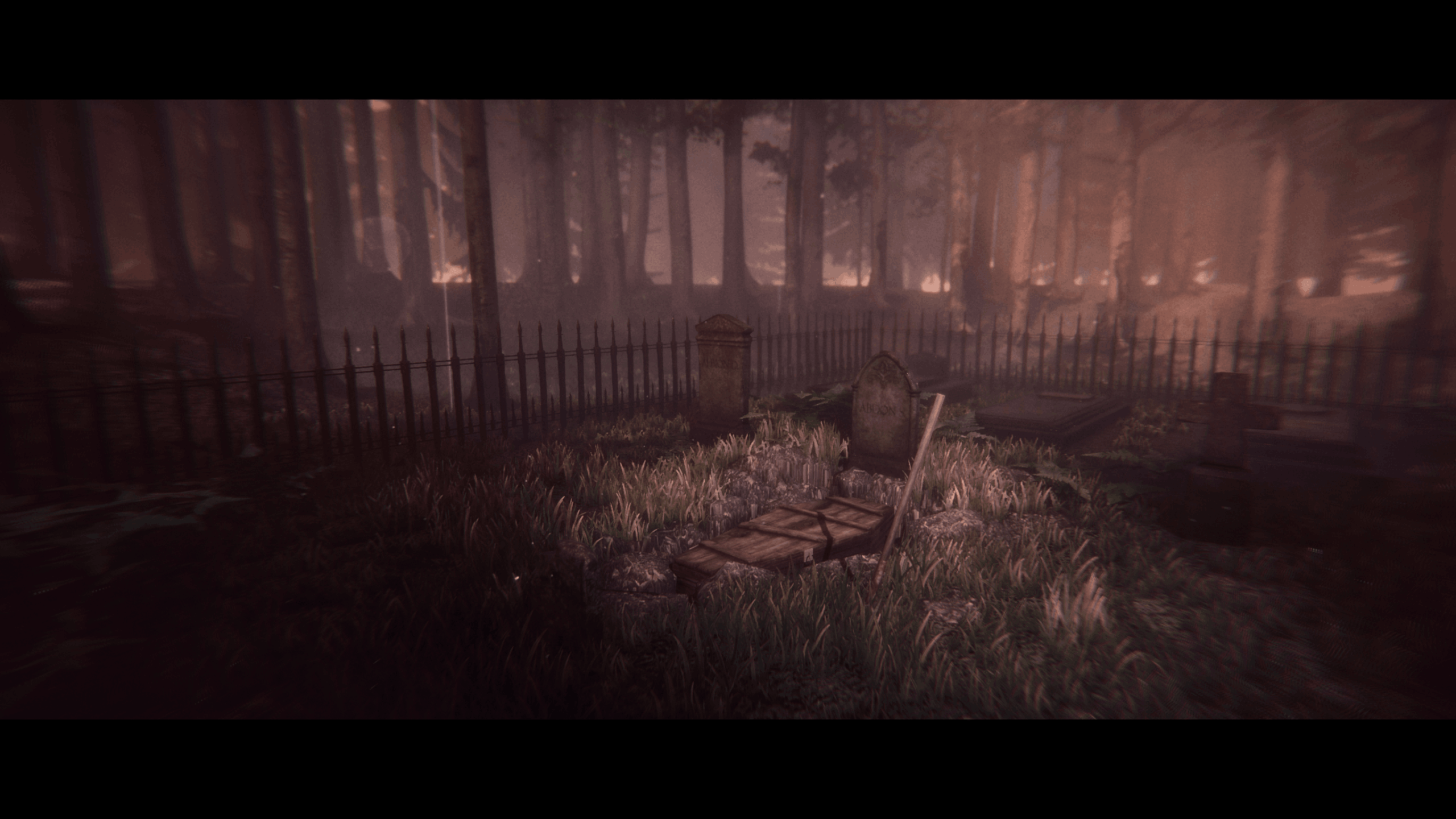
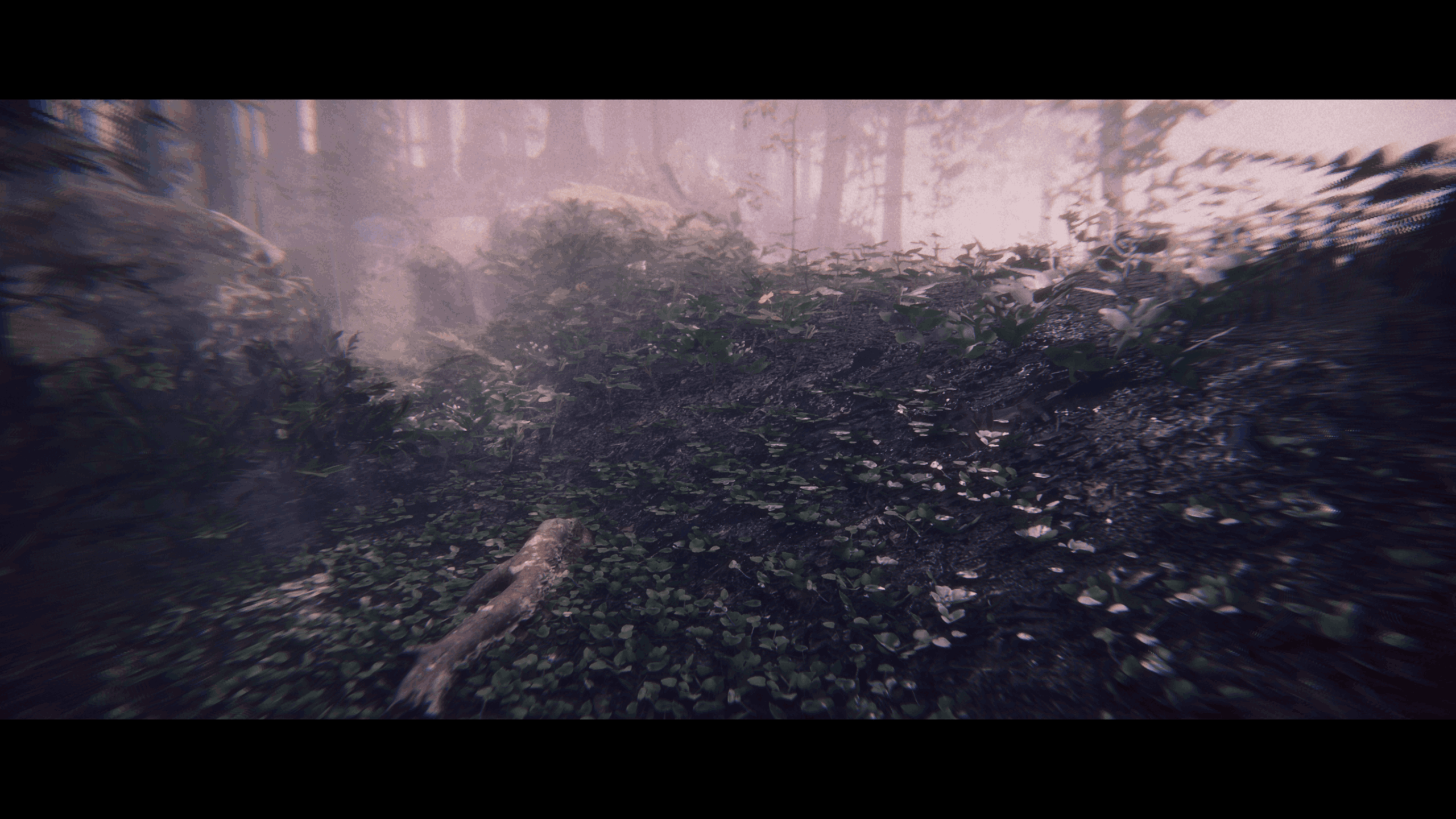
Visually, Project Songbird looks fantastic. The lighting does a wonderful job of shaping the atmosphere and highlighting details throughout the environment. The Appalachian forest is especially impressive with dense foliage, fog filled valleys, and a cabin that feels lived in. At many points it feels like you could stop almost anywhere and capture a great screenshot. There is a noticeable amount of pop in when moving through certain areas, but it rarely breaks the immersion. For a game focused so heavily on mood and environment, the visual design works extremely well.
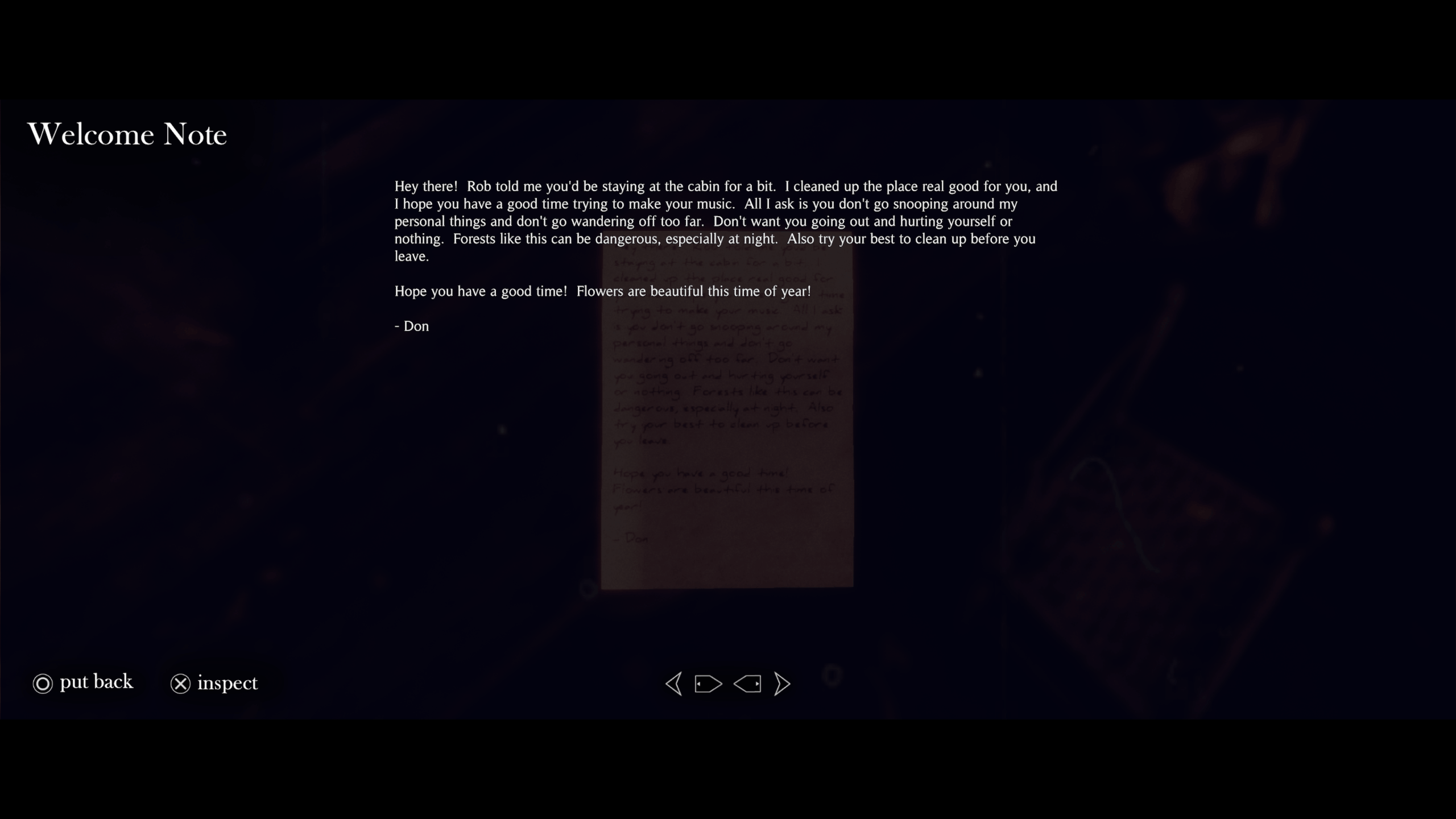
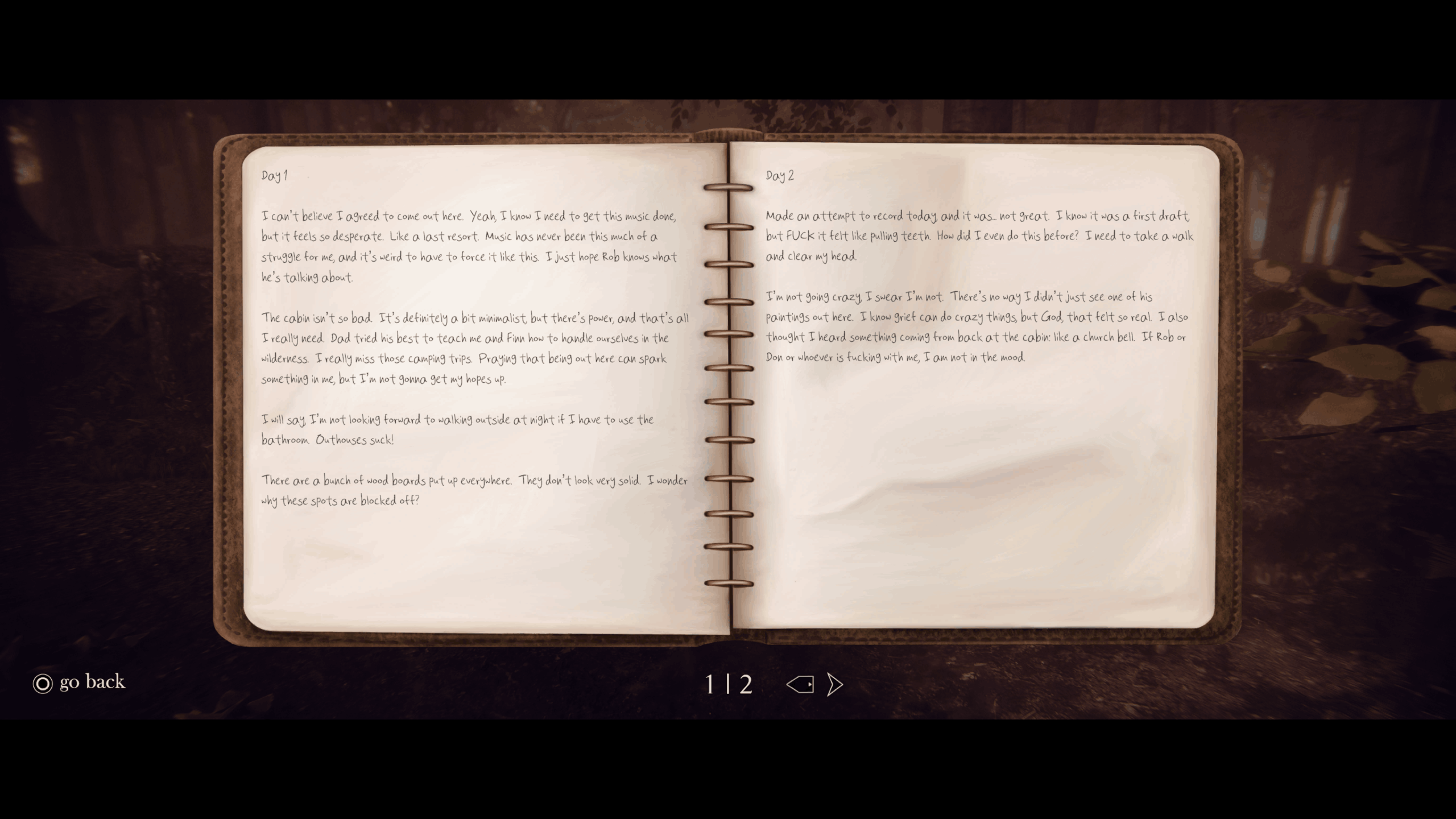
The one major problem with the presentation comes from the text. Subtitles, journal entries, and collectible notes are displayed in very small fonts that are surprisingly difficult to read. The stylized handwriting used for Dakota’s journal entries makes it even harder. More than once I had to stand up and walk closer to the television just to read what was written. A simple option to enlarge the text or display entries in a clear reading window would have helped a lot.
The audio work is one of the strongest aspects of the game. The ambient music in the real world sections has a haunting country tone that fits the Appalachian setting perfectly. Since Dakota is a musician, the cabin is filled with records that you can actually listen to. Many of these are real songs, and Dakota occasionally comments on them which adds a nice bit of character flavor. The voice acting is excellent across the board. Valerie Rose Lohman, known for her role as Edith Finch in What Remains of Edith Finch, delivers an especially strong performance as Dakota, bringing a lot of emotional depth to the role. Her ability to shift between introspection and moments of fear helps sell the psychological elements of the story.
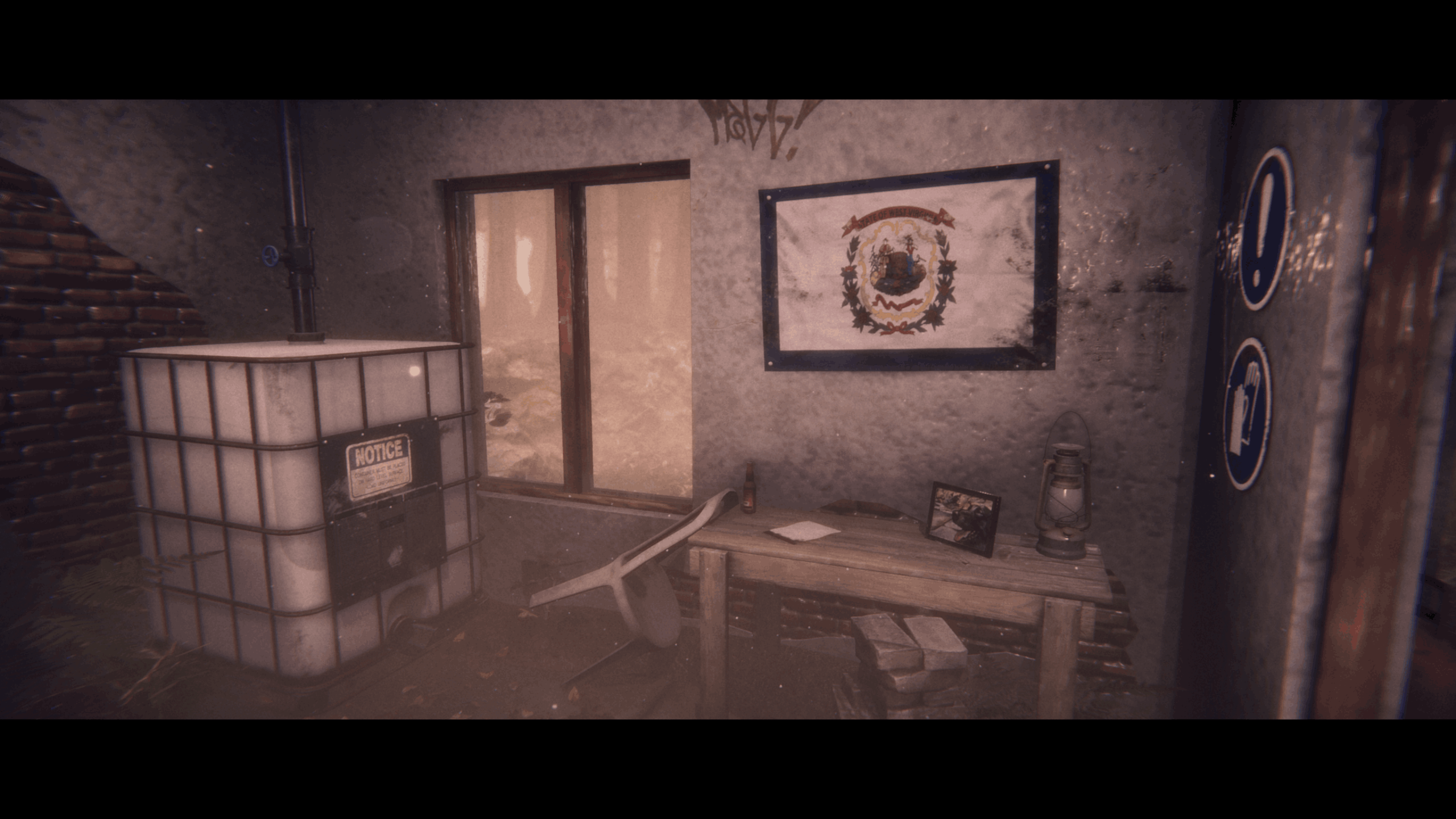
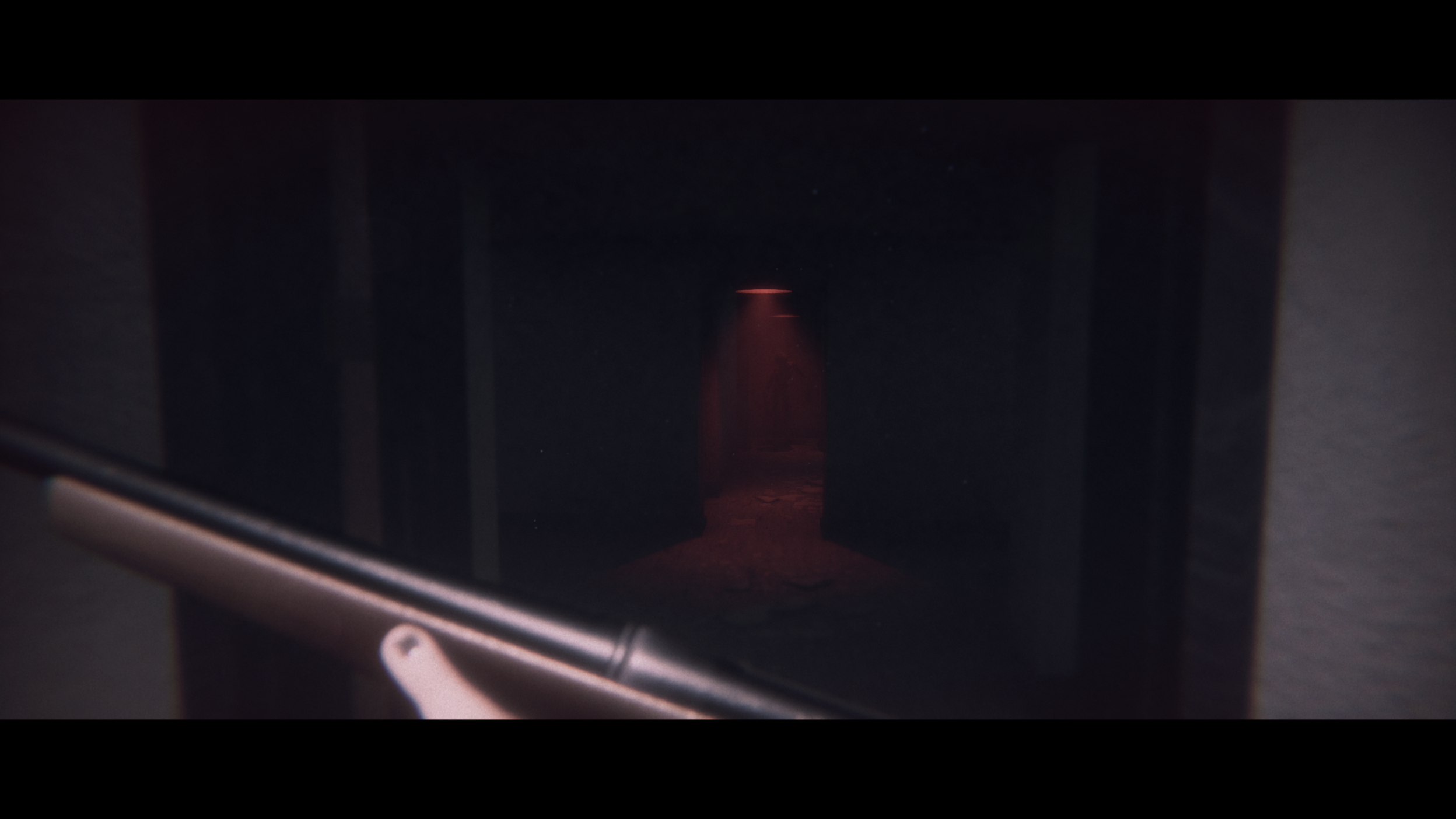
Sound design also plays its part well. Footsteps echo through empty hallways, distant noises carry through the woods, and distorted voices appear in the dream world to build tension. The only minor issue is that some of the background music loops in a slightly awkward way. During exploration the music can suddenly stop for a brief moment before restarting, which creates a noticeable break in the tension.
Final Thoughts?
Despite a few missteps, I genuinely enjoyed my time with Project Songbird. The story surrounding Dakota and the strange events in the Appalachian forest kept me curious about what would happen next. The atmosphere is strong, the performances are excellent, and the combination of exploration, puzzles, and combat creates a varied experience. Some of the more experimental and meta moments could have been handled with a lighter touch, and the slow pacing in certain sections holds the game back a bit. Still, there is a lot here that horror fans will appreciate. The setting alone helps it stand out, and the mix of dreamlike horror and personal storytelling makes it a memorable experience. If you enjoy narrative driven horror games and are looking for something with a unique setting and a strong sense of atmosphere, Project Songbird is definitely worth adding to your list.
About the Author

Nay Clark Gaming holds a special place in my heart and I never stop talking about video games. I really love all types of games and have an interest in games that have complicated stories and lore because I enjoy untangling the mystery of it all. When I'm not gaming, I unsuccessfully try to control three amazing and incredibly bright kids.
Related Posts
Unsealed: The Mare Review (PS5) →

John Carpenter’s Toxic Commando PS5 Review →

Fatal Frame II: The Crimson Butterfly: Remake Review (PS5) →