
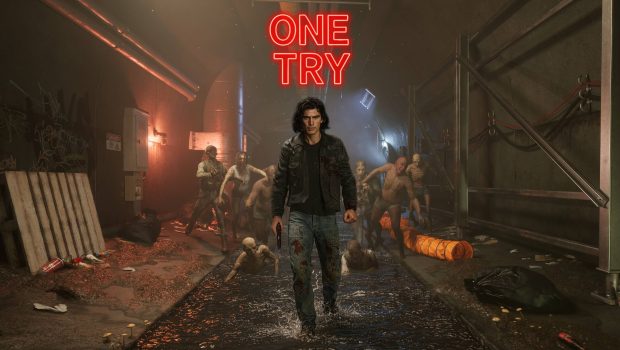
OneTry Review (PS5)
Summary: OneTry is a third-person horror shooter from indie developer Domynyo that drops you into a zombie-infested world where you only get one chance to survive. The game is brutally unforgiving, with fast, relentless enemies, clunky controls, and a dark, poorly lit environment that makes every step a struggle. Despite its rough mechanics and glitches, there is a strange, arcade-like appeal in trying to push a little further each run and seeing how far you can get.
1.5
Dead End
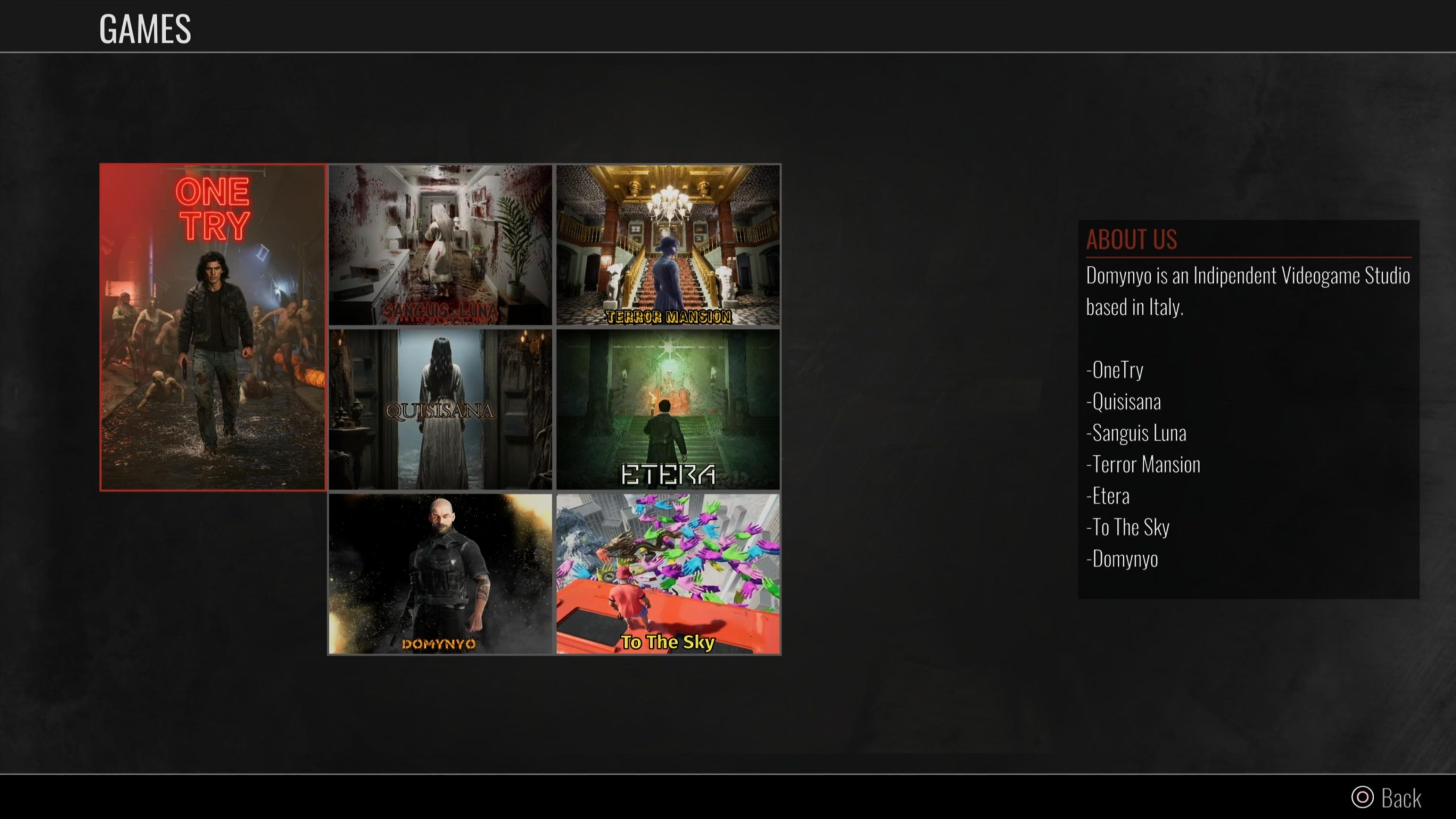
One try is all you need to know that something isn’t working here. OneTry is a third-person horror shooter developed and published by Domynyo, released on January 14, 2026 for PlayStation 5, with a Steam release following on February 19, 2026 and additional Xbox and Nintendo versions listed as coming soon. Domynyo is a very small Italian indie studio made up of only a handful of developers, known primarily for low-budget post-apocalyptic and horror games. Their catalog includes the upcoming online multiplayer game Domynyo, the rage-style precision platformer To The Sky, the 2D sidescrolling adventure Etera, and the first-person horror titles Terror Mansion, Sanguis Luna, and Quisisana. The general perception of Domynyo’s work tends to lean negative due to recurring issues with polish, stability, and overall quality. OneTry initially looked more promising than their previous releases, with a stronger visual presentation and a more focused concept, but unfortunately many of the same problems resurface here in familiar ways.
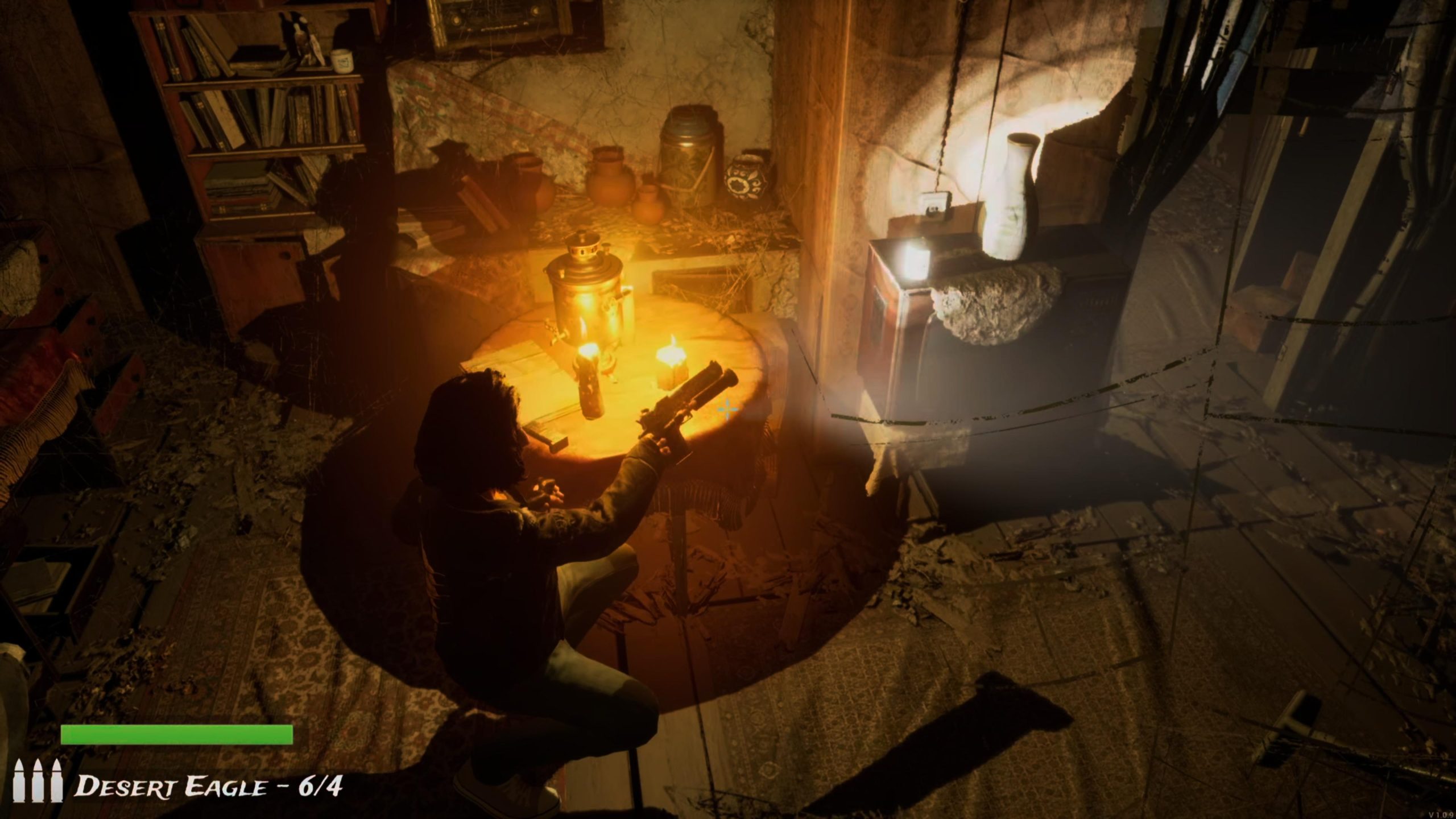
The story in OneTry is extremely minimal. You wake up alone in a wooden house in the middle of nowhere as a radio in the kitchen blares a broadcast warning of a zombie outbreak. With nowhere else to go, you grab a gun from the table and step outside into a world overrun by the undead. From there, the narrative barely develops. You are guided forward by a glowing light that moves too quickly to realistically follow, leading you from area to area until a brief boss encounter near the end, followed by a small final story beat. Notes are scattered throughout the environment, but they cannot be picked up. Instead, you zoom in to read them, and they largely consist of generic zombie-apocalypse flavor text that does little to expand the world or characters. The foundation is thin, but there is at least enough there that the concept could be expanded in a sequel or possibly tied into Domynyo’s multiplayer project in a more interesting way.
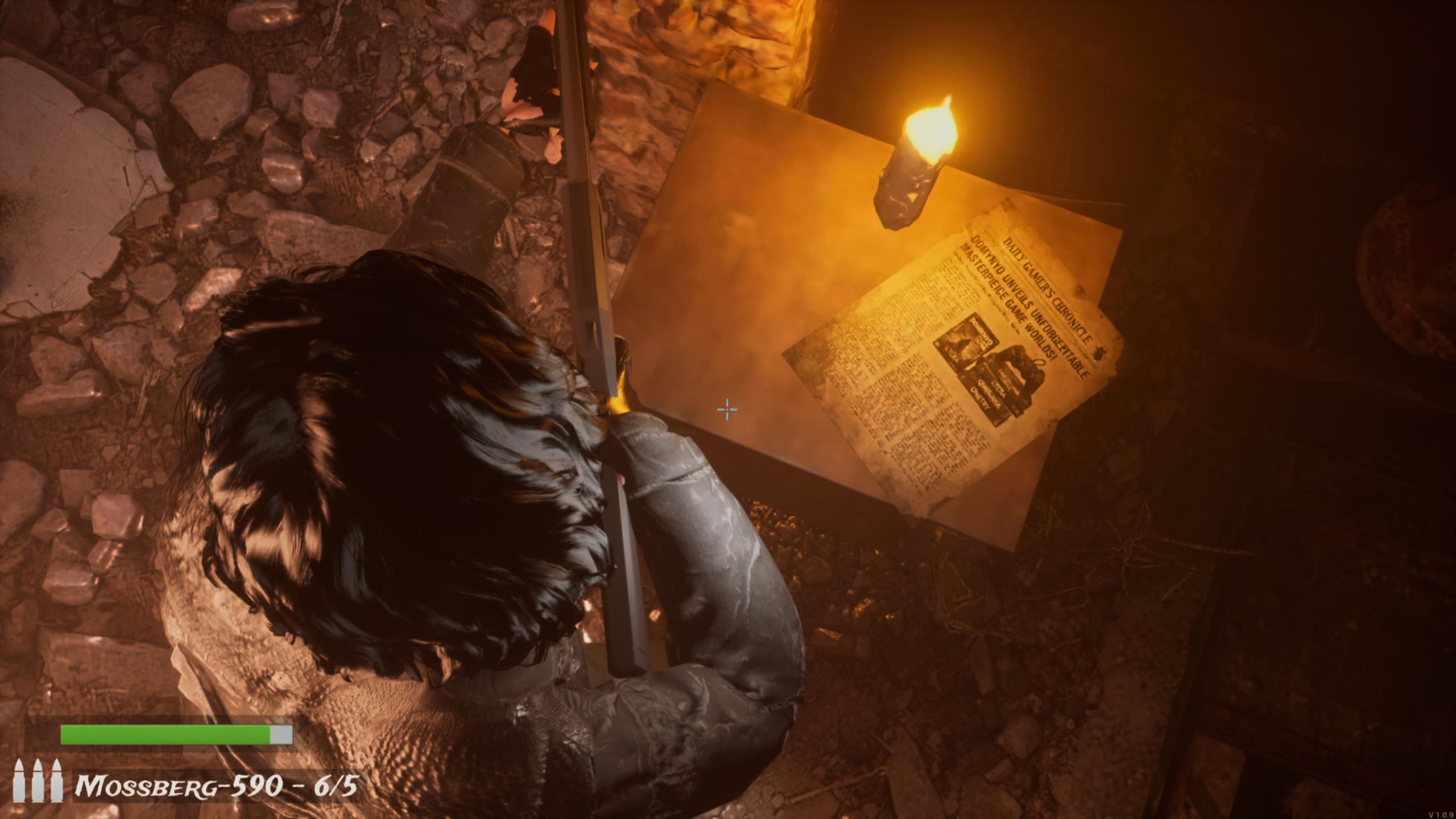
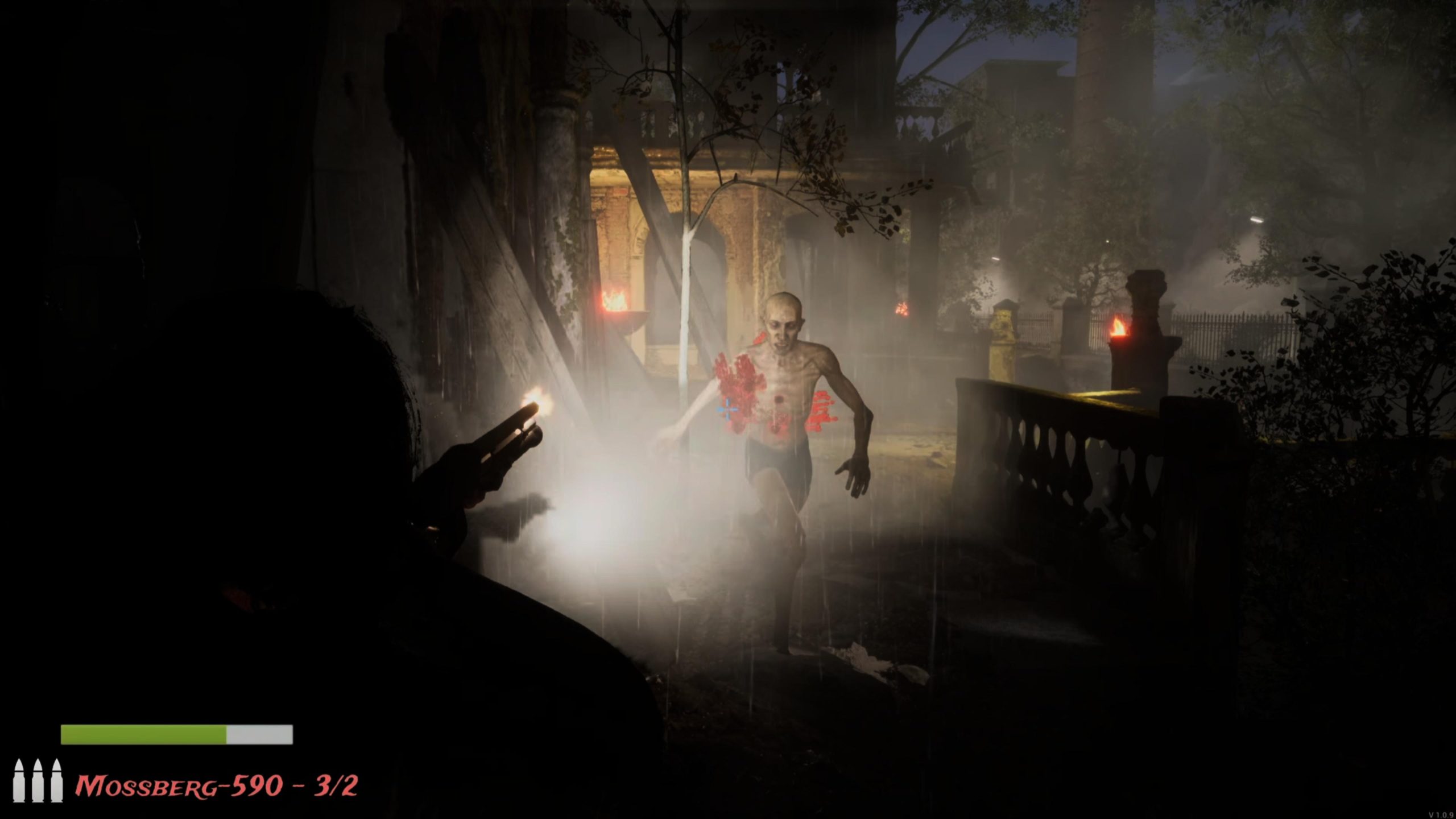
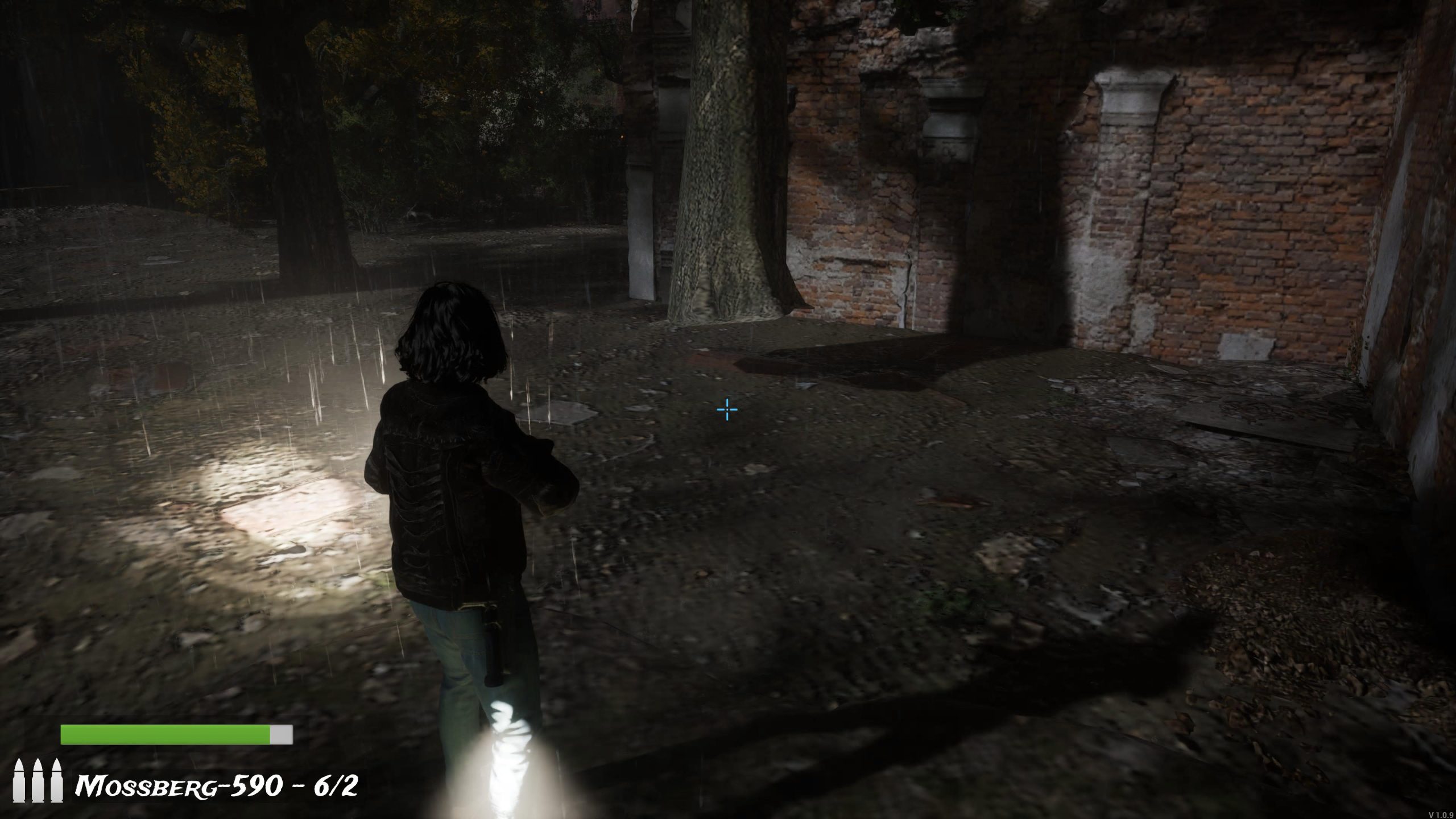
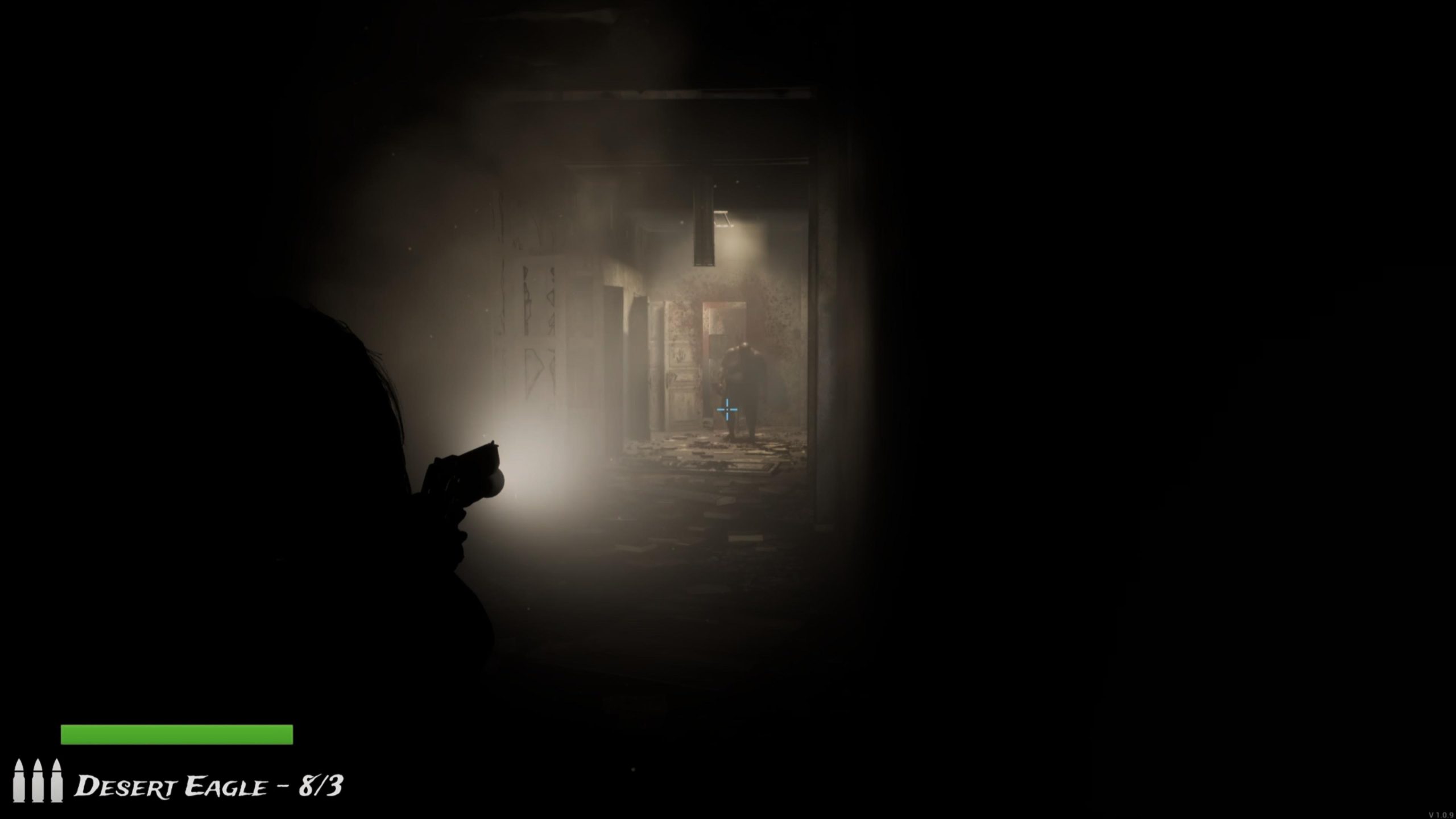
The core hook of OneTry is right in its name. You are expected to complete the entire game in a single run. If you die even once, you are sent all the way back to the beginning. This kind of structure has worked well in roguelikes, survival games, and permadeath modes where repetition feeds mastery and learning. In OneTry, however, that sense of progression never really materializes. Death rarely feels earned. Instead, it often feels arbitrary, caused by extremely fast zombies, poor visibility, awkward terrain, or systems that simply do not work consistently. Zombies move faster than you can realistically react to, and the world is so dark that navigation becomes a struggle even with a flashlight. Unfortunately, the flashlight itself is too bright, washing the screen in white glare and reflections that obscure rather than clarify what you are looking at. The torch behaves similarly, creating visual noise instead of usable lighting.
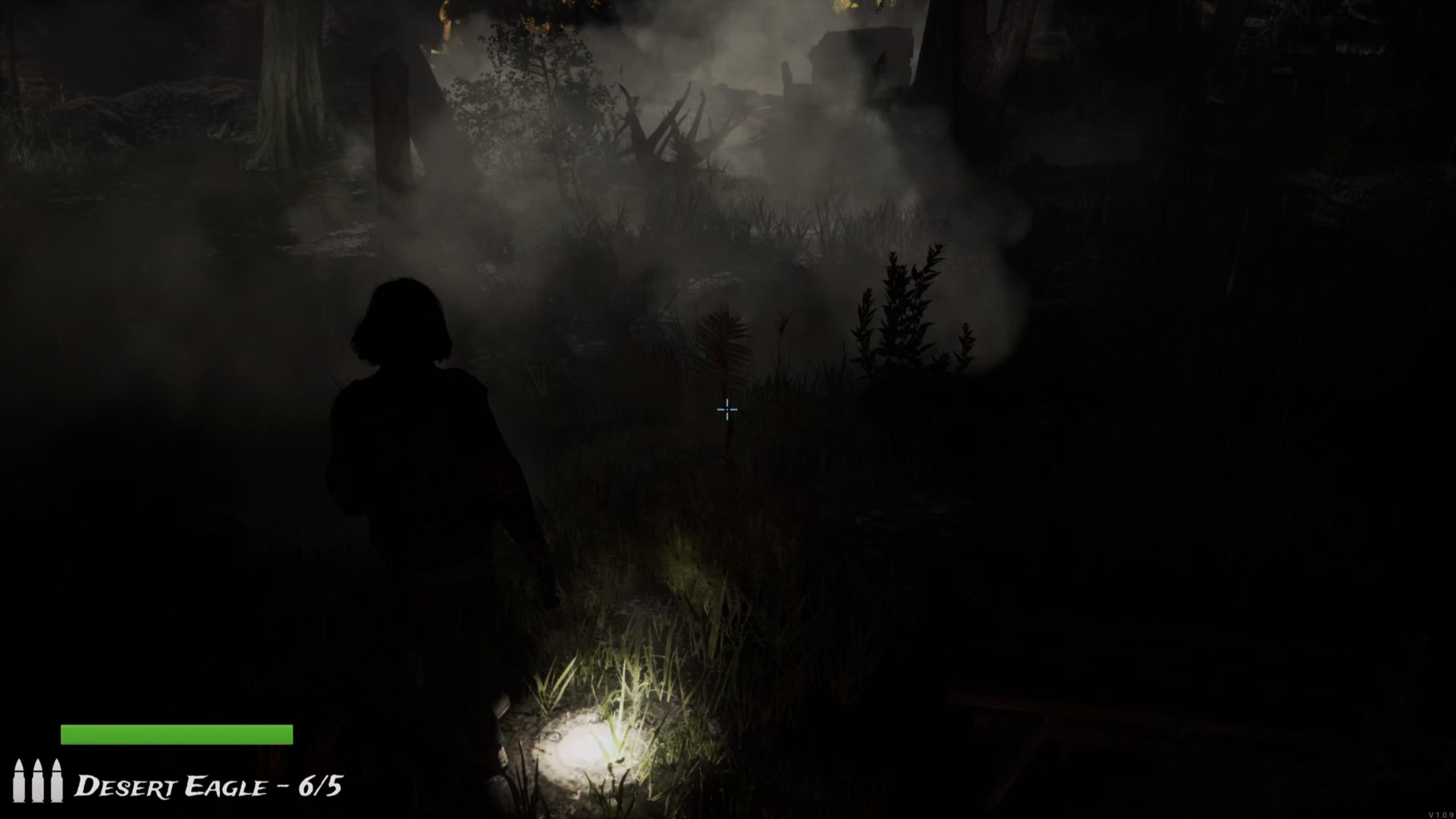
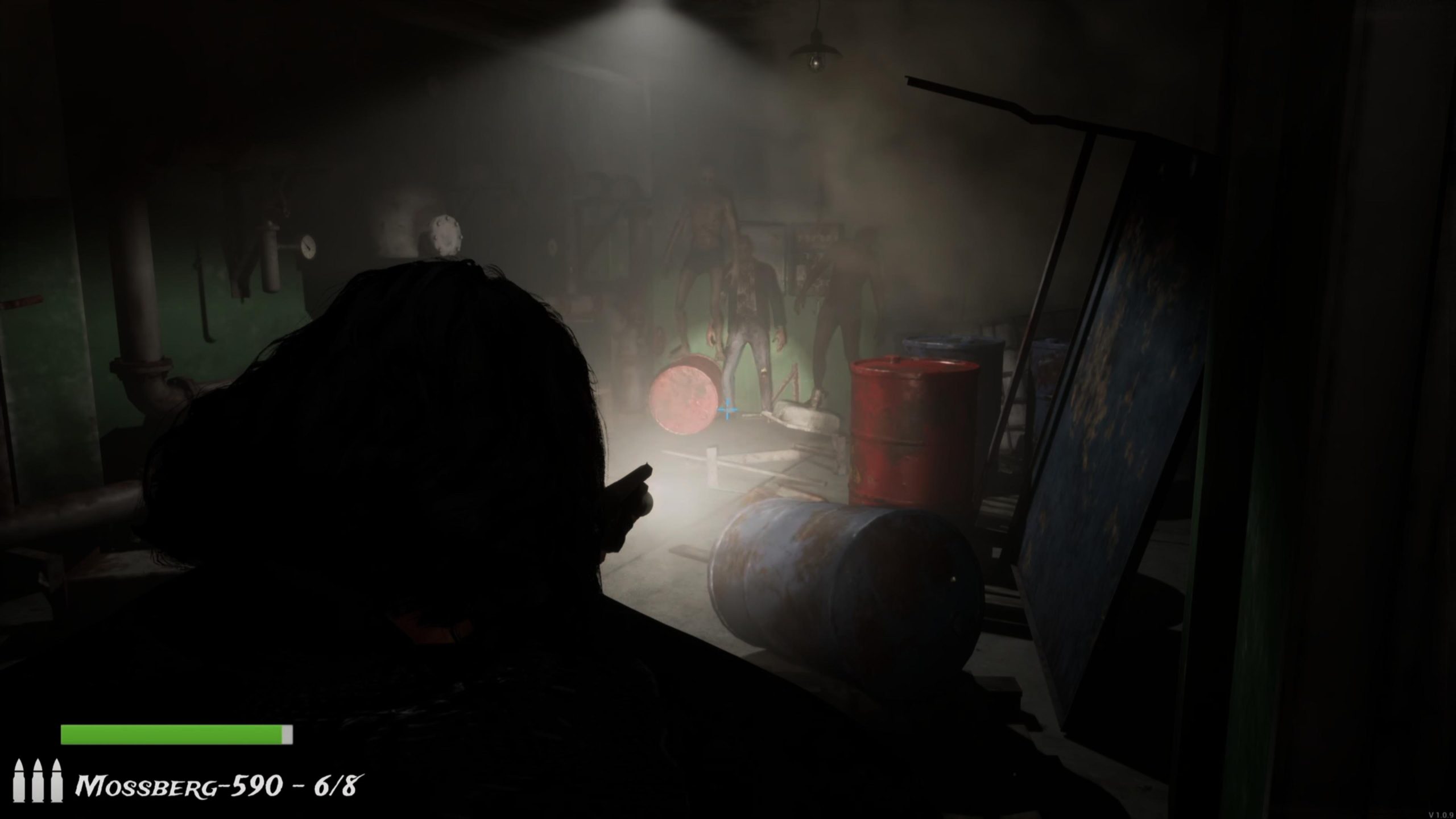
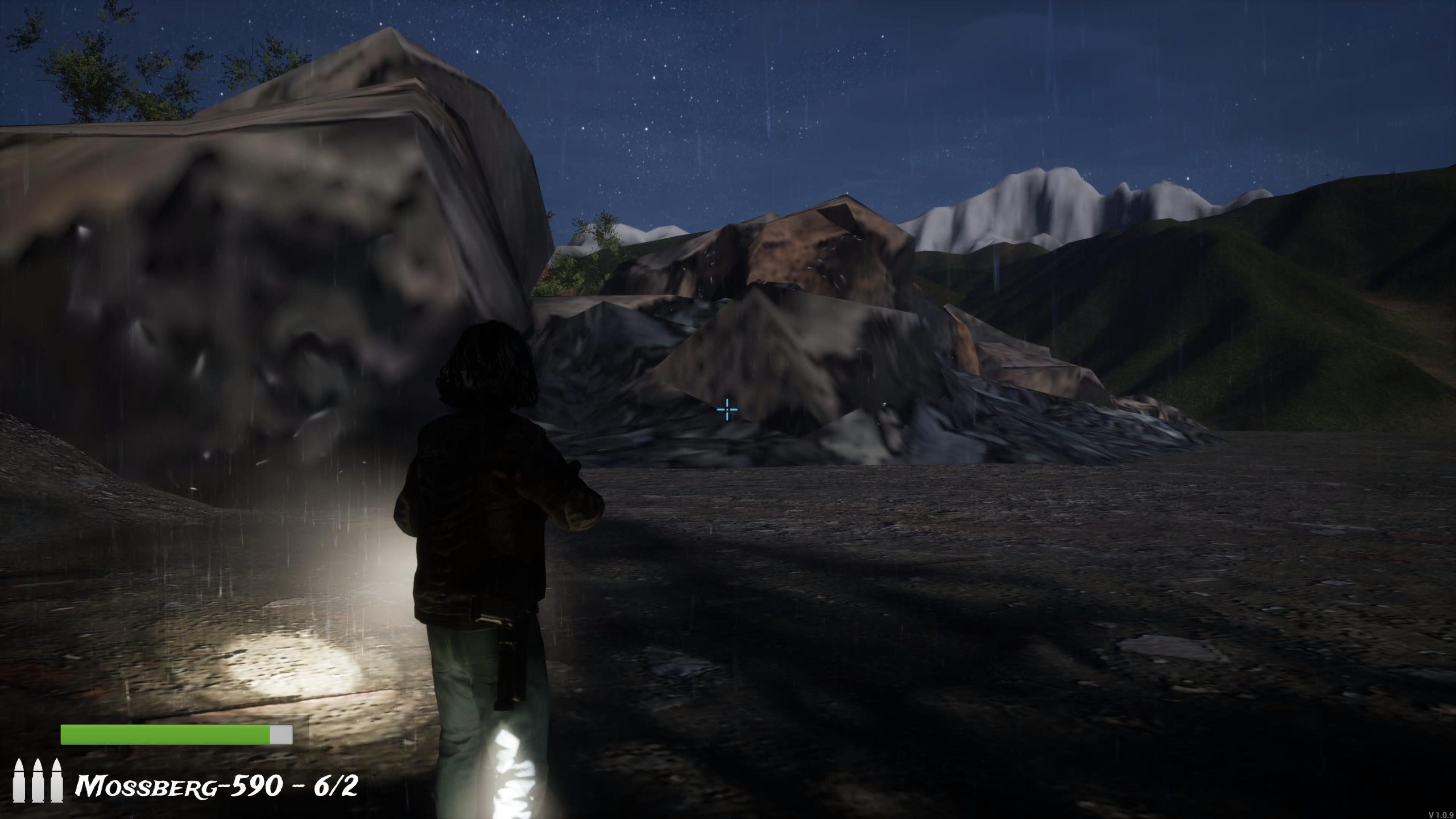
Movement and exploration are constant sources of frustration. The player character can walk, slightly jog, crouch, jump, and use a torch, but all of it feels loose and unrefined. Traversing buildings is awkward due to the lighting and imprecise movement, and outdoor navigation is made worse by uneven terrain that you can easily get stuck on. In one run, I accidentally climbed up a tree, fell off, and died instantly. Oftentimes, if you look down, you will realize that you are walking on top of the swamp water. The world feels less like a designed space and more like a rough sandbox where objects were dropped in without much cohesion. Interactions are unreliable, often requiring you to spam the interact button until something finally works, assuming it works at all. There is no map, no clear feedback, and very little guidance beyond pushing forward and hoping you are going the right way.
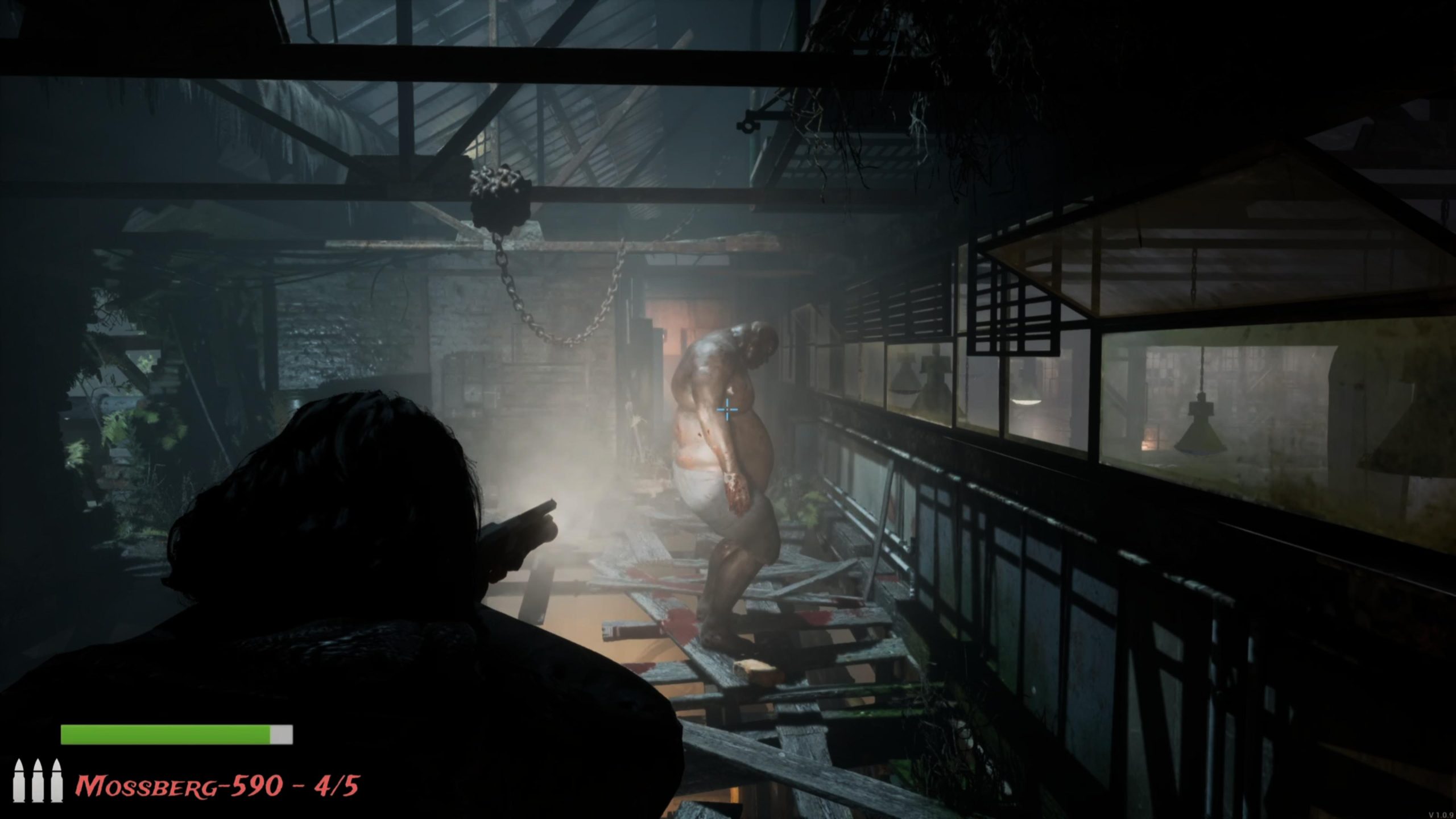
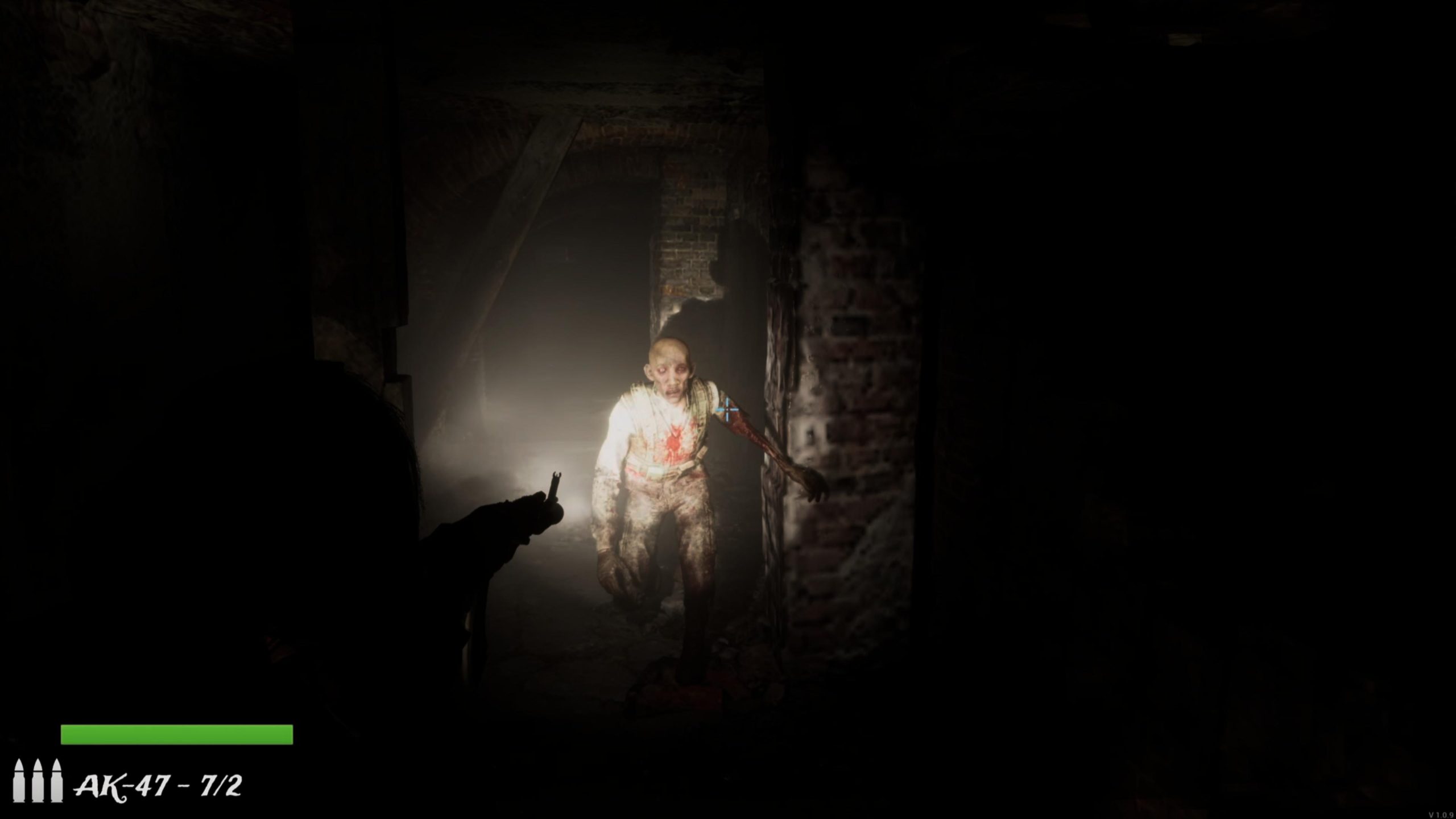
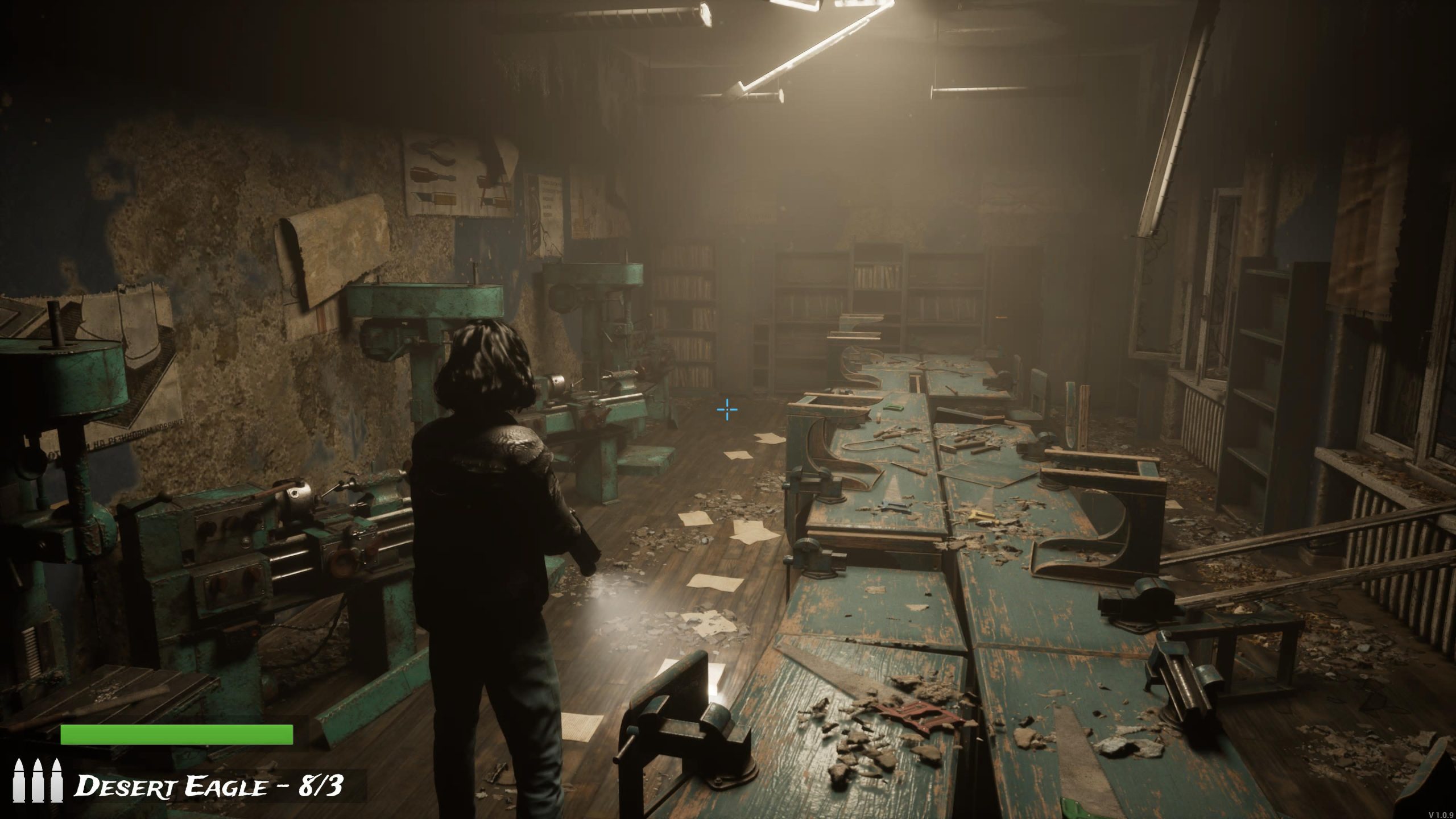
Combat is conceptually straightforward but mechanically weak. Early on, you can pick up a Desert Eagle (that reads as an M9 at first) sitting near the starting area, although even this simple action can be unreliable. Oddly, picking it up places two Desert Eagles in your inventory for no apparent reason. Later, you can also find an AK-47 and a shotgun. The weapons behave as expected. The Desert Eagle rewards headshots, the AK-47 offers faster and more consistent fire, and the shotgun delivers powerful bursts at close range. In practice, combat feels broken. There is almost no hit feedback, making it hard to tell whether your shots are doing damage at all. Zombies barely react to being shot, and when they do stagger, they immediately resume sprinting toward you. Reloading is often a death sentence, as there are no defensive options like dodging, rolling, quick turns, or even meaningful sprinting. If a zombie gets close, there is usually no way to escape. Ammo management is also frustrating, as reloading can cause excess ammunition to simply disappear, and there are frequent instances where bullets appear to do no damage whatsoever.
At launch, OneTry was in a rough state, lacking even basic functionality such as a proper options menu. Pausing the game does not actually pause the action, allowing enemies to continue attacking while the pause screen is open. While patches have addressed some issues, such as footstep audio, broken pickups, and non-functioning enemy behavior, many problems remain. During my time with the game, note pickup functionality seemed entirely absent, despite previous versions attempting to include it in a glitchy and often broken state. Even now, interactions frequently fail, prompts appear and disappear inconsistently, and basic systems feel unreliable. The credits want to end on a heartfelt note, but they’re a mess, with broken scrolling, full control of the character still enabled, and a skip button that just doesn’t do anything. The game is playable, but it constantly asks the player to work around its limitations.
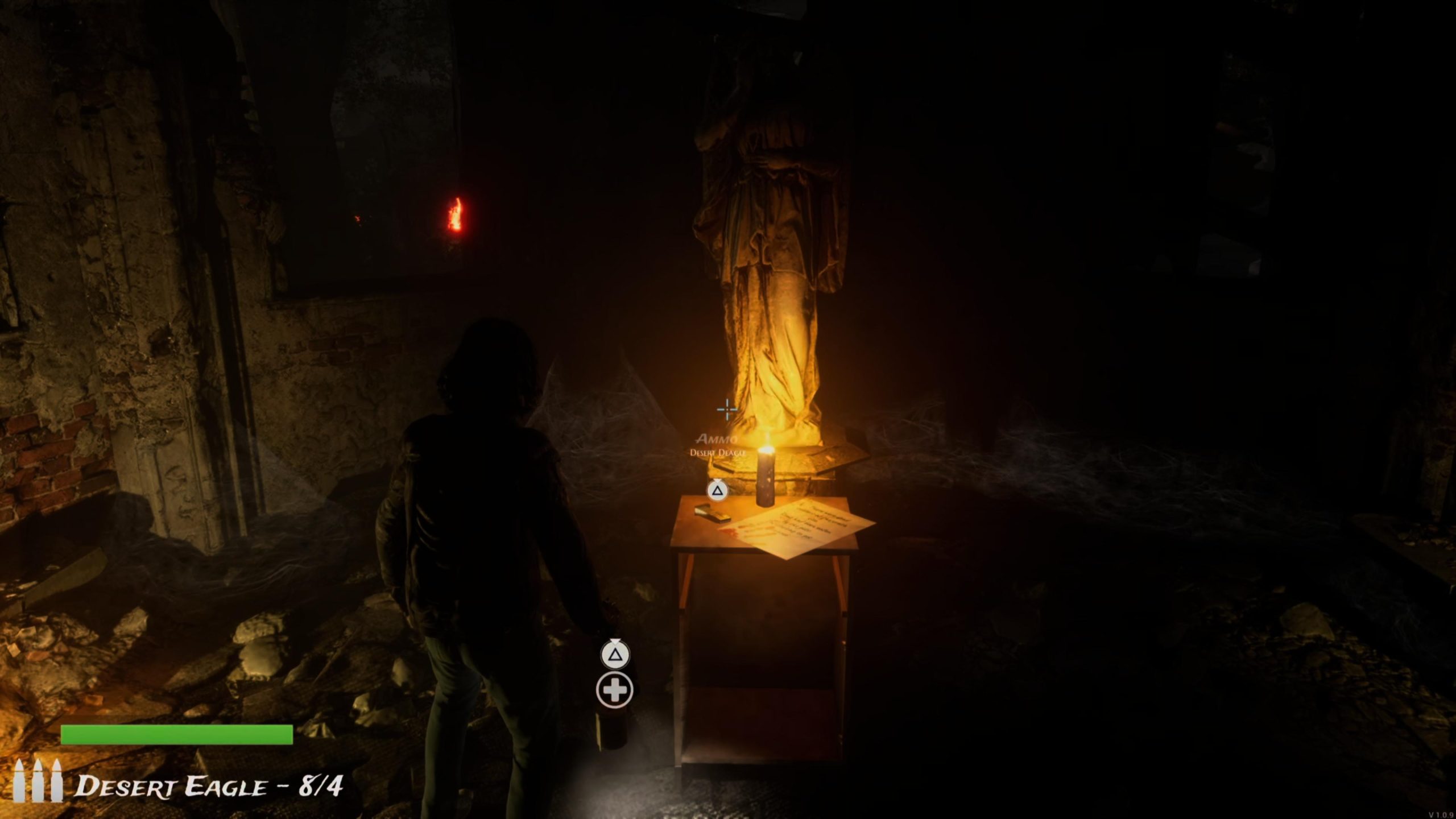
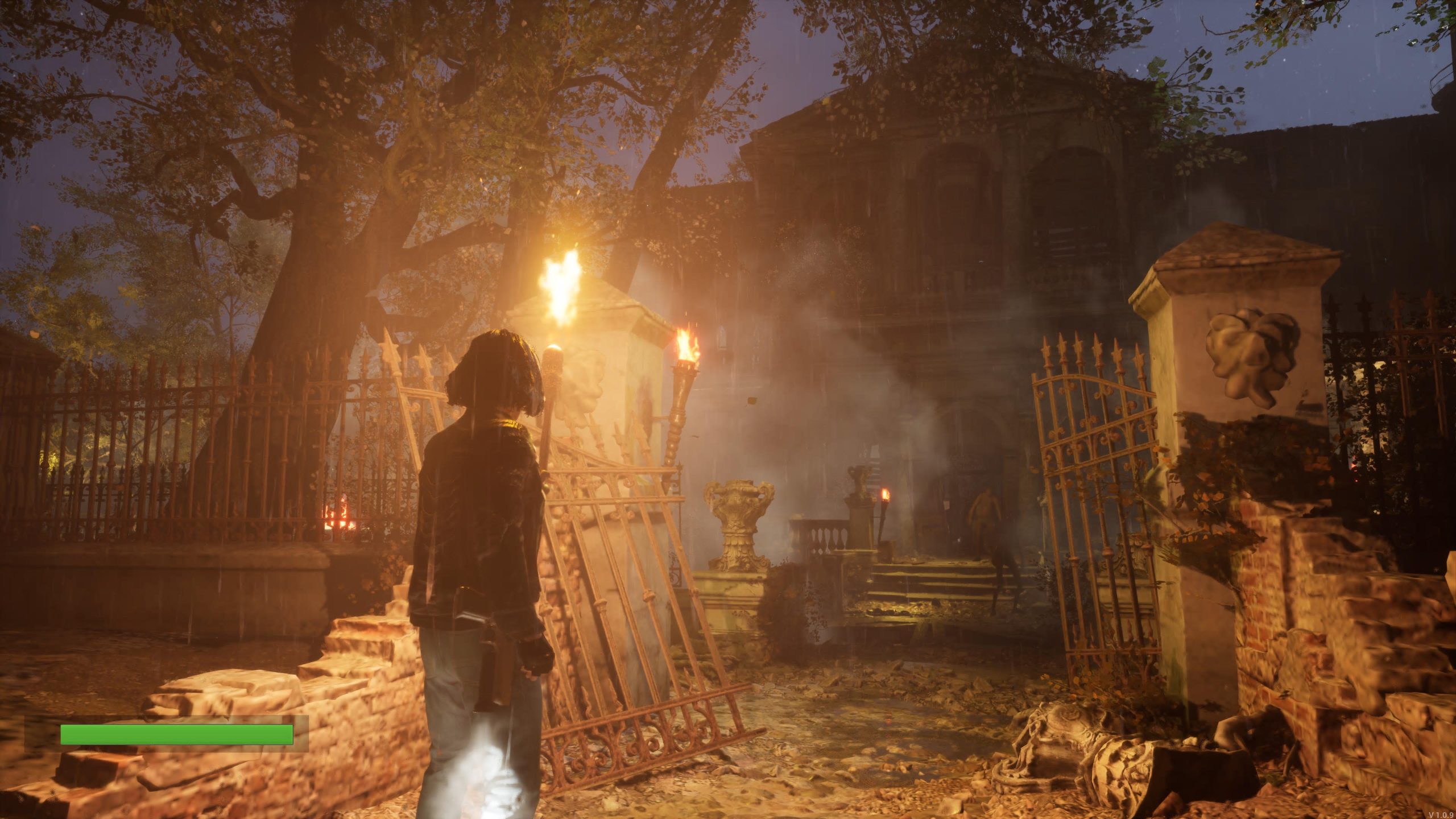
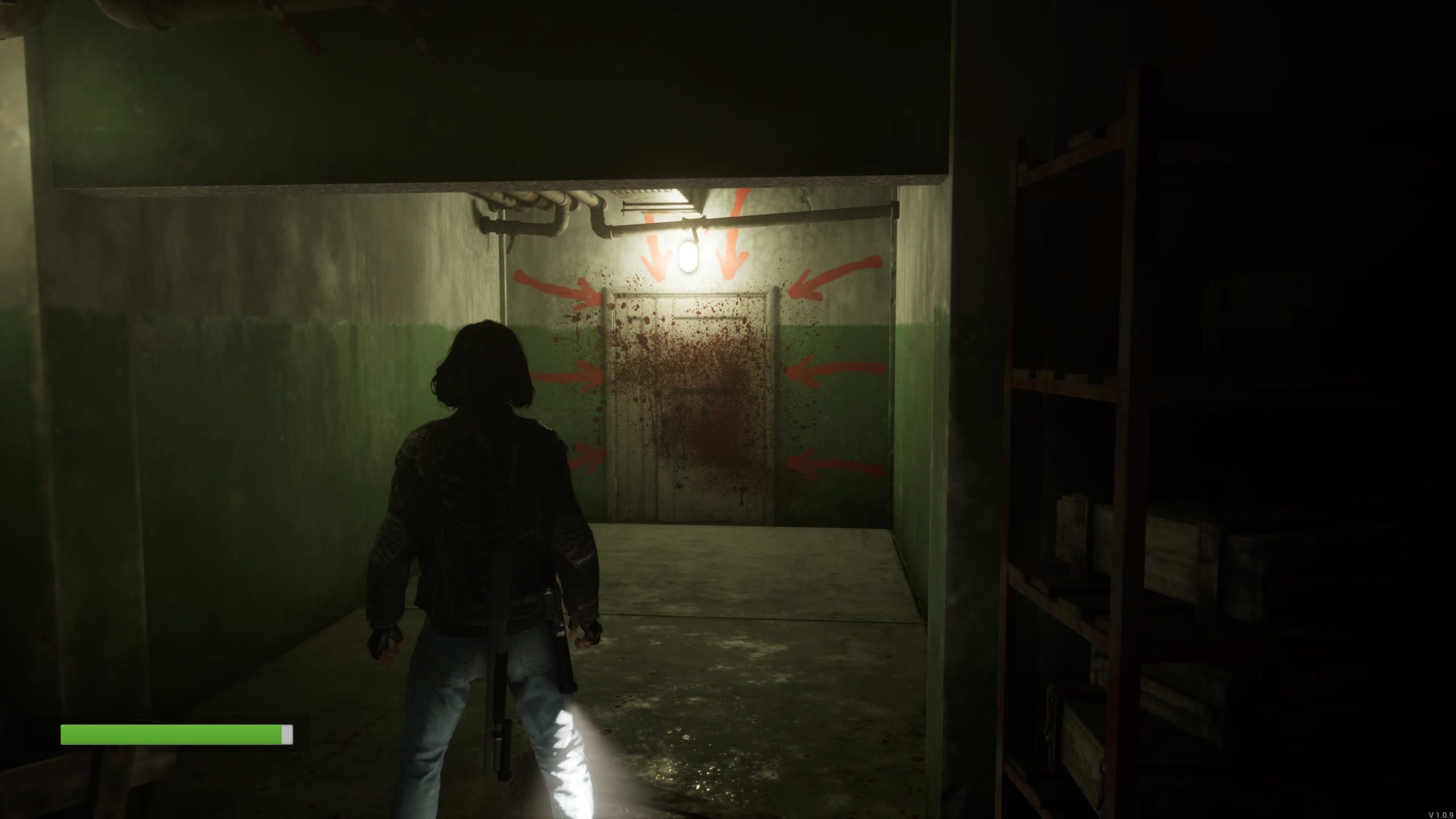
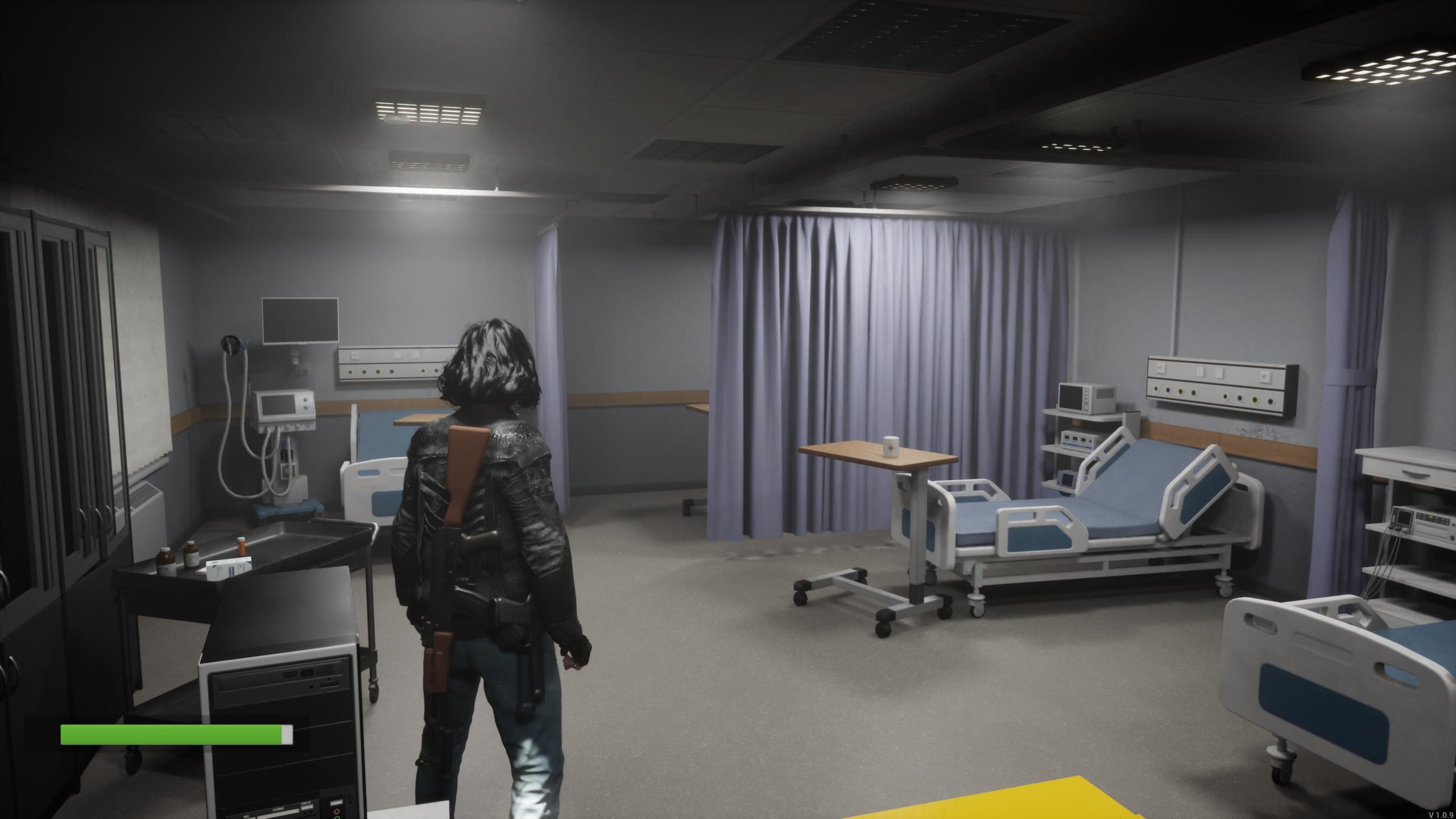
Visually, OneTry is one of Domynyo’s stronger efforts. The zombies have a decent amount of visual detail, and some indoor environments manage to create an effective atmosphere through lighting alone. The main character’s design is solid, and the way he holds and handles weapons looks convincing, even if the mechanics do not support it. Unfortunately, the world itself is assembled in a messy, haphazard way, and it is easy to break immersion by clipping through geometry or seeing parts of the environment that clearly were not meant to be visible.
The audio design is uneven. Gunfire lacks impact and weight, which further weakens combat feedback. Ambient sounds such as fire, thunder, and environmental effects are serviceable, and the opening radio broadcast does a good job of setting the tone early on. Zombie sounds are standard and unremarkable, and at times the game feels like it is missing basic audio cues entirely, such as consistent player movement and reaction sounds. The mood is there at the start, but it does not hold together for long.
Final Thoughts?
Despite all of this, there is a strange, almost arcade-like appeal to OneTry if you approach it with the right expectations. Objectively, it’s clunky, frustrating, poorly balanced, and frequently broken. Yet there is a certain compulsive pull to restarting after a failed run, trying to approach a familiar section from a different angle and seeing if you can push just a little further. That enjoyment comes less from the game’s design and more from the player’s willingness to engage with its flaws. Personally, I enjoy games like this for the chaotic challenge and the thrill of pushing through broken systems, but ultimately, OneTry is not something I could recommend to the average player, especially at its price point. It suffers from the same issues that plague most of Domynyo’s output, including low polish, shallow mechanics, lack of innovation, and a very limited scope. Still, for players who enjoy rough, cheesy, low-budget games and can find entertainment in wrestling with broken systems, there is some grim curiosity to be found here. There is a concept here that could have worked, but in its current state OneTry never rises above its technical problems or limited design.
About the Author

Nay Clark Gaming holds a special place in my heart and I never stop talking about video games. I really love all types of games and have an interest in games that have complicated stories and lore because I enjoy untangling the mystery of it all. When I'm not gaming, I unsuccessfully try to control three amazing and incredibly bright kids.
Related Posts
Sands of Aura Review (PS5) →

Total Chaos Review (PS5) →

Collector’s Cove Review (PS5) →