OFF Review (Switch)
Summary: OFF is a short, surreal RPG that pulls you through a strange world driven more by feeling than clear logic. Its simple combat and puzzle design take a backseat to atmosphere, letting the music and unsettling tone carry most of the experience. It’s less about challenge and more about seeing a peculiar journey through to its impactful end.
4.3
Purifying Paradox
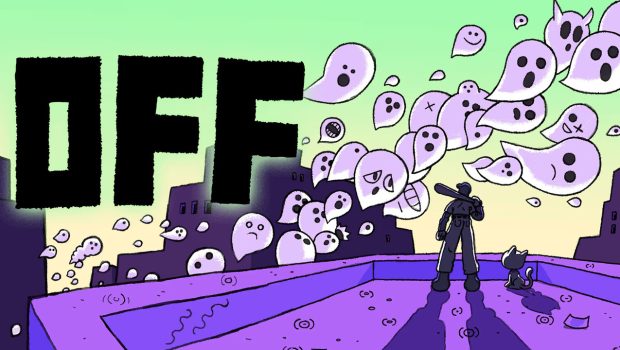
If you step up to the plate, you might find yourself running home in an adventure where everything feels just a little…off. OFF is a surreal adventure RPG developed by Mortis Ghost and published by Fangamer. Originally released in 2008 through RPG Maker as a French-language cult hit, the game has since built a reputation for its strange atmosphere and minimalist design, even influencing later titles like Undertale. This 2025 rerelease for PC and Switch feels like the most complete version of that vision, adding a reworked translation, new boss encounters, a more involved combat system with no autobattling, and an entirely refreshed soundtrack featuring contributions from artists like Toby Fox and Camellia. Even with these updates, the core identity remains intact, making it feel less like a remake trying to modernize everything and more like a careful restoration of something deliberately odd.
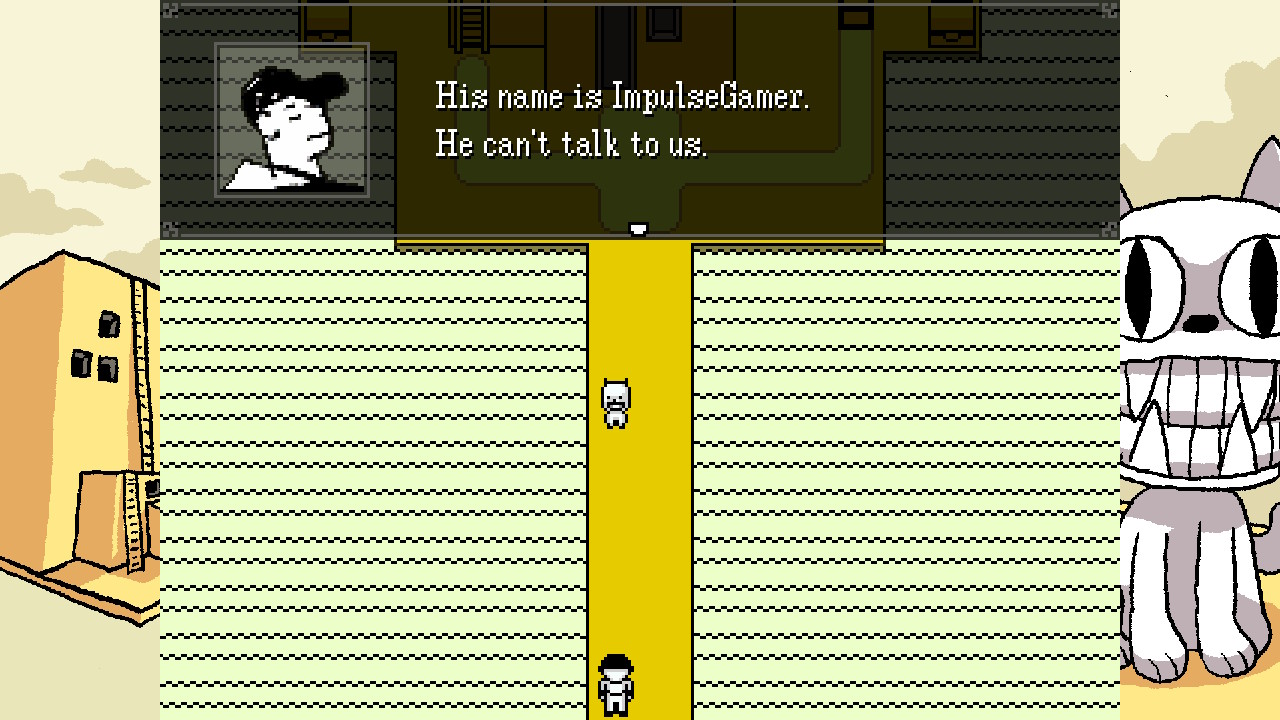
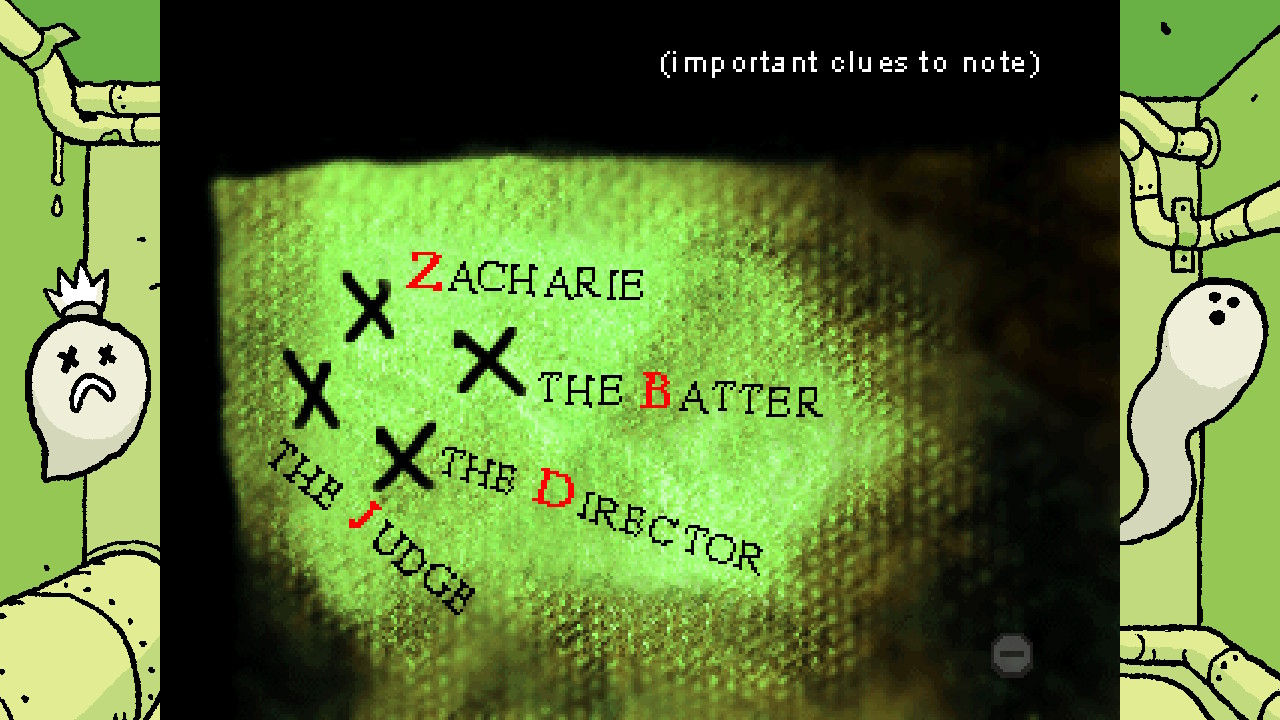
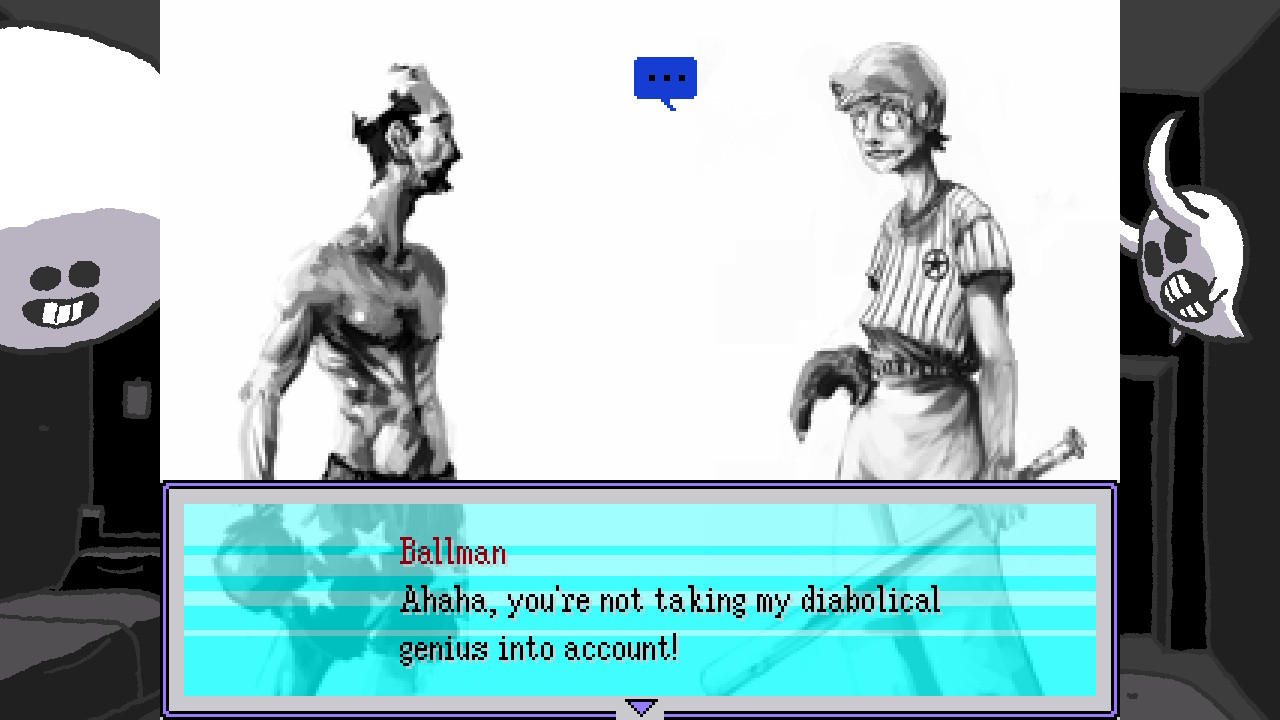
You move through this world as the Batter, though the game makes it clear that you are something separate, an outside force guiding him forward. His mission is to purify a broken world plagued by ghost-like Spectres, but what that actually means is left intentionally vague. The setting itself operates on logic that feels just slightly off. Oceans are made of plastic, people breathe smoke, and the citizens known as the Elsen exist in discomfort. You travel between different zones, meeting strange figures like the ever-present Judge, and slowly carry out your task. The story leans heavily into abstraction and symbolism, often circling themes of purpose, control, and consequence without ever spelling them out directly. It’s not trying to give you clear answers. Instead, it keeps you moving forward through curiosity, letting the weirdness and unease build until the final moments start to reframe everything you’ve done.
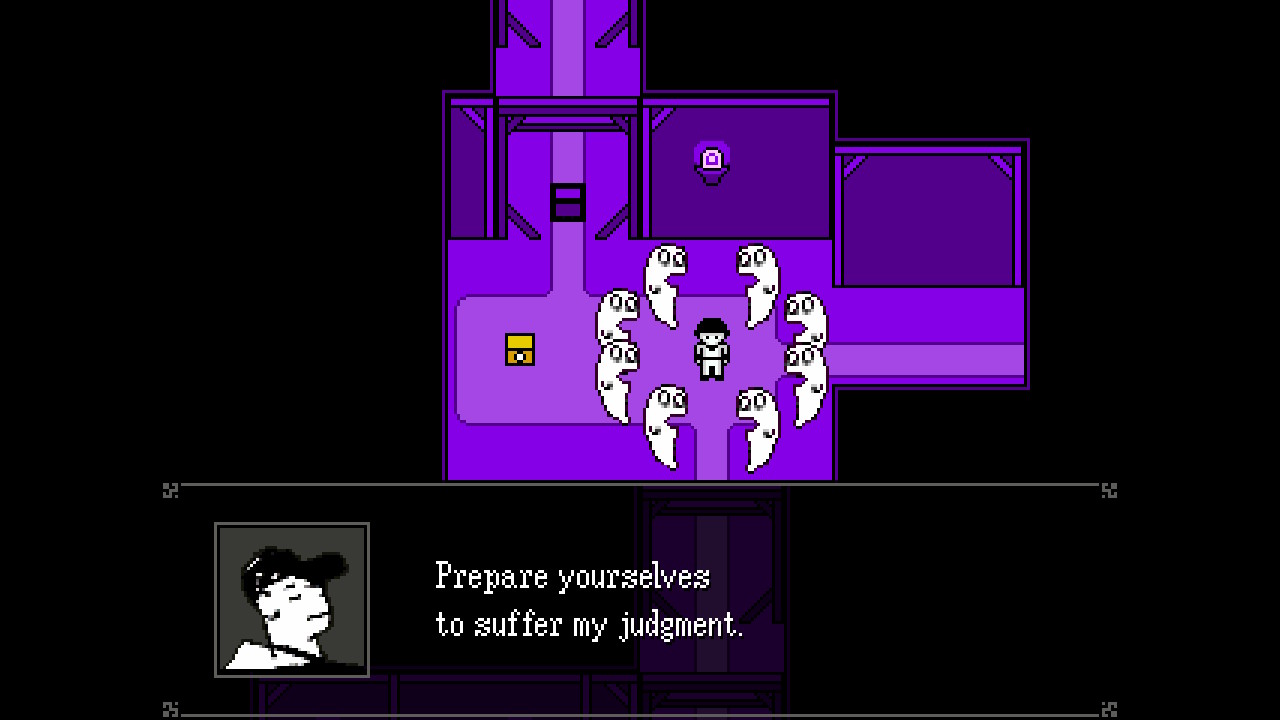
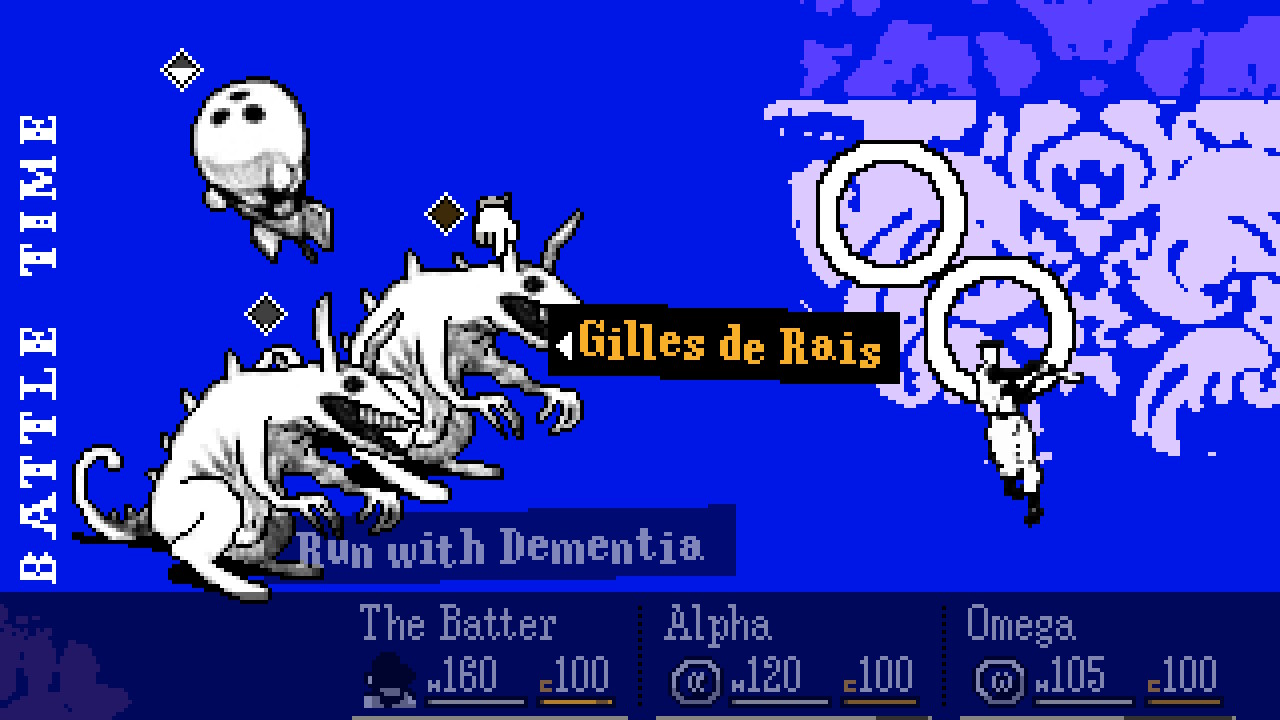
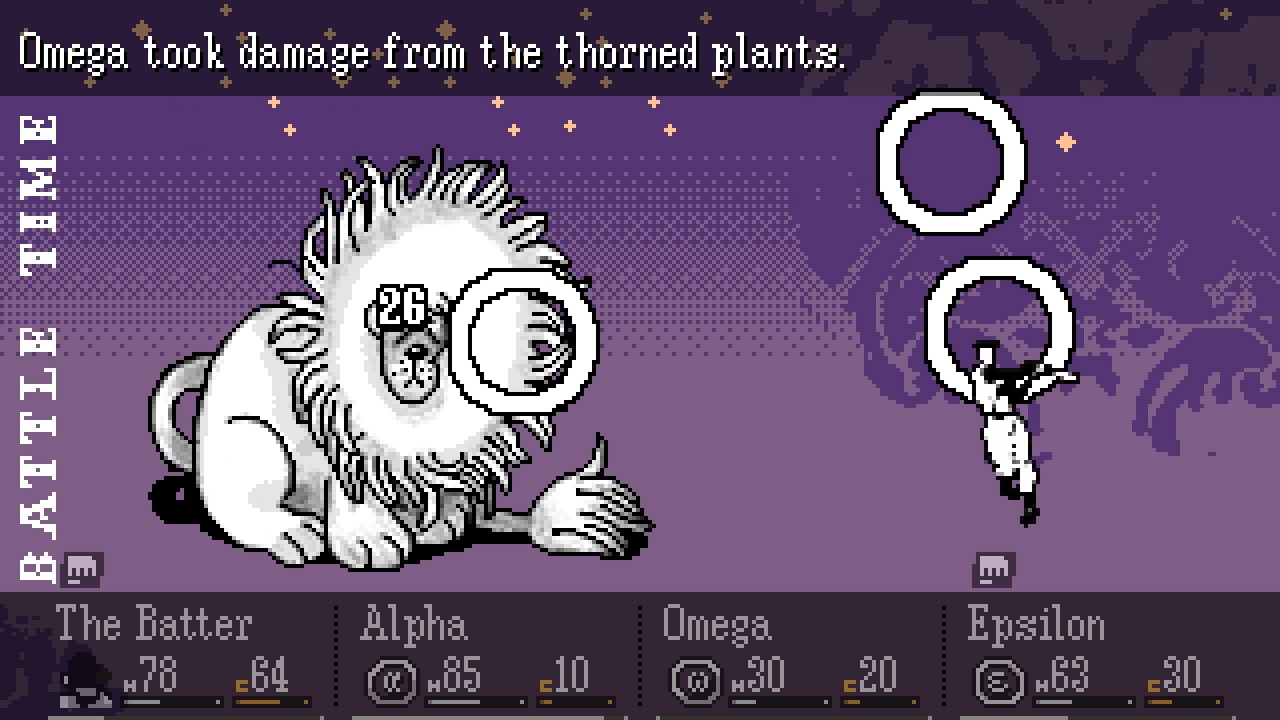
Exploration and combat form the backbone of the experience. You guide the Batter through simple environments, talking to characters and interacting with objects to progress, all while dealing with frequent random encounters. Battles are turn-based, giving you options to attack, defend, use healing or support items called Objects, or activate special abilities known as Competence. Winning fights earns experience and currency, which you can use to buy weapons and defensive gear, keeping you prepared for what’s ahead. The systems are straightforward and easy to understand, and even with the remake’s added complexity, they never become overwhelming.
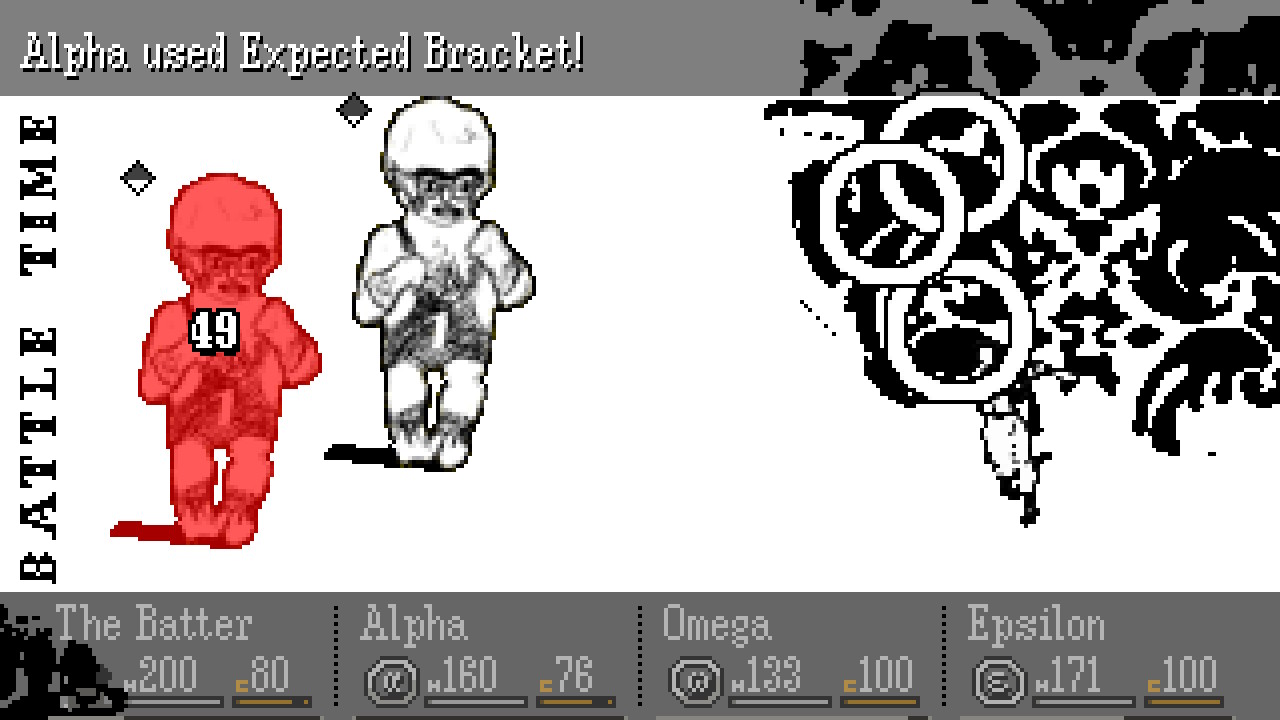
As the Batter, you’re supported by Add-Ons that function like party members. Alpha, Omega, and Epsilon act as extensions of your abilities, each bringing their own skills into combat. You can analyze enemies, deal damage, heal, cure status effects like Muteness, or hit multiple targets at once. There’s a decent amount of flexibility in how you approach fights, but the overall difficulty stays fairly low. If you’re exploring regularly and keeping your gear updated, you’ll rarely feel pressured. It’s easy to rely on special attacks and recover resources with items, making most encounters manageable without much stress. Even the added bosses and combat tweaks don’t drastically change that balance. The game feels more focused on carrying you through its world than challenging you mechanically.
Puzzles break up the pacing, though they can be hit or miss. Some require you to track down numbers scattered across different rooms, others involve moving blocks or remembering patterns to activate mechanisms. They add variety and help reinforce the game’s abstract nature, but they can also slow things down if you’re not paying close attention. Without notes or screenshots, it’s easy to find yourself backtracking through areas while dealing with unavoidable encounters, which can become frustrating over time. Still, they contribute to the overall rhythm, giving you moments to think between battles.
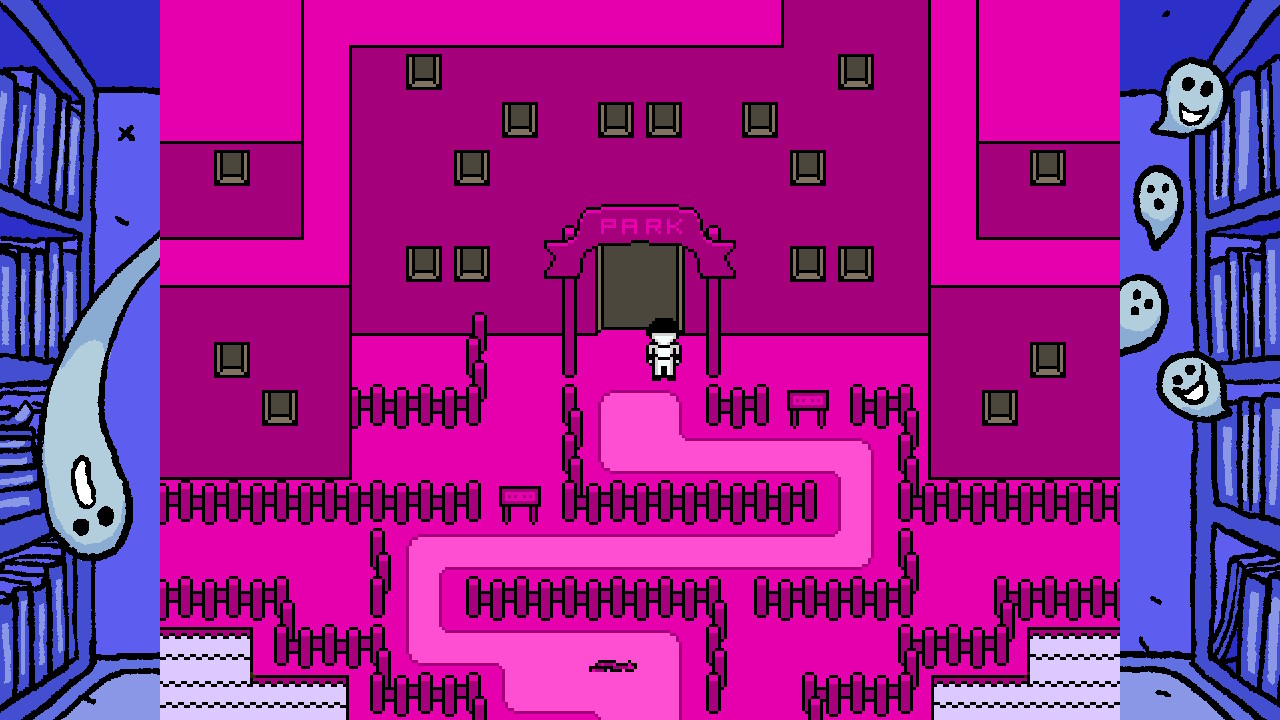
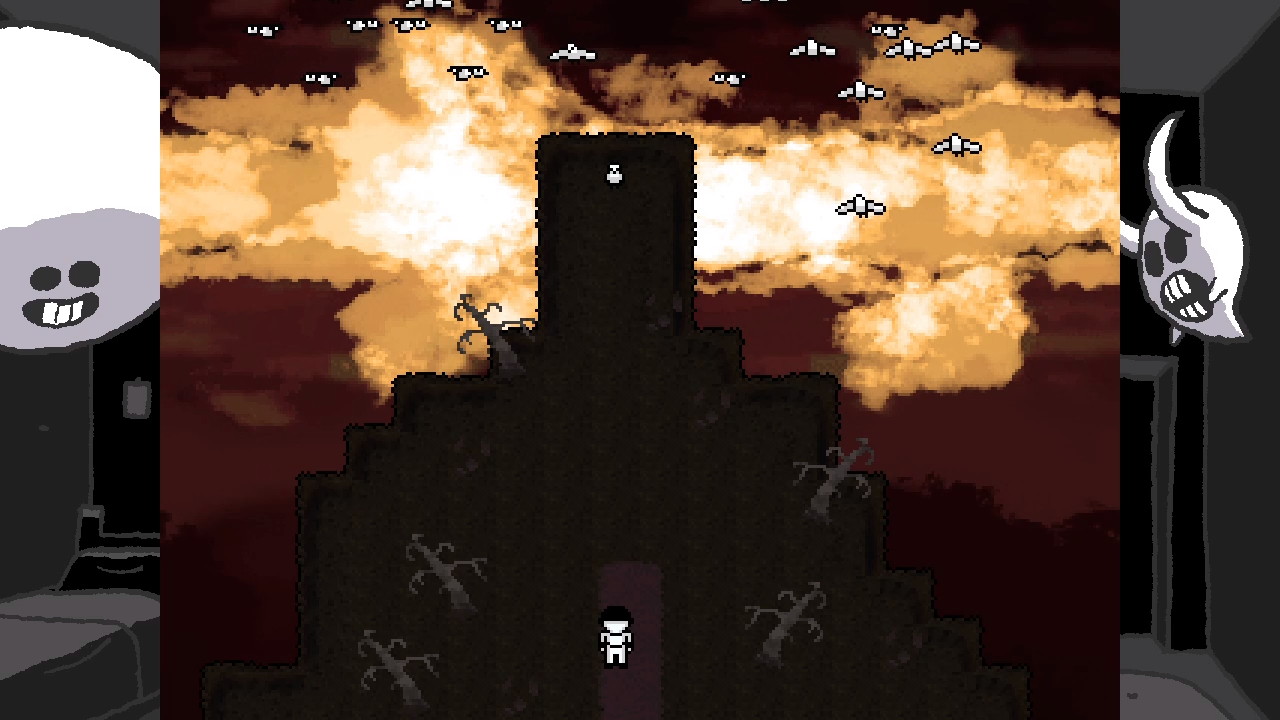
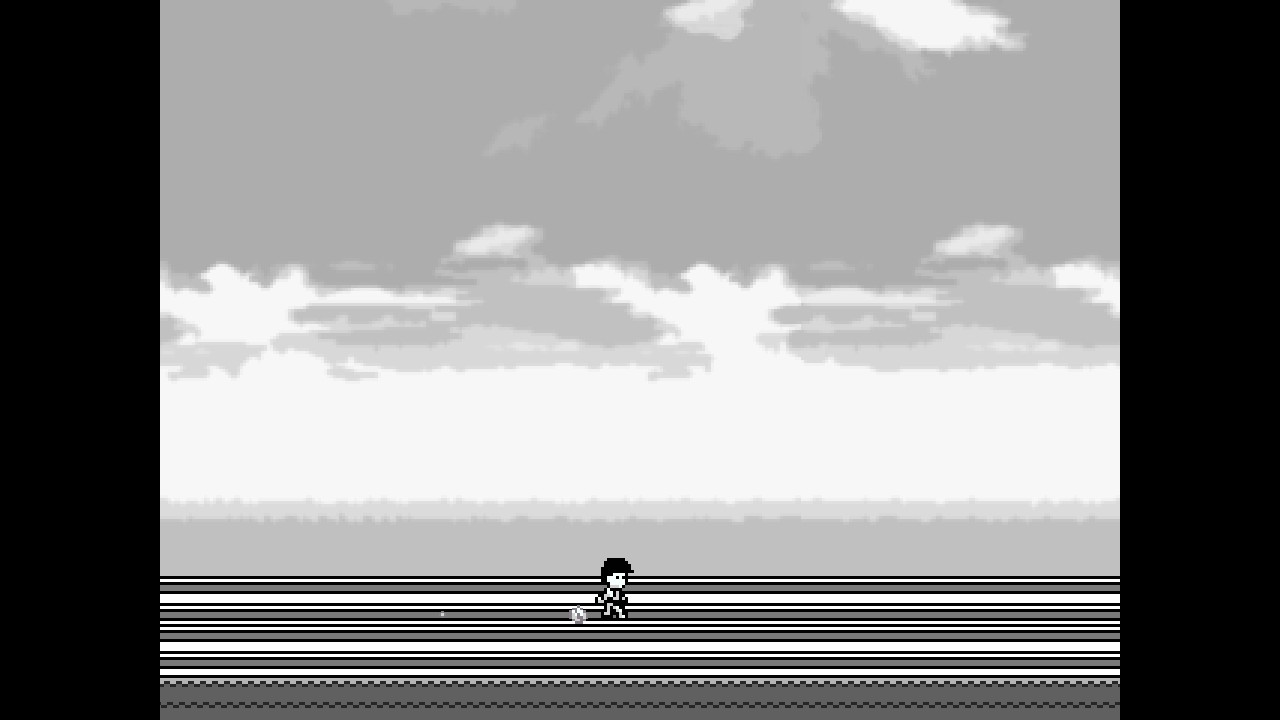
Visually, OFF sticks to a clean and minimalist style that works in its favor. Bold, flat colors define most environments, while character and enemy designs range from simple to strangely detailed. That contrast helps sell the unsettling tone. The Add-Ons appearing as basic shapes or the almost childlike look of buildings might seem overly simple at first, but it all feeds into the identity of the world. Nothing looks quite right, and that’s the point. The presentation never gets in its own way, and the rerelease runs smoothly without technical issues, letting the art direction anchor the world in an impressive way.
The audio design is where the game really stands out. Sound effects are sharp and satisfying, from the impact of attacks to the small noises characters make during conversations. Silence is used just as effectively, creating moments that feel tense or reflective. The new soundtrack is a major highlight. It carries a strange, sometimes dissonant energy that fits the game perfectly. Some tracks feel intentionally off, clashing in ways that shouldn’t work but somehow do. Others are surprisingly emotional, and it’s easy to find yourself pausing just to listen. Even with debates about the original score, this updated version holds its own and becomes one of the strongest elements of the entire game.
By the time it ends, OFF feels less like a traditional RPG and more like something you pass through. It’s not particularly demanding, and its ideas aren’t as groundbreaking now as they might have been back in 2008. A lot of what it does has been explored and expanded upon by other games over the years. Even so, there’s value in seeing where those ideas came from. The simplicity of its mechanics, the stark presentation, and the strength of its atmosphere all come together to create something that still feels distinct. It may not surprise you in the same way it once did, but it holds your attention long enough to see it through.
Final Thoughts?
I came away appreciating OFF more than being completely blown away by it. Its themes are clear early on, and much of the journey is about watching them unfold rather than discovering something entirely unexpected. Still, the combination of its strange world, memorable music, and steady pacing makes it worth experiencing. If you’re curious about its legacy or just want something that leans into the unusual, it’s an easy recommendation.
About the Author

Nay Clark Gaming holds a special place in my heart and I never stop talking about video games. I really love all types of games and have an interest in games that have complicated stories and lore because I enjoy untangling the mystery of it all. When I'm not gaming, I unsuccessfully try to control three amazing and incredibly bright kids.
Related Posts

Cooler Master Masterframe 360 Stage LCD Review →
Marathon PS5 Review →
Sonic Racing: CrossWorlds Review (Switch 2) →