
Nioh 3 PS5 Review
Summary: Nioh 3 is an excellent entry to the franchise that changes things up significantly while still managing to feel like the games that came before it.
4.3
Honorable
After the release and subsequent phenomenal success of Dark Souls in 2011, dozens of Souls-likes have flooded the market in the years since. Team Ninja, the studio behind Dead or Alive and the modern Ninja Gaiden games, released Nioh in 2017.
A Souls-like set in Japan’s Edo period that focused on samurai and their war against the yokai—demons that infested the world. Now, almost a decade later, Team Ninja is back with a third installment.
Nioh 3 continues the story of the series, following on from the original game (with Nioh 2 being a prequel). Once again set in Japan’s Edo period, the game opens with the player being elevated to the position of Shogun. Before the ceremony can be completed, however, yokai invade Edo Castle and all hell breaks loose.
This early section of the game functions as a tutorial, introducing all the mechanics slowly and without too much danger. Once this section is completed and the first proper boss has been downed, we’re thrust into the open world of Nioh 3.
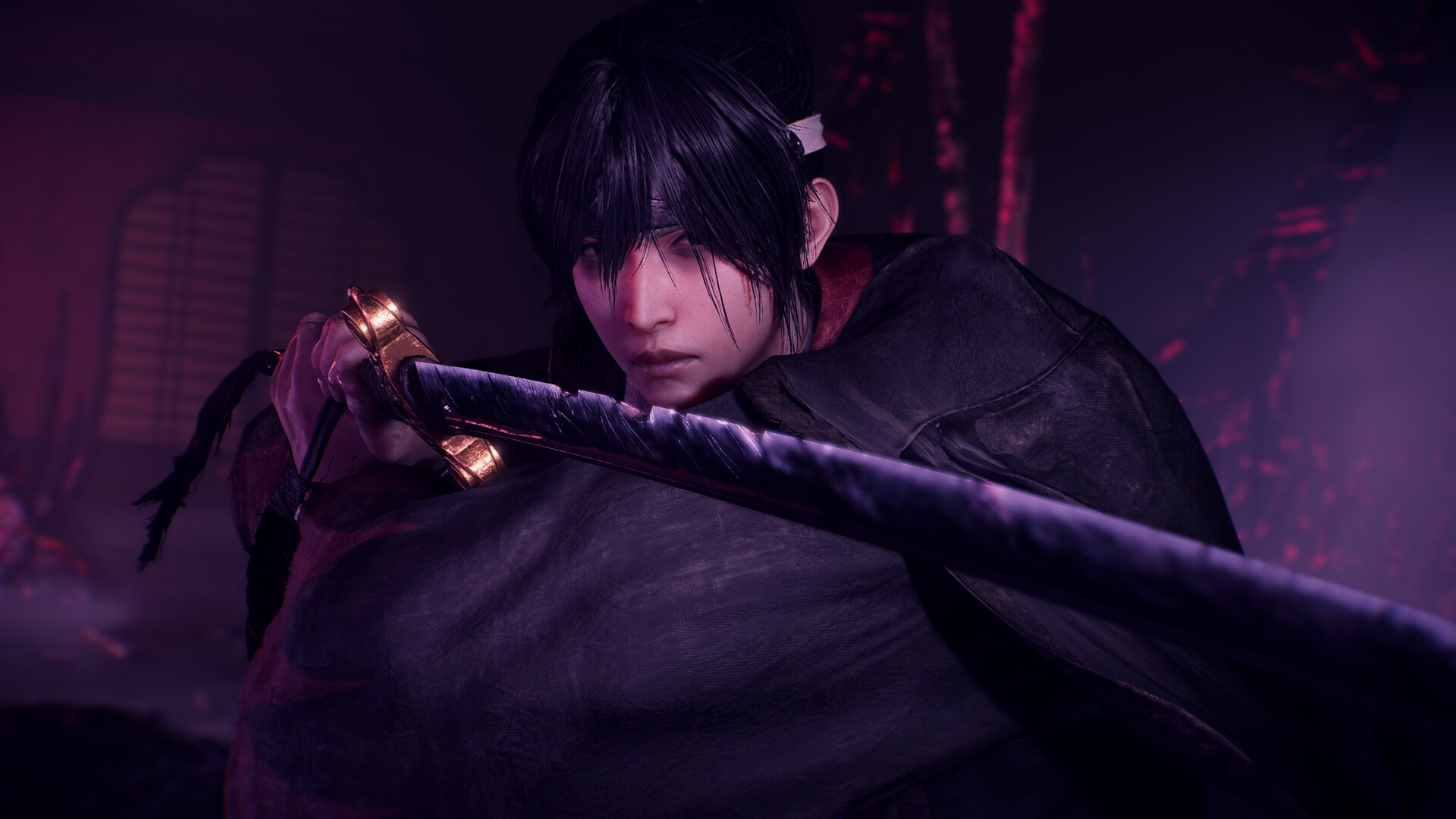
Here lies the main overhaul to the gameplay when compared to the previous titles. The earlier games were relatively linear, with mission-based gameplay and hub areas. Team Ninja has opted to go for a full open world like that seen in their previous game, Rise of the Ronin.
The map is filled with towns, bandit camps, shrines that act as fast travel points and a means to level up your character, and a massive number of enemies, all of which are willing to cut you down at the first opportunity. An open world naturally means that objectives can be approached from multiple angles, which opens a huge number of options for playstyle variance.
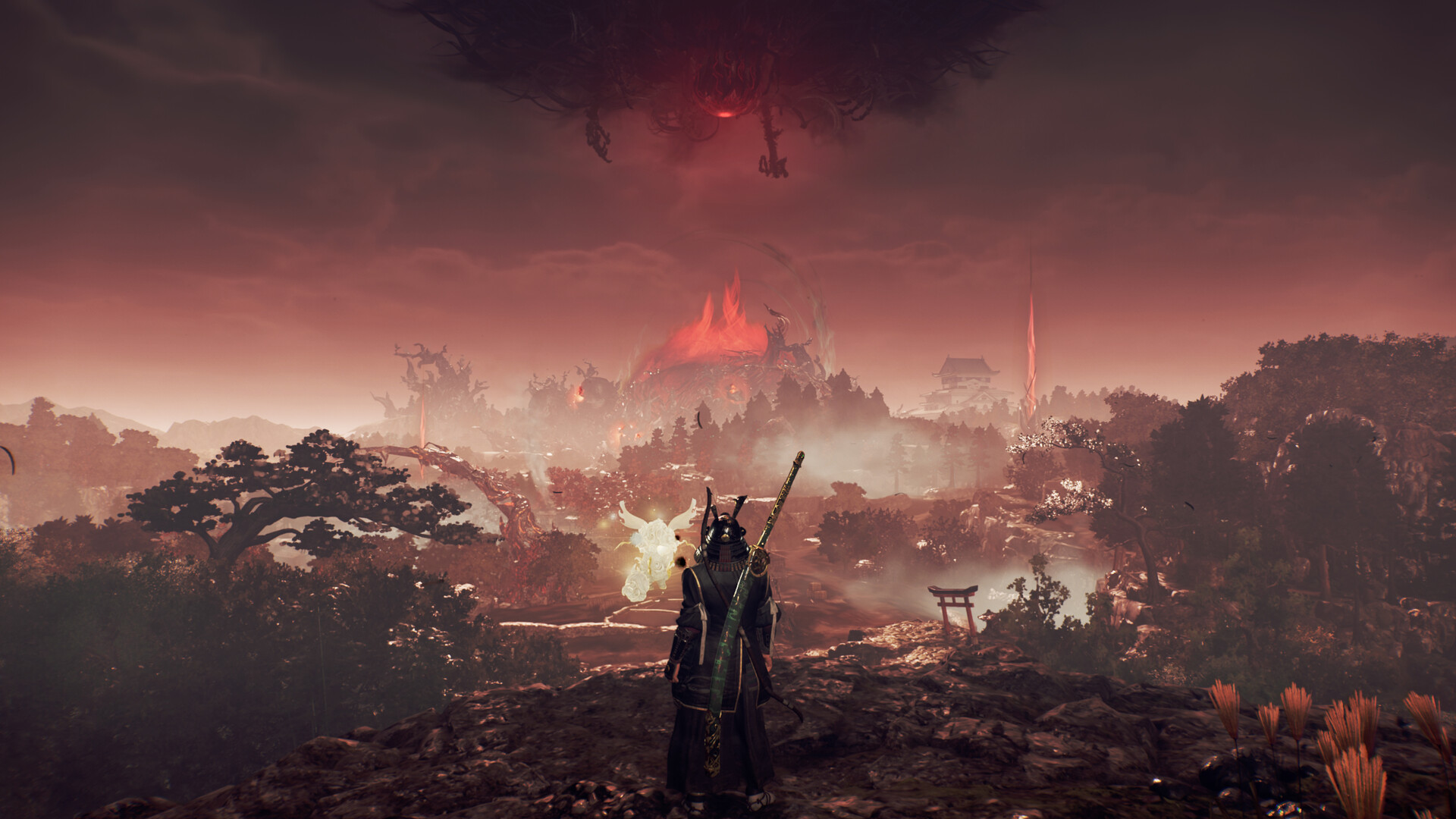
Nioh, as a series, has always been great in this regard: multiple different weapon types, stances, and an almost endless list of possibilities when it comes to selecting gear to put together the perfect character build, and the third entry into the franchise is no different. Along with the typical samurai options, players can opt to become a ninja, with a much greater emphasis on quick attacks, mobility, and Ki (Nioh’s version of stamina) management. Where this becomes interesting, though, is how the player can switch between the two at will.
In much the same way that Assassin’s Creed Shadows had two protagonists—one Samurai, one Ninja—each with their own equipment sets and abilities, Nioh 3 also has two separate equipment sets and progression systems, the only difference being that it’s all contained within one character rather than split across two. Switching between the two combat styles is done on the fly with a simple press of the R2 button, and much of the game’s combat depth comes from this.
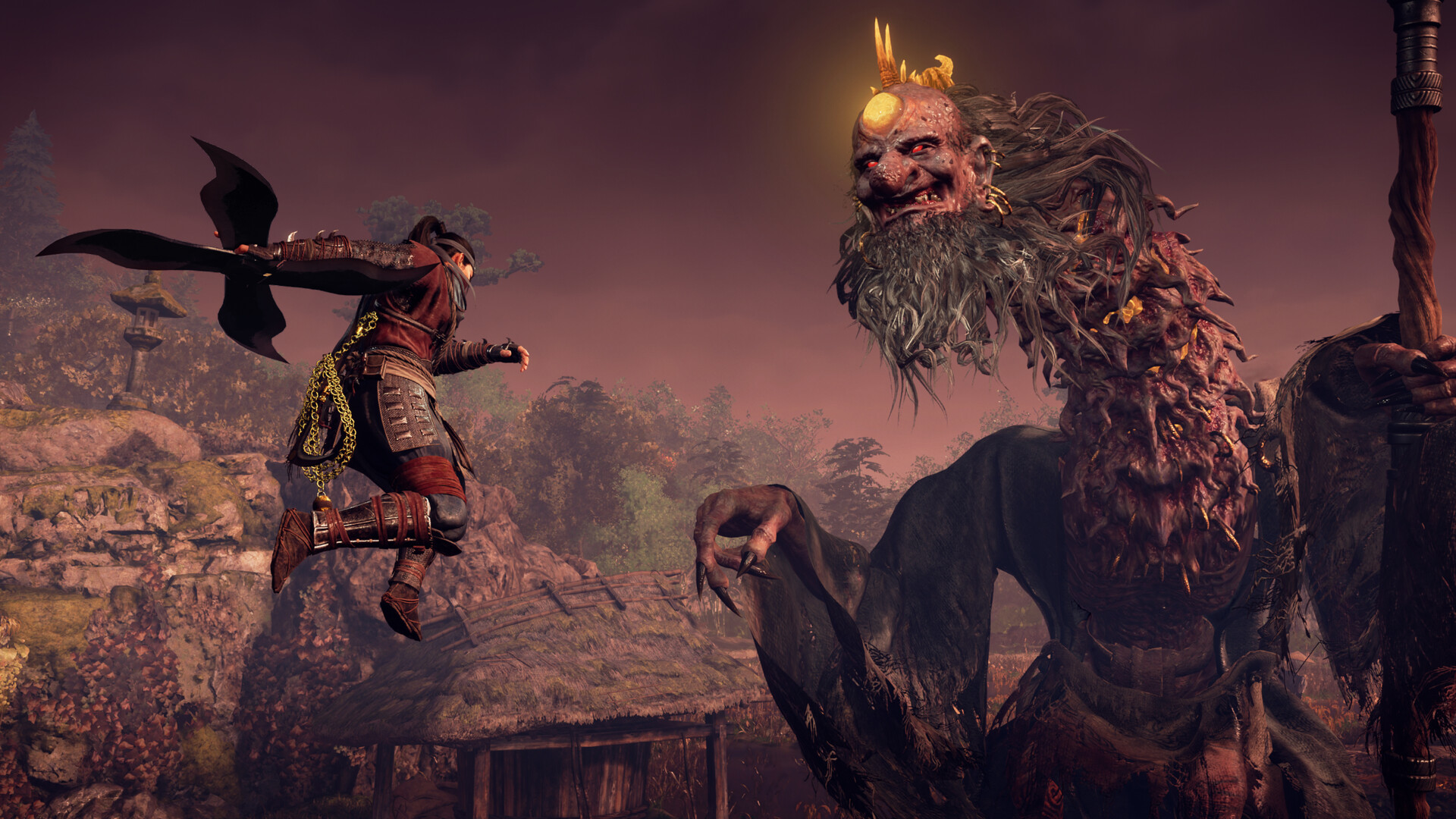
Samurai are powerhouses—not necessarily slow, but focused on dealing massive damage with deliberate attacks. Playing as a ninja is a much faster affair, with rapid, weak strikes and an affinity for ninjutsu, which is effectively Nioh 3’s magic.
Enemies occasionally use powerful, highly damaging attacks indicated by a red visual effect around them. Rather than dodging away from these attacks, players are encouraged to switch to their other stance and attack through these moves, creating what the game calls a Burst Break, staggering the enemy and opening them up to massive damage.
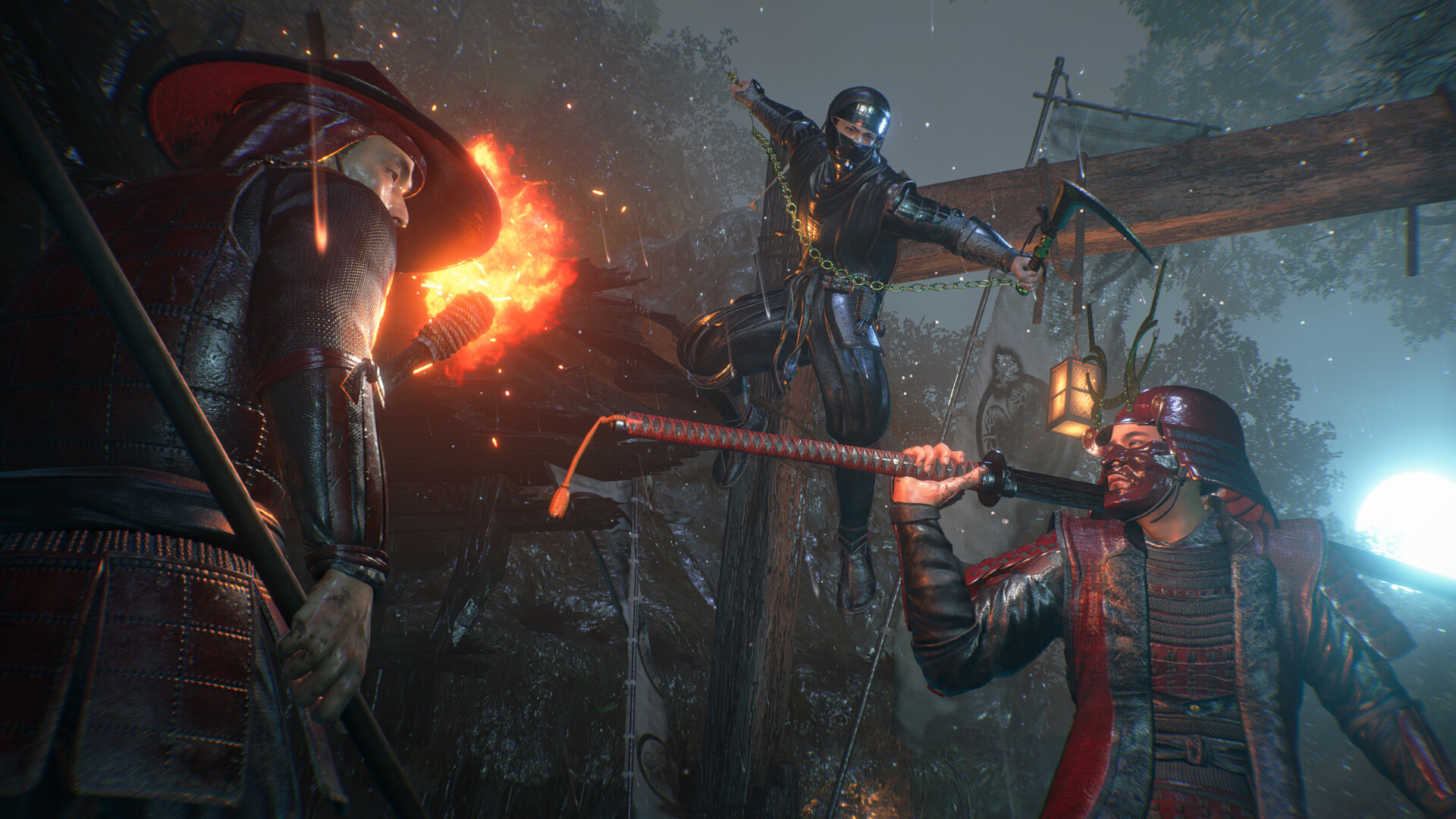
This constant style switching to interrupt your foes and keep them off balance is central to Nioh 3’s combat. It took a while for me to get used to it because it’s not quite as straightforward as a traditional parry system (something you don’t even unlock until after you’re forced into a boss fight), but once you get the hang of it, it’s an incredibly fun mechanic that feels great to pull off in fights.
Over time, Samurai and Ninja points are accumulated and used to unlock further upgrades and abilities, increasing the complexity of the combat even more. This is combined with a traditional Souls-like leveling system to increase stats in general. Defeat enemies, level up at a shrine, repeat.
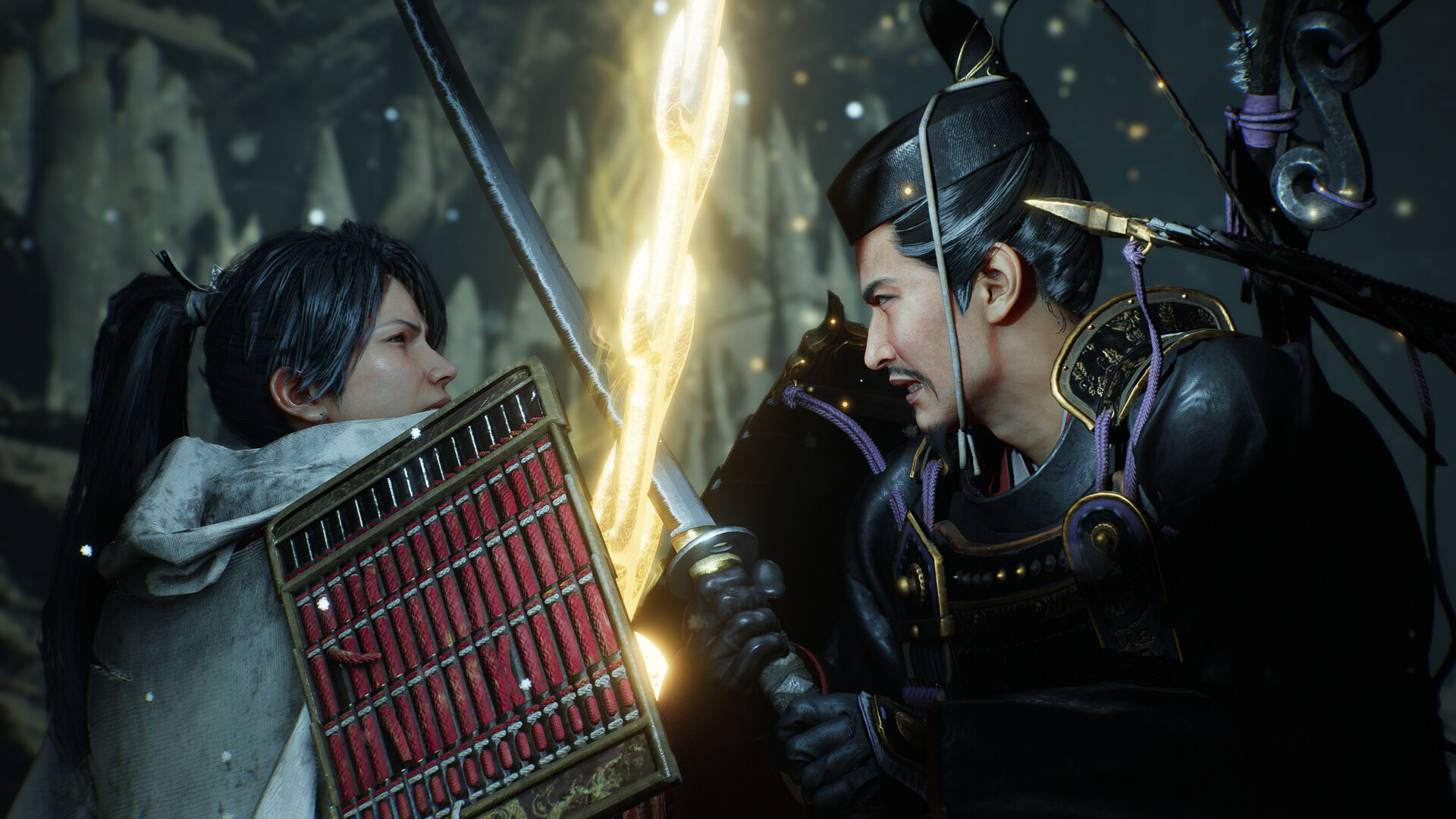
In the visuals department, Nioh 3 is… okay. There are two graphics modes available: one to prioritise framerate and the other resolution, offering up a targeted 60fps and 30fps, respectively. The resolution mode looks overly sharp to my eyes, as if a filter is being applied. It doesn’t look bad, per se, and mostly comes down to personal preference; I just don’t really like that kind of look. Being stuck at 30fps isn’t ideal for a game like this, but I found it to be playable once I had gotten used to the lower framerate.
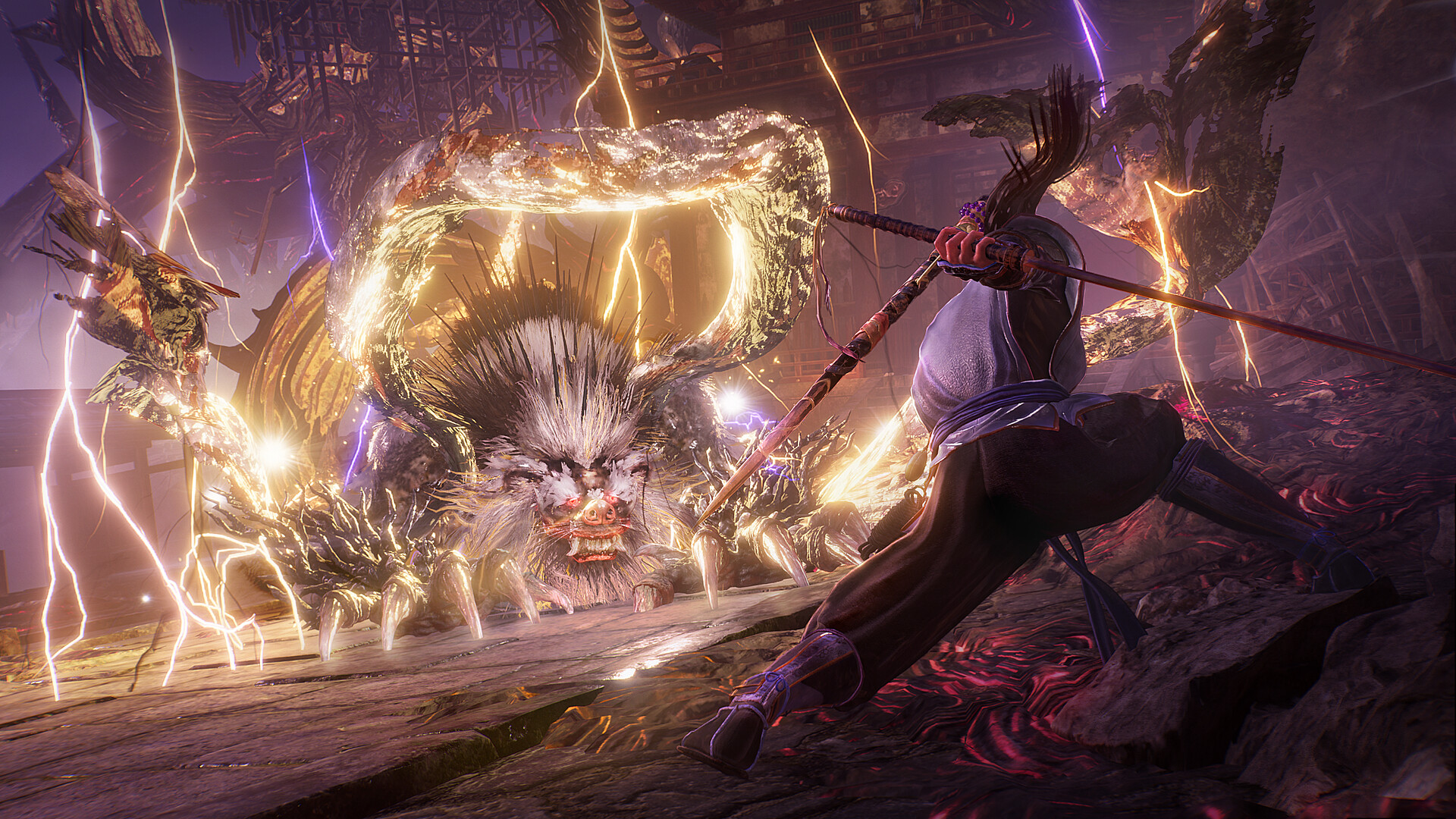
60fps mode is unfortunately far from perfect either. The framerate fluctuates, though it hovers around 60 a lot of the time; it’s potentially a little annoying for anyone not on a VRR display, but otherwise it’s a perfectly decent experience. Where the framerate mode is really let down is in its presentation. The resolution is noticeably lower, resulting in a softer image overall. There’s still some kind of sharpening being applied along with upscaling of some kind. This results in a lot of shimmering and ghosting appearing on objects in motion. I got used to it; the framerate mode was how I spent most of my time with the game, but it isn’t what I’d call a good-looking experience.
Fortunately, Team Ninja’s art direction is fantastic and forgives a lot of the shortcomings of the hardware. Nioh 3 is PS5 Pro enhanced, so owners of Sony’s higher-tier console may get a better visual experience.
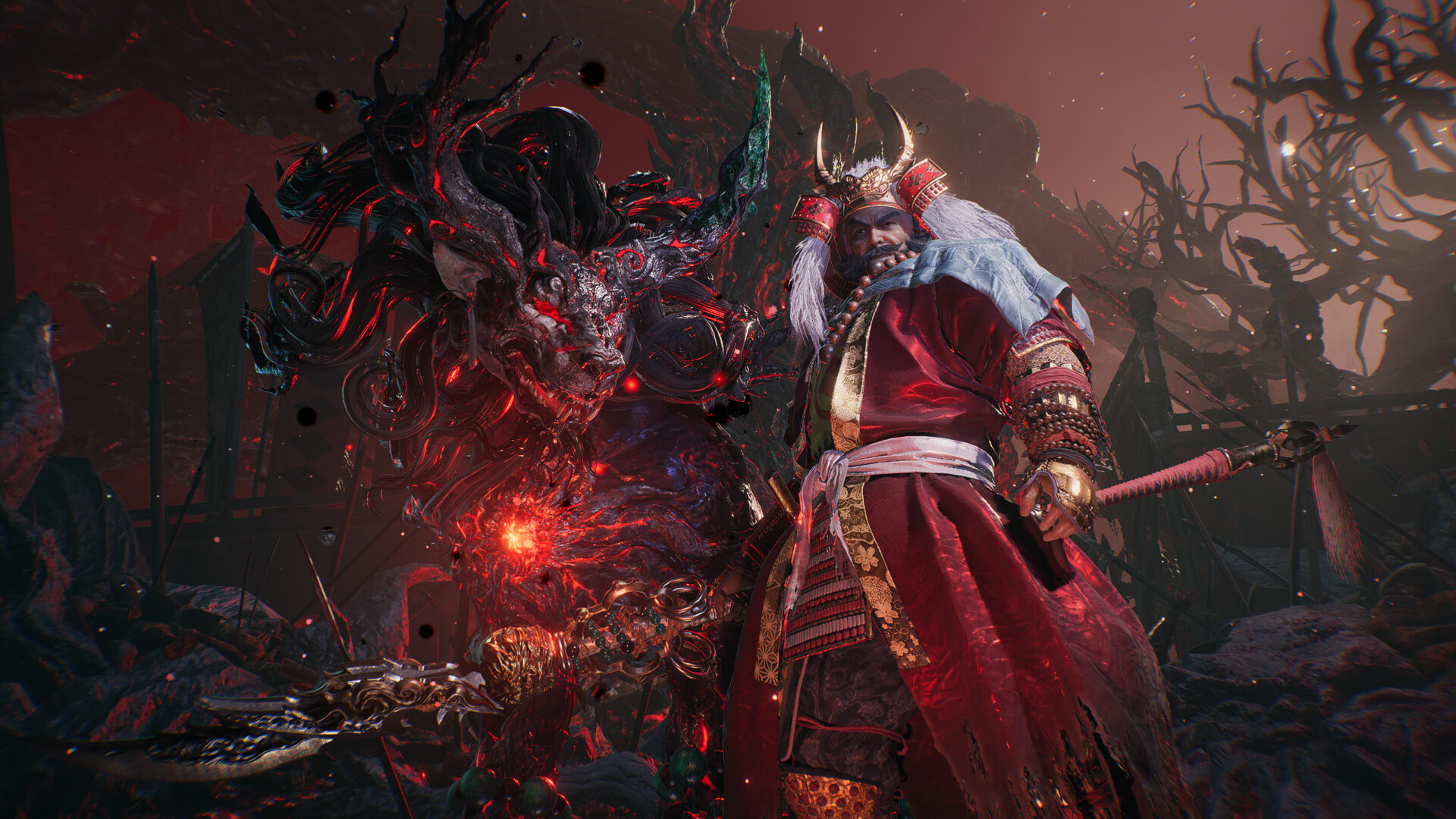
Things are a lot brighter (or darker?) in the audio department. Team Ninja has done an excellent job creating an immersive soundscape, filling the world with moody and atmospheric ambience that sets the tone perfectly. The voice acting, in English at least, isn’t the best, and I changed over to Japanese with subtitles after about 20 minutes of play. Overall, the audio is very strong and goes a long way toward setting Nioh 3’s tone.
Final Thoughts?
Nioh 3 is a game that took me a while to get into. I wasn’t feeling the first hour or two, and I initially couldn’t get to grips with the Burst Break mechanic. At some point, though, it clicked, and I got into the groove; the world opened up, and the game was transformed. From that point, I couldn’t put it down.
There’s a lot to like here, and enough to keep players engaged for dozens, if not hundreds, of hours, with a multitude of different build possibilities and ways to attack any given objective.
Lacklustre graphics presentation aside, I couldn’t find many faults with Nioh 3. Definitely one to check out.

Related Posts

Screamer PS5 Review →

Project Songbird Review (PS5) →

Unsealed: The Mare Review (PS5) →