
Marathon PS5 Review
Summary: A visually arresting, mechanically sharp extraction shooter that offers fun and rewards for those with the patience - and the time.
4.1
Sweat equity
The extraction shooter genre is undoubtedly the hardest type of game to distill into review form. One wrong step can invalidate hours of progress and ‘fun’, as I quickly came to discover during my pursuit of the perfect run in Bungie’s latest foray into live service games.
Is Marathon worth playing? The answer depends on if you’re the type of gamer willing to go the heart-thumping distance for a finish line that is constantly moving, and the payoff is never quite guaranteed. If a standard multiplayer shooter is a sprint, Marathon is a breakneck chase through a minefield.
Let me explain; I’ve spent countless hours playing Marathon plundering its four launch maps for loot and hunting rival players for their gear, yet I still can’t always pin-point when my squad and I were actually having fun, or just surviving a brutal race of attrition for the sake of re-claiming that rare purple shotgun I got to use for all of two seconds. Shootouts in this game are fast, frantic, and brutal.
I’ve had runs that felt like a comedy of errors where we somehow came out on top with dumb luck and a lot of bullets, pockets bulging with loot. But for every one of those adrenaline-filled moments of euphoria, there have also been just as many demoralising wipe outs that sent me back to the lobby with no in-game progress to show for it, and an urge to throw my controller through the screen.
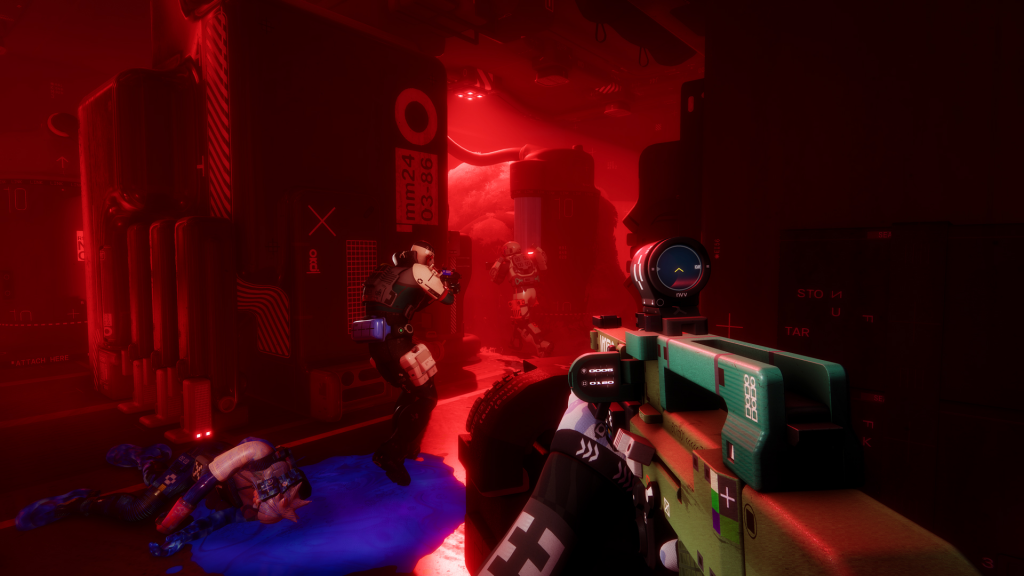
It’s a game of extreme contrasts, where the highs are addictive and the lows are personal. Marathon’s gameplay loop has a lot to offer for hardcore shooter fans who love the thrill of the chase. You also have a lot to lose, in more ways than just loot (your time and sanity).
Or course, that’s just the nature of its extraction shooter formula, which Marathon artfully refines and evolves to make it truly its own. The game puts you in the role of a Runner, a type of biocybernetic mercenary who operates in a robotic shell. You get to pick and play as one of seven shell types, effectively a class with their own unique playstyles, abilities and aesthetics that can be further enhanced with upgrades and equipment you pick up on the battlefield. Each match puts you or up to three squad members into a hostile, shared world where the aim is to explore, scavenge powerful weapons and equipment, and escape with your life and gear intact.
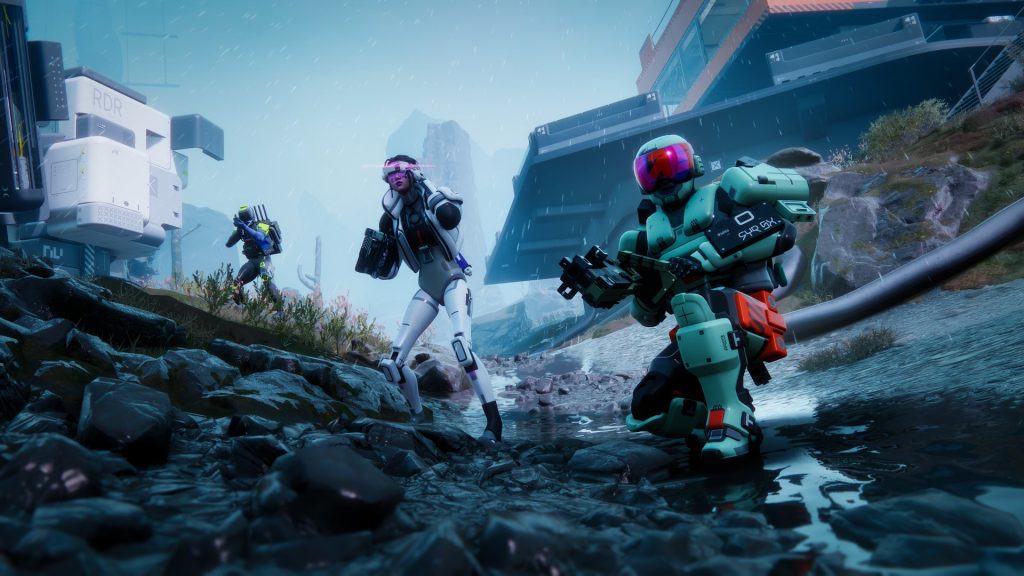
While certain cosmetics such as armor remain persistent between matches, any loot you obtain in a match (upon successful exfil) goes into your personal vault or stays in your inventory, which you either keep stored or bring to your next outing… until you inevitably lose a match, meaning you need to choose when (or if) you use certain equipment carefully. Add in unpredictable player versus player (PvP) and player versus environment (PvE) encounters, a 25-minute time limit, and the average match gets very tense as you compete with up to 18 other players to find the map’s treasures, complete missions, and get the last exfil out before the timer runs out.
Playing since day one, it’s been fascinating to see how a live service game’s community like Marathon evolves to make its own rules and routines. Exfils quickly became ambush sites for solo opportunists to wipe out squads giddy with gold, my beloved Assassin class and a knife-in-the-back became the most common source of despair, and proximity chat remained scant except for meme-worthy ruses about playing Arc Raiders and wanting to co-operate. In almost all of my matches, I’ve still not encountered another cocky squad who didn’t want to start blastin’ immediately. Yet, somewhat paradoxically, every random person I’ve teamed up with has been incredibly generous.
Even when I lose it all to some punk trolls or annoying UESC robot NPCs, I keep coming back. For me, it’s because Bungie has successfully repackaged the risk vs reward model of the extraction shooter with its signature gunplay and carefully designed maps. Every weapon looks, sounds and feels satisfying to use (I still dream of holding my gold Misriah shotty again), while class abilities are varied and every part of the map feels carefully designed to encourage and reward learning key positions and places to return to for future raids and mission events. Another thing that stood out to me is that most loot in this game genuinely feels useful, from weapon mods to grenades to the obscure rare keys and passcodes required to unlock even more obscure areas of the map. Even trash resource loot is useful to trade for future upgrades.
Marathon keeps things entertaining beyond the initial chaos and learning period with its emphasis on long-term storytelling, quest objectives, and seasonal in-game events that add further layers to the average match. Set nearly 100-years after the original Marathon game, the colony ship known as the UESC Marathon and its colony on planet Tau Ceti IV sent Earth a long over-due distress call, and Runners are sent to the colony planet on behalf of six different factions with their own interests to investigate what went wrong. After the opening cutscene is a series of intriguing story segments and background lore to uncover, delivered via codex entries (unlocked upon completing milestones), and short cutscenes with your various employers as you accept missions with varying tasks to complete across the game’s four (current) maps.
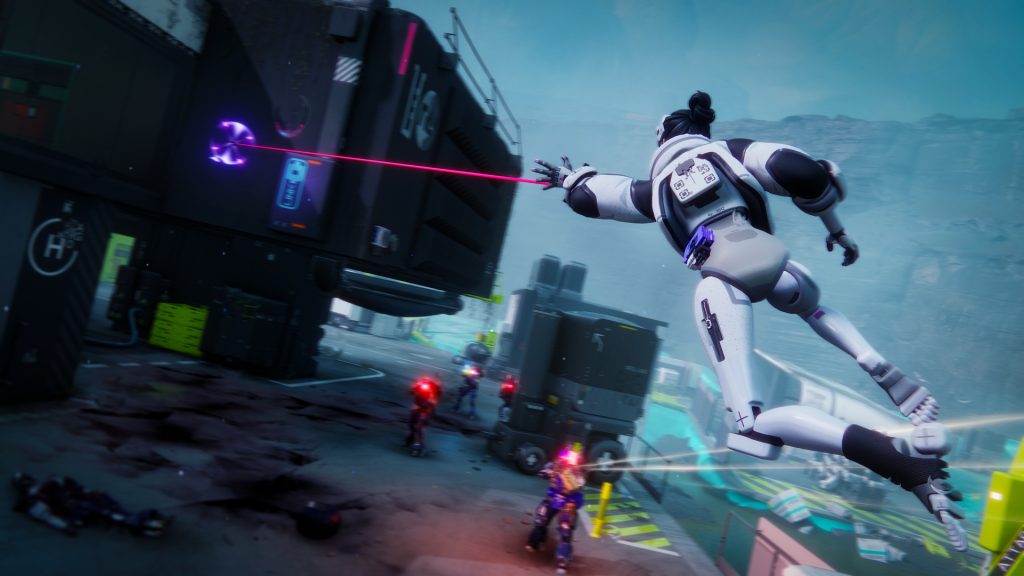
Is it the best story Bungie has delivered? No, and I don’t doubt most players will be left confused or wanting from Marathon’s more abstract narrative delivery, but it’s all in service of keeping the moment-to-moment focus on shooting and looting and upgrading your guns and shell, and ultimately, killing potential for that next crucial run, or in preparation for the next event.
That takes me back to the reality that Marathon is another live service game vying for your attention in a market full of time-sinks. Its hardcore gameplay loop and unforgiving player-base means you need to spend a lot of time to learn its systems and be accepting of losing your progress and momentum in any match, which is already a big ask of most gamers who have limited time to play. That includes being able to access its steadily released content, such as Cyro Archive, the first season’s weekend-only endgame map that requires expensive loadouts and a coordinated team to not only unlock its main story secrets and high-level loot, but actually be able to get out at all.
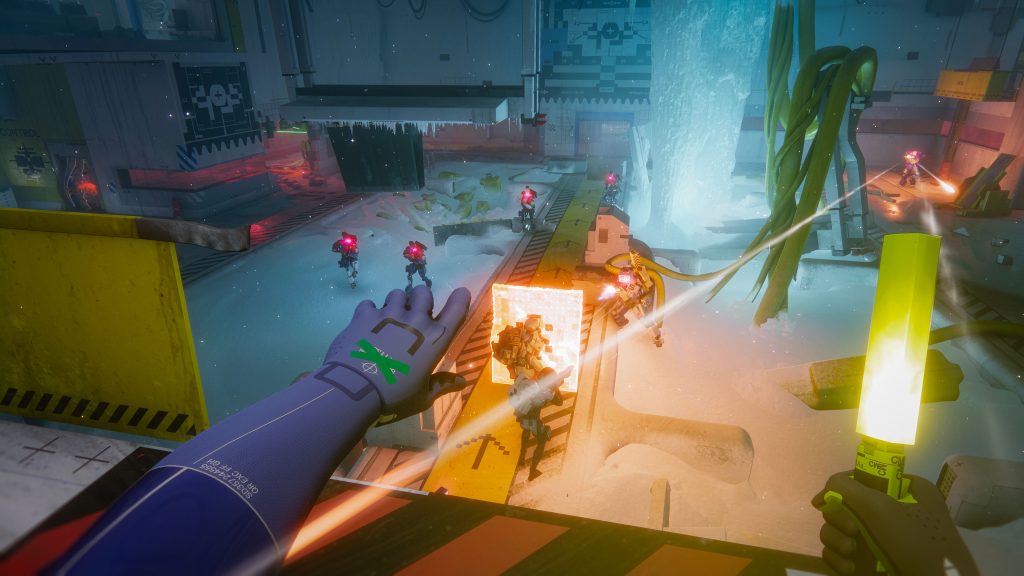
Cyro Archive and its labyrinthine map design and sci-fi horror aesthetic is undoubtedly worth experiencing, especially with a coordinated trio; fighting your way to the center through NPC enemies and hostile squads, then back out after securing a vault with the timer ticking is a thrilling, high-stakes experience few other games can currently emulate. But for a new shooter trying to establish a healthy population, it is debatable whether such a limited-time event geared toward the hardcore community, coupled with its seasonal model (progress and gear resets every few months) will continue to draw in the casual numbers needed for future map releases.
The Final Verdict
Ultimately, Marathon is easy to be awed by and harder to stay enamored with, but incredibly enjoyable all the same. It’s a thrilling extraction first-person shooter that has carved itself a truly unique identity, mostly owing to its highly stylized techno-industrial artstyle, Bungie’s signature satisfying moment-to-moment gunplay, well-thought out loot systems and intricately designed maps.
Is it worth playing, then? My own answer is absolutely, but only if you find the genre fun, and have the time and patience necessary to fully immerse yourself in the intriguing horror sci-fi world Bungie has quietly built. It’s a demanding game that forces you to earn every inch of progress, but if you have the stomach for going the distance, the payoff is as real as the risk.
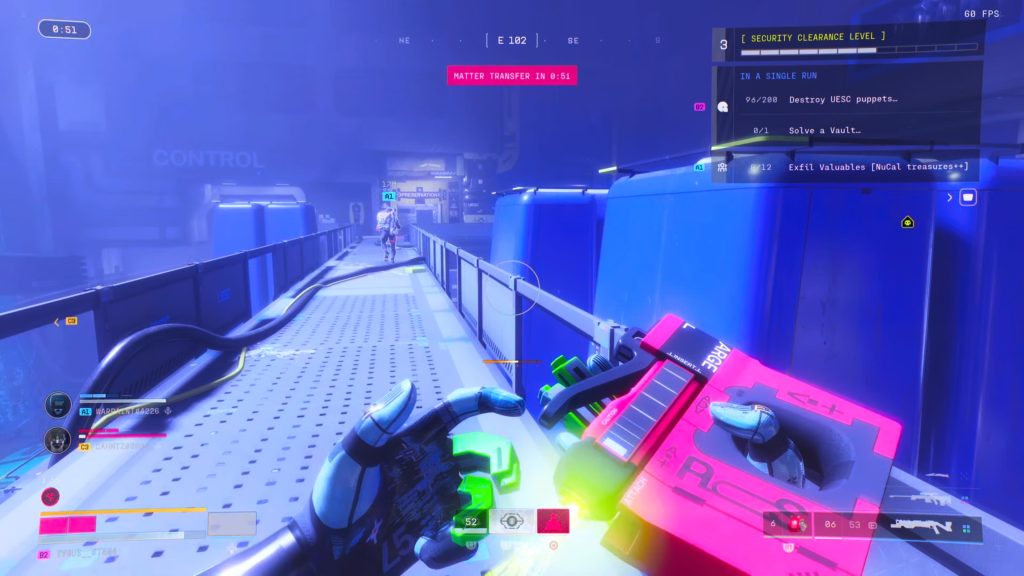
In another world, I made it out of that Cryo exfil with my beloved shotty…
About the Author

Nathan Misa A senior writer for ImpulseGamer.com and former writer for MMGN and Ninemsn, Nathan has been reviewing video games and interviewing talented developers since 2012. As a nostalgia tragic eternally tied to the glorious 1990s, he's always playing retro gaming classics whenever he's not entrenched in the latest RPG, or talking your ear off about why The First Law book series is better than Game of Thrones - to anyone who dares listen.
Related Posts

Darwin’s Paradox! (PS5) Review →

Incantation Review (PS5) →

New Super Lucky’s Tale Review (PlayStation 5) →