

Luna Abyss Review (PS5)
Summary: Luna Abyss drops you into a mysterious megastructure carved into a blood red moon, where you play as a prisoner forced into dangerous exploration. As you descend deeper, the story slowly reveals a hidden truth behind the mission, the world’s past, and the strange forces that seem to guide everything from the shadows. It blends shooting, movement, and exploration into a steady journey that focuses more on atmosphere and discovery than nonstop combat.
4.4
Lunar Labyrinth
The Abyss holds us apart in life, but together in death. Luna Abyss is a story driven action adventure developed by Kwalee Labs and published by Kwalee. Released on May 21, 2026 for PlayStation 5, Xbox Series X|S, and PC, it immediately stood out thanks to its towering megastructures, oppressive atmosphere, and striking blend of first person platforming and bullet hell combat. Going into it, I expected a relentless shooter that would constantly push me to my limits. Instead, Luna Abyss surprised me by placing just as much emphasis on exploration, platforming, and storytelling as it does combat. The result is a game that feels far more thoughtful and varied than its trailers might initially suggest.

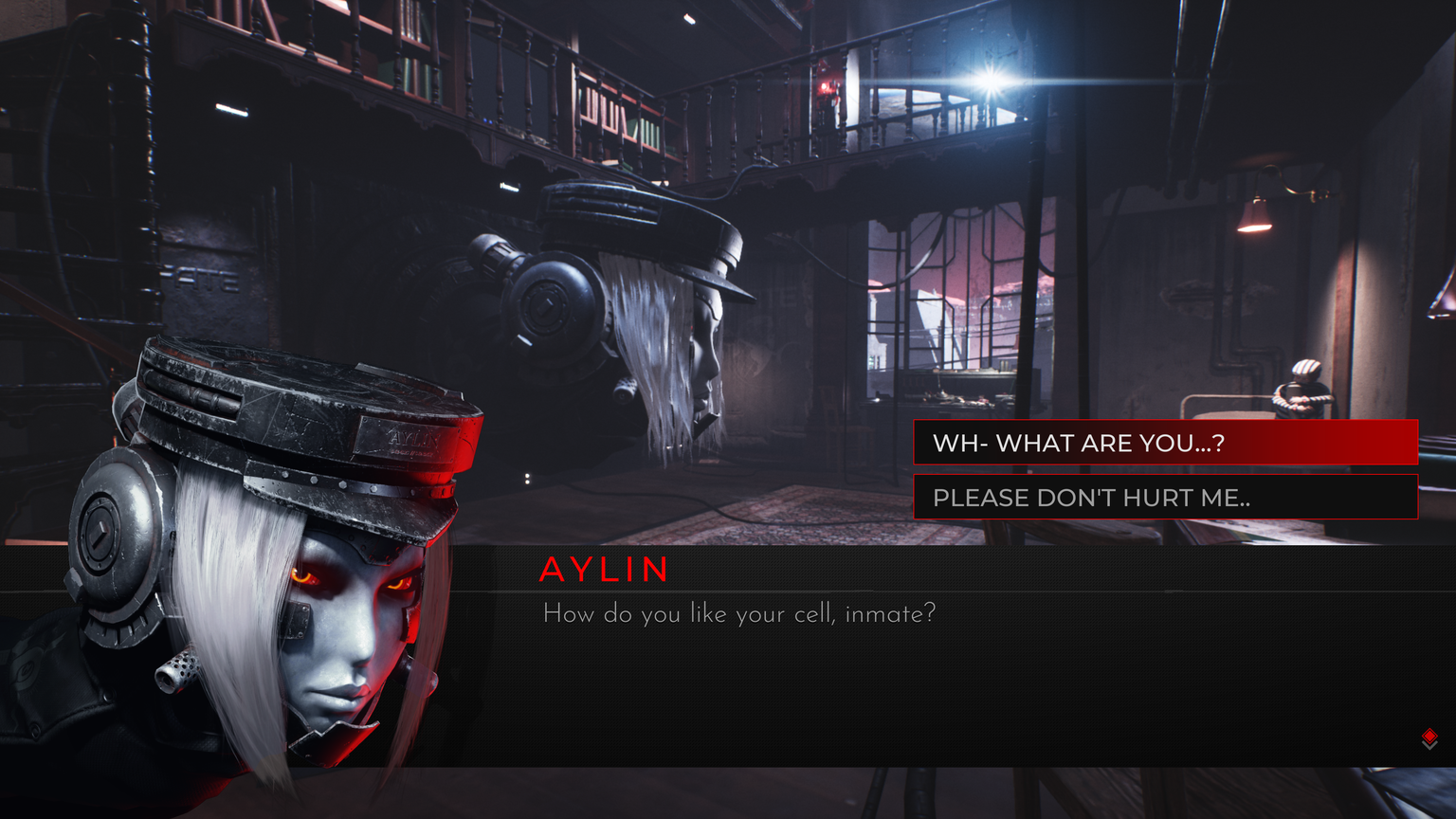
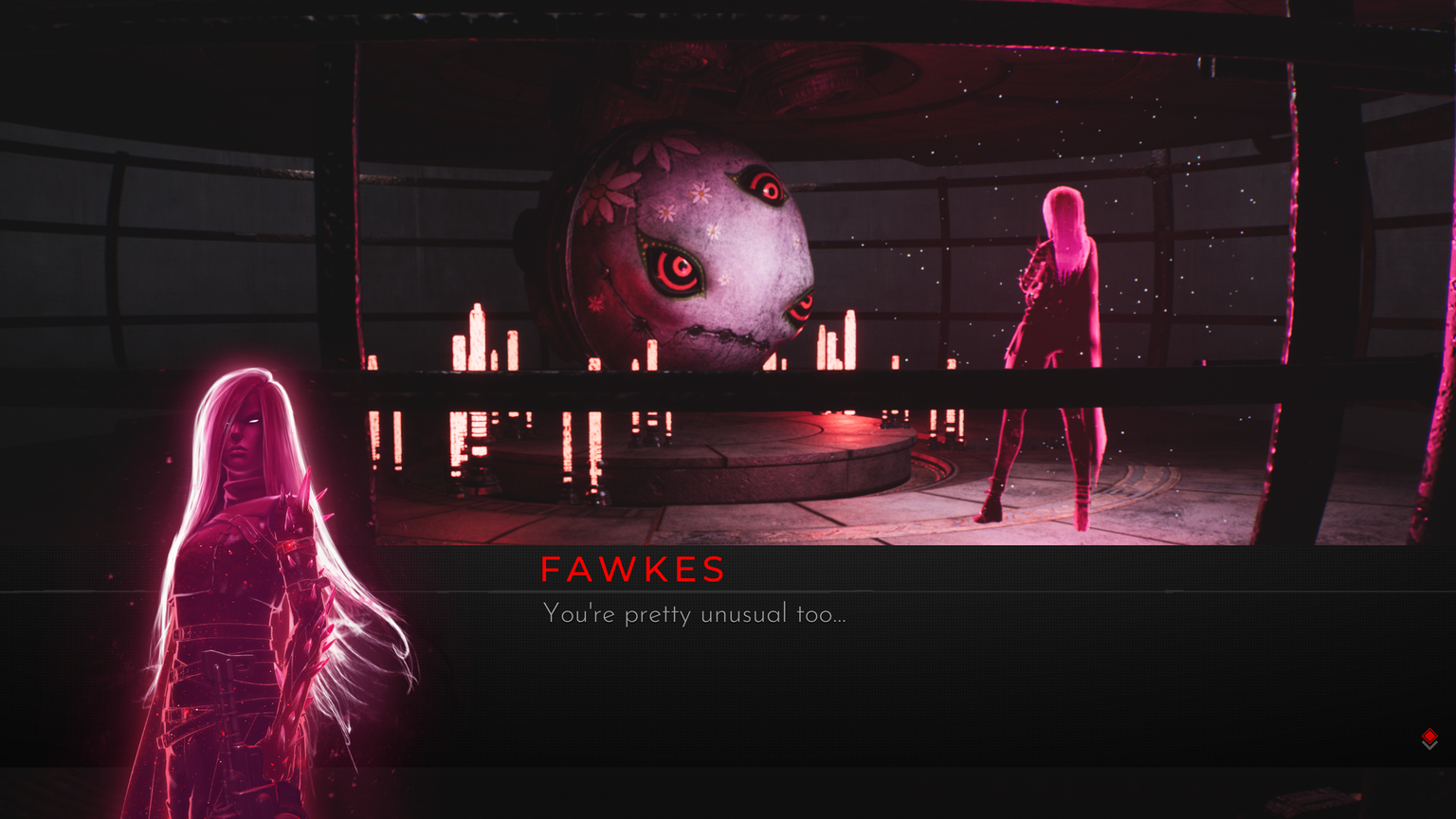
The story begins 200 years after the appearance of Luna, a mysterious blood red moon hanging above Earth. Hidden within its surface is an impossible abyss of sprawling structures and forgotten civilizations that seem to stretch endlessly into darkness. You play as Fawkes, a prisoner sentenced to 9,125 days of scout servitude beneath the authority of the All-Father. Stripped of your former identity and inducted into the Scout Program, you are assigned an artificial prison guard named Aylin who serves as both guide and overseer throughout your journey.
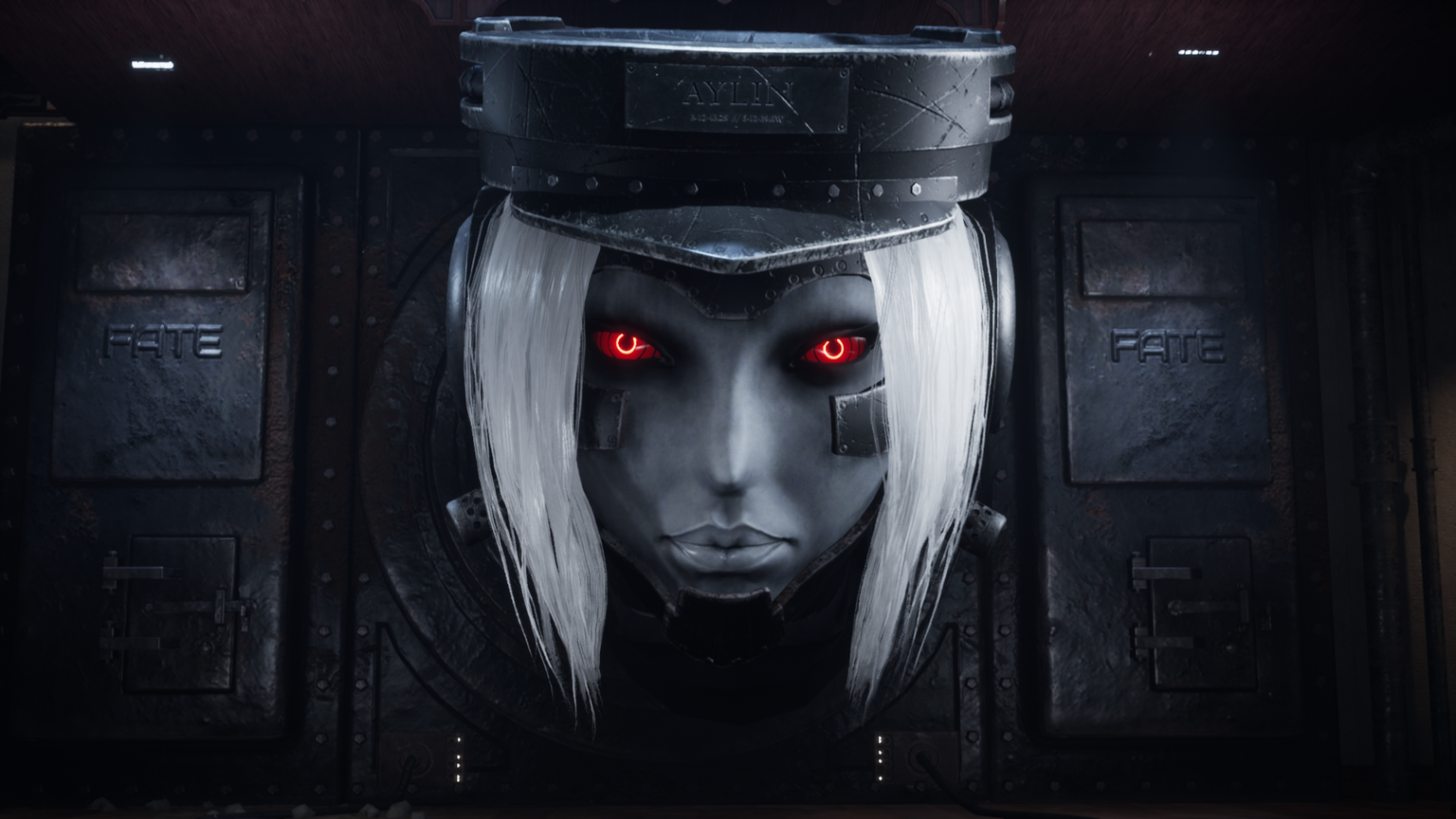
Using a constructed body to traverse Luna’s depths, your mission is simple. Descend into the Abyss, recover lost technology, complete assignments, and gradually reduce your sentence. Of course, things become far more complicated as you venture deeper. Strange voices echo through the ruins, remnants of a lost colony linger in forgotten corridors, and the Abyss itself seems almost alive. The mystery surrounding the Scourge, the Collective, the All-Father, and the fate of the city of Greymont slowly unfolds as you progress. Luna Abyss throws a lot of information your way, but it rarely feels overwhelming. Even when diving into its optional lore documents and extensive world building, the narrative remains surprisingly approachable. There are plenty of moving parts, yet the game does a good job of keeping everything intriguing and understandable without demanding that you study every detail.

Gameplay combines several familiar ideas into something that feels distinct. The movement immediately stands out thanks to how responsive and fluid it feels. Running, sliding, crouching, jumping, and later unlocking abilities like dashing and double jumping all come together to create movement that is consistently enjoyable. There are shades of Halo’s loose platforming, Metroid Prime’s environmental interaction, and Returnal’s constant mobility, but Luna Abyss ultimately carves out a style of its own.
The structure of the game is straightforward. Each chapter is broken into smaller missions that begin in your personal quarters alongside Aylin. Between assignments, you can review collected lore, converse with Aylin, or simply rest before heading back into the Abyss. While progression is largely linear, there are plenty of opportunities to explore side paths, discover hidden upgrades, uncover world building documents, and meet additional characters that flesh out the setting. As the game progresses, new traversal tools and abilities steadily expand what you’re capable of doing without ever making exploration feel overly complicated.
Combat is where many people will likely draw comparisons to games like Returnal, but Luna Abyss approaches things differently. Rather than focusing on overwhelming difficulty and relentless pressure, it prioritizes accessibility and flow. One of the game’s best choices is the complete absence of ammunition. Since you’re never worried about conserving resources, encounters maintain a smooth pace that encourages experimentation.
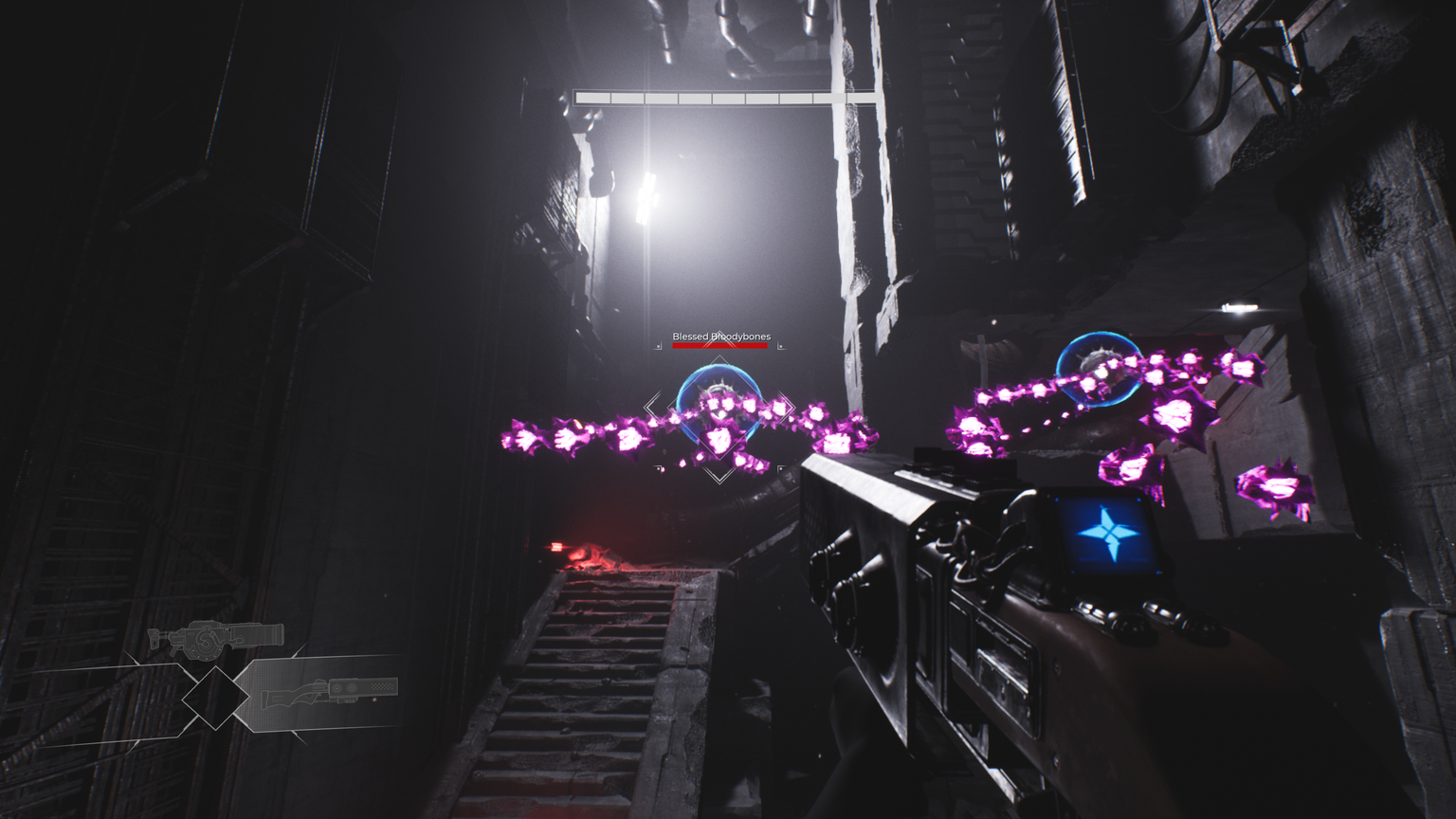
Your starting Scout Rifle remains useful throughout the adventure thanks to its balanced range and fire rate, but additional weapons add meaningful layers to combat. The shotgun-like weapon, the Shieldbreaker, specializes in destroying blue energy shields used by enemies and environmental barriers. The sniper rifle, Monarch’s Lance, cuts through purple shields and delivers devastating damage, though its powerful shots require longer cooldown periods before firing again. Switching between weapons becomes an important part of managing enemy groups efficiently.
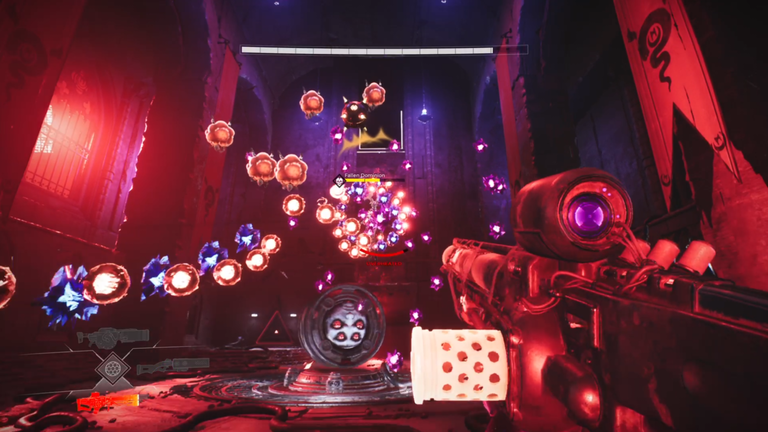
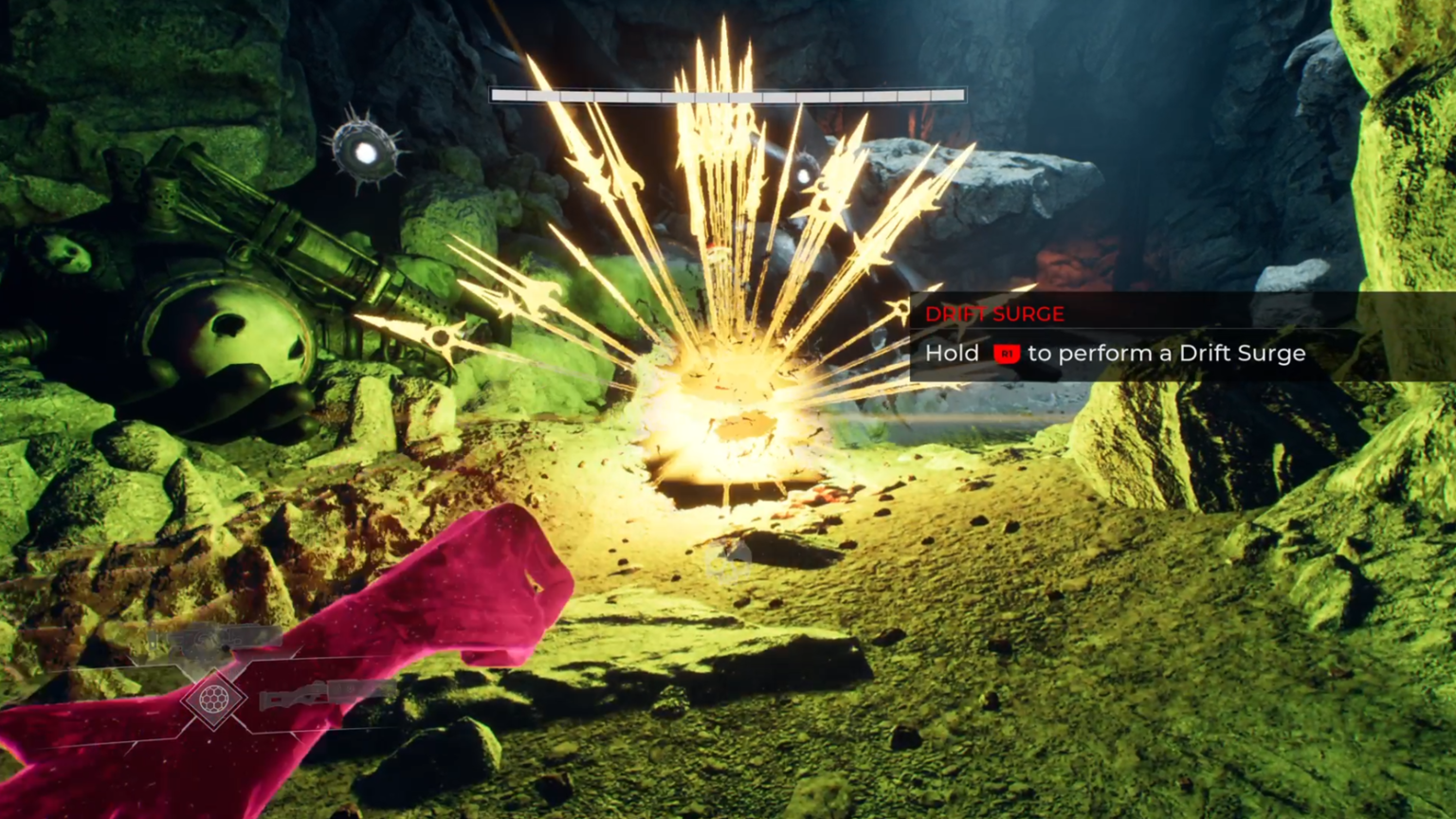
The Drift Kill system adds another layer to encounters. Damaged enemies can be harvested for health or detonated into explosive bursts that send spikes toward nearby foes. This mechanic turns aggressive play into a reward system and often helps keep battles moving at a brisk pace. Enemy variety is solid throughout the game. Some opponents rush directly toward you while filling the screen with projectiles. Others remain at a distance behind protective shields while unleashing spiraling bullet patterns. More dangerous foes fire fast energy beams that demand quick reactions and smart positioning.
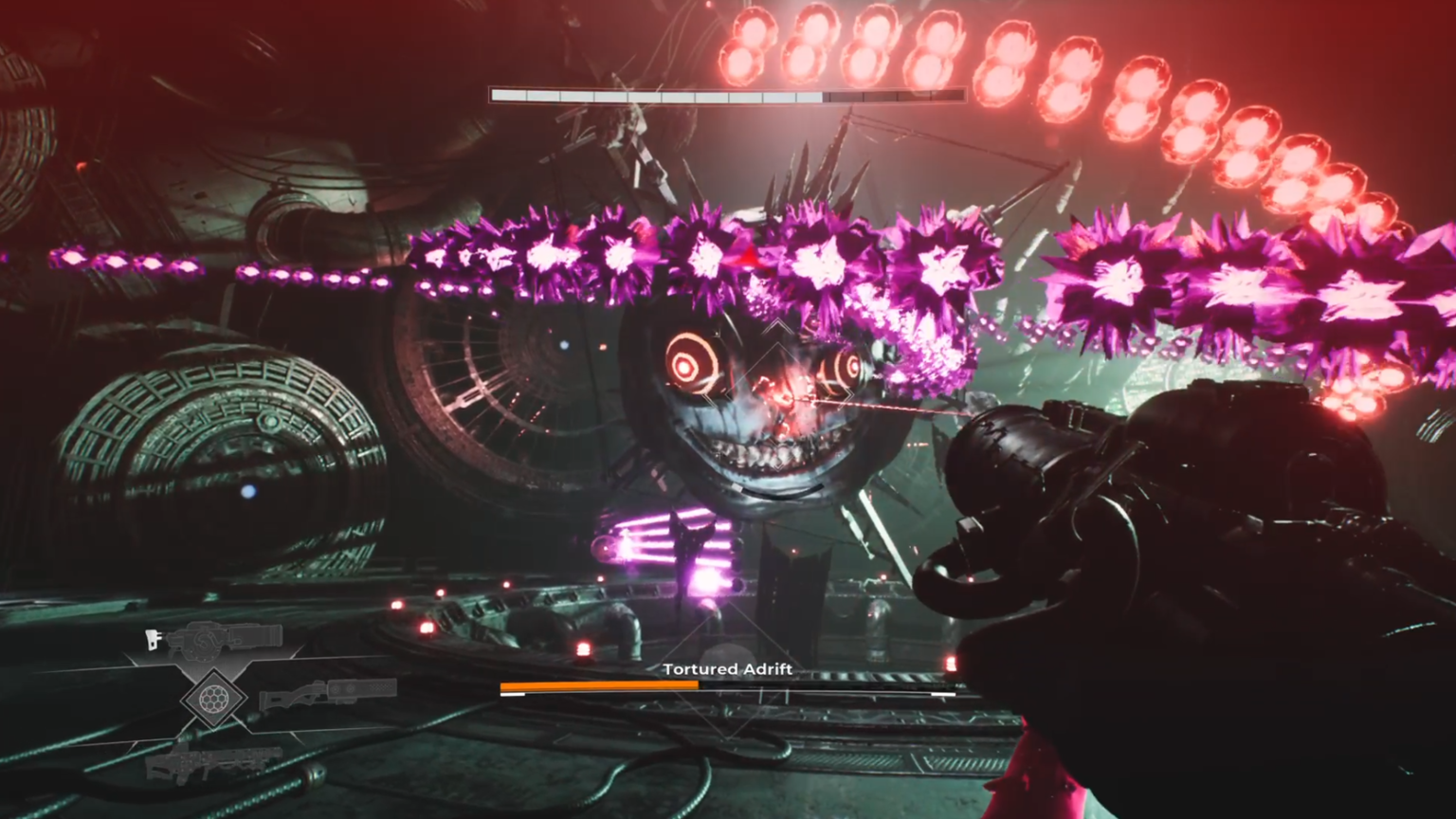
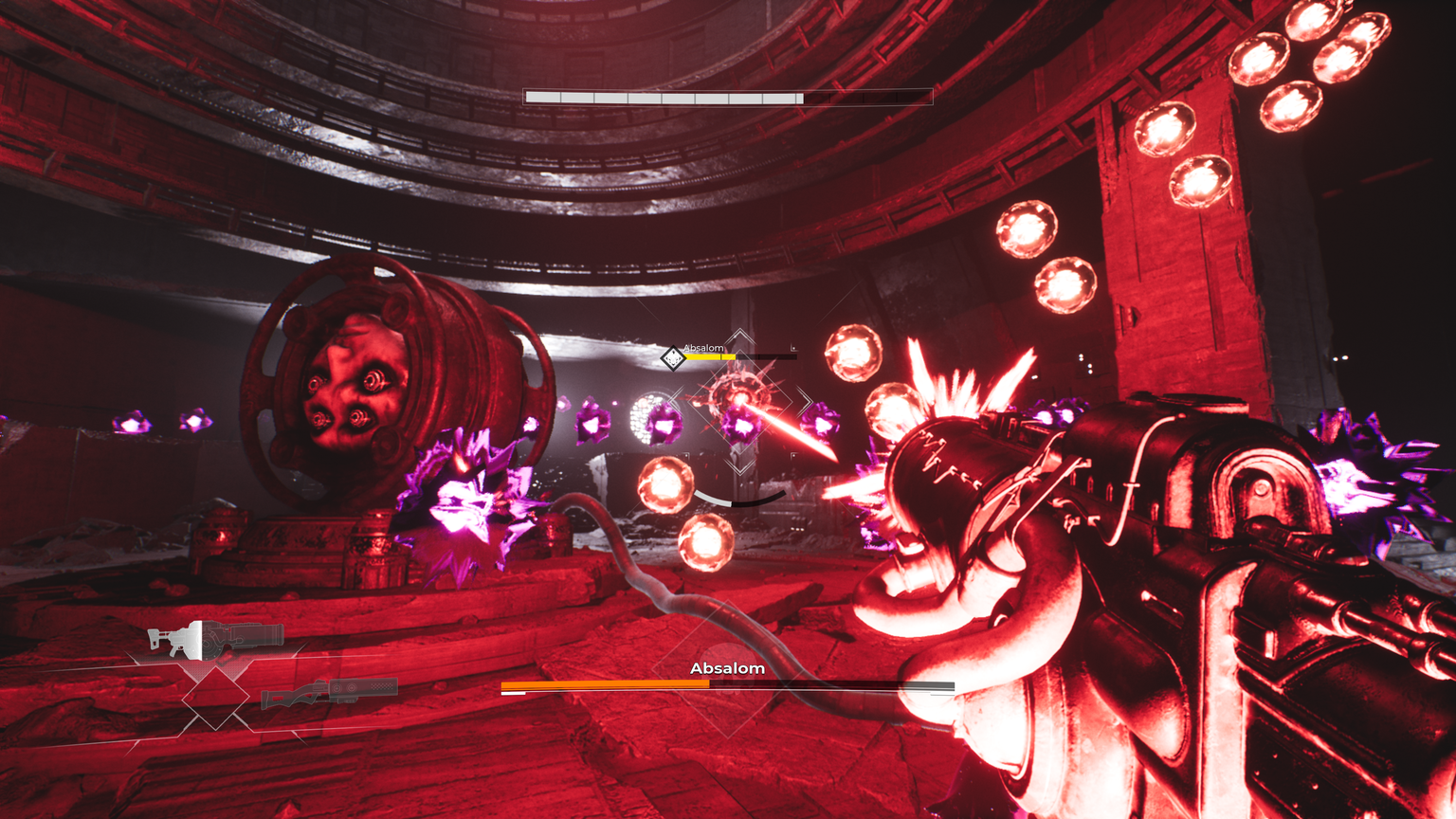
Many encounters take place inside contained arena spaces where survival requires balancing offense, movement, and awareness. Fortunately, the lock on targeting system keeps combat approachable and responsive. Even during the busiest fights, it rarely feels cumbersome. Bosses and minibosses are particularly memorable. These encounters demand far more than simply shooting targets. Dodging enormous laser attacks, navigating environmental hazards, and incorporating platforming mechanics into combat creates some of the game’s most exciting moments.
What surprised me most is how sparingly combat is actually used. Large portions of Luna Abyss focus on traversal and exploration. Instead of exhausting you with constant battles, the game treats combat encounters as highlights spaced throughout the journey. This gives each fight more impact and prevents the gameplay loop from becoming repetitive.
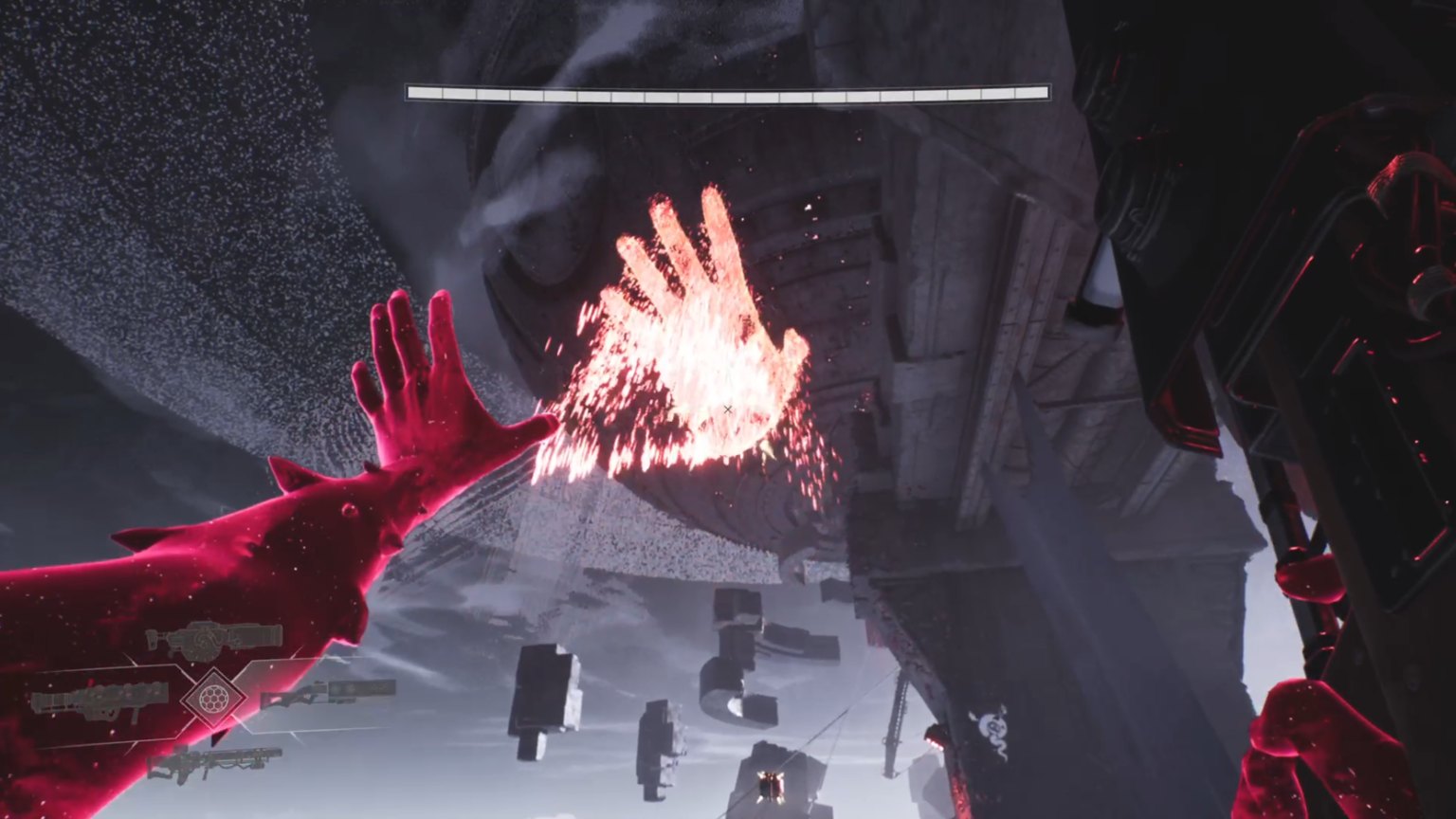
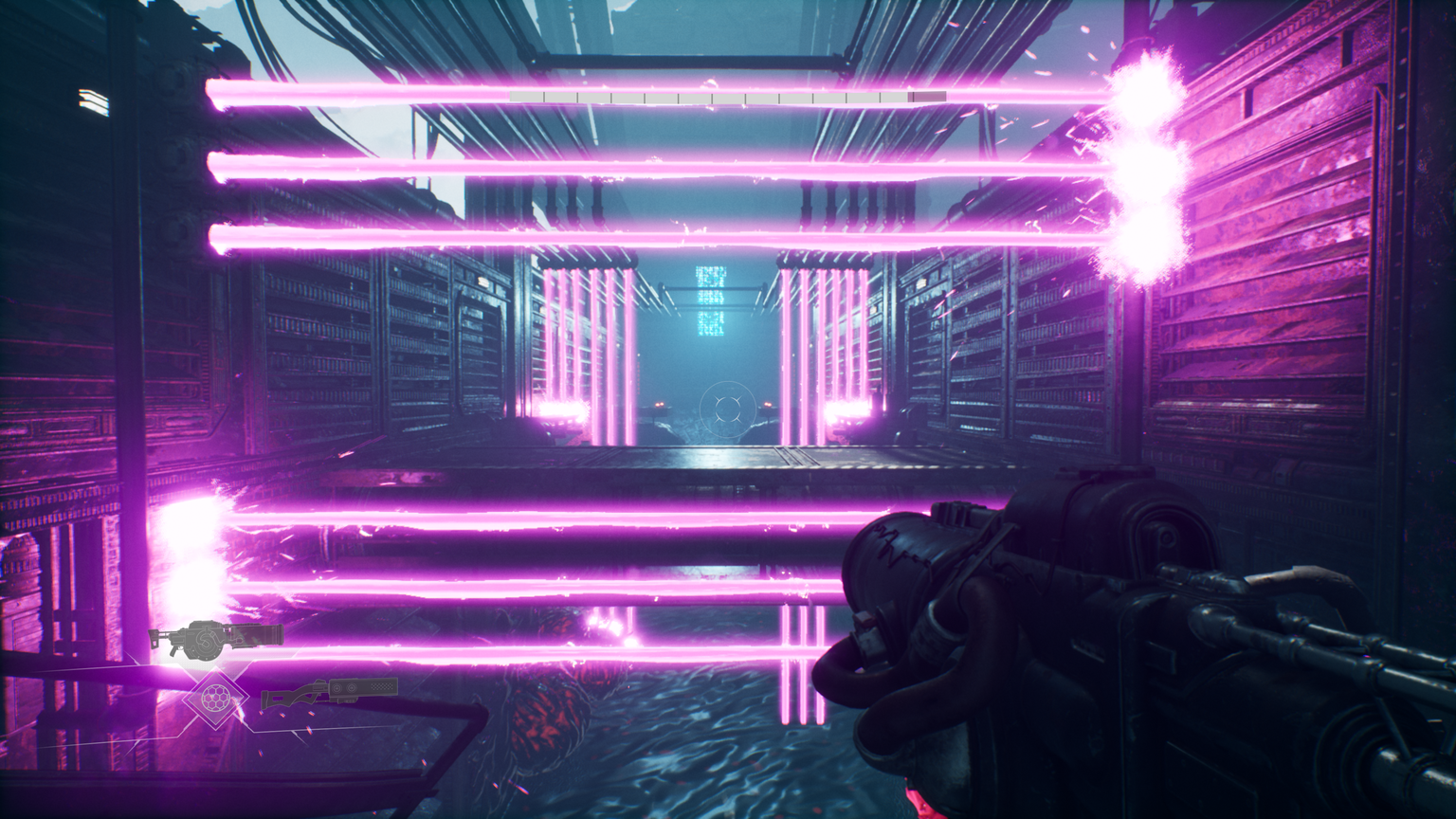
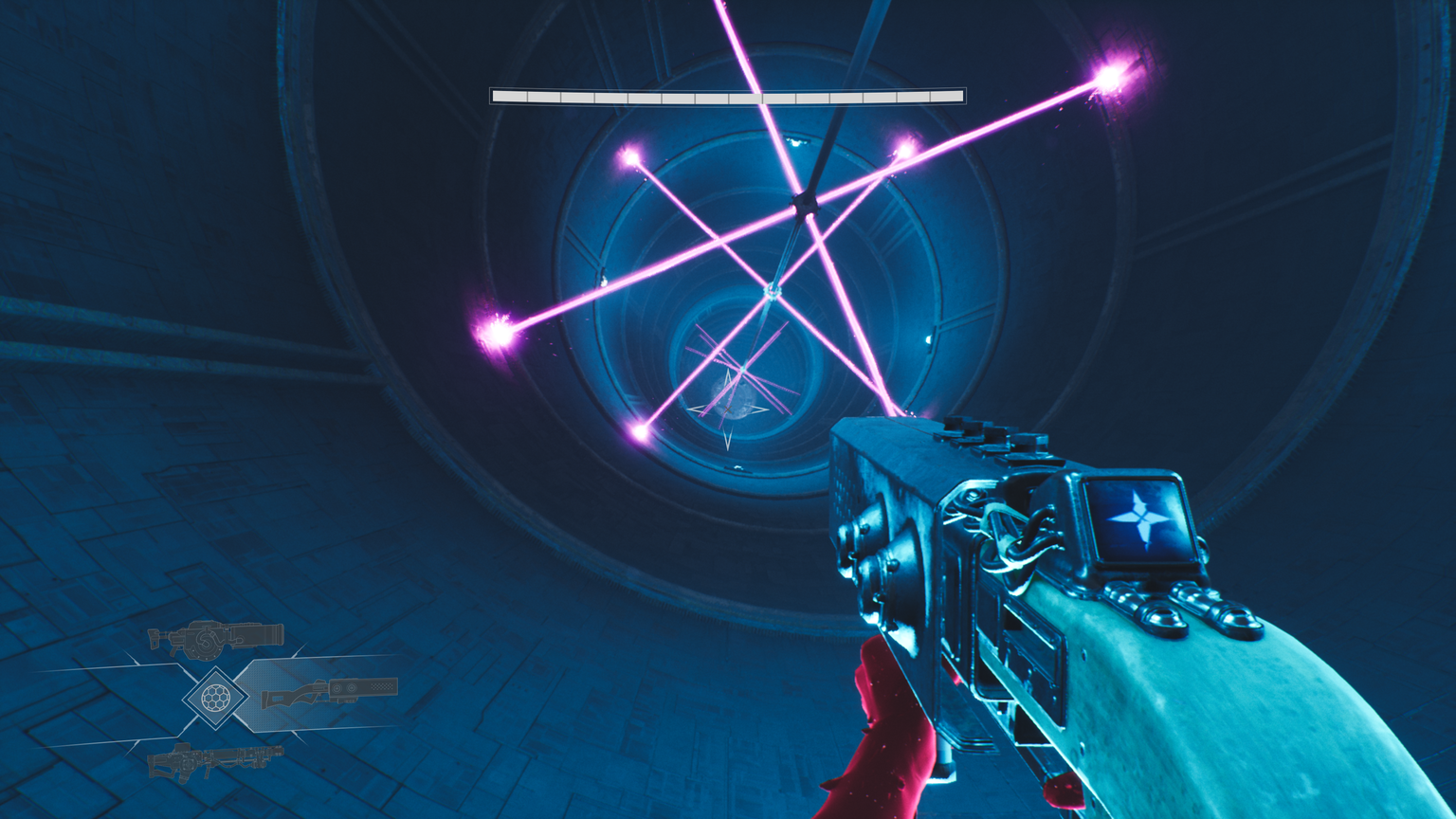
Platforming deserves just as much praise. Movement feels consistently reliable whether you’re dashing across water, sliding beneath laser barriers, swinging over massive gaps, or scaling colossal structures deep within the Abyss. New mechanics are introduced steadily throughout the campaign. Certain barriers require dashing to pass through, temporary platforms can be created in certain spots, and environmental obstacles constantly ask you to think about movement in different ways.
Much of the platforming revolves around navigating the world itself rather than solving difficult puzzles. You’ll crawl through ventilation shafts, activate switches, search for alternate routes, and make use of newly unlocked abilities to reach previously inaccessible locations. While I would have liked to see some of the later movement mechanics pushed further, the simplicity works in the game’s favor. Traversal remains intuitive and enjoyable without becoming frustrating or overly demanding.
Those expecting a brutally difficult experience may be surprised. Luna Abyss offers a wide range of difficulty and accessibility options that allow you to tailor the experience however you like. On standard difficulty, combat is fairly forgiving and places greater emphasis on enjoying the world and story. The harder setting requires much more careful movement, smarter target prioritization, and greater mastery of your abilities. During my playthrough, I rarely encountered major challenges until the final boss. Anyone looking for a serious test should absolutely consider the higher difficulty setting. At the same time, anyone interested primarily in exploration and narrative can customize the experience enough to make combat considerably less intimidating.
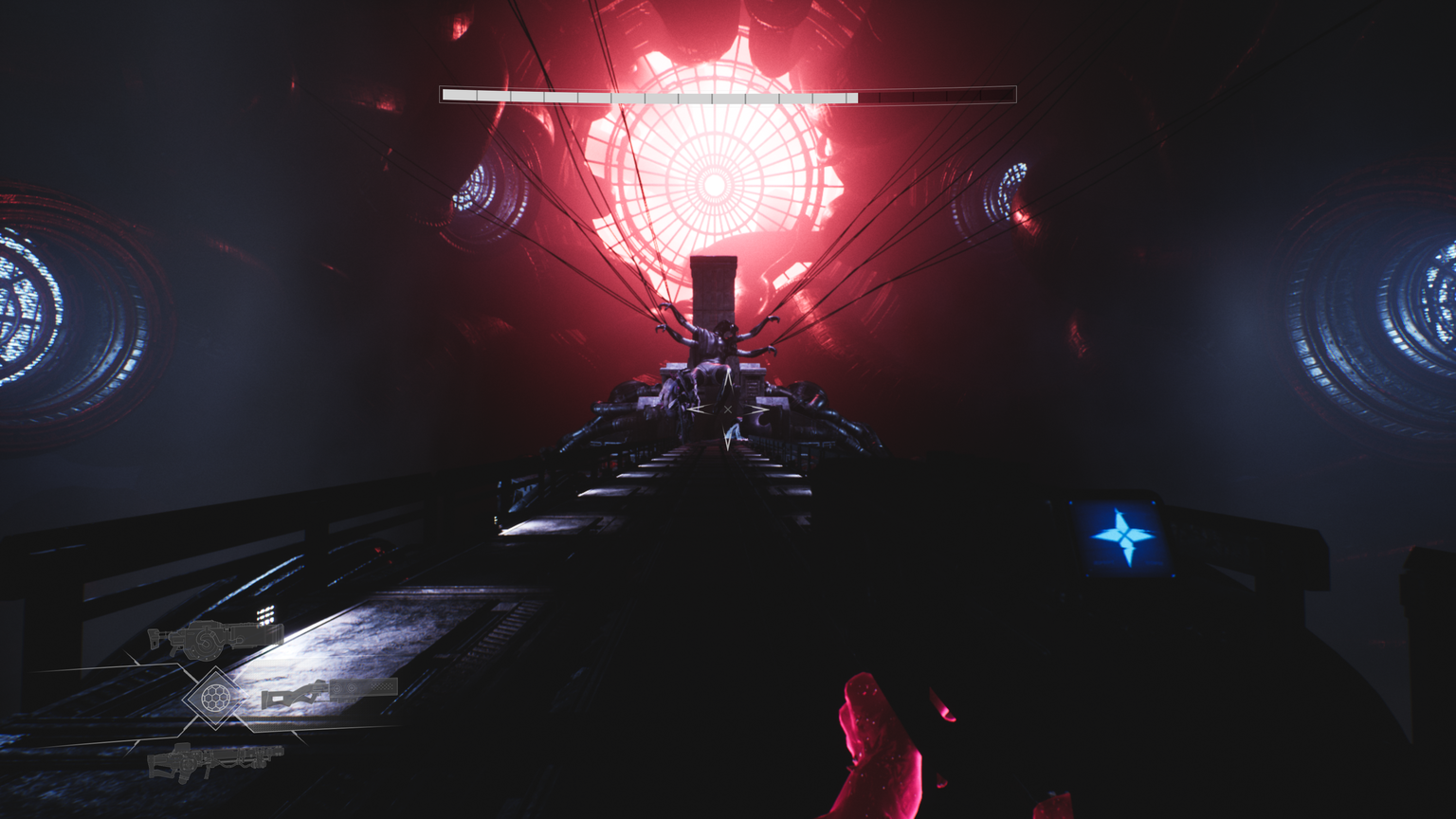
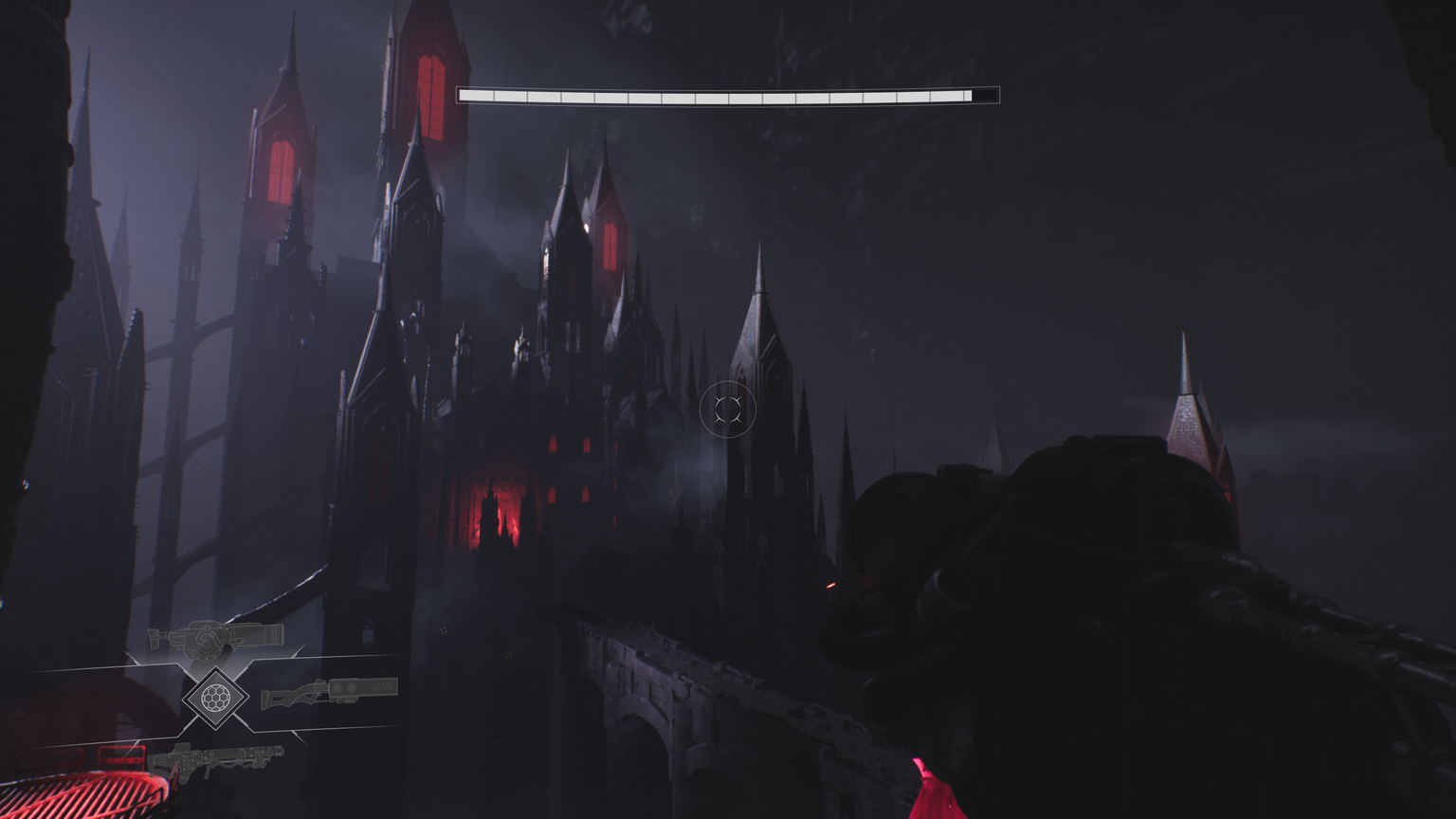
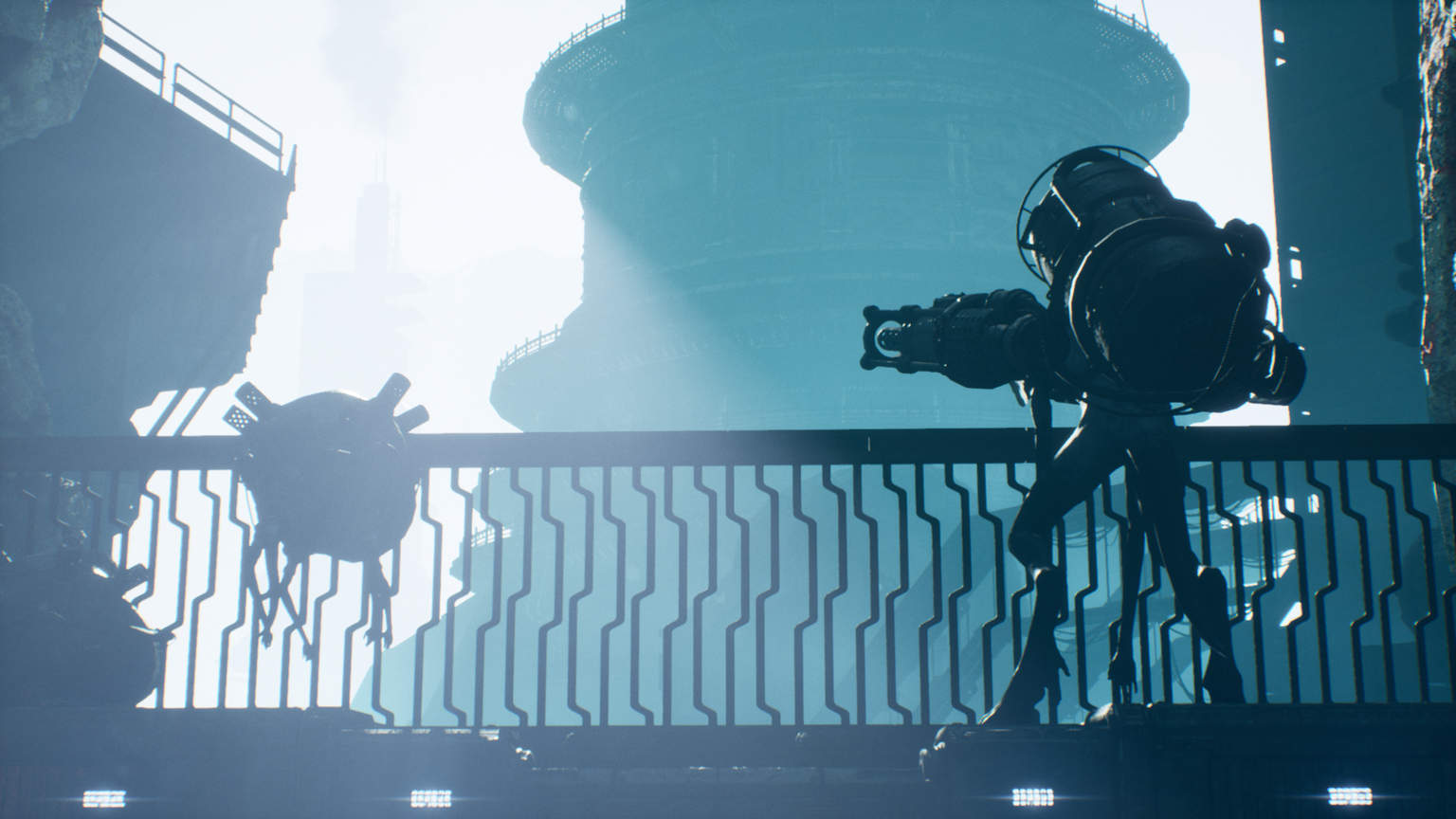
Visually, Luna Abyss is exceptional. The game’s brutalist architecture, endless megastructures, and surreal landscapes create a setting that feels both alien and strangely believable. Lighting plays an enormous role in creating such an amazing atmosphere. Deep shadows, vibrant blue highlights, and the constant presence of crimson hues create an atmosphere that is simultaneously beautiful and unsettling. Nearly every area feels worthy of stopping to admire. Massive structures disappear into darkness, ancient giants rest motionless among the environment, and distant vistas constantly draw your attention toward the unknown.
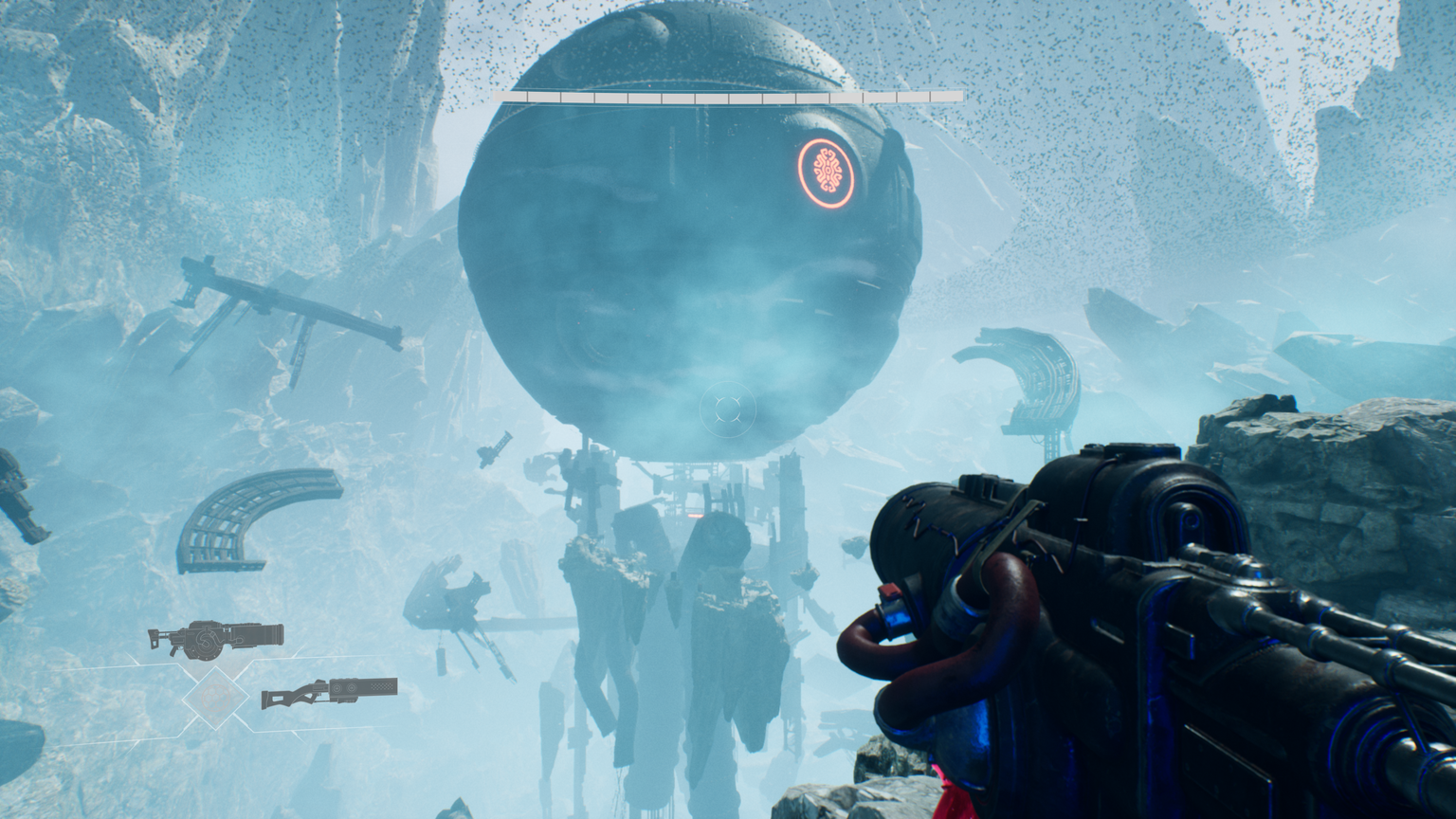
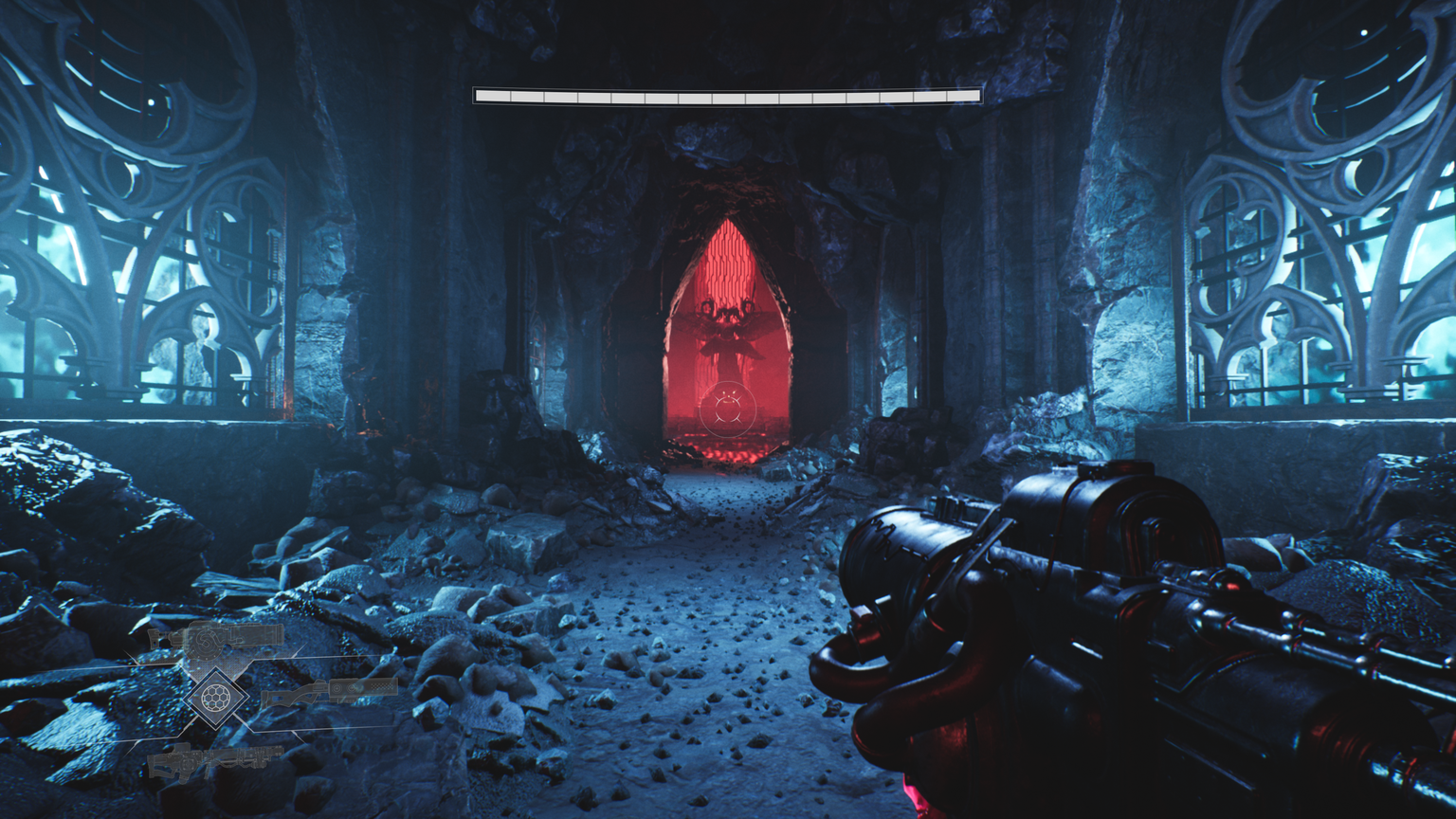
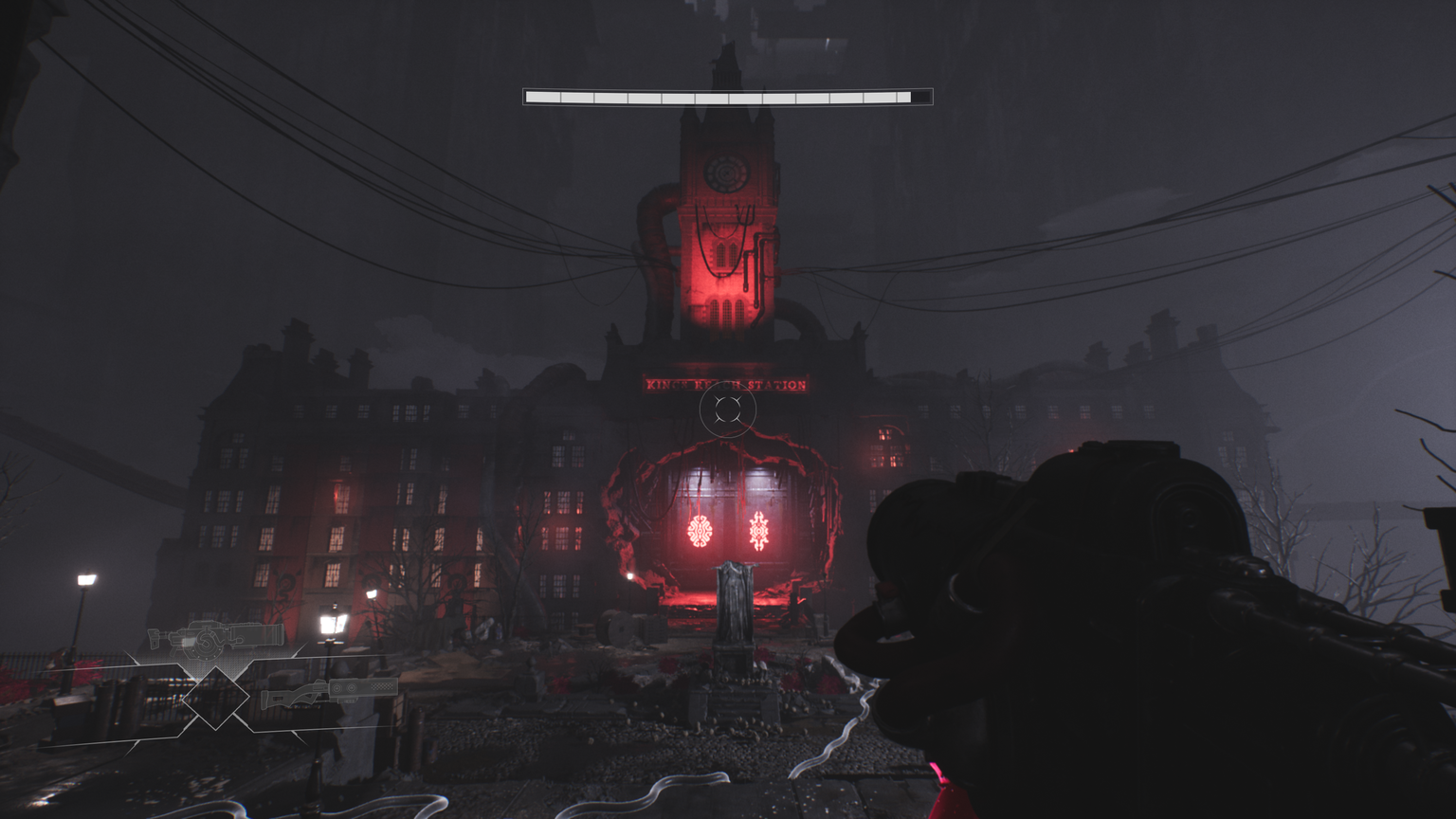
Character designs are equally memorable. The Homunculi, Wardens, and various inhabitants of Luna all possess distinct visual identities that make the world feel unlike anything else. Performance was equally impressive throughout my time with the game. Movement remained smooth, frame rates stayed consistently high, and loading interruptions were brief enough to never become distracting.

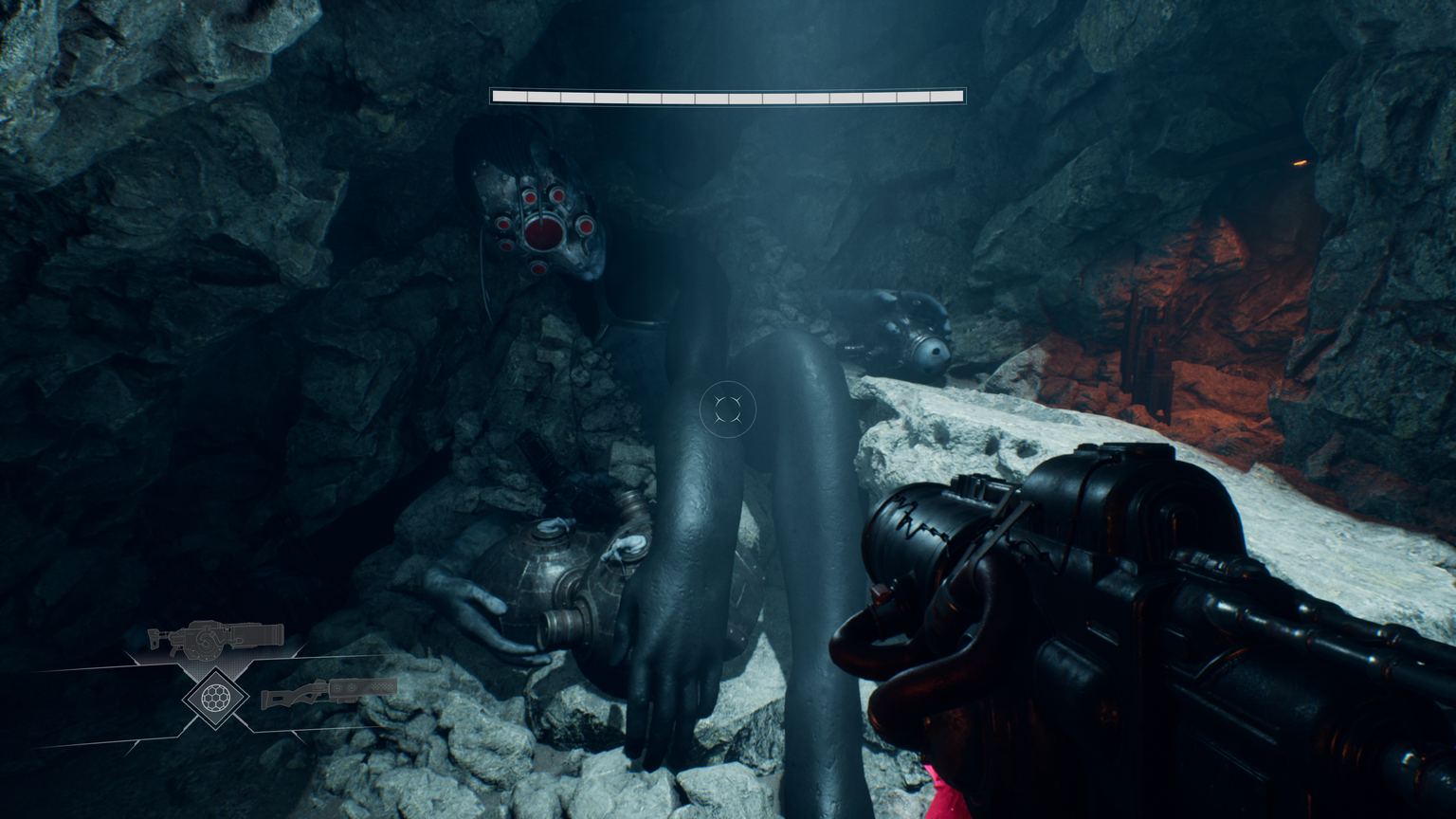
The audio design complements the visuals perfectly. From the opening moments, Luna Abyss establishes a powerful sense of mystery through its soundtrack. Orchestral pieces frequently shift between awe inspiring grandeur and quieter, more ethereal arrangements depending on the situation. The opening sequence alone does an excellent job of pulling you into the world.

Environmental audio is just as impressive. Weapons carry a satisfying impact, doors groan open with mechanical weight, and every sound seems to echo through the endless halls of the Abyss. Voice acting is generally strong as well. Aylin serves as a constant presence throughout the adventure, and many of the supporting characters leave lasting impressions. There are occasional moments where certain performances sound slightly awkward or less polished than others, but they never detract significantly from the experience.
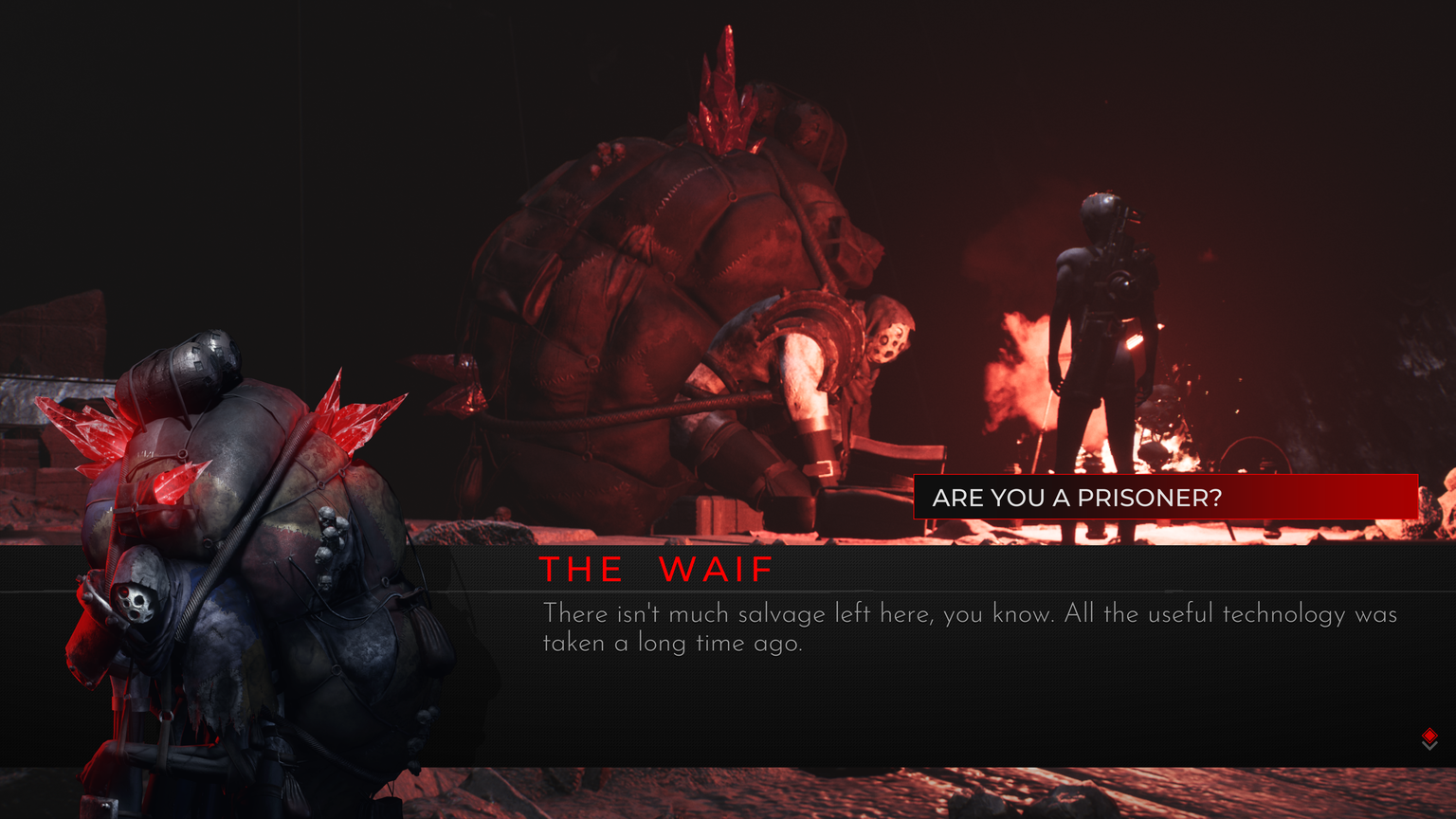
What impressed me most about Luna Abyss is how naturally everything comes together. The story, movement, combat, atmosphere, exploration, and presentation all support one another rather than competing for attention. It would have been easy for the game to lean entirely on its visual style, but beneath the striking art direction is a genuinely enjoyable action adventure that understands pacing and variety.
Final Thoughts?
Luna Abyss isn’t the nonstop adrenaline rush that its bullet hell label might lead some people to expect. Instead, it’s a carefully paced blend of exploration, platforming, storytelling, and combat wrapped inside one of the most atmospheric worlds I’ve explored in recent memory. A normal playthrough will likely take around ten hours, with completionists spending considerably longer uncovering every secret and collectible hidden throughout the Abyss. There are a few areas where I would have liked to see the game push itself further, particularly with some of its late game platforming ideas and certain story developments, but these are relatively minor complaints in an otherwise excellent package. If the premise interests you even a little, it’s absolutely worth descending into the Abyss to see what secrets are waiting below.
About the Author

Nay Clark Gaming holds a special place in my heart and I never stop talking about video games. I really love all types of games and have an interest in games that have complicated stories and lore because I enjoy untangling the mystery of it all. When I'm not gaming, I unsuccessfully try to control three amazing and incredibly bright kids.
Related Posts

Denshattack! (PS5) review →

Deer & Boy (PS5) Review →

Echoes of Aincrad: Sword Art Online PS5 Review →