

Love Eternal Review (Switch)
Summary: Love Eternal blends demanding gravity-based platforming with an unsettling, abstract horror narrative that lingers long after it ends. Its short runtime keeps the challenge intense while delivering a story that feels strange, emotional, and deliberately open to interpretation. It is the kind of experience that may frustrate you in the moment but rewards you with imagery and ideas that are hard to shake.
5
Mental Monolith
Who’s Mr. Birthday? Love Eternal is a psychological horror platformer developed by brlka and published by Ysbryd Games. It launched on February 19, 2026 across PC, Nintendo Switch, PlayStation, and Xbox platforms. On Switch especially, it feels right at home. This is the kind of strange, experimental game you stumble into late at night and can’t stop thinking about days later. I gravitate toward horror that takes risks and leans into the bizarre instead of playing it safe. Games like Among Ashes (2024) and Luto (2025) were my favorite games of those years and reminded me how far the genre can stretch when developers commit to mood and discomfort. Love Eternal looks to be a favorite of mine this year by following the same philosophies. It is unsettling, raw, and unexpectedly emotional. It may not be for everyone, but if you crave horror that feels experimental and personal, this is one of the most memorable releases of the year.
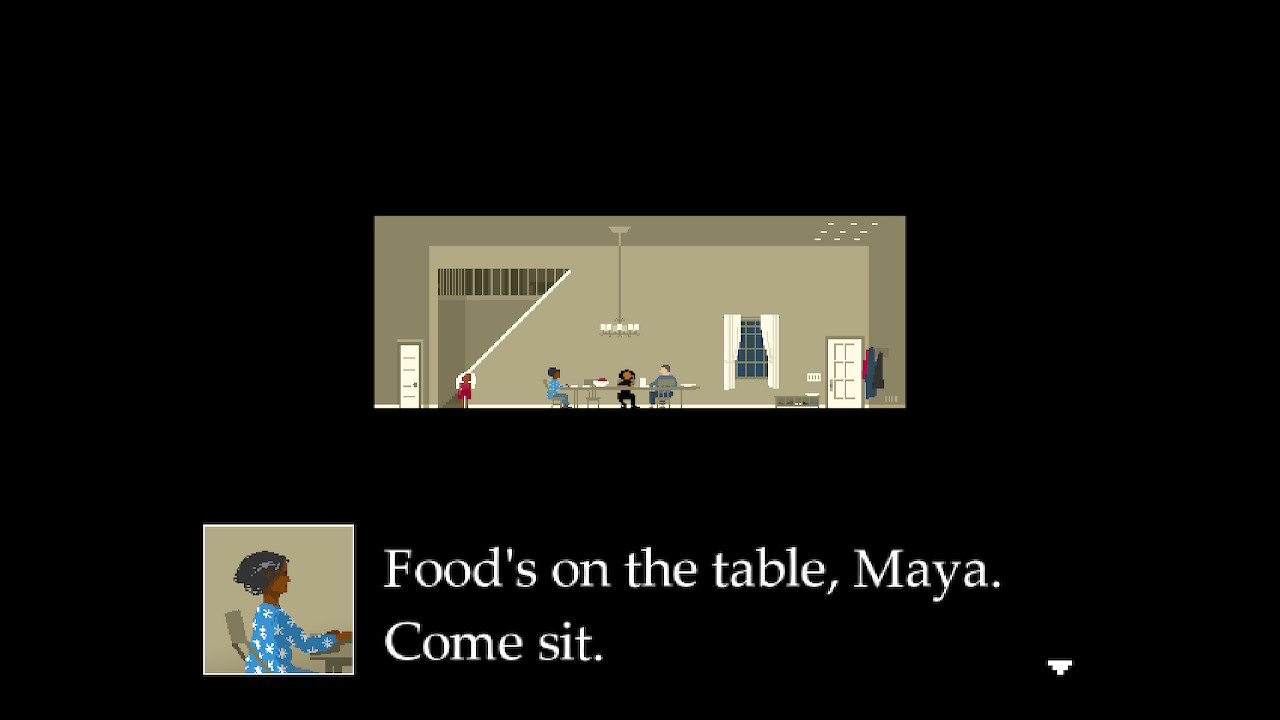
You step into the shoes of Maya, an ordinary girl having dinner with her family after plans with a friend fall through. A ringing phone pulls her into the hallway. No one answers on the other end. When she returns to the table, everything has changed. She is no longer home. Instead, she finds herself trapped inside a strange, hostile domain that feels like a castle carved from memory and regret. From there, the story unfolds in fragments. It explores trauma, isolation, and the ache of abandonment without ever spelling everything out for you. It is cryptic by design. You will not get clean answers. What you get instead is a steady unraveling that becomes more disturbing the longer you sit with it. The horror here is not just about monsters or jump scares. It is about tone, implication, and the feeling that something deeply wrong is pressing in from all sides.
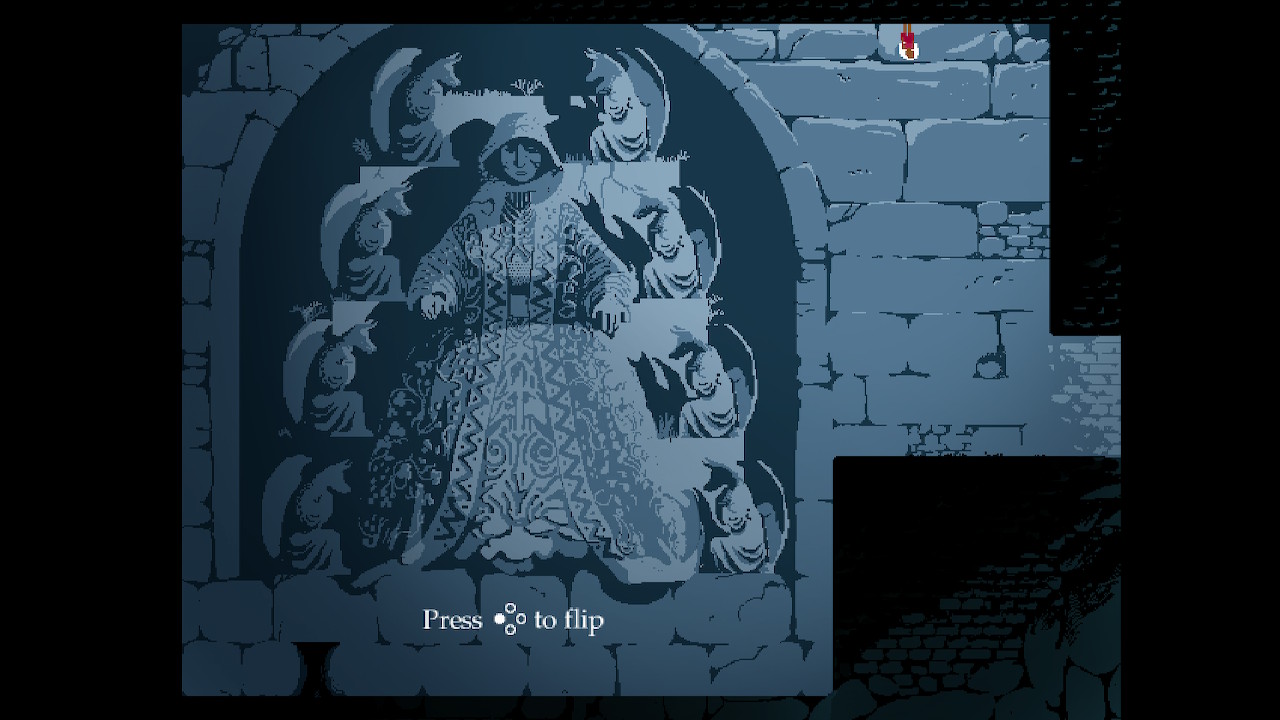
Gameplay is built around precision platforming that clearly draws inspiration from VVVVVV. Each screen is a compact challenge made of flat surfaces, spike-lined walls, lasers, switches, and moving hazards. You run and jump with tight, responsive controls, and you can reverse gravity with the press of a button, flipping Maya from floor to ceiling. You cannot spam the flip endlessly. You get one reversal until you land again, which forces you to think before acting. Red stones later expand this system by allowing midair resets, letting you chain flips together and thread your way through rooms that initially seem impossible. The mechanics are simple, but execution demands focus. Momentum and timing matter. Sometimes you will barely graze a spike and drop instantly, and yes, that can be frustrating, but the controls are consistent.
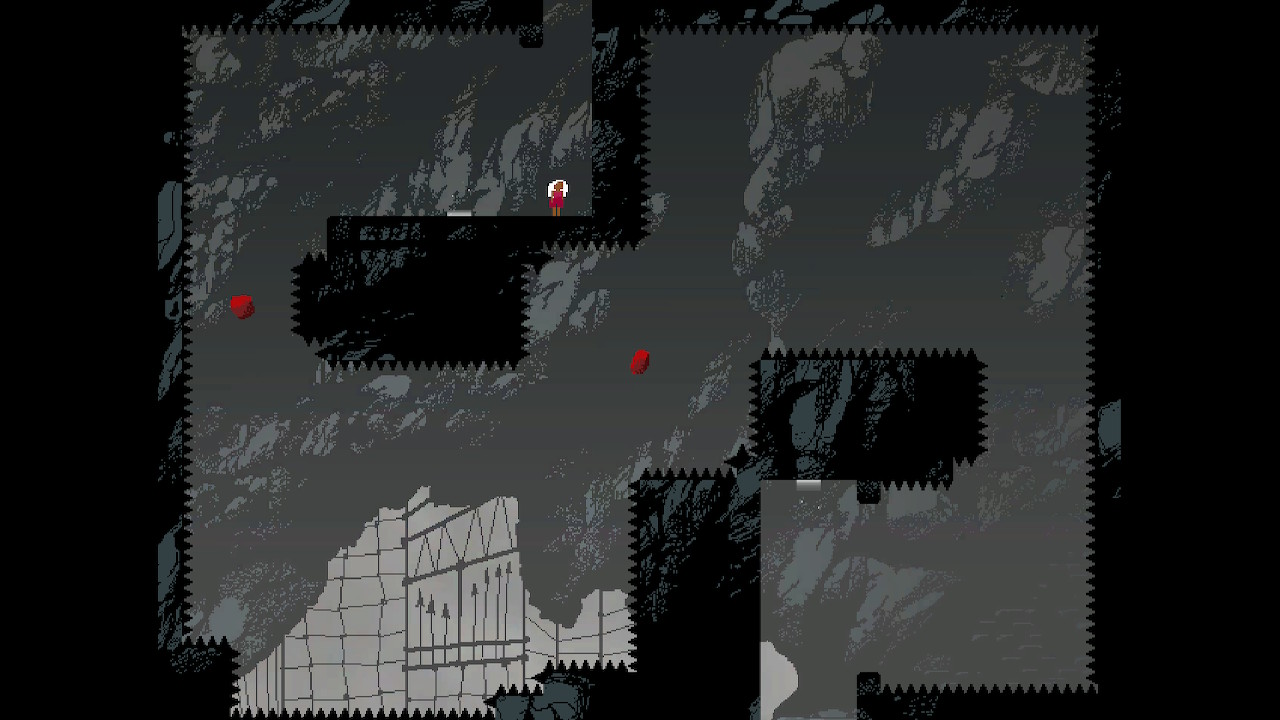
As the game progresses, it layers in more hazards. Lasers sweep across rooms, switches must be hit, rotating elements shift the flow of space, and entire sections require you to launch yourself into dangerous corridors while carefully planning where gravity will pull you next. Many rooms feel like small puzzles. You might need to leap off a ledge, flip to hit a switch that moves a laser, then quickly reverse direction and navigate back through a newly opened path. Other challenges rely heavily on airborne traversal using red stones, demanding that you stay suspended in a deadly maze of spikes without touching down. It becomes a rhythm of trial and error. You will die often. But restarts are fast, and when you finally clear a room that seemed hopeless minutes earlier, the relief is a great reward. A standard playthrough runs about two to three hours, maybe four if you struggle with precision platformers.
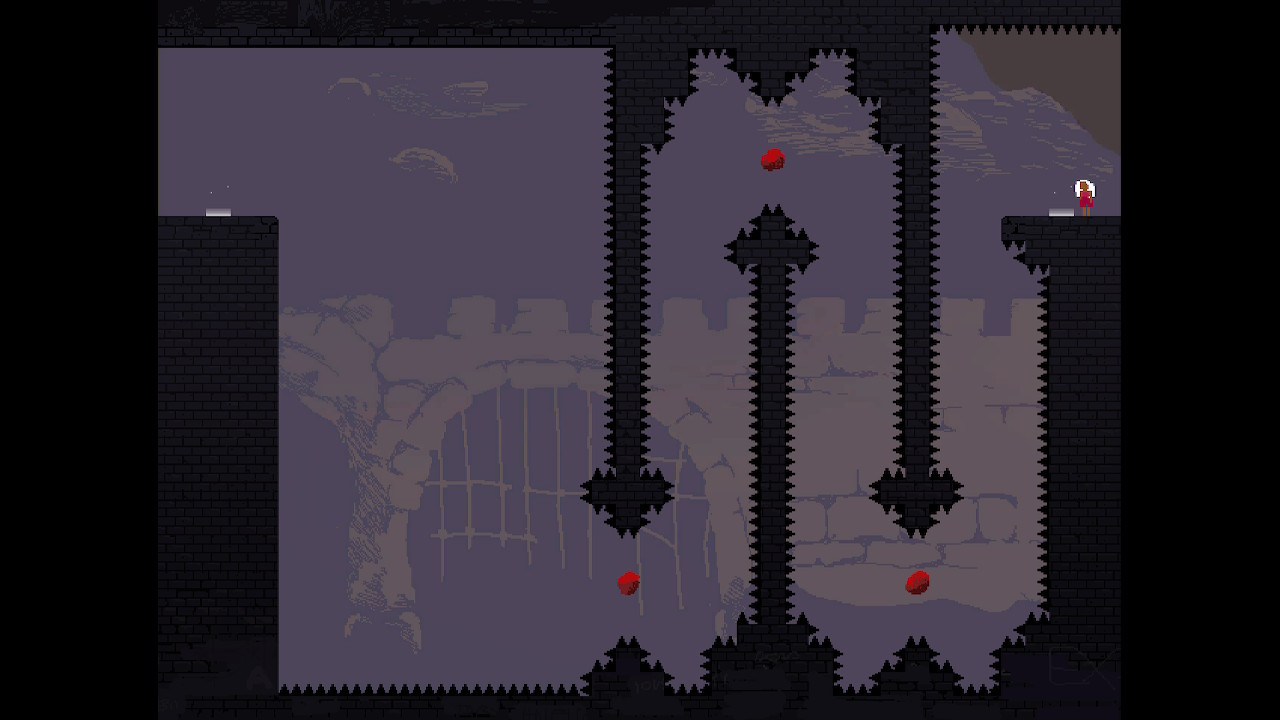
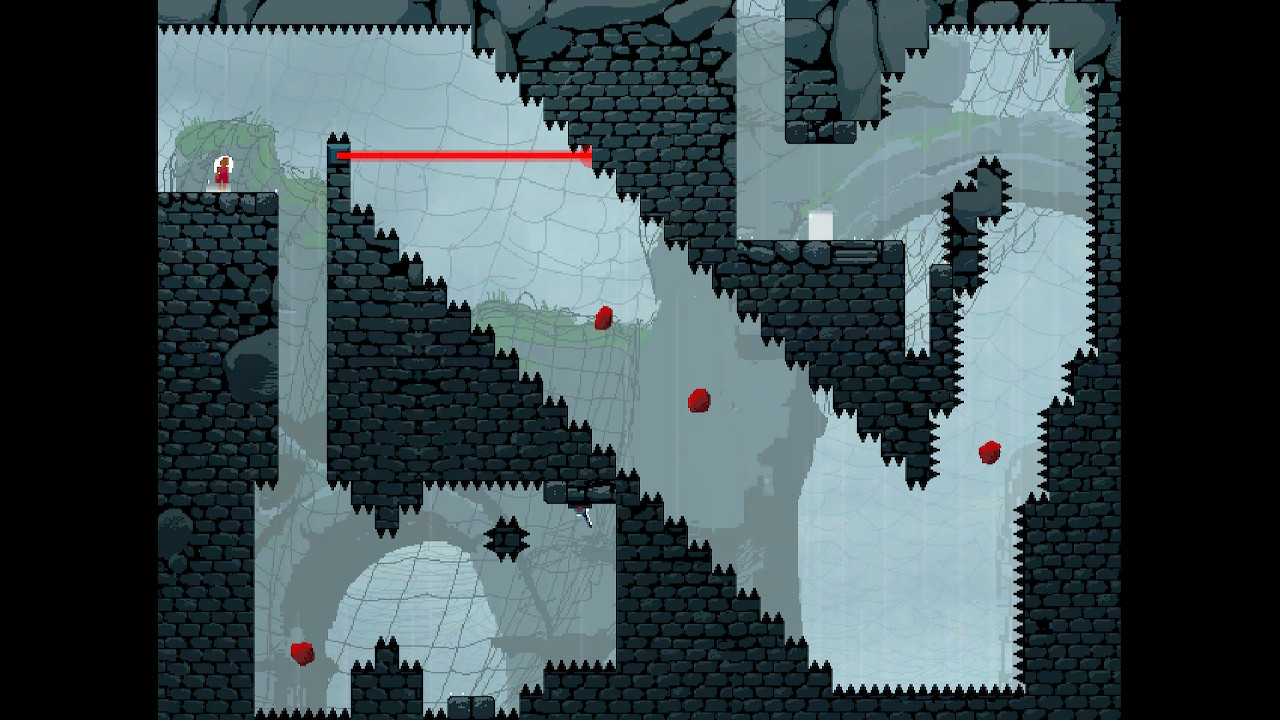
Between clusters of difficult rooms, the game shifts into more narrative focused segments. These moments recontextualize what you are doing and why. They add surprises that I genuinely did not see coming. The experience is structured so that perseverance is not just a gameplay requirement but a thematic one. You keep going because Maya keeps going. The game asks you to confront frustration and self doubt, then push past it.
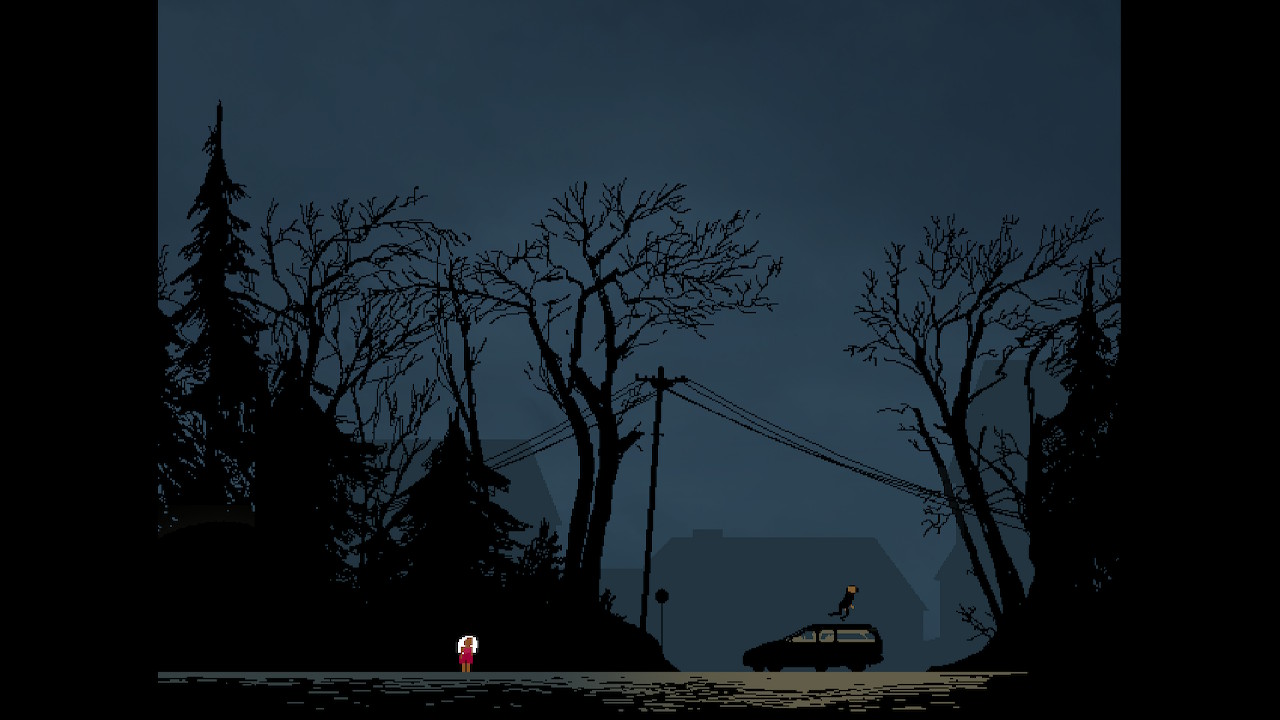
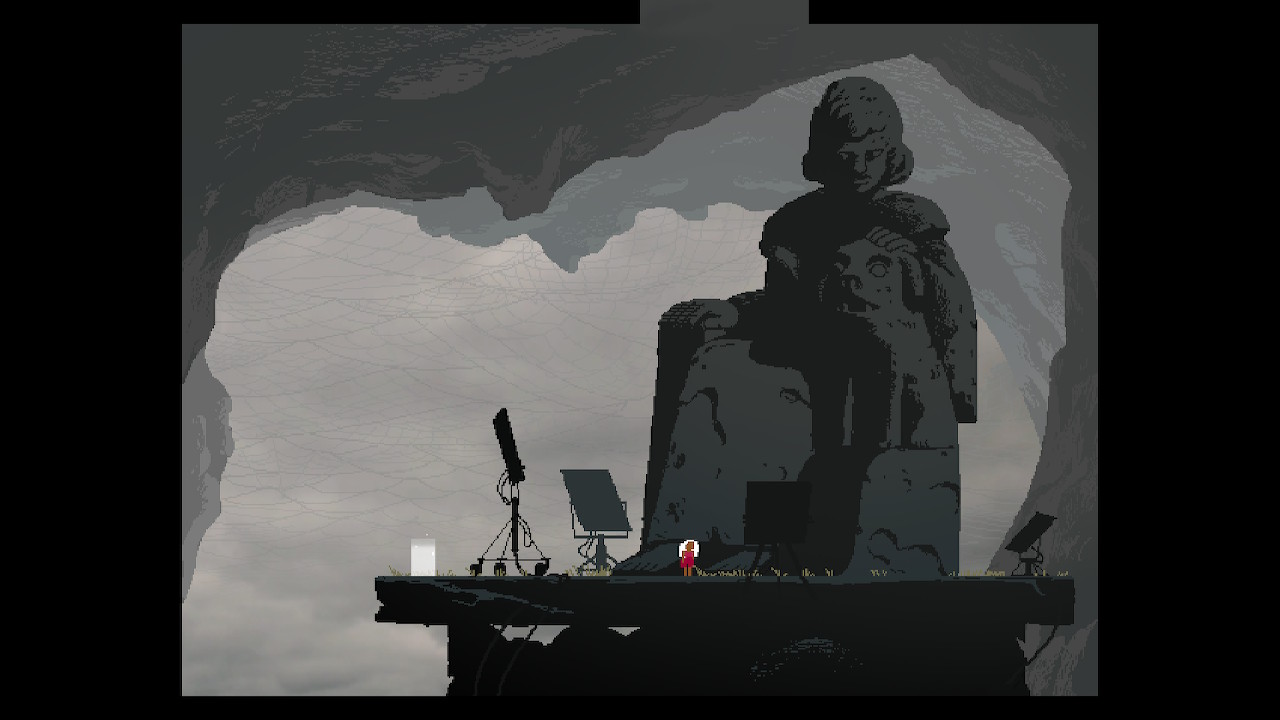
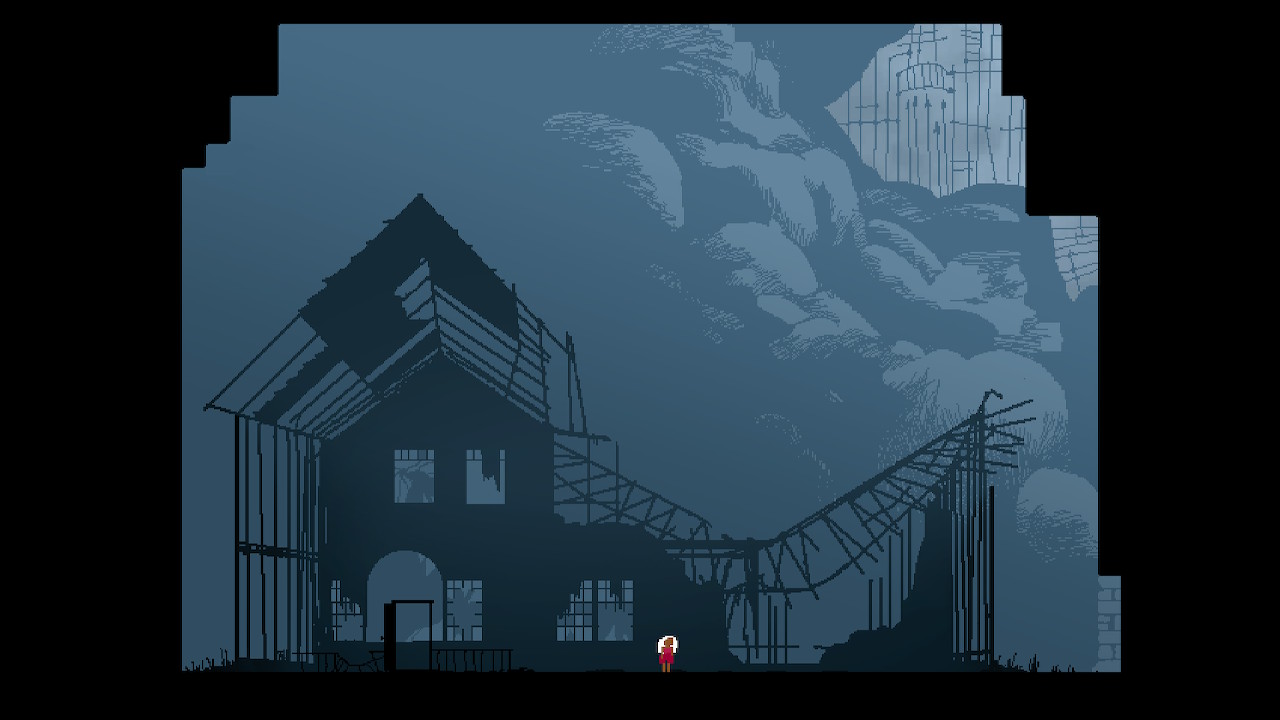
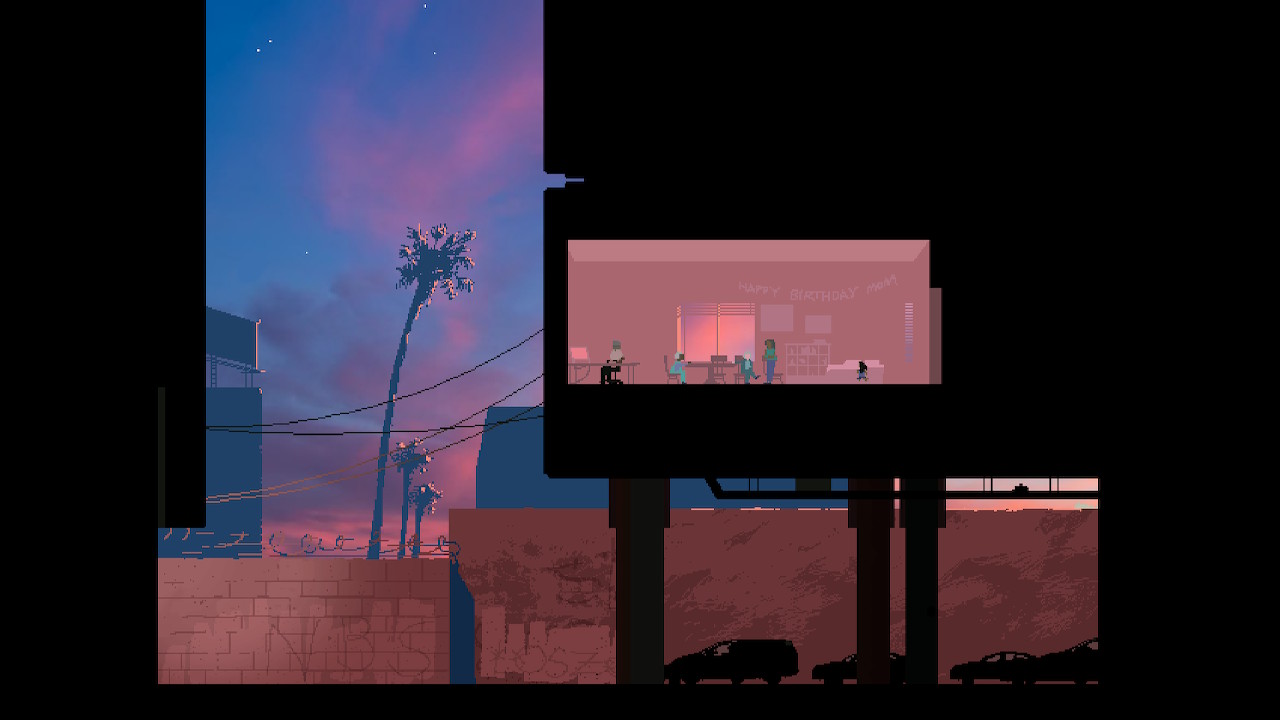
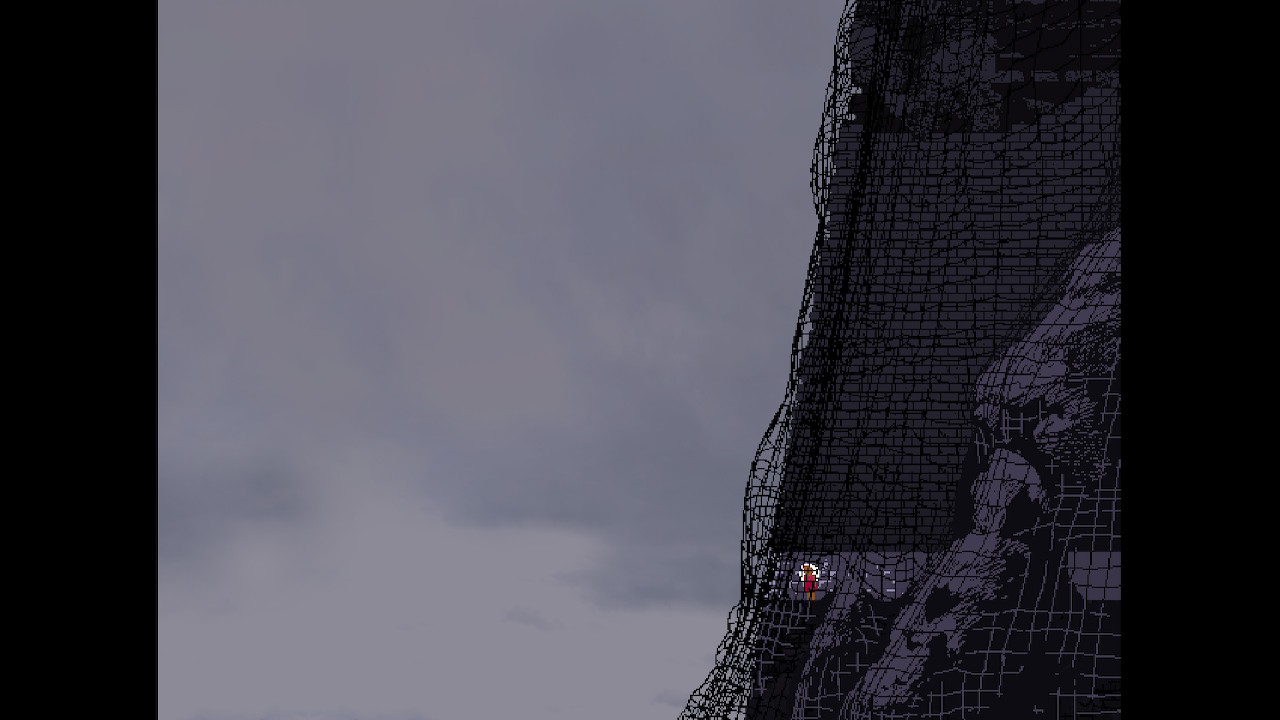
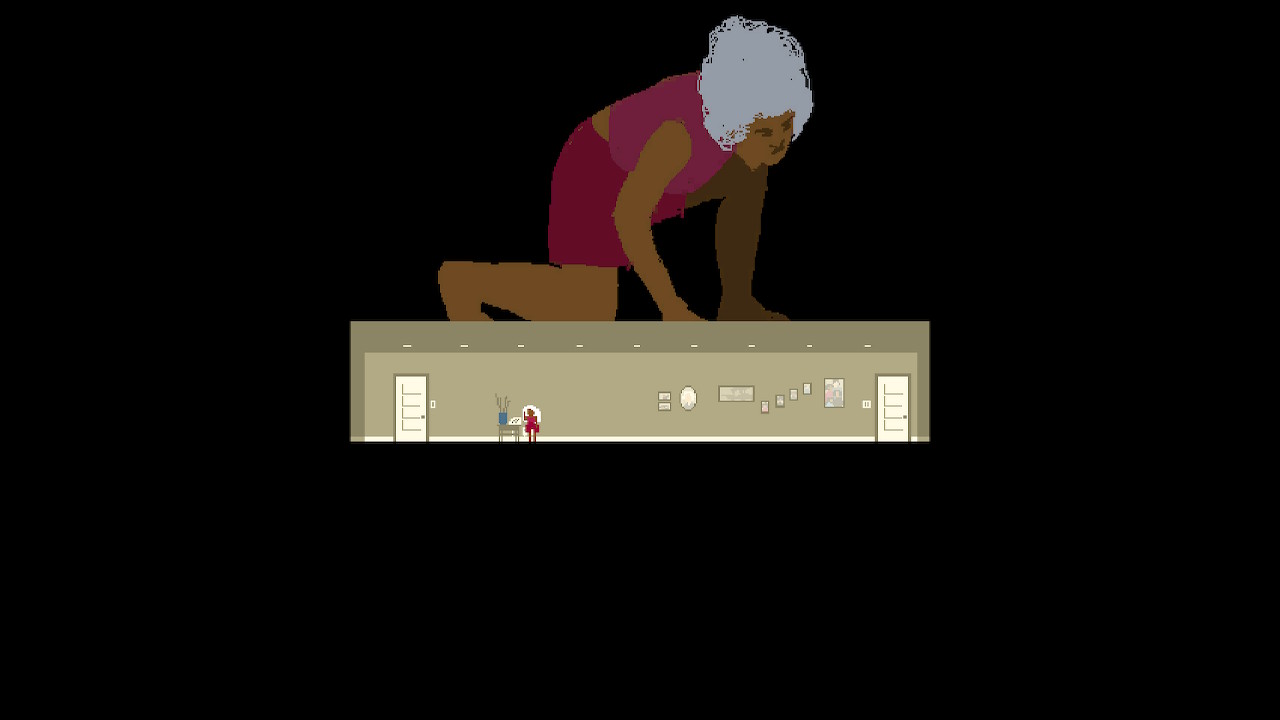
Visually, Love Eternal is striking. The hand drawn pixel art carries an incredible amount of intention. Maya is small on screen, almost minimal in detail at first glance, yet that restraint amplifies expression. Backgrounds are often hauntingly beautiful. Some areas feel vast and cold, others claustrophobic and decayed. There are liminal spaces that feel abandoned in a way that is hard to explain but easy to feel. Faces, when they appear in closer detail, can be deeply uncanny. Certain poses and compositions suggest more than they show, and that suggestion is often more disturbing than anything explicit. The contrast between the castle you are stuck in and glimpses of the real world sharpens the unease. Animation work is meticulous, filled with small touches that elevate scenes from simple pixel art to something almost theatrical.
The audio design is just as important. Maya’s footsteps create a soft empty rhythm against the floor. Silence hangs heavy in many rooms, amplifying tension. Ambient tones drift in and out, sometimes barely noticeable until you realize your shoulders are tense. Many times I found myself holding my breath without even realizing it. A simple typewriter clack during text sequences becomes strangely unnerving. Then there are harsher moments, where static bursts or off key tones break through and signal that something is wrong. Even when the music shifts toward something lighter or almost playful, there is usually an undercurrent that keeps you uneasy. The score manages to be beautiful and unsettling at the same time, which perfectly matches the game’s emotional swings.
What stands out most is how cohesive it all feels. The demanding platforming, the sparse storytelling, the surreal horror, the art, and the sound design all feed into each other. It is not just a hard platformer with a creepy skin. It is an experimental horror experience that uses precision gameplay as part of its emotional language. You might come in expecting a straightforward challenge and leave thinking about loneliness, childhood fear, and whether what you saw was ever real in the first place.
Final Thoughts?
This will not land for everyone. Its cryptic nature may frustrate you. Some rooms may push your patience to the edge. But if you are open to experimental design and willing to embrace discomfort, there is nothing else quite like it. It surprised me, unsettled me, and stayed with me long after the credits rolled. Love Eternal feels like the kind of game that reminds you what this medium can do when it steps into strange territory. It may not be comfortable, and honestly, it probably should not be. But it is absolutely worth experiencing. It’s a title worthy of praise and worthy of love.

About the Author

Nay Clark Gaming holds a special place in my heart and I never stop talking about video games. I really love all types of games and have an interest in games that have complicated stories and lore because I enjoy untangling the mystery of it all. When I'm not gaming, I unsuccessfully try to control three amazing and incredibly bright kids.
Related Posts

Ariana and the Elder Codex Review (Switch) →

OFF Review (Switch) →

Hunt the Night Review (Switch) →