Life Is Strange: Welcome to Caledon University Review
Summary: Life Is Strange: Welcome to Caledon University is a behind the scenes companion that expands the world of Caledon through in-universe writing, character notes, and detailed artwork. It blends official perspectives with personal commentary from Max and Chloe, giving you a more intimate and sometimes playful look at the people and systems behind the university. More than anything, it feels like an extension of the story, offering extra context, closure, and new questions for fans of the series.
5
Campus Chronicle
The Life Is Strange series has always stood a little apart from the rest of the industry, and that context matters when stepping into a companion book like Life Is Strange: Welcome to Caledon University. Originally created by Dontnod Entertainment and published by Square Enix, the first Life Is Strange released in 2015 after beginning development in 2013 and quickly became known for its grounded storytelling and choice-driven structure. You followed Max, a shy and introspective photography student who suddenly gained the ability to rewind time, saving her best friend Chloe Price and, in the process, becoming entangled in the fate of an entire town. The series built its identity on meaningful decisions, branching outcomes, and emotional tension, even splitting its ending audience perfectly down the middle, which is about as ideal as it gets for a game built on choice. Over time, other entries handled by Deck Nine expanded the universe, though not always with the same consistency or tone fans originally connected with.
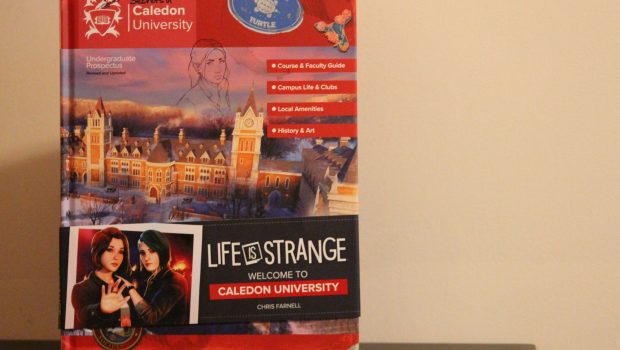
Life Is Strange: Double Exposure (see Impulse Gamer’s review for it here) revisits Max Caulfield years after the original, bringing her back into a mystery that leans heavily on alternate realities and the consequences of revisiting her powers at Caledon University where she teaches. It aims to reconnect with the emotional core of the series by bringing Max back into the fray, though its execution and direction left a lot of fans divided. Life Is Strange: Reunion (see Impulse Gamer’s review for it here), released on March 26, 2026, continues that thread by returning to Caledon University and reuniting Max with Chloe, pushing for a more reflective, full circle story that leans into their history while introducing another wave of time bending complications. That brings things to Life Is Strange: Welcome to Caledon University, written by Chris Farnell and published by Titan Books, a 160 page hardcover that acts as a companion piece to Life Is Strange: Reunion and Double Exposure. Sized at 8.79 x 0.74 x 11.19 inches, it presents itself like an in-universe artifact you can sit with and explore.
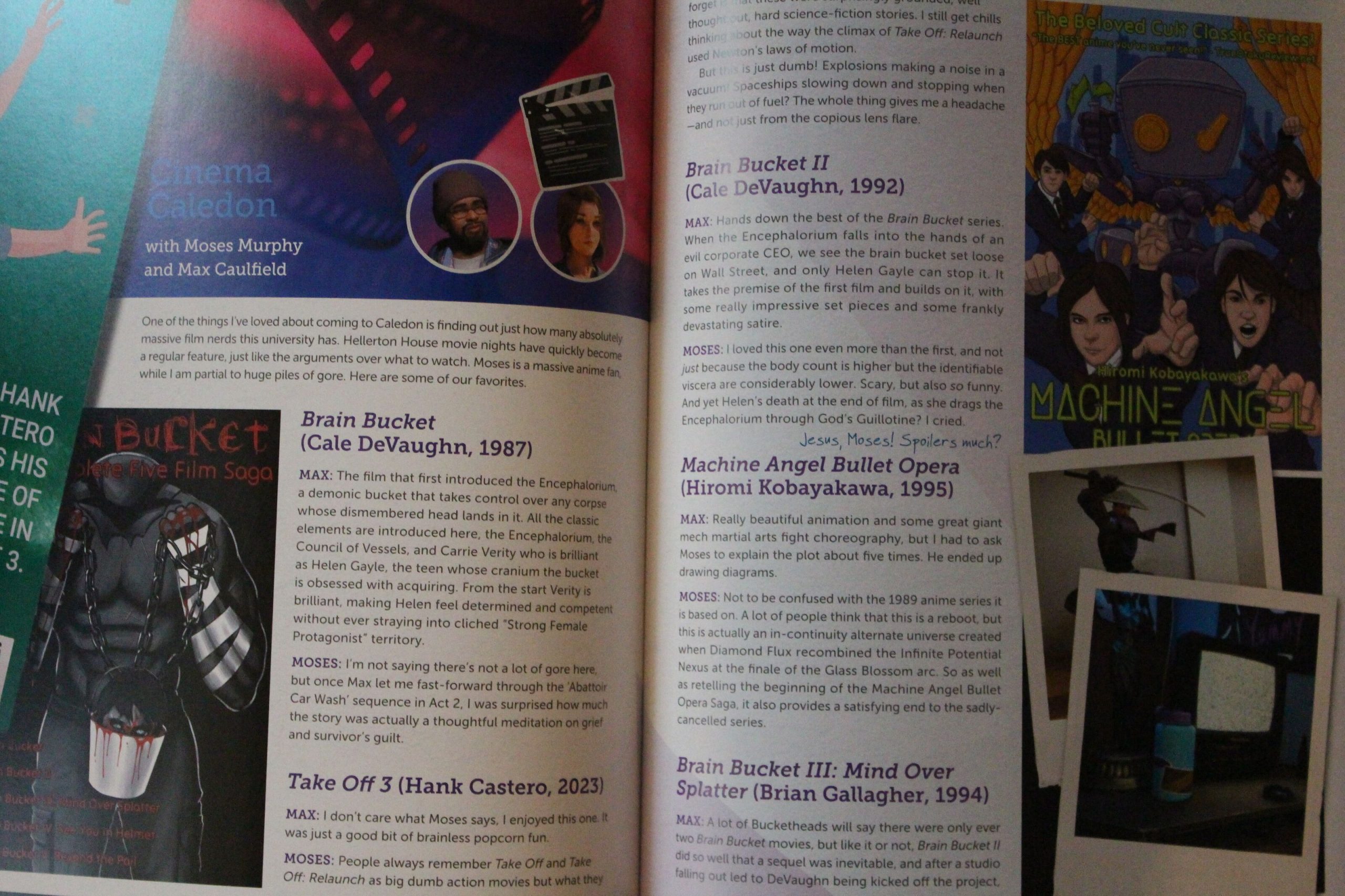
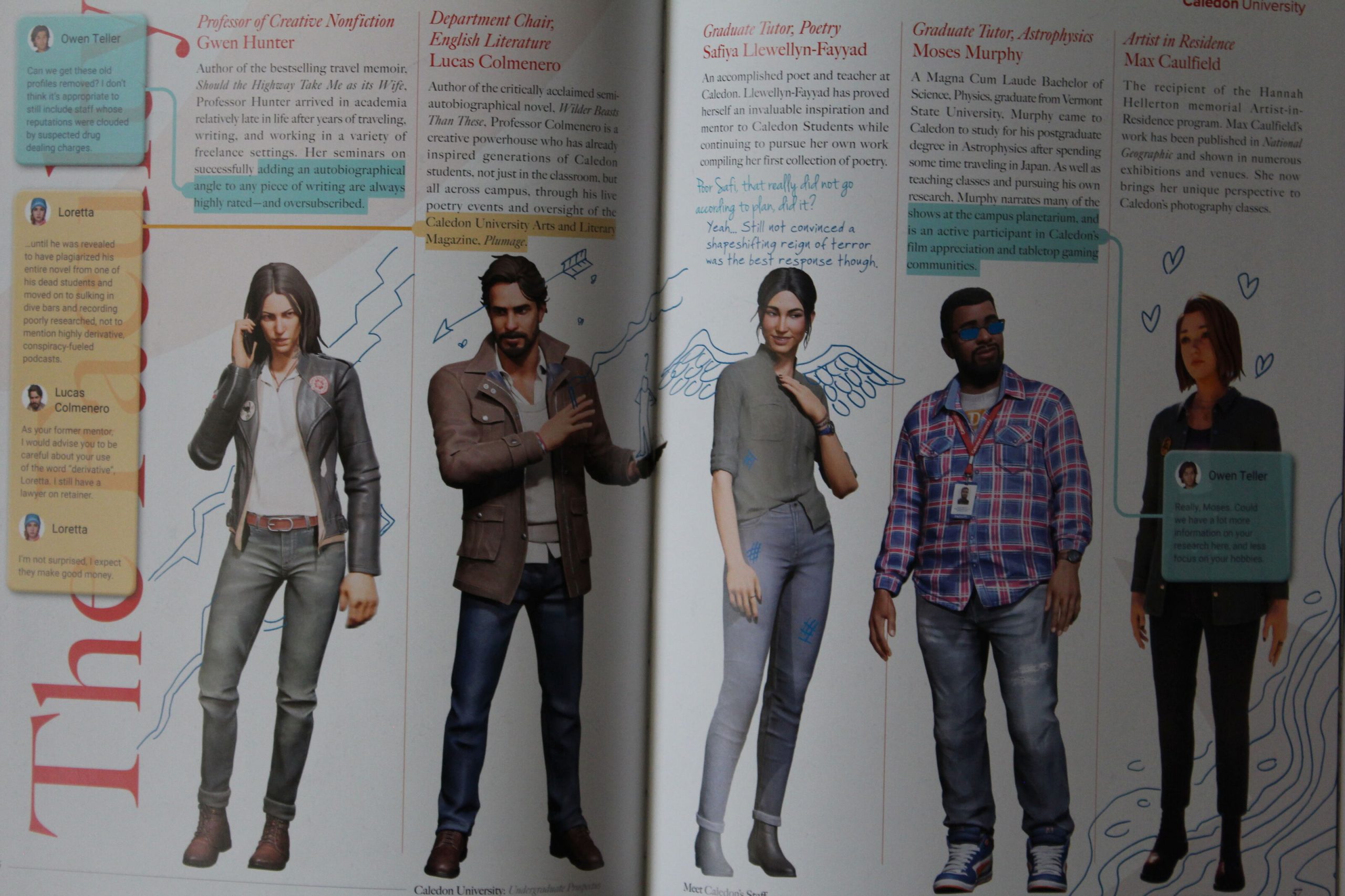
The book is all about perspective and layering. It opens with a welcome message to Caledon University from former president Yasmin Fayyad, immediately followed by commentary from Owen Teller and, more interestingly, scribbled reactions from Max and Chloe themselves. These overlapping voices of characters seen throughout the book really makes it expressive and gives it that “Life Is Strange” charm. As Owen steps in as the new president, there is a sense of rebuilding after the events of the game, though his focus on things like AI and cloud computing feels slightly out of place for a liberal arts environment, which the book cleverly acknowledges through forum-style commentary baked into the pages. That push and pull between official messaging and personal reaction gives the university a personality that the game only hinted at.

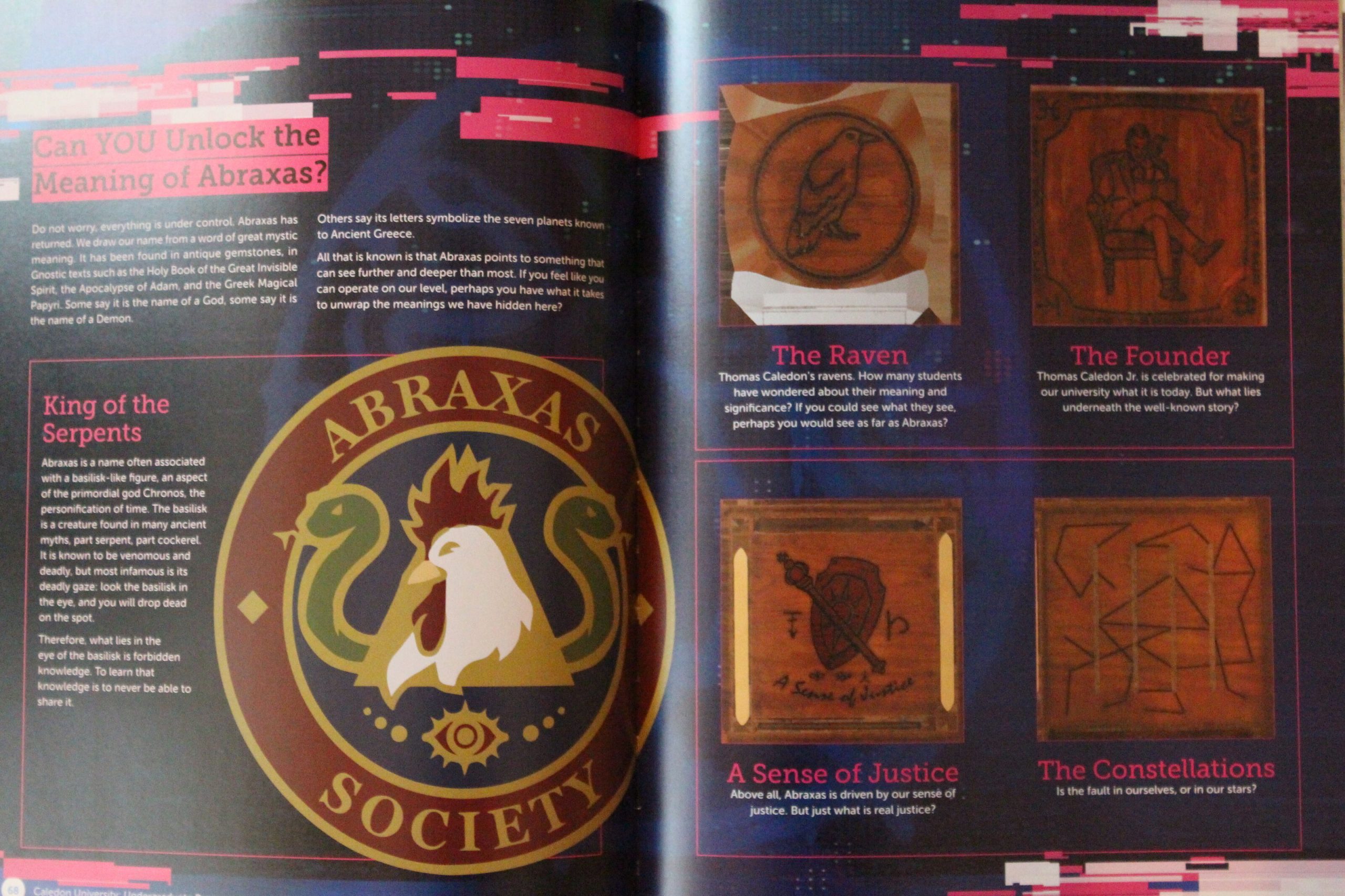
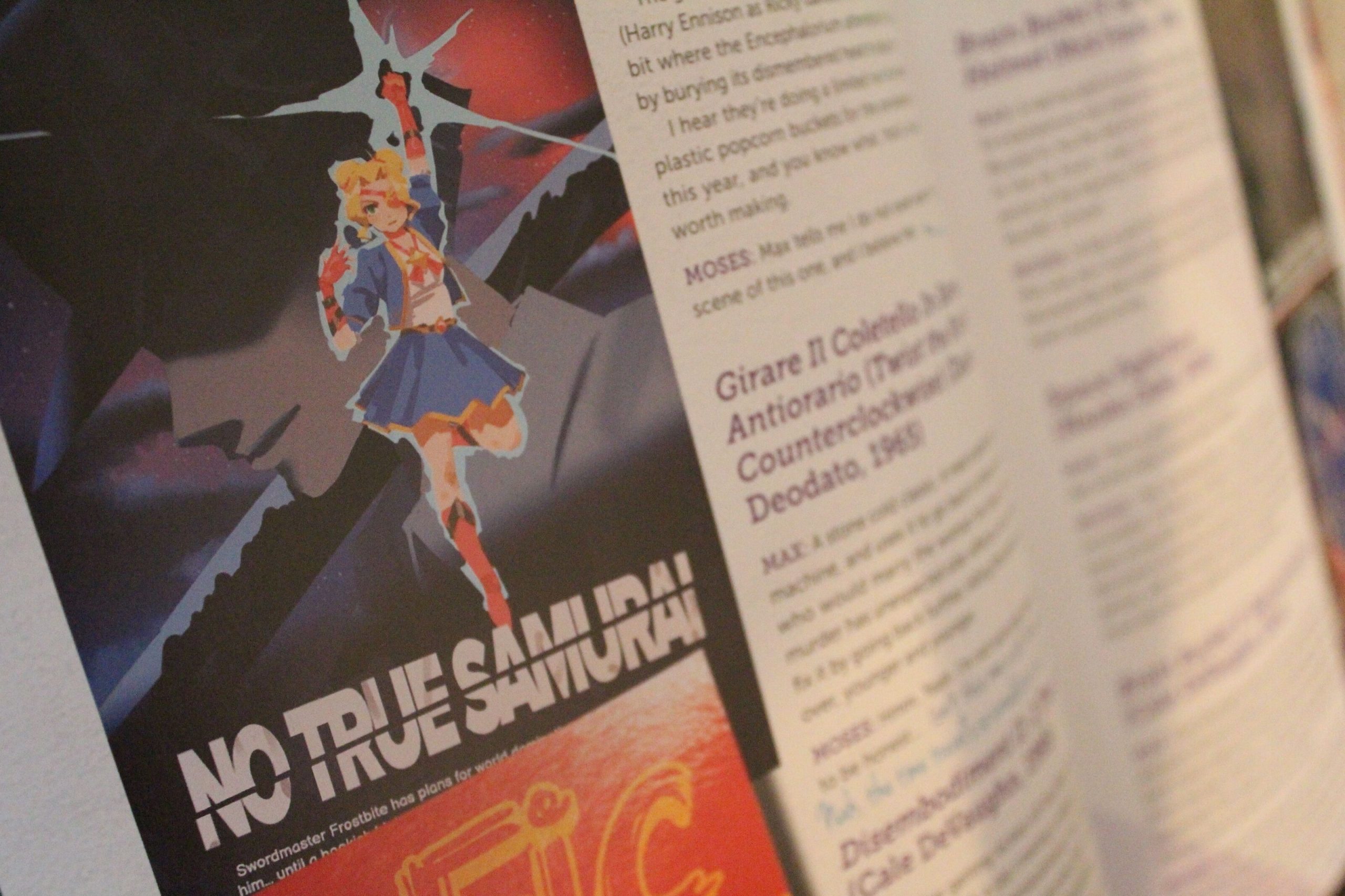
As you move deeper into the book, it becomes clear that the real strength here is how much it expands the edges of the story. Characters like Loretta, the investigative journalist, and the secretive Abraxas society are given more room to breathe, helping you better understand the tension surrounding Caledon. There is a stronger sense of history, of things happening behind closed doors, and of the kinds of systems that shape the student experience. At the same time, the book doesn’t lose sight of the smaller, more personal details. You get slices of campus life, commentary on technology and its place in education, and moments that question whether progress is always as clean as it sounds. It fills in gaps left by the game, offering interactions and insights that feel like they should have been there all along.
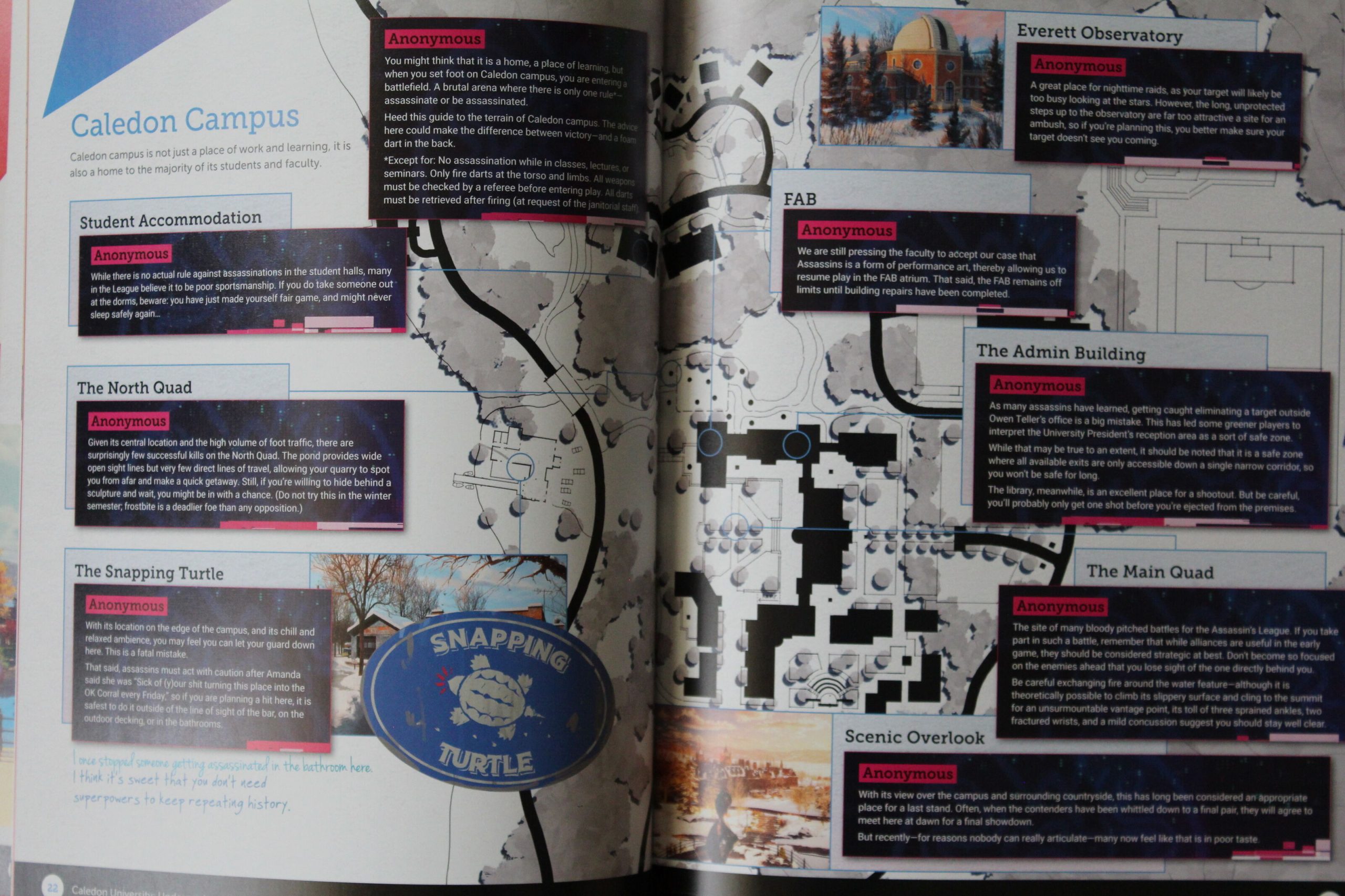
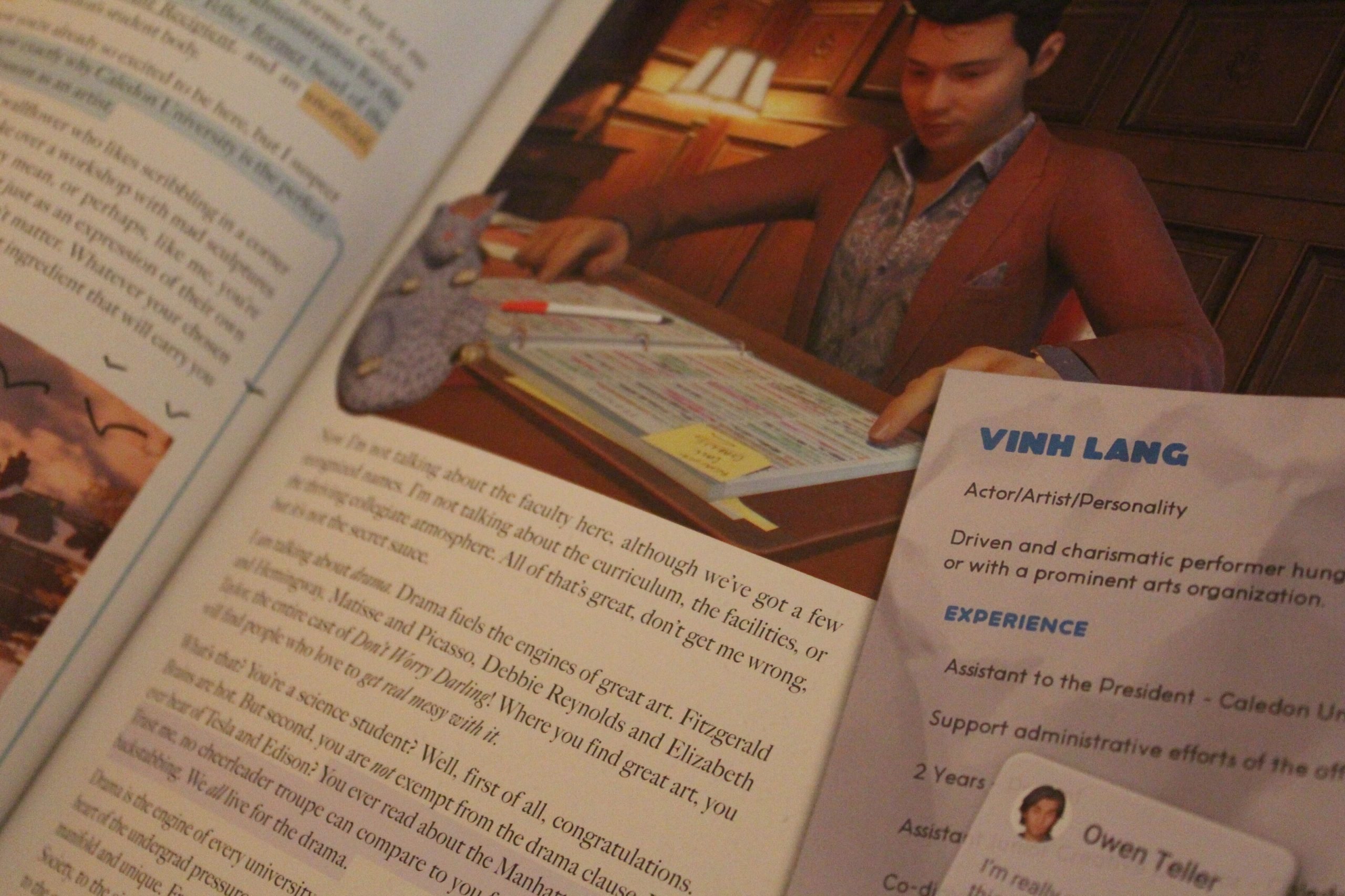
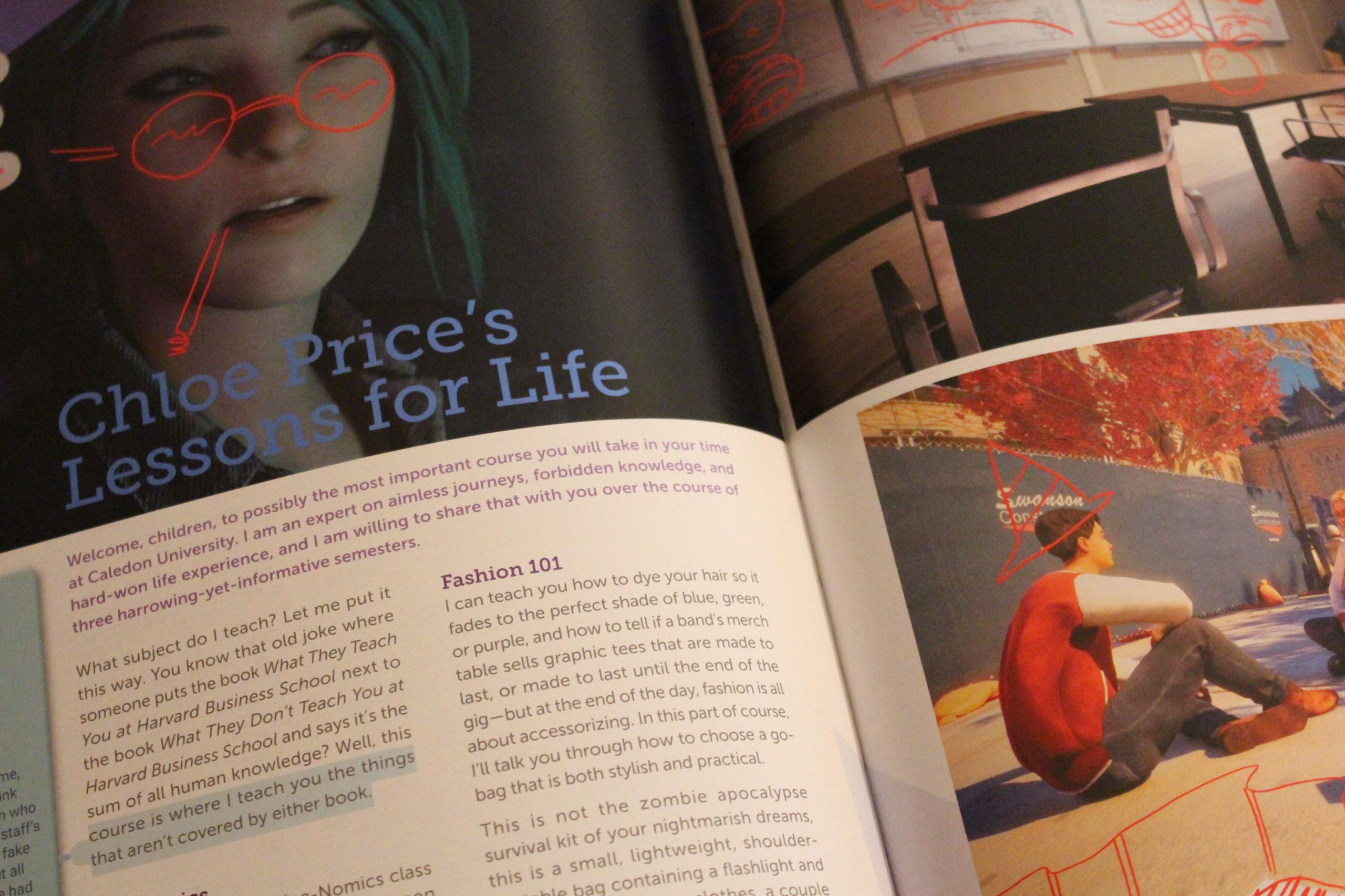
What really makes the book stand out, though, is how it presents its content. You get campus maps covered in notes, some of them “edited” by an Anonymous style voice adding their own commentary. There are sections on sculptures and artwork curated through the lens of Diamond Washington, while Vinh Lang and Moses Murphy each bring their own personality into discussions about buildings, their jobs, and academic spaces. All of this is layered with handwritten notes from Max and Chloe running through the margins, arguing, joking, and reflecting on what they see. They make the book feel alive in a way that a straightforward guide never could.
There is also a deeper dive into some of the more complex ideas from Reunion. Moses, in particular, explores theories around Max’s powers, leaning into the uncertainty that has always defined time travel in the series. One of the more surprising parts comes from a journal written by Diamond and Safi during their trip after Double Exposure, which hints at new discoveries and lingering mysteries that stretch beyond what you have already seen.
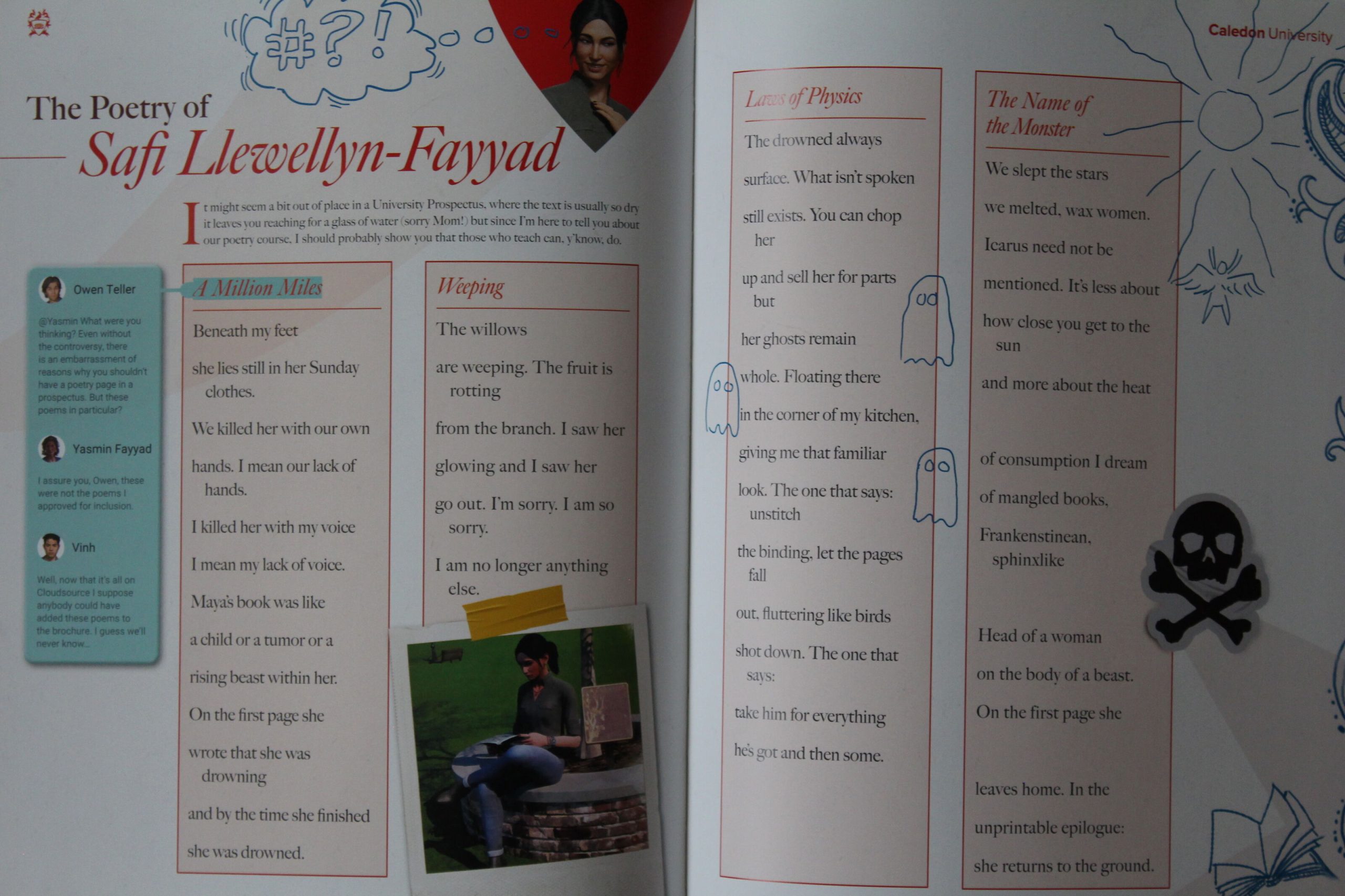
Still, the emotional core comes back to Max and Chloe. Their sections are easily the most engaging, not because they reveal anything massive, but because they feel honest. You get more insight into what they care about, how they see the world, and how they see each other. Whether it is Max reflecting on her photography or Chloe giving her unfiltered take on life, there is a warmth there that ties everything together. It feels like a continuation of their story, something closer to an epilogue than a recap.
Final Thoughts?
Life Is Strange: Welcome to Caledon University works because it understands what fans are actually looking for. It builds around the games, adding texture, context, and character in a way that feels natural. Even if you were disappointed with how recent entries handled the series, this book shows a level of care that is hard to ignore. It is thoughtful, detailed, and surprisingly personal. If you have any attachment to this world, it is more than just a companion piece. It feels like something you are meant to experience after the fact, a way to sit with the story a little longer and see what you might have missed.
About the Author

Nay Clark Gaming holds a special place in my heart and I never stop talking about video games. I really love all types of games and have an interest in games that have complicated stories and lore because I enjoy untangling the mystery of it all. When I'm not gaming, I unsuccessfully try to control three amazing and incredibly bright kids.
Related Posts

Comics Legend Mike Mignola Revisits Hellboy In Hell →

Conan The Barbarian #31 REVIEW →
Superman: Father of Tomorrow #1 REVIEW →