Welcome to Impulse Gamer, Jordan — it’s a true honor to have you here!
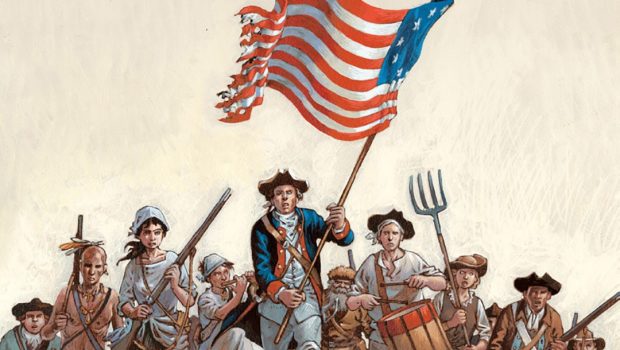
LIBERTY uncovers a hidden chapter of the American Revolution that most readers have never heard of. What first grabbed your imagination about this 18th‑century “black op,” and when did you know it had to become a graphic novel?
The moment I learned of this incredible true story, I knew I had to write it. A secret pipeline to smuggle arms from France to the American rebels in 1776 — created by the playwright of The Marriage of Figaro (my favorite Mozart opera) in covert partnership with an American secret agent from Connecticut? It’s touching and fascinating to me that the Revolution was saved by two men who are still unsung heroes to this day, with no statues or American streets named in their honor.

The book is meticulously researched and spans continents, politics, and espionage. What part of the research surprised you the most, and how did you balance historical accuracy with dramatic storytelling?
A big challenge of LIBERTY! for me as a dramatic storyteller was that the main action and intrigue takes place in France, far from the American battles. The story demanded a third main character — a soldier on the ground — through whom readers could viscerally experience the importance of the arms shipments rather than just be told about them. But who?
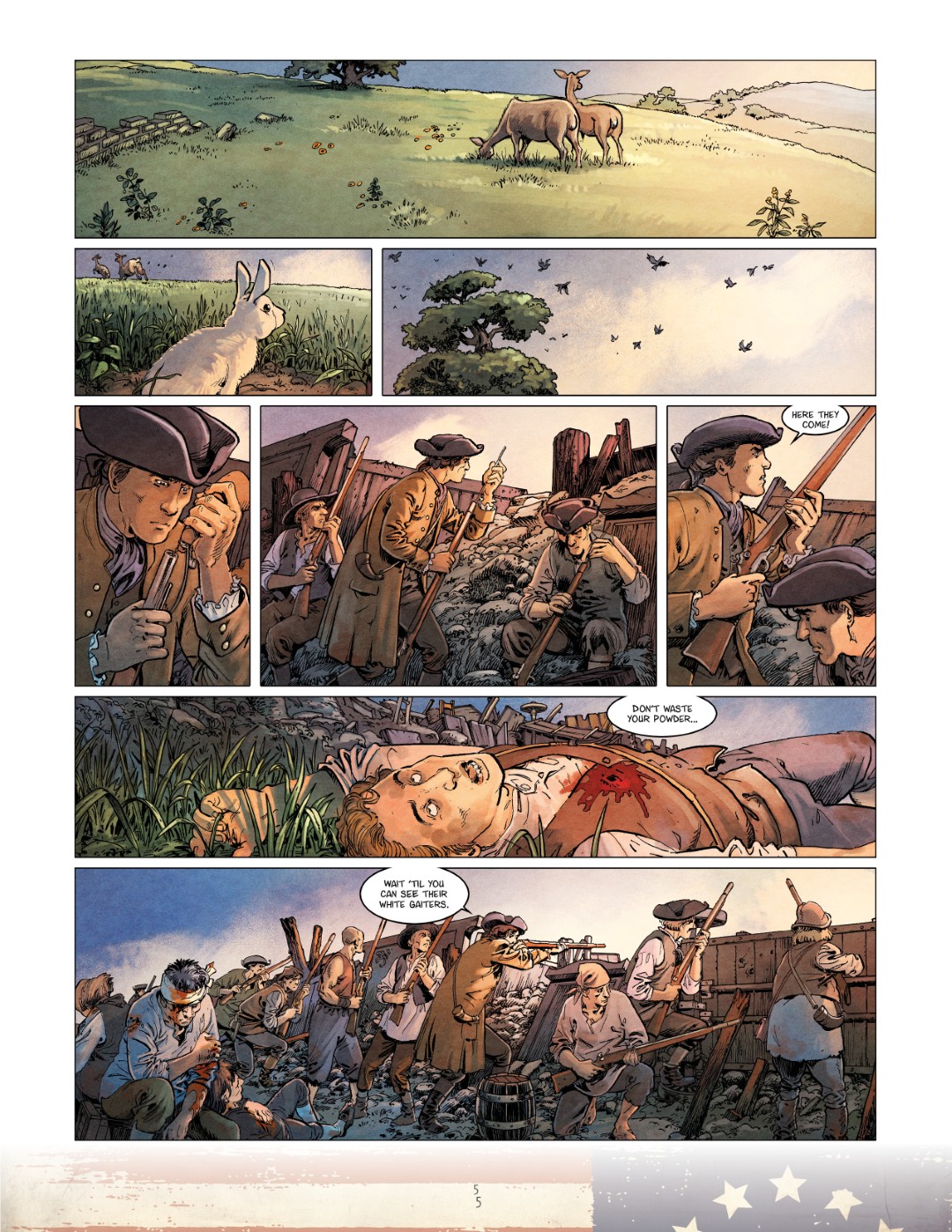
Amazingly, I discovered that Silas Deane (the American agent) had a stepson, Sam Webb, who fought on the front lines in key battles — and was George Washington’s personal aide, to boot. Sam is the kind of character a screenwriter might invent for convenience, but thanks to research, I didn’t have to!
Étienne Le Roux and Loïc Chevallier bring an incredible cinematic quality to LIBERTY. How did this collaboration shape the tone and emotional weight of the story?
LIBERTY paints an epic canvas — moving between Paris and Versailles, to French docks and seaports, across the Atlantic to the Revolutionary War battlegrounds. A central set piece of the book is the battle for New York — a city under military occupation, anticipating a crushing British invasion, with the population’s loyalties divided. Étienne and Loïc are French; I grew up in New York, so it was wonderful to have both points of view. A real Franco‑American collaboration, like the one the book depicts!
You’ve said the story resonates with current world events. What parallels do you see between the struggles of 1776 and the global conversations about freedom happening today?
We were at work on Book Two when Russia’s army invaded Ukraine in 2022. Our 18th‑century characters became even more agonizingly relatable as we saw their struggles and courage echoed in each day’s news headlines. The situation of people attacked by a much larger and (on paper) militarily superior empire — a despotic ruler determined to erase their existence as a possibly democratic nation — resonated with me both as an American and as a European.
To see civilians becoming soldiers, fighting back more resolutely and effectively than the world expected, enduring horrific losses, urban warfare, and occupation, while sympathetic but self‑interested great powers debate how much support to offer… History might not repeat itself, but it rhymes.
You’re celebrated for pioneering video games like Prince of Persia, Karateka, and The Last Express. How has your storytelling evolved as you’ve shifted more deeply into graphic novels?
I feel incredibly lucky to have been able to work, over four decades, in three mediums I’ve loved since I was a kid — video games, screenwriting, and now graphic novels. As visual storytelling forms, they have much in common, but are fundamentally very different.
A game is an interactive story designed to be played — a world to explore. A movie is a fixed experience: the filmmaker sets the timing; the audience is a spectator. A graphic novel has aspects of both: the reader sets the pace, chooses where to look, and decides when to turn the pages. What happens between the panels can be as important as what’s drawn.
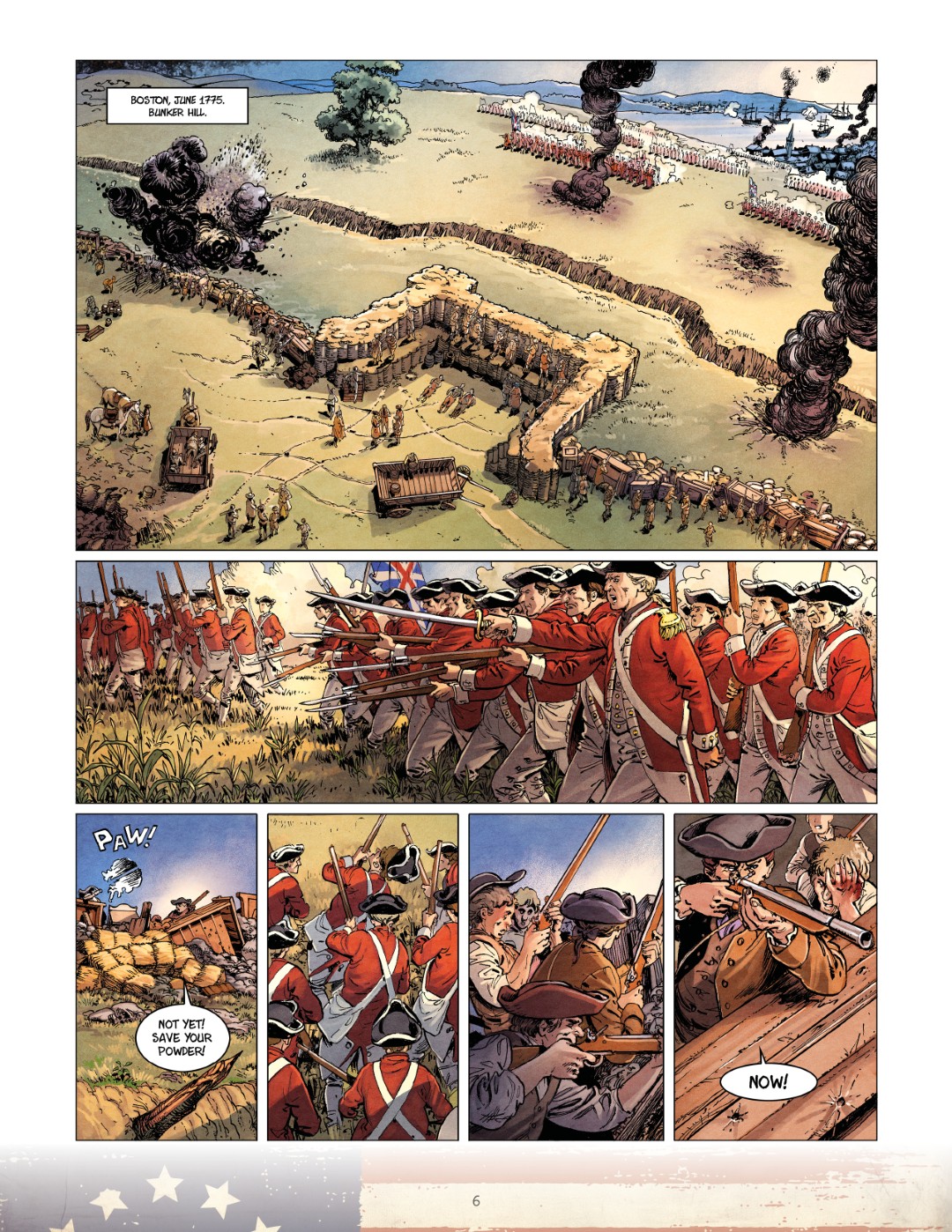
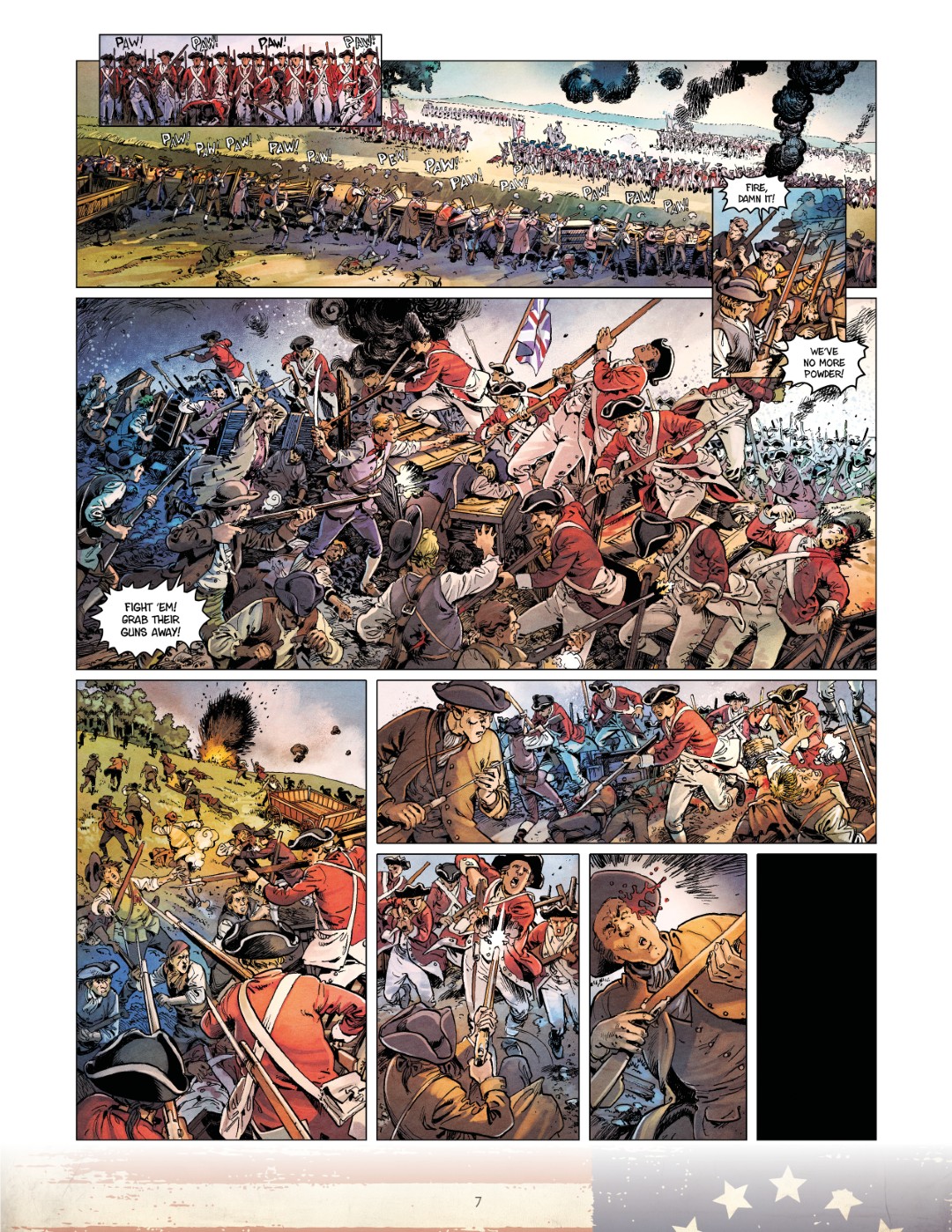
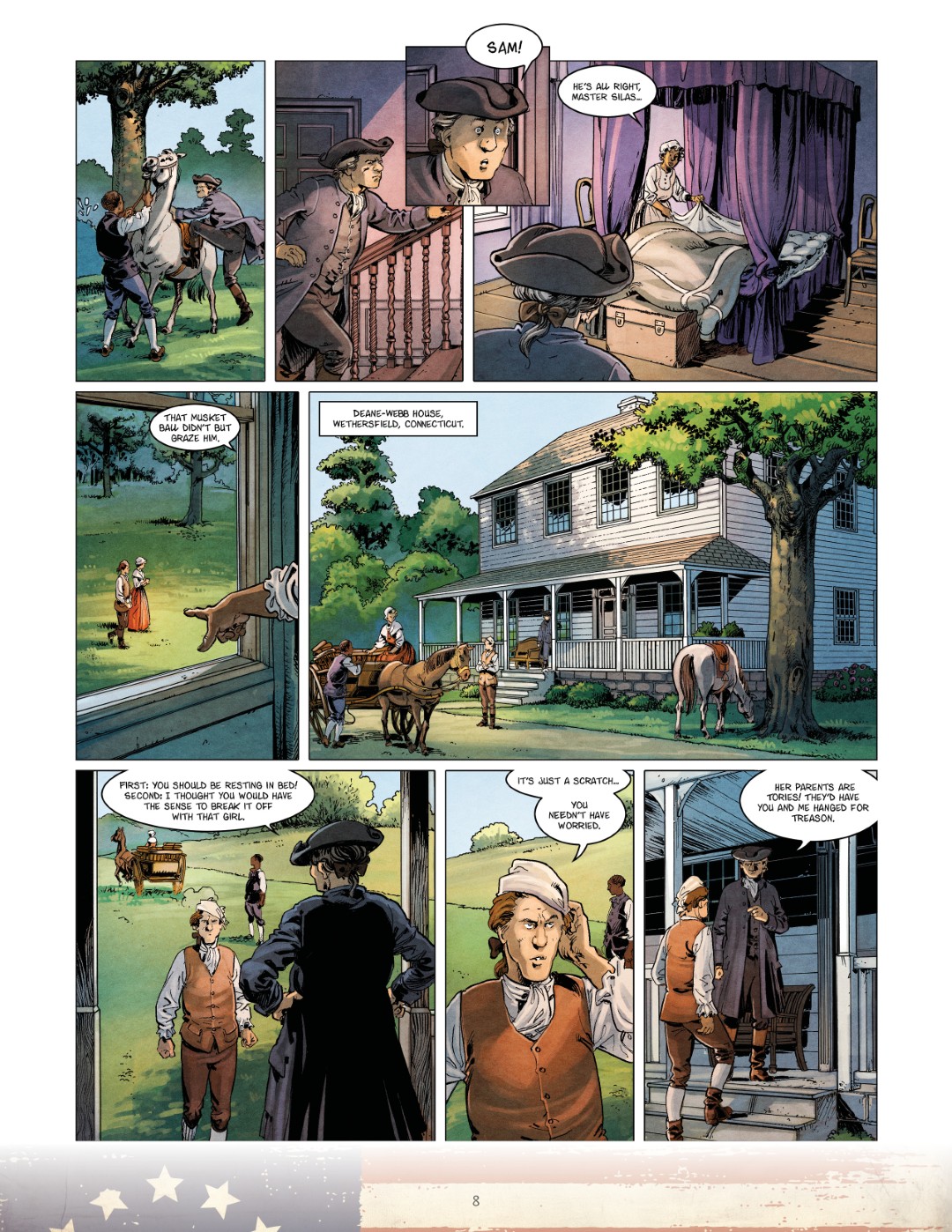
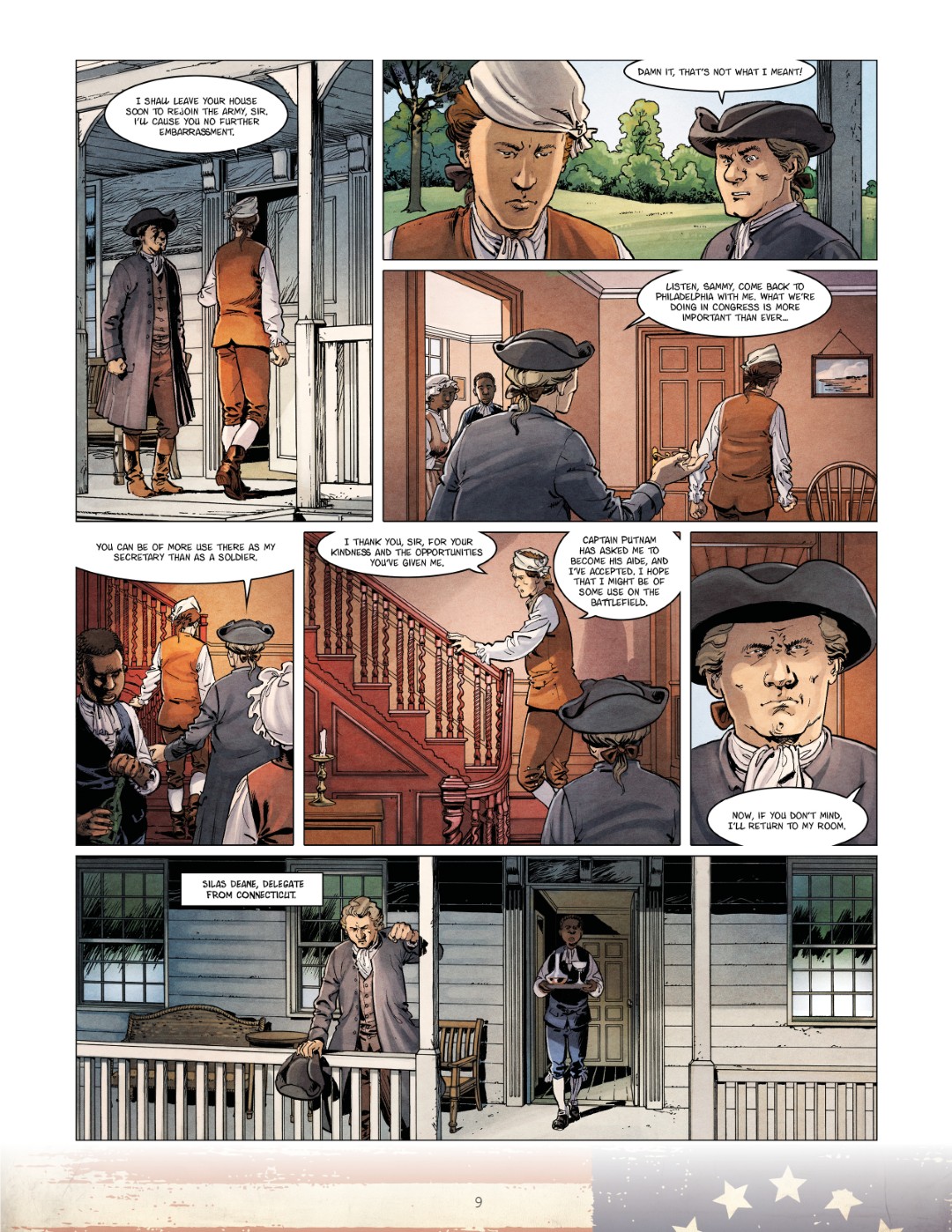
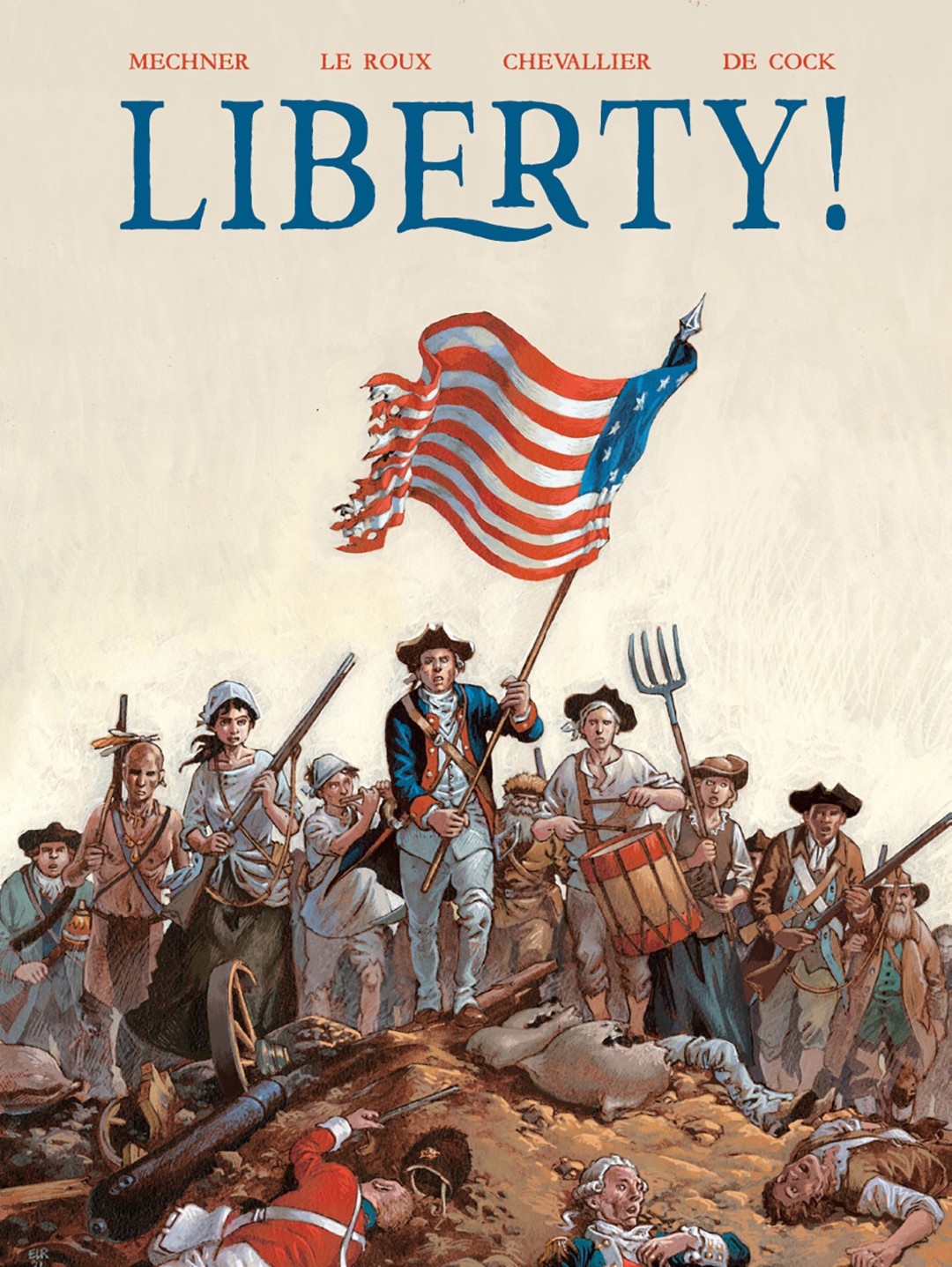
LIBERTY hinges on the unlikely partnership between Silas Deane and Beaumarchais. What drew you to their dynamic, and how did you approach portraying two men who shaped history but rarely appear in textbooks?
I felt personal empathy with both characters. As an American expat in France myself, I identified with Silas Deane’s sense of being an outsider in Paris, “lost in translation” far from home. It must have been daunting for a guy from a small East Coast town to plunge into Parisian politics and deal‑making at the glittering pinnacle of an older, sophisticated European society.
And although video game development has little in common with gun‑running, I could vividly relate to the predicament of a playwright‑turned‑entrepreneur who stakes his royalties on a business startup with an idealistic premise, and winds up at the mercy of his backers and creditors — as I did in the 1990s when I used my Prince of Persia earnings to make The Last Express. My way into understanding and absorbing history is to imagine myself in a character’s shoes; in this case, it came naturally!
LIBERTY is launching through Kickstarter with a deluxe 250th‑anniversary edition. What excites you most about bringing this project directly to readers through crowdfunding?
I’m thrilled to see LIBERTY reach an American and international English‑speaking readership, just in time for America’s 250th anniversary! Magnetic used the same approach for my recent graphic novel Monte Cristo — a modern update of Dumas’ revenge story set in post‑9/11 America — and they did a fantastic job.
I think crowdfunding is a smart way to engage readers and the community, and to create awareness of a book’s existence as an alternative to traditional advertising and marketing campaigns — which, these days, few publishers can afford. Magnetic puts a lot of love into crafting special bonus items, like hand‑signed artworks. Personally, I want the “Contraband” crated edition.

Prince of Persia has influenced generations of creators across games, film, and comics. If Silas Deane or Beaumarchais were suddenly dropped into a Prince of Persia‑style adventure, which one would survive the traps, puzzles, and palace intrigue — and why?
Beaumarchais, every time. And you can be sure he’d come out of it with hair‑raising stories to tell that would hold the ladies of Versailles spellbound.