
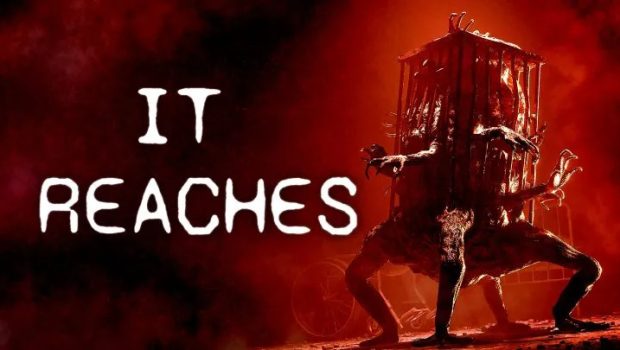
It Reaches Review (PS5)
Summary: It Reaches delivers a tense descent into a collapsing nightmare where every hallway feels unpredictable and unsafe. Its immersive camera presentation and oppressive atmosphere make even simple exploration feel stressful in the best way. While the story stumbles at the finish line, the journey itself still offers plenty of unsettling moments that horror fans will appreciate.
3.5
Grasping Guilt
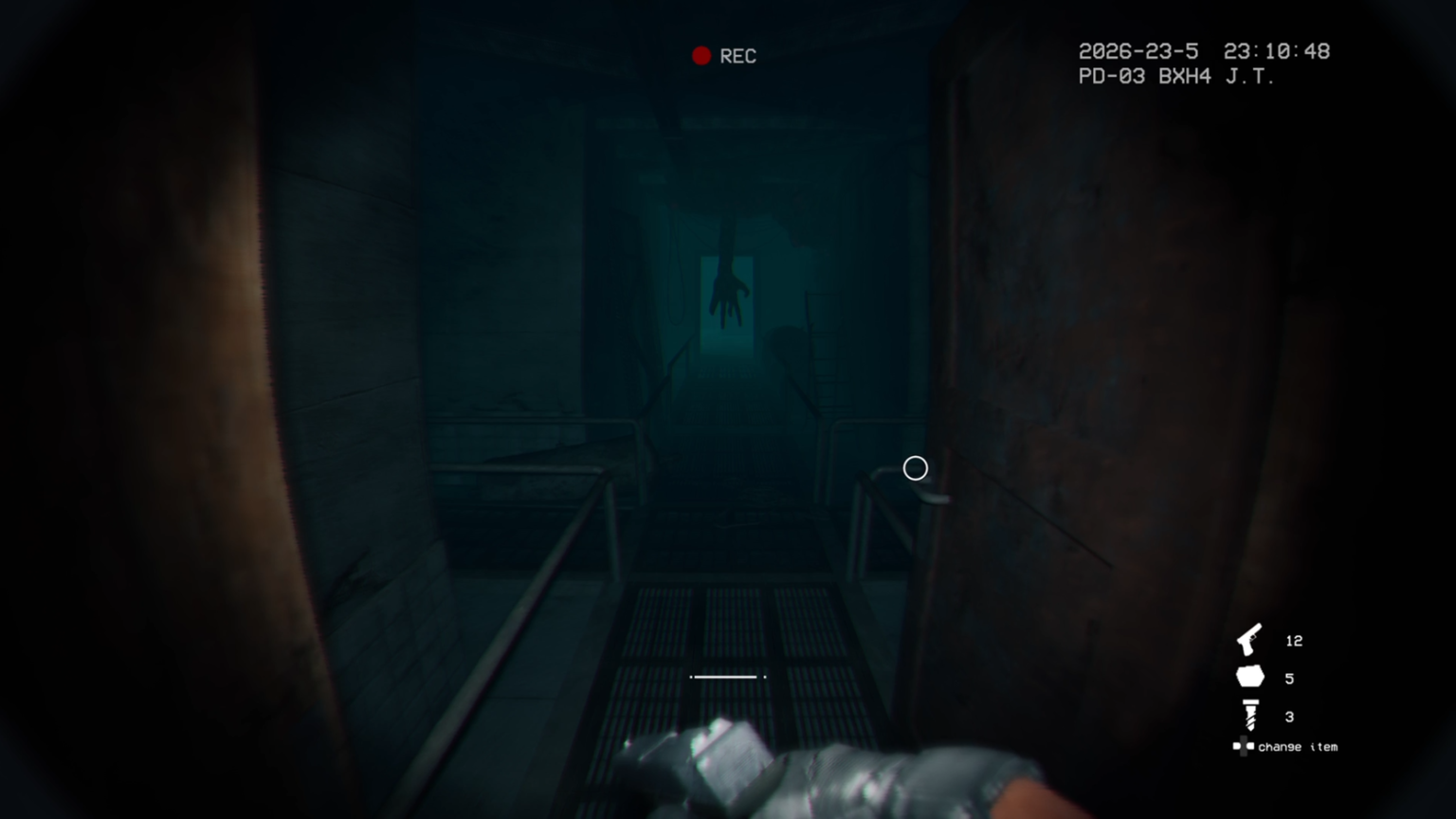
It Reaches has no problem grabbing you with its horror, but the grip slips by the end. It Reaches is a horror game developed and published by Emberflight Games, with Perp Games publishing for consoles. It was released on May 17, 2026 for PC, May 26, 2026 for PlayStation 5, and a planned summer release for Xbox Series X|S. The premise sees a police officer responding to what should be a simple disturbance call at the abandoned St. Mary’s Hospital, but it quickly turns into something far more disturbing. From the start, the game stands out with its body cam style presentation, using a slight fisheye lens and constant on screen recording overlay that makes everything feel like you are watching real footage instead of playing a traditional horror game. It creates a strong atmosphere right away and mostly keeps that tension going until the end, even if everything doesn’t stick the landing.
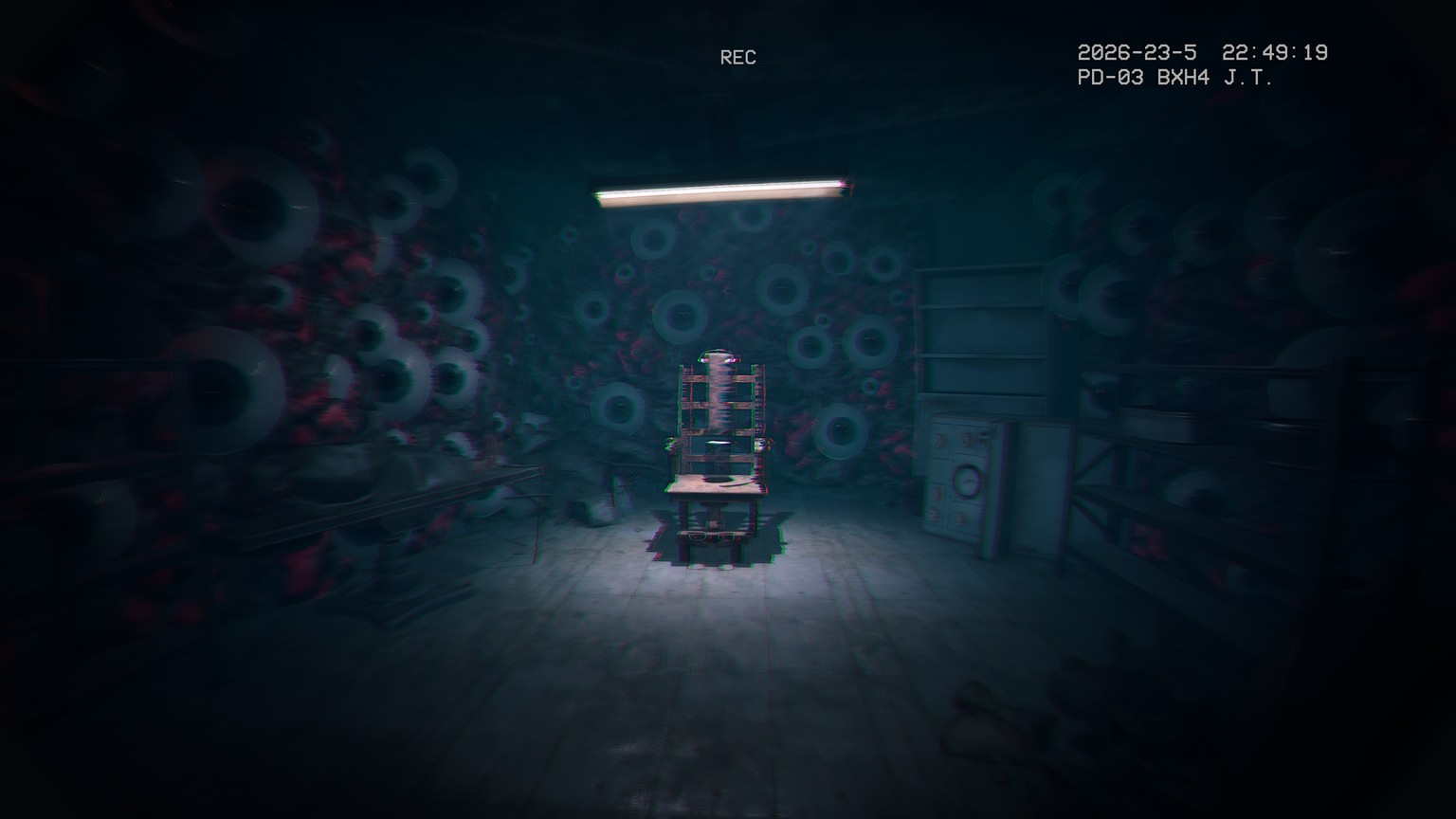
The story follows Jason Thompson as he investigates the hospital break in. What begins as a routine job turns into a descent into an underground nightmare where reality starts to break apart. After being dragged deeper into the facility by a mysterious creature, you find yourself moving through warped spaces that shouldn’t exist inside an abandoned hospital. As you progress, memories from Jason’s past begin to surface and bleed into the present, making the situation feel even more unstable and personal. Your goal is simple: escape the hospital, survive what is hunting you, and deal with whatever is resurfacing from Jason’s life. The structure of the story follows familiar horror pacing, and for the most part it works. There is a sense of steady escalation and mystery, but there is also a loose thread that never really gets addressed in an unsatisfying way. The ending is where the game really falters. It technically follows through on the setup, but it cuts off so abruptly that it feels like something is missing. There is no real sense of closure, and instead of feeling like a final payoff, it leaves you with more frustration than resolution.
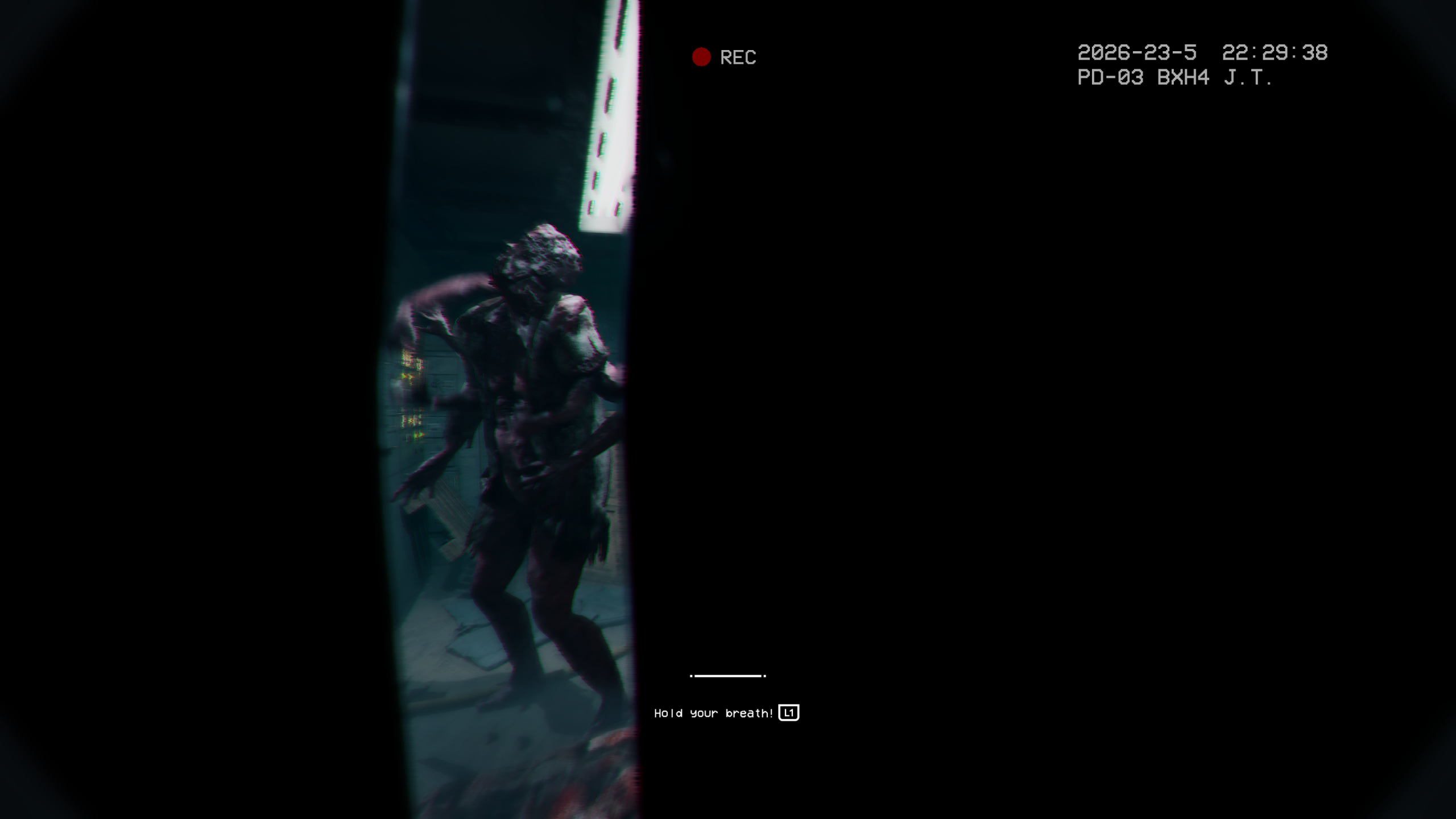
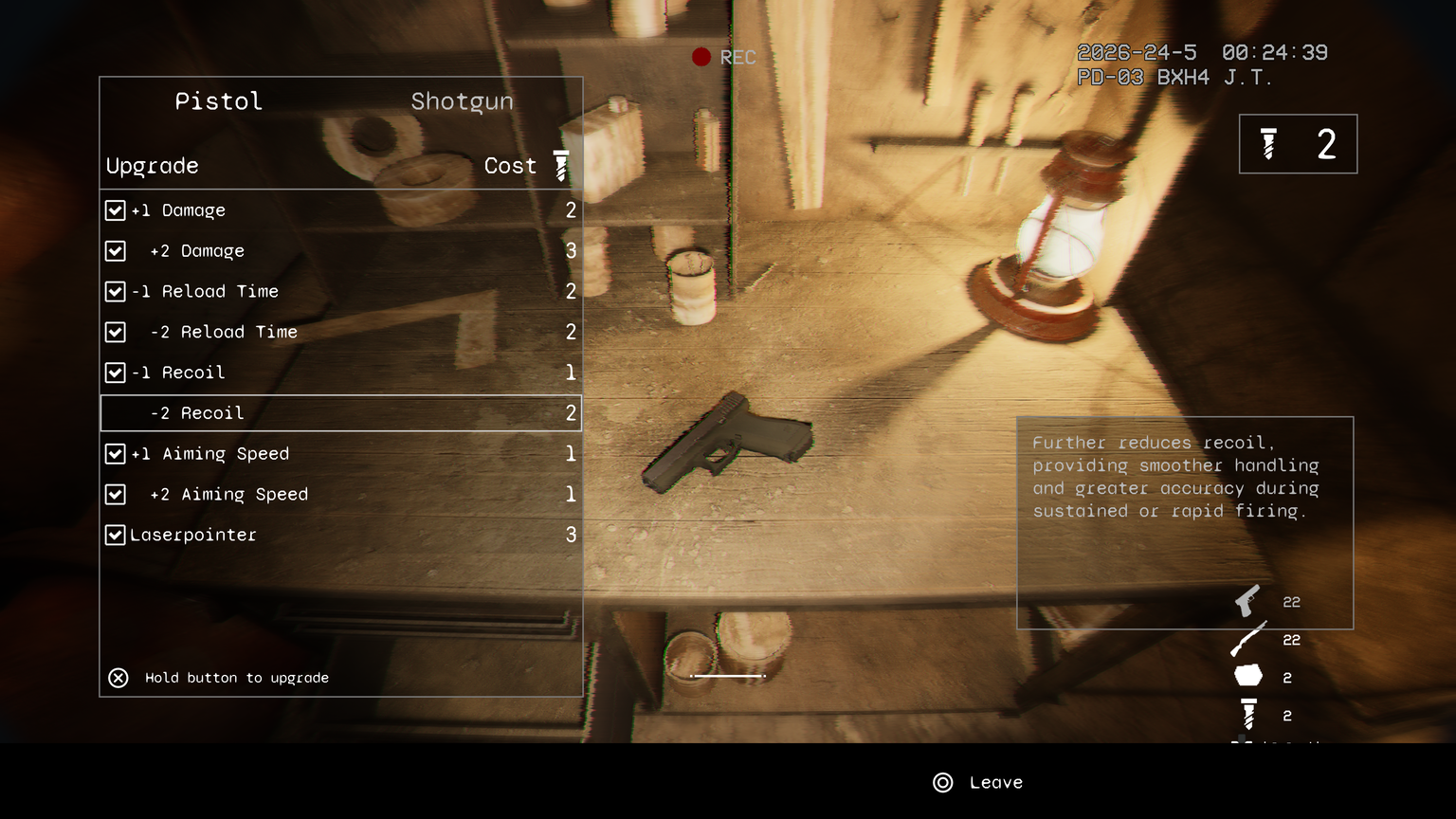
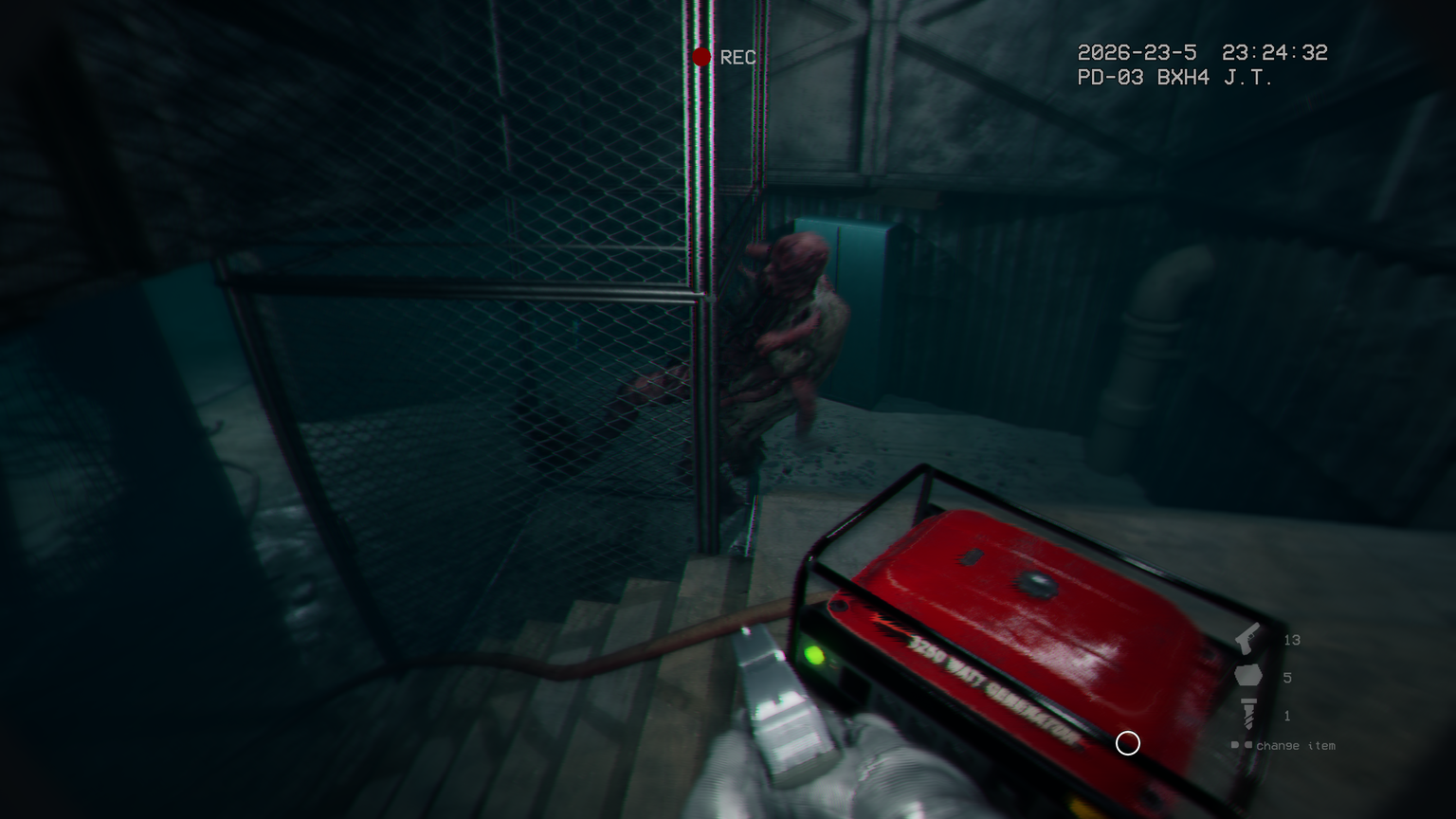
You have a stamina system that controls running, jumping, and holding your breath. The holding breath mechanic is used during sections where enemies are actively stalking you, forcing you to stay still and quiet so you are not detected. However, this idea is mostly front loaded, because after the early sections it barely comes up again in any meaningful way (if at all), which makes it feel underused. You also have access to firearms, starting with a pistol and eventually a shotgun. Ammo is scattered around the environment, along with screws that act as upgrade currency at stations. These upgrades let you improve things like damage, reload speed, and even add attachments like a laser sight. You cannot upgrade everything in a single run, so you are forced to make choices about how you want to approach combat. That system actually works better than expected, because it can noticeably change how encounters play out. Enemies that normally take multiple shots can be taken down in a single hit if you invest heavily in damage, which shifts the balance of resource management in your favor.
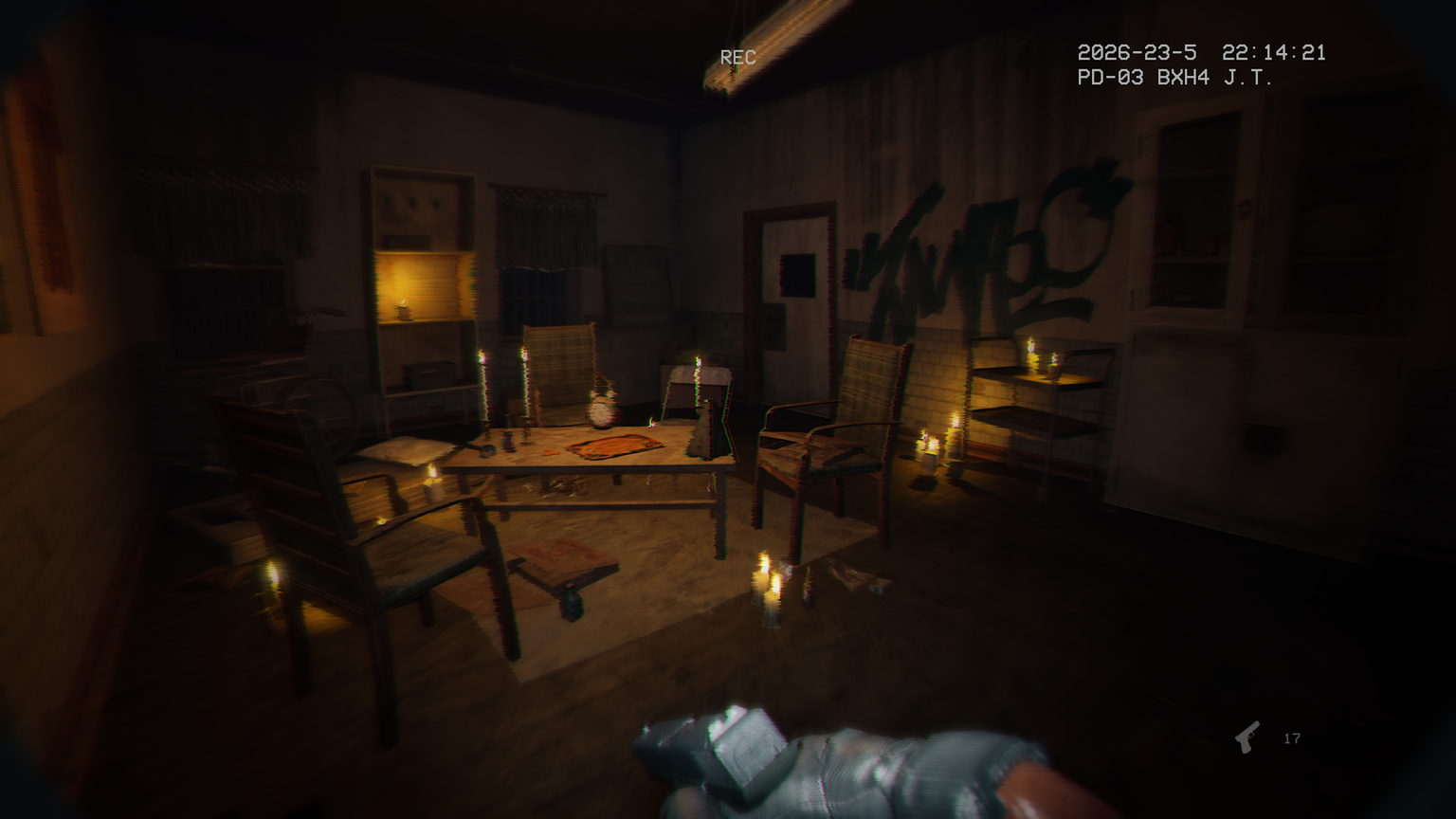
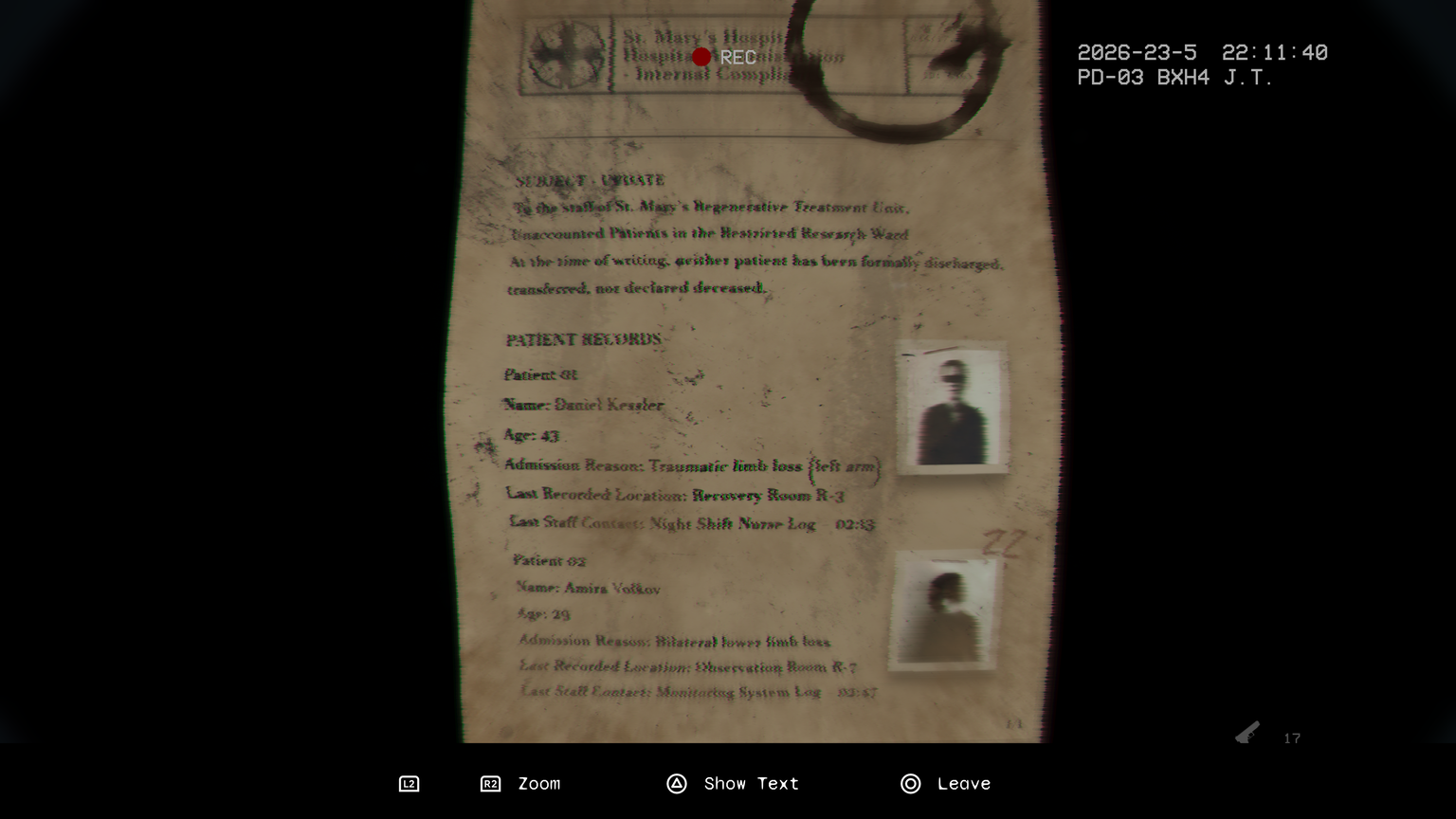
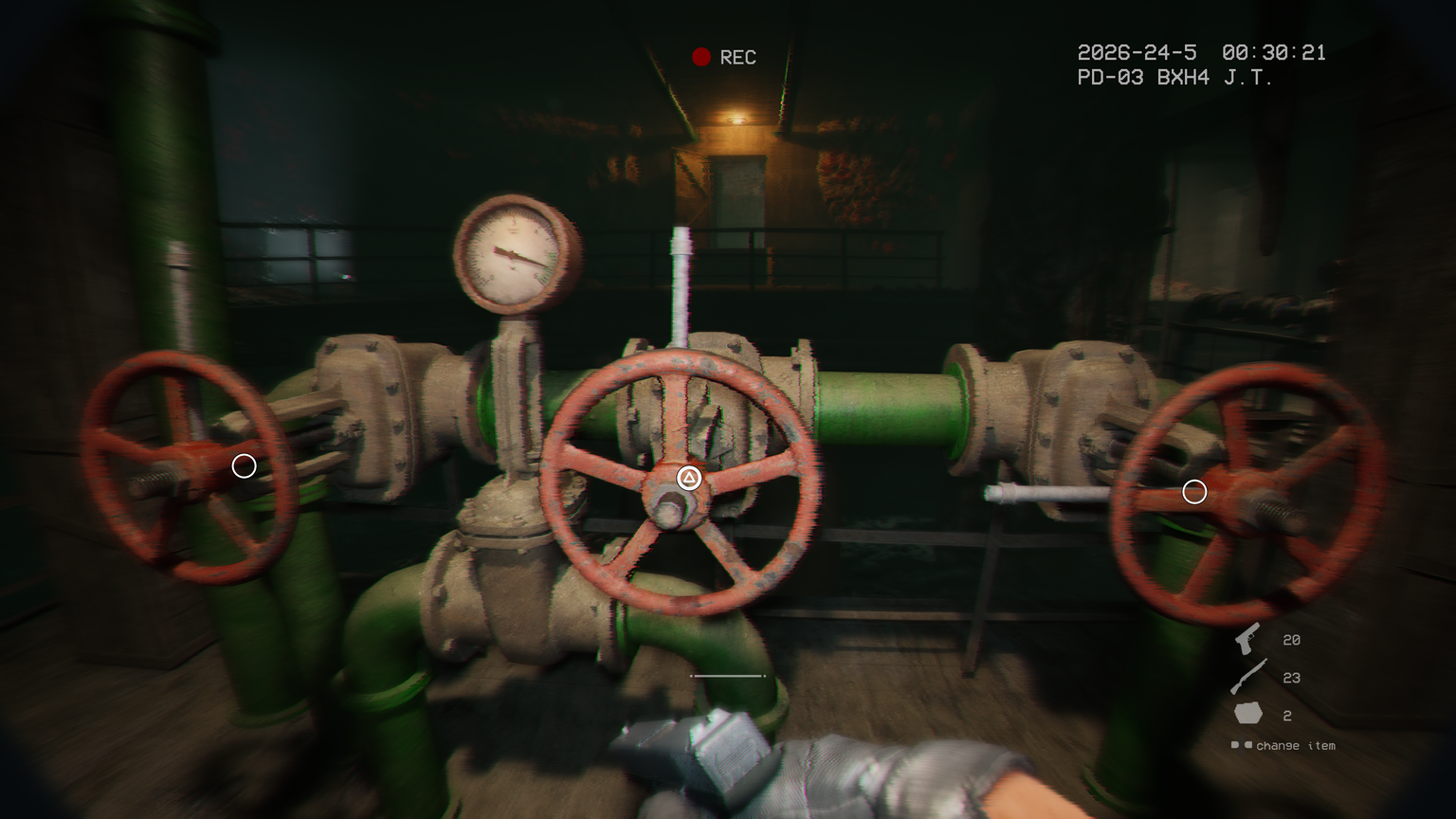
Exploration is supported through notes and audio logs that expand on the hospital’s background and the events that led to its current state. These are mixed with light puzzle solving, including code locked doors, rotating water pressure style mechanisms, and basic environmental puzzles. None of it is especially complex, but it keeps you engaged and fits the pacing of the game. You also find optional areas and collectibles that encourage a bit of extra searching, although the rewards are more about lore than anything else. Stealth and distraction also come into play with throwable rocks used to divert enemies in specific situations, adding a small tactical layer when you are being hunted.
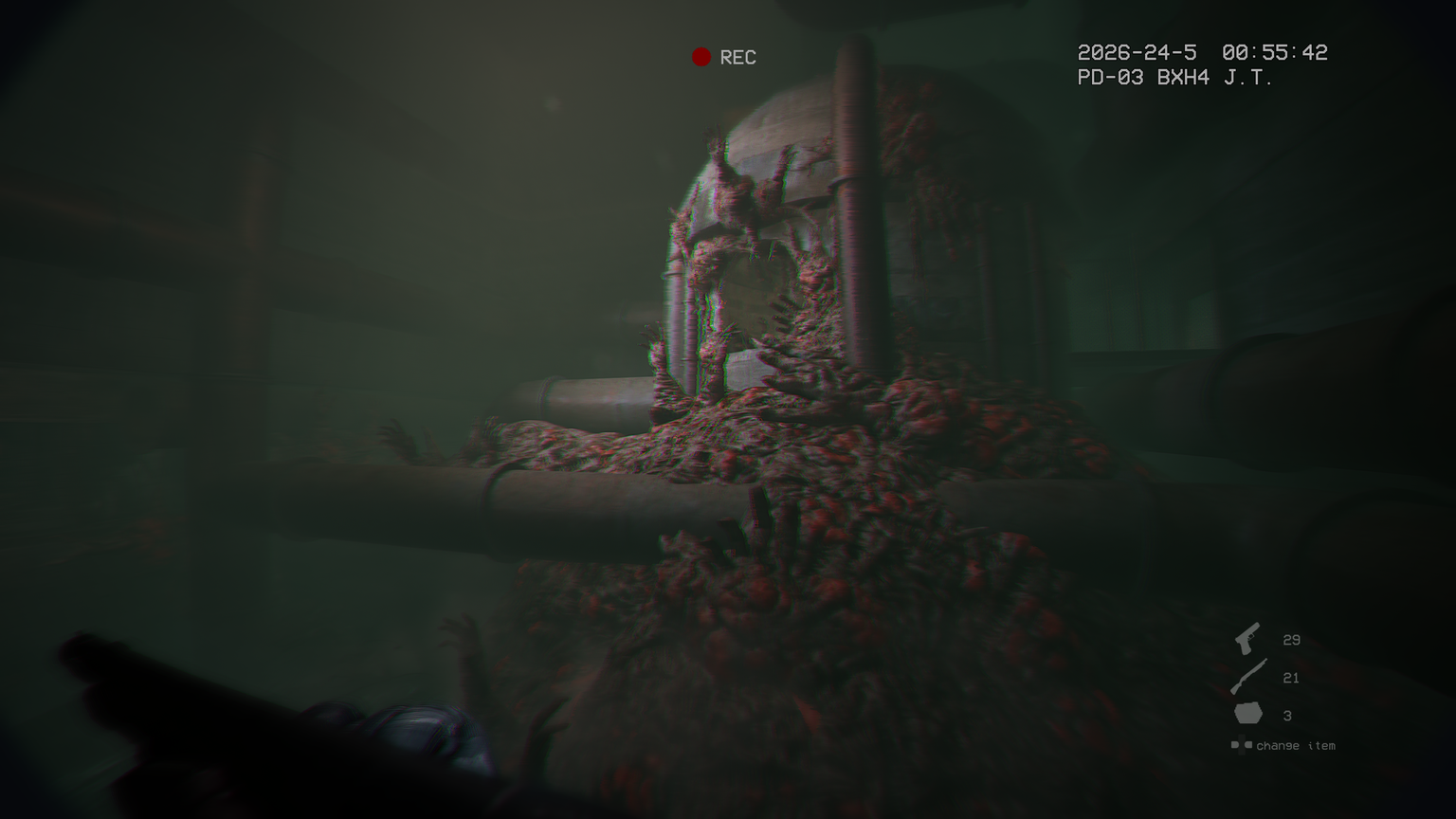
Moment to moment gameplay is mostly about movement through increasingly unstable environments. You go from decaying hospital corridors into distorted spaces where flesh like growths cover walls and ceilings. The game leans heavily into claustrophobic design, with tight hallways, crawl spaces, and squeeze through sections that heighten tension. Chase sequences are a recurring feature, pushing you to sprint through collapsing or shifting environments while avoiding enemies with erratic movement patterns. The variety of monsters helps keep things visually interesting, and some of their behaviors are genuinely stressful to deal with. The game manages to create a sense of pressure that makes simple traversal feel risky, especially when enemies start reacting unpredictably or forcing you into hiding at the worst possible moments.
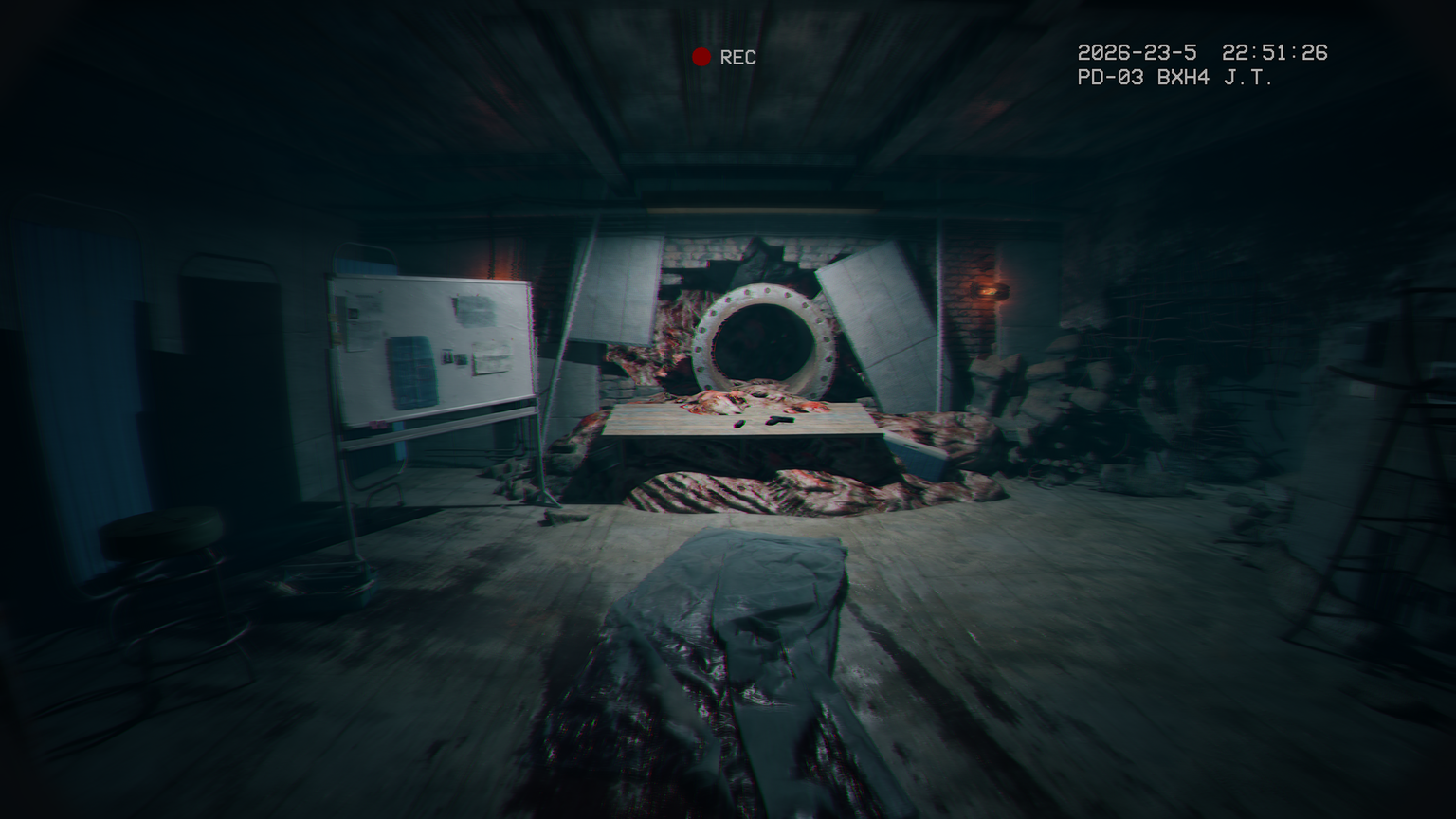
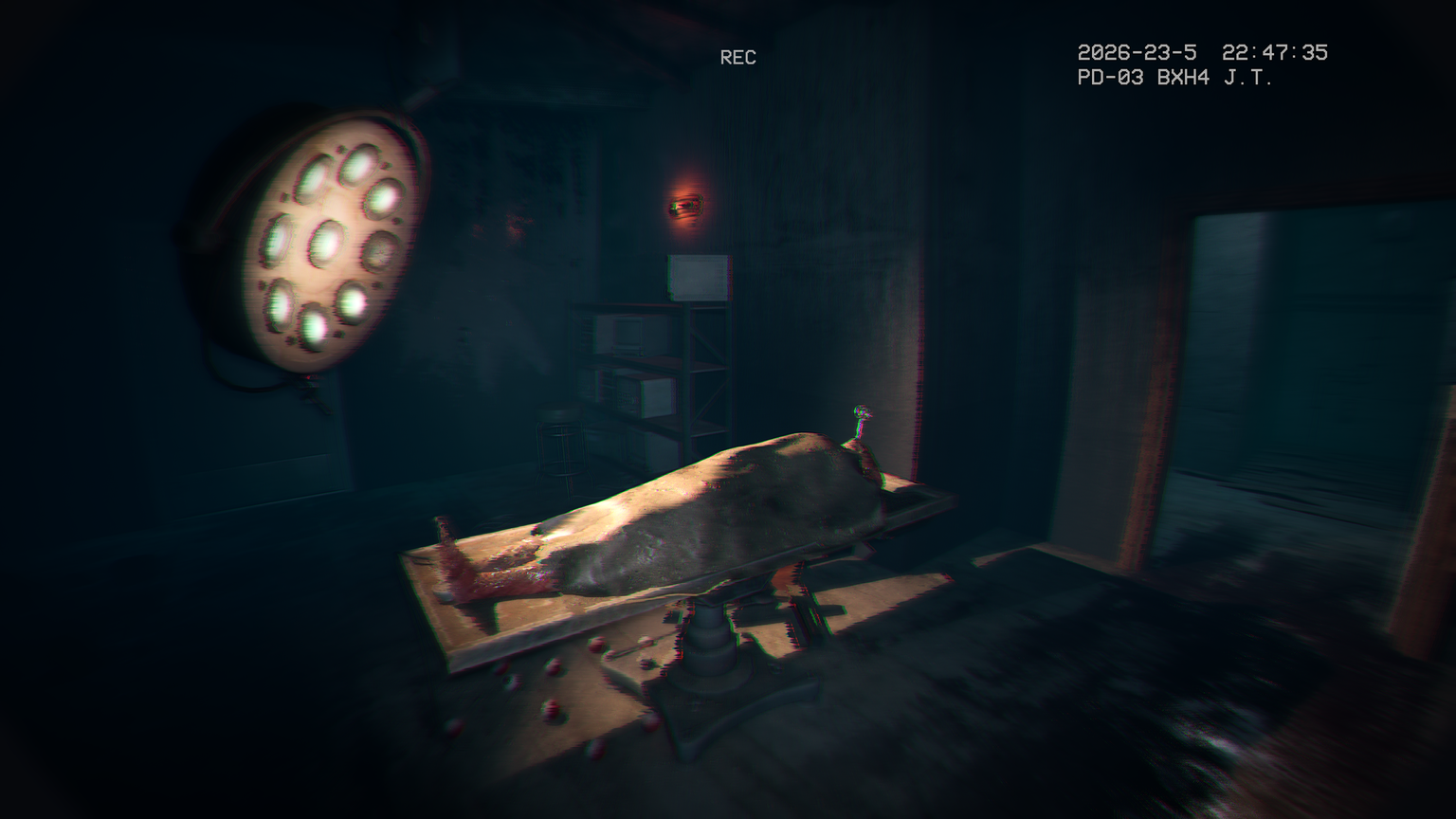
Visually, It Reaches does a strong job with atmosphere. The lighting is one of its best qualities, using deep shadows and sharp contrast to make every corridor feel uncertain. The body cam filter adds a lot to this effect, especially when the image distorts slightly during fast movement, which helps sell the idea that you are watching unstable recorded footage. Enemy design is another highlight, with a small but effective set of creature types that feel purposefully built for horror rather than generic placeholders. On the downside, the human character models look rough and uncomfortable to look at, but since they appear briefly, it does not drag the experience down too much.
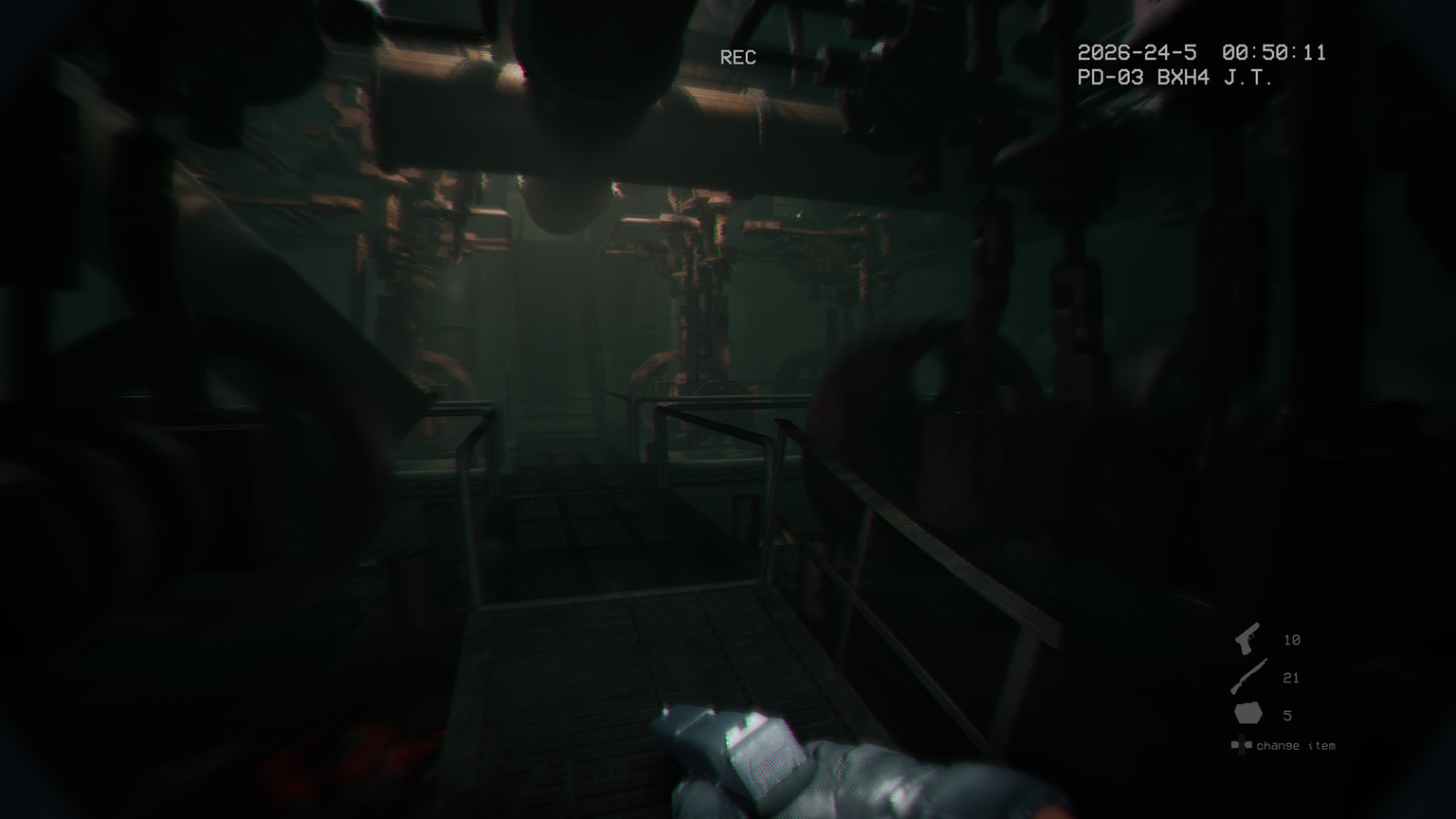
Audio design is a mix of strong immersion and a few odd choices. Environmental sounds like wet, fleshy ground textures and squelching footsteps are extremely effective at building discomfort. Gunshots have a satisfying weight to them, giving combat a bit of impact even when encounters are simple. The chase music does a good job of raising tension and pushing you forward during escape sequences. However, the item pickup sound is noticeably strange. Almost everything you collect triggers a slurp or crunch sound that feels more suited to a health pickup than ammunition or tools, which can be distracting once you notice it. Voice acting is also inconsistent, leaning toward flat delivery in most cases, which makes some of the dialogue feel less impactful than it should be, even though the writing itself is serviceable.
There are also a number of strange choices and technical issues that show up during play. Some objects that have words on them don’t have text that pops up after you pick them up and press the button that relays the text clearly on screen, while other objects trigger text with no visible text on the object at all. Enemy behavior can break in rare cases, including a situation where the pursuing monster got stuck and removed tension from an encounter entirely. You may also run into environmental issues like floating objects, items you can’t pick up, or getting caught on geometry during exploration. None of these completely ruin the experience, especially since checkpoints allow you to restart quickly, but they do break the immersion at times.
Final Thoughts?
There is a lot to like here, especially in terms of atmosphere, presentation, and the core loop of exploration mixed with combat and light survival mechanics. The body cam perspective alone gives it a distinct feel that helps it stand out in a crowded horror space. The upgrade system adds some welcome depth, and the enemy design and environmental variety keep things engaging throughout. At the same time, the game struggles with consistency in its mechanics, underuses some of its ideas, and ultimately falls apart in its conclusion. The ending feels abrupt to the point where it undercuts the journey that led there, and that leaves a lasting negative impression on an otherwise solid experience. Even with its flaws, there is enough here to make it worth playing if you are into horror games, especially ones that focus on atmosphere and tension. It is not fully realized, but it is still a memorable and effective horror experience in several important moments.
About the Author

Nay Clark Gaming holds a special place in my heart and I never stop talking about video games. I really love all types of games and have an interest in games that have complicated stories and lore because I enjoy untangling the mystery of it all. When I'm not gaming, I unsuccessfully try to control three amazing and incredibly bright kids.
Related Posts

Oz Comic-Con Announces Guest Line-Up for Brisbane and Sydney Events →

Chery unveils specifications for new Stockman ute →
QUEENS OF THE STONE AGE ANNOUNCE MASSIVE TOUR OF AUSTRALIA AND NEW ZEALAND TO CLOSE 2026 →