Incantation Review (PS5)
Summary: Incantation is a first-person horror game where you explore a mysterious, remote village in search of a missing daughter. The game focuses on uncovering secrets through environmental clues, small puzzles, and carefully crafted storytelling. Tension builds gradually as the world around you shifts, creating a slow-burn horror experience that rewards observation and patience.
3.8
Mother’s Mantle
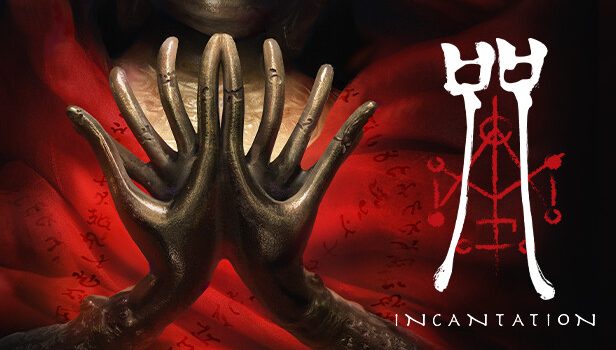
Surrender yourself and be bound to a curse you may never escape! Incantation is a first-person horror game developed and published by Softstar Entertainment, with Eastasiasoft handling the console releases. It originally launched on PC on November 17th, 2024, and released on PlayStation 5, Xbox Series X|S, and Switch on April 8th, 2026. The game adapts the 2022 Taiwanese found-footage folk horror film directed by Kevin Ko, following a similar story while expanding the universe in ways that make it enjoyable on its own. While fans of the movie will appreciate the nods and subtle Easter eggs scattered throughout, you don’t need prior knowledge to get fully immersed. In many ways, the game deepens the lore and themes the film only lightly touches on, giving you a richer understanding of the world and its dark undertones.
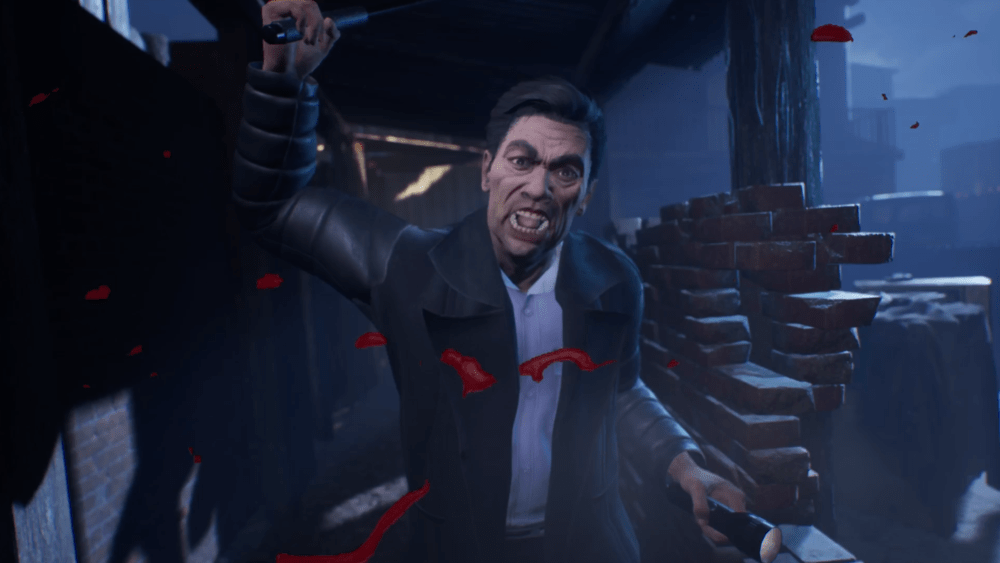
The story centers on Jia Jun Lee, who travels to a remote village after following leads on her missing daughter. After getting stuck on the road, you must make your way on foot toward the village, only to discover that the environment itself feels unsettlingly alive and the villagers behave in unnerving, cult-like ways. You’re tasked with uncovering the village’s secrets while trying to escape with your daughter unharmed. The pacing is slow, but the tension is palpable, and the story unfolds with an intensity that mirrors the film’s tone. It’s not a rush to the end but a gradual descent into a world that feels both eerie and intimate, making each discovery feel meaningful and impactful.
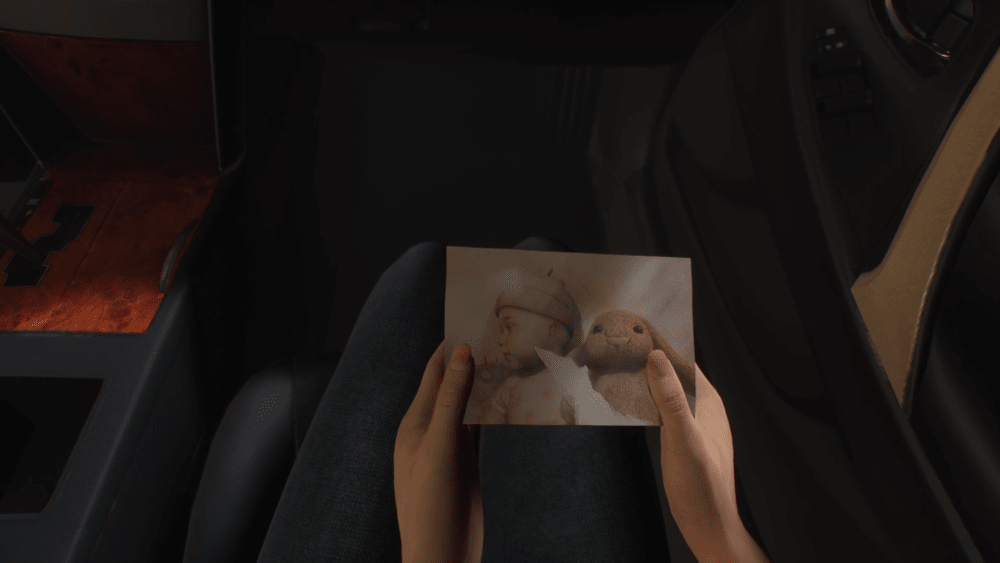
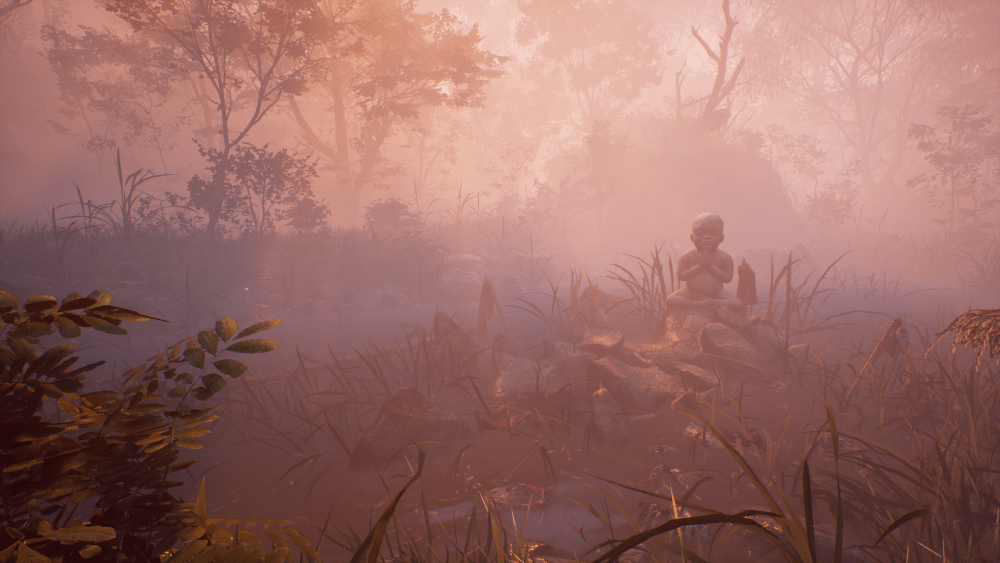
Gameplay in Incantation is centered on exploration. You’ll spend more time thinking and exploring than fighting, with occasional puzzles and brief encounters keeping the tension steady. You can run, crouch, crawl, and interact with objects, with occasional brief stealth sections or simple quick-time events, like shaking off an attacking villager. These moments are sparse but successful, emphasizing the game’s focus on building a sense of dread. Puzzles are present but straightforward, often involving rotating objects, codes, or keys to progress. While largely linear, there are occasional areas that open up slightly, allowing for a bit of freedom in how you approach exploration. Later in the game, you gain a flashlight, which the game controls in certain moments to heighten tension, but it would have been nice to have manual control at all times. Small touches like walking slower when moving backward add subtle realism that’s easy to appreciate. The game does a fantastic job of letting you absorb the story and environment, and the pacing allows the horror and suspense to build naturally, with jumpscares delivered sparingly for maximum effect.
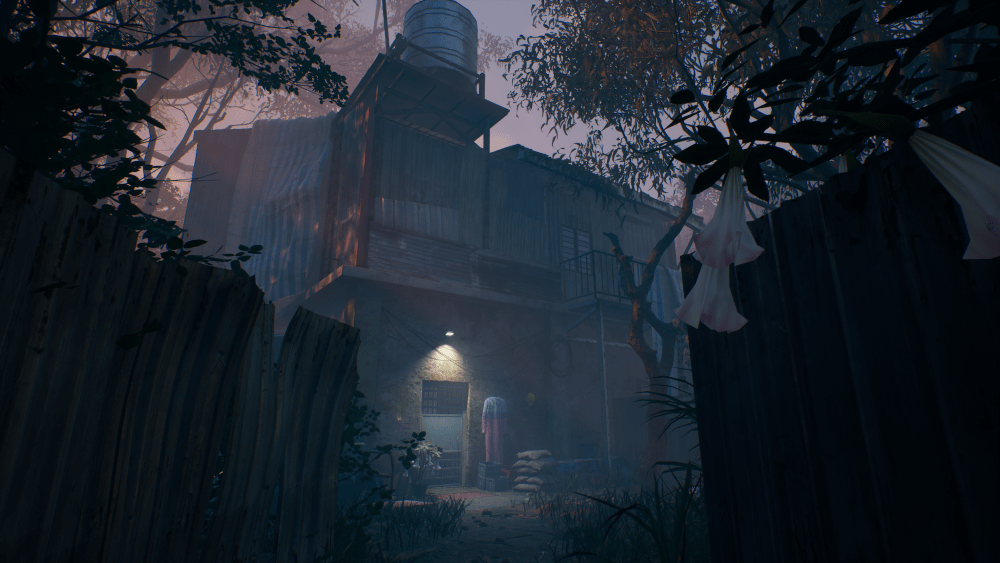
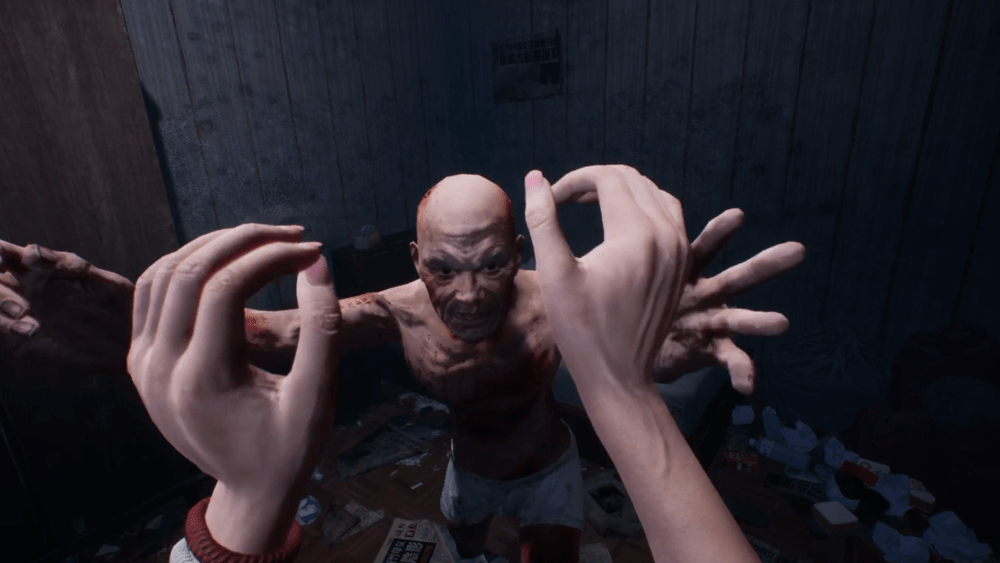
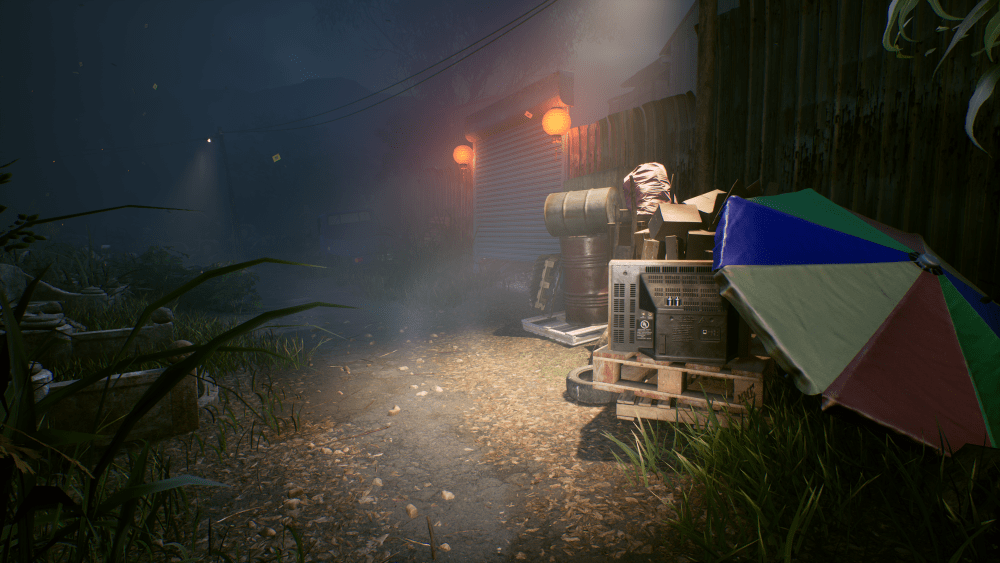
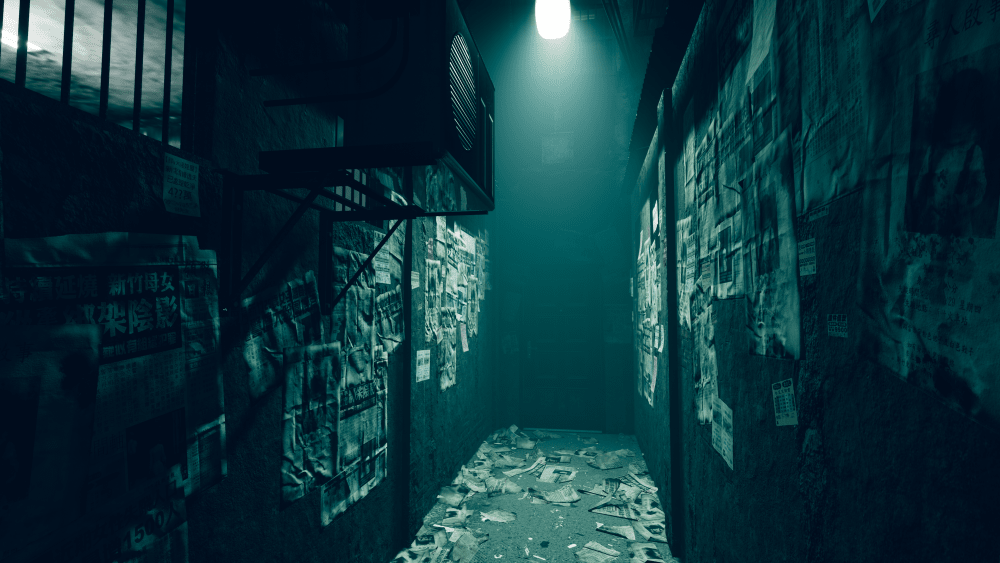
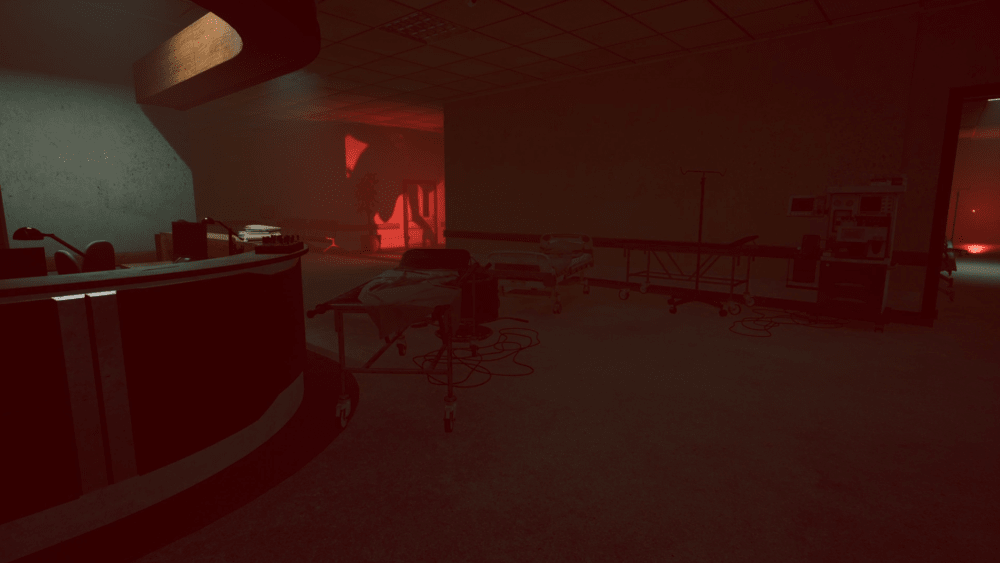
Graphically, the game is solid. Character models benefit from strong facial capture and fluid movements, and the environments feel lived-in with carefully detailed interiors and props. Small items like crutches, fans, brooms, and bug zappers scattered throughout houses and streets make the village feel tangible and authentic. These environmental details enhance immersion in a way that many horror games struggle to achieve, especially for a story that’s intimate and character-driven. Color palettes and lighting reinforce the unsettling mood, and the level of nuance in the design contributes heavily to the overall sense of dread.
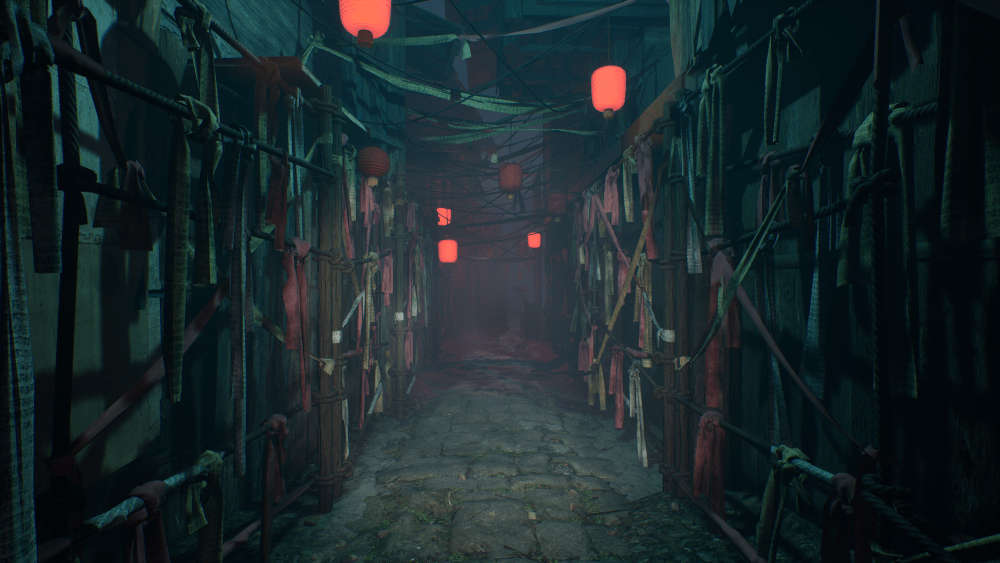
Audio is just as efficient. The game mirrors the film’s atmospheric tone, featuring eerie whispers, unsettling chanting, and ambient sounds that linger and unsettle you long after you’ve heard them. The music is haunting yet beautiful, perfectly complementing the world. Voice acting is strong, with performances that convey terror, despair, and intensity convincingly. On the downside, there were a few technical hiccups, such as a recurring clanking noise that didn’t seem tied to anything and a broken dialogue line near the end where a character repeated the same phrase even though subtitles differed. Hopefully, these issues are addressed in a patch, as they slightly interrupt the otherwise immersive experience.
Final Thoughts?
Incantation is a compelling psychological horror experience that delivers tension, atmosphere, and storytelling with subtlety and care. While it may not offer a wide variety of gameplay, numerous enemies, or complex puzzles, it excels in exploration, environmental storytelling, and carefully crafted narrative moments that encourage you to absorb the world around you. It is not a traditional jump-scare game; instead, it builds unease gradually, letting the atmosphere, pacing, and details create a sense of dread that lingers long after playing. Completion can take roughly four to six hours, and the experience is strongest when played in a dark room with headphones, allowing the haunting audio and quick scares to fully land. Its strength lies in being a slow-burn journey rather than a constant barrage of action, making it a rewarding experience for fans of immersive horror and a solid companion piece to the movie. If you enjoy exploring rich, unsettling worlds while uncovering a story one step at a time, I highly recommend checking out Incantation.
About the Author

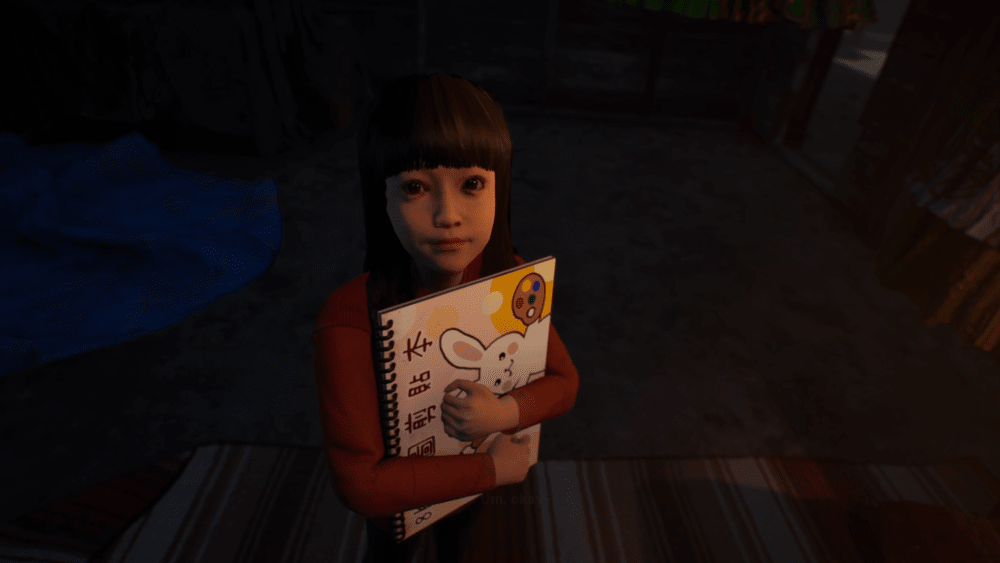
Nay Clark Gaming holds a special place in my heart and I never stop talking about video games. I really love all types of games and have an interest in games that have complicated stories and lore because I enjoy untangling the mystery of it all. When I'm not gaming, I unsuccessfully try to control three amazing and incredibly bright kids.
Related Posts
Marathon PS5 Review →

Sonic Racing: CrossWorlds Review (Switch 2) →
Beyond Words PC Review →