
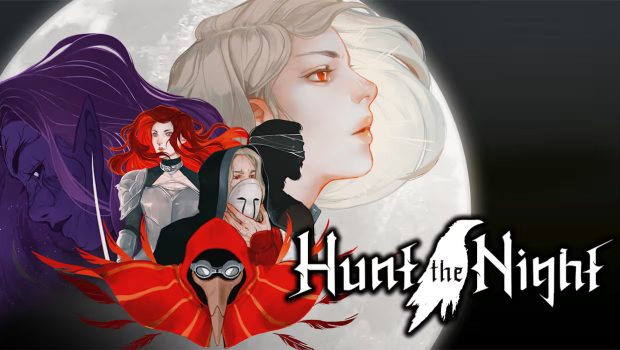
Hunt the Night Review (Switch)
Summary: Hunt the Night is a dark fantasy action-RPG where you play as Vesper, a skilled Stalker fighting to reclaim a world overrun by monsters. You explore interconnected environments, solve light puzzles, and battle both standard enemies and challenging bosses using a mix of melee and ranged attacks. The game combines fast-paced combat with atmospheric pixel art and a haunting soundtrack to create a tense, immersive experience.
3.6
Nightstalker Nightmare
Step into the shadows and face a world where night hunts humanity! Hunt the Night is a retro-inspired action RPG developed by Moonlight Games and published by DANGEN Entertainment. It first released on April 12, 2023 for PC, later arriving on February 26, 2026 for Nintendo Switch, PlayStation 5, and Xbox Series X|S. This newer version of the game brings a handful of improvements like refined combat, better performance, and quality-of-life tweaks, along with the 1.2 “Prime Hunt” update that adds tougher bosses and additional content. The game blends the structure of classic top-down adventure games with fast, punishing combat and a grim aesthetic that clearly pulls inspiration from dark fantasy staples. It aims to balance exploration, combat, and atmosphere in a way that feels both nostalgic and intense, though depending on where you play, that balance can shift more than expected.
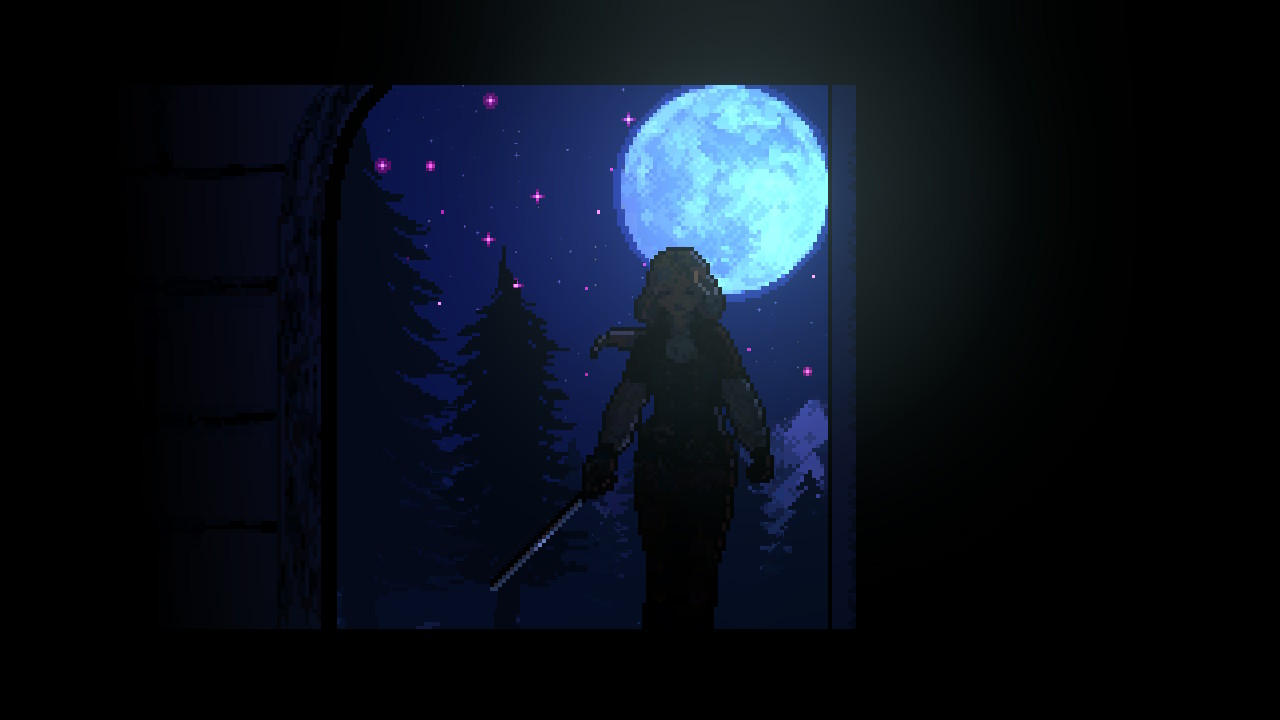
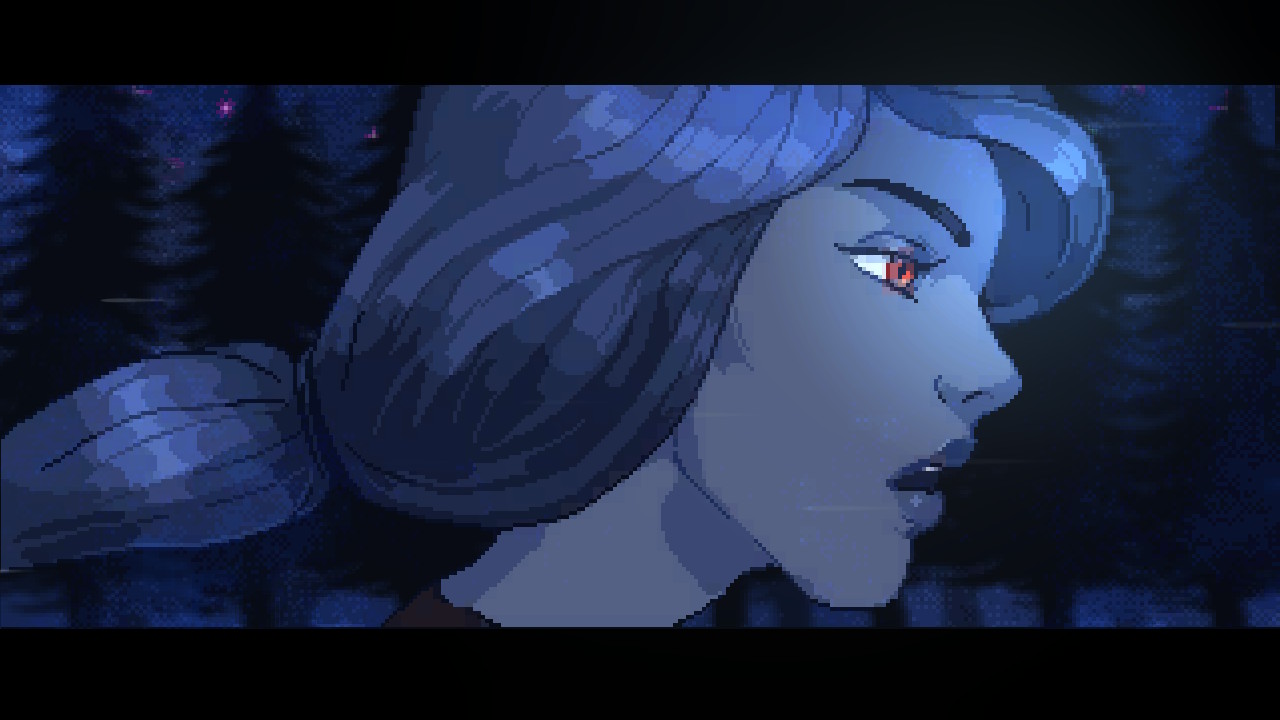
The story takes place in the dying world of Medhram, where humanity only finds safety in daylight while the night brings relentless destruction from monstrous forces. You play as Vesper, a Stalker tasked with venturing into that darkness to recover fragments of the shattered Seal of Night in hopes of restoring balance. She carries Umbra, a shadowy entity within her that grants powerful abilities but also makes her a target. That internal conflict adds a layer of intrigue, especially when the two communicate, giving you a clearer look at her motivations and struggles. At the same time, the way the story is delivered doesn’t always land. There is a lot of dialogue, and much of it feels drawn out without adding much weight, which can make the pacing drag. The world itself is compelling, but the narrative often feels like it gets in its own way rather than pulling you deeper into it.
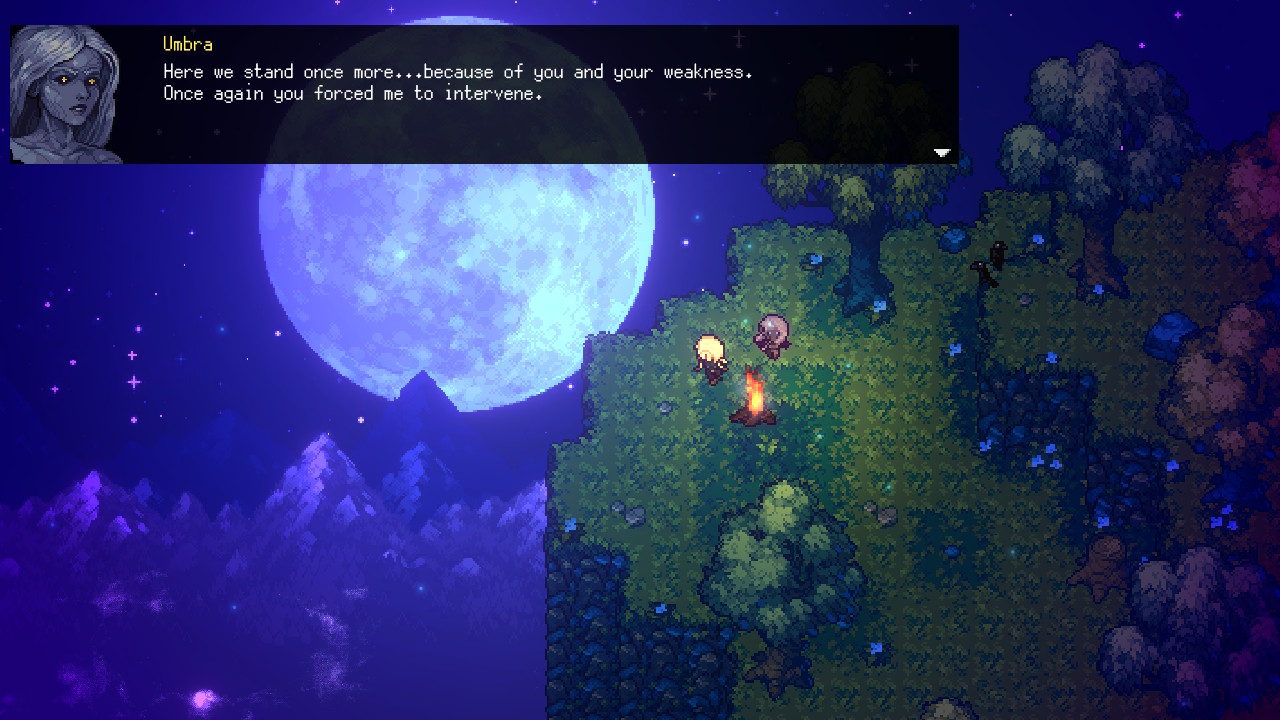
Most of your progression comes from exploration and discovery. The more you push into new areas, the more likely you are to find stronger weapons, useful items, or Noctillium, which you can spend back at base to improve your gear. There is a satisfying loop here that encourages curiosity, even if it can occasionally feel aimless. Alongside the main objective, you can take on Hunts, which reward you with vials that increase your health, giving you more survivability in tougher encounters. Exploration itself leans into light puzzle-solving, with areas looping back on themselves and opening up over time. You will find yourself dashing across gaps, revisiting areas with new abilities, and using both Vesper and Umbra to reach places that initially seem inaccessible. It keeps the world interconnected in a way that feels rewarding, even if progression can sometimes feel unclear.
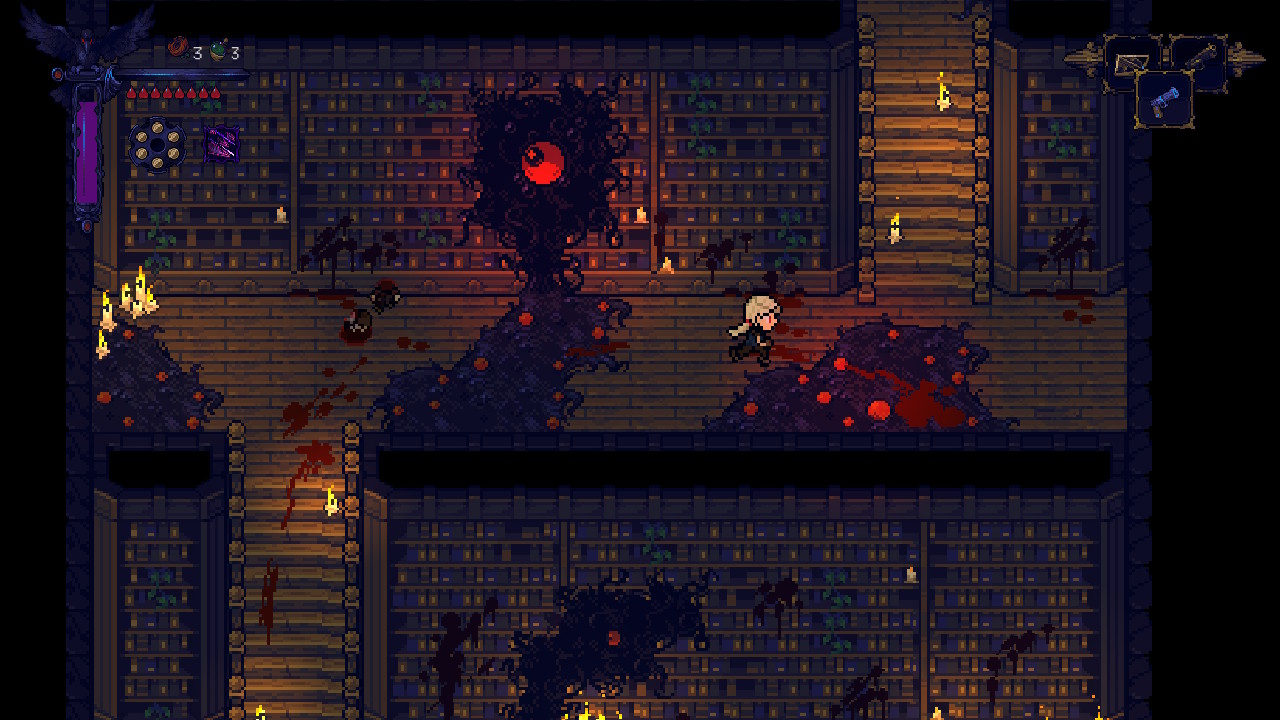
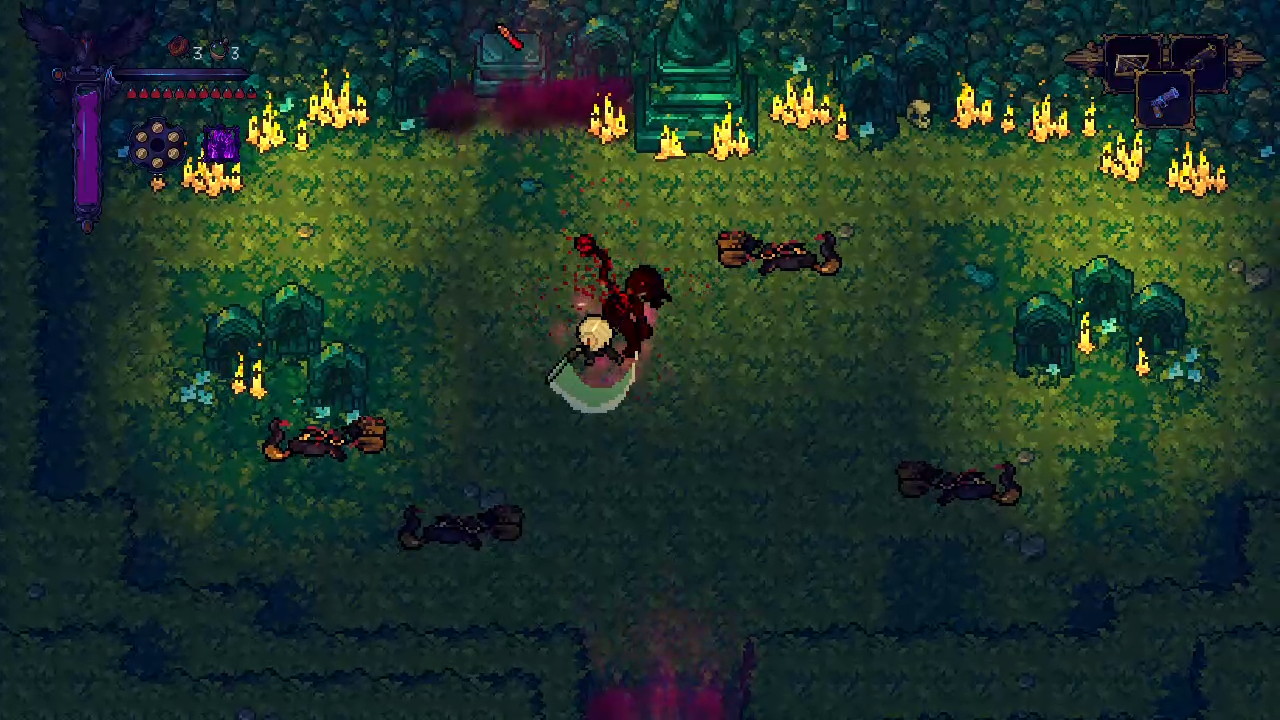
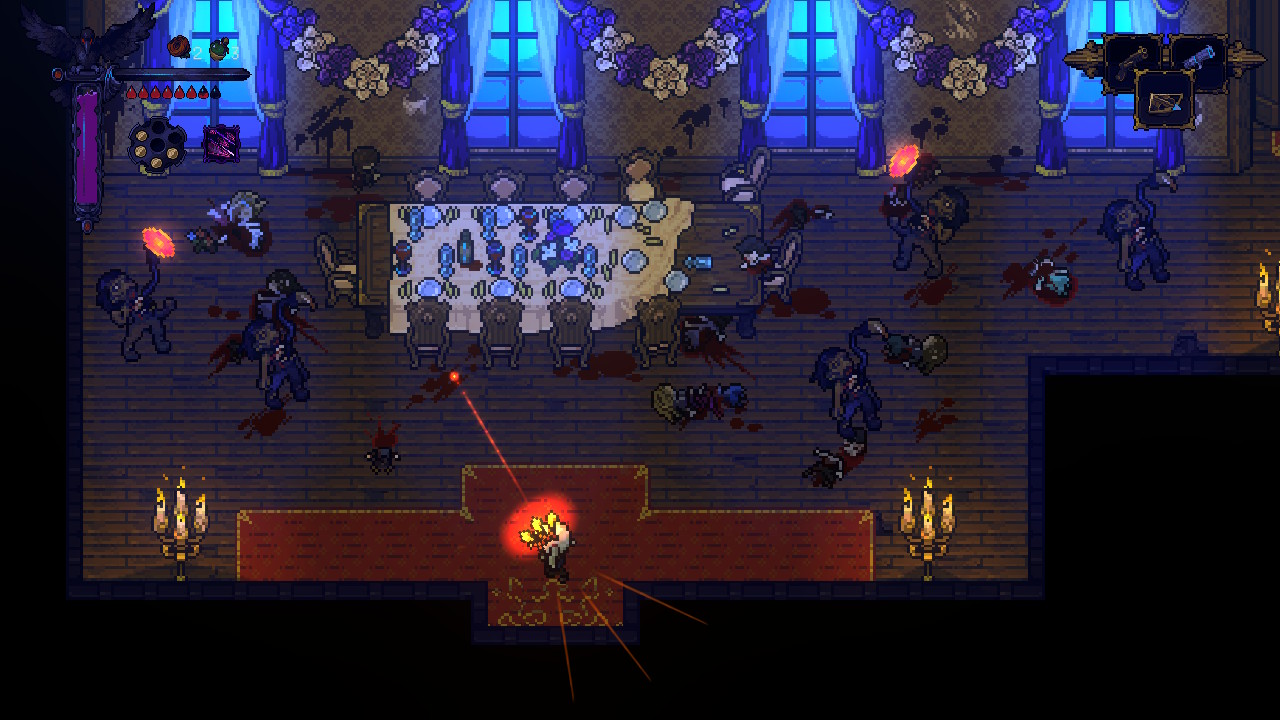
Combat is the centerpiece, and it’s built around constant movement and switching between offense types. Vesper uses a melee weapon as her primary tool, while also carrying ranged options like a pistol, shotgun, and crossbow, each with its own use case. Ammo is limited, but landing melee hits refills it, which naturally pushes you into a rhythm where you are weaving between close-range combos and ranged attacks. It’s an intriguing system that keeps you engaged rather than relying on a single strategy. On top of that, you have a dash with invincibility frames, which becomes essential not just for avoiding damage but for positioning and survival. The flow of combat often has you striking up close, dodging out of danger, firing from a distance, and then diving back in.
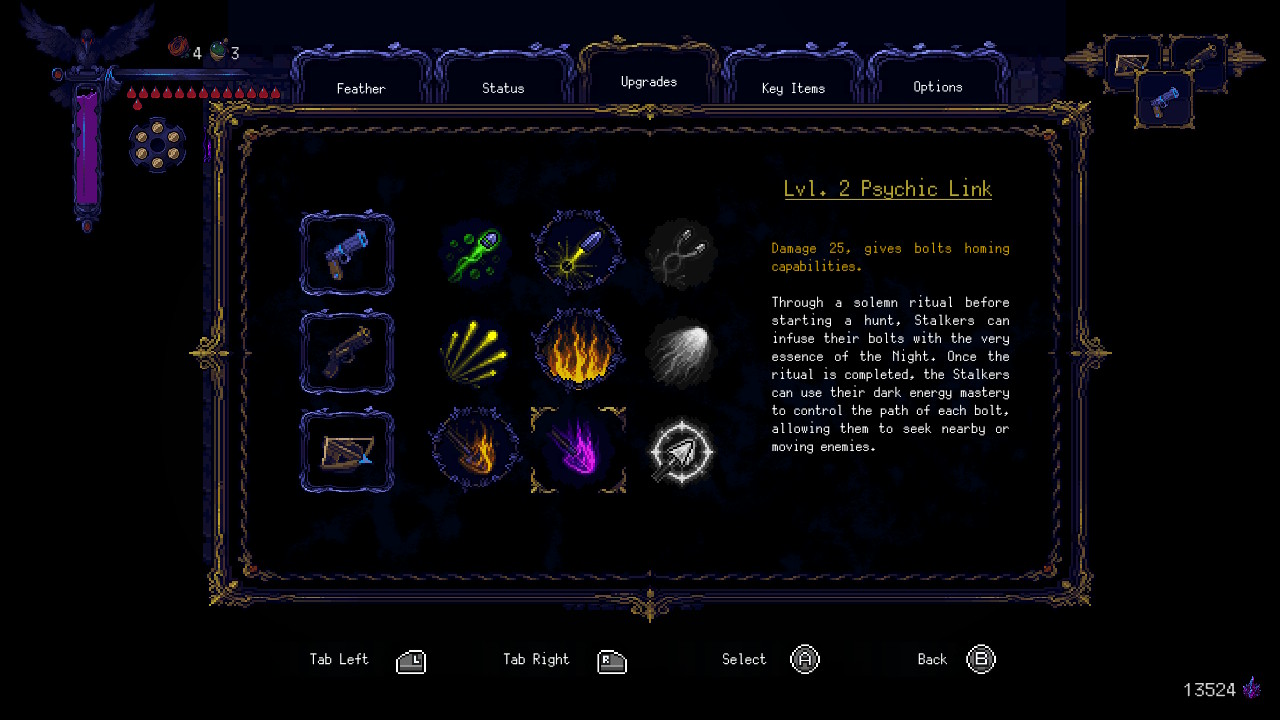
There is also a surprising amount of customization layered into that system. Different weapon types change your attack speed and damage output, suits offer passive bonuses like increased health, and Dark Powers act as cooldown-based abilities that can turn the tide of a fight. Moonstones further modify your build with effects like ammo bonuses or other perks, allowing you to tailor your approach depending on the situation. All of these systems work well together and give the gameplay a strong sense of flexibility.
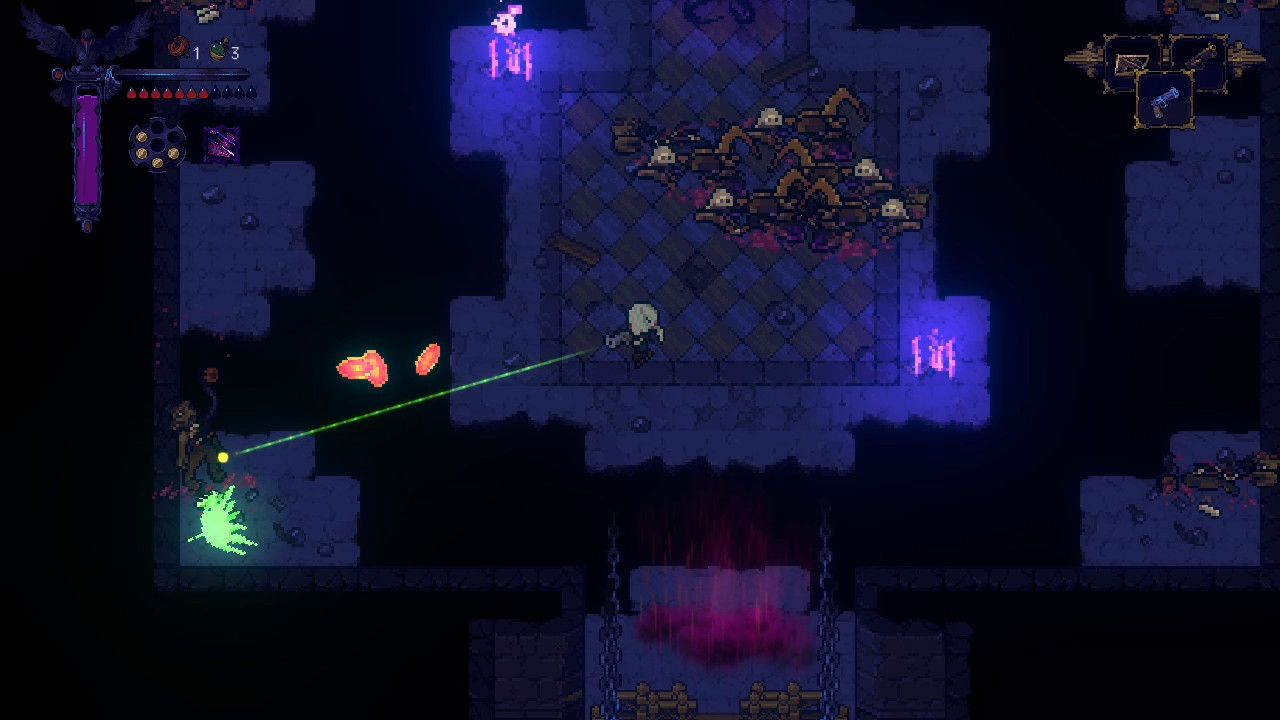
That said, combat isn’t without its frustrations. In open areas, everything feels smooth and manageable, but in tighter spaces like dungeons or enclosed rooms, things can quickly become overwhelming. You will often get locked into encounters where multiple enemies attack at once, sometimes from off-screen, while environmental hazards like pits limit your movement. Add in status effects like poison, and these moments can feel less like a test of skill and more like chaos. Regular encounters can fall into a repetitive hit-and-run pattern, but boss fights are where the game truly shines. These battles demand attention, pattern recognition, and careful timing, offering a much more deliberate and rewarding experience compared to standard fights.
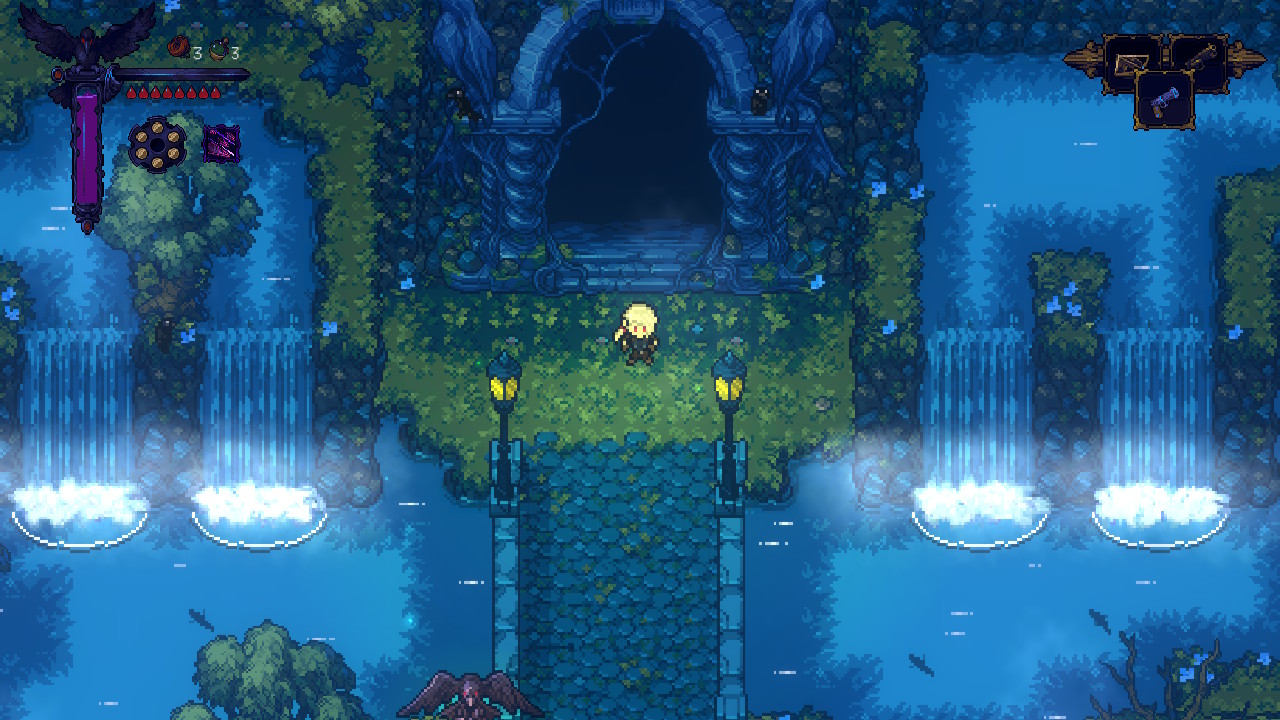
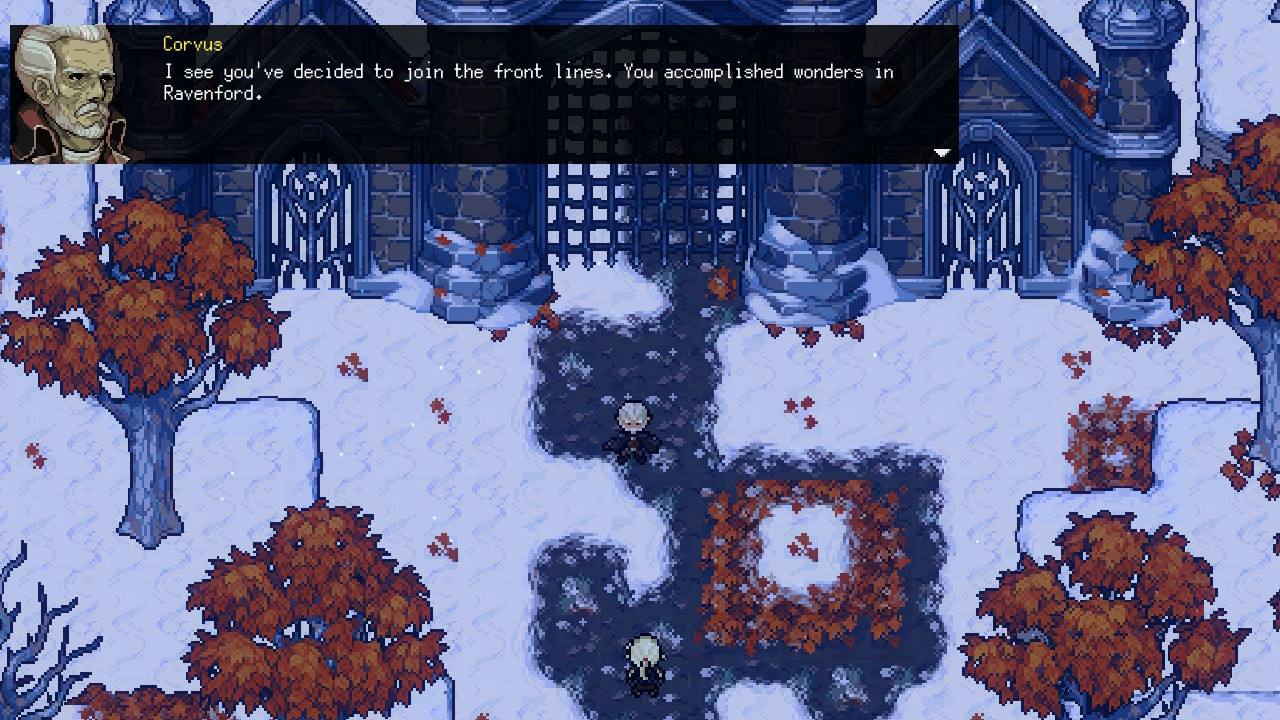
Visually, the game does a great job capturing its dark fantasy tone. The 16-bit pixel art is detailed and expressive, with strong use of lighting and shadows that reinforce the oppressive atmosphere. Despite the overall grim tone, the environments are varied and memorable, taking you through graveyards, swamps, ancient ruins, and snow-covered mountains. Each area feels distinct, and the art direction consistently supports the mood the game is going for. The audio complements this well, with a soundtrack that enhances the tension and sense of scale without overpowering the experience. The involvement of Hiroki Kikuta is evident in how the music adapts to different moments, and the sound design, especially during combat, adds a satisfying weight to every hit.
Besides things like text boxes appearing off screen and in-game shops completely breaking, the biggest issue comes down to performance, particularly on the Nintendo Switch version. Load times are a constant problem and can seriously disrupt the flow of the game. Moving between areas often takes longer than it should, and even entering a single room can result in a noticeable delay. When you are exploring frequently, going in and out of buildings, or retrying sections after dying, those wait times add up quickly. Early on, when you are still learning the mechanics and have limited health, this becomes even more frustrating since you will likely be repeating sections often. It slows down what should be a fast-paced experience and makes certain parts of the game feel more tedious than they need to be.
Final Thoughts?
Hunt the Night is a game that gets a lot right but doesn’t always deliver it in the smoothest way. The core gameplay loop is engaging, the combat system has depth, and the overall atmosphere is strong and consistent. It can be challenging, but often in a way that feels intentional and rewarding. However, technical issues, especially on Switch, and some uneven pacing in both gameplay and storytelling hold it back from reaching its full potential. If you play it on a platform with better performance, you will likely have a much more enjoyable experience. Even with its flaws, there is something compelling here, especially if you are drawn to dark fantasy worlds and fast, skill-based combat.
About the Author

Nay Clark Gaming holds a special place in my heart and I never stop talking about video games. I really love all types of games and have an interest in games that have complicated stories and lore because I enjoy untangling the mystery of it all. When I'm not gaming, I unsuccessfully try to control three amazing and incredibly bright kids.
Related Posts
Star Wars: Dark Forces Remaster Review (Switch) →
Paranormasight: The Mermaid’s Curse Switch Review →

Virtual Boy for Nintendo Switch 2 Review (Happy MAR10 DAY) →