
Dwarf Mini Review – The World’s Smallest Smart Telescope
Summary: The Dwarf Mini is powerfully small and successfully captures many of the amazing deep sky objects in the night sky, even with light pollution.
4.8
Powerfully small
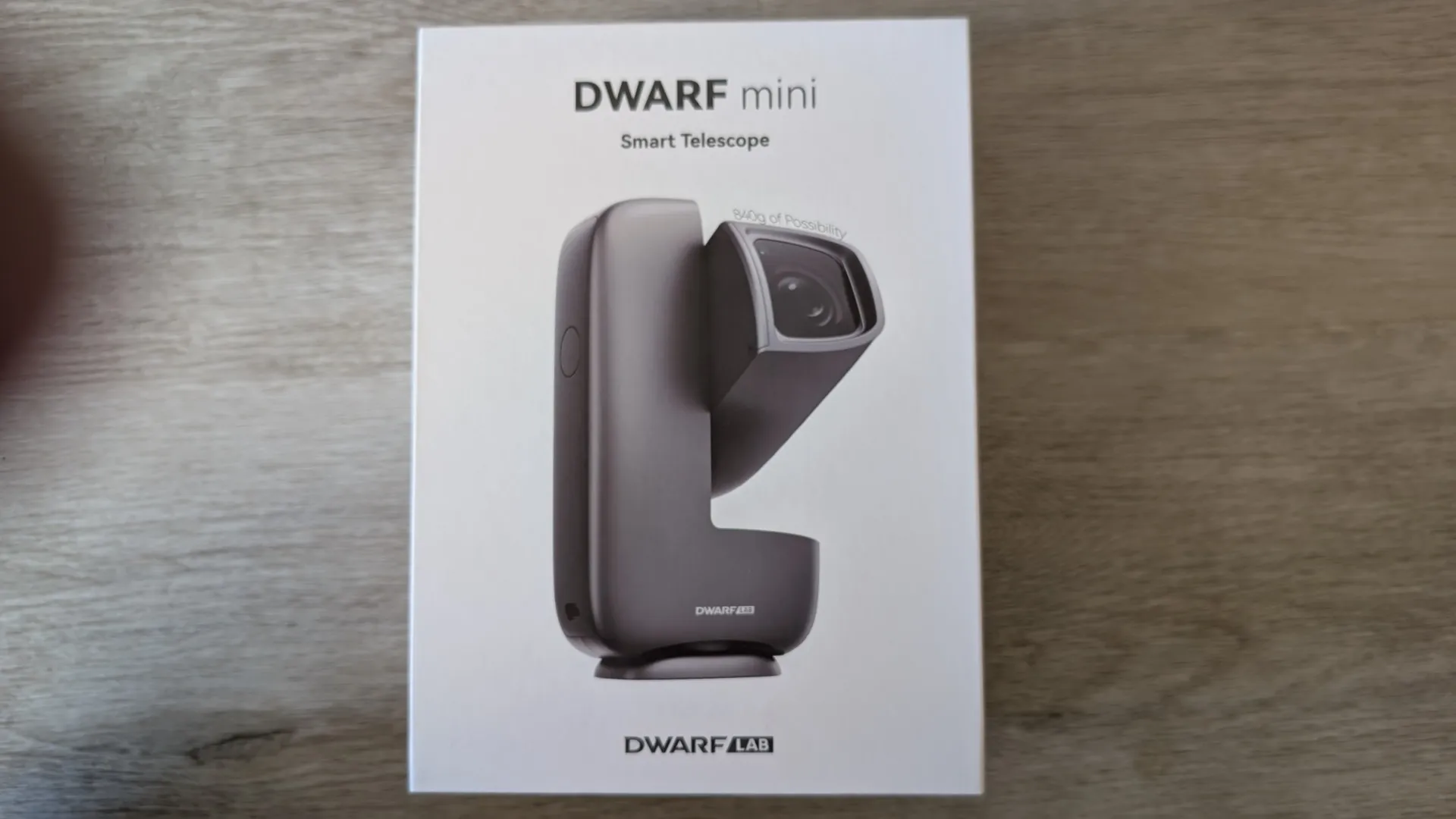
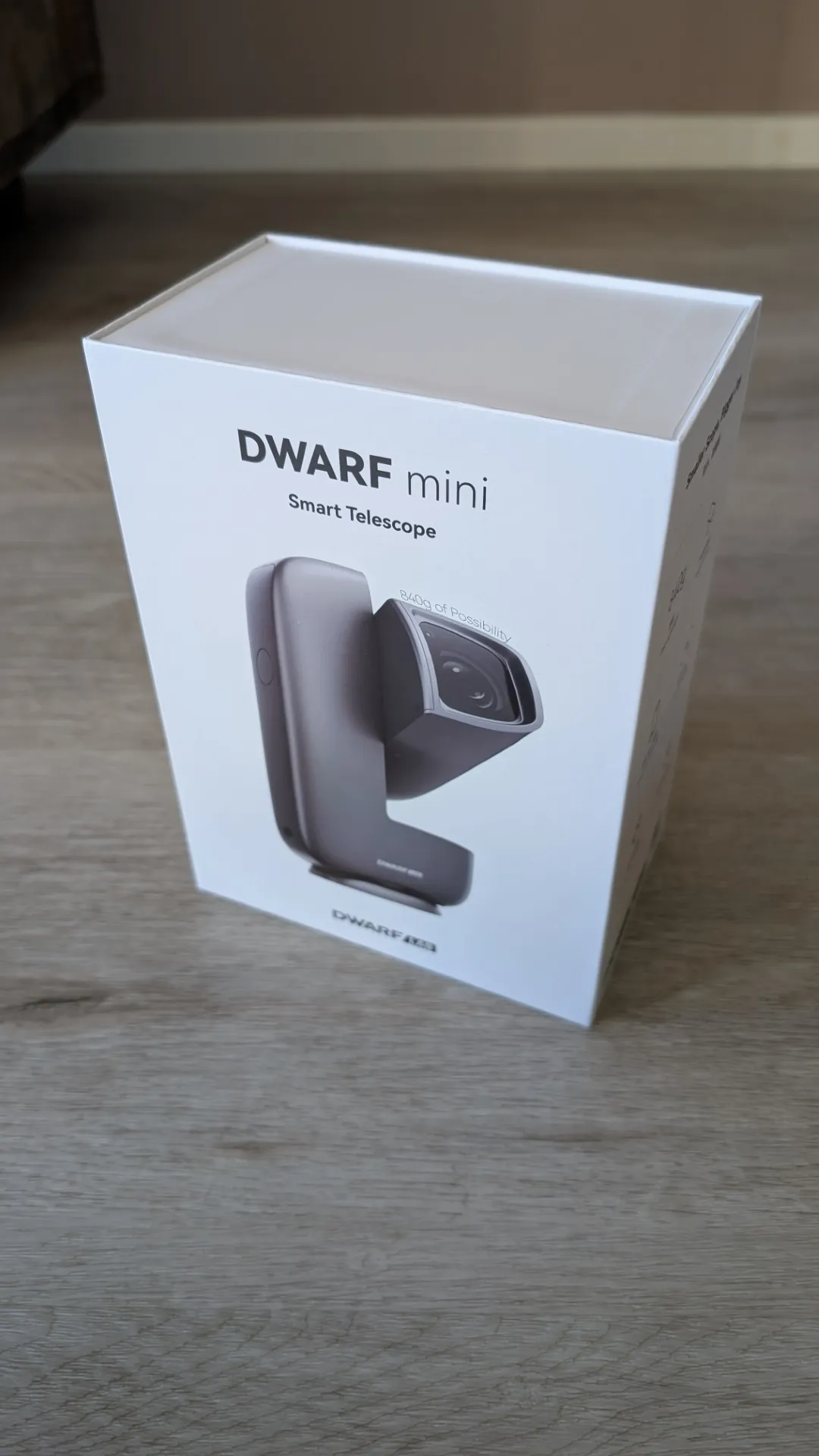
Thanks to Dwarf, Impulse Gamer were given an exclusive opportunity to test out the world’s smallest smart telescope, the Dwarf Mini. Weighing just 840 grams and measuring only 18.29 × 10.41 × 6.10 cm, this compact device brings deep sky astrophotography to anyone with a smartphone. Best of all. with the Dwarf Mini, you can capture stunning images of nebulae, galaxies, star clusters and even some of the larger planets in our solar system. The Moon is an obvious target and thanks to the included ND Solar Filter, the Sun is also safely within reach.
Unboxing
Under the external casing, the Dwarf Mini features a Sony IMX662 image sensor (1/2.8-inch, 2.9 µm pixels), paired with both a telephoto and wide-angle lens system. The 150 mm f/5 telephoto lens with a 30 mm aperture is ideal for deep sky imaging while the 360-degree pivoting mount and intelligent star tracking system powered by the extensive atlas built into the Dwarf app make selecting your next celestial target as simple as tapping your screen.

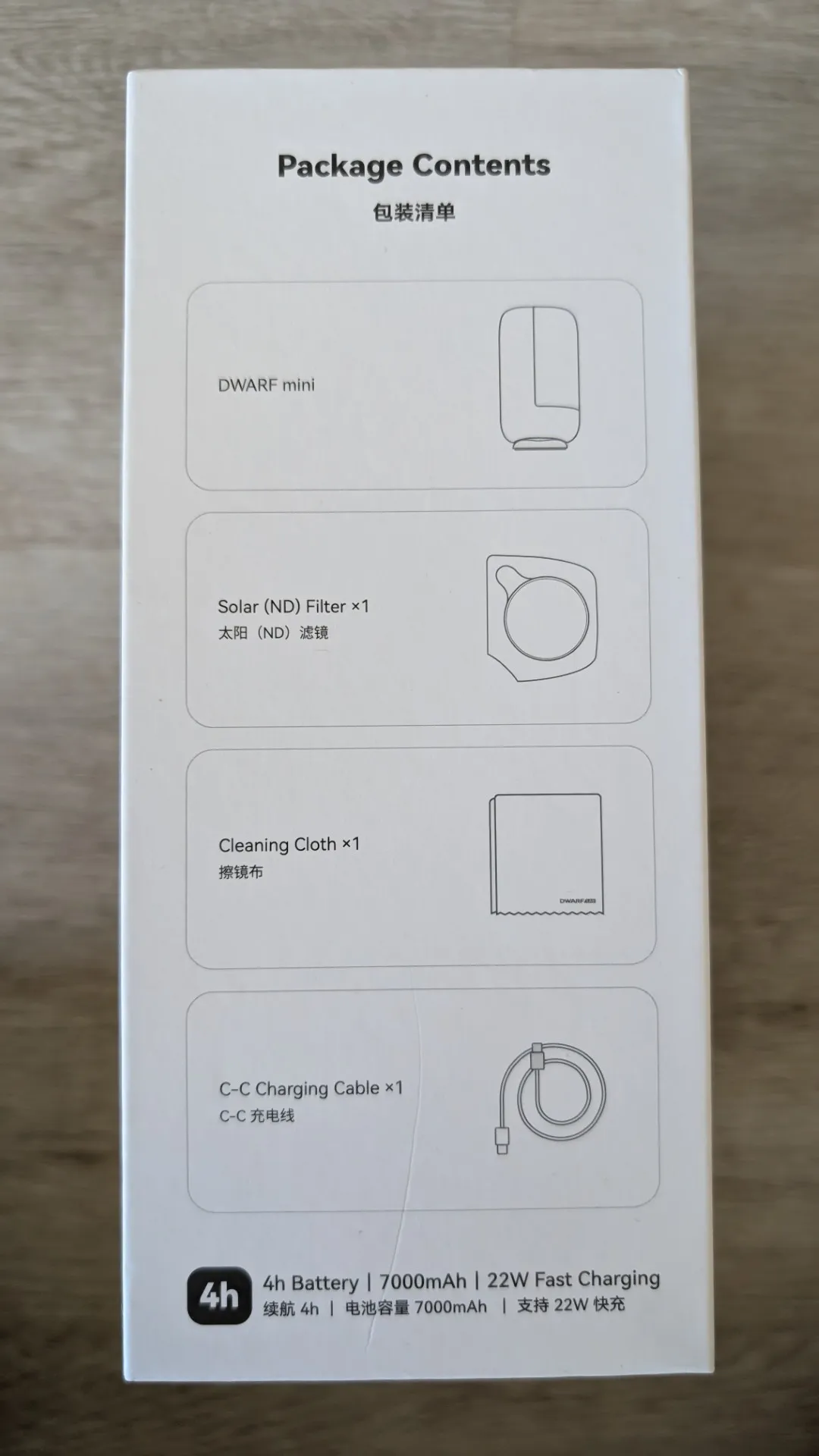
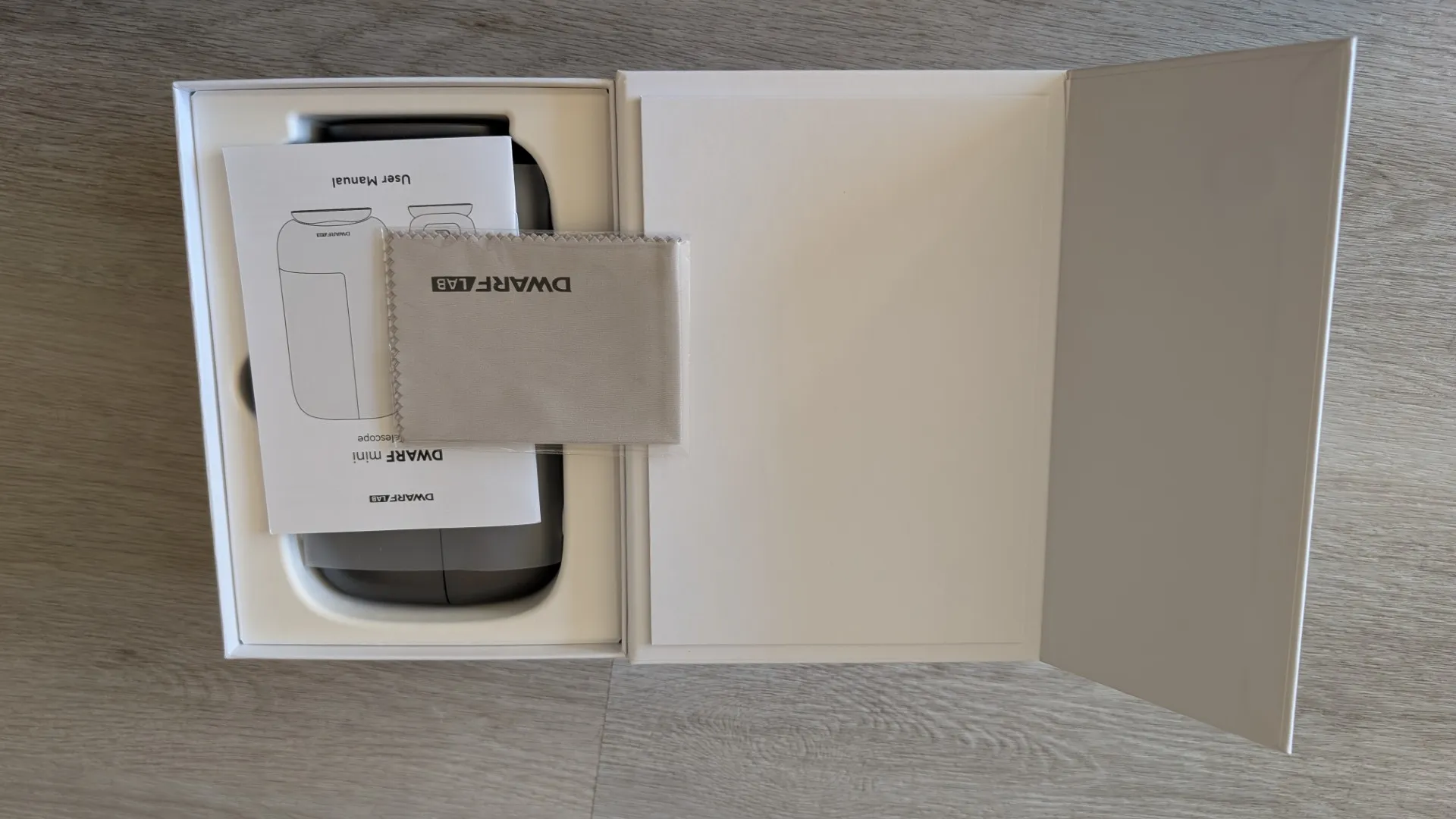
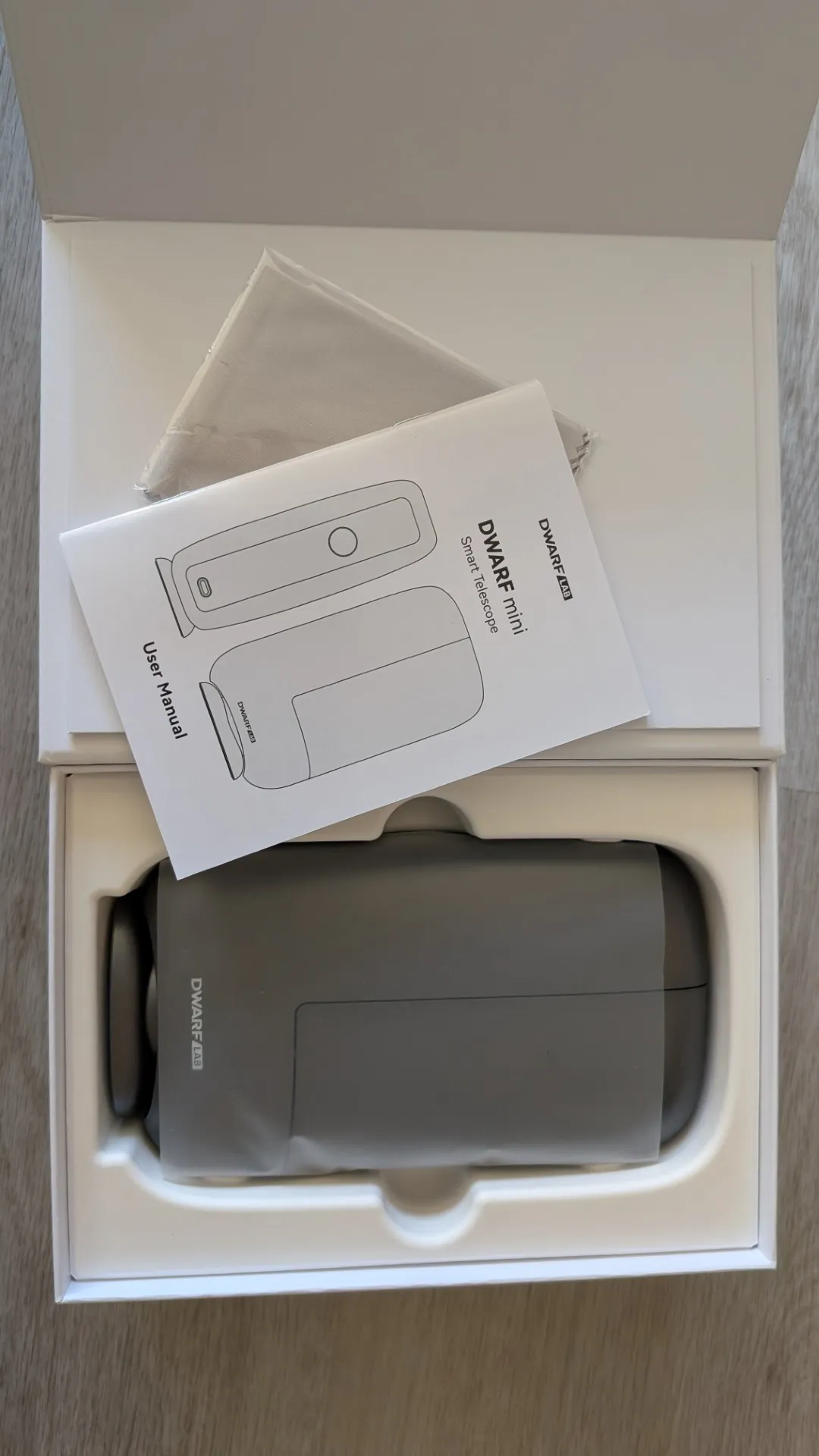
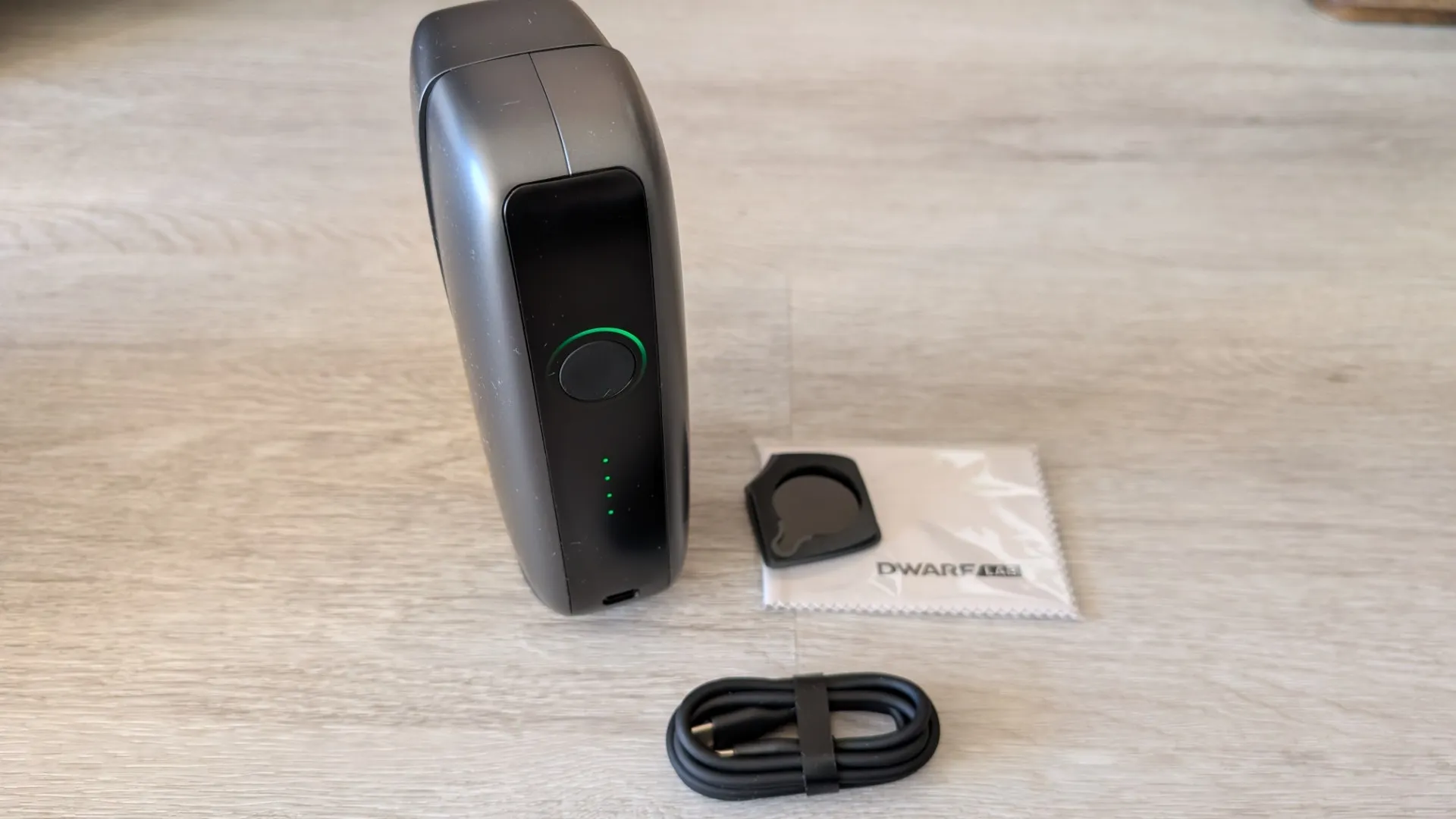

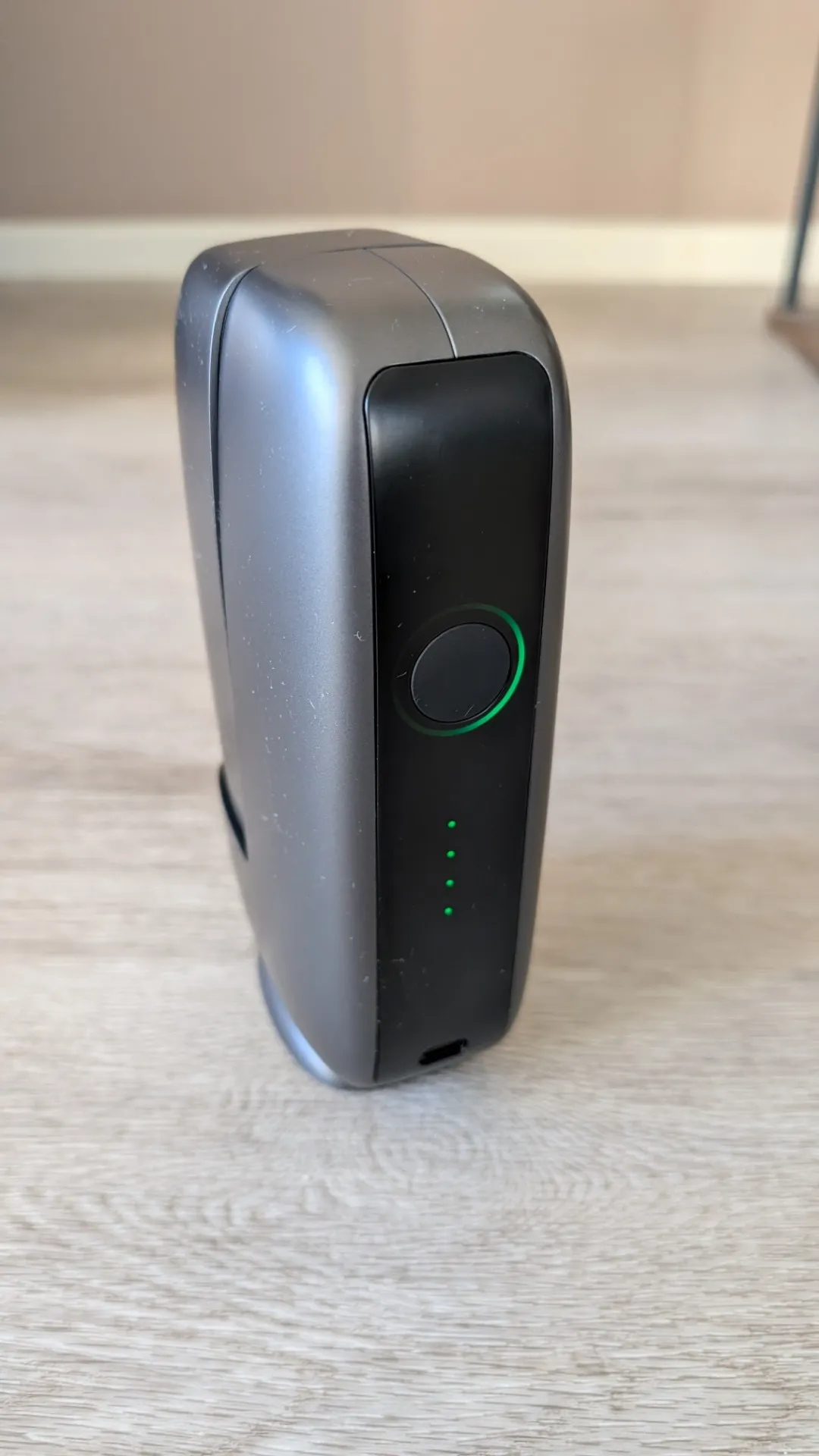
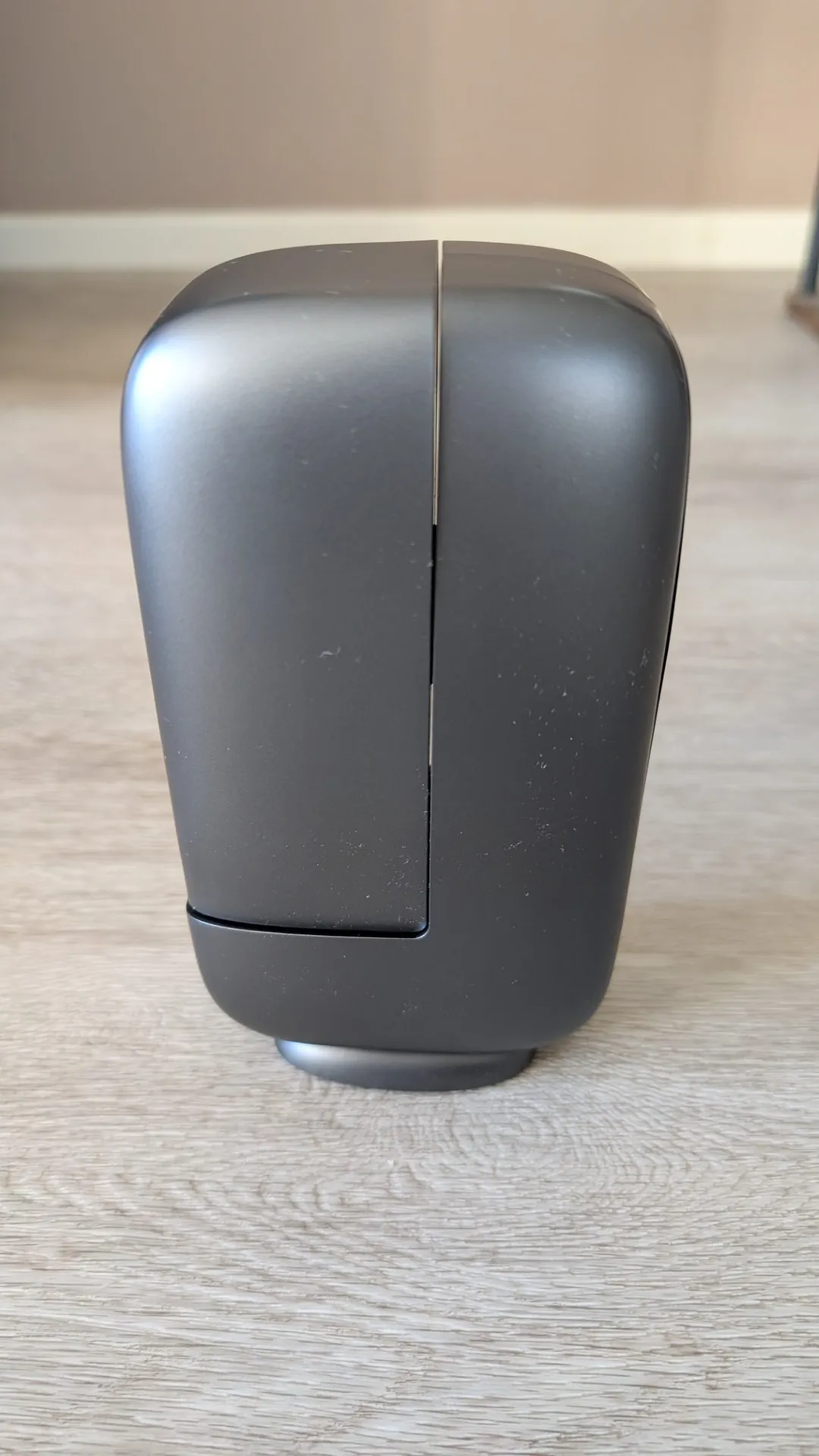
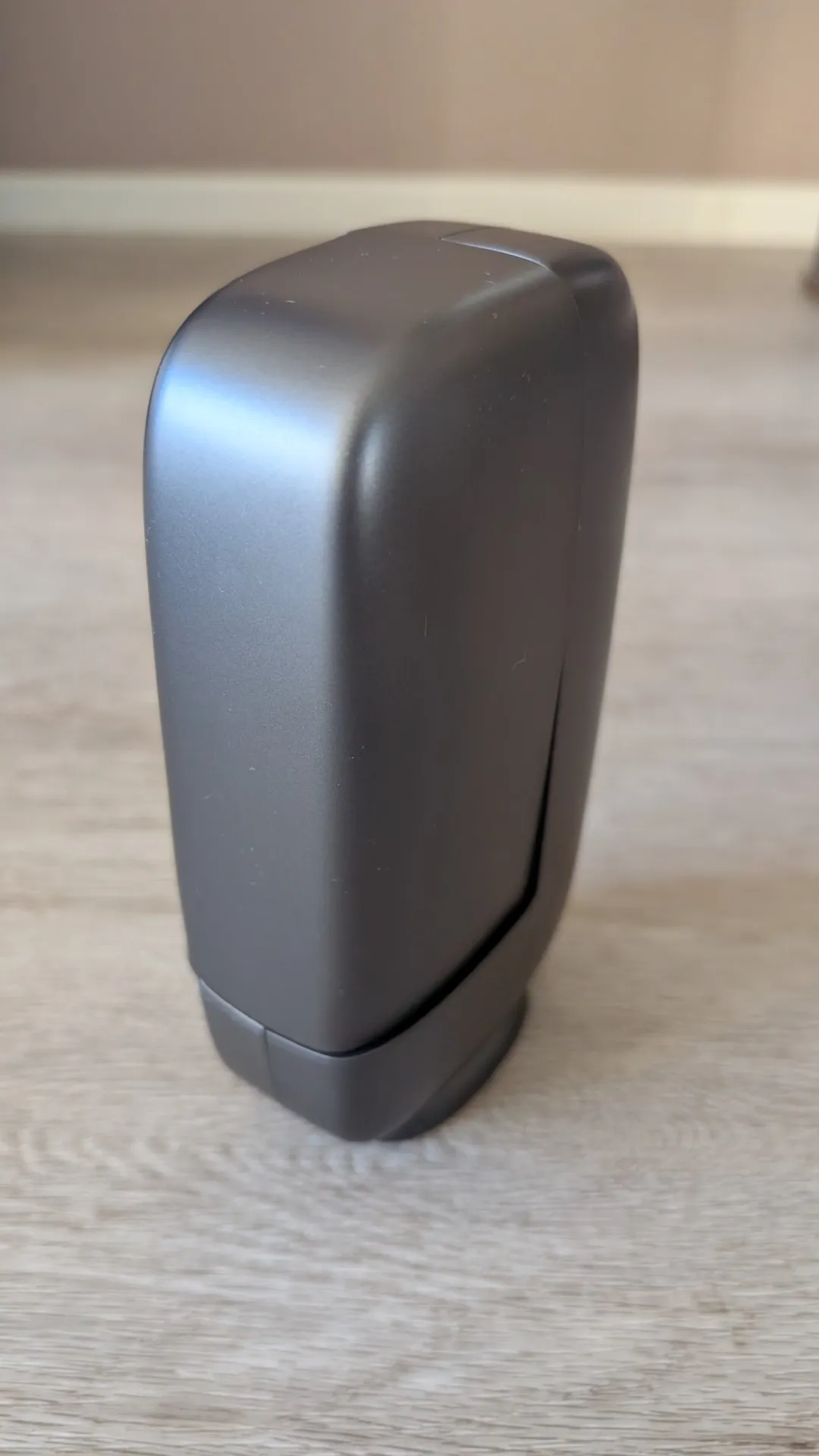
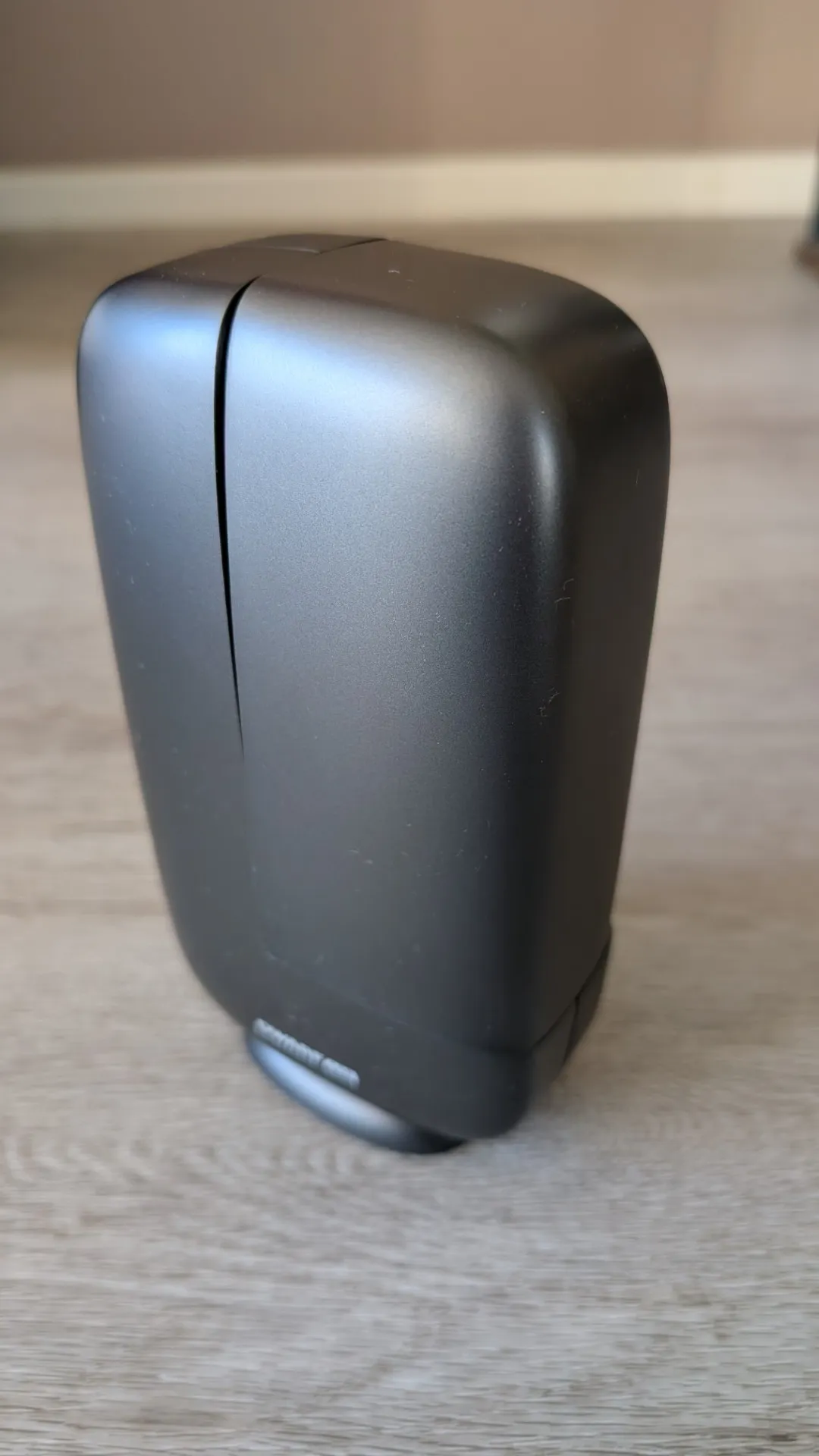
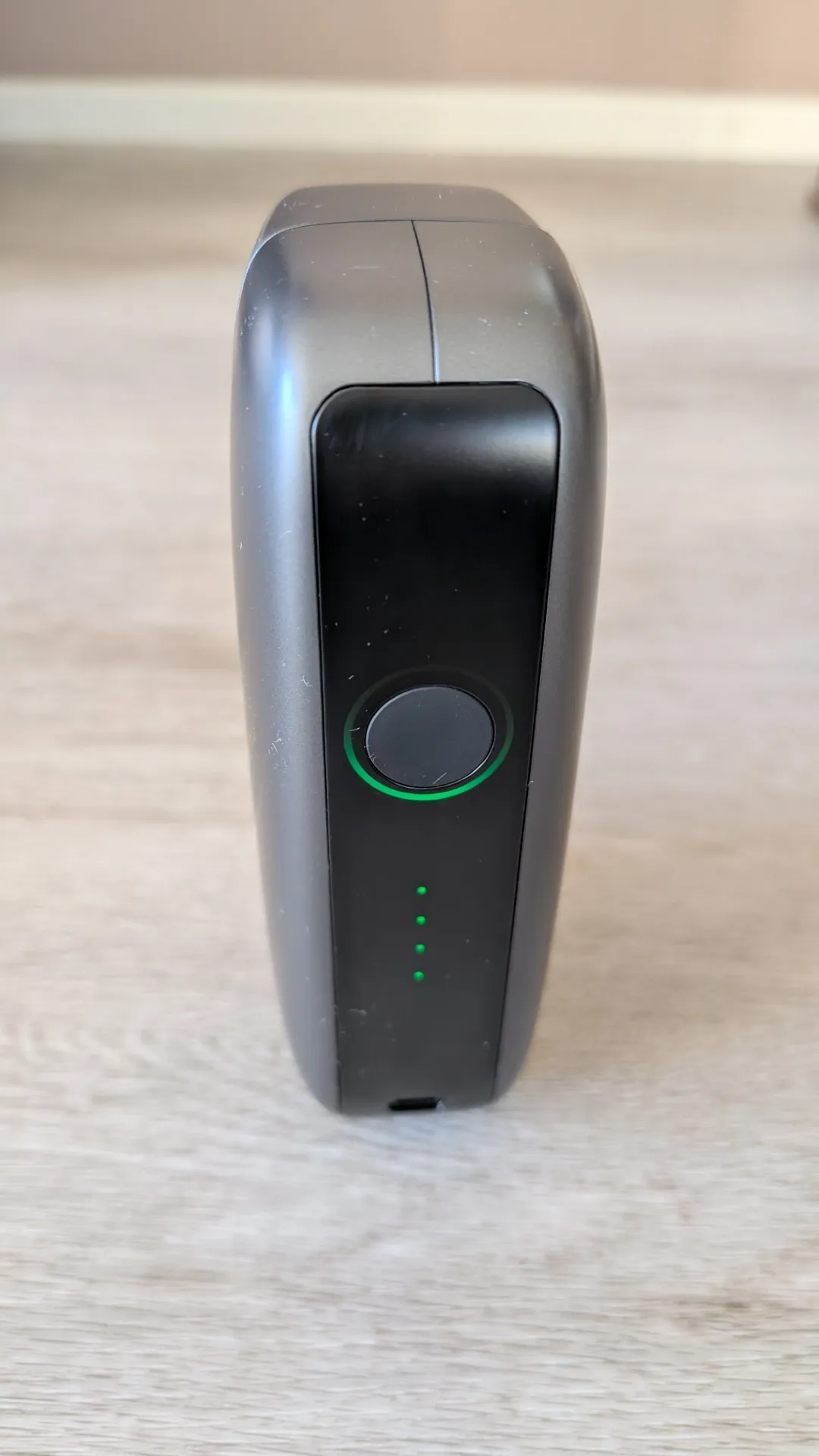
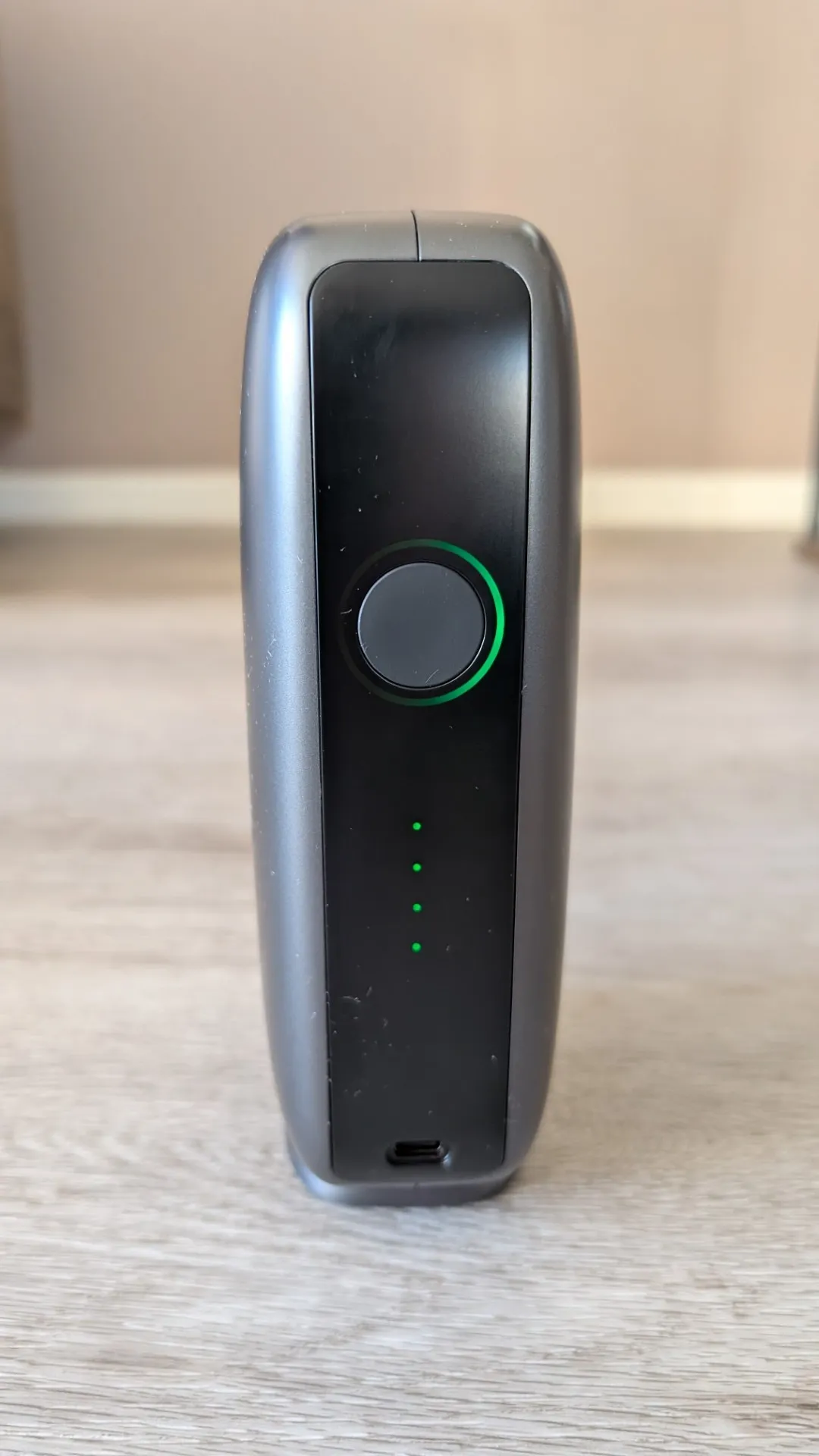
The Mini also includes three built in filters (dark-frame, astro and dual-band) and a 7000 mAh battery capable of up to four hours of continuous operation. With exposures of that length, you can produce genuinely impressive stacked images straight from your backyard or whether for that matter due to its portable size. Charging is handled via USB‑C which supports 22 W fast charging and the port also supports external power banks to extend your imaging sessions well beyond the internal battery’s runtime.
Given that, the Dwarf Mini is perfect for beginners, families, travellers and anyone who wants to explore astrophotography without bulky mounts or complicated workflows and no, you don’t need a tripod, provided you have a flat surface. It’s also a great secondary scope for experienced astrophotographers looking for a grab and go option for quick sessions or wide field targets without getting out of the full gear.
Setup
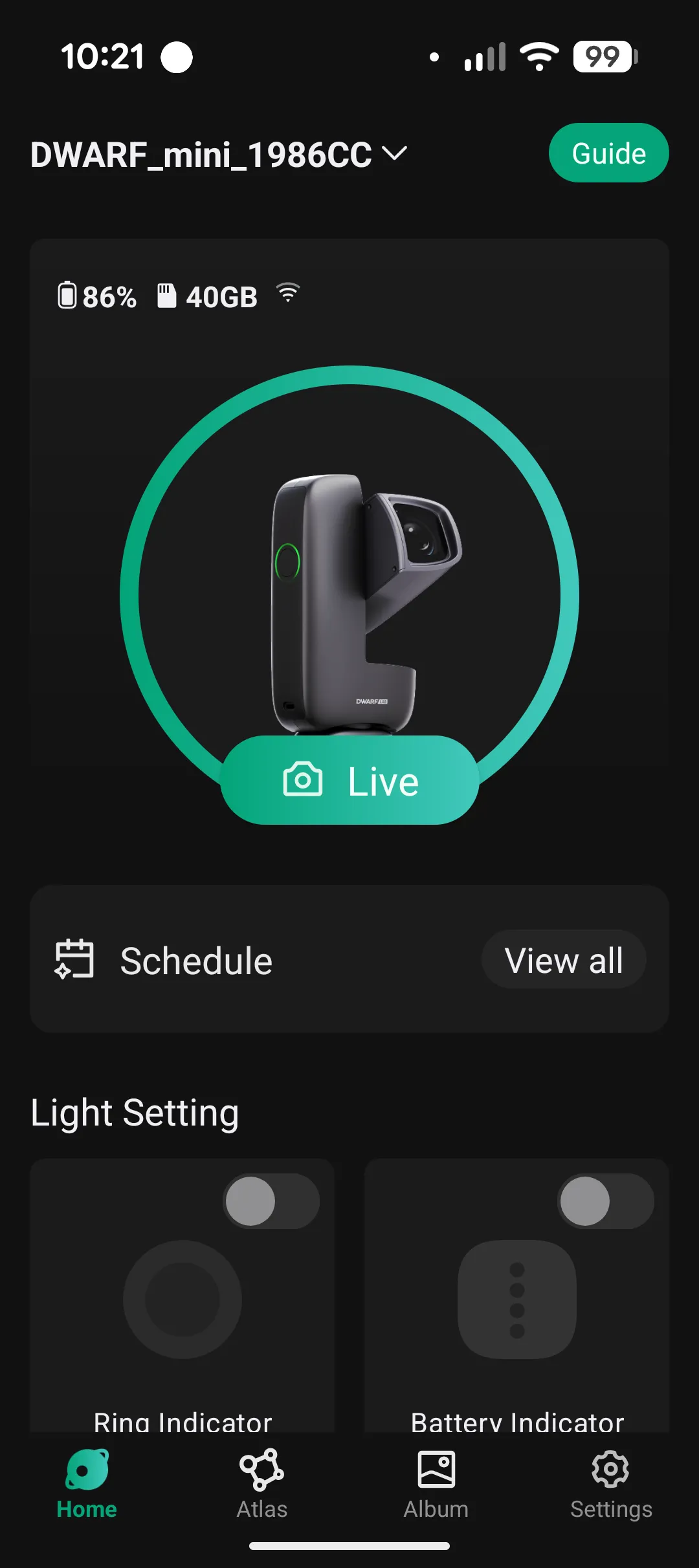
Setup is simple and takes only a few minutes. Place the Dwarf Mini down, power it on, connect via Wi‑Fi and the app guides you through calibration. The star alignment routine is almost entirely automatic and thanks to the built in celestial atlas, you don’t need any astronomy knowledge — just tap a target and the Mini handles the rest. Dwarf also have recommended targets and you can even favourite your personal favourites.
Real-world Testing
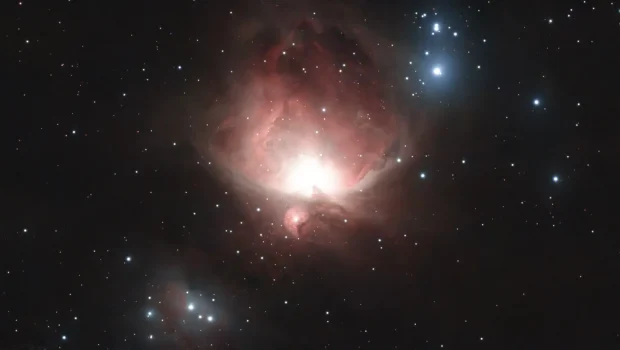
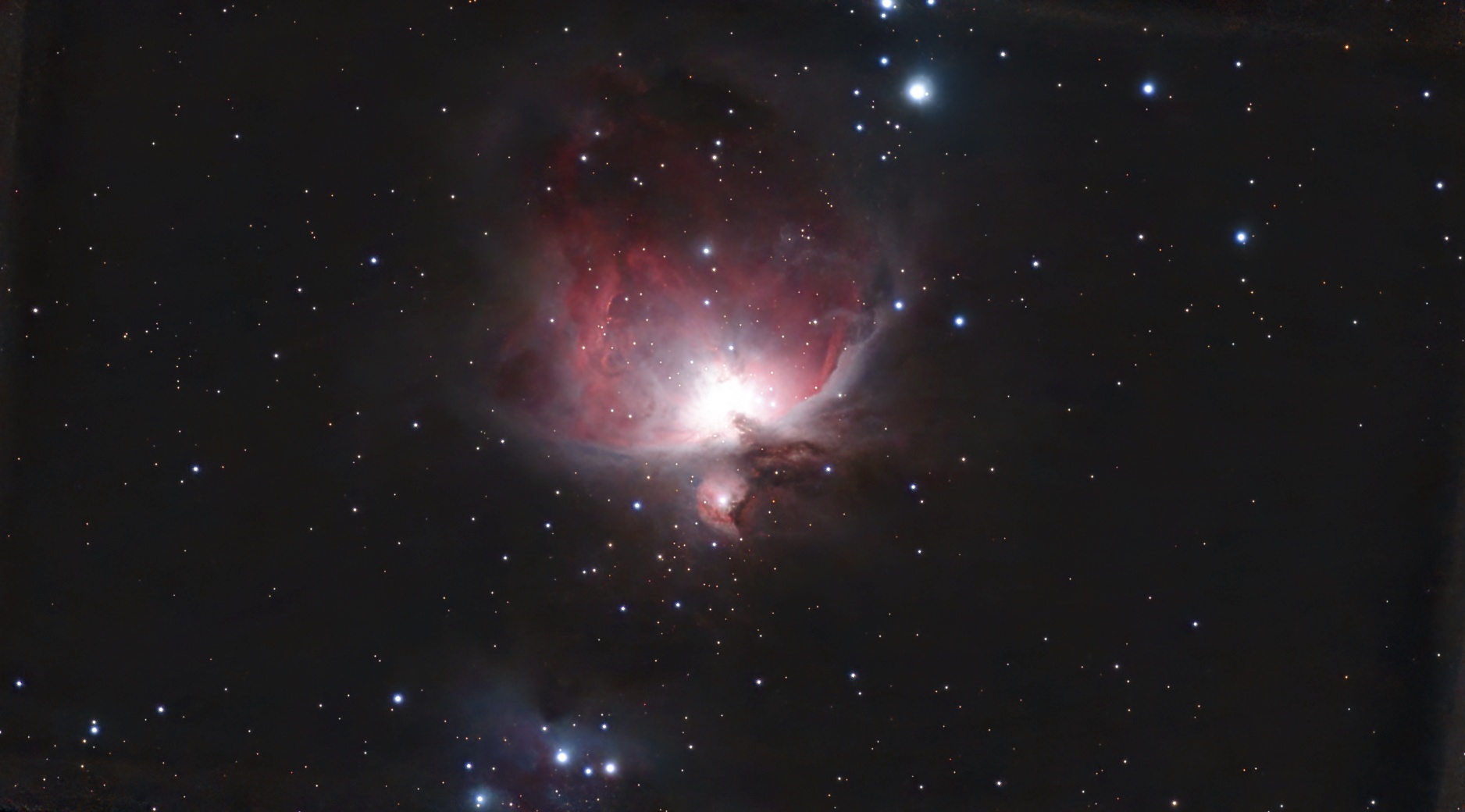
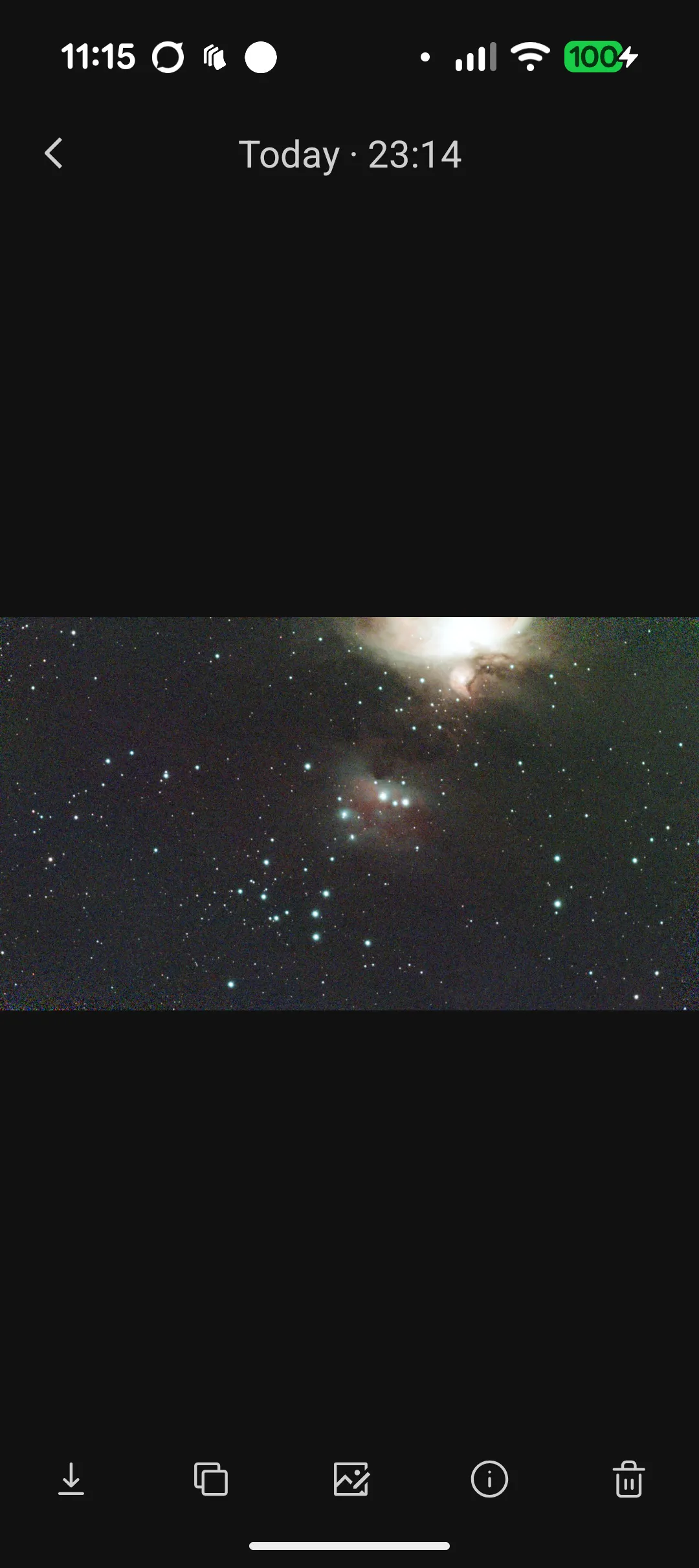
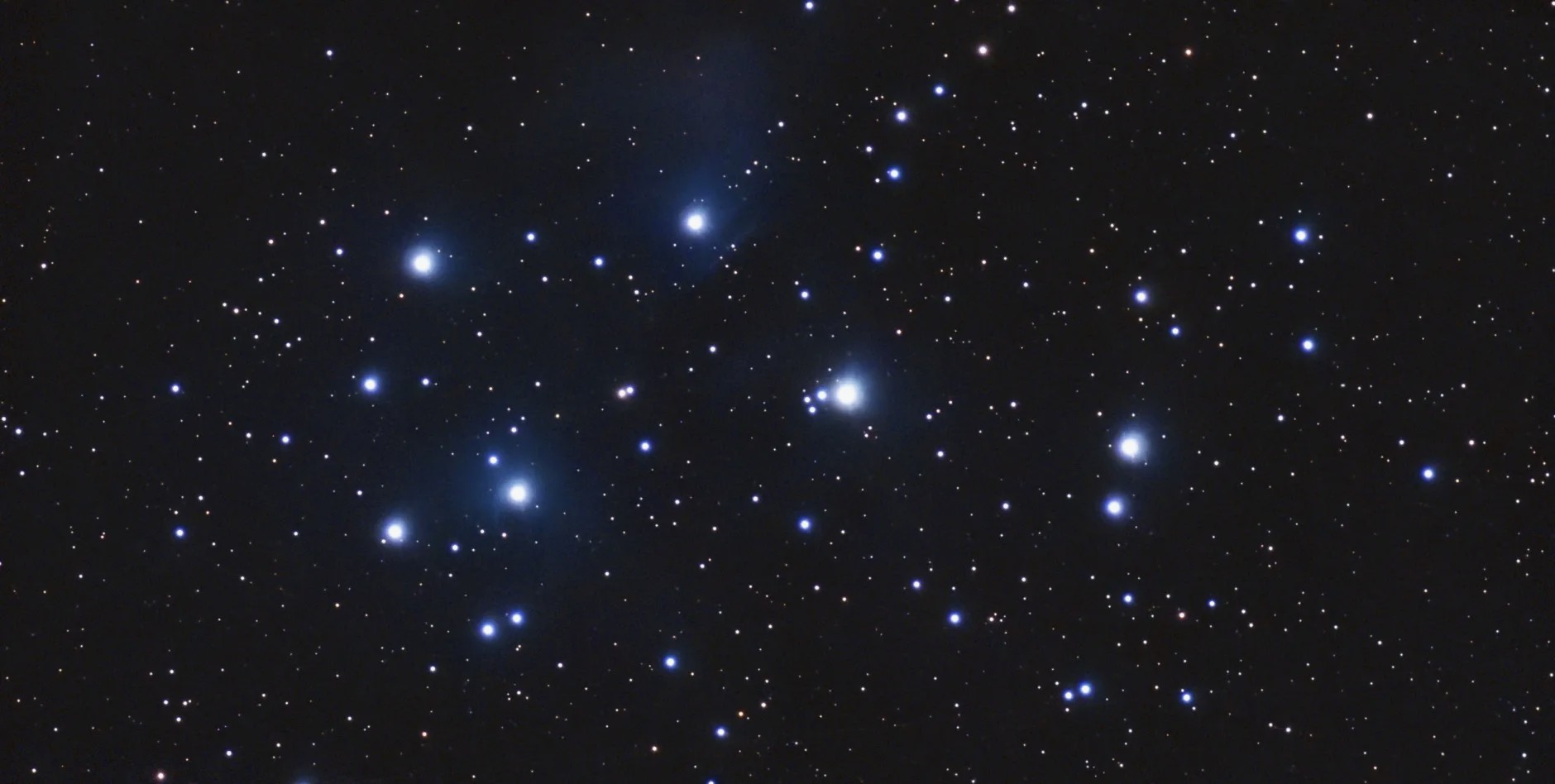
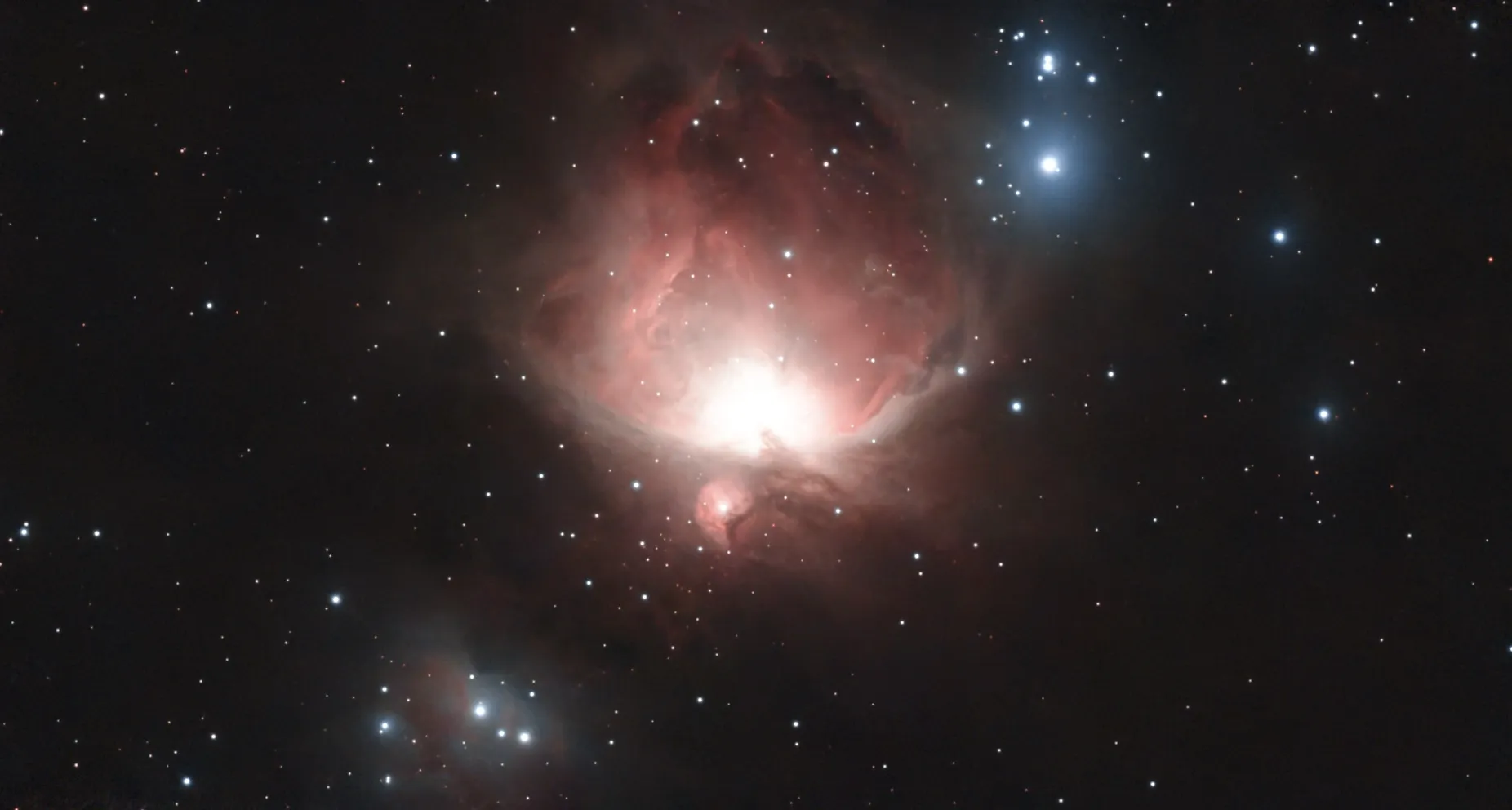
During testing in suburban Geelong and Philip Island, the Dwarf Mini consistently impressed with how quickly it locked onto deep sky objects despite moderate light pollution. Within minutes, we were capturing clean subs of the Orion Nebula and after a short stack, the familiar colours emerged with surprising clarity for such a compact device. Even light wind didn’t throw it off as tracking remained stable and the final stacked images showed no noticeable star trailing.
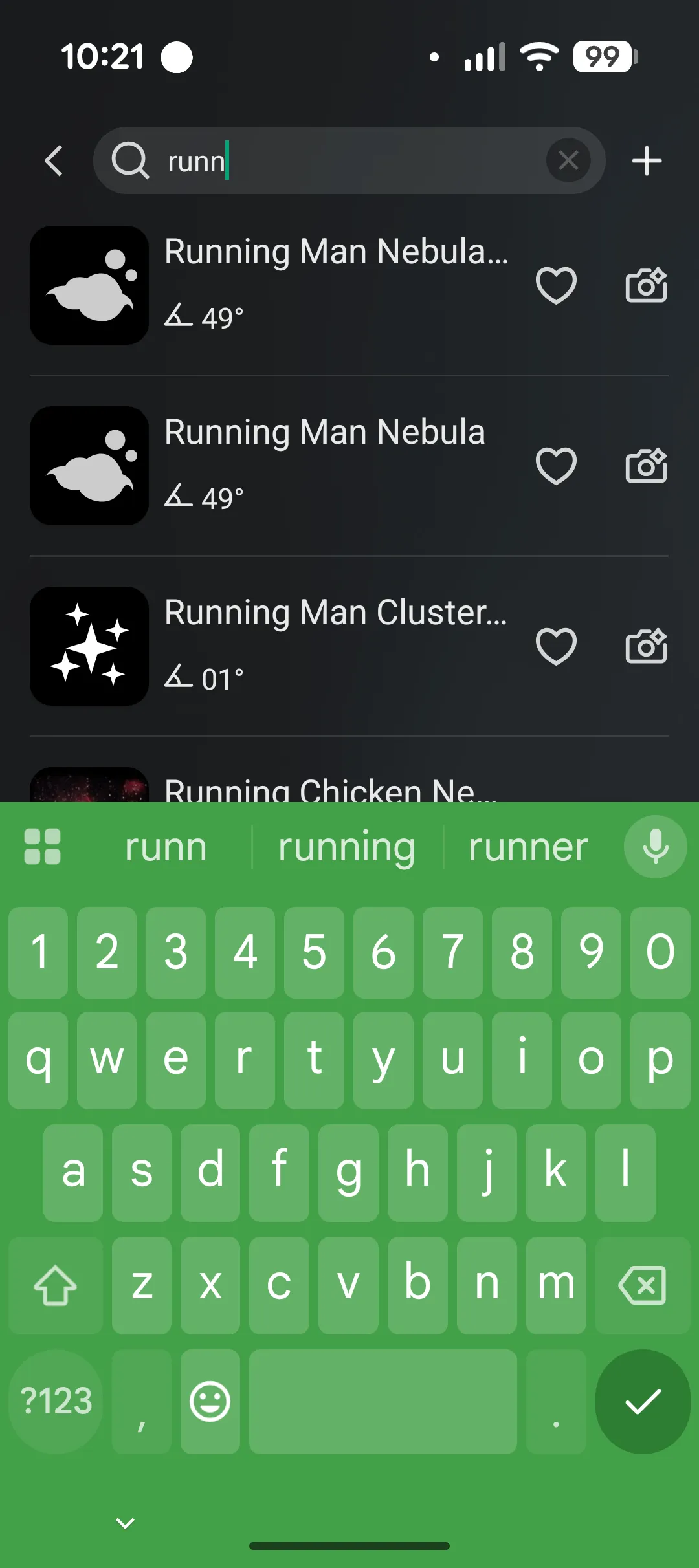
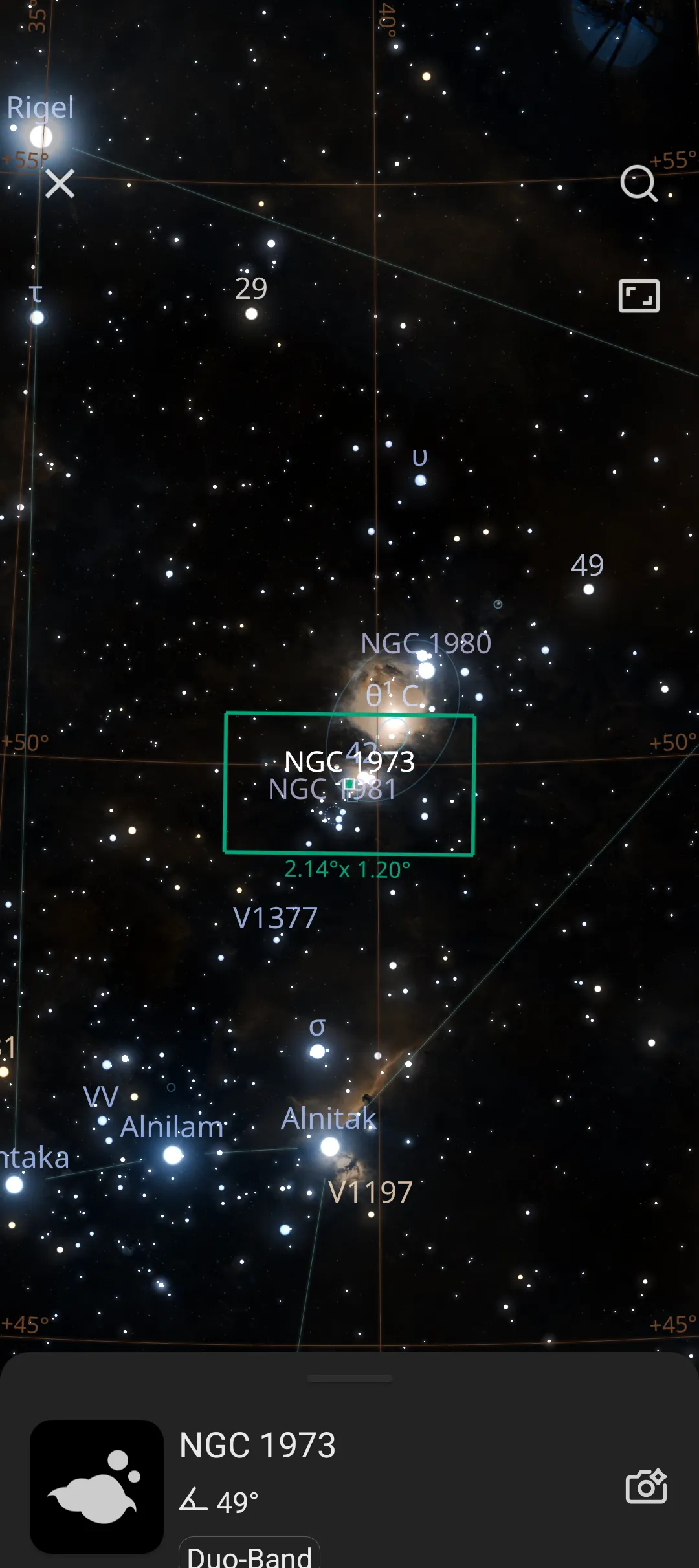
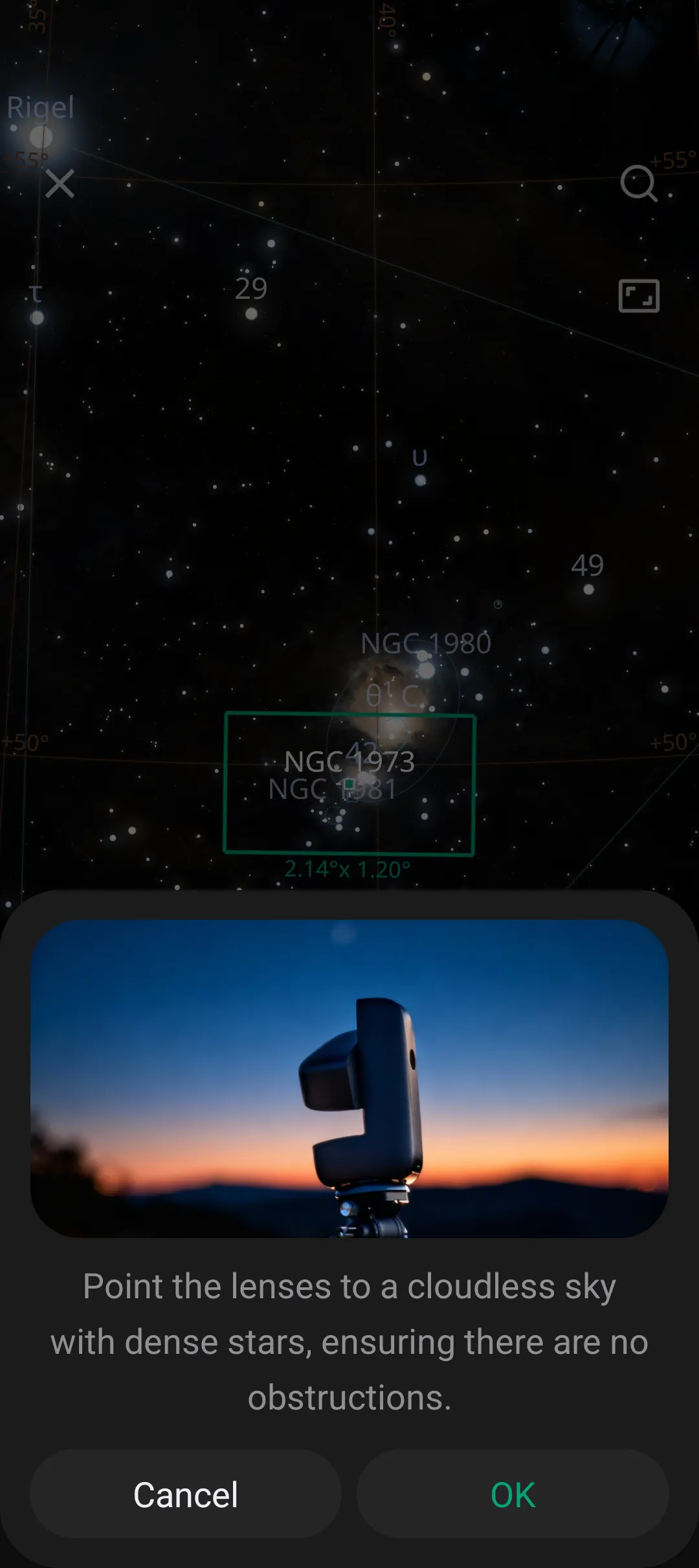
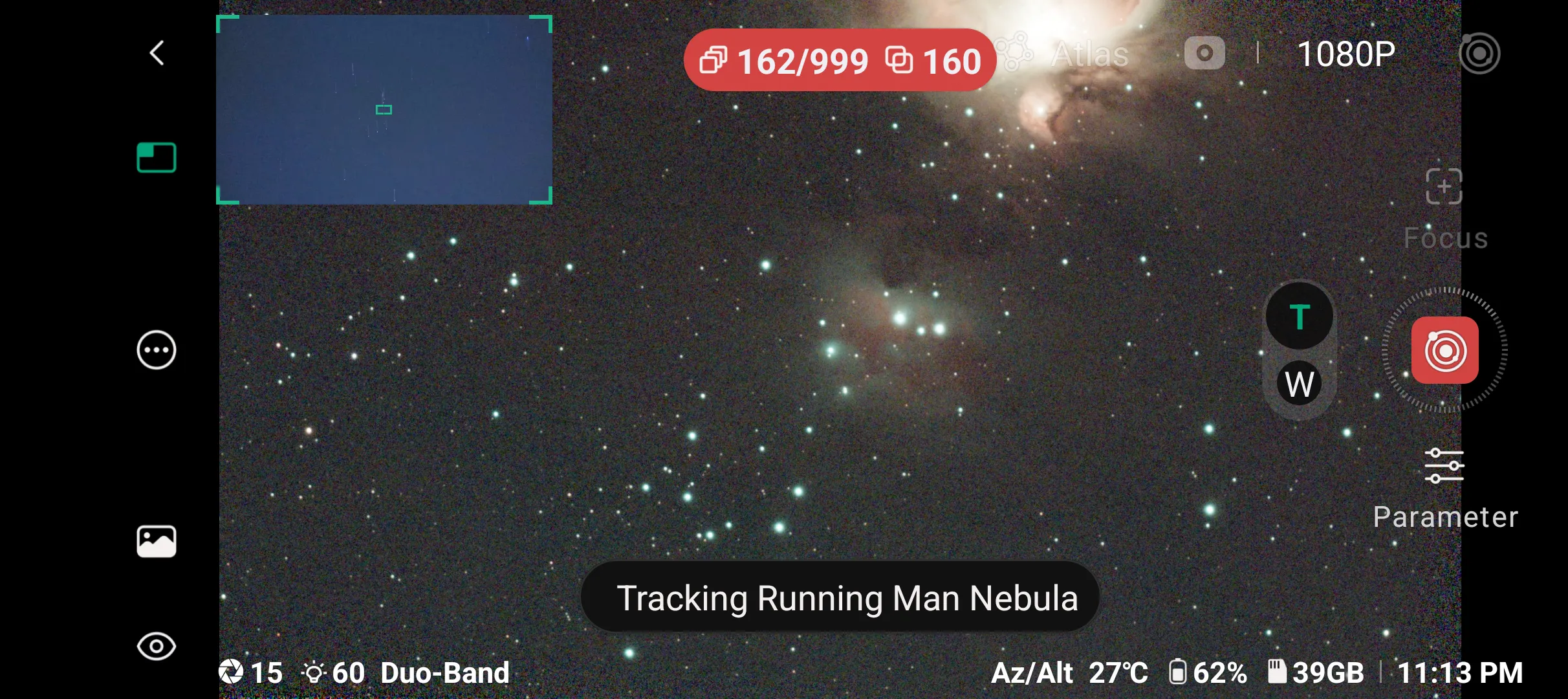
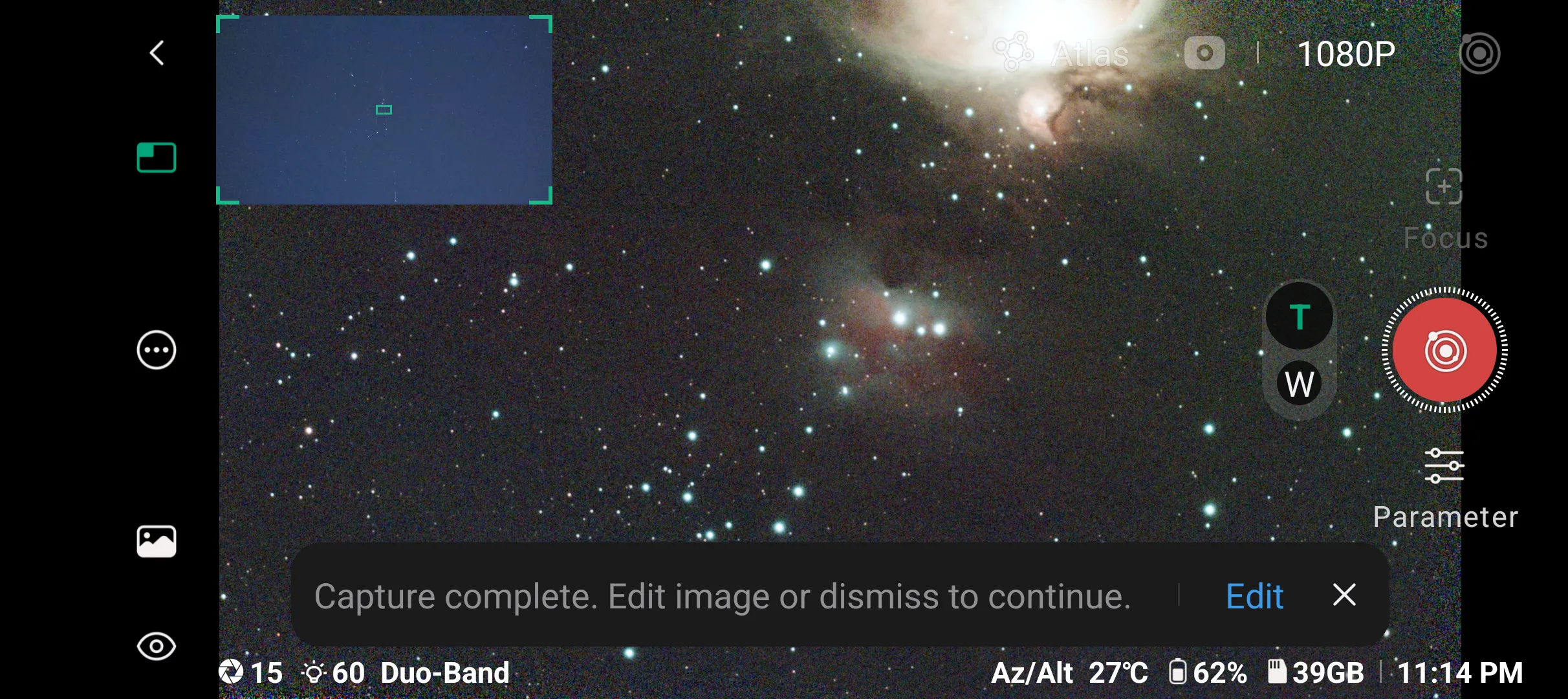
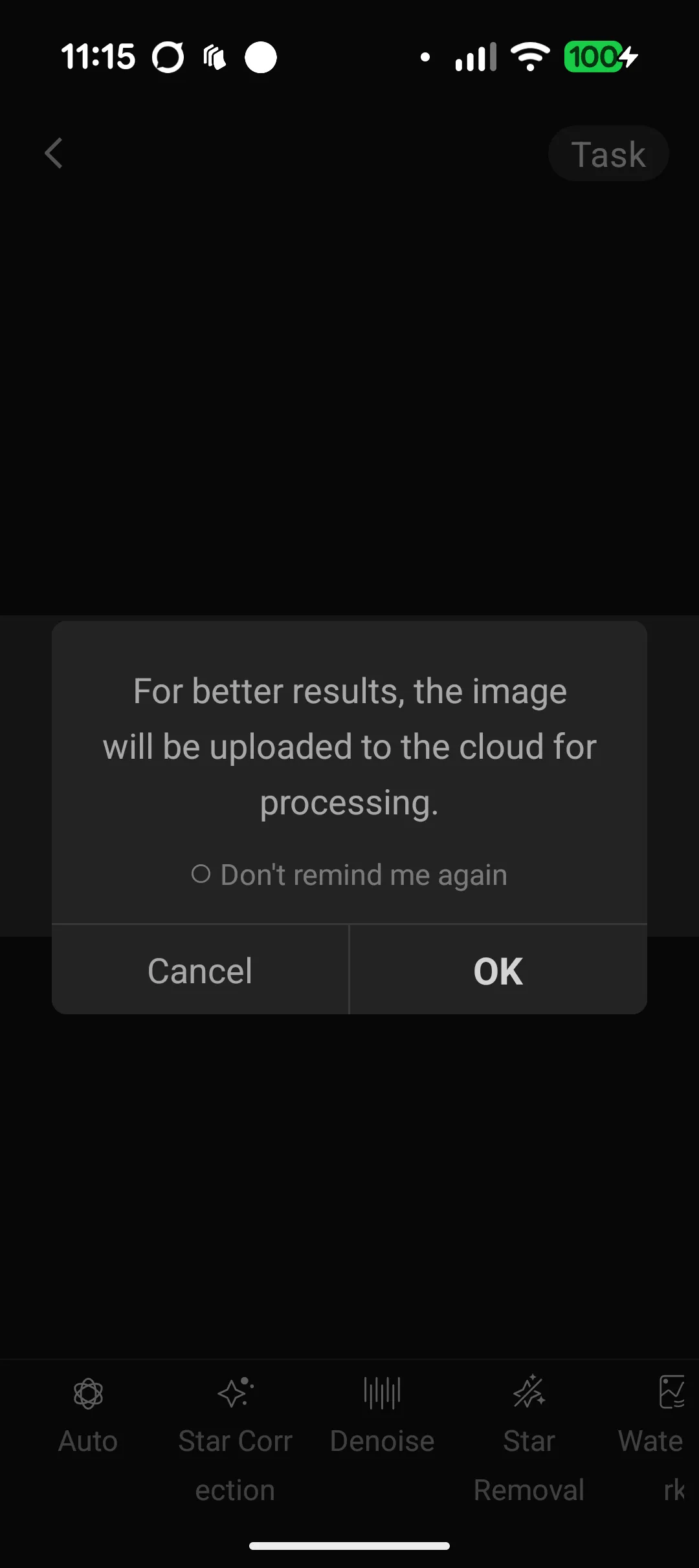
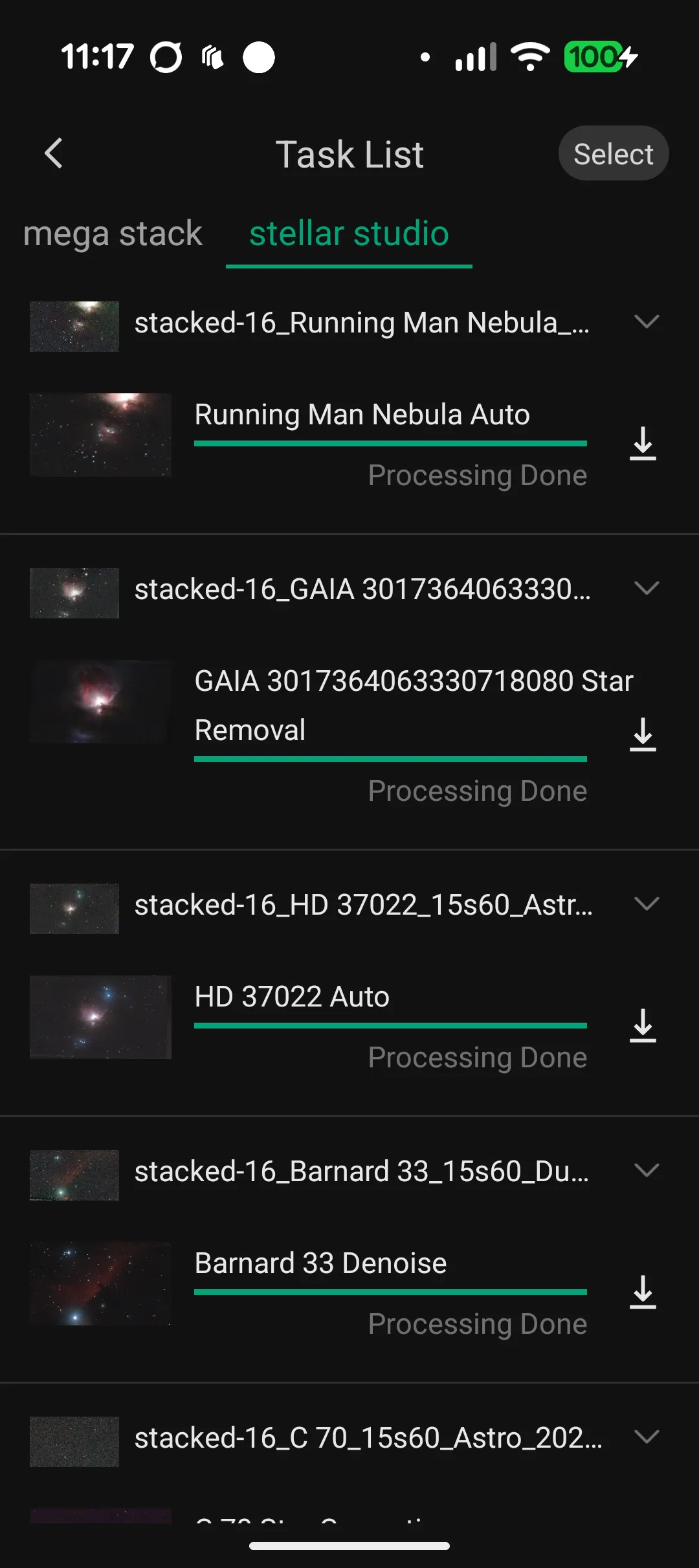
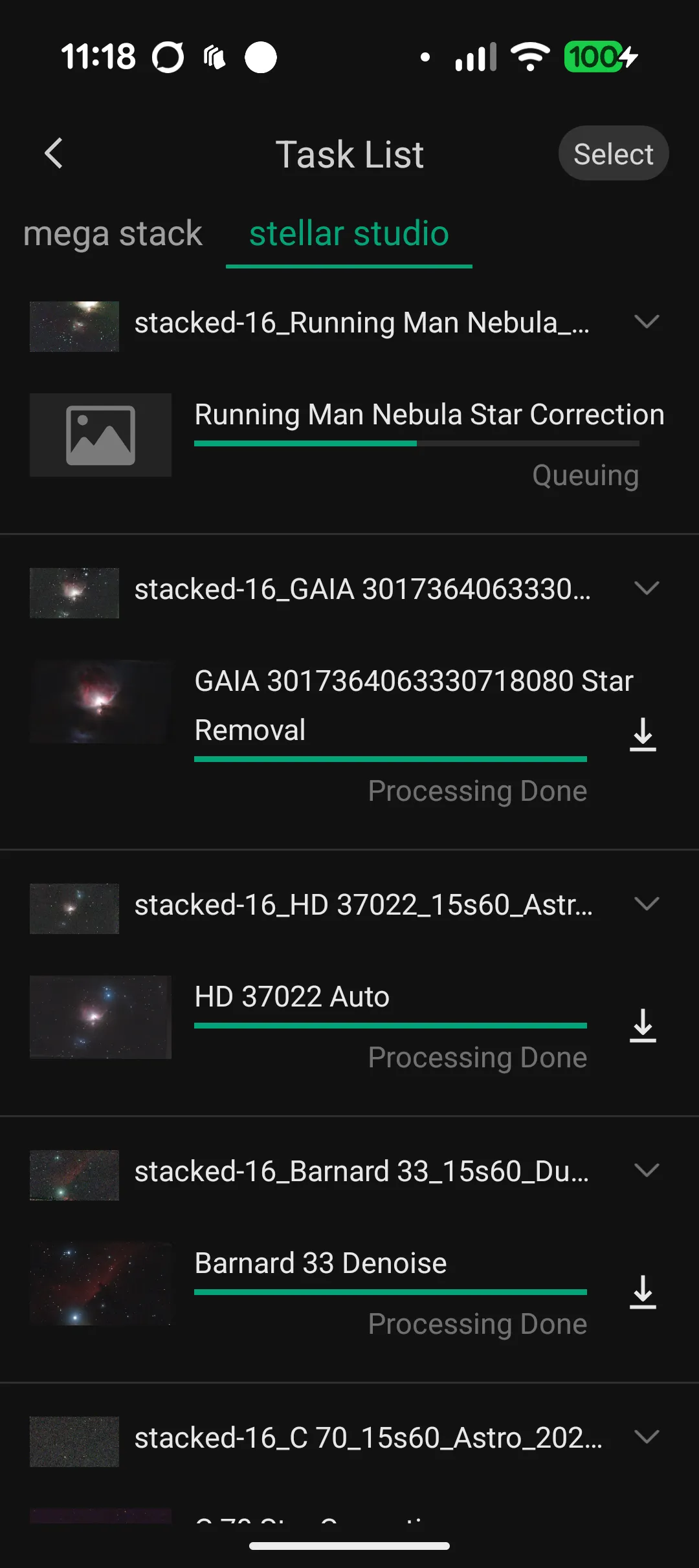
And here is the Dwarf app in action with the Running Man Nebula.
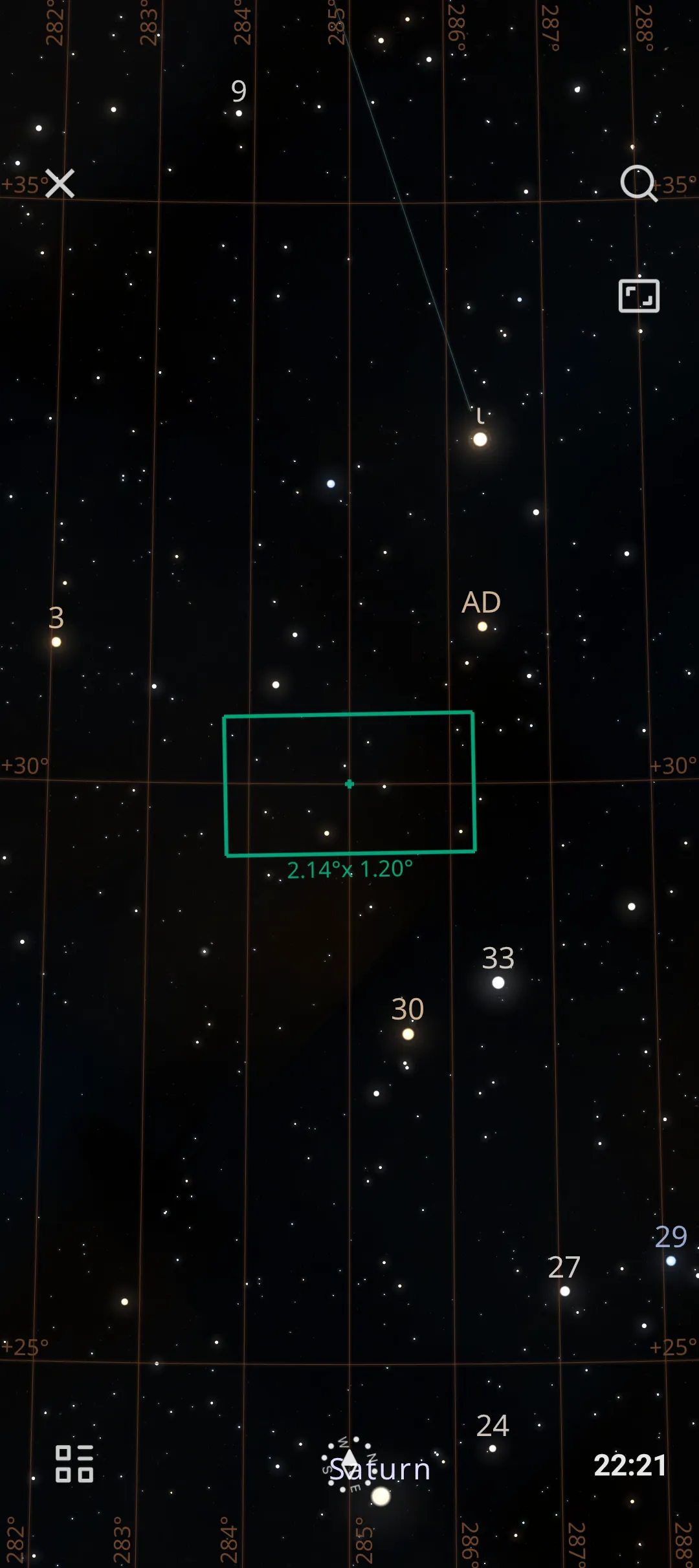
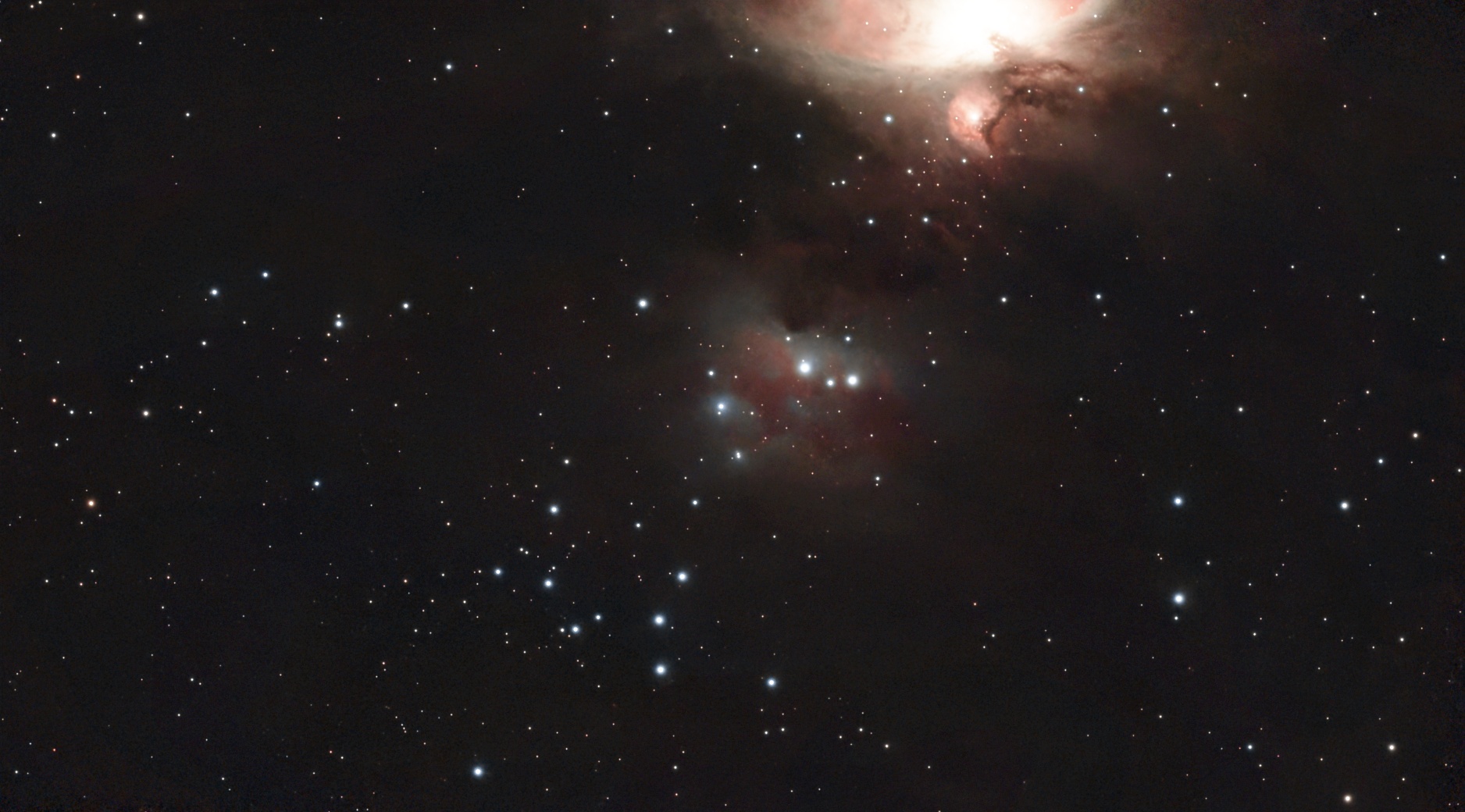
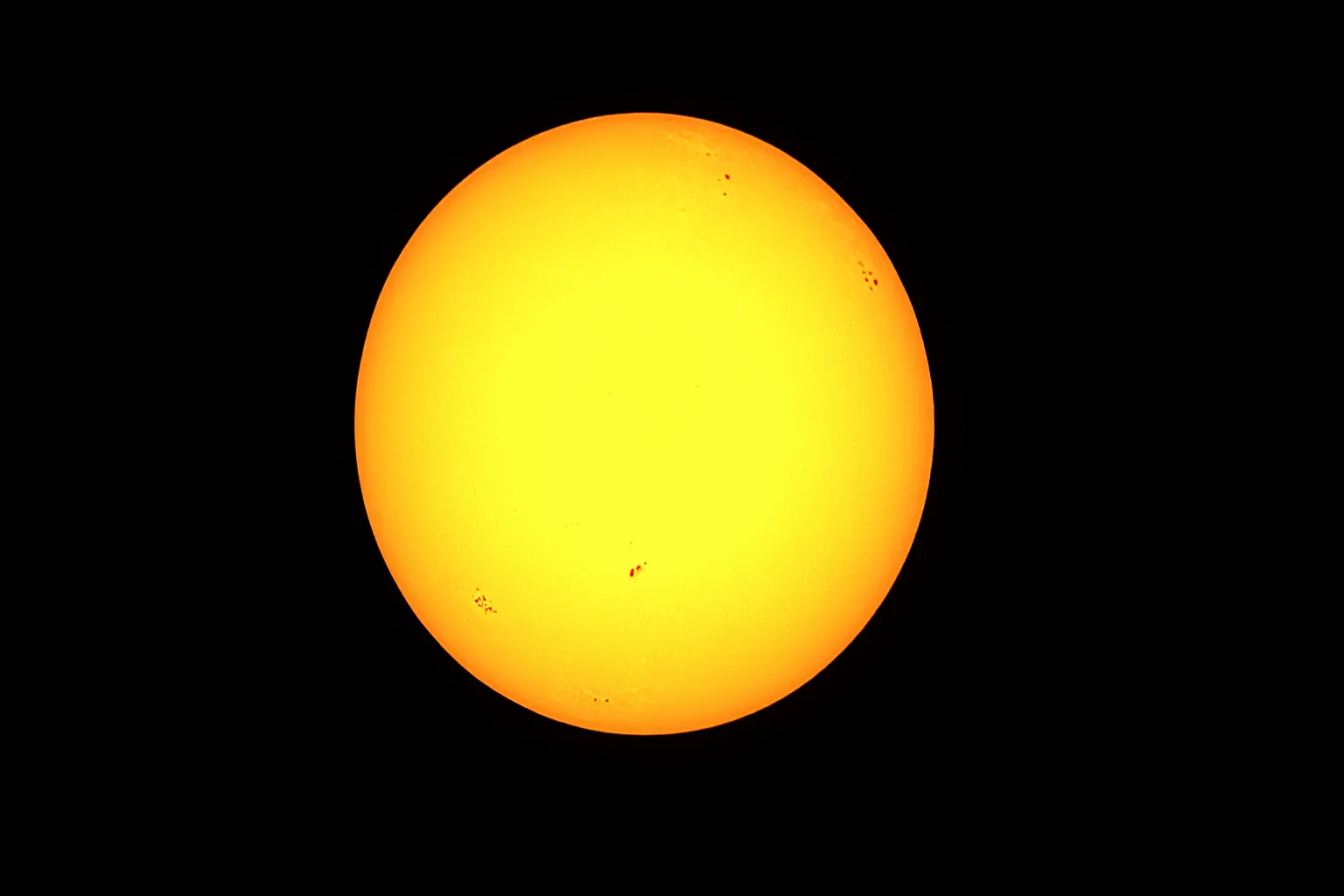
The Mini also handled the Sun and Moon well, though with a caveat. Unlike deep sky objects which the telescope automatically detects and centres, the Sun and Moon require manual positioning through the app before tracking kicks in.
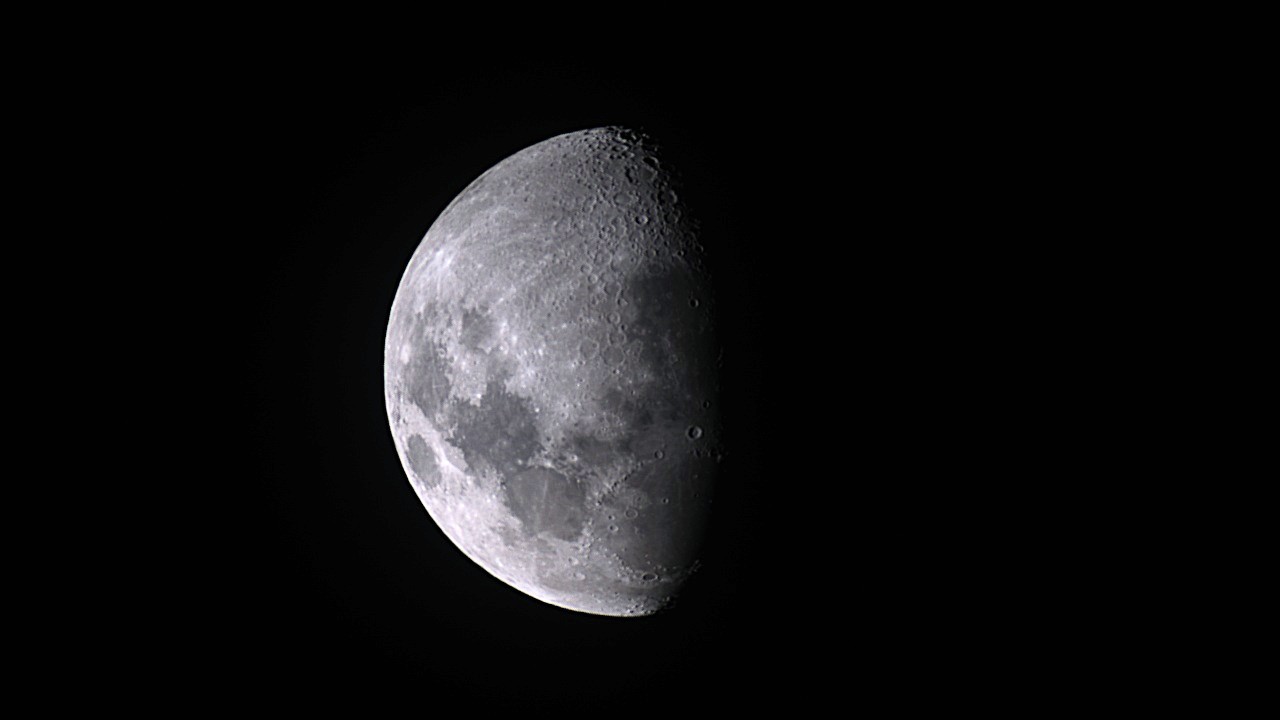
This can be a little fiddly due to the on-screen controls but once aligned, the Mini tracked both targets reliably. With the included ND Solar Filter attached, solar imaging was safe and straightforward and lunar captures were crisp and detailed. However, it should be known that Dwarf are always tweaking and fine-tuning the app, including updating firmware for their devices so I’m sure this will be addressed.
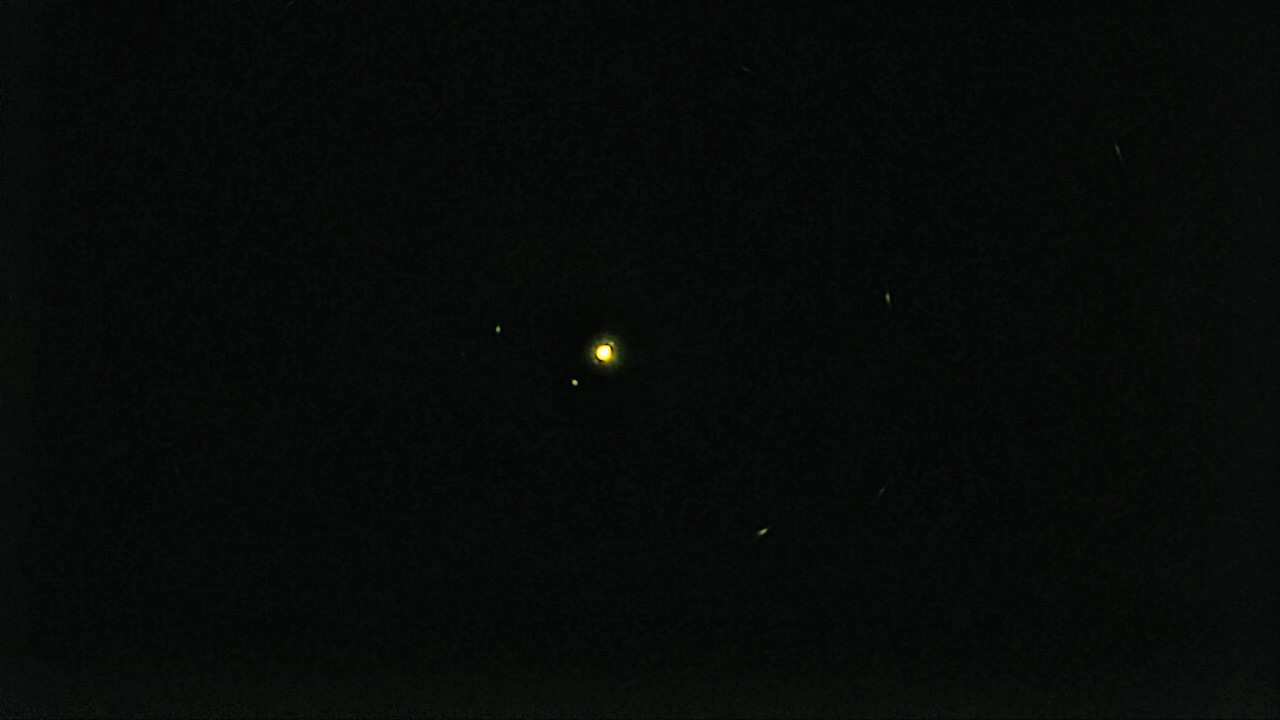
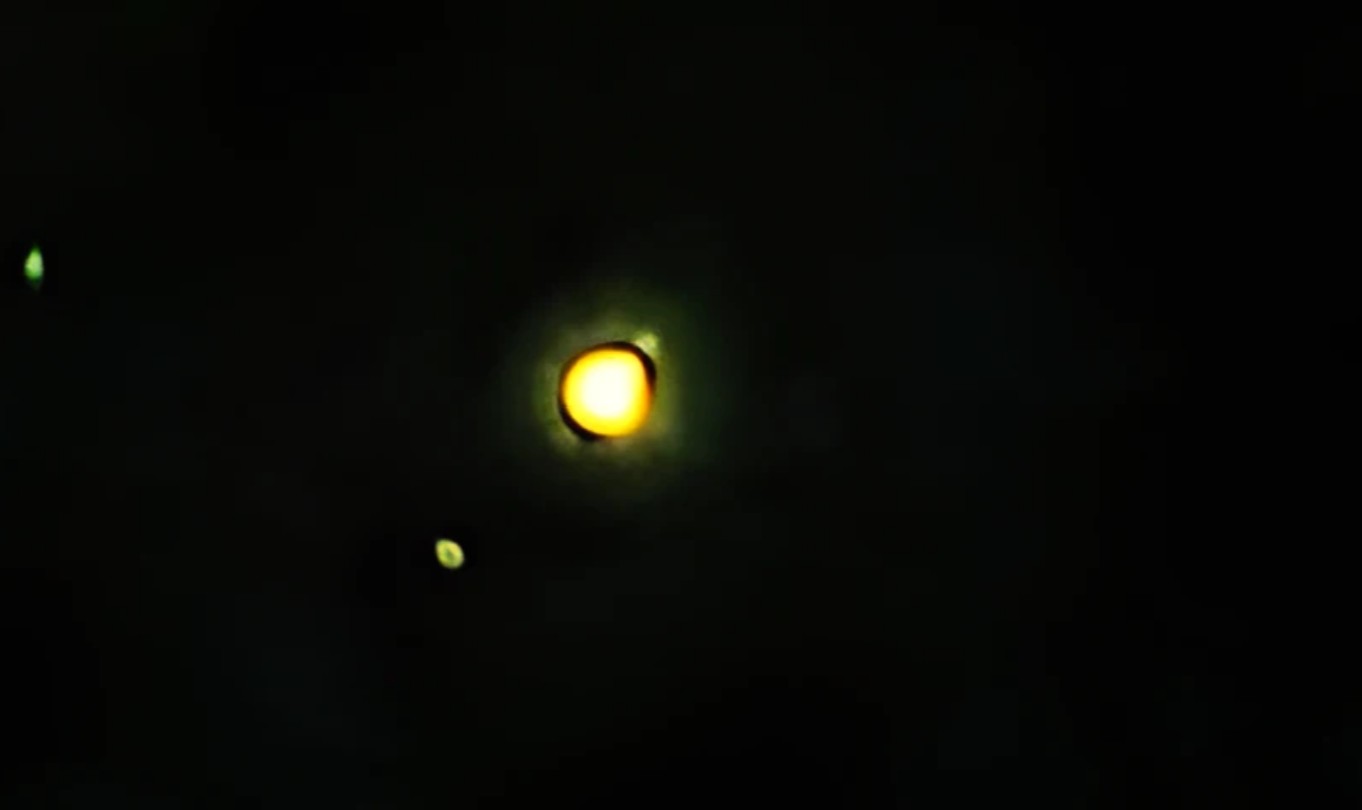
The Dwarf Mini can capture the planets (see Saturn below), however due to their design that is optimized for wide field deep sky objects, they lack the long focal length and large aperture necessary for high magnification, detailed planetary imaging. Nonetheless, it is impressive that it found Saturn and captured it. I did have to digitally zoom in, however it is unmistakably Saturn and perhaps two of its moons?
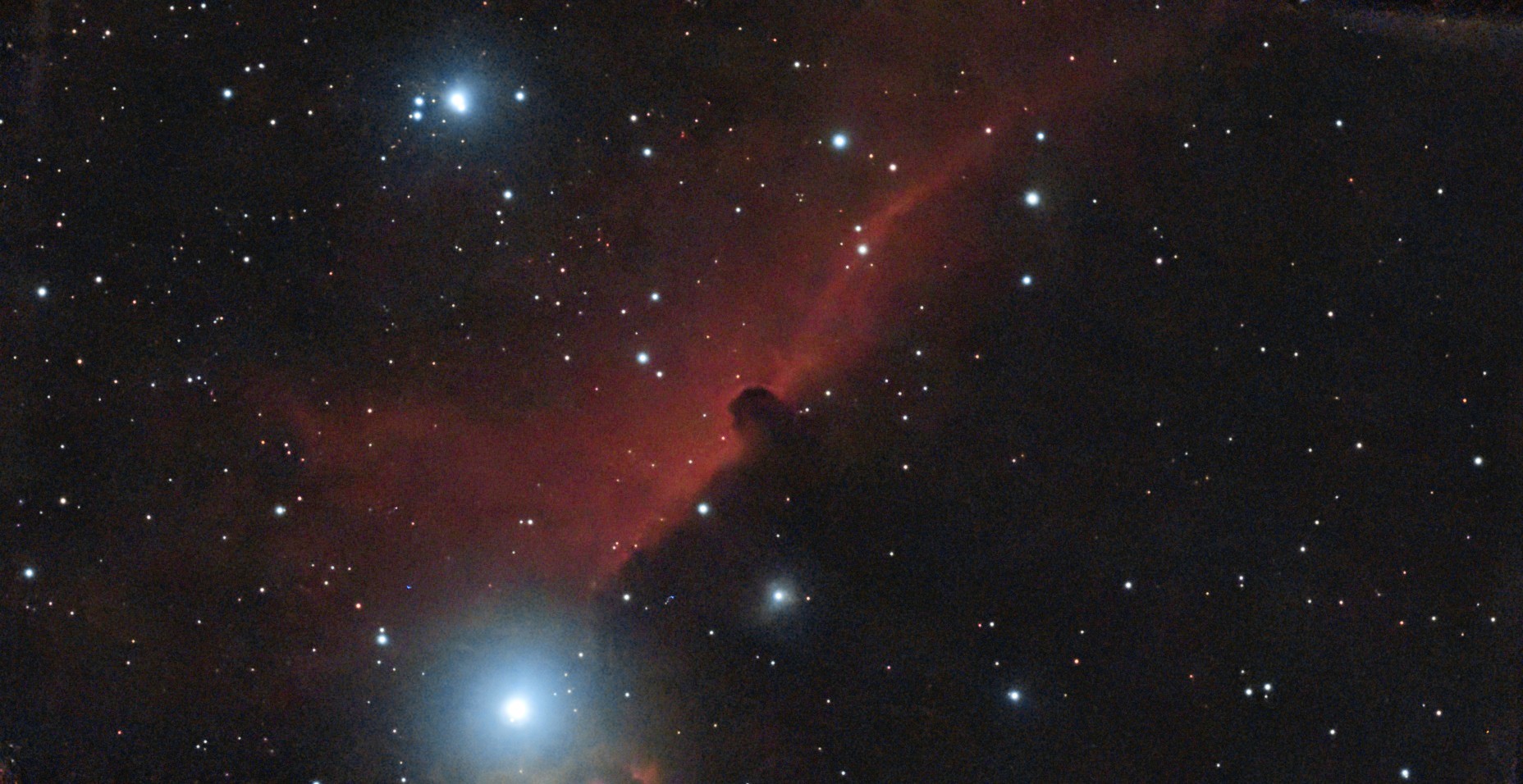
After using the Dwarf Mini for just over a month, what stood out was how accessible the experience was. For example, my daughter tapped the screen to select the Horse Head Nebula and the Mini slewed, focused and began capturing without any fuss. It’s rare to find astrophotography gear that’s genuinely kid friendly.
Stellar Labs – Cloud Powered Editing
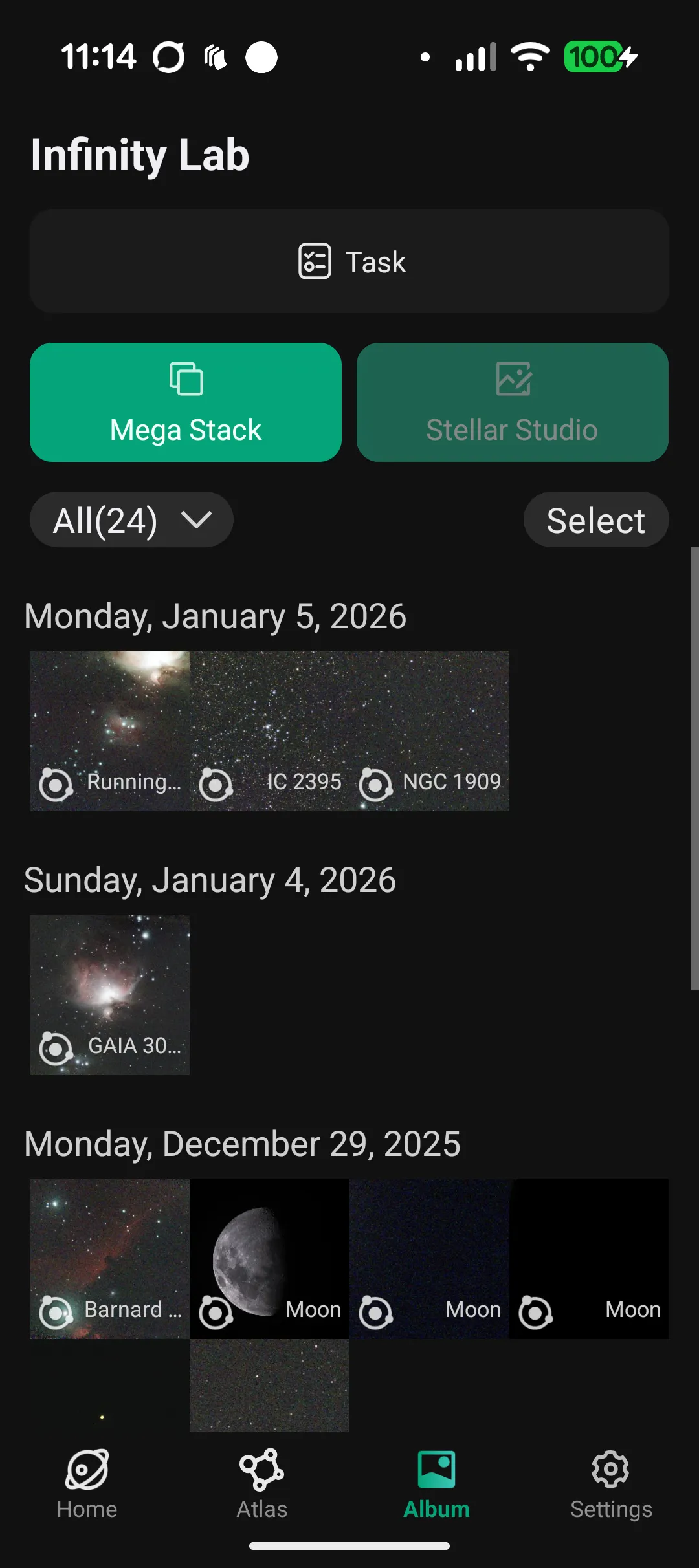
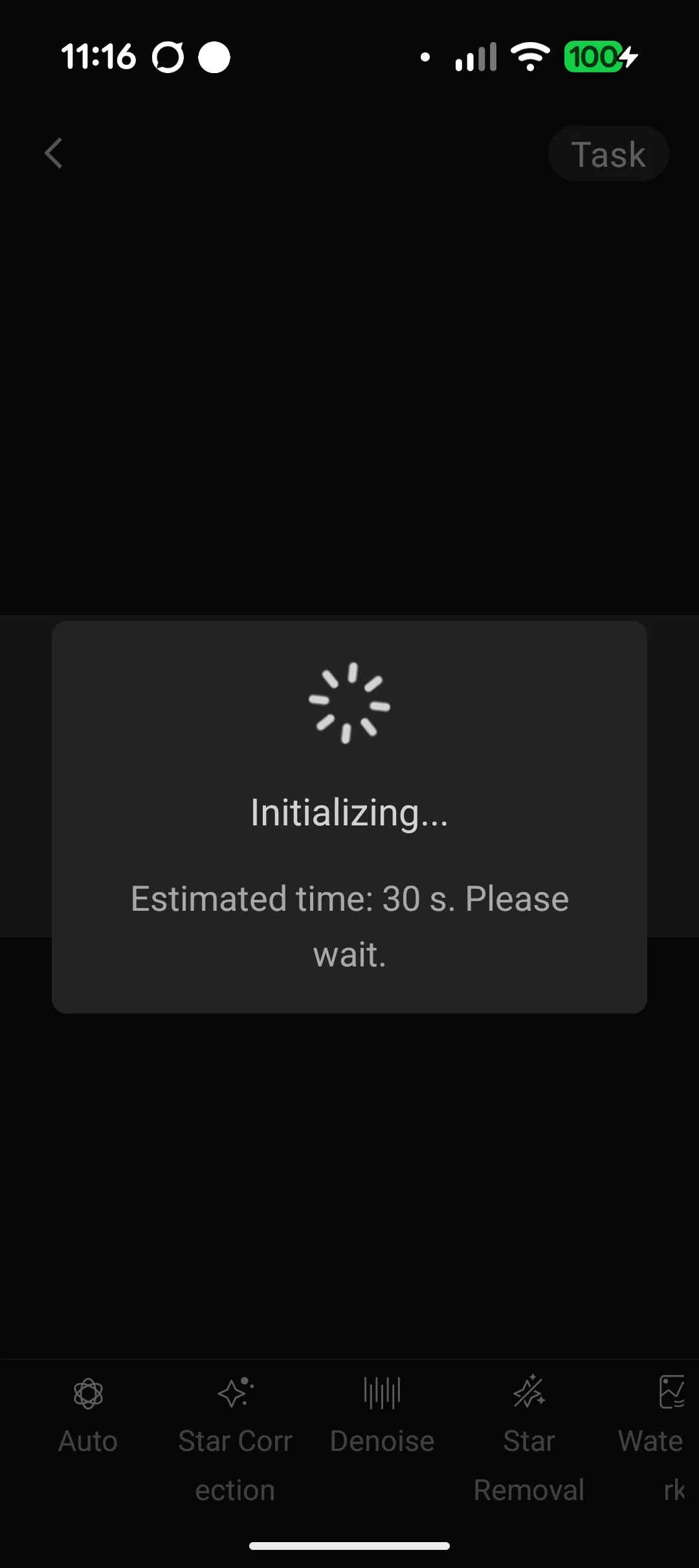
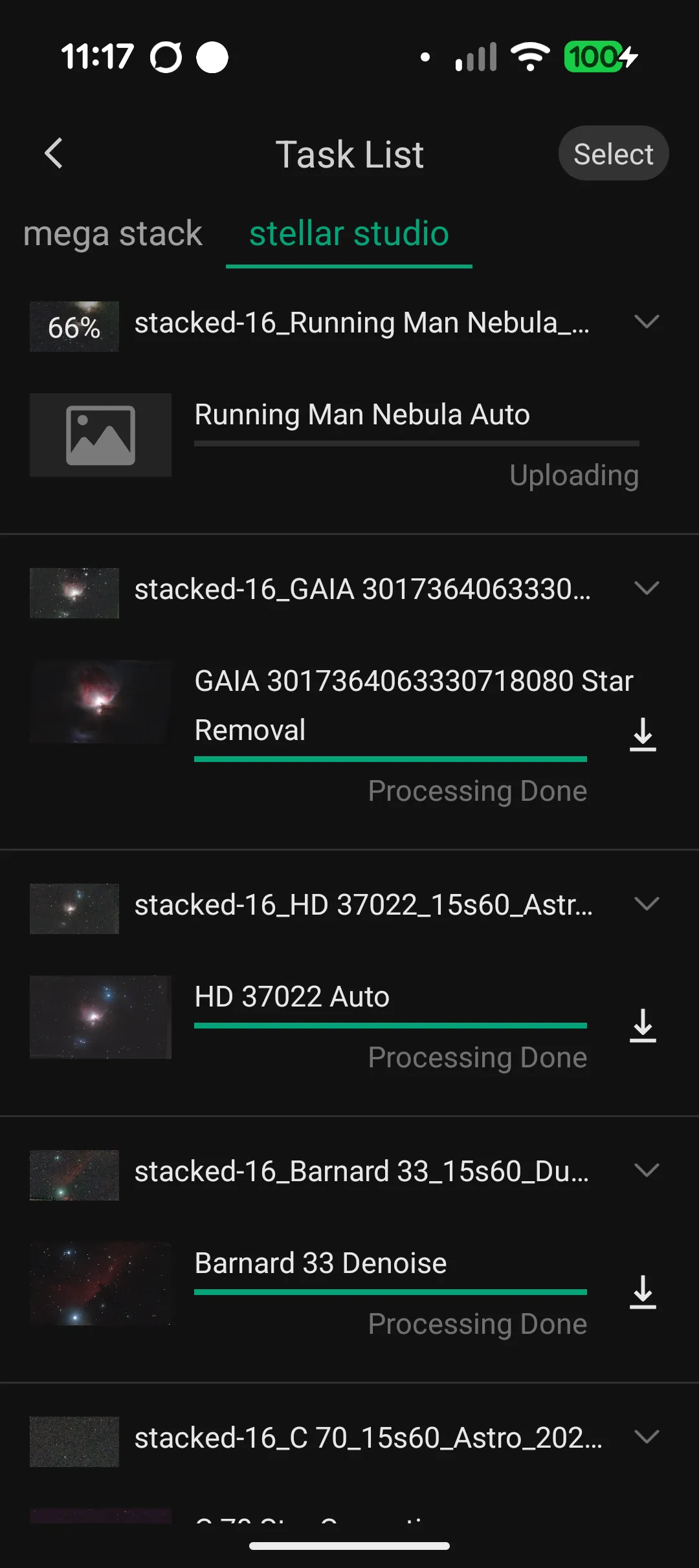
Dwarf has also introduced a new cloud based pro editing suite called Stellar Labs, which processes your images online using AI powered stacking, star removal, denoising and colour enhancement. It’s designed to give you near final astrophotography results with a single tap, making it ideal for beginners or anyone who wants quick, polished images without diving into desktop software. Power users can still export RAW files for full manual control in Photoshop, Siril or other astrophotography tools.
Pros
- Extremely portable and travel‑friendly
- Excellent tracking for its size
- Clean low‑light performance from the IMX662 sensor
- App is intuitive and beginner‑friendly
- Built‑in filters reduce the need for accessories
- Stellar Labs offers fast, polished cloud‑based edits
- Great for families and first‑time astrophotographers
Cons
- Four‑hour battery life may be limiting for long sessions
- Manual alignment required for Sun and Moon
- In‑app controls can feel fiddly for fine adjustments
- Wide‑angle lens is more situational
Final Thoughts?
The Dwarf Mini is a genuinely impressive piece of engineering, a smart telescope that lowers the barrier to entry for astrophotography without sacrificing capability. Its portability, ease of use and excellent performance make it one of the most accessible ways to explore the night sky. Whether you’re a beginner, a traveller or an experienced astrophotographer looking for a compact companion, the Dwarf Mini delivers far more than its tiny footprint suggests.
Recommended for more information, please visit https://dwarflab.com/

About the Author

Andrew Bistak When he's not trying to save the world, Andrew enjoys travel (although loathes turbulence), going to the movies, reading and being a dad to his two dogs (and now twins) with his wife.
Related Posts
Level Up Your Setup – all gaming products 20% off via Belkin website →

Logitech G325 LIGHTSPEED Review →
Beats launches iPhone 17e Case →