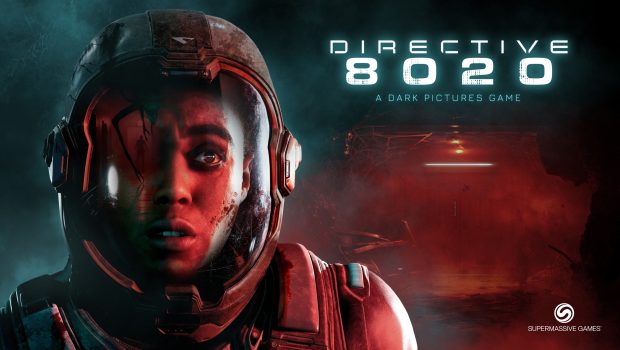
Directive 8020 PC Review
Summary: The overall plot, cast and character dynamics carry the story forward, and the bug-free experience, full stealth gameplay and other new mechanics set a new standard for future Supermassive games.
4
Who Are You?
It’s been 3.5 years since Supermassive’s latest, The Dark Pictures: The Devil in Me, ended and teased that its next tale in an ever-growing list of fun, campy B‑horror stories would take place in the genre’s beloved setting of space, in the form of Directive 8020.
Ever since their success with Until Dawn on the PS4 more than a decade ago, and their eventual return to making horror games, Supermassive have kept adding to their niche of realistic-looking, movie-like campy horror game experiences, be it singleplayer only or with a multiplayer element attached.
The Dark Pictures games were known to release yearly, a tradition Supermassive broke with the more than three-year long wait for Directive 8020. The Dark Pictures games were also known to be a bit… unstable, buggy and undercooked at times. 2015’s Until Dawn is still the highlight of Supermassive’s career, their first foray being their best and most iconic one. But the Dark Pictures games have a fanbase nonetheless, one that includes me. Their campiness often adds to their charm, albeit it may take away from it for others.
So, after three years of waiting and delays, how does this extra time pay off for Directive 8020’s quality? Let’s find out.
Never forget where you started
Directive 8020 is set aboard the Cassiopeia, a reconnaissance vessel sent to survey the planet Tau Ceti f. With Earth in crisis and becoming somewhat unlivable, humanity is forced to move on to the stars and find a new home, one they believe they have found in the form of this planet. As pioneers, the crew aboard the Cassiopeia have been expertly vetted to travel the furthest any human has ever travelled from home.
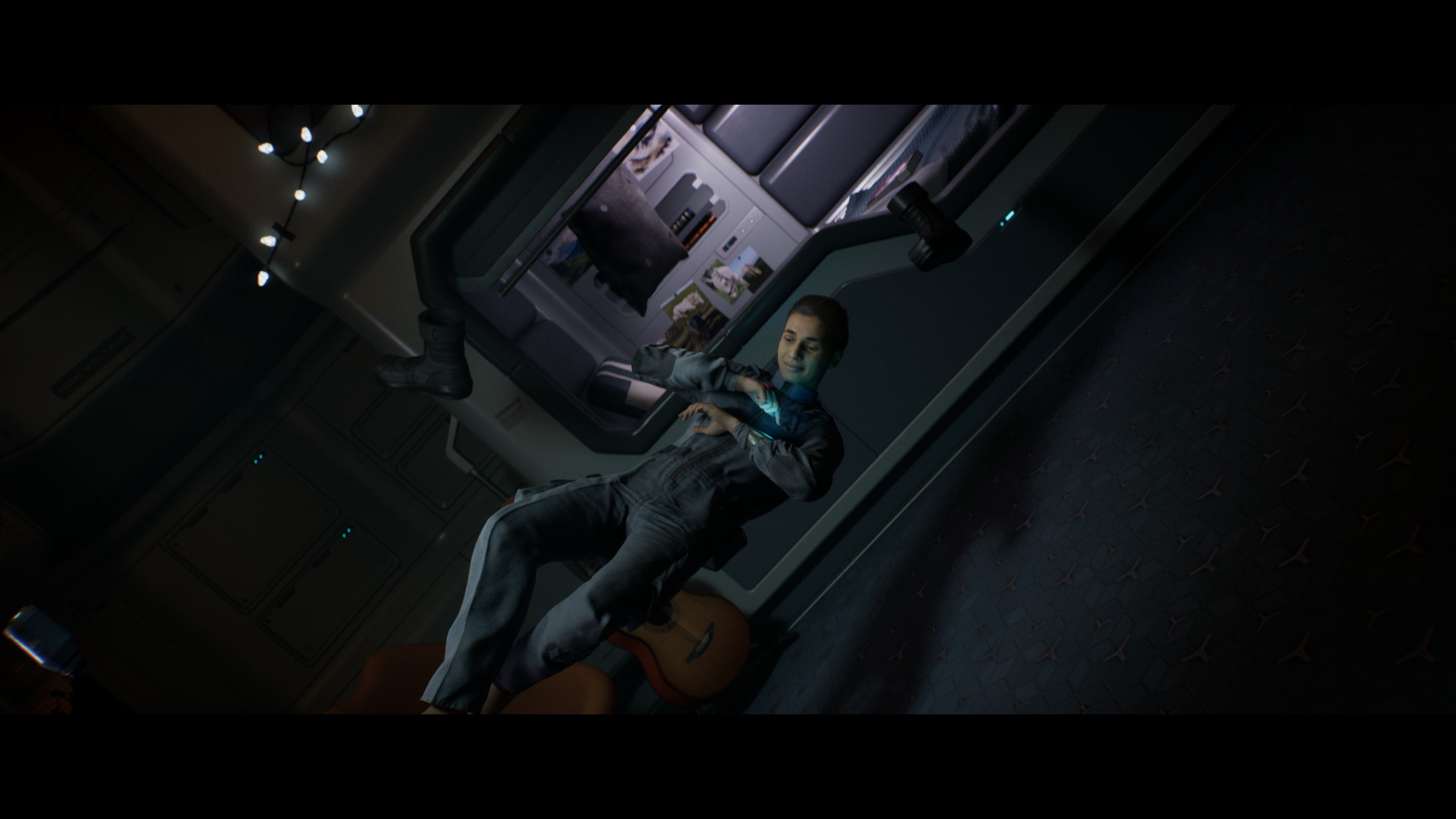
Fittingly opening to Mikky Ekko’s song Who Are You, Really? (a song I absolutely adore), the game starts off with most of the crew in hypersleep, save for the two sleep technicians, Simms and Carter, who have been awake and taking care of the ship for several years during its journey, and are set to wake up the rest of the crew when they finally arrive at their destination.
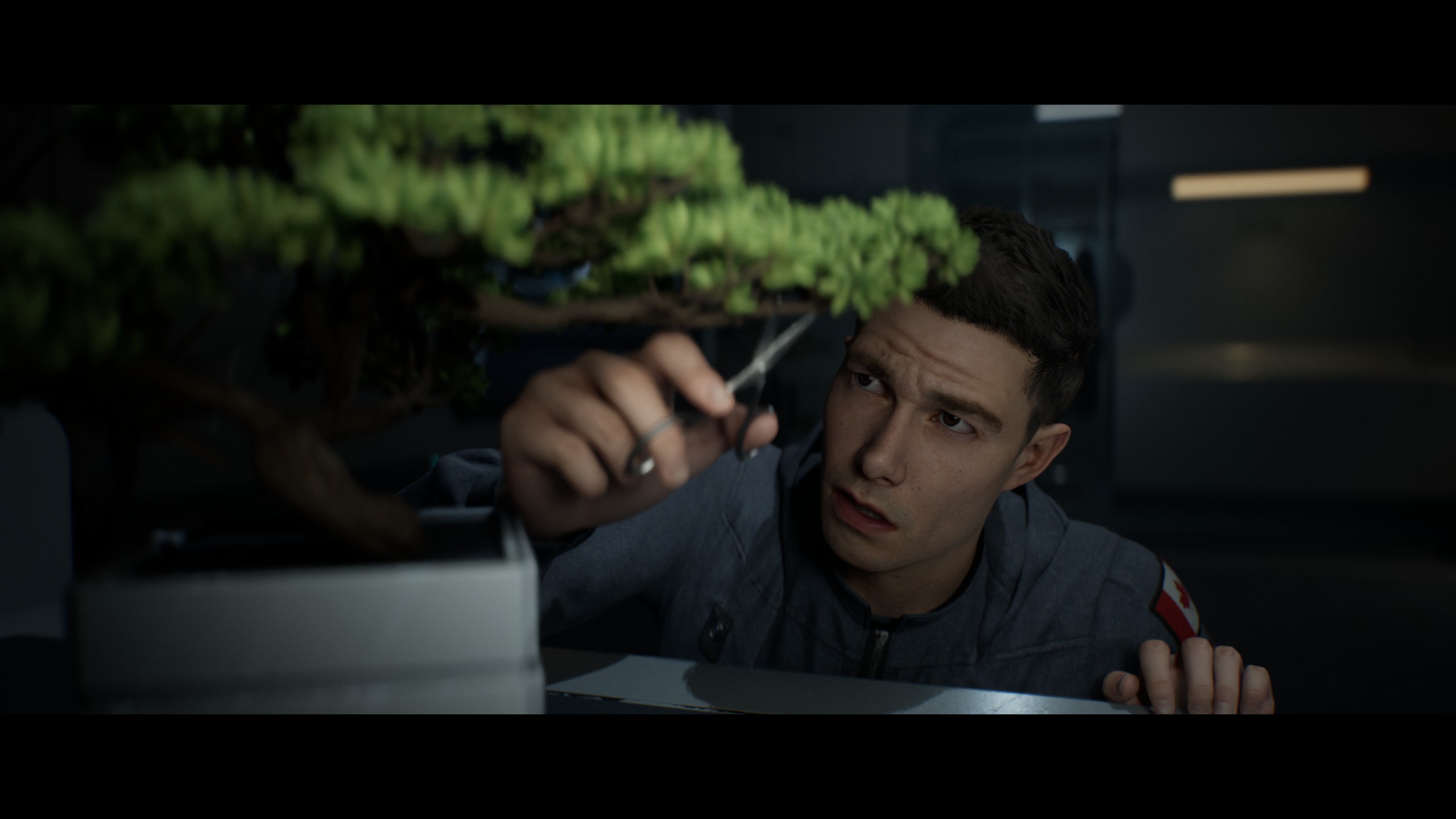
As they’re relaxing, the ship gets hit by a meteorite and the Cassiopeia suffers damage to its hull and several of its decks. The ship is in need of repairs, and this is where the prologue section takes place. We’re able to explore, find tidbits of lore, and get introduced to mechanics like the scanner, the point‑of‑no‑return doors, and turning point decisions.
Having to hold interact on a door indicates a point of no return, where you’ll be moved to the next area with no option of going back. A handy feature for explorers like me who love to avoid going the right way at all costs, making sure to explore every nook and cranny for a file, video or secret.
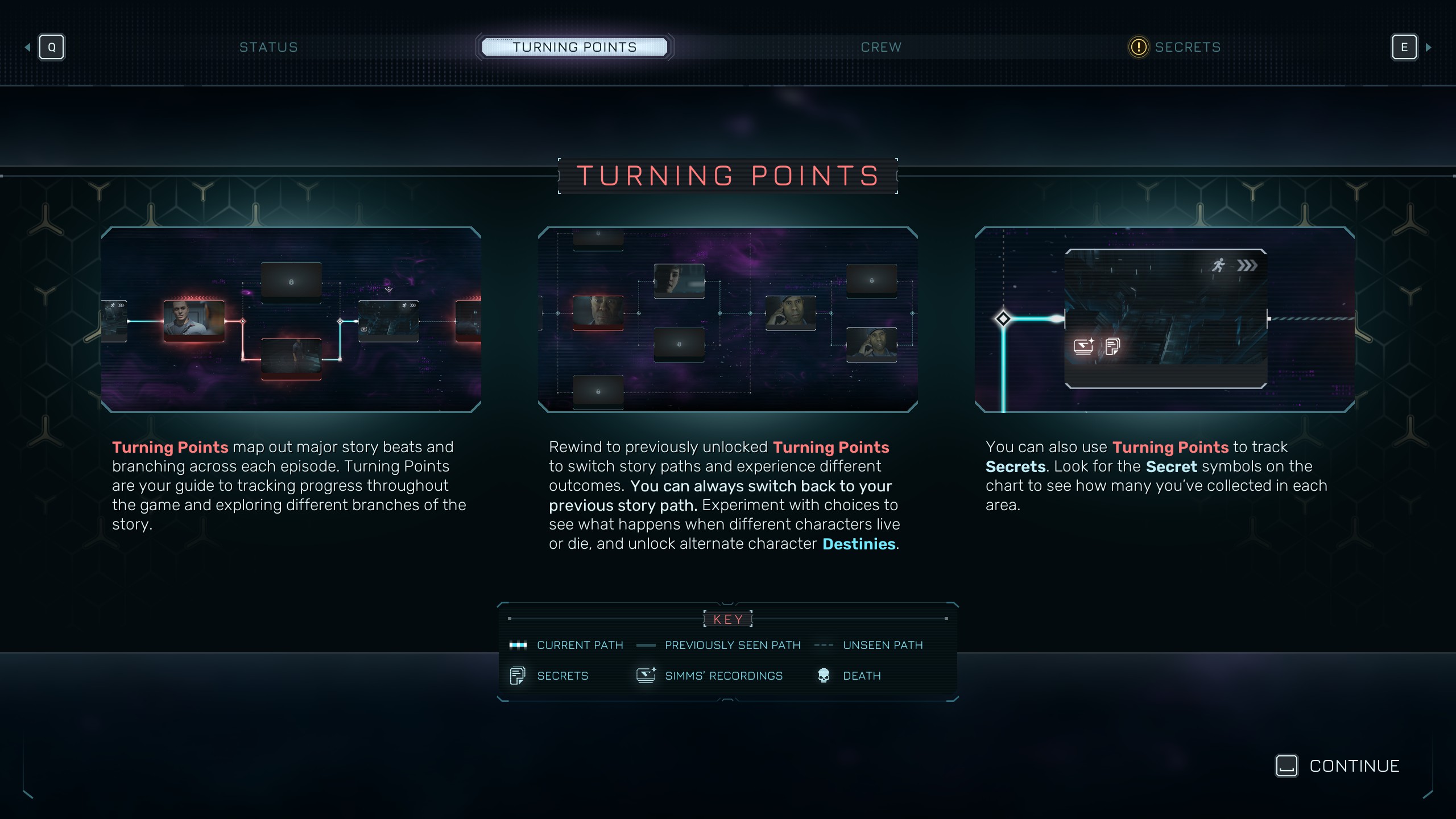
Turning Points are another new feature Directive 8020 introduces to the Supermassive franchise. You’re able to rewind decisions at any point to pick a different option, be it due to reconsideration, a mistake of a button press, or simply wanting to see what a different option entails. Directive 8020 gives you full freedom to rewind a decision at any point. It’ll also make you second-guess more than ever. Turning Points can be turned off if you favour having to stick with the ramifications of your choices, though.

The game opens strongly. As our only two awake members of the crew investigate what has caused damage to the ship in the middle of deep space, they head outside to a beautiful expanse of stars. Directive 8020 is a very, very pretty game. But after repairs come to an end and with our two crew members separated, one of the sleep technicians deals with the other acting odd, chasing them around the ship.
The strong prologue comes to a strong end, and leads into a fantastic second chapter where the rest of the crew begins to wake up and deal with the ramifications of the ship’s malfunctions, and the missing two sleep technicians who were supposed to wake them up.
Taking Command
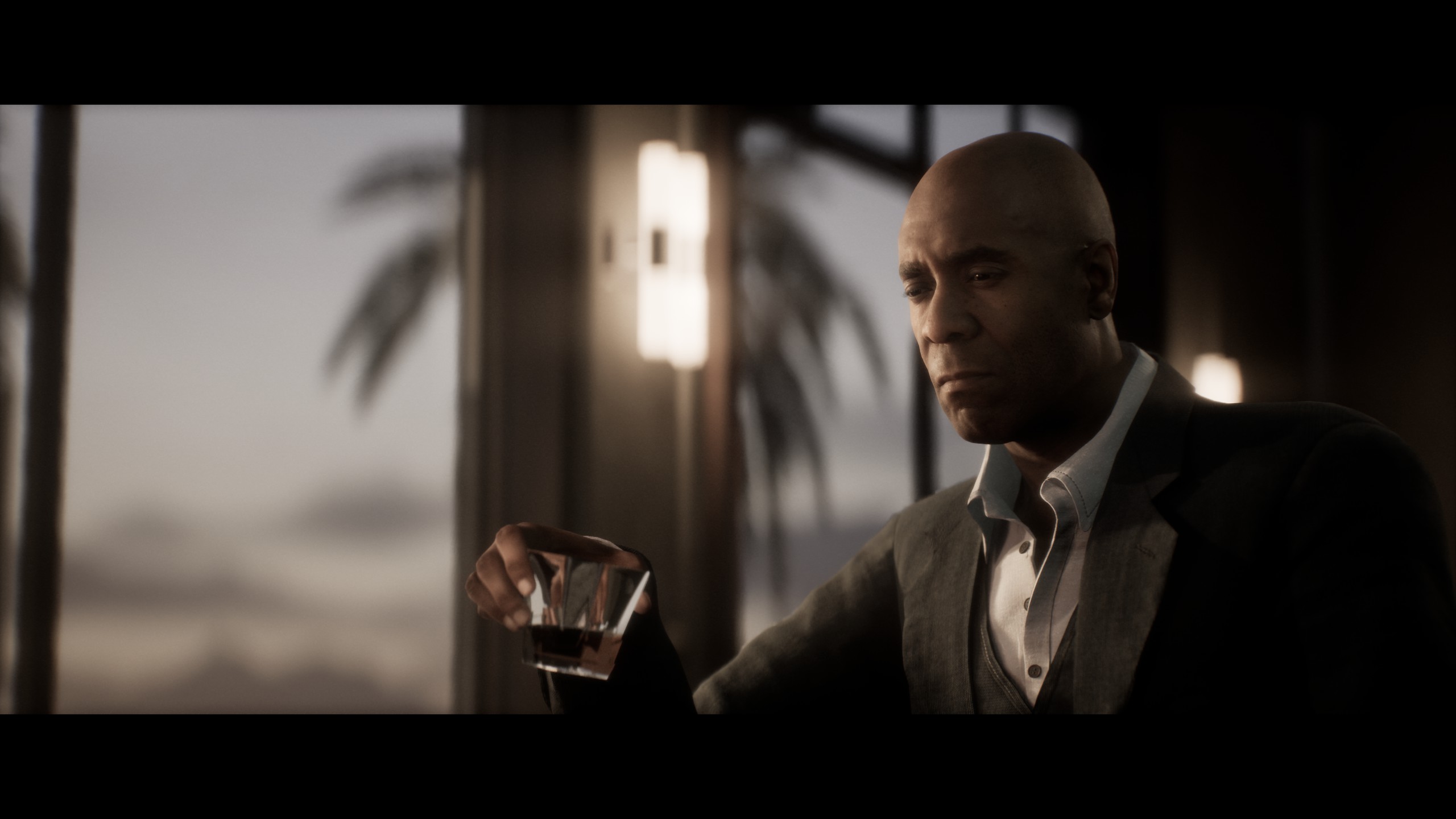
One of the highlights of Directive 8020 is certainly its cast and characters. A flashback at the start of Episode 2 introduces us to Commander Stafford and Pilot Brianna Young and their relationship. Stafford is a father figure to Young, being the daughter of one of his close friends who passed away years back, and has helped her and supported her on her journey to become an astronaut like her father. They are set to depart on the same mission together, aboard the Cassiopeia.
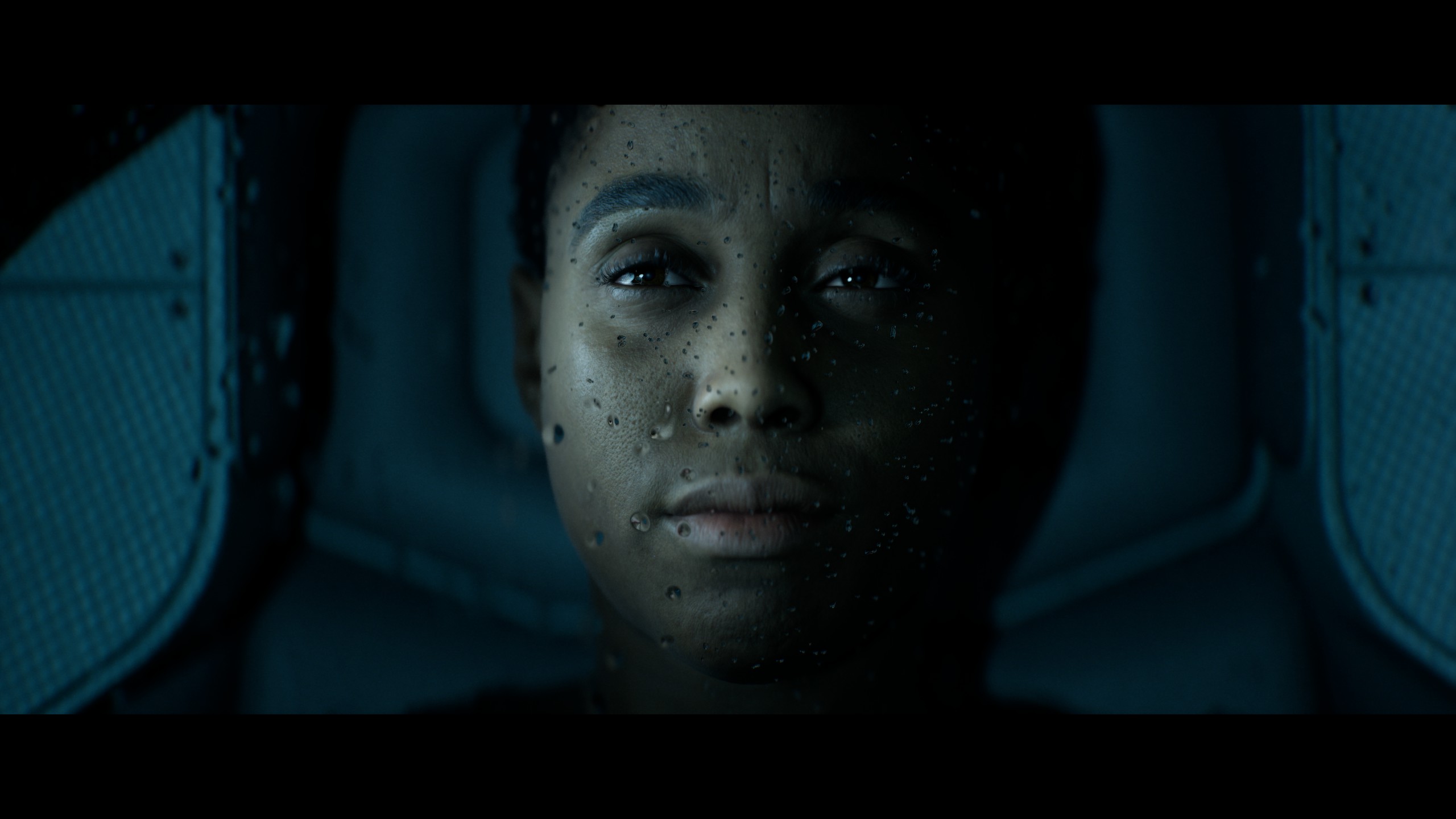
Cutting back to the present, Brianna, Stafford and others are woken up by one another. Interestingly enough, not by the sleep technicians, who are MIA. As the cast starts exploring and discovering what may have transpired, tensions rise. Commander Stafford trusts his crew and vetting process, while his second‑in‑command, the analytical Eisele, is more apprehensive and decides to investigate for herself if one of the missing sleep technicians is not to be trusted, given their suspicious behaviour. Figuring things out together with the crew as we get to know them is fun and executed well, and Directive 8020 manages to be most compelling in its opening hours as the cast deals with their personal suspicions of ongoing events.
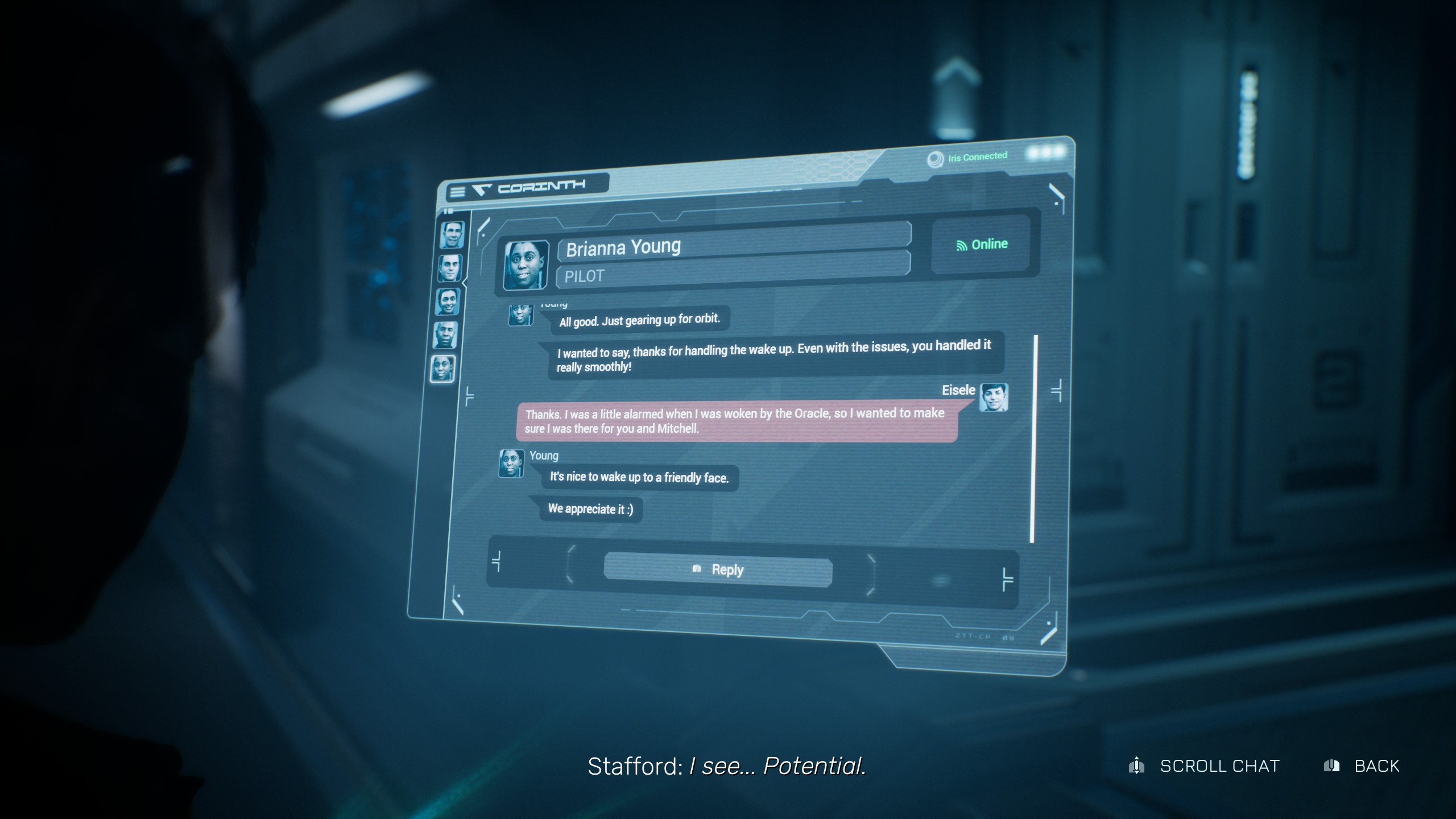
My favourite new mechanic throughout the story would be the texting mechanic, akin to Life is Strange, letting you check in with other crew members, and sometimes being helpful to figure out who’s real and who’s not as mentioned above.
The game’s introductory hours remain strong, as more crew members are woken up and catch on to the situation at hand. Like Medical Officer Samantha Cooper, who switches between being brash and professional. Or the more philosophical engineer Cernan, who aims to be open‑minded and a support to his fellow crew members. Especially as the crew is uncertain what to think of sleep technician Simms and their suspicious, erratic behaviour.
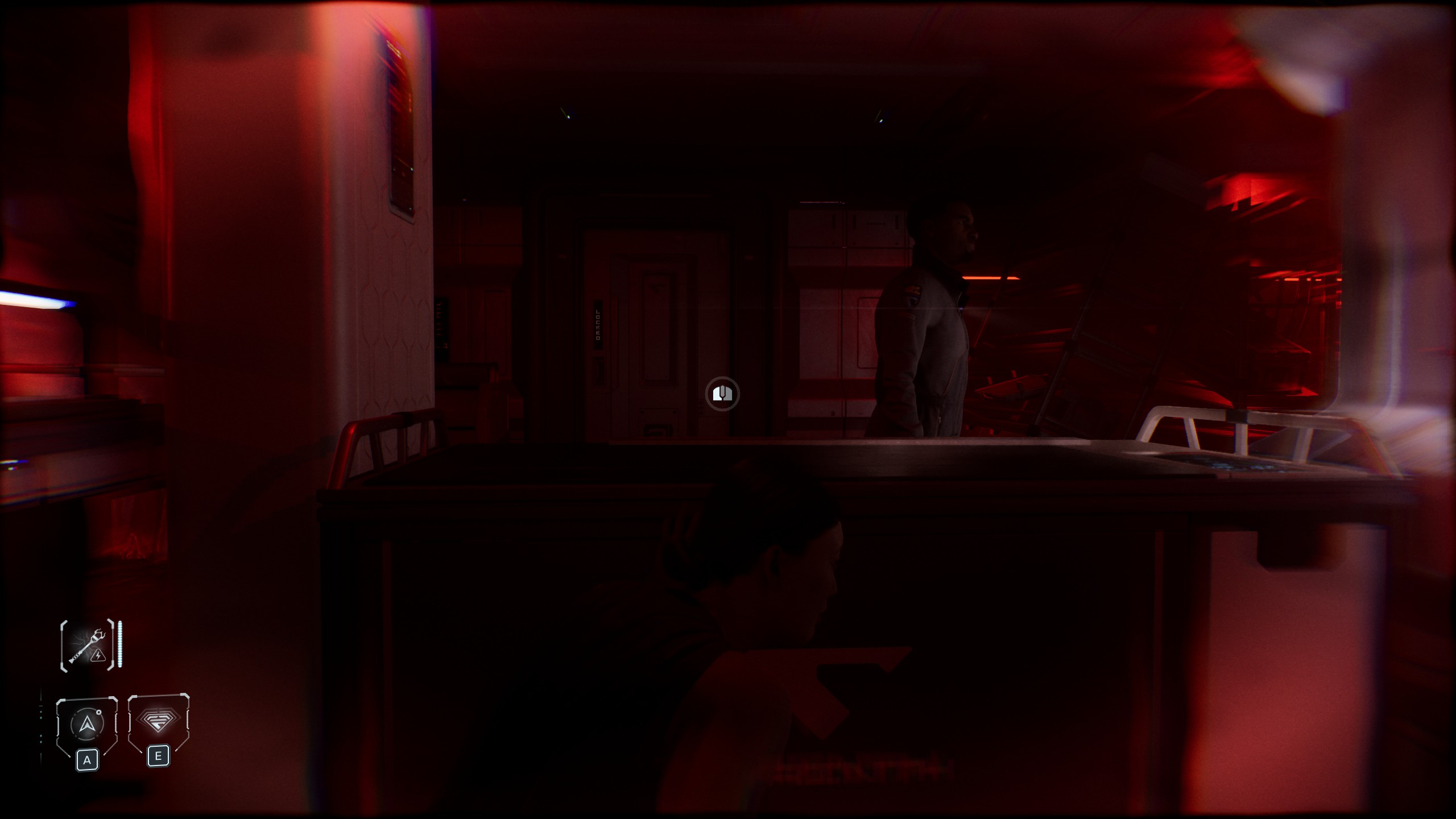
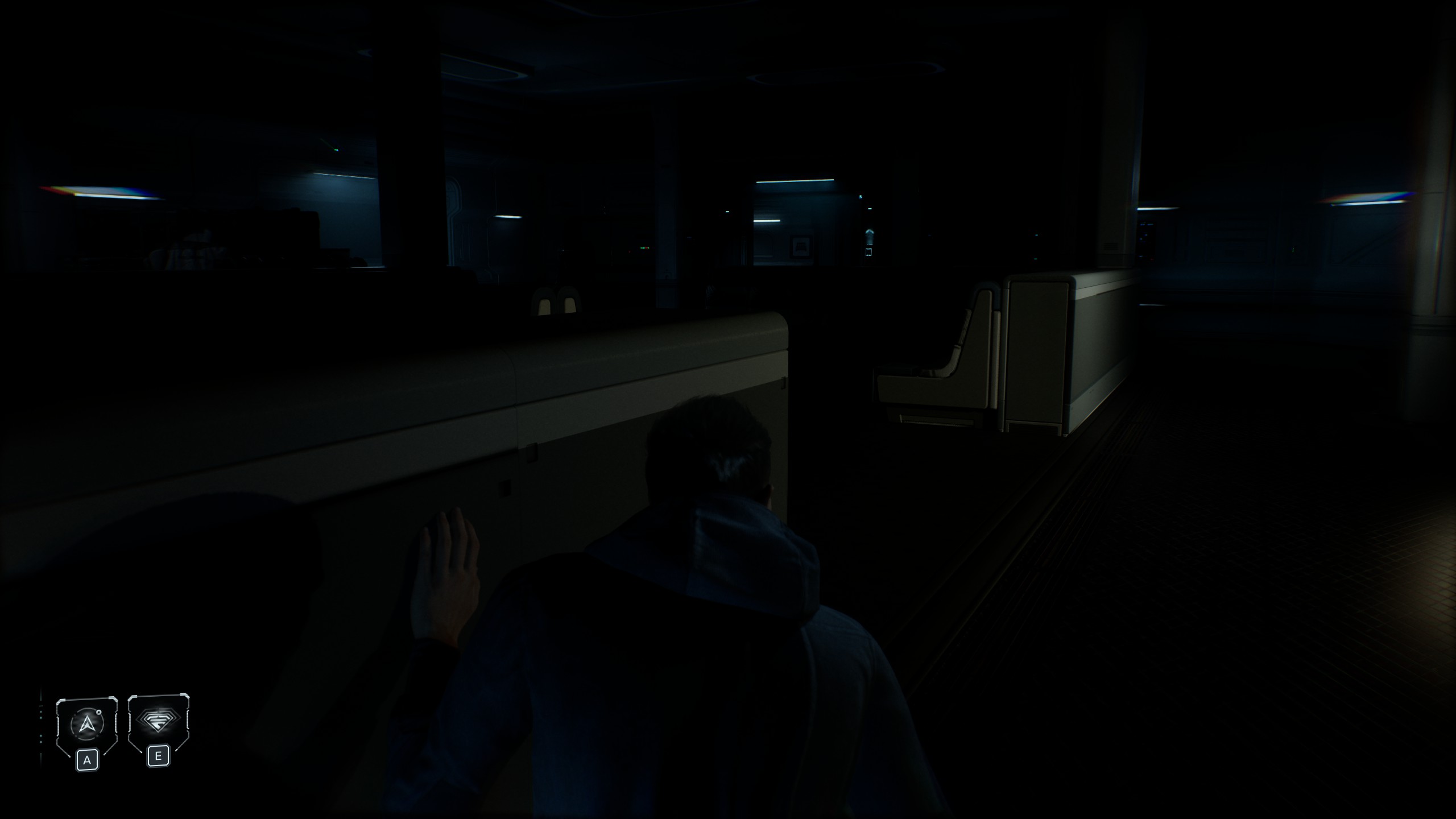
When the game edges towards the middle, it starts to lose steam. See, by now, players will have figured out that there’s a shapeshifting monster aboard the ship, able to take on the crew’s appearance, voice and more. It fools the crew at first, but when the game starts randomly flashing forward hours into the future to us sneaking around those monsters, as we’re in the middle of escaping from our boss seemingly wanting to kill us, and then goes back to the present where that same boss is briefing us as we’re introduced to him… well, it doesn’t do much for tension. It’s like the game expects the audience to wonder why we’d be chased around by this character hours later, expecting us not to be aware that there’s a shapeshifting creature out there, something the game doesn’t hide.

There are a few chapters which start with these stealth sections, all to fabricate tension. Unnecessary, since each chapter builds up to a decent enough, tense mystery or struggle of its own. After building up suspicion between the crew throughout the whole episode, Episode 4 has us fighting off a false crew member by the end with death looming on the doorstep, so why did we randomly jump ahead to a stealth section dozens of hours into the future at the beginning of this episode? When a chapter opens up with a flashback like in Episode 2, it flows much better into the ongoing narrative.
Imposters
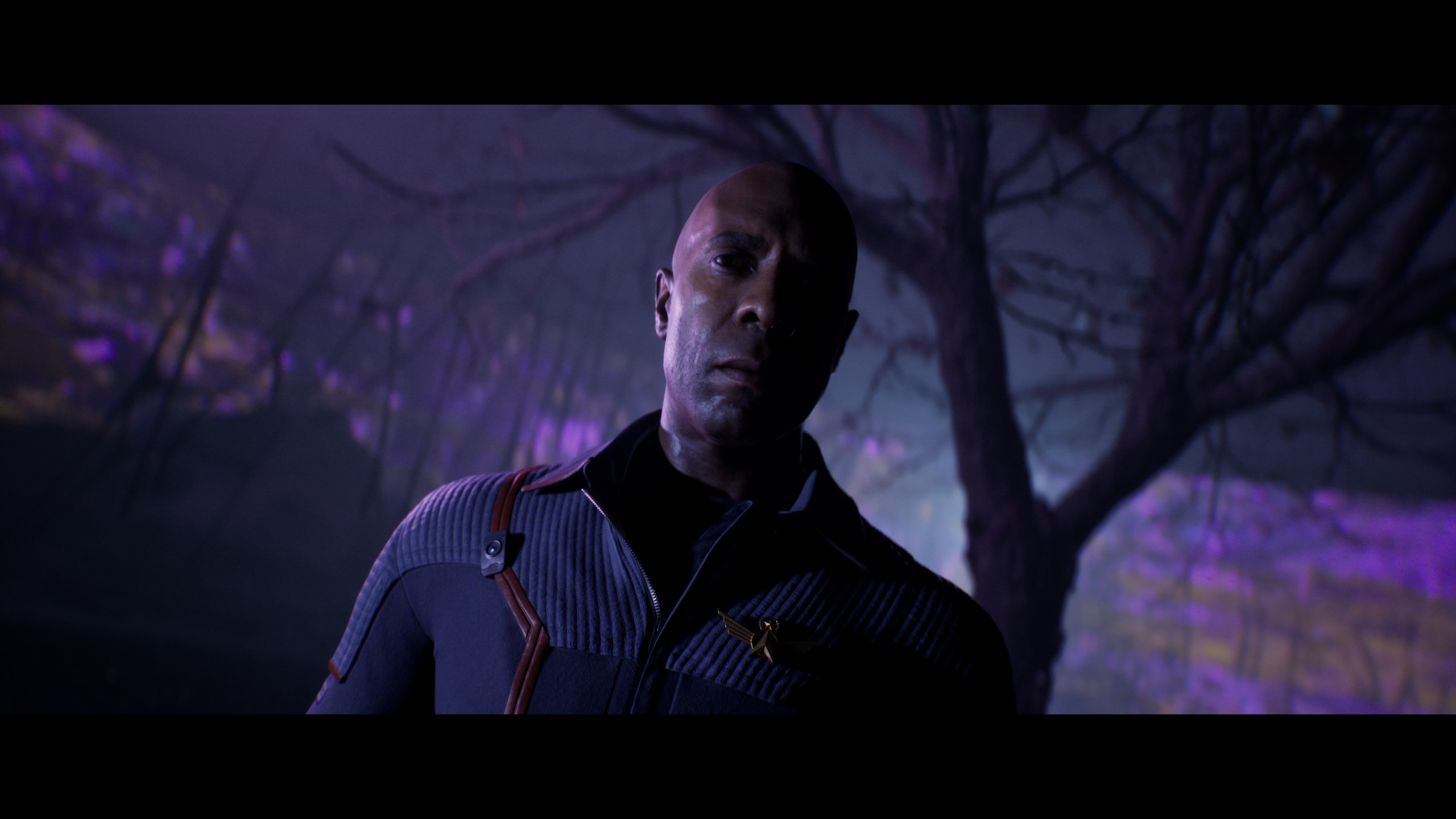
The prospect of having to figure out if a crew member around us was real or not through the course of the game was a very enticing one. I was looking forward to having to weigh if we’d been infiltrated by a false crew member or not after being separated, during tense decision‑making moments. What Supermassive has actually cooked up for figuring out who or when there is an imposter, or not, is unfortunately disappointing.
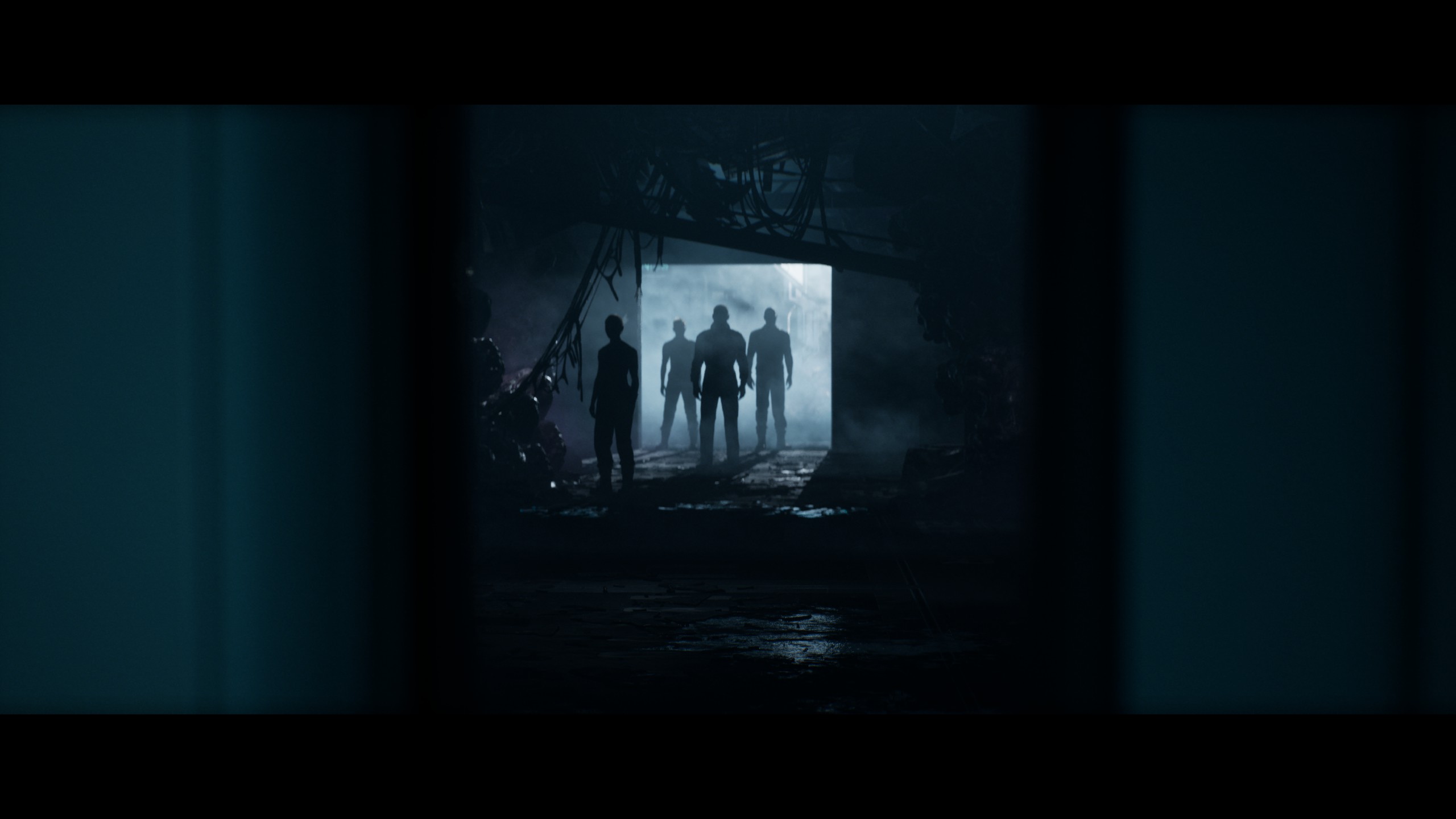
In classic Dark Pictures fashion, it feels like the developers expect the audience to be foolish. The game tries to create doubt over who is real, and who is not real, but clearly shows an original crew member being busy elsewhere on the camera system, while the creature passes by the screen, shapeshifting in to said person, and arrives in the scene with the rest of the crew. So for any players paying a smidge of attention… there’s no mystery. There is, however, a dramatic mystery for the cast, which just makes these moments feel badly written and lacking any tension given the dissonance between player and crew. So when the time comes to pick who’s real and who’s fake, it’s not a difficult choice at all.
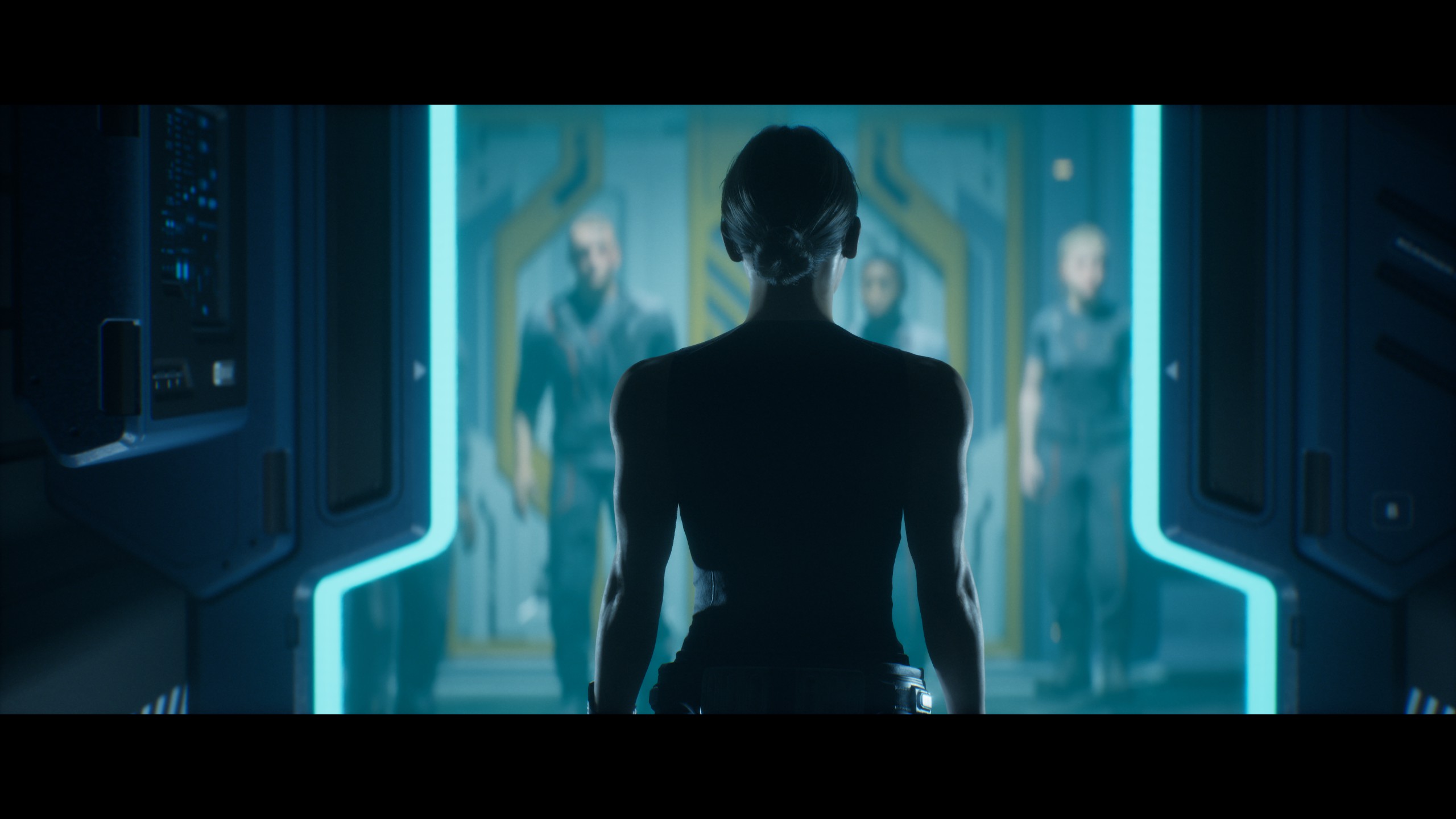
There are more times where we have to figure out who is real and who is not real. And it’s always quite easy. The game does a great job of robbing itself of any tension by making the creature’s behaviour stand out from the crew member we’re used to. It’s a shame that a plot all about a creature imitating the crew, and having to figure out who’s real and who’s fake, is its weakest link. While Supermassive are bad at trying to fool anybody, and the crew act like real knuckleheads trying to figure out if their fellow colleagues are real or not, the game does shine in another section.
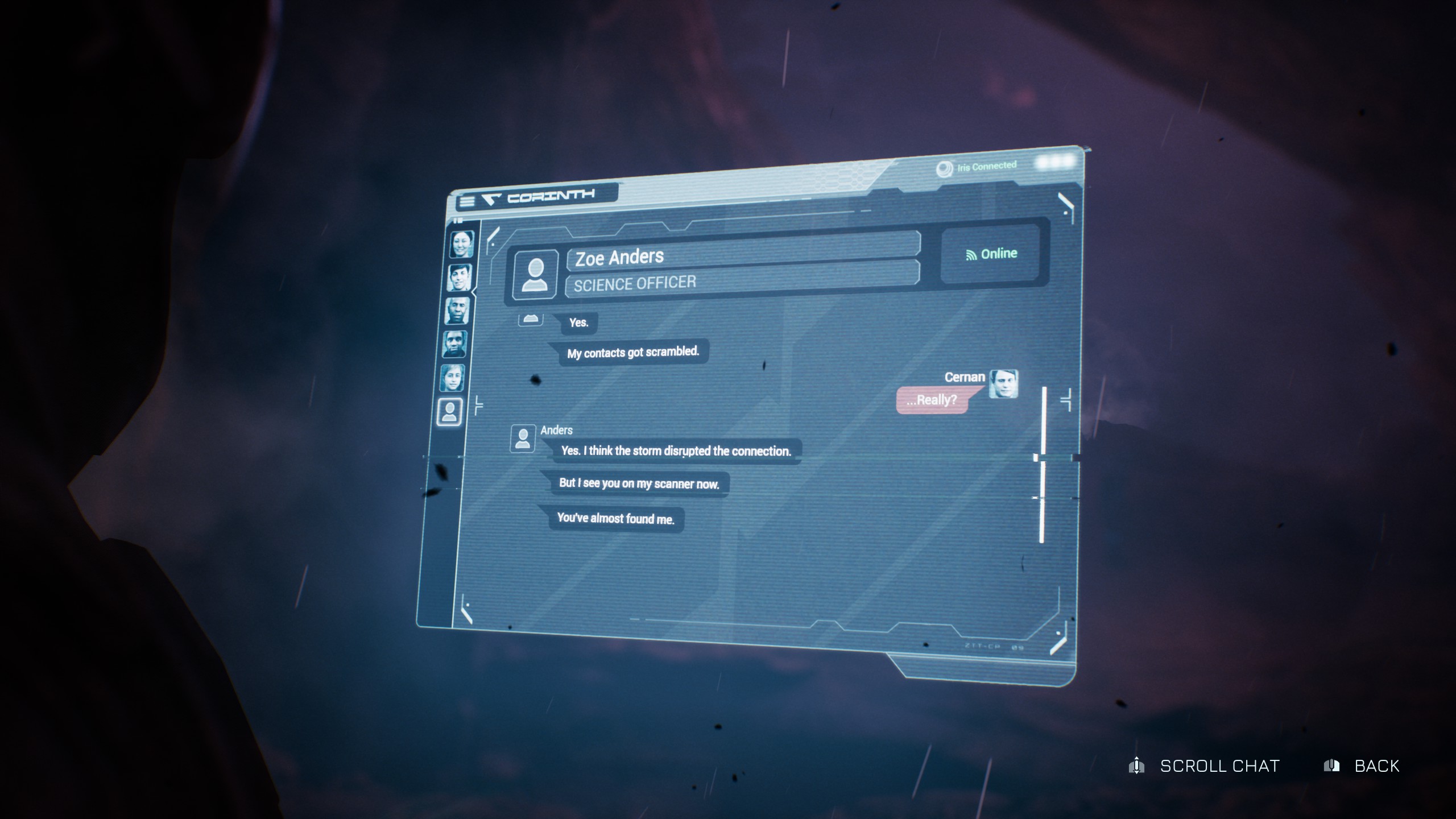
Tension. Directive 8020 can be scary. There are plenty of times where the crew is separated, and knows a faker is following them. When being separated at the later end of the game and following our Scientist, Anders’, tracking beacon, we have the choice to follow two paths to find her. As we approach one of the paths and while chatting to her over our text messenger app, another contact adds us pretending to be her in an eerie fashion. Their writing being cold and emotionless, letting you know you’re going exactly the right direction. You can message the real Anders about this and she’ll tell you to get the HELL away from them.
The game gets tense when both you and the crew are fully aware you’re following, or being followed, by an imposter. Especially when the creature seems to grow smarter and has a thing or two to say to the very human they’re mimicking. Directive 8020’s monster takes on the form and memories of other people, so it leads to some peculiar scenes.
Who are You, really?
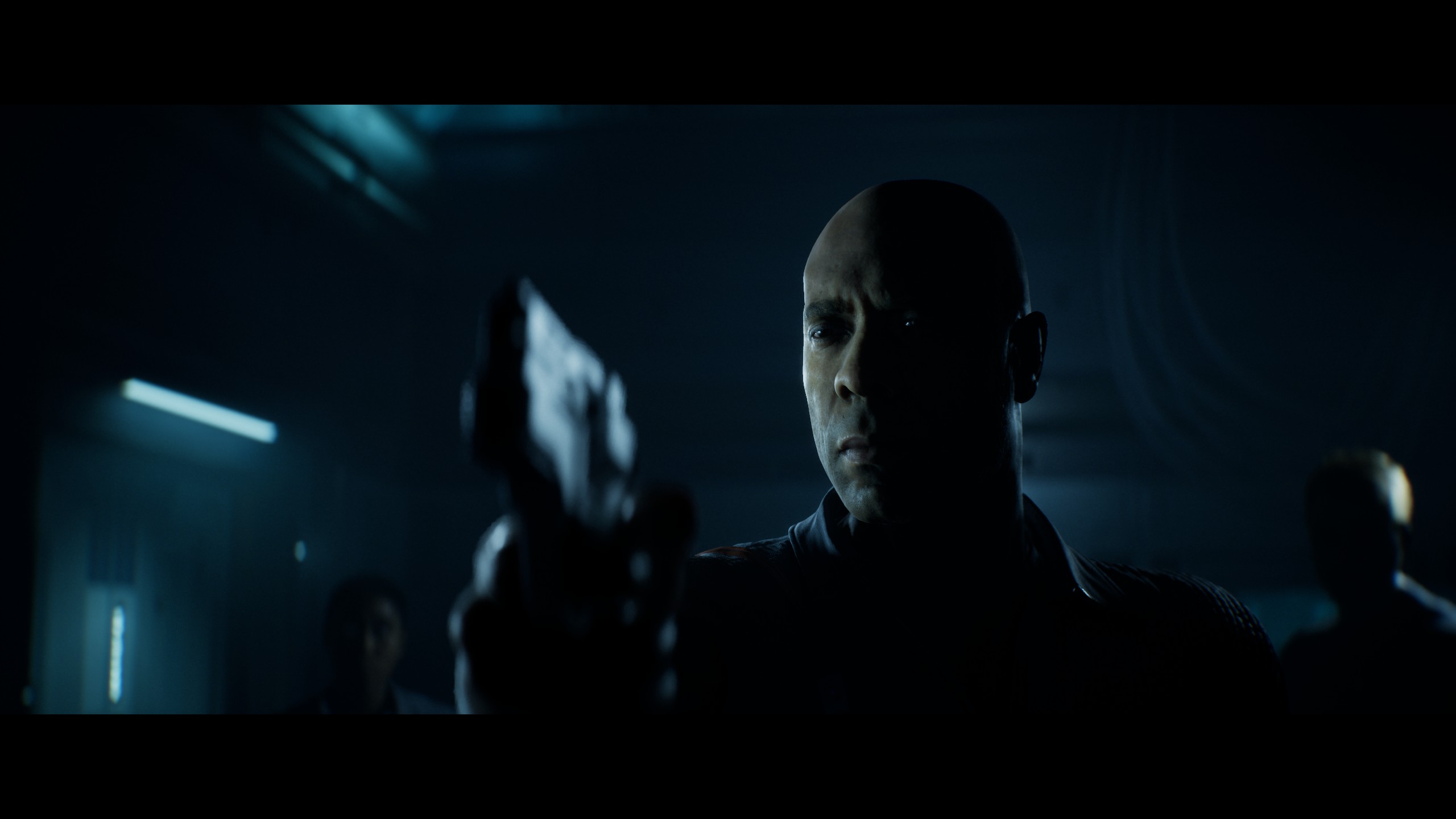
Another point where the game shines is its dynamics between its crew members outside of the plot revolving around the creature. Wondering if they’re being imitated isn’t the only thing that creates tension or sows doubt between each member of the cast. In fact, most of the first episodes are spent with the crew being unaware of the fact that there’s a creature imitating them, and taking issue with one another instead for several reasons of their own. Throughout the whole game, the whole cast manages to shine, and I’m glad I managed to keep them all alive to do so.
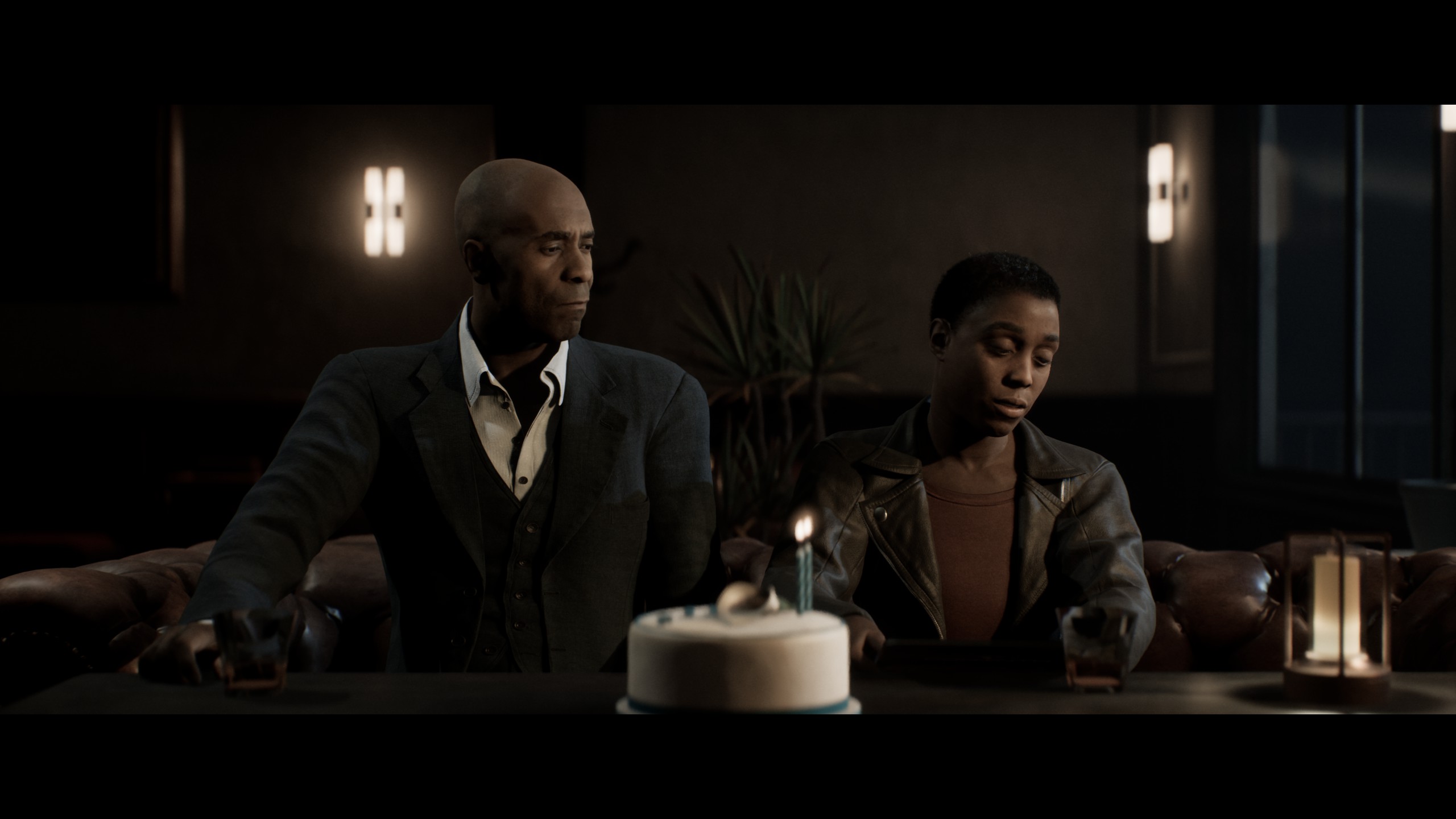
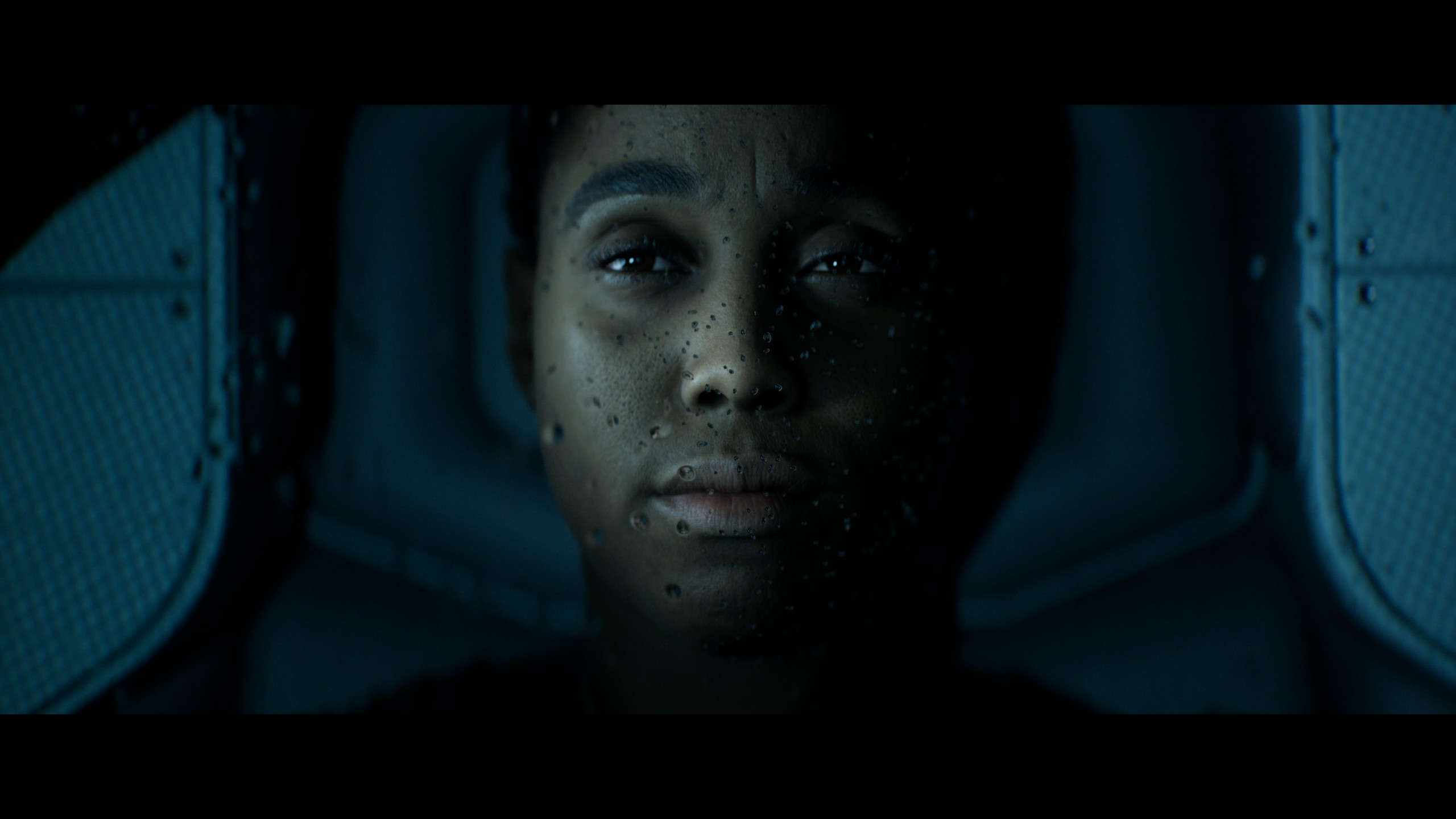
Their personal lives, history, and how they eventually handle the ramifications of the overall plot were the best parts of the game. Directive 8020 has a cast I believe many will take a liking to. Supermassive took extra care to make sure there are no outliers here in this story. Even the two characters relegated to the prologue chapters had a great dynamic for their short time on screen, and were never forgotten.
As the crew gets pushed to find a way off Tau Ceti f after crash-landing on the planet, the overarching plot comes together in a very satisfying way. If you’ve been paying attention to the notes and secrets you’ve been finding throughout the game, it pays off, and the whole cast gets to shine as they work together to find a way off the planet together, while facing the creatures as a unified threat.
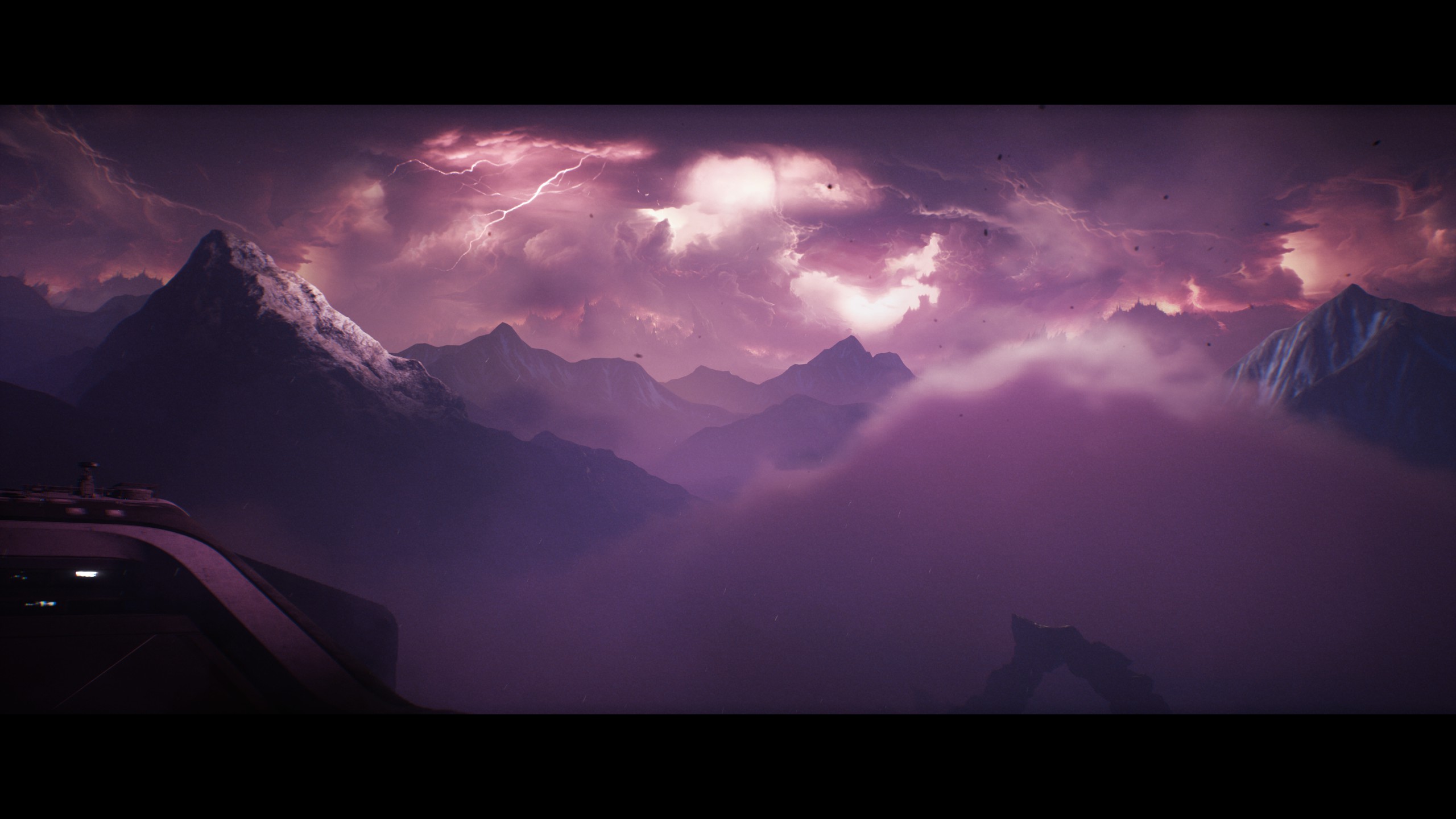
It’s at the very end of the game that interesting questions are asked about identity, survival and humanity, especially when dealing with the alien growth that’s been bothering us all game, taking over our identity, our memories, and trying to kill us. So all in all, a decent plot and a strong cast of characters. While it doesn’t reach the level of a classic like Until Dawn for me, it does join House of Ashes as one of the better Dark Pictures plots. Carried by its solid narrative, great tension, excellent and fun cast, but brought down by middling or pointless choices and bad attempts at sowing doubt..
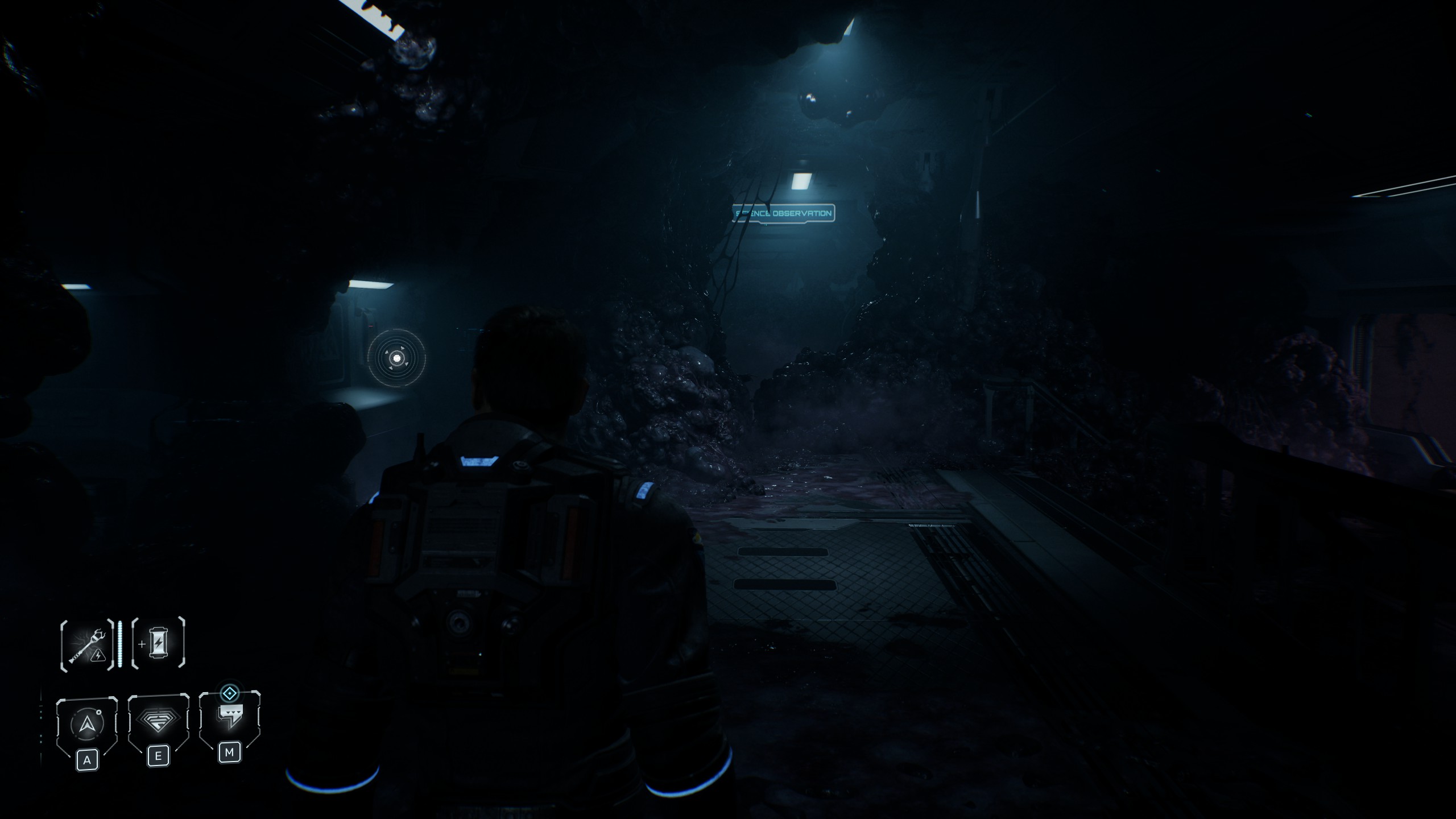
In the gameplay and graphical department, however, Directive 8020 is certainly the best Supermassive has ever offered. With full, free-form movement, smoother gameplay than ever, and a bug-free experience. I had no issues enjoying the game’s new, smooth, sneaking mechanics. Sticking to cover, diving in to vents, or vaulting over windows after you unlock them with your wrist strap all feels far from some of their choppier other games.
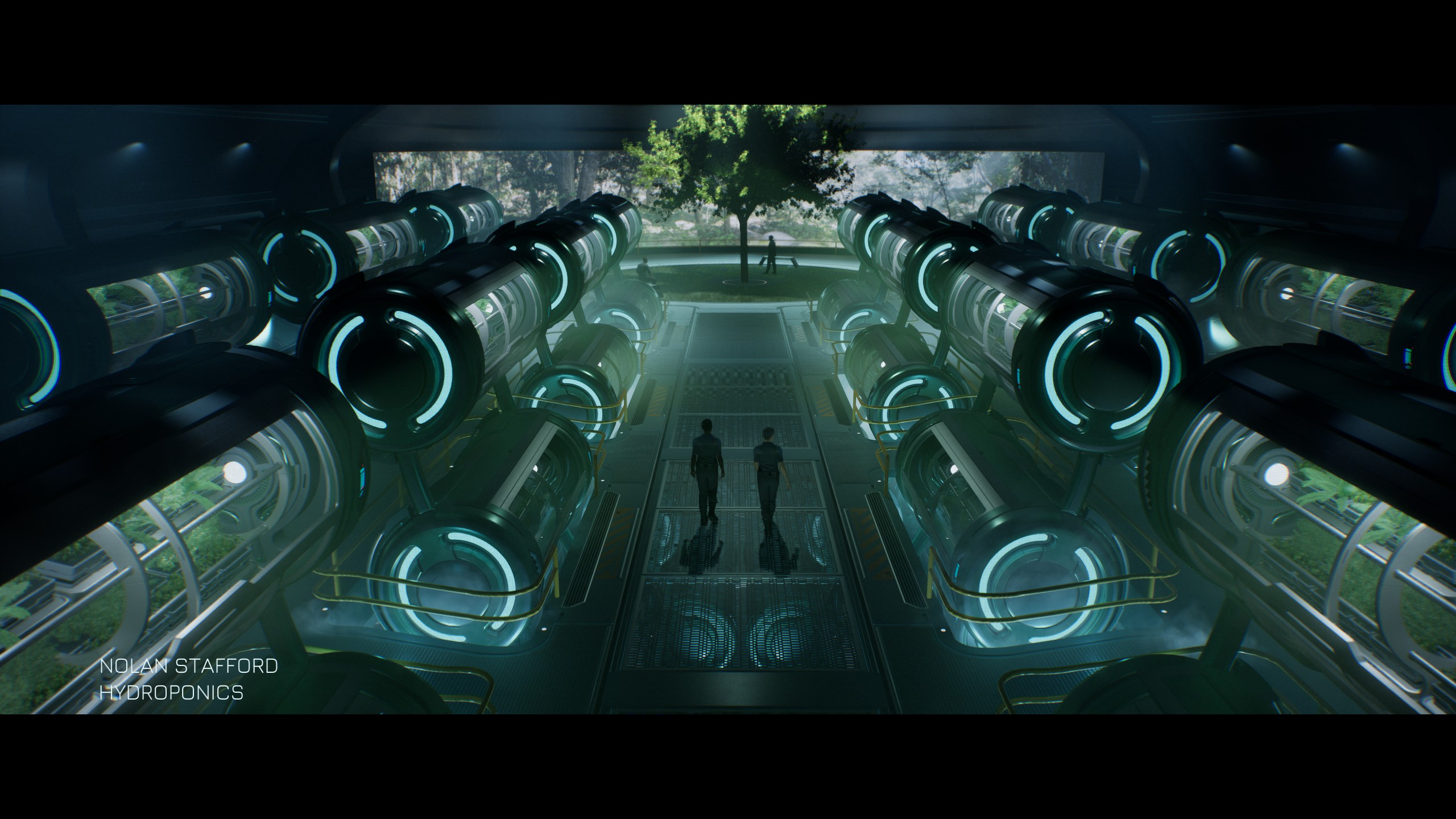
Looking around and exploring the Cassiopeia was also fun. Certain areas, like the crew quarters, are revisited over the course of the game with changes in between through the damage the ship suffers, making one become quite familiar with the ship’s sections by the end. And every level was designed memorably well, with the Hydroponics bay and Reactor chamber being excellent sci-fi setpieces for a colony vessel.
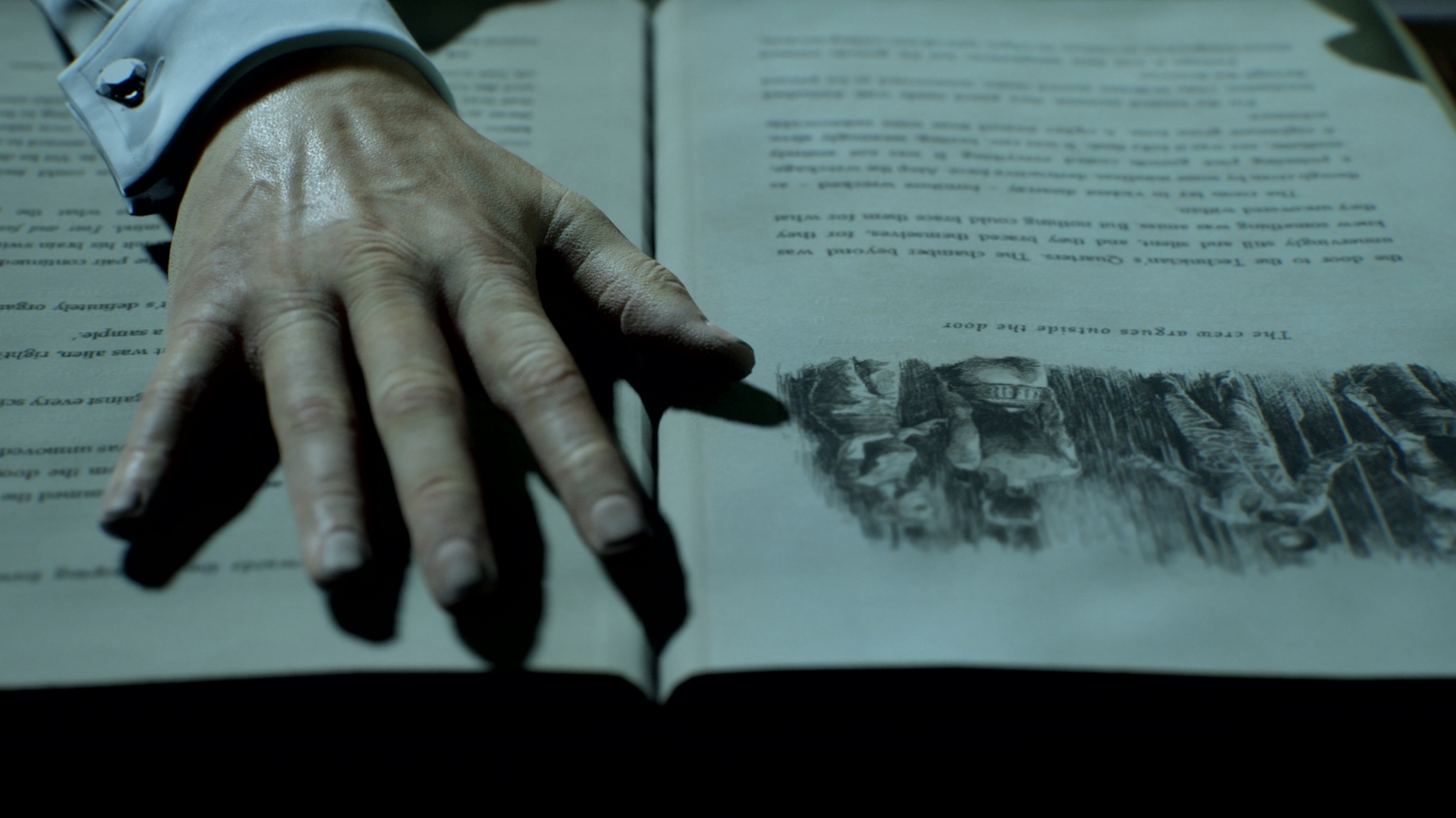
Some secrets can be uncovered by rerouting power to unlock doors, so make sure to scan and explore around. Other doors are locked by a code you’ll have to find in the environment. And while there’s no objects to find that flashforward to a possible death, and no Curator to open up the game, that’s not to say the man with the bowler hat isn’t hidden away somewhere.
Conclusion
A strong opening, a middling middle… but it all comes together with a pretty good ending. With solid gameplay, a great and varied cast of characters and dynamics I liked, despite the fact they could be knuckleheads in true DP fashion. The game can treat the player as a tool when it comes to figuring out who’s fake and who’s not among the crew, but when all pretence is out the window and they face their clones, the tension is there. And the overall narrative does come around by the end. This is a better story, reminiscent of House of Ashes.
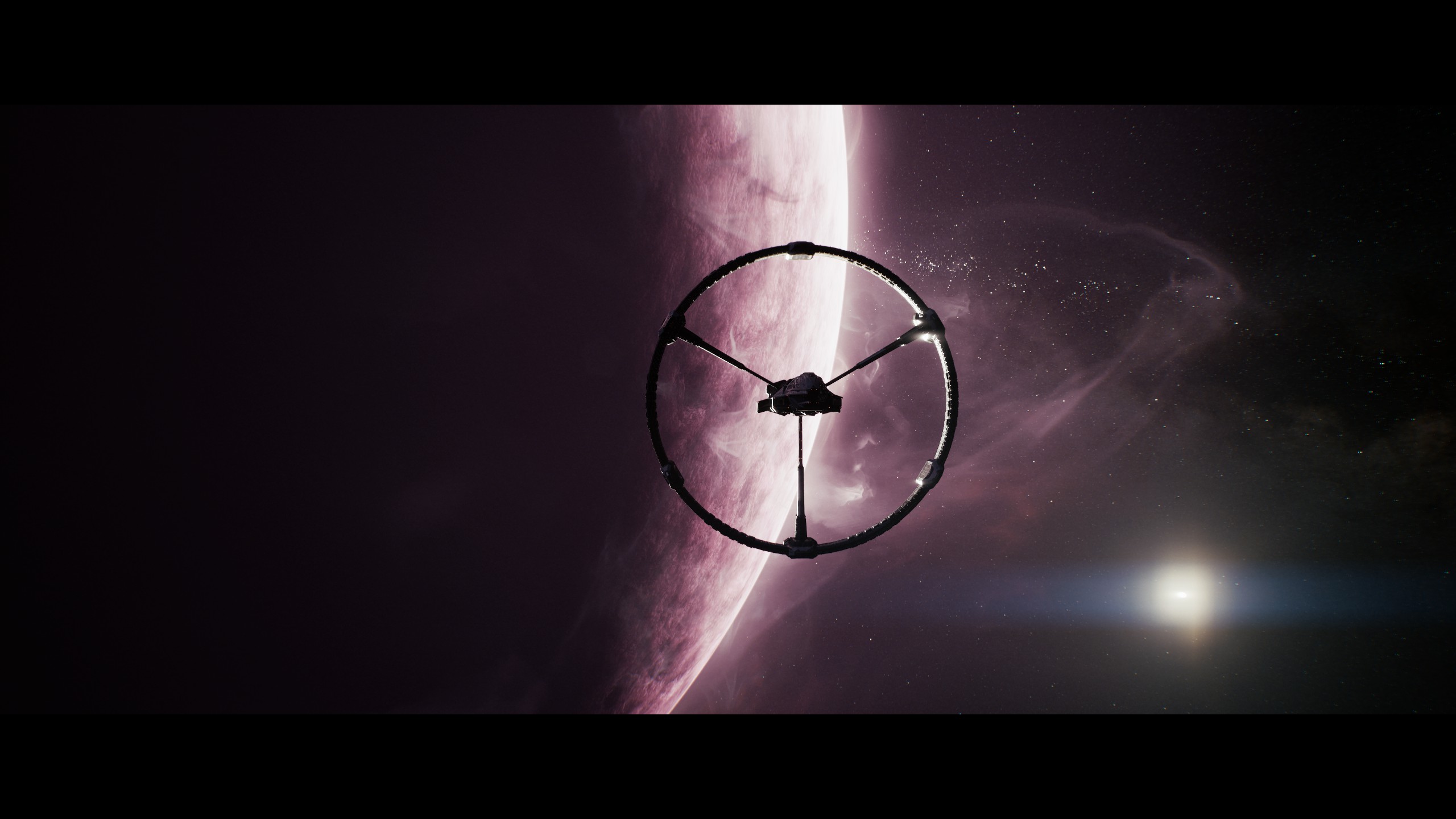
The gameplay, graphics, and especially the bugs have gotten the most out of Supermassive’s extra time and care they took to make sure this title came out alright. While I can’t speak for a multiplayer experience, I had an entirely bug-free experience, with no weird animation errors, egregious faces and more. My only issue at one point was getting stuck watching a recording near the beginning of the game, but a quick restart had me load back in just before watching it.
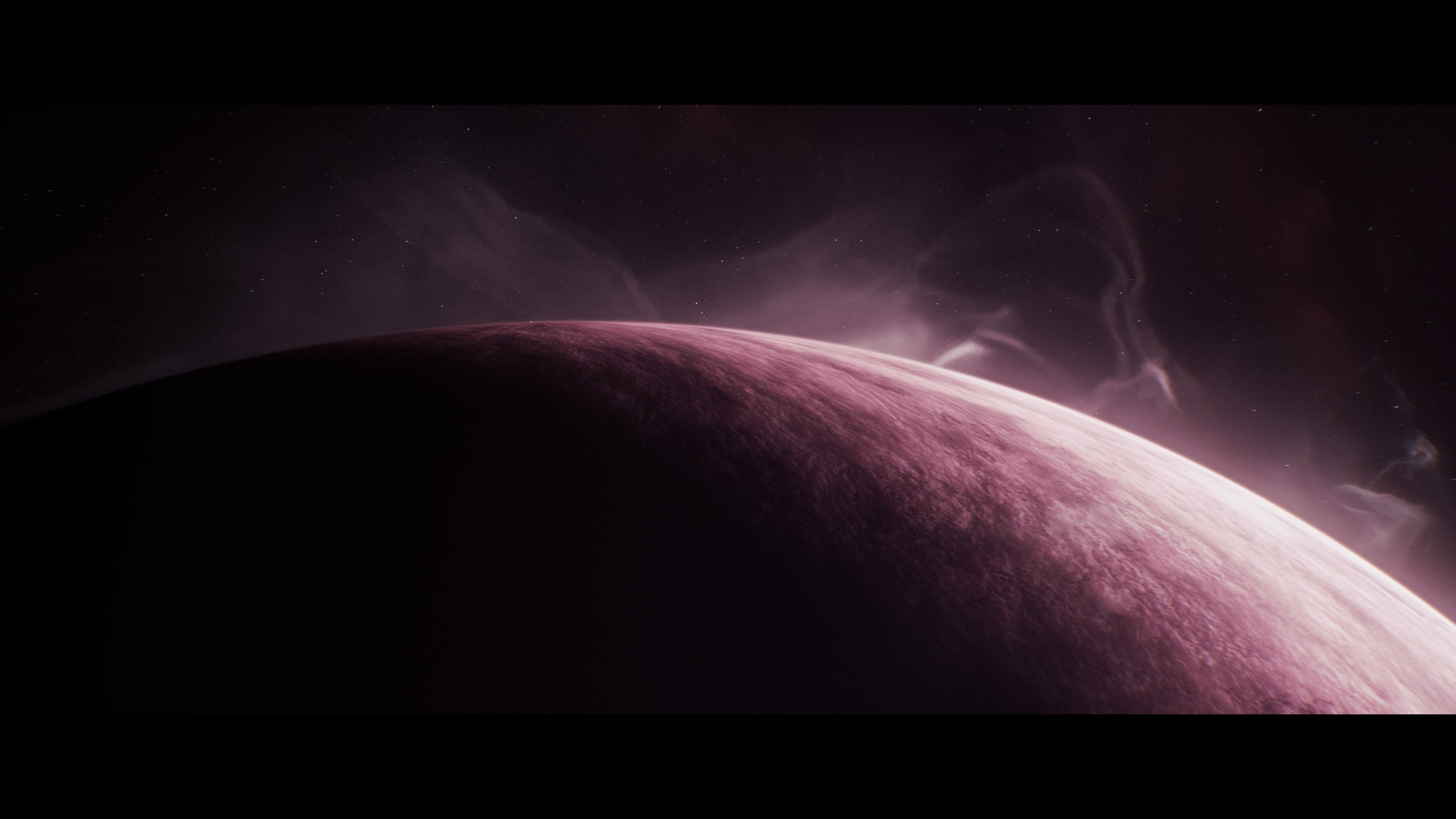
The game is pretty and ran with no issues, it plays smoothly, and it was an enjoyable ride all-around. It’s also longer than other Dark Pictures games, or even Until Dawn. My playthrough ended up reaching about 8-10 hours. Choices and their consequences are whatever for the most part, and any optional routes one takes have their ramifications play out off-screen or not matter at all, which is disappointing.
But all in all, I enjoyed my time with Directive 8020 quite a bit. If this is the standard Supermassive manages to keep up and innovate on going forward, then I’ll be very ready for whatever comes next.
About the Author

Lander Van Poucke Lander is a passionate gamer from Belgium with a flair for the dramatic. Valuing storytelling & narrative in games, he favours single-player games, RPG's & fighting games for their lore and vast array of characters.
Related Posts

Something Epic Just Landed: The Ultimate DJI FPV Setup! →

“MARVEL’S WOLVERINE: THE ART OF THE GAME” AVAILABLE FOR PRE-ORDER →

REENTER THE FRAY IN DEAD OR ALIVE 6 LAST ROUND, OUT NOW! →