

Death Howl Review (PS5)
Summary: Death Howl blends tactical grid combat with deep deck customization inside a myth soaked world shaped by loss. Each encounter feels like a carefully constructed puzzle where preparation and positioning matter as much as raw power. It is demanding and deliberate, but for those willing to engage with its systems, it delivers a striking and emotionally grounded strategy experience.
4.5
Grim Grief
Scavenge your enemies in the hopes of reuniting with a loved one. Death Howl is an indie soulslike inspired turn based deck builder developed by The Outer Zone and published by 11 bit studios. It first launched on Steam on December 9, 2025, before arriving on PlayStation 5, Xbox Series X|S, and Nintendo Switch on February 19, 2026. The Outer Zone has made it clear they want to build games that feel like they come from parallel worlds, and that idea runs through everything here. Their earlier projects such as Sofus and the Moonmachine, Tales from the Outer Zone, and Mind Scanners played with unusual concepts and offbeat presentation. Death Howl feels like the most fully realized version of that vision so far. It is strange, fragile, beautiful, and often brutal.
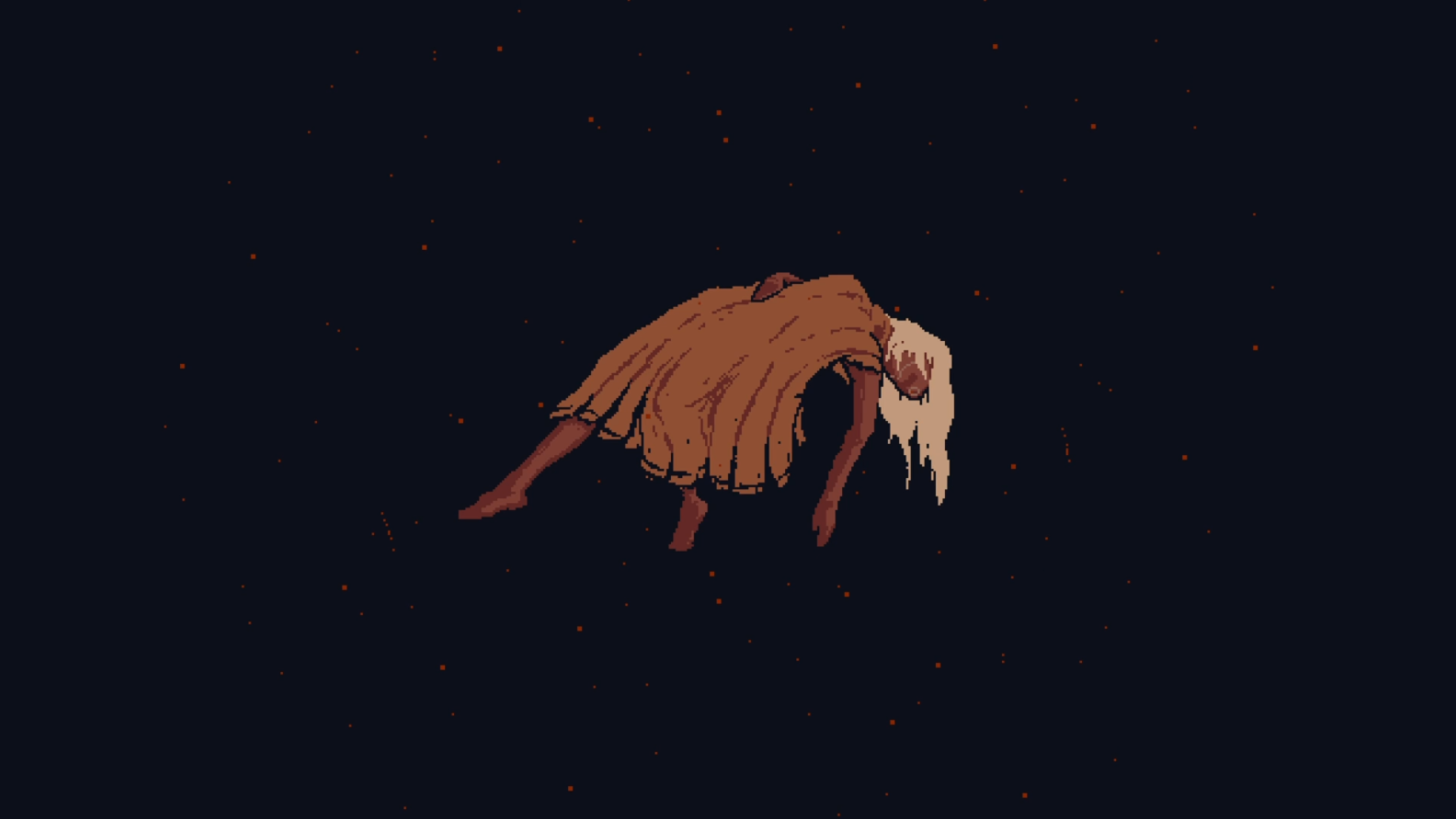
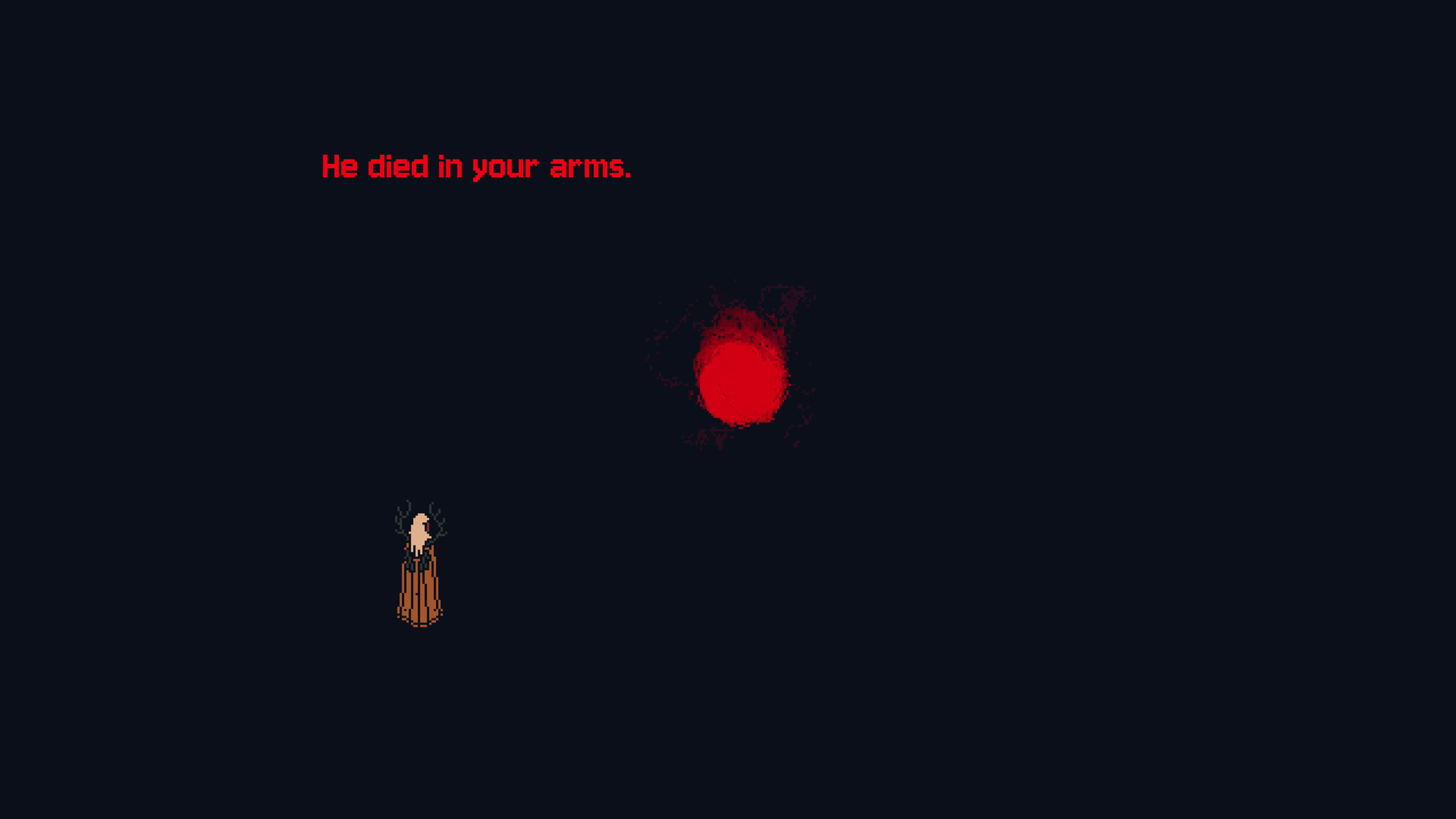
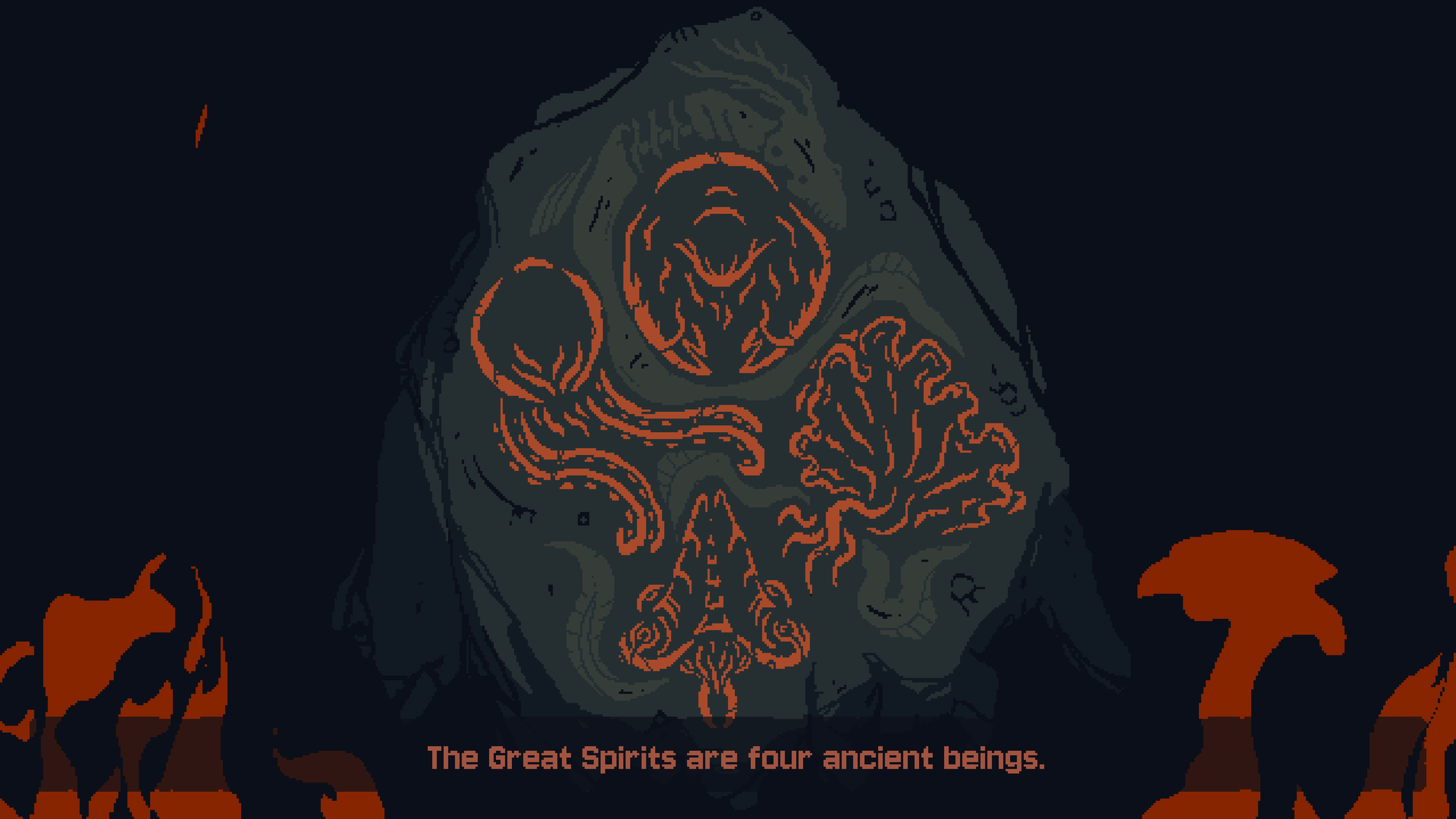
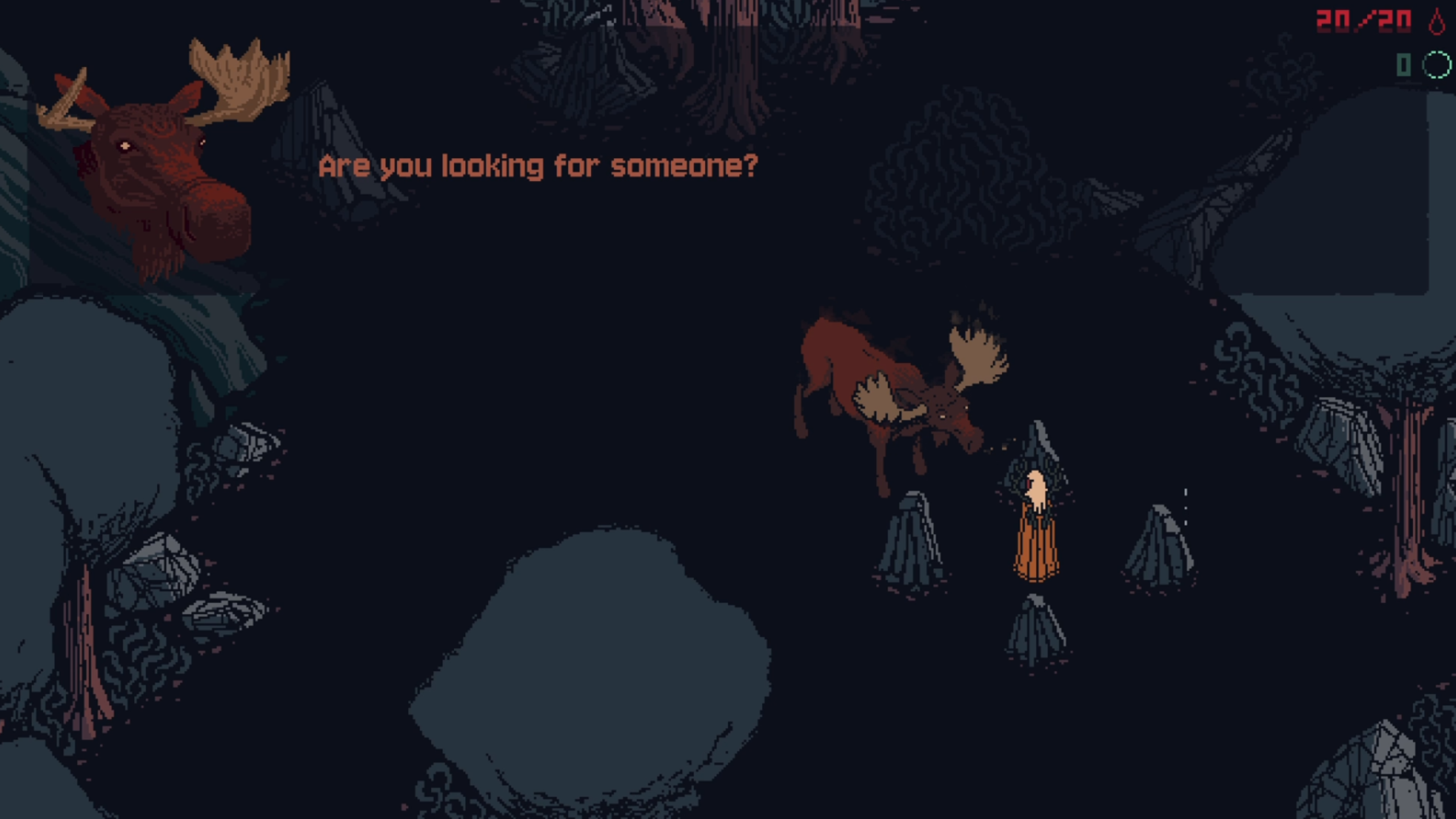
The story takes place in Scandinavia during the Mesolithic Age around 6000 B.C.E. You step into the role of Ro, a hunter who has lost her son Olvi. The grief is immediate and overwhelming. She refuses to accept his death and promises him she will follow him into the Spirit World. Through ritual, she makes contact with this other realm and briefly sees him, but he appears in the form of a deer and slips away. From there, sorrow becomes your fuel. You travel across fractured spirit lands searching for the four Great Spirits, hoping for answers and a way to reunite with your child. The writing handles loss in a direct and honest way. It does not drown in melodrama, but it also does not shy away from the weight of what Ro is carrying. As you move deeper into the Spirit Realm, you start to uncover lost truths that complicate what you think this journey is about. It is a restrained and intimate story, but it hits hard.
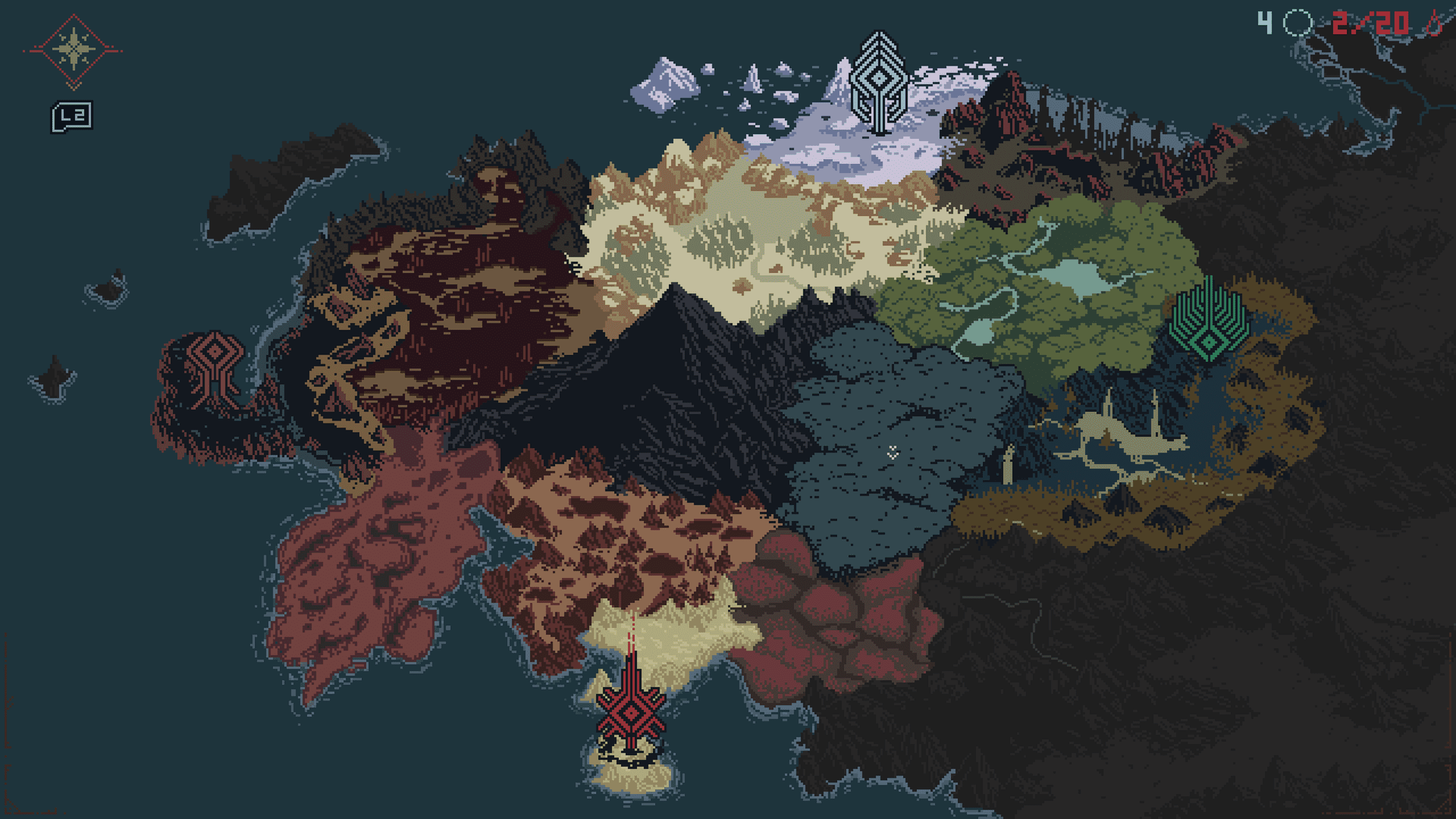
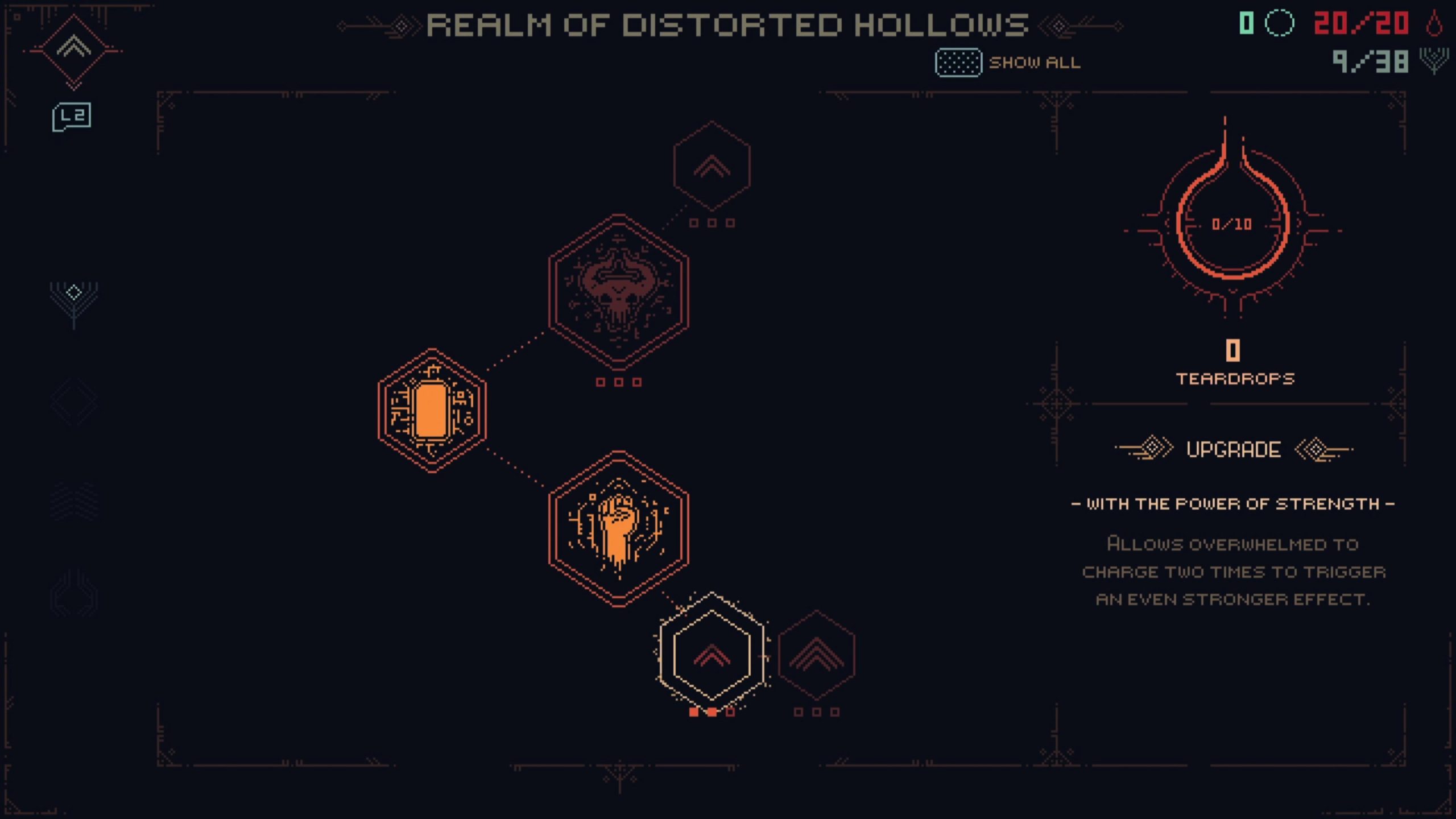
Exploration is more open than you might expect. The Spirit World is split into four main realms with multiple regions inside each one. You wander through forests, wetlands, caves, and other myth soaked landscapes while confronting over 30 different enemy types. Along the way you find secrets tucked behind sparkling rocks, floating stones that slam into the earth, strange cliffside shapes that hint at hidden paths, fish asking for their scales back, and sealed caverns guarded by tougher spirit monsters. There are side quests scattered throughout that flesh out the world and its themes of grief and memory. Sacred Groves act as your checkpoints. When you defeat enemies, you collect their souls, their death howl, and you bring those back to a grove to heal and fast travel. Healing respawns every enemy you have defeated, so every decision to rest carries weight. The souls you collect are converted into teardrop points. The symbolism is not subtle, but it works. Those teardrops let you unlock new battle abilities that can completely change how you approach fights. Early on you might ignore them, but once you start experimenting, you realize how strong they really are.
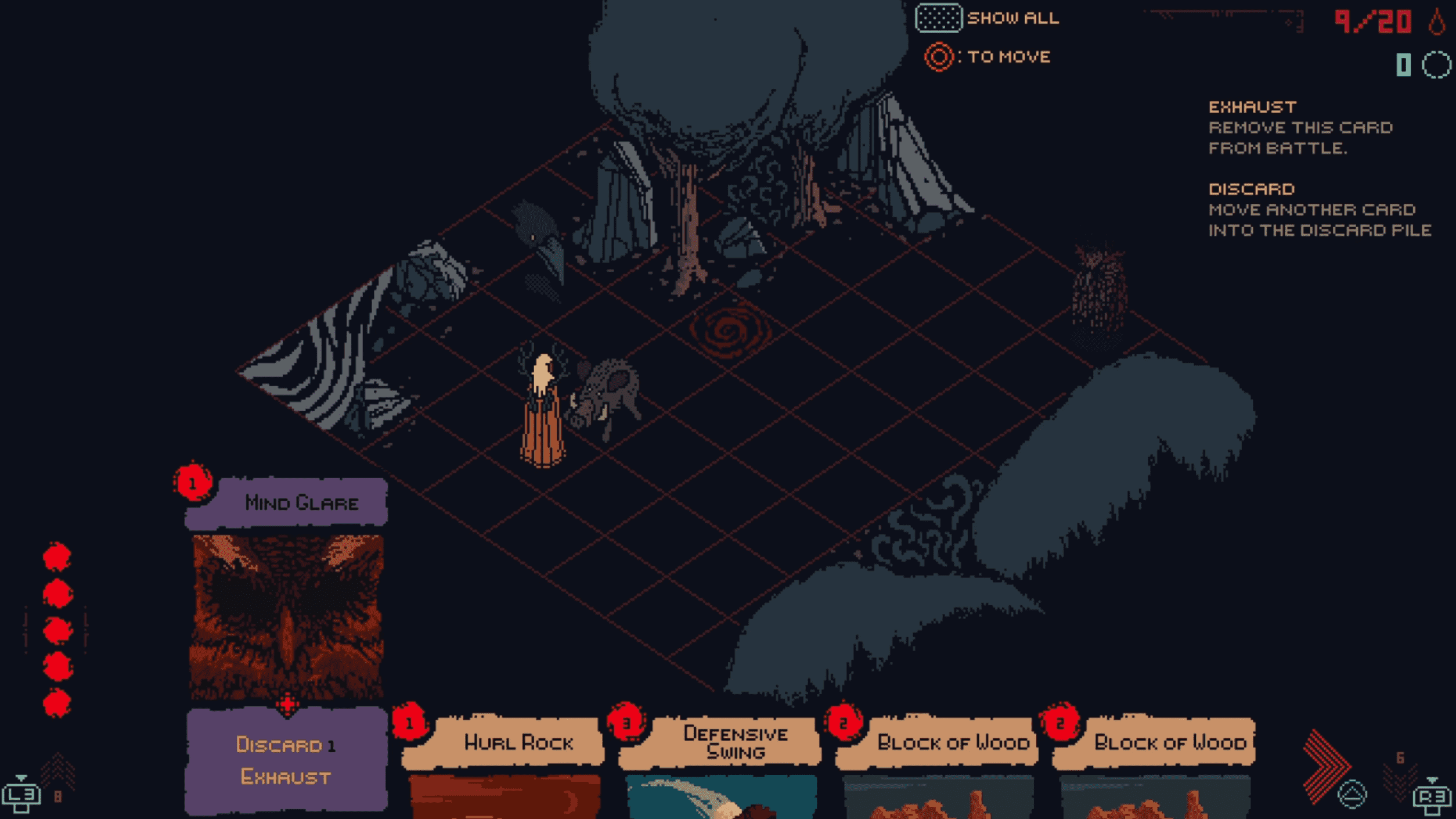
Encounters take place on a grid. When you walk into a cluster of enemies, you are pulled into a tactical battle where positioning matters as much as the cards in your hand. You and your enemies take turns moving and acting. Some spirits attack from range. Frogs leap over allies to get into better positions. Snails poison you and hide in their shells. Dragonflies lay larvae that can overwhelm the board. Certain enemies move again after striking you. Others drag you closer before attacking. Fights can look hopeless at first glance, but you have more tools than you think.
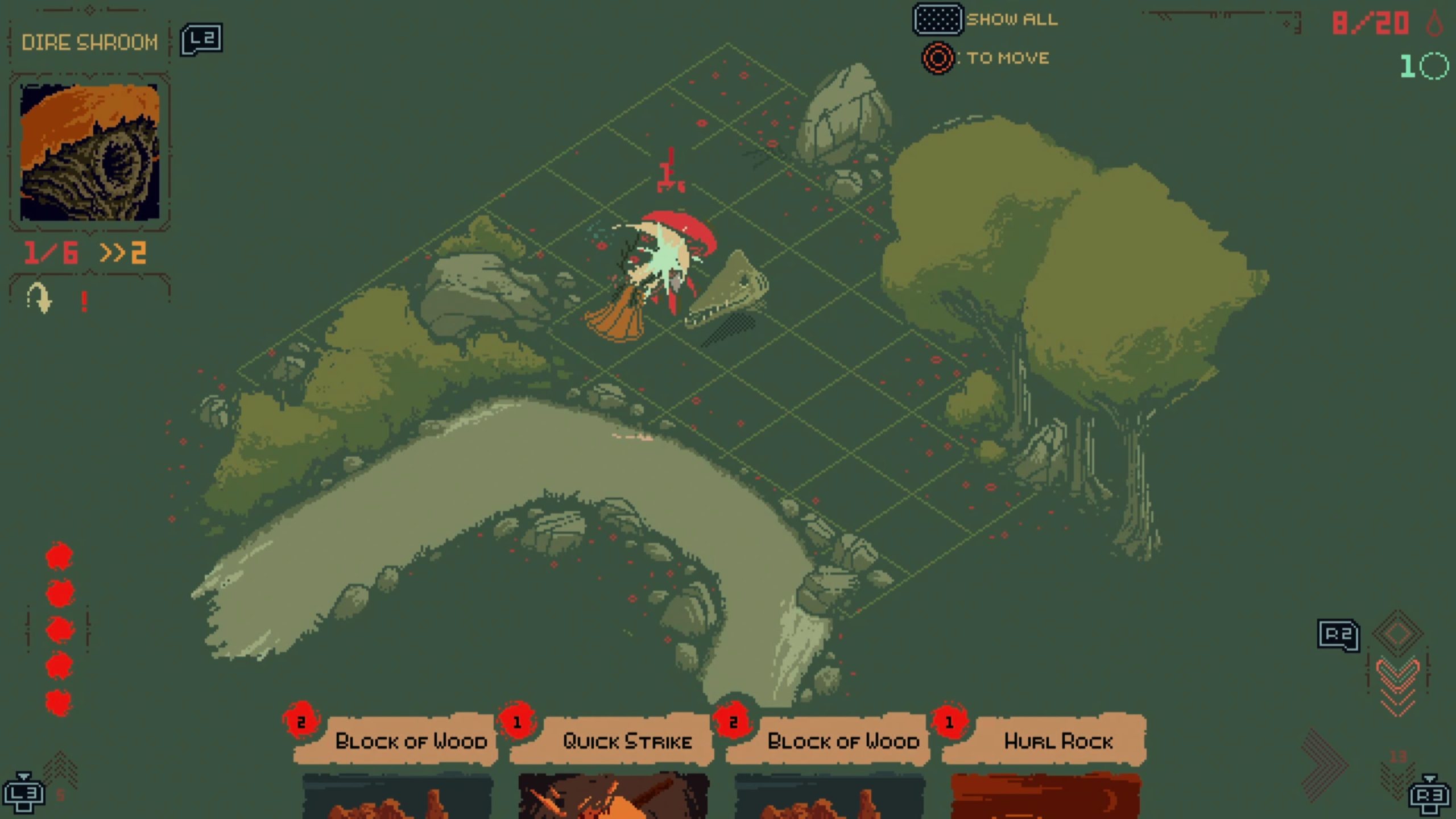
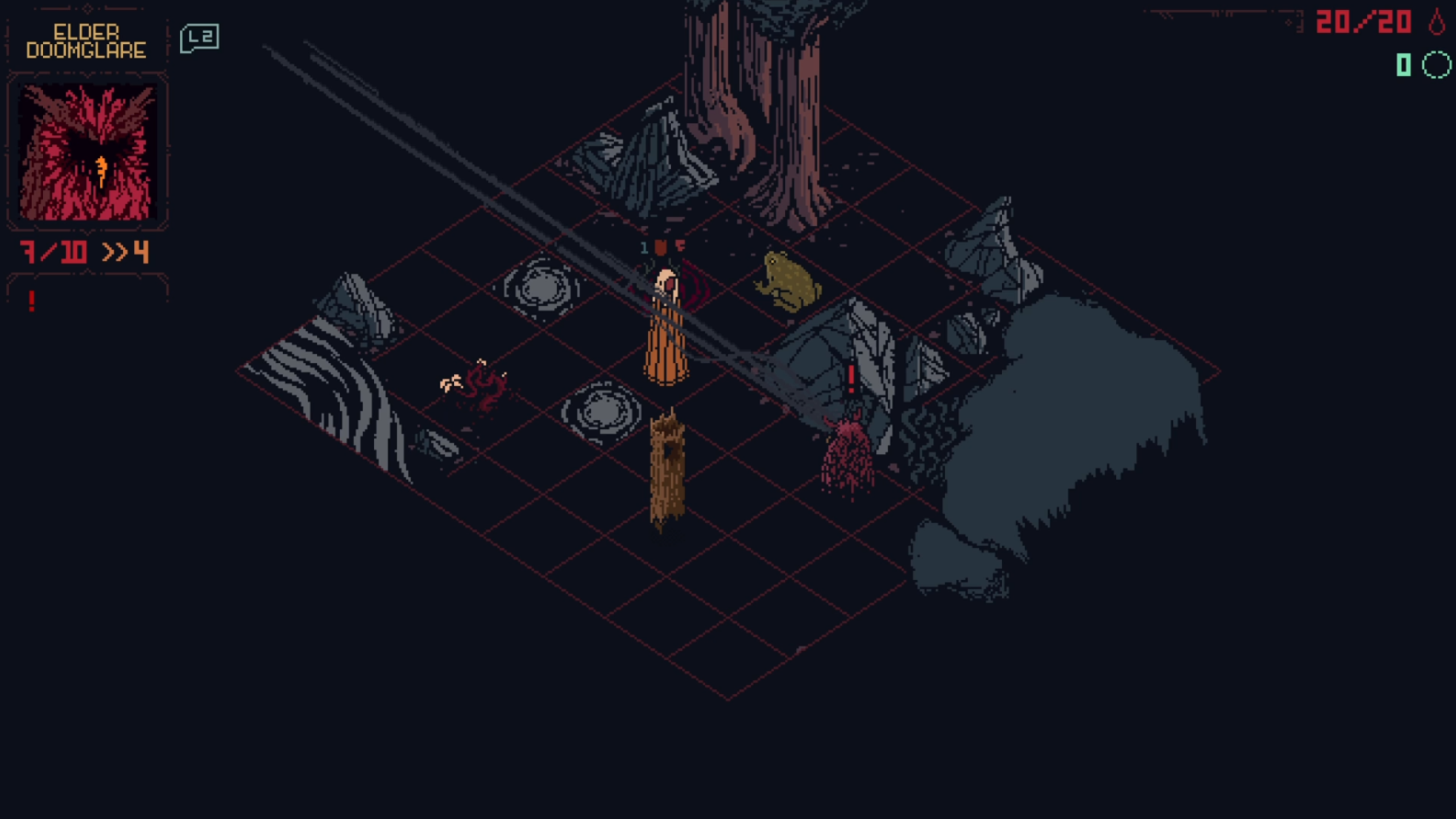
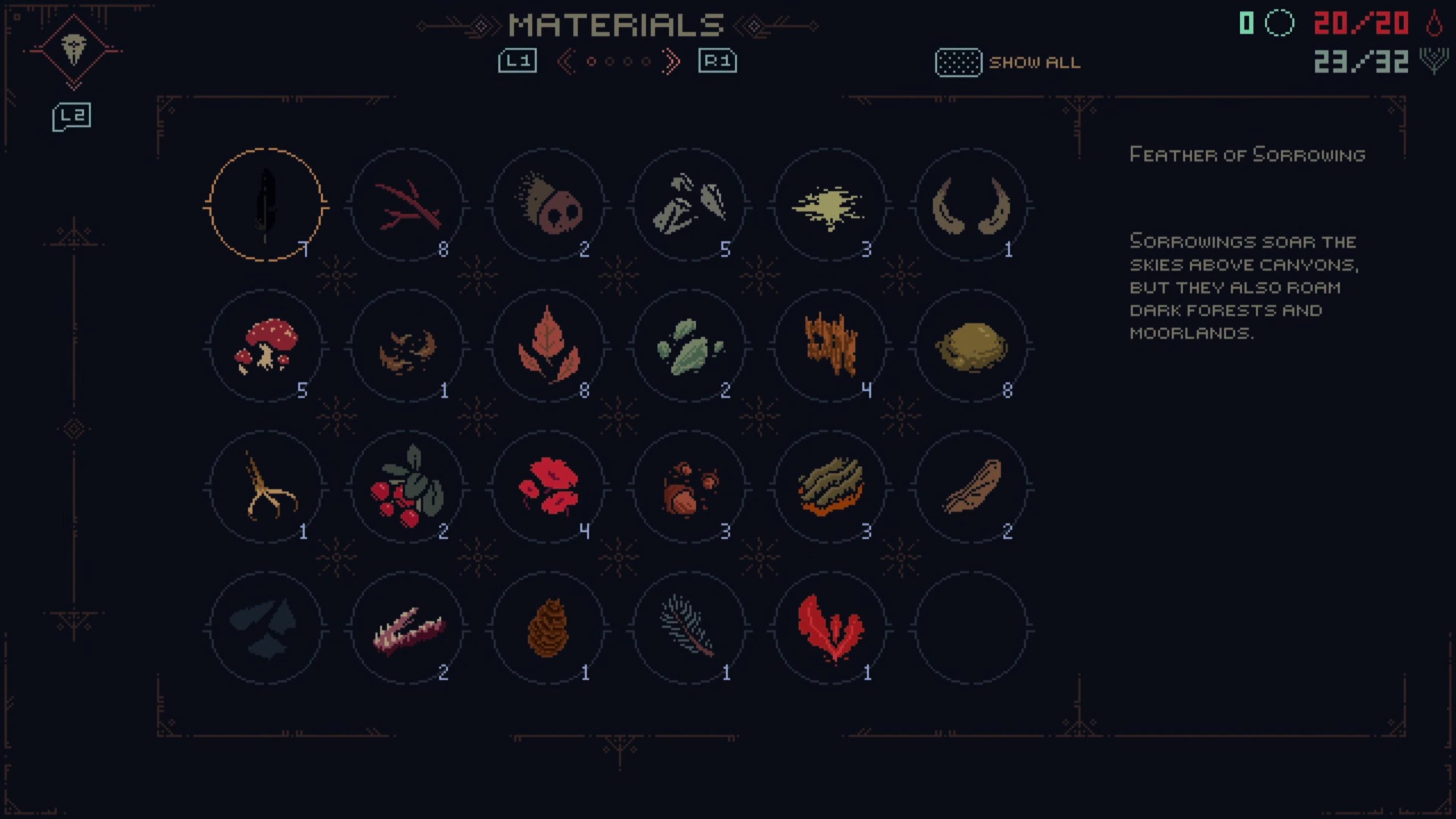
Your deck is made up of over 160 craftable cards. Defeating enemies gives you materials to create new ones, and each realm introduces its own set with distinct themes. Poison builds, shield heavy retaliation setups, strength stacking, movement and backstab tactics, sacrifice loops, mana discount chains, and more are all viable. Cards are shuffled each fight, so hand management becomes crucial. You might draw a card that boosts damage if played first, completely changing the order of your turn. You might push an enemy back into another one to damage both at once. Some enemies will even force a dangerous card into your deck that must be discarded that turn or you instantly die, shrinking your options and raising the stakes. There is a constant tension between adapting to the current board and planning for the next few turns.
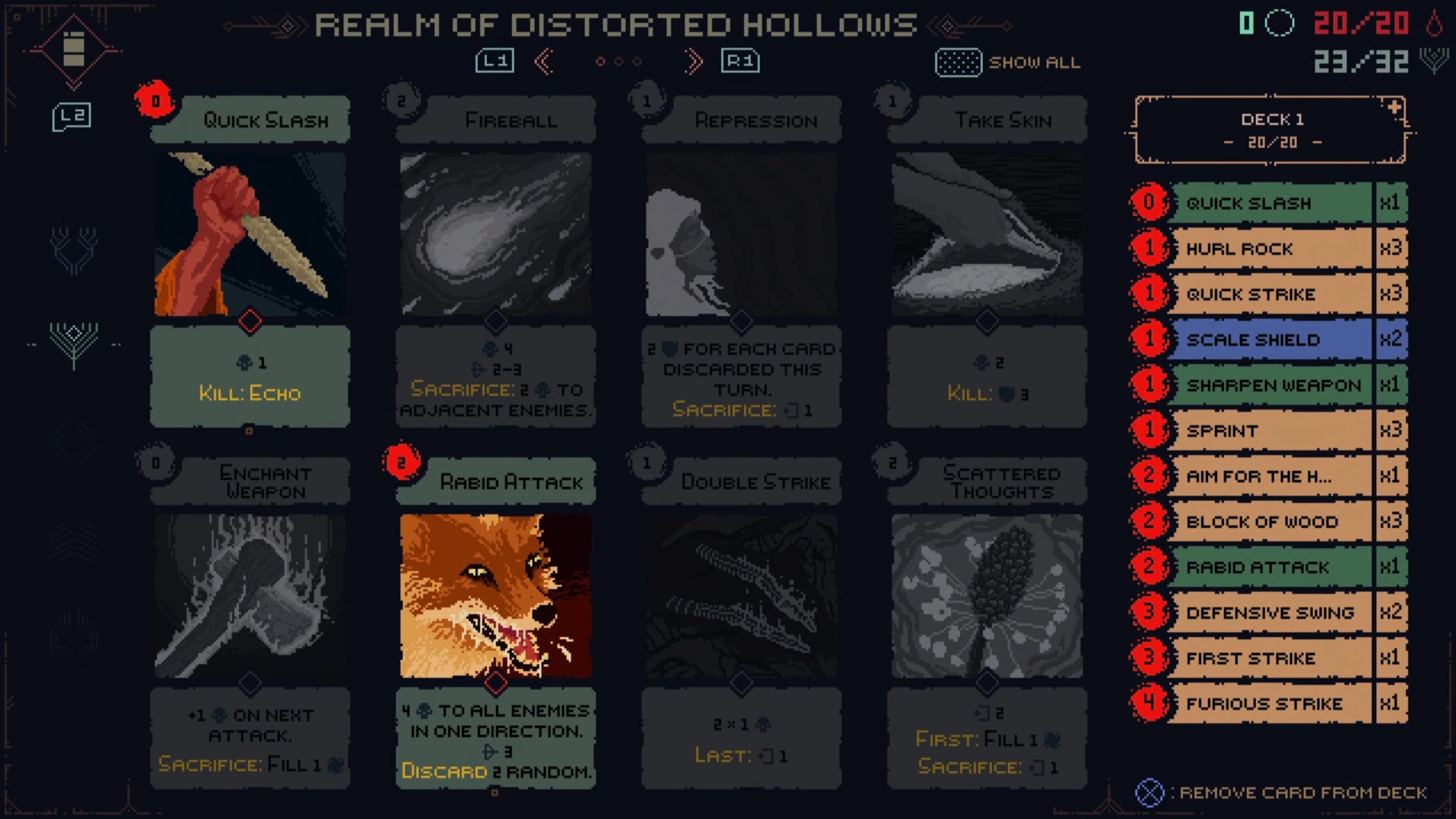
One of the most interesting design choices is how realms restrict your deck. Cards from outside the current region cost extra energy to play. That small penalty forces you to rebuild and rethink your strategy every time you enter a new area. It is easy to cling to a deck that works, but the game nudges you out of your comfort zone. You end up crafting entirely new builds tailored to local threats. Toxic snails suddenly make antidote effects valuable. Heavily armored foes push you toward armor ignoring attacks. The system encourages real deck building instead of just collecting universally strong cards. Between fights you can swap cards freely, so you are constantly preparing for specific encounters rather than winging it. It feels deliberate and almost puzzle like.
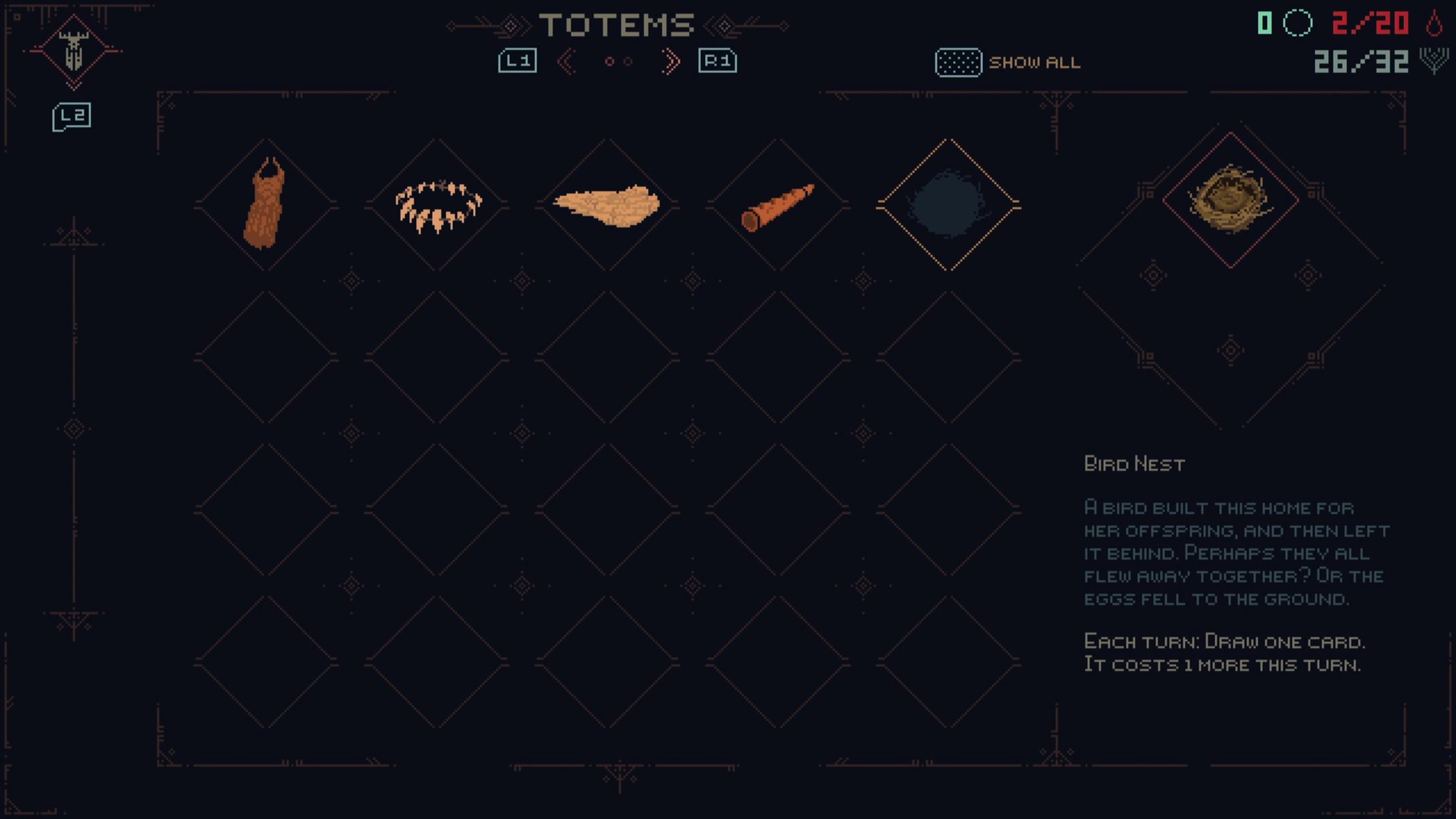
Totems add another layer. You unlock them in unusual ways, like staring into your reflection in a lake multiple times. These items are tied to Ro’s family and give you passive advantages such as better resource management or energy on kills. Overcharge meters tied to each realm also provide powerful bursts when filled, whether that means refilling energy or unleashing area damage. As you grow stronger and unlock more perk slots, the difficulty curve shifts. Early on the game is extremely punishing. One mistake can end a fight. Progress can feel slow because every encounter demands focus. But that tension is also what makes victory satisfying. By the late game, especially once all perk slots are unlocked, you can start to break encounters wide open if your deck synergy is tight.
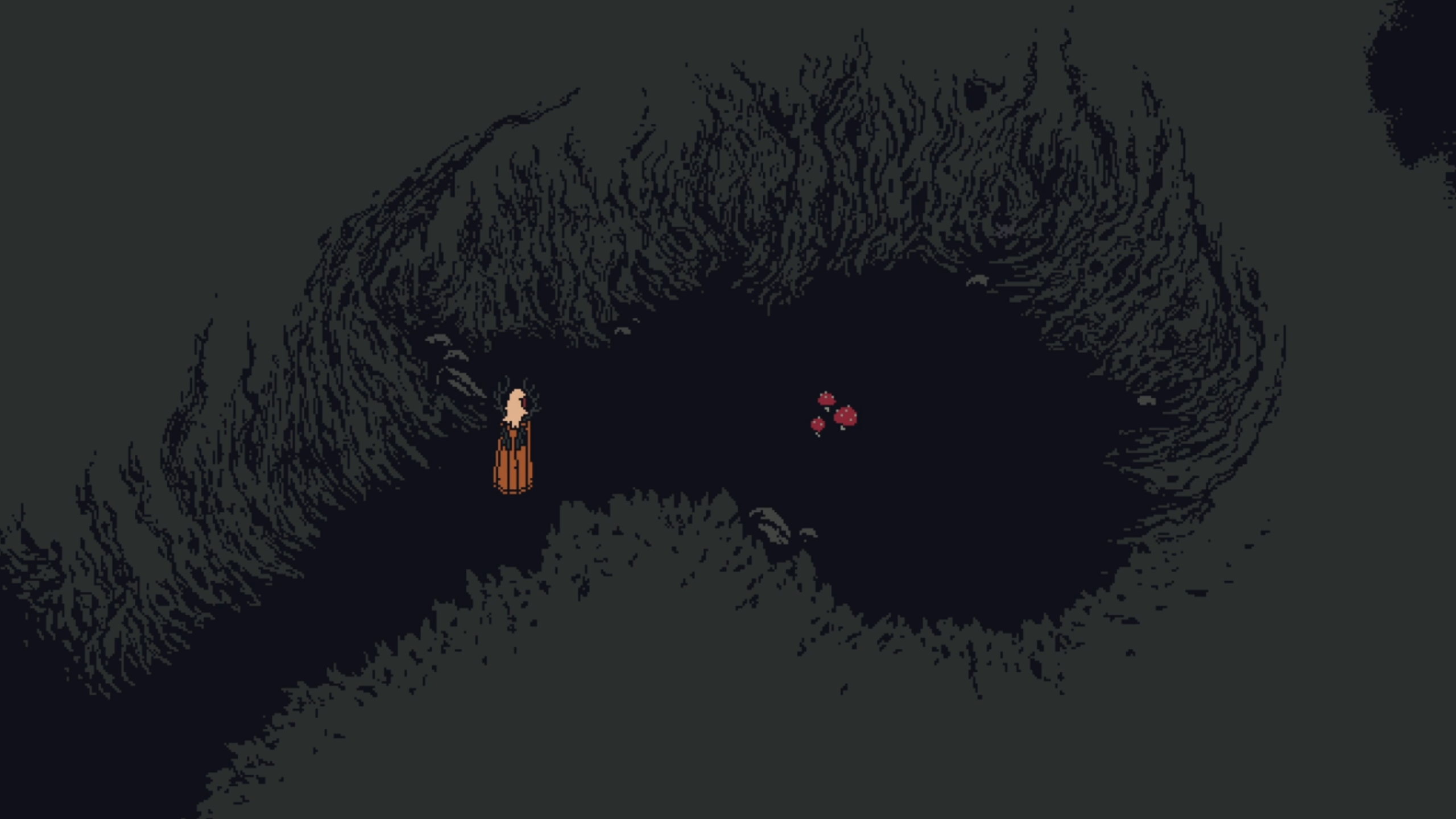
Visually, Death Howl is captivating. The pixel art is minimalist but incredibly expressive. Each region leans on a distinct color palette, and transitions between areas have a dreamlike flow that makes the Spirit World feel unstable and otherworldly. It avoids the loud neon style that a lot of indie pixel art falls into and instead uses restrained tones and painterly touches. It genuinely captures the feeling of ancient nature. You can almost feel the cold air and damp reeds.
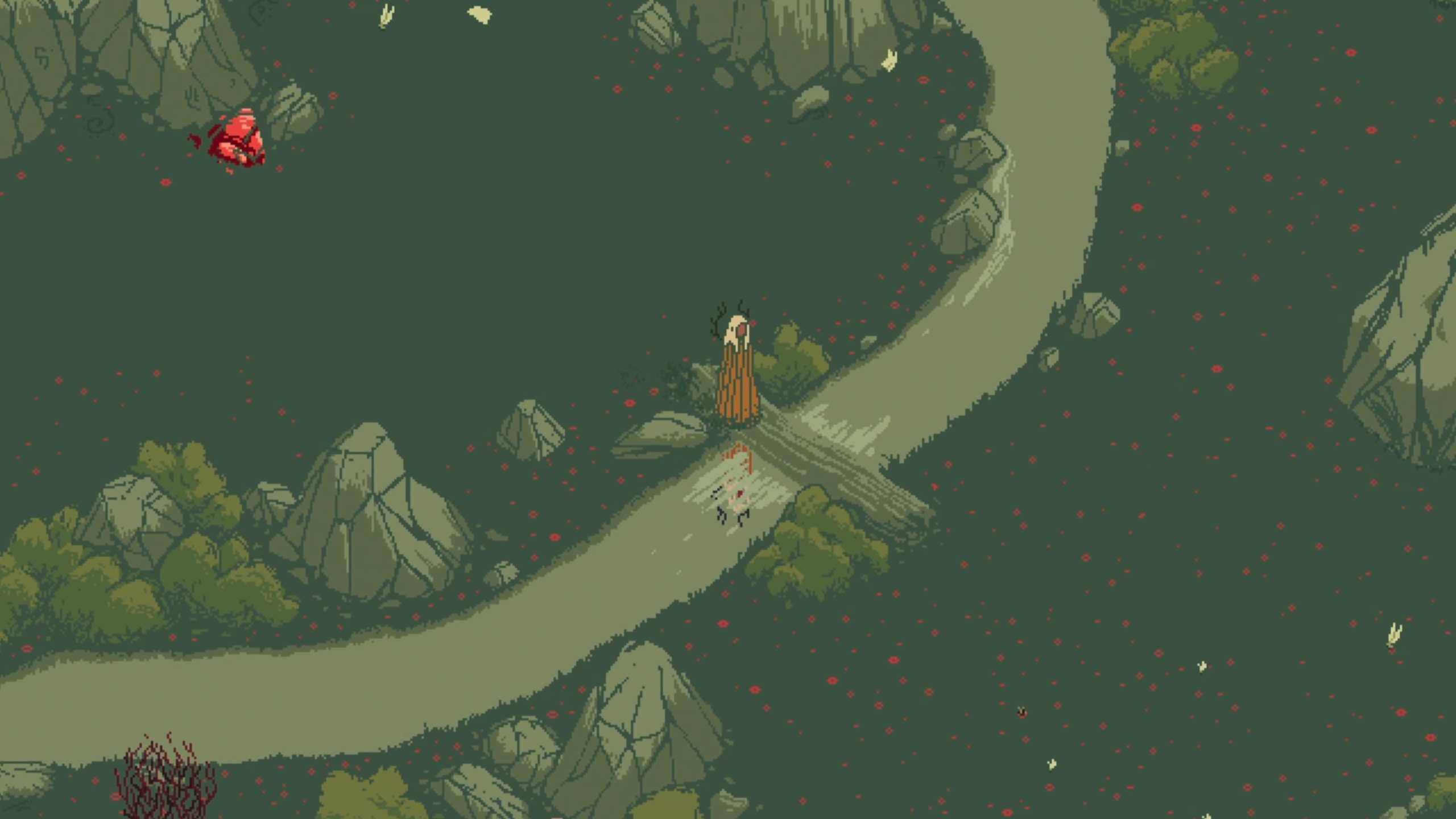
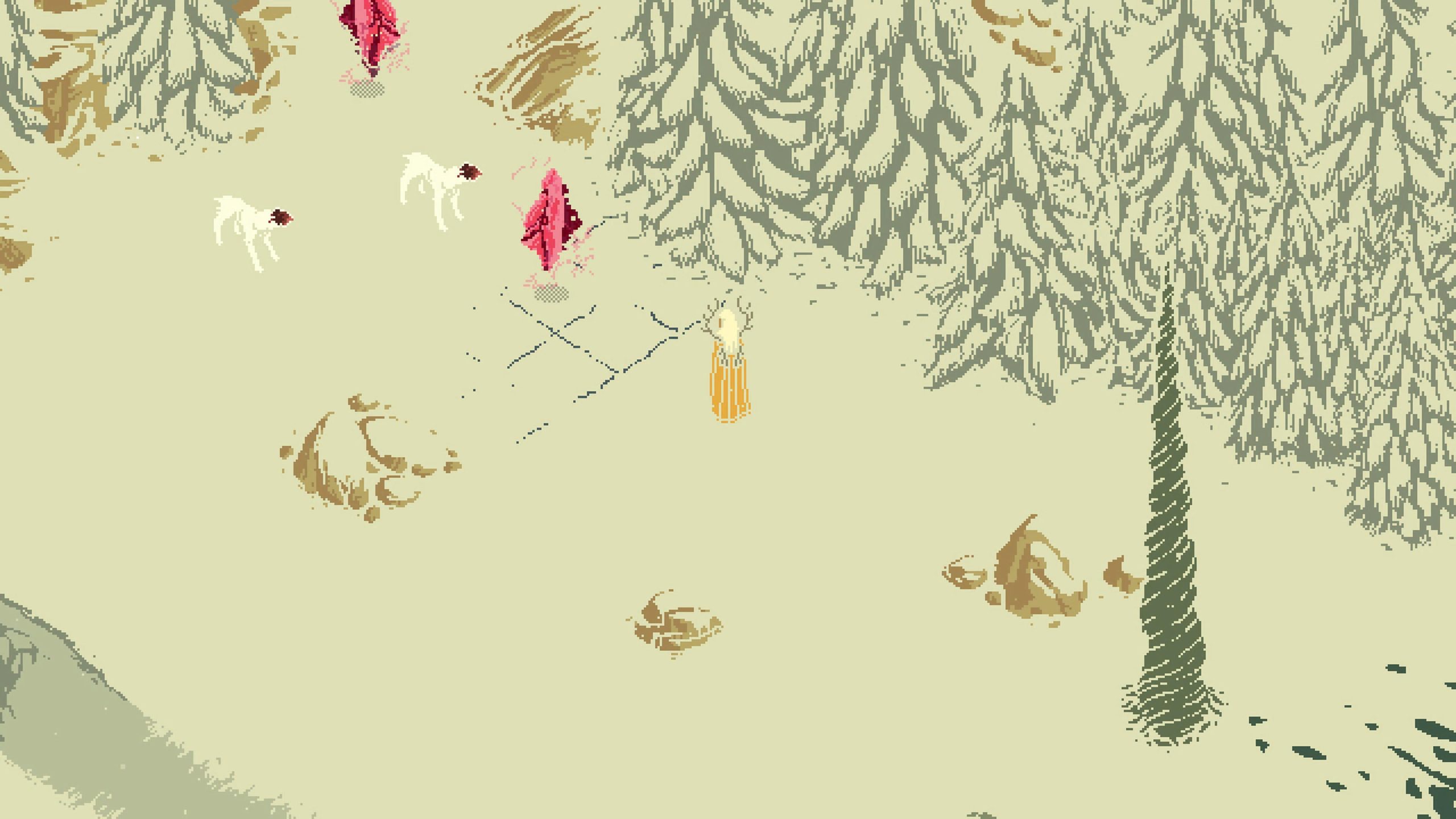
The audio design is just as strong. The soundtrack blends primordial instruments with eerie ambient textures. Some tracks swell with intensity during tougher battles, while others settle into subdued, almost meditative tones during exploration. The music carries the emotional weight of the story and transitions smoothly between gameplay and narrative moments. Enemy sounds are distinct and memorable, and Ro’s cry when she falls in battle is something you will hear often, especially early on. It reinforces the harshness of the world.
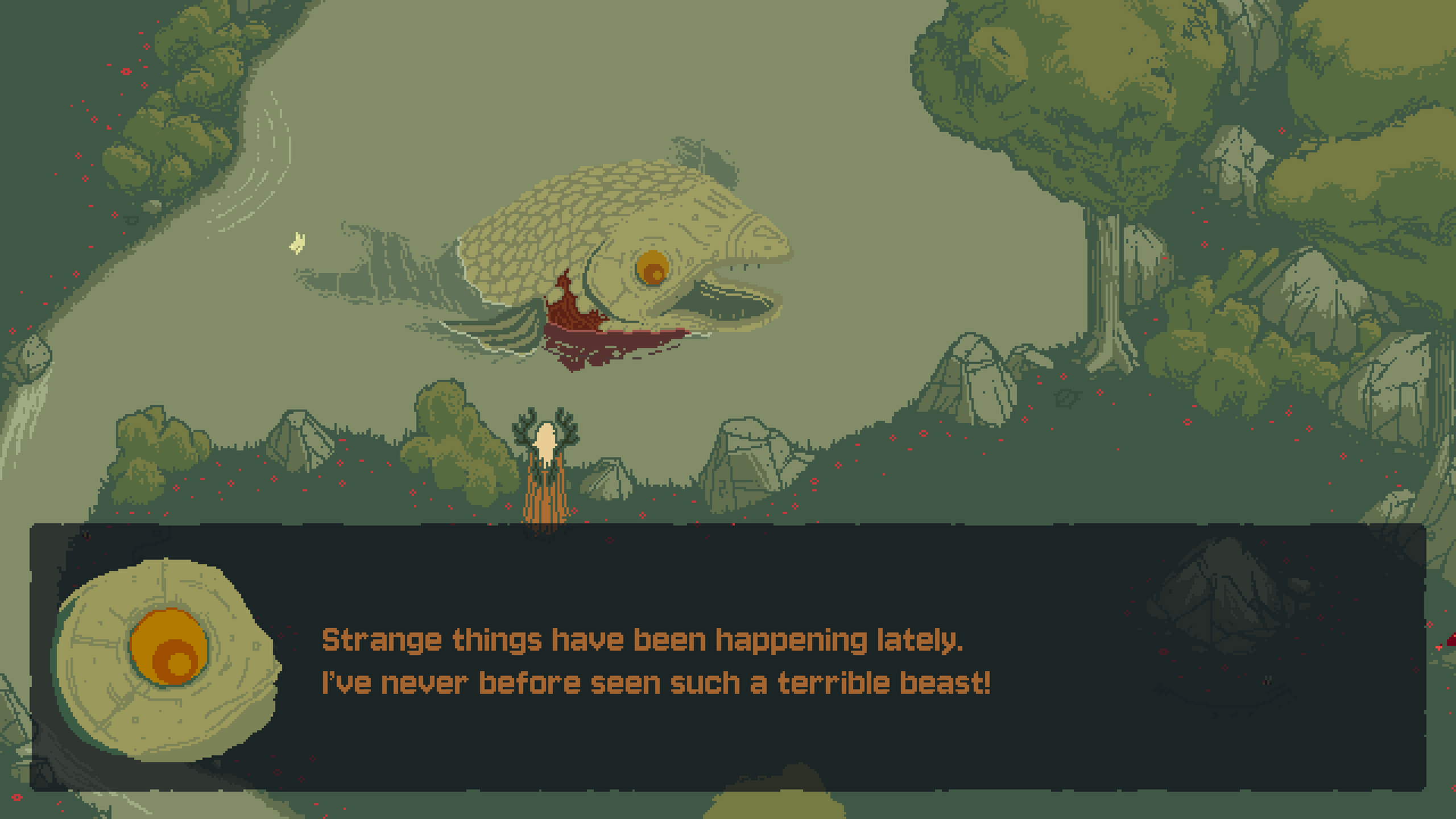
A first playthrough will likely run between 25 and 30 hours, longer if you chase every side quest and secret. The challenge naturally extends that runtime. You are always learning something new, whether it is a card interaction, a new enemy behavior, or a smarter route through a dangerous region. Even when you fail, it rarely feels pointless. Death becomes part of the rhythm rather than a hard stop.
Final Thoughts?
If this game looks even slightly interesting to you, go in as blind as possible. There is real joy in discovering how its systems click together. It questions the usual roguelike deck builder formula by letting you build specifically for what is ahead of you instead of relying purely on randomness. It mixes tactical grid combat with soulslike tension in a way that feels thoughtful rather than gimmicky. Most importantly, it anchors all of that in a story about grief that feels sincere. Death Howl will test your patience. It will make you lock in and commit. It will make you howl after a tough loss. But if you give it your attention, it rewards you with one of the most distinct and emotionally grounded deck builders in recent memory.

About the Author

Nay Clark Gaming holds a special place in my heart and I never stop talking about video games. I really love all types of games and have an interest in games that have complicated stories and lore because I enjoy untangling the mystery of it all. When I'm not gaming, I unsuccessfully try to control three amazing and incredibly bright kids.
Related Posts
God of War Sons of Sparta Review (PS5) →
Avowed PS5 Review →

Aerial_Knight’s DropShot Review (PS5) →