
Crimson Desert Review (PC)
A Genre-Bending Experience
Summary: Though the devs aimed for quantity and size rather than quality and coherence, exploring the hidden corners of Pywel to engage in different side-quests and activities is a thirst that will keep any fan of fantasy action games entertained for tens if not hundreds of hours.
4.1
Vast but Shallow
Crimson Desert is the second AAA title from the South Korean developer Pearl Abyss that captured the world by storm with its fascinating open-world showcases and third-person action-adventure gameplay mechanics that we usually see from big names in the industry. But is it as magnificent as it looks?
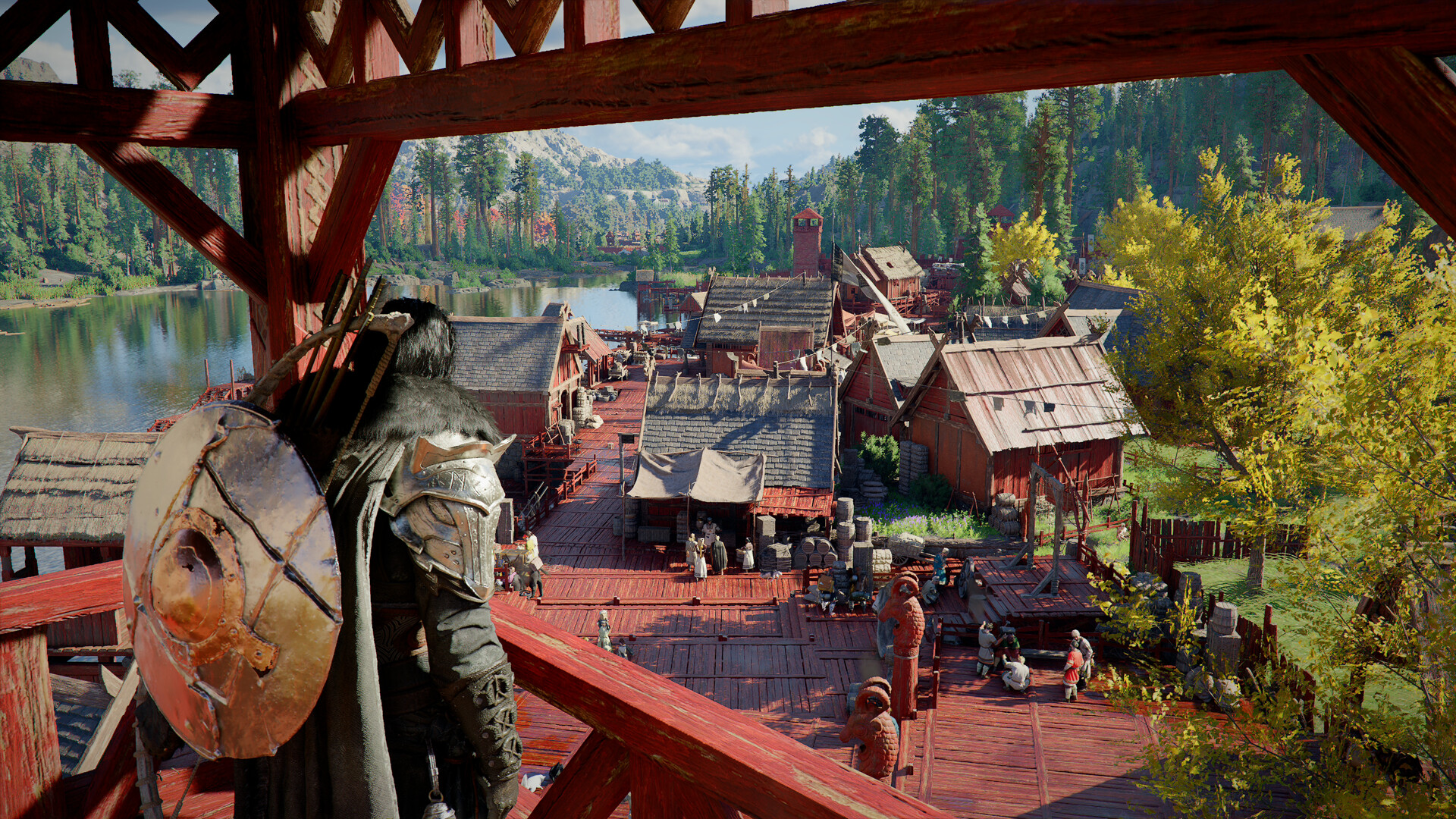
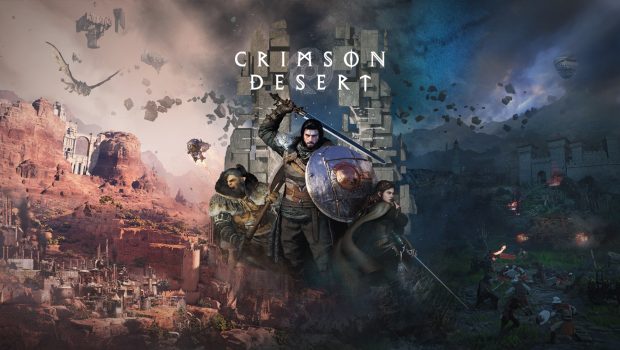
Crimson Desert is set in the fictional land of Pywel, home to many different races of intelligent beings, from humans to dwarves and orcs. The story follows Kliff, a member of the Greymanes warrior clan, who is trying to reunite with his clan after they have been ambushed and decimated by the rival Black Bear clan. Kliff is also a chosen warrior by the guardians of the Abyss – the mystical realm that acts as the core and soul of the world of Pywel – tasked with preventing evil forces from conquering it.
While the voice acting and casting talents behind the game are magnificent and contain a myriad of different dialects and accents from across the United Kingdom, the character development and narrative of the game are quite dull. For example, it is never clear why Kliff was chosen as the Abyss saviour or how many of the 13 chapters of the game fit into the bigger overarching narrative. To put it simply, Crimson Desert is like the video game version of fantasy television series such as Xena: Warrior Princess or Hercules: The Legendary Journeys, where the overarching plot is mostly sidelined by a multitude of different shorter storylines, and to our dear Gen Z audiences: yes, I am that old!
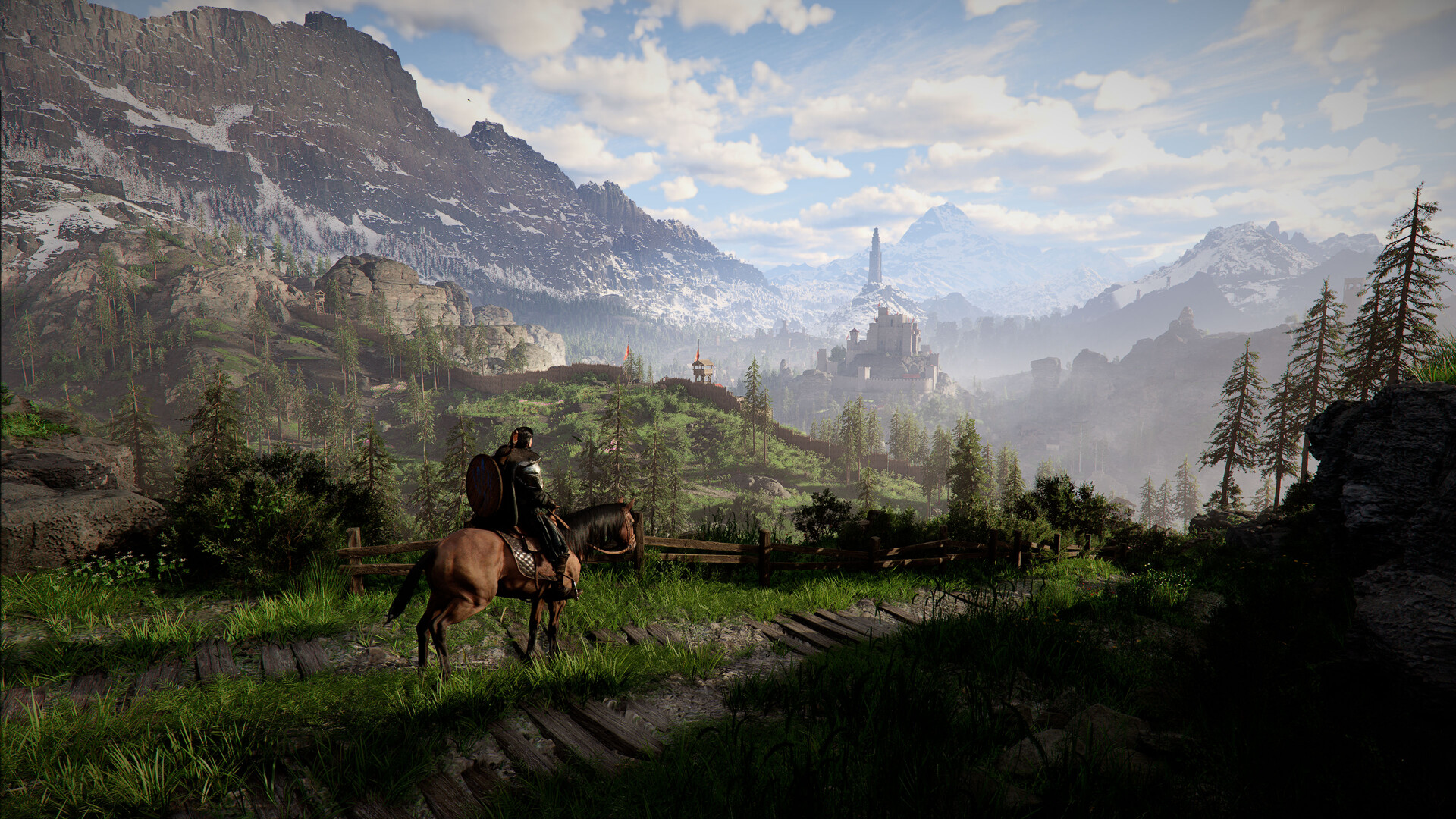
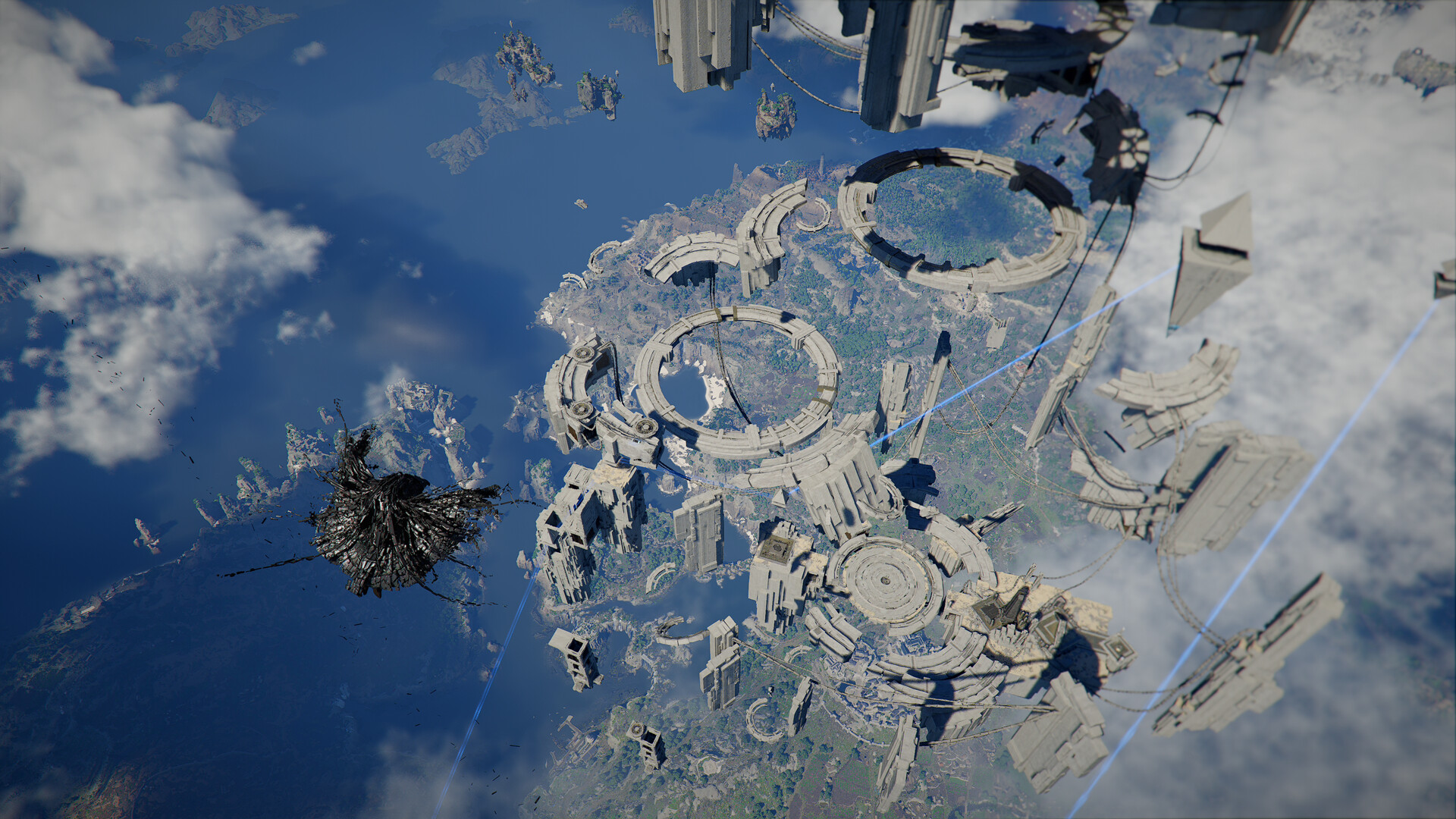
Playing Crimson Desert feels like living in a sword & sorcery world. The gameplay elements of this game are so vast that I can write a full opinion piece explaining how difficult it is to describe and categorize them. The easiest possible explanation is to call Crimson Desert an offline MMO; a child of Red Dead Redemption 2’s survival elements and attention to detail and Warframe’s action and minigame-packed world. It is a game that needs to be explored either on horseback, riding a jetpack, or gliding from one height to another. Pywel is vast, and galloping from one end to the other on horseback takes around 40 minutes. The devs managed to find the balance between guiding the players to different activities and objectives in the world and encouraging exploration by using a proximity system. When players are close to a point of interest – such as a farm occupied by bandits that needs to be freed or a random NPC that needs help – they will see the icon appearing on the map, and after the first visit, the location is marked and categorized automatically.
When it comes to in-game activities, Crimson Desert is like an all-you-can-eat buffet. You can gather resources by farming, mining, hunting, fishing, lumbering, cooking, trading, transporting goods, treasure and bounty hunting, and even doing black market activities such as gambling, boxing, or even stealing and working with fences to sell the stolen livestock and goods. At the end of the day, you can even take your chances with capitalism by opening a bank account, depositing your gold bars there, and getting interest for your investments.
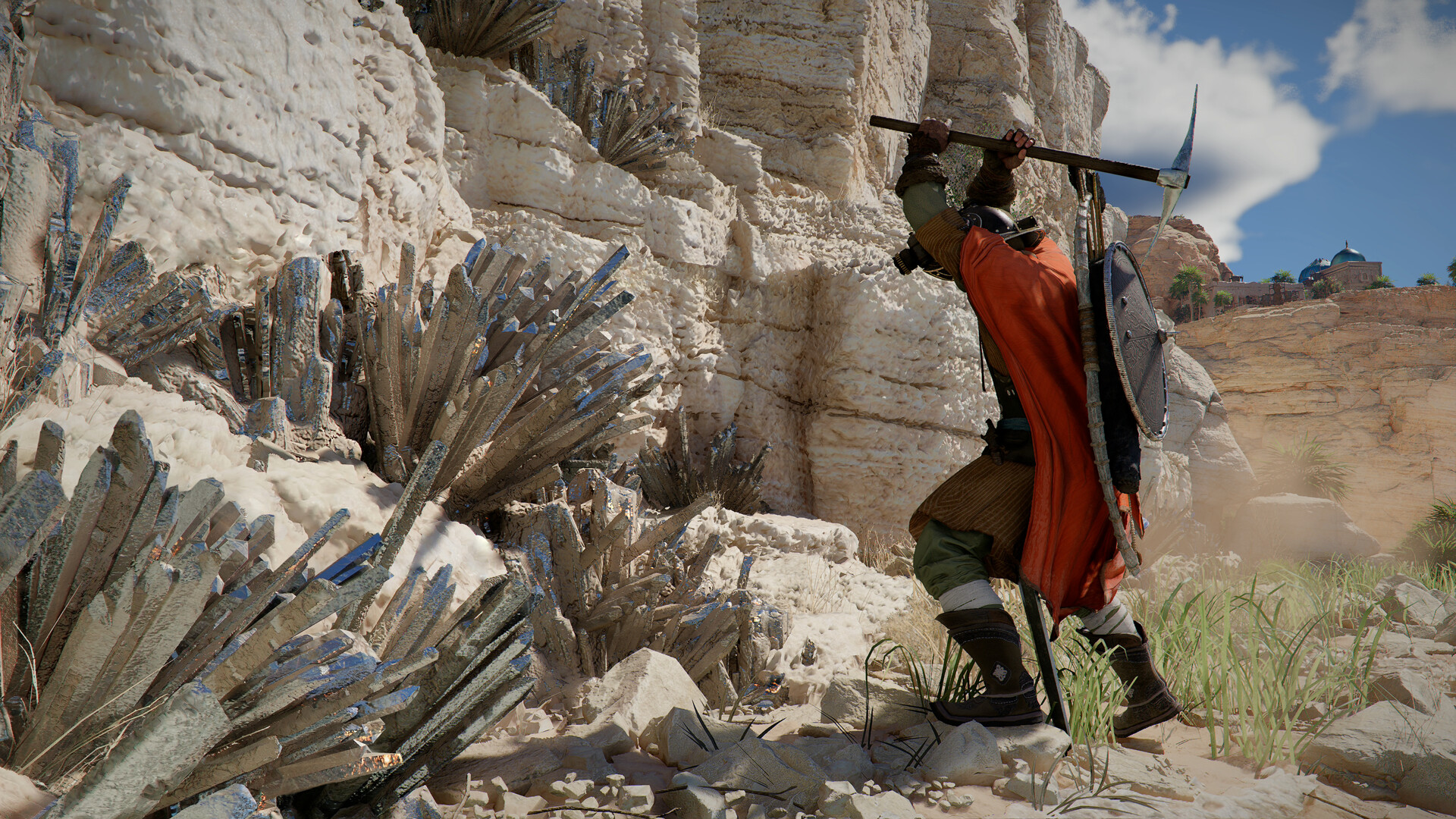
The resources gained from the economic aspect of the game are used to expand the Greymanes’ camp – which is in turn used to send comrades on missions to gather resources or deal with enemies occupying different parts of the world – as well as to make Kliff stronger in combat. Kliff needs to consume food for healing while regularly buying new equipment or upgrading existing gear to keep up with the challenges of Pywel. That means the economic aspect of the game is not merely a side-hustle or minigame but a vital aspect that the player needs to regularly invest in to increase the odds of success in combat.
The combat in the game follows the same multi-faceted nature. Kliff can use different types and combinations of melee weapons, such as shields and swords, dual-wielding swords or axes, or using two-handed greatswords or hammers. He can use ranged weapons such as bows or firearms to deal with enemies at range or in the air. While the game’s weapon variation is significant, there is no depth to it. Kliff’s combos and combat abilities are not weapon-restricted; for example, both shields and swords can be used to defend against incoming attacks, but the difference is in their efficiency. Heavier weapons are slower and deadlier, while lighter weapons are faster.
Different combat modifiers allow Kliff to utilize special moves. First and foremost is stamina, which is used for executing heavy attacks, dodging, defending, and also for climbing during exploration. Next is the Spirit Bar, which is like mana in most other fantasy games. The Spirit Bar is used to execute special offensive weapon moves or martial arts techniques called Force Palm that break the enemy’s defense and render them open for further attacks. The bosses also have a sort of posture bar like Sekiro: Shadows Die Twice, which will render them open to powerful finishing moves when filled after taking enough damage. Kliff can also grapple and throw enemies, swing pillars or tree trunks, or use sweeping and overhead jumps for crowd control when fighting multiple enemies.
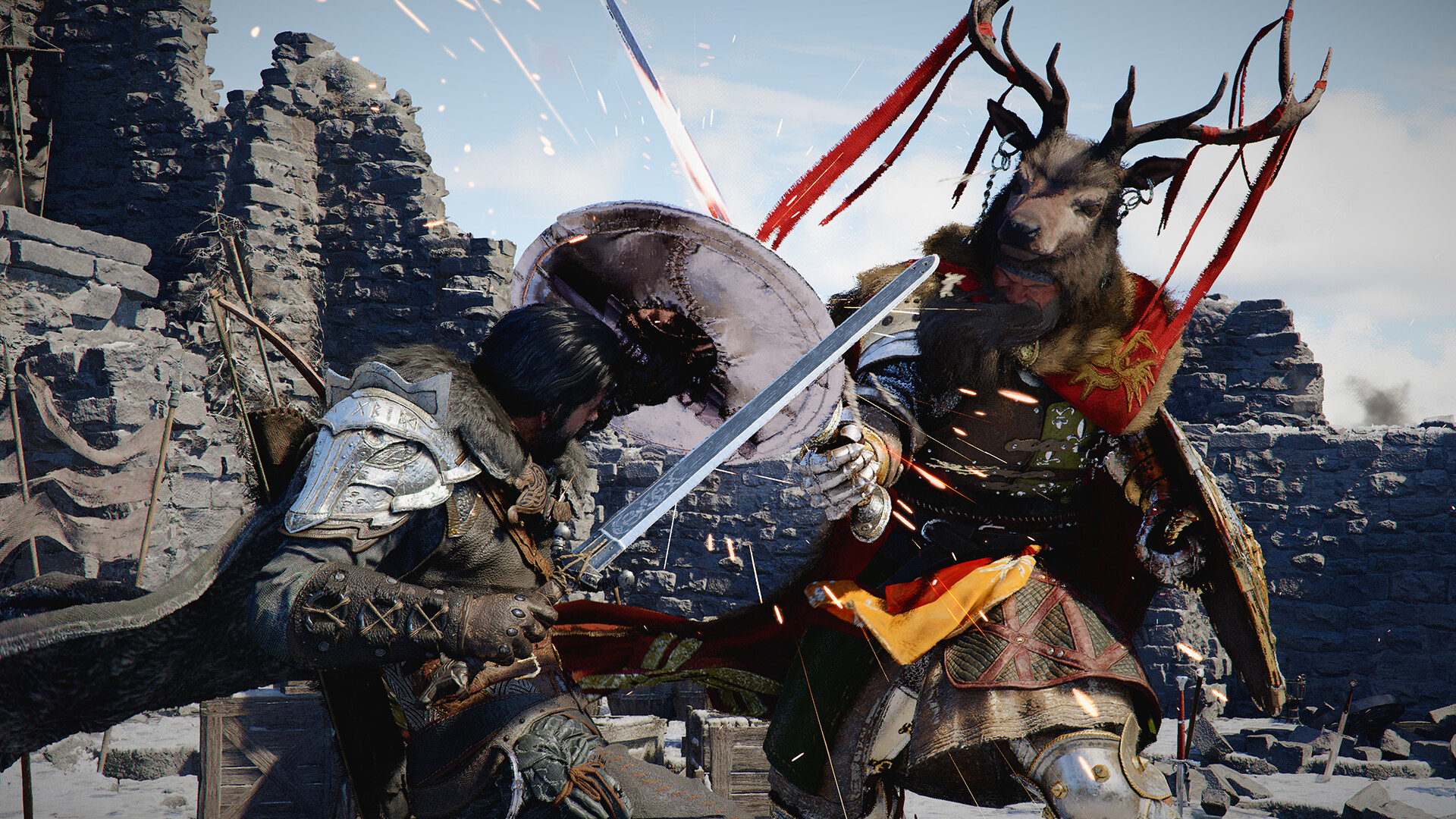
The above-mentioned combat tactics all serve a specific purpose, but the underlying combat core does not pressure the player to learn and use them for two major reasons. The first one is that just button-mashing can eventually break the enemy’s defense and lead to victory. The second one is a lack of enemy attack variety. Though there are different enemy types in the game, the major difference between them is the amount of damage they inflict on Kliff, not the method they use to do that. Fighting a shield bearer or a swordsman is not much different from fighting a pickaxe wielder. That makes combat feel shallow and unsatisfying after a while.
The puzzle-solving side of the gameplay is perhaps where the game shines brightest. Different puzzles and challenges in the world will reward players with experience points used to progress the game’s generic skill tree or items needed to progress the story. These are created and curated carefully and usually need close attention to the surroundings. Whether it is a crank hidden in a closet with a light-sensitive lock or a piece of machinery that is disabled by poison ivy twisted around it, which should be burnt, puzzles in Crimson Desert never cease to amaze. Some boss fights also need the player to use specific tools or items in the environment to deal with the challenge, which is, by its nature, a sort of puzzle.
Final Thoughts
Crimson Desert is a genre-bending experience; something that can’t be easily categorized, and that is a good thing because it shows how complex and multi-layered the experience is. But at the same time, all these different layers are pretty thin and don’t have enough roots in the core gameplay and combat loop. There are three playable characters in the game, but due to some exploration and combat abilities that are dedicated to Kliff as well as the narrative focus, the player is not encouraged to experiment with the other two. Combat mechanisms and abilities are numerous, but executing them in real-time sometimes requires hitting three different buttons at the same time, while merely button-mashing can get the job done.
Crimson Desert is an ocean of entertainment, but it is as shallow as a pond. The devs at Pearl Abyss should be proud of themselves because when it comes to interacting with the in-game objects – such as seamlessly capturing a fly sitting on a flower – and other technical aspects, such as the beautiful visuals of the loading-free open world of Pywel, Crimson Desert is fascinating! Though the devs aimed for quantity and size rather than quality and coherence, exploring the hidden corners of Pywel to engage in different side-quests and activities is a thirst that will keep any fan of fantasy action games entertained for tens if not hundreds of hours.

Related Posts
Beyond Words PC Review →
Dying Light: The Beast – Restored Land Review (PC) →

The New Zealand Story: Untold Adventure PC Review →