

As I Began to Dream Review (Switch)
Summary: As I Began to Dream is a heartfelt puzzle platformer about a young girl navigating a dreamscape shaped by grief and memory. Its world-rotating mechanics and escalating puzzles create a satisfying blend of logic and emotion. Technical issues hold it back, but the journey remains touching and worthwhile.
3.5
Somber Spiral
This dreamy platformer starts softly, but grabs you instantly. As I Began to Dream is developed by Strayflux, published by Soft Source, released on November 19, 2025 and is a hand-illustrated puzzle platformer that aims for emotional resonance as much as mechanical ingenuity. Games that attempt to explore internal struggles often overreach or become too literal, but Strayflux approaches the topic through the curious, unguarded perspective of a child, an angle that gives the game both its charm and its weight. At first glance, it’s a gentle dreamscape where you rotate blocks and hop across floating platforms, but beneath that approachable surface lies a story about grief, fear, and acceptance, communicated through a surreal world that shifts as Lily confronts the memories she’s long avoided.

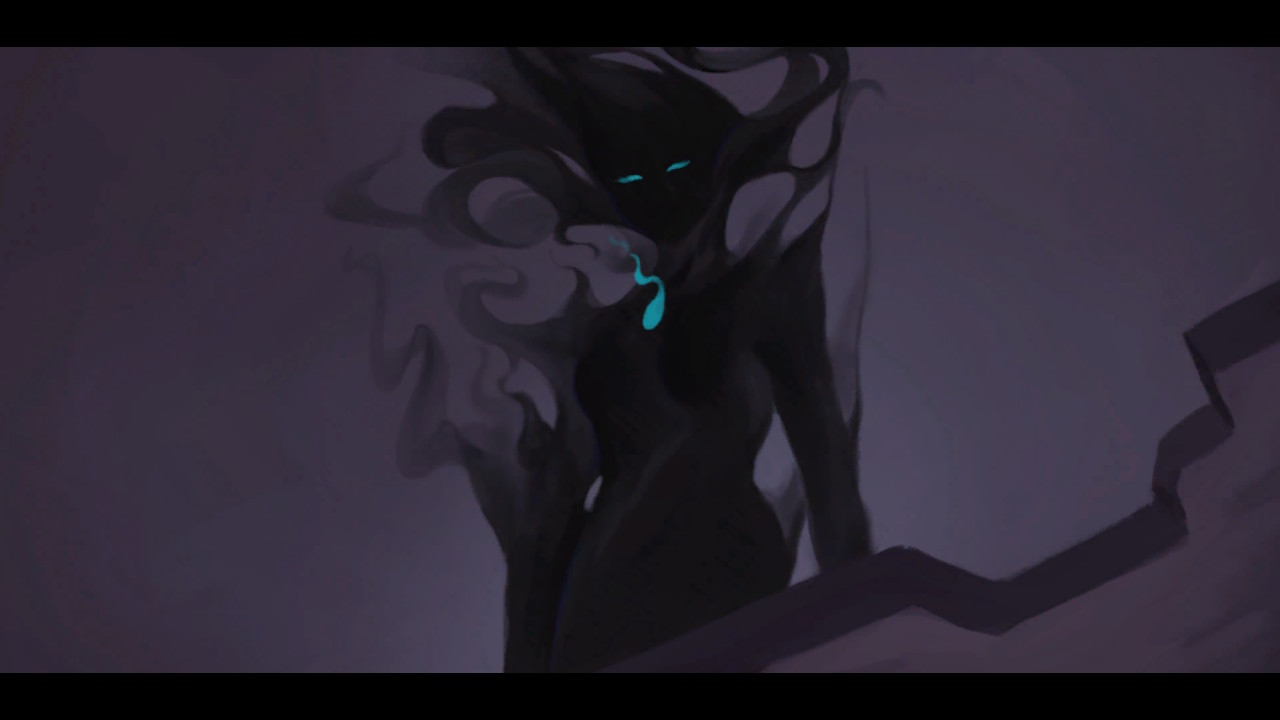
The story follows Lily, a young girl who awakens in a dreamlike limbo with no clear path except forward. Familiar shapes and figures from her past appear in distorted echoes, and flashes of her parents and her childhood anxieties intrude upon her journey with increasing frequency. She’s accompanied by Flippy, a stuffed turtle who speaks with the kind of comforting simplicity that feels true to a child’s imagination. Together, they navigate manifestations of Lily’s internal fears, some gentle and some threatening, as she slowly pieces together what brought her to this place. While the overall arc is grounded in themes of grief and loss, what makes it effective is the restraint. Scenes are expressed through beautiful still images rather than exposition dumps, giving the emotional beats room to breathe. The result is a surprisingly well-rounded narrative that feels honest rather than melodramatic.

Gameplay unfolds across a 2D plane where Lily can run, jump, and interact with a series of clever environmental puzzles. The standout mechanic is her ability to rotate and swap large segments of the level, effectively reshaping the world to create new routes or undo old ones. Early puzzles are approachable and serve as a soft primer by flipping platforms, assembling simple staircases, and collecting keys to open gates, but the complexity escalates elegantly. Before long, you’re juggling bounce pads, timed switches, moving blocks, and interconnected layouts where performing one action sets off a chain reaction that forces you to think a few steps ahead. Later chapters particularly shine, giving you the freedom to experiment and discover inventive solutions rather than pushing you toward a single rigid answer.
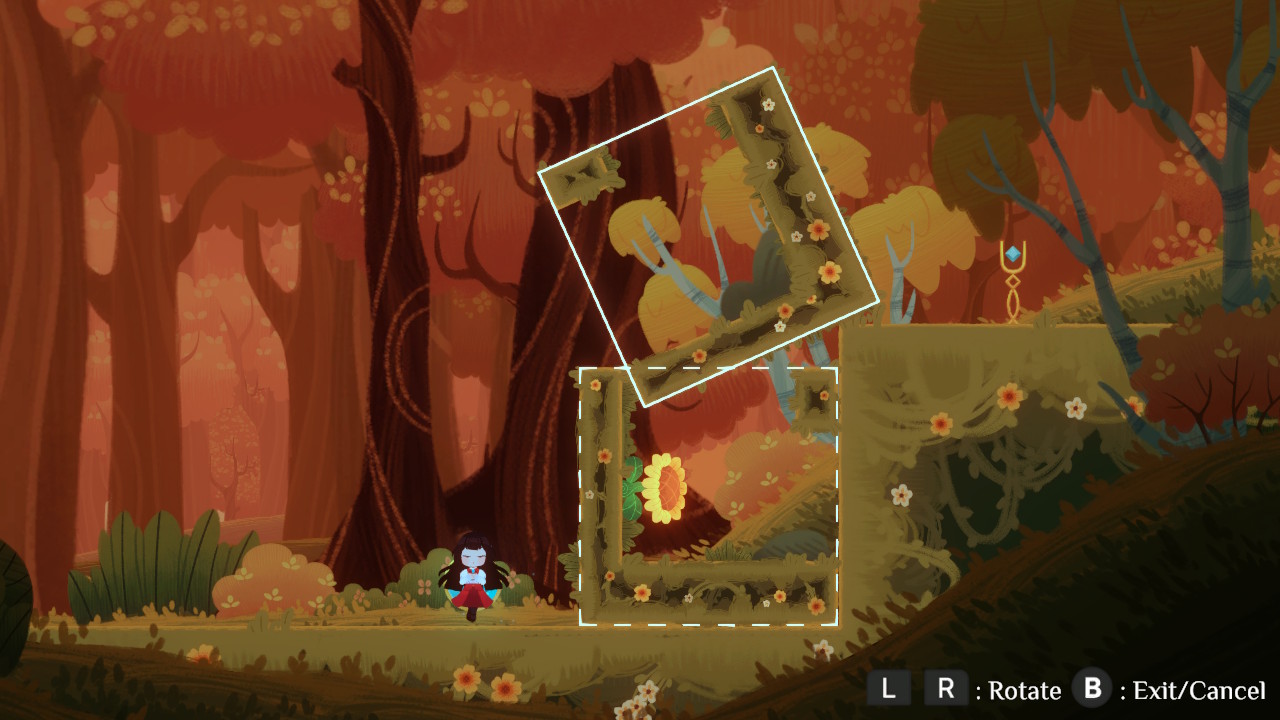
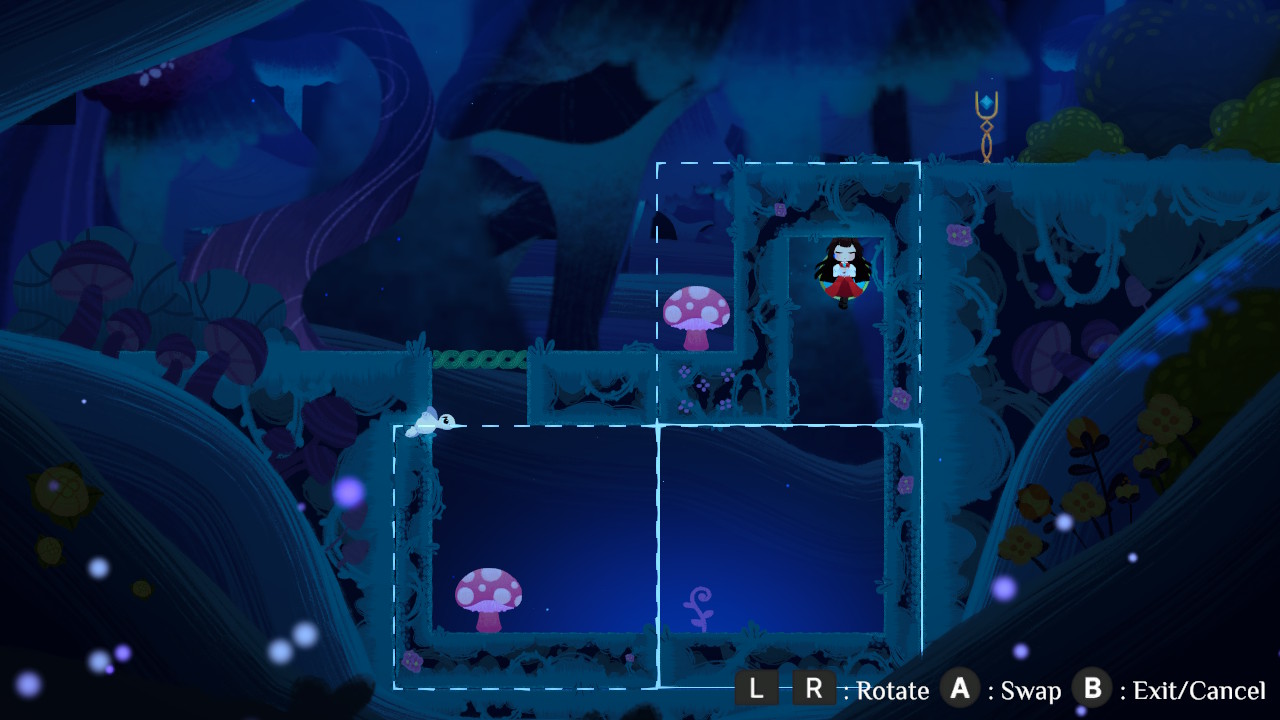
Enemies appear as slow-moving blob creatures that plod harmlessly back and forth, but despite their simplicity they become integral to many puzzles. Some must be destroyed by clever rotation, others must be led toward hazards, and a handful need to be herded into grabbing keys you can’t reach yourself. Because blobs can walk on walls and ceilings, they often function as roaming tools rather than traditional threats. Their best uses show how flexible the mechanics can be; watching a blob carry a key across an impossible surface so you can manipulate the environment and claim it on the other side is oddly satisfying. Even simple interactions like redirecting a turret shot to take them out contribute to the “click” moments that a good puzzle platformer needs.
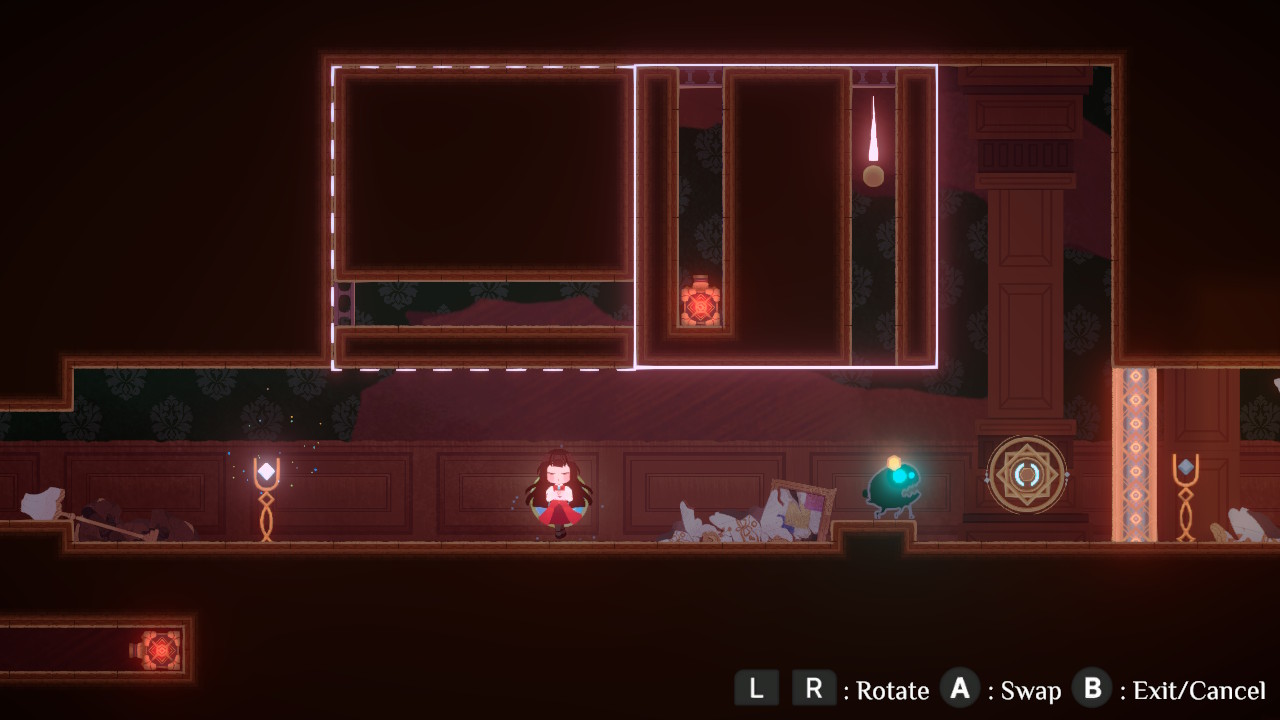
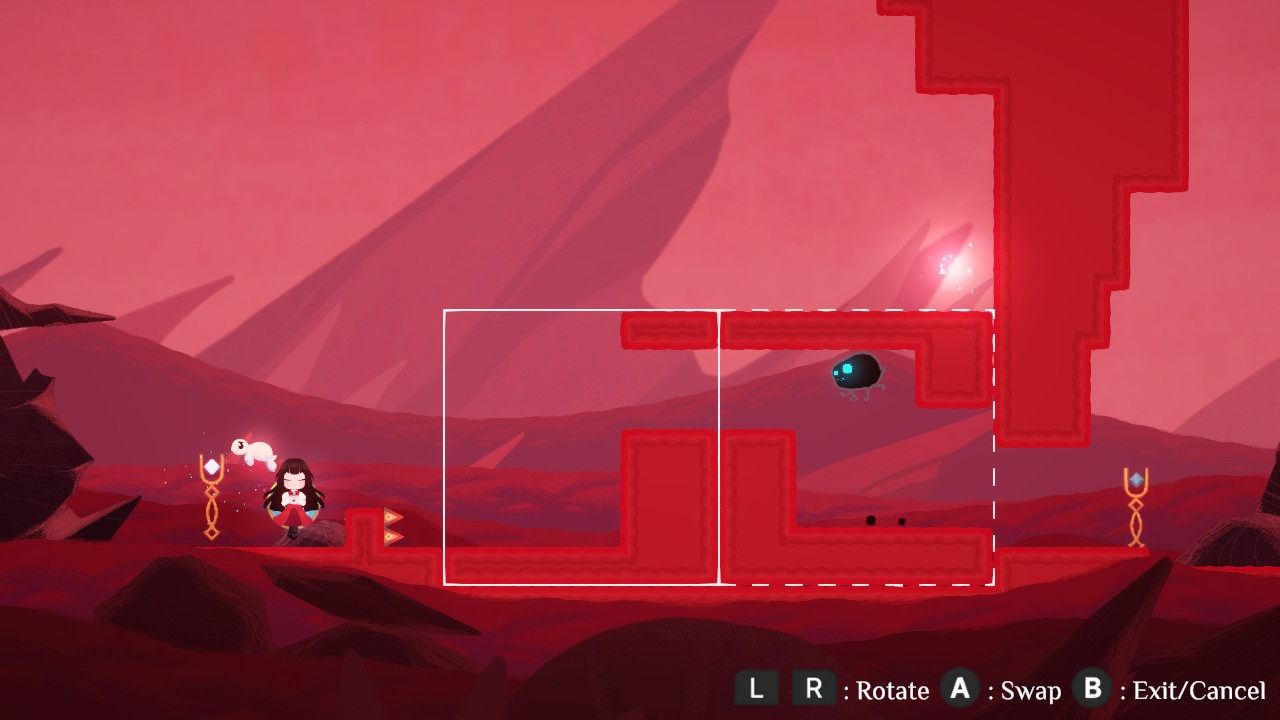
Outside these interactions are stretches of pure platforming; sections where quick reflexes, rather than logical deduction, become the challenge. Here Lily might need to activate a mechanism, immediately pause mid-action, rotate a block into place, unpause, and then dodge an obstacle in a split second. These moments help break up the structure and keep the game from feeling one-note. The five-chapter structure also works in the game’s favor, especially with the optional blue orbs scattered throughout each stage. With both complete and fractured orbs (the latter requiring you to reach a checkpoint before they register), these collectibles add just enough tension to make each jump feel intentional without resorting to cheap difficulty.
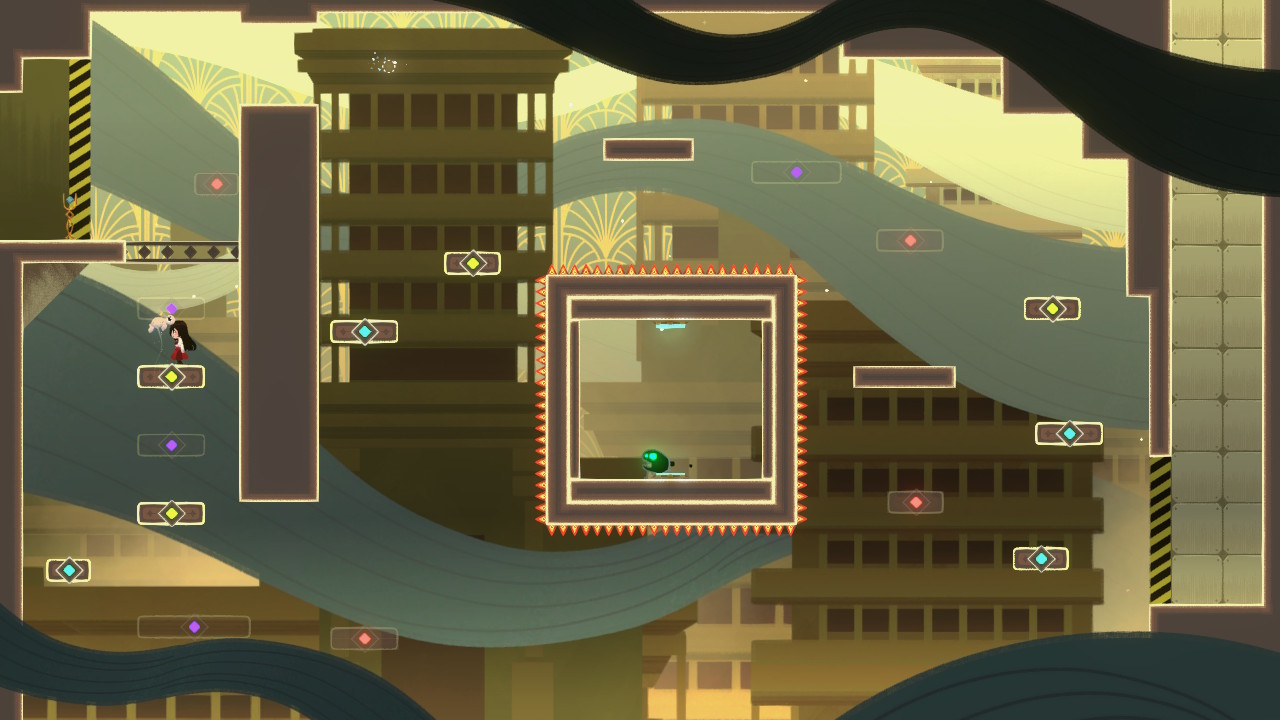
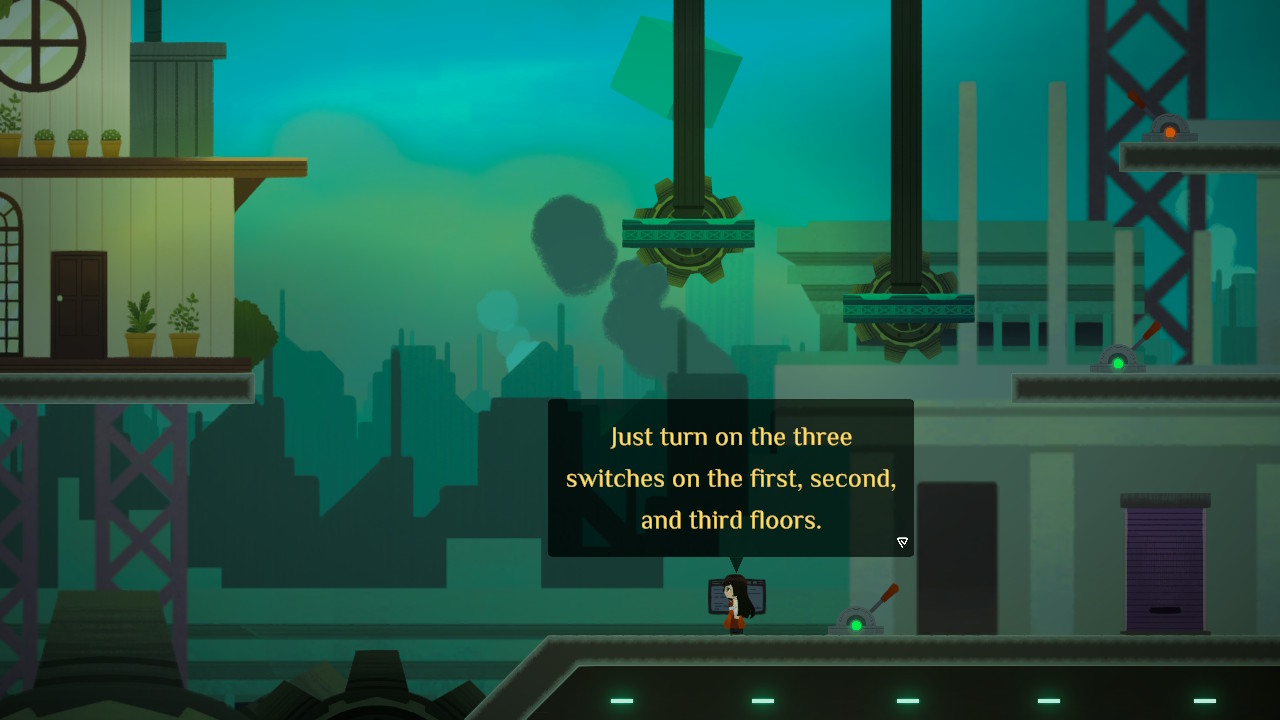
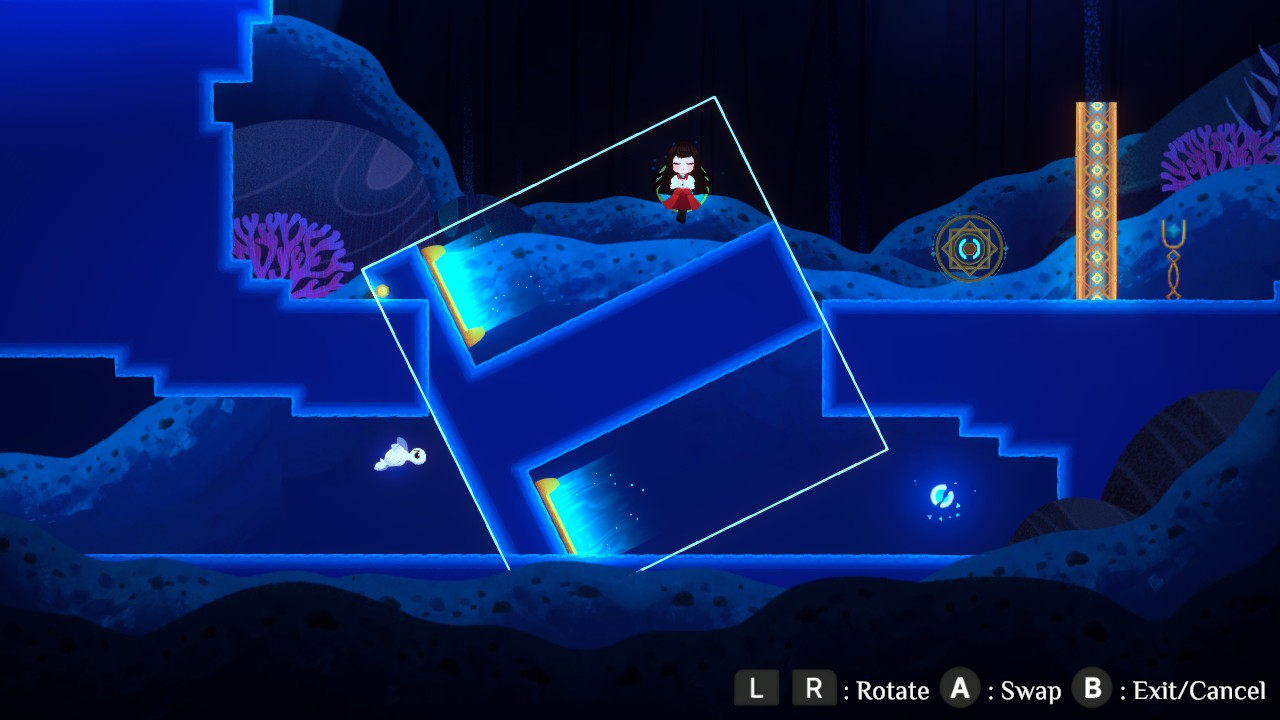
Visually, As I Began to Dream is a standout. The cutscenes in particular feel lovingly composed, like watercolor illustrations brought to life with soft lines and gentle animations. Environments shift from warm deserts to fog-covered forests, quiet cities, submerged ruins, and more, but they all share a dreamlike veneer that keeps the world cohesive. The soundtrack reinforces this tone with slow, melancholic melodies that sit comfortably beneath the gameplay rather than overwhelming it. Even small sound effects like the thump of a switch, the chime when you complete a puzzle, or the squish of a defeated blob, carry a tactile quality that makes the world feel more grounded.

However, the Switch version struggles with several technical issues that hold the experience back. Textures being obscured with black boxes ruin intimate moments. Dialogue boxes frequently flicker, momentarily showing prior text before displaying the intended line, which breaks immersion during otherwise emotional scenes. Similar hiccups occur in cutscenes, where characters briefly appear in the wrong positions before snapping into place. Because the game revolves around manipulating large chunks of a level, occasional collision problems are understandable, but some go beyond minor quirks. Enemies sometimes sink into geometry or walk into inaccessible areas, forcing checkpoint resets. On a few occasions, Lily herself became stuck on invisible platforms or environmental seams.

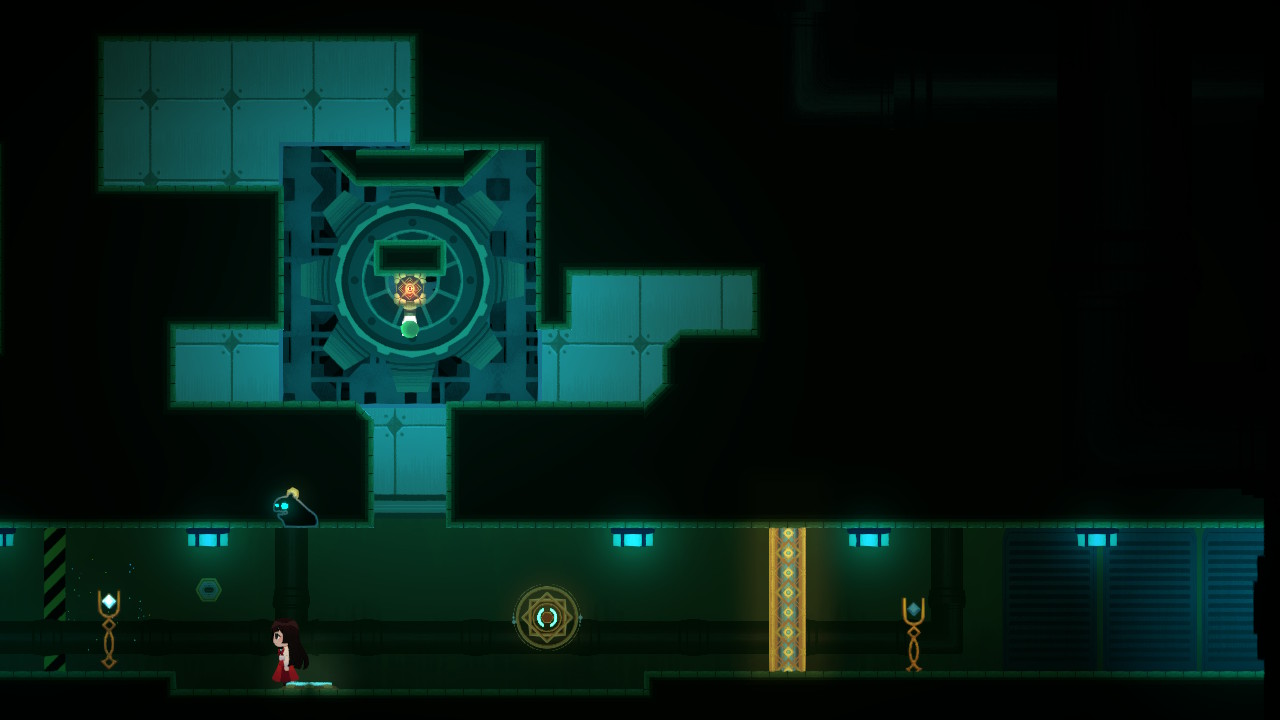
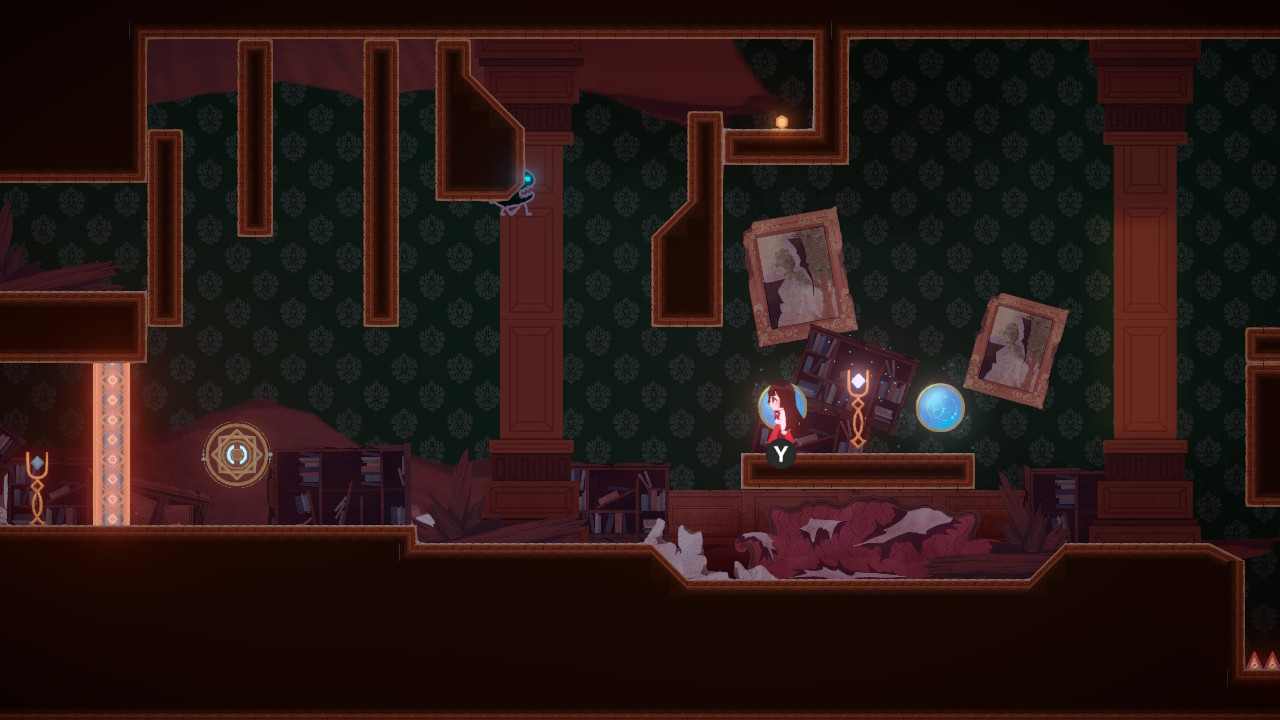

The most disruptive problems involve the box-stacking mechanics, which behave inconsistently. Boxes placed on top of one another often fail to move as a unit, causing upper boxes to slide off inexplicably. Since some puzzles depend on stacking or repositioning them precisely, this inconsistency can lead to frustration. Rotation abilities also become disabled whenever boxes are stacked, which feels counterintuitive given how central that mechanic is (this isn’t supposed to happen). Performance dips are another concern. Several areas suffer from significant slowdown, enough to interfere with platforming timing. In one instance, revisiting an area after gathering collectibles reset story progress and forced a full chapter restart. None of these issues render the game unplayable, but they do create friction in a genre that thrives on precision.
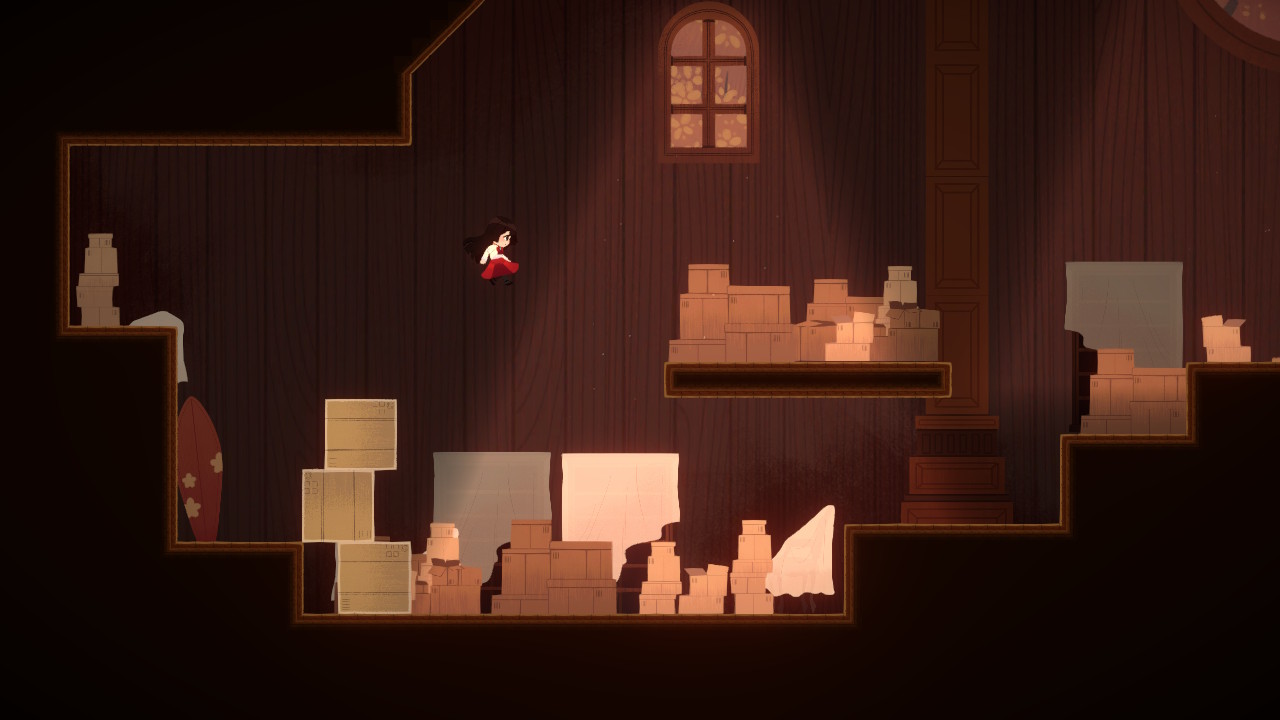
Despite these setbacks, the core experience remains rewarding. When everything works as intended, the puzzles have a satisfying rhythm, the pacing between action and reflection feels deliberate, and Lily’s emotional journey lands with sincerity. The hand-drawn presentation and music elevate even the simplest moments, and the later puzzles deliver strong, inventive payoffs that make the effort worthwhile.
Final Thoughts?
As I Began to Dream is a heartfelt, thoughtfully crafted puzzle platformer with a genuinely resonant story and mechanics that grow more engaging as the game progresses. While a handful of technical and structural issues on the Switch temper the overall enjoyment, the charm of Lily’s adventure, and the creativity behind its world-rotating puzzles, carry it through. It’s a touching, visually memorable journey that stumbles in execution but succeeds in spirit. For anyone willing to forgive some rough edges, this is a dream worth stepping into. It’s a flawed but meaningful experience whose strengths shine through its imperfections.

About the Author

Nay Clark Gaming holds a special place in my heart and I never stop talking about video games. I really love all types of games and have an interest in games that have complicated stories and lore because I enjoy untangling the mystery of it all. When I'm not gaming, I unsuccessfully try to control three amazing and incredibly bright kids.
Related Posts
Paranormasight: The Mermaid’s Curse Switch Review →

Virtual Boy for Nintendo Switch 2 Review (Happy MAR10 DAY) →

Under the Island Review (Switch) →