Ariana and the Elder Codex Review (Switch)
Summary: Ariana sets out to restore lost magic by diving into enchanted books and repairing the worlds inside them. Along the way, you build up a versatile set of spells and take on a mix of platforming challenges and strategic battles. It’s a straightforward but enjoyable adventure that balances style, action, and steady progression.
3.6
Enchanted Editions
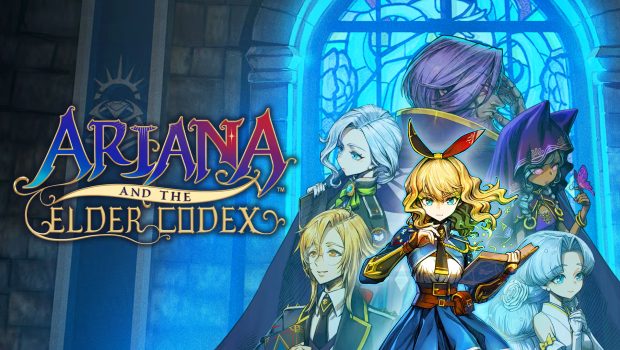
The truth behind magic lies between the pages. Ariana and the Elder Codex is a side-scrolling action RPG with light metroidvania elements developed by Idea Factory, Compile Heart, and HYDE, and published by Idea Factory International. It launched on March 26, 2026 for PlayStation 4, PlayStation 5, and Nintendo Switch, with a PC release following on April 29, 2026. At a glance, it’s a colorful, anime-inspired adventure that blends fast-paced combat with a book-hopping structure, where each level exists inside magical tomes. While it might not do anything too surprising, it does carve out a distinct identity through its magic system and storybook presentation.
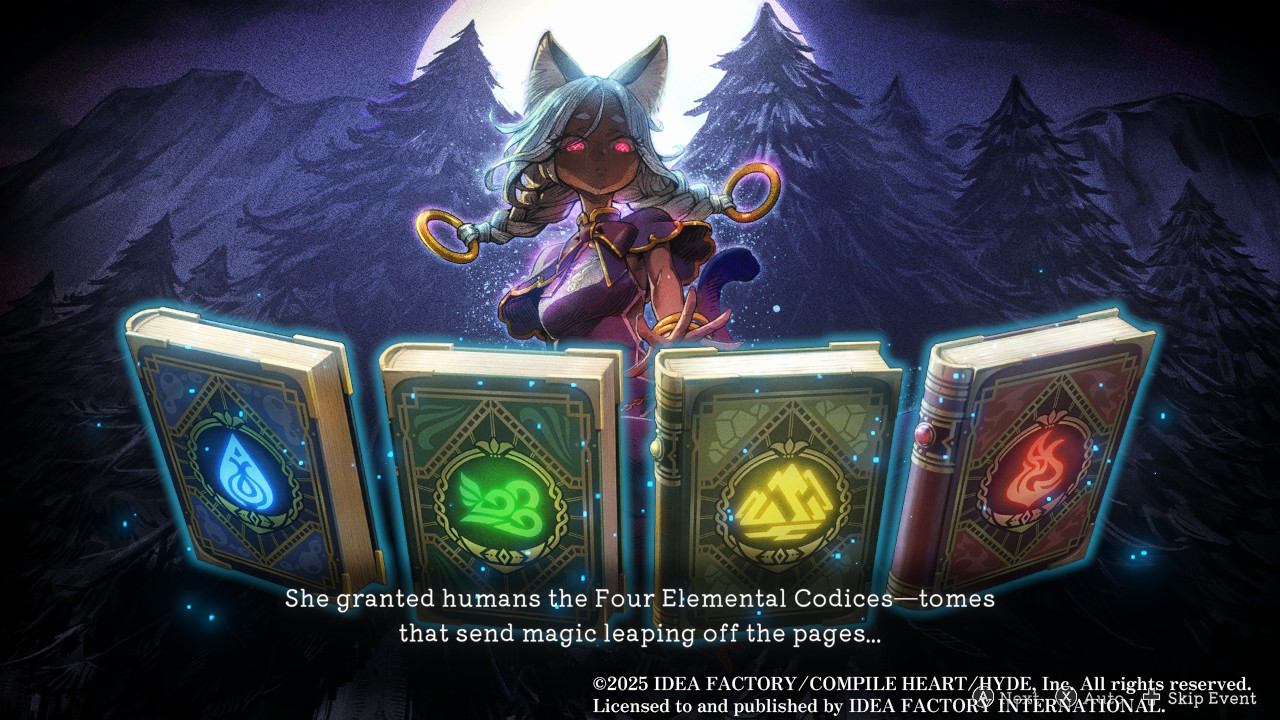
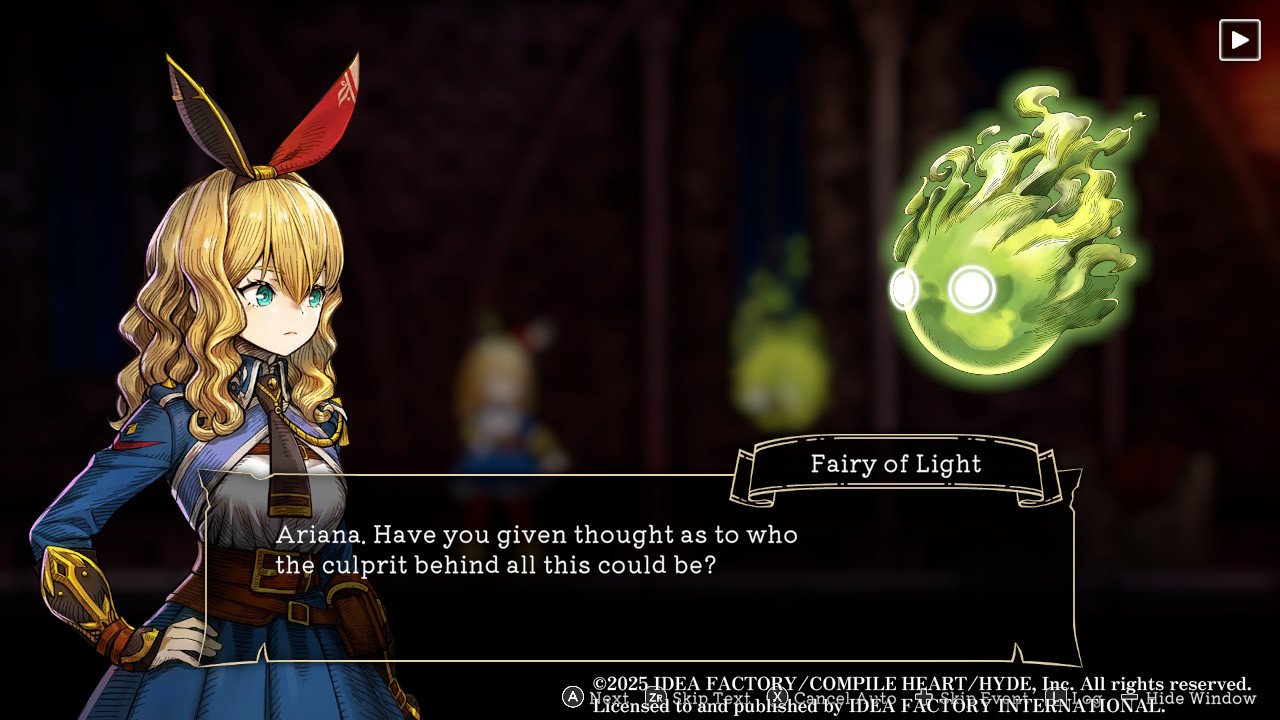
Long ago, magic was given to humanity through powerful books called Codices, along with a Magic Pen that allowed more to be created. Over time, seven of these became known as the Seven Hero Codices, containing immense power tied to elemental and mysterious forces. When those books are suddenly vandalized, magic begins to disappear from the world. You play as Ariana, a librarian with the rare ability to enter these books and repair them from within. Each Codex holds its own self-contained world, complete with characters and conflicts, while a larger mystery slowly unfolds about who tampered with them, the truth behind the Library, and Ariana’s own past. The setup is interesting, and some of the characters you meet in the library hub leave an impression, but the writing leans heavily on long conversations. There is a lot of dialogue, and not all of it feels meaningful, though the option to skip helps keep things moving when it starts to drag.
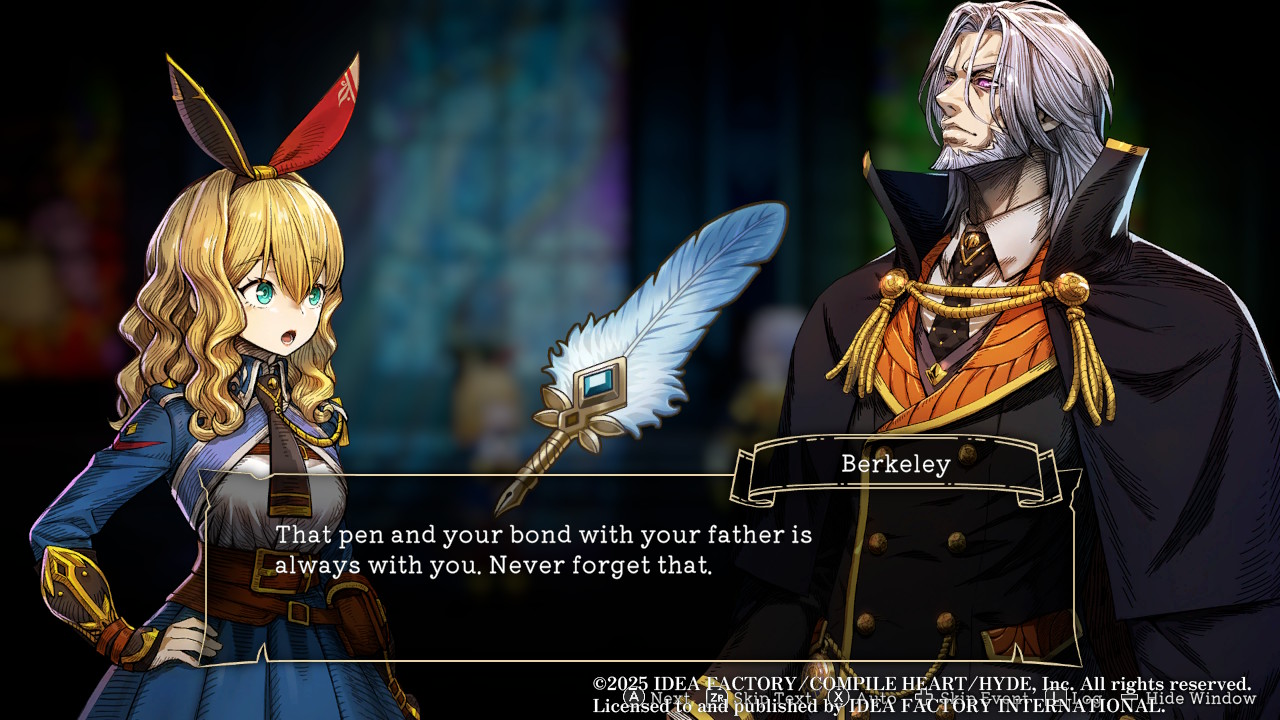
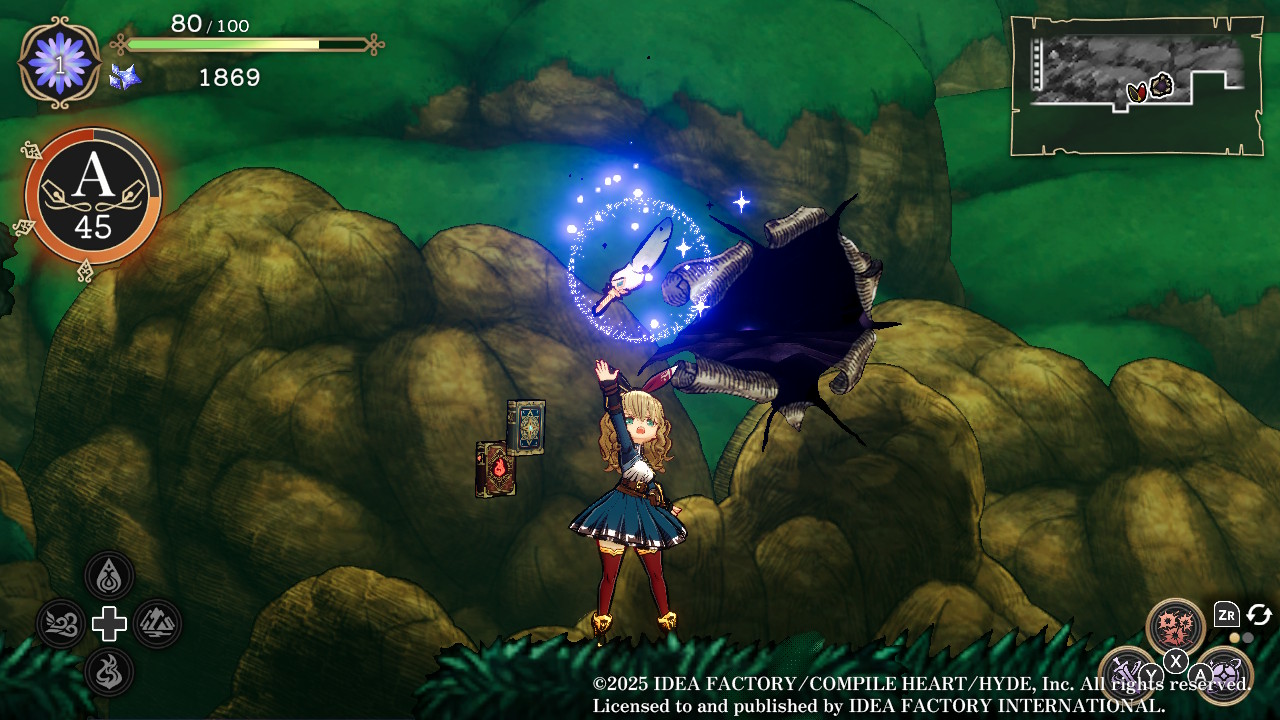
The overall gameplay loop is straightforward but the systems keep it interesting. You enter a book, work through its levels, resolve its story, defeat a boss, and return to the library to upgrade and prepare for the next one. Each Codex feels like its own mini adventure, which keeps things fresh even if the structure stays consistent. A big part of progression revolves around repairing the books through tear rifts scattered throughout levels. These can trigger combat encounters or timed challenges, and while you’re graded on performance, simply completing them is enough to restore the world and move forward. Taking the time to do them well rewards you with materials and upgrades, which feeds nicely into the sense of growth.
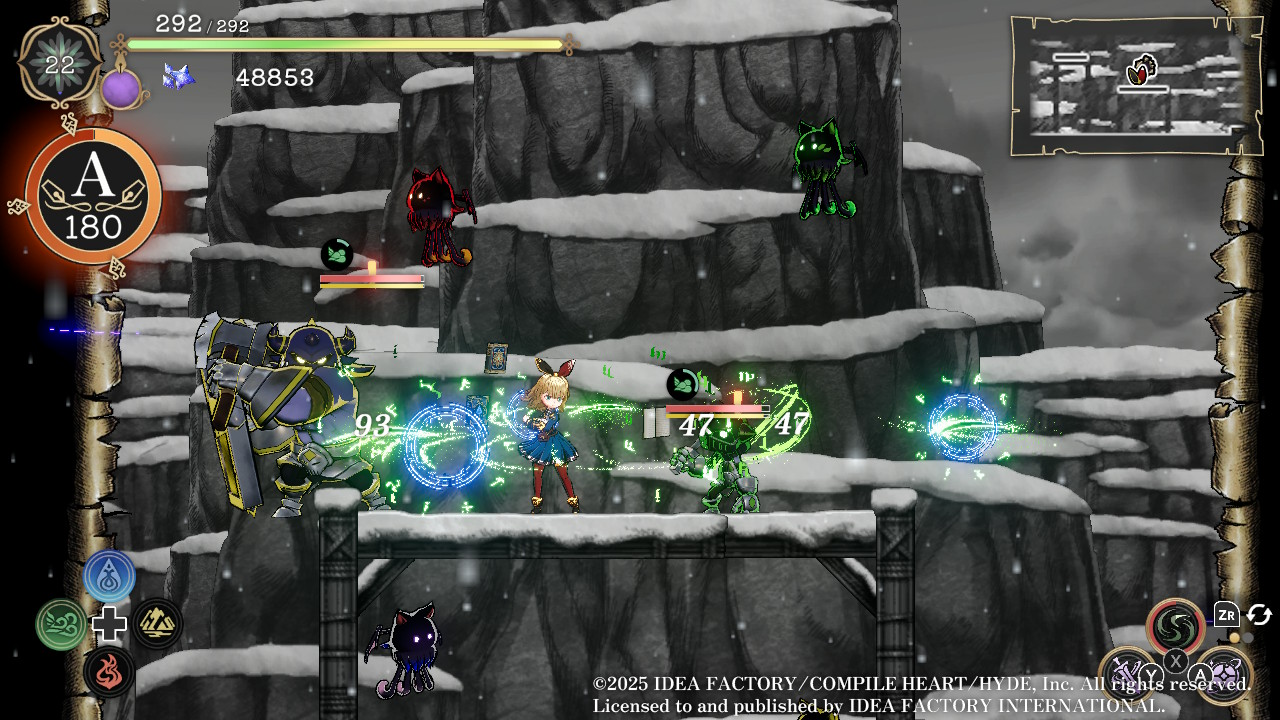
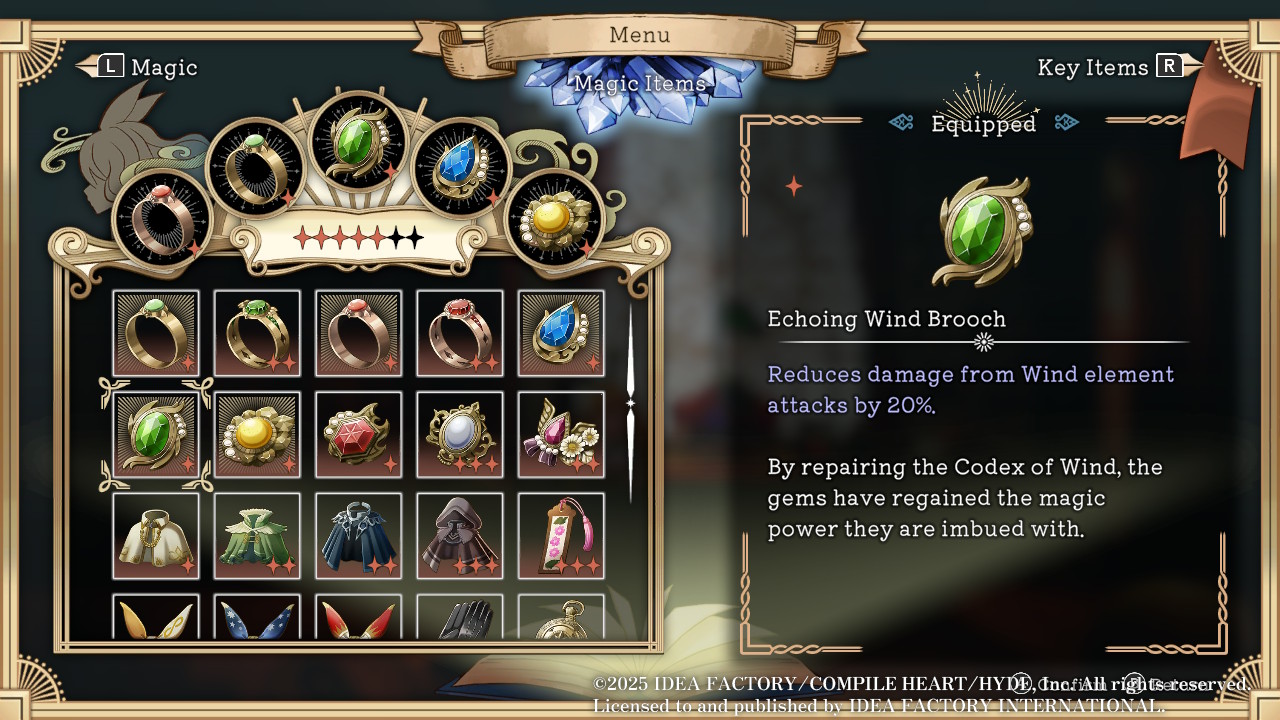
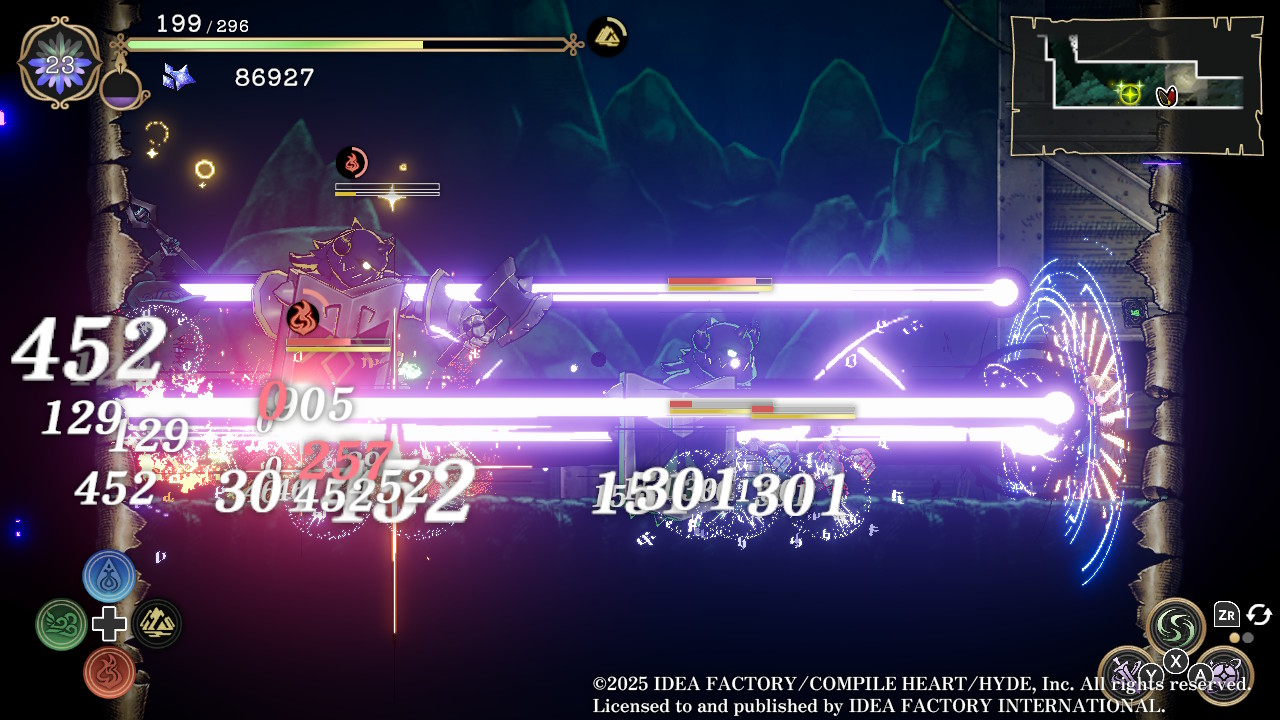
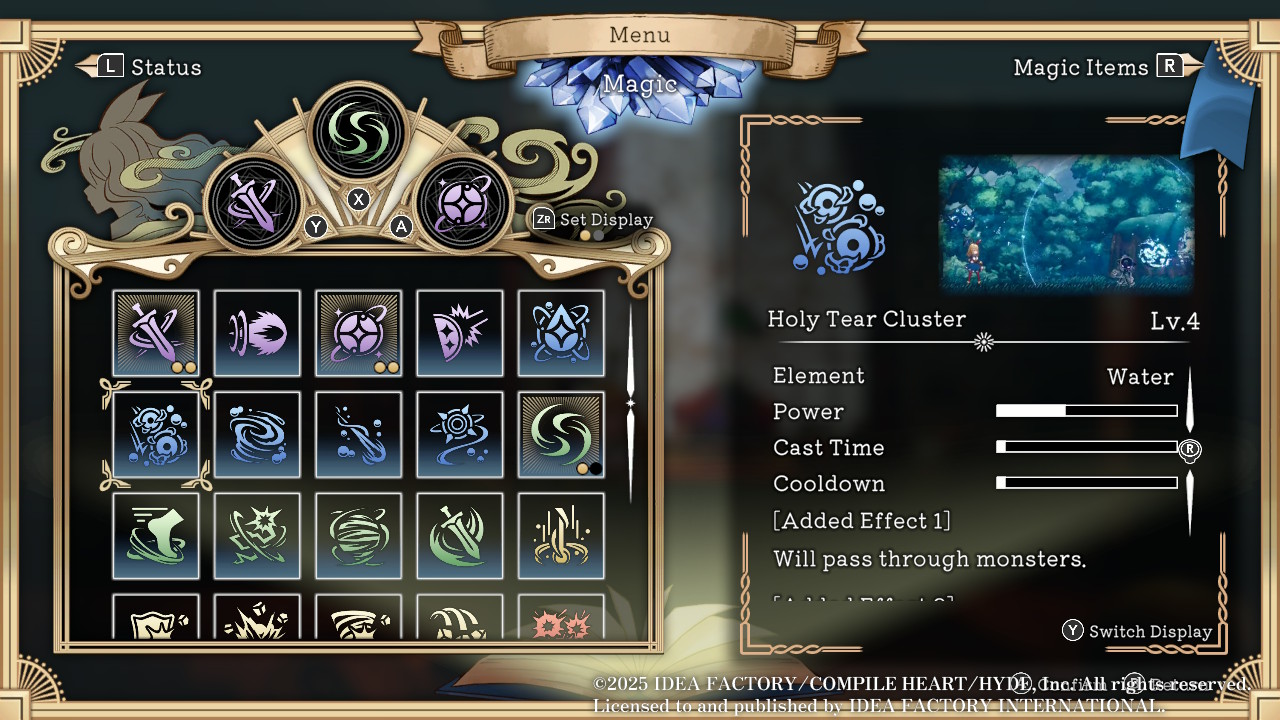
Ariana uses Librarian Magic, and as you progress, you unlock over 30 spells that you can mix and match across multiple slots. These cover a range of elements like fire, water, wind, earth, and neutral magic, along with more advanced variations. The flexibility here is one of the game’s strongest features. You can summon bouncing water bubbles, surround yourself with spinning wind blades, create defensive rock barriers, or erupt flames from beneath enemies. It encourages experimentation, especially since enemies have elemental weaknesses that help build a stun meter. Once stunned, you can unleash critical hits, adding a layer of strategy to fights. As your toolkit expands, so does your ability to control the battlefield, and eventually you gain access to a powerful supernova-style attack that can clear screens or deal massive damage to bosses.
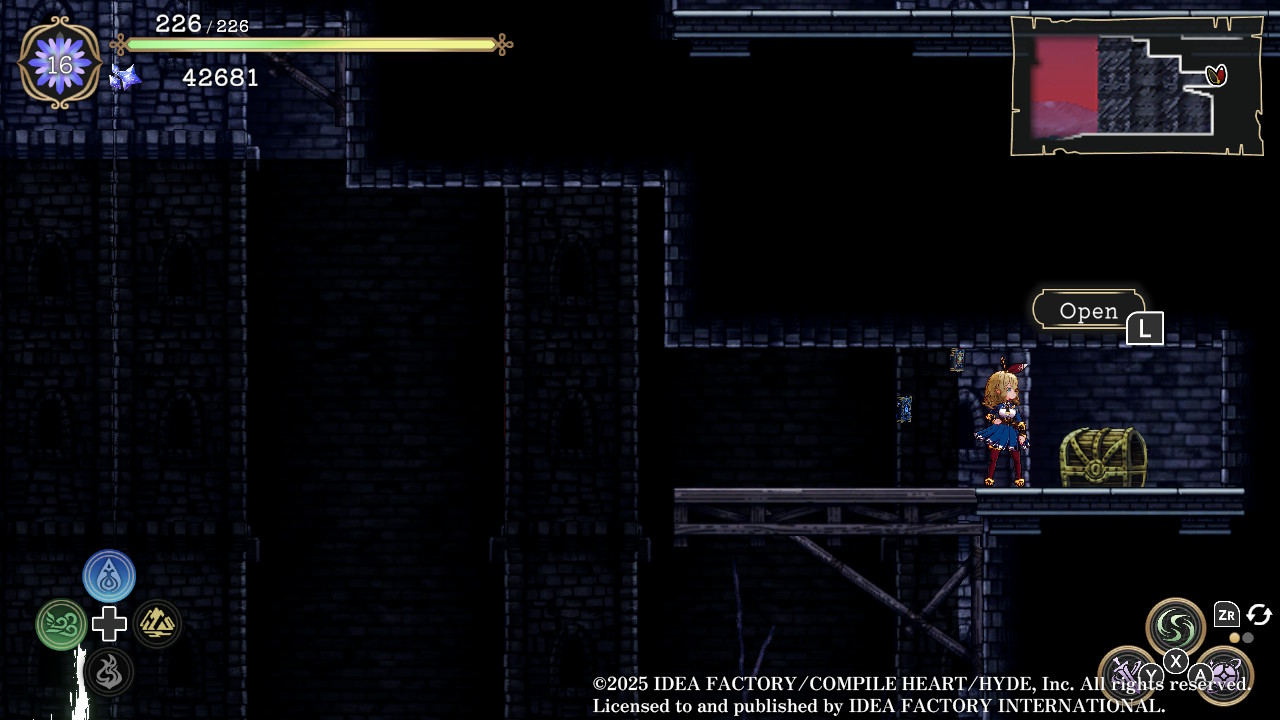
There are also light metroidvania elements woven into exploration. Early on, you’ll notice obstacles you can’t interact with yet, like strange rocks or out-of-reach platforms. As you unlock abilities like a dive attack or double jump, you can revisit earlier areas to access new paths and rewards. That said, this aspect never becomes the main focus. The game is much more linear than a traditional metroidvania, and you’re rarely left wondering where to go next. It adds some backtracking and optional exploration, but it feels more like a bonus layer than a core pillar.
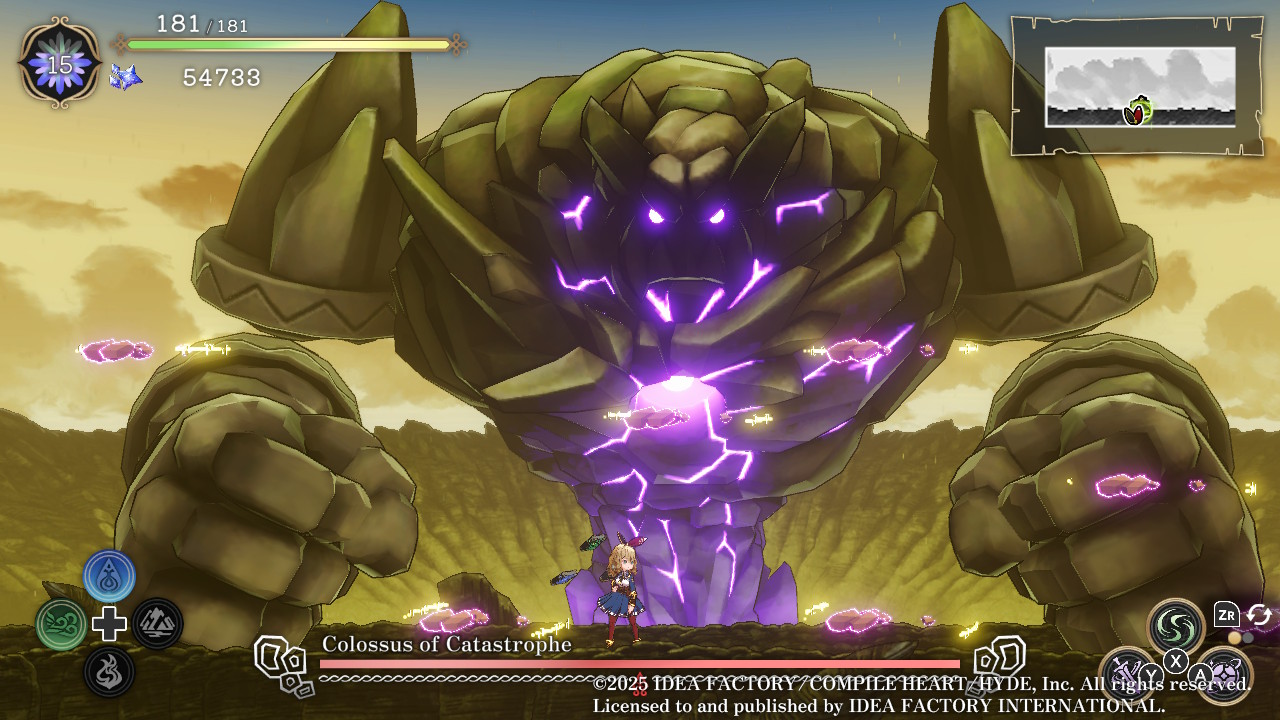
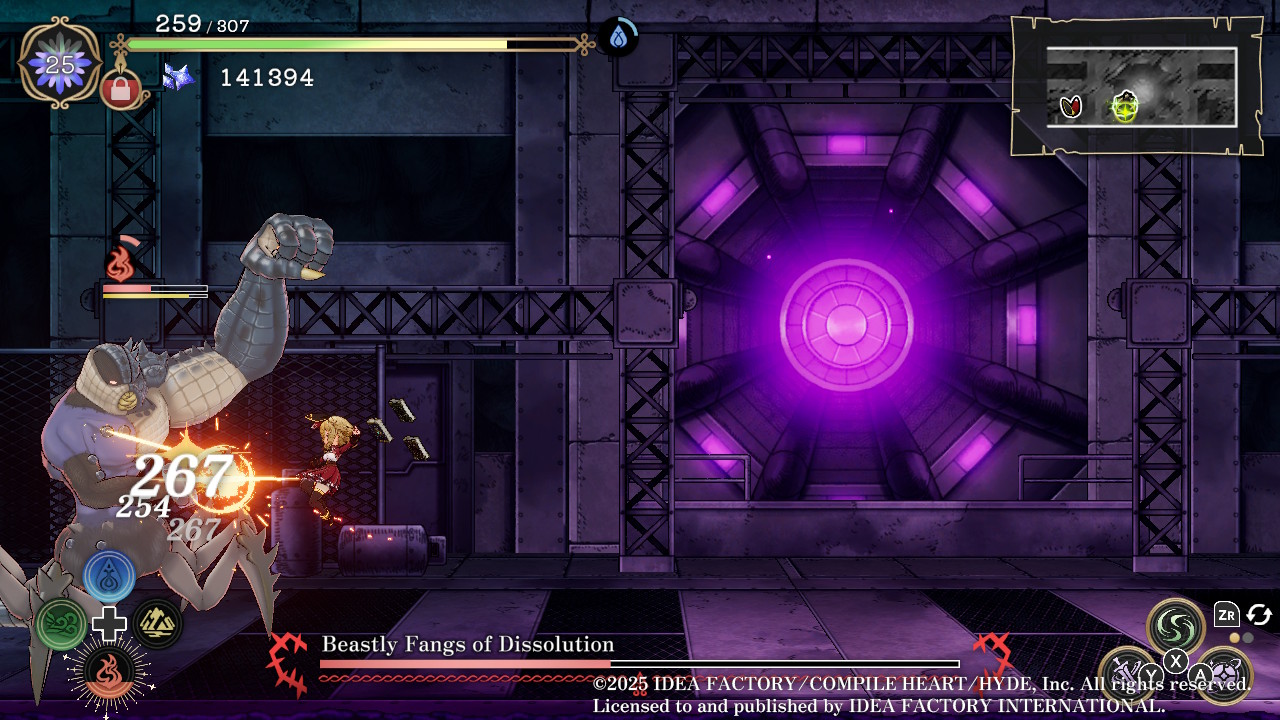
Boss battles are a highlight. They’re well-designed, visually distinct, and require you to actually engage with the mechanics rather than just mash through them. Between dodging attacks, managing spacing, and choosing the right spells, these encounters push you to use everything you’ve learned. Even in regular combat, juggling multiple enemies can get intense, and the game does a good job of keeping you engaged without feeling overwhelming.
That said, there are some noticeable drawbacks. Enemy variety can feel limited over time, which makes certain encounters start to blend together. The pacing also takes a hit due to the heavy dialogue, especially when conversations stretch longer than necessary. Performance can be inconsistent depending on the platform. On Switch in particular, loading times between areas can feel long, and certain moments like entering Repair Battles can cause noticeable slowdowns. There is an option to prioritize frame rate, but it comes at the cost of visual clarity, making the image look noticeably softer.
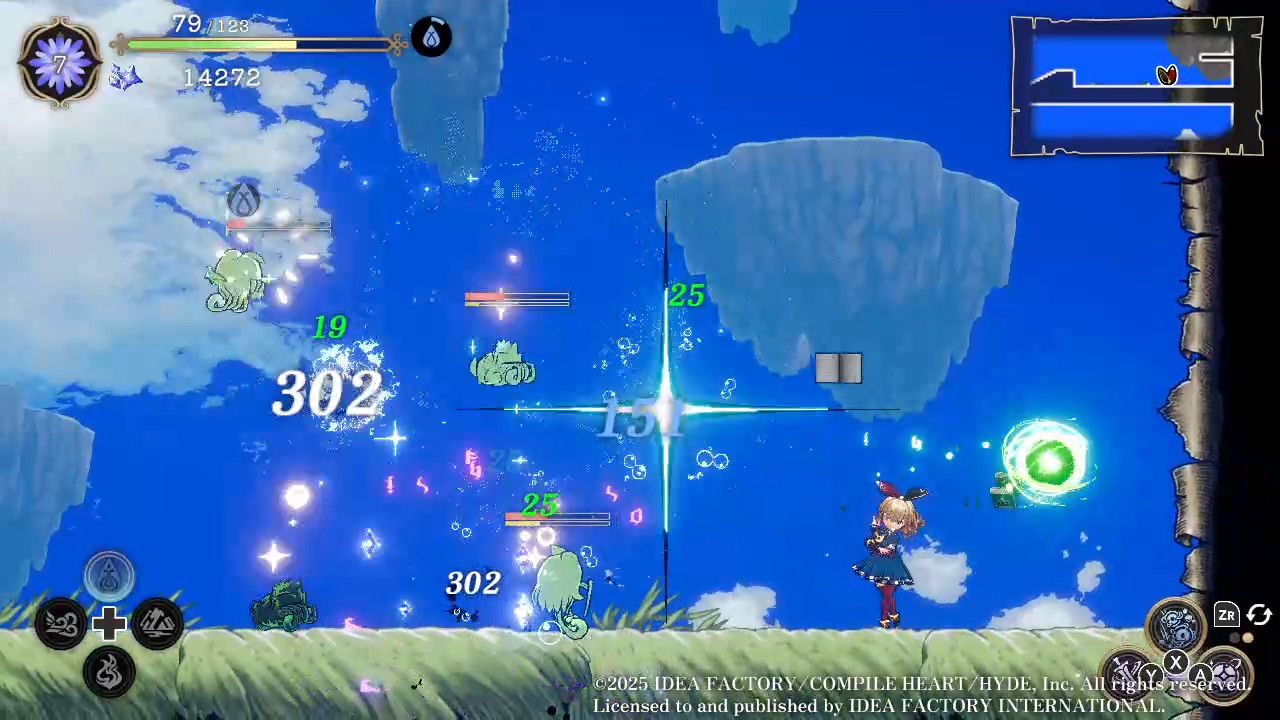
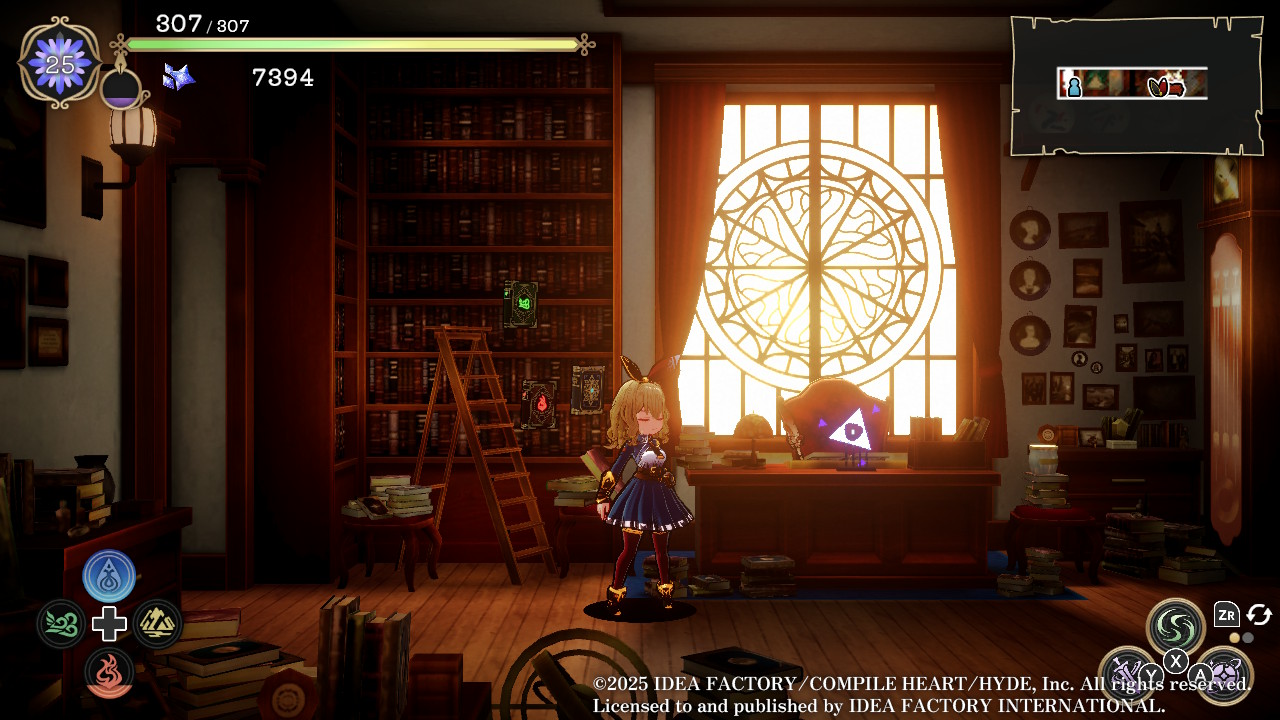
Visually, the game stands out in a good way. The storybook aesthetic works well, especially with each Codex having its own theme and atmosphere. The library hub feels cozy and detailed, while the worlds inside the books are colorful and varied. Enemy and boss designs are creative, and the magic effects are flashy without becoming overwhelming. When everything comes together in combat, it looks and feels satisfying, especially when you’re chaining spells and clearing out groups of enemies.
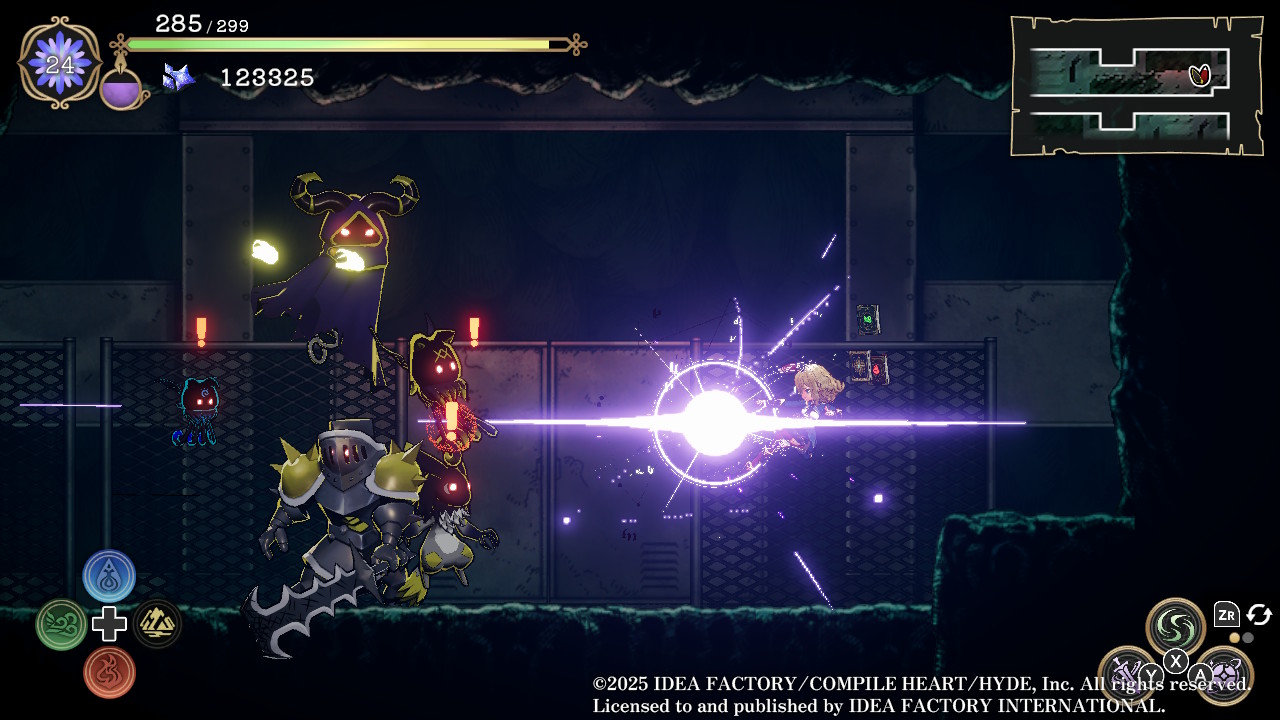
The audio design supports the experience nicely. Voice acting leans into that anime-inspired style, with expressive delivery that fits the tone, even if it won’t be for everyone. Sound effects give your attacks a solid sense of impact, and the music does a good job of tying each area together without overpowering the action. It’s not a soundtrack that constantly demands attention, but it complements the game well and helps build the overall atmosphere.
Final Thoughts?
Ariana and the Elder Codex lands as a solid, enjoyable adventure. It has its rough edges, especially with pacing and repetition, but the core experience is fun. The combat system carries a lot of weight, and the mix of spell customization, engaging bosses, and a charming visual style makes it easy to stick with. It’s the kind of game you pick up out of curiosity and end up having a genuinely good time with. If you enjoy 2D action platformers with a bit of style and a magic-focused twist, this is an easy recommendation, especially if you’re open to something that feels like a smaller, more overlooked gem.
About the Author

Nay Clark Gaming holds a special place in my heart and I never stop talking about video games. I really love all types of games and have an interest in games that have complicated stories and lore because I enjoy untangling the mystery of it all. When I'm not gaming, I unsuccessfully try to control three amazing and incredibly bright kids.
Related Posts

Mother’s Day Gift Guide: Thoughtful Tech Picks for Every Mum →

Hard science fiction space game Lunar Strike readies demo for launch →

Arash Negahban Interview (Restore Your Island) →