

Aaero2: Black Razor Edition Review (PS5)
Summary: Aaero2: Black Razor Edition is a fast-paced rhythm rail shooter that blends precise movement, timed combat, and electronic music into a tightly focused arcade experience. The expanded Black Razor Edition adds more tracks, levels, and modes, making it the most complete version of the game to date. While some design choices take time to warm up to, its sense of flow and replayability make it a strong entry in the rhythm-action space.
4.3
Kinetic Cadence
Aaero2: Black Razor Edition demands precision and rhythm, but rewards you with a fast, satisfying flow once it clicks. Aaero2: Black Razor Edition is a rhythm-action rail shooter developed by Mad Fellows, published by Wired Productions, and released on PlayStation 5 on December 16, 2025. It represents the most complete version of Aaero2, bundling the base game with its Arcade Paradise and Lania Kea music packs into a single package. The original Aaero from 2017 was a surprise hit thanks to its elegant fusion of speed, music, and movement, and while Aaero2 first launched in 2024 on PC and Xbox, this edition feels like the definitive expression of that sequel’s intent. Aaero2 refines the original’s formula by expanding its systems, adding multiplayer, and deepening its scoring and progression in ways that clearly aim to reward long-term mastery.
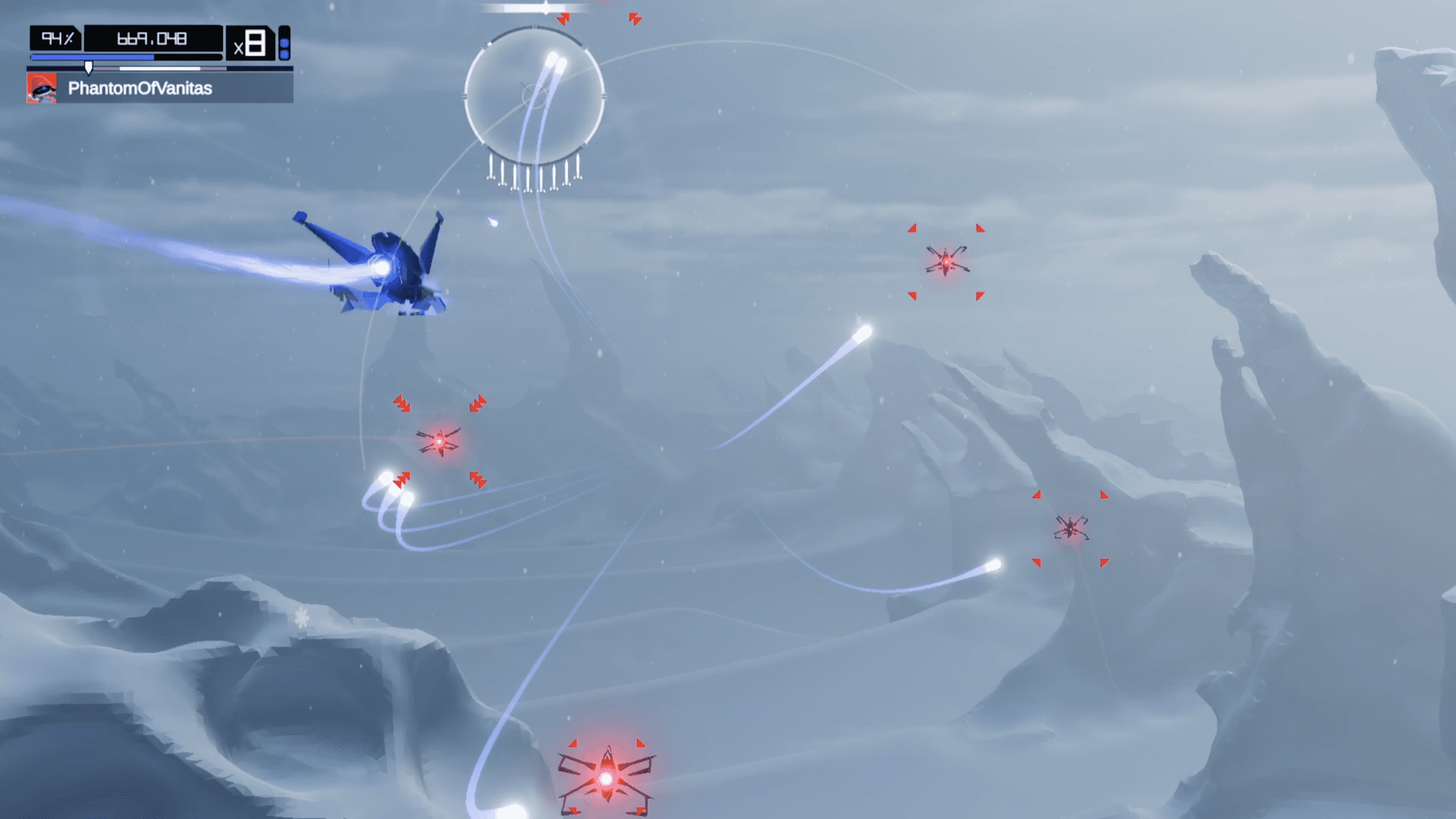
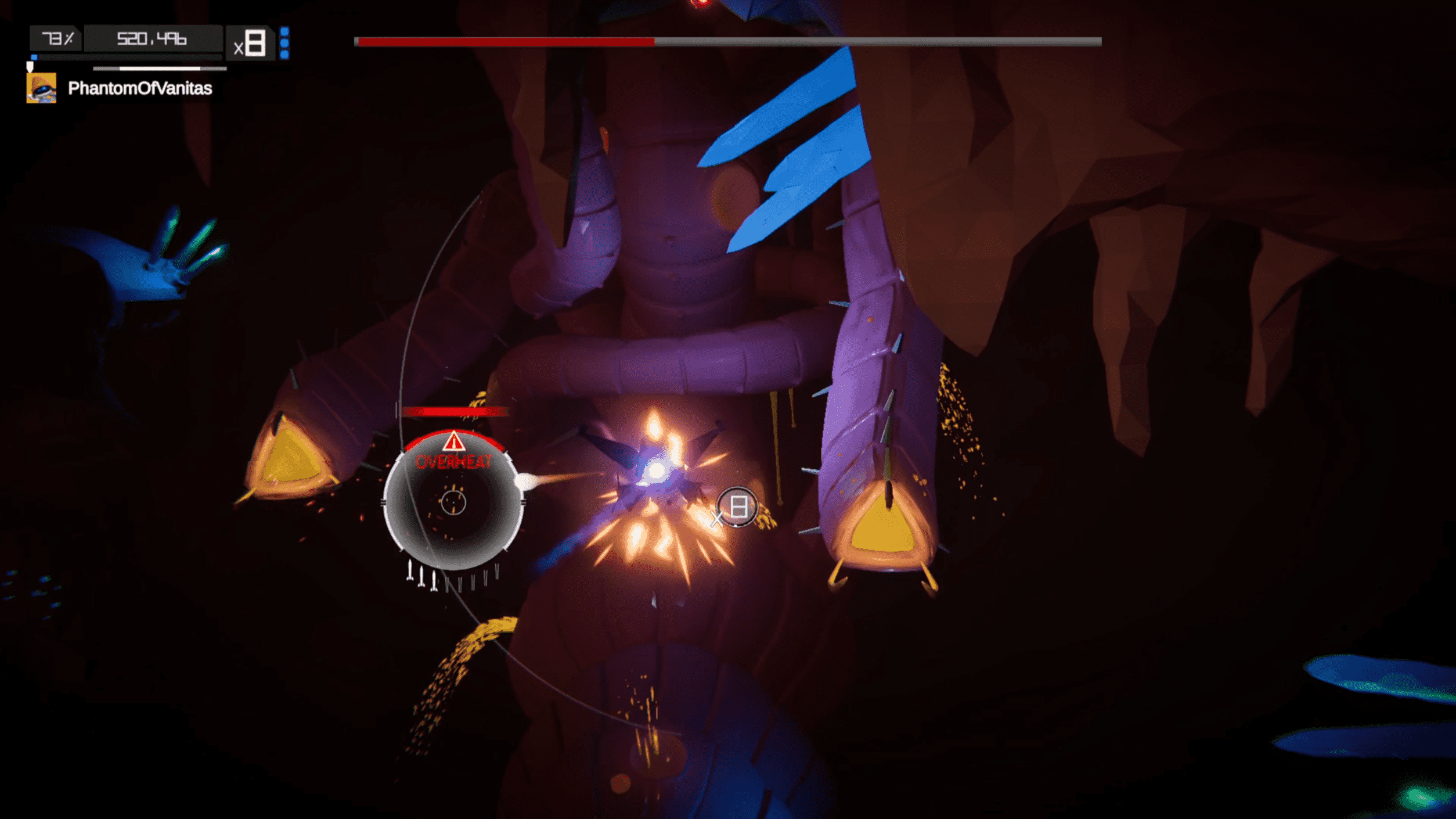
Narratively, Aaero2 is light. As with the first game, the story exists more as atmosphere than plot, communicated through abstract visuals, alien architecture, and the implied conflict with hostile mechanical and organic enemies that populate each track. You are less a character in a defined tale and more a performer moving through a hostile, music-driven universe. Boss encounters punctuate the campaign with a sense of escalation, presenting towering alien creatures and machines that feel choreographed to their accompanying tracks. If you’re looking for explicit lore or character development, you may find little to latch onto, but the restraint works in the game’s favor, keeping the focus squarely on rhythm, flow, and performance rather than exposition.
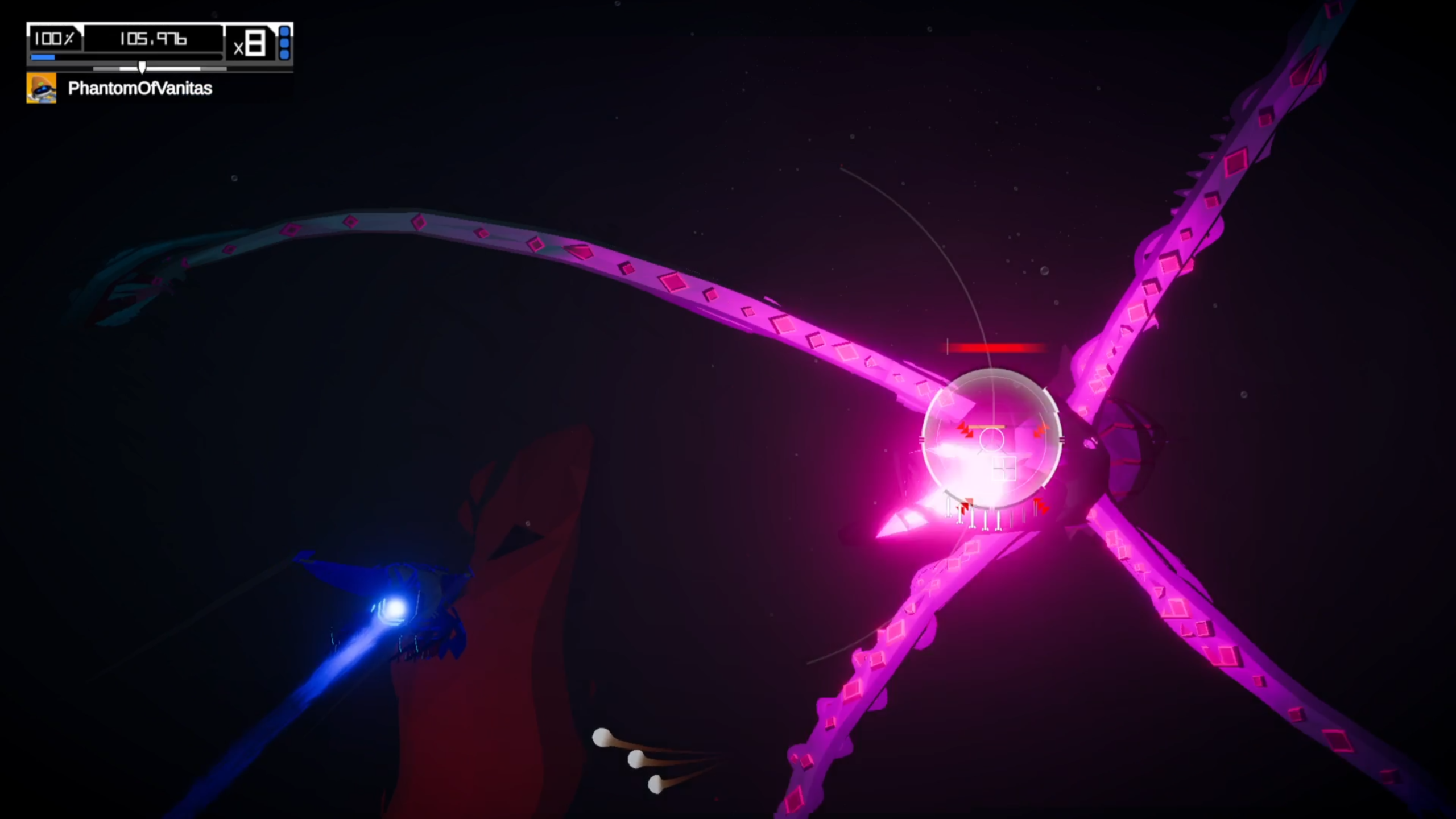
Aaero2 remains a rhythm game that asks you to physically inhabit music. Each level is built around a single track, represented visually by glowing ribbons of light that trace melodies and vocals across a circular playfield. Using the left stick, you guide your ship as precisely as possible along these ribbons, with tighter accuracy directly translating into higher scores. At the same time, enemies swarm the playfield, requiring constant attention and careful positioning. The genius of Aaero’s design is how these elements overlap: movement creates music, combat punctuates it, and success feels less like clearing obstacles and more like performing a demanding piece of interactive choreography.

Combat plays a much more prominent role than it did in the original game, for better and occasionally for worse. The right stick controls aiming, while holding and releasing the trigger locks on and fires missiles. Timing these releases on the beat instantly reloads empty missile slots, encouraging rhythmic precision and rewarding confident play. A secondary gatling-style weapon, activated with the left trigger, handles smaller enemies but is governed by a heat meter that can leave you briefly vulnerable if mismanaged. Individually, these mechanics are strong, but it’s their interaction that defines Aaero2’s challenge. Juggling ribbon accuracy, enemy fire, weapon heat, and rhythmic missile timing can feel overwhelming at first, yet once it clicks, the game opens up into a deeply satisfying loop where every successful run feels earned. Chaining actions builds combos that physically transform your ship, providing a clear visual representation of skill progression that’s both functional and stylish.

The difficulty structure plays a significant role in how these systems are perceived. Aaero2 offers four modes, ranging from Chillout to Master. Lower difficulties introduce magnetic ribbon assistance and simplified paths, making early runs approachable but sometimes at the cost of player agency. On Normal, there are moments where the music feels like it outpaces the gameplay, leaving brief stretches of downtime. Interestingly, these same sections come alive on higher difficulties, where enemy placement fills the gaps and demands constant engagement. Advanced and Master modes remove magnetic assistance entirely, tighten ribbon tolerances, and dramatically increase enemy density. While these modes are locked behind star requirements, they ultimately feel like the game’s most natural state, restoring the free-flowing movement that fans of the original Aaero will recognize and appreciate. The progression wall may frustrate some returning players, but persistence is rewarded with a more expressive and exhilarating experience.
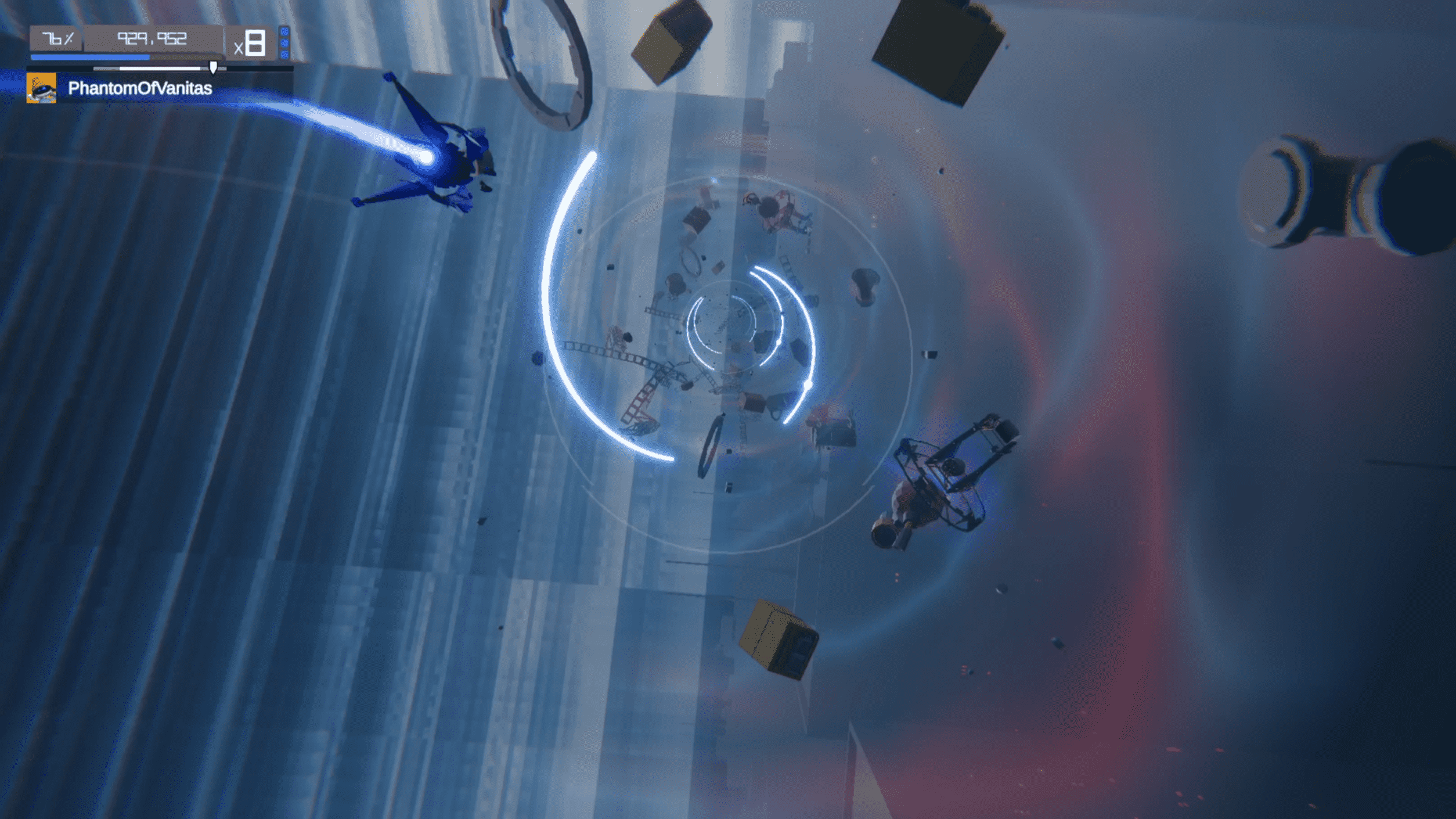
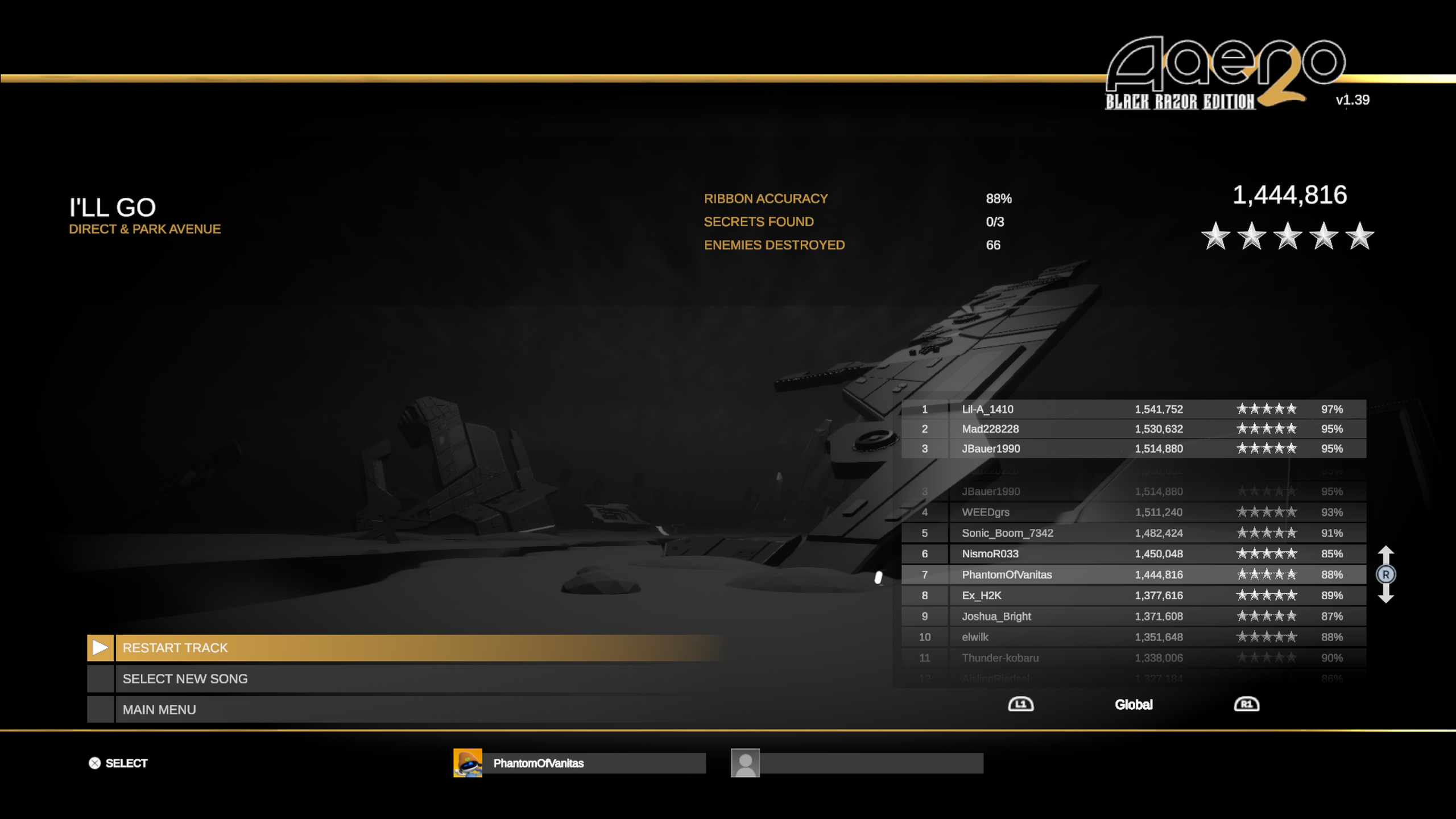
Replayability is woven into nearly every system. Hidden red orbs scattered throughout levels encourage exploration and repeat runs, while star ratings determine access to new tracks and difficulty tiers. The Black Razor Edition alleviates some of the original progression friction by including additional songs that also contribute to star totals, allowing you more flexibility in how you unlock content. Beyond that, leaderboards, daily and weekly challenges, and an XP-based leveling system add a layer of meta progression. Customizable profile cards, complete with titles, backgrounds, medals, and stat displays, are a small but effective touch, giving competitive play a sense of personality and presence before matches even begin.

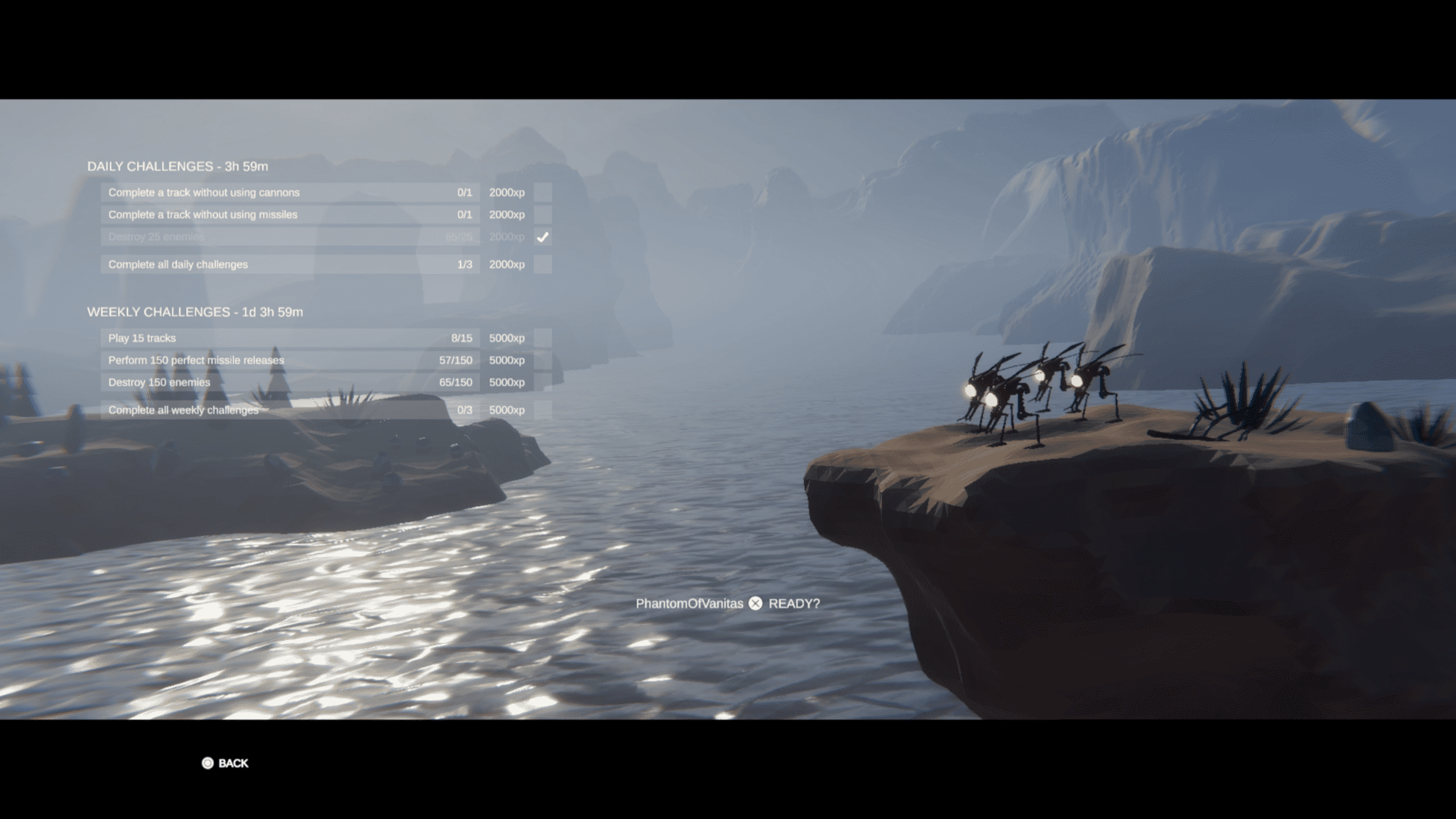

Multiplayer is the sequel’s most substantial expansion over the original game. Two-player co-op and PvP modes are available both locally and online, and they meaningfully recontextualize the core mechanics. Co-op divides ribbons and enemies by color, forcing communication and spatial awareness as both players share the same song and environment. PvP is even more compelling, breaking levels into scoring segments where performance earns crowns that multiply final scores. This structure ensures that victory isn’t decided by a single mistake but by consistent accuracy and control throughout an entire track. While single-player remains the heart of Aaero2, multiplayer adds longevity and a welcome sense of shared rhythm.

The Black Razor Edition’s expanded soundtrack is a major highlight. Alongside returning favorites from Monstercat artists like MUZZ, Droptek, and Bossfight, the new tracks from Black Razor Records and Lania Kea introduce a broader tonal range. Songs inspired by Arcade Paradise bring a playful, arcade-infused energy, while Lania Kea’s tracks lean into atmospheric synth and pop influences that create a different, more hypnotic flow. Not every track immediately lands, and some may take time to grow on you, but the overall curation is strong, and the added variety ultimately strengthens the package.
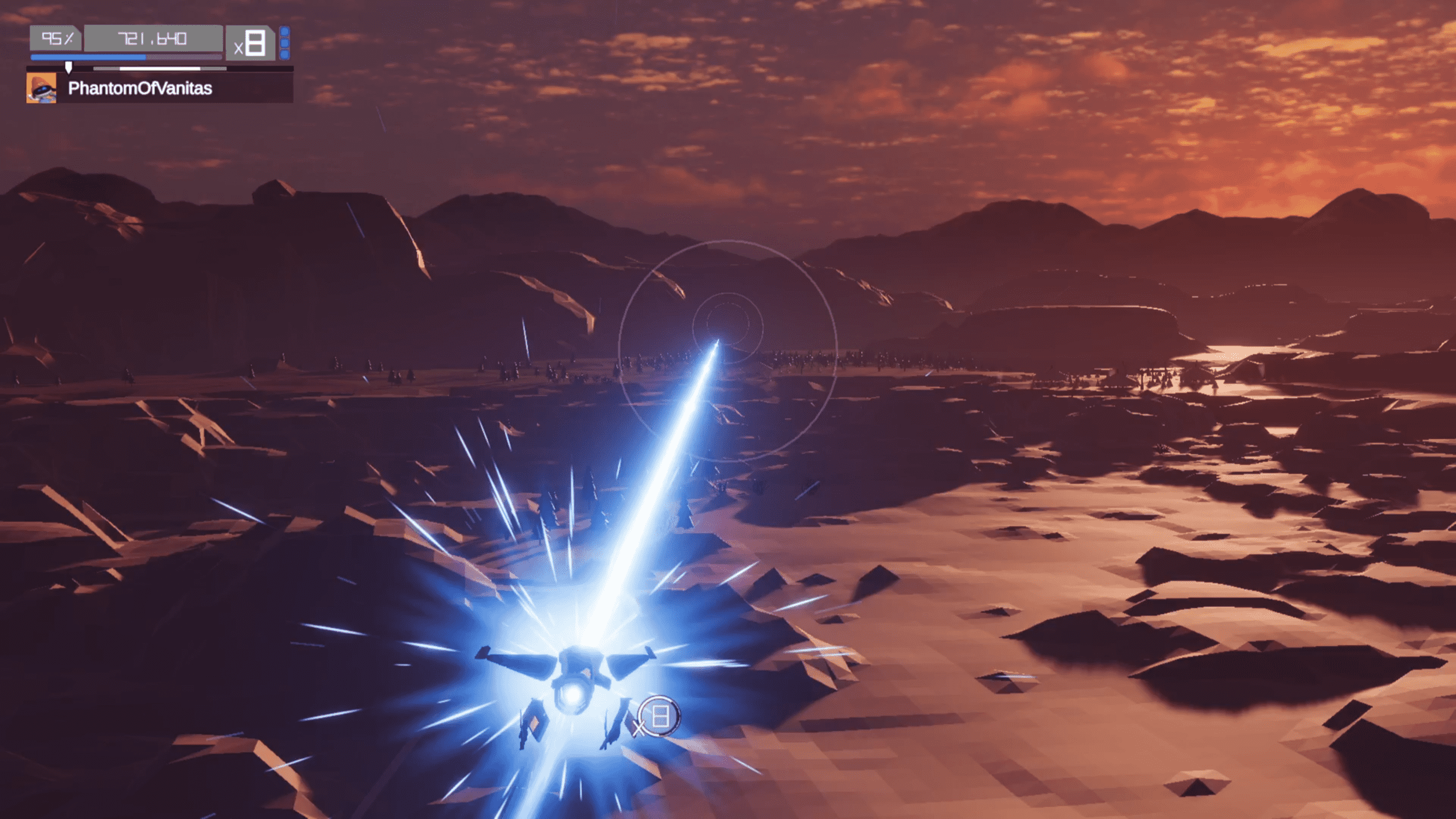
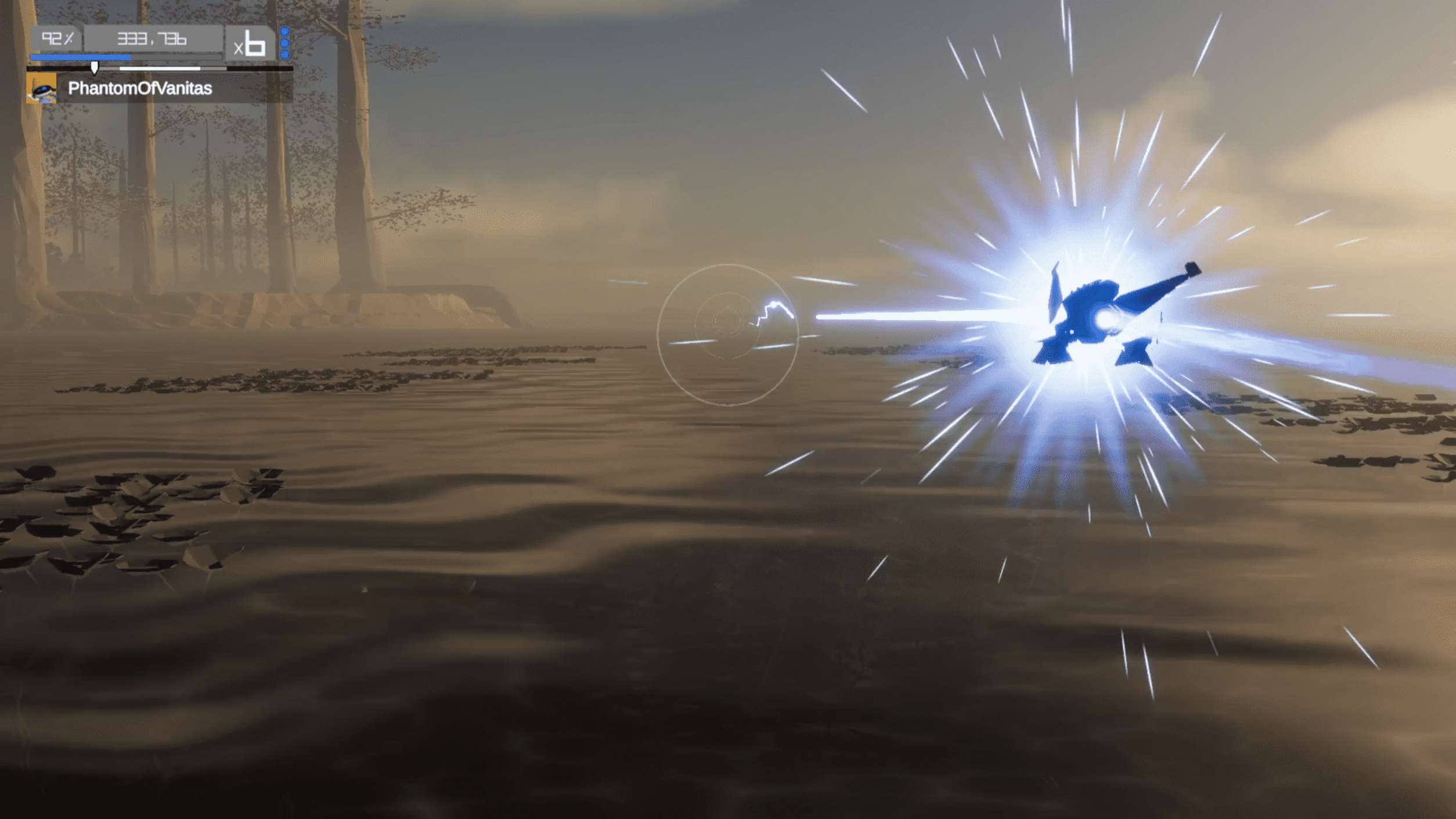
Visually, Aaero2 is striking, if occasionally uneven. Dynamic lighting, vibrant colors, and expressive effects synchronize tightly with the music, creating a synesthetic experience that often feels like a playable music video. Environments are more varied than in the original, ranging from open skies and alien plains to underground factories and underwater spaces. Boss designs are particularly impressive, towering over the playfield with clear visual language that supports gameplay. That said, some background textures retain a deliberately flat, retro look that can clash with the ship’s sleek, reflective design. Menus and certain environmental elements can also feel a bit sparse, but these are minor distractions in an otherwise cohesive visual identity.

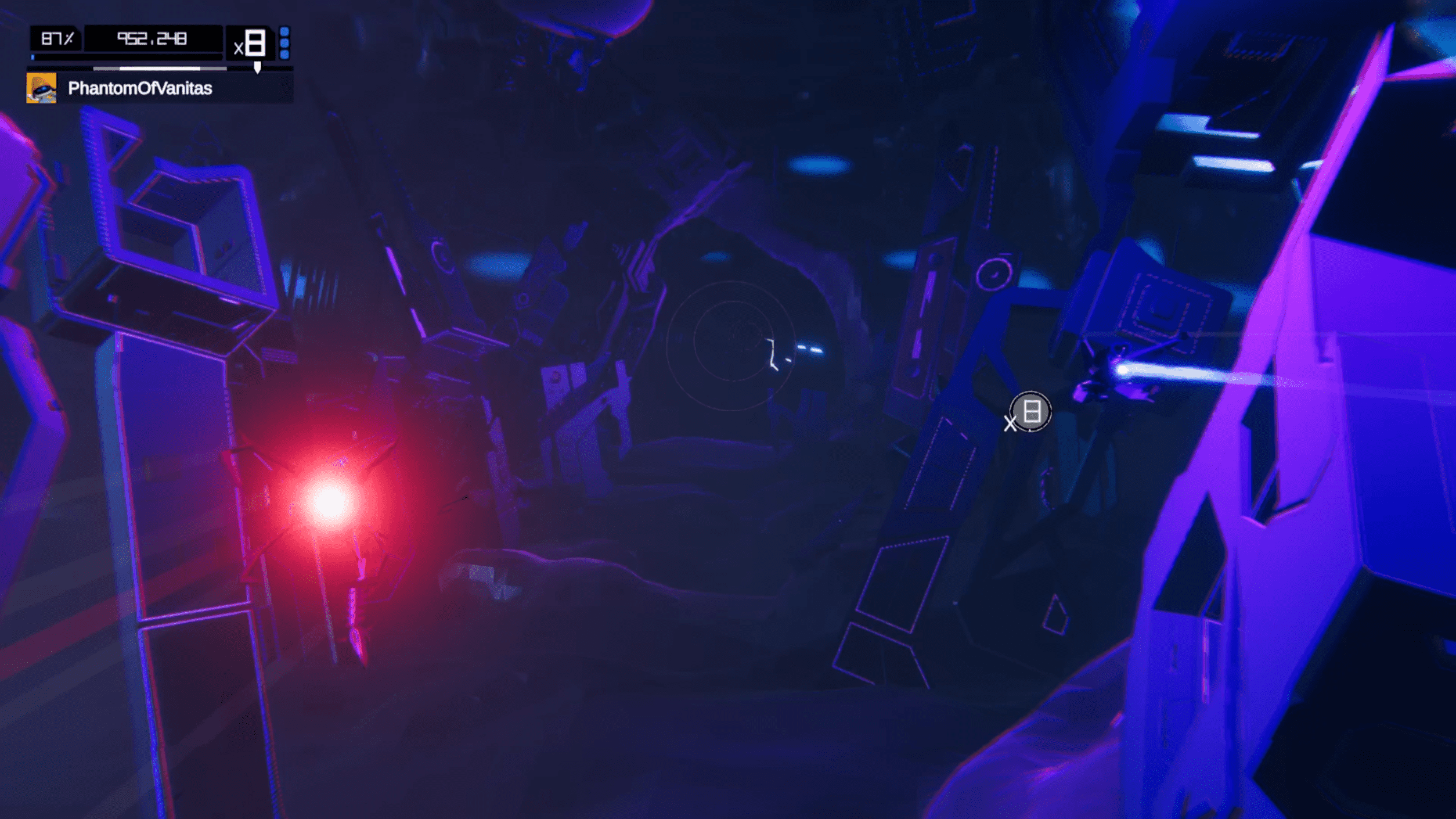
Audio is where Aaero2 truly asserts itself. The soundtrack drives everything, and once the rhythm sinks in, the connection between sound and action becomes intoxicating. Missile launches, cannon fire, enemy explosions, and collectible cues all snap crisply into the mix, reinforcing timing and flow. Playing with headphones significantly enhances the experience, drawing you deeper into the beat and making successful runs feel almost meditative. While the soundtrack may not hit every player as immediately as the first game’s did, it grows stronger the more time you spend with it, especially on higher difficulties where player input more fully complements the music.

Final Thoughts?
Aaero2: Black Razor Edition is a confident, polished evolution of a cult classic. Its expanded combat systems, multiplayer modes, and progression mechanics add depth and longevity, even if some of those changes slightly complicate the purity of the original ribbon-riding experience. The magnetic assistance on lower difficulties and gated access to higher modes may frustrate veterans, and the increased emphasis on combat won’t resonate with everyone. Still, once the game opens up and hands full control back to the player, it delivers moments of genuine exhilaration that few rhythm games can match. For fans of music-driven experiences, arcade shooters, or anyone willing to invest the time to master its systems, Aaero2: Black Razor Edition stands as a strong, satisfying package and an easy recommendation.
About the Author

Nay Clark Gaming holds a special place in my heart and I never stop talking about video games. I really love all types of games and have an interest in games that have complicated stories and lore because I enjoy untangling the mystery of it all. When I'm not gaming, I unsuccessfully try to control three amazing and incredibly bright kids.
Related Posts
Sands of Aura Review (PS5) →

Total Chaos Review (PS5) →

Collector’s Cove Review (PS5) →