
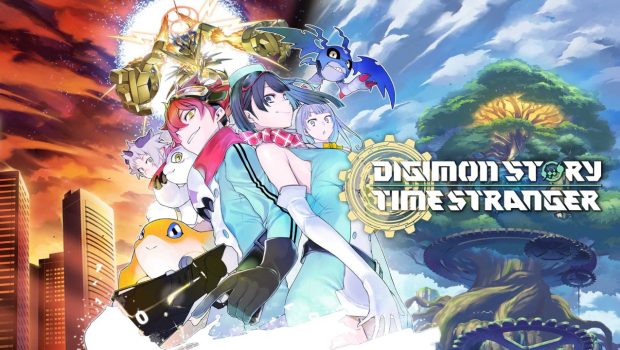
Digimon Story: Time Stranger Switch 2 Review
Summary:
4.3
Stranger No More
Few gaming trends defined the ’90s quite like the creature-collecting craze, and I was right there in the middle of it. Like many thirty-somethings, Pokémon was my series of choice, though Digimon was never far off my radar. Since then, I’ve become very much a lapsed fan, and while the franchise has continued to thrive—particularly in gaming—it’s been more than 20 years since I last spent meaningful time with Agumon and friends.
So what’s in Digimon Story: Time Stranger for someone like me? Quite a lot, as it turns out. It’s a robust JRPG that welcomes returning fans without alienating newcomers or those who’ve drifted away. More importantly, it’s a monster-collecting RPG that gives recent Pokémon entries a run for their money.
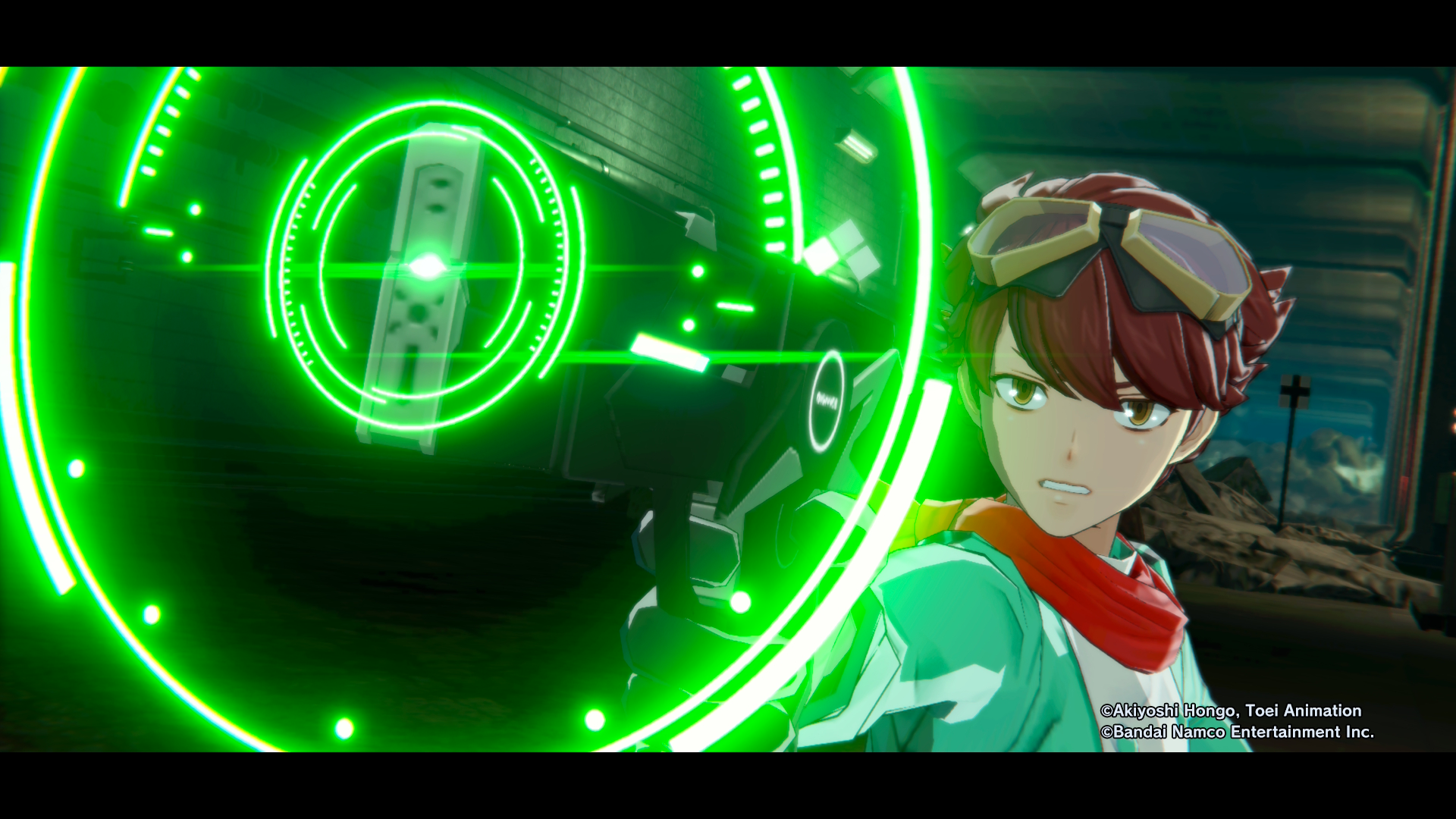
As the name suggests, Time Stranger is the latest entry in the largely standalone Digimon Story series. You play as a member of a secret organisation investigating mysterious anomalies across Japan. After a catastrophic event devastates Shinjuku, you’re thrown almost a decade into the past in an attempt to prevent the disaster from ever happening. Before long, you’re navigating parallel timelines and coming face-to-face with alternate versions of familiar characters, all while experiencing an unexpectedly engaging story about identity, consequence and the weight of changing history. It’s twisty, melodramatic and unapologetically JRPG. Is it confusing? Absolutely—but it wouldn’t be a JRPG without at least a little mind-bending plot nonsense.
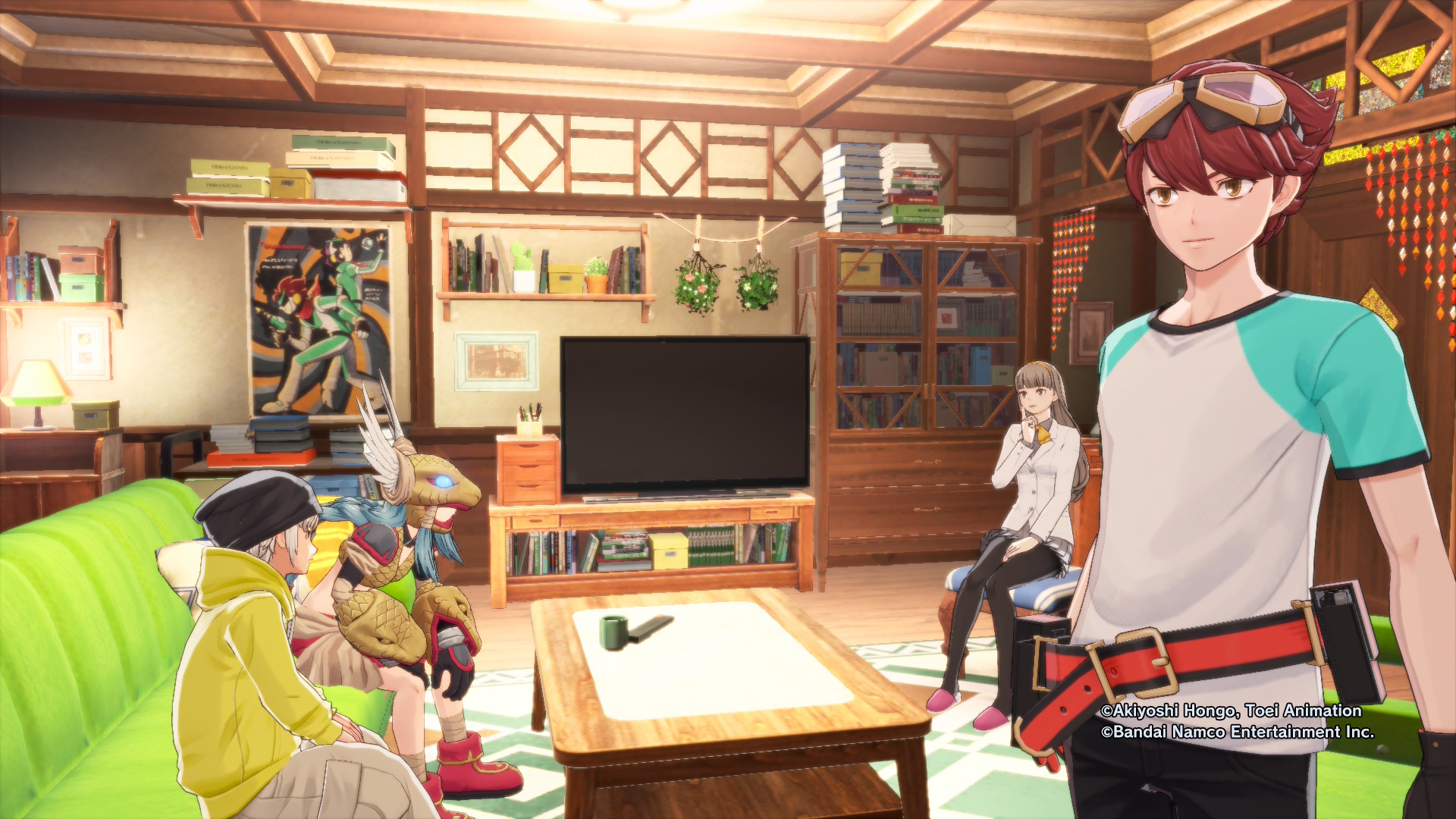
But there’s plenty of, well, time for you to get stuck into Time Stranger, with the game a sizeable adventure that takes you through bustling Japanese cityscapes and imaginative digital-world environments. Exploring these locales is straightforward, with largely linear dungeons, packed with plenty of loot tucked away to encourage you to poke around every corner, even if much of it amounts to little more than crafting materials. Sadly, though, while the locations are varied and visually distinct, many NPCs amount to little more than background dressing, leaving some areas feeling less lively than they first appear.
Combat sticks to classic turn-based foundations, with a handful of quick-time flourishes adding a little extra involvement. The monster-raising system is where Time Stranger truly shines. With more than 450 Digimon to collect, there’s tremendous freedom to build exactly the team you want. Battles allow three active Digimon, three reserves, and the occasional guest ally, creating encounters that feel approachable while offering plenty of strategic depth. It’s immediately familiar yet consistently rewarding, encouraging constant experimentation with your party.
Recruiting new Digimon is refreshingly straightforward. Battle them often enough, and you can create your own versions, with higher encounter percentages producing stronger variants. It’s an elegant system that keeps collecting satisfying without becoming a grind. Digivolution is equally flexible, allowing most Digimon to evolve into multiple forms once certain conditions are met. Better still, you can freely de-digivolve and explore different evolutionary paths whenever you like; a level of freedom that makes building a team genuinely enjoyable throughout the entire adventure.
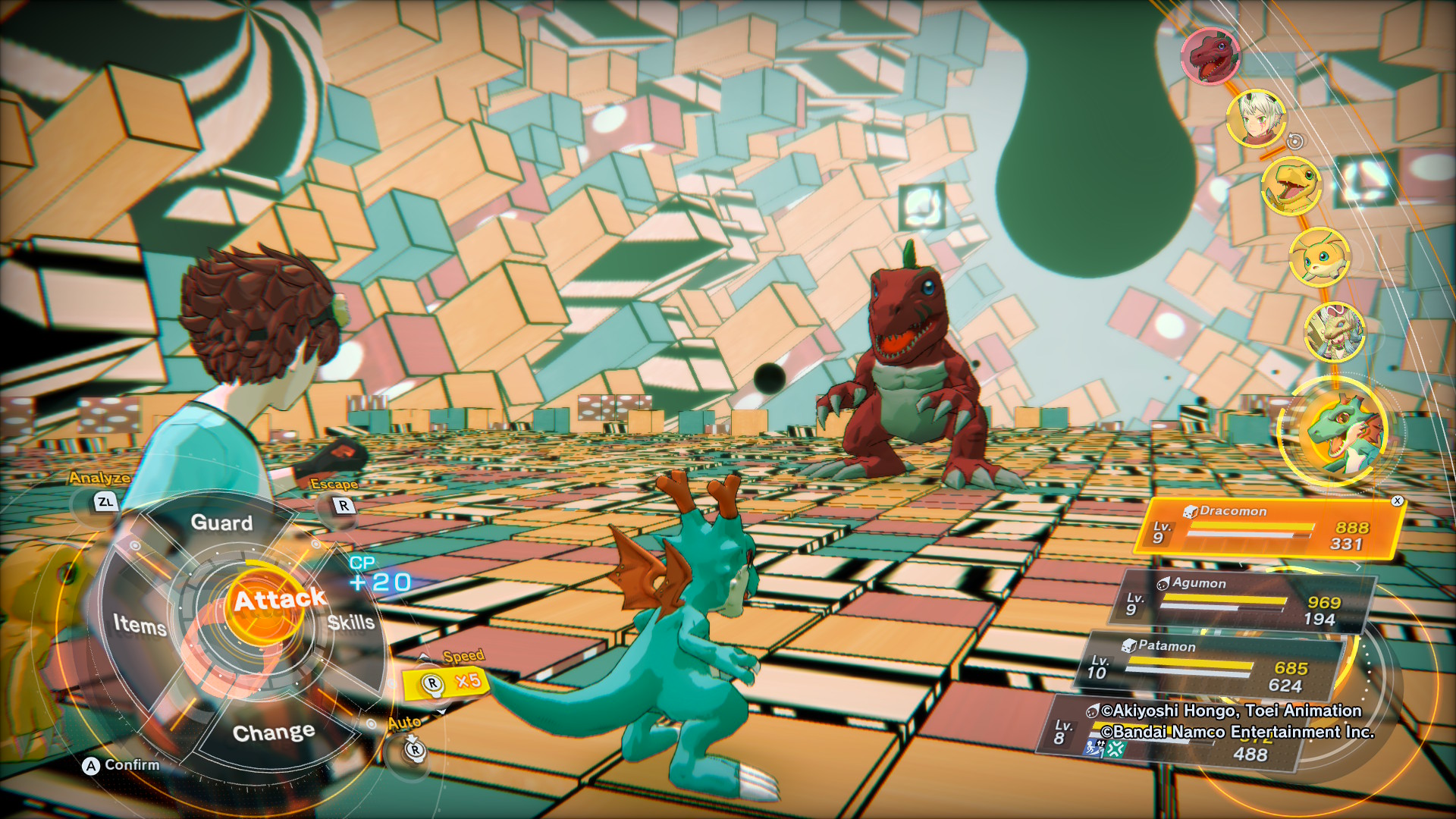
The familiar Vaccine, Virus and Data attribute triangle returns alongside elemental strengths and weaknesses, creating battles where exploiting multiple advantages at once becomes just as important as choosing the right Digimon. For example, a Data-attributed Earth Digimon might be best countered by a Virus-attributed Electric one. It’s a simple system to understand, but one with enough depth to reward thoughtful team-building. Each Digimon also has personality types, such as “Enlightened”, that provide unique stat bonuses. Discovering these traits requires chatting with your companions, and while charming at first, repeated conversations quickly wear out the novelty.
What impressed me most, though, is just how many quality-of-life features Time Stranger includes. Battles can be sped up to five times their normal pace, the difficulty options meaningfully change the experience, and an optional invincibility mode is available for players who simply want to enjoy the story. Veterans looking for a more brutal grind should have little trouble finding one, while newcomers can tailor the experience to suit their own pace. Honestly, these are exactly the sort of modern conveniences Pokémon fans have been asking for for years. I’m not expecting Game Freak to let me de-evolve Charizard whenever I feel like it, but Time Stranger is packed with ideas that deserve to become genre standards.
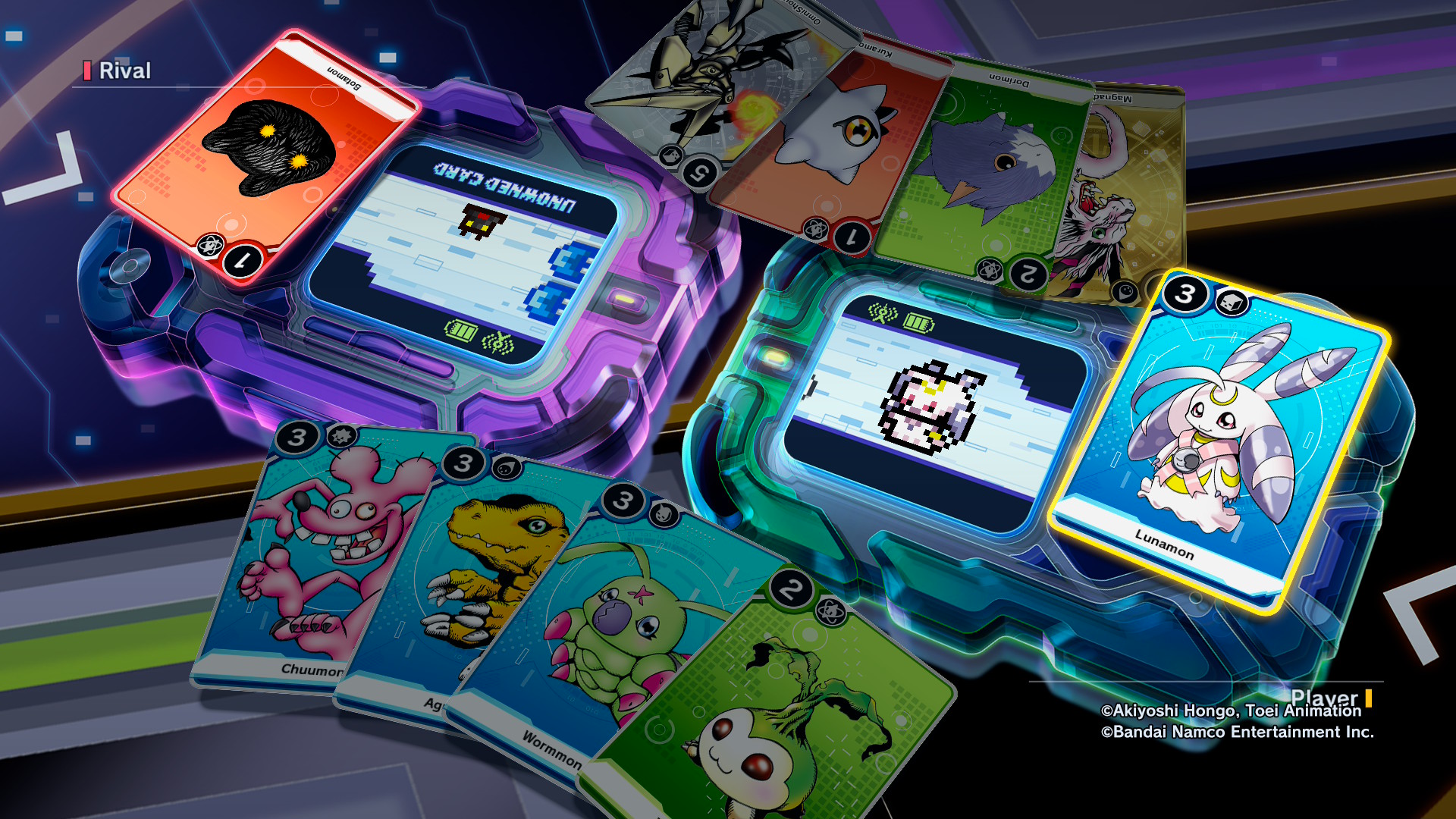
There’s also tonnes of extra content if the generous 40-hour-ish campaign isn’t enough for you. While post-game is currently lacking (although DLC is on the horizon), there’s plenty of optional dungeons, side quests and even a monster-raising minigame that can easily extend the experience well beyond the main story. Perhaps the most interesting of all the extra content, though, is the optional card game. On paper, it’s little more than a spruced-up random number generator, yet it’s surprisingly addictive and exactly the sort of distraction that turns a quick break into half an hour.
Visually, Time Stranger strikes an appealing balance between clean anime-inspired character designs and colourful environments that look sharp on Switch 2. Battle animations are quick and easy to follow, while the uncluttered UI makes managing your ever-growing team refreshingly painless. The soundtrack may not linger in your memory long after the credits roll, but it keeps battles energetic and story moments suitably dramatic. Altogether, the presentation feels polished and modern without sacrificing Digimon’s nostalgic charm.
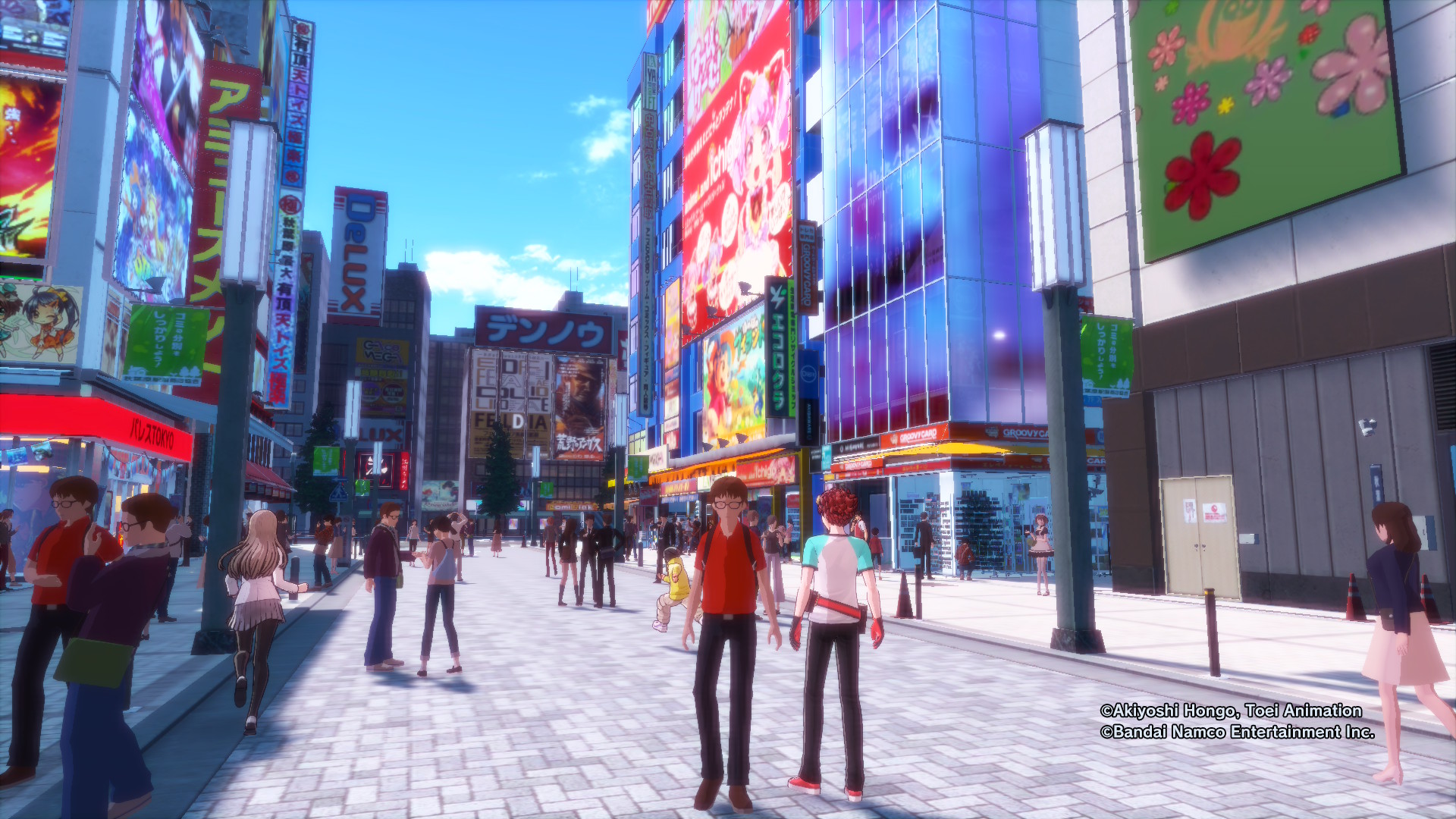
Helping the presentation along are some impressive cutscenes and, rather surprisingly, strong English voice acting that does a great job of selling the story’s biggest moments, although I eventually found myself switching to the Japanese audio with subtitles. Despite the generous amount of voiced dialogue, your protagonist remains completely silent, making certain conversations feel awkward and robbing a few emotional scenes of their impact.
As someone who hadn’t spent meaningful time with Digimon in more than two decades, I wasn’t expecting Time Stranger to win me back; however, I was pleasantly surprised. Its excellent monster-raising systems, thoughtful quality-of-life features and engaging combat make it one of the strongest creature-collecting RPGs I’ve played in recent years. Whether you’re a lifelong DigiDestined or someone whose memories stop with the original anime, this is an adventure well worth taking.
4/5

Related Posts

Demeo x Dungeons & Dragons: Battlemarked Switch 2 Review →

The Adventures of Elliot: The Millennium Tales (NS2) Review →

Sonic Frontiers Definitive Edition Review (Nintendo Switch 2) →