Rose & Locket Review
An Indie Gem
Summary: The devs made a short, action-packed, innovative linear narrative-driven game that not only puts them on the radar of the fans of the genre but also marks them as a promising indie studio.
4.5
A True Work of Art
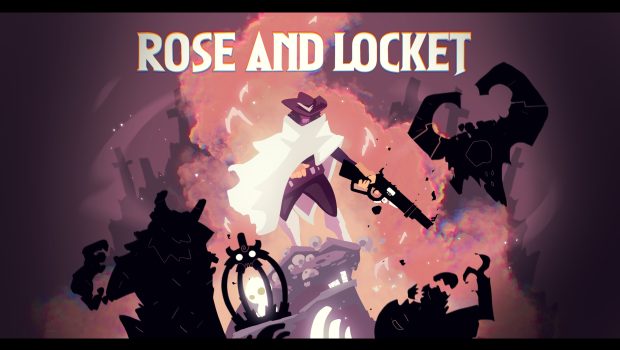
Every once in a while, you come across an indie title that feels like a breath of fresh air in a game industry plagued by bad news, expensive hardware, and corporate greed. Whistling Wizard’s Rose & Locket is one such experience; a labor of love from New Zealand.
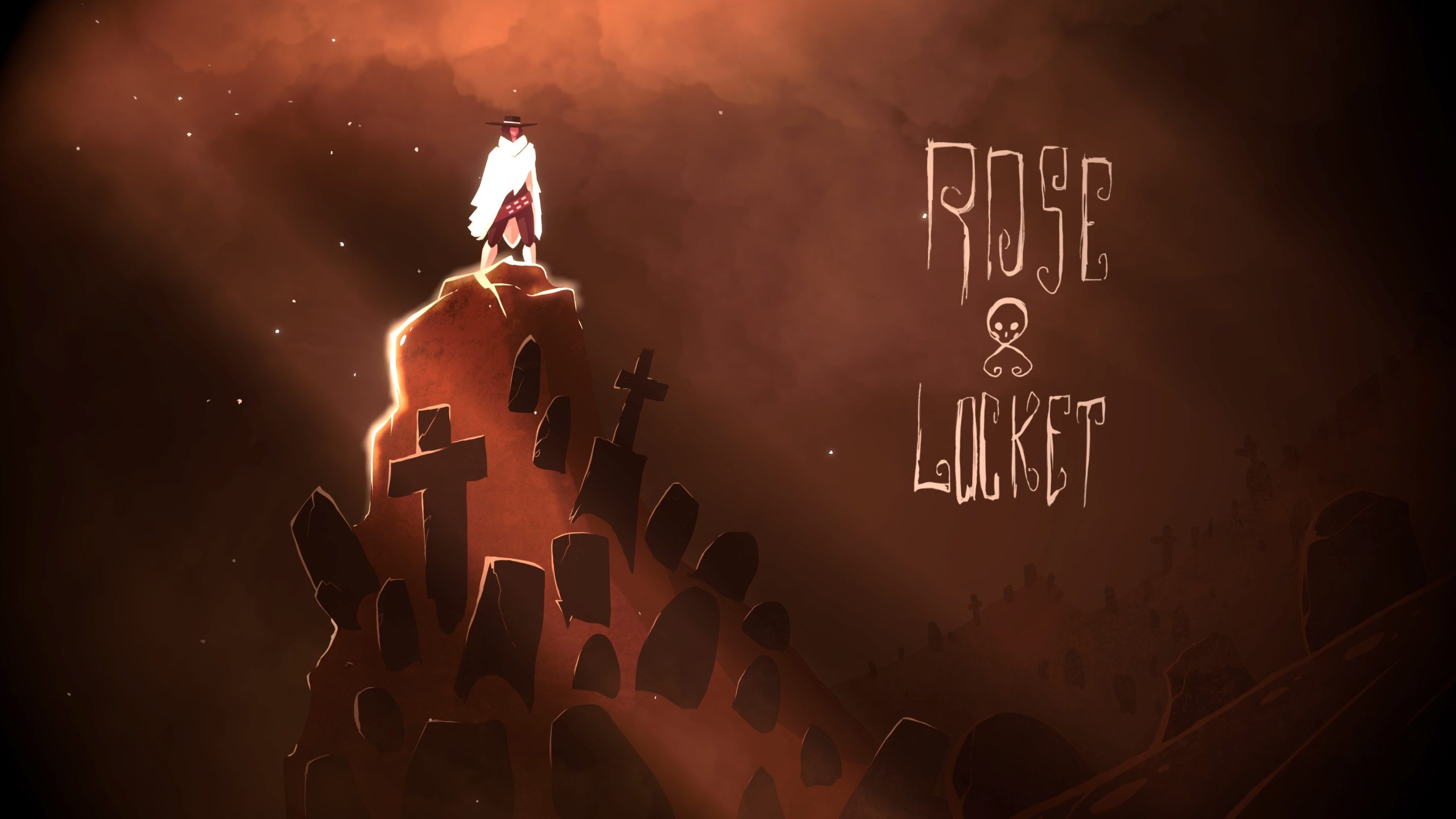
Rose & Locket follows a gunslinger named Rose trying to find her way out of the underworld. As a wanted bandit, Rose ended up in hell, and she carries the soul of her daughter Rosebud in a locket around her neck to protect it against the evil forces of the underworld. Her only way out is a pact with Envy, the personification of the cardinal sin that compels Rose to defeat the other six deadly sins for him so that Envy could rule the land of the dead. Though the story of the game is pretty straightforward and short -around 3 to 4 hours-, it manages to paint a good picture of Rose’s past and her relationship with her daughter. Armed with enough plot twists and an accompanying comic book about the events leading to the start of the game, the story of Rose & Locket is both well narrated and perfectly paced.
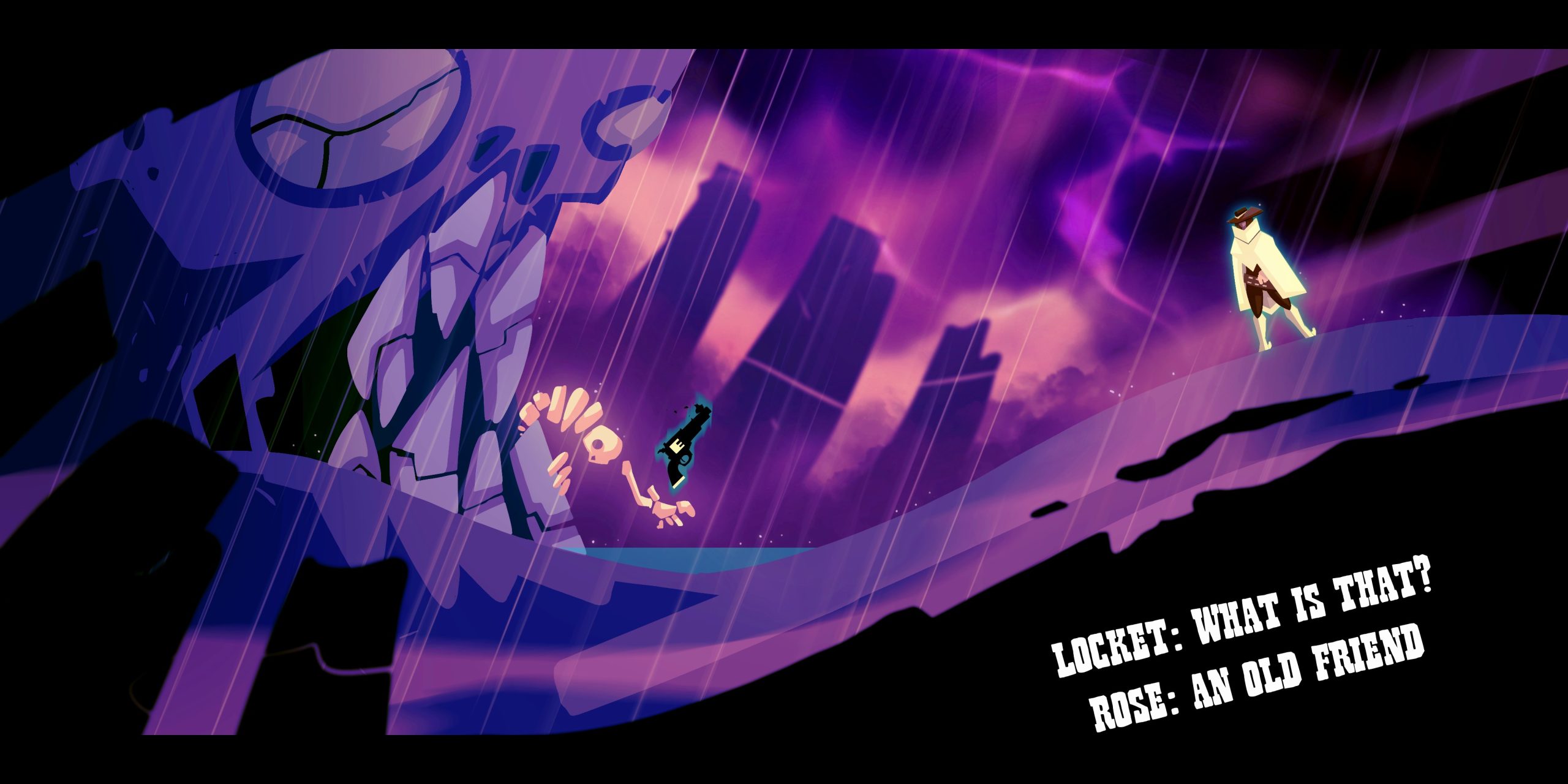
At its core, Rose & Locket is a linear side-scrolling action-adventure game. Rose is equipped with a revolver, a rifle, and a grenade launcher as her main weapons and a dynamite stick as a throwable. The weapons do not have manual reloading, and Rose needs to wait for the weapons to reload automatically after use; something like the weapons with a conventional heating system seen in most games. The solution to this challenge is to regularly switch between the three weapons while one of them is reloading/cooled while holstered. Thus, the main combat loop of the game is fending off the daemons while platforming through the underworld and switching between different weapons. But that is just scratching the surface of Rose & Locket’s gameplay. Each level of the game comes with its own unique gameplay mechanics. Whether it is flying through the deadly skies of hell on the back of a skeleton vulture or riding an undead horse through cursed deserts or participating in a siege that plays like a tower defense game to bring a heated boss fight to an end, Rose & Locket never ceases to surprise you with brilliant new ideas.
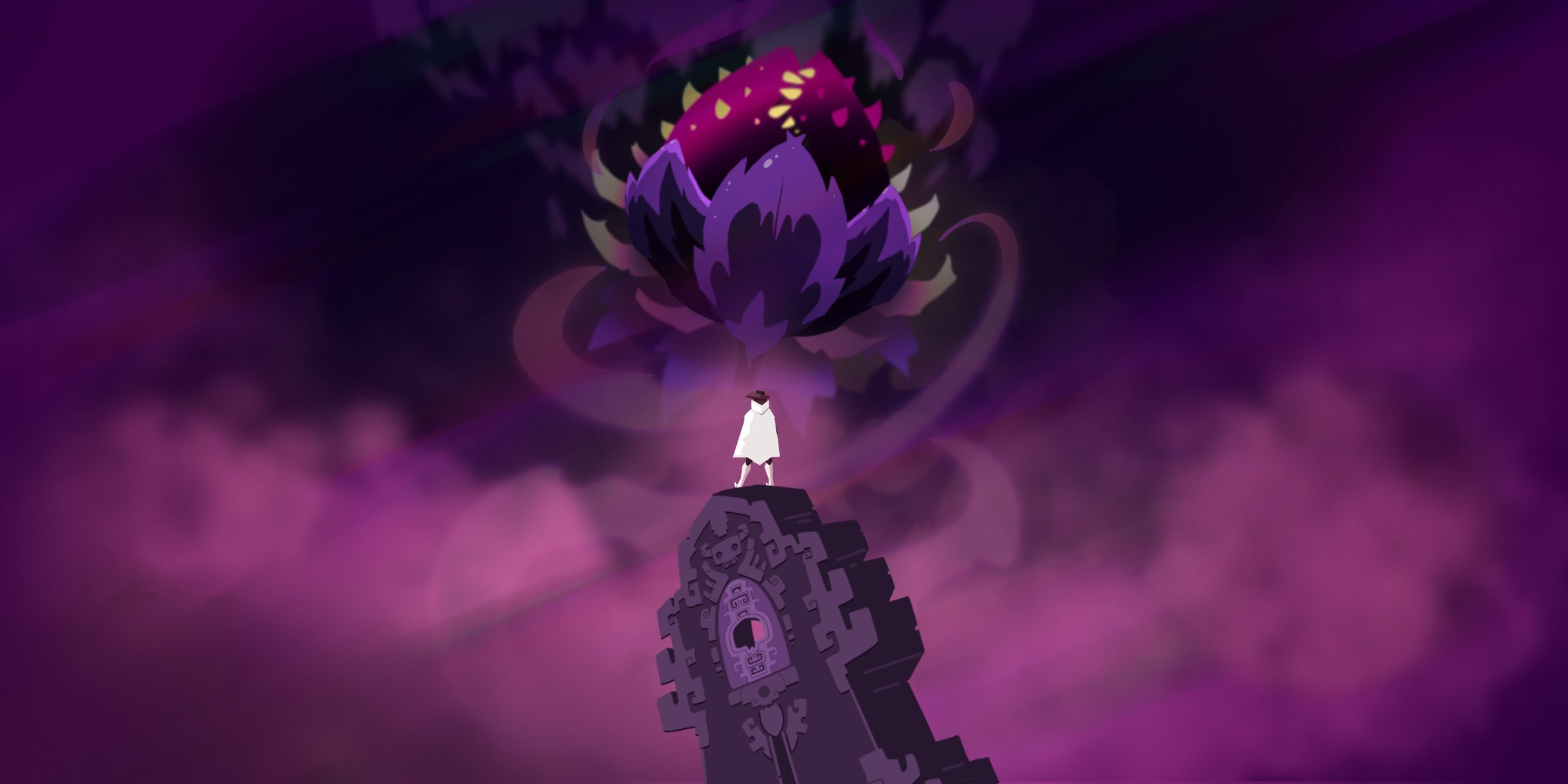
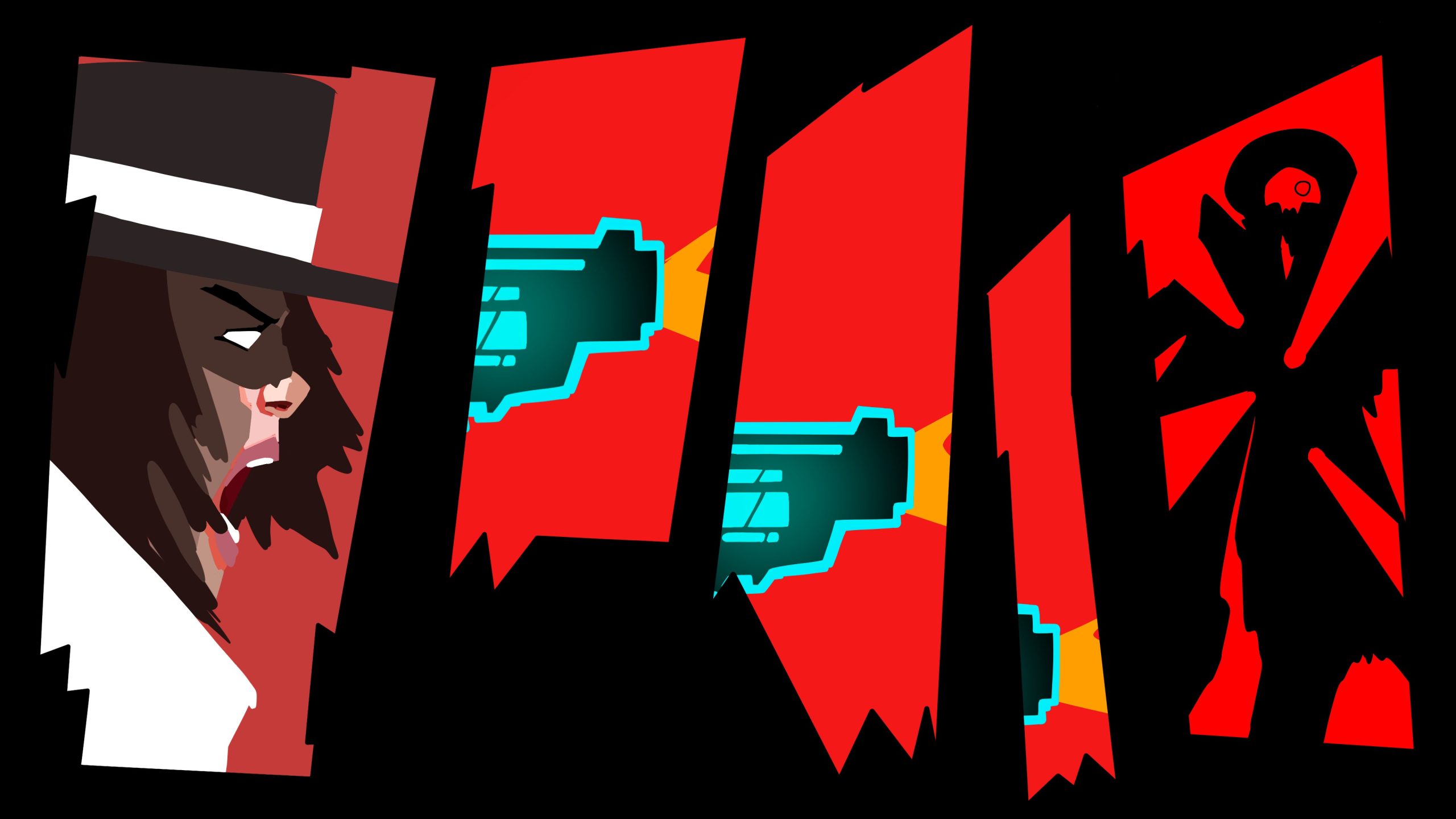
I rarely approach reviewing games with a focus on the artistic side as most people want to know more about how the game plays rather than why it looks a certain way, but Rose & Locket is a true work of art, and thus it can’t be helped to analyze it as such. The game tries to create an interactive comic book experience in which the player controls the character in the panels of a comic book. The visual aesthetics of the game remind me of Mike Mignola’s Hellboy as it uses contrast and chiaroscuro as the pillar of its visual design while using exaggerated expressionist backgrounds. Though there are downsides to such an artistic style, namely making the entrance and exit points of some levels/panels obscure and causing confusion in path-finding, the benefits clearly outweigh the shortcomings.
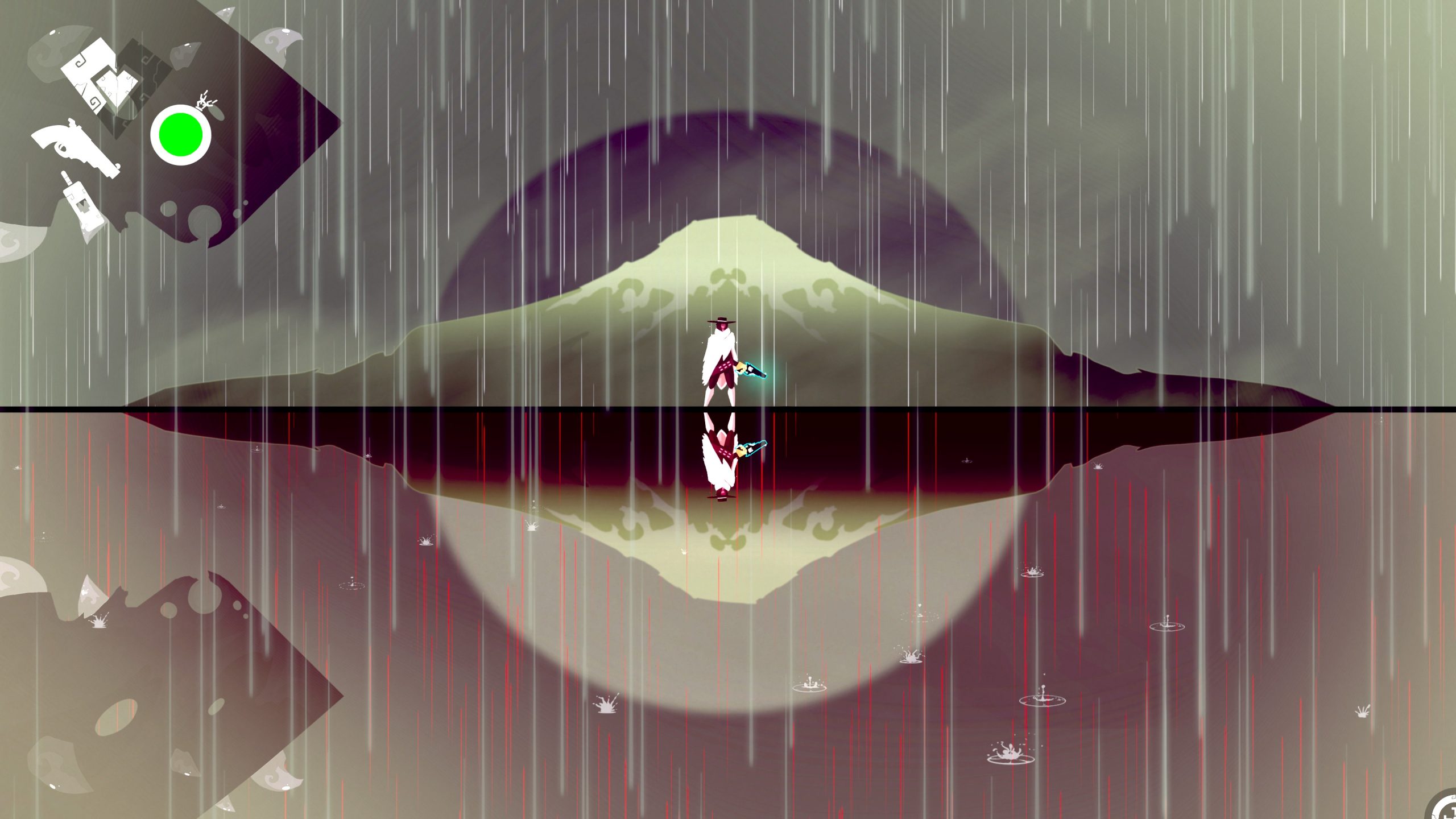
The narrative of the game also follows the same artistic standards as the visuals. Each level of the game is the domain of a cardinal sin, and the environment reflects the nature of that specific sin. For example, the domain of Greed is a desert with sand made of pure greed, and Greed rides a train through this golden desert. Another good example is the domain of Pride, which is a rainy Japanese village with a picturesque view of mount Fuji in the background as Pride is represented by a fallen Samurai that sacrificed everything for his honor and glory. The artistic coherence between the narrative and level design of Rose & Locket is something you rarely see in the game industry these days, as it has turned into a race toward maximizing shareholders’ profit rather than artistic expression.
Final Thoughts
Rose & Locket has the best art direction I have seen in an indie game in 2026. The devs clearly knew what they wanted and how to achieve it. They understood their limits and did not create an experience that outstays its welcome. Instead, they made a short, action-packed, innovative linear narrative-driven game that not only puts them on the radar of the fans of the genre but also marks them as a promising indie studio.

Related Posts
Demeo x Dungeons & Dragons: Battlemarked Switch 2 Review →

Denshattack! (PS5) review →
The Adventures of Elliot: The Millennium Tales (NS2) Review →