Bishop #1 REVIEW
A Promise Made, A Promise of Regret
Deviating from the main story of the X-Men, Bishop finds himself living in the same hometown he once lived in the future. Only this time, it’s an alternate timeline where turmoil and strife are non-existent. Instead, it’s a quiet place not bogged down by struggles of starvation or risk of immediate death. Driven by lack of sleep and the continuous guilt eating away at him, Bishop #1 homes in on the man from the future as he deals with his biggest regret while trying to find his place in the world again. A certain mutant of omega proportions visits Bishop, and she’s very good at advising on these sorts of things.
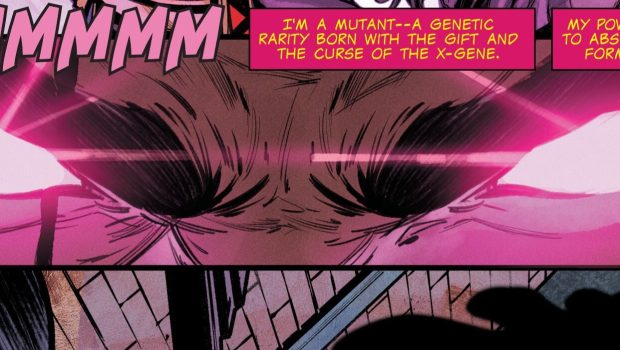
Written by Saladin Ahmed (Wolverine, Daredevil), Bishop #1 isn’t filled with a high-explosive battle scene, but instead a calmer look at the soldier from the future. In other stories, Bishop would be locked in the heat of war or thrown in the middle of a confrontation that requires his expertise. However, Ahmed provides readers with more insight into who Bishop is than into what he’s capable of. Yes, he can absorb energy blasts and use them as a return-to-sender approach. That’s not where this comic book is taking readers. It’s a focus on the trauma of losing someone very close to him and what it does to the strongest of people. This exploration of diving into Bishop’s past adds a new outlook on why the things he’s doing now stand as a reason for his presence. His involvement in the current timeline increases character development as he tries to wrestle with the demons that seem to stay with him. He is stricken by grief and regret that would ultimately put any mutant or human being in a flow state. One where he’s so enamored that he doesn’t recognize danger right away to counteract it accordingly. Ahmed’s writing digs deeper into what kind of future Bishop came from and what he’s fighting for, or at least trying to avoid a tragedy in the future. The pacing of the comic book acts as an introduction that allows new readers to tag along while giving current comic book fans a recap. Bishop may know external war, but this is an internal war brewing beneath the surface. While the writing sparks interest in the latest adventures of Bishop, so does the artwork.
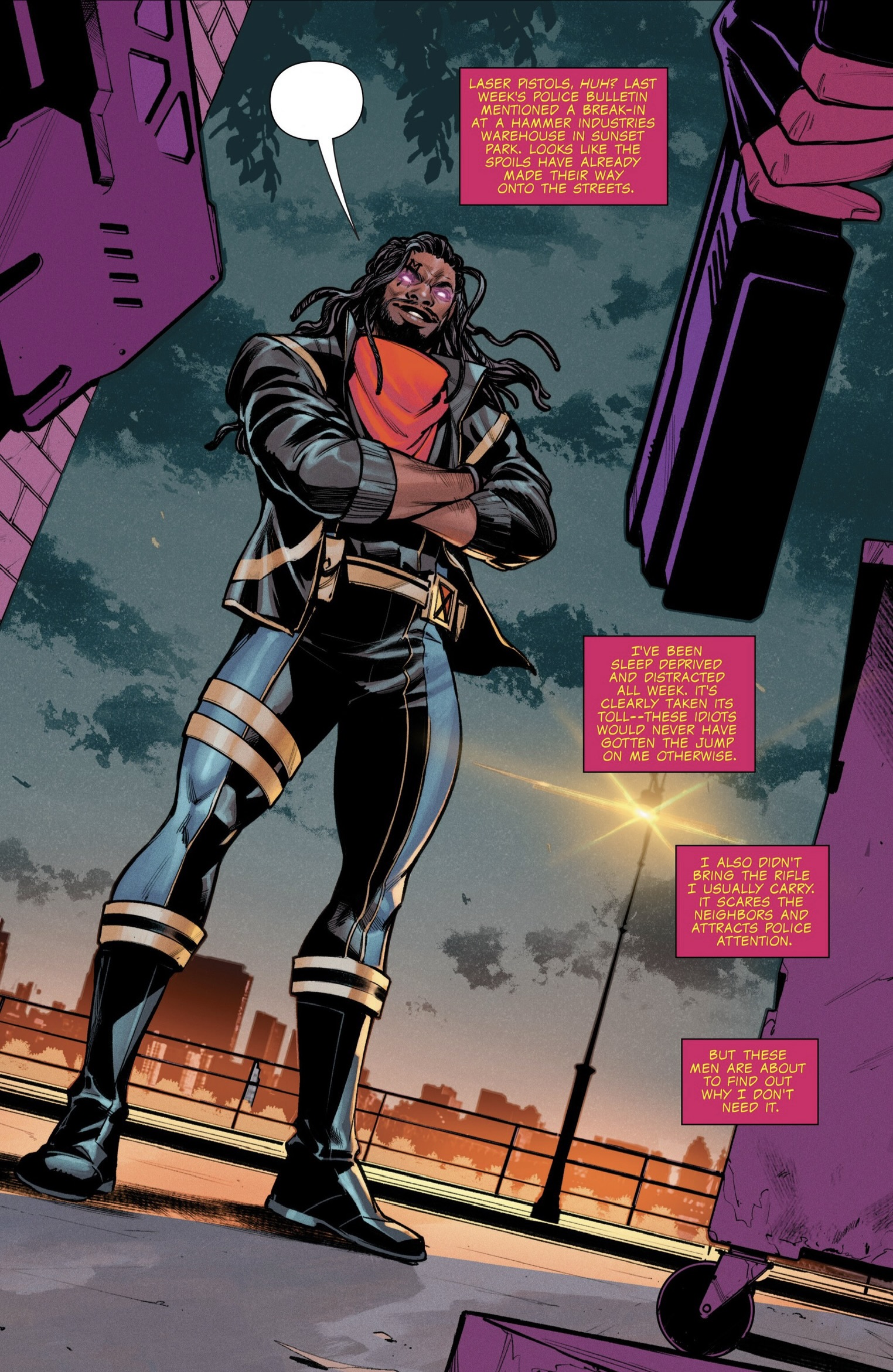
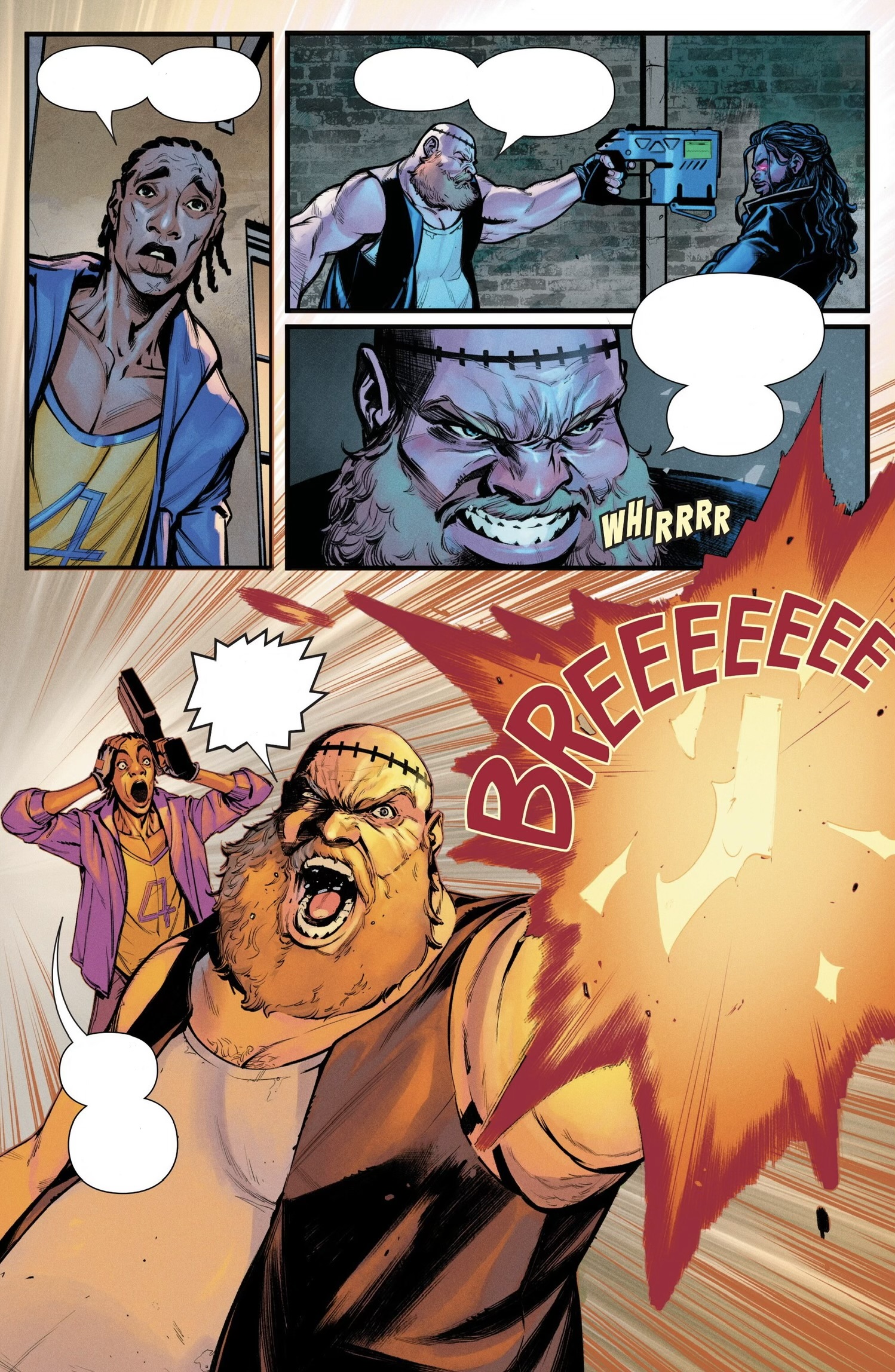
Illustrating the interiors for Bishop #1, Mario Santoro (Storm) provides a remarkable amount of creative work. The pages are gifted with visual nuance and proper flow from page to page. The fluidity in how the characters act, react, and express are fantastic. Coming from his early artwork displayed in other interior works, Santoro’s attention to detail thrives in a comic book such as this. Each page Santoro touches leaves an impression of what’s next to see. With a level of focus, Santoro creates an almost life-like body of water found in the opening pages of the story, which is incredible. The thought process and execution must have been difficult, but he pulled it off so well that when Federico Blee came through, it was beautiful. Within the comic book itself, Santoro presents scenes that create a unique form of storytelling in his own creative way. The words by Ahmed may be his guide, but the task of showcasing remarkable imagination is worth noting.
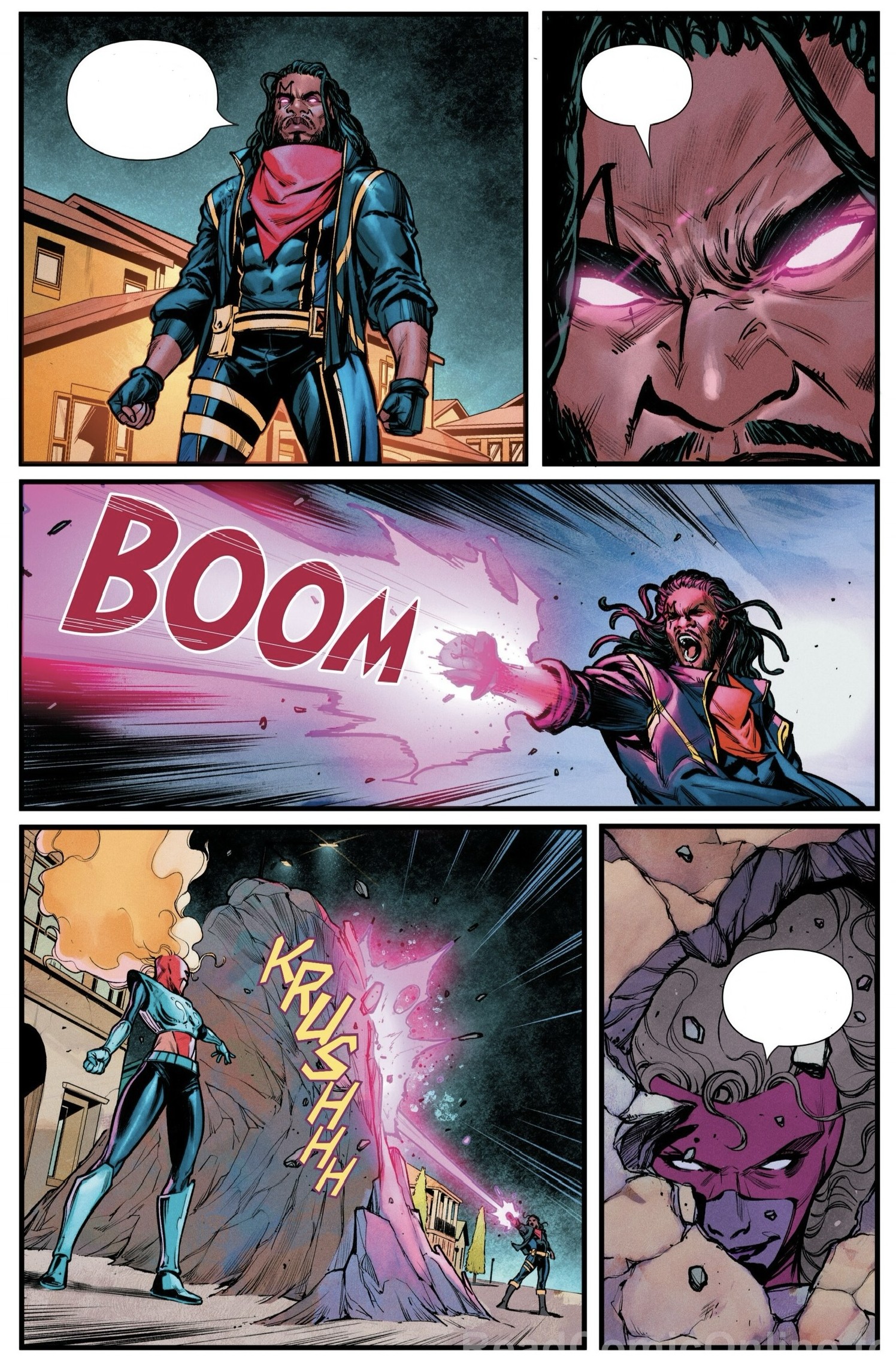
As the adhesive to their collaborative efforts, Federico Blee (X-Men: United) does wonders for Bishop #1. The eye for his coloring work is one to understand and appreciate in a comic book like this. The vibrancy of the scenes is met with complementary palettes of shades that blend to enhance the work of Santoro. As mentioned earlier, the opening scenes found in the comic book are undeniably impressive, considering the scale of focus and color choices to achieve that image. Comparably, his switch in coloring techniques pays off efficiently when it comes to the flashbacks that occur in the comic book. There’s a noticeable difference between the two points in the story. However, this sudden change from vibrant present to a dusk color palette future indicates the clear difference between where Bishop is and where he came from. This style adds depth to the character and his formal background. Blee performed an excellent job on the coloring work for this comic book.
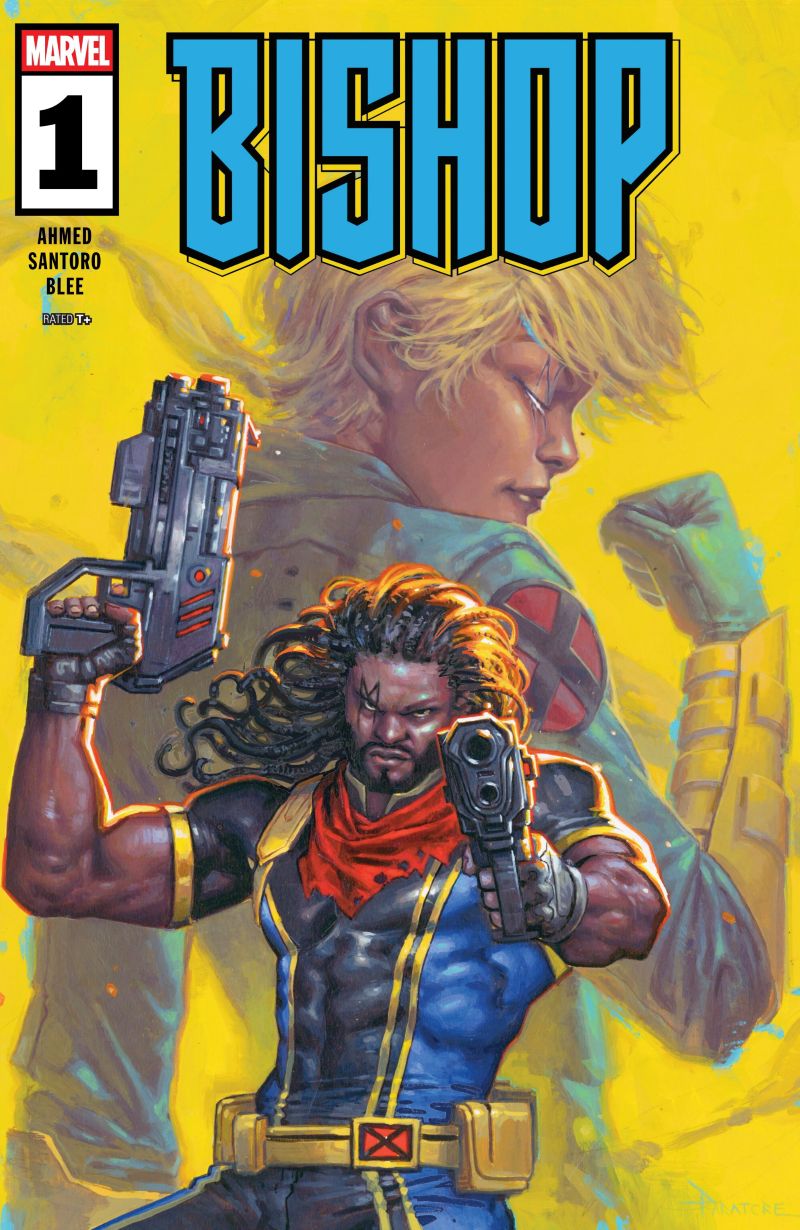
Speaking of style, the cover artwork by Davide Paratore (Knull, Absolute Flash) for Bishop #1 is outstanding. Paratore couldn’t have made Bishop any cooler than this image to be shown to potential readers and current fans of Bishop. The cover has a certain style that’s impossible to replicate. On an interesting note, about the cover to the comic book, a yellow background suits Bishop’s core X-Men roots. It adds flair and presentation that works perfectly.
As for the lettering of the comic book, Travis Lanham’s (Doomquest, X-Manhunt) work fails to disappoint. Bishop #1 is lucky to have a letterer devoted to bringing out the best of the story and the contributors involved. Lanham gives respect to each hand in the making of the pages. The lettering is functional enough that it doesn’t stray from the flow of the pacing or the artwork. The lettering by Lanham enhances the overall experience of the book and the characters within.
Overall, Bishop #1 is worth a read if readers want to get away from the main X-Men storyline. It holds a place in progressive character-building for Bishop when it comes to an out-of-time mutant ally. Despite his separation from the main team in Alaska, Bishop is on track to be a prominent figure in the X-Men mythos once more. If you like to check out the comic book, be sure to pick it up at your local comic book store or where comics are sold online. Bishop will return.
Comic Details
Writer: Saladin Ahmed
Artist: Mario Santoro
Colorist: Federico Blee
Letterer: VC’s Travis Lanham
Cover Artist: Davide Paratore
Editor: C. B. Cebulski
Publisher: Marvel Comics
Release Date: June 10, 2026
Rating: 4/5
About the Author

Howard Smith Howard is a passionate collector and avid reader of comics & manga. His love for all things pop culture extends beyond the pages of comics, as he is a seasoned gamer with an appreciation of quality storytelling. As he is always on the hunt for rare collectibles, he manifests an opportunity to celebrate his fandoms. Follow along for new discoveries and changes in the world of entertainment.
Related Posts

MARK WAID, MIKE MIGNOLA, J.M. DEMATTEIS, AND MORE RETURN TO TWILIGHT →
CYBERPUNK 2077 GETS A DETECTIVE THRILLER COMIC IN “JAYK’S CASE” →
MARVEL CLEARS THE WAY FOR ITS NEW MIDNIGHT UNIVERSE →