
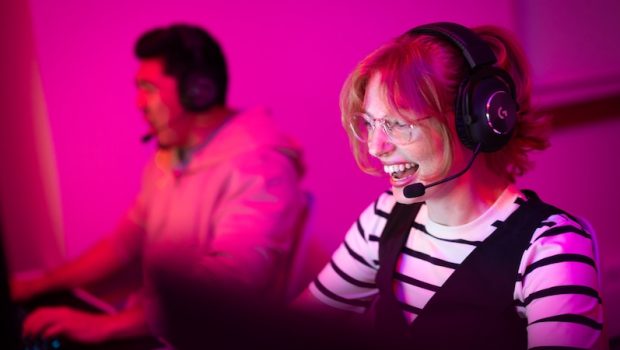
Research Study: Should Gaming Be Taught in Aussie Classrooms? Gen Z Says Yes
A major worldwide study has uncovered a stark divide between Australia’s Gen Z and older generations over the need for formal education pathways for careers in esports and professional gaming.
Research from Logitech G has revealed that 72% of Australian Gen Z respondents think there should be formal education pathways for careers in esports and professional gaming from universities, colleges, and specialist courses. This figure plummets to just 45% among the wider population, highlighting a generational rift on the future of education in the country.
Australia lags behind its global peers on attitudes to esports education, with Logitech G’s 18,000-person study showing 93% of Chinese respondents supporting more educational pathways for esports and professionals. Approximately 83% of Brazilian and Swiss participants felt the same, alongside 80% of those from South Korea, and 67% and 66% of Polish and Spanish interviewees.
“Esports is a major cultural phenomenon that sells out stadiums and has created a range of new careers across sectors,” says Dan Hall, Senior Category Manager at Logitech G ANZ. “Yet though our research demonstrates growing global recognition of competitive gaming as a legitimate and respected profession, a generational divide exists when it comes to the Australian classroom.
“As these findings show, while Gen Z are keen to see more educational pathways to careers in esports and professional gaming, this view isn’t necessarily shared by Australia’s older generations. But with the sector offering a genuine route to personal and professional success, more pathways will be needed to ensure the Australian education system is fit for the future.”
Gen Z is also pushing for gaming to share equal footing with the sports field, with 57% saying esports classes should be included in the curriculum in a similar way to traditional sports – nearly double the 31% average of Australians overall. According to Logitech G, the popularity of videogames among younger generations can provide vital opportunities to learn valuable sporting life skills that might otherwise be missed.
“Traditional sporting classes aren’t for everyone but the experiences they provide – camaraderie, leadership, working in a team – should be,” Dan concludes. “Gaming is a major part of many young Australians’ lifestyles, and making esports part of the curriculum would break down this barrier, providing more opportunities for engagement and development in educational settings.
“But to make the most of this opportunity, it is vital that gamers, whether professional or amateur, have access to the right equipment and technology. The data demonstrates that Australia’s younger generations are making their priorities known, and we need to meet them where they are to foster the growth of esports in a way that is inclusive, constructive, and impactful.”

Related Posts

KYLIAN MBAPPÉ AND JUDE BELLINGHAM WELCOME YOU TO EA SPORTS FC 27 →

DRAGON BALL: Sparking! ZERO new content “Super Limit-Breaking NEO DLC” to be released on 30 July 2026! →

FINAL FANTASY X | X-2 HD Remaster – Out Now for Switch 2 →