
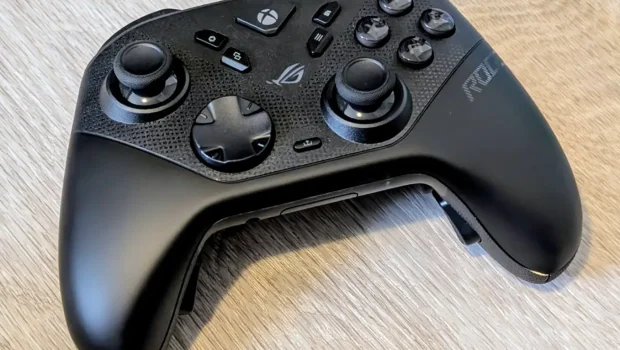
ROG Raikiri II Xbox Wireless Review
Summary: The ROG Raikiri II Xbox Wireless provides pro-gaming
4.8
Pro Wireless!
If you’re looking for a high-end gaming controller for your PC or XSX, then ROG have once again come to the rescue with their latest Raikiri controller. In essence, the ROG Raikiri II is more of a pro-gamer redesign and by removing the OLED display featured in the earlier model, the focus moves squarely onto performance‑critical elements such as sensor technology, latency and mechanical input quality. From a gaming perspective, the focus on competitive play feels more purpose-built for that task without the visual distractions of the OLED display.
The Unboxing
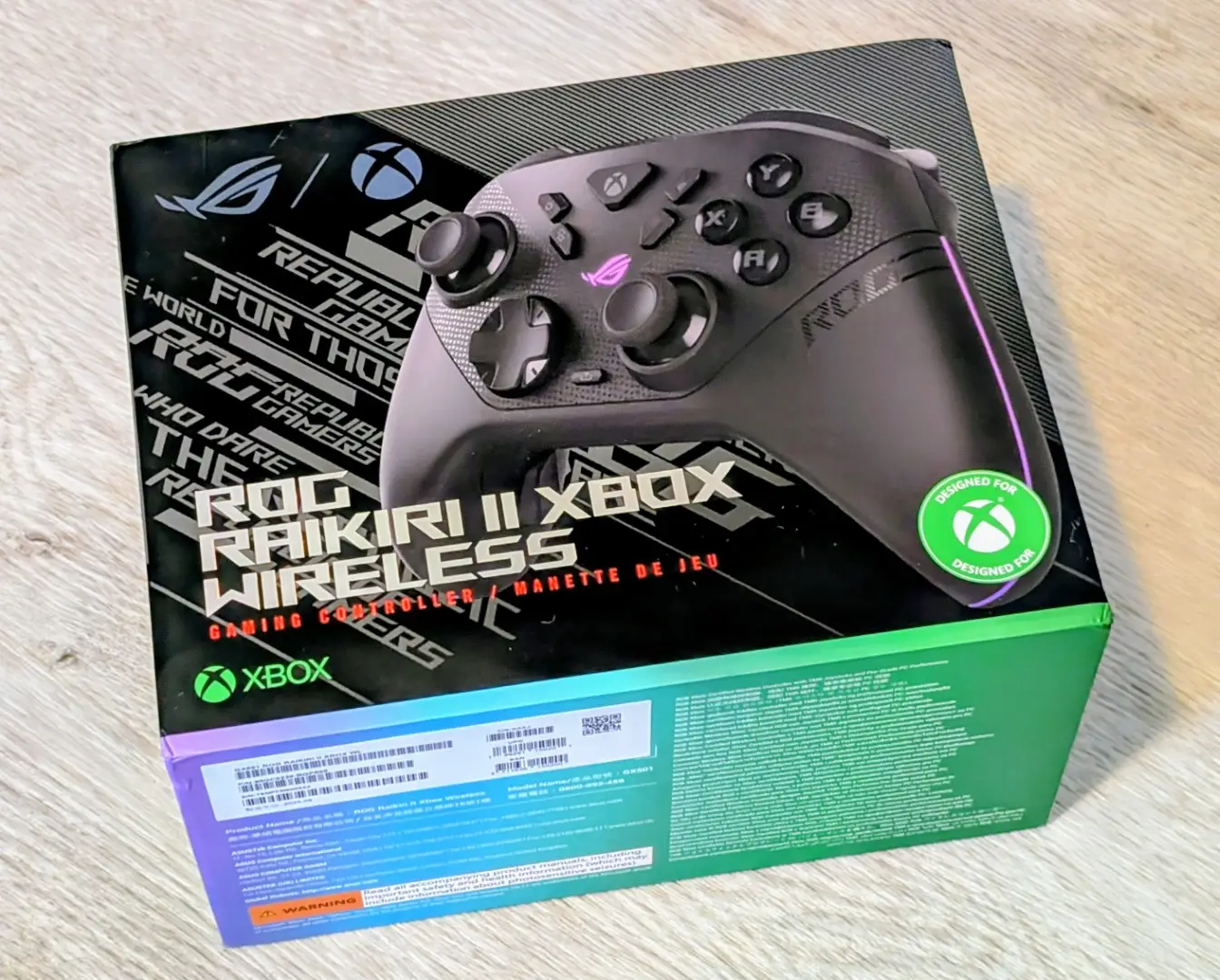
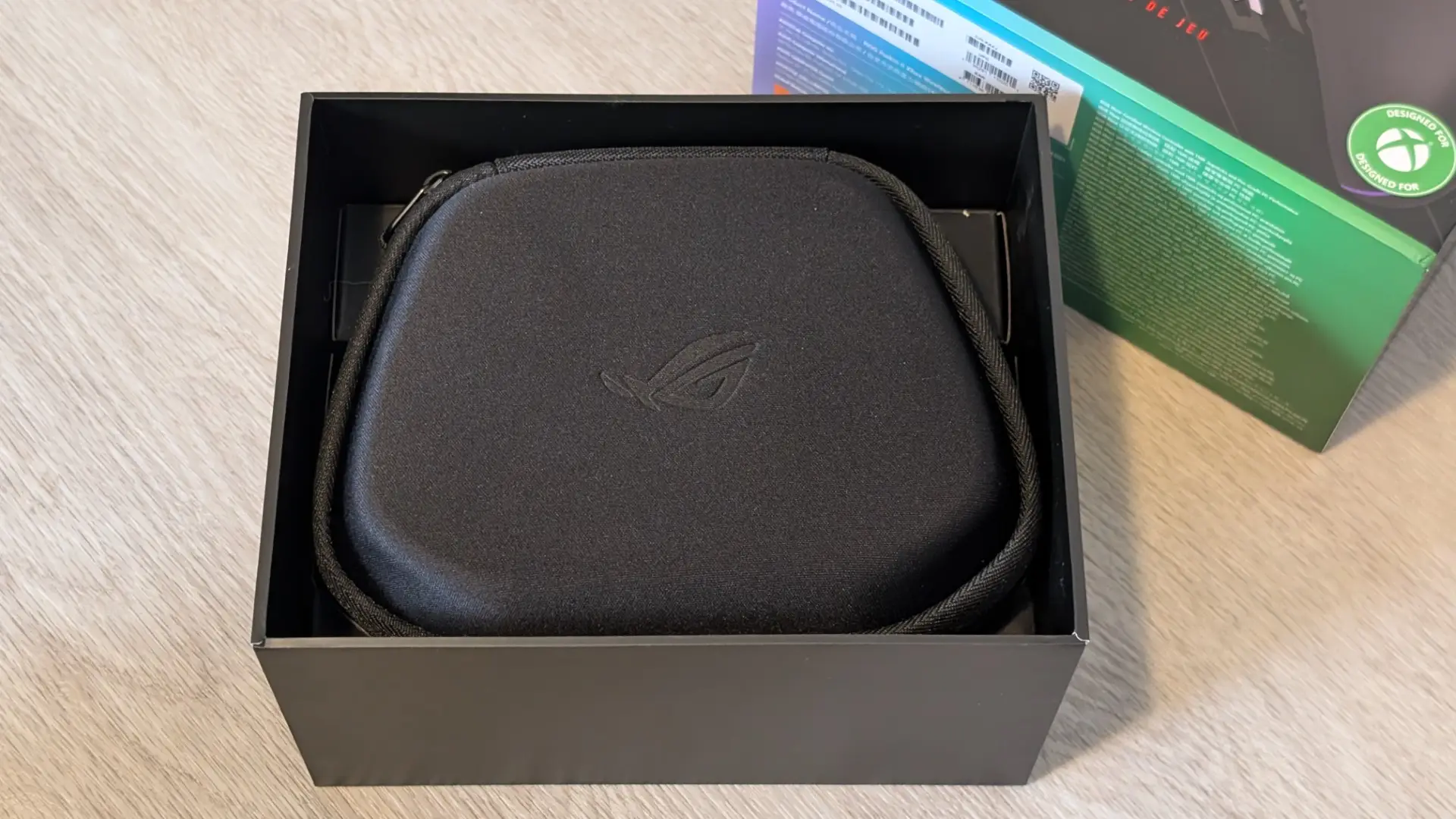
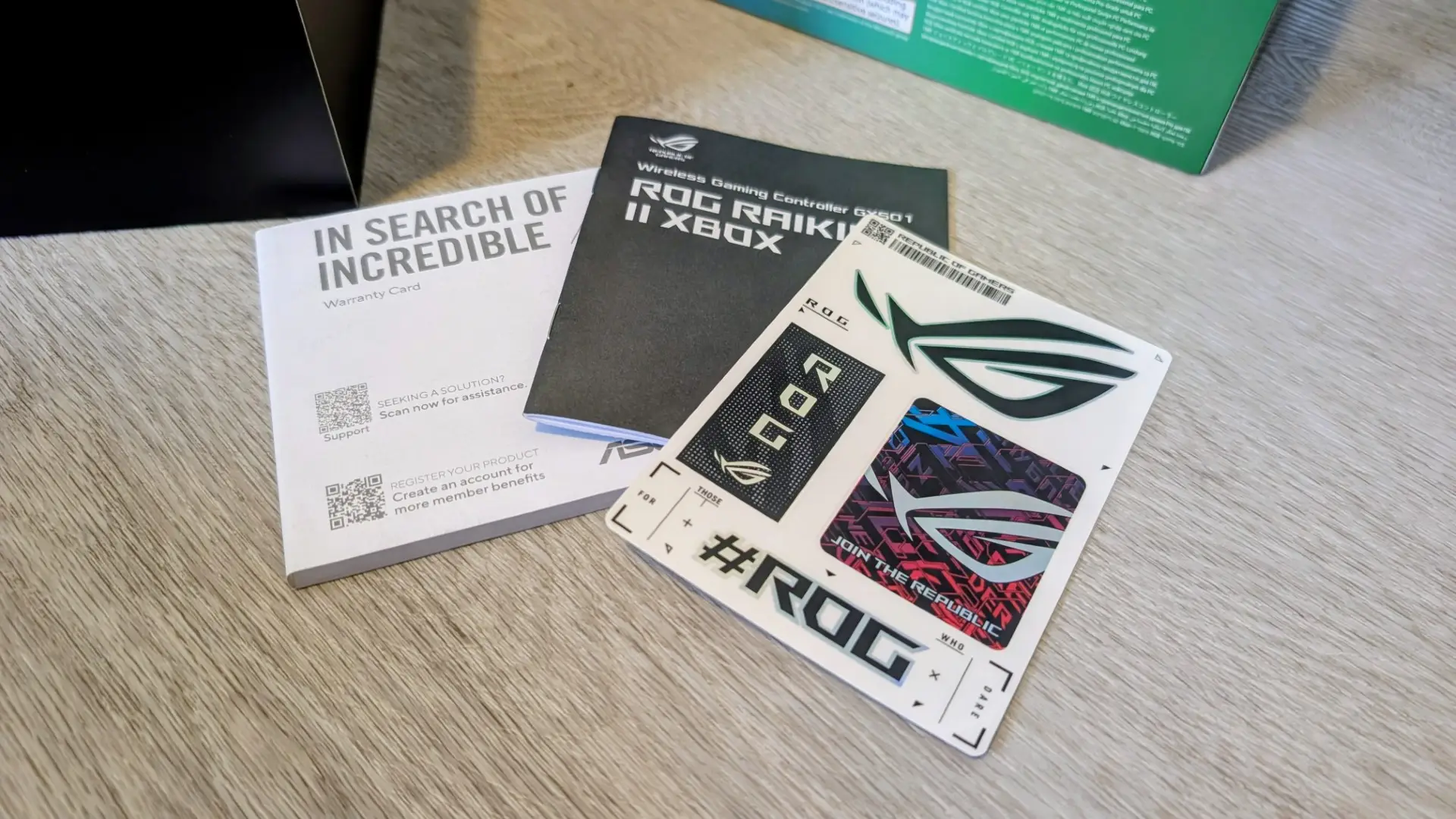
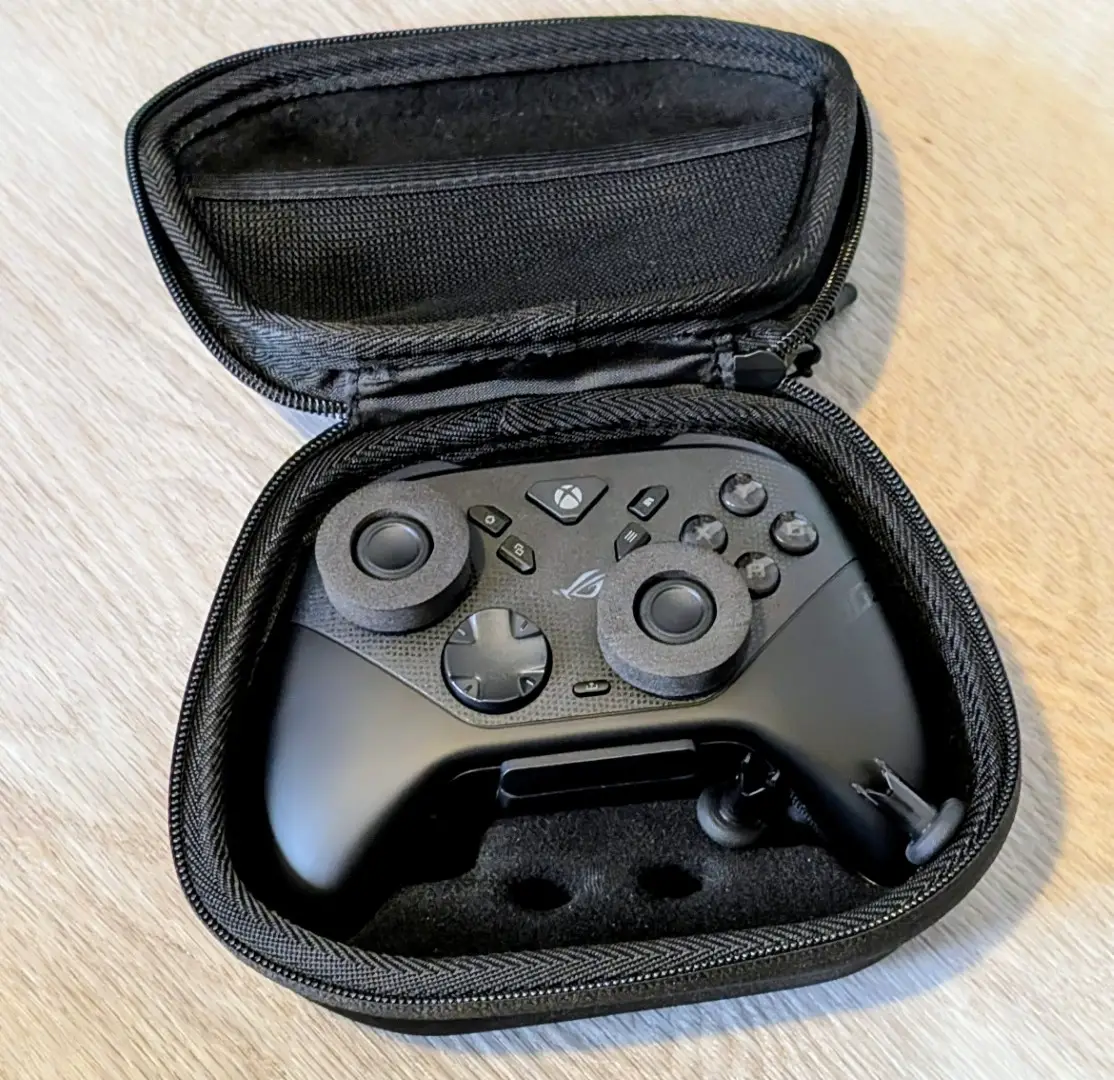
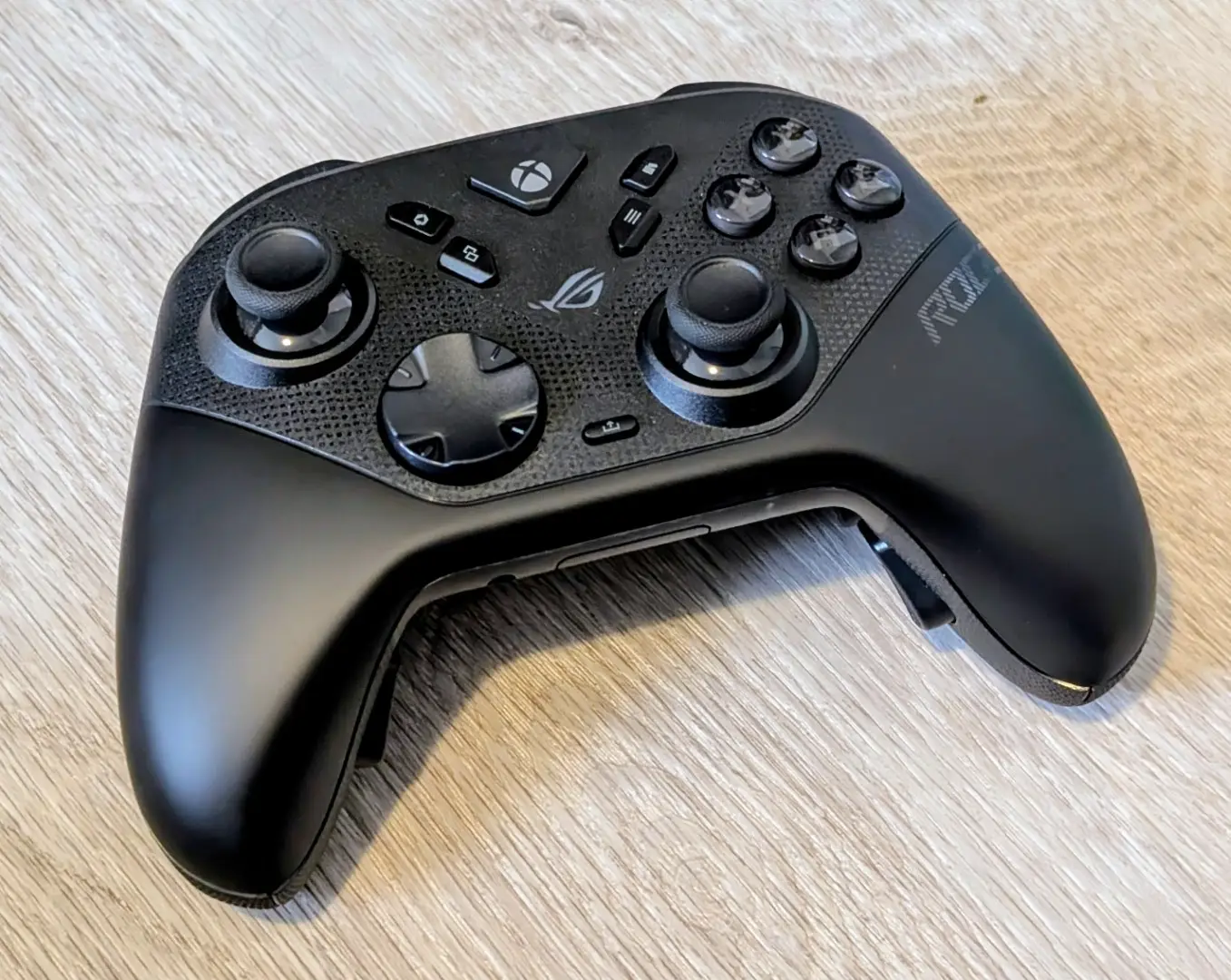
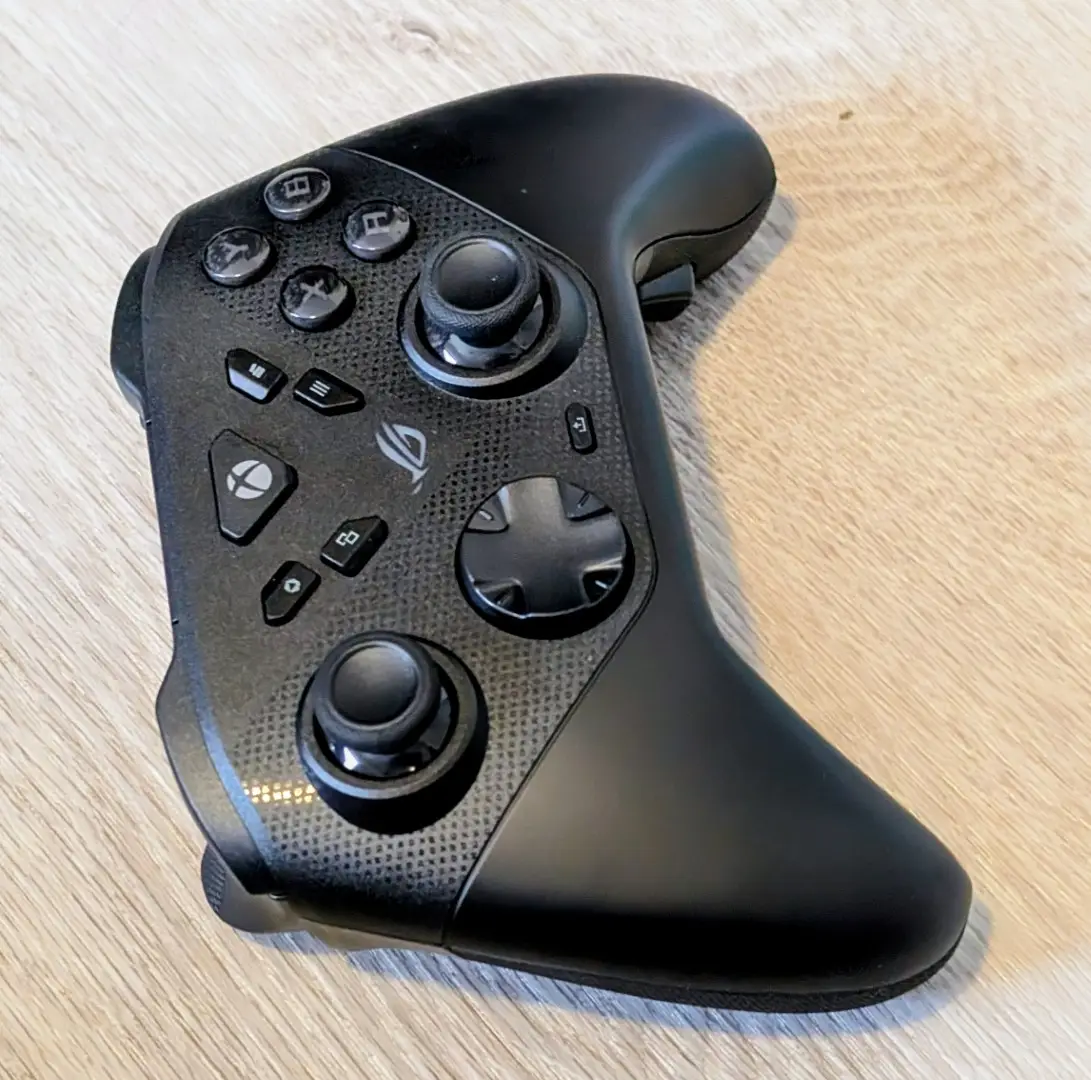
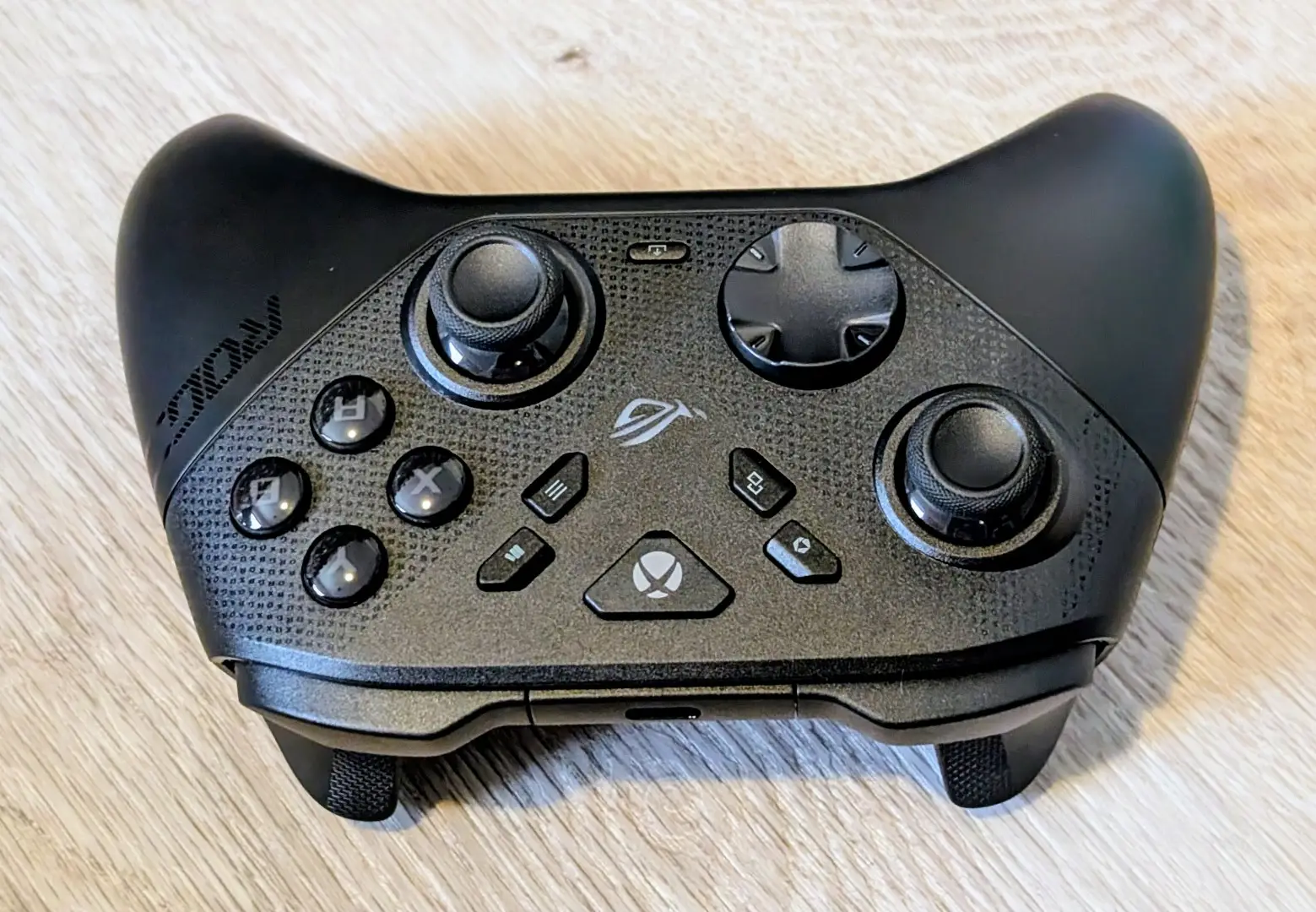
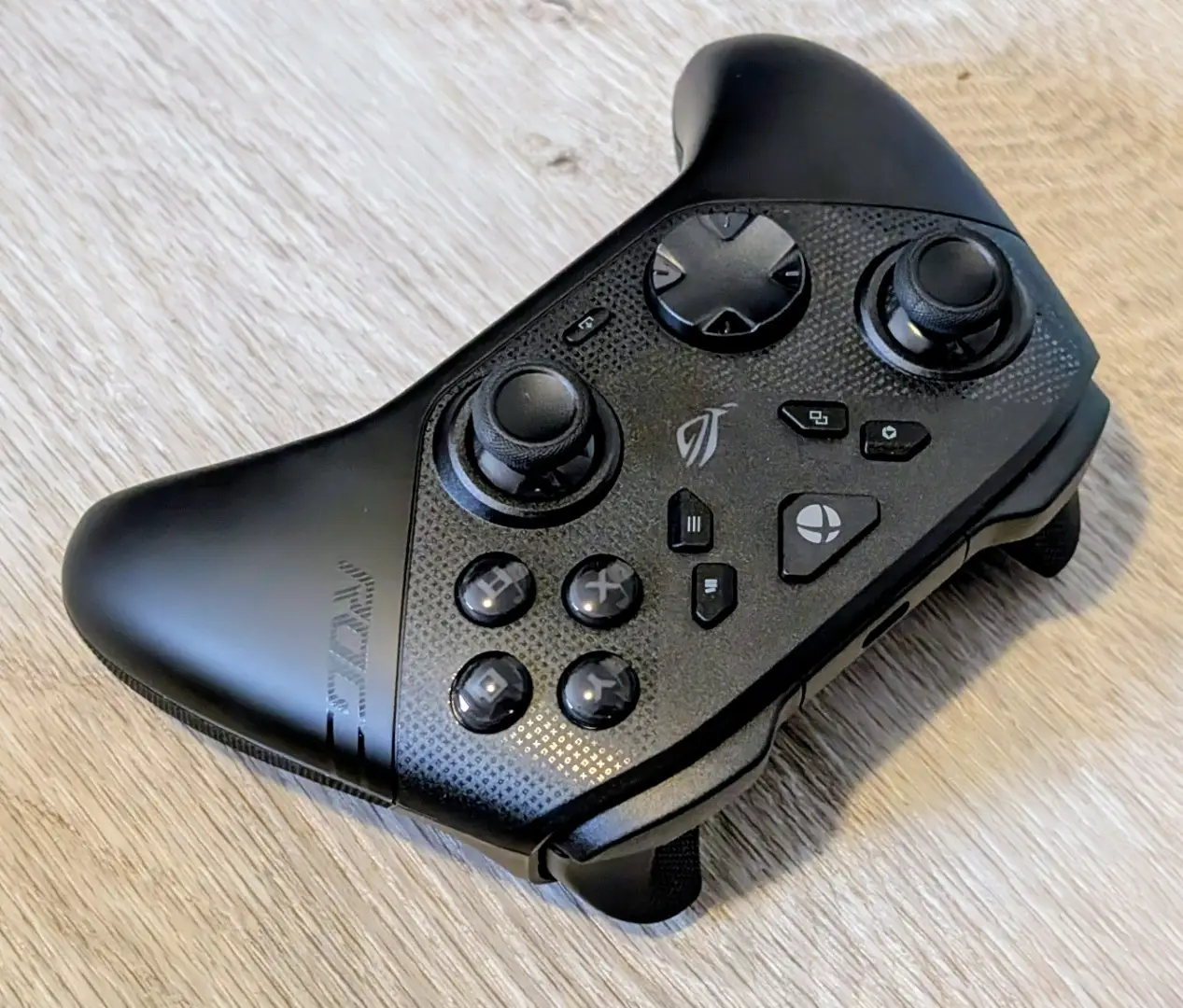
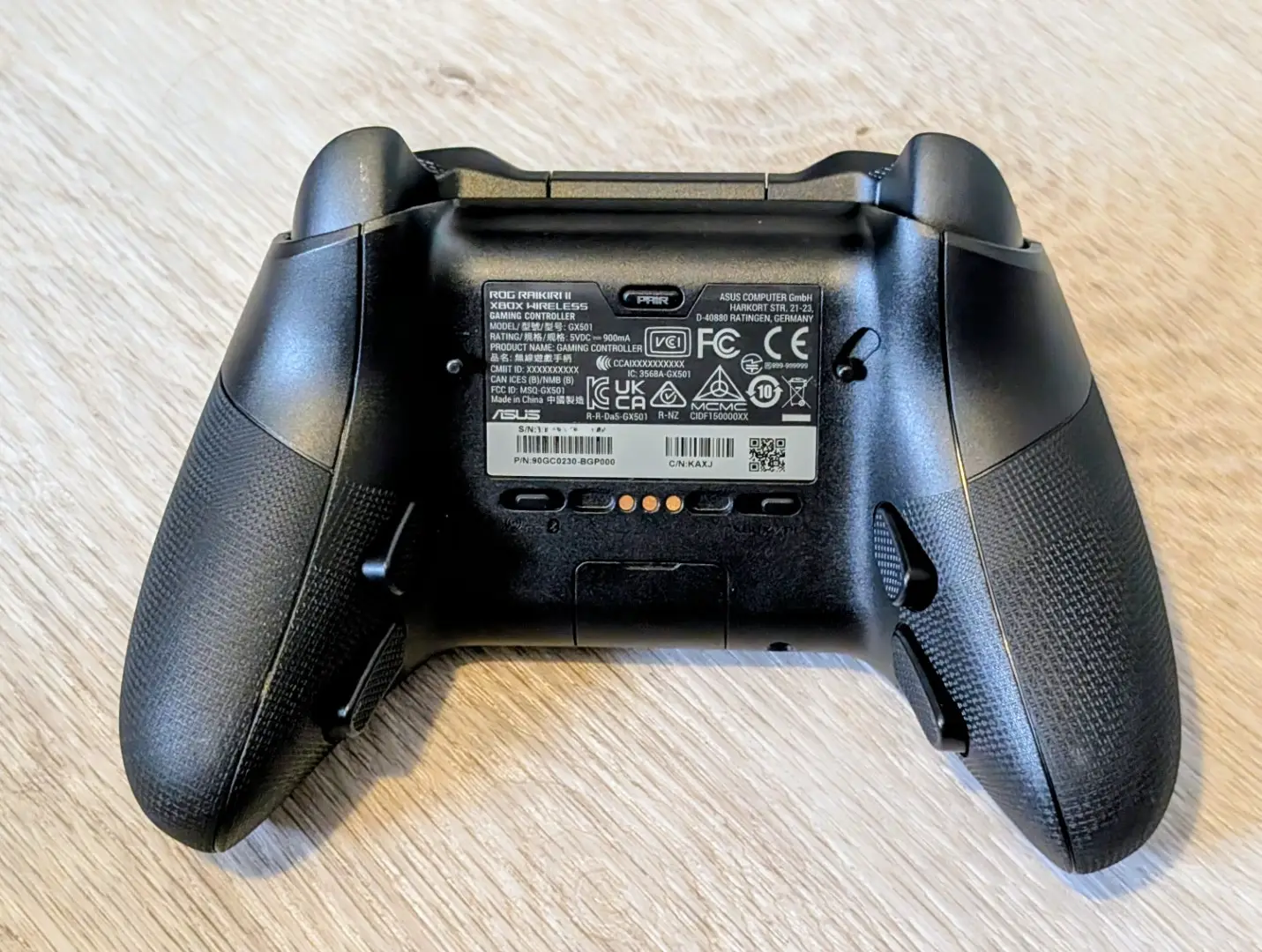
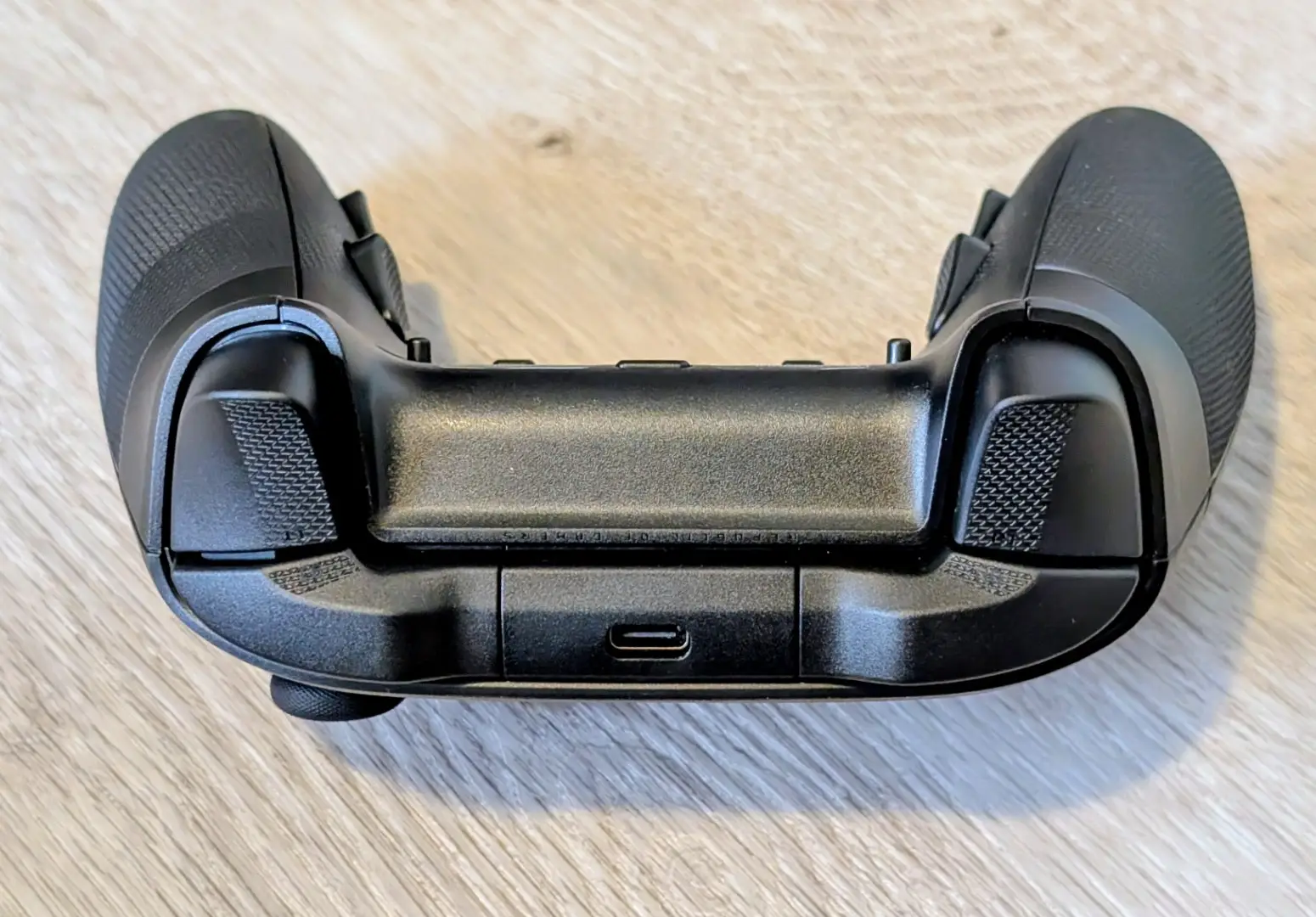
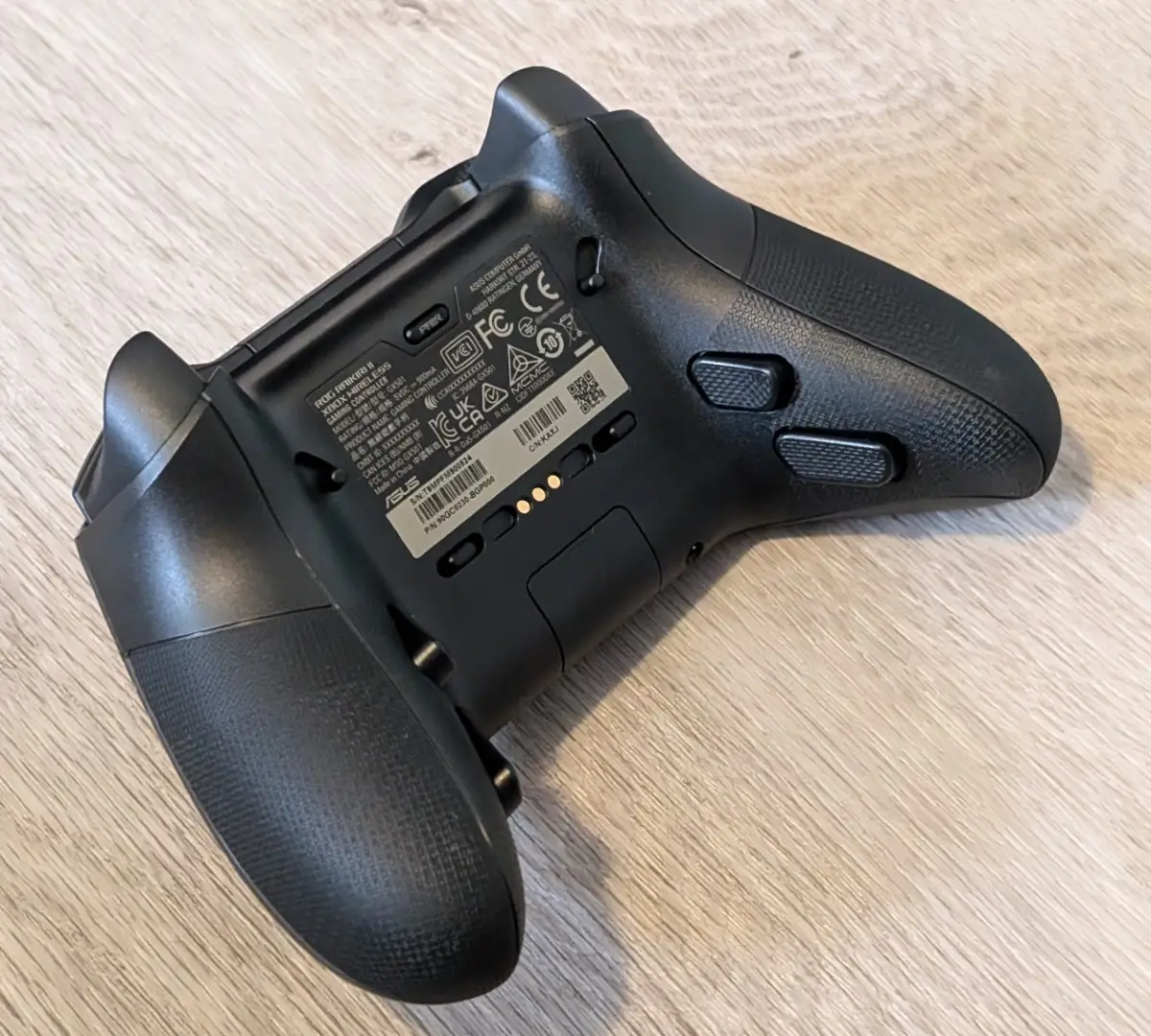
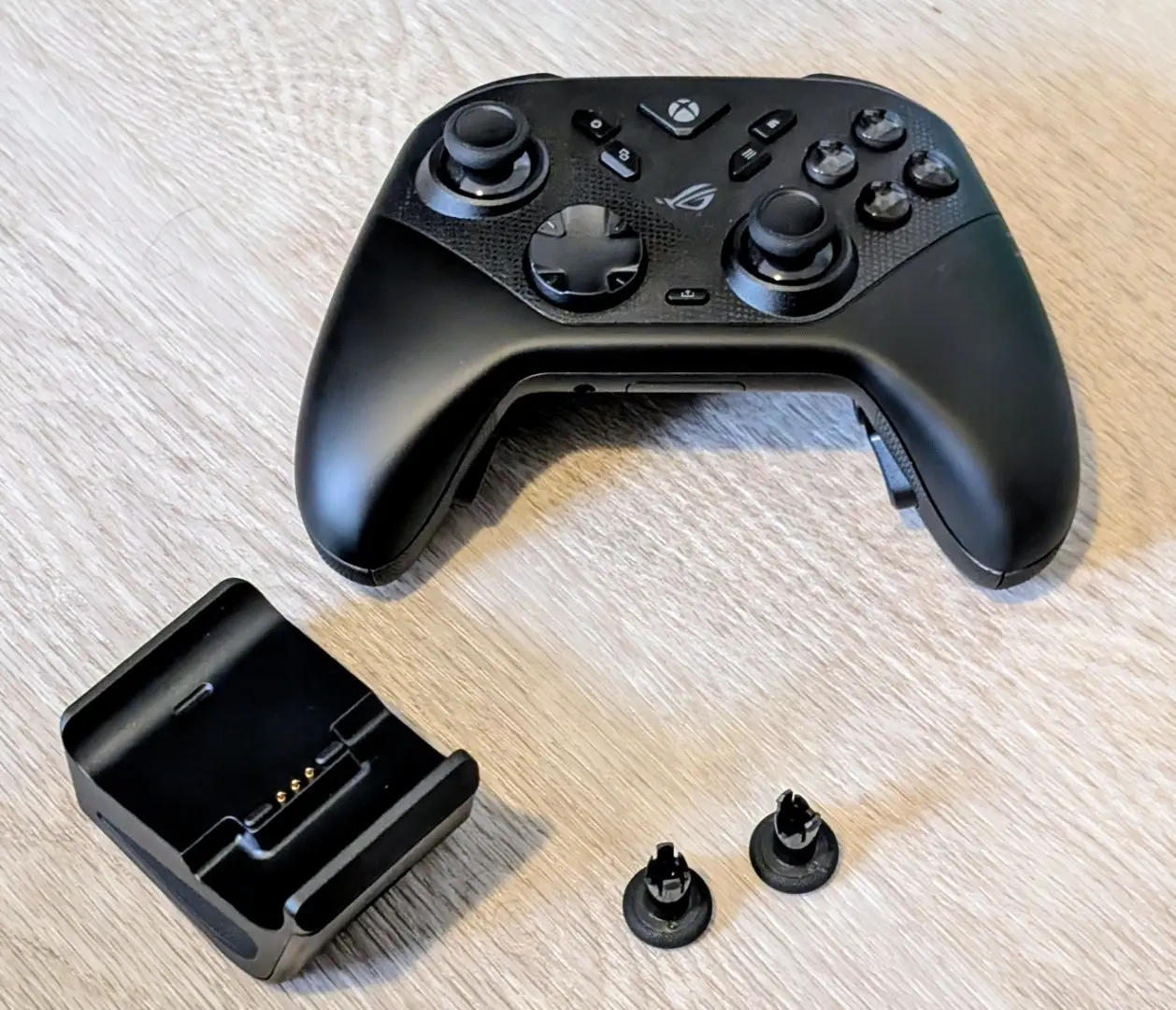
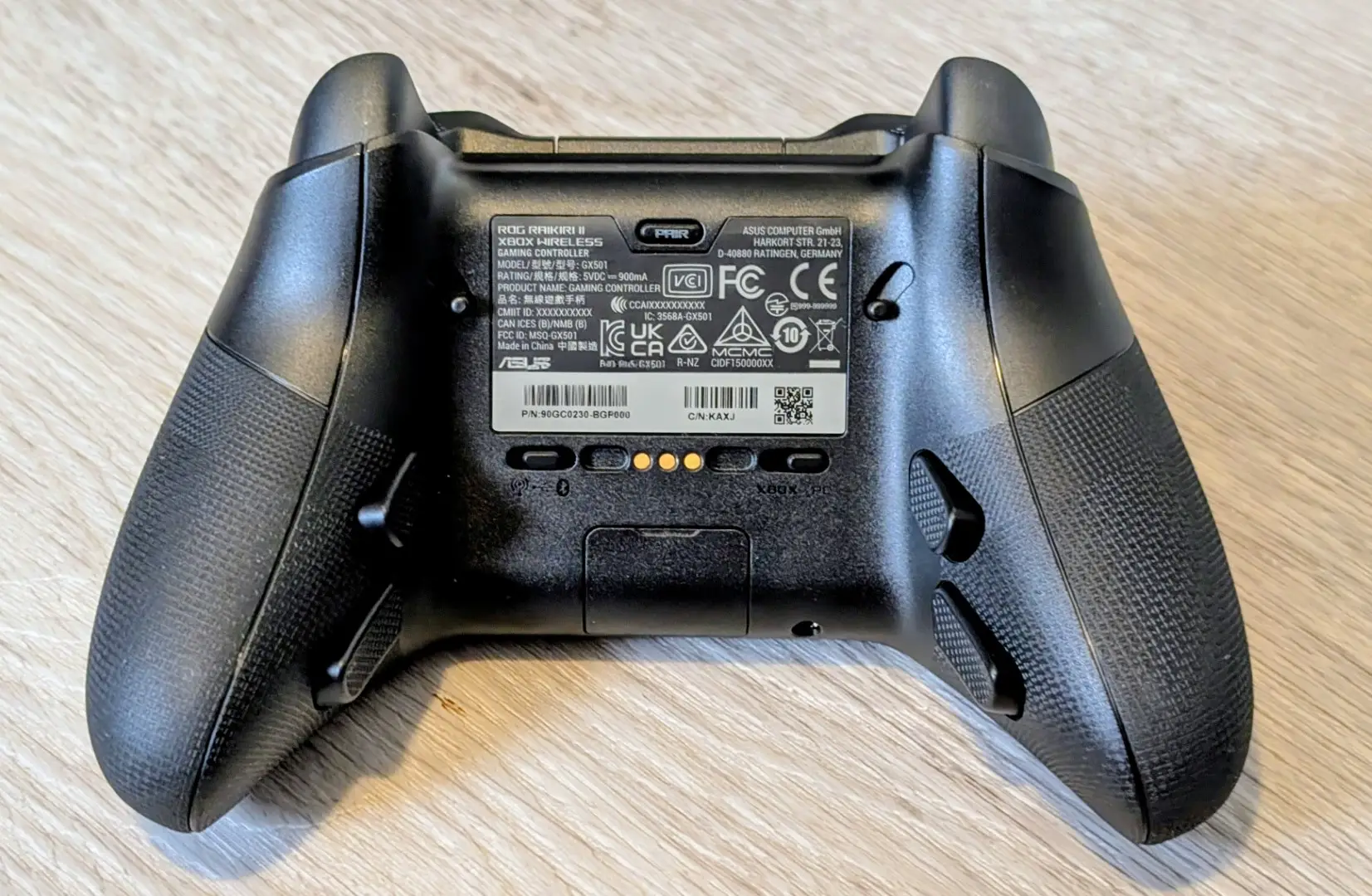
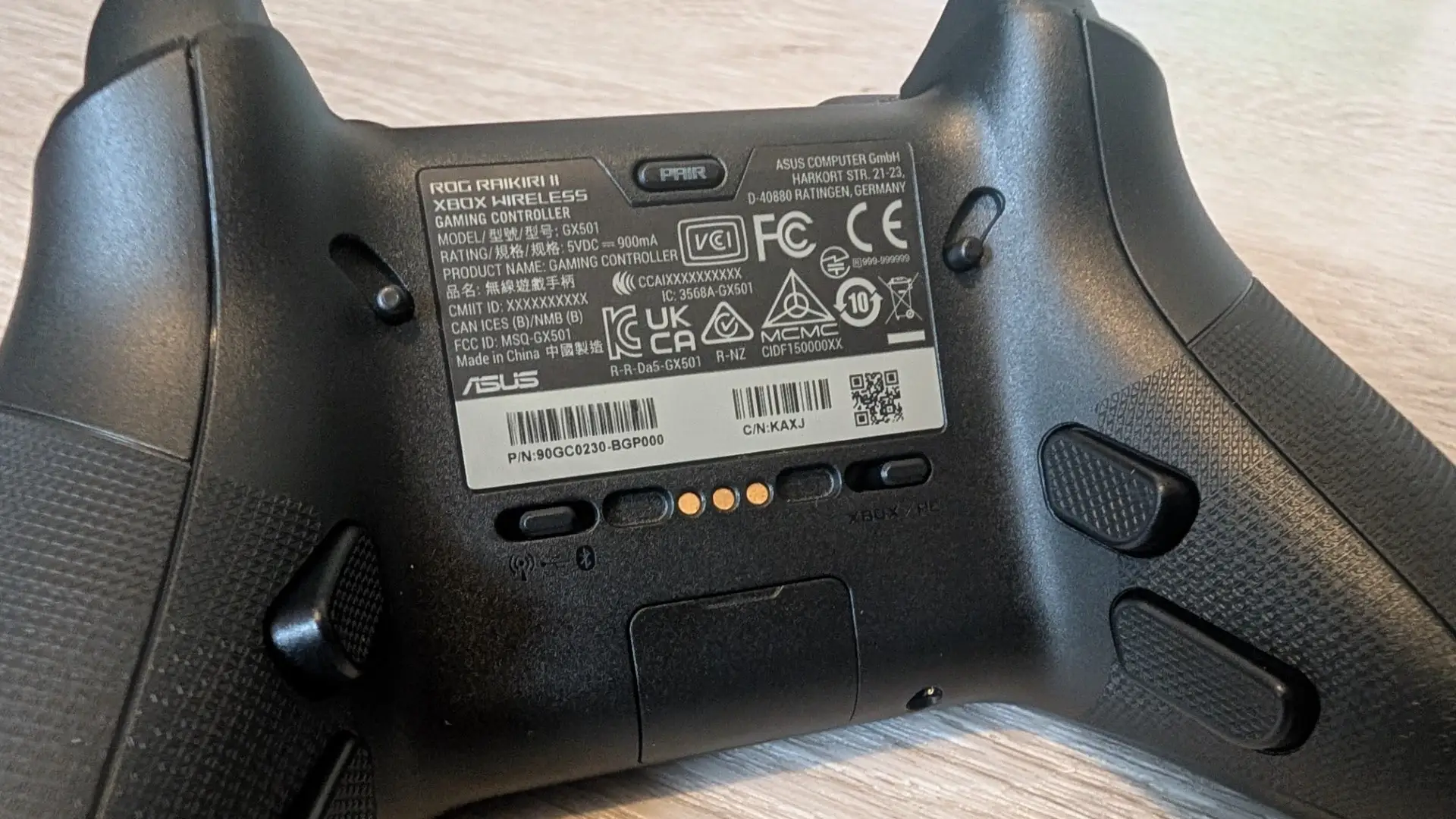
As you can see, the ROG Raikiri II is a work of gaming art from its curves, carefully placed controls and overall design that feels great in your hands, weighing in at just 255 grams with dimensions of 155mm (length) x 105mm (width) and 65mm (height). It’s also slightly lighter than the Xbox Elite Series 2.
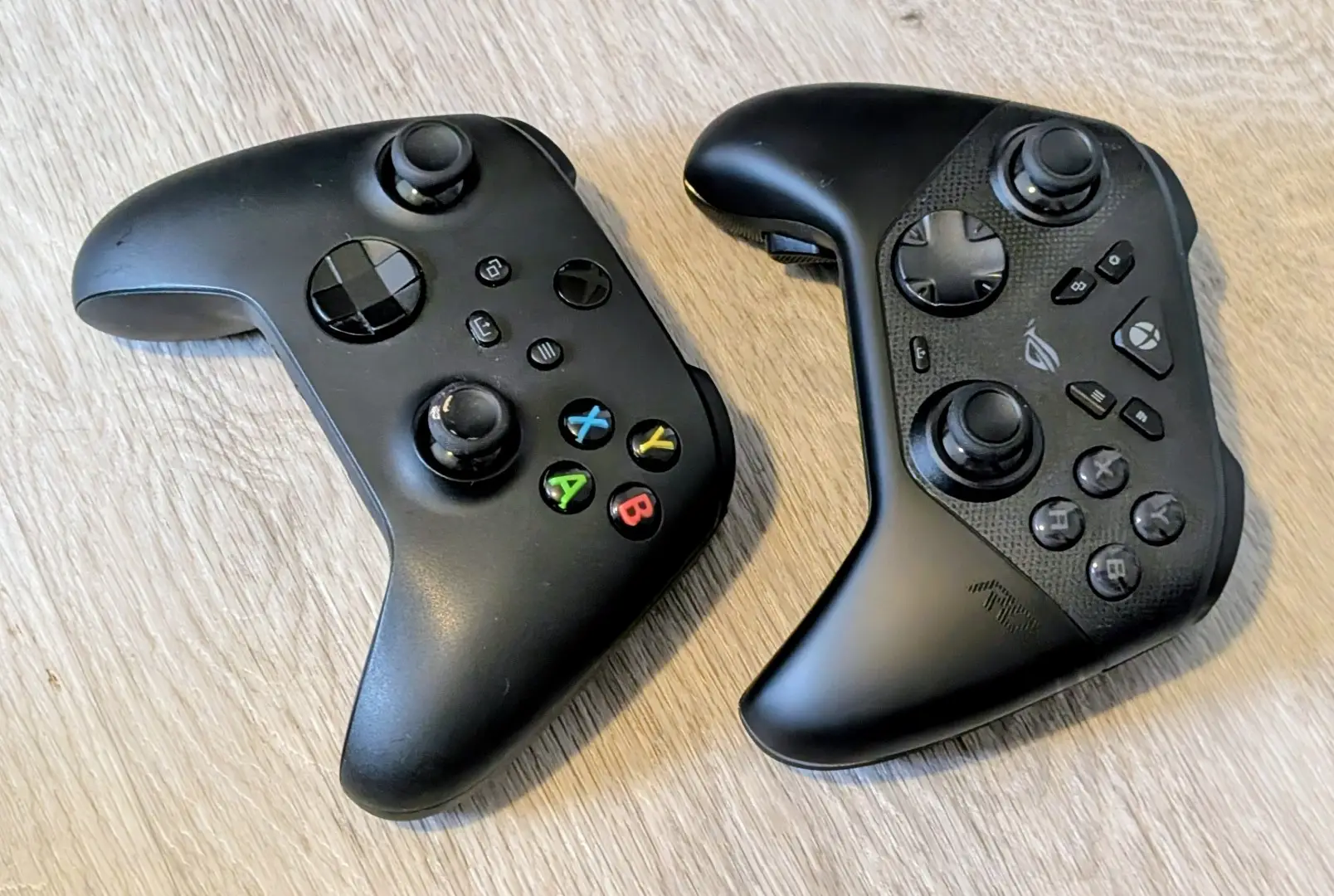
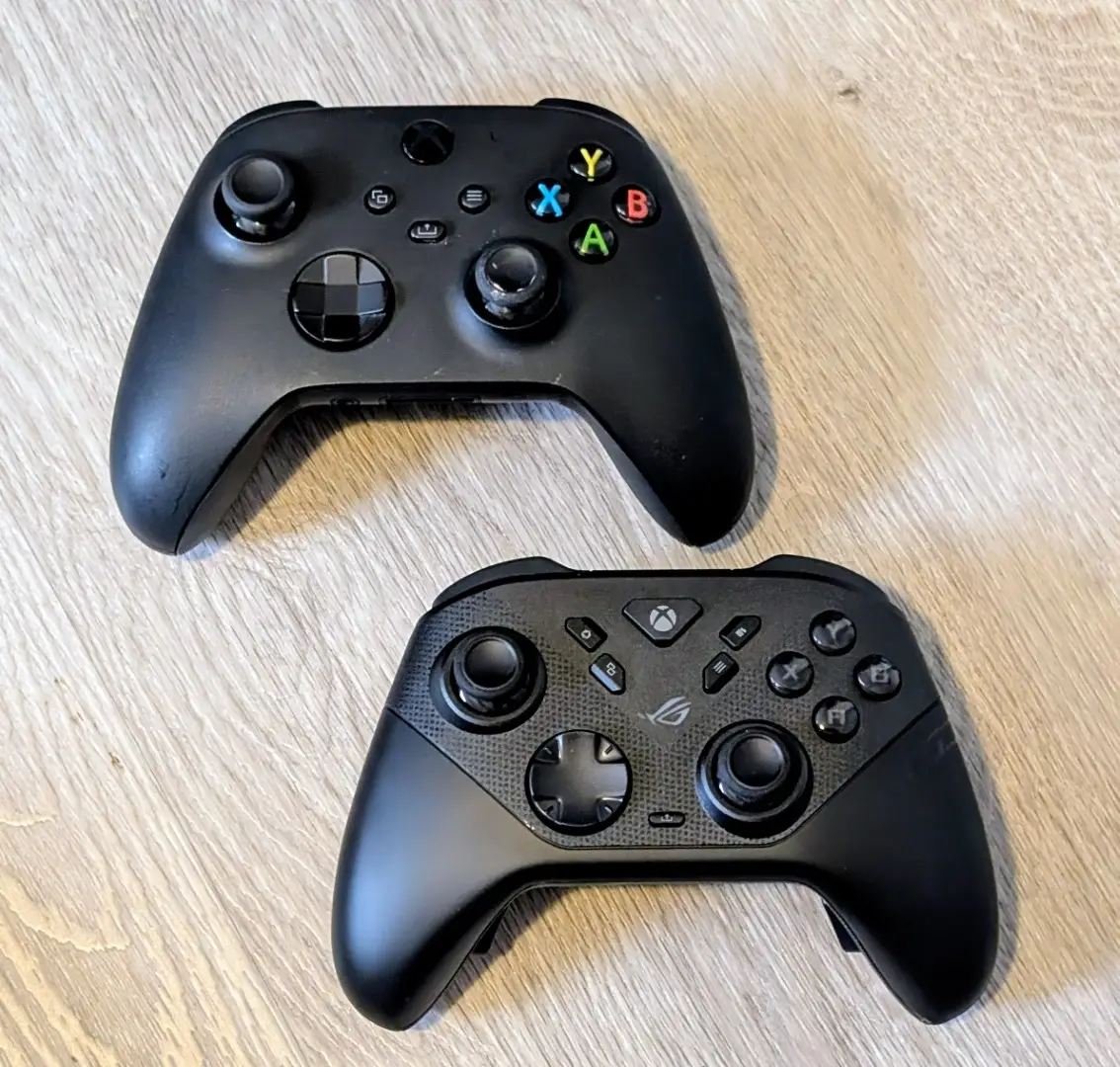
ASUS has also implemented mechanical micro‑switches across the face buttons, D‑pad, and rear buttons. These switches provide a defined, click‑based response that differs from the softer feel of membrane buttons. The four rear buttons are positioned closer together than the larger paddles found on some competing controllers. This layout reduces accidental presses but may feel compact for players with larger hands. The translucent top shell gives the controller a distinctive appearance, though it does show fingerprints easily and requires regular cleaning to maintain its presentation.
The Raikiri II includes dedicated buttons for the ROG Ally and Ally X, offering direct access to system functions when paired with those devices. These buttons remain inactive on other platforms but do not interfere with normal operation. A built‑in ESS DAC enhances audio output through the 3.5mm jack when using wired headsets, providing clearer sound and stronger driving power than a standard controller passthrough. Configuration is handled through ASUS’s browser‑based Gear Link tool, allowing adjustments to deadzones and response curves without requiring a full software installation.
Another key upgrade with the ROG Raikiri II is the inclusion of TMR (Tunnelling Magnetoresistance) sensors for both the thumbsticks and triggers. These sensors use magnetic detection rather than physical contact, which prevents the wear that typically leads to stick drift… I’m looking at you Nintendo! TMR also offers finer input resolution and reduced power consumption compared to Hall Effect systems, giving the Raikiri II a more durable and consistent control profile over time.
The thumbsticks are reinforced with anti‑friction rings to ensure a smooth glide against the housing, complementing the high‑resolution sensors. While the sticks have a smooth, light feel, the lack of adjustable tension may be a drawback for players who prefer a heavier resistance, however I prefer this smoother control. Additionally, the triggers include a hardware switch to alternate between full‑range analog travel and a short‑throw digital mode. Notably, the Raikiri II retains support for Xbox Impulse Triggers, providing haptic rumble feedback even when the physical travel is set to the digital “click” mode, which is a must for XSX gamers.
On PC, the Raikiri II delivers some of the fastest response times currently available in a mainstream controller. Through USB‑C or the included 2.4GHz SpeedNova dongle, it supports a 1,000Hz polling rate, with measured latency typically around 2.3ms when wired and approximately 3.5ms when wireless. These improvements are most noticeable on PC hardware. While the Raikiri II is certified to run at an elevated 250Hz on Xbox consoles, which is double the standard 125Hz of a base controller, it still cannot reach its full 1,000Hz potential due to console hardware limitations. As a result, the controller’s high‑speed capabilities remain a primary selling point for PC users rather than console players, but still, it’s a joy to use on the XSX.
As for real‑world usage, the controller cannot be faulted as it feels immediately familiar in your hands, and its lightweight nature makes it even better to use. Games such as Doom Eternal, Resident Evil Village, and Call of Duty: Black Ops 7 all worked like a charm on the ROG Raikiri II and, dare I say, it felt as if my gameplay improved as well.
Battery life is rated at up to 50 hours with RGB lighting and vibration disabled. In typical use with all features active, runtime is closer to 25–30 hours which is fine in my books and yes, you can still play with the included high-quality USB-C cable. Also, this premium bundle includes a removable charging stand that uses magnetic POGO pins. This stand can be used on a desk or placed inside the included hard‑shell case, which features a passthrough grommet on the rear to allow for charging while the controller is stored.
Final Thoughts
At $349 AUD, the Raikiri II sits firmly in the premium controller category. Its value is defined by its sensor durability, mechanical inputs and low‑latency PC performance rather than additional features or cosmetic elements. So, if you’re seeking something lighter than the Xbox Elite Series 2, the ROG Raikiri II meets that target perfectly.

Related Posts

TerraMaster Launches F4 425 Pro →

Rokid Glasses Review →

iGulu Sparkling White Wine Fermentation Kit Review →